Latham Hi-Tech Seeds

(641) 692-3258

  • Home
  • Products
    • Corn
    • Soybeans
    • Alfalfa
    • Corn Silage
    • Seed Guide
  • Performance
  • Find a Rep
  • Media
    • Blog
    • News
    • Videos
    • Podcasts
    • TECHTalk
  • About Us
    • Company History
    • Our Mission
    • Careers
    • Become a Rep
    • Sowing Seeds of Hope
  • Contact Us
  • Latham Hi‑Tech Seeds

    June 19, 2019 Crop Reports

    Greg 1

    Eastern North Dakota

    Brian McNamee

    I’ve been hearing a lot of buzz about the dates for in-crop spraying of Dicamba. The Minnesota deadline remains June 20. We’re also inching closer to the deadline in North Dakota, leaving us a very small window.

    Just a few reminders about North Dakota’s specific rules for Dicamba:

    • No applications may be made after June 30 or after the first bloom (R1 growth phase), whichever comes first.
    • No applications may be made if air temperature of the field at the time of application is over 85 degrees Fahrenheit or if the forecasted National Weather Service high temperature for the day exceeds 85 degrees Fahrenheit.
    • Applications of the product may only be made from one hour after sunrise to one hour before sunset.
    • Applicators must maintain a speed of 12 miles per hour or less when applying products.
    • Applications must be made with a minimum of 15 gallons of spray solution per acre.

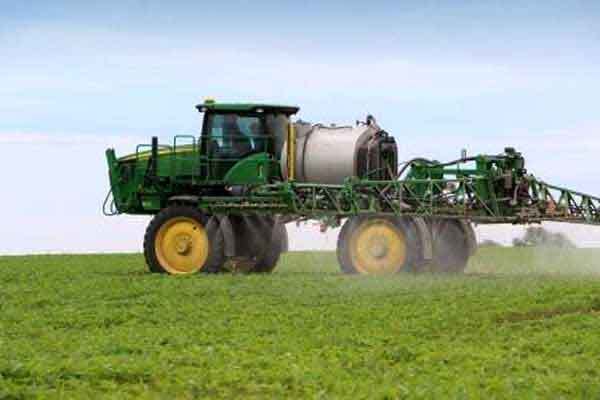
    There are many weedy fields, but we can cover hundreds of acres with modern equipment. Sprayers have been rolling like crazy. Be safe and stay positive!

    Brian 1

    Southeast North Dakota

    Gary Geske

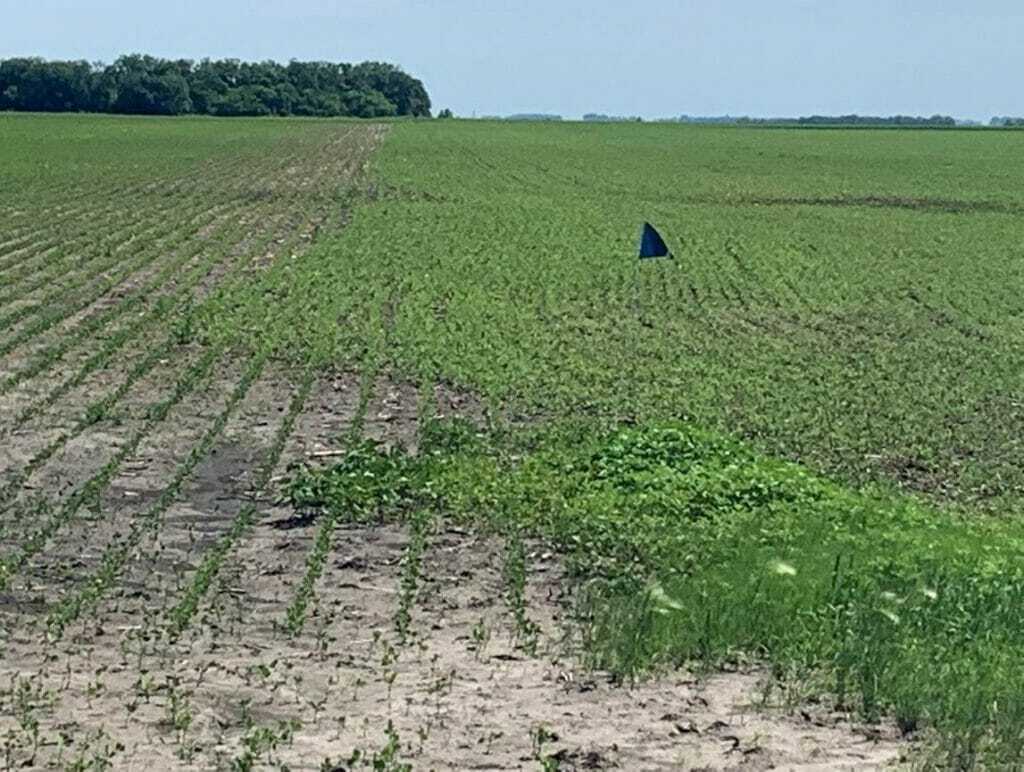
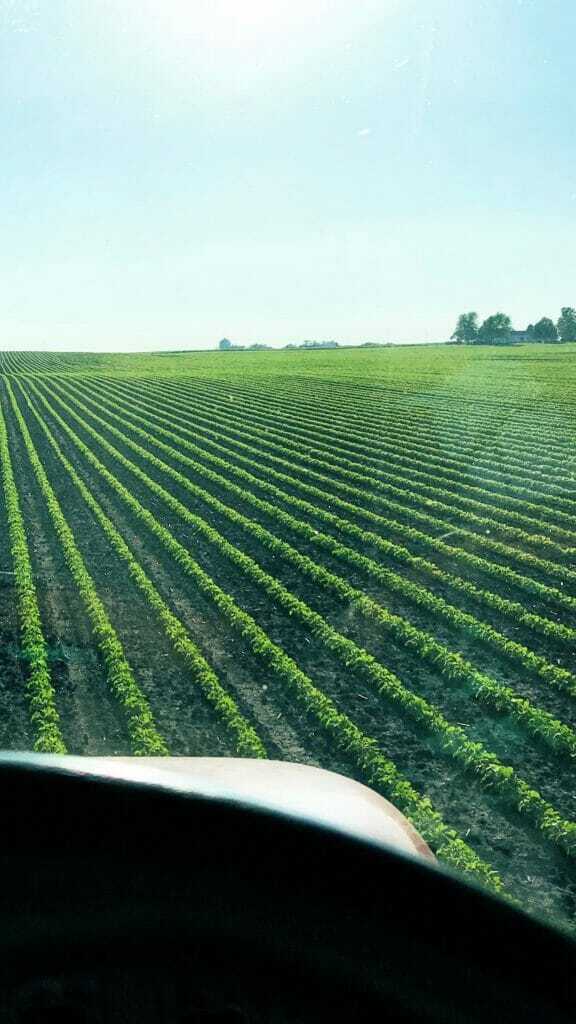
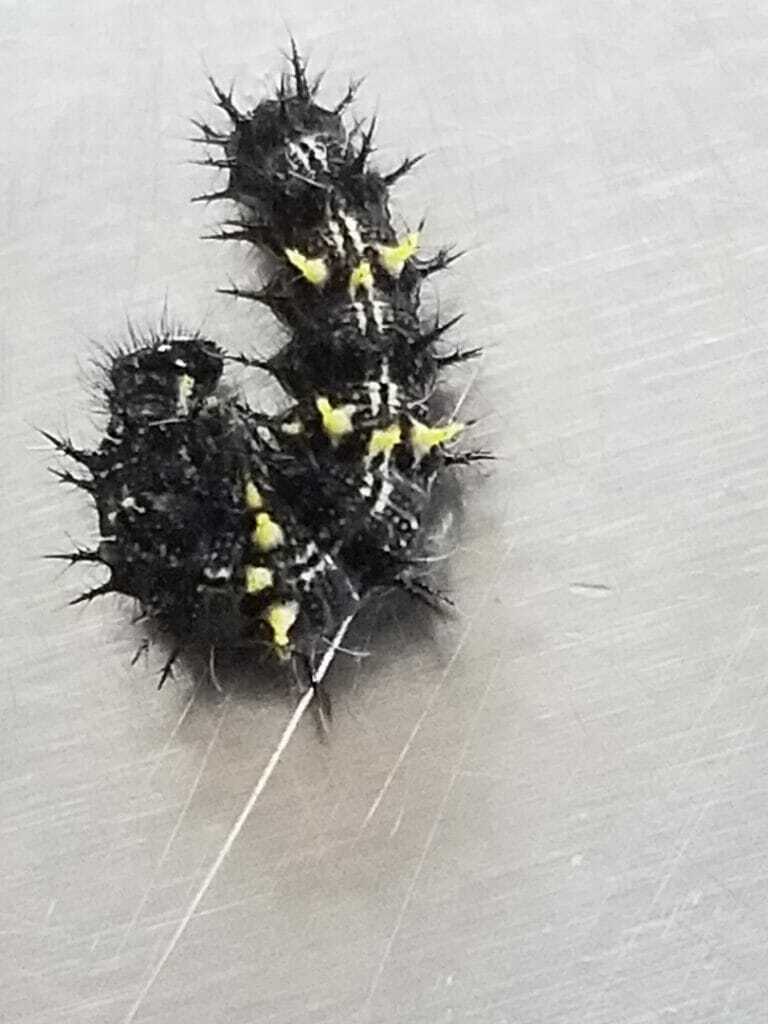
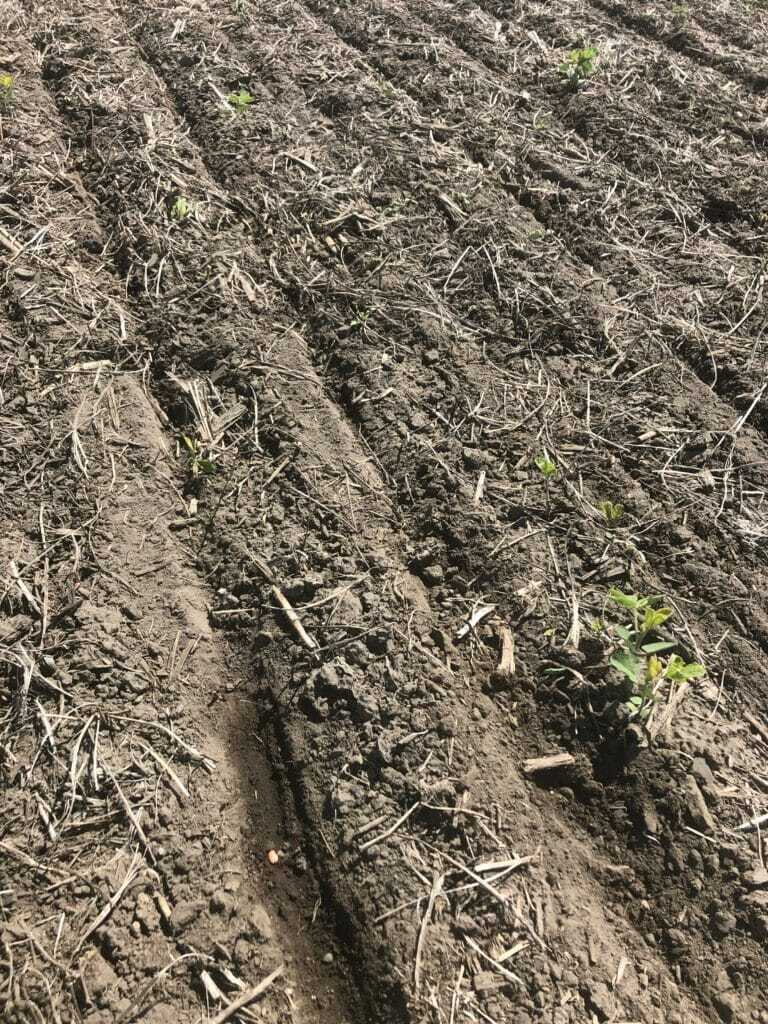
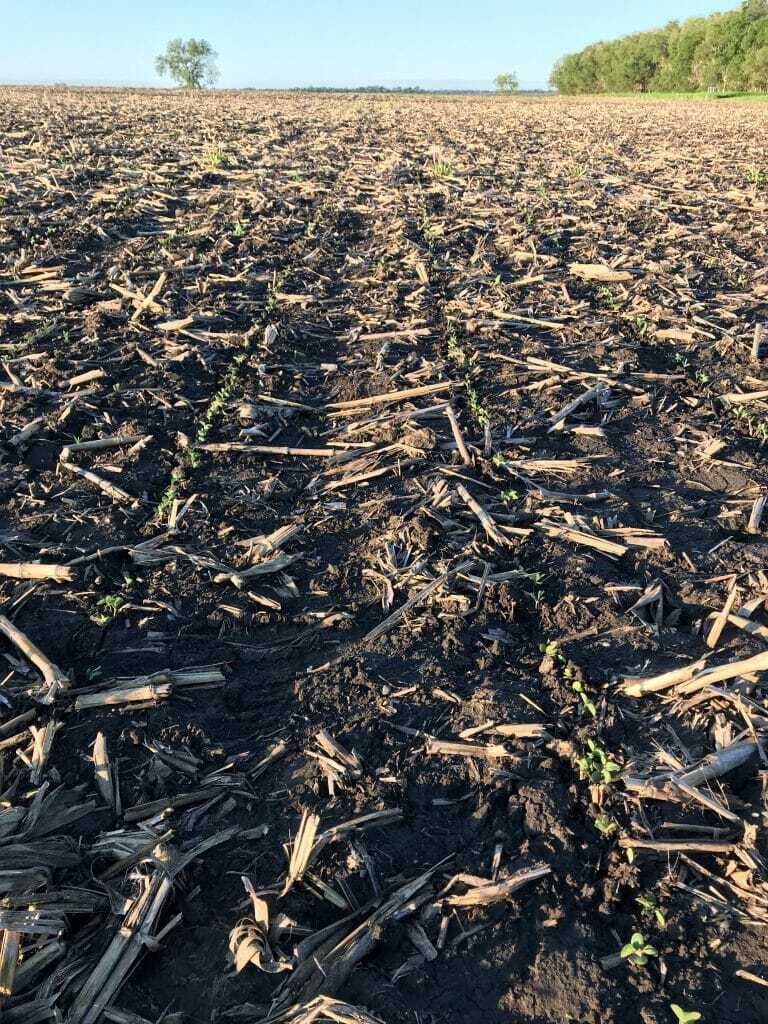
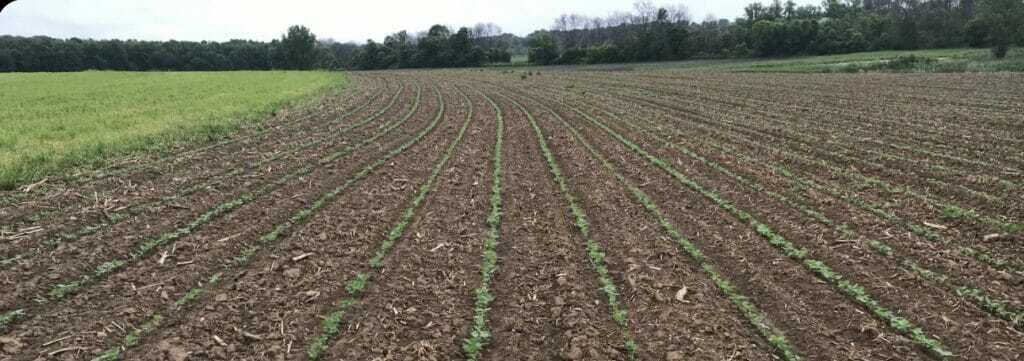
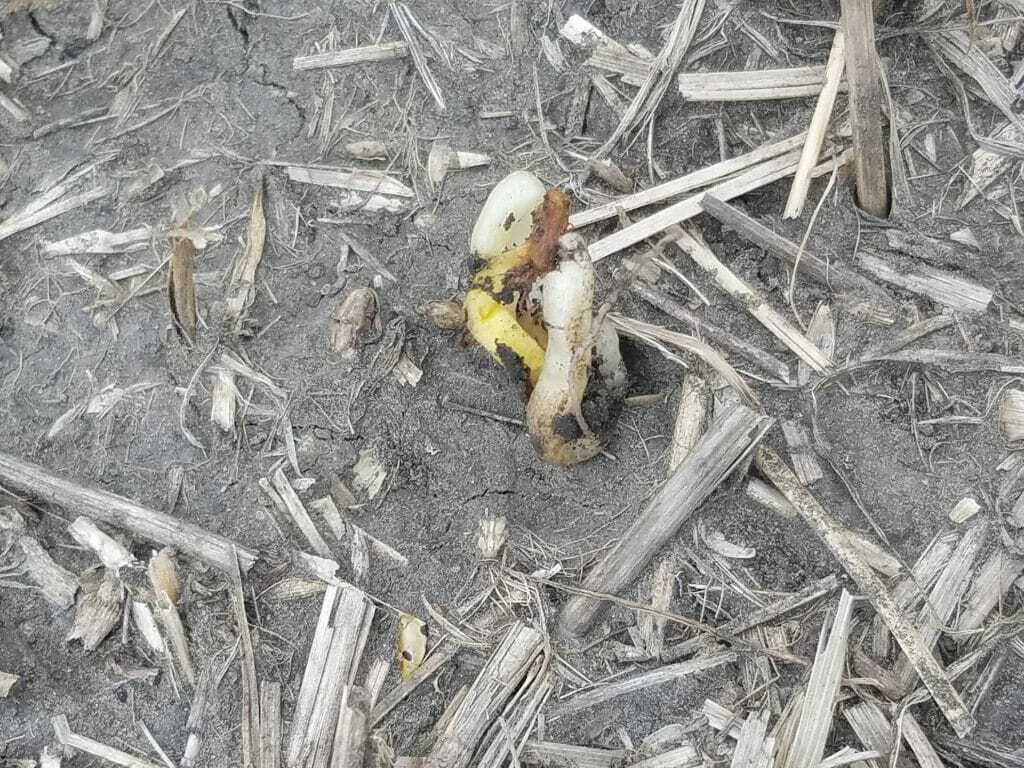
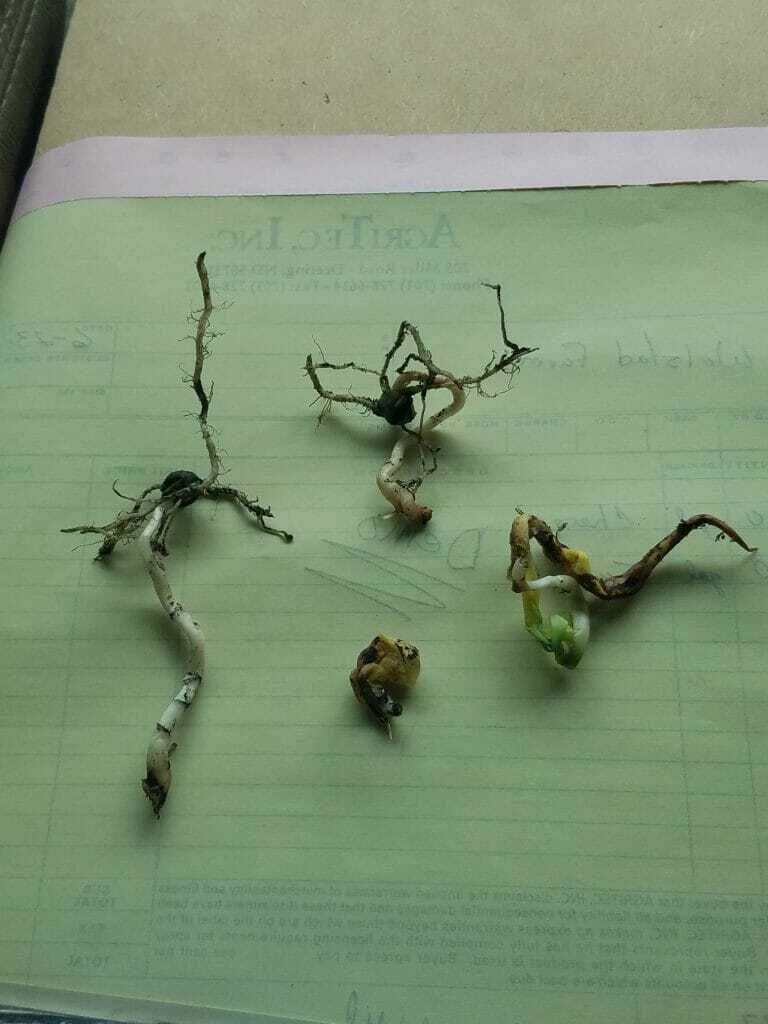
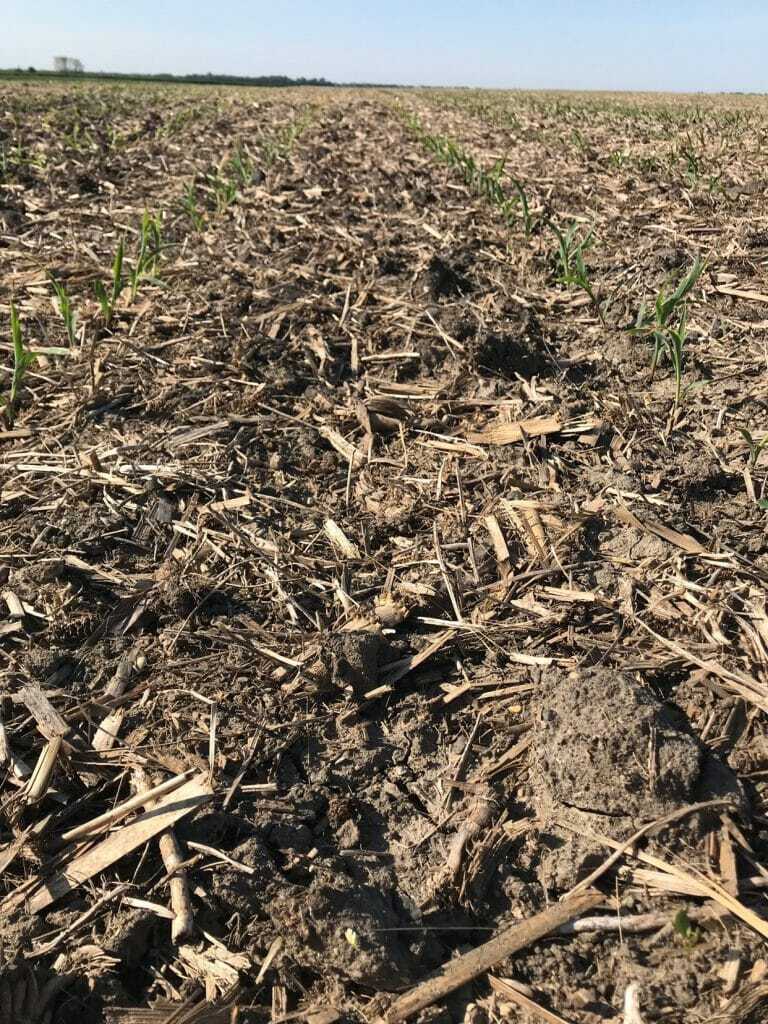
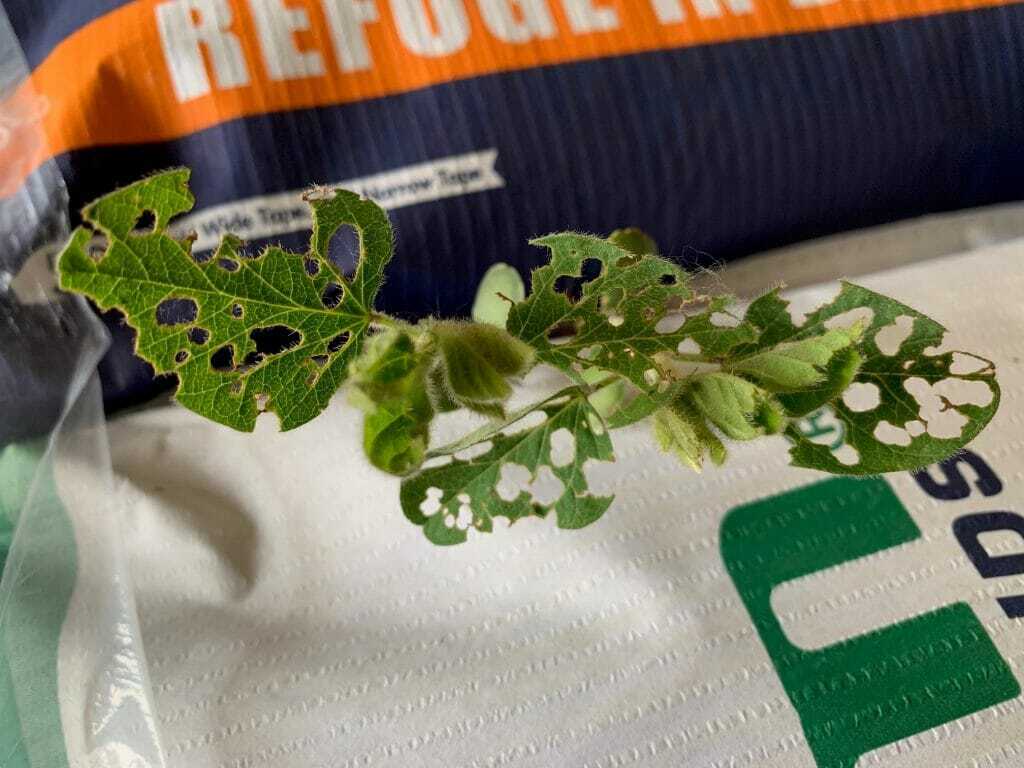
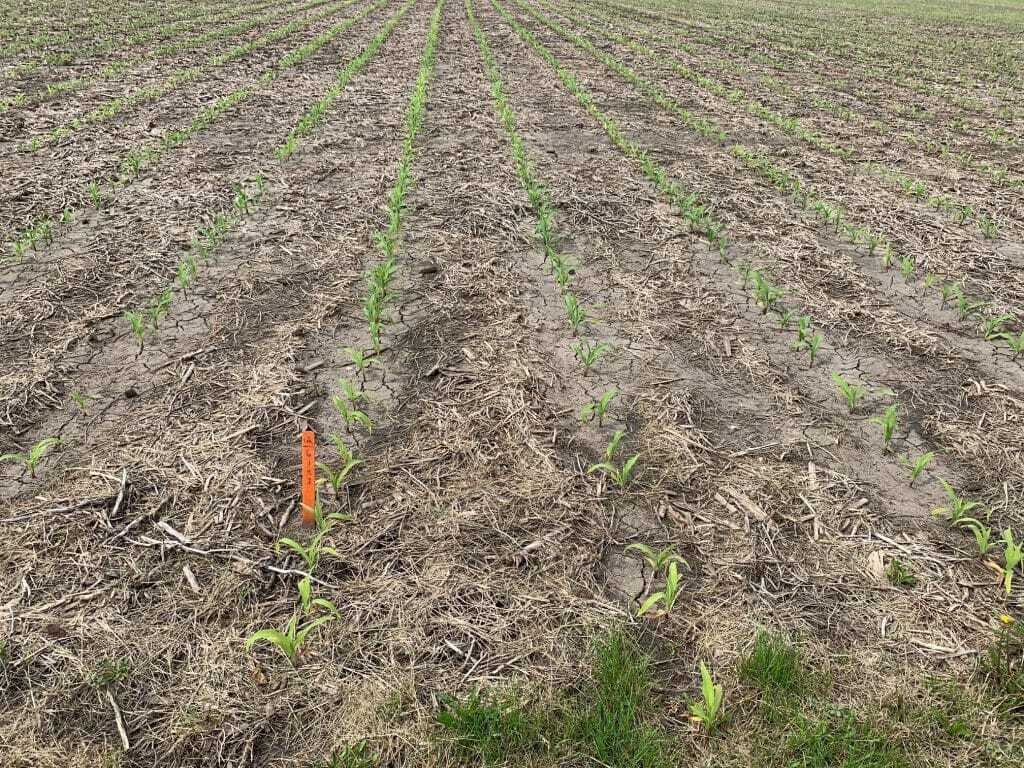
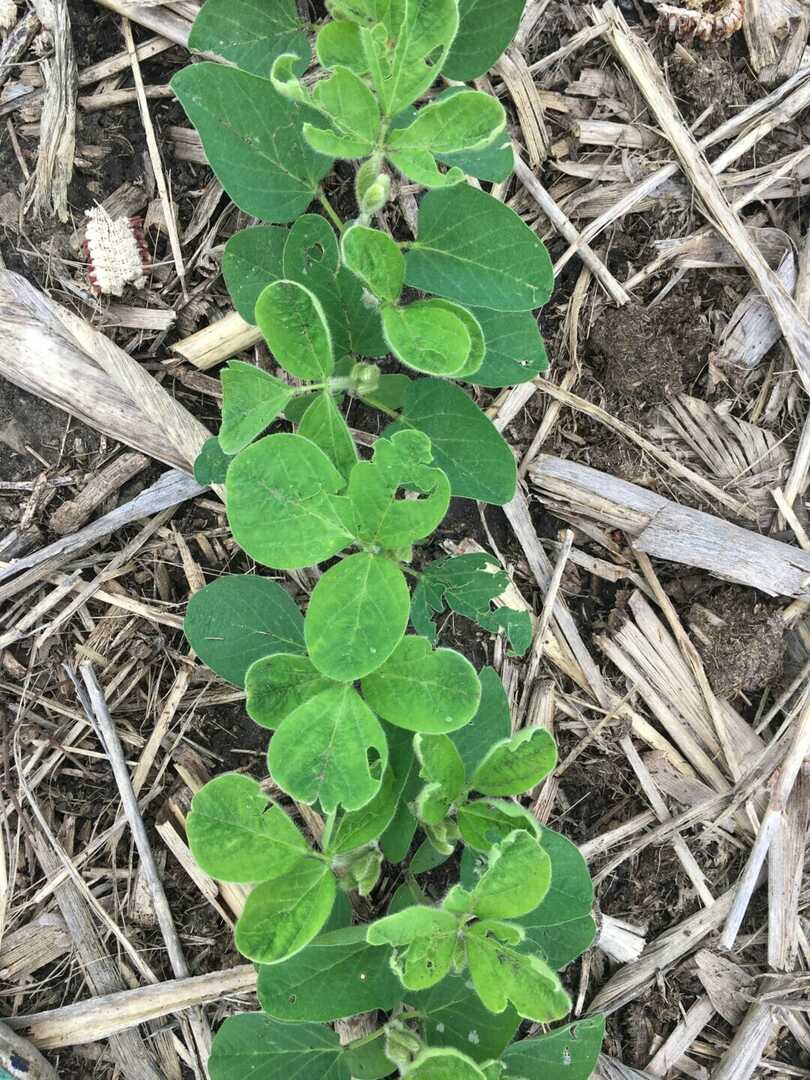
    It was a tough start to the year, and the challenges continue. This picture shows a soybean field that needs replanting due to cutworm damage. I’ve heard many reports of cutworm activity, especially on cool trashy soils. If you’re in a minimum or no-till environment, scout fields for damage.

    Gary 1

    Northeast South Dakota

    James Keltgen

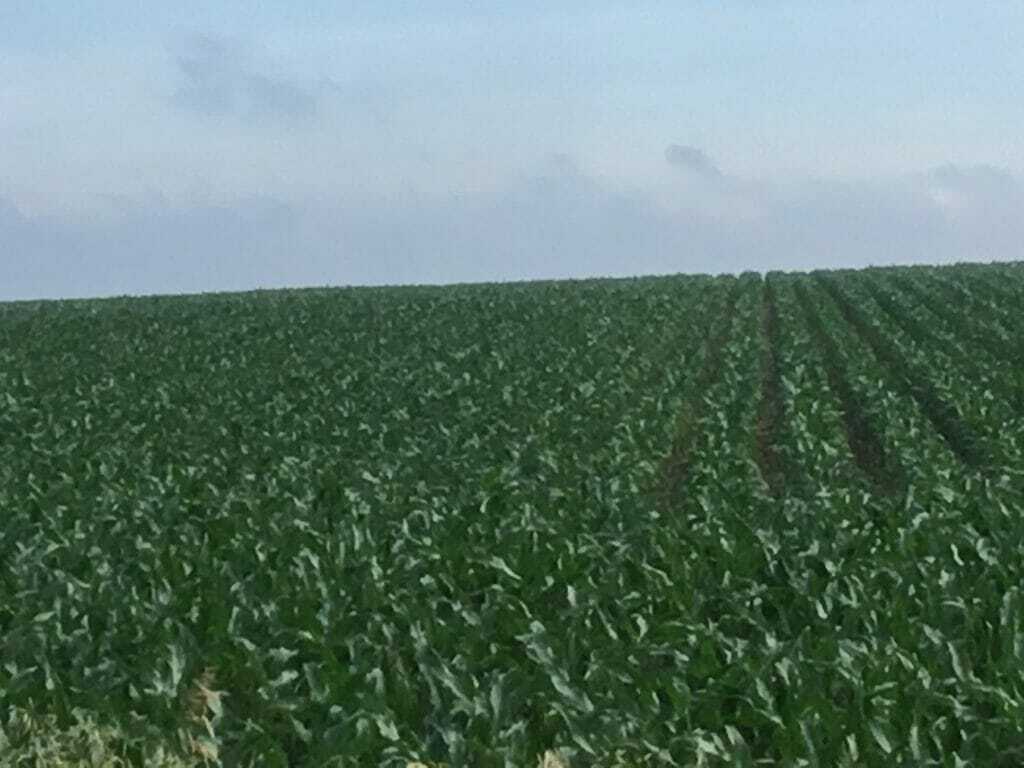
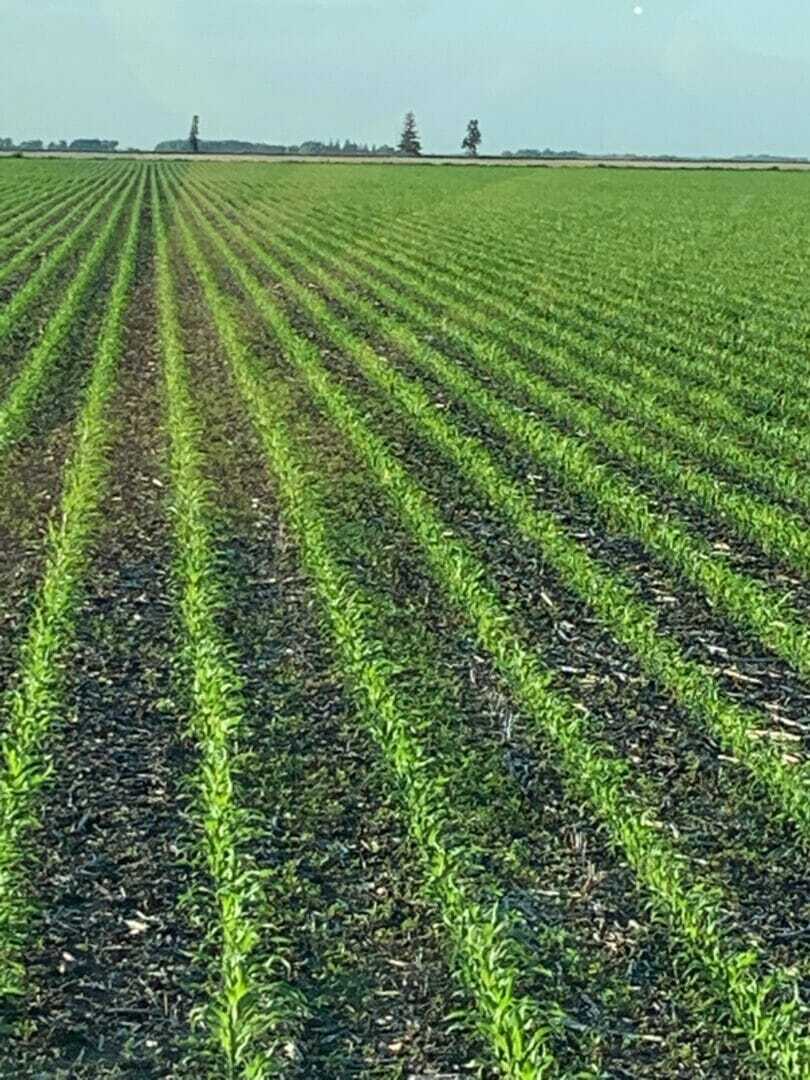
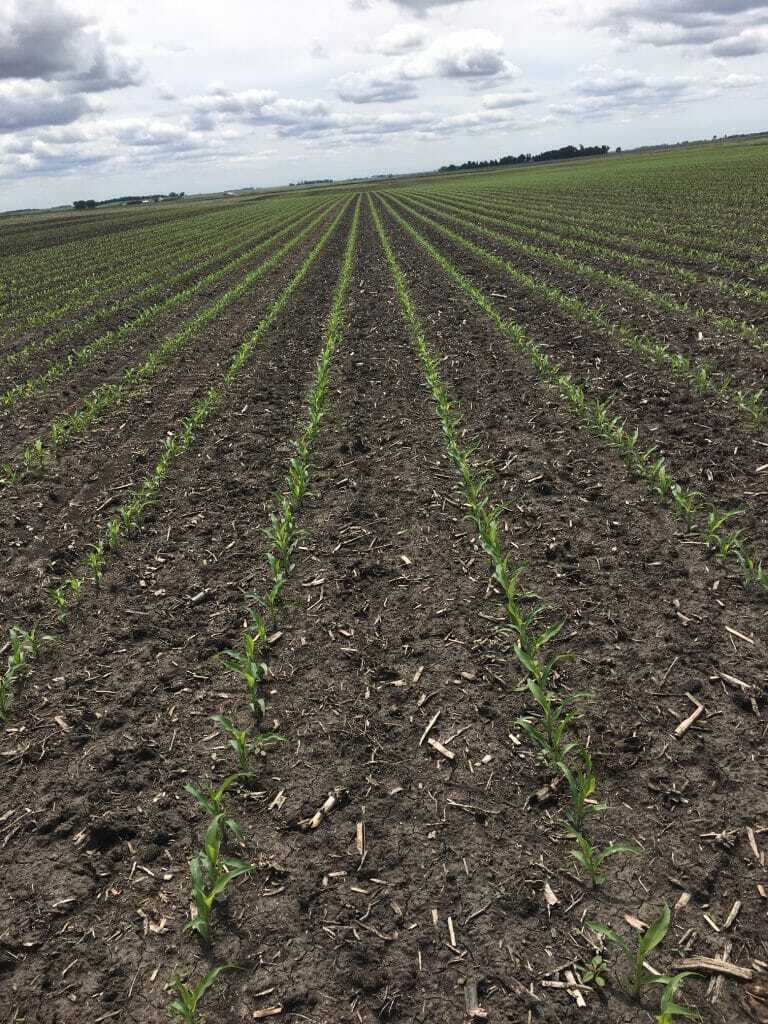
    The end of #plant2019 is in sight! Most farmers in Northeast South Dakota have finished planting soybeans. Crop progress is slow this year. The earliest corn is nearing V6, and the latest planted corn at V1-V2. Most soybeans are in the 2nd to 3rd trifoliate. We will need heat units and a late frost this year to get this crop to maturity.

    James 2

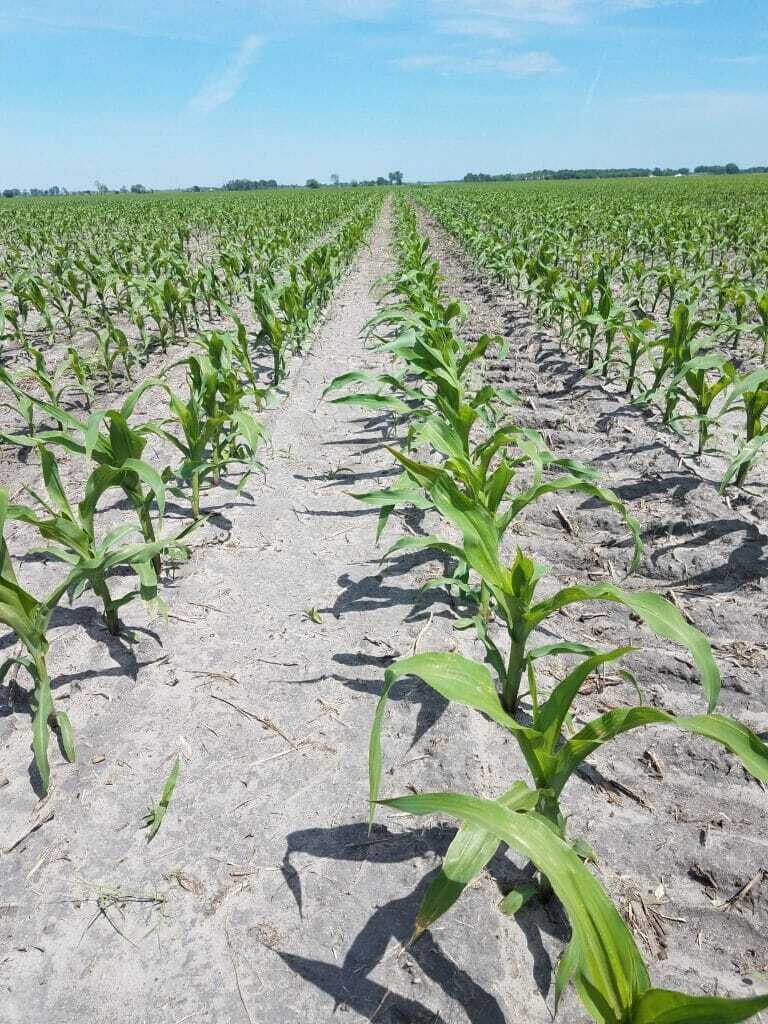
    Corn progress for 2019 this week featuring LH 4454 VT2 PRO RIB.James 1

    Corn progress in 2018 this week featuring LH 4452 RR.


    Southeast South Dakota

    Ramie Coughlin

    Ladies and gentlemen, we have corn plants! It has been one wild spring. Now that most all corn has been planted, we can start to watching it grow. Crop development lags compared to years past, but planting conditions will be a bigger player in the end result. Fields that were worked too wet have poor emergence due to lack of seed-to-soil contact. Seeds planted into excessively wet soils will battle sidewall compaction all season long. With overflowing water levels, watch nitrogen (N) levels in fields and consider applying additional N throughout the growing season.

    Ramie 1

    Ramie 2

    Northern Minnesota

    Ken Highness

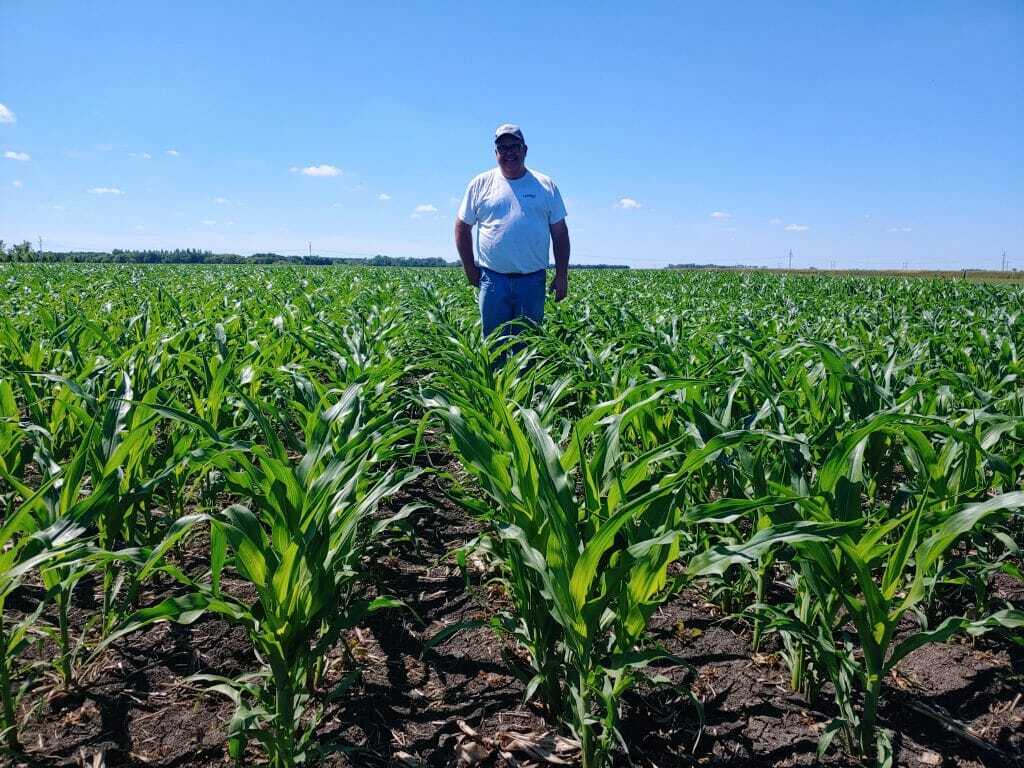
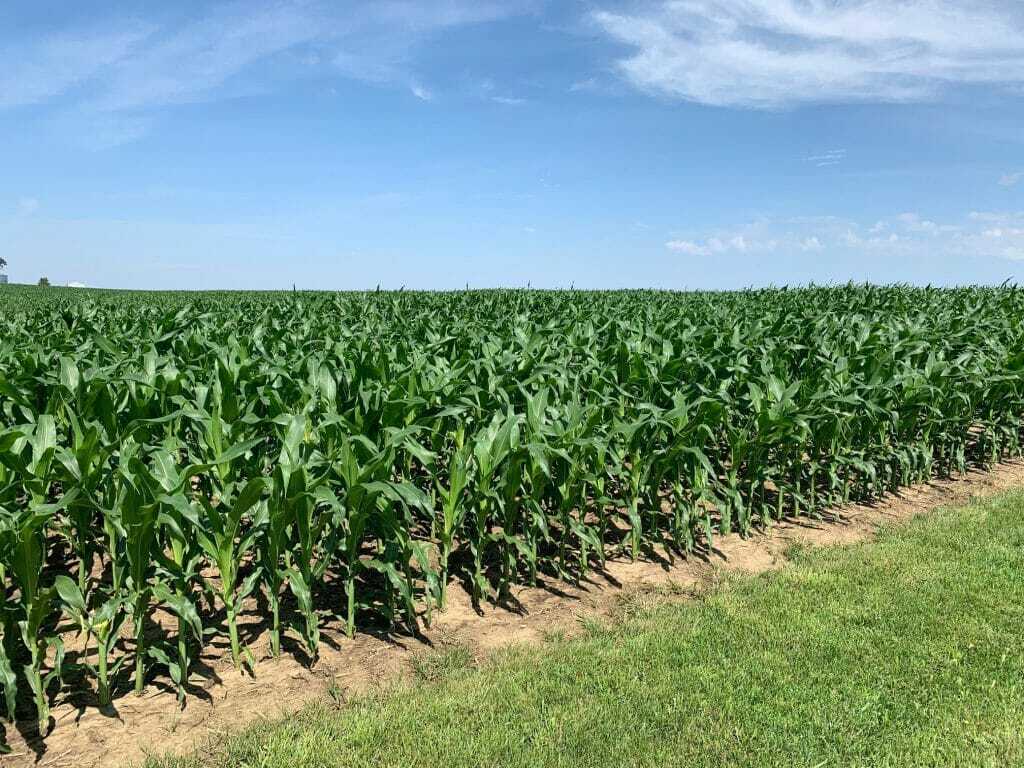
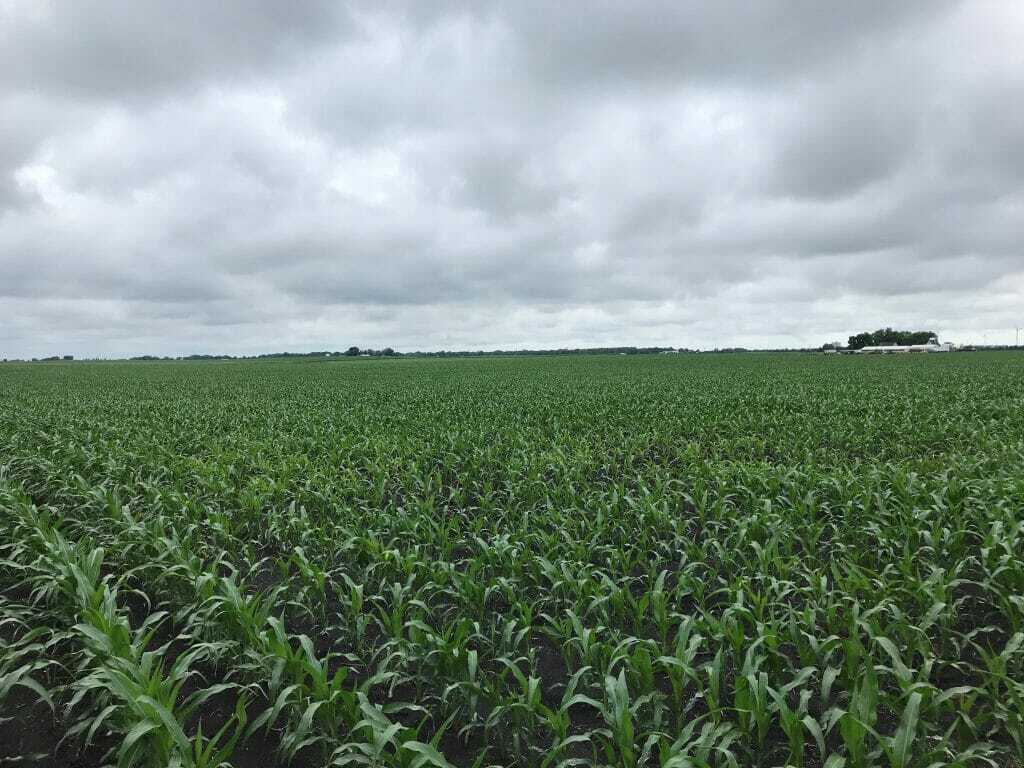
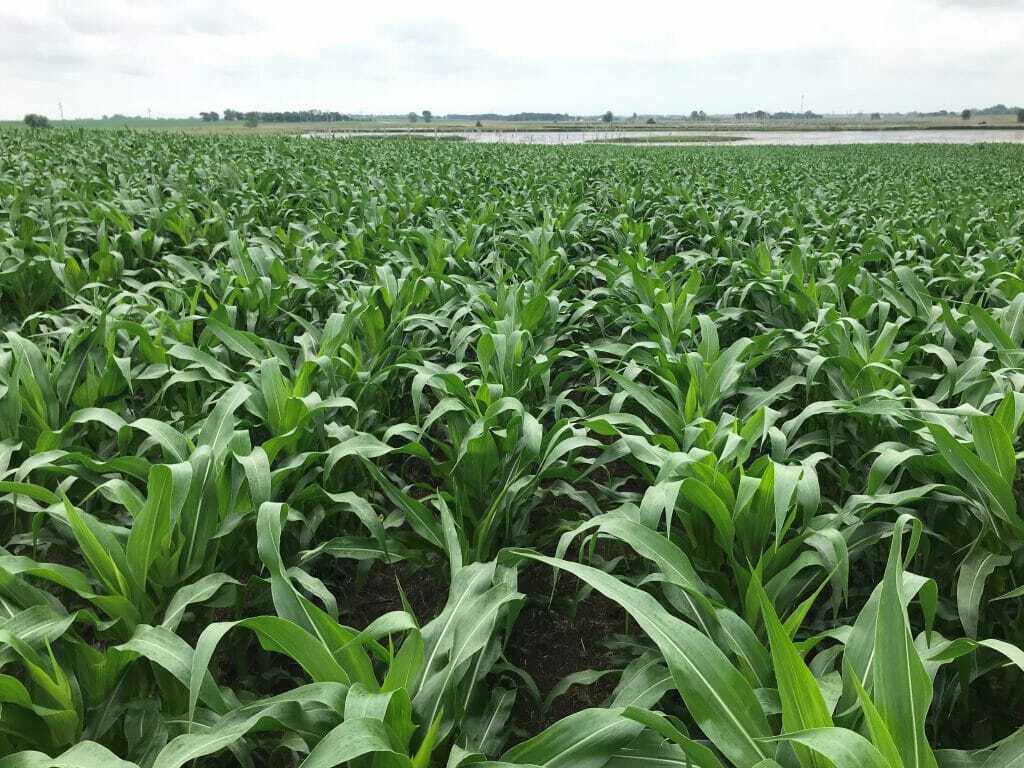
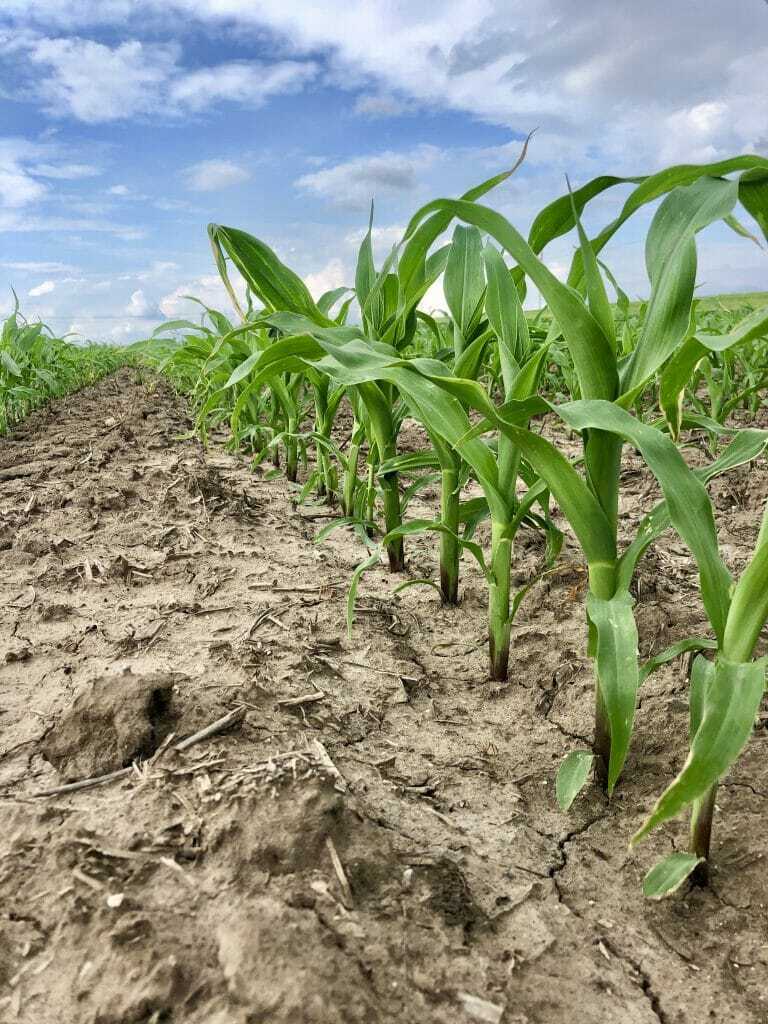
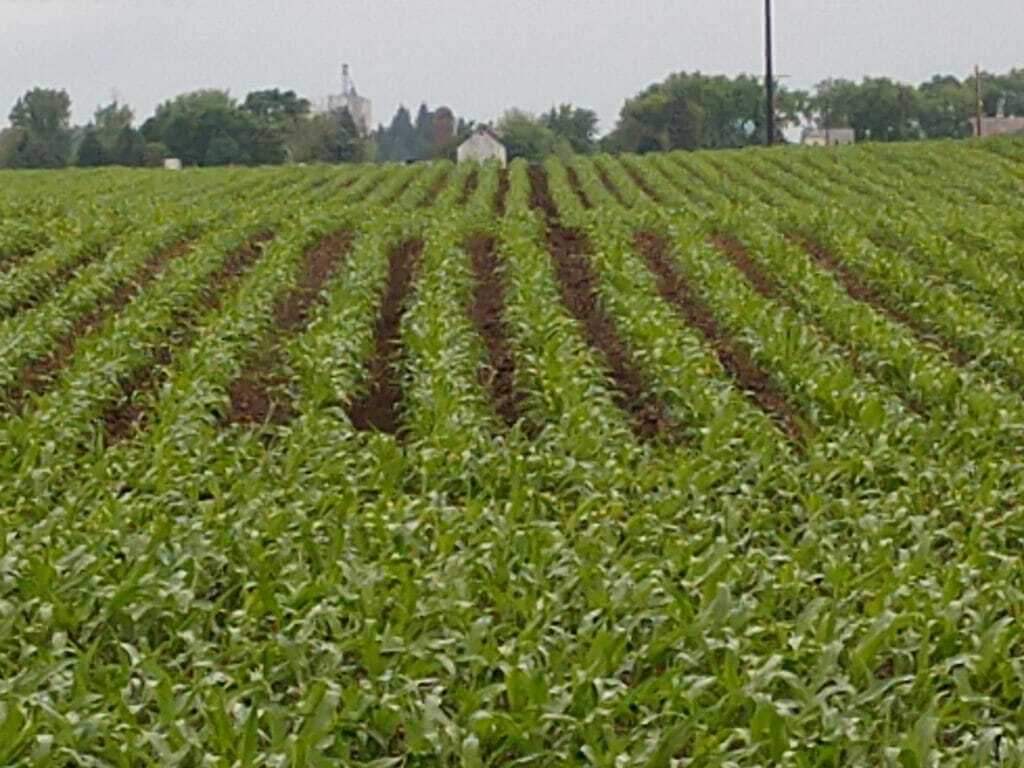
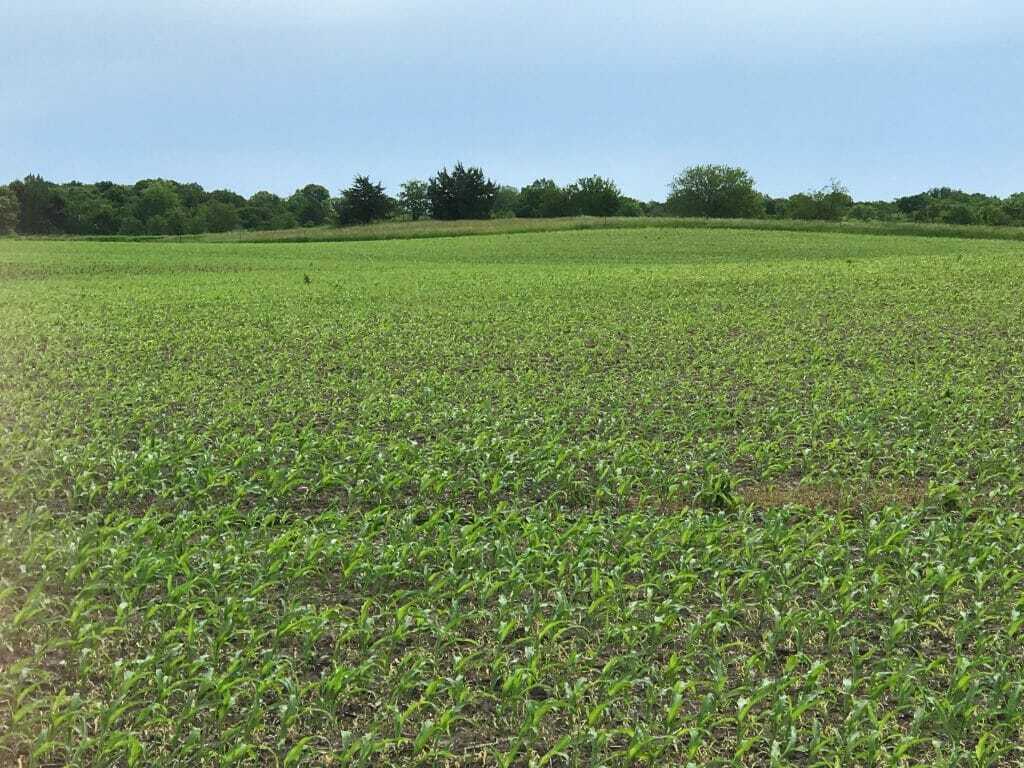
    Pictured here is a very nice field of Latham L 3695 VT2 PRO RIB near Barnesville, Minnesota. A lot of corn fields that were planted early have uneven emergence, growth variations across the fields and some yellow plants. I believe the current variation is mostly due to weather, rooting and compaction issue, plus lack of nitrogen supply. Some farmers in my area have been using light tillage to help aerate the root zone since cold rains and wet planting conditions compacted soils.  I’m also seeing fields suffering from denitrification. Farmers are side-dressing nitrogen, so the corn plant has more food to meet its needs during rapid growth stages. Keep scouting fields because weed control is important to maximize plant health.

    Ken 1

    Southern Minnesota

    Justin Prokosch

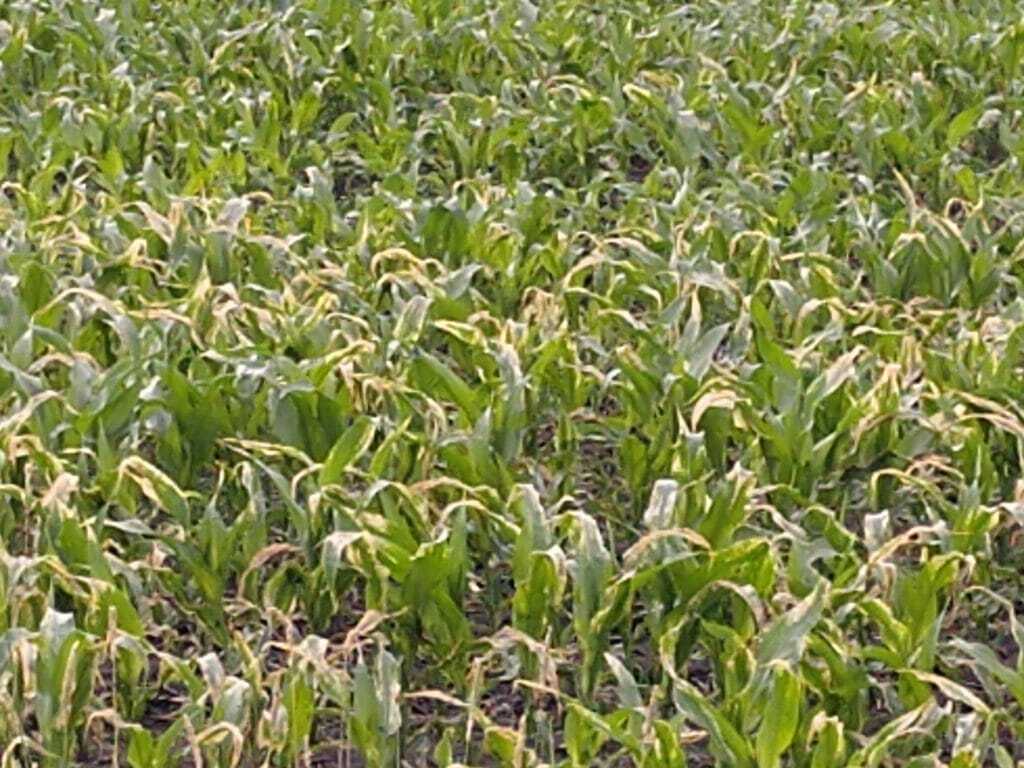
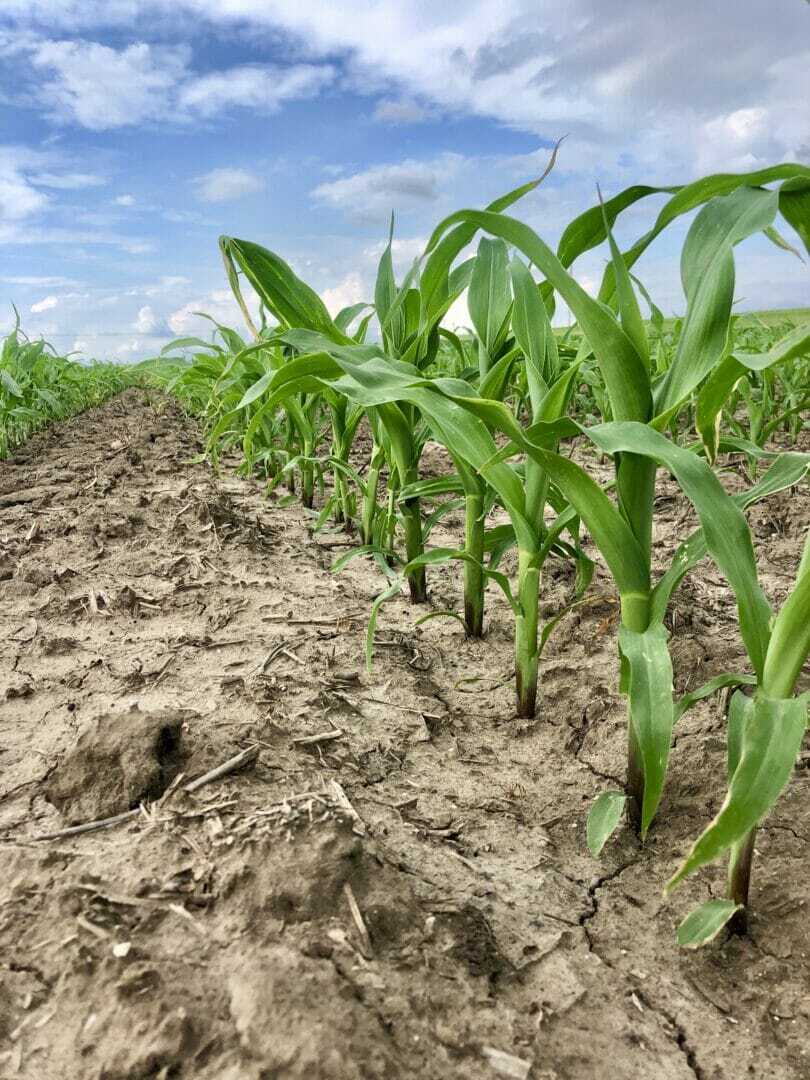
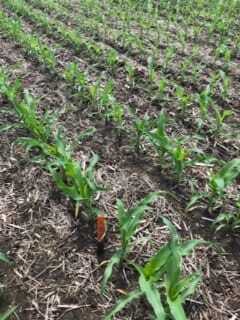
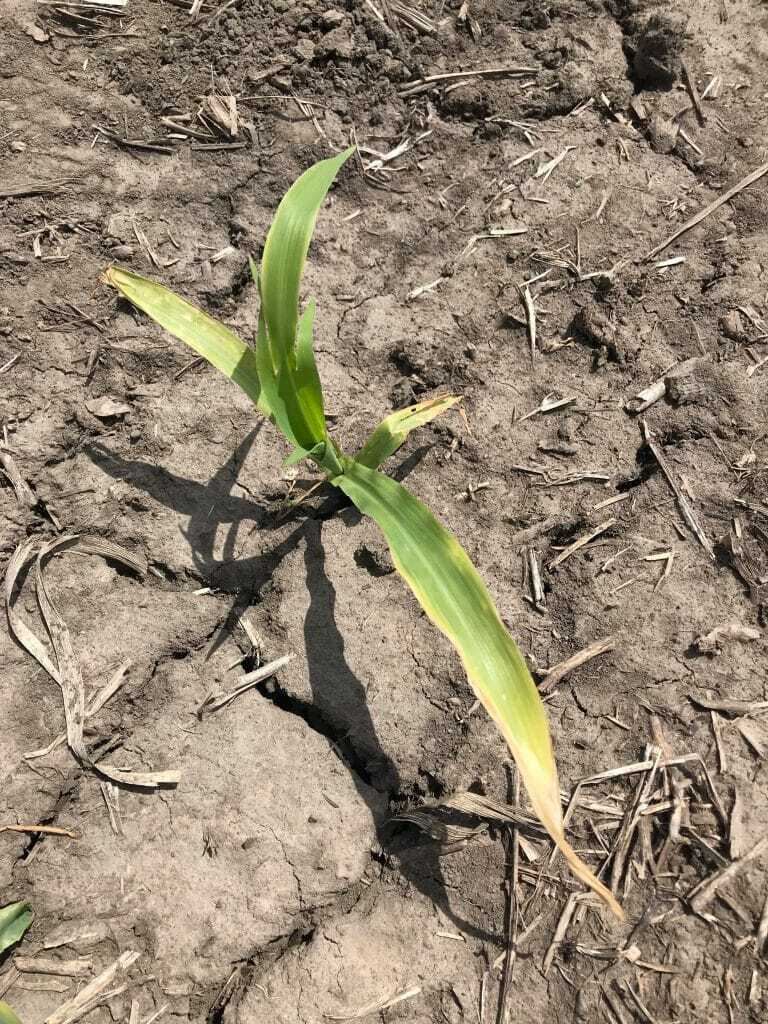
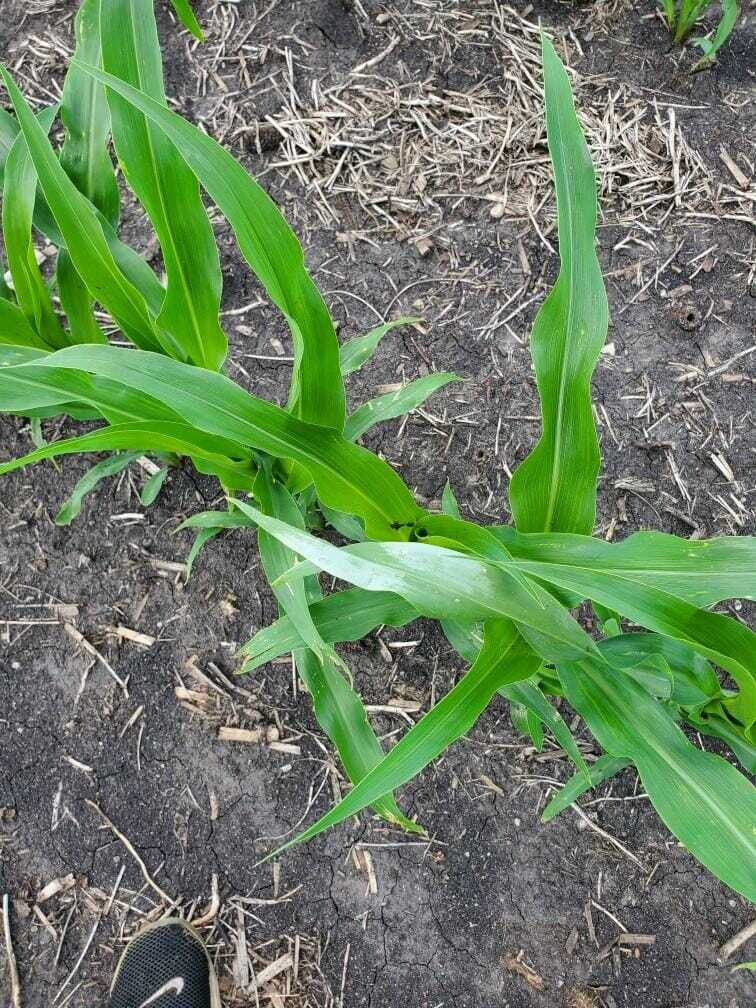
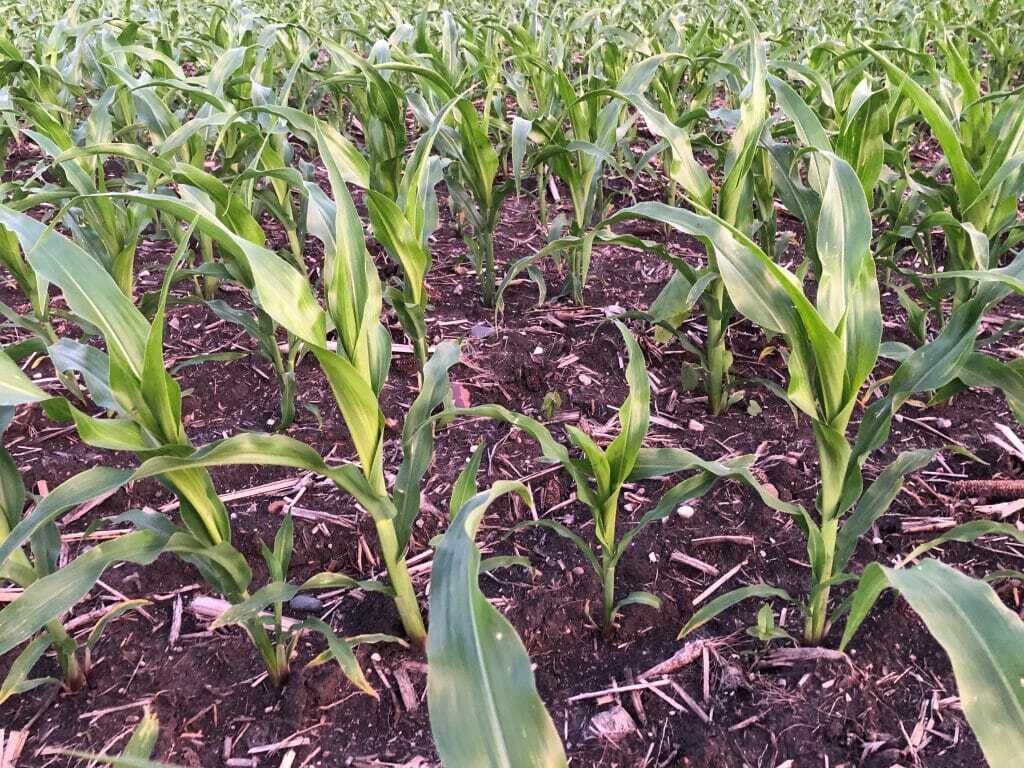
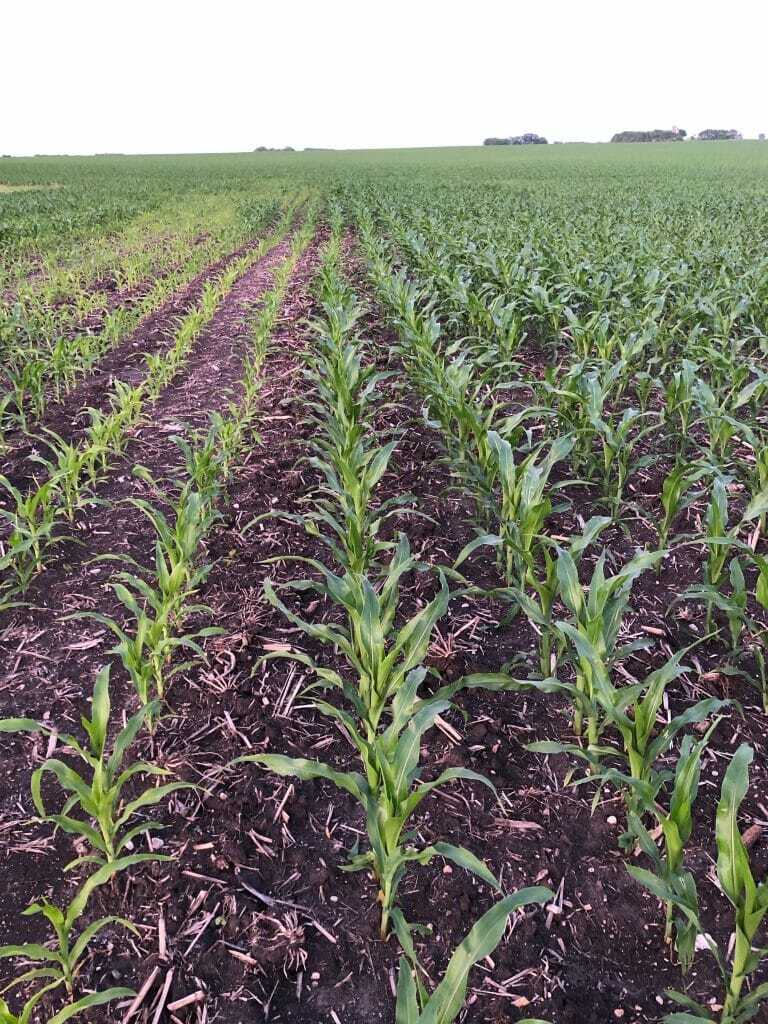
    Due to wet planting conditions across southern Minnesota, we’re seeing compaction issues like stunted, yellow corn.

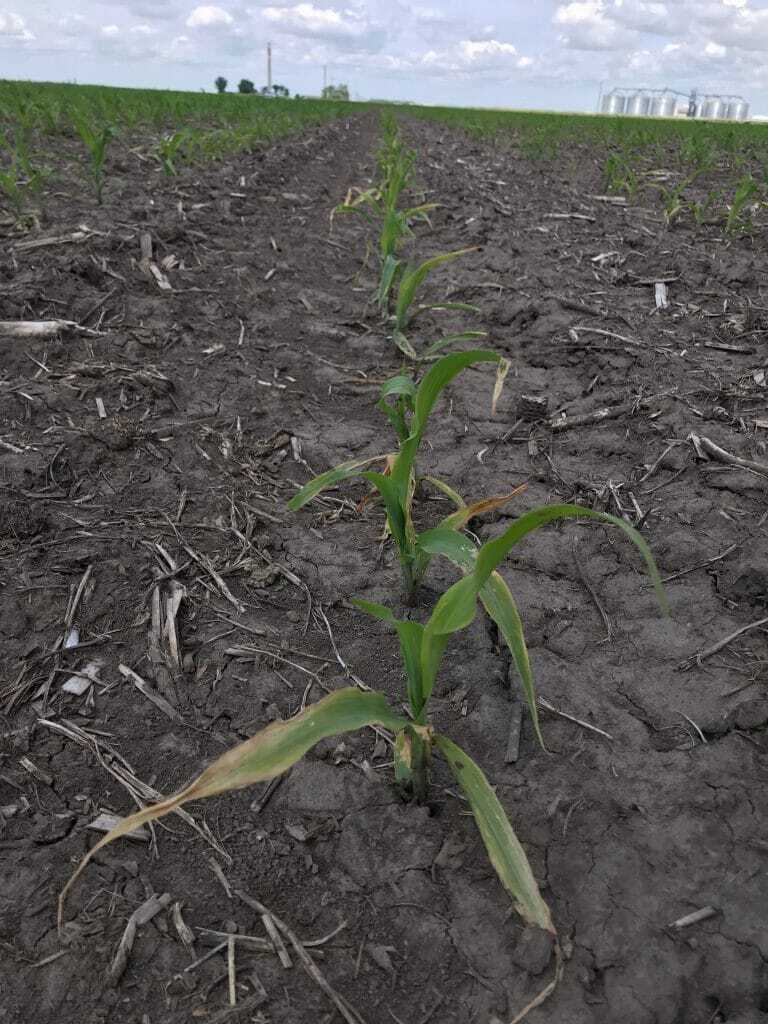
    Undesirable planting conditions has also resulted in many cases of uneven emergence in southern Minnesota, like this plant in the center.

    Justin 2

    Justin 1

    Northern Wisconsin 

    Joe Salter

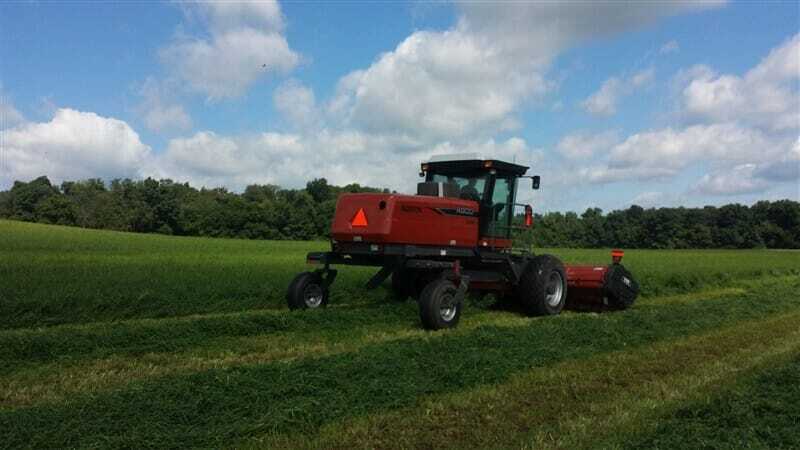
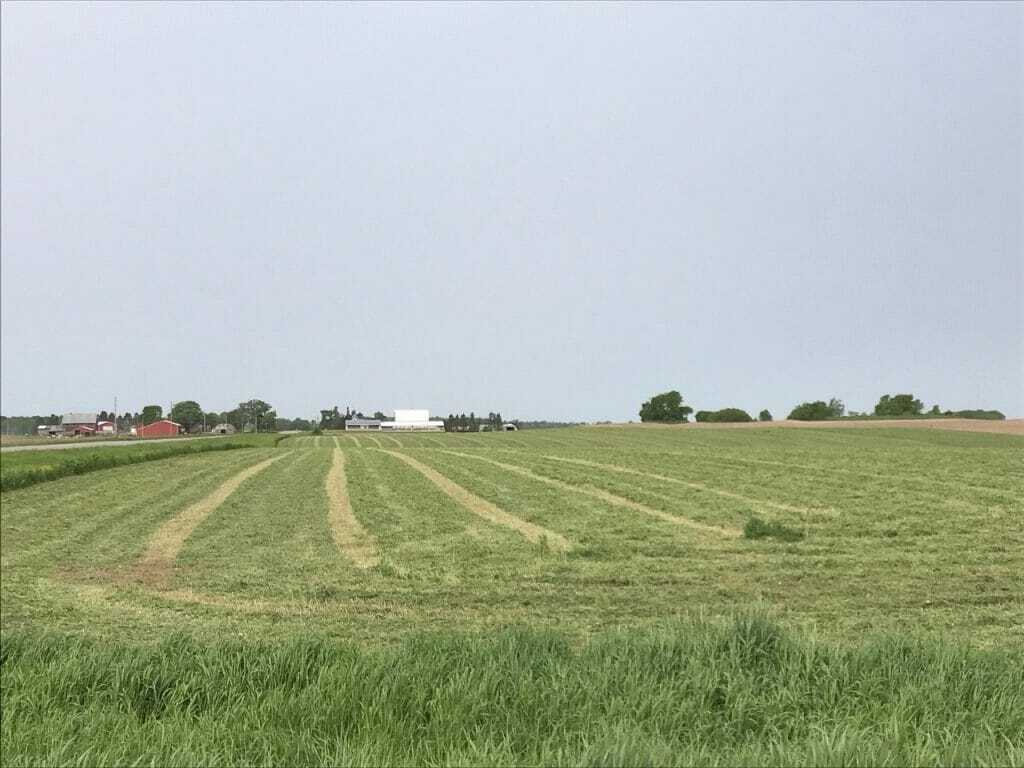
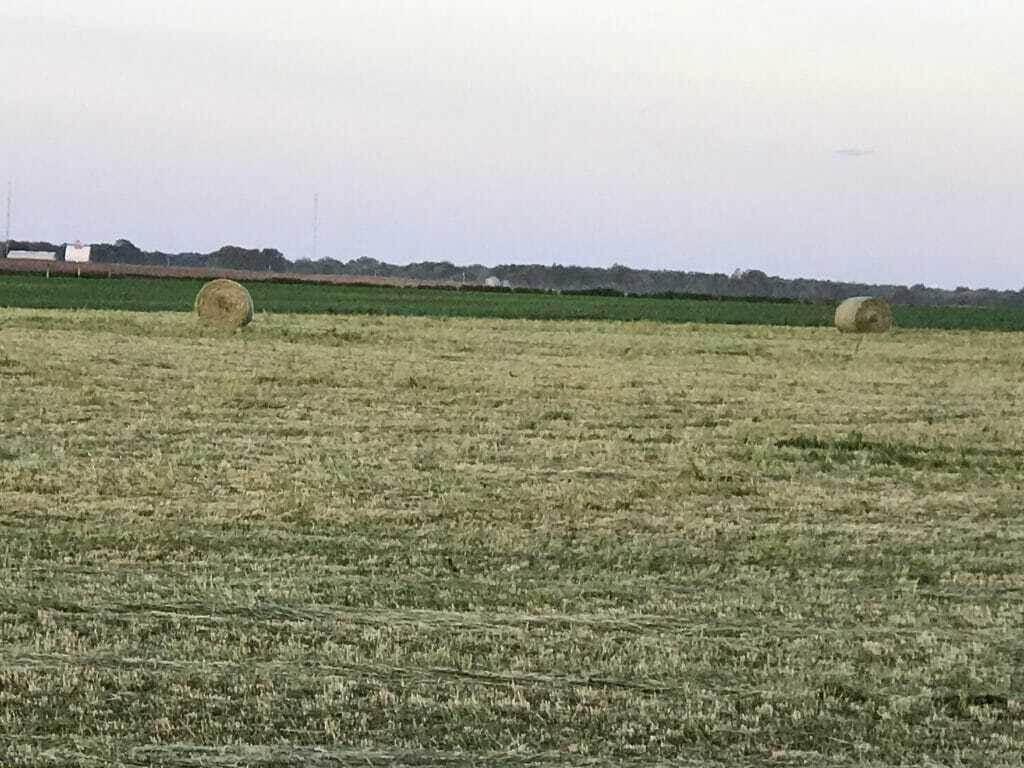
    It’s still wet in areas of Northern Wisconsin.  Some farmers are still trying to get seed in the ground between rains. The last of the plots for Northern Wisconsin went in last week. First crop hay is being made.

    Joe 1 

    Southern Wisconsin

    Greg Mair

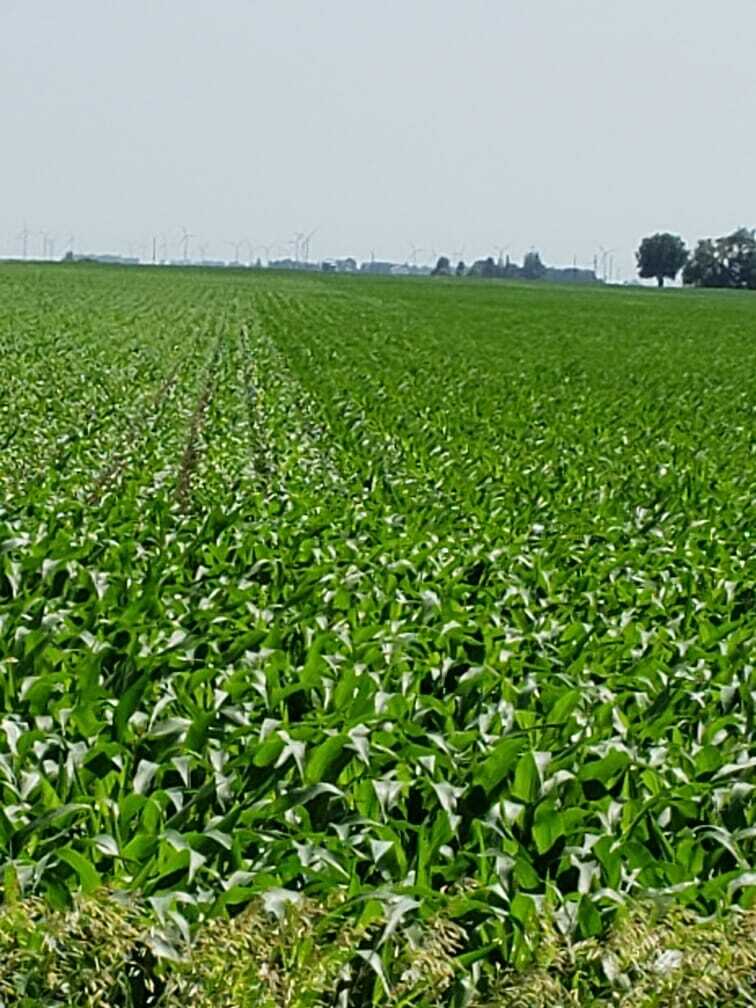
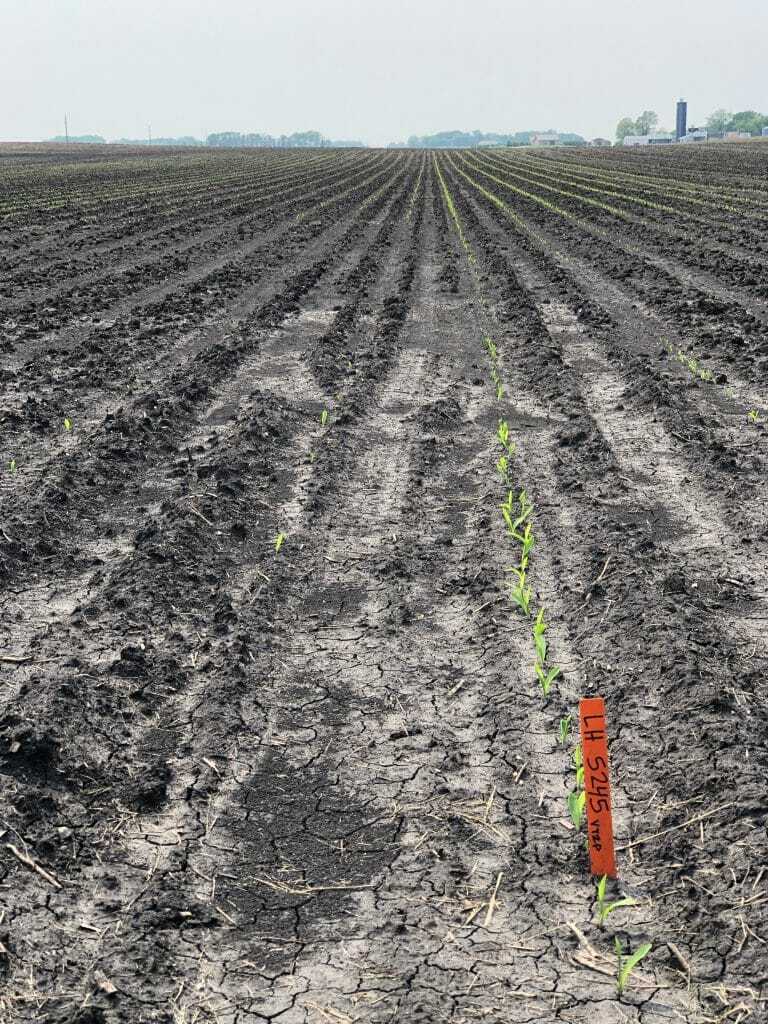
    Fields across Southern Wisconsin are mostly planted. Once you drive north of Madison, you’ll more fields that have not and will not get planted in 2019.  The early planted corn looks really good, despite the lack of heat units and emergence that took four to five weeks.

    Overall, you can tell the fields that have been stressed this spring due to compaction, moisture or poor planting conditions.  I’m seeing a lot of average stands in the fields. All things considered, it looks good for what farmers have gone through in 2019.

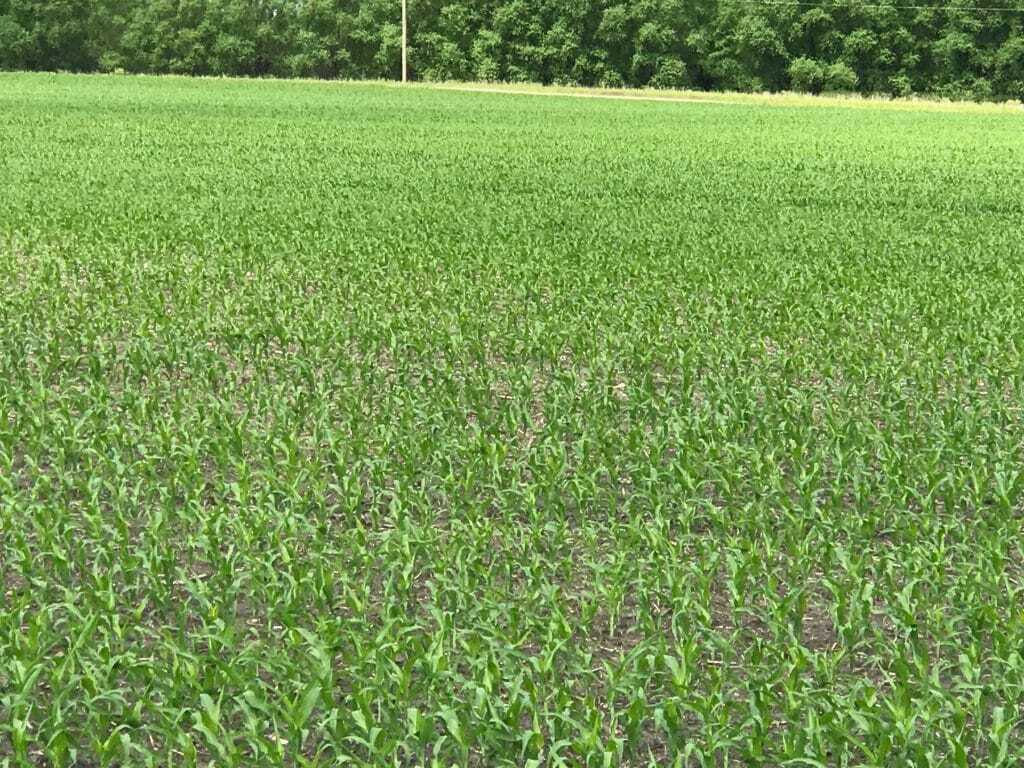
    This field of LH 5245 VT2 PRO RIB was planted May 16, just a few hours before one of many rainfall events.  Lucky enough, it stayed wet and helped to get the stand established.

    Greg 1

    North Central Iowa

    Cory Greiman

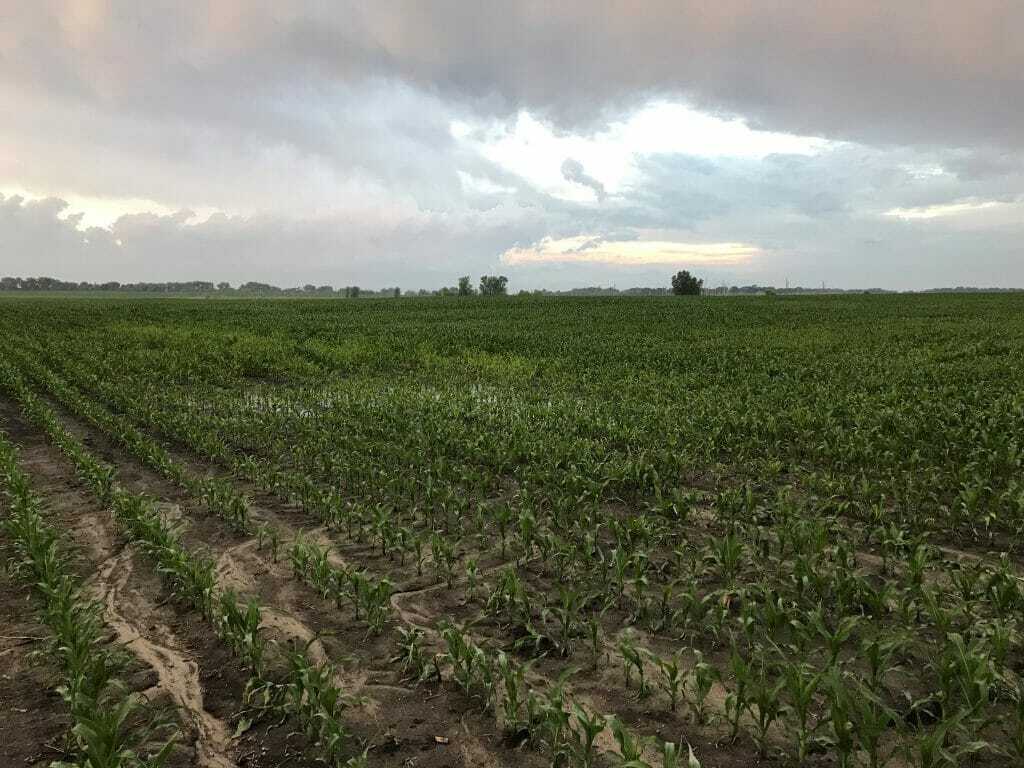
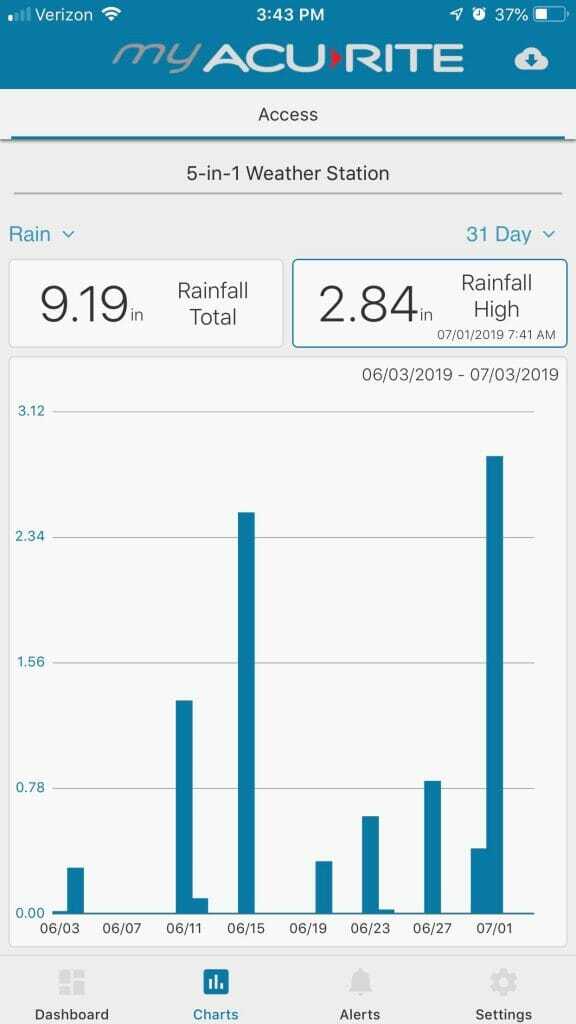
     Heavy rain fell again early this week causing, ponding along the Iowa-Minnesota boarder. This is a common sight from Northwood, Iowa, to Albert Lea, Minnesota.

    Cory 1

    Northeast Iowa

    Craig Haaland

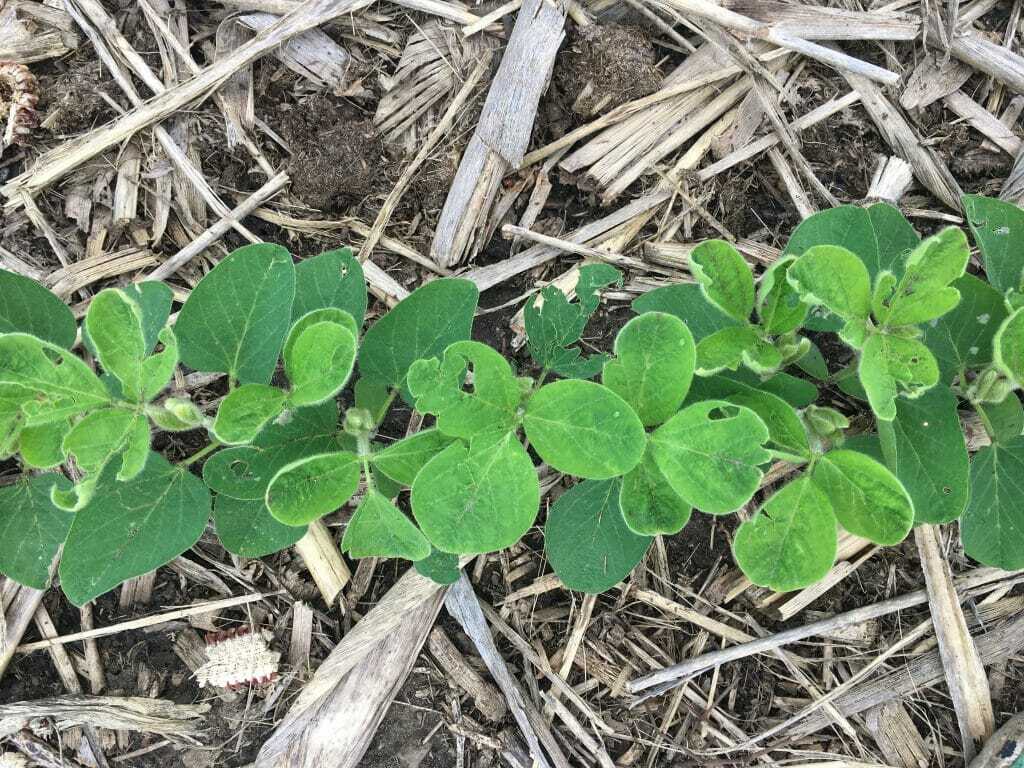
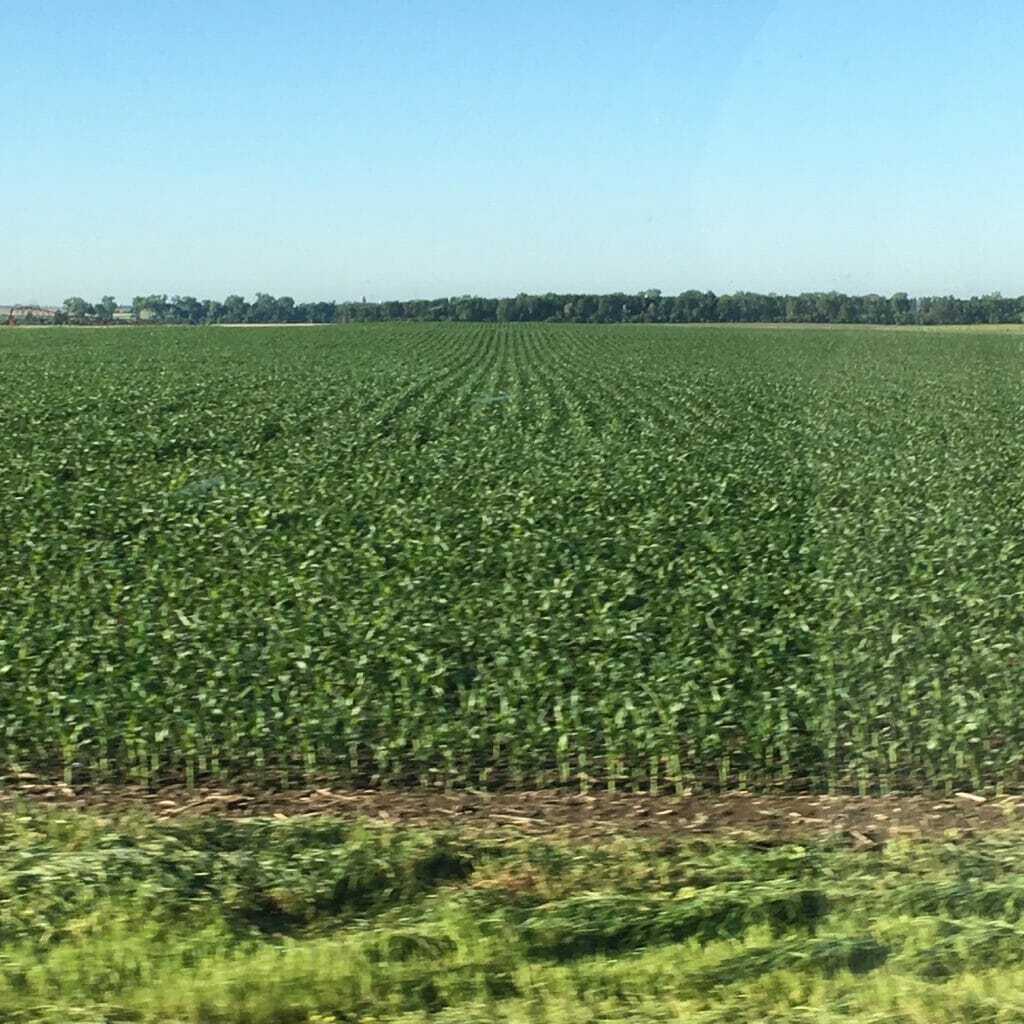
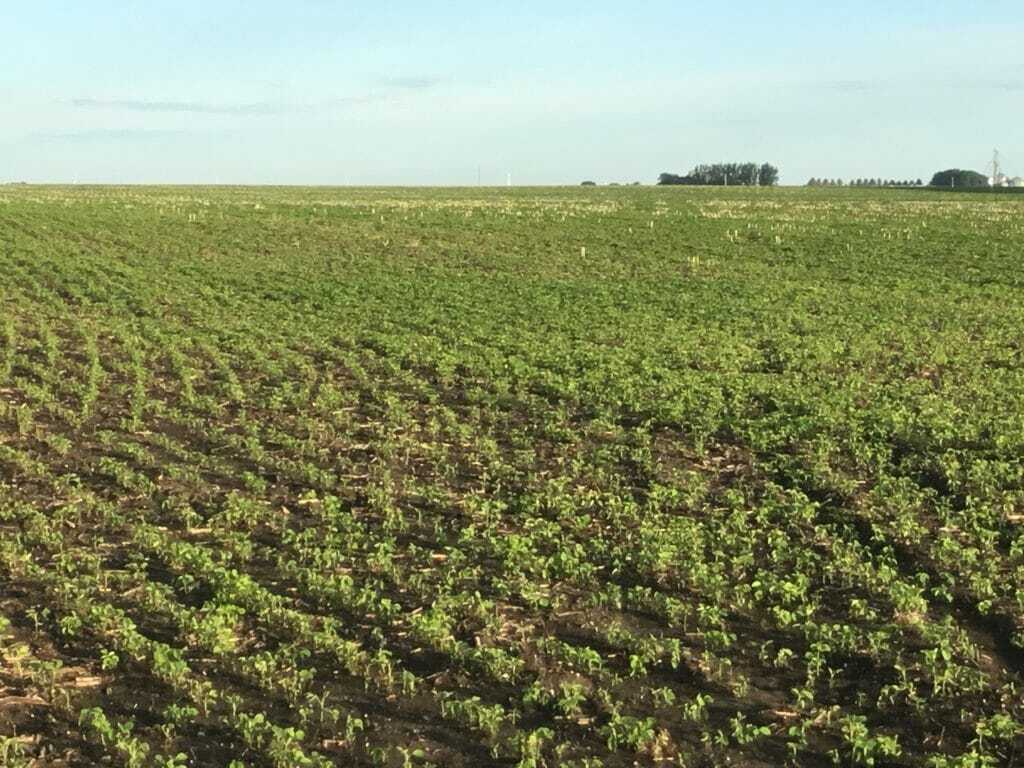
    Here’s a good looking no-till field of Latham® L 2186 L in in Mitchell County, Iowa. Soybeans overall look pretty good throughout my area, and the corn is coming along. Farmers had gotten a lot of spraying done until one to two inches of rain fell last Saturday. The 7- to 10-Day weather forecast isn’t looking too promising to get the spraying finished. With weed and insect pressure, it’s important to keep scouting fields!

    Craig 1

    Northwest Iowa

    Darin Chapman

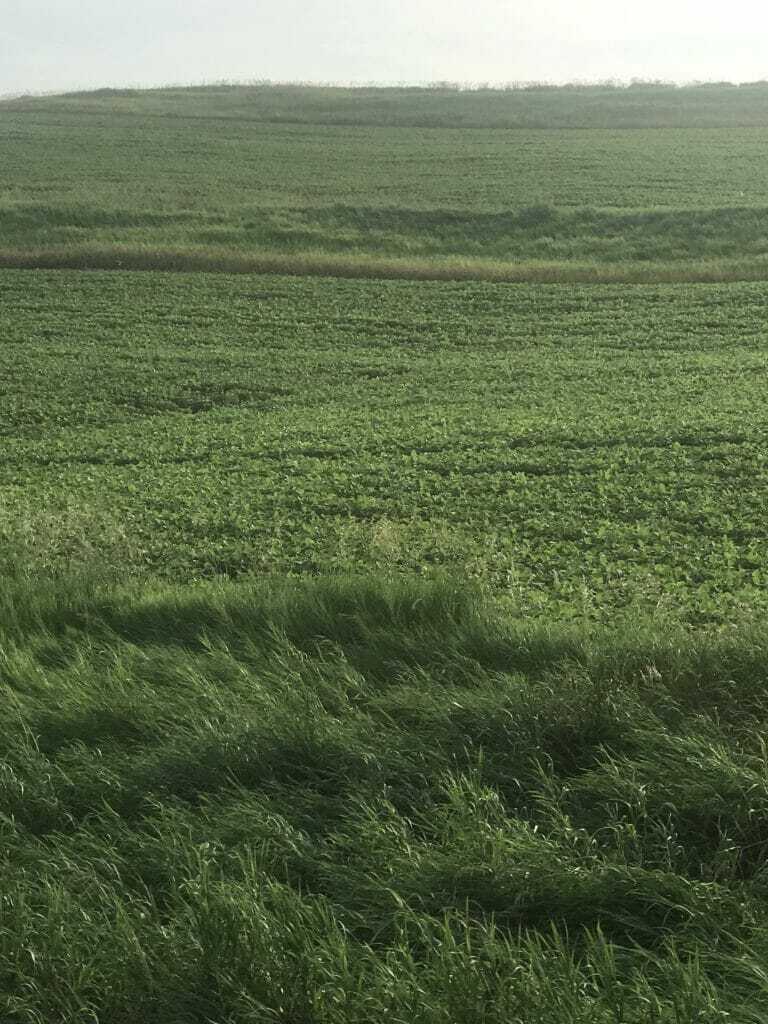
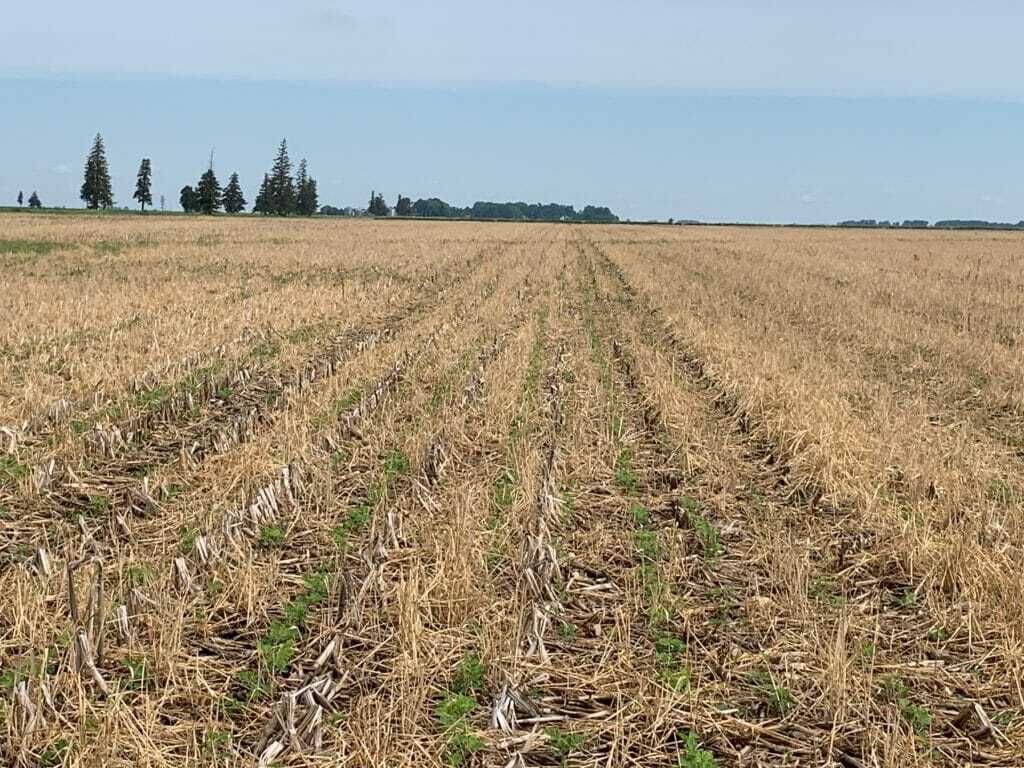
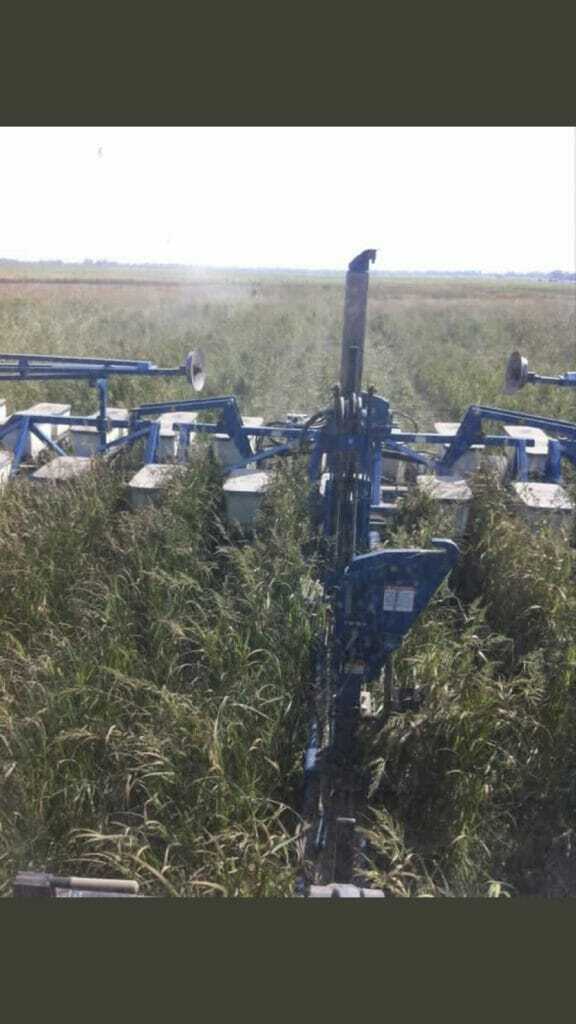
    These photos show Latham® L 2249 L planted into 3-foot tall cereal rye that was seeded last fall. A burn down herbicide typically would be applied while cereal rye is 3 to 6 inches tall. Due to a wet spring, the winter rye grew beyond the typical pre-emergent herbicide stage. This stand of soybeans still looks great! This grower has been giving credit to his increased soybean yields to using cover crops the past six years.

    Darin 2

    Darin 1

    Eastern Iowa

    Jerry Broders

     We finally planted the final soybean plots on June 18, so it’s time to move on to spraying and side-dressing nitrogen.
    Jerry 1

    Western Iowa

    Larry Krapfl

    This field of LH 6477 VT2 PRO RIB was planted June 4, directly across the road from a field that was planted April 20. The only difference is a 45-day rain delay.

    Krapfl 1

    Krapfl 2

    West North Central Iowa

    Bart Peterson

    Near Humboldt, Iowa, 1.8 inches of rain have fallen since June 17 where this photo was taken yesterday. This field got drowned out and was replanted already this season. Hopefully, these ponds drain fast enough so this farmer doesn’t have to plant it for the third time.

    Bart 1

    Central Iowa

    Bryan Rohe

    Pythium has been identified in Central Iowa. Pythium is one of the most common fungi associated with seed rot and seedling blight of corn. It infects plants with undeveloped nodal root systems. Several species of Pythium can rot the seed prior to germination or infect young seedlings before or after emergence. While we often see chest-high or even shoulder-high corn by the Fourth of July, some fields will struggle to grow knee-high by this year’s holiday. Heat units will be critical right now as corn continues to develop.

    Bryan 1

    Laura Cunningham

    June 19, 2019
    #FromTheField Crop Reports, Season, Summer
  • Latham Hi‑Tech Seeds

    June 12, 2019 Crop Report

    Gary G

    Eastern North Dakota

    Brian McNamee

    Brian 1

    I know most everyone throughout Latham Country is dealing with too much rain, but North Dakota its quite the opposite. Between May 1 and June 12, Minot has received .80 inches of rain all growing season. Crops are already showing stress and corn looks weak and brittle. Winter wheat is about half as tall as normal and heading out. Most crops are hanging in and will recover easily with some timely rain, but this is the third year of drought for these farmers. In 2017, Minot got 7.8 inches for the entire growing season, in 2018 they got 9.7 inches of rainfall with most of that coming early and late. Less than one inch of rain fell for a 7-week stretch starting around the 4th of July.

    Send the rain our way!

    Southeast North Dakota

    Gary Geske

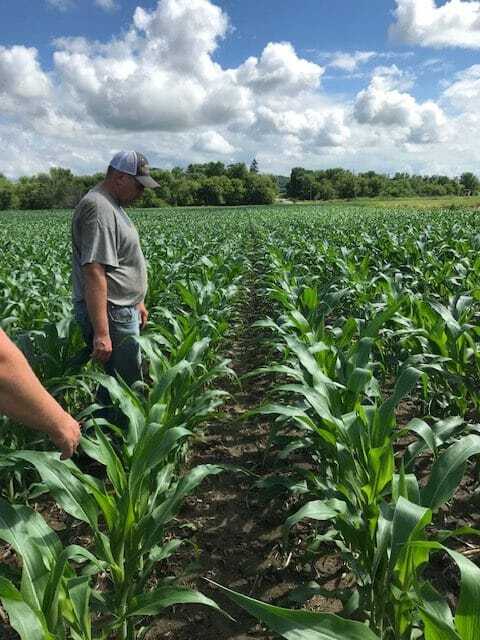
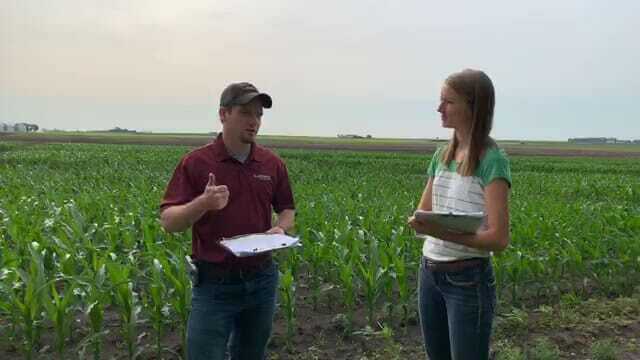
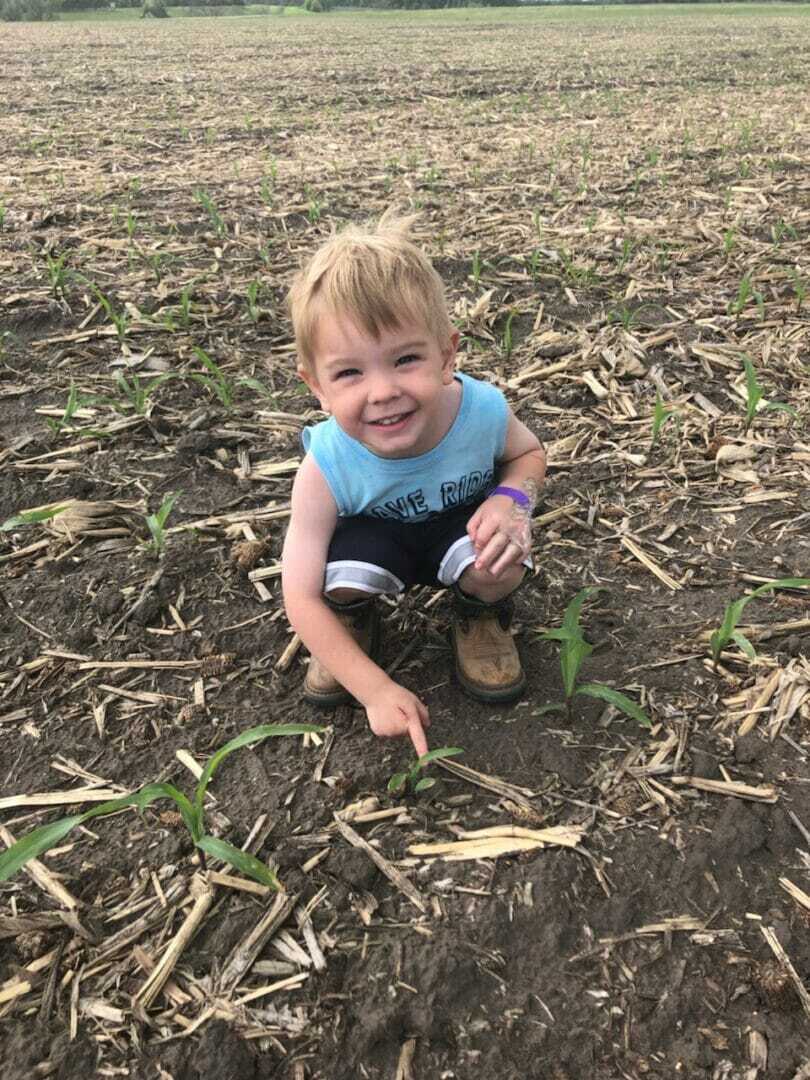
    We received help from my grandson today while we crop scouted! In the photo, he is pointing at is a corn plant that emerged 3 to 4 days after the first plants popped out of the ground. A uniform stand is important because it ensures that all plants compete evenly for nutrients and sunlight while maturing at the same time. Late emerging plants may delay harvest with small, wet ears. It is important to remember which fields have emergence issues so you can pay special attention to them in the fall.

    Gary G


    Northeast South Dakota

    James Keltgen

    Continued progress has been the theme in Northeast South Dakota. Scattered showers have fallen, but most farmers were able to finish planting corn and soybeans. We had some crusting issues where farmers had to replant corn. Soybeans are emerged and corn is progressing nicely even though we are behind in growing degree units.

    James 2

    James 1

    Southeast South Dakota

    Ramie Coughlin

    Planters have been rolling in full force this last week. Nearly all corn that will be planted is in the ground and farmers have a good start on soybeans. One positive about late planting is the warmer soil temperatures help crops quickly emerge. Crop condition out of the ground is variable. Some fields are saturated, and corn is light green to yellow, while other fields have had some great drying days and crops look great. Farmers are pushing to finish up this planting season in the next couple weeks.

    Ramie 1


    Northern Minnesota

    Ken Highness

    Cool, wet conditions have put stress on germination and seedlings pushing out of the ground. As pictured below, we are walking a corn field northeast of Breckenridge, MN to check emergence, evaluate stand and consider replant. We are seeing the effects of cold stress such as uneven emergence, swollen seed that has not germinated, and fragile or absent primary root. If a decision is made to replant, compare yield potential of the existing stand with yield potential of the replant. Be sure you consider insurance or government program restriction.

    Ken 1

    Ken 2

    Southern Minnesota

    Justin Prokosch

    While putting a Soybean SuperStrip™ Plot near Hanska, Minnesota, a break was needed in the 90-degree weather with these important young ladies who brought out some Gatorade.

    Many farmers continue to fight the mud to try to get their crop in.

    Justin 1

    Justin 2


    Northern Wisconsin 

    Joe Salter

    A lot of progress was made in the field during the last four days. There is still a fair amount of corn silage being planted, but the majority of field activity is soybeans.

    Weeds will become a bigger issue and the ability to get into the fields to spray will also be a challenge.
    First crop of hay came off last week.  Field below is near Goodhue, Minnesota.

    Joe 1

    Southern Wisconsin

    Greg Mair

    New Latham Dealer Brady Broedlow is impressed with his stand of L 2187 GT27 soybeans in Helenville, WI.

    With a lot of planting conditions not ideal, some of the recently planted soybeans are struggling to come through.  Sounds odd, but in some areas we could use a nice shower to get some of the struggling crops out of the ground.

    Greg 1


    North Central Iowa

    Cory Greiman

    Field of LH 5245 VT2 PRO RIB looking good south of Garner planted on April 23.

    Cory 1

    Northeast Iowa

    Craig Haaland

    Below is a nice field of L 2295 R2X in Mower County. During the last 4 days, a lot of soybeans got planted and the sprayers are running hard. There are still some fields that are fairly wet, so some will be prevent plant and others still will try to get some soybeans in the ground during the next 7-10 days. With that being said, the 2019 planting season is coming to an end. Next up is starting to scout fields.

    Craig 1

    Northwest Iowa

    Darin Chapman

    Nitrogen is very important in having a successful corn crop and there are many ways to apply nitrogen all season long.  Spreading out applications is essential because it is very volatile.

    You can apply N before you plant, but it is more likely to deplete before the plant needs it. Side dressing has great benefits because of possible N deficiency due to large amounts of rainfall this spring. There are different soil and tissue testing available through our Latham Data Forward Agronomic Advisory Services to determine if and when N is needed.

    Darin 1

    Darin 2

    Eastern Iowa

    Jerry Broders

    Product development is a key part of Latham Hi‑Tech Seeds. We plant replicated soybean trials throughout our company footprint. This research plot was planted north of Delmar in Eastern Iowa.

    Jerry 1

    Jerry 2

    Jerry 3

    Western Iowa

    Larry Krapfl


    West North Central Iowa

    Bart Peterson

    Three brothers working to help

    The central region has been making hay while sun shines. We have been blessed to have 5 days of warm weather to dry fields out to complete planting, replanting, side dressing and spraying. Poor stand is showing up in some fields in Central Iowa. These plants are likely to experience root and stack issues as it develops. Some sidewall compaction has also been problematic. Take great notes as these will be helpful as we develop a harvest plan.

    put in a corn plot in Buena Vista County!  First year Latham® Dealer, Adam Skog, was very pleased with how hard working all these guys are. Thanks guys!

    Family working together is what Latham is about!

    Bart 1

    Bart 2

    Central Iowa

    Bryan Rohe

    The central region has been making hay while sun shines. We have been blessed to have 5 days of warm weather to dry fields out to complete planting, replanting, side dressing and spraying. Poor stand is showing up in some fields in Central Iowa. These plants are likely to experience root and stack issues as it develops. Some sidewall compaction has also been problematic. Take great notes as these will be helpful as we develop a harvest plan.

    Bryan 1

    Brayn 2

    Bryan 4

    Bryan 3


    Laura Cunningham

    June 12, 2019
    #FromTheField Crop Reports, Season, Summer
  • Latham Hi‑Tech Seeds

    Scouting soybeans after a cool wet spring

    Small Soybean1

    If you’re fortunate to be done with planting your crops, it’s time to get back out there and check your stands. This year I’m especially concerned with soybean stands for three main reasons:

    1. Cold soils. Many fields were planted when soil temperatures were below the recommended 60° Fahrenheit. (This link goes into more detail about the importance of soil temperatures: https://bit.ly/2JuHTkO) Cool, wet conditions can lead to severe disease infestation and reduced stands. Seed treatments protect the seedlings before and just after emergence. Historical data shows that not using a seed treatment can cause yield loss of 2½ to 3 bushels per acre if damping off occurs, but many farmers cut back on seed treatments this season to lower their input costs.
    2. Wet soils. Farmers felt like they were racing against the calendar during an especially wet spring, so some seed was planted into unfit soils. Planting into wet soils can lead to both sidewall and overall field compaction. Delayed emergence may cause uneven stands and reduce yield. Nutrient deficiency, reduced crop productivity and restricted root development are three of the top 10 reasons to avoid compaction. (Click here for the rest of the story: https://bit.ly/2VS06zo)
    3. Soybean Gall Midge. This new insect pest was especially damaging last season in Northeast Nebraska, Northwest Iowa, Southeast South Dakota and Southwest Minnesota. Ask your local Extension Agronomist if any of these pests have been reported in your area. (You can learn more about Soybean Gall Midge in this blog post: https://bit.ly/2JSLetw)

    Walking fields right after emergence gives you the most time to make corrections or to replant. Stand reductions rarely occur evenly across a field. That’s why I recommend taking 10 stand counts in the area where the problem is the worst, as well as taking 10 counts in an area that was not affected or is slightly affected. Most university researchers recommend keeping a final stand of at least 100,000 plants per acre.

    University trials also indicate that planting soybeans on or before June 1 in northern Iowa and southern Minnesota gives 95% of expected yield. It is usually June 15 before soybean yields drop below 85% of what is expected. Over the years, we have seen decent soybean yields when soybeans were planted around the 4th of July.

    Scouting early and often is the best advice I can give, so you can remedy the situation as soon as possible. Different insects, diseases and pests may be present due to weather conditions and stage of crop development. Scout diligently all growing season long!

    Mark Grundmeier, Product Manager

    June 10, 2019
    Agronomics, Crop, Disease, Rain, Season, Soybeans, Spring, Tech Tuesday, Weather, Weed Control
  • Latham Hi‑Tech Seeds

    #AskTheAgronomist: Delayed Soybean Planting

    62041134 476066029800373 4652420665083691008 n

    LIBSYN header 2 01

    Tune in to hear how delayed planting will affect your soybean crop.
     
    1:03 – #Plant19 soybean update across Latham Country
    2:18 – Deciding factors for delayed soybean planting
    4:10 – Yield penalty associated with late planted soybeans
    5:18 – Switching soybean maturities
    7:02 – Canopy closure and seeding rate
     
    #AskTheAgronomist

    Laura Cunningham

    June 6, 2019
    #AskTheAgronomist, Crop, Flooding, Rain, Season, Soybeans, Spring, Weather
  • Latham Hi‑Tech Seeds

    Factors of Sidewall Compaction

    Sidewall compaction 1 a

    Many farmers are pushing the envelope to get their crop in the ground this season. With moisture continuing to be a real issue, we run into problems with sidewall compaction. We have three examples below of scenarios that can lead to sidewall compaction issues later on: open trench, rubber closing wheels and spiked closing wheels.

    Sidewall compaction can result from V-openers “smearing” through wet soil. Gauge wheels or planter lift wheels will then compound the problem. When the soil dries it becomes too hard for roots to penetrate through and develop the root system.

    If you see an open trench, the key takeaway is to decrease your unit down pressure and increase closing wheel down pressure. During a seed’s crucial growth stage, it transitions from growing seedling roots into developing its nodal root system. This tends to be around V2 and V3 and is when you can see implications of sidewall compaction. When the seedling shuts down those seedling roots the nodal root system starts to grow horizontally along the trench searching for water. You may start to see nutrient deficiency symptoms, yellowing corn, stunted growth or floppy corn.

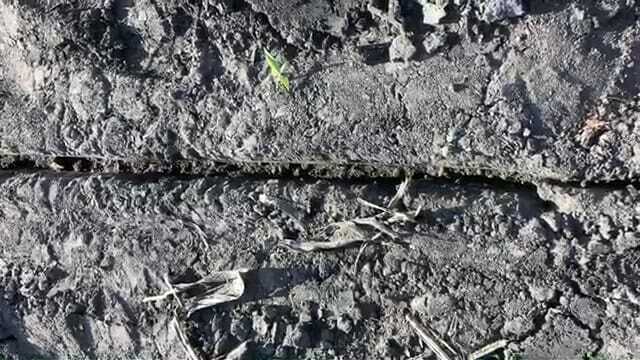
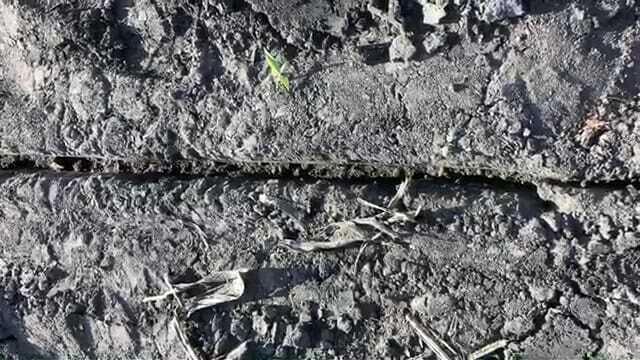
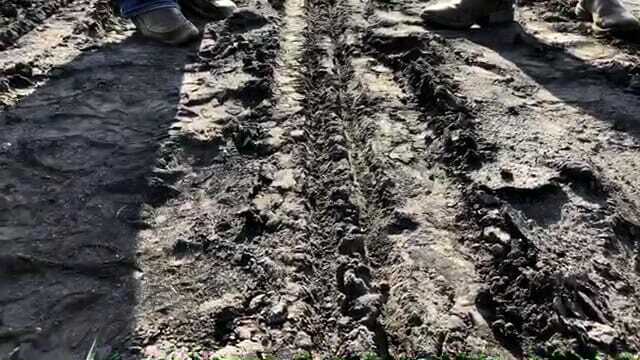
    The University of Kentucky released a study showing a 50 percent yield reduction when corn is planted in a completely open trench. We recommend avoiding sidewall compaction by either staying out of the field until conditions are suitable, staggering your closing wheels or investing in the spiked closing wheels. The spiked wheels leave a zippered pattern in the soil that breaks down the sidewalls to ensure seed to soil contact.

    Sidewall compaction is not something you can see from your planter, so we encourage you to jump out and look at what’s happening with your seed to soil contact. Dig few plants and wash off the roots to determine how growth is proceeding. Knowing this information early on will be important for late season windy and wet weather, and for evaluating stalk quality when harvest approaches later in the season.


    Sidewall compaction 1 a
    Example 1 – Open Trench


    Sidewall compaction 2
    Example 2 – Rubber Closing Wheels


    Sidewall compaction 3
    Example 3 – Spiked Closing Wheels

    Phil Long

    June 4, 2019
    Agronomics, Emergence, Rain, Season, Spring, Tech Tuesday, Weather
  • Latham Hi‑Tech Seeds

    June 5, 2019 Crop Reports

    Joe 3

    Eastern North Dakota

    Brian McNamee

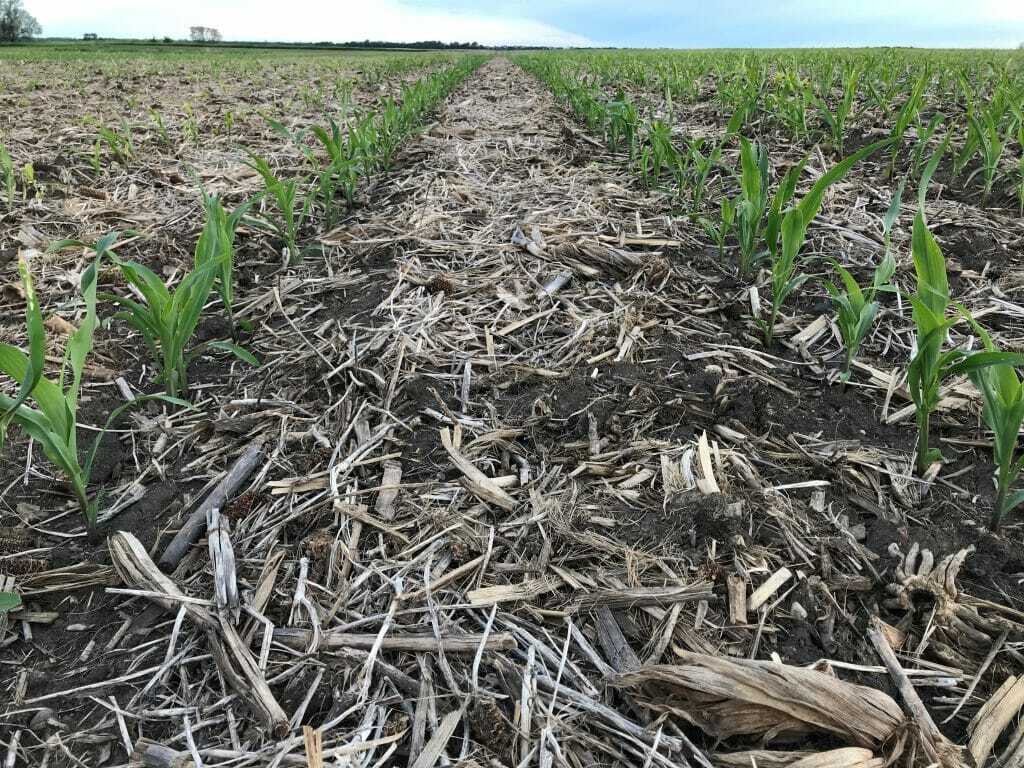
    I have been spending a lot of time evaluating plant stands in customers’ fields. Planting conditions were less than favorable this year and farmers had to push the limits in the few small planting windows. Corn and soybeans were both planted into wet and cool soils. Many areas have crusting issues causing poor emergence. Farmers are breaking out the rotary hoes in hopes to loosen up the ground. Stand loss of 20 to 35% is not uncommon and unfortunately it is too late for replant.

    This have definitely been the most adverse planting year I can ever remember. The good news is that I see about 10 times more sprayers than planters in the field, which means we are moving forward into #grow19.

    Brian M

    Brian 2

    Southeast North Dakota

    Gary Geske

    We’re watching a couple issues in corn fields this spring. Early seeded corn is having a tough time getting out of the ground due to cool soils. The hotter temps we had last week created some soil crusting in wet soils, making uneven emergence an issue. Monitor fields daily to verify if replanting is necessary and contact your Latham dealer for hybrid recommendations.

    Also fields that have different planting dates make it more challenging to correctly apply herbicides. Scout fields before application to identify hybrid growth staging and size of weeds to be controlled.

    Gary 1

    Gary 2


    Northeast South Dakota

    James Keltgen

    It has been a busy week in Northeast South Dakota! Finally we have dry weather so farmers have been able to get in their fields. Many farmers are wrapping up corn planting. Many acres won’t be planted due to standing water and time running out. The main focus now is getting soybeans in the ground.

    James 1

    Southeast South Dakota

    Ramie Coughlin

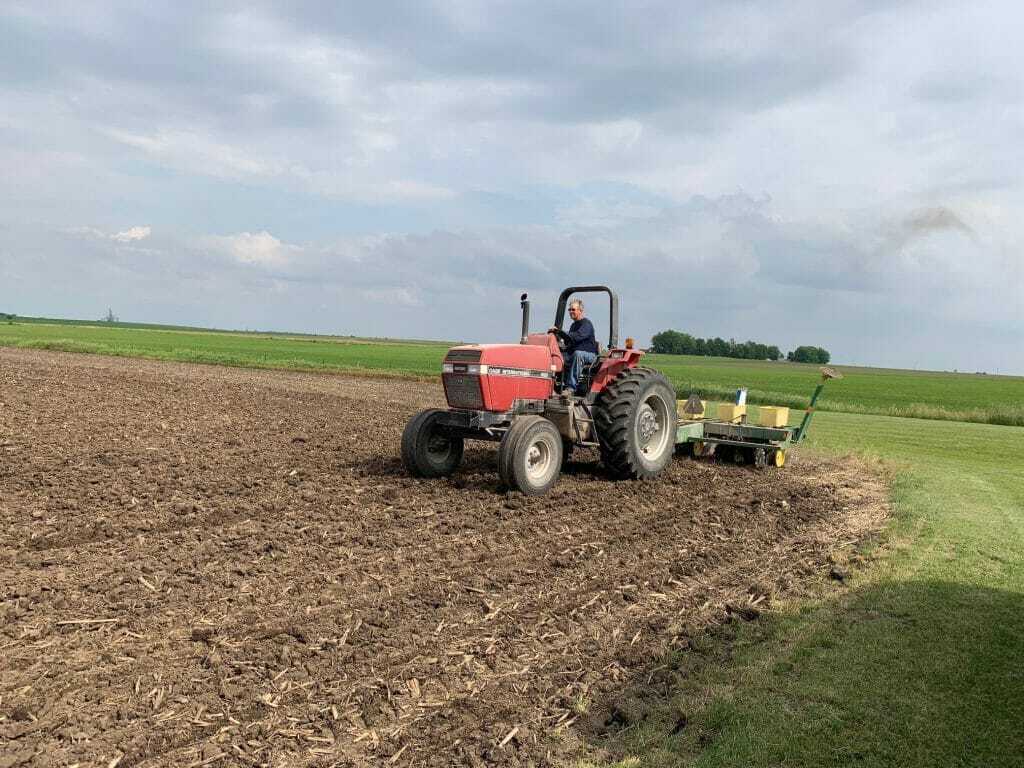
    While spring planting has been significantly delayed in Southeast South Dakota, the hay/alfalfa crop is on schedule. Farmers are juggling making the first cutting of hay with planting. The good news is that planters are in the fields everywhere. We have finally gotten enough consecutive dry days and warm temps to make it look and feel like spring. Corn plants are emerging, and we can “row the fields” while driving by. Many farmers are pushing to get in as much corn as they can while others have decided to switch from corn to soybeans. We’re hoping for two or more weeks of great farming weather.

    Ramie 1


    Northern Minnesota

    Ken Highness

    We’re planting a Latham® SuperStrip plot near Tabor, Minnesota. High yield is a desirable characteristic for any hybrid, but there are many more things you can learn. Note how different corn or soybean products respond in an environment that closely mirrors your farm. Get to know each hybrid in your geography as some products may flower earlier or later than predicted. Record how they respond to disease pressure or moisture. Keeping notes like this can help with production selection for the next planting season.

    Ken 1

    Southern Minnesota

    Justin Prokosch

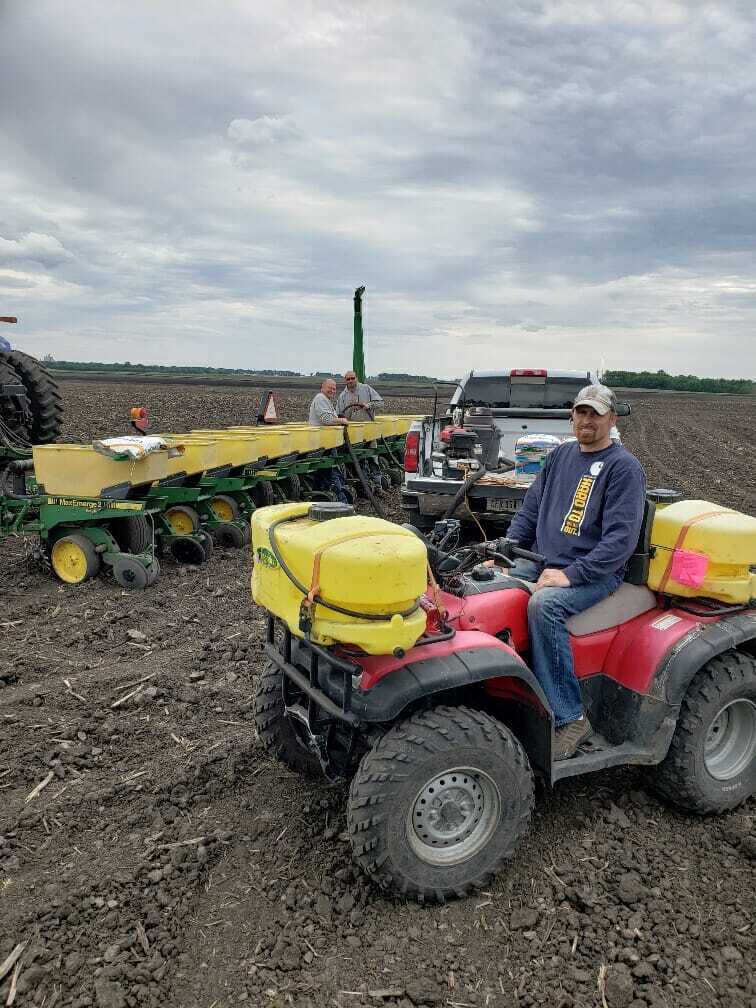
    Working on getting Latham® SuperStrips in the ground near Willmar, Minnesota, with local dealer Ed Arndorfer.

    Last week, while doing some early season plot evaluations, I noted differences in emergence. Latham’s LH 5245 VT2 PRO  stood out as a rockstar, emerging rapidly at Prokosch Farms Corn SuperStrip near Wabasso, Minn.

    Justin 1

    Justin 2


    Northern Wisconsin 

    Joe Salter

    Progress is slow, but it’s progress none the less.

    A couple more plots went in the ground the past few days, so there are only a few more to plant. I am excited about all the plot locations and where the future is headed!

    All these SuperStrips™ will help our team choose the right hybrids and varieties for Northern Wisconsin. There are still a lot of acres to get planted. Farmers in the western part of my region are finishing, but those in the eastern part are struggling to get going due to weather conditions.

    Joe 1

    Joe 2

    Joe 3

    Southern Wisconsin

    Greg Mair

    Farmers are working long hours to make the most of the field conditions that are fit to plant. We’re praying we miss the rainfall on Tuesday night, so we can finish planting corn this week before transitioning to soybeans. We got three soybean plots planted last week to get some side-by-side data on Enlist® Soybeans in southern Wisconsin.

    L 2486 L soybeans only took eight days to emerge and are looking great.

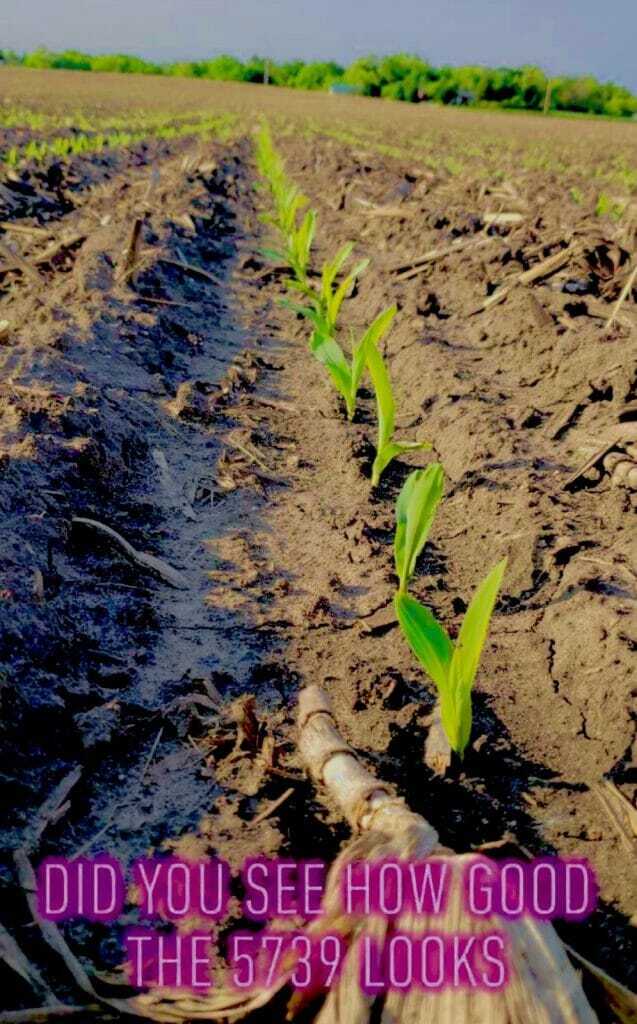
    LH 5739 SS planted May 15 is off to a great start in Cambridge.

    Greg 1

    Greg 2


    North Central Iowa

    Cory Greiman

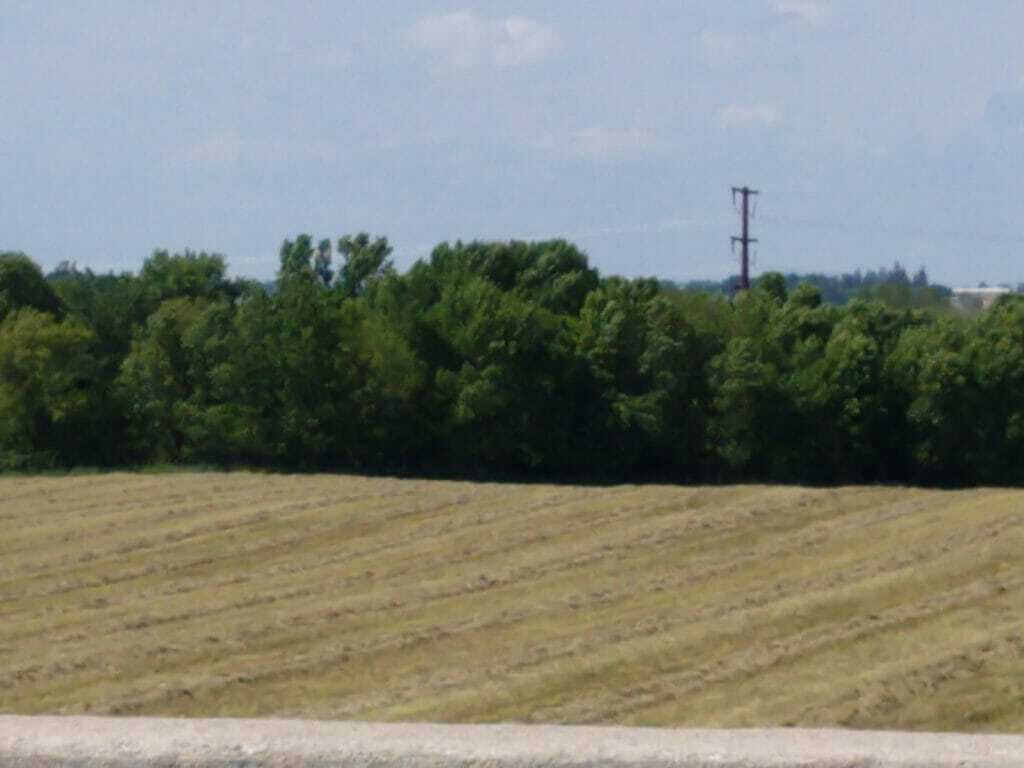
    Many farmers are harvesting their first cutting of hay in North Iowa.

    Cory 1


    Northeast Iowa

    Craig Haaland

    Craig 1

    My assistant and I had everything under control! We put in a SuperStrip™ plot early this week in Steele County, Minnesota.

    There hasn’t been much action this past week due to wet fields. A few farmers were able to start planting again Sunday, and it appeared that everyone was rolling by Monday. Some remaining corn and a lot of soybeans went in the ground early this week. Overall, the corn has emerged and the stand looks really good at this point. A few fields of soybeans have emerged.

    Some farmers got out rotary hoes to break up crusting soils.

    Northwest Iowa

    Darin Chapman

    Planting in Northwest Iowa has progressed with some much needed sunshine. Corn that was planted around May6 looks good. You can see LH 5245 VT2 PRO RIB has great potential!

    Darin 2

    Darin 1

    Darin 3


    Eastern Iowa

    Jerry Broders

    We were fortunate to pick up planting again on Sunday in Eastern Iowa. We checked on some early planted soybeans and found some feeding from soybean beetles. Make sure to scout your early planted soybeans. Corn plots are coming along well.
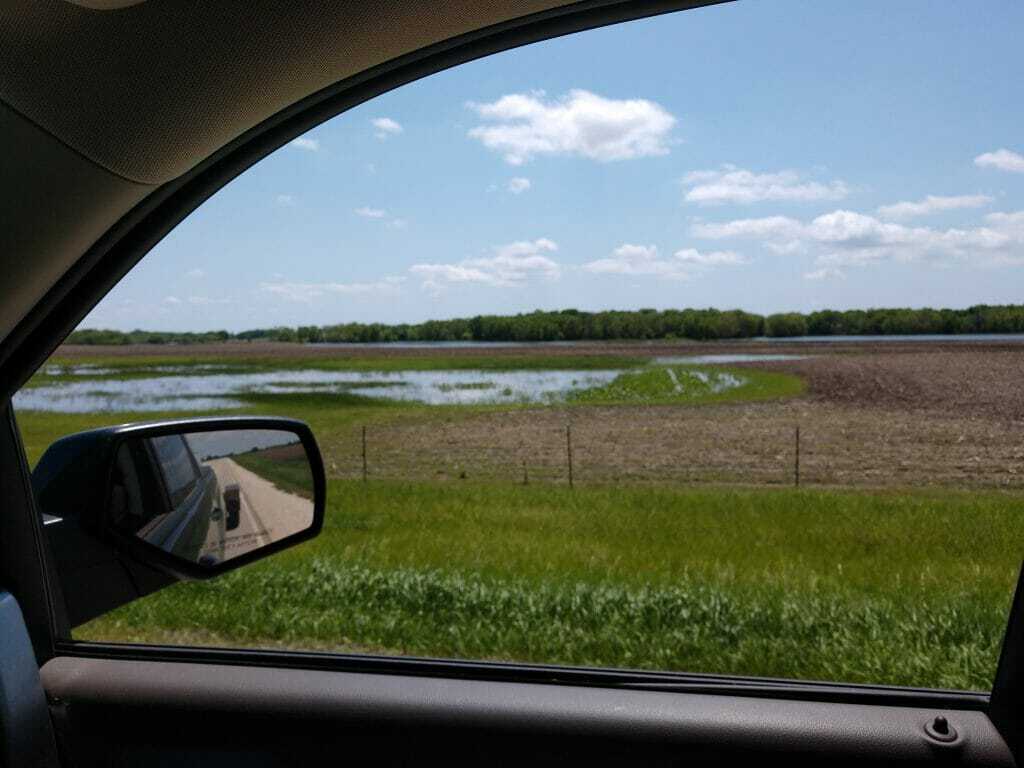
    Jerry 1

    Jerry 2

    Jerry 3

    Western Iowa

    Larry Krapfl

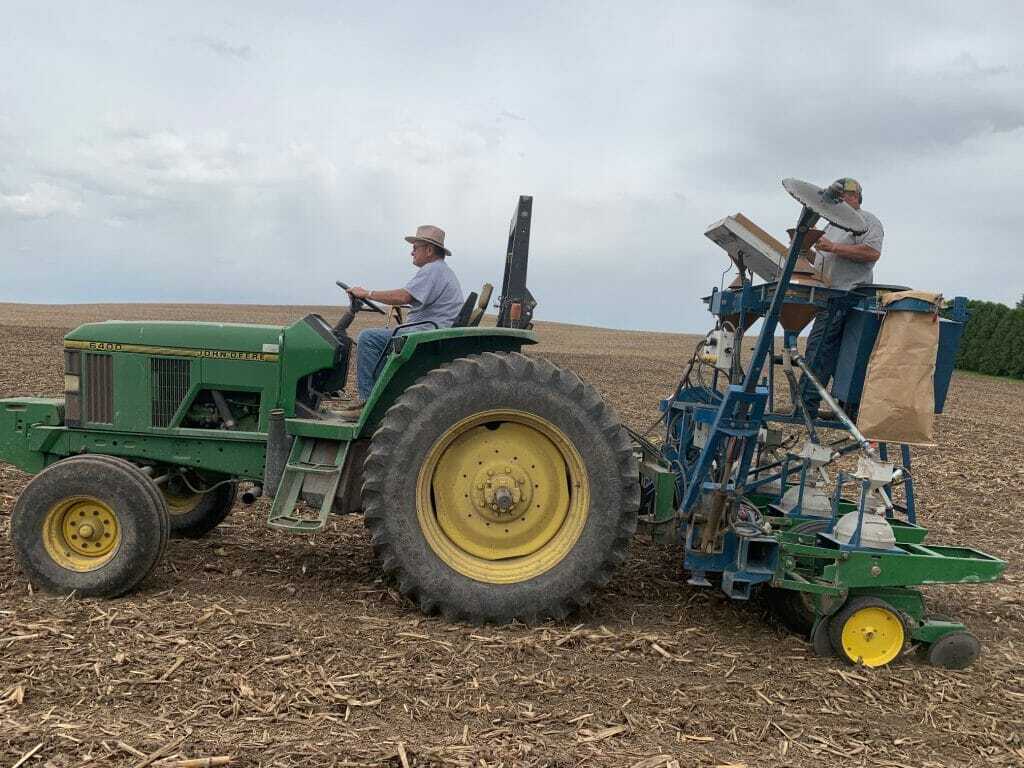
    Jordon Brewer and Matt Topf are planting soybeans into rye.

    Larry 1

    West North Central Iowa

    Bart Peterson

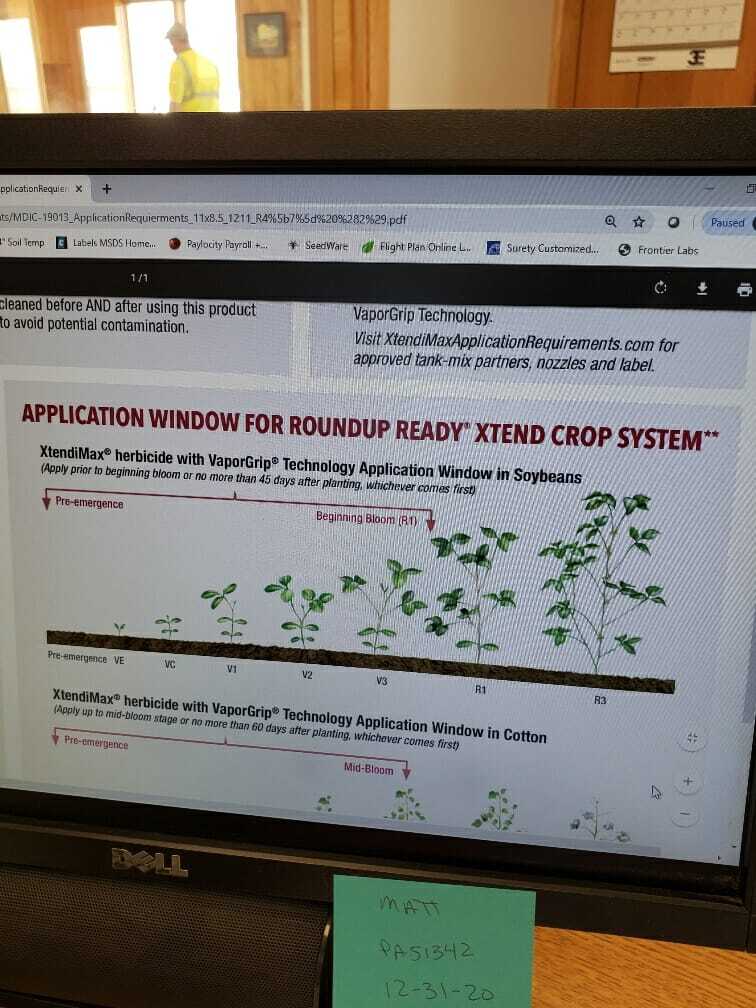
    Below is a friendly reminder on the appropriate window to spray Xtend® soybeans. For more information, click here.

    Bart 1

    Central Iowa

    Bryan Rohe

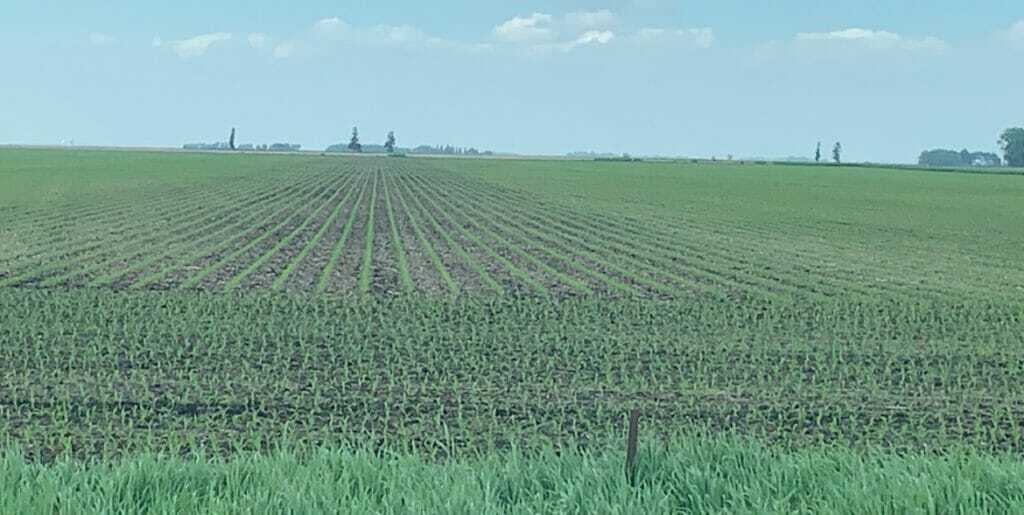
    Corn is 99% planted and soybeans are 75% planted in Central Iowa. Stands are looking better than expected, considering all the crop stress. Corn plants across the region have yellow spots where corn is either lacking sunlight or nitrogen.

    Bryan 1


    Laura Cunningham

    June 4, 2019
    #FromTheField Crop Reports, Season, Summer
  • Latham Hi‑Tech Seeds

    #AskTheAgronomist: Is It Time to Switch Corn Maturities?

    60190993 473775090032290 7744821225855123456 n

    LIBSYN header 2 01

    Is it time? Tune in to hear Phil Long discuss the question of the season. Is it time to switch corn maturities? #AskTheAgronomist

    Map 2 zoomed with key

    Laura Cunningham

    May 30, 2019
    #AskTheAgronomist, Corn, Crop, Flooding, Rain, Season, Spring, Weather
  • Latham Hi‑Tech Seeds

    May 29, 2019 Crop Reports

    Greg 2

    Eastern North Dakota

    Brain McNamee

    This week I wanted to post a picture of emerging corn, but truth be told, there isn’t much to show. Cool temps have delayed emergence by 2 to 3 weeks. Next week will likely be a different story as daytime temps are climbing into the mid-80s. Small grains thrive under cool, damp spring conditions, so at least this field of winter wheat is off to a good start.

    Brian M

    Southeast North Dakota

    Gary Geske

    The crop is finally emerging after we were blessed with sunshine and warmer weather this week. We are all quite busy getting the crop planted where possible, but it’s also time to check emergence and seedling condition on previously planted acres. If a replant is needed, let your Latham® Dealer or RSM know as quickly as possible for a field inspection. They can help you decide which Latham product best fits your replant situation.

    Gary 1


    Northeast South Dakota

    James Keltgen

    A drier forecast is finally coming for Northeast South Dakota. Not much planting progress was made this past week as more rain fell. Corn acres will be lower as farmers are switching crops in an attempt to get fields planted. Some planted corn is emerged and some is nearing emergence.

    James 1

    James 2

    Southeast South Dakota

    Ramie Coughlin

    Spring planting in Southeast South Dakota continues to be delayed by rain every few days, but growers are working hard to plant when and where they can. Many fields look like this one in the photo. However, growers are not ready or willing to throw in the towel on cornhusking yet. Delayed planting throughout most of the Midwest has many believing that corn prices will much more attractive this fall than in recent years. This past week we started switching full-season hybrids for shorter season hybrids. Latham® Dealers are working hard to get the right seed in place for when planting finally brakes loose. The 10-day weather forecast looks favorable for some planters to get in fields yet this year.

    Ramie


    Northern Minnesota

    Ken Highness

    Nathan Wesolowski, a new Latham® dealer from the Tabor, Minnestoa, is planting 160 acres to Latham® Hi‑Tech Hybrids LH 3427 GT/CB/LL.

    Highness

    Southern Minnesota

    Justin Prokosch

    Planting progress is pretty slow due to the ample amount of moisture we’ve received. Most growers are hoping for drier conditions, so they can soybeans in the ground.

    Justin 1

    Justin 2


    Northern Wisconsin 

    Joe Salter

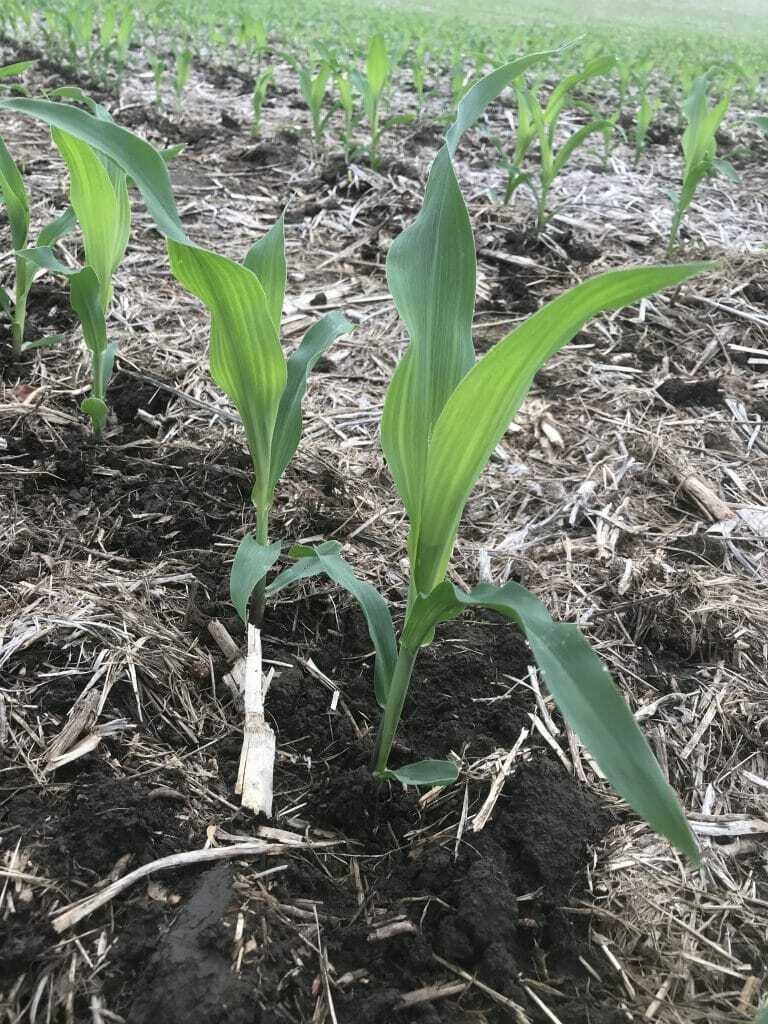
    Time is running out to get this year’s crop planted, yet many growers remain optimistic about getting all their seed in the ground. Last week brought some good planting days, but rain has once again brought everything to a screeching halt.  Corn is starting to emerge as shown in the pics. Many fields across Northern Wisconsin tell the same story… Growers are doing their best to get what they can planted, even if that means planting around water holes.  Others are switching to early maturity options.
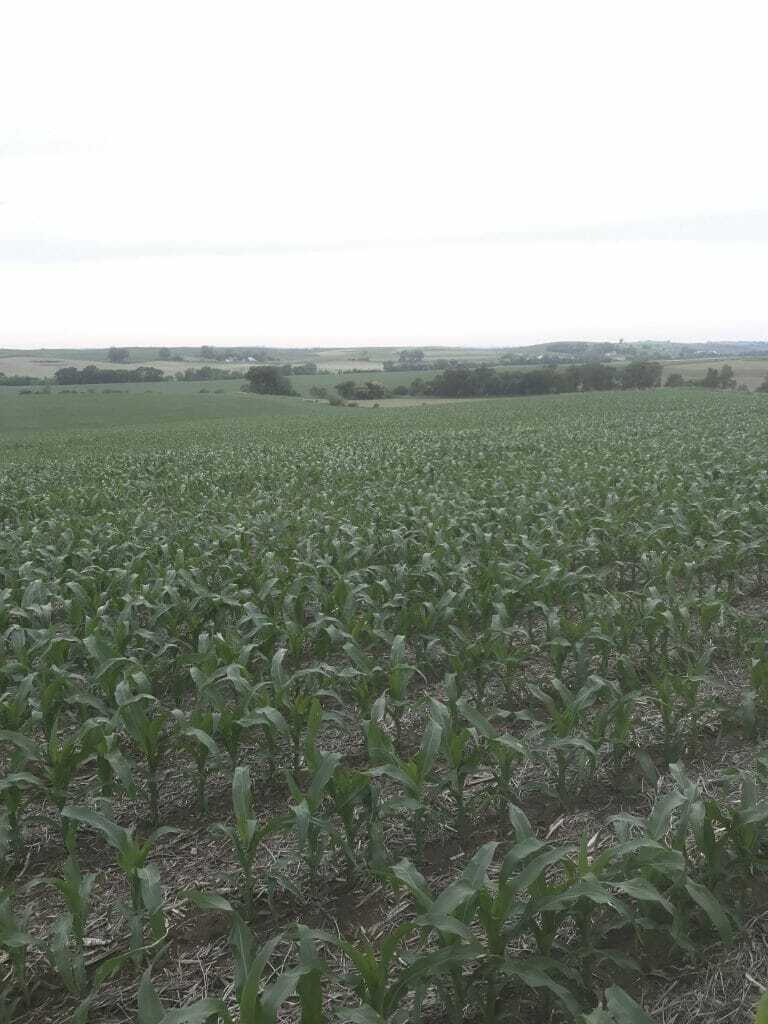
    Many variables should be considered before switching to an early maturity hybrid:

    • Choose a hybrid with excellent dry-down and high test weight.
    • What is the potential use, dry grain or silage?
    • Trade an A for an A! Don’t trade your high-yielding hybrid in for a leftover hybrid that’s early maturity.  Make sure you can get superior alternatives.
    Joe 1

    Joe 2

    Joe 3

    Southern Wisconsin

    Greg Mair

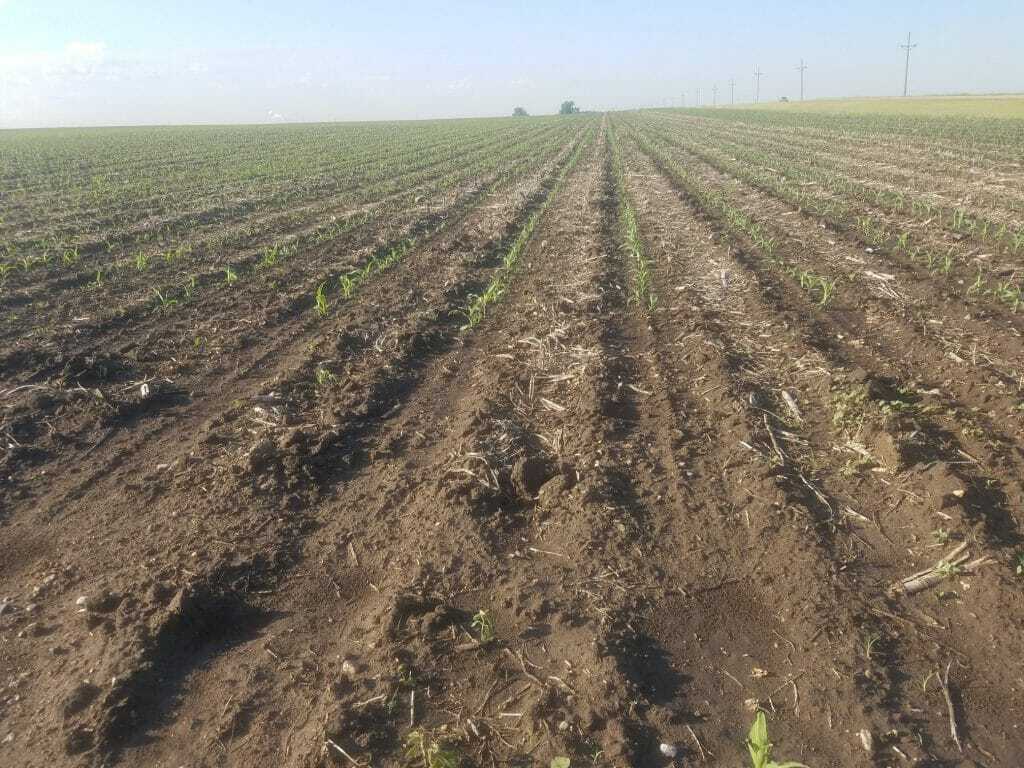
    The acres that got planted are off to a good start plus the rally in the commodity market has farmers optimistic about the future of this year’s crop. Fields are looking green as corn and soybeans, which were planted the week of May 13, begin to emerge.  LH 5249 SS RIB, planted May 14, was spiking through on Sunday in Janesville, Wisc. Latham® Liberty L 2249 L soybeans have gotten off to a fast start in Cuba City.

    Greg 1

    Greg 2


    North Central Iowa

    Cory Greiman

    Too much rain this past week means very little field work got done in North Central Iowa and South Central Minnesota. Unfortunately, more rain is in the forecast for this week.

    Cory 1

    Northeast Iowa

    Craig Haaland

    Rain, rain, go away!

    Anywhere from 3 to 4.5 inches of rain has fallen during the past week, so virtually nothing has gotten planted since last Tuesday. Everything is saturated, so it will be awhile before we can finish the 2019 planting season. Corn is starting to pop in the fields that were planted earlier. This field of Latham® LH 5400 is spiking through in Mitchell County, Iowa.

    Craig H 1


    Northwest Iowa

    Darin Chapman

    Farmers in Northwest Iowa are having a difficult time keeping their planters going due to heavy rainfall.  As much as I like to wait for ideal planting conditions, this year is an exception. We need to get seed in the ground, so we’re being strategic with the planter pass by keeping the dry top soil on top and not running our row cleaners too aggressively.  By not running too aggressively and only moving debris with little to no top soil, we can keep the press wheels riding on the dry top soil to avoid plugging the planter with mud.

    Darin 1

    Darin 2

    Eastern Iowa

    Jerry Broders

    Weather continues to be the limiting factor for spring planting 2019. Farmers in a small area of Jackson County were able to plant for a couple of days last week, but fields across most of Eastern Iowa weren’t fit.
    Jerry 2

    Jerry

    Jerry 3

    Western Iowa

    Larry Krapfl

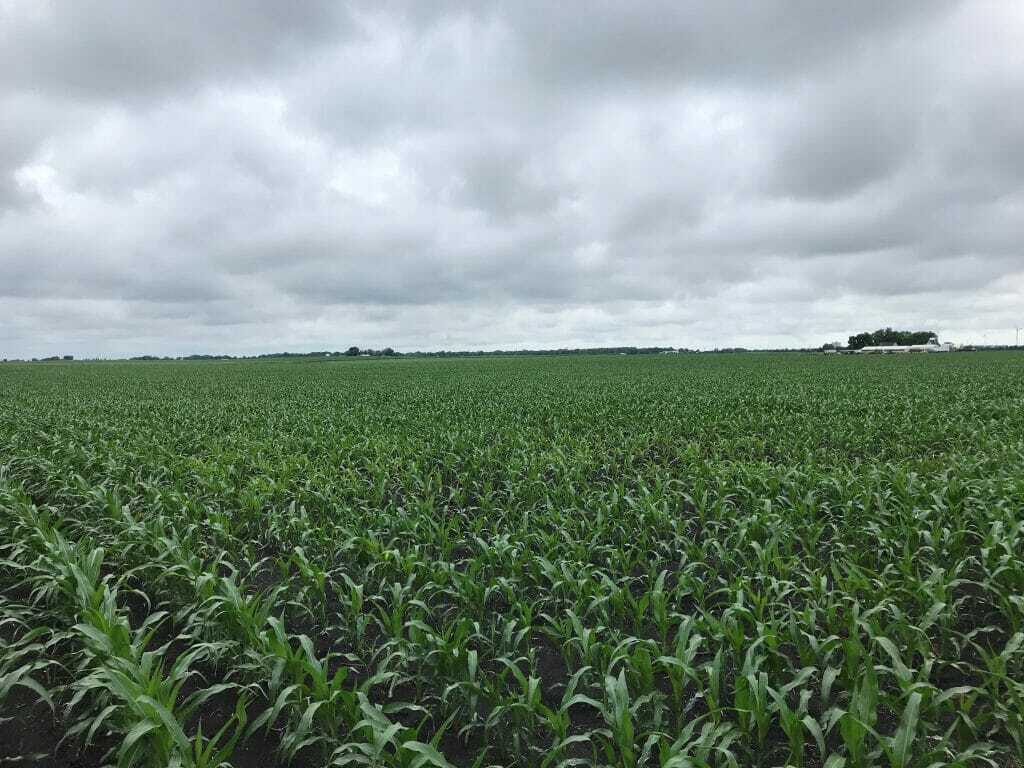
    This has been the season of extreme weather. Much of my area was adversely affected by flood waters this spring. Then on May 28 a devastating storm moved through the Adair-Stuart-Casey area. Torrential rains, hail so heavy it resembled a snowstorm and strong winds created hazardous conditions. Overturned semis temporarily shut down a portion of the interstate.
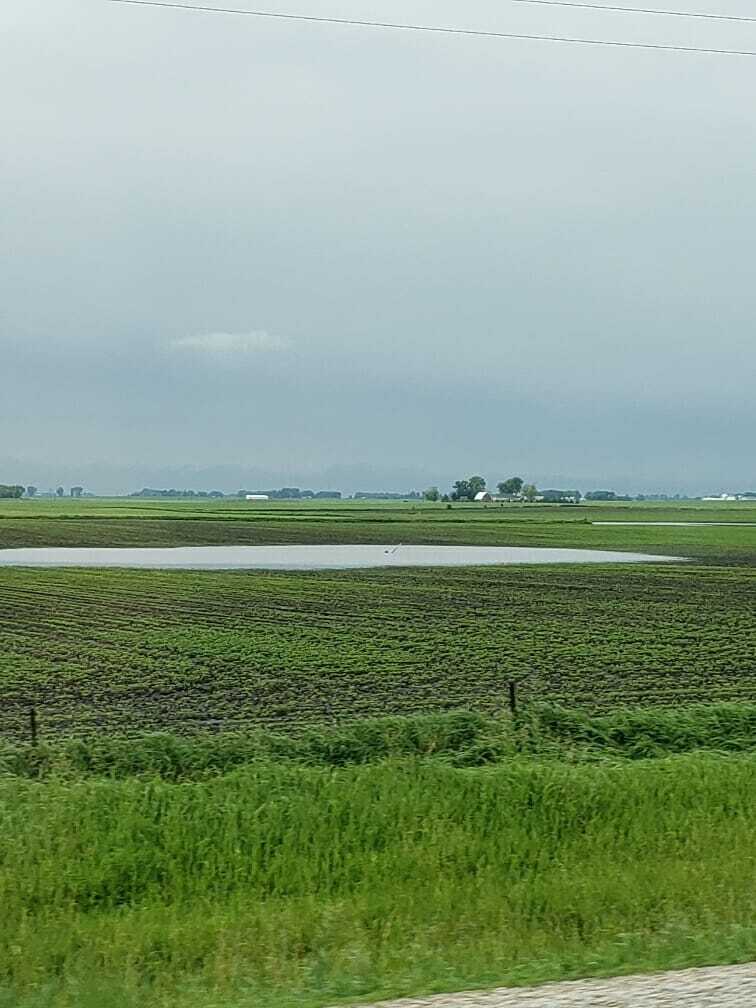
    Larry

    West North Central Iowa

    Bart Peterson

    LH 5245 VT2 PRO emerged like a rocket, and LH 5742 RR also had great emergence in this Latham® SuperStrip Plot north of Hardy, Iowa, that was planted May 6. Now all this plot needs is some sunshine and heat!

    Bart 1

    Central Iowa

    Bryan Rohe

    Getting your 2019 corn and soybeans crop in the ground will be extremely important to take advantage of rebounding markets. Central Iowa farmers are eager to finish planting, but Mother Nature isn’t cooperating. I’d say 90% of the corn acres and 65% of the soybean acres in my area are planted.

    Bryan 1


    Laura Cunningham

    May 29, 2019
    #FromTheField Crop Reports, Season, Summer
  • Latham Hi‑Tech Seeds

    #AskTheAgronomist: 2019 Planting Season Continues to be Delayed

    59674742 2047743118684585 8036236058263814144 n

    LIBSYN header 2 01

    Tune in this morning as Phil Long discusses different options for farmers to consider as we wait to get back in the field. #AskTheAgronomist

    Laura Cunningham

    May 23, 2019
    #AskTheAgronomist, Rain, Season, Spring, Weather
  • Latham Hi‑Tech Seeds

    May 22, 2019 Crop Reports

    Larry 2

    Eastern North Dakota

    Brain McNamee

    Just like last spring, farmers in the North Central and Northwest part of my territory have missed the rains. Planting has progressed there for more than 20 days. Last night I drove about 200 miles from home, north to south, and saw maybe half a dozen tractors total in the fields. Of that equipment, it appeared an even split between planters, tillage and rollers. Corn continues to be planted as we push closer to the insurance deadline. All last-minute and final acre decisions are leaning toward corn.

    Brian M

    Southeast North Dakota

    Gary Geske

    With more rain in the forecast, farmers are putting in longer hours to plant what they can now. Take time during this next rain delay to scout previously planted fields for weeds, germination and early crop growth. If you’re planning to use a pre-emergence herbicide, most must be applied before the crop emerges to avoid injuring the growing crop.

    IMG 0269

    Gary 1


    Northeast South Dakota

    James Keltgen

    It’s been another wet week in Northeast South Dakota! Farmers pushed hard in areas the last half of last week. I’m hearing everything from 0% to 100% done with planting corn. Most farmers are somewhere in the 20 to 40% completed range. Nearly three inches of rain have fallen since last week, so some farmers are thinking about planting earlier hybrids. We’re praying for a break in this rainy weather pattern.

    James 1

    James 2

    Southeast South Dakota

    Ramie Coughlin

    Last week we had four days of dry weather, so planters got in the field. I’ve heard reports from farmers, ranging from 100% to 0% planted on corn. It was a relief that fields were dry enough to plant last week, but it was unfortunate the next rain system wasn’t far behind. Rain fell Friday night across most of eastern and western South Dakota and continued into Saturday and Sunday. The next system flared up Tuesday and has continued into today. We’re hopeful that good drying weather in the days to come as warmer temperatures are suppose to be on the way.

    Ramie 1


    Northern Minnesota

    Ken Highness

    This past week brought favorable conditions for field work with soil temperatures above 50-degree mark. Latham® Dealer Riverton Seed planted L 0982 RR2, which was the Red River’s F.I.R.S.T. Trials winner. Many farmers were busy finishing tillage while some started planting. A few areas experienced large amount of rain and some even received snow last weekend. The good news is we’re still within the time period for great yields, so there’s no need to think about switching maturities yet!

    Ken 1

    Southern Minnesota

    Justin Prokosch

    Last week was a strong week for many farmers in southern Minnesota. Many farmers finished planting corn, and some got started on soybeans. With rain coming in last Friday, I convinced my wife to help put in my last Latham SuperStrip™ on our home farm. We pulled out all the stops to get it planted right before it started raining!

    Justin 1

    Justin 2


    Northern Wisconsin 

    Joe Salter

    This last week we gained some ground! Tractors were running steady because farmers knew rain would soon hit us. Northern Wisconsin planting progress ranges from zero acres planted to almost done. A few more Latham plots went in the ground.

    Joe 1

    Joe 2

    Southern Wisconsin

    Greg Mair

    Seed that has been in the ground for three or more weeks is finally emerging. These acres are a little pale green, but the stands look fairly uniform given what they have been through.  More rain in the forecast this week, but farmers remain hopeful for good conditions to finish planting this spring.

    Greg M


    North Central Iowa

    Cory Greiman

    Latham 2193 E3 beans were planted near Garner on May 7. This picture was taken on May 16. We could use a little sunshine and warmth.

    Cory 1

    Northeast Iowa

    Craig Haaland

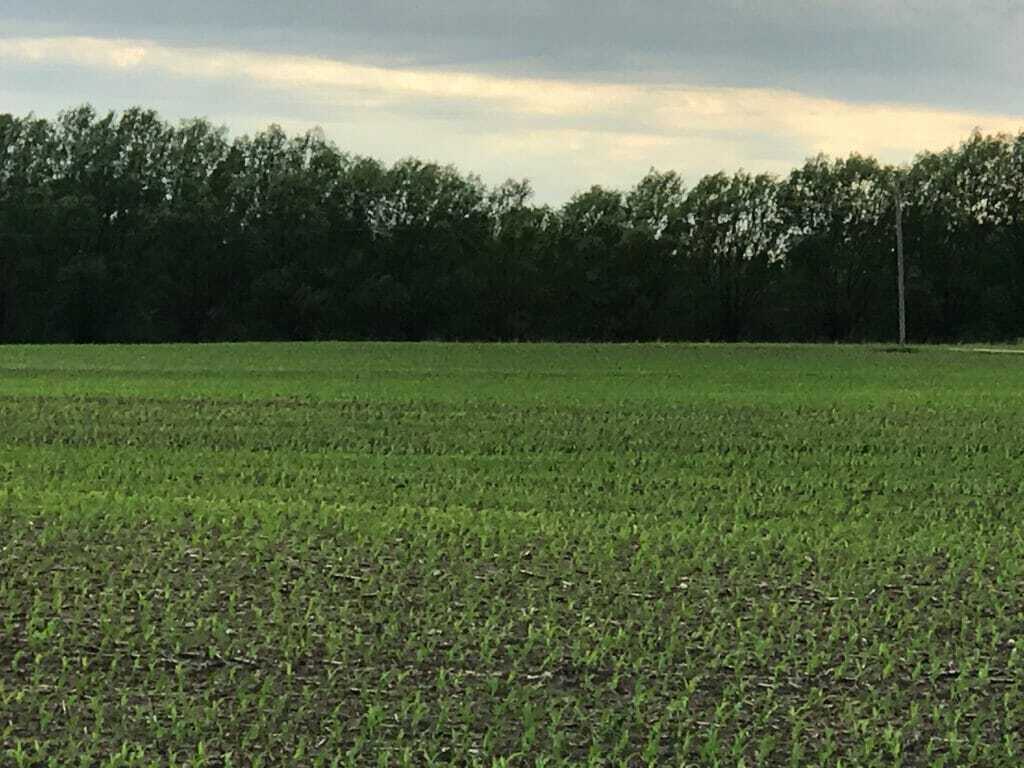
    This no-till customer in Mitchell County, Iowa, was able to plant soybeans last Thursday. Quite a few farmers got seed in the ground last Monday through Thursday. Spotty rains fell Friday and Saturday, with rainfall totals ranging from 1.5 to 5 inches. Most area farmers finished planting corn last week and got a decent start on soybeans. Temperatures have been up and down these past few weeks, so some seed is struggling to emerge. We need warm and dry weather, so we can finish the 2019 planting season.
    Craig H

    Northwest Iowa

    Darin Chapman

    These photos show Latham LH 5245 VT2 PRO planted May 5 at 36,000 population. We’ve only had a few days of sunshine to get this crop started, so I’m happy to see good emergence and the start of a nice stand.

    Darin

    Eastern Iowa

    Jerry Broders

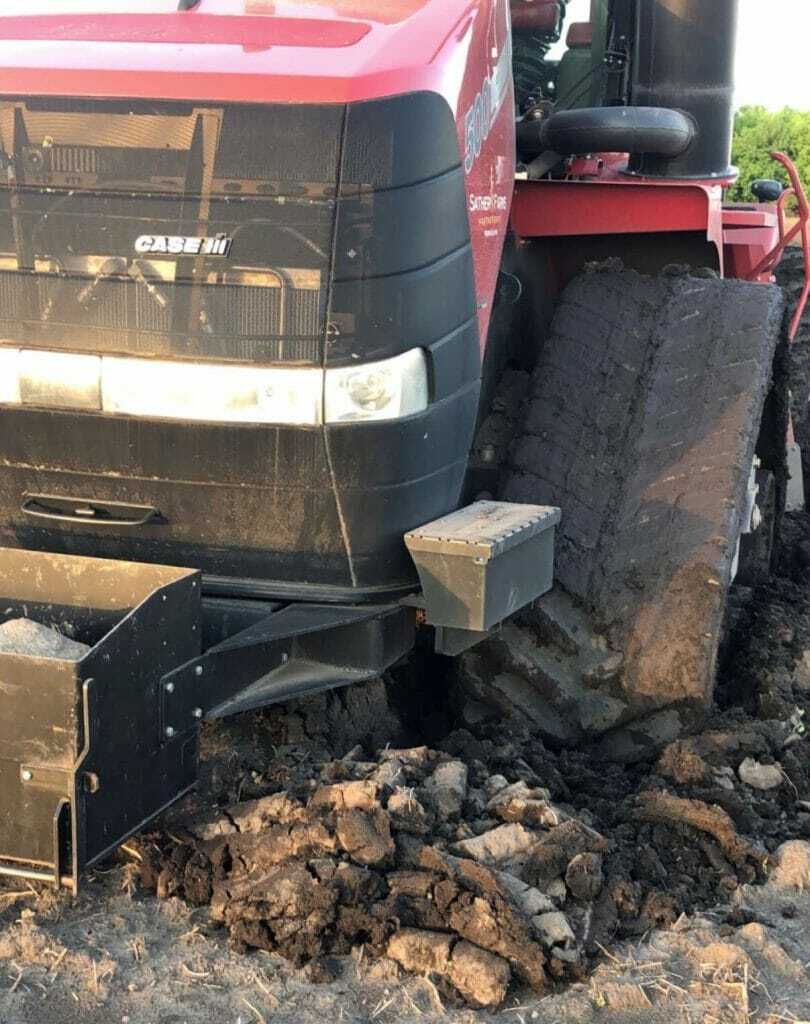
    We managed to string together four days of dry weather to get some much needed planting done. Some fields were not “ideal” for planting as you can see the soil packed on the press wheels and travel wheels of this planter. #Plant19 continues to be an adventure.

    Jerry 1

    Jerry 2

    Western Iowa

    Larry Krapfl

    You can row this field of Latham L 3187 L that was planted April 18 in western Iowa.

    Larry 1

    This 20-year old CRP ground was planted to LH 5819 SS on April 18 near Climbing Hill, IA.

    Larry 2

    West North Central Iowa

    Bart Peterson

    Last week I dumped 1.3 inches from my Latham rain gauge in Dakota City, Iowa. It’s been challenging to put seed in the ground when it seems to rain each time the fields are almost dry enough to enter. I’m guessing 99% of the corn is planted and 60% of soybeans are planted in West Central Iowa. My North Central territory is a little behind that with about 70% of the corn acres planted and 25% of the soybeans planted.

    Bart 1

    Central Iowa

    Bryan Rohe

    Rain continues to fall across Central Iowa, and the 5-day forecast calls for more. The central region is 95% done with planting corn and 60% done with soybeans, so we’re pretty fortunate. Once it stops raining and dries up, planting will finish in a hurry.

    Bryan 1

    Bryan 2


    Laura Cunningham

    May 22, 2019
    #FromTheField Crop Reports, Season, Summer
Previous Page
1 … 18 19 20 21 22 … 46
Next Page

Latham Hi‑Tech Seeds

131 180th Street | Alexander, IA 50420

(641) 692-3258

SIGNUP FOR OUR NEWSLETTER
  • Contact
  • Legal
  • Dealer Center
  • Seedware Login
  • Latham Gear

© 2025 Latham Hi‑Tech Seeds. All rights reserved. | Iowa Web Design by Webspec | Privacy Policy

Latham® Hi-Tech Seeds is a trademark of M.S. Technologies, L.L.C., 103 Avenue D, West Point, IA 52656.