Latham Hi-Tech Seeds

(641) 692-3258

  • Home
  • Performance
  • Products
    • Corn
    • Soybeans
    • Soybean Blends
    • Alfalfa
    • Corn Silage
    • Seed Guide
  • Find a Rep
  • Media
    • Blog
    • News
    • Videos
    • Podcasts
    • TECHTalk
  • About Us
    • Company History
    • Our Mission
    • Careers
    • Become a Rep
    • Sowing Seeds of Hope
  • Contact Us
  • Latham Hi‑Tech Seeds

    Managing Soil Erosion

    Heavy spring rains causing flooding problems for farmers

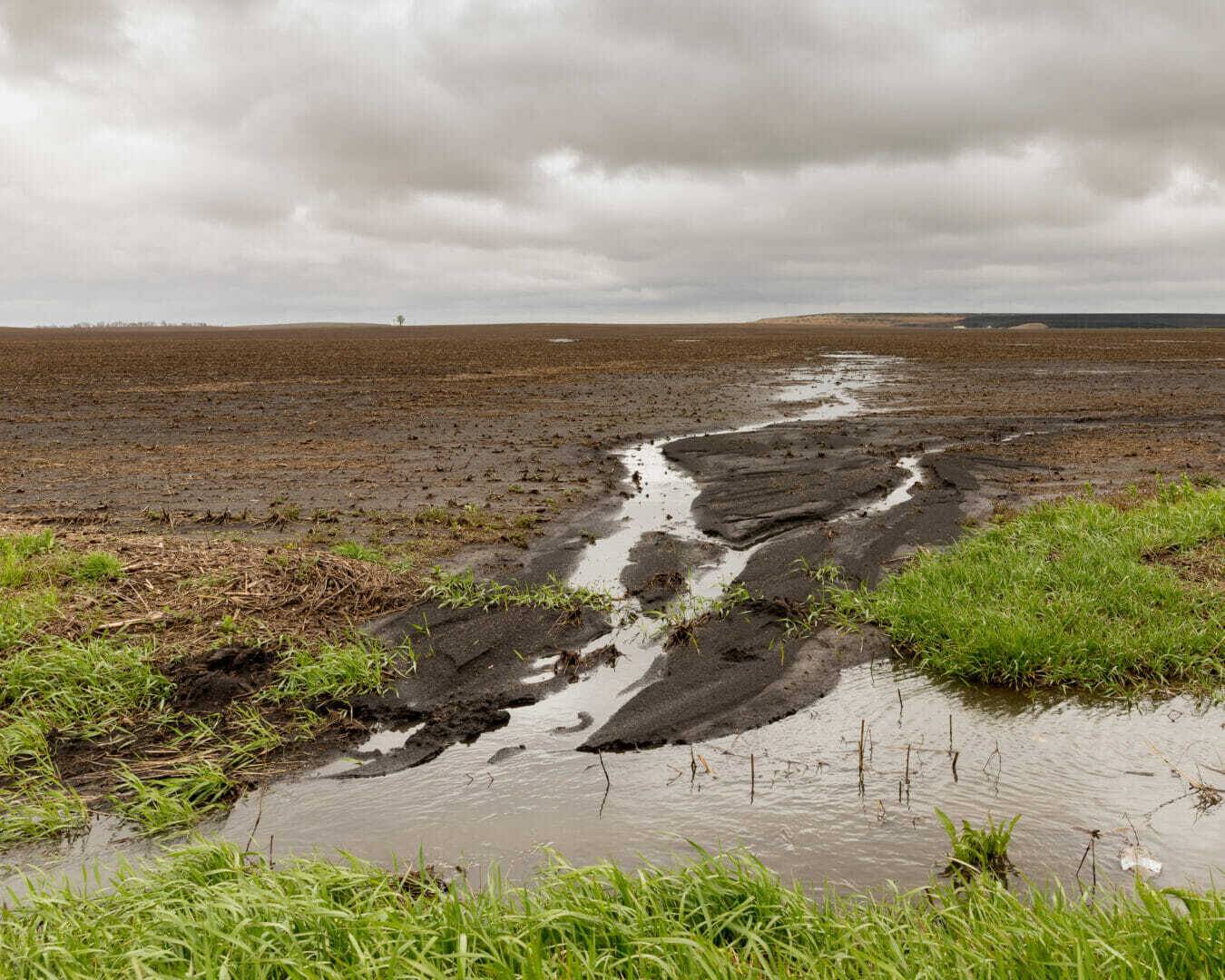
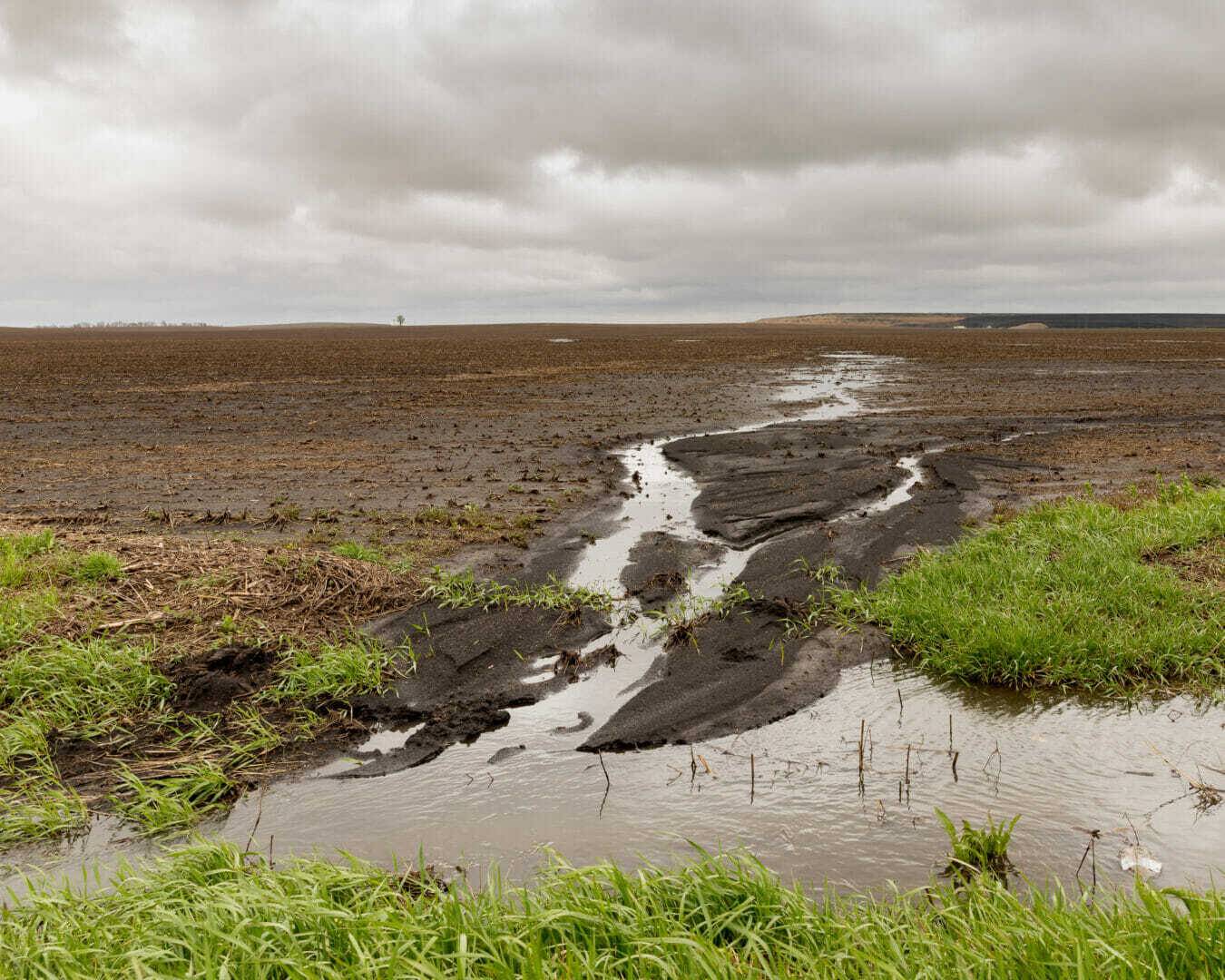
    Soil erosion resulting from heavy rainfall events and wind leads to the loss of essential soil nutrients and soil carbon. Eroded soil and the loss of organic matter essential for supporting crop growth can damper corn and soybean production and reduce yield. Across the Corn Belt, an observed 20% increase in rainfall has led to a 40% increase in soil erosion. Record breaking flooding across the Midwest has further exacerbated erosion.

    Identify Soil Erosion

    Gully erosion is one of the most pronounced forms of erosion and its large grooves that form in the soil following heavy rainfall make it easy to identify. Less evident to the naked eye are signs of erosion that can be identified by looking for standing water in the field. Puddles of water seen after a rainstorm that are clouded with sediment suggest erosion is occurring whereas puddles of clear water are a sign of minimal erosion. Lighter colored soil seen overtime is also a sign of erosion but can be more difficult to identify.

    In Iowa, the average rate of erosion has been five tons of soil per acre every year with intense weather events worsening rates, in some cases reaching 100 tons of soil per acre per year. The loss of natural vegetation can lead to greater rates of erosion from both wind and water. Using cover crops and no-till are the most effective methods for reducing and preventing erosion, increasing soil water holding capacity and boosting moisture content.

    Take Action with Promising Solutions

    Annual cover crops such as winter rye can be planted in the fall to preserve the soil over the winter and reduce erosion. PROTECTioN™ Cereal Rye, DRILLER™ Daikon Radish and FIXatioN Balansa Clover can be planted in the late summer and early fall to enrich organic matter and reduce soil loss. Perennial cover crops including legumes and fescue have established root systems that can prevent the loss of soil nutrients to rain or weather erosion. Legumes are also nitrogen fixing and can support crop growth.

    In addition to integrating cover crops and no-till, terracing or planting grasses near waterways can prevent the formation of gullies. Buffer and filter strips can reduce the loss of soil nutrients and runoff of fertilizer and pesticides. Prairie strips can be implemented by planting perennial grasses to protect topsoil and prevent the loss of organic matter. Integrating a combination of these methods with cover cropping can combat soil erosion and offer great protection for your corn and soybean crops.

    Latham Seeds Precision Agronomy Advisors

    January 14, 2020
    Corn, Cover Crops, Crop, Soybeans, Spring, Tech Tuesday, Winter
  • Latham Hi‑Tech Seeds

    Looking Through Latham’s Lens

    IMG 7029

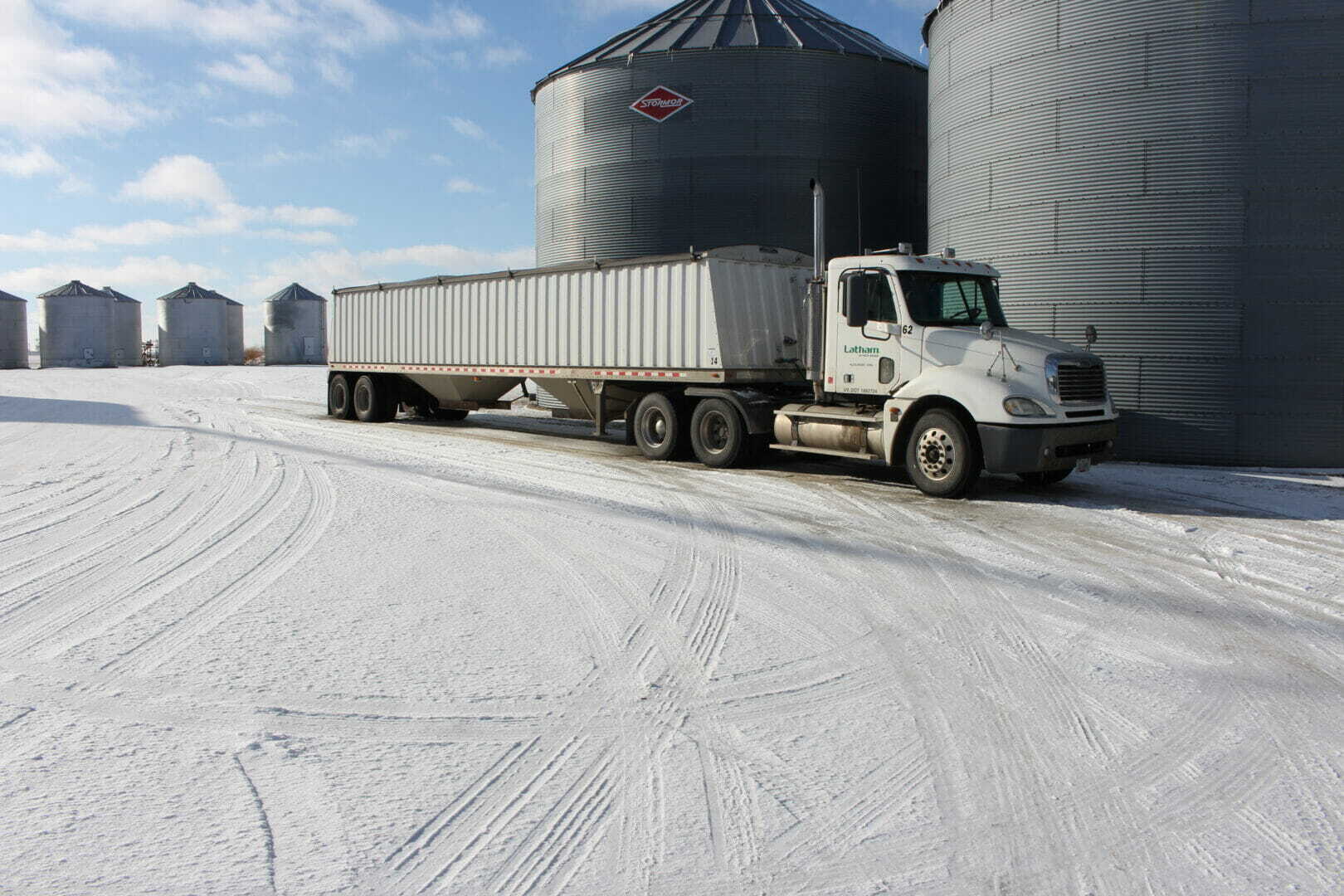
    Looking Through Latham’s Lens: Wishing safe travels to our truck drivers delivering seed and farmers hauling grain as another fresh blanket of snow fell over the weekend.

    IMG 7029


    Laura Cunningham

    January 13, 2020
    Agriculture, Industry News, Season, Winter
    delivering seed, hauling beans, Hauling corn, winter driving
  • Latham Hi‑Tech Seeds

    #AskTheAgronomist: Seed Treatments

    1.9.20 Feature ATA image
    Tune in to hear the top three reasons to use our SoyShield soybean seed treatment this spring. #AskTheAgronomist
     
    0:30 — Topic introduction
    3:14 — Early planting & cool soils
    3:34 — SDS protection
    5:30 — Soybean Gall Midge protection

    Laura Cunningham

    January 9, 2020
    #AskTheAgronomist, Agronomics, Crop, Season, Seed Treatment, Soybeans, Spring, Winter
    benefits of seed treatment, cold spring, seed protection, Seed treatment, soybean seed treatment
  • Latham Hi‑Tech Seeds

    Latham Seeds Yield Highlights

    Harvesting Corn with Combine

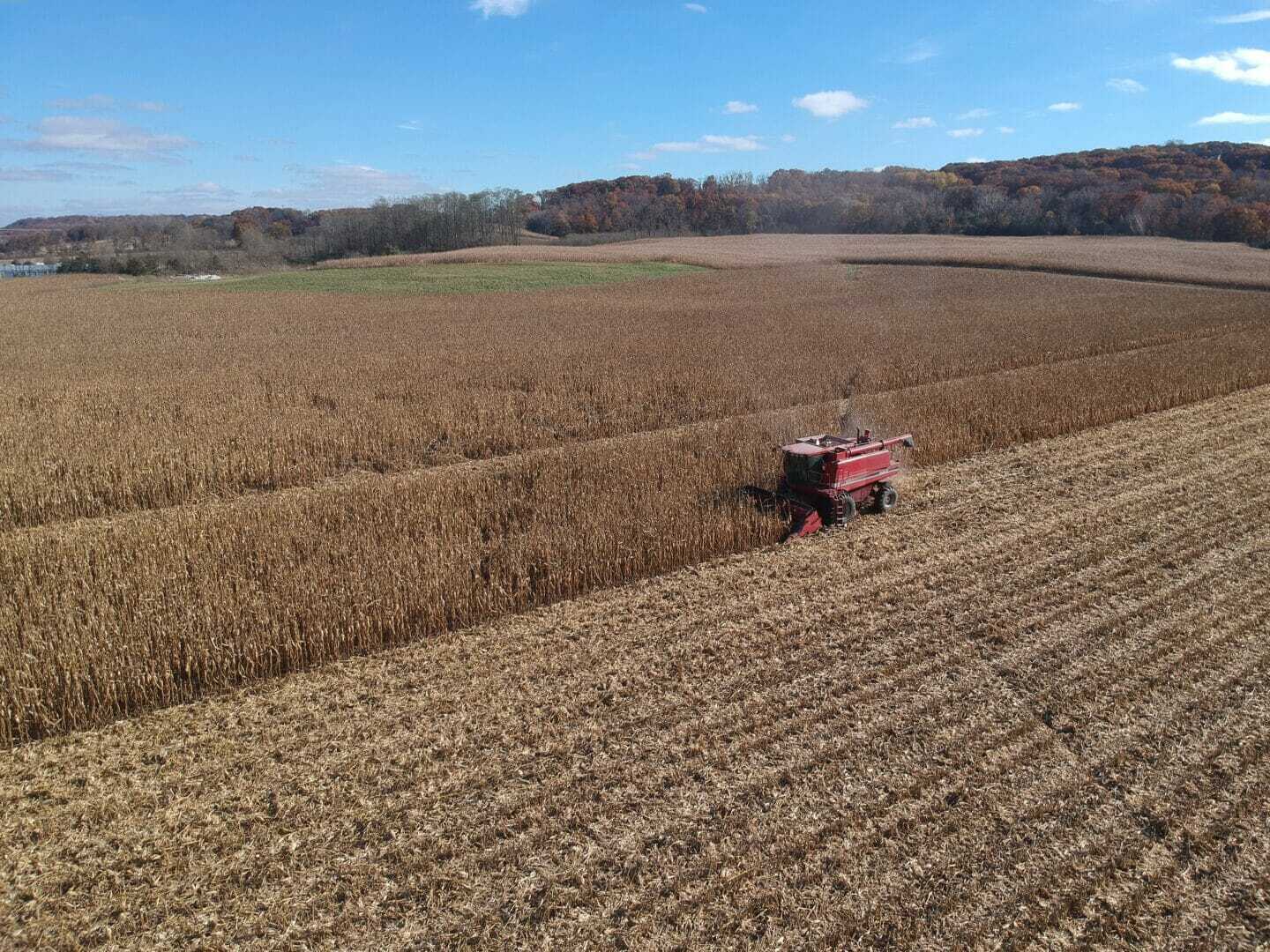
    Harvest results slow down as we enter the winter season. The result we are highlight today is our LH 5965 VT2 PRO RIB hybrid. This number won the Overall First Place spot in the Iowa East Central region.

    Harvesting Corn with Combine

    Laura Cunningham

    December 4, 2019
    #FromTheField Crop Reports, Fall, Season
  • Latham Hi‑Tech Seeds

    Latham Seeds Yield Highlights

    DCIM/100MEDIA/DJI 0299.JPG

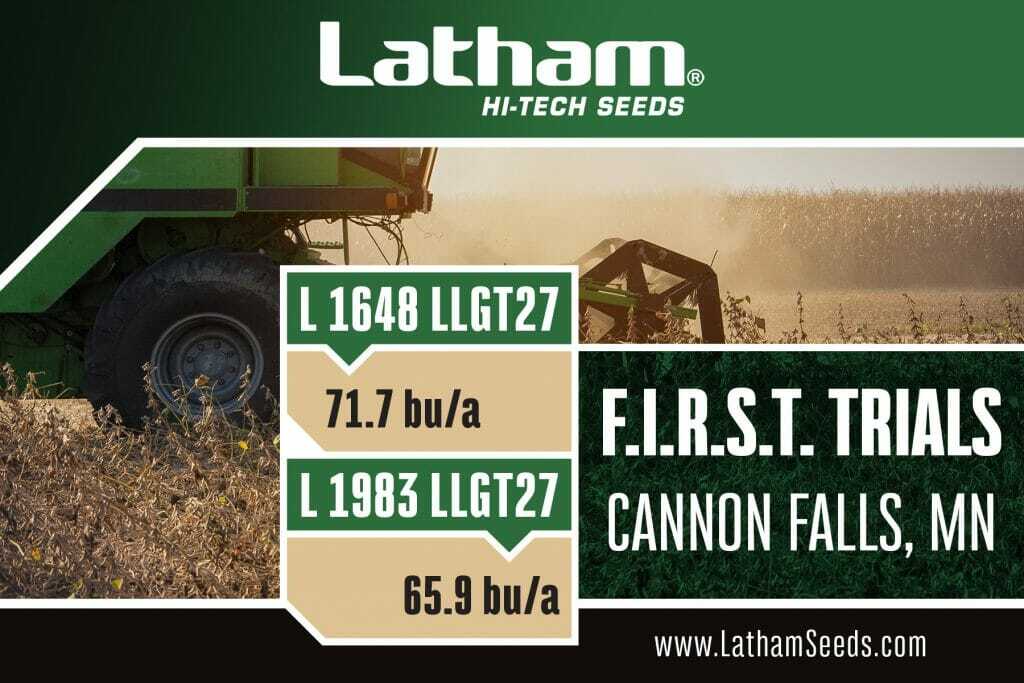
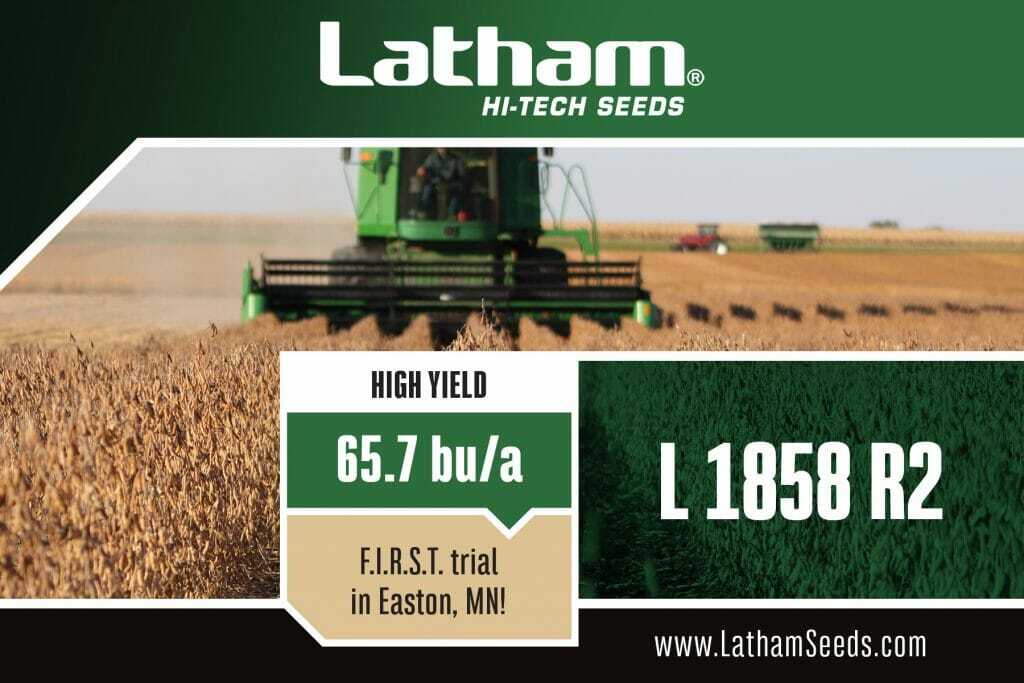
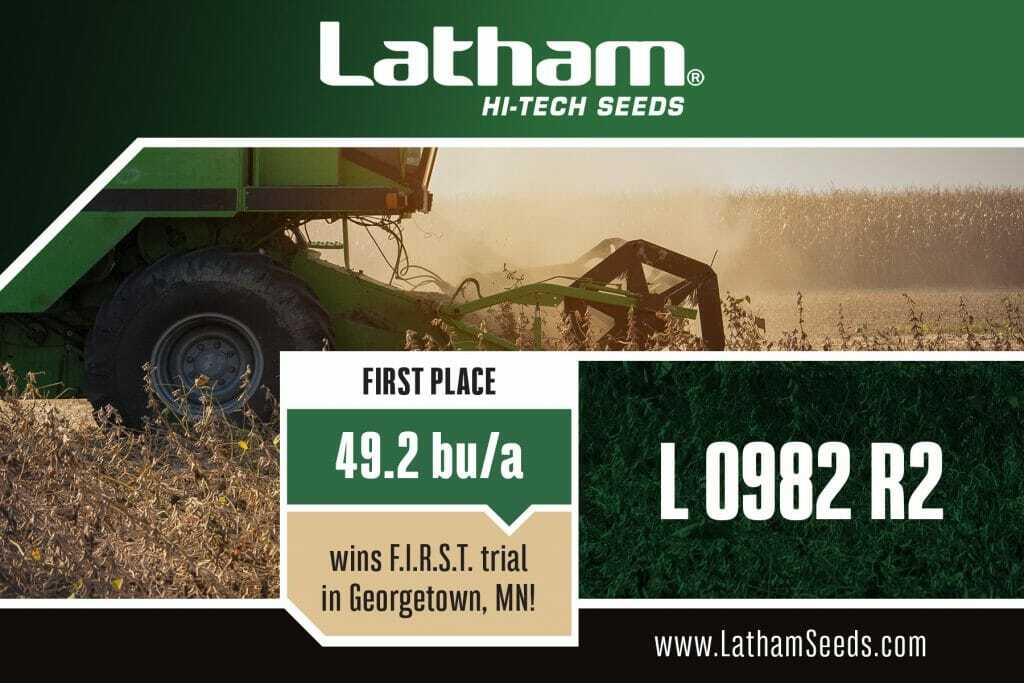
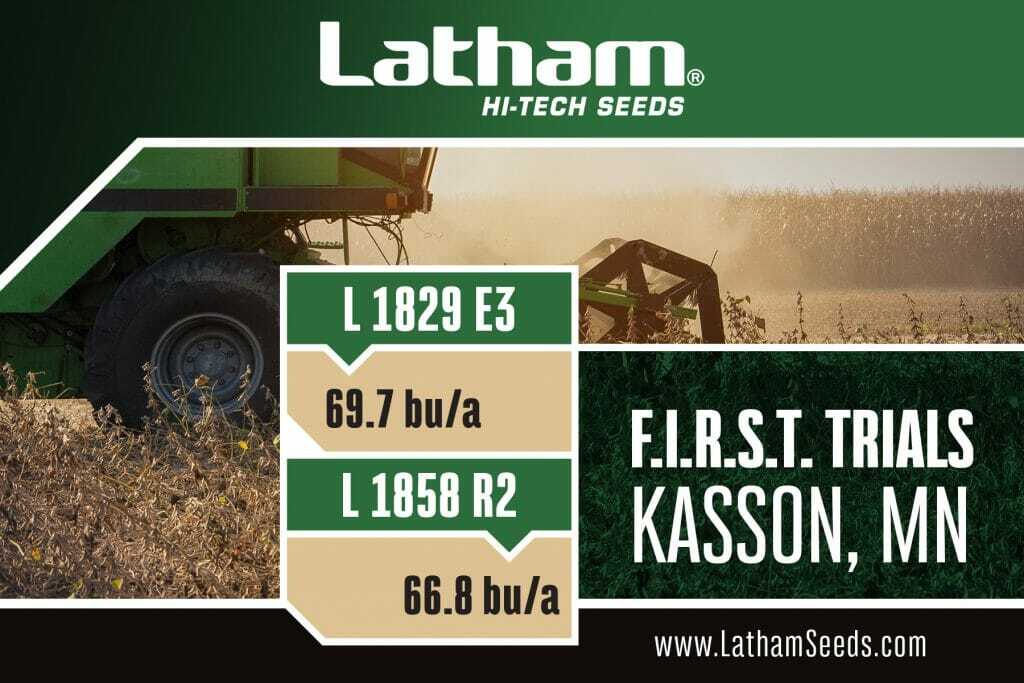
    Below are three more #LathamSeeds wins from F.I.R.S.T. trials throughout Latham Country!

    Harvesting Corn with Combine

    Harvesting Corn with Combine

    Harvesting Corn with Combine


    Laura Cunningham

    November 27, 2019
    #FromTheField Crop Reports, Fall, Season
  • Latham Hi‑Tech Seeds

    Latham Seeds Yield Highlights

    Justin 1

    View our yield highlights from the last week across Latham country!

    Harvesting of soybean field with combine

    Harvesting Corn with Combine

    Harvesting Corn with Combine

    Laura Cunningham

    November 20, 2019
    #FromTheField Crop Reports, Fall, Season
  • Latham Hi‑Tech Seeds

    Latham Seeds Yield Highlights

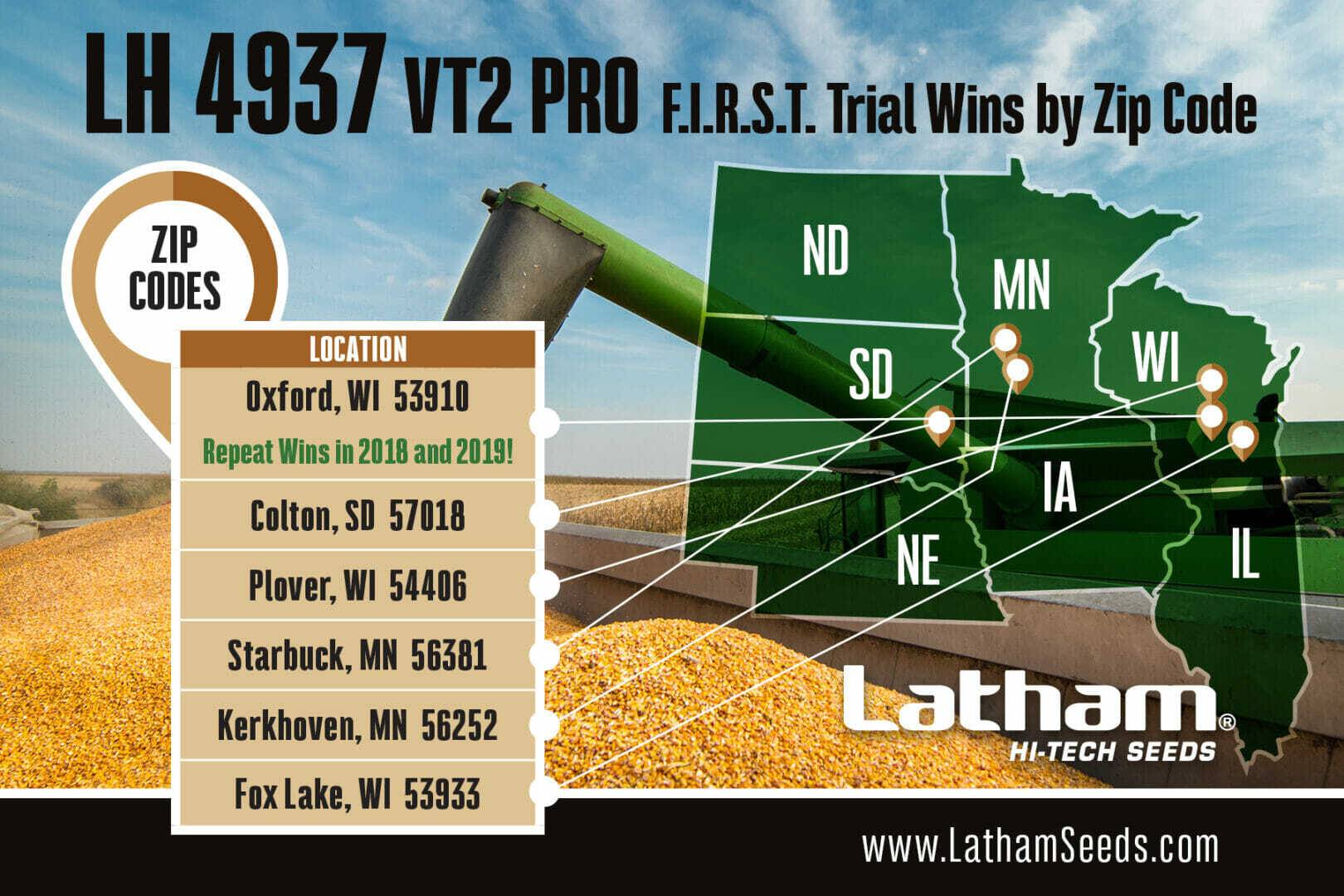
    4937 wins by zip code

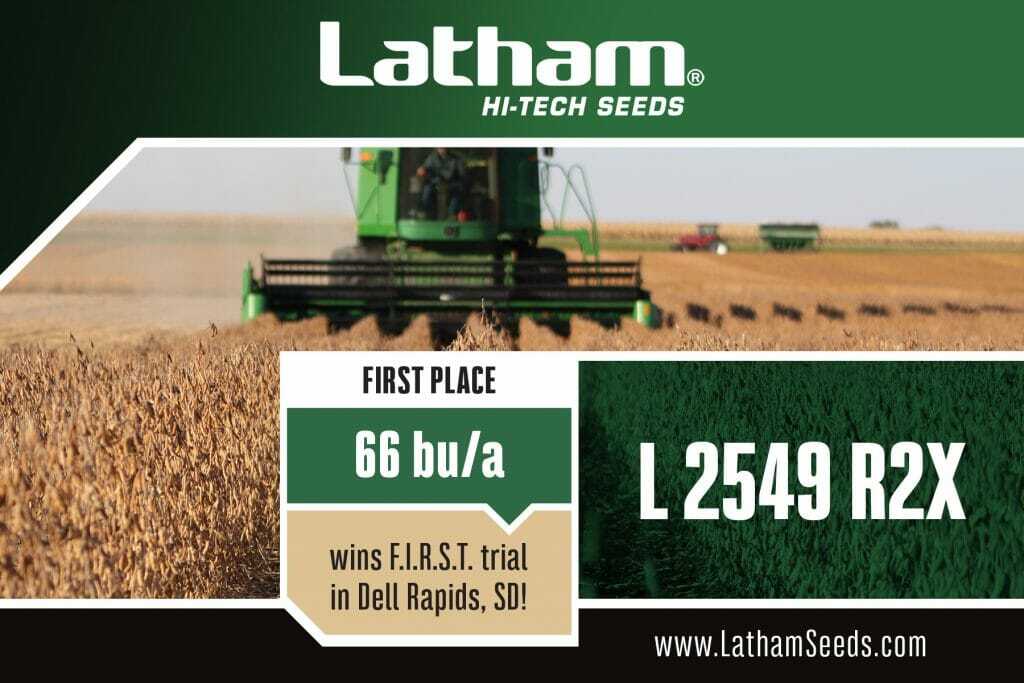
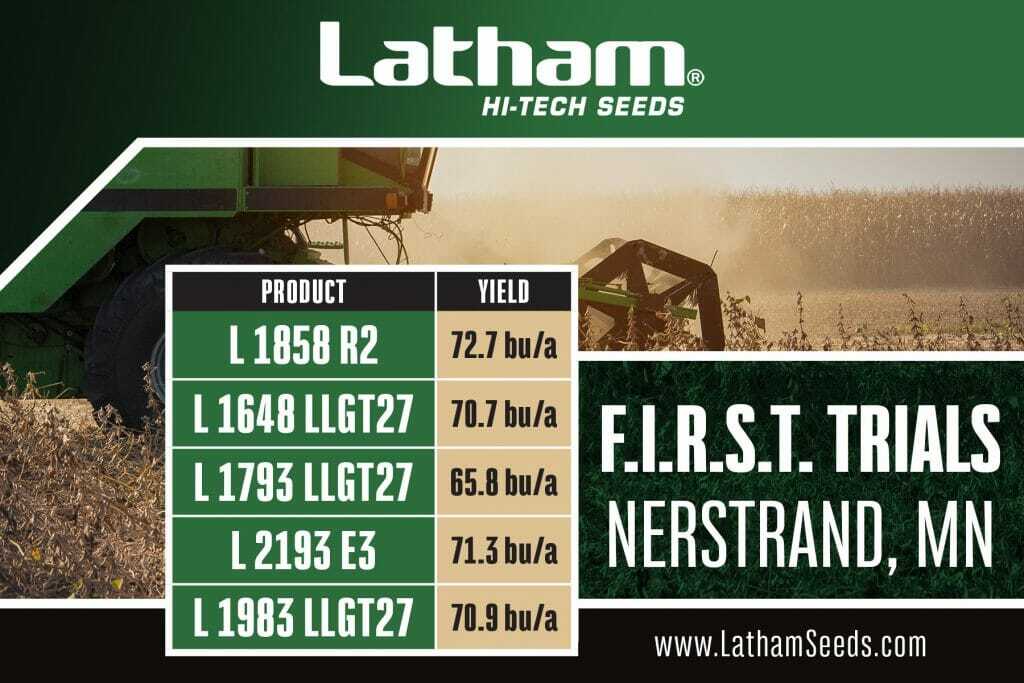
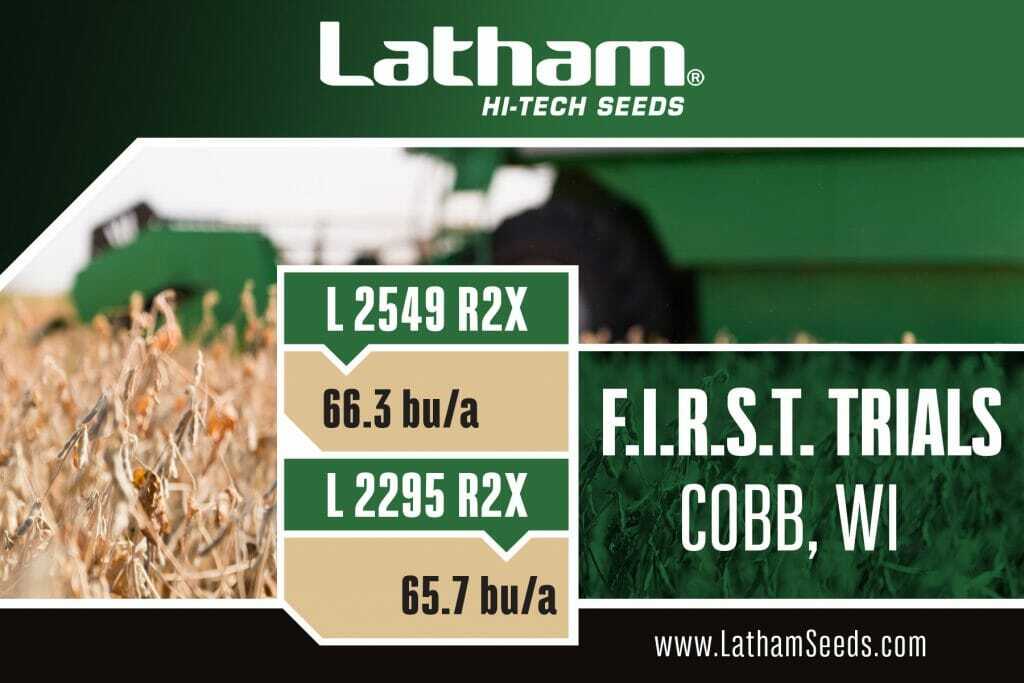
    Quality is key and it is proven in our 2020 harvest results. View top yield F.I.R.S.T. Trial results below!


    South Dakota

    Harvesting of soybean field with combine


    Minnesota

    Harvesting Corn with Combine

    Harvesting Corn with Combine


    Wisconsin 

    Harvesting Corn with Combine

    Harvesting Corn with Combine


    Iowa

    Harvesting Corn with Combine

    Harvesting Corn with Combine


    Illinois

    Harvesting Corn with Combine

    Laura Cunningham

    November 13, 2019
    #FromTheField Crop Reports, Fall, Season
  • Latham Hi‑Tech Seeds

    Latham Seeds Yield Highlights

    Combine harvester filling a semi for transport

    Quality is key and it is proven in our 2020 harvest results. View top yield F.I.R.S.T. Trial results below!


    South Dakota

    Harvesting of soybean field with combine

    Harvesting of soybean field with combine

    Harvesting Corn with Combine


    Minnesota

    Harvesting of soybean field with combine

    Harvesting of soybean field with combine

    Harvesting of soybean field with combine

    Harvesting of soybean field with combine

    Harvesting of soybean field with combine

    Harvesting of soybean field with combine

    Harvesting of soybean field with combine

    Harvesting of soybean field with combine


    Wisconsin 

    Harvesting Corn with Combine

    Harvesting of soybean field with combine

    Harvesting Corn with Combine


    Iowa

    Harvesting Corn with Combine

    Harvesting Corn with Combine

    Farragut IA Corn Winner

    Harvesting Corn with Combine

    Harvesting Corn with Combine

    Harvesting Corn with Combine

    Iowa Falls Iowa Soybean Winner

    Harvesting of soybean field with combine

    Harvesting of soybean field with combine

    Harvesting of soybean field with combine

    Harvesting of soybean field with combine

    Harvesting of soybean field with combine


    Illinois

    Harvesting Corn with Combine

    Harvesting of soybean field with combine

    Laura Cunningham

    November 5, 2019
    #FromTheField Crop Reports, Fall, Season
  • Latham Hi‑Tech Seeds

    October 30, 2019 Crop Reports

    Aaron 1

    Southeast North Dakota

    Gary Geske

    Much cooler temps this week is allowing the flex head to slide over the ice. so the combine head is not scooping up water anymore. Many soybean acres were harvested this week, so corn harvest will soon begin.
    Gary 1


    Northeast South Dakota

    James Keltgen

    Cooler weather this past week has brought soil temperatures below freezing. The ground has firmed up, allowing farmers to worry less about getting stuck. Soybean harvest has progressed. Earlier soybean moistures were ranging between 16 and 17 percent. Now moisture is down around 13 percent. Yields are still variable as excess moisture was the theme all summer long.

    Some corn has been combined. Moistures are still 20 to 28 percent, depending on maturity and planting date.James 1
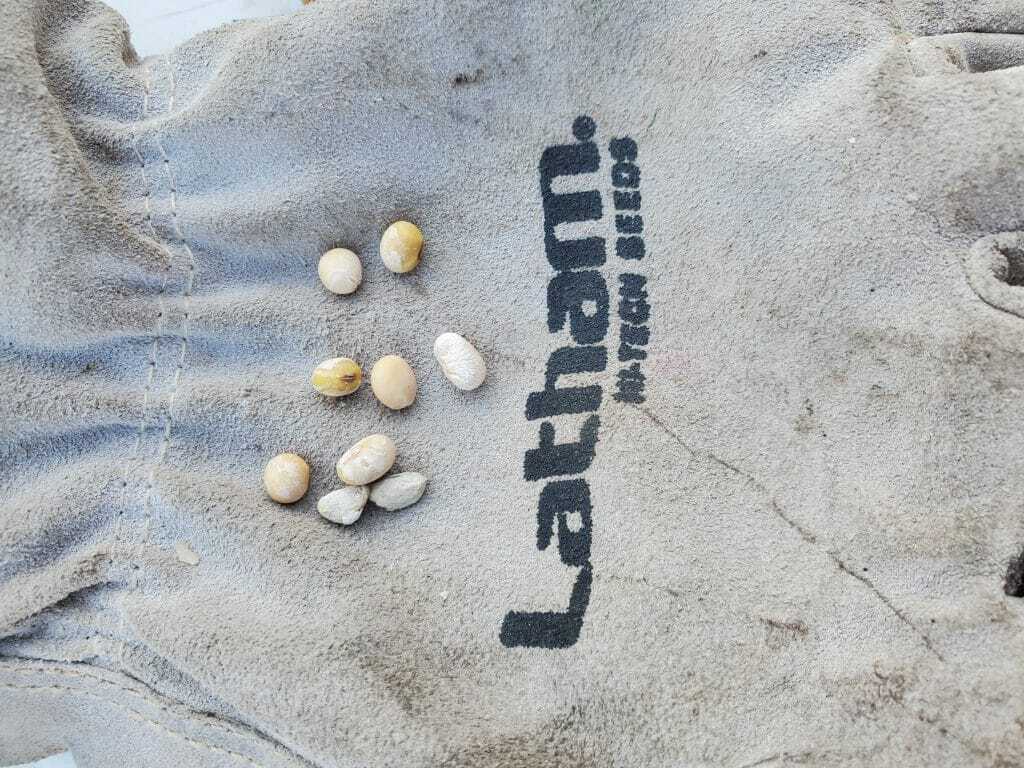
     

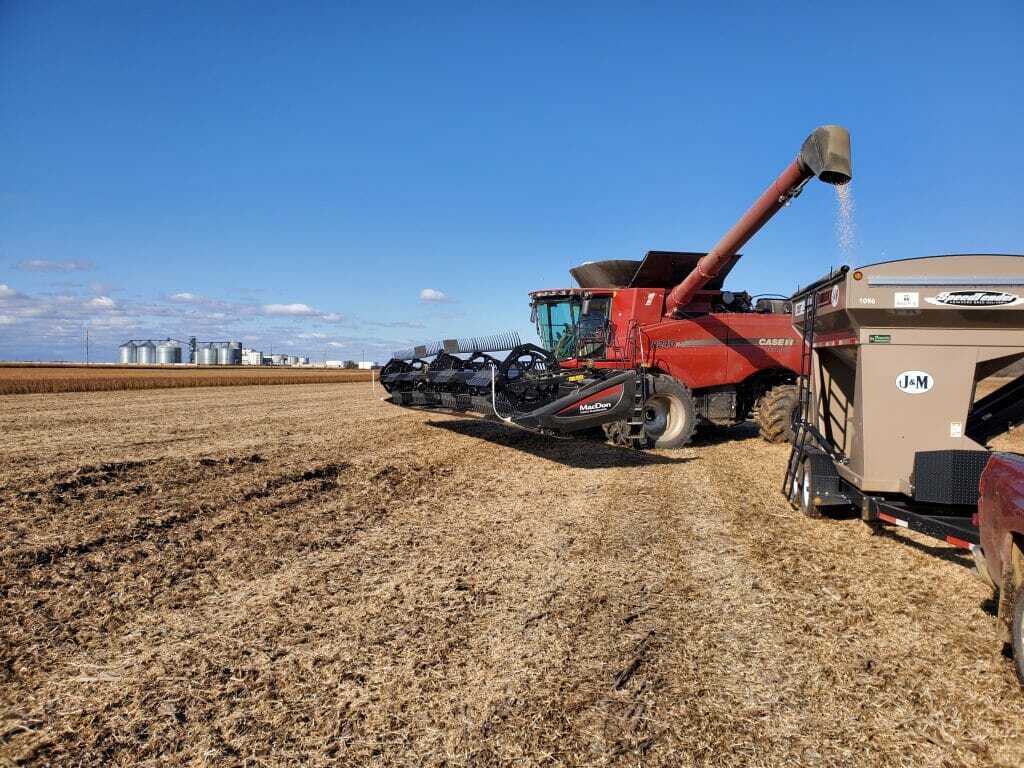
    Doug Abeln Seed Co. harvested a soybean plot. Yields ranged from 55 to 65 bushels.
    James 2


    Southeast South Dakota

    Ramie Coughlin

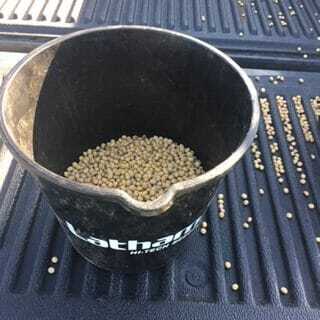
    Harvest is officially here. With a much needed dry stretch, many farmers were able to finally harvest. Soybeans have been coming out at much higher yields than anticipated. I’m hearing many yield reports around 40 to 55 bushels per acre, but even 70-bushel beans have been reported. Good harvest weather is forecast for the next week, so it’s full speed ahead here in South Dakota.
    Ramie 1

    Ramie 2


    Northern Minnesota

    Ken Highness

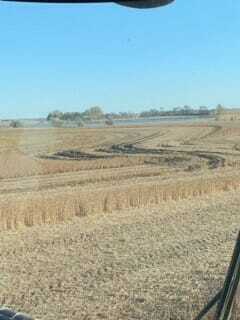
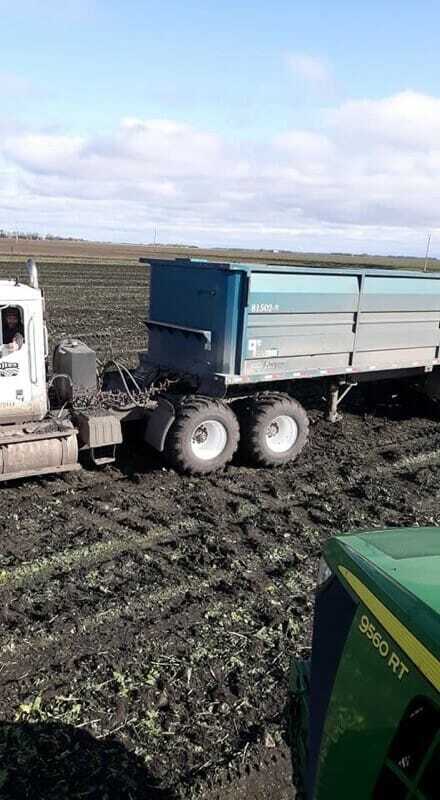
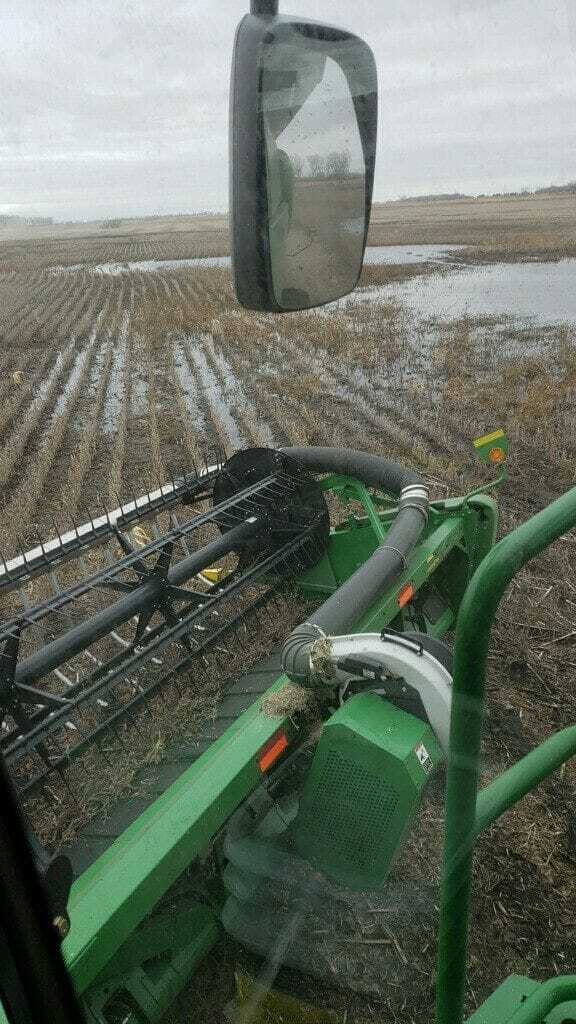
    Harvest is like nothing we’ve ever seen before in this region. Area farmers are fighting mud at every turn. Farm equipment has been stuck right up to the axle. We’re harvesting through standing water and combine headers are filling with mud. The picture taken from the cab provides s bird’s eye view of what 90% of the fields look like in my region. The second picture is creativity at it best. This grower near Grand Forks, ND is mounting tractor lug tires on the drive axle of his semi. This is working very well because the lugs don’t hold mud like conventional tires plus they very well on the highway.
    Ken 2

    Ken 1


    Southern Minnesota

    Justin Prokosch

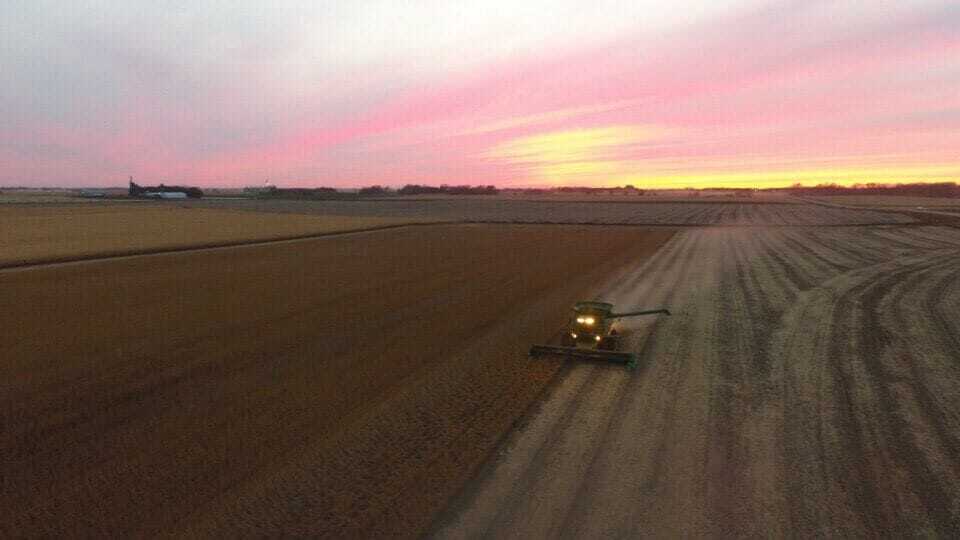
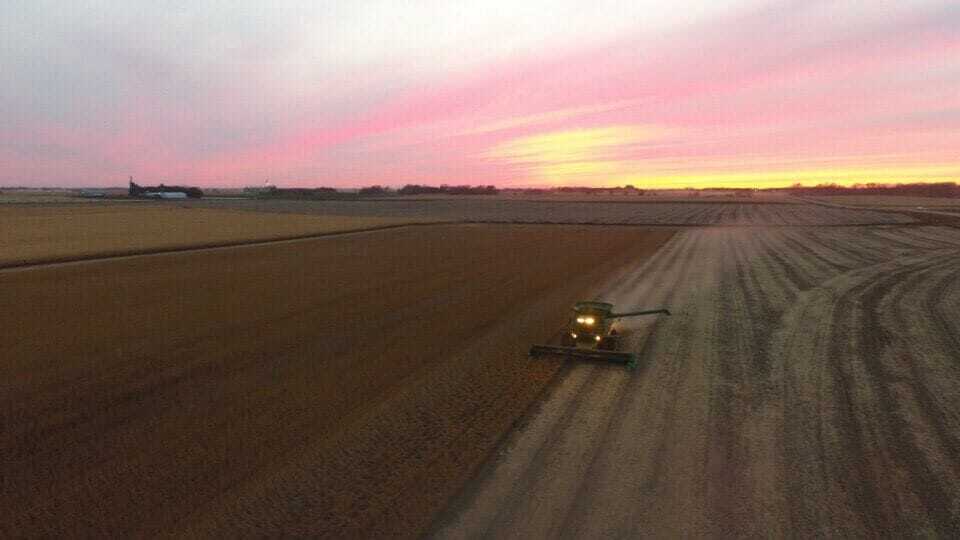
    Last week started slow as we experienced ample amounts of rain. After a couple days of letting things dry off, farmers were able to back in the fields. Most soybeans have been taken out, and corn has been going at a good clip. We took out our last Latham® soybean plot for this region late the night, so I was able to capture a nice sunset.
    Justin 1


    Northern Wisconsin 

    Joe Salter

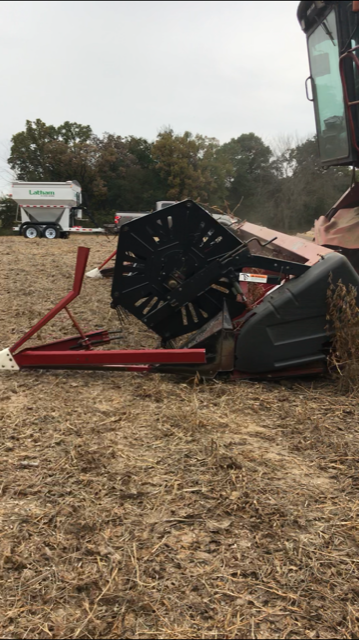
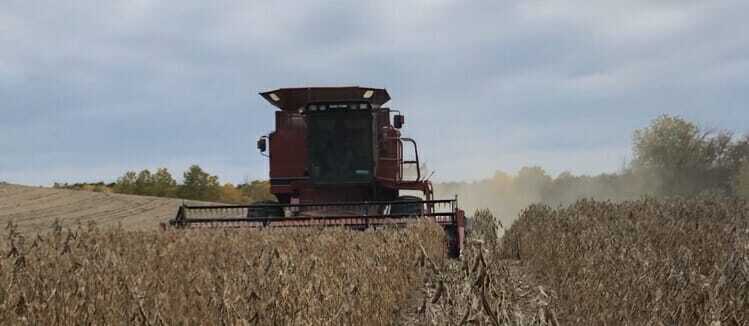
    These photos were taken as we harvested a Latham® SuperStrip plot in southern Wisconsin.  We are still recovering from all the rain that has fallen the past few weeks. Many farmers were able to run this week. Soybean harvest has been very slow, but we’re finally making progress. Grain corn is still very wet, so the corn driers will be running non-stop this season.
    Joe 1

    Joe 2


    North Central Iowa

    Cory Greiman

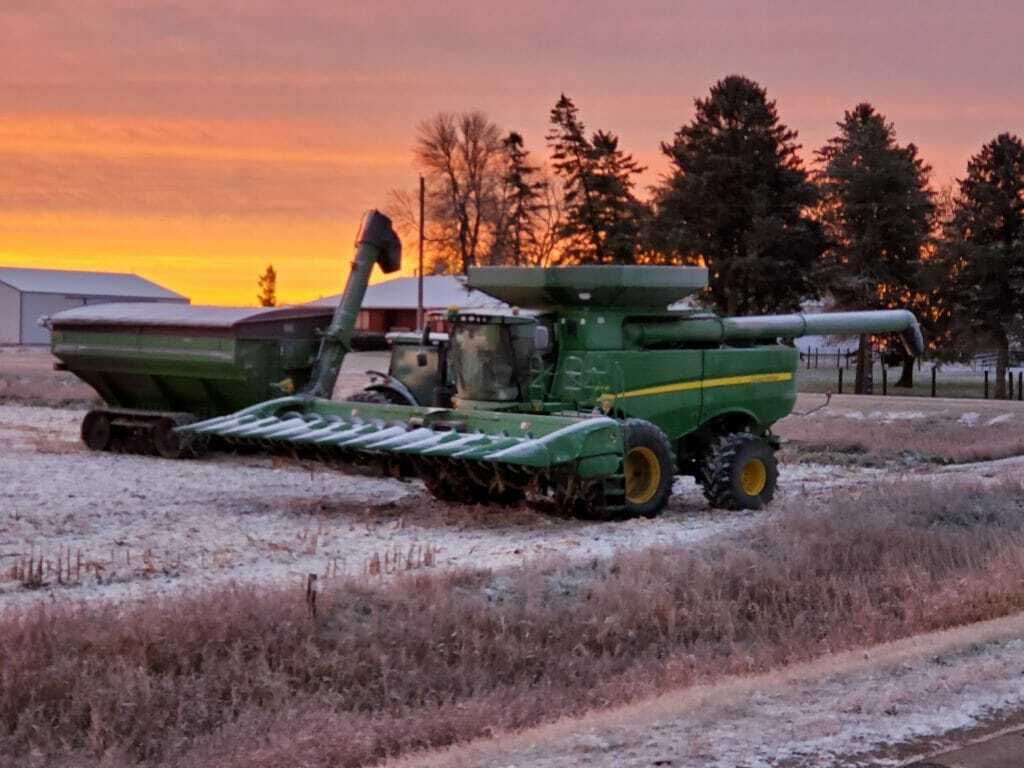
    The weather once again has caused a delay in the harvest progress. Snow fall totals this week ranged from little to none in the western two-thirds of my territory to two inches in the eastern third of my territory. Hopefully, this snow will melt quickly. Many farmers are hoping to get in the field again today.
    Cory 1


    Northeast Iowa

    Craig Haaland

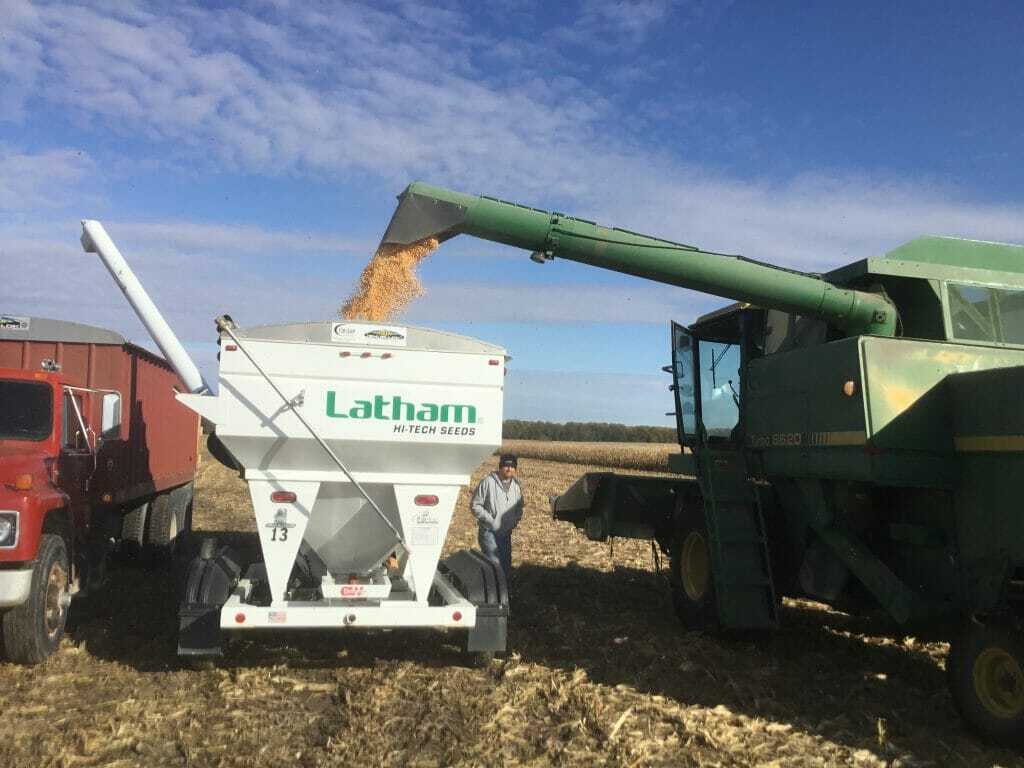
    This Latham® plot in Black Hawk County (Iowa) averaged 239 bushels per acre (bu/A). LH 5847 VT2 PRO RIB went 253 bu/A. Latham’s 5377 VT2 PRO RIB topped the plot at 247.7 bu/A.

    Soybean harvest is about 85% done. It’s been tough to get the moisture below 14 percent. Many farmers started taking out corn last weekend. Moisture is running from 19 to 25%. Hopefully, the dry weather holds so we can make good progress this week.
    Craig 1


    West North Central Iowa

    Bart Peterson

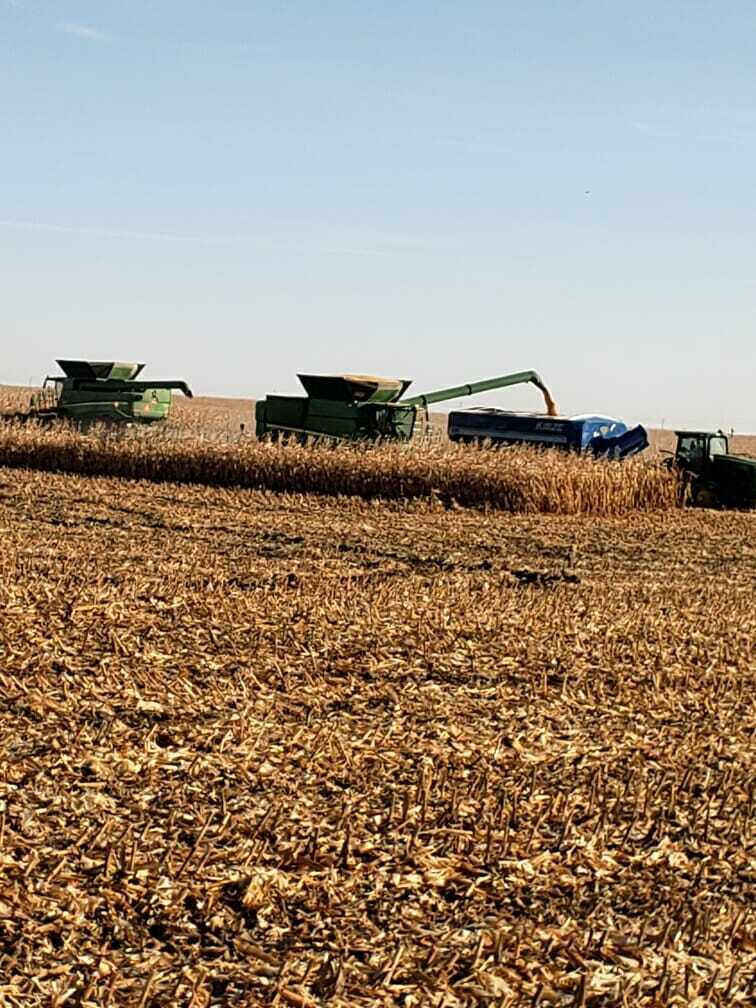
    Much cooler temps this week is allowing the flex head to slide over the ice. so the combine head is not scooping up water anymore. Many soybean acres were harvested this week, so corn harvest will soon begin.
    Bart 1


    Eastern Iowa 

    Jerry Broders

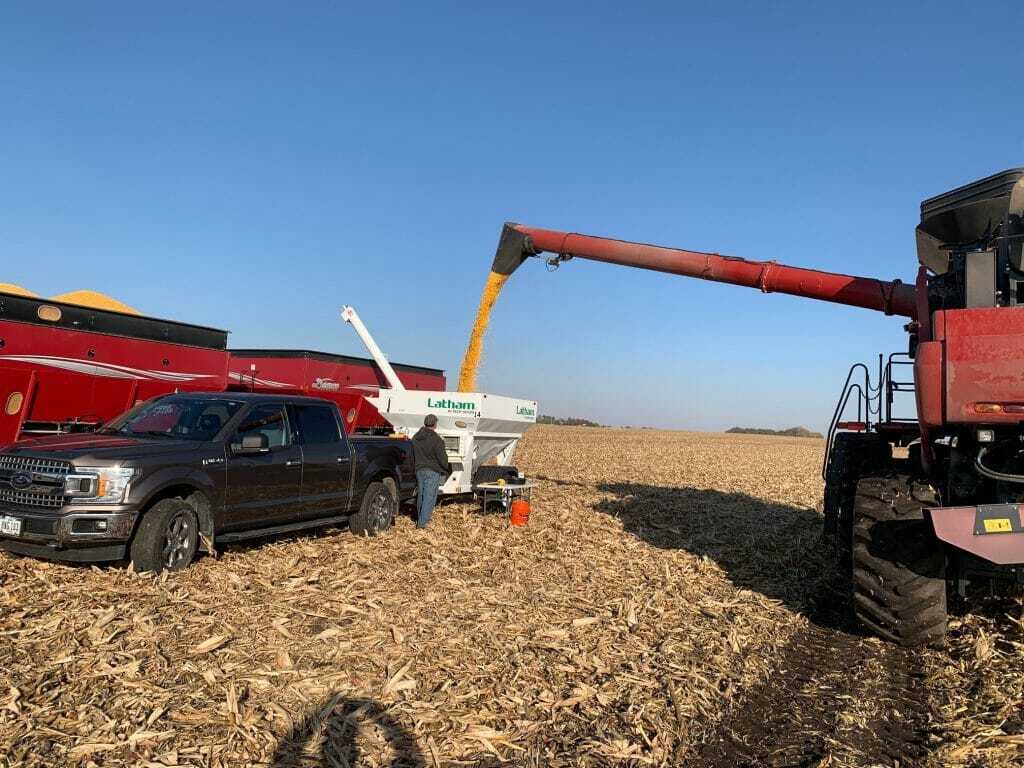
    Harvest had been fast and furious. Then Monday evening we picked up three to four inches of snow, bringing harvest to a halt. The forecast calls for another four to eight inches of snow tonight into Thursday, so this could keep us out of the field until next week.
    Jerry 1 Jerry 2


    Western Iowa

    Larry Krapfl

    Area farmers are working extremely late hours this fall to get the 2019 crop harvested.
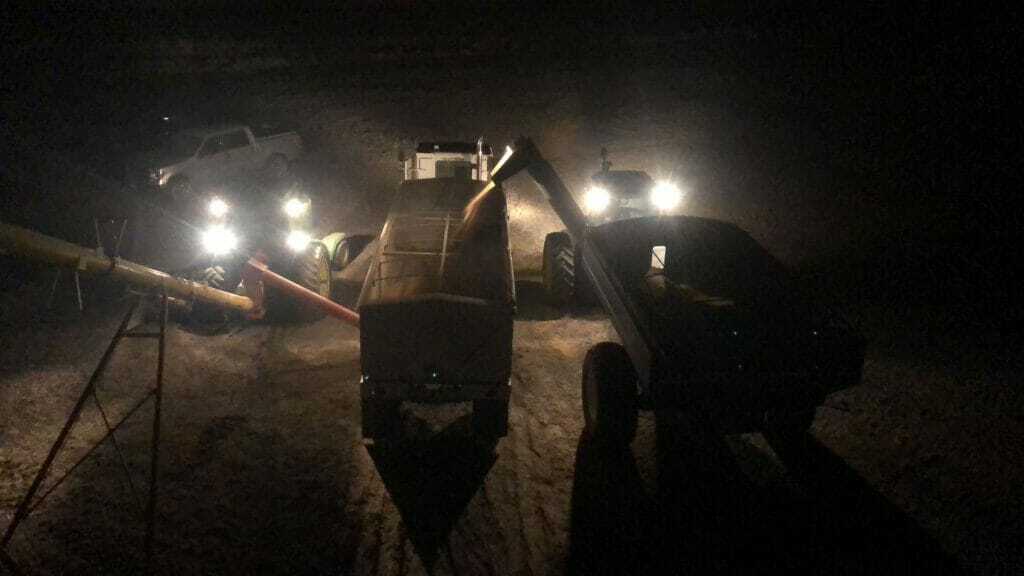
    Larry 2


    East Central Iowa

    Aaron 1Aaron Steenhoek

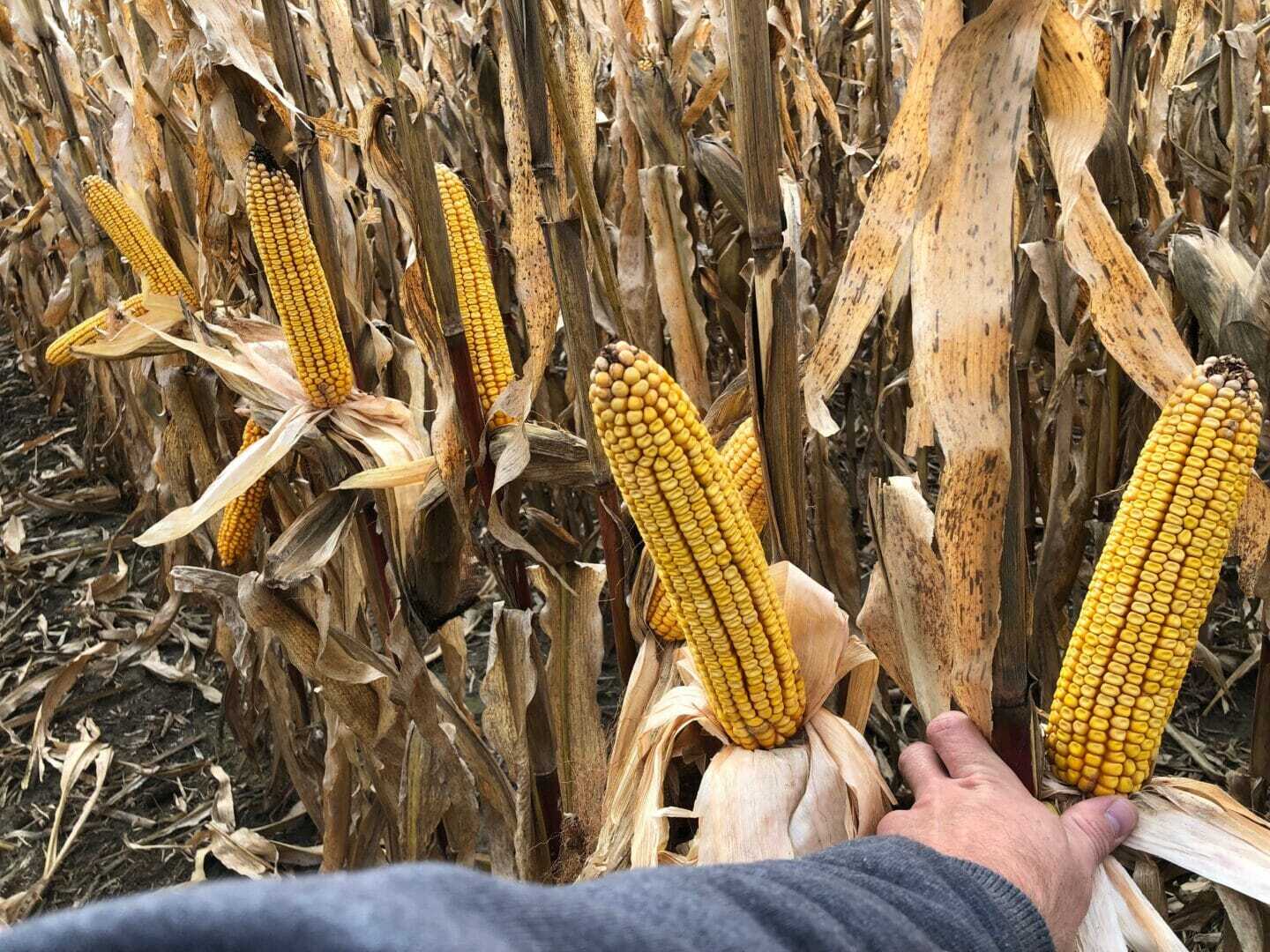
    Harvest made significant progress last week on both corn and soybeans. Some growers were able to wrap up soybean harvest before the snow fell on Monday night. Pictured here is LH 5245 VT2 PRO RIB, dried down and ready to harvest! Yields have been extremely variable, but this hybrid has been a consistent top-yielding hybrid in Latham’s lineup. It has already won seven different F.I.R.S.T. trials this year!


    Eric 1West Central Iowa

    Eric Croghan

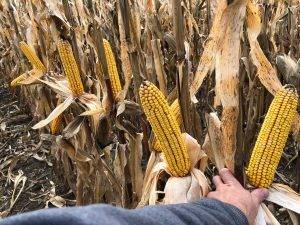
    Even though weak shanks are a characteristic of some corn hybrids, many environmental factors can lead to ears dropping. Heat, drought, nutrient deficiencies, disease and insects all can cause ears to drop. That’s why it’s a good idea to walk corn fields and make notes throughout the growing season. For example, corn borers can cause ears to drop off conventional hybrids. Perhaps you really need a corn borer-resistant hybrid. Work with your local Latham® rep to choose hybrids with good ear retention and tolerance to Diplodia ear and stalk rot.



    Laura Cunningham

    October 30, 2019
    #FromTheField Crop Reports, Fall, Season
  • Latham Hi‑Tech Seeds

    Tar Spot

    Tar Spot Dean Malvick, Universtiy of Minnesota Extension plant pathologist

    What is Tar Spot?

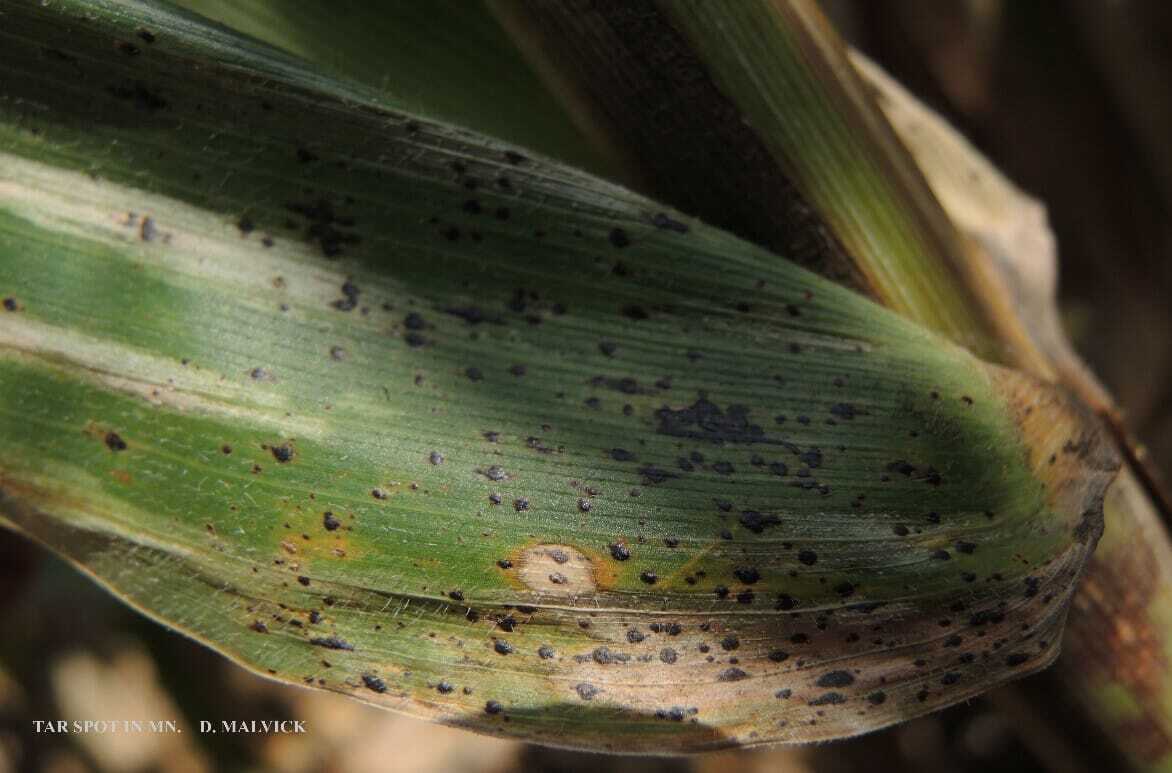
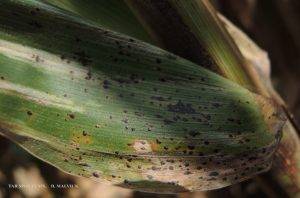
    Tar Spot Dean Malvick, Universtiy of Minnesota Extension plant pathologistTar Spot is a corn fungal disease that has been infiltrating the Midwest within the last few years. Tar spot has the capability to severely impact yields up to 30%. Concern about the intensity of this fungus grows as researchers learn more about it. We urge farmers to scout their fields through harvest for tar spot since this fungus can survive over winter year to year.

    Tar Spot Identification

    Tar spot will show up as small, raised blacks spots, on the upper and lower corn leaves. The raised black spots are also known as stromata. If severe enough, it can spread to leaf sheaths and husks. Typically, it will start lower in the canopy and move upward. Tar spots are usually accompanied with a yellow halo or fish-eye effect around the black spots. Note the stromata, cannot be rubbed off unlike a common or southern rust pustule.

    The Importance of Scouting

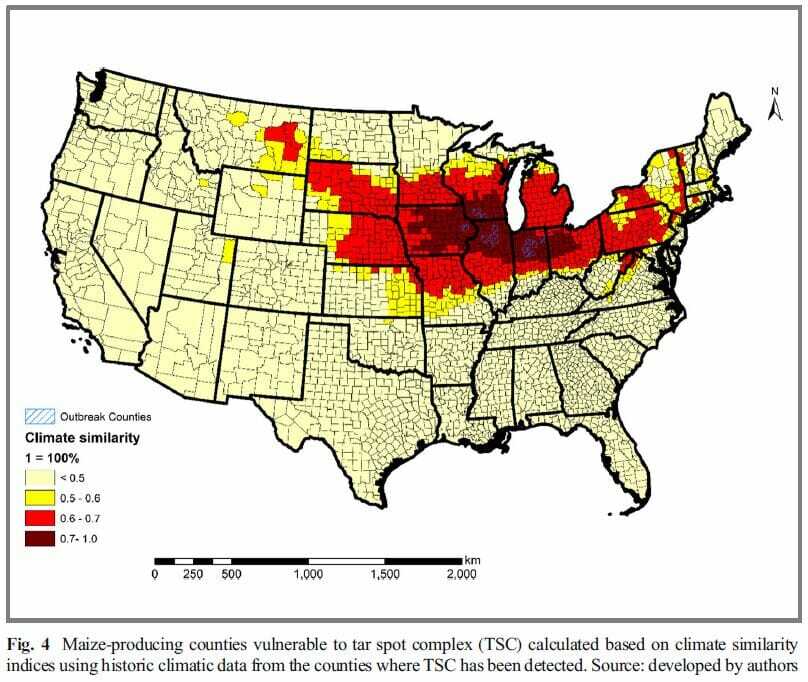
    This corn fungus has nearly made it across Iowa and is continuing to spread in Wisconsin, Illinois, Indiana and Missouri. Tar Spot likes cool temperatures and humid conditions, with prolonged leaf wetness or heavy dew and will concentrate towards the middle of the field. It can cause lodging and hasten maturity.

    Final Thoughts

    This is one of the variables in farming we continue to learn about. Scout now and start planning for next season. Product selection is key when fighting these variables year to year and important to integrate into your plan for the next growing season.

    “Threats of Tar Spot Complex disease of maize in the United States of America and its global consequences” (Mottaleb et al. 2018).

    “Threats of Tar Spot Complex disease of maize in the United States of America and its global consequences” (Mottaleb et al. 2018).

    Team Latham

    October 29, 2019
    Agronomics, Corn, Crop, Disease, Fall, Season, Spring, Summer, Tech Tuesday
Previous Page
1 … 14 15 16 17 18 … 46
Next Page

Latham Hi‑Tech Seeds

131 180th Street | Alexander, IA 50420

(641) 692-3258

SIGNUP FOR OUR NEWSLETTER
  • Contact
  • Legal
  • Dealer Center
  • Seedware Login
  • Latham Gear

© 2025 Latham Hi‑Tech Seeds. All rights reserved. | Iowa Web Design by Webspec | Privacy Policy

Latham® Hi-Tech Seeds is a trademark of M.S. Technologies, L.L.C., 103 Avenue D, West Point, IA 52656.