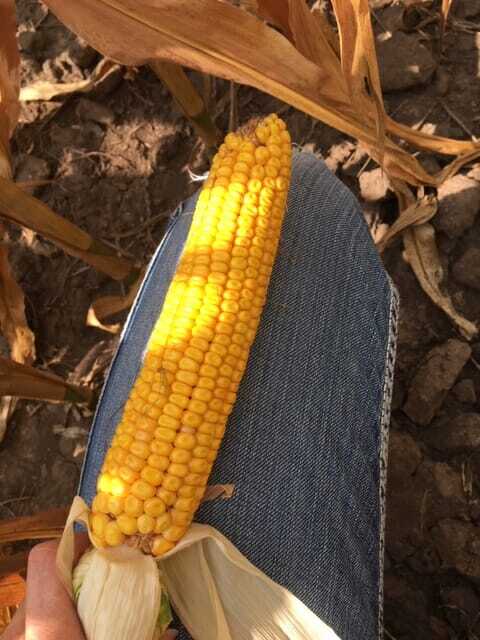
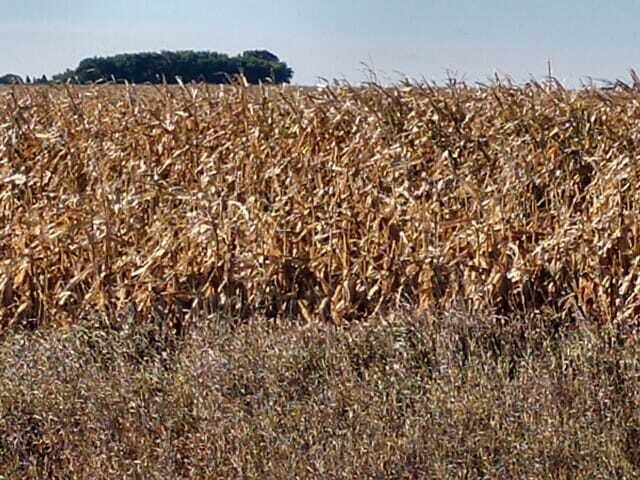
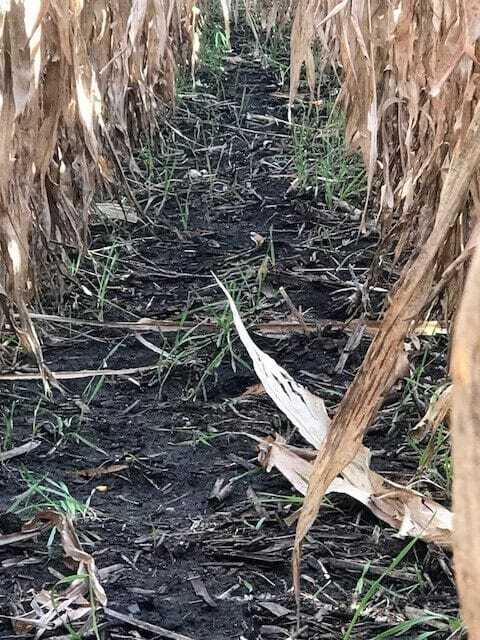
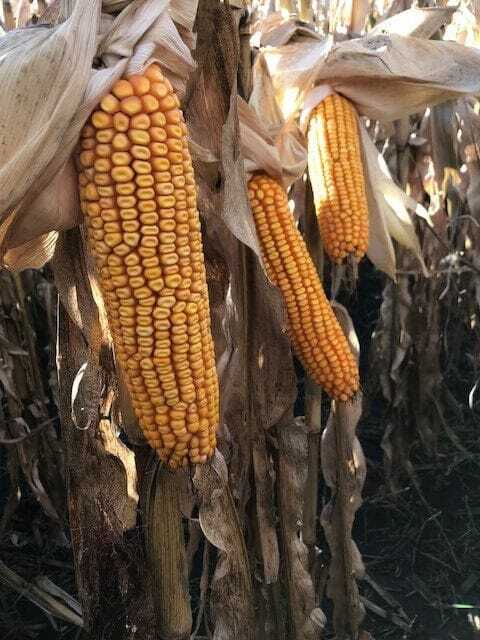
There are a variety of stalk rots that infect corn, causing extensive damage to crops and losses in yield. Common factors make corn susceptible to stalk rot including warm and wet weather, stress after pollination, fertility issues, stalk boring insects, and the presence of other foliar diseases. There are key signs, symptoms and differences that distinguish the different types of stalk rot.
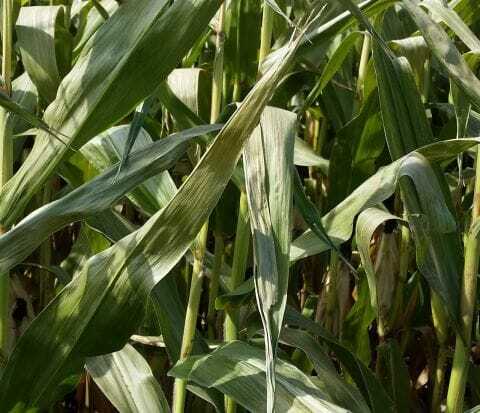
Anthracnose stalk rot is the most common type of stalk rot and is caused by the fungus Colletotrichum graminicola. The fungus is favored by wet, warm weather and overwinters in corn residue. Signs of the disease will be observed four to six weeks following pollination.
Scouting for Signs and Symptoms
The disease undergoes three phases with distinct signs and symptoms:
In the first phase, foliar lesions will appear in the early part of the growing season. The leaf blight will begin on the lowest leaves, and will reach the upper leaves by late season.
During the second phase, top-dieback will appear in the middle part of the season after tasseling, killing the parts of the plant located above the ear.
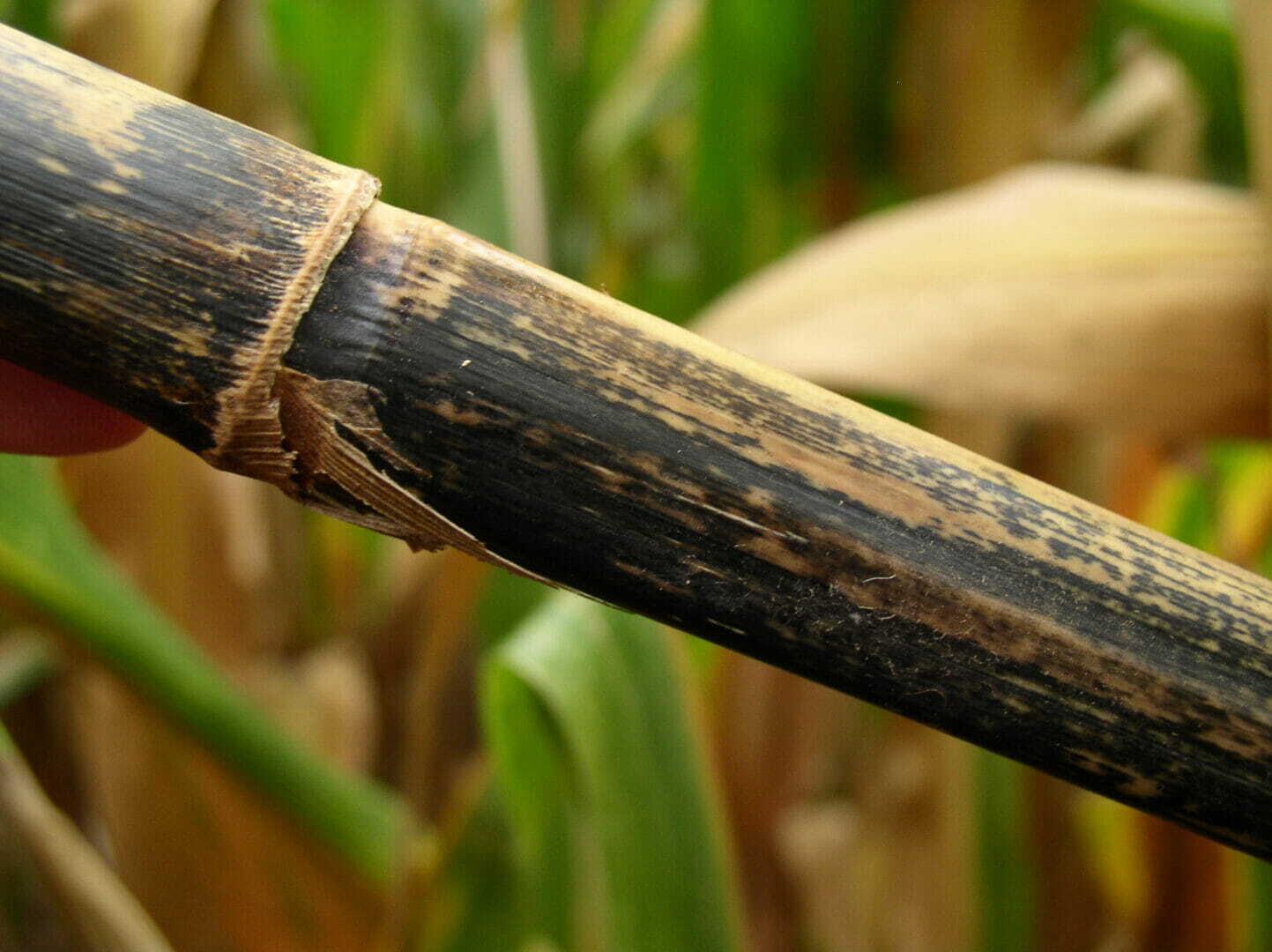
In the third phase, shiny black lesions will appear on outside surface of stalks. Look for setae, or bristles that cover the surface of the stalk. A hand lens can be used to look for the bristle-like texture and black dots in the center of lesions.
Stalks will exhibit fragility and appear to be brittle when handled. Different from other forms of stalk rot, anthracnose stalk rot will cause plants to lodge at the upper portion of the stalk. Pinching or bending at the nodes can be used to test for stalk lodging.
Stalk rot can lead to death just before maturity and reduce yield. In addition, plants defoliated from hail damage and those that are nitrogen deficient are at an increased risk for being infected from the stalk rot.
Management Strategies
Planting hybrids with resistance to stalk rots is a helpful defense against these diseases.
Common Rust and Southern Rust infect corn in the late summer. The diseases generate raised spores known as “pustules” on the surface of leaves, leading to reduced yield and poor grain quality.
Common rust (Puccinia sorghi) and southern rust (Puccinia polysora) fungi are unable to overwinter in the Midwest and require a host plant to remain alive. The spores created by rust diseases are transported by wind to the Midwest from Southern states.
Temperatures ranging from 61–77° fuel the growth of rust diseases. Cool and humid temperatures, especially when exhibited overnight, can further drive the development of the fungi.
As long as the weather conditions are right for rust diseases, the cycle of spore development will continue. The return of hot and dry weather can prevent further development of the fungus and kill off the spores.
Implications
Rust can reduce yield and decrease grain quality. Foliar damage from rust diseases can interfere with water transpirationand reduce photosynthetic leaf area.
Nutrients designated to support plant growth are rerouted in response to the damage incurred by leaves. Damage from rust diseases deplete carbohydrate reserves in corn leaves. As a result, the plant will begin sourcing the nutrients from stalks and roots, leading to reduced yield and stalk rot.
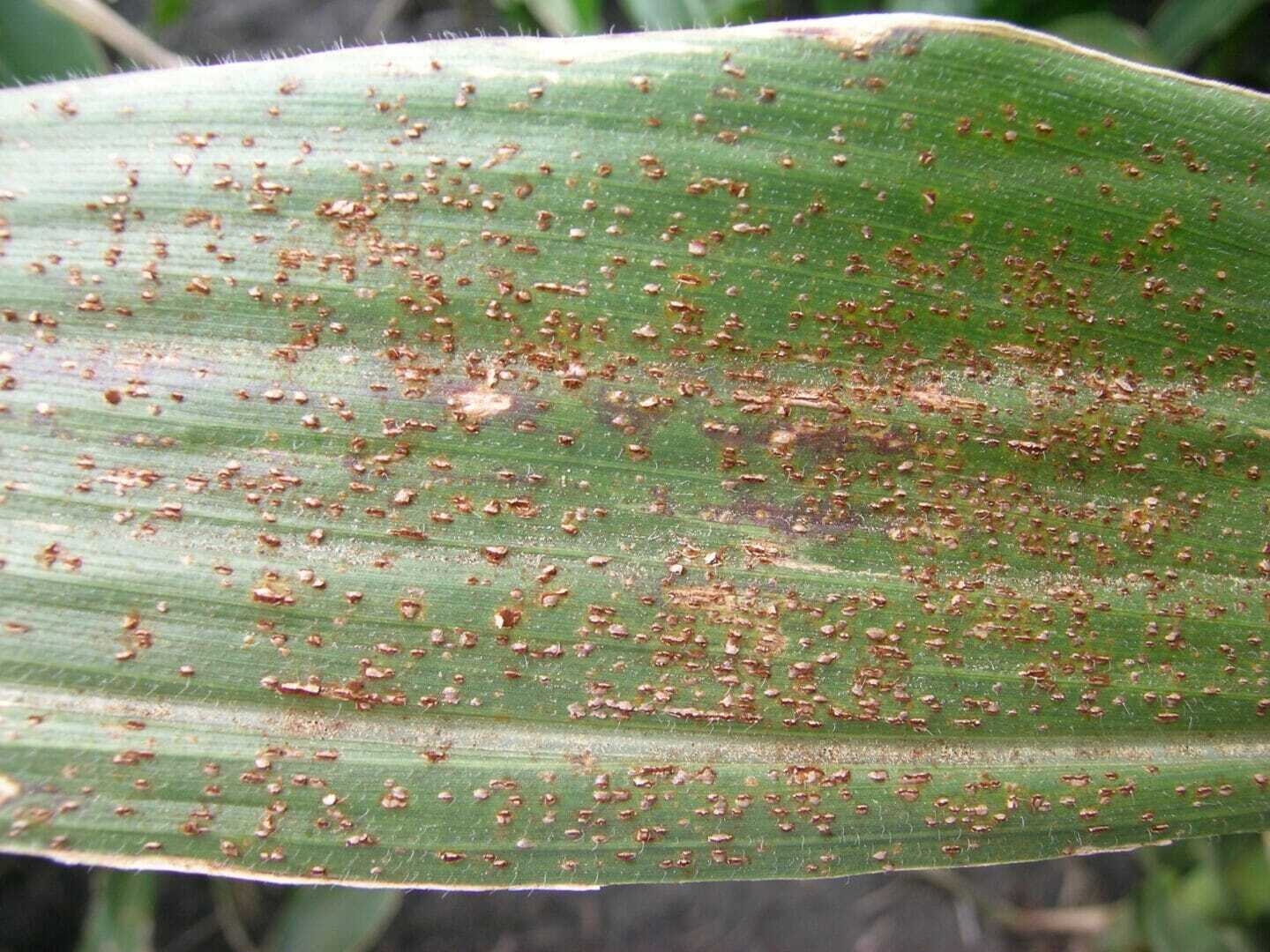
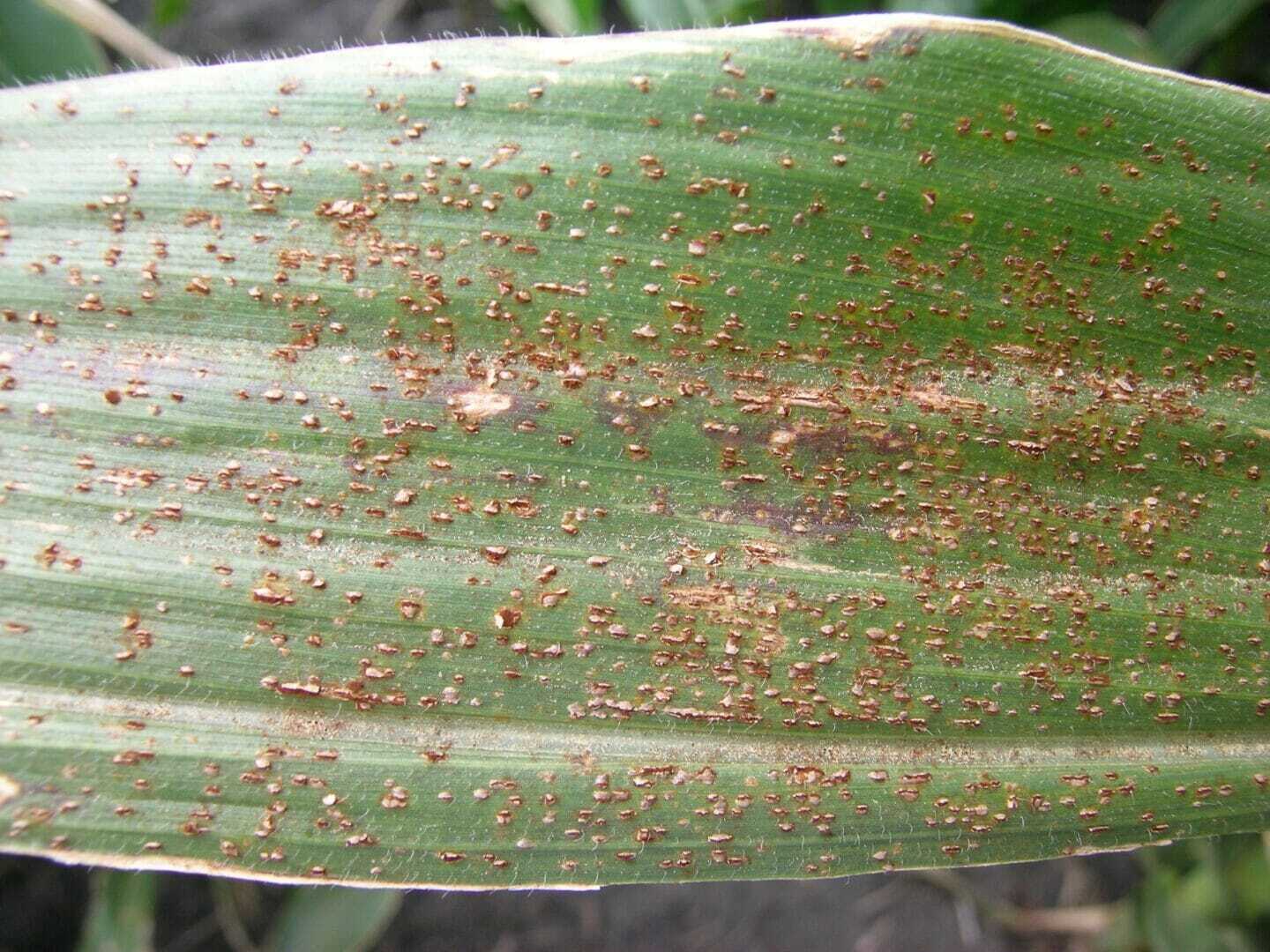
Common Rust. Credit: Crop Protection Network
Scouting for Rust Diseases
While common rust has less of an impact on yield, southern rust has been found to reduce yield by 25 bu/acre in corn with no fungicide application. The fungi can begin to infect plants under favorable conditions in as little as six hours.
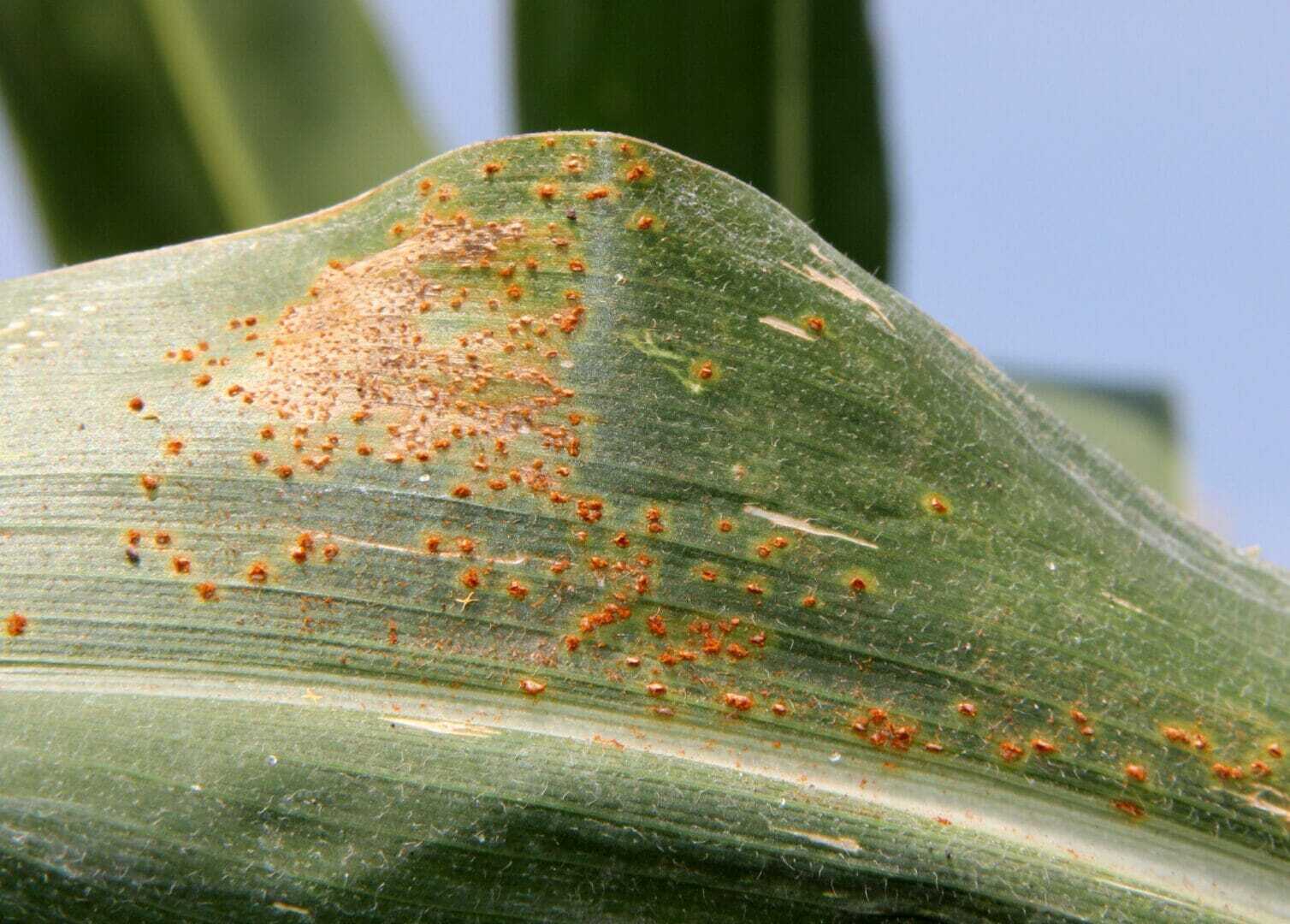
Southern rust signs are evident on the upper leaf surface and are round, as opposed to elongated in plants infected with common rust. The pustules will be orange compared to the darker color of common rust. Overtime, southern rust pustules will become brown or black.
Common rust pustules are found on the upper and lower leaf surface and are oblong. Common rust pustules will be brick red in appearance and can coalesce to kill parts of leaves. In order to determine the difference between common and southern rust pustules, use a magnifying lens to inspect the leaf surface.
Management
Planting early is one of the best ways to reduce corn’s vulnerability to rust diseases. Corn planted late in the season is most susceptible to experiencing yield loss and grain damage. Many hybrids are also equipped with resistance to rust diseases, though the extent to which they are protected from the fungus can vary.
When pustules are observed on 50% of scouted plants, it is advised to begin implementing a treatment plan. Fungicides can also be used to treat corn infected with common and southern rust. Be sure to consult with your local Latham representative to determine the best management options for rust diseases.
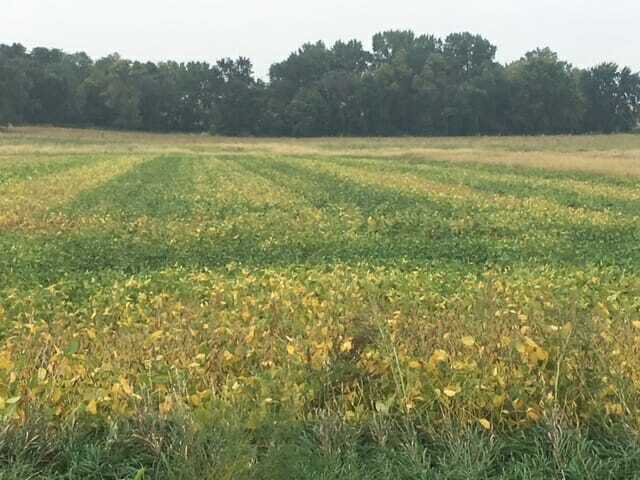
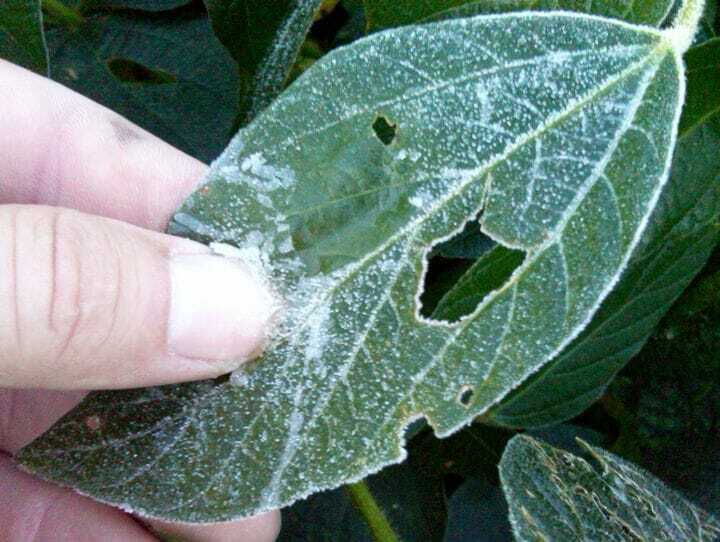
Frost damage occurs in corn and soybeans when plants are exposed to freezing or below-freezing temperatures. Damage can occur to the plants above and below the soil when temperatures range from 28 to 32°F and colder. Corn and soybean plants exposed to air temperatures below 28°F are often lethal and prevent plants from undergoing full recovery from injuries.The key in assessing frost damage is waiting five days to allow for any potential growth recovery or rehabilitation to occur.
Credit: Michigan State University
Fall Frost in Soybeans
Once soybeans begin maturity and already have developed pods, they are most often immune from frost injury. Soybeans placed in narrow rows can have more protection from freezing air temperatures in being covered by leaf canopies. Pods growing on the lower portion of the plant are less vulnerable to frost damage than those on the top part of the canopy. Injured soybeans exhibit elongated pods that shrink to smaller than normal sizes upon drying. Most yield loss occurs during the full seed maturity stage.
Soybeans damaged by frost should be dried at a temperature no higher than 130°F and may have lower oil content. Both frost damaged corn and soybeans may also have delayed dry down.
Credit: University of Minnesota
Fall Frost in Corn
Frost-damaged corn can exhibit softened kernels prone to breakage and should be dried at temperatures below 160°F and be stored at a moisture level no higher than 14%. The storage life for frost-damaged corn will be cut in half and damaged corn should be handled separately from uninjured corn.
Eastern Iowa farmers have been running long hours on soybeans for the past eight days. Soybean harvest is nearly complete, and many farmers are finishing corn. Fall tillage is right around the corner.
CENTRAL IOWA
Bryan Rohe
Harvest will wrap up in a week for many Central Iowa farms. Results have been variable, depending on soil types, drainage and weather events that occurredthroughout the growing season.
Now is a great time to evaluate decisions you made in 2018 and the changes you want to make for 2019. Jot down details about this year’s crop while they’re fresh in your mind. No detail is too small when you’re planning future crops.
One tool to make crop notes is Climate FieldView. You can overlay maps that show soil type, fertility and drainage – all of which contribute to your overall yield. You also can place pins in the exact location where you saw poor yields, tile issues or even a rock that you want to go back and pick up.
Did you know you can try Climate FieldView before you buy it? Ask me how! Call 877-GO-LATHAM (877.465.2842).
NORTHEAST IOWA & SOUTHEAST MINNESOTA
Craig Haaland
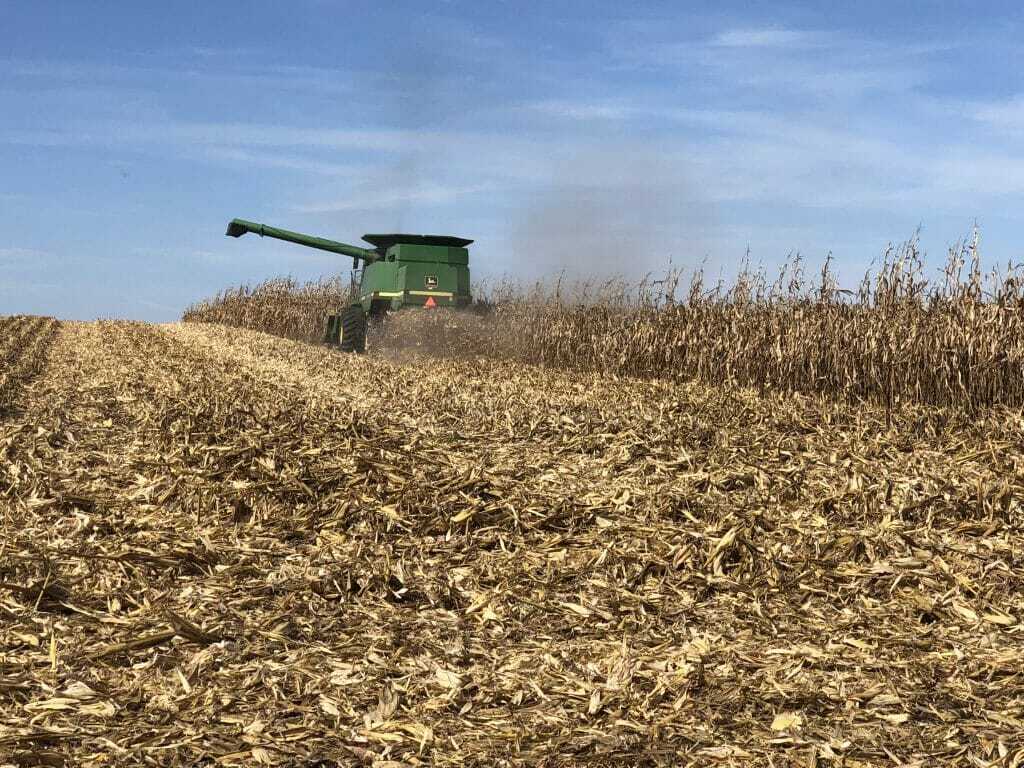
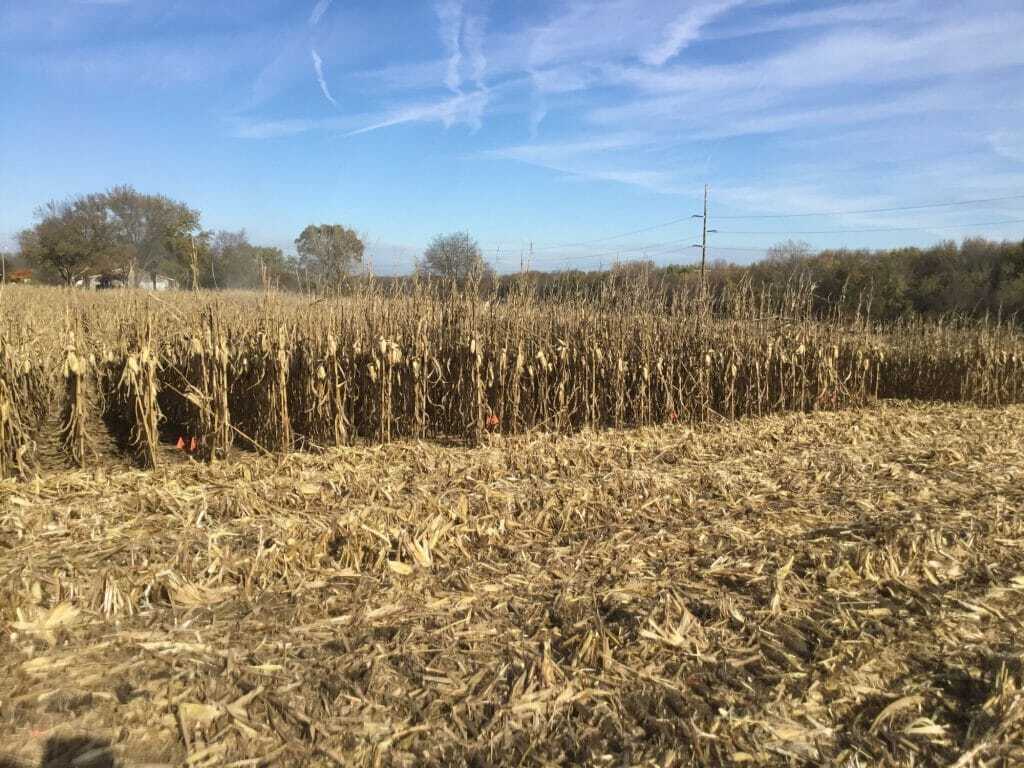
A Latham® dealer in Black Hawk County harvested this corn plot on October 25 under sunny skies with temperatures in the 50s. Not only was it a beautiful fall day, but Latham corn products were standing well after an especially challenging fall season. They were yielding well, too. Latham’s LH 5725 VT2 PRO RIB won the plot at 266.1 bushels per acre (bu/A). Second place went to LH 5635 VT2 PRO RIB at 248.6 bu/A. The earliest maturity planted in this plot was LH 5245 VT2 PRO RIB, which placed third at 235.6 bu/A.
WEST NORTH CENTRAL IOWA
Bart Peterson
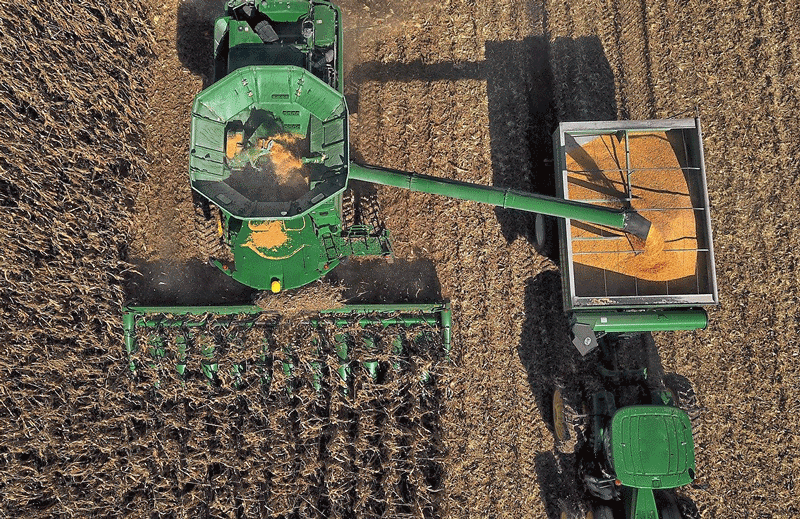
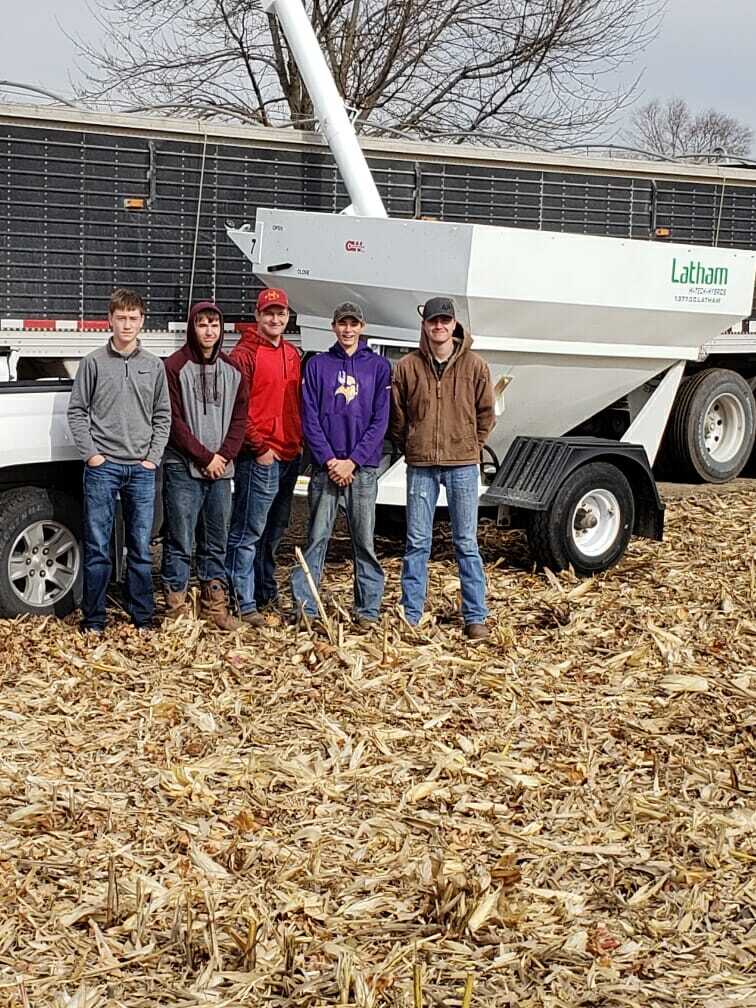
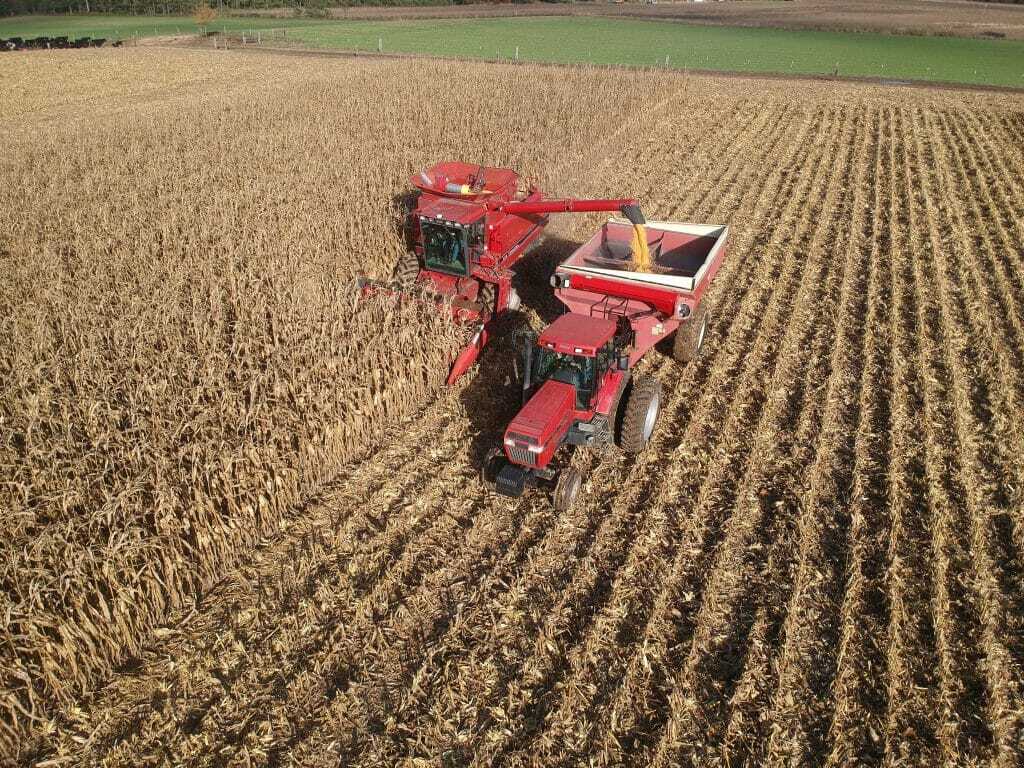
On October 30, we harvested the Latham® SuperStrip plot today with FFA students in Belmond. Latham® dealer Eric Sturgeon was running the combine and his dad, Ron Sturgeon, was driving semi.
NORTH CENTRAL IOWA & SOUTH CENTRAL MINNESOTA
Cory Greiman
This week we harvested a Latham® corn plot south of Hampton. This plot was planted May 25 and harvested October 30. A bald eagle was flying overhead, most likely waiting for a “snack” to run out of the standing corn. Latham’s LH 5245 VT PRO RIB is having a great year! It topped this plot at 236 bushels per acre (bu/A) at 16.4% moisture. Yesterday I got a call that a whole field of 5245 yielded 252 bu/A at 16.5% moisture in the Cylinder area.
NORTHWEST IOWA
Darin Chapman
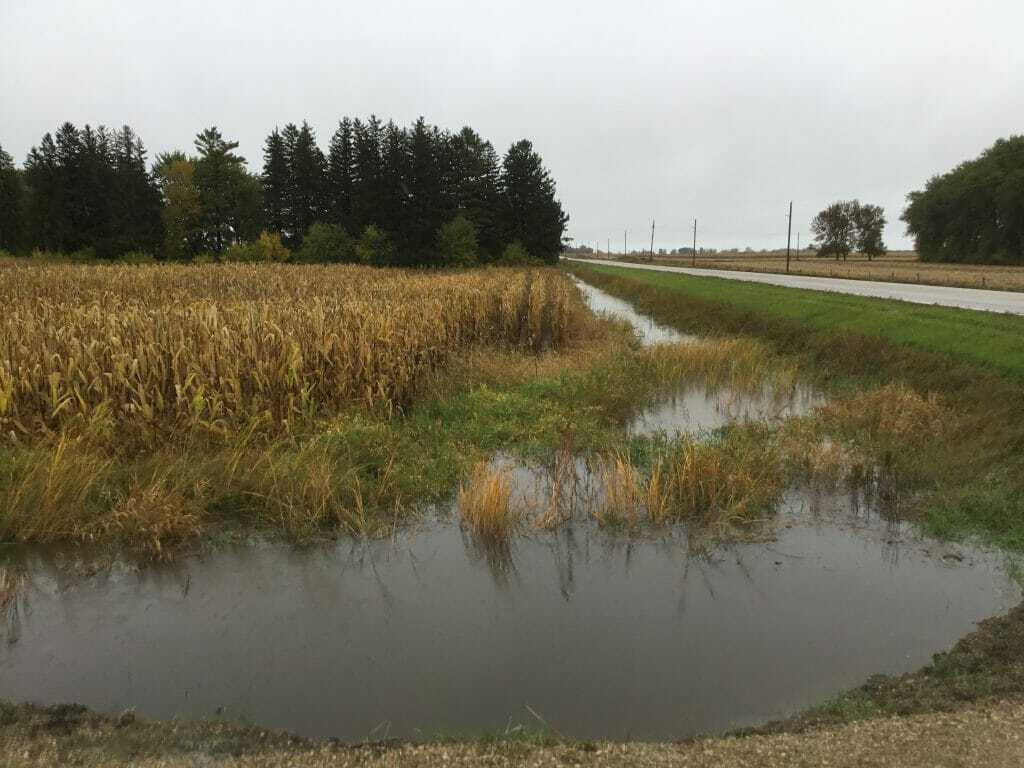
Farmers in Northwest Iowa are finishing up with soybean harvest and switching to corn. As expected, yields are extremely variable this year due to the challenging weather we received. Farms with tile are showing a major return on the investment.
Latham’s Seed-2-Soil® program is a great way to make decisions on where to place tile on your farm. This is just one of the many reasons it’s important to manage your farm operation with a Precision Ag platform. Contact me to learn more about Latham’s Data Forward and FieldxField services, which are designed to reduce your risk and maximize yield.
The attached photo shows where tile would be beneficial.
WESTERN IOWA & EASTERN NEBRASKA
Larry Krapfl
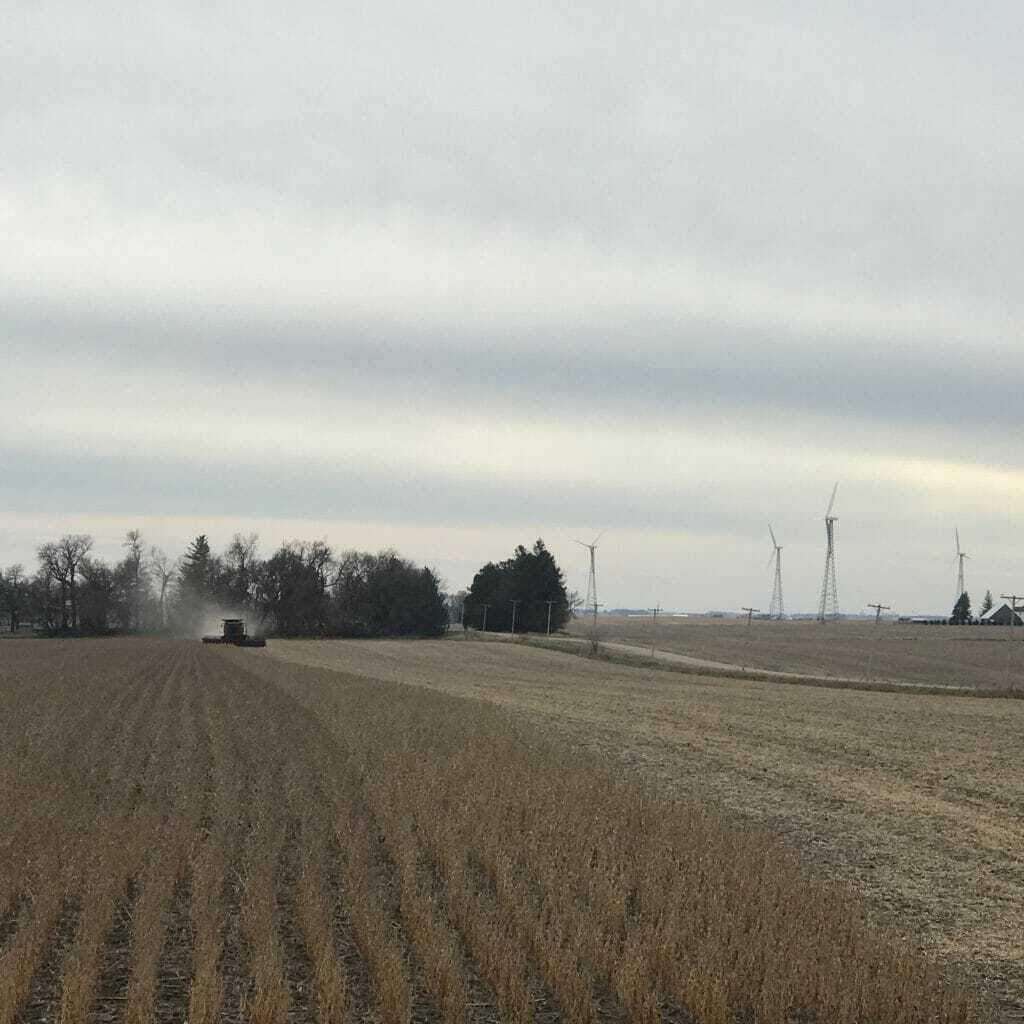
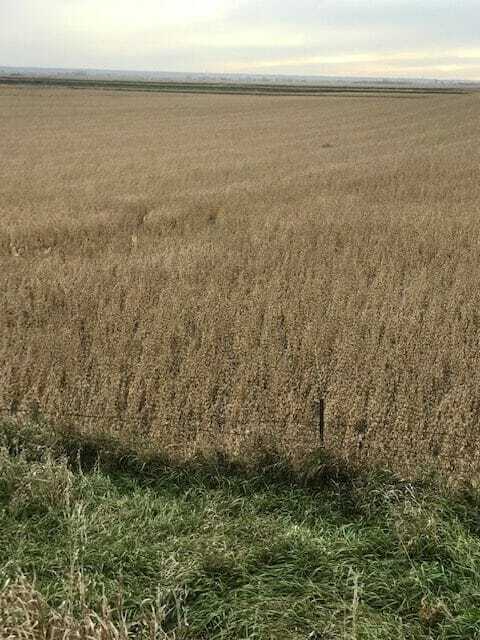
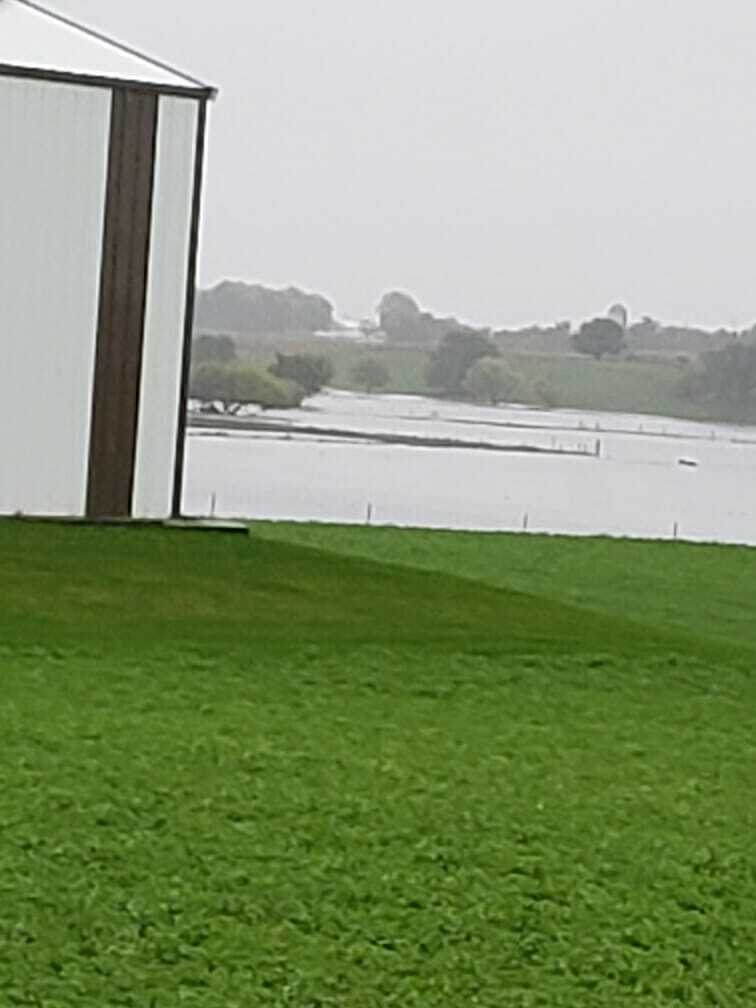
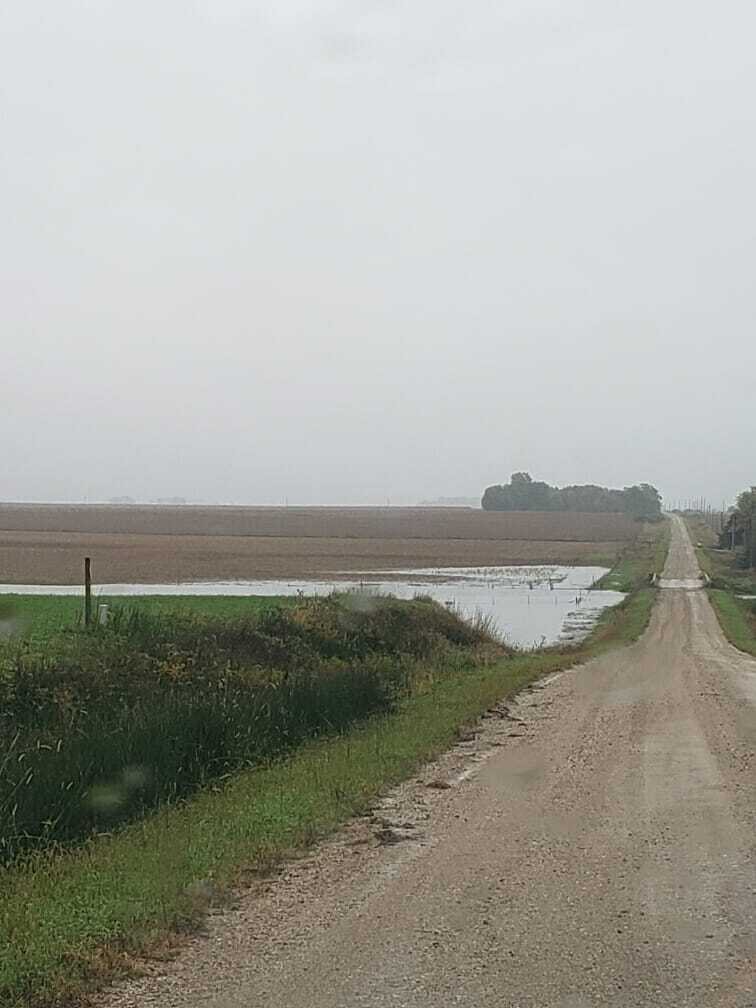
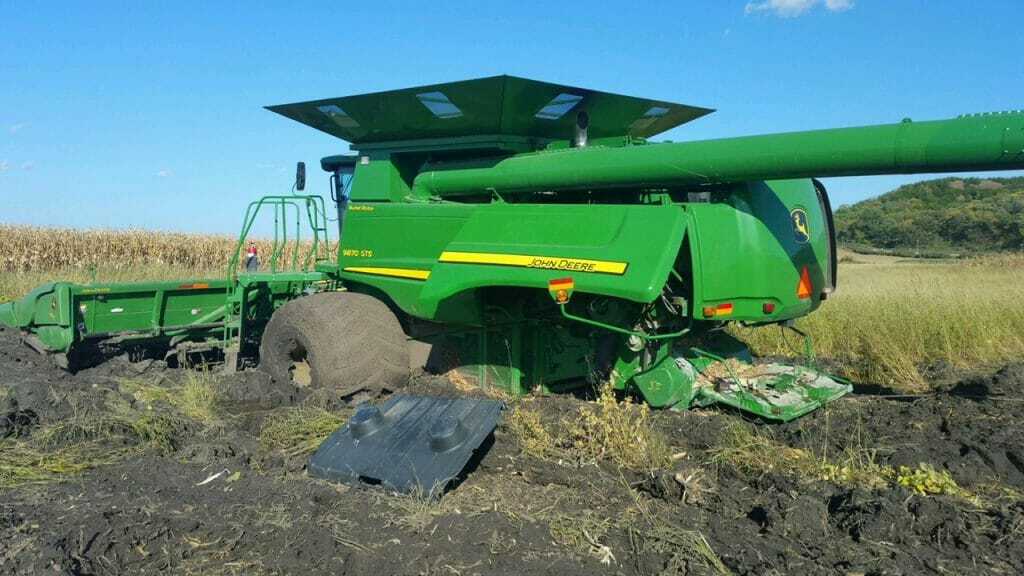
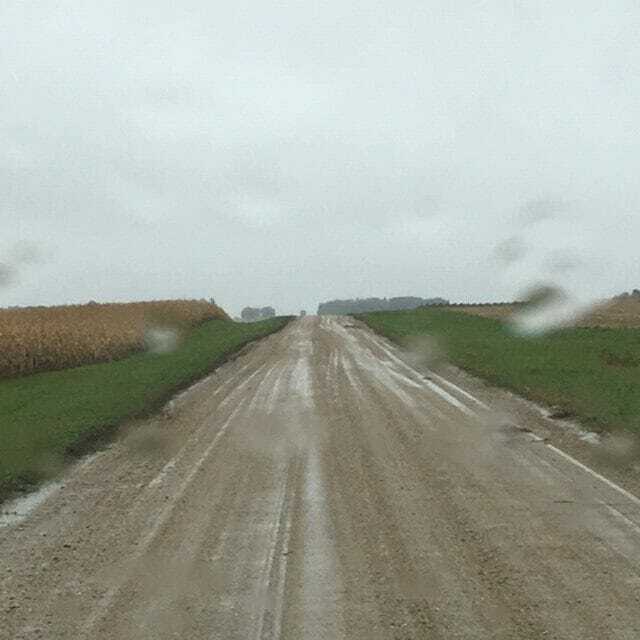
This is a common sight across western Iowa and eastern Nebraska. Soybean harvest is moving slower than expected fields are fields are wet. I’d say 20 to 30 percent of the soybeans are still standing in the Missouri River bottom. The river is running high and no one wants to get his combine stuck in the mud.
SOUTHERN WISCONSIN
Greg Mair
Soybean harvest is wrapping up in southern Wisconsin. Many farmers are experiencing a new challenge in soybeans and that’s how to effectively control waterhemp. The good news is, whatever route you take for waterhemp control, Latham Hi‑Tech Seeds offers a soybean that will work for you!
Technology advancements usually bring new genetics, and that appears to be the case this year with Xtend® soybean products. Xtend soybeans outperformed Roundup Ready 2 (RR2Y) soybeans by almost 5 bushels per acre in Latham’s Watertown plot. Latham brand L 1845 R2X and L 2295 R2X have performed well in back-to-back stressful growing seasons in southern Wisconsin. These two products would make a great soybean package for your acres whether you’re looking to control waterhemp with Xtend herbicide technology or just looking for high-yielding genetics with an outstanding disease package.
NORTHERN WISCONSIN
Joe Salter
Harvest has been steady over the last week. Soybeans are close to 60 percent complete, and many farmers are rolling into corn. I took off my first Latham soybean plot on October 30, and Latham brand L 1438 R2 did really well. The following soybeans also performed really well: L 0982 R2, L 1092 R2X and L 1184 R2X. In addition, we compared L 1438 R2 treated and untreated. The treated version out-yield the untreated seed by 4 bushels. For more info on our treatment options, please visit our website or contact me at 1.877.GO.LATHAM (1.877.465.2842).
NORTHERN MINNESOTA
Ken Highness
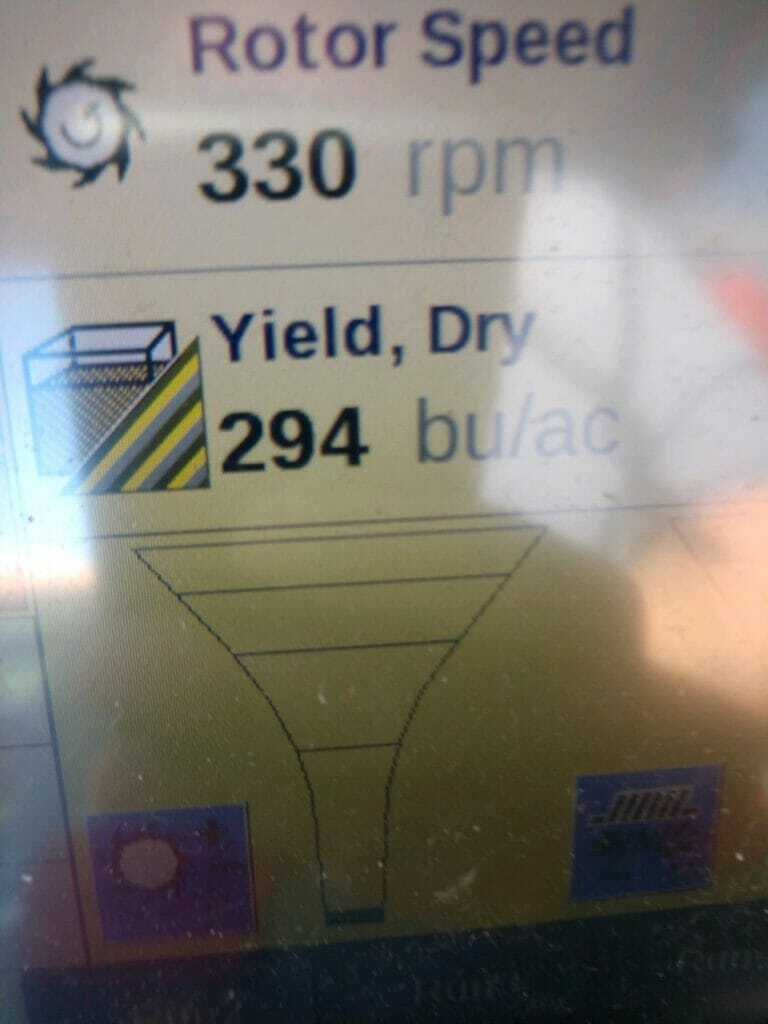
This 160-acre field of Latham’s LH 3877 VT2 PRO RIB was harvested October 30, averaging 202 bushels per acre dry and a weight of 56.2.
SOUTHEAST SOUTH DAKOTA
Ramie Coughlin
Harvest continues in Southeast South Dakota (SESD). Last week many farmers finished harvesting soybeans and switched to corn. This week a few farmers even finished their 2018 harvest. Yields are impressive! Latham’s 4452 RR out-yielded DeKalb’s 91-day VT2P by 17 bushel in Hamlin County. See how Latham has been performing against the competition by checking out the F.I.R.S.T. Trial Results. Latham® brand soybeans are once again having a great year, and we’re waiting to receive corn results as not many corn plots have yet been harvested. I’m excited to take out our SuperStrip plots in the coming week. After a slow start this spring, things really turned around and it has been a fun harvest for most.
NORTHEAST SOUTH DAKOTA
James Keltgen
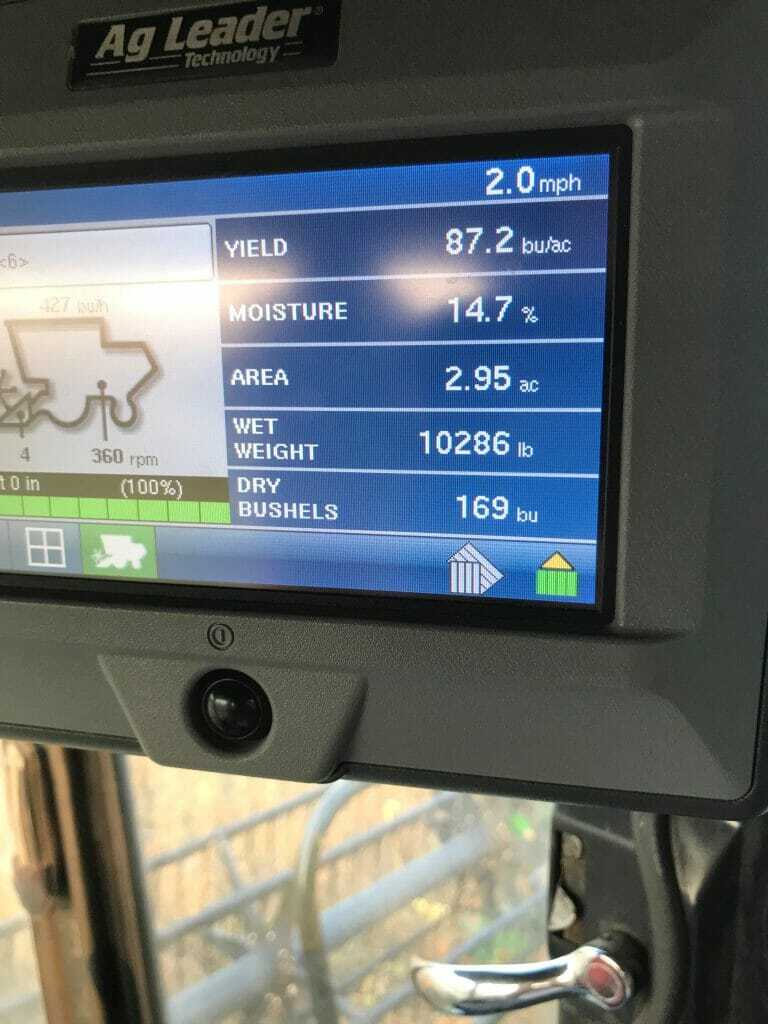
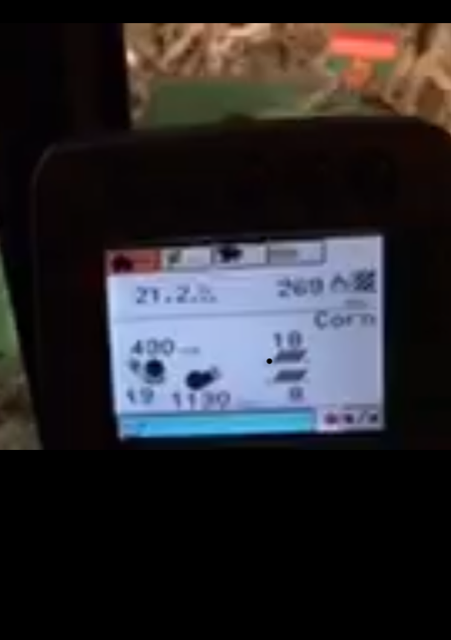
Soybean harvest is pretty much done in Northeast South Dakota. Some farmers have also finished corn while others are just getting a good start. We’re hearing reports of record corn and soybean yields across the region this year. LH 3937 VT2 PRO RIB has excellent standability and great yield for an early hybrid in our region! The monitor below shows LH 4657 VT2 PRO RIB dominating this year!
EASTERN NORTH DAKOTA
Brian McNamee
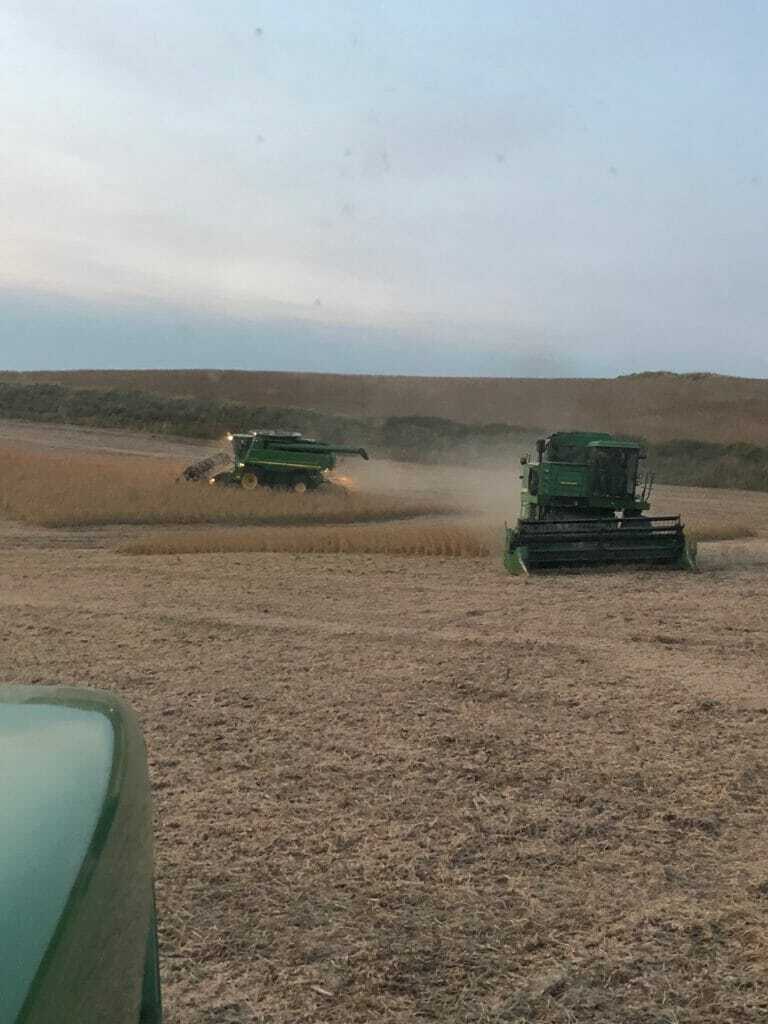
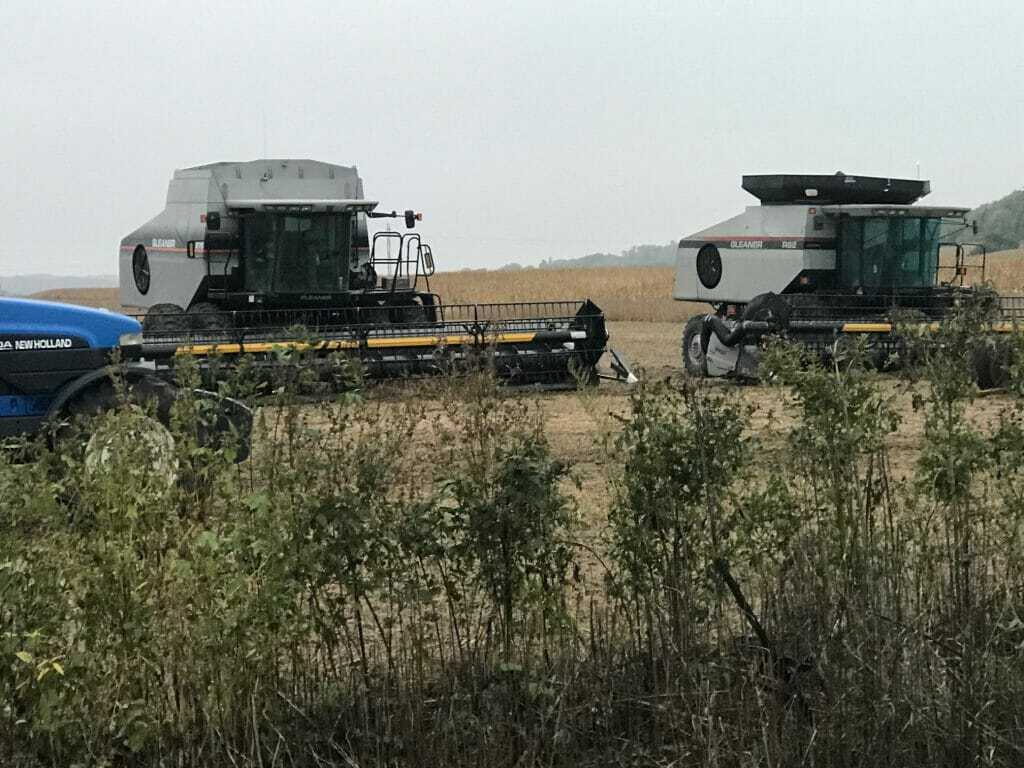
So much harvest progress has been made this past week! Some farmers who have finished harvesting their own crops and now helping their neighbors down the stretch. It’s not uncommon to see four or five large class combines in the same field. Harvest storage issues, for the most part, have been minor compared to our expectations a month ago. There is an uncommonly large amount of soybeans being stored on the farm this year, but elevators and grain buyers have done all they can to help the farmers through these challenges.
After heavy, wet snow fell 15 days ago, many farmers are using a simple lift rod to help reduce harvest loss from downed soybeans. I’ve been surprised by the success of a rather simple application. Harvest loss from lodging was reduced from 2 to 5% due to this lift rod, plus harvest speeds could be increased to add efficiency.
We’re seeing big equipment and big yields across South Central North Dakota. I’m always amazed at the amount of work that gets done in a 10- to 12-hour shift.
SOUTHEAST NORTH DAKOTA
Gary Geske
In between rain and snow events, farmers are trying to get the crop harvested as quickly as possible. This Latham® SuperStrip plot was harvested after dark to maximize daylight hours for the crop. Kyle Geske harvested his plot with yields far exceeding spring planting expectations. It was exciting to see yields near 200 bushels per acre on variable soil types. For more yield information, make plans to attend one of Latham’s post-harvest meetings.
There is a great urgency to finish harvesting soybeans pods to capture as much yield as possible.
NORTHEAST IOWA & SOUTHEAST MINNESOTA
Craig Haaland
On October 22, Latham® Dealer Ramon Kuntz harvested L 2228 R2 under sunny skies at temperatures in the 60s. It went 65 bushels per acre at 12.5% moisture.
WEST NORTH CENTRAL IOWA
Bart Peterson
Father and son are combining Latham’s L 2684 L in the same field in West Central Iowa.
NORTH CENTRAL IOWA & SOUTH CENTRAL MINNESOTA
Cory Greiman
Farmers have finally gotten to harvest whole fields this week. Despite the extremely wet weather this growing season, we’re hearing reports of great whole-field corn averages. Latham 5245 VT2 PRO RIB went 239 bushels/acre (bu/A) at 15.7% moisture in the Garner area.
NORTHWEST IOWA
Darin Chapman
This third generation farmer and first time Latham grower said, “L 2186 L soybeans produced the highest yields that all three generations have seen on this farm.” They were surprised that they performed so well in the most stressed areas of this farm!
WESTERN IOWA & EASTERN NEBRASKA
Larry Krapfl
Harvesting a Latham SuperStrip plot near Soldier, Iowa. Latham’s new release L 2249 L performed extremely well, yielding 70 bushels per acre.
Latham’s research team works hard to harvest a research plot near Emerson, Nebraska.
SOUTHERN WISCONSIN
Greg Mair
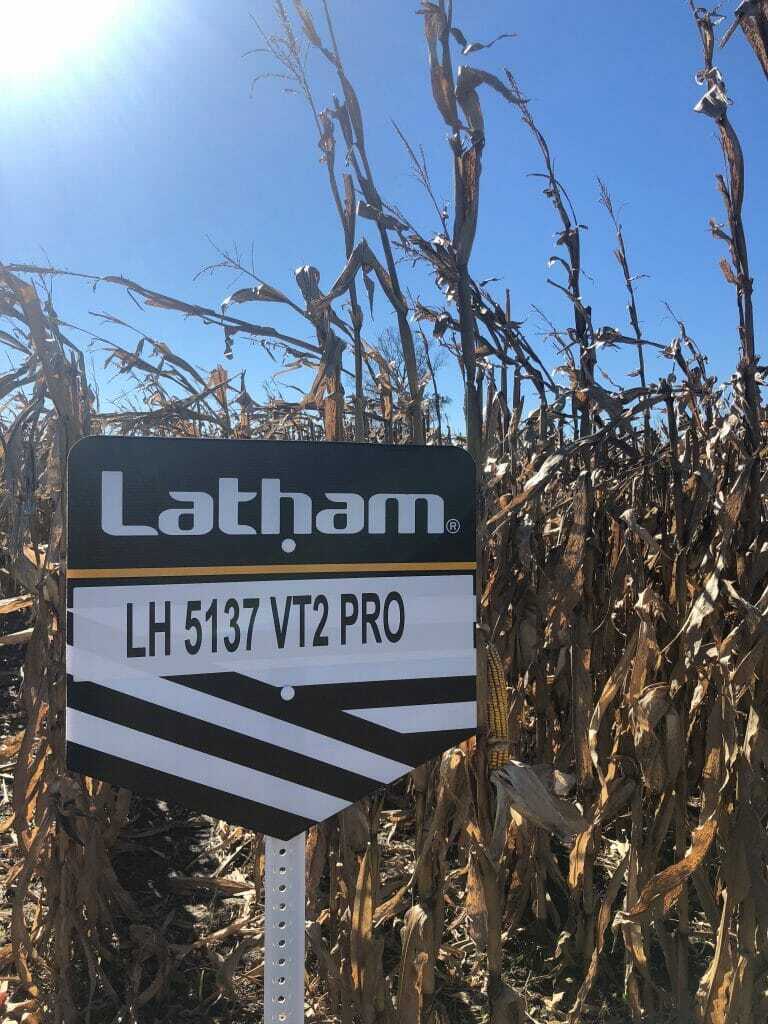
LH 5137 VT2 PRO had a strong showing last week in Watertown, Wisconsin. This great standing corn has excellent grain quality and outperformed a key competitive hybrid in Wisconsin by four bushels. Take a look at adding this outstanding Latham hybrid to your 2019 crop plan where you plant a 99- to 101-day hybrid on rotated ground.
NORTHERN WISCONSIN
Joe Salter
Harvest is in full swing here in Northern Wisconsin. Soybeans are coming off the fields in good condition with average yields. Corn harvest has been slow, but most of the harvested corn is running between 18-22% moisture. Hopefully, we can take out plots next week. I’m eager to get to the early maturity corn plot! The plot check is LH 3937 VT2, which looks outstanding.
NORTHERN MINNESOTA
Ken Highness
This 55-acre field of Latham LH 4437 VT2 PRO RIB near Morris, Minnesota produced a whole-field average of 218 bushels per acre.
SOUTHEAST SOUTH DAKOTA
Ramie Coughlin
We have been blessed with beautiful harvest weather for the past 10 days and grain is moving. We are nearing 80% completion of soybeans in Southeast South Dakota. I have been hearing soybean yields of 10- to 20-bushels above the standard average. Farmers are impressed with how far the genetics have come in a few short years, and as a result, they’re seeing impressive yields. On the Roundup Ready side, Latham’s L 1858 R2 is really shining once again. Also notice the cleanliness of the Liberty field pictured here. Watch the LathamSeeds.com for yield data as plots continue to be harvested. Keep an eye on F.I.R.S.T. trial results, too. Once again, Latham Seeds is having a tremendous year!
NORTHEAST SOUTH DAKOTA
James Keltgen
Soybean harvest is moving along quickly! Favorable weather has allowed farmers to get in several good days for combining in Northeast South Dakota. Moisture is running in the 9-10% range. Some farmers are working on corn. LH 4657 VT2 PRORIB yielded 277 bushels/acre (bu/A) in a grower’s entry for the SD Corn Growers entry at Hazel. Numerous yield reports are pushing 230 to 240 bu/A. LH 4657 VT2 PRO RIB has excellent top end yield paired with great drought tolerance and late season plant intactness!
Unfortunately, there are still areas plagued by excess moisture in the region where harvest progress is slow.
LH 4450 CNV Looks to push 250 bu/acre near Groton, SD where rain was sparse this summer.
EASTERN IOWA
Jerry Broders
Harvesting the corn plot with Latham® dealers in Brandon, IA.
SOUTHEAST NORTH DAKOTA
Gary Geske
Nice weather has combines rolling at a rapid pace before the next chance of rain on Wednesday evening. This field of L 0982 R2 beans averaged over 55 bushels per acre even with drowned out acres in the field.
The video below is combining LH 6224 3200 EZR by Hillsdale, IL with Fred Howard. We are back in the field and could possibly get some beans started tomorrow!
CENTRAL IOWA
Bryan Rohe
The sun has been shining, and the wind has been blowing. At last, we have weather conditions that are favorable for getting back into the field! We harvested this Latham SuperStrip corn plot, which was affected by a tornado that damaged Vermeer in Pella, Iowa. This plot also experienced heavy winds, hail and heavy rain late in the growing season.
Latham’s LH 6317 VT2 PRO DG RIB was the check hybrid, and it won the plot. This hybrid yield 220 to 235 bushels/acre across an entire field with 16 to 17% moisture.
NORTHEAST IOWA & SOUTHEAST MINNESOTA
Craig Haaland
Thanks to a couple of windy, sunny days, harvest has resumed. This field of LH 5245 VT2 PRO RIB was planted May 9 near Riceville, Iowa, and harvested Oct. 16. The average yield across four checks was 211.20 bushels per acre at 20% moisture with a test weight of 53.6.
WEST NORTH CENTRAL IOWA
Bart Peterson
Rather than focus on everything that could go better, sometimes a person just needs to take stock of what is right with the world. Yesterday morning I took time to appreciate the beautiful sunrise in Humboldt County. Warmer, drier weather has returned to the forecast, and I’m looking forward to getting more crops harvested soon.
NORTH CENTRAL IOWA & SOUTH CENTRAL MINNESOTA
Cory Greiman
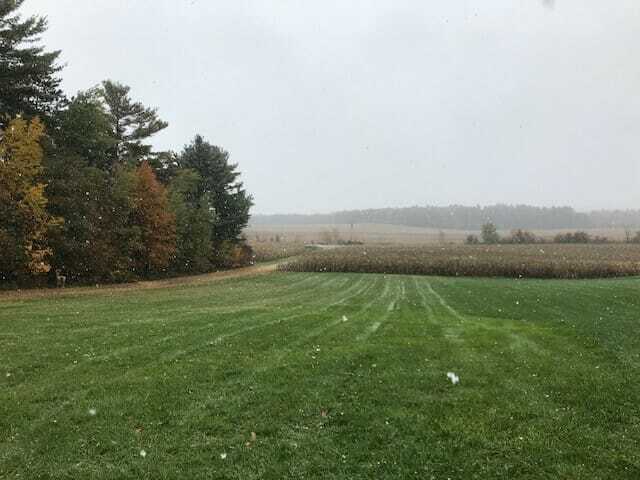
STOP… that’s what the weather has done to the harvest for a couple more days! Three to four inches of snow fell Sunday afternoon across North Central Iowa. Fortunately, the snow melted quickly and warmer temperatures have returned. Sunshine and winds were welcome this week to dry out the crops and soils, so harvest resumed with a bang!
NORTHWEST IOWA
Darin Chapman
We fought through the snow last week to get our first Latham SuperStrip corn plot harvested. Precipitation brought harvest to a halt shortly after that. The weather looks promising for the next couple of weeks, so we should finally make some progress with harvest.
Yields are exceptionally variable due to the excess moisture this year. It’s nice to see this picket fence stand of Latham LH 5095 VT2 PRO RIB! I have been very impressed with the health of this hybrid, and it’s ability to yield through the stress.
With farmers making seed decisions for 2019, I’ve been asked several times whether I think it pays to treat soybean seed. I believe that seed treatment may not always gain you yield, but it will protect it. Farmers, who added SoyShield PLUS™with ILeVO treatment to their soybeans this year, have seen a great response against Sudden Death Syndrome. We can’t predict the weather in 2019, but using tools like ILeVO helps protect your crops and yield.
Latham Hi‑Tech Seeds in 2016 sent 34 ILeVO trials to our dealers and their customers. Each trial consisted of a Latham® soybean product treated with SoyShield PLU planted side-by-side with that same soybean treated with SoyShield PLUS and lLeVO. Yield data was received from 26 of the 34 trials. Not every plot experienced a high degree of SDS severity, but many plots still showed a yield bump from using ILeVO. Plots where SDS was fairly severe showed the most yield benefit, ranging from 8 to 18 bushels per acre (bu/A).
More soybeans should get harvested this week, and it looks like we have some great yield potential out there. Stay tuned!
WESTERN IOWA & EASTERN NEBRASKA
Larry Krapfl
While one of our Latham® dealers undergoes his fourth round of chemo, neighbors and friends are taking out his crops. This field of Latham’s LH 5715 VT PRO RIB was running over 220 bushels per acre at 17% moisture.
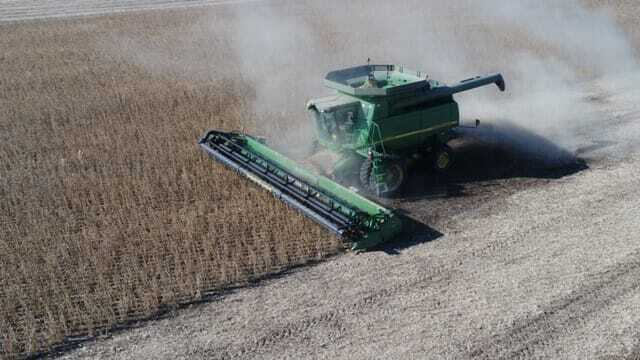
Now that the weather is more favorable, combines are rolling hard on this field of Latham’s L 2684 L near Emerson, Nebraska. Two combines are helping make up for lost time.
SOUTHERN WISCONSIN
Greg Mair
This Latham Dealer in Tomah, Wisconsin, wasn’t delayed by snow and rain on Sunday afternoon. We harvested a test plot, and LH 5095 VT2 PRO RIB was impressive again this year! As a replicated entry, it was checked three times. Latham’s 5095 averaged about 15 bushel more than the rest of the field surrounding the plot. If you are looking for a consistently durable hybrid with excellent standability, ask your Latham® seed representative if this hybrid would work for you!
NORTHERN WISCONSIN
Joe Salter
Finally, a break in the wet weather! While no one like to park the combine during harvest season, the downtime allowed Latham’s knowledgeable tech team to set up Climate FieldView and provide a demo. Pictured here is one very satisfied customer as he open his first field using Climate.
NORTHERN MINNESOTA
Ken Highness
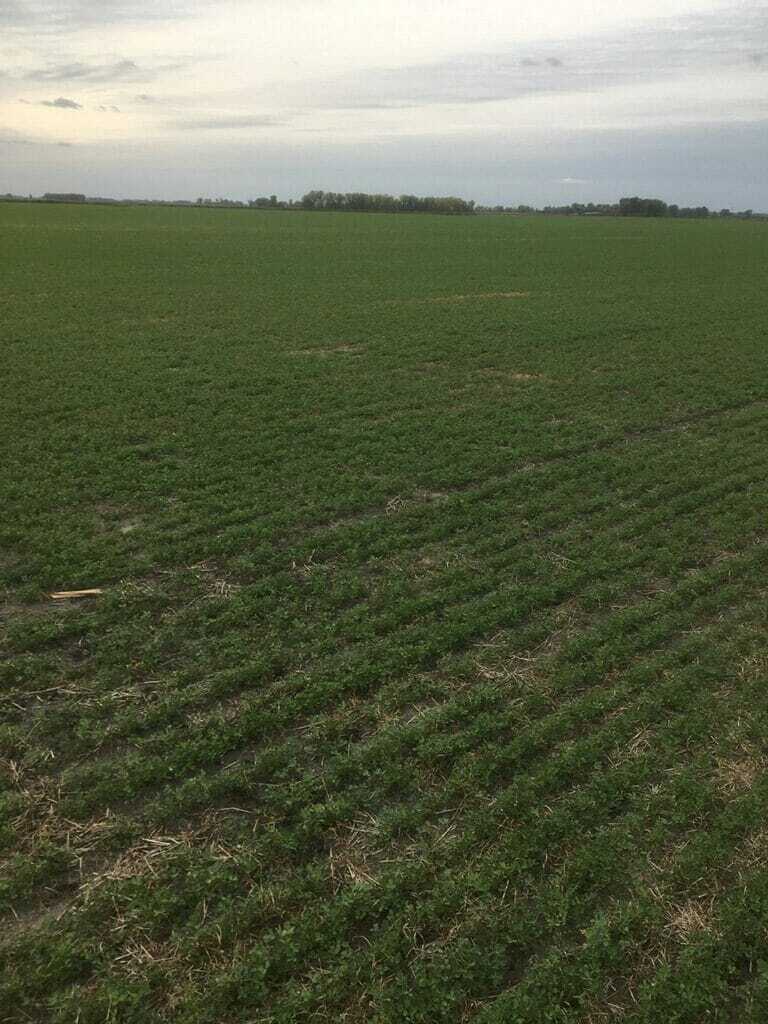
This exceptional looking field of Latham’s 480 HVXRR HarvXtra® Alfalfa with Roundup Ready® technology was planted mid-August near Hancock, Minn.
SOUTHEAST SOUTH DAKOTA
Ramie Coughlin
Farmers in Southeast South Dakota started getting back in the fields last Saturday after a week of very cold temperatures plus 1 to 4 inches of rain and nearly 4 inches of snow. Each day more farmers are able to get in the fields. In many areas, capacity will be a problem and farmers will be challenged to keep up with moving grain.
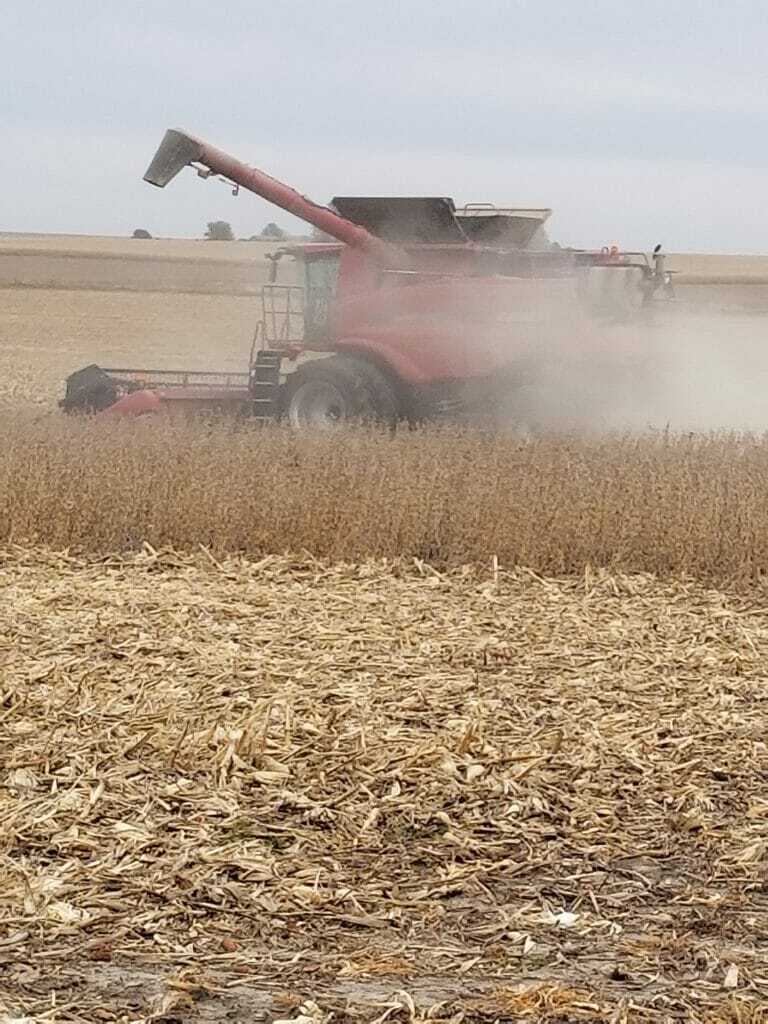
It’s a hard picture to see because the combine was in motion, but Latham 4657 VT2 PRO RIB is yielding very well in eastern Kingsbury County. This farmer said his average dry yield this season has been 255 bushels per acre (bu/A) on ground that typically runs 180 to 200 bu/A. He was only able to take the headlands off when he ran against his limits.
I look forward to getting more yield reports as harvest gears back up again. Please email, text or Snap us with your high Latham yields. We love to hear them!
NORTHEAST SOUTH DAKOTA
James Keltgen
Combines are rolling again in Northeast South Dakota (NESD)! Farmers are harvesting both corn and soybeans now as soybeans have dried back down to 13%. Corn yields are still strong in the east, pushing more than 200 bushels/acre!
This field of LH 3937 VT2 PRO was planted at 32,000 near Watertown, SD. Moisture is back down to 18% after the rain.
Drought was extreme in Seneca, SD, but this field of LH 4242 VT2 PRO looks like it will yield decently despite the growing conditions.
EASTERN NORTH DAKOTA
Brian McNamee
Farmers are finally getting back into the fields after that very unpleasant snow event last week. Some farmers are combining corn for the time this season, and I’m hearing seeing some very solid numbers.
Soybeans harvest is complete in large areas in the state, so plots like the one pictured below are finally coming off. Stay tuned for more plot data!
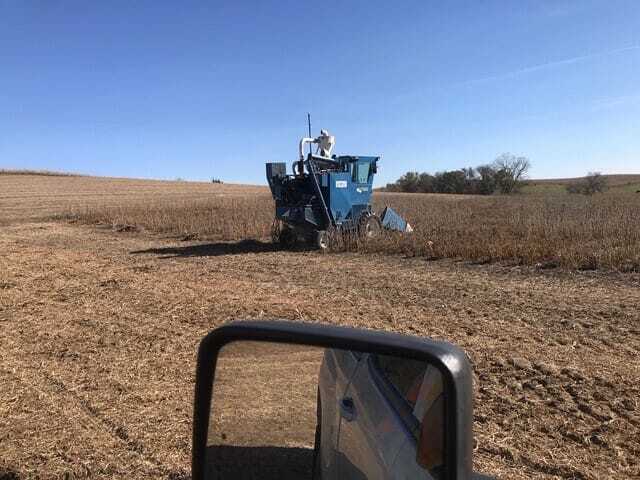
This plot is the highly visible Ideal Seed Solutions plot west of Rugby, ND, on U.S. Highway 2. Latham’s L 0124 R2X earned back-to-back first place finishes in this multi-brand plot. Even under extremely droughty conditions in the west, farmers are witnessing yield separations in these new genetics. Another new soybeans to keep your eye on is L 00828 R2X. This double zero maturity bean packs some punch! It also is Latham Seeds’ earliest IRONCLADTM soybean.
Rainfall last weekend ranged from 1.5 to 5.5 inches across Eastern Iowa. Farmers are trying to harvest the crop on high ground before the next round of showers.
CENTRAL IOWA
Bryan Rohe
Wet weather has shut down harvest again! On the bright side, yields have been good.
NORTHEAST IOWA & SOUTHEAST MINNESOTA
Craig Haaland
It’s been another week of wet weather. Rain totals vary from 2 to 4 inches. A few farmers tried to combine last weekend. Soybean moisture was 16% or higher, and corn was running 24 to 28% moisture. Everything was just too wet, so once again, harvest is at a standstill.
WEST NORTH CENTRAL IOWA
Bart Peterson
Rain just keeps falling, causing widespread flooding. Another 3 inches of rain caused this creek near Lohrville, Iowa, to flow out of its banks.
NORTH CENTRAL IOWA & SOUTH CENTRAL MINNESOTA
Cory Greiman
Two of Latham’s new corn hybrids are looking good! We’re eager to get harvest results.
It’s been a battle this fall to harvest soybeans due to all the rain. Keep in mind that we didn’t have a good start on harvest at this time last year, but it worked out just fine!
It’s been a battle this fall to harvest soybeans due to all the rain. Keep in mind that we didn’t have a good start on harvest at this time last year, but it worked out just fine!
The soybean yields that have been reported are impressive! L 2184 R2X and L 2283 R2X both averaged 74 bushels per acre in O’Brien County. L 1787 LL averaged 83 bu/A in Sioux County. I’m looking forward to more results like these!
WESTERN IOWA & EASTERN NEBRASKA
Larry Krapfl
Fields north of Onawa, Iowa, are waterlogged. Since more rain is expected this week, farmers are eager to combine when there’s a break in the rain clouds. As much as we all want to be in the field, we can’t will it to happen. Remember to stay safe!
SOUTHERN WISCONSIN
Greg Mair
Weather across the area has been unfavorable for harvesting crops during the past week. I was able to get one combine ride in last Wednesday.
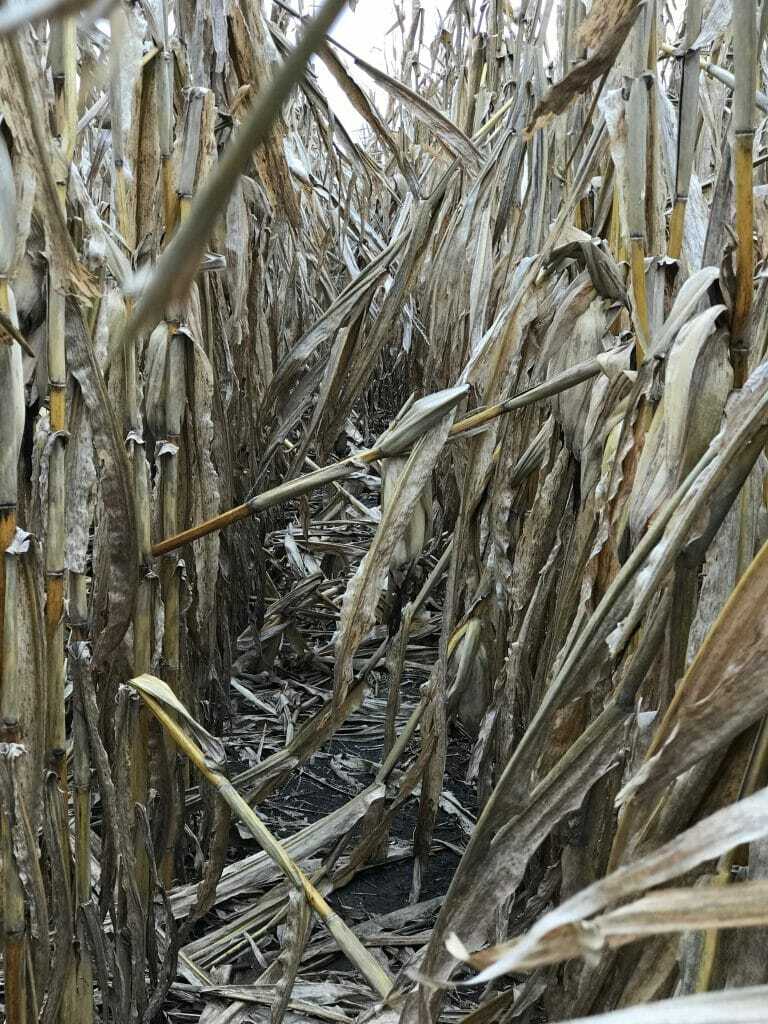
Stalks continue to be an issue across southern Wisconsin, making it crucial to have a plan for harvest when the weather breaks. Take the time to walk your fields in between rain showers to evaluate stalks. Harvest the weakest fields first, capturing whatever yield is there.
NORTHERN WISCONSIN
Joe Salter
Rain and storms have brought harvest in Northern Wisconsin to a halt. It looks like late next week there’s hope of us getting back into the fields. I’m excited to harvest plots and start looking at the data. I can’t stress enough about the consistency of LH 4454 VT2 PRO RIB. This hybrid has been solid all year and appears to be the most stable/consistent hybrid in the mid-90 RM range. Pictured below is Latham’s 4454 on the right and a competitor on the left. The next pic is LH 5095 VT2 PRO RIB in a plot in Central Wisconsin. This solid hybrid has a long, semi-determinant ear and is very flexible on soil types.
NORTHERN MINNESOTA
Ken Highness
It’s been about as tough of a harvest season as it can get. Farmers are feeling the pressure to work as quickly as possible when there is a break between rain clouds. Just remember to keep safety your first priority! We were reminded about the importance of farm safety last week when this sugar beet truck ran into a tractor and cart near Felton, MN.
SOUTHEAST SOUTH DAKOTA
Ramie Coughlin
Rain, rain go away! It’s been raining for the last three days in Southeast South Dakota. Rain changed to snow overnight in some areas. The good news is the 7-day forecast looks dry after today. As we get back to harvesting, I highly encourage people to get out of the cab and walk fields. This is the type of year when corn isn’t going to stand long — and not necessarily because of a particular hybrid or brand. The issue is environmental, and it started back in June with near record-setting rainfalls. Don’t be afraid to switch to corn while we wait for the conditions to get right for soybeans. While you wait for soils to dry, get together with your local Latham rep to place an order. Early orders can ensure you will a discount on your seed all season long, even if you make changes to your initial order.
NORTHEAST SOUTH DAKOTA
James Keltgen
Very little harvest progress was made again this week, and more and snow are in the forecast. Fortunately, yield reports are very good for the fields that have been combined.
At 237 bushels/acre, LH 4454 VT2 PRO won Doug Abeln Seed Company’s corn plot at Groton, SD.
SOUTHEAST NORTH DAKOTA
Gary Geske
With all the rain we have been receiving, it’s no wonder farmers are eager to bring in the crop. The overnight forecast delivered and we received snow. Plan ahead and practice safe pulling techniques. Chains, ropes and straps may recoil and spring back with tremendous force if broken. Make safety your number 1 priority.
EASTERN NORTH DAKOTA
Brian McNamee
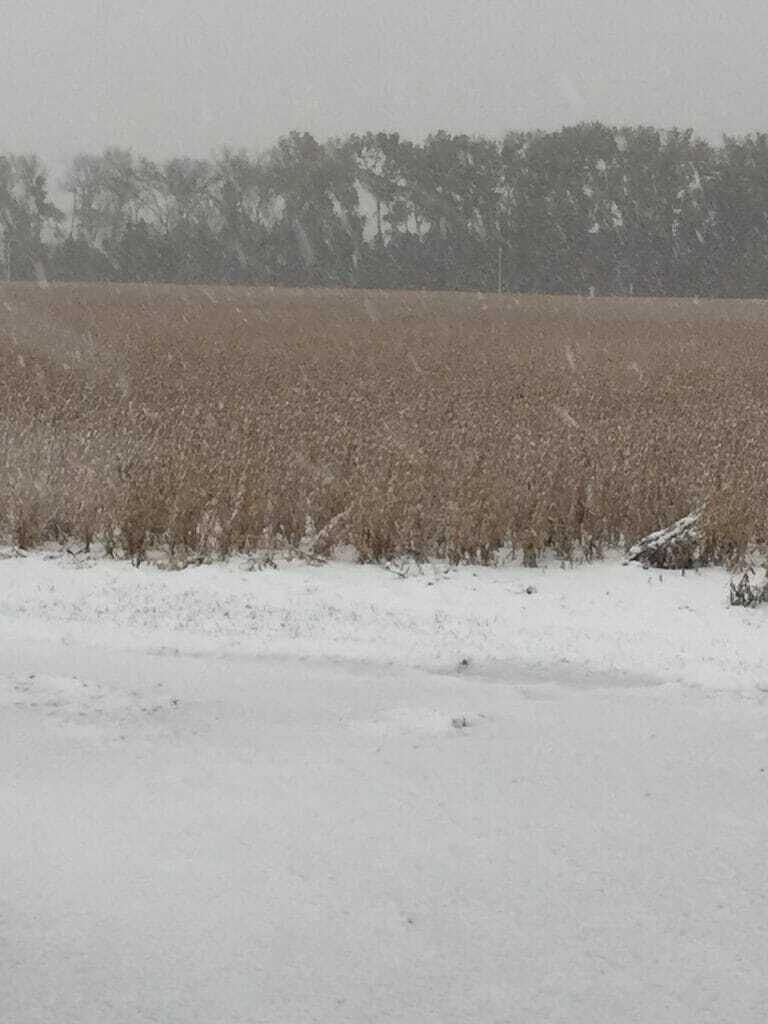
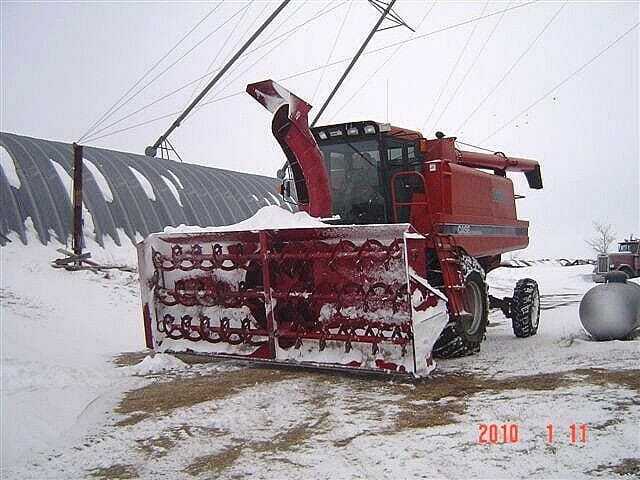
Combining continues to be a struggle. Very little progress, if any, has been made since last week. Temperatures are 12 to 15 degrees below normal, and the precipitation is a daily occurrence. Snow has begun to fall in areas, so farmers might need to switch to a different type of platform.
There is hope on the horizon. Temperatures are supposed to warm up next week!
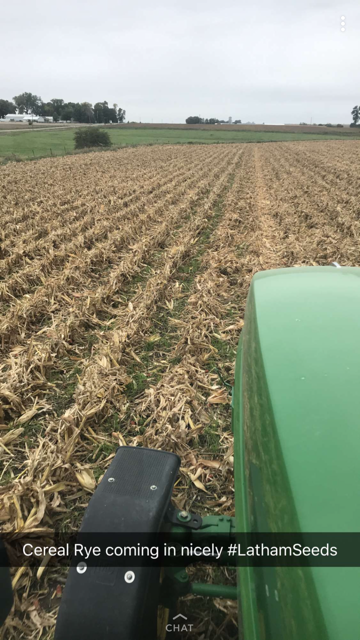
A lot of farmers in Northwest Iowa are trying to start soybean harvest in between the rains. One upside to the rain is the cereal rye cover crop is getting establiahed really well! Farmers are really enjoying using Climate FieldView in their combines this harvest. The variety tracking and split-view mapping capabilities are a huge advantage. Yield results are starting to come in, and LH 5245 VT2 PRO RIB continues to out-perform the competition!
EASTERN IOWA
Jerry Broders
LH 6317 VT2 PRO DG RIB went 289.4 bushels per acre at 20.2% moisture in Muscatine County!
CENTRAL IOWA
Bryan Rohe
Stalk quality is deteriorating, so harvest as soon as the ground is fit. Waiting for corn to dry down or until your done combining soybeans is not recommended.
There is a great crop out there!
NORTHEAST IOWA & SOUTHEAST MINNESOTA
Craig Haaland
Farmers are anxiously waiting to get in the field to take out anything at this point. Pictured here is Latham’s LH 5099 SS RIB planted corn-on-corn in Mitchell County, Iowa. Before rain brought harvest to a halt, farmers in Butler, Grundy, Bremer and Black Hawk Counties sent in some pretty good yield results.
As the sun goes down, this Latham® customer by Havelock, Iowa, calibrates his yield monitor.
NORTH CENTRAL IOWA & SOUTH CENTRAL MINNESOTA
Cory Greiman
The first Latham® SuperStip corn plot harvested in my territory was combined on Oct. 2 near Burt in Northwest Iowa. The overall plot average was 240 bushels per acre, which is very good considering the excess rainfall received this year.
WESTERN IOWA & EASTERN NEBRASKA
Larry Krapfl
On your mark, get set, WAIT! Harvest has been at a standstill for the past five days due to rain.
SOUTHERN WISCONSIN
Greg Mair
In a year where diseases and stalk strength are a huge concern, LH 5095 VT2 PRO RIB and LH 5099 SS RIB continue to show their strengths. Standability and late-season intactness on these two are like no other product in the lineup from 95 to 101 days. For a winning combination in southern and Central Wisconsin, package these hybrids with LH 4795 VT2 PRO RIB, LH 5245 VT2 PRO RIB, or LH 5249 SS RIB.
NORTEAST SOUTH DAKOTA
James Keltgen
Cloudy and cool has been the theme this fall. Soybean harvest has slowed to a crawl as there have only been a few days of good weather. Some farmers have switched to corn as soybeans just aren’t drying down with rain falling so frequently.
LH 4657 VT2 PRO RIB is bringing up the field average from where the competitor’s yield was in this field north of Sisseton, SD.
LH 3937 VT2 PRO RIB brings excellent yield and agronomics near Watertown, SD.
With repeated rain showers and damp days, it has been difficult to harvest soybeans. The weather cooperated the afternoon of Oct. 1, and some harvesting was done Oct. 2 before showered returned. Beet harvest is in full swing. Although soybean and corn harvest is progressing slowly, remember that many trucks and harvest equipment are on the roads at all times of the day or night. Please pay attention to what is happening around you, and have a safe harvest!
Northern Minnesota
Ken Highness
Yesterday we harvested Latham LH 4450, and the whole-field average was 225 bushels per acre!
Eastern North Dakota
Brian McNamee
Cold temperatures and rain are affecting harvest speed. We went from getting hundreds of acres done daily to getting a total of 100 acres harvested during the past 10 days. Soybean harvest is approximately 40% done. Yields range from 15 to 70 bushels per acre. Drought took more off the soybean crop than any other crop planted in North Dakota. Corn harvest is just getting started, but early yield reports are favorable with a very good crop in South Central and Eastern North Dakota.
Southeast South Dakota
Ramie Coughlin
Harvest is well underway in Southeastern South Dakota. Corn and soybeans are coming out, and we’re hearing yield reports about bumper crops. Now we just need some warmer weather to dry out the soybeans but the ground.
Latham customers have been pleasantly surprised this year with early harvest results. Check out this harvest result from Oskaloosa where drought conditions were experienced for the second year in a row.
Now is the best time to place your Latham® seed order. Our best price of the year is available now. We can help you select the products that are best suited to yield, field by field.
NORTHEAST IOWA & SOUTHEAST MINNESOTA
Craig Haaland
This field of Latham’s Liberty Soybean L 1328 L in Mower County, Minnesota is getting close to harvest. Unfortunately, more rain is possible during the next 7 days. Keep scouting your fields as our biggest concern right now appears to be stalk integrity from all the wet weather this growing season. Keep testing the stalks and harvest the worst out first. Below are some yield results from my area.
Latham® Dealer John Lacina and his son, Alan, on Monday opened a field of LH 5635 VT2 PRO RIB near Badger, Iowa.
NORTH CENTRAL IOWA & SOUTH CENTRAL MINNESOTA
Cory Greiman
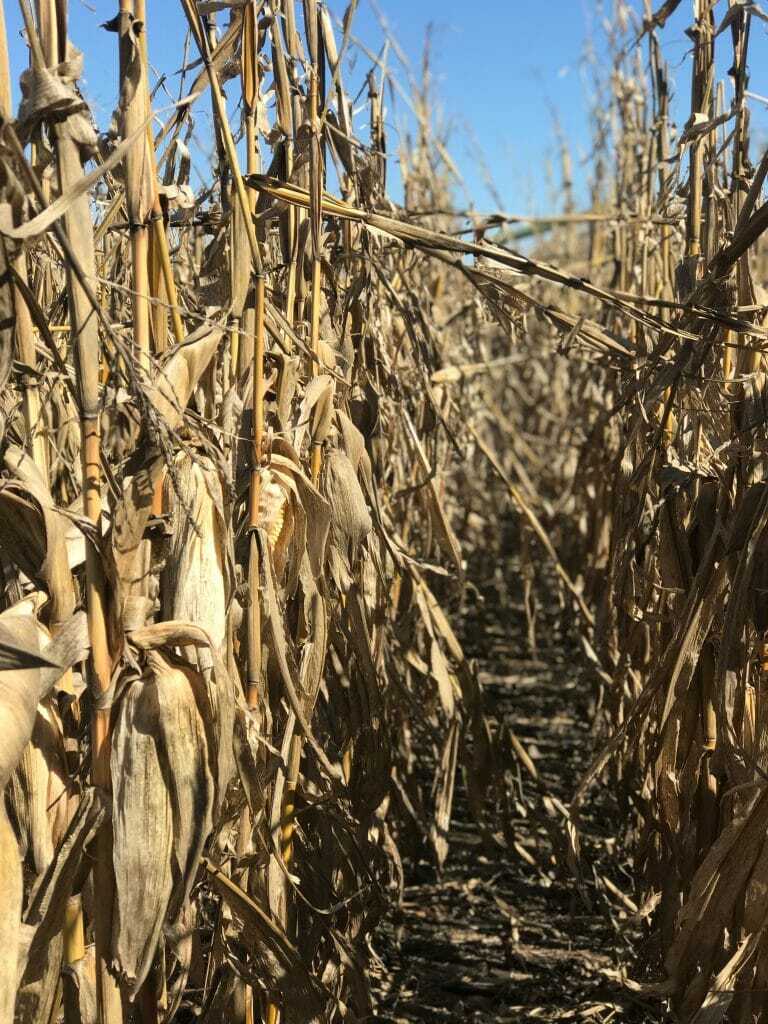
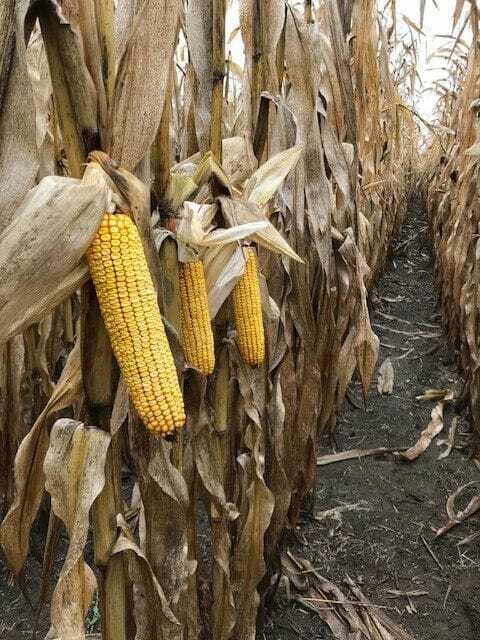
This photo of a wind-damaged field near Algona, Iowa, serves as a reminder to keep checking corn fields for stalk issues.
NORTHWEST IOWA
Darin Chapman
Farmers in Northwest Iowa are trying to decide if they should start on corn or soybeans. With the weather conditions we have had this growing season stalk integrity will be tested. Rain continues to fall, and farmers are eager to get in the field. What little that has been harvested is yielding well. Latham L 1858 R2 soybeans whole-field average 78 bushels per acre near Hull, Iowa. We look forward to more reports like these!
WESTERN IOWA & EASTERN NEBRASKA
Larry Krapfl
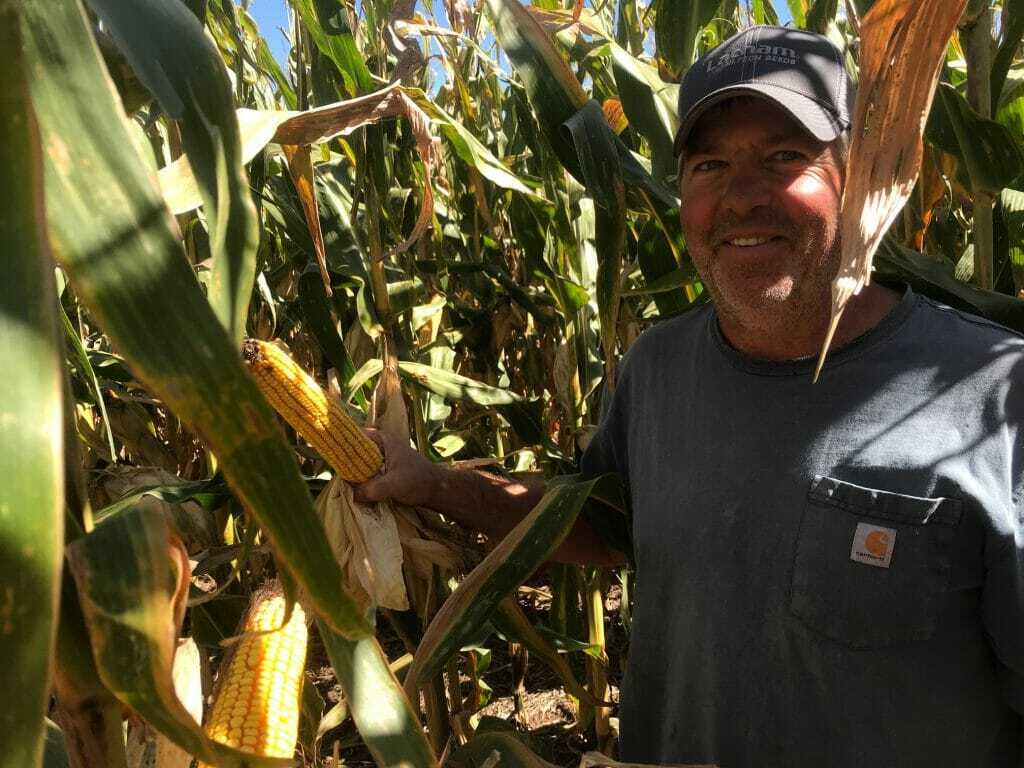
One of our customers is pictured in a field of LH 5495 3122 EZR. This 104-day hybrid I was planted May 26 and is testing 26% moisture.
SOUTHERN WISCONSIN
Greg Mair
Corn in Southern Wisconsin is maturing rapidly. Significant acres of corn were harvested at 19 to 20% moisture before farmers even attempted soybeans.
We harvested a Latham® Hi‑Tech Hybrids SuperStrip Monday in Monroe. The average to above-average yields were expected as has been an extremely challenging growing season.
NORTHERN WISCONSIN
Joe Salter
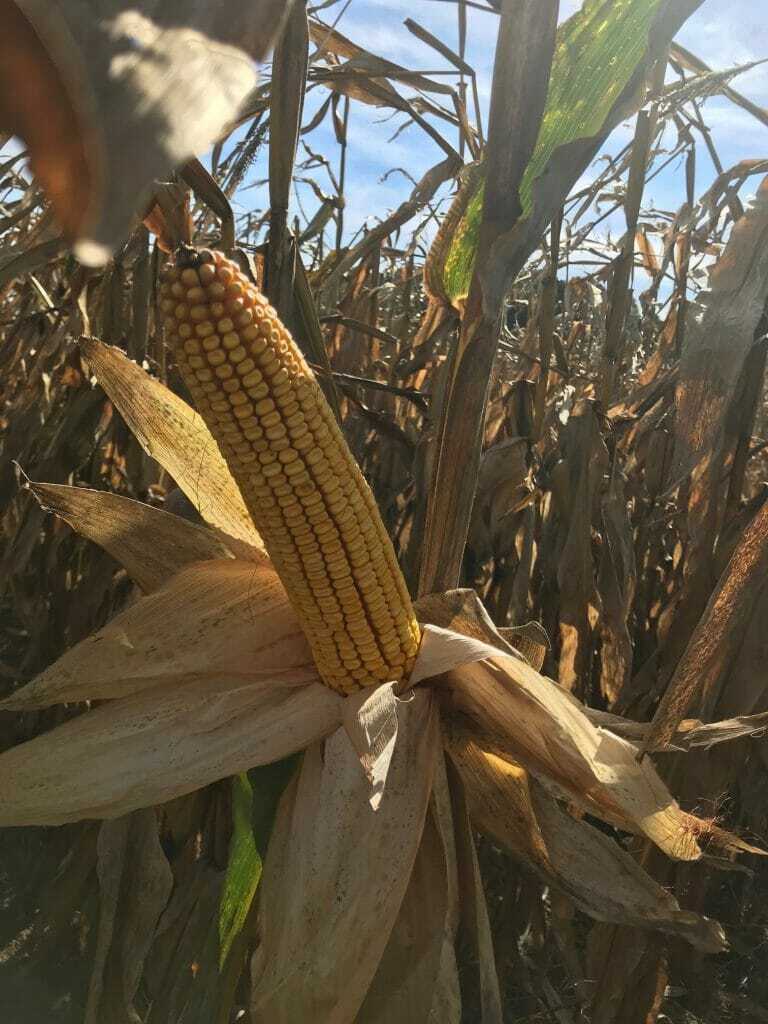
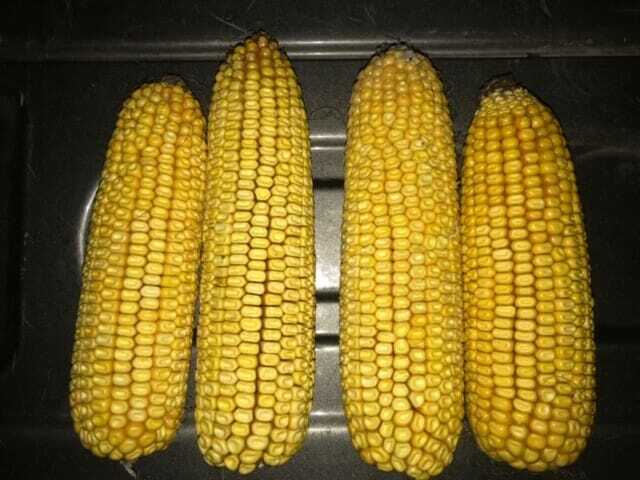
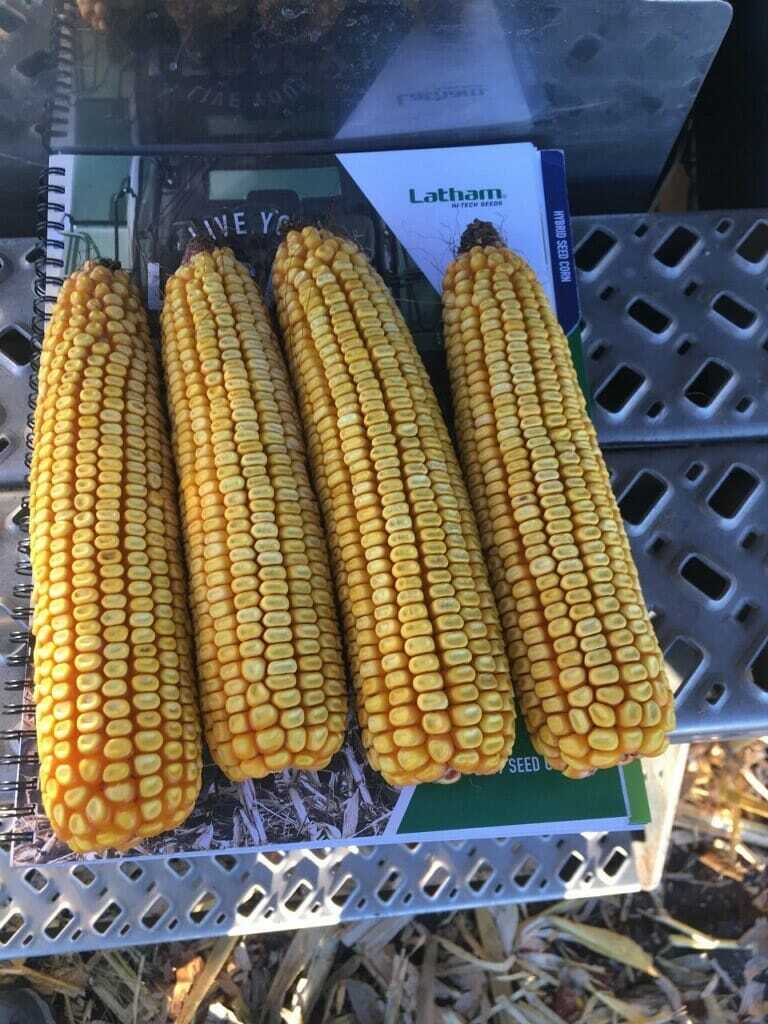
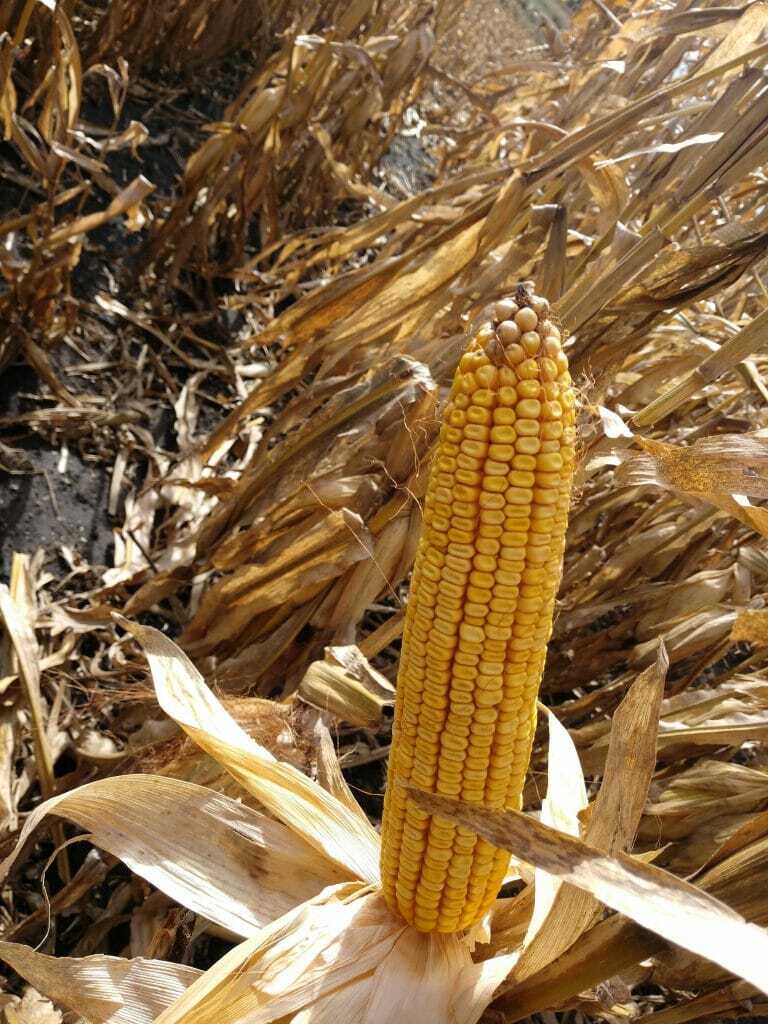
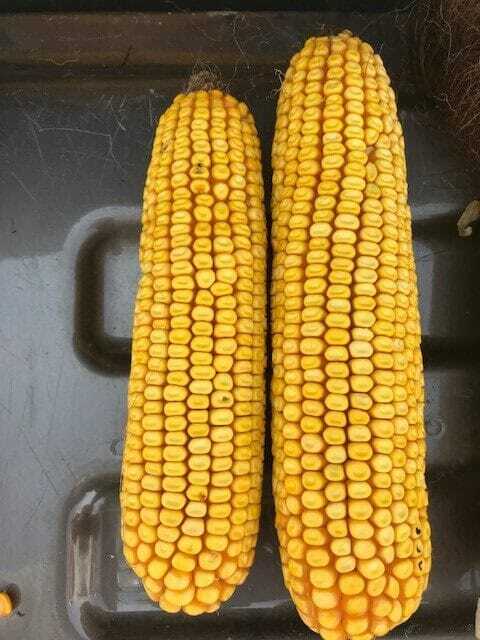
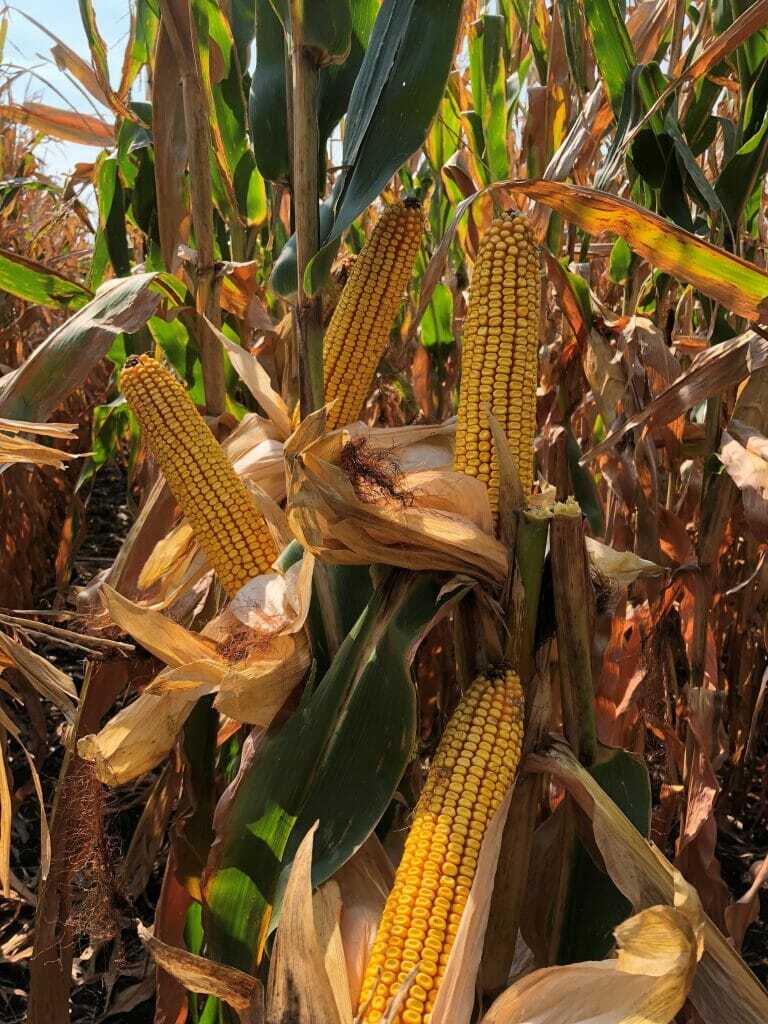
Combines are ready to roll, but rains have delayed harvest. I checked a field with LH 4454 VT2 PRO RIB, LH 4517 VT2 PRO RIB and LH 4692 RR. These hybrids are outstanding! Pictured below is 4454, averaging 18 rows and 30 kernels per row. This hybrid will push past 200 bushels per acres.
NORTHERN MINNESOTA
Ken Highness
Many varieties of edible beans are grown in North Dakota. Here’s a field of Navy beans being harvested this week near Emerado, ND. Click here if you’d like to learn more about pinto bean production.
SOUTHEAST SOUTH DAKOTA
Ramie Coughlin
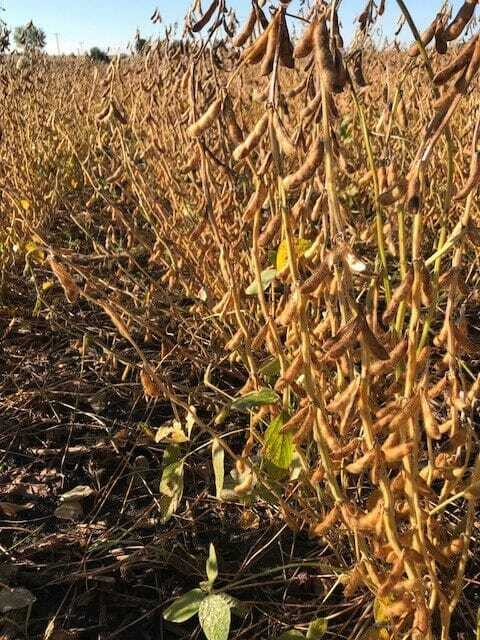
Many soybeans acres have been harvested throughout South Dakota, while some soybeans are still standing in wetter fields and some of the later planted fields. Although they’re still very green, these soybeans have great yield potential! Harvest is expected to resume in some areas tomorrow after a week of rain. Other parts of the state received six to eight inches of rainfall and need more drying time.
NORTHEAST SOUTH DAKOTA
James Keltgen
Harvest has been slow going as it has rained off and on this past week. Yields are good where the combines are rolling. Latham® L 0982 R2 has averaged from the mid-50’s to over 60 bushels per acre near Watertown! Some farmers have switched to corn to allow soybeans to dry out again.
SOUTHEAST NORTH DAKOTA
Gary Geske
With corn harvest beginning, the Latham Product Team is making final inspections of our many research plots before we harvest them and compile date. These inspections are important to verify late-season plant health, root lodging and stalk lodging scores. We then add these notes to yield results to decide which hybrids to add to our lineup. Attend a Post-Harvest Meeting in November to learn about these possible new selections.
EASTERN NORTH DAKOTA
Brian McNamee
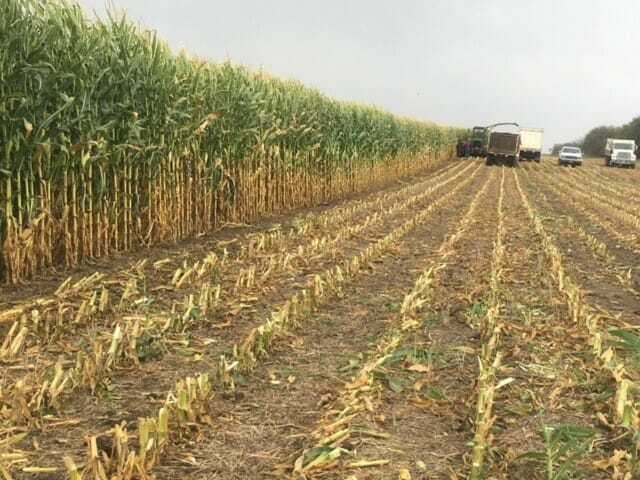
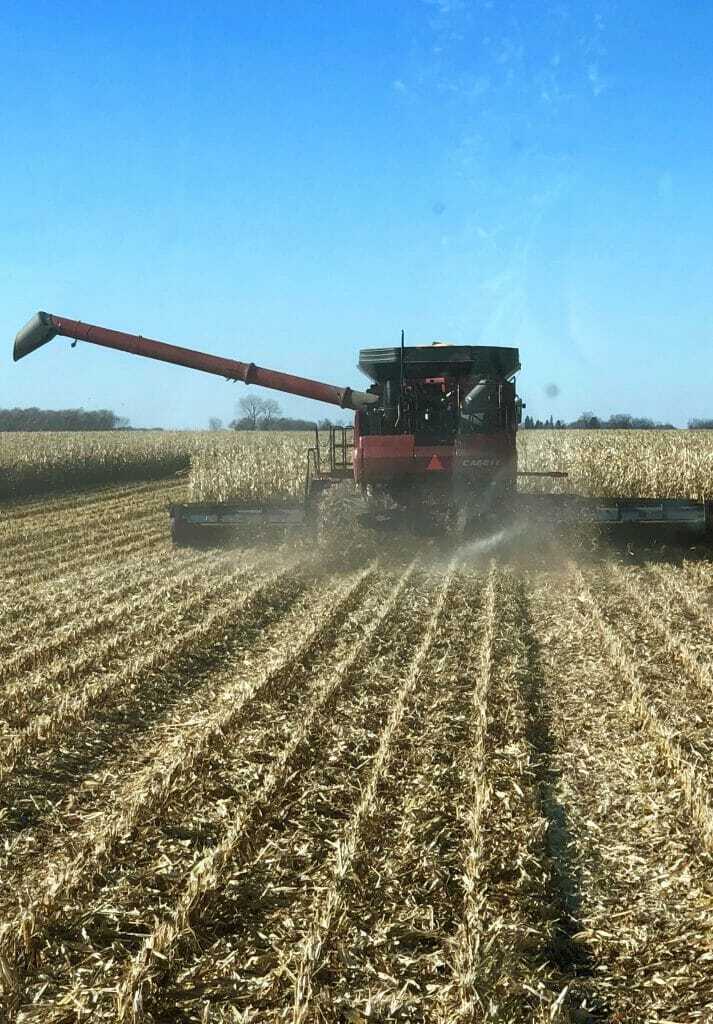
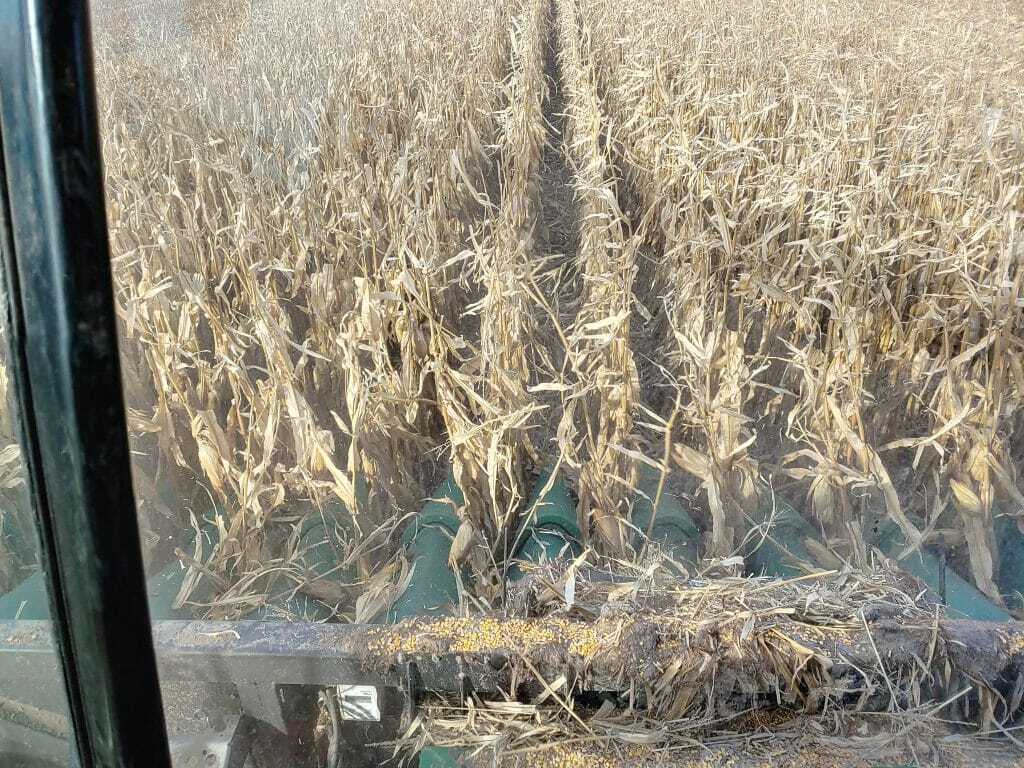
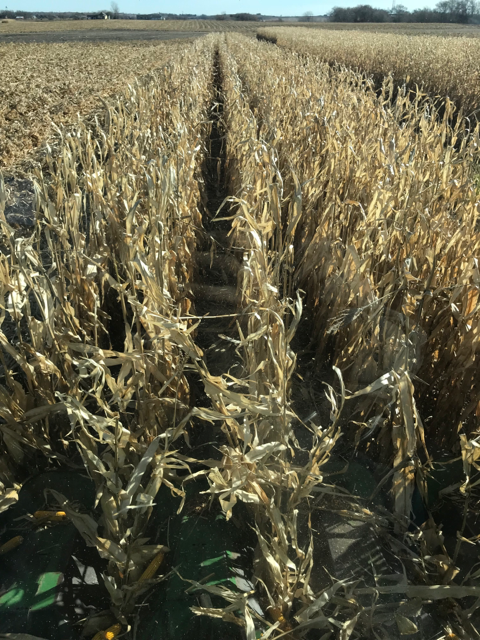
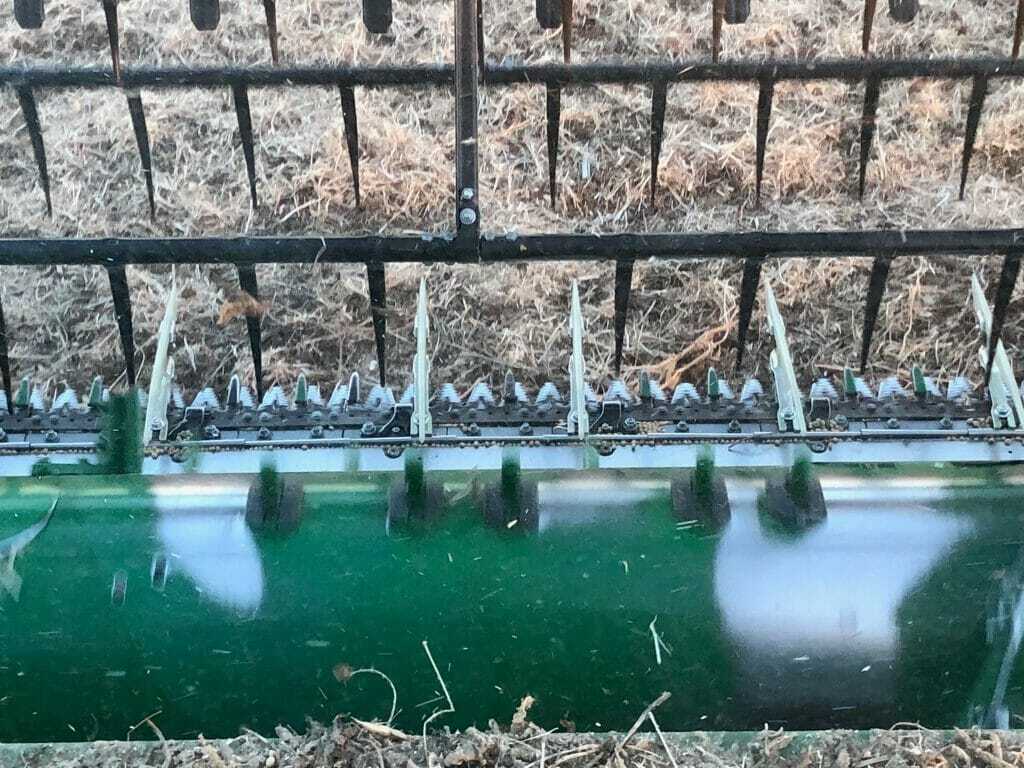
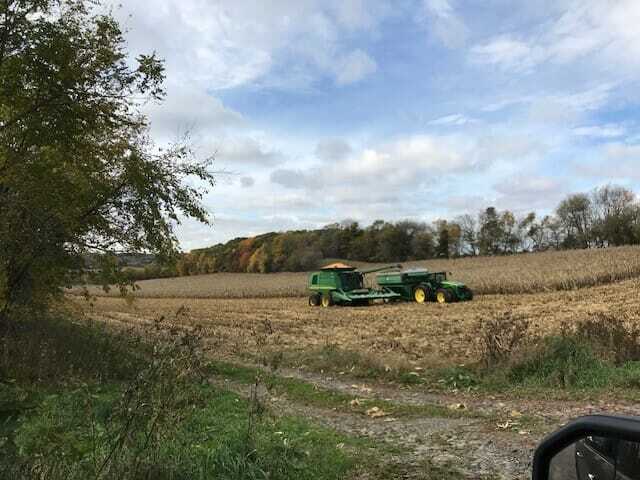
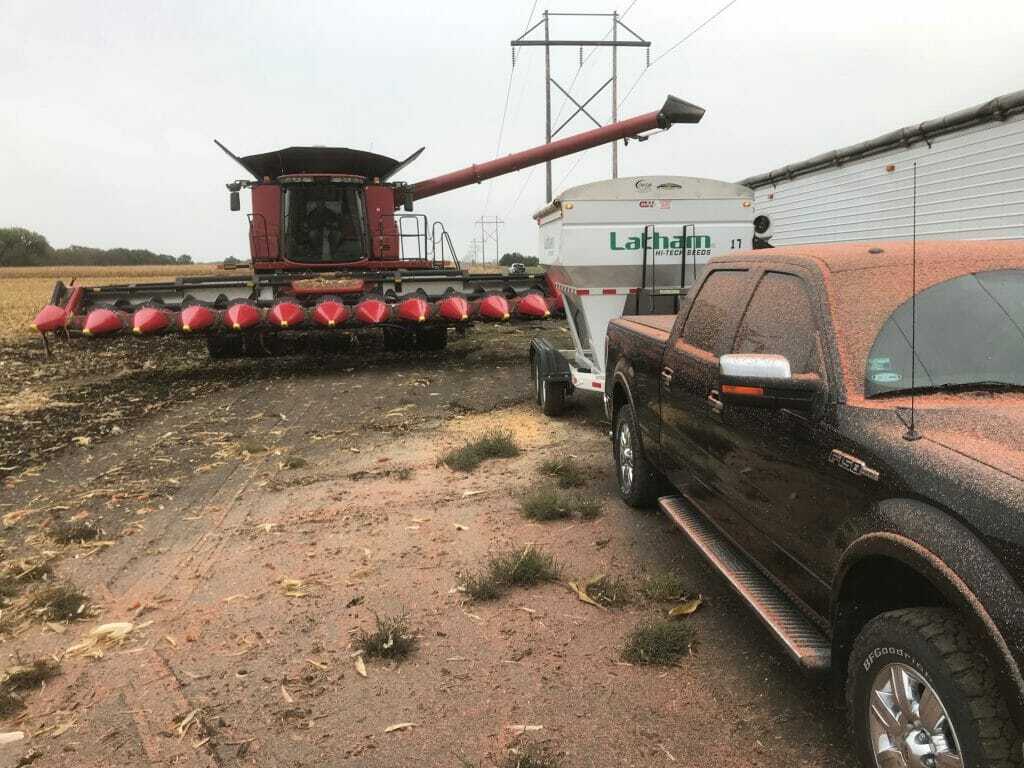
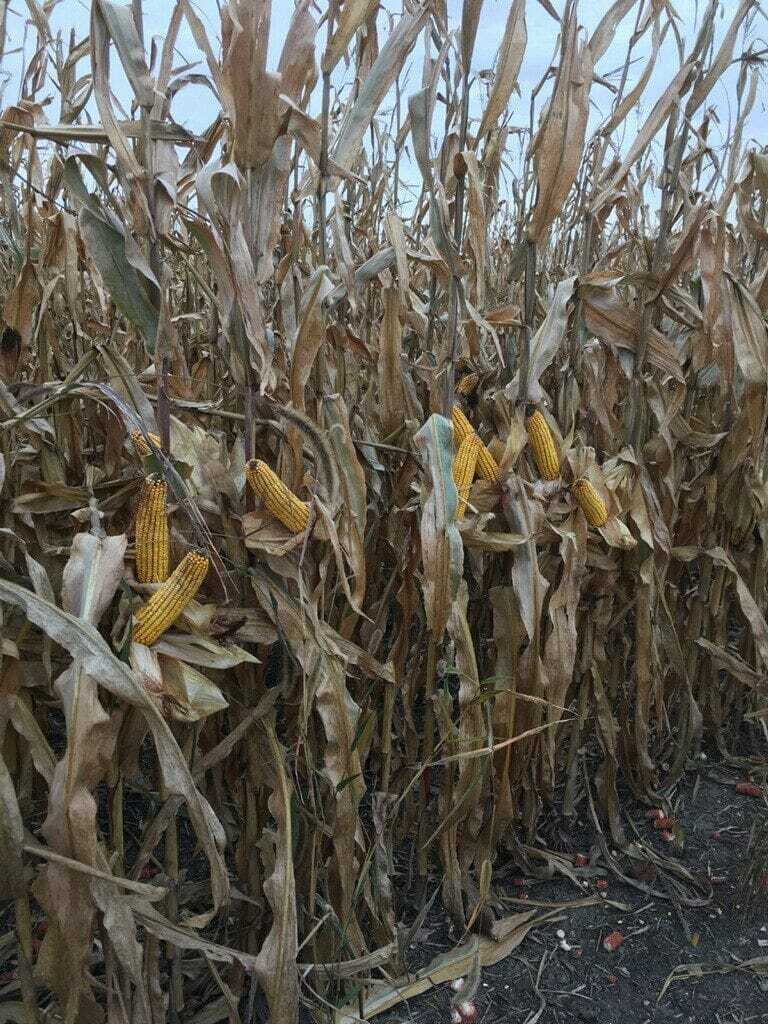
Silage chopping is about done here in North Dakota. Our Latham customers, once again, had fantastic results. Even the areas with intense stress and lack of moisture turned out better than expected. We often talk consistency in our corn stands with the focus on grain production. The same production can be said for silage, as well. The field being chopped here was “consistently” as tall as the cab on the chopper even higher in some spots. This year is shaping up to be another fun one!



































 Eastern North Dakota