Latham Hi-Tech Seeds

(641) 692-3258

  • Home
  • Products
    • Corn
    • Soybeans
    • Alfalfa
    • Corn Silage
    • Seed Guide
  • Performance
  • Find a Rep
  • Media
    • Blog
    • News
    • Videos
    • Podcasts
    • TECHTalk
  • About Us
    • Company History
    • Our Mission
    • Careers
    • Become a Rep
    • Sowing Seeds of Hope
  • Contact Us
  • Latham Hi‑Tech Seeds

    “Learning by Doing” is this FarmHer’s Life-Long Mantra

    IMG 5521
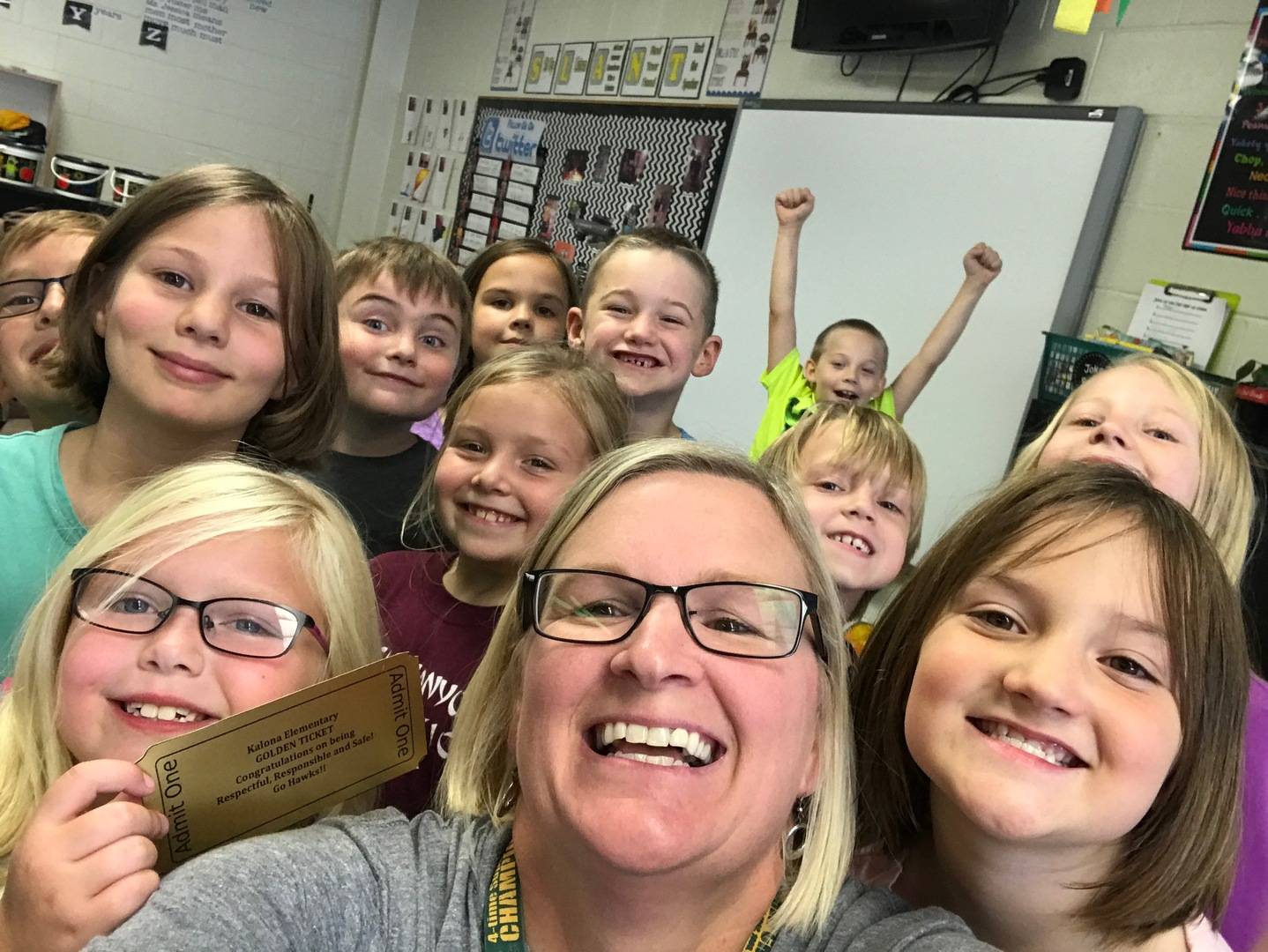
    Ms. Bell takes a selfie with her class to celebrate being respectful, responsible & safe in their class.
    Ms. Bell takes a selfie with her class to celebrate being respectful, responsible & safe in their class.

    “Learning by doing” isn’t just a 4-H slogan. It’s become a life-long mantra for FarmHer and teacher Kerri Bell of Washington, Iowa. Farm work, 4-H projects and FFA activities helped Kerri discover her passions at a young age. Then she learned how to channel those passions into volunteer activities, as well as into her profession.

    “The youngest of three daughters, I was a FarmHer before the term existed,” says Kerri Bell, who grew up near Dysart, Iowa, where her family farmed and her mom also was a 4-H Club leader. “My passion for helping others is what guided me down my career path.”

    Kerri decided to attend University of Iowa for Elementary Education because she wanted to give her students what many of her teachers had given her: the confidence, hope and encouragement to follow her dreams.

    “Many kids today come from very challenging backgrounds. I know my influence can make a huge impact on whom they become,” says Mrs. Bell. “Every day I am grateful for the opportunity to be that positive influence in their lives.  As a veteran teacher, I strive to give my best to guide them wherever their dreams take them in the future.”

    Although she’s in her 23rd year of teaching – and her 21st year of teaching second grade at Mid-Prairie – Mrs. Bell says every day holds new experiences. She encourages parents and community members to follow her classroom adventures on Twitter @KerriBell2 and on Facebook/MrsBell2nd.

    “Just like my husband’s farming career, I plan, prepare and plant my crop of students to grow and learn so they’ll be to be ready for harvest at the end of the school year. We just have opposite seasons where I’m planting in the fall and harvesting in the spring and vice versa,” says Mrs. Bell. “Both my husband and I put in countless hours and work late into the night because we’re passionate about what we do. My family helps me with special school and community projects. I help with our family farming operation when extra hands are needed.”
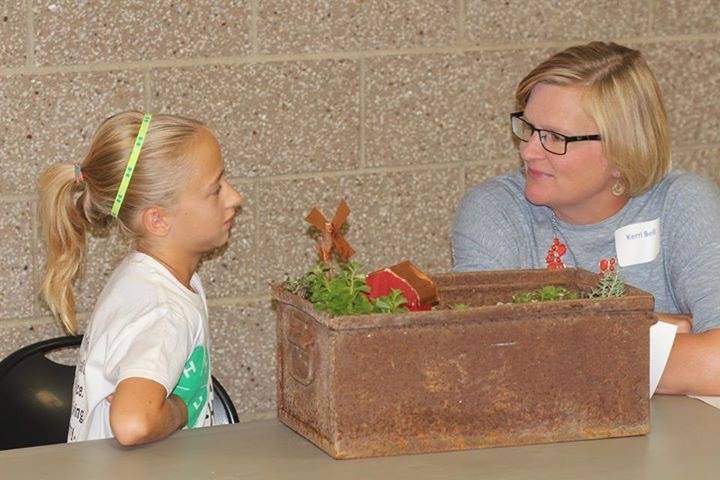
    Keri volunteers her time by judging 4-H projects at the state and county level.
    Keri volunteers her time by judging 4-H projects at the state and county level.

    Mrs. Bell also lends a helping hand to school and community organizations. While in high school, she volunteered as a peer helper and tutor. She was a youth leader helper at church and went on to serve as a Sunday School teacher, educator, and volunteer. She also was 4-H youth volunteer and continues serving as a 4-H volunteer.

    Pledging her hands to larger service, Mrs. Bell has served as a 4-H judge the past 27 years at the county and state levels. She’s a past member of the Washington County 4-H Extension Council. She served on the Washington County sheep committee for 10 years. She also is a five-year member of the Washington County 4-H Youth Committee and is a 4-H club volunteer. In addition, Mrs. Bell serves as secretary of the Washington FFA Alumni Association and is a contest judge. She also is secretary of the Washington County Corn Growers Association and volunteers for the Iowa Corn Growers Association.

    Her passion for helping people and farming provides opportunities for Mrs. Bell to help debunk myths or misinformation. She also makes learning fun by incorporating ag into her classroom.

    “Some years I have no students who live on working farms. Some students may live on an Students get an opportunity to learn firsthand what happens daily on the Bell family farm, and they have an opportunity to ask questions. Mrs. Bell also has added many children’s books that help elementary students learn about farming.
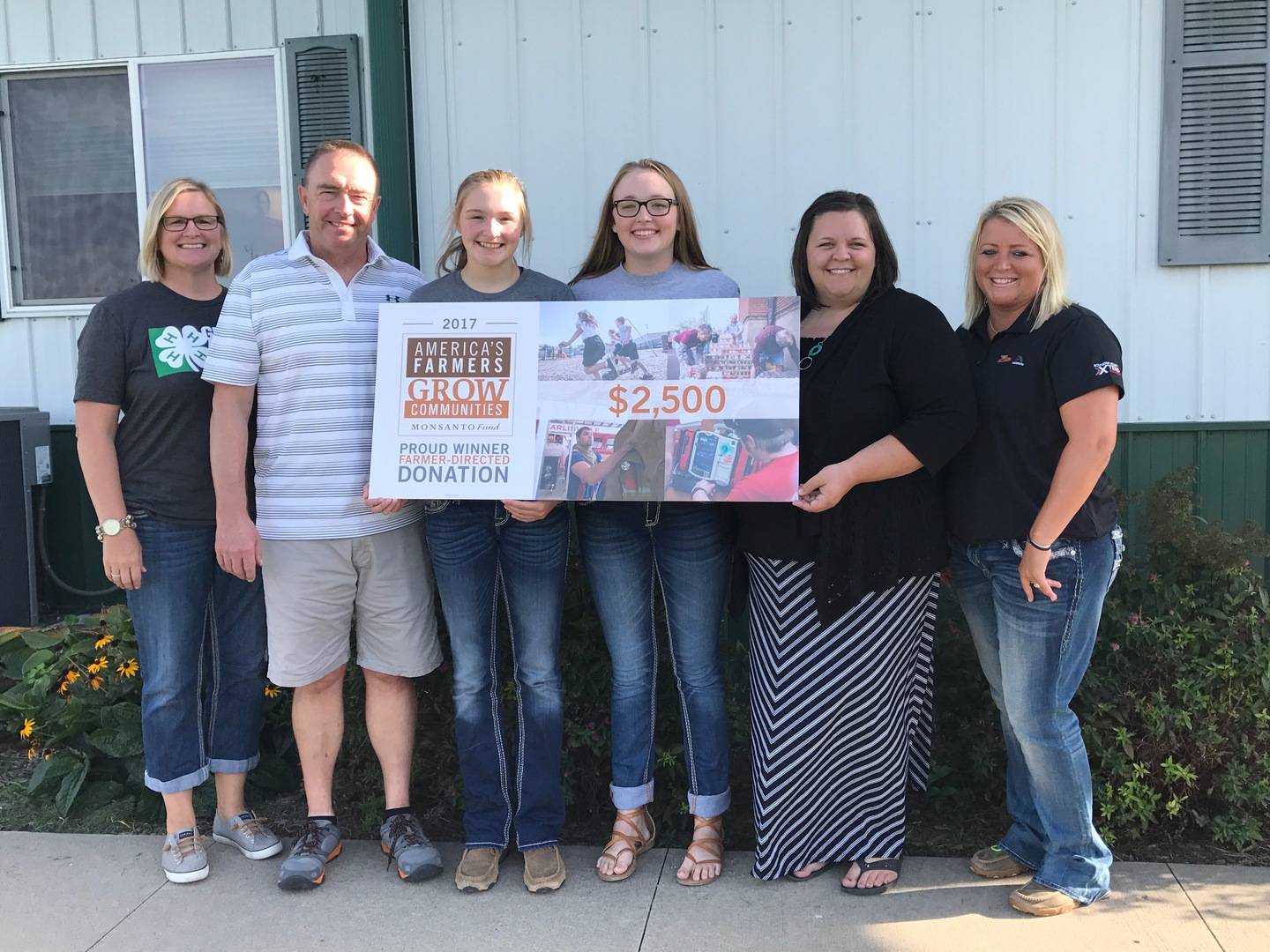
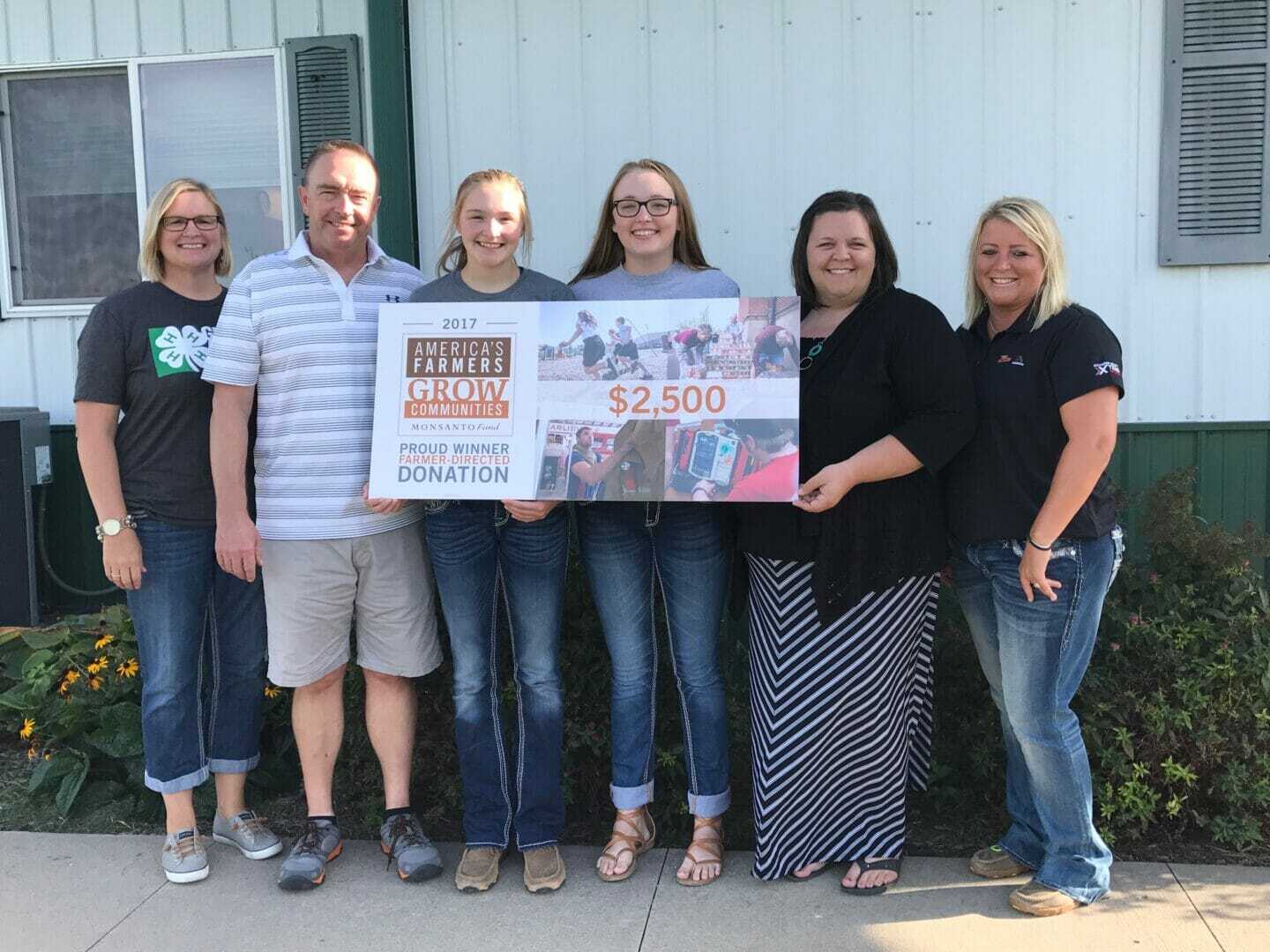
    The Bell Family (from Left to Right Kerri, Lance, Sophie, & Elle) presenting a check to the local 4-H Scholarship Fund.
    The Bell Family (from Left to Right Kerri, Lance, Sophie, & Elle) presenting a check to the local 4-H Scholarship Fund.

    Through her service work in 4-H, FFA and the Iowa Corn Growers, Mrs. Bell has learned about classroom resources available. She says Farm Bureau, Iowa Corn Growers Association and Iowa State University Extension have developed exceptional materials and information, too. She also taps into community resources like inviting the Washington County Naturalist into her classroom and acreage but have no affiliation with farming. Others have grandparents and/or great grandparents who farm. Therefore, I feel it is so very important to share our story from farm to classroom,” says Mrs. Bell.

    Another “life skill” that Mrs. Bell helps teach in her classroom is Pick a Better Snack with Amy Green, Washington County Youth Coordinator. (Side bar: More than 15 years ago, I was part of the creative team that developed the “Pick a Better Snack” campaign and related marketing materials for the Iowa Department of Public Health. It’s rewarding to see messages still being communicated around “Wash. Bite.” and “Pick. Eat. How easy is that?”)

    Kerri dressed up as Aaron Rodgers with the Mid-Prairie mascot during on favorite team day during Homecoming Week this year.
    Kerri dressed up as Aaron Rodgers with the Mid-Prairie mascot during on favorite team day during Homecoming Week this year.

    “My students LOVE the ‘Pick a Better Snack’ program. The kids are on the edge of their seats because Miss Amy’s enthusiasm is contagious.  She comes ready to teach,” says Mrs. Bell. “Students learn about a fruit and/or vegetable each week for nine weeks. We get a first-hand look into the growing process. Miss Amy shows various ways fruits and vegetables can be prepared.  What’s critical is that these foods are ‘fast foods’ that are healthy and ready to eat like apples and carrots. Wash. Eat. How easy is that?”

    “Today more than ever, many kids never get home cooked meals prepared for them in their homes. The Pick a Better Snack program empowers kids to take home ideas that even they can do themselves to get these healthy foods into their tummies.  In addition, Miss Amy teaches a lesson.  One week we focused on exercise.  Did you know the average second grader should have 60 minutes of physical exercise every day?”

    Just as Kerri provides opportunities for children in her classroom to learn by doing, she and Lance have provided on-farm opportunities for their twin teenage daughters. Ellie and Sophie operate Bell Sisters Rabbitry, as well as manage their own corn and soybean acres. Tune into TheFieldPosition.com this Friday when we feature the Bell family.
    Team Latham

    November 27, 2017
    Agriculture, Industry News
  • Latham Hi‑Tech Seeds

    Happy Thanksgiving!

    Thanksgiving Post

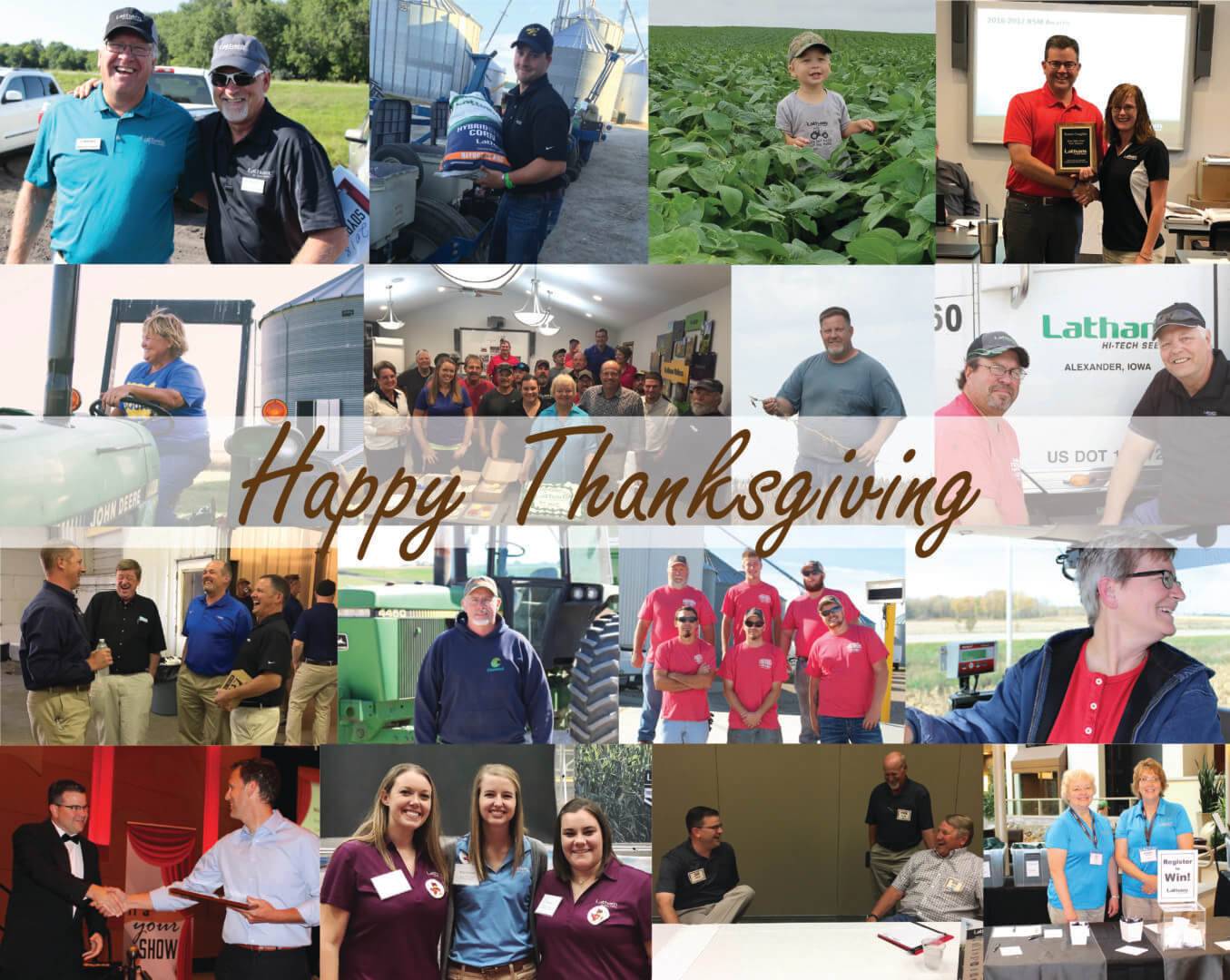
    Today we are thankful for our loyal customers, motivated seed dealers and talented staff at Latham Hi‑Tech Seeds. Happy Thanksgiving from our family to yours!

    Thanksgiving Post

    Tune in next week for a “Ask the Agronomist” feature with Phil Long.


    Team Latham

    November 23, 2017
    Agriculture, Industry News
  • Latham Hi‑Tech Seeds

    Life Has been a Series of Opportunities for this Iowa Turkey Farmer

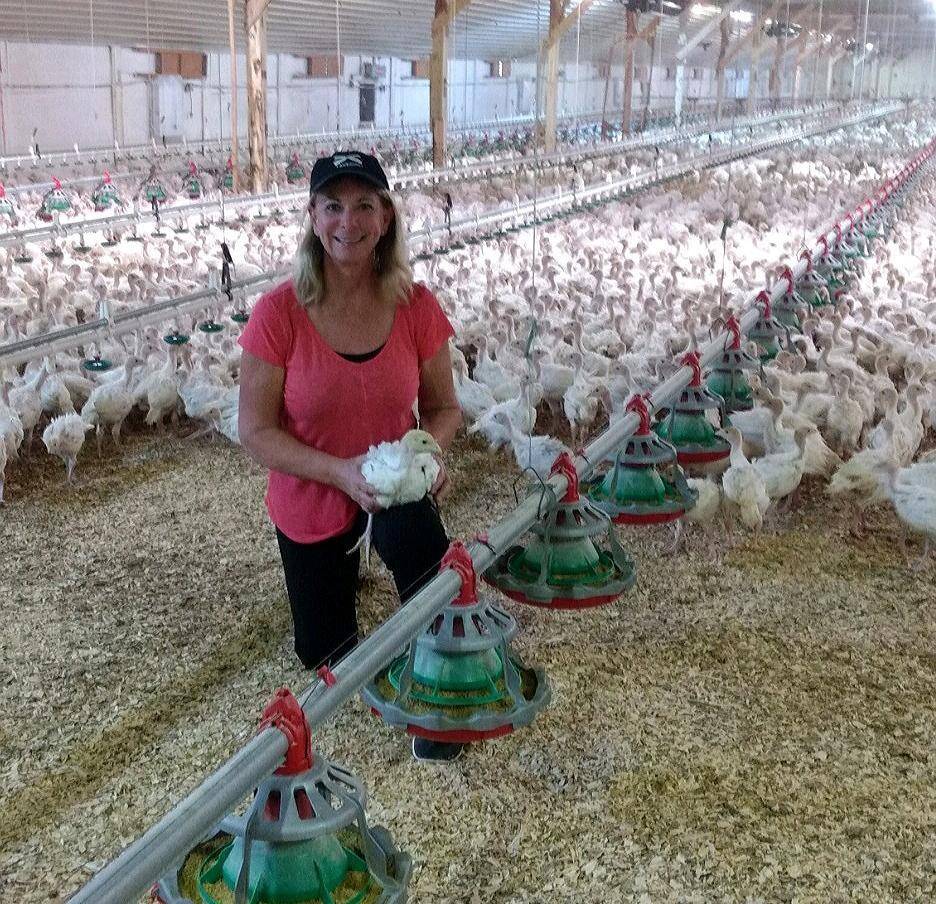
    5502Wanda Olson grew up on a typical 1960s Iowa farm near Stanhope that included a 20-cow dairy, sows on pasture, a small farrowing building plus about a dozen chickens, several barn cats and, of course, a good farm dog. While this scene is similar to other Iowa farms during this time period, what happened next is something Wanda wouldn’t have been able to predict.

    “I got married and moved just 15 miles away to Ellsworth, which is turkey country,” says Wanda. “My father-in-law operated a turkey bedding supply business and my mother-in-law was a long-time Land O’Lakes turkey plant office employee. Randy worked in the local cooperative’s feed mill, making turkey and hog feed.”

    The first year of marriage brings about many changes for every couple, and that was certainly the case for Randy and Wanda. Early in 1978, Randy and his father had been approached about farming some land. Randy’s parents made a down payment on that farm in June that year, and then the newlyweds moved there after their August 1978 wedding.

    Two generations of the Olson family partnered to build a 45-stall farrowing house on the farm where Randy and Wanda made their home. They also grew turkeys from hatch to nine weeks for Louis Rich as the acreage already had an existing turkey barn.

    Within a year of their wedding, Randy quit working at the feed mill to farm fulltime as raising crops, farrowing and caring for sows placed more demands on his time.  To provide additional income, Wanda worked fulltime at Iowa State University for two years and then at a local law firm for five more years.

    “It’s the story of our generation,” says Wanda. “We did what we had to do.”

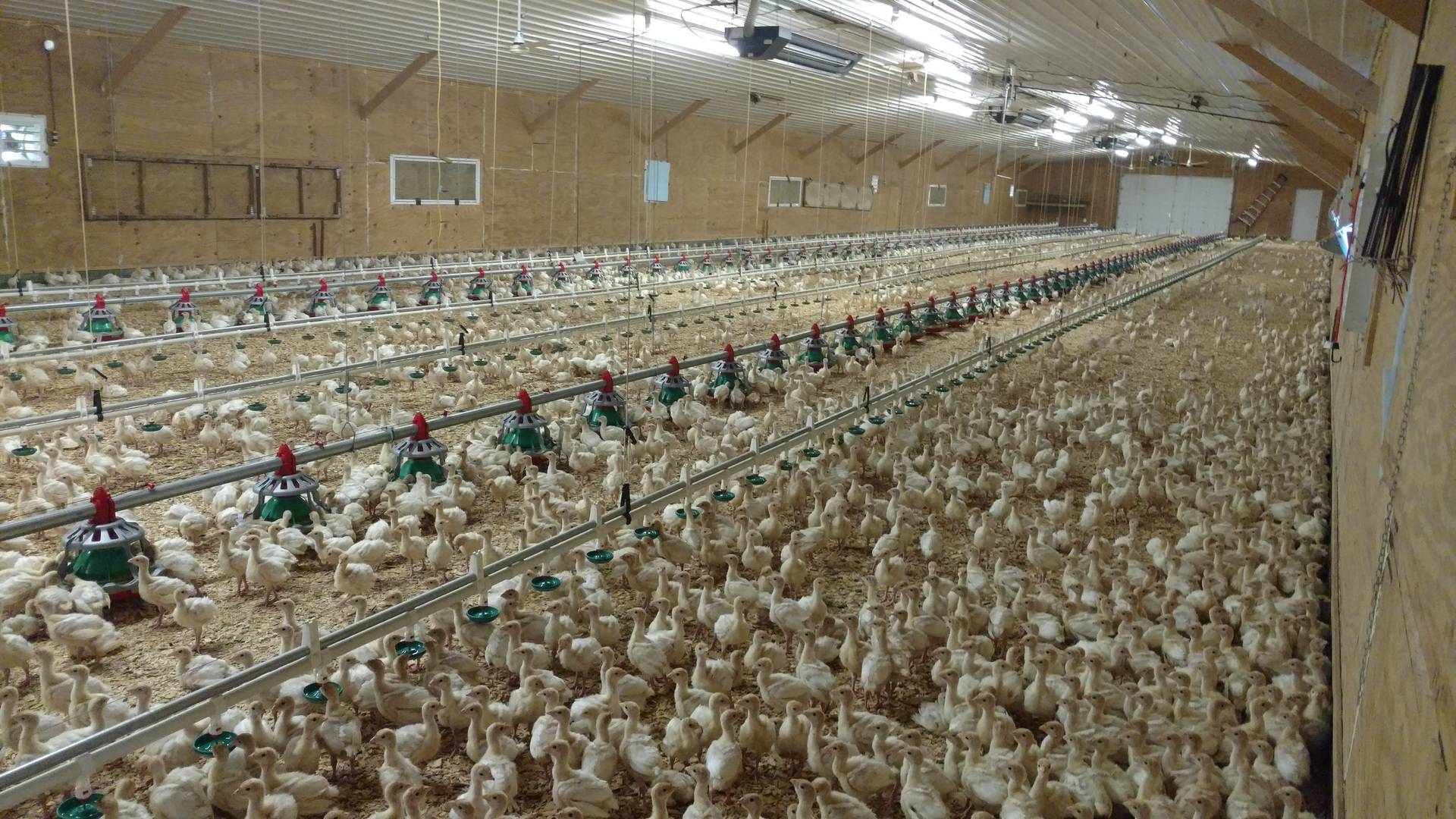
    Each of the Olson’s turkey sites have their own name. Wanda Olson provides a “virtual” tour of two-week old poults inside the Cherry Lane Brooder house.
    Each of the Olson’s turkey sites have their own name. Wanda Olson provides a “virtual” tour of two-week old poults inside the Cherry Lane Brooder house.

    The couple worked hard to grow their operation and to also repay Randy’s parents for their farm. Then a brooder house fire in December 1985 forced Randy and Wanda to rethink their operation. They either had to build their own complete turkey setup or stop raising turkeys and expand their pork operation.

    “We decided it was easier to handle 24-pound turkeys than 400-pound sows in dirt lots,” says Wanda. The couple decided to commit their resources to turkey production and hasn’t looked back.

    In 1992, Randy and Wanda had an opportunity to buy another turkey farm. They moved onto the larger farm. Randy’s dad was involved full time with their farming operation, so they picked up more ground.

    The Olson family farm was working like clockwork until Randy’s dad passed away in 1993. Randy and Wanda had to make another decision that would determine the fate of their operation. Their three kids were ages 7, 11 and 12 that year. With more responsibilities and time commitments than they could handle alone, the couple hired a full-time farm hand.

    The twists in the Olson family farming operating took a sharp turn in 1995 when Louis Rich gave a one-year notice that it was ceasing operations in Iowa. That meant there would be no more Louis Rich production contracts for local turkey producers. In addition, the turkey processing plant in West Liberty – where more than 65 percent of the turkeys raised in Iowa were processed – was going to close.

    The Louis Rich company-owned turkey farms were put on the auction block, and the sale of those farms presented another opportunity for the Olsons. Where some producers would see risk, Randy and Wanda identified an opportunity. The couple bought two of the former Louis Rich company turkey farms in December 1996.

    “We went from being a contract grower to owning all these facilities and all of the birds. We went from having two employees to seven employees overnight,” recalls Wanda with a laugh. “It’s a good thing we were a lot younger then because it really was a lot of work! Those years are such a blur.”

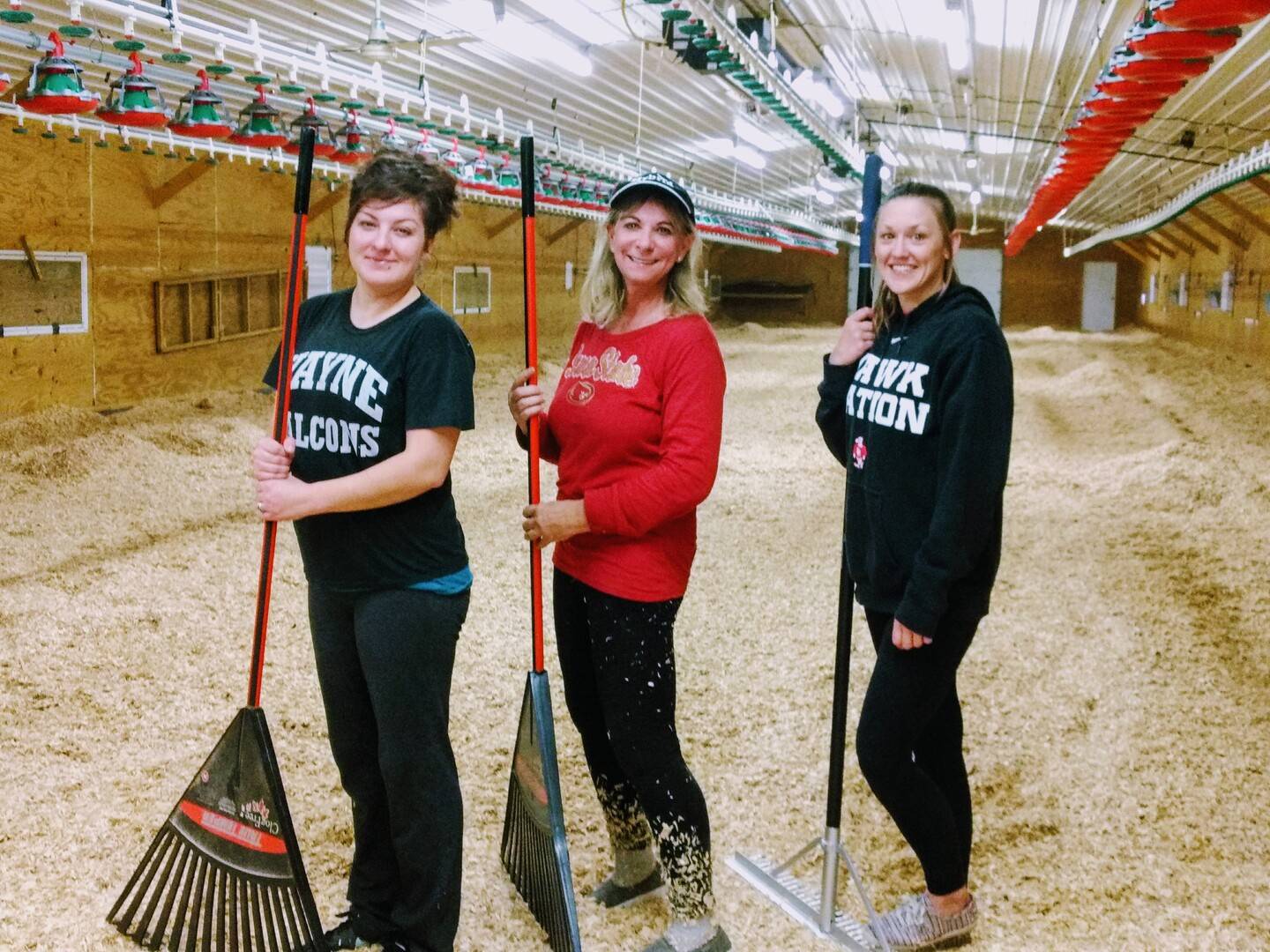
    Teamwork makes the dream work! Wanda (in the center wearing the Iowa State sweatshirt) and her two full-time employees (Dawny is wearing the Wayne State shirt; Calley is wearing a Hawkeye shirt), who take care of the poults work together to prepare the brooder house for a new group. Bedding is delivered in large bales and then spread throughout the barn with a skid loader by James, the finishing manager at Cherry Lane Turkey Farm. Then Wanda and her team use lawn rakes to ensure the bedding depth is consistent throughout the entire house.
    Teamwork makes the dream work! Wanda (in the center wearing the Iowa State sweatshirt) and her two full-time employees (Dawny is wearing the Wayne State shirt; Calley is wearing a Hawkeye shirt), who take care of the poults work together to prepare the brooder house for a new group. Bedding is delivered in large bales and then spread throughout the barn with a skid loader by James, the finishing manager at Cherry Lane Turkey Farm. Then Wanda and her team use lawn rakes to ensure the bedding depth is consistent throughout the entire house.

    While it was a lot of work, Wanda also recalls the late 1990s with fondness. She credits Paul Hill for organizing a group of Iowa turkey producers and saving a good portion of Iowa’s turkey industry. Forty-six producers formed the Iowa Turkey Growers Cooperative.

    “Paul could have said, ‘Let’s scrap it.’ Thank goodness he didn’t! Instead, Paul led the charge to get the Iowa Turkey Growers Cooperative going,” says Wanda.

    With funding help and advice from the Iowa Farm Bureau Federation and several government agencies, member-owners of the turkey co-op purchased the Louis Rich plant and formed West Liberty Foods. West Liberty Foods opened in late 1996 with 425 employees and processed 3.2 million birds during the first year of production.

    “There were some lean times.  We experienced record low breast meat prices the first two years after forming the co-op,” says Wanda.  “Producers had to make substantial financial sacrifices to keep the operation going.  We came within 60 days of having to close before everything turned around!”

    Today WLF is one of the nation’s largest turkey processors with six locations in three states and more than 2,900 employees. Click here to learn more about WLF’s two decades of growth, which has helped the next generation of Iowa turkey farmers get started.

    Randy and Wanda helped their youngest son built a finisher site. Lucas also raises crops with Randy. Their oldest son, Clint, went into mortgage banking and recruited his sister, Danielle, to join him at Wells Fargo. Since then, Clint has followed his career to Florida while Danielle has moved up the ranks at Wells Fargo Home Mortgage in Des Moines.

    Like her children, Wanda spends her days running numbers. She manages all paperwork, including accounts payable and accounts receivable for three separate turkey sites. She also manages the brooding operation and has a real passion for raising poults.

    “I have two full-time employees who help me raise poults from hatch to around 5 weeks, and I’m in the process of hiring a third,” says Wanda. “The turkeys look like chickens with long legs when we move them from our barn to the finishing building. We shoot to go to market at 19.5 weeks.”

    Drive and ambition runs in in the family. In addition to raising crops and turkeys, Randy is co-owner of and manages Ellsworth Professional Wash. The self-wash was started in 2008, and the auto-wash (coincidentally) opened just as the bird flu epidemic hit Iowa in 2015. Trucks are driven through the fully automatic wash without having to get out, which is extremely important for bio-security.
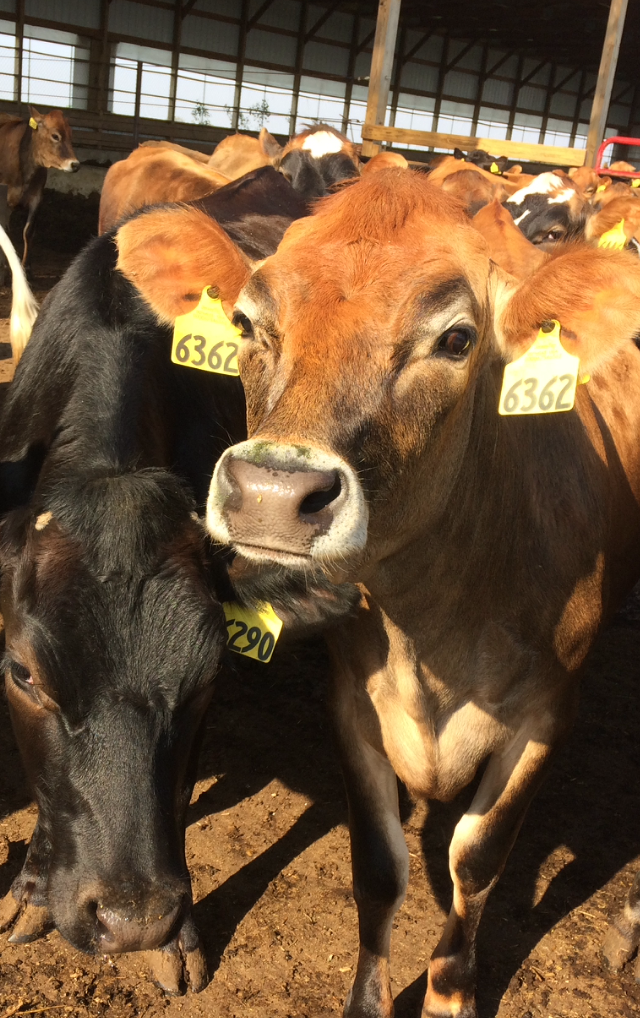
    The Olson family certainly has lots of work to do, but Wanda says it’s really a shared passion that is key to making it work.

    “I know it’s cliché, but they say if you discover your passion you’ll never work a day in your life. The passion has to be there, or you can’t make it in this business,” says Wanda. “We put in more hours than we’re paid for, but that’s farming. If you have livestock, you never really get to walk away. But there’s no place I’d rather be.”

    Team Latham

    November 20, 2017
    Agriculture, Industry News
  • Latham Hi‑Tech Seeds

    Let’s Talk Turkey with an Iowa Farmer!

    Graber Family 2
    Photo by: Joseph Murphy/Iowa Soybean Association
    Photo by: Joseph Murphy/Iowa Soybean Association

    As Americans prepare to feast on turkey and all the trimmings in celebration of Thanksgiving, some may ponder where and how turkeys are raised. Rest assured that new technologies and management practices have increased the wellbeing of both turkeys and the people who raise them.

    “Water, feed, air quality and biosecurity practices have changed since I began farming,” says Tim Graber, a fourth-generation row crops farmer and turkey producer from Wayland in southeast Iowa. “We are very proactive in taking care of our turkeys’ health and use very few antibiotics. Just like we use preventive measures for our health, we do the same for our turkeys.  It only makes sense to have the best nutrition and environments possible for our health. Why not do that for the turkeys?  In terms of biosecurity, we relate that to good hand washing practices for ourselves.  It is a great line of defense to prevent disease.”

    Photo by: Joseph Murphy/Iowa Soybean Association
    Photo by: Joseph Murphy/Iowa Soybean Association

    For as long as Tim can remember, he’s been taking care of turkeys. He grew up helping his grandpa, dad and uncles. During high school and college, he also helped neighboring turkey growers when they needed an extra pair of hands.

    “I enjoy getting baby turkeys when they are less than 24 hours old and then nourishing the birds as they grow,” says Tim.

    Poults are placed in a (cage free) brooder barn where each turkey has at least one square foot of space. This barn is well insulated and kept very clean to prevent diseases.  When the birds are about five weeks old, they are moved to a grower barn where they have about four square feet of space to grow.  Turkeys are kept in the grower barn until they are 19 weeks old and reach a market weight of approximately 40 pounds.

    Photo by: Joseph Murphy/Iowa Soybean Association
    Photo by: Joseph Murphy/Iowa Soybean Association

    “I provide the management and resources for the turkeys to be healthy,” explains Tim. “I know that when these turkeys go to market, they were treated with care.  I take pride in knowing that all the hard work every day of the year is worth it because we’re providing a safe and healthy protein for the world to eat.”

    Turkeys raised by the Graber family and several others in his community are sold to West Liberty Foods, an Iowa turkey growers cooperative. There the turkeys are processed into sliced deli meat and sold primarily to Subway restaurants and other top quick service restaurants, as well as major grocery retailers nationwide.

    Raising crops and poultry, as well as a family, in the rolling hills of southeast Iowa was part of Tim’s plan, although he attended Hesston College in Kansas and earned an associate’s degree in Business Management.

    Photo by: Joseph Murphy/Iowa Soybean Association
    Photo by: Joseph Murphy/Iowa Soybean Association

    “Going away to college and working outside of the farm for a few years helped me to gain a different perspective and learn the business side,” says Tim, who spent three summers following the wheat harvest. Kansas also is where one particular farm girl captured his heart.

    “I always knew Tim wanted to return home and raise turkeys, but until I moved here with him, I had no idea how different raising turkeys is from raising crops like my family does,” says Tim’s wife, Lisa.

    Livestock and poultry producers have no time off. There isn’t a break in the production cycle that allows those involved with production animal agriculture to get away from it. As their turkey operation – and their family has grown – Lisa made the choice to stop working full-time as a nurse to become more involved in community and school activities.

    The Grabers have been married 18 years and are the proud parents of four. Their daughter Morgan, 14, is a high school freshman. She’s involved in all sports. Their 12-year-old son Cody is in seventh grade. He enjoys playing and watching sports. Nine-year-old Brenna is in third grade. She loves animals and dreams of being a veterinarian. Logan, 6, is a first grader. He loves being outdoors and helping around the farm.

    Photo by: Joseph Murphy/Iowa Soybean Association
    Photo by: Joseph Murphy/Iowa Soybean Association

    “Three years ago we were able to build a house on the farm, and we absolutely love living here,” says Tim. “Living on the farm makes it convenient to check things late at night and/or during the night as needed.  It’s also great to have the kids close by when extra help is needed. They enjoy riding their bikes over to give me a hand.  The youngest two like to chore with me and play in the sheds.”

    Last August I had the opportunity to visit the Graber’s when the Iowa Food & Family Project – of which Latham Hi‑Tech Seeds is a proud sponsor – hosted Expedition Farm Country. The care the Grabers take of their turkeys is evident from the condition of their buildings, the condition of their turkeys, as well as the tone of their voices as they explained why they love doing what they do. It was an honor and a pleasure to look beyond their barn doors, and I certainly appreciate the time they took this season to share a glimpse of their farm life with all readers of TheFieldPosition.com.

    Today the Graber family is sharing with us a few of their family recipes. The first one is for the Iowa Grilled Turkey Tenderloin, which was sold at the Iowa State Fair for 30 years. I agree this marinade is second to none and am looking forward to trying their family’s fried turkey, as well as the Wayland community’s favorite bacon-wrapped turkey tenderloin. Hopefully, these recipes will inspire you to enjoy wholesome and delicious turkey more often!


    Team Latham

    November 17, 2017
    Agriculture, Food & Family, Poultry
  • Latham Hi‑Tech Seeds

    Learning by Doing

    1

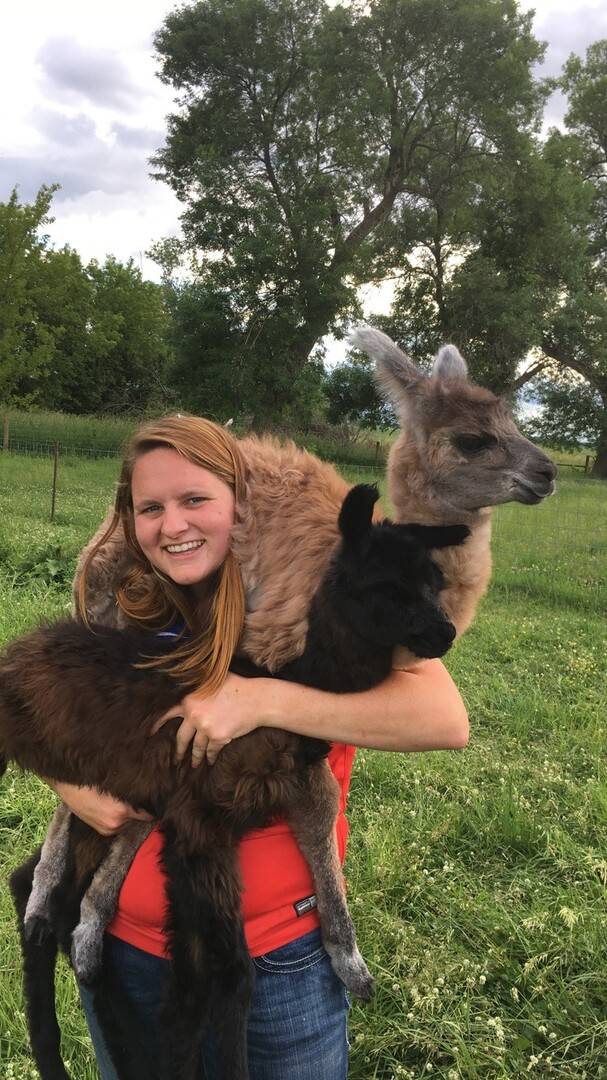
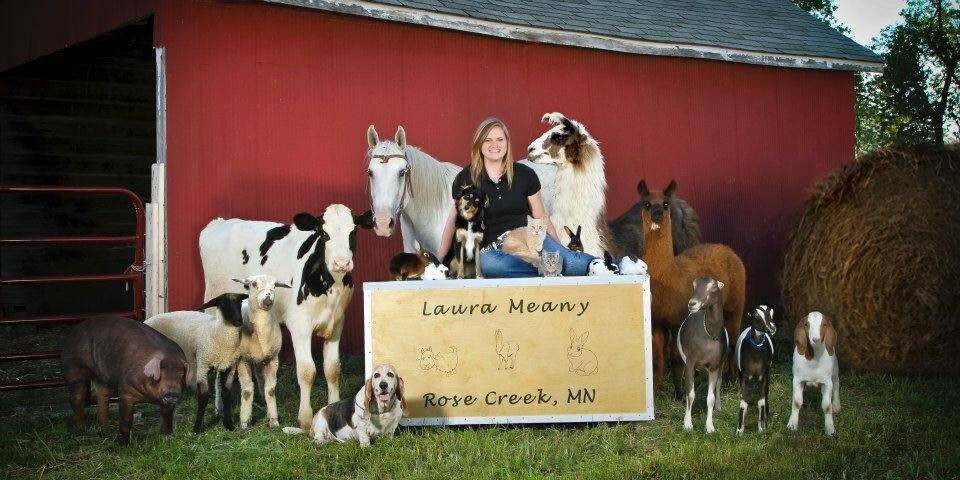
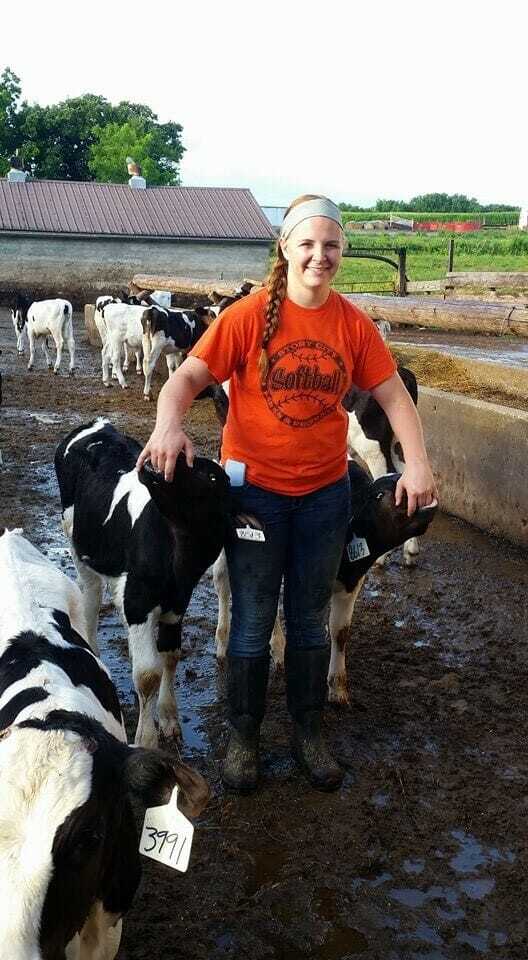
    5Laura Meany grew up on a farm in Rose Creek, Minnesota. Her family has a row crop operation and raise livestock including dairy goats, llamas and sheep. Like most agriculturalists, Laura got her start in agriculture by being involved in 4-H and FFA.

    “When I began in 4-H I really wanted to show horses, but instead I brought home a llama. I bought this llama using my own money and purchased it from a family friend without telling my parents. Now we have 22 llamas and it has been a big part of my agricultural journey.”

    Her passion for agriculture drew her to Iowa State University to study Public Service and Administration in Agriculture. Laura loved Iowa State and the people she had the opportunity to meet and interact with. However, Laura received terrible news that cut her education timeline short. Her Dad had suddenly passed away from a heart attack and their family needed someone to take over the family farm. Laura revised her degree plan to allow her to graduate a semester early and return home to the family farm.

    1“I had always been around the farm when I was growing up but I wasn’t involved with the decision making and most of the time I was in the buddy seat instead of the driver’s seat. Therefore, being put into this situation was very nerve-racking.”

    Taking over the farm was a dream of Laura’s, but she wasn’t expecting the opportunity to come this quickly. Many people in community told her that they would be willing to take care of the farm until she wanted to return, but Laura knew this is what she wanted to do! She faced this challenge head on and began to immerse herself in learning about what she needed to do.

    2“My whole life I have been a very independent person, I like to figure things out on my own. When it came time for me to take over the farm I had to change this mentality and be willing to learn from others.”

    Laura heavily relied on friends and family to teach her about the details of farming. She stated that her mom has been her biggest mentor during this process. She was able to help her father get through things when he began farming and now she is doing the same for Laura. This spring Laura planted her first crop on her own and is now finishing up harvesting this crop.

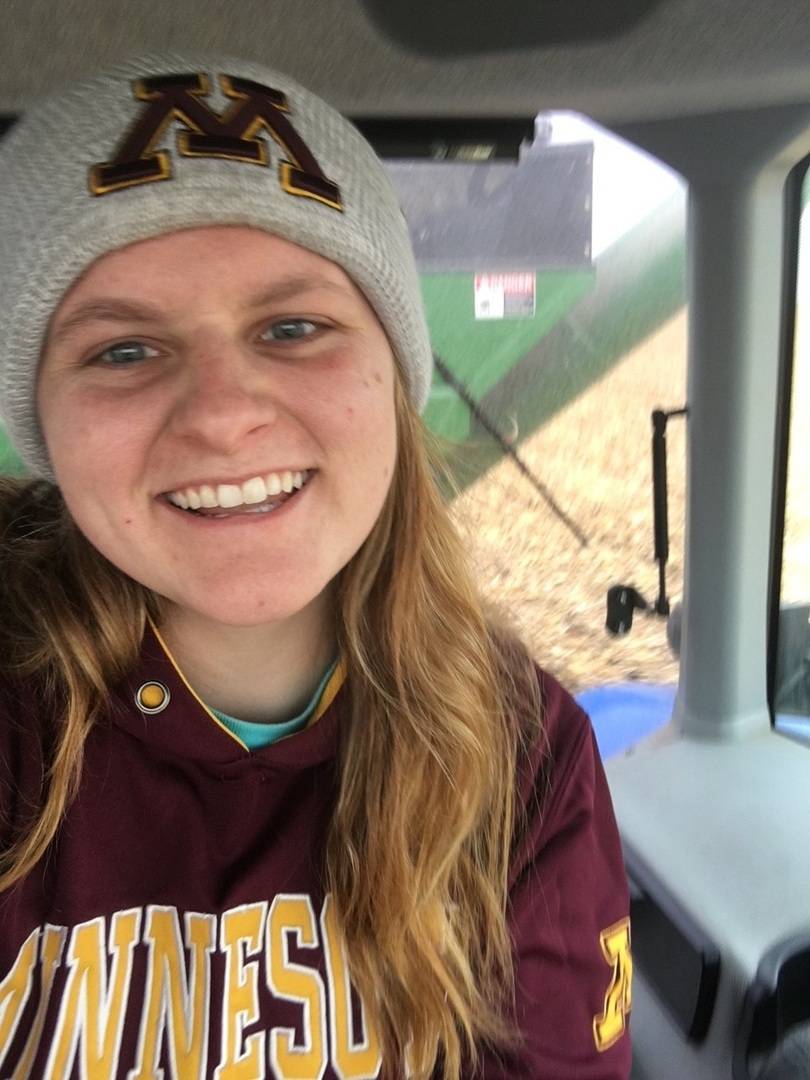
    “I have learned more in the last three months completing my first growing season on my own then I did during my time in college. In farming, the only way to learn is by doing.”

    While Laura plans to continue many of the traditions on the farm she plans to make some changes to improve the operation. She embraces the opportunity to farm so young and has set new goals for their farm. That also comes with added responsibility.

    4“The toughest part so far has been being the sole-decision maker. It can be intimidating making decisions that you have to stand by for the entire year!”

    In the short time she has been farming Laura has learned a lot of life lessons she would pass on to other women in agriculture.

    “I’ve learned not to compare myself to others. People my age are saving up to buy a brand-new car, I’m saving up to buy a new tractor. You have to decide what you want your path to be and stick to it!”

    “I have also learned to accept the things you can’t control. At first, I was so anxious or nervous about the weather, getting my crops in on time and worrying about growing conditions. You must let that go because there is nothing you can do about it. This can easily be applied to farming but also in all aspects of your life”

    Webspec Admin

    November 13, 2017
    Agriculture, Industry News
  • Latham Hi‑Tech Seeds

    Bucket Calf Project Turns into Passion

    Shannon Calf 3

    Shannon Calf 3“Cow” was one of Shannon Hoyle’s first words, although she wasn’t raised on a farm. Her mother says she would look for cows everywhere and point them out whenever she spotted one. As she grew up, Shannon always sought opportunities to spend time with cows.

    “When I was little, my favorite week of the year was county fair week. I would tag along with the Kadolph family, good family friends of ours, and spend the entire day at the fair. I loved every minute of it,” recalls Shannon, who voluntarily put in these hours helping the Kadolph family get ready for the fair.

    After about two years of helping her friends with their bucket calves, Dan Kadolph convinced Shannon’s parents to let her buy her own calf that she could keep with theirs.

    “The day I got my own calf was one of the best days ever!” says Shannon. “I showed bucket calves for a few years and then showed some steers for a couple years, too.”

    Shannon’s career path took a detour during middle school. She opened enrolled to South Hamilton and the commute from Hubbard, combined with school and extracurricular activities, prevented her from spending time with cattle. In high school, she enjoyed government classes and decided to attend Iowa State University (ISU) as a political science major.

    13119116_1735291583423104_2887511046606145750_n“While I enjoyed my classes, I wasn’t super passionate about my major. I also started to think about the job outlook with a degree in poli sci,” says Shannon. “Luckily, I was surrounded by a lot of great people, who gave me advice, and I made a lot of good friends my freshman year.”

    During the middle of her freshman year, Shannon became aware of a major that allowed her to pursue agriculture and explore her interest in both agriculture and politics. One of her mom’s coworkers mentioned Public Service and Administration in Agriculture (PSA), which allows students to “pursue a career with agriculturally-related governmental and nonprofit agencies, or with businesses and industries that are concerned with public services in agriculture, natural resources or rural communities.”

    Changing her major started a Domino-effect, and many pieces of Shannon’s ag career path fell into place. An email about the ISU Extension and Outreach Value-Added Ag Program caught Shannon’s attention during her sophomore year of college. She began working there as an intern. Today, Shannon holds a full-time position as a program assistant for Visit Iowa Farms, a program is administered by the Value-Added Agriculture Program of ISU Extension and Outreach. She works from the Borlaug Research Center in Nashua, but there’s more to this story…

    906039_925322910877156_1226949318226282225_oAlso during her sophomore year, Shannon worked on a business development project through the ISU Agricultural Entrepreneurship Initiative (AgEI). She says that’s really when her dreams changed.

    “I realized I wanted to be more involved in this program and minored in ag entrepreneurship. Kevin Kimlee, Carly Cummings and Stacey Noe were so helpful. I vividly remember telling them that I didn’t want to run my own business, but I believed an entrepreneurial mindset can be a competitive advantage in the workplace.”

    What Shannon didn’t know then is how much entrepreneurial studies would shape her future and aspire new dreams. Those studies helped her recognize an opportunity to help make it happen.

    “During my junior year of college, I started dating this really great guy who is a big part of my story,” adds Shannon.

    Shannon Calf 1While they were in college, Shannon and her boyfriend, Drew Dietz, often talked about agriculture. The Dietz family feeds Holstein steers on their family farm in Northeast Iowa. In one of those conversations, Drew mentioned the many benefits of buying steers at a young age. This caught Shannon’s attention as she thought that maybe someday she could raise the calves their family fed out.

    With her senior year drawing to a close, “someday” couldn’t come soon enough for Shannon. She put what she learned in college and on the job to work as she pursued her own dairy beef enterprise. Shannon’s parents were on-board immediately, knowing the passion she has had for cattle since she was a little girl. Shannon contacted friends and mentors to learn all she could about starting a business.

    “Originally, I had the idea of buying huts and raising calves on pasture. I asked Drew’s parents if I could rent pasture from them, and I was really nervous for that conversation!” says Shannon.

    The conversation with the Dietz family evolved. They knew the benefits of working directly with one producer, who could provide them with the feeder cattle they needed for their operation.

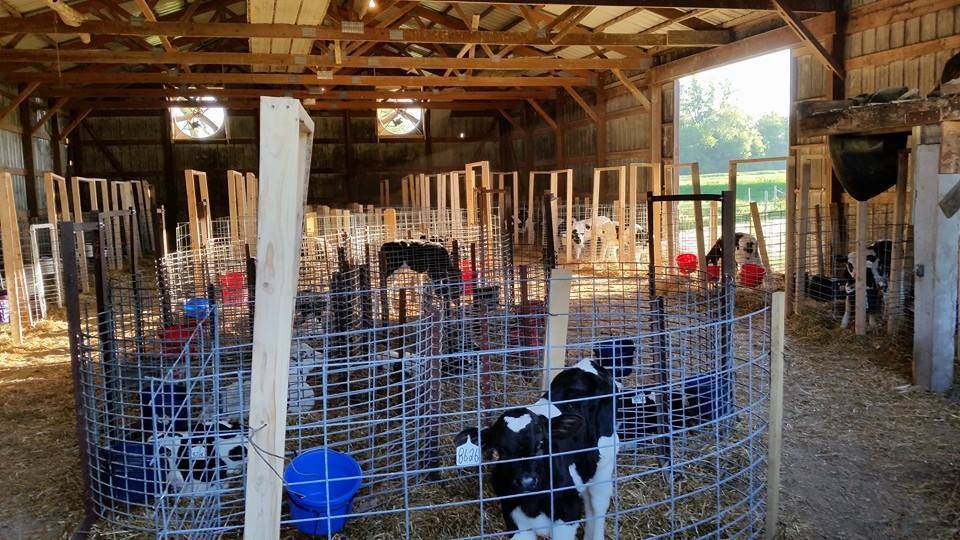
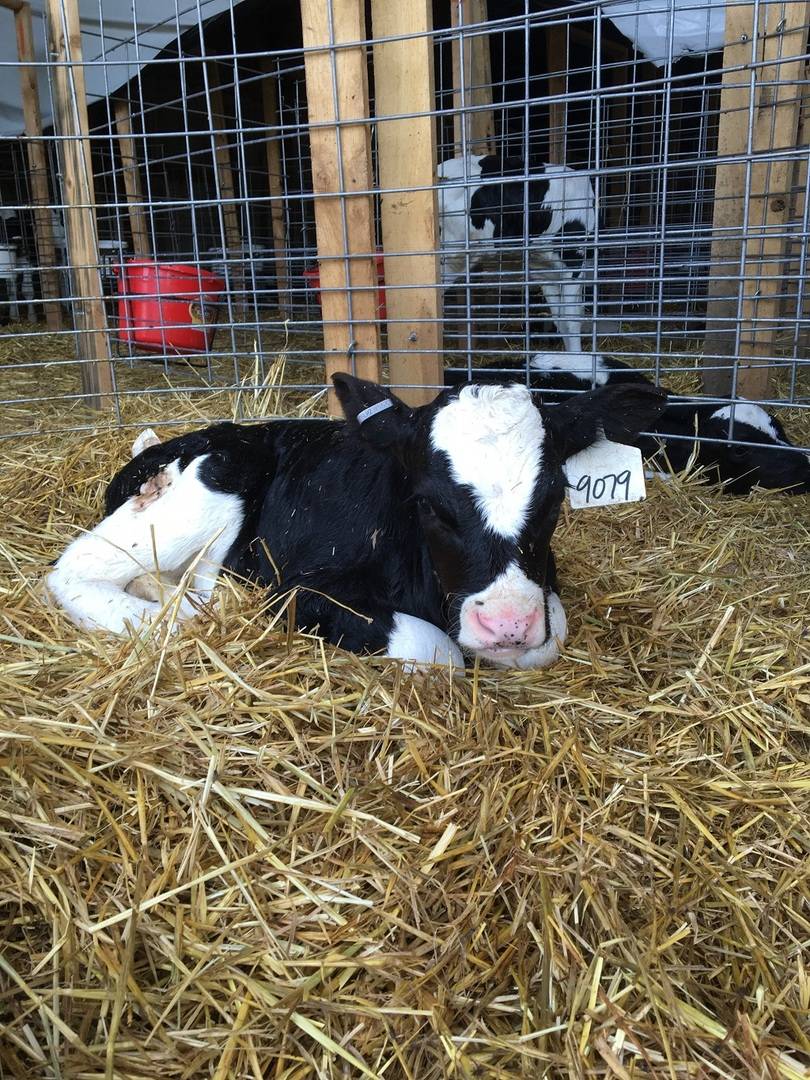
    Calves2Knowing the vaccination protocol and feeding program of the calves that get fed out is advantageous, so the Dietz family decided to retrofit a 40×60 hay shed where Shannon could raise young calves. Shannon got her first group of day-old dairy bull calves in May 2016 has raised about 350 in the past year a half. She feeds groups of 50 calves in an all-in, all-out format from March through November. During the winter months, Shannon uses a different barn that can be heated for the baby calves.

    Once the calves come in, Shannon follows a protocol that the local veterinarian helped her develop. For six to seven weeks, she feeds the calves milk twice daily. During this time, the calves also are introduced to starter grain and water. Once the calves are consuming four pounds of grain or more daily, they’re weaned from milk and moved into a different pen. They’re ready for the feedlot at 350 or 400 pounds, so the feeder calves are then sold to the Dietz family.
    Shannon Calf 4“I have one group of ‘babies’ and another group of ‘teenagers’ at the same time since they’re raised in different areas,” explains Shannon. “Baby calves require lots of time and attention. Because they’re born with no immunity, their health can change on a dime.”

    “I’ve been blessed that my parents have been so supportive of my dreams. I wouldn’t be anywhere without the Dietz family either. They’re such innovative farmers, and they’re willing to teach me,” says Shannon, who appreciates all the people who have mentored her and helped her reach her dreams.

    Shannon advises everyone interested in pursuing agricultural ventures to contact friends and family members. “For every successful person, there is someone who helped him or her get there. Find someone to be your mentor. Ask questions. Don’t be satisfied with the status quo.”

    Team Latham

    November 6, 2017
    Agriculture, Industry News
  • Latham Hi‑Tech Seeds

    Restoring Tractor Reaps Big Rewards

    Fair

    combineCourtney Davis grew up on a farm just outside of State Center, Iowa. She and her family farm 600 acres of corn and soybeans and have a family trucking business. Since she was able, Courtney has been very involved on the Davis Family Farm.

    “Ever since I was a kid, I was willing to help my dad on the farm. On days we didn’t have school, I would look forward to spending all day outside.”

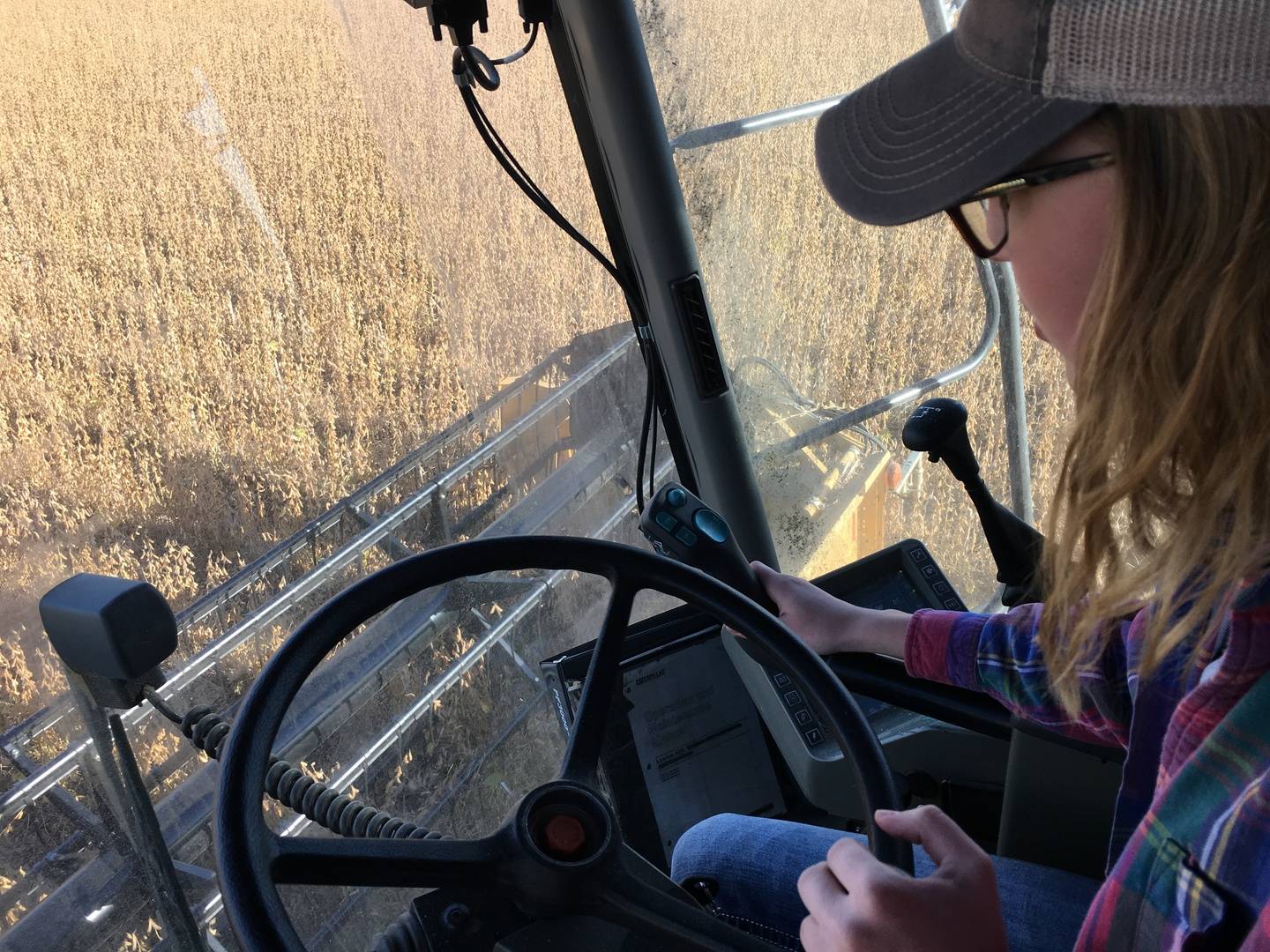
    Courtney now spends her weekends operating the combine during harvest. Her dad, brother-in-law, and some hired friends alternate trucking the grain to town and running the grain carts. Whether she is riding in the buddy seat or in the driver’s seat, she is happy during harvest.

    “Harvest is easily the best time of the year on the farm! My whole family looks forward to it and we enjoy being in the field together.”

    Courtney operating the combine earlier this fall!
    Courtney operating the combine earlier this fall!

    Not only does Courtney like to operate combines and tractors, she also has a passion for restoring them. This hobby began through her FFA chapter. Each year their chapter would restore a tractor as a part of its Ag Mechanics course. When the school year ended the tractor was not complete and most of the students involved graduated. Although she hadn’t taken the class, Courtney’s adviser asked her to step in and enlist the help of some of her friends to finish the project in time for the Iowa State Fair.

    “When I started my first tractor, I had really no idea how to begin. I had a great FFA adviser and other mentors that guided me along the way and taught me a lot.”

    After completing her first tractor, she restored two more with a team of FFA students before graduating from high school. Courtney then went off to Iowa State to major in Agricultural Studies and minor in Agronomy. She returned home that summer for an internship with Key Cooperative in a neighboring town.

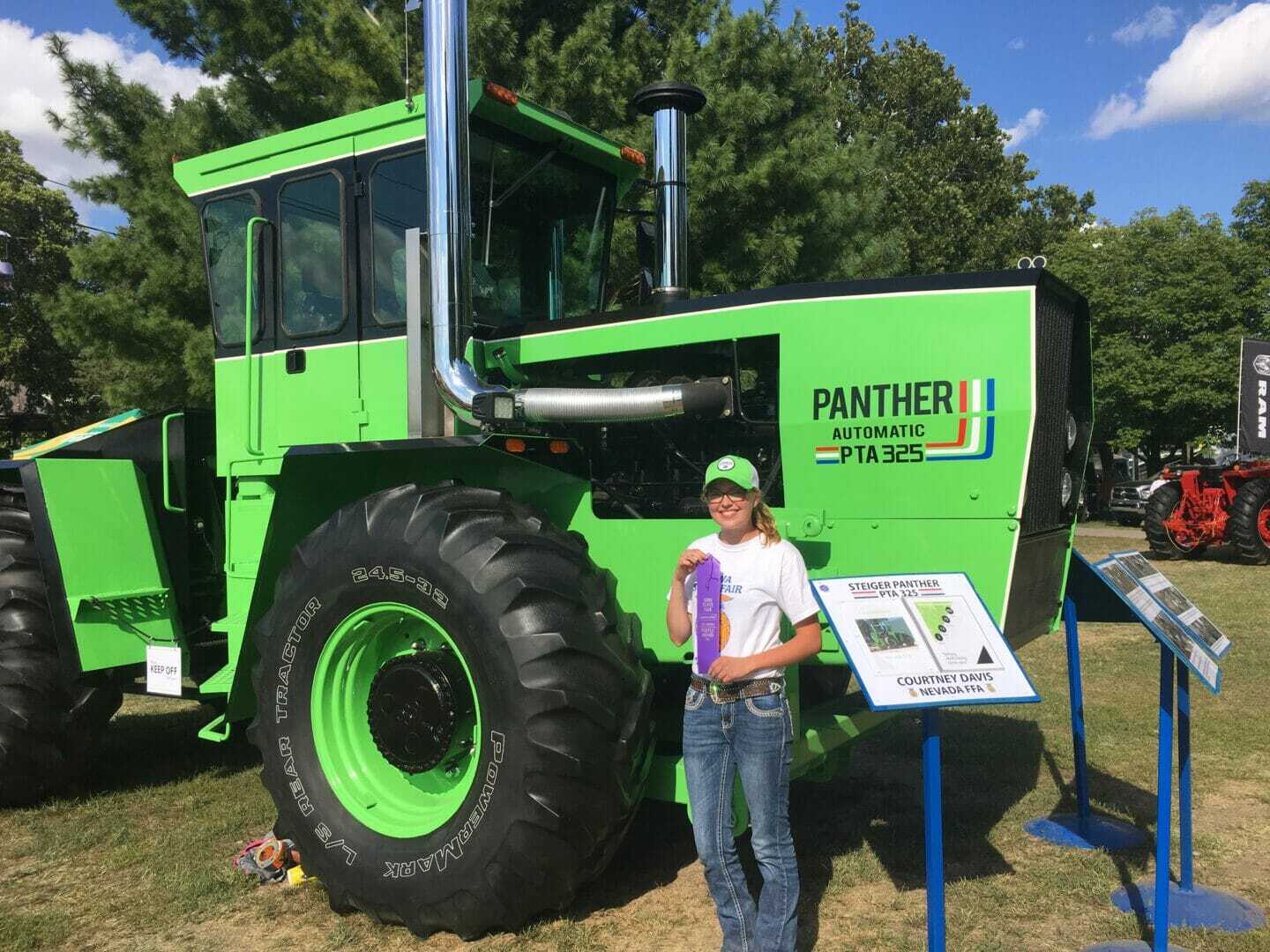
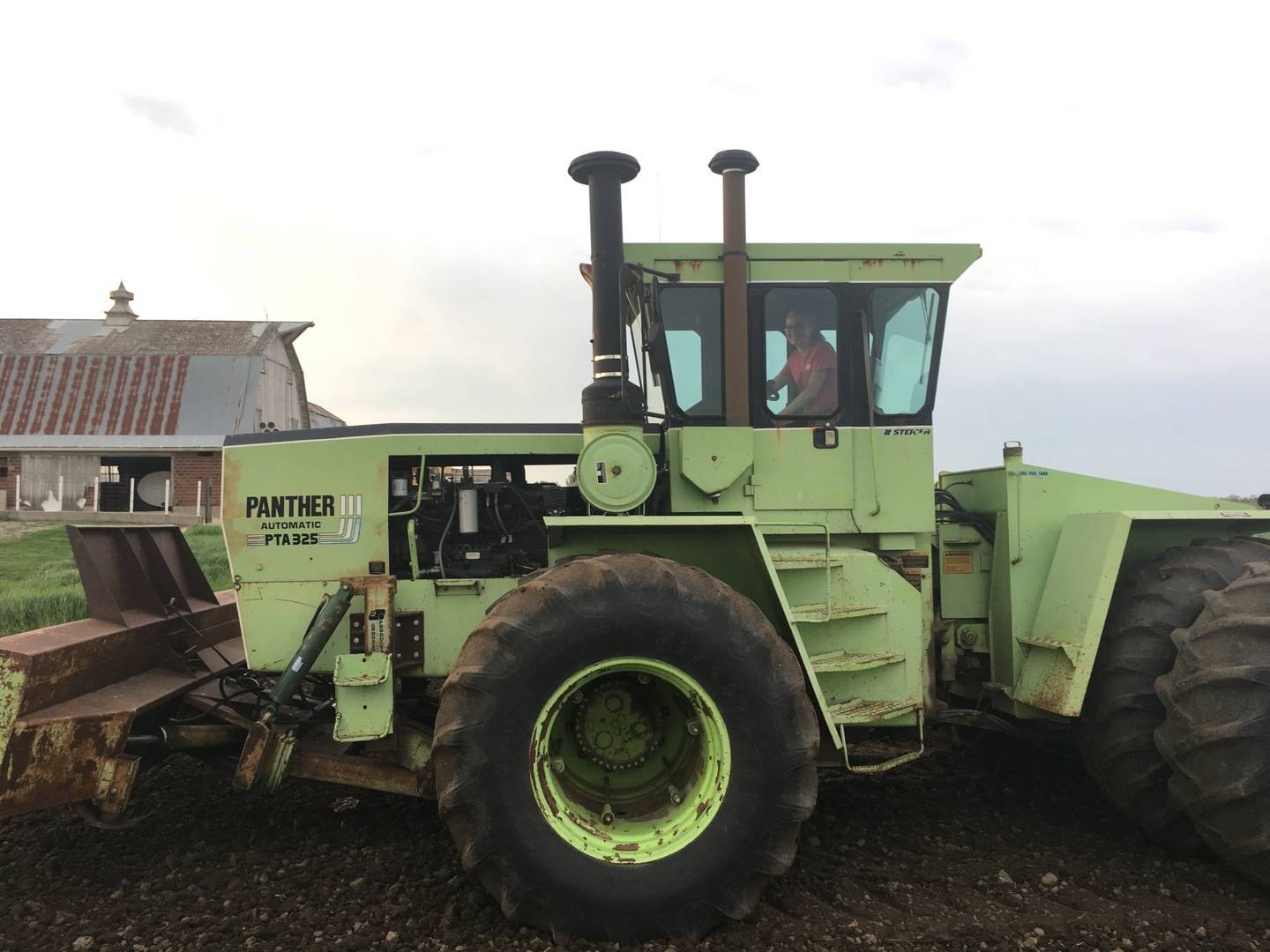
    1981 Steiger before Courtney began restoration.
    1981 Steiger before Courtney began restoration.

    “I was talking with my dad about my plan for the summer and he was hoping I’d restore one of our family tractors instead of an FFA tractor. We had two options of tractors to restore, so I chose to individually restore our 1981 Steiger Panther because it needed the most work.”

    Before getting started on the cosmetics of the tractor, there were a few mechanical repairs needed. With some guidance, Courtney replaced the gaskets within the exhaust manifold and the cylinder head and later replaced the wheel seal bearings to ensure the tractor would run smoothly. Then the painting process began. Courtney spent her entire Memorial Day weekend sandblasting the tractor.
    “Painting was the most time-consuming process. I had gained my experience shooting paint on my past three tractors, but the scale of this tractor made painting much more difficult. It took a lot of trial and error mixed with attention to detail to ensure a quality paint job. I was unable to avoid getting a few runs and a bug or two stuck in my paint; I like to think that these imperfections just added character and proved I had done the work myself.”

    The finished product!
    The finished product!

    After putting in over 300 hours of hard work over the summer, it was finally time to show off the tractor at the Iowa State Fair. She received a purple ribbon and it was one of the most popular tractors at the fair.

    “Seeing the final product made every long, hot hour worth it. It turned out better that I could have ever imagined and it was inspiring to see how fascinated everyone at the fair was with my work. I had a wrench or a hand on every part of that project and that is what makes it so special. I might not have placed in the top three, but I learned a lot, had loads of fun, and made memories that I will forever treasure!”

    After finishing the tractor, she returned to ISU for her sophomore year of college. Courtney is very involved as a student leader on campus. She serves as the 3rd Vice President of the ISU National Agri-Marketing Association (NAMA) and is a member of the NAMA Competition Team and the Agricultural Entrepreneurship Initiative’s Student Advisory Team. Last year she was named the ISU NAMA Outstanding New Member of the Year.

    Through the process of restoring her tractor, Courtney learned valuable lessons she wants to pass on to other women in agriculture.

    “As a woman in agriculture, sometimes you will have to do more to prove yourself. It is easy to get discouraged by that, but instead, I use it to motivate myself. You must believe in yourself! If you have a passion for something, go after it!”

    Webspec Admin

    October 30, 2017
    Agriculture, Industry News
  • Latham Hi‑Tech Seeds

    Love of Veterinary Science “Stemmed” from Science Class

    Vet Truck2
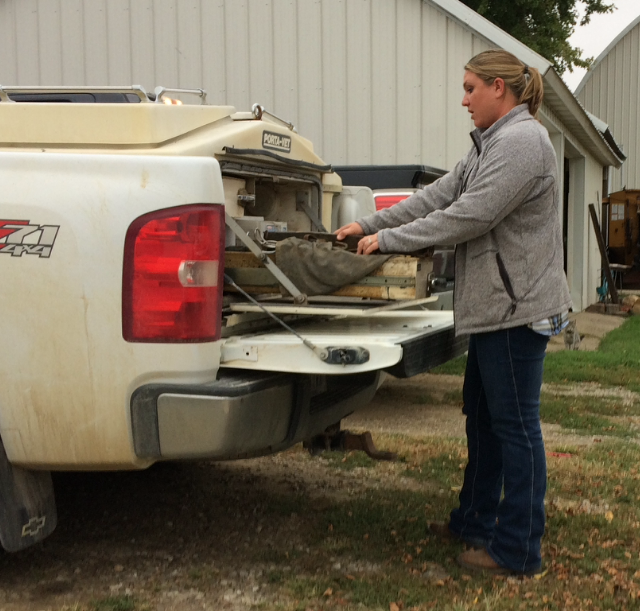
    Dr. Katie Lang gets supplies out of her vet truck.
    Dr. Katie Lang gets supplies out of her vet truck.

    From the time she was 10 years old, Dr. Katie Lang dreamed of becoming a veterinarian.

    Katie grew up in the city limits of Rock Island, Illinois. A love of animals was fostered by her family’s pets (parakeets, guinea pigs, hamsters, betas, and dogs); trips to the zoo; visits to her cousins’ farm; and a stay at Girl Scout Horse Camp.

    “Science has always come easy to me and was my favorite subject,” says Katie. “I still remember how fascinating I found learning about basic eye color genetics in my seventh grade science class.”

    A fascination for genetics stemmed into studying animal genetics. Katie’s parents encouraged her to pursue her dreams of becoming a veterinarian. Her mom recommended that Katie attend an agriculture-based community college to get more hands-on experience with horses and livestock.

    Katie attended Black Hawk College East Campus in Galva, Illinois. In an animal science, she castrated a bull for the first time. She transferred to Illinois State where she earned a Bachelor’s of Science degree in Biology. She then went to vet school at Iowa State University where she decided during her fourth year of studies to focus on large animal medicine.
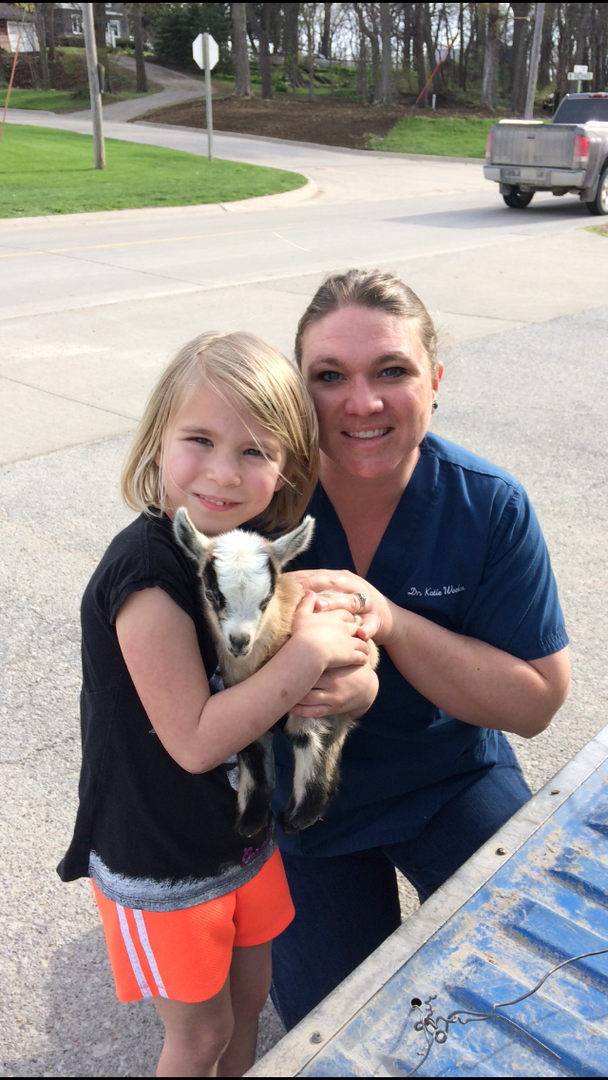
    It’s not uncommon for Dr. Katie Lang’s daughter, Emma, to go along on vet calls. Emma loves animals as much as her mother.
    It’s not uncommon for Dr. Katie Lang’s daughter, Emma, to go along on vet calls. Emma loves animals as much as her mother.

    As an associate veterinarian in a mixed animal practice in Brooklyn, Iowa, Dr. Lang sees dogs, cats, horses, cattle, sheep and goats during a typical day.

    “I really prefer the diversity of working with both large and small animals,” she explains. “I might treat cats and dogs inside during the morning, and then spend my afternoon outside vaccinating cattle, delivering calves or doing pregnancy checks on cows.”

    “Being a working mom is a balancing act,” explains Dr. Lang. “My daughter has been going on farm calls with me since she was 6 months old. Now we call them family farm calls. My husband sits in the front seat of the truck, and my daughter sits in the back seat when we go out to make after-hours calls to treat sick animals or deliver calves, lambs or kid.”

    Katie is glad her seven-year-old daughter, Emma, is being raised on her husband’s family’s farm. She says her husband, Cade, is the hardest working man she knows. He has a cow-calf operation and a heifer replacement program to raise replacement heifers for his family dairy. Cade works seven days a week at the family dairy plus raises row crops with his dad and brother.

    With role models like Dr. Lang and Cade, it’s no wonder that Emma enjoys caring for animals. She has a horse named Ebony, a 19-year-old Quarter Horse that was her mom’s first horse; four dogs named Estrella, Huck, Herschel and Lexi; two goats named Hugs and Loves; and two cats named Herbie and Ninja Kitty.

    “Watching Emma interact with the animals is one of my favorite things,” says Katie. “I had to learn animal handling techniques as an adult, but these techniques come naturally to kids raised on farms.”

    Replacement dairy heifers that Dr. Lang raises at her house
    Replacement dairy heifers that Dr. Lang raises at her house

    Dr. Lang is proof positive that good teachers and mentors can help you lead a successful career in agriculture, even if you don’t have agriculture in your background.

    “I would tell any girl interested in ag – no matter what her background is – that she can achieve anything if she works hard. Find good teachers and learn from them. If you want to become a vet, start shadowing one as early as possible.”

    Job shadows allow students to get an insider’s look at a specific career. Another way to encourage students to pursue careers in agriculture, as well as other careers that involve science, technology, engineering and math (STEM) are programs often offered through 4-H and Extension, as well as through some local schools.

    “STEM programs are great because they give young minds an opportunity to see science in action,” says Dr. Lang. “Another great way to foster a kid’s love for science is by visiting museums. We also search kids’ science experiments online and try them at home.”

    —

    Without strong women to help shape and manage our company, Latham Hi‑Tech Seeds would be a very different company than it is today. We understand the key roles women play in everything from purchasing seed to marketing grain, from public relations and event planning to sales and customer service. That’s why we’re celebrating women who are doing what they love. From now through November, we’re showcasing women in agriculture by telling their #RootsinBoots stories. Follow along and be inspired by Women in Ag across Latham Country!

    We’re looking for women, ages 18 to 108, who have a passion for agriculture and are willing to share their farm stories. Simply post photos of yourself on Instagram or Facebook using the hashtags #RootsinBoots #LathamSeeds and #WomeninAg. Let your personality and work ethic show. We want to see what a “day in the life” of you is like!

    Because each woman in agriculture is unique, everyone who submits a photo of herself either working in the field or working with livestock will be entered to win a $500 shopping spree at Western Edge LTD. There’s no limit to the number of entries, so increase your chances by posting across platforms via Twitter, Instagram and Facebook. Go to https://www.lathamseeds.com/rootsinboots/ or click here for more information.

    Team Latham

    October 23, 2017
    Agriculture, Industry News
  • Latham Hi‑Tech Seeds

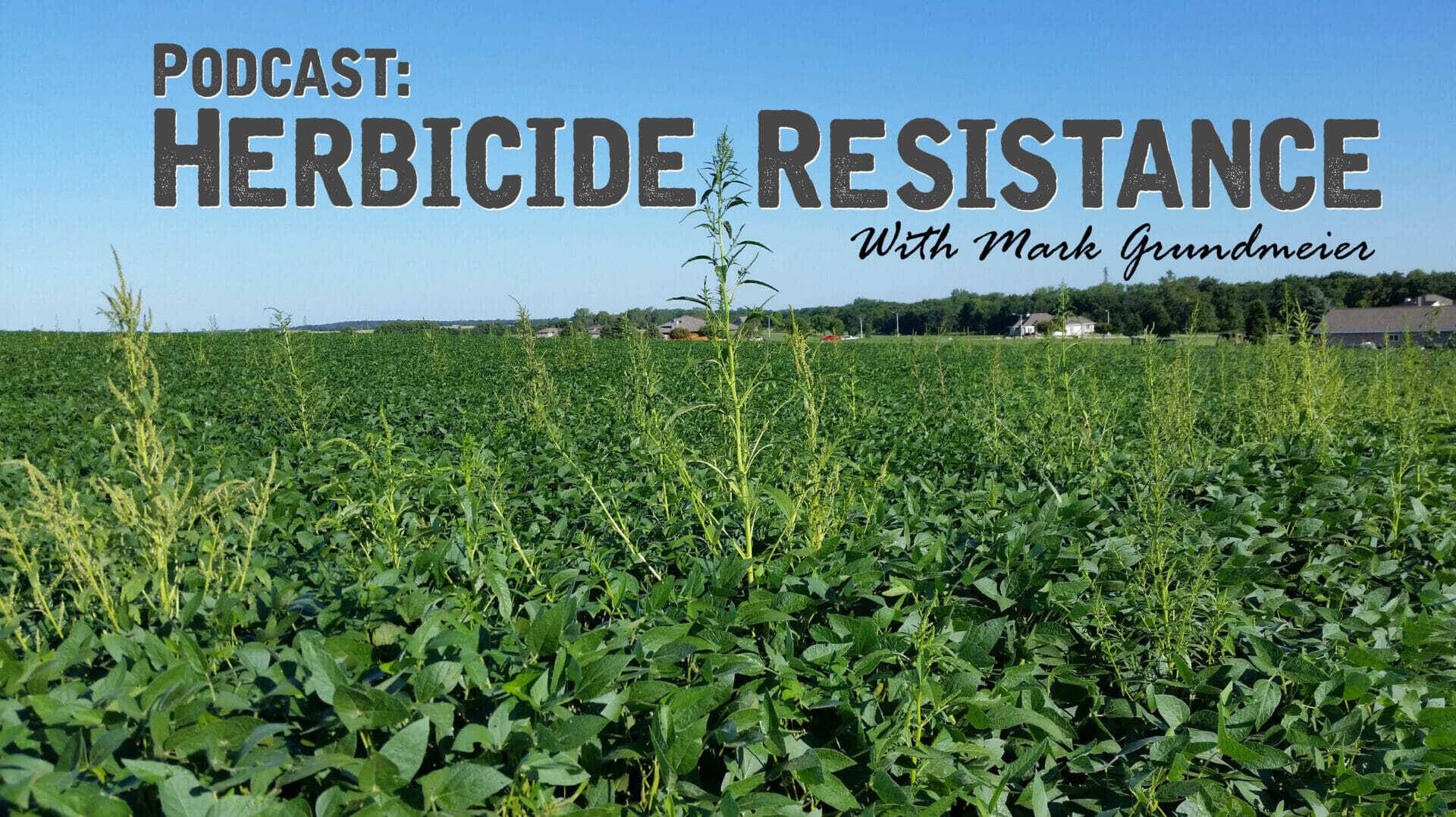
    Podcast: Planning for Herbicide Resistant Weeds

    Herbicide Resistance small1

    LIBSYN header 2-01

    http://traffic.libsyn.com/fromthefield/Mark__Herbicide.mp3

    Today on our Ask the Agronomist podcast is our Seed Product Manager, Mark Grundmeier! Mark weighs in on all things herbicide, including resistant weeds and how to plan for success in the future.

    Thanks for tuning in and see you back next week!

    Webspec Admin

    October 19, 2017
    #AskTheAgronomist, Herbicide Technology, Podcast
  • Latham Hi‑Tech Seeds

    Passion for Horses Leads to Love for Pork

    Baby Pigs

    Baby Pigs“Work hard. Have fun. Make a difference.”

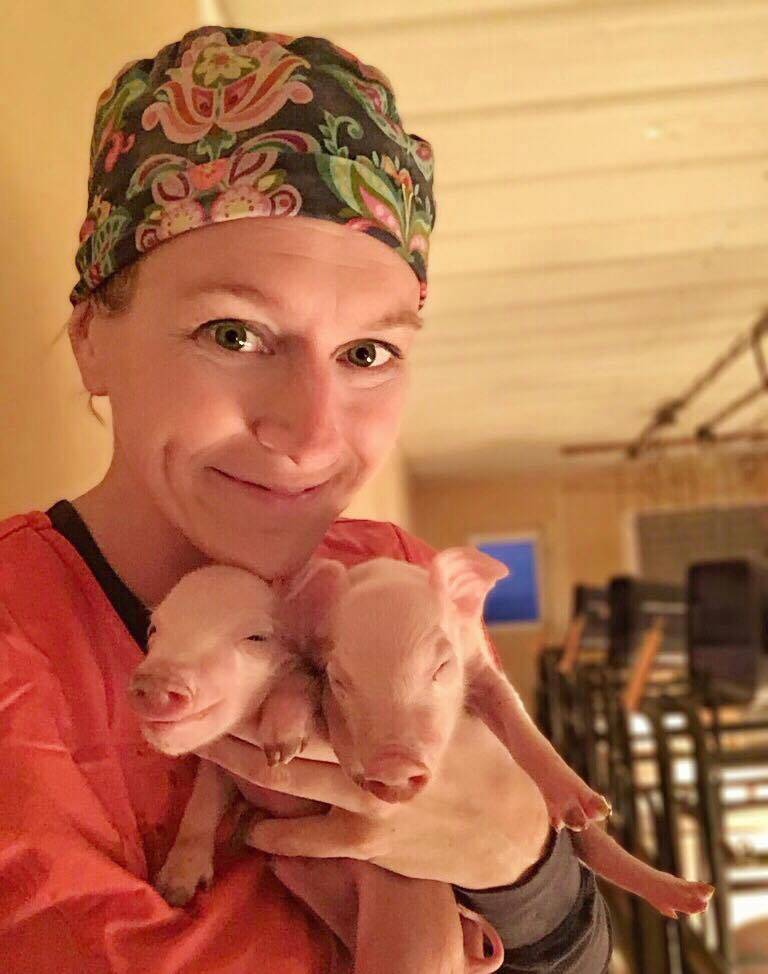
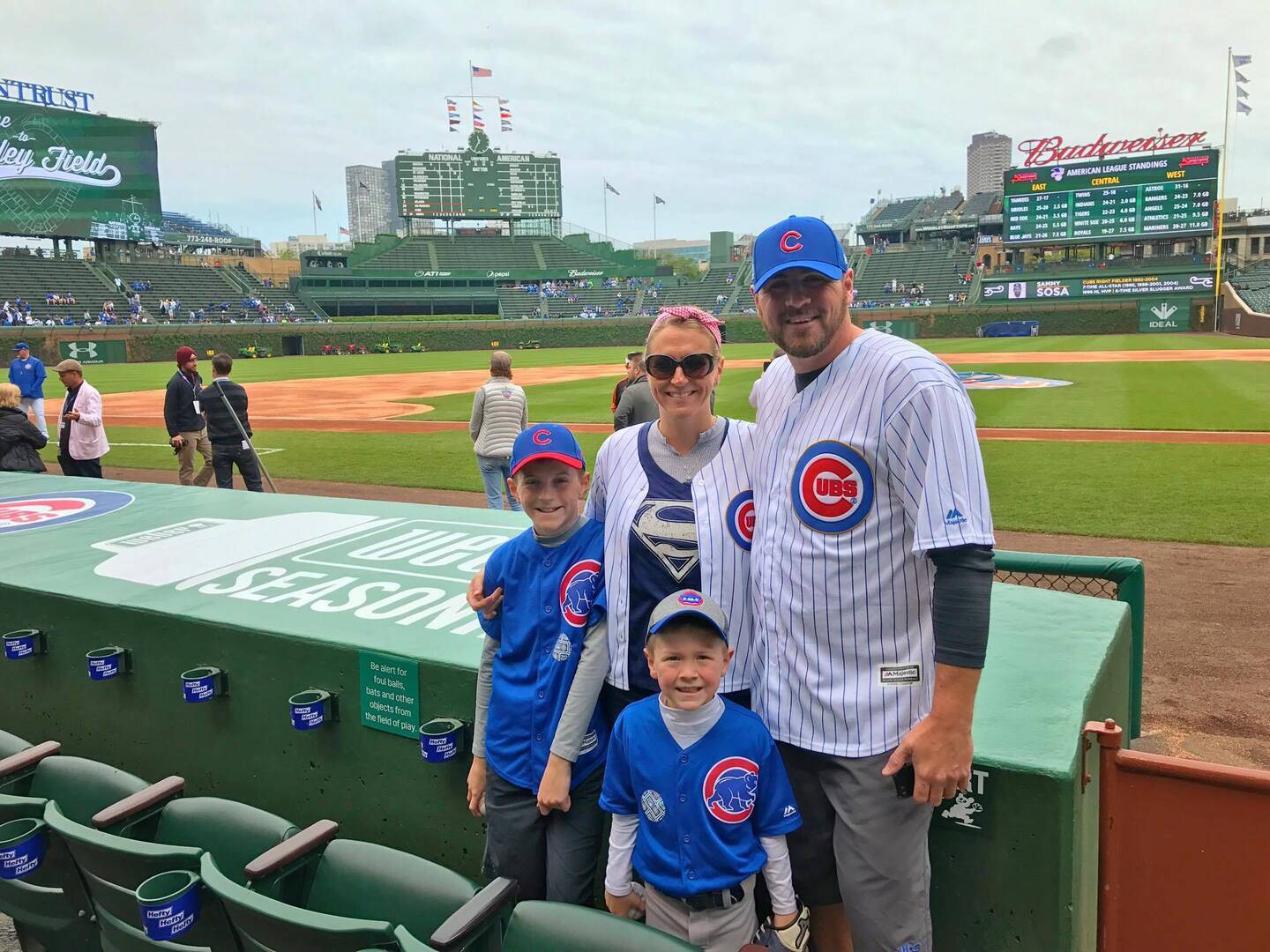
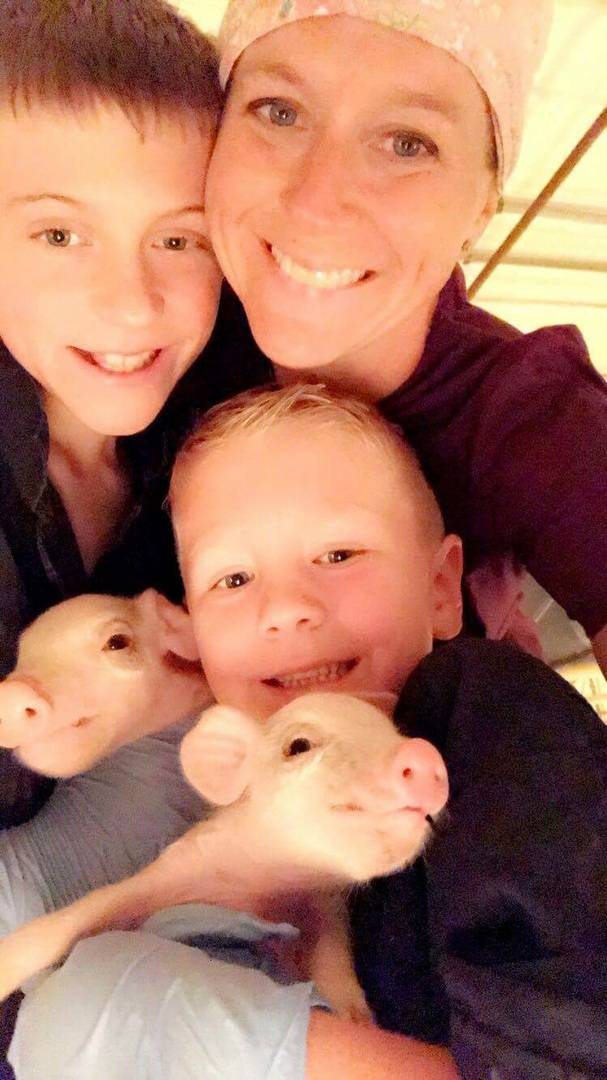
    Erin Brenneman’s motto is evident from her social media posts, which give followers an insider’s look at what it’s like to be part of her family’s southeast Iowa farming operation. You can see the passion she has for piglets, as well as for the Chicago Cubs. Photos show her values: faith, family and farming.

    One reason Erin is so passionate about her job as a farrowing specialist and public relations practitioner for Brenneman Pork is because it’s 180 degrees different from how she was raised in Chicago.

    “I still can’t get over the fact that the school bus picks up my kids from our house. In the city, you have to walk blocks to get to the bus stop. I’m like, “OMG! The bus picks you up at your house?’ While my kids are waiting for the bus, they’re picking up corn or playing with the dogs. I find it fascinating.”

    Honestly, I find it fascinating how Erin went from catching the city bus to driving the catch cart during fall harvest. (She graciously let me interview while she was in the tractor cab.) It was her love of animals that drew Erin to Iowa State University where she majored in Animal Science with the dream of becoming a veterinarian.

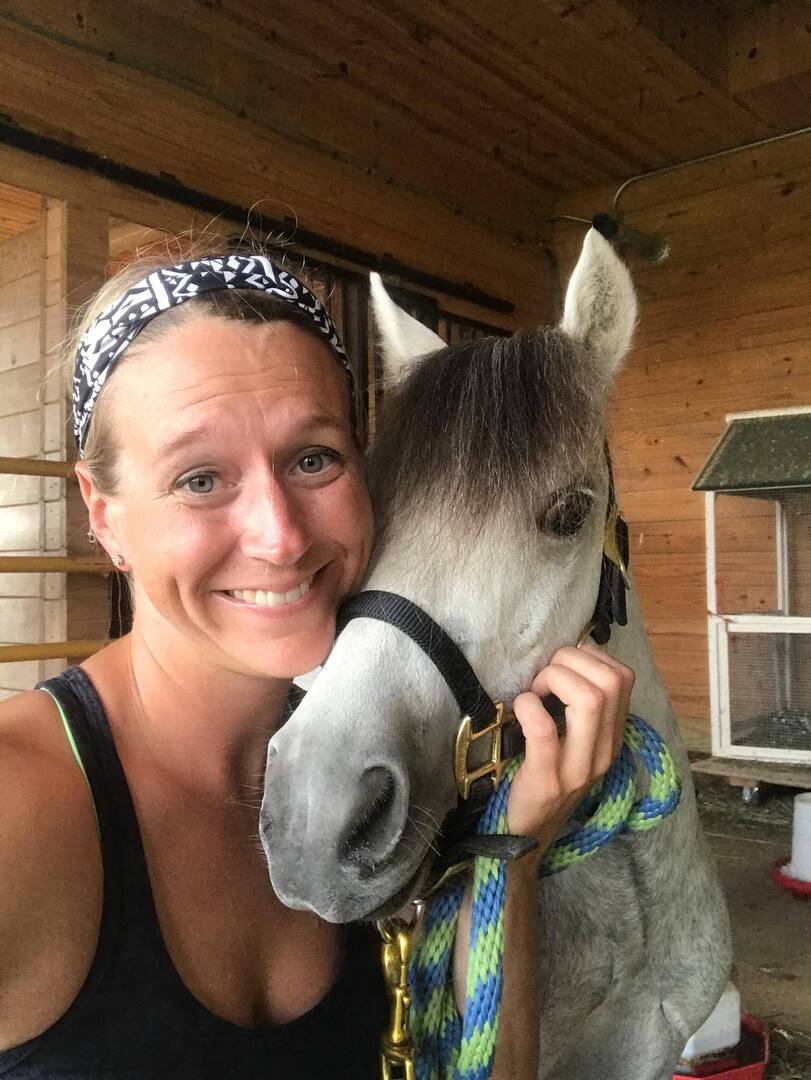
    Horse“I grew up visiting the Brookfield Zoo and watching the dolphin show. I thought it would be so cool to be a marine biologist and work with dolphins,” explains Erin, who also studied violin for 12 years and played in the high school symphony orchestra. If you see her wearing ear buds as she works, there’s a good chance she’s listening to classical music.

    “When I was eight years old, I started taking riding lessons through a program in the city,” adds Erin. “The older I got, the more time I spent with horses. After school, I’d ride horses until the barn closed. I’d ride other people’s horses, too, so they would get exercised.”

    There’s nothing like love to motivate a person, says Erin. She fell in love with a Quarter Horse named Spook, so she worked at the stables to buy Spook and to board him. She decided to study Animal Science / pre-vet and toured the Iowa State University campus.

    “When I toured the ISU campus, I fell in love with its beauty. It was everything I wanted in a school,” says Erin, who moved Spook to Ames with her. Chemisty 177 changed Erin’s mind about veterinary school, but she remained committed to earning a degree in CubsAnimal Science.

    It was at ISU that that Erin fell in love once again, this time with the man she would marry.

    “Tim lived a floor below me and we were brother/sister floors. We began to hang out and well, you know the rest of the story! I honestly was most impressed with Tim’s work ethic. He would go home to work every weekend and that piqued my curiosity.”

    The couple was married in 2004 and make their home just ¼ mile west from the Brenneman Pork office.

    “My in-laws, Rob and Char, have given me the opportunity to be involved in the family business,” says Erin. “And Erin and BoysI’m so grateful for that. Once I expressed an interest in learning and in being part of the operation, they opened their arms. They really want to see Tim and me succeed.”

    When Erin started working at Brenneman Pork, she says she was fascinated by everything that went on but felt spread thin. She wanted to be good enough at something to get noticed, so her father-in-law advised her to choose a specialty and she chose to focus on farrowing.

    Erin still spends a great deal of her time in the farrowing unit, but at least half of her day is spent on public relations. She goes into the barns and looks at what’s happening through a PR lens. Erin shares photos and videos through the Brenneman Pork Facebook page, as well as @sowmomma on Twitter and “Spookgal” on Snapchat.

    “I was amazed to see how many people started following me online,” says Erin, who decided to start a farm Facebook page one day out of the blue. “Joanne Albaugh asked to feature me in an article in Pork Network. Then I was asked to blog for the Pork Network. I love talking about farming, so I’m always glad to help promote this industry when I’m asked. The U.S. Farmers Erin & Combineand Ranchers Alliance got me into speaking. When asked for advice, I always say that we should try to connect rather than educate.”

    Erin also has a few words of advice for those interested in pursuing ag careers.

    “The door is wide open in the field of agriculture. Be careful you don’t burn bridges because I guarantee that you will run into that person again. Every time I meet new people I’m amazed at how many friends we have in common. Anytime I go to a conference, it’s like one big family reunion. I just love how warm and welcoming people in agriculture are.”

    —

    Without strong women to help shape and manage our company, Latham Hi‑Tech Seeds would be a very different company than it is today. We understand the key roles women play in everything from purchasing seed to marketing grain, from public relations and event planning to sales and customer service. That’s why we’re celebrating women who are doing what they love. From now through November, we’re showcasing women in agriculture by telling their #RootsinBoots stories. Follow along and be inspired by Women in Ag across Latham Country!

    We’re looking for women, ages 18 to 108, who have a passion for agriculture and are willing to share their farm stories. Simply post photos of yourself on Instagram or Facebook using the hashtags #RootsinBoots #LathamSeeds and #WomeninAg. Let your personality and work ethic show. We want to see what a “day in the life” of you is like!

    Because each woman in agriculture is unique, everyone who submits a photo of herself either working in the field or working with livestock will be entered to win a $500 shopping spree at Western Edge LTD. There’s no limit to the number of entries, so increase your chances by posting across platforms via Twitter, Instagram and Facebook. Go to https://www.lathamseeds.com/rootsinboots/ or click here for more information.

    Team Latham

    October 16, 2017
    Agriculture, Industry News
Previous Page
1 … 11 12 13 14 15 … 95
Next Page

Latham Hi‑Tech Seeds

131 180th Street | Alexander, IA 50420

(641) 692-3258

SIGNUP FOR OUR NEWSLETTER
  • Contact
  • Legal
  • Dealer Center
  • Seedware Login
  • Latham Gear

© 2025 Latham Hi‑Tech Seeds. All rights reserved. | Iowa Web Design by Webspec | Privacy Policy

Latham® Hi-Tech Seeds is a trademark of M.S. Technologies, L.L.C., 103 Avenue D, West Point, IA 52656.