Latham Hi-Tech Seeds

(641) 692-3258

  • Home
  • Products
    • Corn
    • Soybeans
    • Alfalfa
    • Corn Silage
    • Seed Guide
  • Performance
  • Find a Rep
  • Media
    • Blog
    • News
    • Videos
    • Podcasts
    • TECHTalk
  • About Us
    • Company History
    • Our Mission
    • Careers
    • Become a Rep
    • Sowing Seeds of Hope
  • Contact Us
  • Latham Hi‑Tech Seeds

    Hometown Heroes

    Crawfordsville1

    “Paging all units… we have a two-car collision 1 mile south of the Crawfordsville, Iowa, exit on Highway 218.”

    When an emergency call comes across scanners in rural Southeast Iowa, responders from Emergency Services of Washington County rush to the scene as quickly as possible. Even in the fastest effort, it takes approximately 20 minutes for the closest ambulance to arrive on the scene.

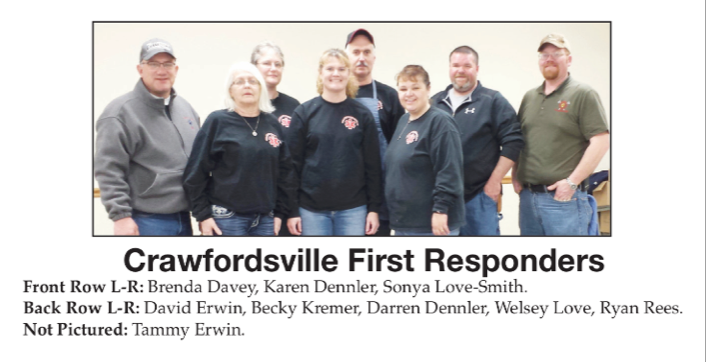
    CrawfordsvilleTime is crucial for accident victims in any situation. Who will take care of them until help arrives? The answer is the Crawfordsville QRS (Quick Response Service), or Dave and Tammy Erwin.

    My parents, Dave and Tammy, were asked to join the QRS shortly after they were married and moved to Crawfordsville. A family friend asked them to join the squad because they needed to recruit younger community members to increase the longevity of the program. My parents completed their training in the winter of 1991 and have been serving the Crawfordsville community for the past 27 years.

    “We decided to become part of the program to serve our community. The numbers were down at the time, and we knew we could help. If our family member was in an accident, I would want QRS to be there to help them and so we will be there for other people and families,” says my mom, Tammy.

    The Crawfordsville QRS is a smaller squad with 10 members, but all 270 of the town’s citizens greatly appreciate their work.

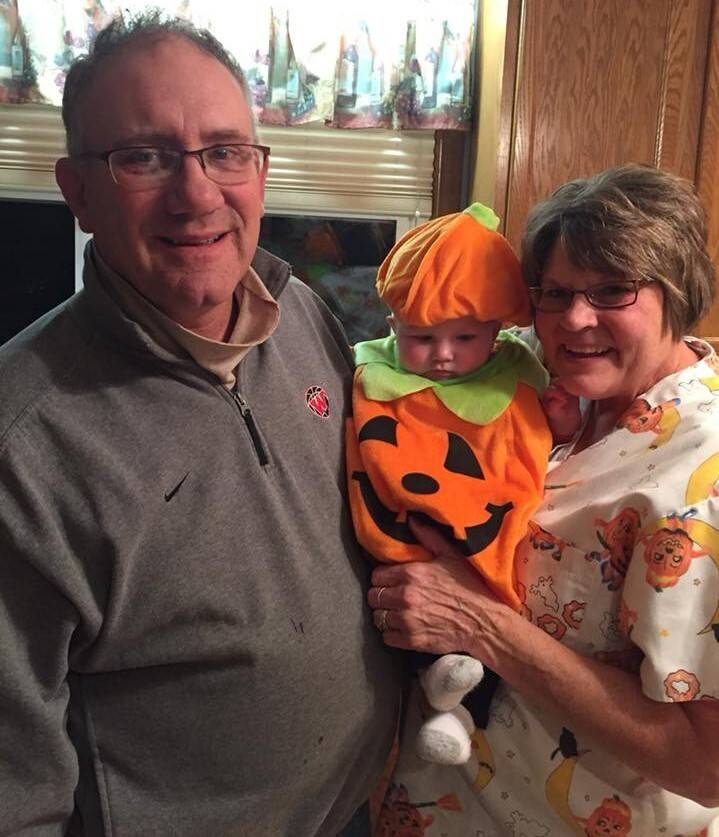
    Dave and Tammy Erwin with their granddaughter Jenna Johnson.
    Dave and Tammy Erwin with their granddaughter Jenna Johnson.

    Most of the time, when my parents respond to a call, the victim is someone they know. This can sometimes make it a difficult task, but they are proud to help their friends in their time of need. In a smaller town, you may expect the severity of the accidents to be less but that is not the case in Crawfordsville.

    “With a heavily traveled interstate running right by our town, we get a lot of calls for traffic accidents. We have helped with semi-rollovers, winter driving pileups, farming accidents and many more over the years of being first responders,” my dad explains.

    My dad, Dave, is a farmer. He runs our family’s corn and soybean operation, as well as beef cow-calf herd located just east of Crawfordsville. This gives him the flexibility to help with the first responder calls during the work day. My mom works as a family practice nurse at Washington County Hospitals and Clinics in Washington. She also helps my dad farm in her spare time.

    “While my job directly relates to the field, you don’t have to be a medical professional to be a first responder,” she explains. “You just have to perform basic procedures, which you’re train you to do, until medical help arrives. I would encourage others to volunteer in their communities.”

    When I was growing up, I didn’t really think much of it when my parents would rush from the house to a First Responder Call. I assumed that most other parents did the same in their communities. Now that I have grown up and see the need for these services in rural Iowa, I realize that my parents are one of many hometown heroes among us!

    ___

    Rural communities are the backbone of our country. Latham Hi‑Tech Seeds recognizes and appreciates the many boots our employees, dealers and customers wear to keep rural America healthy. Help us serve those who serve us by nominating someone in your life to feature on https://www.lathamseeds.com and social media channels.

    Webspec Admin

    March 19, 2018
    Agriculture, Industry News
  • Latham Hi‑Tech Seeds

    Knowing Basic CPR is More Critical in Rural Communities

    When Corey Catt was a child, he was injured farming accident. That accident changed his life and the lives of many others.

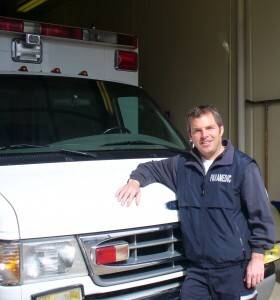
    “I will never forget the overwhelming feeling of relief when I saw the strong will of the volunteer ambulance members who took time out of their busy day, from their regular day jobs,  to help me. Their amazing service sticks with me today as I hope to do the same thing in return by helping those in need,” says Corey Catt, who is an inspiring example of giving back through finding purpose in life and satisfaction in his career.

    Corey is in his 25th year as a volunteer paramedic with the Ellsworth (Wisconsin) Ambulance Service. He also has worked part-time as a paramedic in the emergency room at a Regions Hospital Level 1 Trauma Center in St. Paul, Minn., for 11 years. In May, he will celebrate his sixth year as forage products specialist for Latham Hi‑Tech Seeds.

    One might wonder how his roles complement each other. As a 911 paramedic, Corey has seen first-hand how nutrition is closely related to human health. As one of the seed industry’s most renowned forage specialists, he helps farmers strike that delicate balance between nature, science and technology. He is passionate about helping farmers produce healthy meat, milk and eggs. It all about people, That’s why he’s spent his career working as both a paramedic and as a forage specialist.

    It’s extremely unusual to have a paramedic service in rural communities – especially an advanced life support unit – says Corey. His dream is for every rural community at a minimum, to train its residents in the very simple and basic adult hands-only cardiopulmonary resuscitation (CPR) certification class. Ideally, this would increase the number of people throughout all communities who have the skills necessary to keep someone alive until advanced help can arrive at the scene.

    “Science has proven that immediate hands-only CPR on an adult cardiac arrest patient gives that person the best chance of survival. The American Heart Association refers to this as the chain of survival,” says Corey. “Time is so critical after a cardiac arrest. When the heart is not pumping, the brain is not getting oxygen and is dying.  Without any CPR within four minutes of arrest, the chance of your friend or loved one surviving is very low.”

    It can take more than four minutes for ambulance to reach the patient in rural areas. If there is a snow storm or bad weather, it will take emergency crews even longer. That’s why residents who know CPR can increase someone’s chance of surviving a cardiac arrest.

    “I have learned over the years that sometimes you can do more harm by NOT helping someone in need, such as someone having a cardiac arrest. Equipping community members with simple CPR skills can be enough to save a life,” says Corey. “If someone needs CPR and you don’t help them, at a least pray for them. Without you, their chances of survival are slim.”

    How You Can Help Your Community

    “There is a retired paramedic in a nearby community who was part of a group that started a local hands-only CPR Class. His passion shifted down to his son, who continued expanding his father’s initiative of teaching the simple skills of CPR. One day that retired paramedic was in the gym and had a cardiac arrest in the gym. The gentleman who saved his life was trained in his son’s class the day before! This man’s life was not only changed but saved.”

    Corey explains that 4-H clubs, FFA chapters, as well as Boy Scout and Girl Scout troops, are a great place the start. The individuals involved with these groups are the next generation of agriculturists and rural residents.  Corey challenges civic groups to team up, so together they can start a community initiative to get more people trained.

    Here is what one community has done for hands-only CPR. Some communities have done demo’s at half time basketball games for the whole gym, but at the end of the day, when you see a teen or adult go unconscious, and you can’t wake them up, it takes COURAGE to act.  It’s going to be scary.

    https://www.hastingsstargazette.com/lifestyle/health/1105476-hhs-students-get-training-hands-only-cpr

    “At a minimum, learn hands-only CPR.  It’s quick, simple and easy to learn.  It’s something that could be done every year on farms, in grocery stores and in the gym. You can become part of the chain of survival!” urges Corey.

    “It’s impossible to articulate the depths and layers of intensity in the situations people like me experience every single day,” adds Corey, “There’s no doubt it’s a tough profession. I have seen a lot of death and tragedy. You can’t un-see these situations, so I focus on the positive. At the end of the day, it’s about serving people. I’m part of an amazing team that help people navigate through their life-changing event. I feel humbled and honored to somehow serve and help where I can.  Not matter what we do, we can all help by knowing hands-only CPR and promoting how this could save a life someday.”

    Related Articles:

    • Keep the Beat to Stay Alive
    • Error on the Side of Caution during Planting Season
    • Stay Safe in the Home Stretch

    Webspec Admin

    March 12, 2018
    Agriculture, Industry News
  • Latham Hi‑Tech Seeds

    FFA Advisor Lindsey Brockberg “Exerts an Influence” in Mt. Lake, MN

    IMG 2546

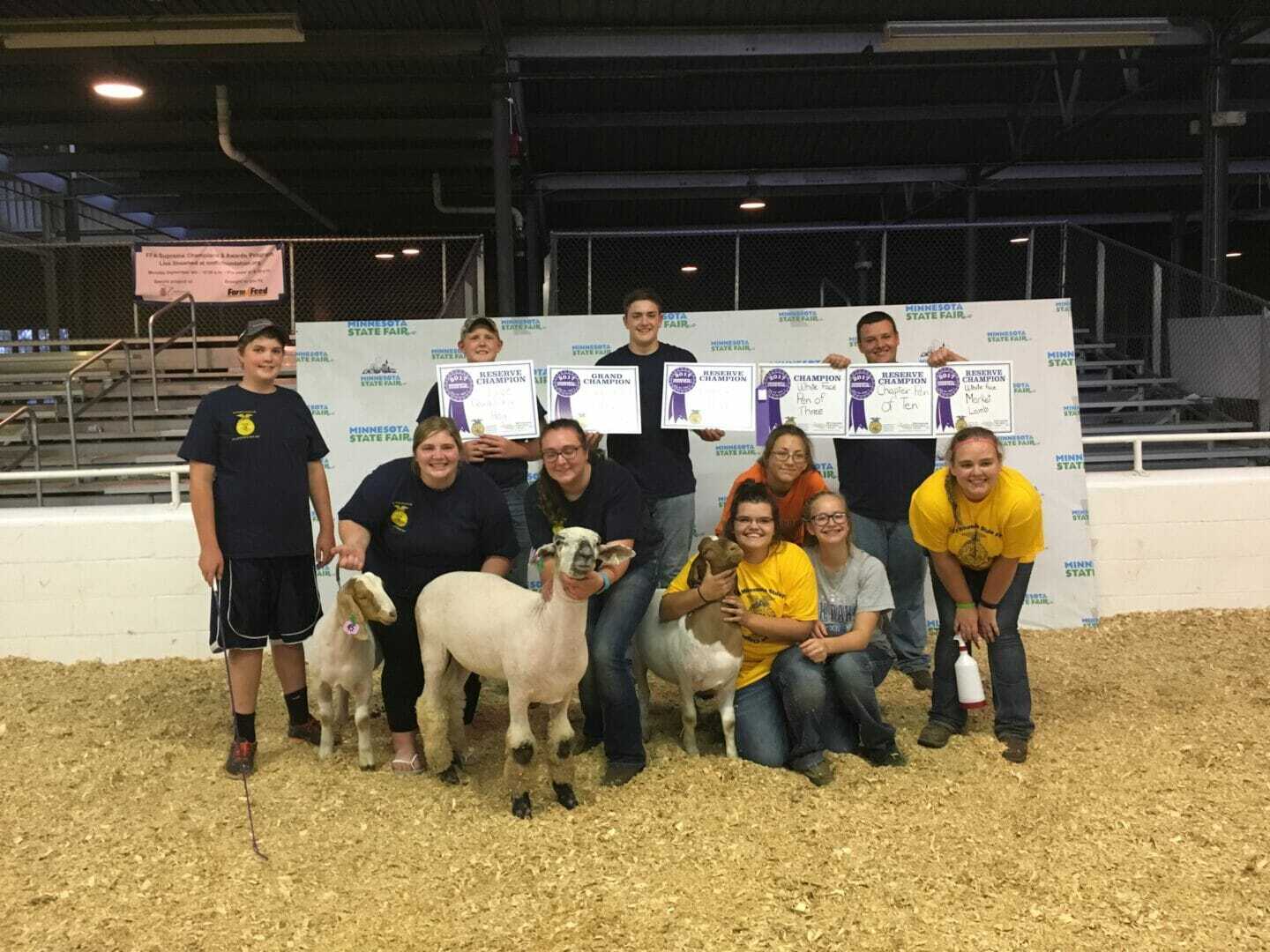
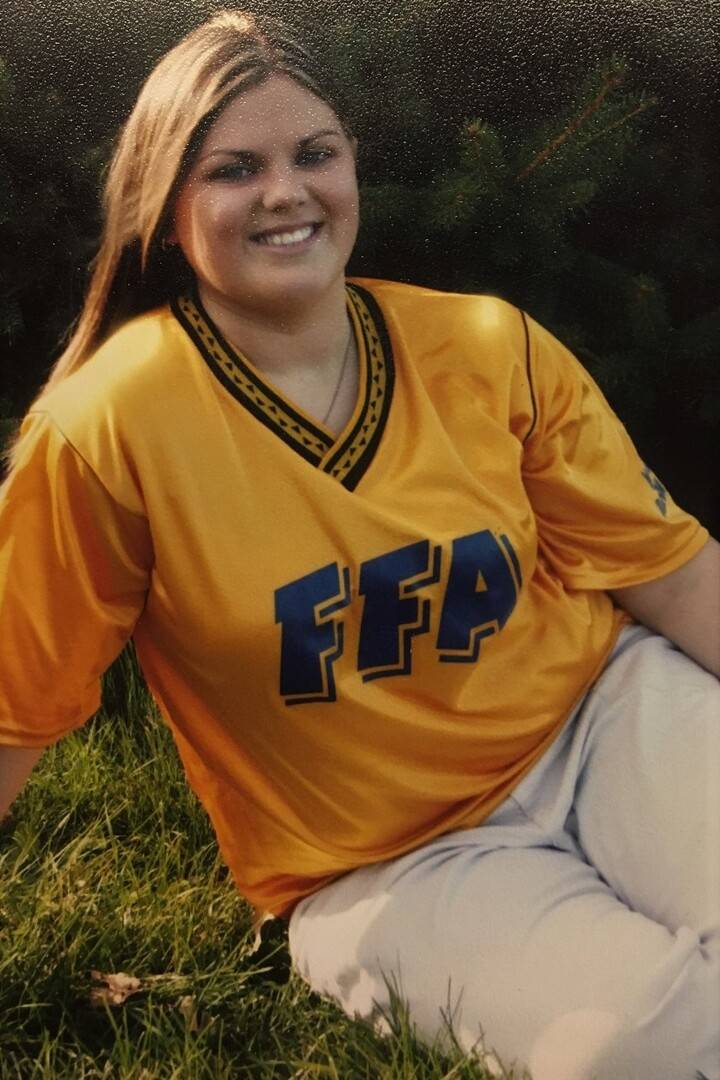
    09169487-9C10-406E-B3A2-02FB65937E18Returning to her hometown as a teacher was an honor and privilege but also a bit intimidating, says Lindsey (Brown) Brockberg. She attended Mt. Lake from daycare through high school graduation and returned in 2012-2013 to teach agricultural education and serve as the Mt. Lake FFA advisor.

    “It’s such a privilege to have the opportunity to work with my former ag teacher, Tom Appel, who made such a huge impact on me. He helped me learn to believe in myself. Through ag classes and FFA activities, I learned to overcome my challenges, work through my weaknesses, and improve my strengths,” says Lindsey, who served as Officer at Large and Vice President from 2004-2006 as a member of Mt. Lake FFA.” Agriculture classes and the FFA offered me – and still offers students still today – so many opportunities to grow and learn.”

    Not only did Mr. Appel encourage Lindsey to consider a career in agricultural education, but her brother (T.J. Brown) also is an agriculture teacher and encouraged her to also think about teaching ag. It wasn’t until Lindsey had been studying Message Therapy for six months at Ridgewater College that she realized how much she missed agriculture.

    “Both Appel and my brother were – and still are – great resources in this teaching adventures,” says Mrs. Brockberg. “Helping students reach their full potential is what I enjoy most about being a teacher. It never gets old seeing students comprehend a lesson we’ve been working on, go out of their comfort zone by competing in a CDE (career development event), meeting new people and reaching goals they set at the beginning of the year.”

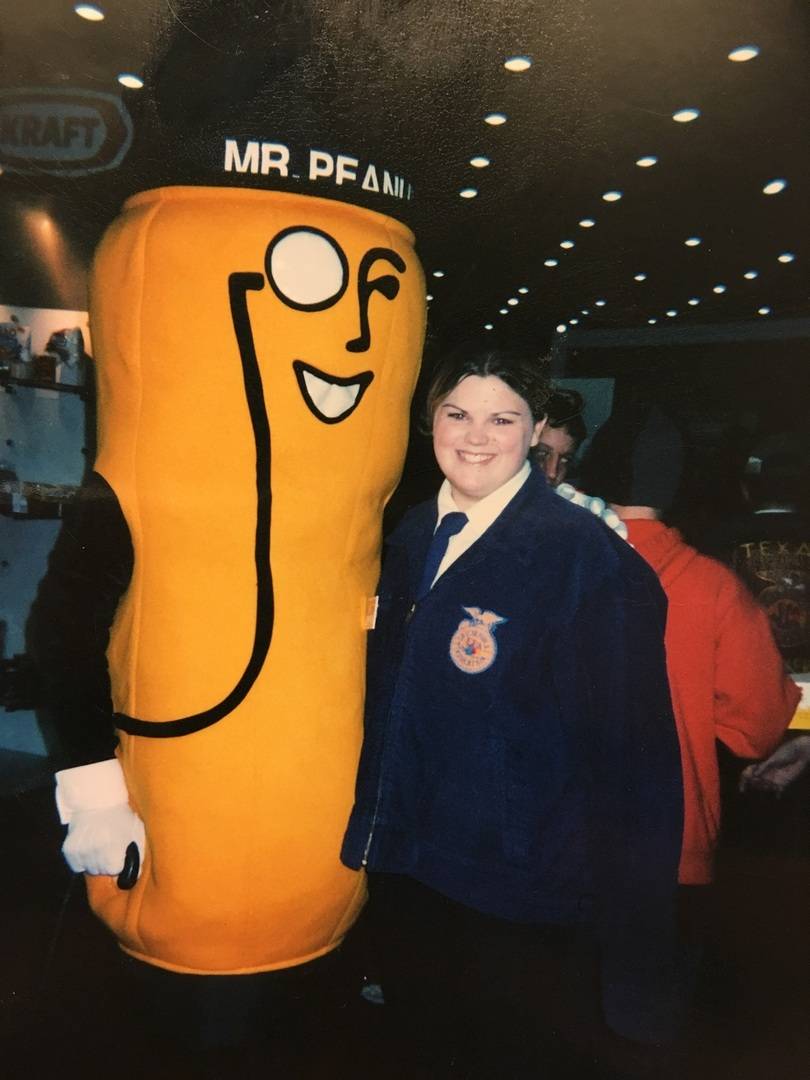
    Lindsey at her first National FFA Convention.
    Lindsey at her first National FFA Convention.

    Changing lives and preparing members for premier leadership, personal growth and career success through agricultural education are benefits of belonging to the largest student organization in the world. Attending National FFA Convention during her freshman year was a life-changing event, recalls Mrs. Brockberg.

    “I remember sitting in Freedom Hall at the Louisville State Fair grounds, surrounded by thousands of other FFA members from across the U.S., listening to the keynote speaker,” she says. “After this convention, I made up my mind to not let anything stop me. School was challenging for me and up until 8th grade, I been in special ed classes for English. I learned to work with my learning challenges, put in more time, planned further ahead, became very organized and started going from B-C’s to A-B’s, even with missing school for FFA.”

    “My parents instilled in us that we needed to work hard, manage time, learn from others and manage money. By being active in the Mt. Lake FFA, my five siblings and I learned those life skills,” says Mrs. Brockberg. “My main Career Development Event (CDE) was General Livestock, but I also participated in Food Science. My Supervised Agricultural Experience (SAE) was Food Production Placement. I worked in the dietary department at the Good Samaritan Village in Mt. Lake, along with my older sister, all through high school and a few years in college.”

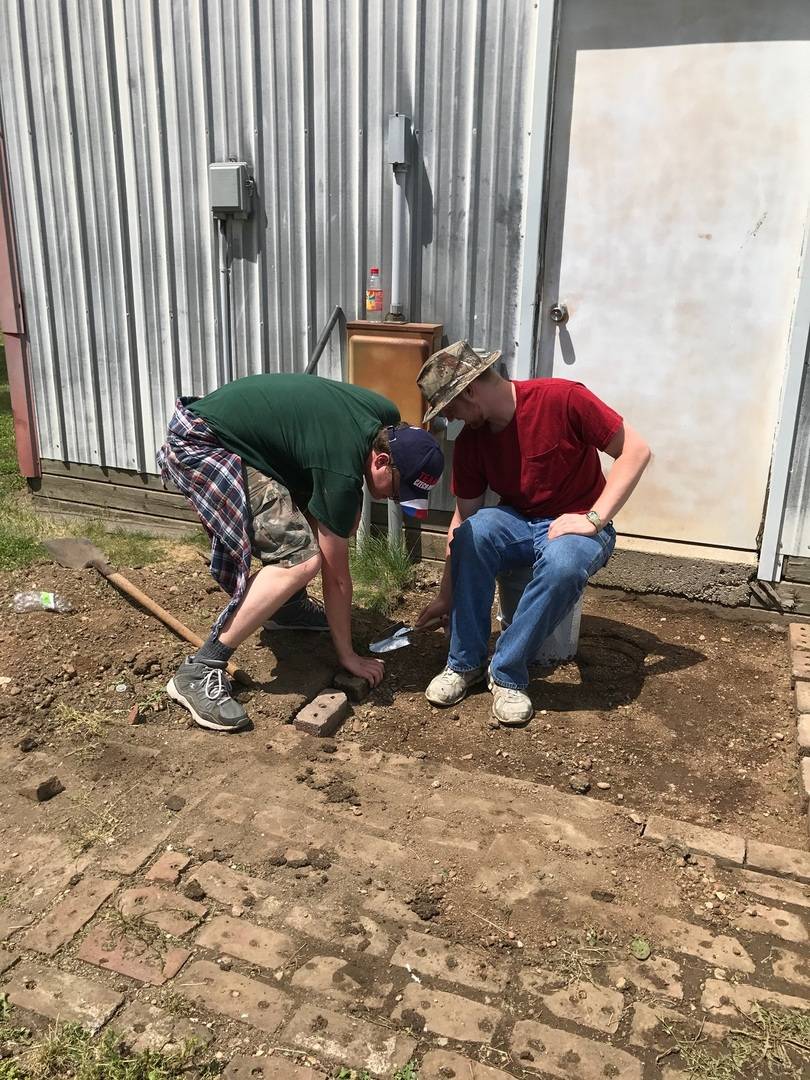
    The chapter built and fixed brick walkways as a community service project.
    The chapter built and fixed brick walkways as a community service project.

    Mrs. Brockberg says she was a bit of a “greenhand” when she accepted the teaching position at Mt. Lake. She only had two years of teaching experience at the time, but she was excited to return to her hometown.

    “I felt a little intimidated to be teaching with my former teachers, as well as teaching students of families I had known most of my life,” says Mrs. Brockberg. “Once I got into the job, however, I realized that Jeff Lindamen did a wonderful job of mentoring me through the challenges of first years of teaching. The experience I had working with him at Chisago Lakes High School in Lindstrom, Minnesota, really prepared me for the task ahead at Mt. Lake.”

    The Mt. Lake FFA is also advised by Stephen Funk, and Hayley Faber. The three instructors work hard to meet the needs of our students. Several teams have already competed in the region and are advancing to state.

    “As a program, we are very busy and active with our local community, region, state, and national levels. Our students have competed at all levels,” says Mrs. Brockberg. “We do our best to give students opportunities that meet their needs and stretch them to grow and lead others.”

    Below are a few recent examples of how the Mt. Lake FFA advisors are helping students “learn to do and do to learn:”

    • 2017 National Convention – one student made it in the Top 15 and another student made national choir, and one student received their American Degree
    • 2017 State Convention – seven teams finished in the Top 5 at state
    • 2016 National Convention – we had both Vet Science and Farm Business Management teams make it to Nationals, along with two students in National Choir, and two students received the American degree

    Mrs. Brockberg is helping the next generation of Mt. Lake students live their dreams through the FFA. We commend her for continuing to live the FFA creed by returning to her hometown as a teacher and mentor: “… I believe that American agriculture can and will hold true to the best traditions of our national life and that I can exert an influence in my home and community which will stand solid for my part in that inspiring task.”

    ___

    Rural communities are the backbone of our country. Latham Hi‑Tech Seeds recognizes and appreciates the many boots our employees, dealers and customers wear to keep rural America healthy. Help us serve those who serve us by nominating someone in your life to feature on https://www.lathamseeds.com and social media channels.

    Team Latham

    February 26, 2018
    Agriculture, Industry News
  • Latham Hi‑Tech Seeds

    New Teacher and Old Barn Breathe New Life into Local Ag Program

    DSC04847

    Like many rural communities across North Iowa and the Midwest, Sheffield has a population of approximately 1,200. The community is bordered by productive farmland. The north side of town also is home to Sukup Manufacturing.

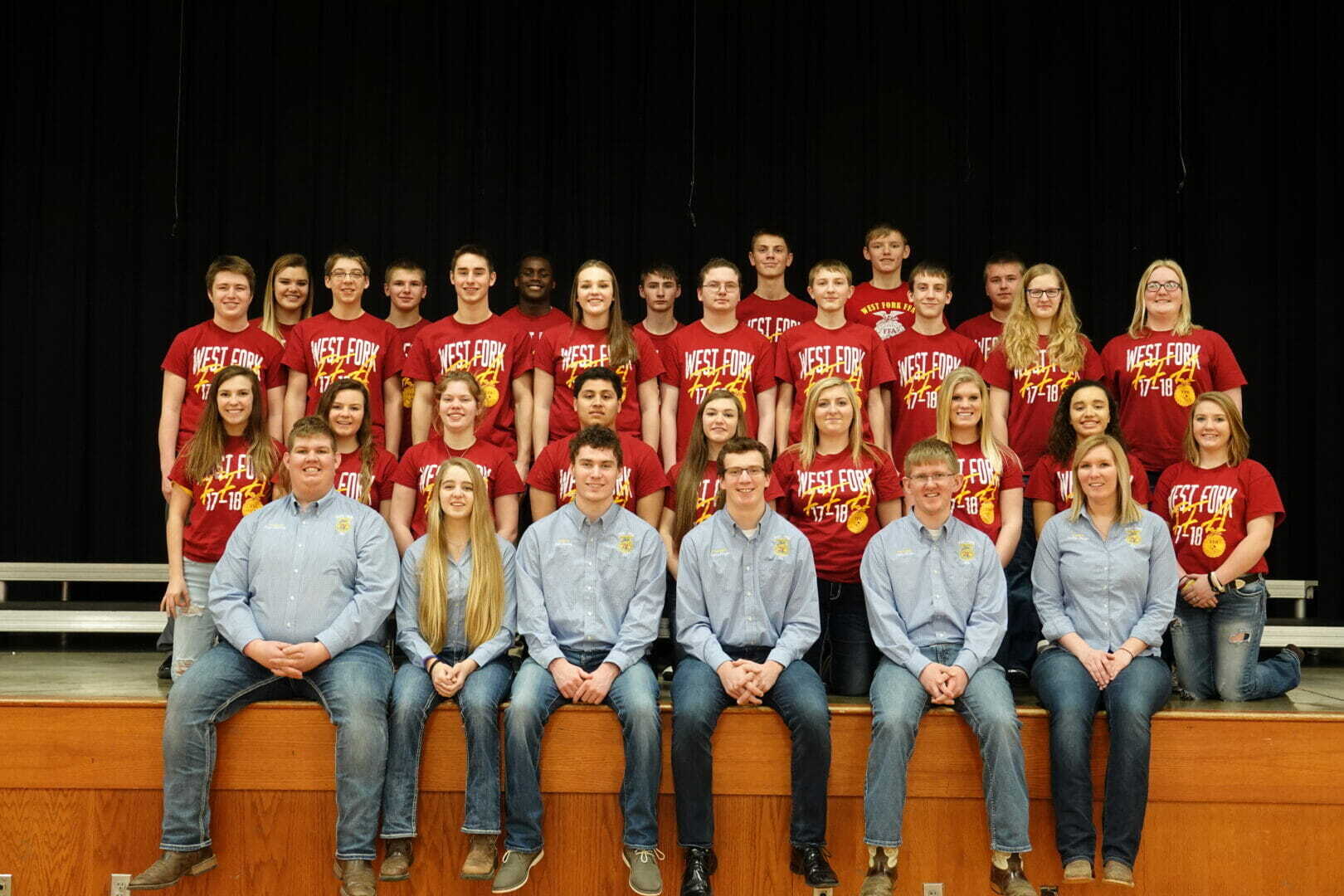
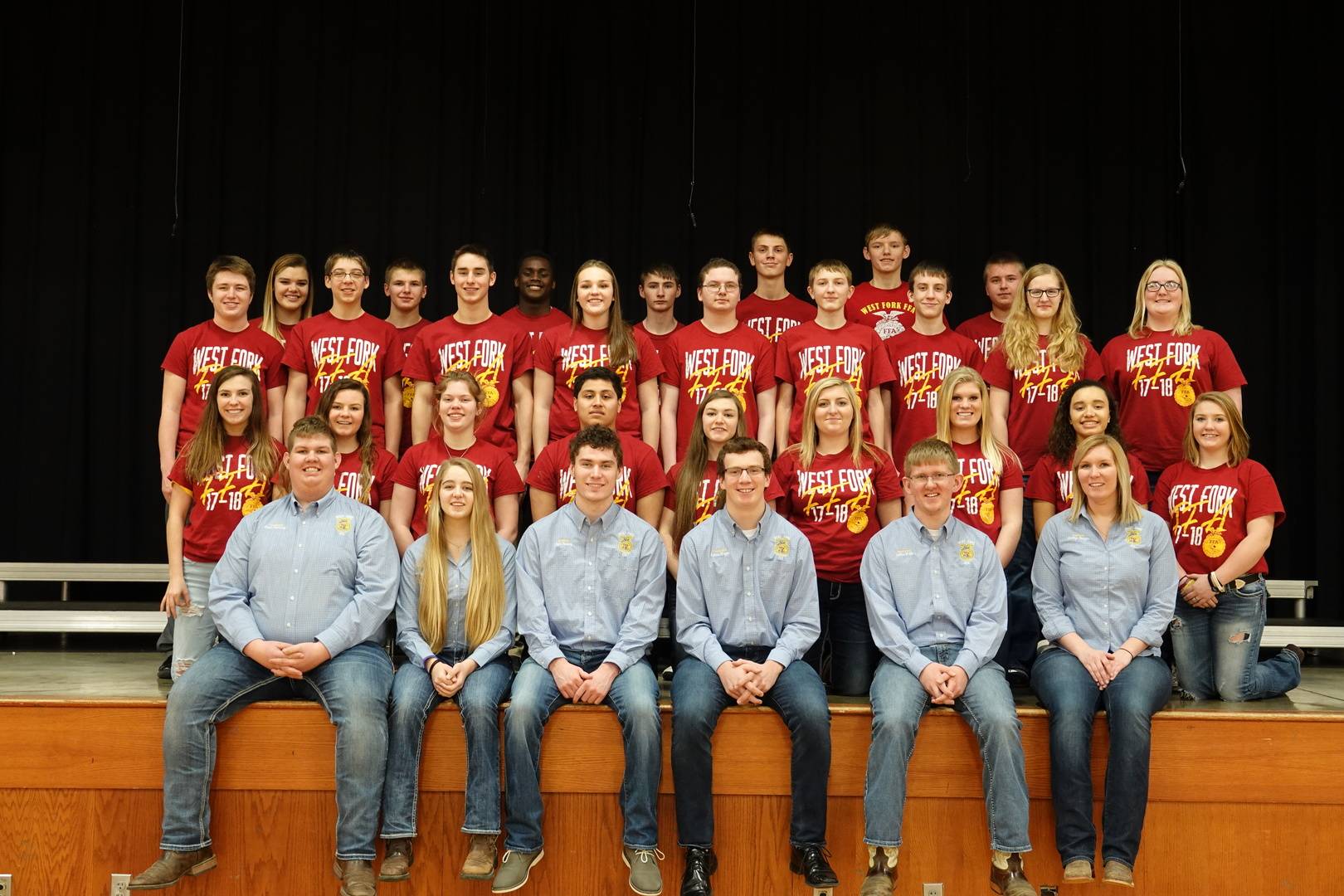
    Kaitlyn Bonzer is the FFA Advisor for West Fork High School FFA’s 37 members. Members include, from left to right, in Row 1: Grant Nuehring (Treasurer), Lindsay Jones (Secretary), Kyle Rooney (Sentinel), Lukas Wogen (President), Collin Witte (Reporter), Kaitlyn Bonzer (Advisor). Row 2: Ivee Steere, Ali Rice, Miranda Dixon, Wyatt Schaefer, Macey Rust, Stafonia Jones, Reba Struchen, Nashuan Bryant, Edee Foell. Row 3: Brett Weaver, Caleb Jones, Ian  Latham, Lauren Trewin, Dominick Jones, Cail Weaver, Carter Meints, Lindsey Eberling, Hope Hartman. Row 4:  Emily Caspers, Tyler Nuehring, Jesse Chibambo, Brady Barkela, Jason Meier, Bryce Groh, Nate Akins. Not Pictured: Mariah Steenhard (Vice President), Collin Reed, Macy Dirksen, Collin Meints, Colby McFarland, Joe Ingham.
    Kaitlyn Bonzer is the FFA Advisor for West Fork High School FFA’s 37 members. Members include, from left to right, in Row 1: Grant Nuehring (Treasurer), Lindsay Jones (Secretary), Kyle Rooney (Sentinel), Lukas Wogen (President), Collin Witte (Reporter), Kaitlyn Bonzer (Advisor). Row 2: Ivee Steere, Ali Rice, Miranda Dixon, Wyatt Schaefer, Macey Rust, Stafonia Jones, Reba Struchen, Nashuan Bryant, Edee Foell. Row 3: Brett Weaver, Caleb Jones, Ian Latham, Lauren Trewin, Dominick Jones, Cail Weaver, Carter Meints, Lindsey Eberling, Hope Hartman. Row 4: Emily Caspers, Tyler Nuehring, Jesse Chibambo, Brady Barkela, Jason Meier, Bryce Groh, Nate Akins. Not Pictured: Mariah Steenhard (Vice President), Collin Reed, Macy Dirksen, Collin Meints, Colby McFarland, Joe Ingham.

    You’d expected this rural community to have a strong and growing agricultural education program, but membership in the West Fork FFA Chapter might surprise you. Half of the chapter’s 37 members live in town, and many of them are interested in raising livestock.

    Fortunately for these students, they have the opportunity to learn from a passionate agricultural education instructor both inside the classroom and outside in their Animal Learning Facility. This late 1800s barn has been renovated thanks to the generosity of the Sukup family and with help from their employees.

    “During the 2017-18 school year, we had two gilts farrow their first litters in the Animal Learning Facility. They were both a student’s gilts from last year, and he chose to breed and farrow them. It was an excellent opportunity for him to learn a little bit about genetics, how to artificially inseminate, and how the farrowing process works,” says West Fork FFA Advisor Kaitlyn Bonzer. “Livestock births don’t always go according to plan, but we’ve had great support from our community members. Local livestock producers have been a Godsend when some of these gilts have had trouble farrowing. It’s great to have interaction between community members and students because that provides more learning opportunities.”

    In addition to farrowing sows, the Animal Learning Facility provides real-world supervised agricultural experiences (SAE) for other students interested in raising laying hens and bees. Students who house their SAE projects inside the Animal al Learning Facility are asked to sign a contract to ensure they take responsibility in their learning. When school isn’t in session, a student is chosen to take care of the barn and earns hours towards his/her Iowa Degree.

    West Fork FFA members have been involved in a variety of contests and learning experiences since Ms. Bonzer joined the faculty. Most recently, four teams competed in the North Central District Soils contest and one team advanced to the state competition.

    “This is the first year I’ve had a team advance to state, so it was pretty exciting,” said Ms. Bonzer. “The kids were very excited, and I’m proud of their work.”

    In May, the West Fork FFA will hold its annual sale of vegetable garden starter plants, hanging baskets, and flower bed plants.

    Plans also are underway for the third annual West Fork Summer Classic the first weekend in June at the Franklin County Fairgrounds in Hampton. The show began as a way to get students more involved in the swine industry, as well as to raise funds for the chapter. The show is an Iowa Swine Jackpot Series (ISJS) sanctioned show, so for those circuit showers, registration will open online for the show. All youth are eligible for this show, however. Registration will take place the day of the show for those who are not an ISJS member.

    “I enjoy watching students experience agriculture in so many facets,” says Ms. Bonzer. “Some kids have little farm experience prior to taking class with me, so they get really excited about experiencing things that many typical ‘farm kids’ have been doing their entire lives like watching livestock give birth. Other kids that have been involved with agriculture for longer periods of time, and I really enjoy the challenge of teaching them new things. Seeing kids enjoy learning makes my job so rewarding!”

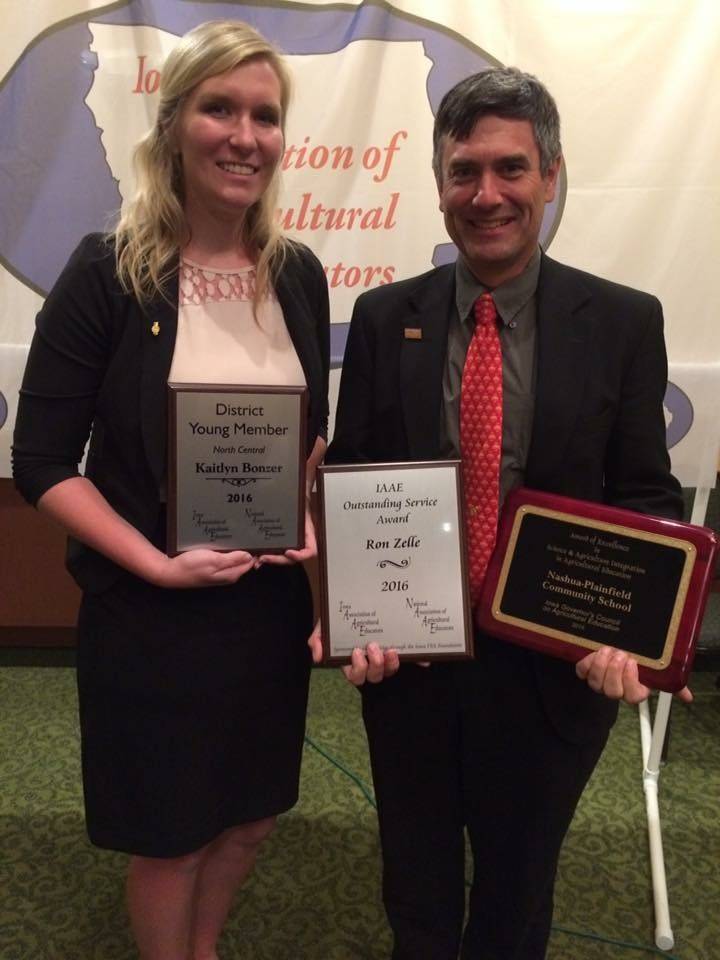
    Kaitlyn was the 2016 recipient of the Iowa Agricultural Association of Educator’s Outstanding Young Member for the North Central District. Here she’s pictured with her FFA Advisor, Ronald Zelle, who was also honored with the Outstanding Service Award.
    Kaitlyn was the 2016 recipient of the Iowa Agricultural Association of Educator’s Outstanding Young Member for the North Central District. Here she’s pictured with her FFA Advisor, Ronald Zelle, who was also honored with the Outstanding Service Award.

    Ms. Bonzer grew up on a small stock farm outside of Nashua, which is about 40 miles from Sheffield, and both schools are part of the Top of Iowa Conference. She gained 4-H experience with cattle, hogs, sheep, and chickens on her family’s farm. She joined FFA in middle school and learned about crop production through her SAE.

    “My Supervised Agricultural Experience was originally in Diversified Livestock Production. Then it expanded into Diversified Crop Production Placement where I worked for a local organic vegetable producer. I’d always gardened with my grandmothers, but going large scale really opened my eyes and taught me a lot more about technique. That SAE experience really grew my love of gardening and food production.”

    Her positive FFA experience prompted Ms. Bonzer to enroll at Iowa State University and major in agricultural education.

    “I had an excellent role model and FFA Advisor, Mr. Ronald Zelle. I knew I wanted to teach from an early age. As I got older, my passion grew for agriculture. What better way than to combine teaching with agriculture? I get to pump up kids about agriculture and watch them become passionate about the same things I am!” says Ms. Bonzer, who was awarded the North Central District Young Teacher of the Year in 2016 at the Iowa Association of Ag Educators (IAAE) Conference.

    “This was such an honor to me because it recognizes the up and coming teachers around the state for their work throughout the year,” says Ms. Bonzer, who began teaching in 2014 at North Union Community School District and came to West Fork in 2016. “I owe it to the kids, however. They’re the ones who go along with some of my crazy ideas, and they really put in the man hours to do much of what happens within the chapter.”

    While I appreciate Ms. Bonzer’s humble acceptance of her Young Teacher of the Year award, I also know outstanding teachers put in extra hours and work extra hard to develop notable FFA Chapters and to inspire their students. The best teachers and FFA advisors motivate students to reach for their dreams, no matter where their career path leads. (Like Ms. Bonzer, my FFA advisor inspired me to pursue an ag career. Attending FFA career fairs and then a tour of Iowa State University with Mr. Jorgenson greatly influenced my career path. FFA speaking contests also helped prepare me for a career in communications.)

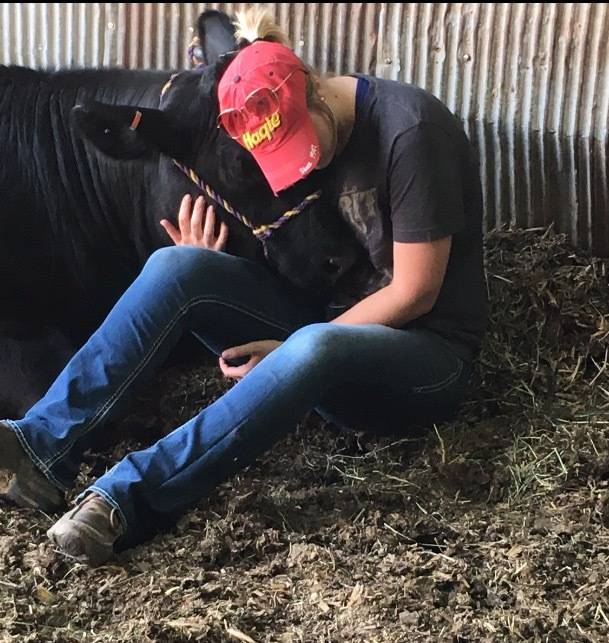
    Bonzer enjoys animals and especially her Simmental heifer “Penelope,” who has quite the personality. Kaitlyn also enjoys helping her boyfriend prepare cattle for junior projects, sales, and shows.
    Bonzer enjoys animals and especially her Simmental heifer “Penelope,” who has quite the personality. Kaitlyn also enjoys helping her boyfriend prepare cattle for junior projects, sales, and shows.

    Certain school districts earn a reputation for developing leaders into district, state and national FFA officers. Certain schools earn a reputation for being formidable opponents in Career Development Events (CDEs) that help students hone critical thinking and communication skills. As a member of the West Fork FFA Advisory Committee, I’m encouraged by the plans Ms. Bonzer has for our chapter.

    “The potential sitting in this community and with these students is outstanding! While some of my short-term goals include increasing the size of the chapter and the involvement of its membership in our community, I hope someday to establish a West Fork Alumni Chapter for the supporters of our FFA chapter,” says Ms. Bonzer. “I also see potential in some of our current members to someday become district and state officer candidates, American Degree recipients, and possibly National Proficiency Award winners, which is something that hasn’t been accomplished for this chapter in years. There are big things in store for the near future!”

    ___

    Rural communities are the backbone of our country. Latham Hi‑Tech Seeds recognizes and appreciates the many boots our employees, dealers and customers wear to keep rural America healthy. Help us serve those who serve us by nominating someone in your life to feature on https://www.lathamseeds.com and social media channels.

    Team Latham

    February 19, 2018
    Agriculture, General, Industry News
  • Latham Hi‑Tech Seeds

    National Popcorn Day

    Img208 222x300

    Today we pay tribute to the 1962 Master Homemaker
    and Matriarch of the Latham family 

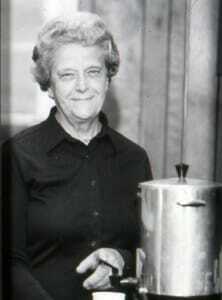
    img208-222x300In honor of National Popcorn Day we are featuring Evelyn Latham. Evelyn was very involved with the seed business when the company began and was very well-known for her hospitality, one of her most popular recipes was her popcorn balls.

    To introduce Evelyn I’ve decided to begin with an excerpt from memories that she penned years ago for her family.  “My story is one of love and hard work, interspersed with joys, tragedies, achievements, and a lot of family pride.  I was born on December 17, 1916, to John A. and Nora Ladegaard Johansen at our farm home near Latimer, Iowa.”

    “In 1947 Willard bought a large seed cleaner,” Evelyn writes in her memoir.  “He built a trailer to transport it, and that was the beginning of our seed business.  He made a home-made seed treated, and he and John Hill went from farm to farm to clean oats that were full of weeds and infected with smut fungus disease.  They almost froze to death, so the next year Willard had farmers bring their oats to a shed on our farm where they could be cleaned and treated. 

    We soon outgrew that, so Willard remodeled our corn crib (granary).  I’ll never forget how hard he worked putting in an elevator and machinery!  He had a man helping him.  When they started the equipment, they discovered the elevator wasn’t high enough.  He was just sick about it.  He came into the house and said, “Eve, come, we have to go for a ride”.  So we went for a little ride.  Then, of course, he had to rebuild it.” 

    Evelyn helped support Willard and their business in numerous ways.  The family’s kitchen table served as the company’s office, so she made numerous trips daily from the house to the outbuildings whenever Willard was needed to a phone call.  Known for her cooking skills and hospitality, it wasn’t unusual for Evelyn to feed a room full of hired men and customers.

    In addition to serving as secretary and caterer in 1947, Evelyn was busy caring for four boys ranging in age from 6 to 1.  (The Latham’s fifth son was born in July 1948.)

    It’s no wonder Wallaces Farmer magazine recognized Evelyn as Iowa Master Farm Homemaker of the Year!  An excerpt from the December 15, 1962, issue of Wallaces Farmer states, “Mrs. Willard Latham, Franklin County, shares her interest in music with her husband and sons…  she loves music and likes to read when she has time.”

    No matter how busy and full her life might have been, Evelyn was known for making time to share coffee and fellowship with family and friends.  She was one of those rare people who put you at ease from the first meeting.  When John first introduced me to her, Evelyn pulled me into a hug.  Her smile reached her eyes as she told me how glad she was to meet me.  In the next breath, she said, “Let’s go into the kitchen for some coffee and cookies.  You’ll have some, won’t you?  Sure you will.”Anyone who ever met Evelyn knows there is no choice but to make time for coffee and cookies.

    In honor of National Popcorn Day we are sharing her recipe for popcorn balls. These are a big hit around the Christmas Holiday. We hope you’ll enjoy this family recipe as much as we do!

    Team Latham

    January 20, 2018
    Agriculture, Food & Family, Sides
  • Latham Hi‑Tech Seeds

    “Learning by Doing” Translates into Teens Managing Their Own Acres

    IMG 7523

    IMG_7523Some parents supervise their children as they do homework. Others even help their teenagers work through Math story problems. When your parents are lifelong farmers and your mother also is a school teacher, chances are you’ll learn how the classroom applies to agriculture.

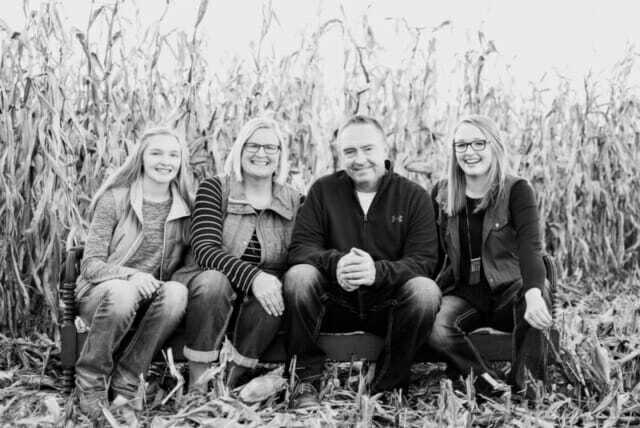
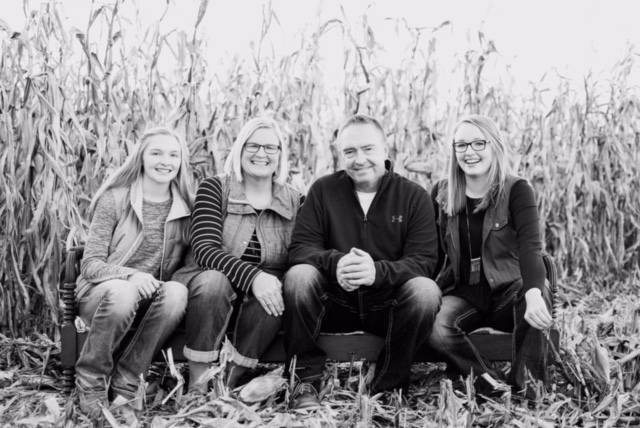
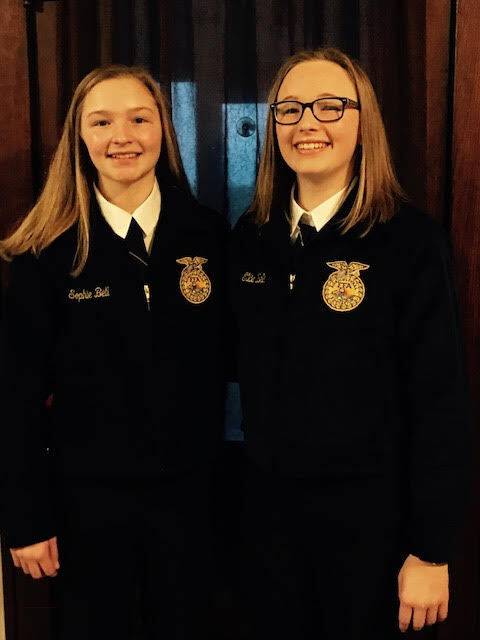
    Meet the Bell family of Washington, Iowa. Kerri moved to Washington County nearly 30 years ago and shortly thereafter she accepted a teaching job nearby. She and her husband, Lance, are raising their twin teenage daughters on the farm.

    “I teach. Lance farms. We each have our passions, but our operation is a family effort where we enjoy making memories together,” says Kerri, who grew up raising and showing Suffolk sheep on the Krafka family farm near Dysart, Iowa. “I wouldn’t have it any other way. If you love what you do, it doesn’t seem like work but instead it’s a way of life.”

    And what a full life it is! A former 4-H member, Kerri became an active volunteer in Washington County 4-H after she and Lance were married. She served on the Washington County Fair Sheep Department Committee for more than a decade. She was elected to the Washington County Extension Council and served on that council until their twin girls were born. Then Kerri stepped back from volunteering until her girls were in kindergarten and joined Clover Kids. Kerri once again became active in Washington County 4-H and Washington County Extension Service where she eventually was elected to the Washington County 4-H Youth Committee.

    The 4-H slogan is “learning by doing,” and that’s also Kerri’s mantra. She and Lance put that slogan into practice by providing every day, real-life experiences for their daughters. Ellie and Sophie have raised and shown Polish and Champagne D’Argent rabbits through Bell Sisters Rabbitry since 2011.

    In fact, rabbits were the girls’ first livestock project. Ellie and Sophie wanted to learn and grow independently of what their parents had done when they were in 4-H. The girls researched breeds and met with other rabbit breeders across the state to get started. They like these two breed because Polish show in four class divisions and Champagne D’Argents show in six divisions. Now the girls are researching cattle breeds to further diversify their farming operation and to make use of pasture the family has available.

    Transitioning from breeding show rabbits to producing beef cattle is one example of how Ellie and Sophie have accepted more responsibility with age.

    “From the time our twin daughters were born, they were riding on a tractor or in the combine,” says Kerri. “They’ve helped as much as they could at the age and stage they were.”

    Earning their Way
    unnamed-1
    To compensate them for their work, Lance and Kerri started giving an acre of corn and soybeans to each of their daughters when they were in third grade. Ellie and Sophie have had to market their grain in at least a half-acre increment and then deposit that amount into their savings accounts each crop season.

    “The girls each got a smartphone in third grade. Their first app was Kat’s Grain, so they could watch the markets daily. Lance receives text messages to ‘sell now’ as the girls watch closely to get the best market price.  Giving them these real-life experiences helps them for the next steps.”

    You name it, and Kerri says her daughters have probably experienced it on the farm. Ellie and Sophie have learned to do field work ahead of the planter, run tillage equipment after planting, fill the planter, run water tanks here and there, fill fertilizer tanks, gather seed, repair equipment, trouble shoot, mow, help burn CRP, clean bins, haul and unload grain, and more.

    These farming experiences are shared by three generations of family. Lance began farming full time with his parents, Pete and Carol Bell, after he completed the Iowa State University Farm Operations Program. Their roles have changed with time. Today Lance manages the farming operation and Pete assists where needed.

    Pete and Carol also are providing farming and learning experiences for their granddaughters by them the opportunity to crop share. (Click here to watch a video of the Bell twins harvesting their first crop share.) Ellie and Sophie have met with their family’s crop insurance agent to complete their crop insurance for their crops. They talk with seed dealers and order their own seed. They choose their own fertilizer, chemicals and insecticides.  They already had a working relationship with our grain marketing firm, so they can call and make decisions based on their prior knowledge and gain expert advice as needed.

    The Bell sisters’ on-farm experience is enhanced by their FFA experiences. Or should we say their FFA experiences are enhanced by their on-farm experiences?

    “Competing in statewide competitions, completing programs, filling out applications and attending functions across the state gave me many opportunities that I wouldn’t have experienced otherwise,” says Kerri. “My twin daughters have stepped into this same role and are loving it, too. Their FFA Advisor, Mr. Trent Steinhart, sees their passion for FFA and agriculture. His wisdom and inspiration has allowed them to expand their vision of where they hope to be after high school and college.”

    Ellie and Sophie were the first girls to take an interest in the FFA Land Lab where they each had to invest $1,000 along with eight fellow FFA members. They do exactly what they do in their crop share experience with their grandparents to better understand the process of farming.

    Last spring Ellie and Sophie received greenhand awards. Together they were their chapter’s top fruit saleswomen as freshmen.  Sophie was elected Washington FFA reporter and Ellie was elected FFA historian. Both teens are serving as South East District FFA Ambassadors. They manage the Washington FFA Twitter(@washffa) page and write articles for area media promoting their chapter. They have numerous SAE projects including their rabbitry and crop share.

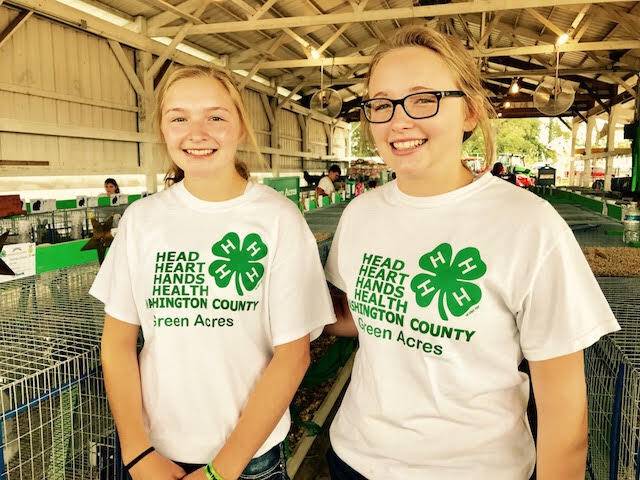
    They also remain active members of the Green Acres 4-H Club. Ellie is serving as 4-H club president and Sophie is treasurer. They graduated from the Washington County 4-H Leadership Development Team and were recently inducted into the Washington County 4-H County Council, working closely with Washington County 4-H youth coordinator, Amy Green, who is another mentor to them.

    They Bells also plant a large garden and exhibit their produce at the Washington County Fair. Ellie and Sophie each enter an abundance of 4-H projects at the county fair, and many of these projects have been selected for the Iowa State Fair 4-H Exhibits Building. The Bell sisters’ project areas include: Home Improvement, Food and Nutrition, Crop Production, Sewing, Communications, Personal Development, Woodworking, Photography, Health, Consumer Management, Citizenship, Leadership, Gardening, Horticulture, Child Development, Mechanics, Pride of Iowa, as well as educational presentations and working exhibits. They also serve as Clover Kids mentors. In addition, both Ellie and Sophie have earned variety of county project awards, including outstanding record book, outstanding junior and intermediate awards, and intermediate citizenship awards.

    Apples Don’t Fall Far from the Trees
    unnamed
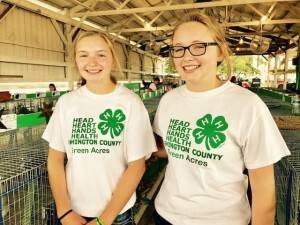
    While the iGeneration often make headlines for using “individualized technology,” the Bell family uses technology to make decisions together on their family farm. Ellie and Sophie are proof positive that the “texting and multi-tasking generation” still engages with others and remains involved with the community. They’re following their parents’ examples.

    As lifelong farmers, Lance and Kerri became active in the Washington County Corn Growers Association when they were first married. They put a lot of effort into promoting this organization and have served in every capacity in the county organization. Lance is president of the Washington County Corn Growers and serves as president of the District 9 Iowa Corn Growers Association. He serves on a state committee, as well.

    “Our family is passionate about sharing our farm story,” says Kerri. On November 29, 2017, they created a booth and helped host the BioFuels Educational Trailer at Kirkwood Community College for Washington Center Family STEM Night. Last spring they participated in an ICGA video and produced a flyer/video for the Washington County Corn Growers banquet. They also have represented their county, district and state at the Commodity Classic in once Nashville, twice in San Antonio and are making arrangements for a trip next spring to Anaheim.

    “Through these experiences we’ve all grown. Making connections with fellow corn farmers across the county, district, state and nation to make us stronger in our own family operation,” adds Kerri. “These opportunities have given Ellie and Sophie a stronger base of communication skills, knowledge to grow and learn to make your operation better, a better work ethic and pride in sharing your story with those who share the same passions as you.”

    “We are optimistic of what our future in farming holds as both daughters intend to major in agriculture and return home to carry on our farming operation,” adds Kerri. “No matter where they end up, as long as they take pride in their work and enjoy it, we’ll be proud of them.”

    The Bell family works hard but also finds time to relax on their farm. Fishing, canoeing and stand up paddle boarding on their farm pond are a few of their favorite pastimes. They also enjoy cheering on the Iowa State Cyclones, DIY projects, gardening and cooking or baking together.

    At the 2017 Washington County Fair, Ellie and Sophie were selected as the Grand Champion Team for the Pride of Iowa cooking contest with their Gluten Free Fruit Pizza entry. Their father, Lance, was diagnosed with Celiac Disease nearly 14 years ago. Their family has learned a lot about gluten-free cooking, so it’s only natural these outstanding 4-H’ers would share what they learned with others.

    The Pride of Iowa competition is a favorite of Ellie and Sophie’s because they prepare recipes, featuring Iowa foods, in front of an audience. Participating 4-H members then serve their food and share the recipe with audience members. Today their sharing their award-winning recipe with us on The Field Position!

    Team Latham

    December 1, 2017
    Agriculture, General, Industry News, Recipes, Sides
  • Latham Hi‑Tech Seeds

    “Learning by Doing” is this FarmHer’s Life-Long Mantra

    IMG 5521
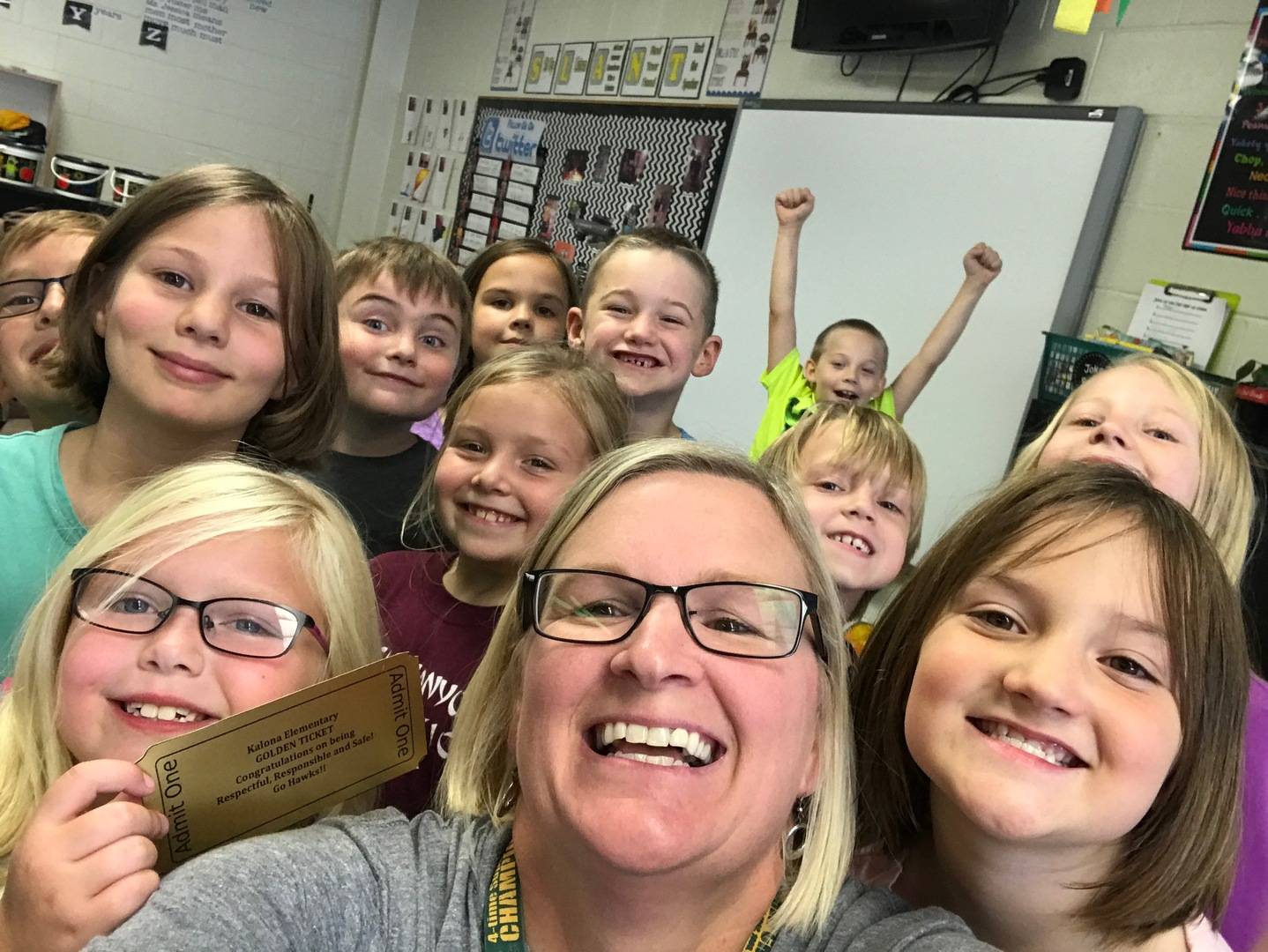
    Ms. Bell takes a selfie with her class to celebrate being respectful, responsible & safe in their class.
    Ms. Bell takes a selfie with her class to celebrate being respectful, responsible & safe in their class.

    “Learning by doing” isn’t just a 4-H slogan. It’s become a life-long mantra for FarmHer and teacher Kerri Bell of Washington, Iowa. Farm work, 4-H projects and FFA activities helped Kerri discover her passions at a young age. Then she learned how to channel those passions into volunteer activities, as well as into her profession.

    “The youngest of three daughters, I was a FarmHer before the term existed,” says Kerri Bell, who grew up near Dysart, Iowa, where her family farmed and her mom also was a 4-H Club leader. “My passion for helping others is what guided me down my career path.”

    Kerri decided to attend University of Iowa for Elementary Education because she wanted to give her students what many of her teachers had given her: the confidence, hope and encouragement to follow her dreams.

    “Many kids today come from very challenging backgrounds. I know my influence can make a huge impact on whom they become,” says Mrs. Bell. “Every day I am grateful for the opportunity to be that positive influence in their lives.  As a veteran teacher, I strive to give my best to guide them wherever their dreams take them in the future.”

    Although she’s in her 23rd year of teaching – and her 21st year of teaching second grade at Mid-Prairie – Mrs. Bell says every day holds new experiences. She encourages parents and community members to follow her classroom adventures on Twitter @KerriBell2 and on Facebook/MrsBell2nd.

    “Just like my husband’s farming career, I plan, prepare and plant my crop of students to grow and learn so they’ll be to be ready for harvest at the end of the school year. We just have opposite seasons where I’m planting in the fall and harvesting in the spring and vice versa,” says Mrs. Bell. “Both my husband and I put in countless hours and work late into the night because we’re passionate about what we do. My family helps me with special school and community projects. I help with our family farming operation when extra hands are needed.”

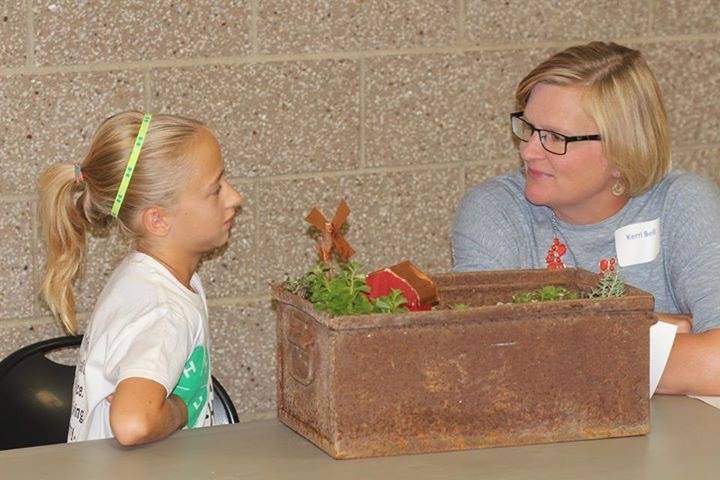
    Keri volunteers her time by judging 4-H projects at the state and county level.
    Keri volunteers her time by judging 4-H projects at the state and county level.

    Mrs. Bell also lends a helping hand to school and community organizations. While in high school, she volunteered as a peer helper and tutor. She was a youth leader helper at church and went on to serve as a Sunday School teacher, educator, and volunteer. She also was 4-H youth volunteer and continues serving as a 4-H volunteer.

    Pledging her hands to larger service, Mrs. Bell has served as a 4-H judge the past 27 years at the county and state levels. She’s a past member of the Washington County 4-H Extension Council. She served on the Washington County sheep committee for 10 years. She also is a five-year member of the Washington County 4-H Youth Committee and is a 4-H club volunteer. In addition, Mrs. Bell serves as secretary of the Washington FFA Alumni Association and is a contest judge. She also is secretary of the Washington County Corn Growers Association and volunteers for the Iowa Corn Growers Association.

    Her passion for helping people and farming provides opportunities for Mrs. Bell to help debunk myths or misinformation. She also makes learning fun by incorporating ag into her classroom.

    “Some years I have no students who live on working farms. Some students may live on an Students get an opportunity to learn firsthand what happens daily on the Bell family farm, and they have an opportunity to ask questions. Mrs. Bell also has added many children’s books that help elementary students learn about farming.

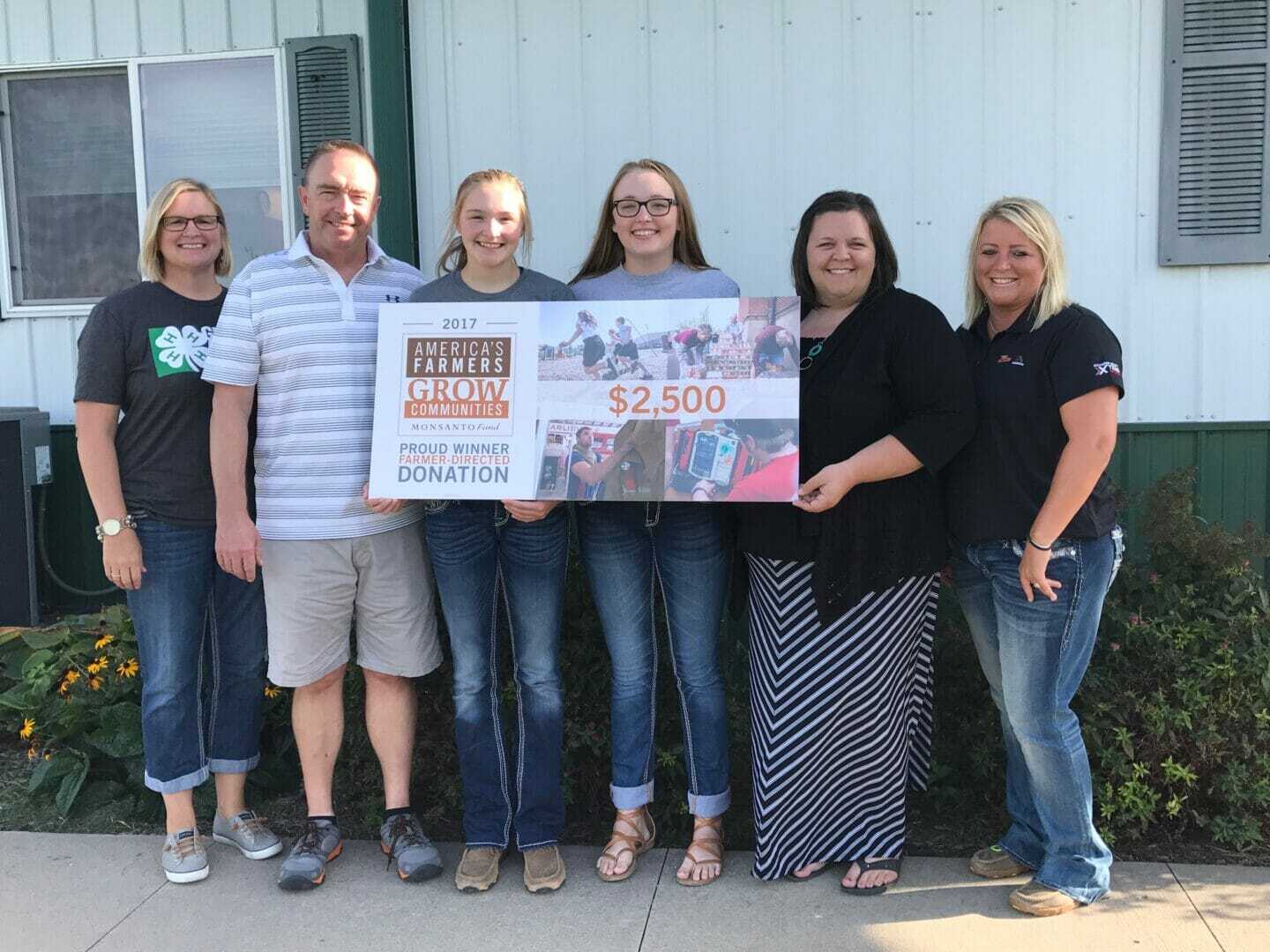
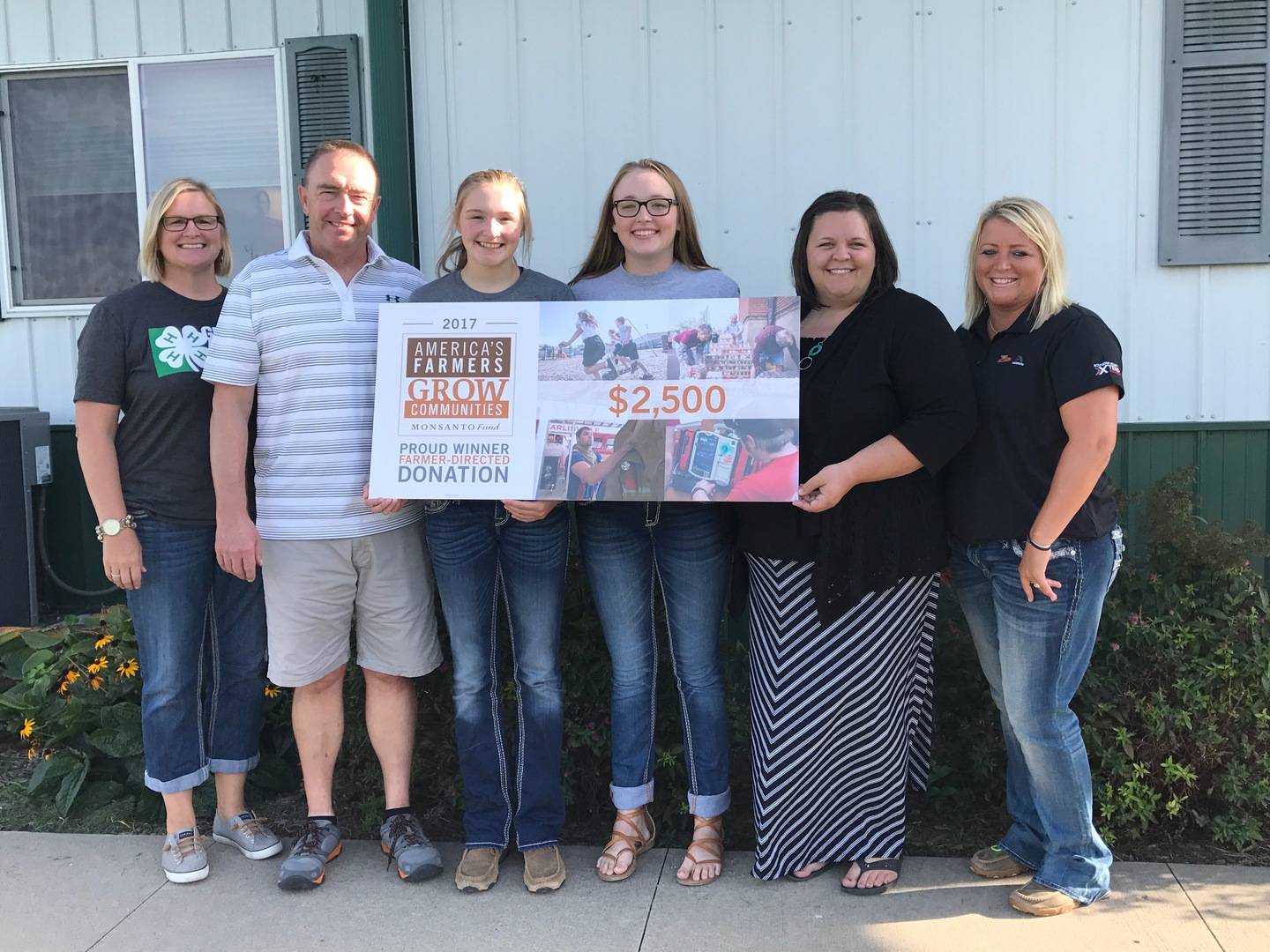
    The Bell Family (from Left to Right Kerri, Lance, Sophie, & Elle) presenting a check to the local 4-H Scholarship Fund.
    The Bell Family (from Left to Right Kerri, Lance, Sophie, & Elle) presenting a check to the local 4-H Scholarship Fund.

    Through her service work in 4-H, FFA and the Iowa Corn Growers, Mrs. Bell has learned about classroom resources available. She says Farm Bureau, Iowa Corn Growers Association and Iowa State University Extension have developed exceptional materials and information, too. She also taps into community resources like inviting the Washington County Naturalist into her classroom and acreage but have no affiliation with farming. Others have grandparents and/or great grandparents who farm. Therefore, I feel it is so very important to share our story from farm to classroom,” says Mrs. Bell.

    Another “life skill” that Mrs. Bell helps teach in her classroom is Pick a Better Snack with Amy Green, Washington County Youth Coordinator. (Side bar: More than 15 years ago, I was part of the creative team that developed the “Pick a Better Snack” campaign and related marketing materials for the Iowa Department of Public Health. It’s rewarding to see messages still being communicated around “Wash. Bite.” and “Pick. Eat. How easy is that?”)

    Kerri dressed up as Aaron Rodgers with the Mid-Prairie mascot during on favorite team day during Homecoming Week this year.
    Kerri dressed up as Aaron Rodgers with the Mid-Prairie mascot during on favorite team day during Homecoming Week this year.

    “My students LOVE the ‘Pick a Better Snack’ program. The kids are on the edge of their seats because Miss Amy’s enthusiasm is contagious.  She comes ready to teach,” says Mrs. Bell. “Students learn about a fruit and/or vegetable each week for nine weeks. We get a first-hand look into the growing process. Miss Amy shows various ways fruits and vegetables can be prepared.  What’s critical is that these foods are ‘fast foods’ that are healthy and ready to eat like apples and carrots. Wash. Eat. How easy is that?”

    “Today more than ever, many kids never get home cooked meals prepared for them in their homes. The Pick a Better Snack program empowers kids to take home ideas that even they can do themselves to get these healthy foods into their tummies.  In addition, Miss Amy teaches a lesson.  One week we focused on exercise.  Did you know the average second grader should have 60 minutes of physical exercise every day?”

    Just as Kerri provides opportunities for children in her classroom to learn by doing, she and Lance have provided on-farm opportunities for their twin teenage daughters. Ellie and Sophie operate Bell Sisters Rabbitry, as well as manage their own corn and soybean acres. Tune into TheFieldPosition.com this Friday when we feature the Bell family.

    Team Latham

    November 27, 2017
    Agriculture, Industry News
  • Latham Hi‑Tech Seeds

    Happy Thanksgiving!

    Thanksgiving Post

    Today we are thankful for our loyal customers, motivated seed dealers and talented staff at Latham Hi‑Tech Seeds. Happy Thanksgiving from our family to yours!

    Thanksgiving Post

    Tune in next week for a “Ask the Agronomist” feature with Phil Long.


    Team Latham

    November 23, 2017
    Agriculture, Industry News
  • Latham Hi‑Tech Seeds

    Life Has been a Series of Opportunities for this Iowa Turkey Farmer

    5502Wanda Olson grew up on a typical 1960s Iowa farm near Stanhope that included a 20-cow dairy, sows on pasture, a small farrowing building plus about a dozen chickens, several barn cats and, of course, a good farm dog. While this scene is similar to other Iowa farms during this time period, what happened next is something Wanda wouldn’t have been able to predict.

    “I got married and moved just 15 miles away to Ellsworth, which is turkey country,” says Wanda. “My father-in-law operated a turkey bedding supply business and my mother-in-law was a long-time Land O’Lakes turkey plant office employee. Randy worked in the local cooperative’s feed mill, making turkey and hog feed.”

    The first year of marriage brings about many changes for every couple, and that was certainly the case for Randy and Wanda. Early in 1978, Randy and his father had been approached about farming some land. Randy’s parents made a down payment on that farm in June that year, and then the newlyweds moved there after their August 1978 wedding.

    Two generations of the Olson family partnered to build a 45-stall farrowing house on the farm where Randy and Wanda made their home. They also grew turkeys from hatch to nine weeks for Louis Rich as the acreage already had an existing turkey barn.

    Within a year of their wedding, Randy quit working at the feed mill to farm fulltime as raising crops, farrowing and caring for sows placed more demands on his time.  To provide additional income, Wanda worked fulltime at Iowa State University for two years and then at a local law firm for five more years.

    “It’s the story of our generation,” says Wanda. “We did what we had to do.”

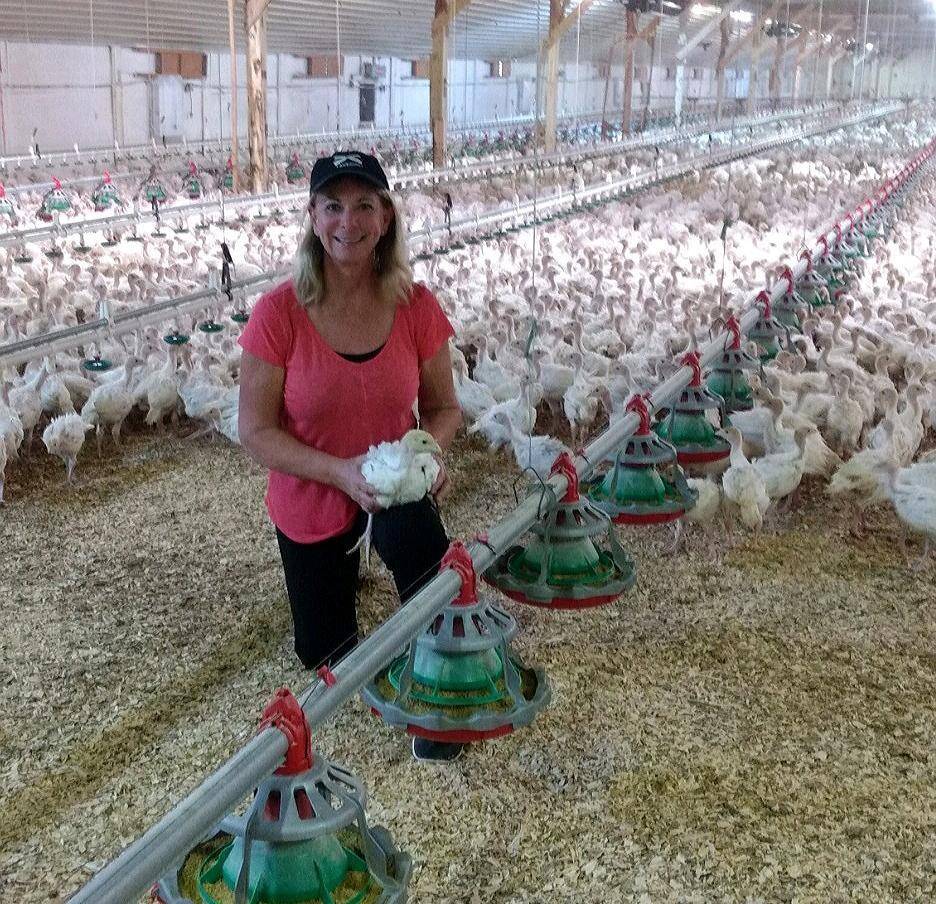
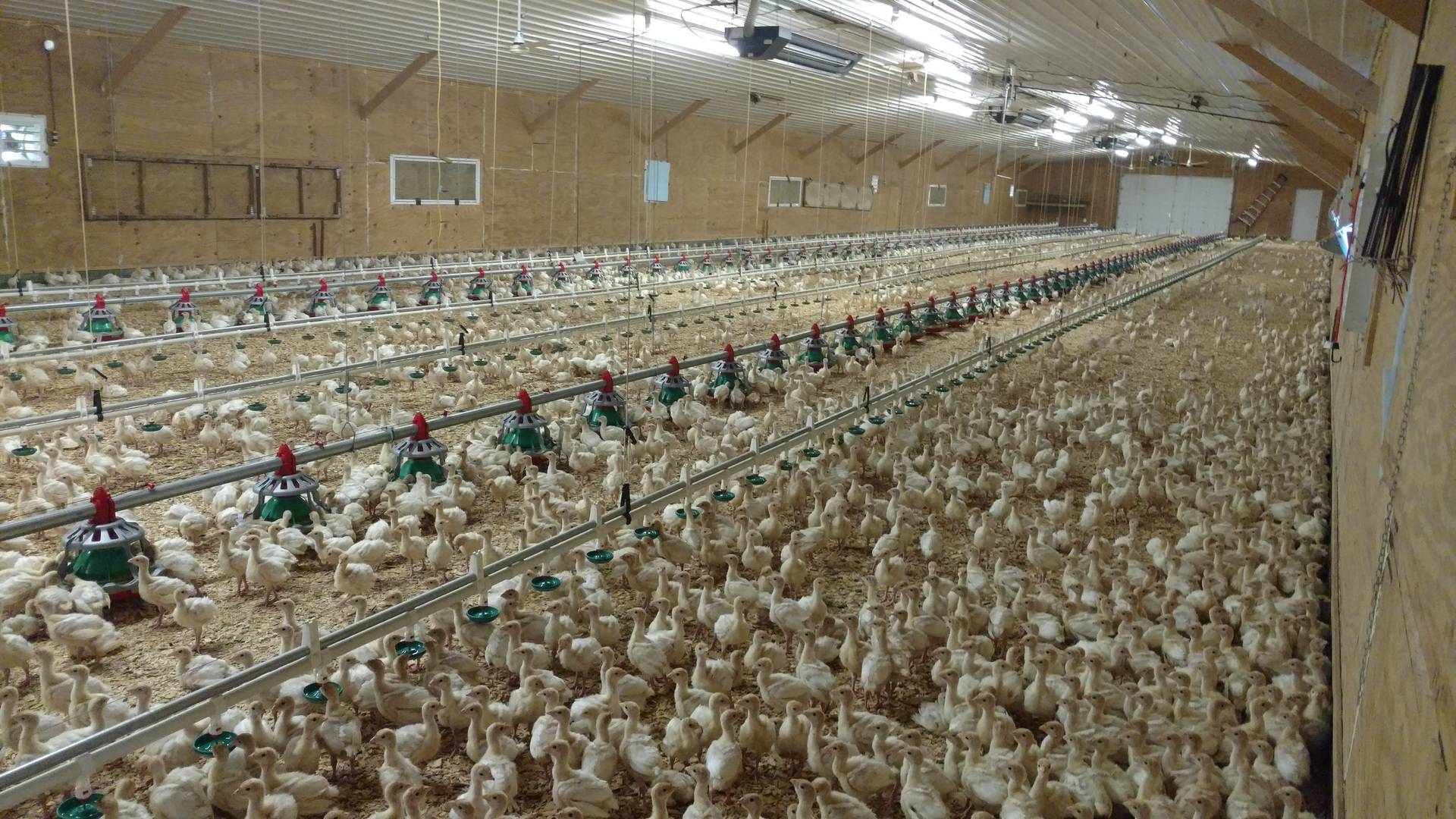
    Each of the Olson’s turkey sites have their own name. Wanda Olson provides a “virtual” tour of two-week old poults inside the Cherry Lane Brooder house.
    Each of the Olson’s turkey sites have their own name. Wanda Olson provides a “virtual” tour of two-week old poults inside the Cherry Lane Brooder house.

    The couple worked hard to grow their operation and to also repay Randy’s parents for their farm. Then a brooder house fire in December 1985 forced Randy and Wanda to rethink their operation. They either had to build their own complete turkey setup or stop raising turkeys and expand their pork operation.

    “We decided it was easier to handle 24-pound turkeys than 400-pound sows in dirt lots,” says Wanda. The couple decided to commit their resources to turkey production and hasn’t looked back.

    In 1992, Randy and Wanda had an opportunity to buy another turkey farm. They moved onto the larger farm. Randy’s dad was involved full time with their farming operation, so they picked up more ground.

    The Olson family farm was working like clockwork until Randy’s dad passed away in 1993. Randy and Wanda had to make another decision that would determine the fate of their operation. Their three kids were ages 7, 11 and 12 that year. With more responsibilities and time commitments than they could handle alone, the couple hired a full-time farm hand.

    The twists in the Olson family farming operating took a sharp turn in 1995 when Louis Rich gave a one-year notice that it was ceasing operations in Iowa. That meant there would be no more Louis Rich production contracts for local turkey producers. In addition, the turkey processing plant in West Liberty – where more than 65 percent of the turkeys raised in Iowa were processed – was going to close.

    The Louis Rich company-owned turkey farms were put on the auction block, and the sale of those farms presented another opportunity for the Olsons. Where some producers would see risk, Randy and Wanda identified an opportunity. The couple bought two of the former Louis Rich company turkey farms in December 1996.

    “We went from being a contract grower to owning all these facilities and all of the birds. We went from having two employees to seven employees overnight,” recalls Wanda with a laugh. “It’s a good thing we were a lot younger then because it really was a lot of work! Those years are such a blur.”

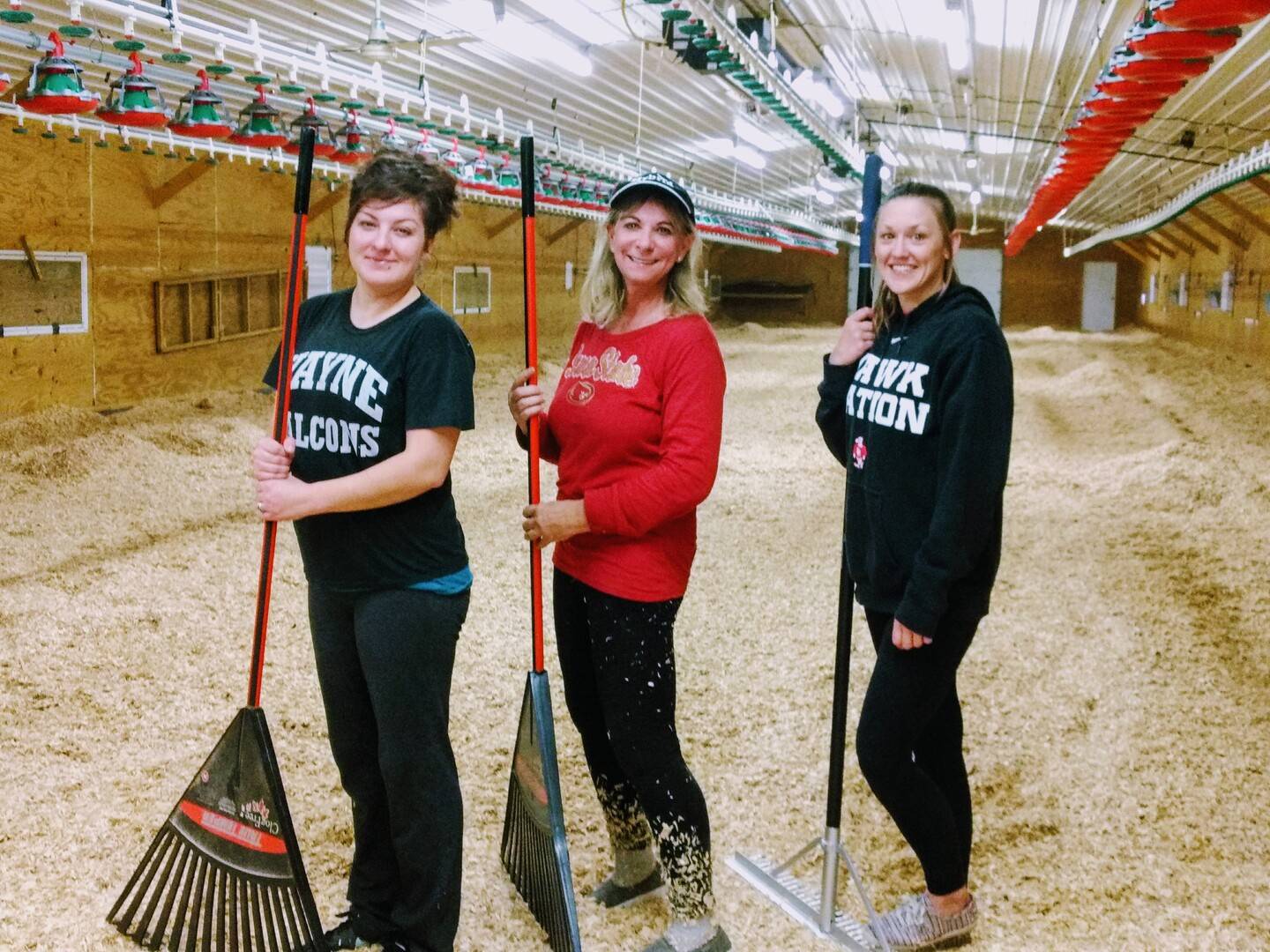
    Teamwork makes the dream work! Wanda (in the center wearing the Iowa State sweatshirt) and her two full-time employees (Dawny is wearing the Wayne State shirt; Calley is wearing a Hawkeye shirt), who take care of the poults work together to prepare the brooder house for a new group. Bedding is delivered in large bales and then spread throughout the barn with a skid loader by James, the finishing manager at Cherry Lane Turkey Farm. Then Wanda and her team use lawn rakes to ensure the bedding depth is consistent throughout the entire house.
    Teamwork makes the dream work! Wanda (in the center wearing the Iowa State sweatshirt) and her two full-time employees (Dawny is wearing the Wayne State shirt; Calley is wearing a Hawkeye shirt), who take care of the poults work together to prepare the brooder house for a new group. Bedding is delivered in large bales and then spread throughout the barn with a skid loader by James, the finishing manager at Cherry Lane Turkey Farm. Then Wanda and her team use lawn rakes to ensure the bedding depth is consistent throughout the entire house.

    While it was a lot of work, Wanda also recalls the late 1990s with fondness. She credits Paul Hill for organizing a group of Iowa turkey producers and saving a good portion of Iowa’s turkey industry. Forty-six producers formed the Iowa Turkey Growers Cooperative.

    “Paul could have said, ‘Let’s scrap it.’ Thank goodness he didn’t! Instead, Paul led the charge to get the Iowa Turkey Growers Cooperative going,” says Wanda.

    With funding help and advice from the Iowa Farm Bureau Federation and several government agencies, member-owners of the turkey co-op purchased the Louis Rich plant and formed West Liberty Foods. West Liberty Foods opened in late 1996 with 425 employees and processed 3.2 million birds during the first year of production.

    “There were some lean times.  We experienced record low breast meat prices the first two years after forming the co-op,” says Wanda.  “Producers had to make substantial financial sacrifices to keep the operation going.  We came within 60 days of having to close before everything turned around!”

    Today WLF is one of the nation’s largest turkey processors with six locations in three states and more than 2,900 employees. Click here to learn more about WLF’s two decades of growth, which has helped the next generation of Iowa turkey farmers get started.

    Randy and Wanda helped their youngest son built a finisher site. Lucas also raises crops with Randy. Their oldest son, Clint, went into mortgage banking and recruited his sister, Danielle, to join him at Wells Fargo. Since then, Clint has followed his career to Florida while Danielle has moved up the ranks at Wells Fargo Home Mortgage in Des Moines.

    Like her children, Wanda spends her days running numbers. She manages all paperwork, including accounts payable and accounts receivable for three separate turkey sites. She also manages the brooding operation and has a real passion for raising poults.

    “I have two full-time employees who help me raise poults from hatch to around 5 weeks, and I’m in the process of hiring a third,” says Wanda. “The turkeys look like chickens with long legs when we move them from our barn to the finishing building. We shoot to go to market at 19.5 weeks.”

    Drive and ambition runs in in the family. In addition to raising crops and turkeys, Randy is co-owner of and manages Ellsworth Professional Wash. The self-wash was started in 2008, and the auto-wash (coincidentally) opened just as the bird flu epidemic hit Iowa in 2015. Trucks are driven through the fully automatic wash without having to get out, which is extremely important for bio-security.

    The Olson family certainly has lots of work to do, but Wanda says it’s really a shared passion that is key to making it work.

    “I know it’s cliché, but they say if you discover your passion you’ll never work a day in your life. The passion has to be there, or you can’t make it in this business,” says Wanda. “We put in more hours than we’re paid for, but that’s farming. If you have livestock, you never really get to walk away. But there’s no place I’d rather be.”

    Team Latham

    November 20, 2017
    Agriculture, Industry News
  • Latham Hi‑Tech Seeds

    Let’s Talk Turkey with an Iowa Farmer!

    Graber Family 2
    Photo by: Joseph Murphy/Iowa Soybean Association
    Photo by: Joseph Murphy/Iowa Soybean Association

    As Americans prepare to feast on turkey and all the trimmings in celebration of Thanksgiving, some may ponder where and how turkeys are raised. Rest assured that new technologies and management practices have increased the wellbeing of both turkeys and the people who raise them.

    “Water, feed, air quality and biosecurity practices have changed since I began farming,” says Tim Graber, a fourth-generation row crops farmer and turkey producer from Wayland in southeast Iowa. “We are very proactive in taking care of our turkeys’ health and use very few antibiotics. Just like we use preventive measures for our health, we do the same for our turkeys.  It only makes sense to have the best nutrition and environments possible for our health. Why not do that for the turkeys?  In terms of biosecurity, we relate that to good hand washing practices for ourselves.  It is a great line of defense to prevent disease.”

    Photo by: Joseph Murphy/Iowa Soybean Association
    Photo by: Joseph Murphy/Iowa Soybean Association

    For as long as Tim can remember, he’s been taking care of turkeys. He grew up helping his grandpa, dad and uncles. During high school and college, he also helped neighboring turkey growers when they needed an extra pair of hands.

    “I enjoy getting baby turkeys when they are less than 24 hours old and then nourishing the birds as they grow,” says Tim.

    Poults are placed in a (cage free) brooder barn where each turkey has at least one square foot of space. This barn is well insulated and kept very clean to prevent diseases.  When the birds are about five weeks old, they are moved to a grower barn where they have about four square feet of space to grow.  Turkeys are kept in the grower barn until they are 19 weeks old and reach a market weight of approximately 40 pounds.

    Photo by: Joseph Murphy/Iowa Soybean Association
    Photo by: Joseph Murphy/Iowa Soybean Association

    “I provide the management and resources for the turkeys to be healthy,” explains Tim. “I know that when these turkeys go to market, they were treated with care.  I take pride in knowing that all the hard work every day of the year is worth it because we’re providing a safe and healthy protein for the world to eat.”

    Turkeys raised by the Graber family and several others in his community are sold to West Liberty Foods, an Iowa turkey growers cooperative. There the turkeys are processed into sliced deli meat and sold primarily to Subway restaurants and other top quick service restaurants, as well as major grocery retailers nationwide.

    Raising crops and poultry, as well as a family, in the rolling hills of southeast Iowa was part of Tim’s plan, although he attended Hesston College in Kansas and earned an associate’s degree in Business Management.

    Photo by: Joseph Murphy/Iowa Soybean Association
    Photo by: Joseph Murphy/Iowa Soybean Association

    “Going away to college and working outside of the farm for a few years helped me to gain a different perspective and learn the business side,” says Tim, who spent three summers following the wheat harvest. Kansas also is where one particular farm girl captured his heart.

    “I always knew Tim wanted to return home and raise turkeys, but until I moved here with him, I had no idea how different raising turkeys is from raising crops like my family does,” says Tim’s wife, Lisa.

    Livestock and poultry producers have no time off. There isn’t a break in the production cycle that allows those involved with production animal agriculture to get away from it. As their turkey operation – and their family has grown – Lisa made the choice to stop working full-time as a nurse to become more involved in community and school activities.

    The Grabers have been married 18 years and are the proud parents of four. Their daughter Morgan, 14, is a high school freshman. She’s involved in all sports. Their 12-year-old son Cody is in seventh grade. He enjoys playing and watching sports. Nine-year-old Brenna is in third grade. She loves animals and dreams of being a veterinarian. Logan, 6, is a first grader. He loves being outdoors and helping around the farm.

    Photo by: Joseph Murphy/Iowa Soybean Association
    Photo by: Joseph Murphy/Iowa Soybean Association

    “Three years ago we were able to build a house on the farm, and we absolutely love living here,” says Tim. “Living on the farm makes it convenient to check things late at night and/or during the night as needed.  It’s also great to have the kids close by when extra help is needed. They enjoy riding their bikes over to give me a hand.  The youngest two like to chore with me and play in the sheds.”

    Last August I had the opportunity to visit the Graber’s when the Iowa Food & Family Project – of which Latham Hi‑Tech Seeds is a proud sponsor – hosted Expedition Farm Country. The care the Grabers take of their turkeys is evident from the condition of their buildings, the condition of their turkeys, as well as the tone of their voices as they explained why they love doing what they do. It was an honor and a pleasure to look beyond their barn doors, and I certainly appreciate the time they took this season to share a glimpse of their farm life with all readers of TheFieldPosition.com.

    Today the Graber family is sharing with us a few of their family recipes. The first one is for the Iowa Grilled Turkey Tenderloin, which was sold at the Iowa State Fair for 30 years. I agree this marinade is second to none and am looking forward to trying their family’s fried turkey, as well as the Wayland community’s favorite bacon-wrapped turkey tenderloin. Hopefully, these recipes will inspire you to enjoy wholesome and delicious turkey more often!


    Team Latham

    November 17, 2017
    Agriculture, Food & Family, Poultry
Previous Page
1 … 6 7 8 9 10 … 85
Next Page

Latham Hi‑Tech Seeds

131 180th Street | Alexander, IA 50420

(641) 692-3258

SIGNUP FOR OUR NEWSLETTER
  • Contact
  • Legal
  • Dealer Center
  • Seedware Login
  • Latham Gear

© 2025 Latham Hi‑Tech Seeds. All rights reserved. | Iowa Web Design by Webspec | Privacy Policy

Latham® Hi-Tech Seeds is a trademark of M.S. Technologies, L.L.C., 103 Avenue D, West Point, IA 52656.