Latham Hi-Tech Seeds

(641) 692-3258

  • Home
  • Products
    • Corn
    • Soybeans
    • Alfalfa
    • Corn Silage
    • Seed Guide
  • Performance
  • Find a Rep
  • Media
    • Blog
    • News
    • Videos
    • Podcasts
    • TECHTalk
  • About Us
    • Company History
    • Our Mission
    • Careers
    • Become a Rep
    • Sowing Seeds of Hope
  • Contact Us
  • Latham Hi‑Tech Seeds

    John Latham Elected to ASTA Board

    Asta1

    John Latham, president of Latham Hi‑Tech Seeds, was elected as North Central Regional Vice President of the American Seed Trade Association (ASTA) during its 129th Annual Convention in Washington D.C.  The North Central Region includes Colorado, Iowa, Kansas, Minnesota, Missouri, Nebraska, North Dakota and South Dakota.

    “We’re excited to have John serving on ASTA’s Board of Directors,” said Andy LaVigne, president and chief executive officer. “He brings a wealth of experience and a strong family history of seed industry leadership.”

    As North Central Regional Vice President, John will serve as a member to the ASTA Executive Committee and Board of Directors for three years.  He will serve as a liaison with state and regional associations on national legislation, reporting to ASTA Vice President of Government Affairs Leslie Cahill on state legislative matters relating to the seed industry.  As regional vice president, John also will be responsible for recruiting new members in the region and representing ASTA at state and regional association meetings.

    “It’s a real honor to have been nominated and elected by my peers in the seed industry for this important position. The seed industry has such an important responsibility to help feed the world and I look forward to helping to advance a great cause and association.”

    Founded in 1883 and located in Alexandria, VA., ASTA is one of the most established trade organizations in the United States. Its membership consists of more than 700 companies involved in production and distribution, plant breeding and related industries around the globe. As an authority on plant germplasm, ASTA advocates science and policy important to the industry.  The trade organization promotes the development of better seed to produce better crops for a better quality of life.

    Team Latham

    July 19, 2012
    Agriculture, General, Industry News
  • Latham Hi‑Tech Seeds

    Is it better to say “no” to starving people?

    LarrySailer AgriNews1
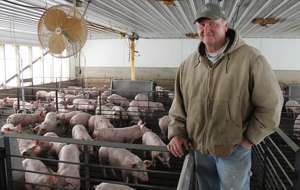
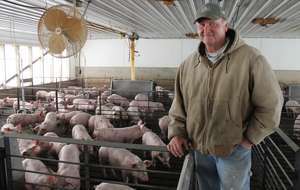
    Photo courtesy of AgriNews.com

    “Is help from corporate agriculture beneficial?” was a headline that grabbed my attention in the July 5th issue of The Des Moines Register.  Columnist Rekha Basu goes on to write:

    “An Iowan launched the so-called Green Revolution, and the World Food Prize that he created annually honors others who have made important innovations in agriculture. Iowa today is in the vanguard of the biotech revolution.  So it may be hard to contemplate the paradox that even as we have helped block world hunger, we might also inadvertently be contributing to it.”

    The “so-called Green Revolution” seems like particularly patronizing and disrespectful statement about someone who literally altered history.  Dr. Norman Borlaug’s breeding of high-yielding cereal crops helped avert mass famines that were widely predicted in the 1960s.  “Countries that had been food deficient, like Mexico and India, became self-sufficient in producing cereal grain,” according to a New York Times article.  It’s no wonder that in 1970 the Nobel Peace Prize was awarded to Dr. Borlaug for saving hundreds of millions of lives.

    Thanks to biotechnology, crop yields have increased six times since 1940!  Corn yields were flat between 1866 and 1939 at about 26 bushels per acre.  Due to the development of hybrid seeds in the 1940s, yields increased dramatically in the 1940s.  The widespread use (not overuse) of nitrogen fertilizers and herbicides is credit for increasing yields even more.  By 2009, average corn yields reached an average of 165 bushels per acre.  In 2011, Iowa corn growers harvested an average of 172 bushels per acre.

    Not only have U.S. farmers learned how to produce more grain, but they’ve learned to do so more efficiently.  Farmers today grow five times as much corn as they did in the 1930s on 20% less land, according to the Corn Farmers Coalition.  Commercial fertilizer is another reason North American farmers produce the most abundant, nutritious food supply worldwide.  It’s also one of the main reasons why Americans spend less of their income on food than any other nation.  In fact, farmers today produce one-third more corn for each pound of nitrogen they apply as compared to 20 years ago.  Just think of the amount of land we’d have to put into agriculture production – land is currently now serving as parks and wildlife habitats – just to be able to produce enough food to feed the world’s growing population.

    So given all the good that has come from it, tell me again why biotechnology is getting a bad rap.  Biotechnology has been around since the 1850s when Gregor Mendel began crossing tall and short garden peas to create hybrid plants that resembled the tall parent rather than creating a medium height blend. His observations led to two terms that are still used in present-day genetics: dominant and recessive.

    The hybridization of plants, as well as improved production methods, are just a few of the ways farmers around the world benefit from “technology transfer.”  Let’s take a look how Iowans, just in the year 2012, have made a positive impact on farmers from other countries:

    • Iowa/Uganda Farmer-to-Farmer Exchange – objectives were to improve post-harvest grain quality for Ugandan farm women and improve their record keeping skills
    • Meals from the Heartland – Iowa FFA students, in just 2 days, assembled 250,000 meals that were sent to feed starving Haitians
    • Homes for Haiti – Thanks to efforts initiated by Iowa-based Global Compassion Network, 48 Safe T Homes® are being erected on the Village of Hope near Port au Prince, Haiti.  Each dwelling, manufactured by Sukup, can provide shelter for 10 people.

    If we care about people around the world at all, then Americans must share their knowledge so others can benefit.  I believe that it’s our moral obligation to help share information and technology with fellow farmers – whether they’re from Uganda, Haiti, Mexico or even the U.S. – that can help them produce more food with fewer resources.  I just can’t see how it can be more compassionate to let people starve than it is to provide them with jobs or to help teach them how to provide jobs for themselves (i.e. to become self-sufficient farmers).

    Larry Sailer, Musings of a Pig Farmer

    July 17, 2012
    Agriculture, General, Industry News
  • Latham Hi‑Tech Seeds

    Aug. 25 is a Full Day of Free, Family Fun

    Latham Coutry Fair

    Latham Hi‑Tech Seeds is becoming known for its untraditional field days, so it goes without saying that our company’s 65th anniversary will offer more than just plot tours.

    Bring your entire family to company headquarters in Alexander, Iowa, on Saturday, Aug. 25!  From 9 AM to 3 PM that day, we’ll be offering programs and activities for the whole family.  Kids’ activities range from face painting and inflatable rides to a petting zoo.  Experience some old-fashion fun like gunny sack races and peddle tractor pulls.  We’ll also feature cooking demonstrations and a craft fair.

    Our full lineup of speakers includes:

    9:00 AM               Craft Show opens / Genetic Garden tours begin
    9:30 AM               “7 Wonders of the Corn World” by Dr. Fred Below
    10:30 AM             Tips to side-dress nitrogen
    11:00 AM             John Latham welcomes guests to Latham headquarters
    11:15 AM             2012 Farm Bill update by Congressman Tom Latham
    11:30 AM             Picnic lunch
    12:30 PM             “Consistently producing 300-bushel corn” by Dr. Fred Below
    1:30 PM               “Selecting the Right Grain Cart for your operations”
    2:00 PM               “Pushing soybean yields beyond 80 bushel”

    We’d also offer tours of our production facilities and research plots to anyone who’s interested.  We’re especially excited about our Genetic Garden, which is a living museum of corn.  Our corn field tours will showcase new Latham® Gladiator Hybrids, which were developed to battle our field’s continuous corn challenges and win.  Our soybean plots showcase Ironclad Soybeans that protect your fields against Iron Deficiency Chlorosis, Soybean Cyst Nematode, Phytophthora Root Rot, and depending on your specific needs, either White Mold or Sudden Death Syndrome.

    Make plans now to join us Saturday, Aug. 25, for some Good, Old-Fashioned Family Fun!  What would an anniversary celebration be without cake and ice cream, too?  We’ll serve up good times and good food as we celebrate 65 years of business and look forward to another great year ahead.

    Team Latham

    July 16, 2012
    Agriculture, General, Industry News
  • Latham Hi‑Tech Seeds

    “Ban Wagon” Will Drive Food Prices Higher

    Larry Sailer1

    “Musings of a Pig Farmer”
    by Larry Sailer

    It was the week of Valentine’s Day 2012, but pork producers weren’t feeling the love.  That’s when McDonald’s announced it would begin phasing out suppliers’ use of gestational crates.  Since that time,  more restaurant chains like Cracker Barrel and food suppliers like Oscar Meyer have joined the “ban wagon.”

    “I understand the desire for people to return to the bucolic days of farming in the past, where the hogs were raised in the barnyard, but the economics of the business just don’t support that anymore,” said Howard Hill in The Des Moines Register article  published July 7.

    Hill, who will become president of the National Pork Producers Council in 2014, continues by saying: “This is the perfect example of the law of unintended consequences.  The effect of the end of gestation crates will drive up prices for pork, and it will drive producers out of business, which will have the effect of consolidating the pork-producing industry further.”

    Ironically, gestation stalls were first developed to protect the animals. They were used because sows can be vicious.  Occasionally, they kill one another. Their fights often prevent them from getting the right amount of feed and water.

    Does allowing some hogs to overeat while others are underfed sound “humane”?

    Crates have actually helped increase the number of live pigs produced by each sow.  Statistics released last week by the U.S. Department of Agriculture show that the state’s hog population is at an all-time high of 20 million although Iowa’s sow population decreased over the last year.  The number of live pigs per breeding animal has been trending upward, and the average sow now produces 10 pigs per litter.

    Even though we’re seeing positive results from modern hog production techniques, consumers (or at least those who market to consumers) are telling us to change our way of thinking. Why are pork producers the ones who need to change?  Perhaps we just need to do a better job of telling our story!

    Mike Haley, who farms with his wife and his father in Ohio, says there seems to be a lack of outreach to help answer questions about humane husbandry practices.  In a June 23 post on Feedstuffs Foodlink, he writes:

    “As HSUS and other activist groups gain momentum and credibility with food distributors and retailers, the pork industry seems to be stuck in a rut communicating the same way it always has hoping to magically end up on solid ground. Don’t get me wrong, there is some good advertising I see about the other white meat.  However, there seems to be a lack of outreach to help answer questions about humane husbandry practices, and the few that exist don’t stack up well with the marketing campaign animal rights groups have perfected.”

    Rather than regulating gestation stalls out of use, let the marketplace decide.  Do consumers really feel strongly enough to pay more for their meat?  That’s exactly what happened in England and in California! If some consumers want to purchase “crate-free” products, that’s their prerogative.  Willing consumers can pay more for these specialty products, but I don’t want them to force their values on me.  In my opinion, crate-free pork is no different than free-range chicken or organically grown vegetables.  Label it, price it and let the marketplace decide.  Just don’t legislate it.

    Larry Sailer, Musings of a Pig Farmer

    July 10, 2012
    Agriculture, General, Industry News
  • Latham Hi‑Tech Seeds

    Let Free Market – Not Government Regs – Rule

    Larry Sailer1
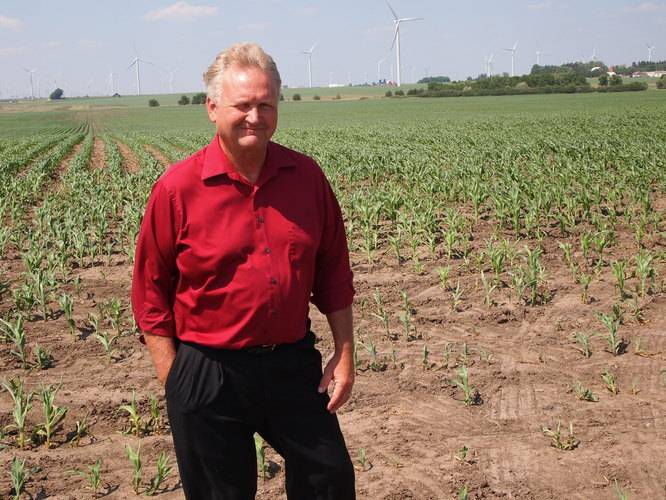
    Larry Sailer on his corn and soybean farm, just north of Iowa Falls, Iowa. – Photo Courtesy of Jonathan Ahl with NPR

    “Musings of a Pig Farmer”
    by Larry Sailer

    The eve of our country’s Independence Day seems like an especially fitting time to discuss the merits of free markets and free enterprise. It’s my belief that farmers should have the freedom to manage their own farms as they see fit.

    The whole idea of government mandates to control how farmers and ranchers operate is a bad precedent. Instead, let the free market dictate how animals are raised. If consumers feel strongly about free-range chickens or pork, they can choose to buy from producers who operate in that manner. If buyers wants organic produce, they can buy food from organic growers.

    Not everyone shares my thoughts on animal agriculture, however. Thanks (yes, I’m being sarcastic here) to groups like the Humane Society of the United States (HSUS), additional regulations for the livestock industry are being debated by Congress as part of the 2012 Farm Bill.

    Allowing groups like HSUS to dictate how livestock is produced is like inviting the proverbial fox into the hen house! Why? My friend Michele Payn-Knoper does a great job of summarizing the situation on her Gate to Plate blog:

    Best known for their cute kitten and fuzzy puppy propaganda, the Humane Society of the United States has “come out of the closet” with their emotional pleas to stop abuse of “factory farm animals.” It should now be clear that HSUS is more about driving animal agriculture out of our culture than they are about caring for abandoned pets.

    Whatever you do, please don’t misunderstand the point I’m trying to make. Animal abuse – whether pets or livestock – is indefensible. If there is abuse, it must be addressed and the guilty party charged. The last thing most farmers want is for any animal to be abused. It’s not the way we operate. However, we don’t need more rules to define “proper care” of animals. We simply need to enforce rules that are already on the books.

    There are many regulations and laws already in place to protect against animals being treated badly. New regulations and more government control won’t assure less abuse or a safer food supply. You can rest assured, however, that additional government regulations will make production costs higher for farmers and food costs more for consumers. No one wins when this happens!

    Larry Sailer, Musings of a Pig Farmer

    July 3, 2012
    Agriculture, General, Industry News
  • Latham Hi‑Tech Seeds

    Celebrate 4th of July with "Presidential Fare"

    McCain1

    It’s no secret that one of my great loves is travel.  Nothing gets my heartbeat pumping like an opportunity to see new things, experience new adventures and taste new foods.

    Last week our family had the opportunity to do “all the above” when we traveled to Washington, D.C., for the 129th annual summer convention of the American Seed Trade Association (ASTA).  We arrived at our hotel about 7 p.m. on Monday, June 18.  We grabbed a burger at the Cadillac Grill and called it an early night.

    It’s a good thing we were well rested because “Day 1” was packed full of activities and fun memories!  We left our hotel by 6:30 a.m. for the White House, where we were scheduled for a 7:30 a.m. tour of the White House.  (Remember, this early hour felt like 5:30 a.m. since D.C. is in the Eastern Time Zone and we live in the Central Zone.)

    Our kids greatly enjoyed the White House tour and were eager to see more of the city.  Our next stop was the Newseum, or the Museum of News.  This is probably my favorite museum of all time.  As a journalism major, I could’ve spent a couple more hours there.  (Well, maybe even the day!)  This museum was fun for the whole family because it was so interactive.  We got to try our hand at reporting the news live, complete with a teleprompter and microphone.  We saw pieces of the Berlin Wall, watched an emotionally griping movie about the journalists who covered 9/11, and peeked Inside Tim Russert’s office.  Our kids greatly enjoyed the 4-D Time Travel Experience.

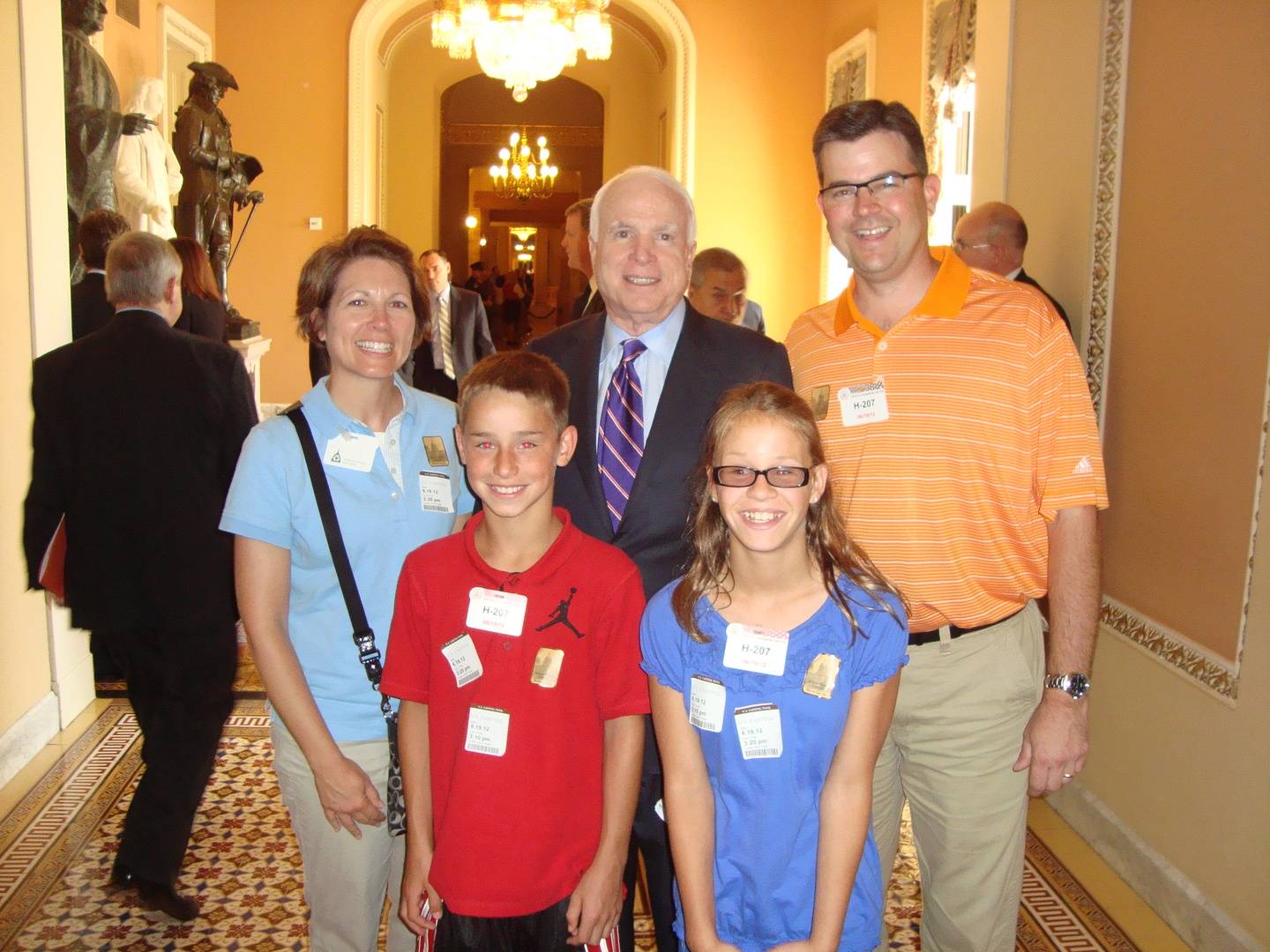
    Unfortunately, we didn’t have a chance to visit all Top 10 Things to See at the Newseum because we had scheduled a mid-afternoon tour of the U.S. Capitol.  Lucky for us, our Capitol Hill tour was filled with great suprises.  As we were walking through the halls of the Senate, The Honorable John McCain stepped through the chamber doors.  He took time to talk with us and even posed for a picture.  (This was a true “wow” experience for our 11-year-old son.)  After such an event-filled day, we spent a low-key evening in our hotel.

    “Day 2” of our trip marked the first day of the ASTA convention, so John was tied up in business meetings and general sessions all day.  I opted to “take a vacation day” and joined our kids for an ASTA-sponsored spouse’s / children’s trip to the International Spy Museum and the Smithsonian.  I’m so glad that I went on this tour as the live-action spy adventure is a must-do for anyone who meets the age requirements.  Here’s how it’s described online:

    Think of it as a live-action spy adventure. Only you’re the spy. This one-hour-adrenaline-fueled fest is no exhibit. It’s simple, really. You have to locate a missing nuclear trigger before it ends up in the wrong hands. No pressure. Just crack a few safes, decode some messages, and interrogate a suspect double agent.

    Our adrenaline was pumping.  Our imaginations were running wild. And our creative juices were flowing.  It was a fun time for our entire ASTA group.  After we “captured the double agent,” we toured the museum where we learned about buttonhole cameras and lipstick pistols.  It was crazy stuff – just perfect to hold the attention of my two pre-teens.  That afternoon we toured the National Museum of Natural History.  My kids expected it to look like scenes from A Night at the Museum.  Although it didn’t really resemble the movie, they couldn’t have had a better time looking at all the unique animals.  They had fun with the computerized cameras, one which shows how you would’ve looked as a homo sapiens in prehistoric times.  (Personally, I found my prehistoric photo to be frightening! But, I greatly enjoyed getting a glimpse of the Hope diamond.)

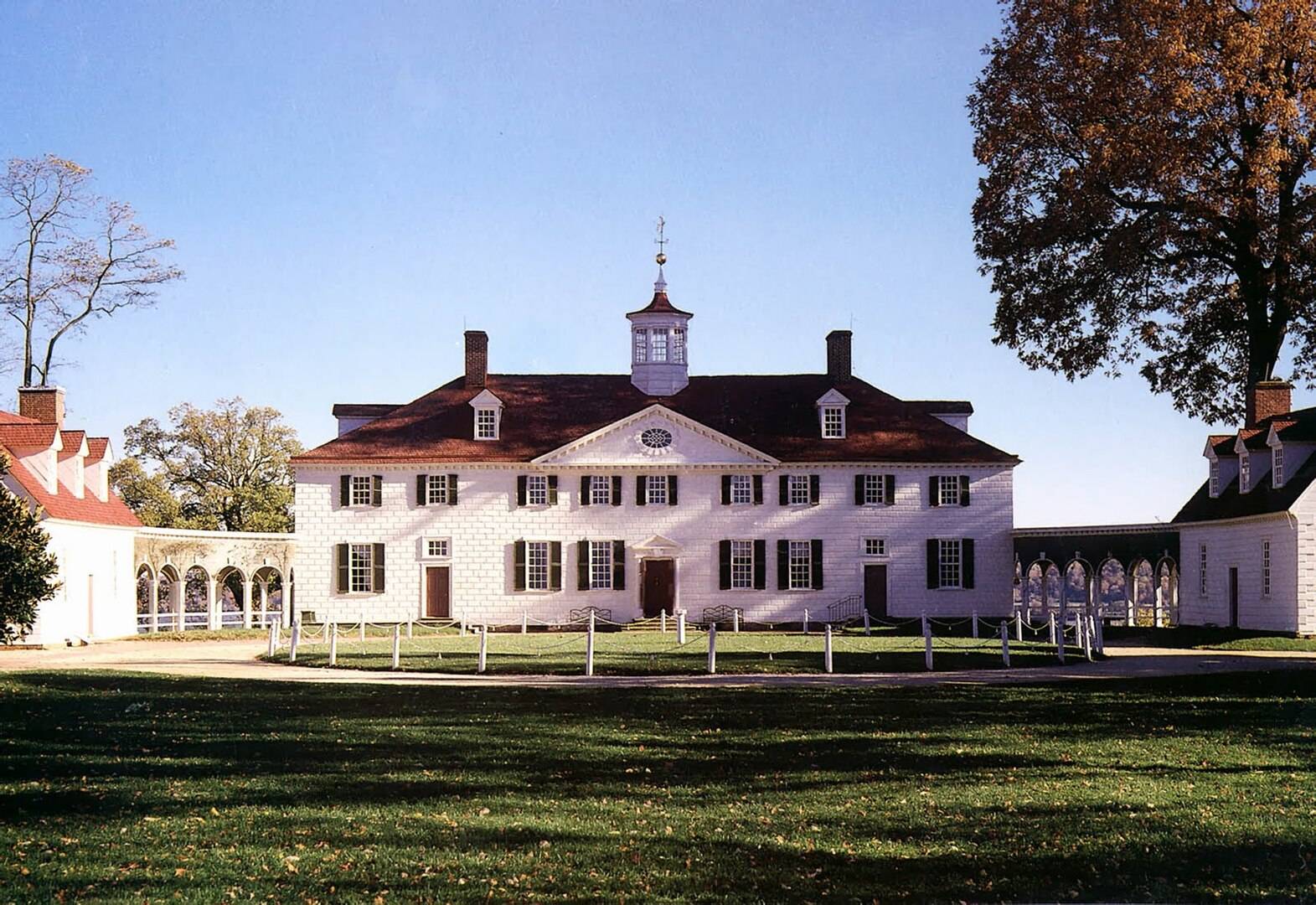
    “Day 3” included a water taxi ride to Mount Vernon, which includes a beautiful mansion overlooking the beautiful Potomac River.  This 50-acre estate, formerly the home of George and Martha Washington, also includes fruit and vegetable gardens, a pioneer farm site and even a distillery and gristmill.  Even though I have visited Mount Vernon at least three times previously, there is still more that I’d like to see on my next visit.  Someday I’d love to attend an Independence Day Celebration at Mount Vernon to watch as costumed staff make one of George Washington’s favorite desserts.

    To celebrate the Fourth of July “Washington style” in the Midwest, click here for Martha Washington’s Great Cake recipe.  NOTE:  This recipe makes enough to feed an army.  Other recipes are featured in the book, Dining with the Washingtons.  Someday I think it would be fun to make some of these dishes and host my own 1776 dinner party.

    IMG 5985Speaking of trying new foods…  I’d like to take a minute to share with you the sweet treat we enjoyed while visiting Georgetown area last Saturday night.  Have you heard of Georgetown Cupcakes?   You might know it better as TLC’s hit new show, DC Cupcakes.  As their site states:

    DC Cupcakes is about Georgetown Cupcake, a cupcake shop in Washington, D.C., owned by a sister duo! They traded careers in fashion to pursue something a little different. They’re both lifelong bakers inspired by their grandmothers. They opened their shop on Valentine’s Day 2008, the first cupcakery in D.C.!

    It pays to be first as these ladies literally have a corner on the market.  We waited in line for 45-minutes for a taste of these famous cupcakes, and we all thought it was worth the wait as soon as we took our first bite.  While I was surfing their site, I was drawn to the link, “Holiday Cupcake Ideas.”  Take a look at the “cool” idea I found under July 4th Cupcakes.  SnoCones and cupcakes are always a hit with kids, so I can only imagine how much my kids will delight in SnoCone Cupcakes this Fourth of July.

    Sorry, Martha Washington – You’re cake will just have to wait.  This Independence Day I’m baking up some SnoCone Cupcakes.  Click here to try a batch yourself.

    Today I’m also including a recipe for Crab Cakes with Lemon Dill Sauce because “crab cakes” are synonymous with “D.C.” in my book.  I always eat crab cakes at least once whenever I’m in Washington, but I have yet to try making them at home.  Let me know if you make this recipe.  I’d appreciate any “cook’s tips” you’re willing to offer.

    Shannon Latham

    June 29, 2012
    Agriculture, General, Industry News
  • Latham Hi‑Tech Seeds

    The Importance of Corn

    Sailer grandkids1

    Last Friday, my 11-year-old granddaughter Carlie said she wanted to be my office manager for the day. She took over my chair and I had to find another seat! It wasn’t long before she took over my computer and began researching “corn.” I’m guessing Carlie overheard me talking about some negative remarks that others had made about corn on Facebook and decided to check it out for herself. I promise you that I did not prod Carlie to gather these facts or turn them into a blog post. It was her idea to research the facts on my computer and then write a report.

    The Importance of Corn

    Corn is the second most plentiful cereal grown for human consumption, and many cultures around the world have lived on this grain. Corn is a versatile crop, and everything on a corn plant is useable. No part of the corn is wasted. The husk of the corn is traditionally used in making tamales. The kernels are ground into food. The stalks become animal food and the corn silks are used for medicinal teas.

    Food products made from corn include corn oil, corn meal, corn syrup and even bourbon. The most important refined corn products are corn sweeteners, which last year accounted for more than 56% of the national nutritive sweeteners market. One cup of raw white corn has about 130 calories, 2 grams of fat, 5 grams of protein, 29 grams of carbohydrates and 4 grams of fiber with no cholesterol.

    These “everyday things” are made with corn: protective sealing bands, gypsum dry wall, warmish, spark plugs, adhesives, toothpaste, aspirin, diapers, coated paper products and more. Scientists continue to find more uses for corn including fuel-efficient tires, food and beverage containers, carpet tiles and candy wrappers.

    Corn Facts
    • An ear of corn averages 800 kernels in 16 rows.
    • A pound of corn consists of approximately 1,300 kernels.
    • 100 bushels of corn products approximately 7,280,000 kernels.
    • In the U.S., corn production measures more than 2 times any other crop.
    • Each year, a single U.S. farmer provides food and fiber for 129 people – 97 in the U.S. and 32 overseas
    • Over 55% of Iowa’s corn goes to foreign markets. The rest is used in other parts of the United States.

    Admittedly, I’m one proud grandpa! Carlie did a great job showing how different our world would be without corn. Her actions confirm my desire to promote what farming is truly about, especially through fact-based educational programs like Ag in the Classroom. There are too many other groups with hidden agendas spouting the wrong information.

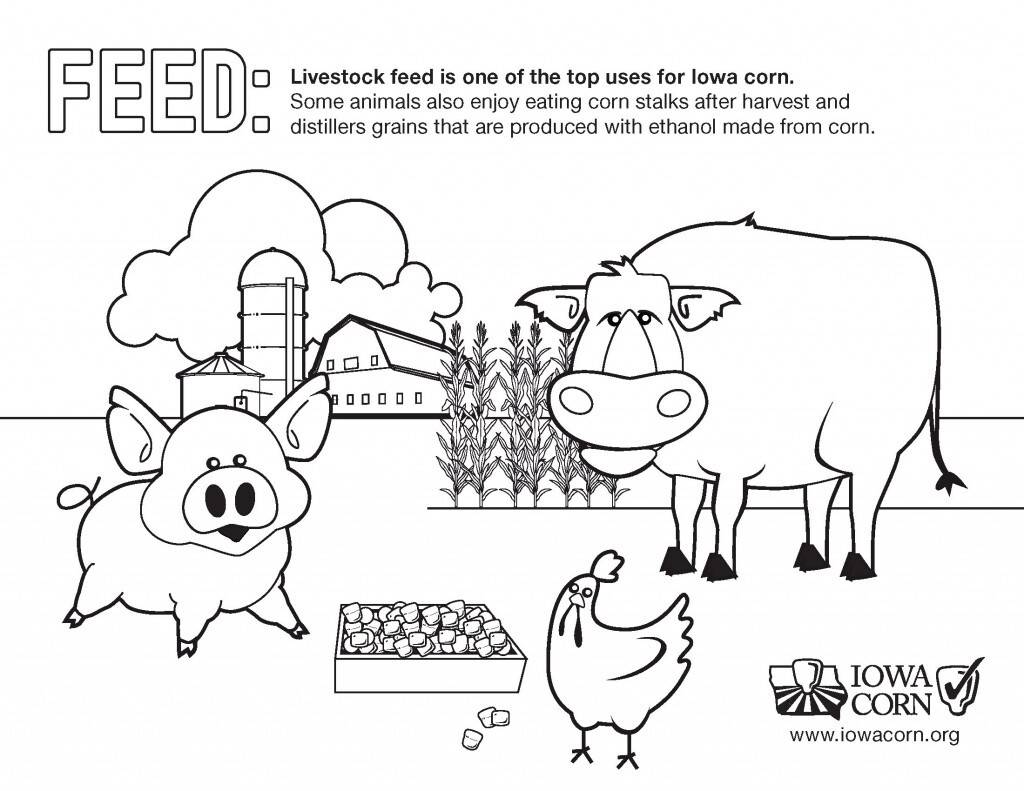
    Click the image to download this fun-to-color sheet with cool corn facts!

    Larry Sailer, Musings of a Pig Farmer

    June 26, 2012
    Agriculture, General, Industry News
  • Latham Hi‑Tech Seeds

    History is growing in Alexander

    Zea Maise
    Wild Teosinte planted in the Genetic Garden

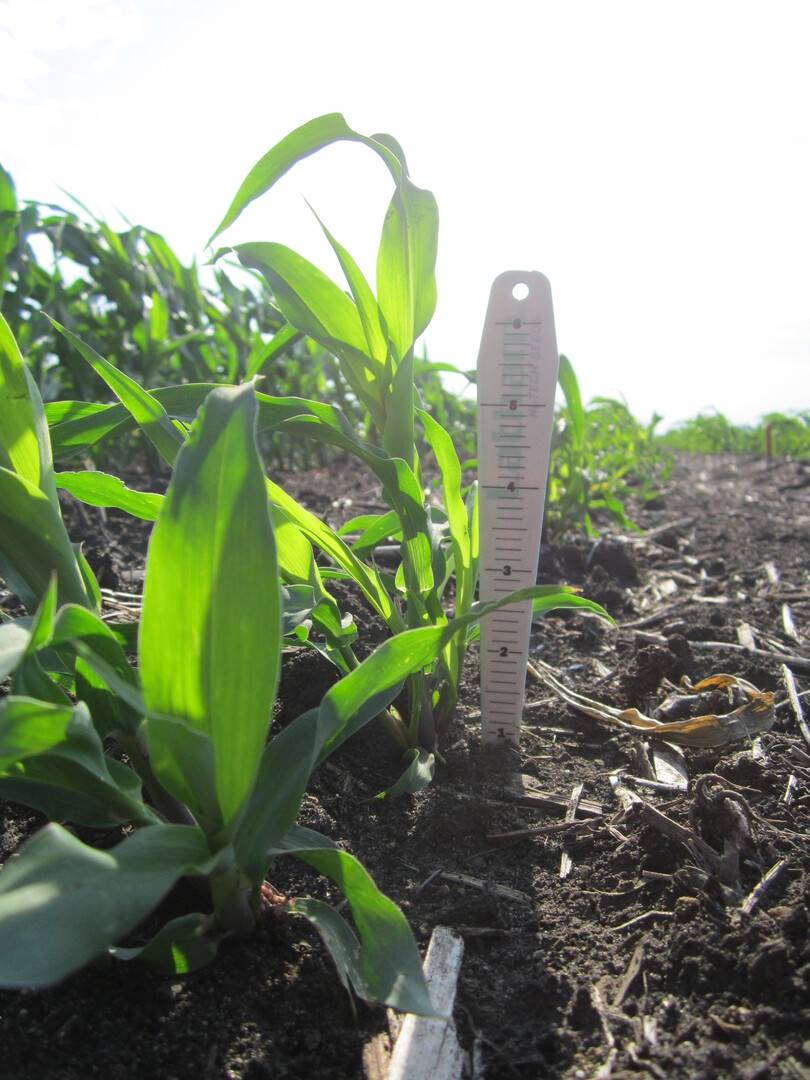
    The living museum of corn planted at Latham Hi‑Tech Seeds’ headquarters is growing! Teosinte and Green & Golden Dent varieties required replanting on June 5 due to a lack of moisture and emergence issues. After a much needed 0.9” of an inch of rain in Alexander on June 15, the Genetic Garden is rejuvenated and well on its way!

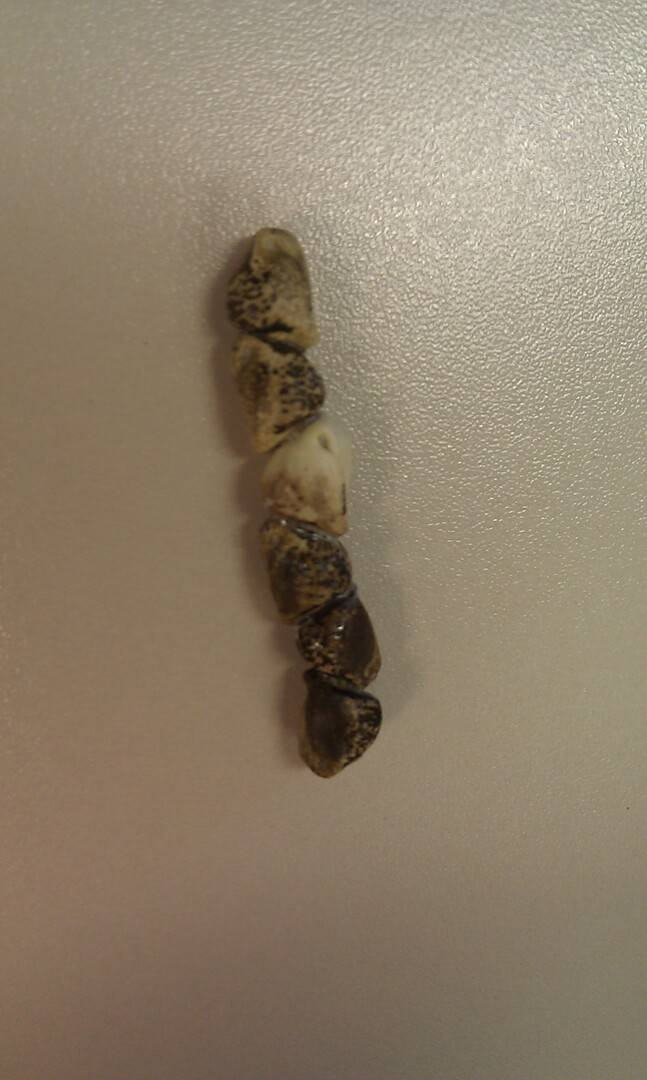
    Wild teosinte the oldest ancestor of corn originated from what is now Mexico and Central America. This corn has very small seeds that were hand planted because of their delicate size. The seeds are prism shaped with a flat bottom

    Wild Teosinte cob is very delicate

    that lays tight to the other seeds to make a cob. The color of the seed is dark brown and this is thought to help disguise them from predators that would eat the seeds. The wild teosinte accession planted in the genetic garden is growing very well; this plant is delicate and resembles more of a grass type plant.

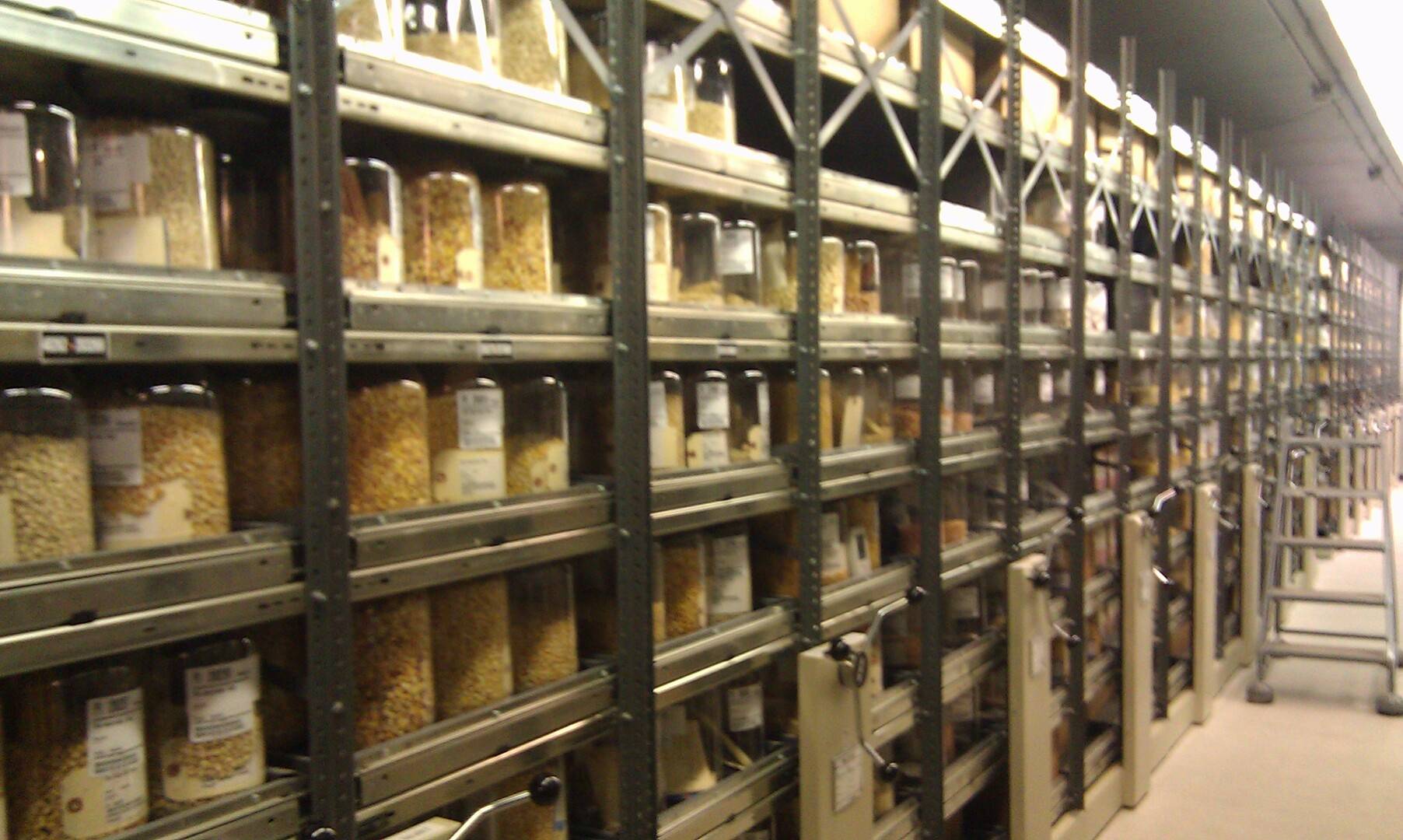
    Corey Catt, Latham Hi‑Tech Seeds Forage Products Manager, and I had the privilege of meeting Mark Millard, Geneticist/Maize Curator at the North Central Regional Plant Introduction Station(NCRPIS) in Ames, Iowa. We were given a tour of the facilities including the seed storage facilities. More than 20,000 accessions of zea maize are in cold storage where they can be kept viable for around 30 years. Accessions of maize are regenerated in order to keep supply available for researchers and educators across the world. Along with the collections of maize, varieties of ornamental plants, vegetables, oilseed crops, amaranth and other few other miscellaneous crops are stored at NCRPIS.

    Collection of zea maize at the North Central Regional Plant Introduction Station, Ames, Iowa

    I am looking forward to seeing the continued growth of our Genetic Garden and learning more about each variety. In the coming weeks, we’ll begin researching and building a walking museum at the plot. Look for more updates on the Genetic Garden on TheFieldPosition.com. We’d also like to invite you to see it for yourself! Take a walk through our “living museum of corn” on Saturday, Aug. 25, during the Latham Country Fair.

    Gary Geske

    June 21, 2012
    Agriculture, General, Industry News
  • Latham Hi‑Tech Seeds

    It Takes Faith to Plant Seeds

    Larry Sailer1

    “Though I do not believe that a plant will spring up where no seed has been,
    I have great faith in a seed. Convince me that you have a seed there,
    and I am prepared to expect wonders.”

    – Henry David Thoreau

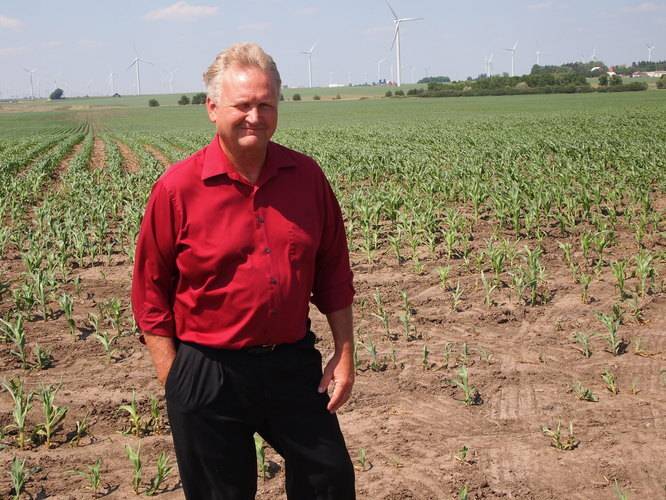
    Larry Sailer on his corn and soybean farm, just north of Iowa Falls, Iowa. – Photo Courtesy of Jonathan Ahl with NPR

    Most people don’t fully understand what it takes to put in a crop every year. Farmers like me, who invest several hundred thousand dollars each year, must have faith that the seed will grow into a crop.

    There are more than 1,000 variables that affect a growing crop each season. I have been reminded of these variables – most of which are beyond my control – time and again! My crops suffered extreme hail damage during three of the first five years of the 1980s. That many years of crop loss certainly made a bad situation worse.

    Weather can be a blessing or a curse, according to Dr. Fred Below, Professor of Plant Physiology at the University of Illinois. His research reveals the seven most important factors to achieve the highest possible corn yields. Weather ranks #1, accounting for 70 bushels or more per acre or 27% of total yield! (Now you might have a better understanding of why farmers talk almost obsessively about the weather.)

    Rain can certainly make or break a crop. All seeds need water and warmth to germinate. Once the seedlings emerge from the soil, timely rains are needed for plant and crop development. Timely rains have been hard to come by this spring in North Central Iowa. A lack of rainfall caused crop conditions to decline for three straight weeks. Thankfully, we finally received some rain at the end of last week. These rains helped stabilize crop conditions, but we’re not out of the woods yet. Although topsoil moisture levels improved, 54% still remains short to very short. Subsoil moisture declined slightly over the past week with 61% short to very short. Bottom line: parts of Iowa are still suffering drought.

    In addition to weather, another hot topic of conversation for farmers is the 2012 Farm Bill. Last Wednesday I was featured in an interview with NPR where I voiced my opinion that corn and soybean farmers still need federal crop insurance in case of natural disasters and revenue assurances to protect them from a market collapse. Farmers Split Over Subsidies As Senate Farm Bill Debate Begins. I shared a link to this NPR report on my Facebook page and ended up taking it down because it sparked such a heated online argument. Apparently, farmers aren’t the only ones interested in this debate! Guess this really isn’t too surprising given that 80% of the 2012 Farm Bill is non-farm related.

    Larry Sailer, Musings of a Pig Farmer

    June 19, 2012
    Agriculture, General, Industry News
  • Latham Hi‑Tech Seeds

    Father’s Day: A Time to Reminisce

    LathamSons
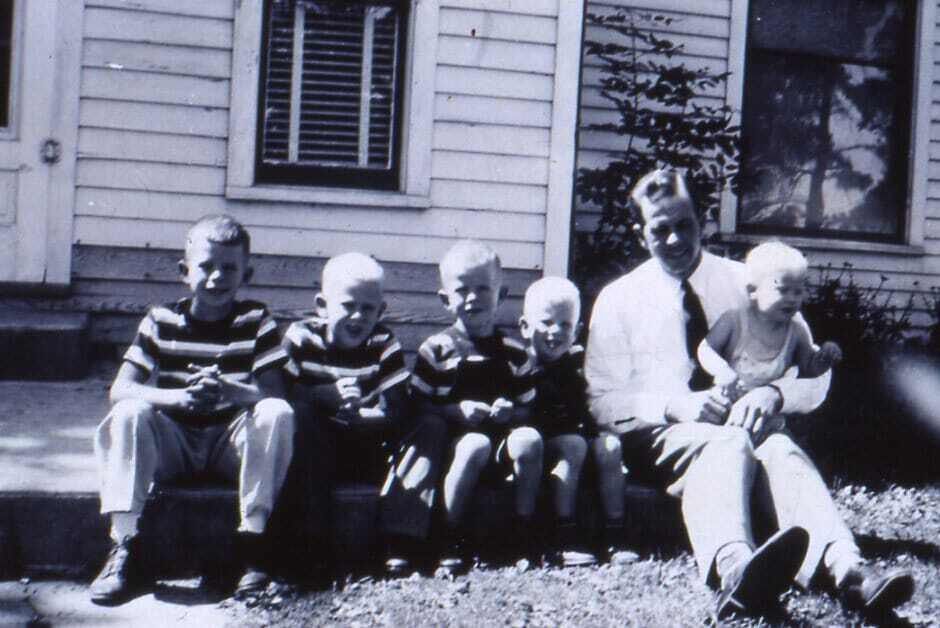
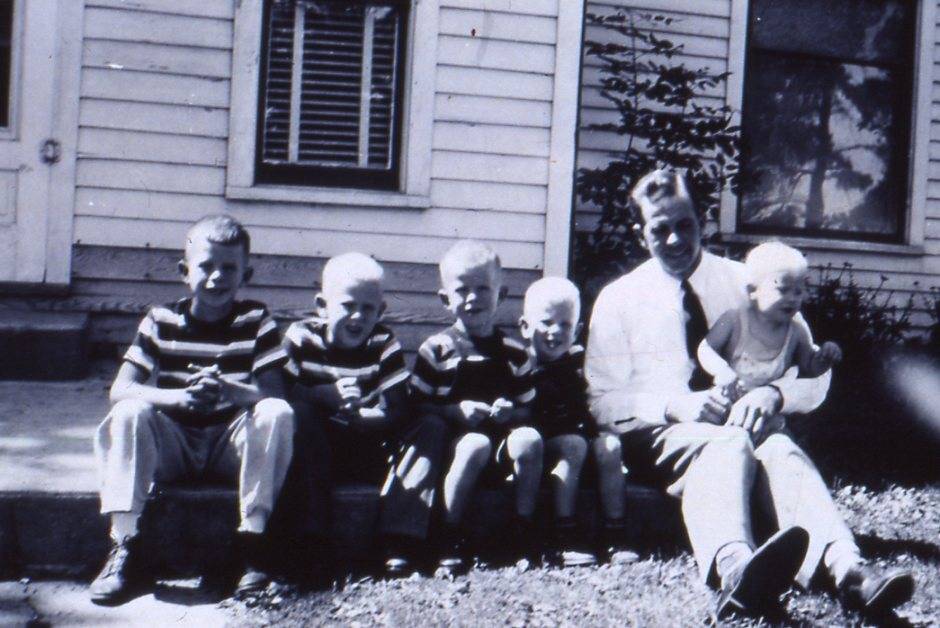
    Willard Latham on the front steps of their farm house with his five boys, in birth order, from left to right: Bill, Bob, Jim, Don and Tom. (1949)

    A Dad is…
    respected because he gives his children leadership.
    appreciated because he gives his children care.
    valued because he gives his children time.
    loved because he gives his children the one thing they treasure most – himself.
    ~ Author Unknown

    The third Sunday of June is a time when Americans traditionally honor their fathers.  This father’s day – in honor of the 65th anniversary of Latham Seeds – we’re paying tribute to the man who started it all.

    Willard Latham is perhaps best known as a leader in the seed industry, but he was a farmer first and foremost.  Willard earned a bachelor’s degree in Dairy Husbandry from Iowa State, and then returned to Alexander where he joined his father in the dairy operation.

    An insatiable appetite for learning and an uncanny ability to solve nearly any problem led Willard to found Latham Seeds in 1947.  At that time, the oat crop in North Central Iowa was affected by smut.   Willard retrofitted a piece of equipment that helped clean and preserve the local oats crop.  Cleaning oats soon evolved into producing seed for retail sales.  The seed business grew as Willard and his loving wife and devoted life partner, Evelyn, worked together.

    Today Willard and Evelyn’s five sons share lessons they learned about life and business from their father.

    Bill Latham:

    “Dad thought it was a good idea for all of us to get some other experience before returning to the family business. We followed that advice and encouraged our children in the same way. He knew his association with Iowa State and relationships with organizations such as the Iowa Seed Association, and all the other groups he was active in, were important to keep up with new technologies and best practices. He provided us with a great learning environment and experiences.”

    Bob Latham:

    “I remember Dad and his identical twin brother, Wilbur, sitting around the table talking, giving and taking advice, enjoying one another’s company. They maintained a close relationship all their lives. It was a good example for us. To this day, I’m involved with my brothers –– we have good, healthy relationships from growing up and working together in the family business. Dad really understood the benefits of good relations in family and business. He taught us that lesson well.”

    Jim Latham:

    “My father really worked hard. This was during and after World War II. Frankly, a terrible era war-wise but a wonderful era character-wise. Dad belonged to a generation that together they could get things done. There was a belief that if you worked hard enough, paid attention to the rules, treated your neighbor right – treated everybody right – then you’re going to succeed, That’s what my father, and many people believed, and they made it a wonderful era.”

    Don Latham:

    “We really learned lessons of integrity from Dad. His friend, Harold Folkerts, had a seed business about 50 miles east of us. During spring season, they’d trade loads of oats, say Cherokee for Goodland, to meet customer orders for specific seed. They kept track of transactions but never talked price. It never was a factor. At the end of the season, Harold would come out and sit at the table with Dad and say that the oats he got in trade were better than the ones he traded. Dad would say it was the other way around. They’d literally argue the other fellow’s position every time. It was a philosophy that you never wanted to take advantage of someone else. You always wanted to be fair and honest. Those were lessons we always went with: integrity and doing the right thing pays dividends in the long run.”

    Tom Latham:

    “Dad taught us how very important it was to work hard and to be extremely honest – to be straightforward. If something wasn’t right, you fixed it. Your word is your bond, and that’s really what a family business is all about. Dad would take great pride that the company is still family-owned and carries on those traditions that were very important to both him and Mom.”

    Team Latham

    June 17, 2012
    Agriculture, General, Industry News
Previous Page
1 … 57 58 59 60 61 … 85
Next Page

Latham Hi‑Tech Seeds

131 180th Street | Alexander, IA 50420

(641) 692-3258

SIGNUP FOR OUR NEWSLETTER
  • Contact
  • Legal
  • Dealer Center
  • Seedware Login
  • Latham Gear

© 2025 Latham Hi‑Tech Seeds. All rights reserved. | Iowa Web Design by Webspec | Privacy Policy

Latham® Hi-Tech Seeds is a trademark of M.S. Technologies, L.L.C., 103 Avenue D, West Point, IA 52656.