Latham Hi-Tech Seeds

(641) 692-3258

  • Home
  • Products
    • Corn
    • Soybeans
    • Alfalfa
    • Corn Silage
    • Seed Guide
  • Performance
  • Find a Rep
  • Media
    • Blog
    • News
    • Videos
    • Podcasts
    • TECHTalk
  • About Us
    • Company History
    • Our Mission
    • Careers
    • Become a Rep
    • Sowing Seeds of Hope
  • Contact Us
  • Latham Hi‑Tech Seeds

    Celebrating the Freedom of Independence at Latham Dealer Kickoff

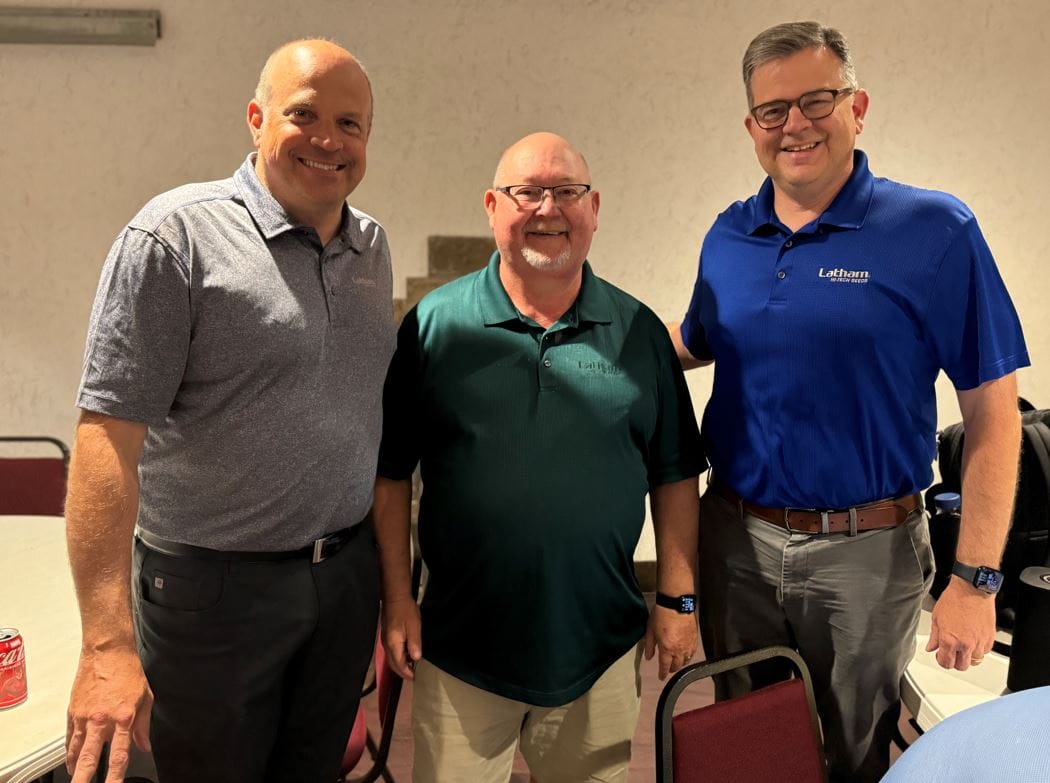
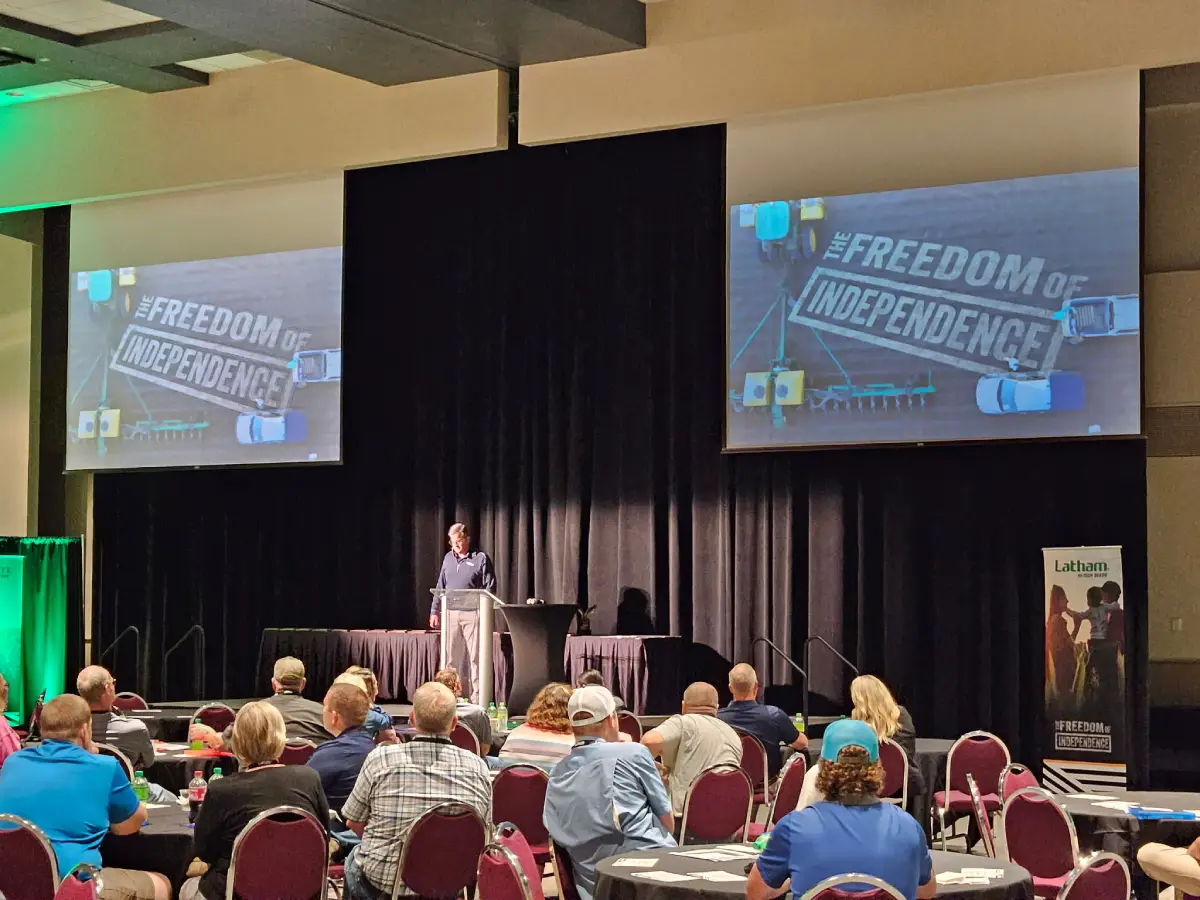
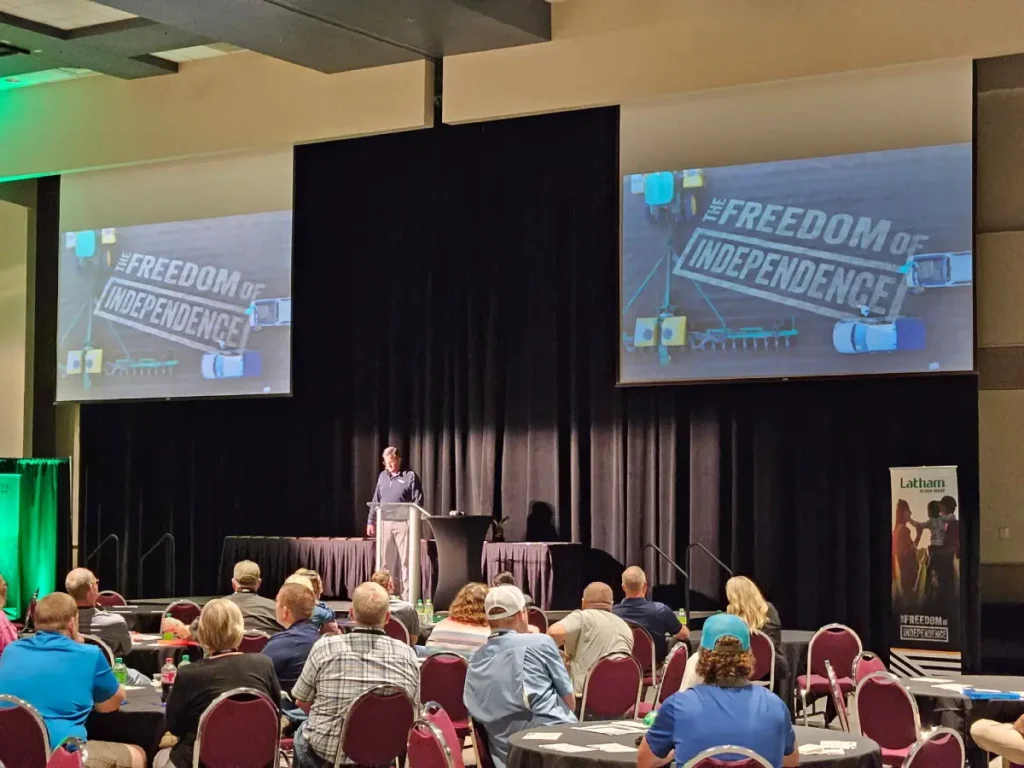
    Latham® Dealers gathered this week in Mankato, Minnesota, for our annual sales kickoff meeting. We celebrated two days of connection and prepared for what promises to be one of our most exciting sales years yet.

    This year’s event introduced our Freedom of Independence theme — a rallying cry that reflects exactly who we are and how we operate. As an independent seed company, Latham Hi-Tech Seeds is free to select the very best genetics and trait packages for the fields across our footprint. We answer to farmers and dealers, not shareholders or Wall Street. That freedom allows us to focus on what truly matters: helping you succeed!


    J-Class Soybeans Take Center Stage

    One of the most talked-about moments of Latham Dealer Kickoff was the debut of our J-Class Soybeans. Designed to give our dealers and customers an edge on every acre, Latham’s J-Class Soybeans are so good they’re in a class by themselves.

    We’re introducing 32 new J-Class varieties for 2026 planting, 12 of which carry our Ironclad™ protection for superior disease resistance and standability. With yield potential and agronomic strength like this, we’re confident J-Class will be a game-changer for farmers across Latham Country.

    Learning from the Experts

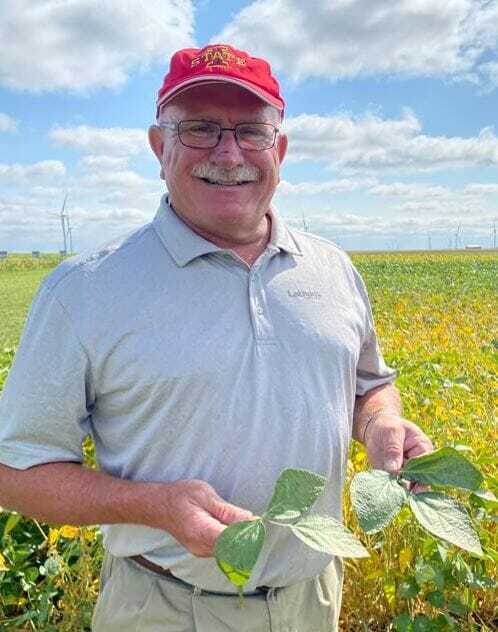
    Dealer Kickoff also featured an engaging presentation from Dr. Greg Tylka of Iowa State University, a leading authority on soybean cyst nematode (SCN) management. Dr. Tylka shared the latest research on SCN-resistant soybean varieties, how resistance is changing over time and the critical role of field scouting in protecting yields. His insights reinforced the importance of pairing top-tier genetics — like J-Class — with proactive SCN management strategies.
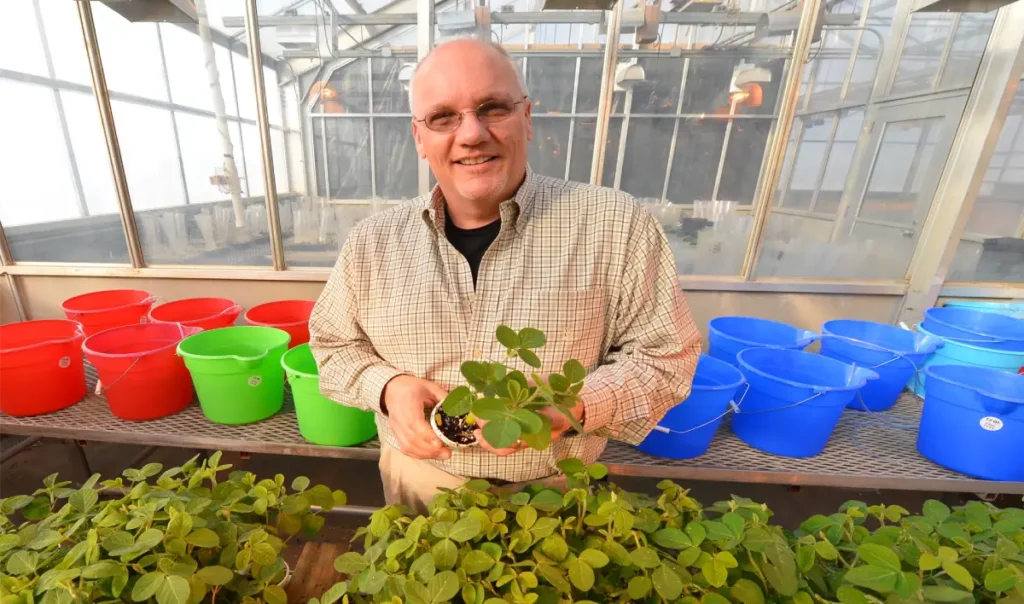
    Dr. Greg Tylka, Iowa State University

    Raising Money for Cancer Research

    Midwesterners mark celebrations with special foods, and Latham Dealer Kickoff is no exception. This year we held a dessert auction to raise money for our Seeds of Hope campaign and raised more than $4,600. Special thanks to Tony Friesen of 2 Pins Bakery in Mankato for working with us to provide 15 different types of delicious cakes and pies including Whopper, Reece’s, Andes Mint, Snickerdoodle, French Silk and more!

    During our annual banquet, we feasted on pork loin. Special thanks to Iowa Pork for sharing the following recipe with us! 

    Building Momentum for 2026

    Dealer Kickoff isn’t just about new products. It’s about building relationships, sharing strategies and setting the tone for the year ahead. From networking with fellow dealers to learning about programs designed to drive early orders, every conversation pointed toward one goal: helping farmers make the most of every field, every season.

    With the Freedom of Independence guiding our decisions and the unmatched performance of J-Class Soybeans in our lineup, we’re ready to make the 2026 sales year one for the record books.

    Thank you to every dealer who made the trip to Mankato. Your dedication is the reason we can remain independent, innovative and focused on what matters most.
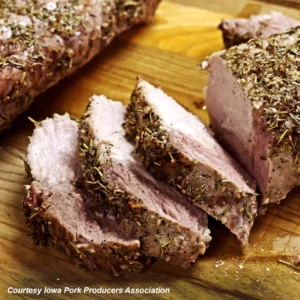
    Pork Loin

    Print Recipe Pin Recipe
    Prep Time 1 day d
    Cook Time 1 hour hr

    Equipment

    • 1 Bowl
    • 1 Large resealable plastic bag
    • 1 Roasting pan, rimmed cookie sheet, or 9×13 pan
    • Aluminum foil

    Ingredients
      

    • 1/4 cup extra-virgin olive oil
    • 8 large garlic cloves chopped
    • 1 bunch of rosemary 1/2 cup, leaves only, coarsely chopped OR 2 1/2 Tablespoons dried rosemary
    • 2 teaspoons salt
    • 1/2 teaspoon ground black pepper
    • 2 pounds center-cut pork loin

    Instructions
     

    • Preheat the oven to 400 F.
    • In a small bowl, mix olive oil with the garlic, rosemary, salt and pepper.
    • Rub the mixture all over the pork. Transfer the pork and marinade to a large, resealable plastic bag and refrigerate overnight.
    • Spray oil in a roasting pan if you have one. If not, use a rimmed cookie sheet or 9×13 pan. To re-create the roasting rack, place a metal cooling rack in the bottom or use aluminum foil. Tear off approximately 12” of foil; form it into a snake and then into a ring. Make as many rings as you need to keep the pork loin off the bottom of the pan. This promotes circulation of the heat underneath and around your loin, which helps the meat to cook evenly.
    • Place your seasoned pork, fat side up, in your prepared pan.
    • Add oiled/seasoned vegetables around your pork loin to make it a complete meal. Use vegetables that require longer cook times like potatoes, squash, sweet potatoes, brussels sprouts, and carrots.
    • Roast in a 400 F oven for 15 minutes. This gives you that nice crispy crust that everyone loves!
    • Turn your oven temperature down to 325 F (no need to open the oven) and continue cooking until pork reaches an internal temperature of 145 F. The time will vary based on the size of your loin and what you are cooking with it. Check it after 30 minutes with a meat thermometer and add small time increments as needed. Do not exceed 145 F with any pork loin recipe! Pork is very lean, so overcooking it will result in a dry and tough product.
    • Once your pork loin has reach 145 F, remove it from the oven and cover it loosely with aluminum foil. A 3-minute rest will redistribute the juices throughout the meat before you cut into it. This is key to succulent pork!

    Shannon Latham

    August 8, 2025
    Food & Family, Latham News, Seed Technology, Seeds of Hope, Soybeans
  • Latham Hi‑Tech Seeds

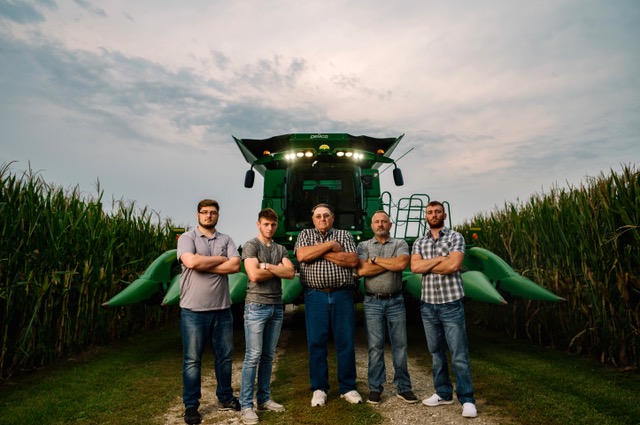
    Fueled by Family, Freight and Farming: Meet Kevin Nagel

    Kevin Nagel of Grinnell, Iowa, is a man who wears many hats — and sometimes a trucker cap, too.

    A row crop farmer, trucking company owner and now a Latham® Seed Dealer, Kevin has built a life around hard work, family values and an entrepreneurial spirit. With deep roots in Iowa agriculture and a passion for building something lasting for his sons, Kevin is turning the next page in his operation by joining the Latham team.

    “I decided to become a seed dealer to give our operation another profit center for the boys to work at,” Kevin says. “And I chose Latham because it’s a locally-owned company with great products and forward-thinking leadership.”

    Kevin’s journey started on his family’s cow/calf and crop farm. After studying engineering at Iowa State, he took a full-time role with Garst Seed Company, opening a corn breeding research facility in South Dakota before returning home to farm with family. In 2000, he launched his own trucking company, Nagel Farms Inc., growing from a single truck to a 13-truck fleet. Today, his team primarily hauls seed, non-hazmat chemical and specialty corn — along with Kevin’s own grain.

    Farming continues to be a full-family affair. Kevin’s sons, Beau and Rhett, are actively involved in the operation, splitting planting responsibilities and learning every part of the business. Tyler Fenner, their trusted hired hand, rounds out the field team. Together, they’re busy year-round — planting, harvesting, hauling and now delivering top-performing Latham products to neighbors, friends and customers.

    The seed dealership is the latest evolution of a diversified operation that keeps growing stronger with every season. At the National Corn Growers Association contest last year, Kevin entered Latham’s LH6306, which placed in the top 20 out of roughly 120 entries. He plans to enter two more hybrids at this year’s contest.

    He says he couldn’t be happier with the support he’s received from Latham Seeds so far. “I enjoy all the people there. They’re helpful, caring and they make sure to answer any questions — whether agronomic or operational.”

    And while time is tight on a working farm, Kevin still finds joy in family vacations with his wife, Megan, and looks forward to the day when his sons take the reins on fun traditions like sled-pulling diesel trucks and riding Harleys. For now, he’s content helping customers grow strong crops — and treating them to a little home-cooked comfort when the opportunity arises.

    Kevin is sharing one of his family’s favorite recipes: Surprise Packages. This grilled pork and veggie dish is a showstopper for guests and a satisfying treat after a long day in the field.


    Shannon Latham

    June 10, 2025
    Agriculture, Food & Family, Pork, Recipes
  • Latham Hi‑Tech Seeds

    Ken Highness Retires From Latham Seeds

    Ken Highness joined Latham Seeds in 2014 as a Regional Sales Manager in Northwest Minnesota and parts of Southeast North Dakota. Shortly after, he began covering new ground for Latham — working to narrow the gap between the company’s existing southern Minnesota territory and its North Dakota territory.

    Now Ken is moving on to retirement, with a focus on one of his favorite things: family.

    “I’ve enjoyed working with Latham Seeds because it’s a family-owned company,” Ken says. “Employees and dealers can go straight to the top for answers. The Latham team impressed me before I even joined it. If they didn’t have an immediate answer to my question, they researched it and got back to me in a timely fashion.”

    Meeting people and helping farmers choose the best seed products for their acres is what Ken has enjoyed most about his job. He’s especially loved working with seed dealers because he operated his own seed dealership for 10 years. When the seed company Ken was representing was purchased by a multinational conglomeration, he started looking at alternative brands and discovered family-owned Latham Hi-Tech Seeds. He began as a Latham dealer before becoming a regional sales manager in 2014.

    “One of my favorite parts of this job was helping a dealer reach his goals,” Ken says. “A seed dealership can help provide the extra income needed to bring the next generation into the family’s farming operation. It might allow someone to remodel their house or set aside money for their children’s education.”

    You could always find Ken spending time with his family or enjoying the great outdoors. He has enjoyed upland bird hunting for many years, and, as an avid hunter, he raised Brittany Spaniels. Ken and his wife, Jeannie, were given a Brittany Spaniel with bloodlines from England as a wedding gift from her uncle.  

    In his retirement, Ken plans to spend even more time with family. He and Jeannie look forward to attending their grandchildren’s activities, as well as making memories with them in the field or in the kitchen. It isn’t unusual to find one of the grandkids riding along with Ken as he checks the crops. Each Thanksgiving weekend they continue their family’s holiday baking tradition. 

    And, about once a month, everyone gathers in their home for spaghetti dinner. Why? Because Ken and Jeannie were raised in Dilworth, Minn., which has a strong Italian influence. Ken says he grew up eating some of the best homemade pasta and sauces in his friends’ home and was lucky enough to learn from some of the best home cooks. He has combined about five different recipes to create one that he and his Norwegian family enjoy eating about once a week.


    Shannon Latham

    June 5, 2025
    Agriculture, Beef, Recipes
  • Latham Hi‑Tech Seeds

    Latham’s Jerry Broders Retires After 46 Years in the Seed Industry

    Jerry 1 Resized

    Jerry Broders recently celebrated his 42nd wedding anniversary and his retirement on the same day. After 46 years in the seed industry, Jerry says it was time to start doing more fishing and golfing — and spending more time with family and friends.

    At his recent retirement party, he joked about how he felt to hang up his career: “The only person who can tell me what to do now is my wife,” he says with a laugh.

    Jerry grew up on a cattle, hog and grain farm 30 miles from DeWitt, Iowa. He helped his dad farm until the early 1980s, when the farm crisis forced foreclosures at unprecedented and devasting rates. He went to work for Pioneer at an animal research station, evaluating silage and hybrids, and stayed with the company nearly 20 years in various capacities. His last role was with the optimal quality grains group at a time when Dupont was buying out Pioneer. His territory was “I-35 to the Pacific Ocean,” Jerry says.

    Crisscrossing half the country every week soon got old, and after his dad passed away, Jerry decided to move back to Iowa to be closer to his mom. He took a job with Kruger Seed, where he worked until 2013. That’s when he got a call from Tom Lizer, an old friend and former Kruger colleague who was the general manager at Latham Seeds.

    Jerry says it was because of their history and the respect he had for Tom that he agreed to join Latham’s sales team. But there was one caveat.

    “I told him I’d give him 10 years and then I wanted to retire,” Jerry says. “I ended up staying 10 years and 8 months.”

    Though much of his career was spent on the corporate side of the industry, Jerry says he appreciated the change in pace at Latham. He enjoyed working for a family-owned company that isn’t beholden to one brand and is more interested in solving problems.

    Jerry 1 Resized
    Chris Latham, Jerry Broders and John Latham

    “I have always liked being able to provide answers and solutions,” he says. “It’s important to be able to help farmers make good decisions that are best for their own circumstances.”

    Jerry says he will most miss working with dealers and customers — some of whom have been with him for 25 years and followed him to Latham Seeds.

    Jerry 2 Resized
    Jerry Broder’s Retirement Party

    Seed Bag Resized

    “They’re like family to me, just really good people,” he says. “I’ve always treated people honestly and fairly, because when you get down to it, the only thing I can stand on is my reputation. I’m going to miss the relationships I’ve built.”

    Jerry and his wife, Kimberly, live in DeWitt. They have two grown sons, Zach and Matt. Here is one of their family’s favorite appetizers: Dried Beef Dip!

    Shannon Latham

    June 14, 2024
    Appetizers, General, Industry News, Recipes
  • Latham Hi‑Tech Seeds

    Proof Points – Episode 15

    Proof points video graphic

    Shannon Latham

    December 13, 2023
    Corn, Crop, Industry News, Seed Technology, Seed Treatment, Soybeans
  • Latham Hi‑Tech Seeds

    Nothing fishy about this soy success story

    Soy Fish Feed Resized

    Guest Blog by Aaron Putze, Iowa Soybean Association

    When soybean farmers say their “real” customers are pigs, they truly mean it.

    That reference to the importance of swine rations in driving demand for soy, however, is in no way a slight to other important markets.

    That includes those with fins, scales and gills.

    As developing countries strive to feed their growing populations more protein, fish is increasingly on the menu . . . and not just species harvested from streams, rivers and oceans.

    According to the Food and Agriculture Organization, global average consumption of fish and other seafood reached a record high of 20.5 kilograms per person in 2019. That amount is expected to increase as the quality and affordability of fish improves.

    Enter Iowa and U.S. soybean farmers.

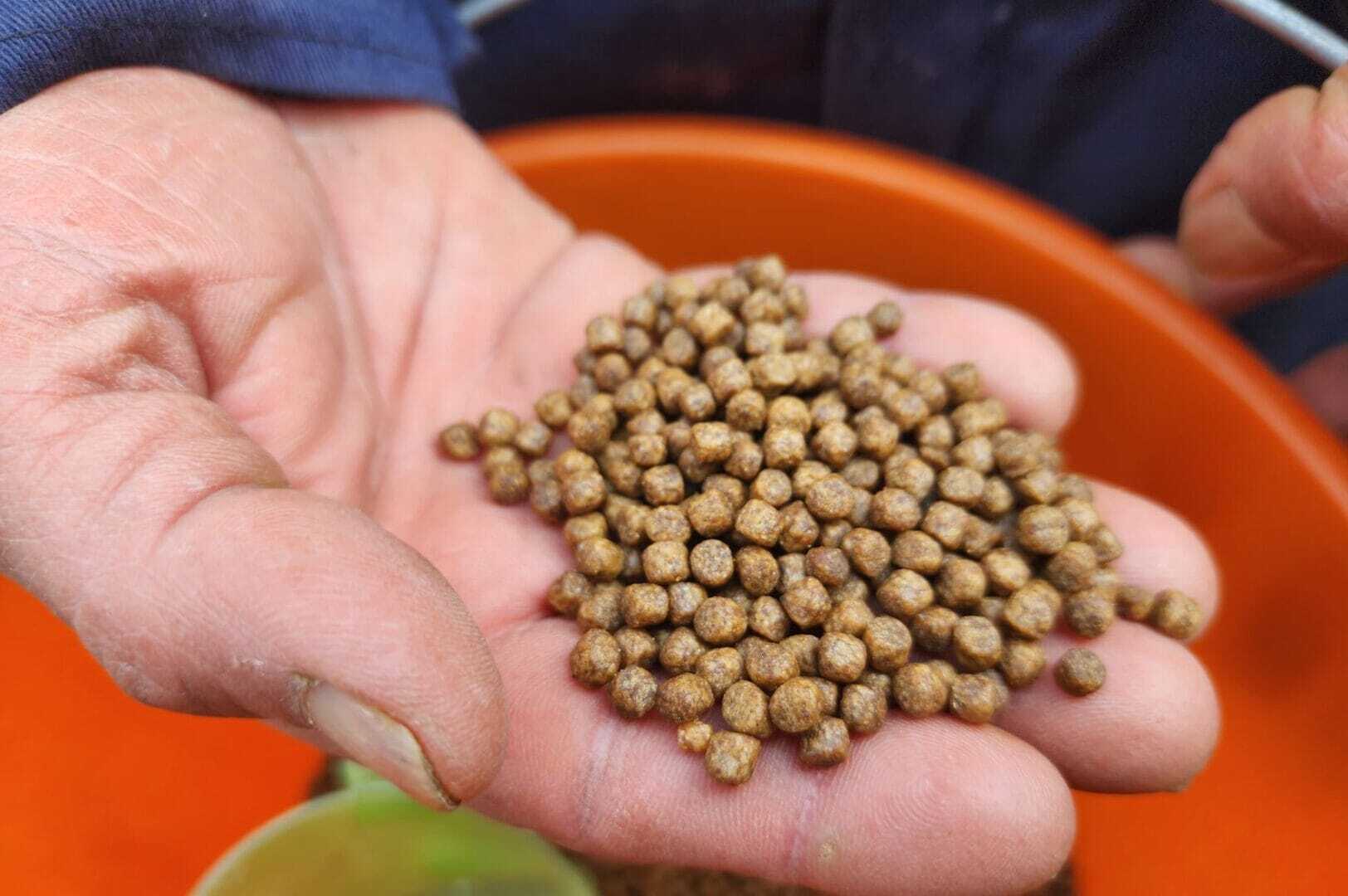
    To meet the growing demand and taste for quality, farm-raised fish, professional feed using ingredients other than fishmeal and fish oil are coming into vogue. Soy is the most-used protein source in aquafeeds worldwide. According to the Global Seafood Alliance, soybean meal, soy protein concentrates, and soybean oil are increasingly go-to feed ingredients required for many farmed species.

    Soy Fish Feed Resized
    Soy Fish Feed

    Research funded by soybean farmers has played a key role in developing this win-win demand driver. More appetite for sustainably produced and healthy fish is a boon to soybean demand.

    In addition to developing soy-based feeds ideally suited for hungry fish and shrimp, soybean farmers have also played a key role in developing new ways to produce farm-raised fish. They are advancing educational activities carried out by the U.S. Soybean Export Council (USSEC) to train people in developing countries on how to manufacture professional feed using soy.

    Iowa soybean farmers take great pride in the role they’ve played in developing better methods and feed for producing fish.

    But the story doesn’t end there.

    Soy Excellence Centers (SECs) were launched by USSEC in 2019. They offer professional training in a variety of curriculums including feed milling, soybean processing and refining and poultry, dairy, swine and fish production.

    More than 6,500 trainees have participated in SECs. One such center operates in Egypt – a facility I was able to see firsthand during a trade mission to the country of 110 million earlier this year. Better training, fish feed and production methods have had a profound impact. The metric tonnage of farm-raised fish production has increased from 600,000 in 2005 to nearly 1.5 million in 2019. Production is projected to surpass 2 million metric tons by 2030.

    Aaron Putze Resized
    Aaron Putze in Egypt at a Soy Excellence Center

    Farm-raised fish account for almost 80% of Egypt’s seafood market, up from 50% in 2012. Tilapia is the choice of 80% of Egyptians. Other fish species include catfish, sea bass, mullet and carp. Shrimp production is gaining in popularity as farmers seek to diversify and capture greater premiums and profits.

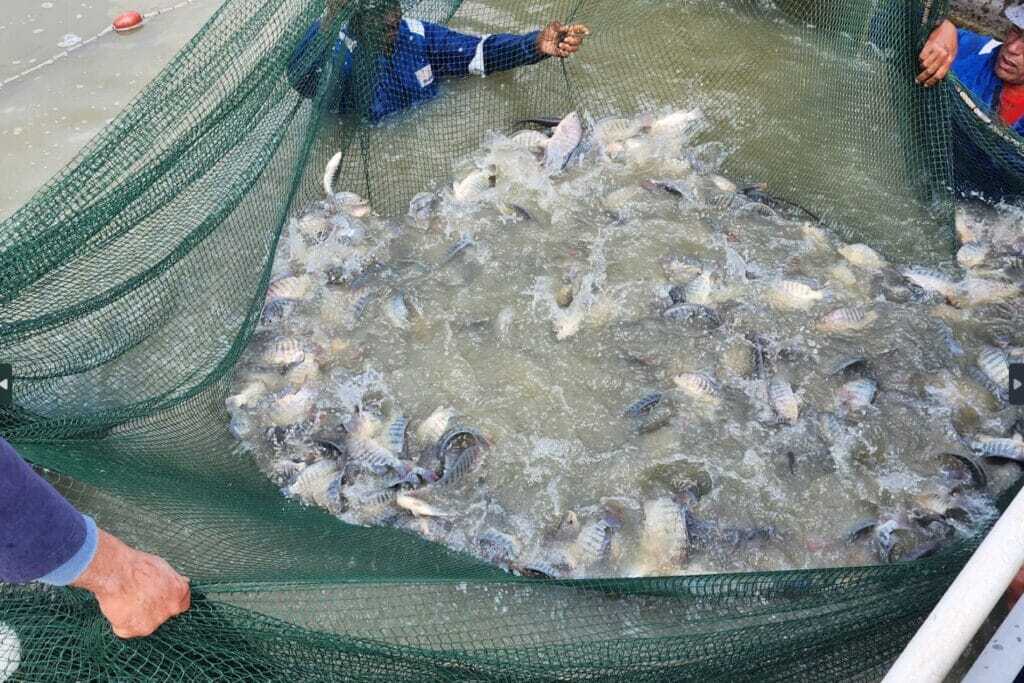
    Fish Harvesting Resized
    Harvesting Tilapia in Egypt

    Give the people of a country a fish, and they’ll eat for a day. Teach them how to produce fish (and poultry and milk), and they’ll eat for a lifetime.

    That’s the power of soy and Iowa’s soybean farmers.

    Aaron serves as Chief Officer of Strategy and Brand Management for Iowa Soybean Association. You can reach Aaron at 515-975-4168 or aputze@iasoybeans.com.

    All this talk of fish made us hungry for a yummy Friday recipe! Check out this Lemony Shrimp Scampi Linguine from The Iowa Food and Family Project.

    Webspec Admin

    November 1, 2023
    Agriculture, Crop, General, Industry News, Soybeans
  • Latham Hi‑Tech Seeds

    Multiplex Gene Editing: How It’s Transforming the Future of Farming

    Steve Resized #3

    Steve ResizedAt a time when the world’s population is increasing, cropland is decreasing and climates are changing, it’s more important than ever to equip farmers with new technology and tools to take the guesswork out of planting decisions. One such tool is multiplex gene editing, which quickly adjusts a plant’s DNA to improve its resiliency and to use fewer natural resources like land and water.


    Multiplex gene editing turns up the volume on regular gene editing by implementing multiple types of edits to plant genomes. For example, vegetables such as broccoli, brussels sprouts and kale all started from different parts of the same wild mustard plant — but didn’t fully develop into their own varieties until breeders chose to amplify certain traits. Today’s corn is no different, having been bred from a plant that looks nothing like corn looks to us now.

    Farmers recognize benefits from multiplex gene editing more quickly because no government agencies are involved. Additional benefits include:

    • More uniform seed size, which increases planting efficiency.
    • Increased water utilization.
    • Changing the leaf shape, which allows for better light interception and photosynthesis to improve yields.

    With a high-performing lineup designed specifically for your field, Latham Hi‑Tech Seeds is well-positioned to increase yields — year after year.

    Contact Latham’s product team or your RSM/DSM for more details on multiplex gene editing and other pioneering advancements that we’re working on for your future!

    steve-sick

    October 12, 2023
    Agronomics, Corn, Crop, General, Industry News, Seed Technology, Soybeans, Tech Tuesday
  • Latham Hi‑Tech Seeds

    Breeding Tech Tools

    Young green corn growing on the field. Young Corn Plants.

    Like our planting and harvest monitors, corn breeding technologies today improve the speed, accuracy (reliability) and cost of identifying, developing and delivering improved genetics to your farm gate. In this article, I’ll try to briefly describe a few of the most widely used tech tools in developing Latham Hybrids. Like electronic tools, they can be a distraction standing alone, but when linked together into a systematic process they create a powerful platform for continuous improvement.

    Young green corn growing on the field. Young Corn Plants.

    Unlike traditional methods, “Dihaploid Breeding” (DH) creates homozygous (genetically fixed) male or female corn inbreds quickly. What once took five generations of manual self-pollination can now be created in just two or three generations. Not only do DH’s speed the creation of new inbreds but because they are uniform, they improve and speed field testing required to identify performance. DH delivers inbreds faster (commonly called “instant inbreds”), with near-perfect genetic uniformity at a moderate cost.

    Sorting all those new inbreds can become a bottleneck in finding commercially viable candidates. Similar to trying to find NFL players among thousands of college athletes, corn breeding also requires a large pool of candidate inbreds — as quickly as possible. Thankfully, selecting for inbreds with “Favorable DNA” (genes with proven performance) has never been easier or cheaper. Breeders used to spend thousands of dollars to identify a few genetic markers on a single inbred to make associations with key traits such as yield or disease tolerance. Today, we are fast approaching a capability to sequence an entire corn inbred genome (all genes) for less than a dollar. Considering that corn has more genes than humans (on fewer chromosomes), detailed genetic data can enable breeders to quickly select best “candidate” inbreds.

    To speed development even further, “Predictive Breeding” can now use genetic data to now simulate some field performance prior to testing in the field. While this will never replace actual field testing predictions, it enables breeders to discard the “chaff” from the wheat — inbreds with low probability of good performance before they’re ever field tested.

    Lastly, once commercial lines are identified, “Embryo Rescue” can cycle four generations of trait conversion in the lab and greenhouse in a single year, to deliver trait conversions in two years instead of what used to take four to five years.

    None of these tools stand alone, but when paired together they create a powerful process to speed development, improve uniformity and reduce developmental cost of delivering improved Latham genetics to your farm.

    Did you enjoy this article? We want to (TECH)talk with you! Sign up for our newsletter to receive agronomy articles (and delicious recipes) in your inbox! We’ll talk soon.

    Doug Barker

    March 24, 2023
    #AskTheAgronomist, Corn, General, Industry News, Seed Technology, Tech Tuesday
  • Latham Hi‑Tech Seeds

    The Future of Agriculture

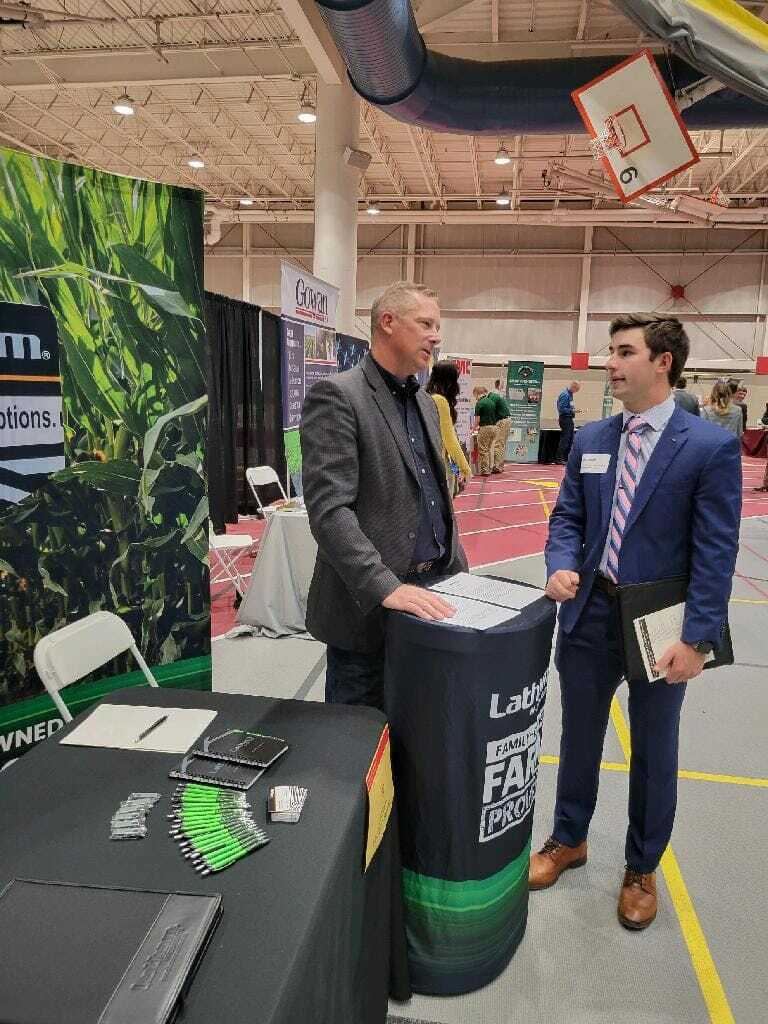
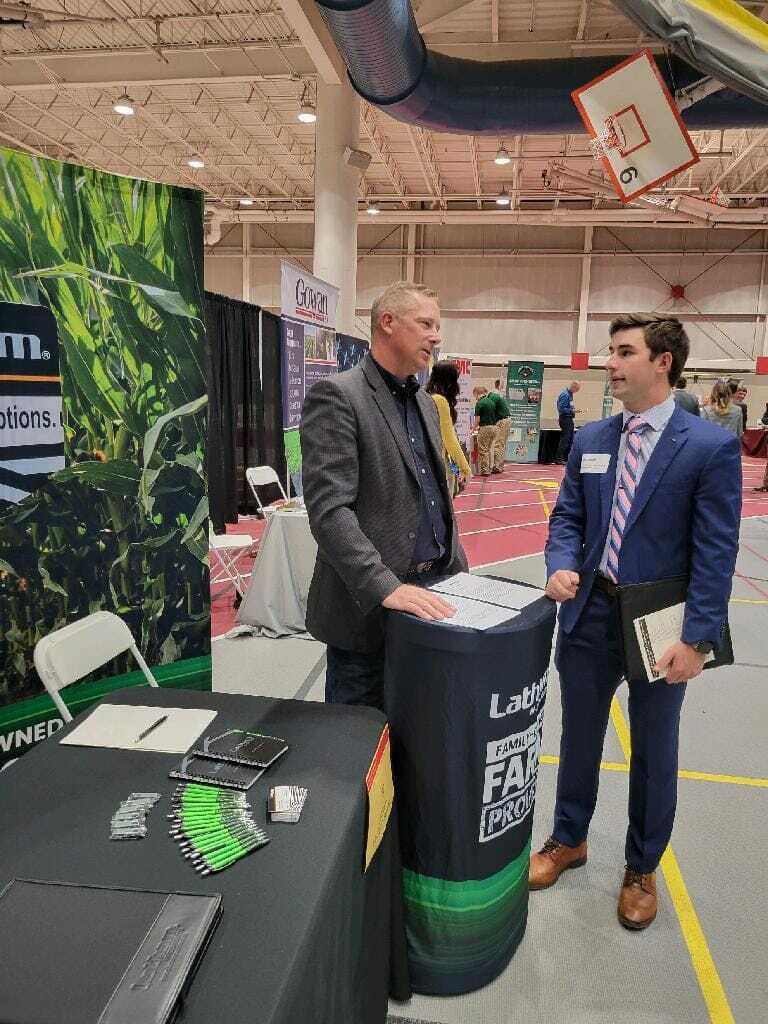
    Career Fair Ian

    Latham Hi‑Tech Seeds is committed to the future of agriculture – and that includes investing in the next generation of farmers and students who care about the future, too.

    We’re proud to participate in the largest agricultural career fair in the nation, which is held annually at Iowa State University. Every year we are blown away by the caliber of students that we get to visit with from the College of Agriculture and Life Sciences (CALS). But this year, it was a whole new game: ISU’s career fair broke its own record for the largest number of businesses and organizations present! How many? 289 to be exact. We know, because we were there.

    Career Fair Ian

    The CALS career fair boasts at least a 98% placement rate for student internships and full-time jobs. If that’s not impressive enough, consider this: students from 61 different majors at ISU were drawn to this event on a mid-October day. That’s 1,600 students passing by our booth, which means the competition is fierce – and not just for them. As a company, we must compete. And we do because we always want the best of the best on our team.

    You can learn more about Iowa State’s CALS career fair here.

    bonnie-harris

    October 21, 2022
    Fall, General, Industry News, Season
  • Latham Hi‑Tech Seeds

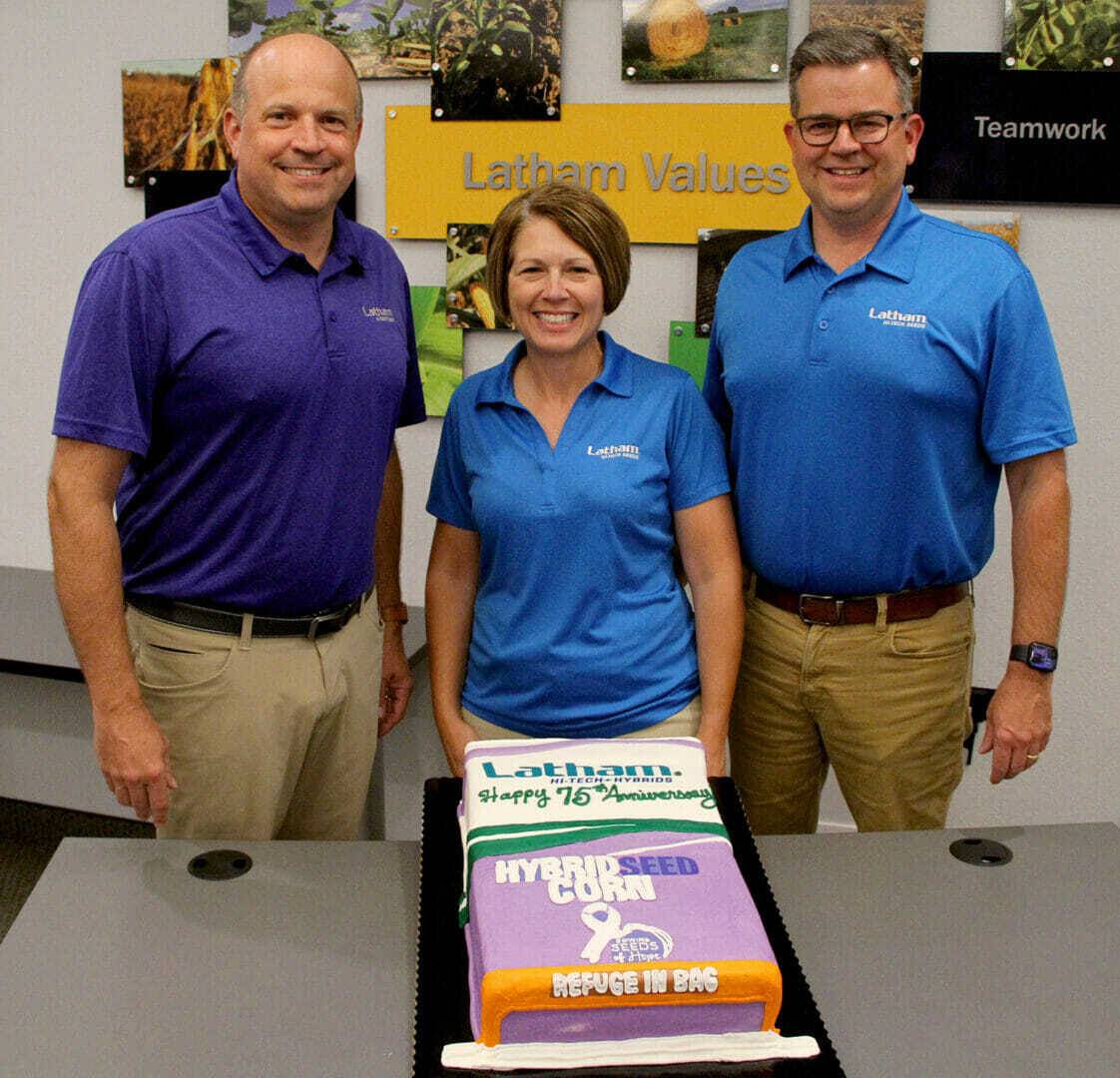
    Latham Seeds Celebrates 75th Anniversary on Family’s Iowa Century Farm

    Chris Shannon John with cake

    From a build-your-own bouquet bar to bouncy houses and in-field demonstrations, the 75th anniversary party for Latham Hi‑Tech Seeds was packed with education and entertainment for the entire family.

    “We feel blessed to be the third generation of Lathams to own and manage our family-owned seed company with headquarters on our Century Farm in North Central Iowa,” says John Latham, president, Latham Hi‑Tech Seeds. “We know that keeping a farm in the family for generations is challenging. That’s one reason we’re proud to sell through a farmer-dealer network. We appreciate working with multi-generational farmers, who plant our seed across the Upper Midwest.”

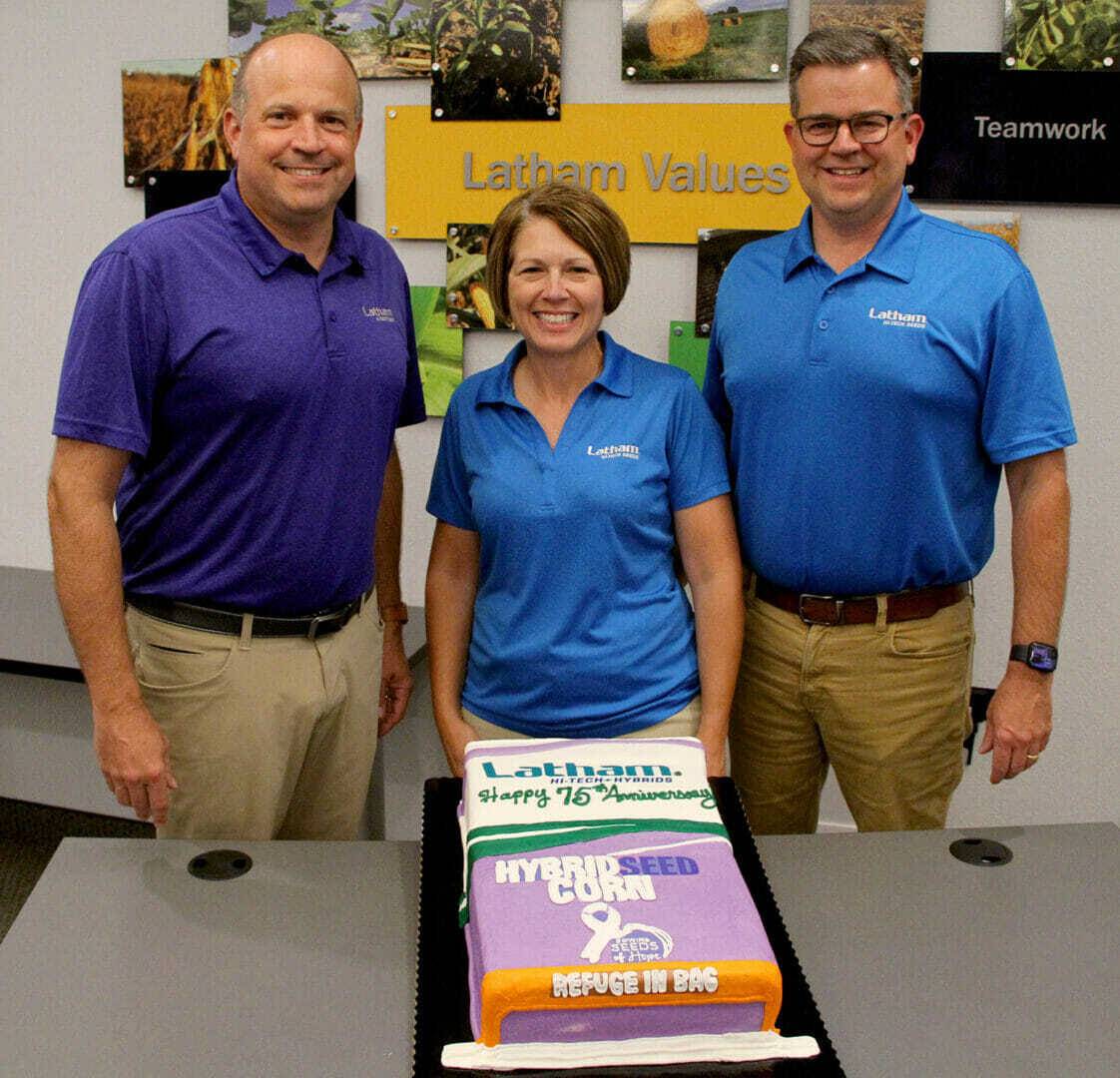
    Chris Shannon John with cake
    Chris Latham, Shannon Latham and John Latham (Third Generation)

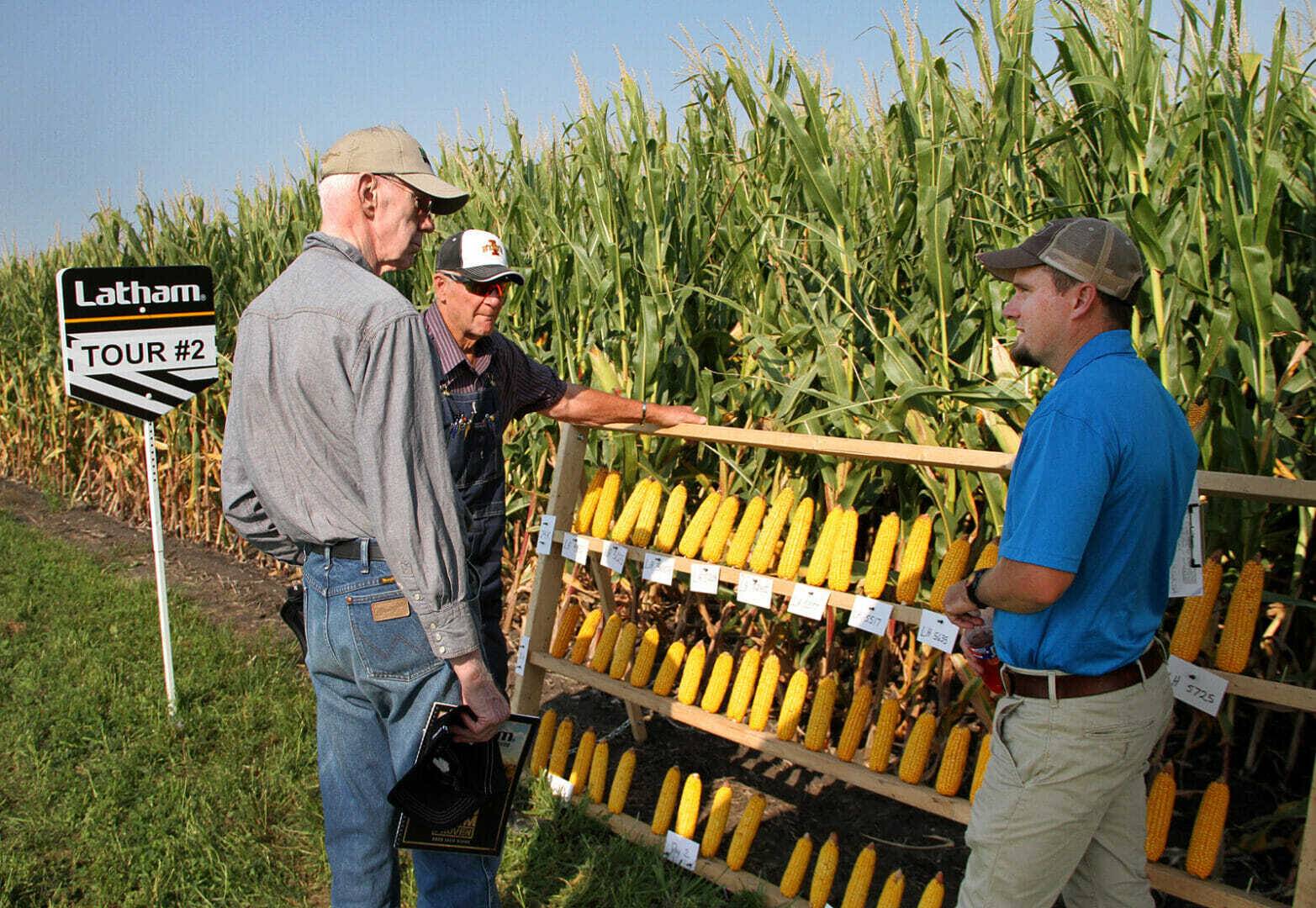
    Last night’s celebration allowed Latham Seeds to showcase the latest seed traits and technologies during the grand opening of the Latham Premier Agronomy Center. There are more than 20 demo plots located within the Premier Agronomy Center, and guests got to choose which four they wanted to attend.

    One of the more popular presentations featured two new trait platforms that protect against corn rootworm (CRW) that many farms are experiencing this season. The first corn hybrid trait platform is SmartStax® PRO, which combines “BT” traits with RNA structure. When eaten by the pest, this package interferes with an “essential-to-life protein” in the insects RNA (thus RNAi) and leads to insect control. This non-BT-based development will help control CRW in a new way plus extend the usefulness of BT-based controls. You will see the SmartStax PRO Trait package in LH 5008 SS PRO and LH 5668 SS PRO hybrids.

    The second trait platform to control CRW is Duracade Viptera™. This package combines BT traits with another BT rootworm trait that attaches uniquely to the insect’s gut when it’s eaten. It also provides above-ground protection from the Viptera trait. You will see the Agrisure Duracade Viptera trait package in LH 5209 DV hybrid. Latham® hybrids with Duracade Viptera and SmartStax PRO traits provide multiple modes of insect control for both above and below ground.

    Phil field tour 2

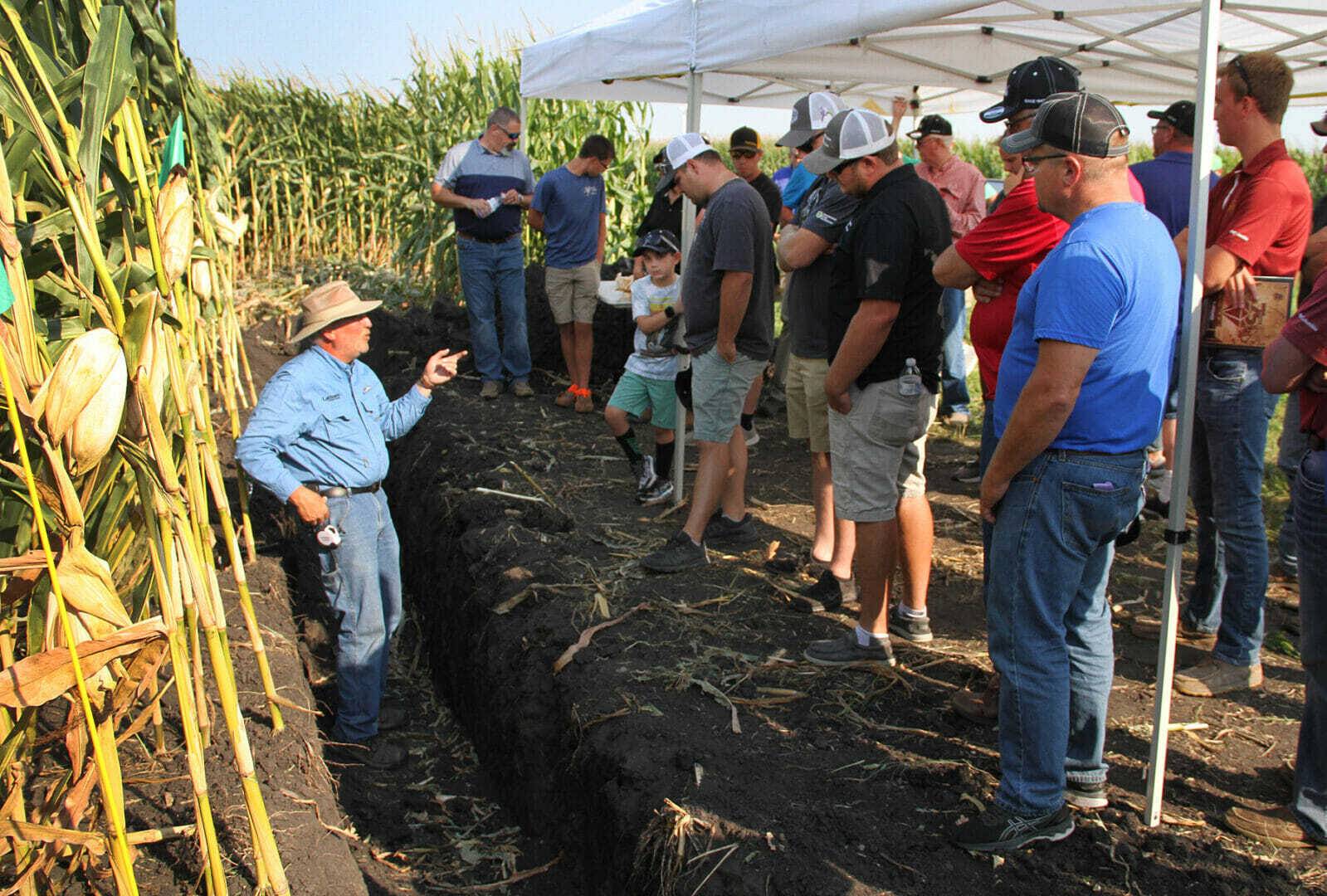
    Another popular tour stop at the Premier Agronomy Center Grand Opening was the root and soil pit. While you can learn a lot from a root dig, you can learn even more when you dig deeper! Corn roots, night crawlers, compaction layers, earthworm channels and even water during a drought can be seen at the three to five-foot depth. Soil that is healthy deep down holds more water, has less run-off and supports plants during challenging weather. Healthy soil is also filled with microbes and worms.

    Lyle root dig pit tour

    Latham’s Agronomy Center field day went from 4 to 8 p.m. Following the field presentations, guests enjoyed Wholly Smoke BBQ, birthday cake and soft serve ice cream cones plus a live performance by Neil Hewitt.

    Wholly Smoke BBQ from Dow, Iowa, had delicious smoked meats along with mac ‘n cheese. Such divine food reminded me of my favorite mac ‘n cheese recipe. Check it out below (courtesy of Cristen Clark, Food & Swine and Iowa Food and Family Project.)

    If you’d like to schedule your own tour of the Premier Agronomy Center, contact your local Latham Seeds rep or call our office at 877-GO-LATHAM (877-465-2842). All growing season long, Latham Seeds provides opportunities to learn from demonstrations in the Premier Agronomy Center. Follow @LathamSeeds on Facebook, Twitter, Instagram and YouTube – and watch Latham’s weekly “Ask the Agronomist” videos.

    Shannon Latham

    September 9, 2022
    Agriculture, Agronomics, Corn, Crop, Food & Family, General, Industry News, Insects, Latham News, Recipes
1 2 3 … 95
Next Page

Latham Hi‑Tech Seeds

131 180th Street | Alexander, IA 50420

(641) 692-3258

SIGNUP FOR OUR NEWSLETTER
  • Contact
  • Legal
  • Dealer Center
  • Seedware Login
  • Latham Gear

© 2025 Latham Hi‑Tech Seeds. All rights reserved. | Iowa Web Design by Webspec | Privacy Policy

Latham® Hi-Tech Seeds is a trademark of M.S. Technologies, L.L.C., 103 Avenue D, West Point, IA 52656.