Latham Hi-Tech Seeds

(641) 692-3258

  • Home
  • Products
    • Corn
    • Soybeans
    • Alfalfa
    • Corn Silage
    • Seed Guide
  • Performance
  • Find a Rep
  • Media
    • Blog
    • News
    • Videos
    • Podcasts
    • TECHTalk
  • About Us
    • Company History
    • Our Mission
    • Careers
    • Become a Rep
    • Sowing Seeds of Hope
  • Contact Us
  • Latham Hi‑Tech Seeds

    October 9, 2019 Crop Reports

    Ken 1

    Northwest North Dakota

    Brian McNamee

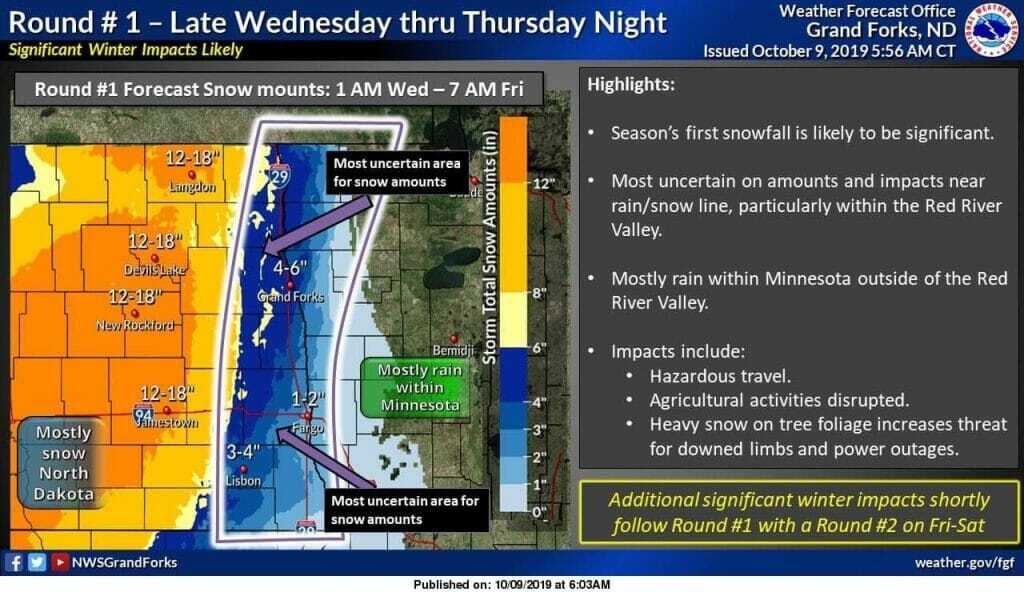
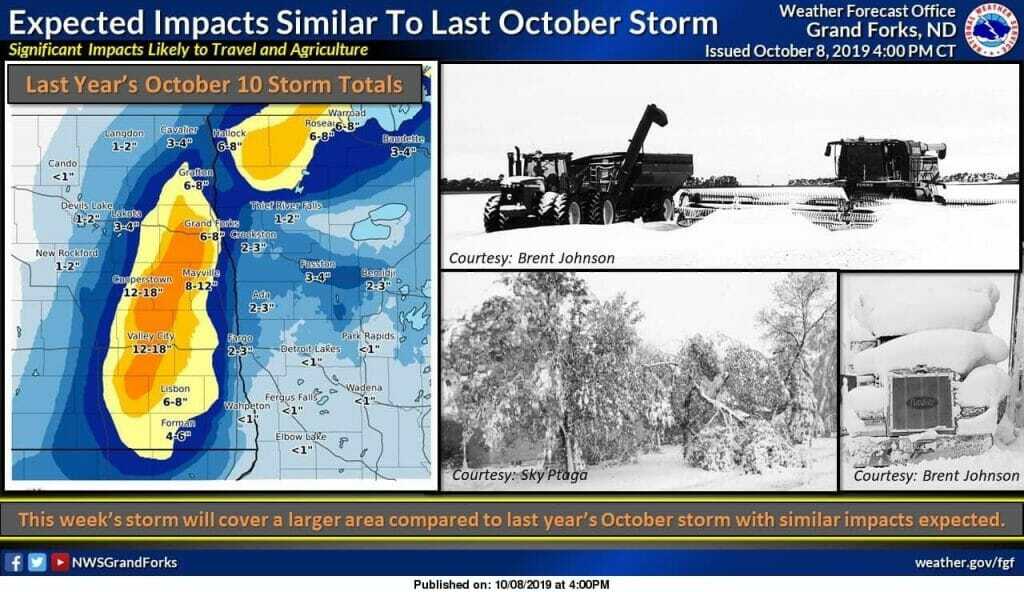
    We got our first taste of winter last week with a few inches of snowfall and a very light frost. Farmers have shifted into overdrive to get as many soybeans harvested and silage corn cut before this next round of forecasted snow.

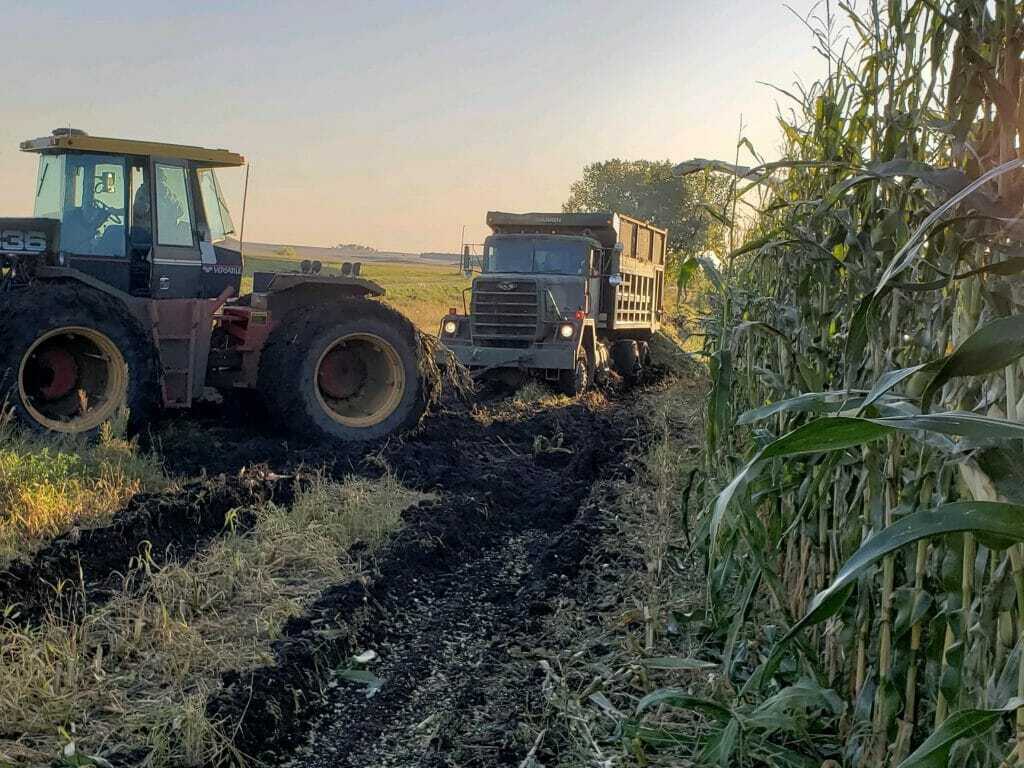
    This farmer was stuck so bad that they had to dump the load of silage on the ground to pull this rig from the mud. I’ve also seen combines stuck as people are pushing the limits to try to get this crop out.

    Why are they pushing so hard? Last year we had the exact same scenario. Snow began falling at approximately the same date on the calendar. Lots of soybeans were combined after Thanksgiving, and some of the 2018 crop harvest was delayed until May 2019.
    Brian 1

    Brian 2

    Brian 3


    Southeast North Dakota

    Gary Geske

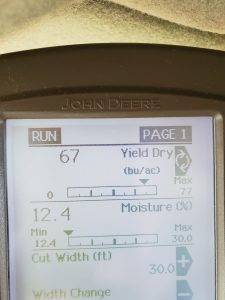
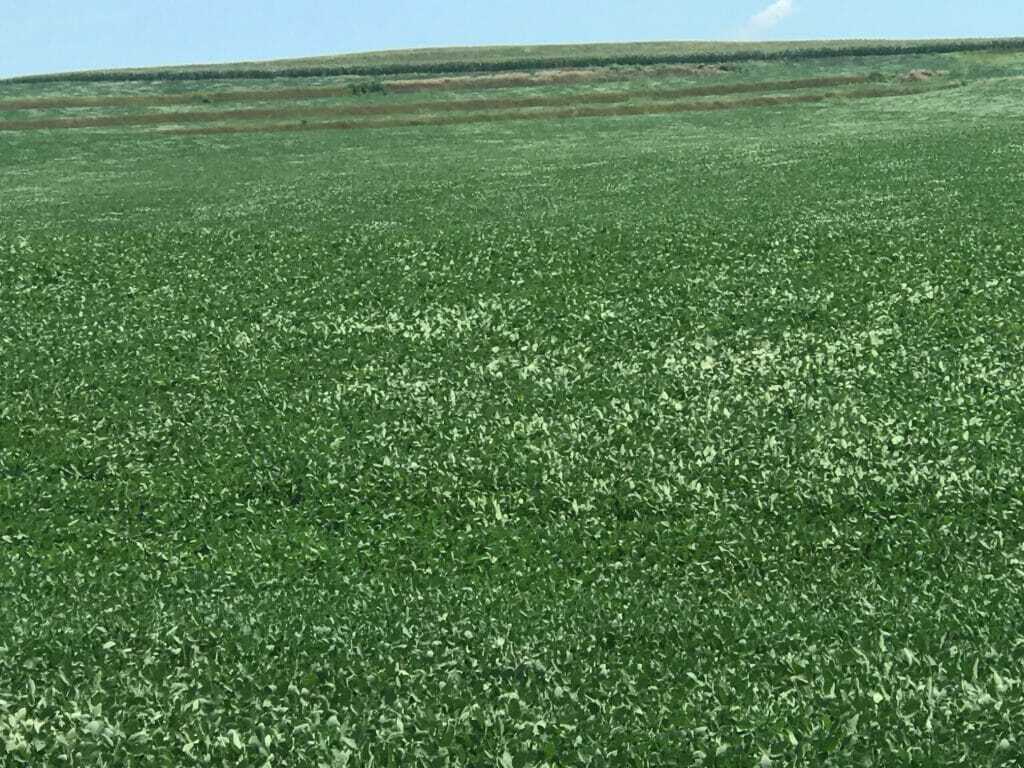
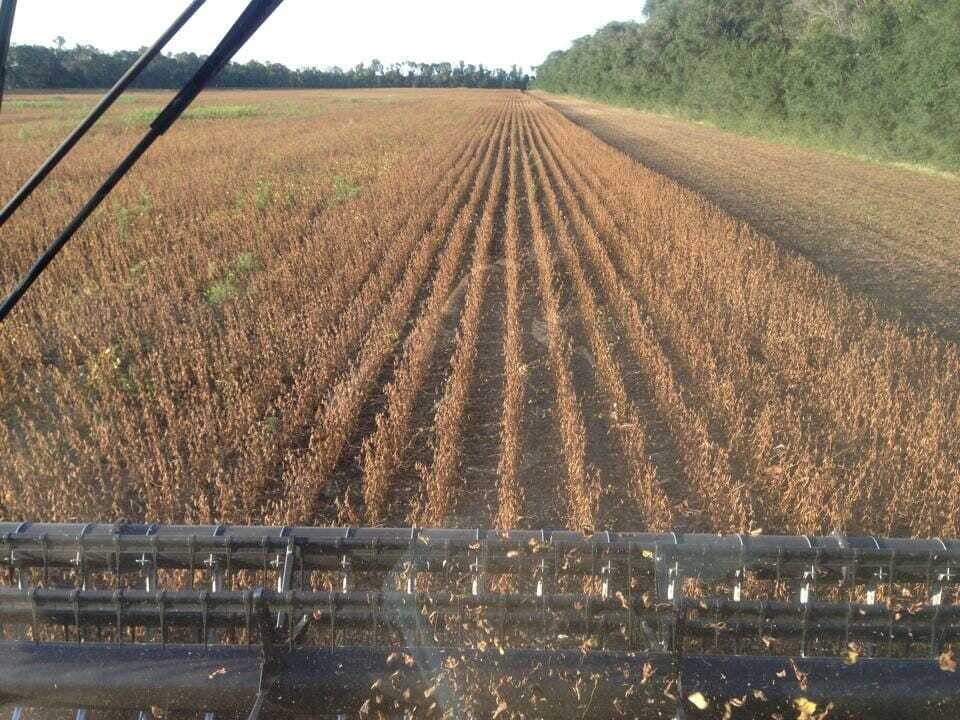
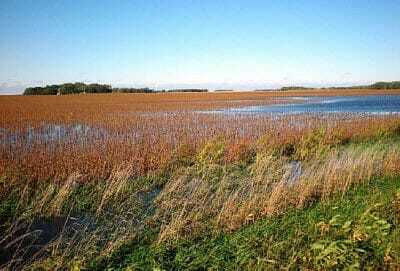
    We were blessed with a couple days of sunshine before the next storm, so some soybeans got harvested. Harvest moistures are ranging from 14 to 20 percent. Yields are quite variable due to all the drowned-out areas and uneven harvest conditions.
    Gary 1


    James 1Northeast South Dakota

    James Keltgen

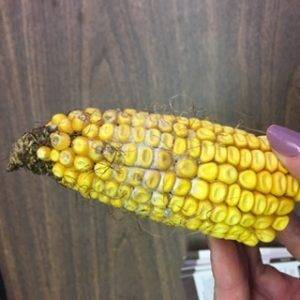
    A number of Northeast South Dakota farmers started soybean harvest this week. Moistures are still fairly high, but a major snowstorm is expected here mid-week. Many soybeans are close to being ready but still need a few nice days to ripen enough to combine. The snowstorm will bring an end to our growing season as the forecasted low is 26 degrees Fahrenheit. Everyone hopes this forecast is wrong as there is still a lot of corn that has not black layered. Yield losses look to range from 0 to 15%.

    Ramie 1Southeast South Dakota

    Ramie Coughlin

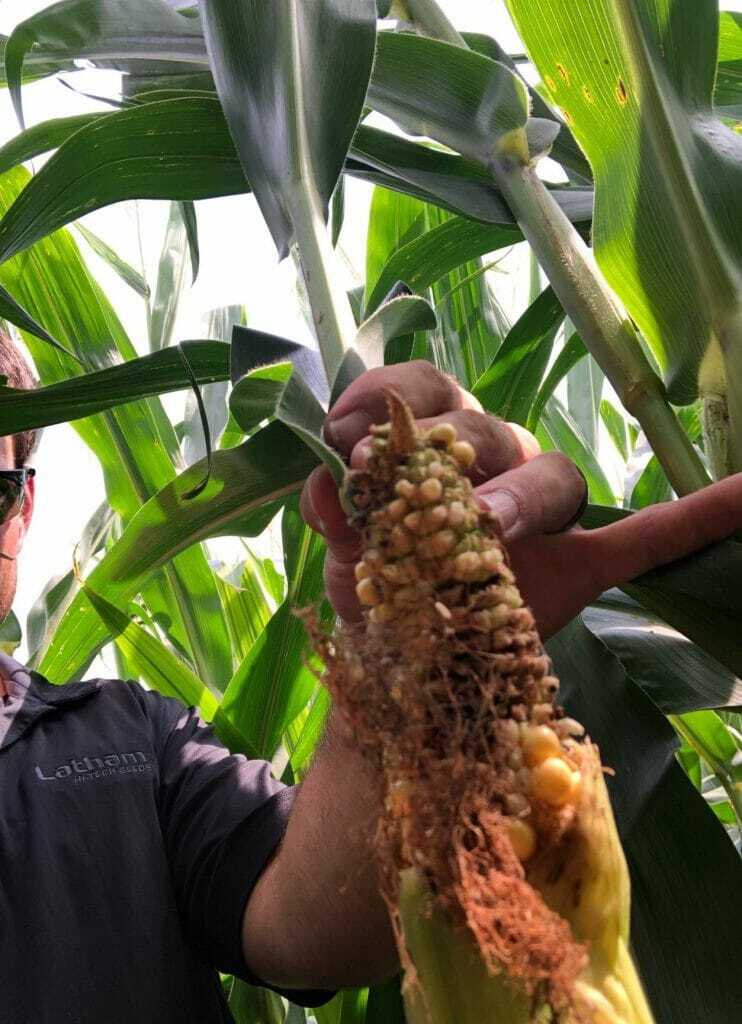
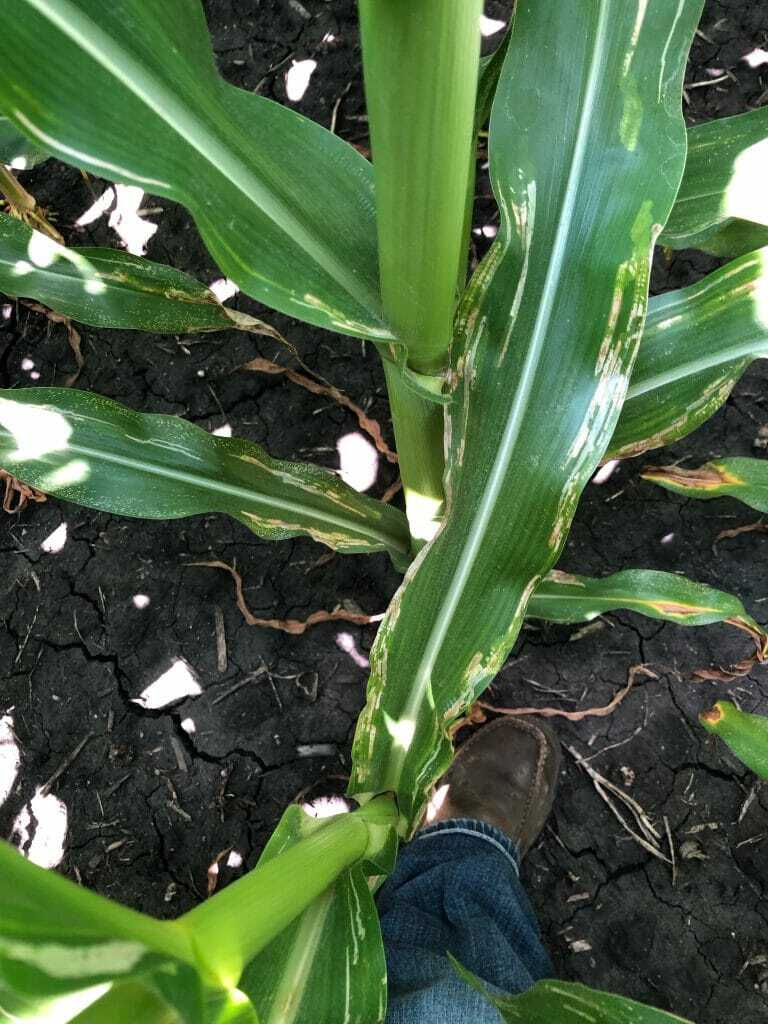
    Stalk rots and ear rots are par for the course this harvest season with the wet year we have had. Unfortunately, the only to stop or slow them now is a killing frost. I encourage you to walk your fields and look for stalk and ear rots. You’ll want to harvest these fields first as they are very susceptible to dropping earns and also to going down with strong winds.

    Ken 1Northern Minnesota

    Ken Highness

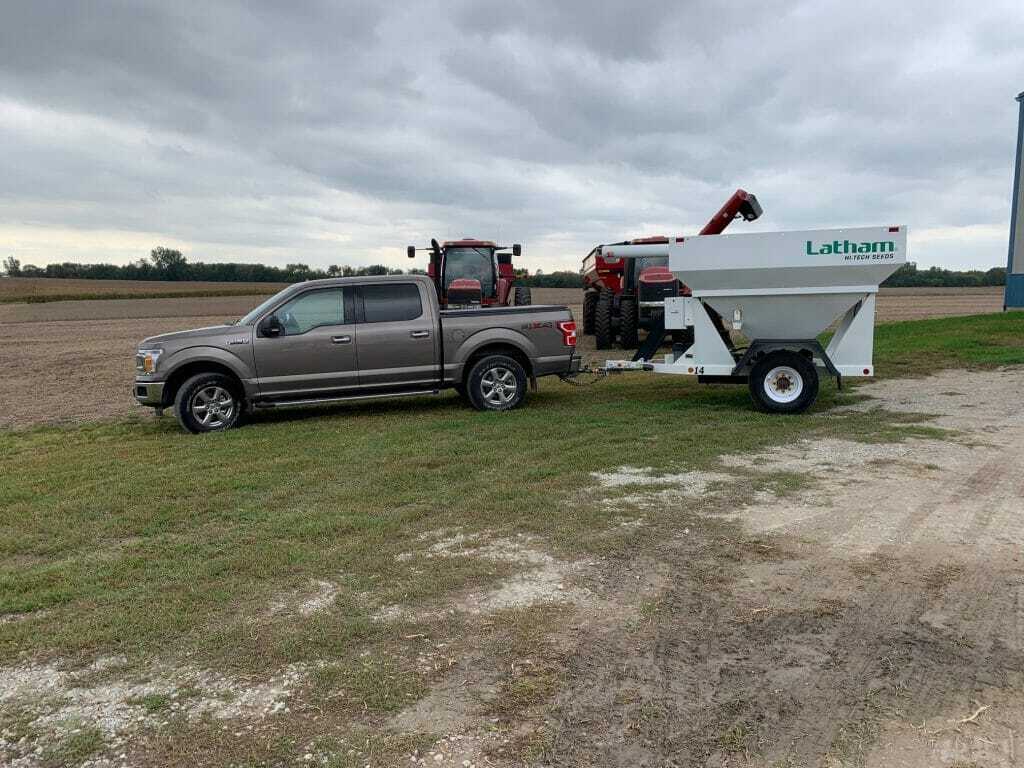
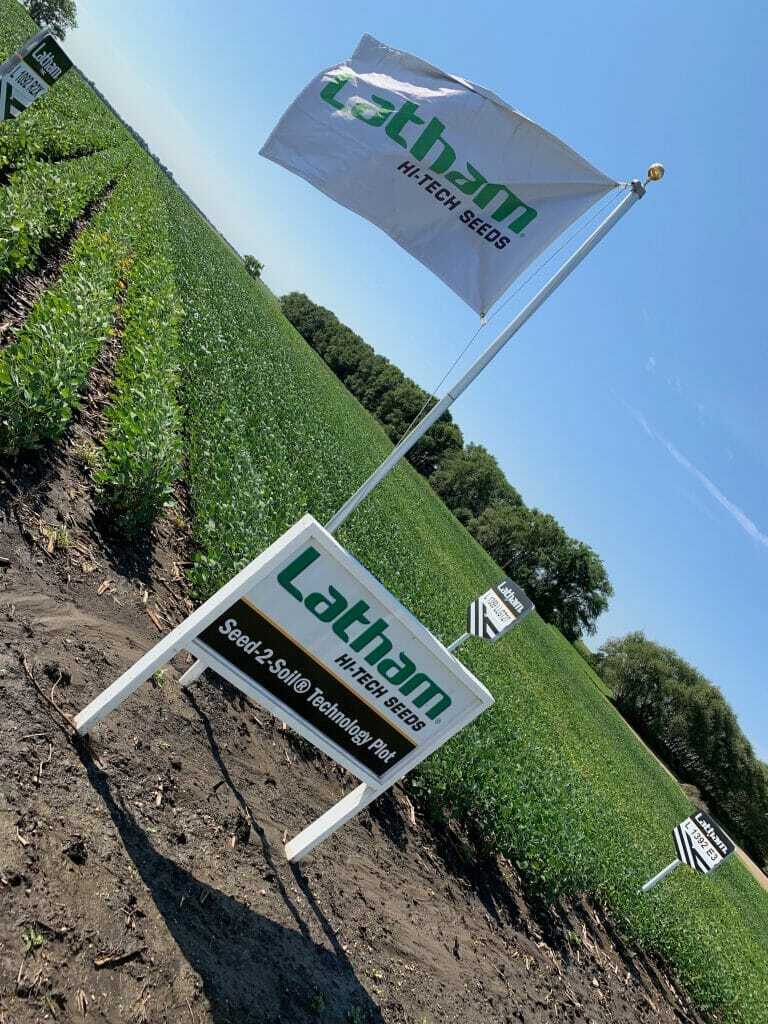
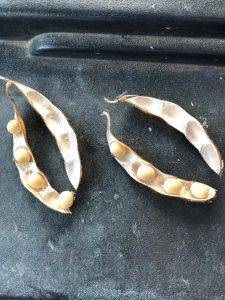
    Latham® dealer Allan Murack waited for drier field conditions to harvest this field of Latham brand 1238 LL soybeans. This field was harvested yesterday near Cayuga, ND.


    Southern Minnesota

    Justin Prokosch

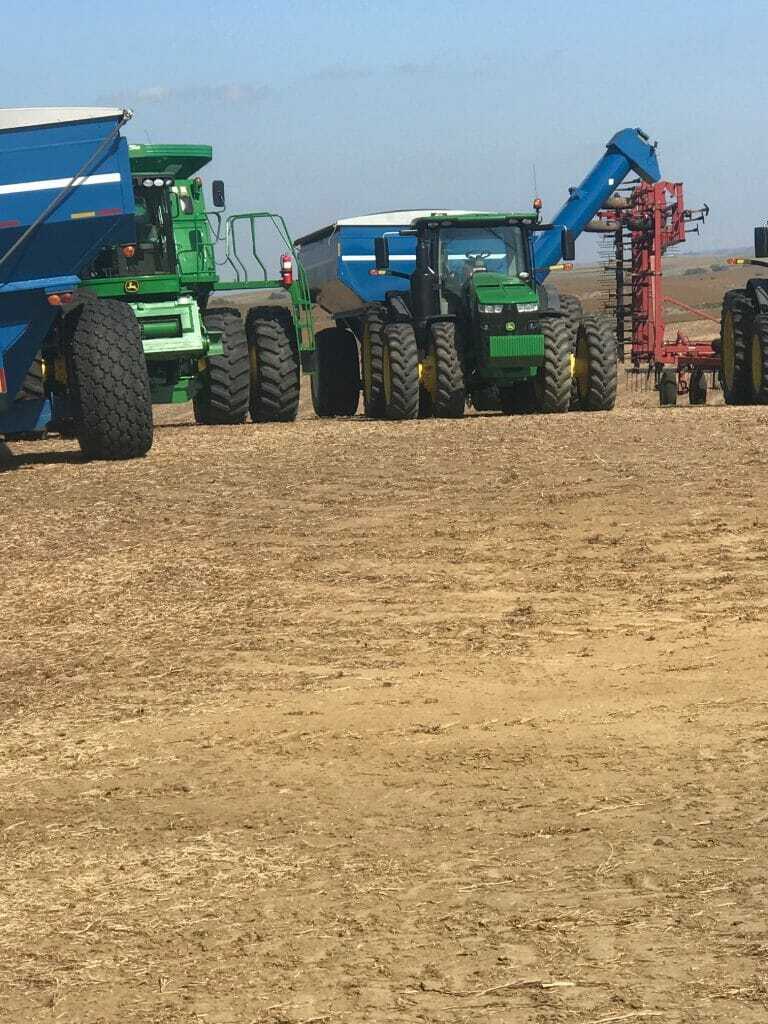
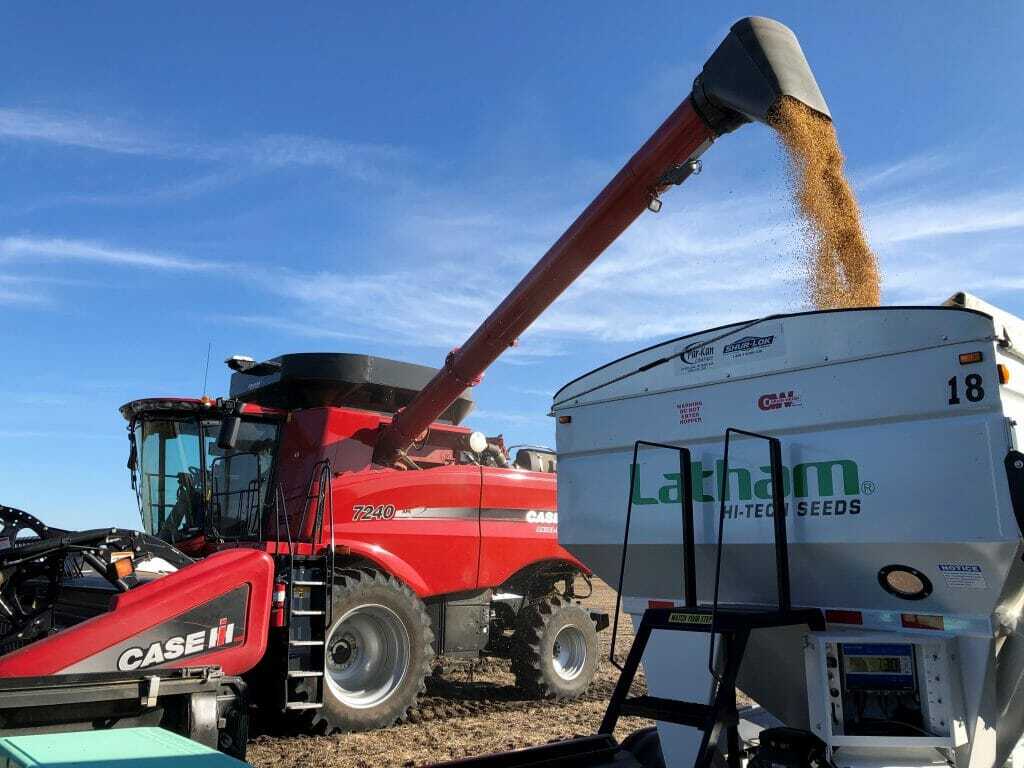
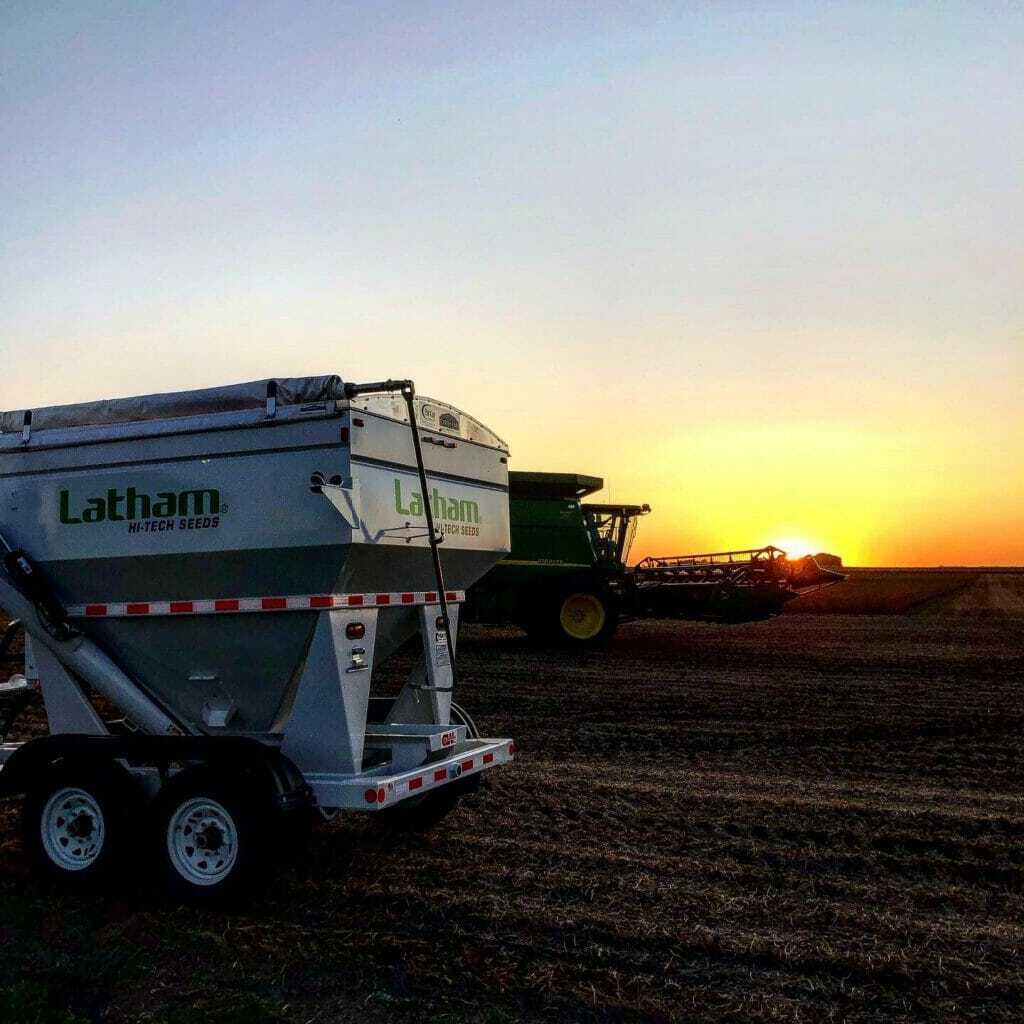
    It’s been a busy couple of days in Southern Minnesota are farmers harvest as many acres as possible while the weather holds. With warmer temps and windy days, many soybean fields have become fit to harvest.
    Justin 1

    Justin 3

    Justin 2


    Northern Wisconsin 

    Joe Salter

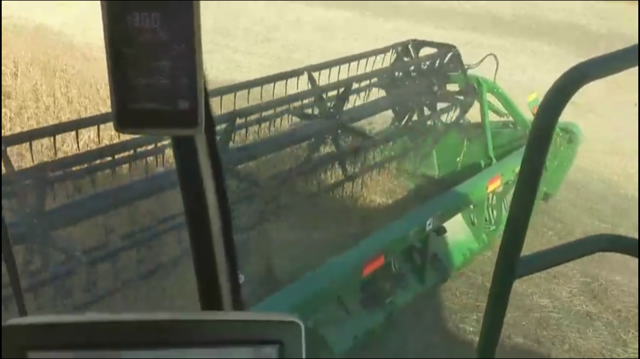
    The last few weeks have been very wet and very challenging.  Silage and soybeans are ready got harvest, but the amount of rain has made it difficult to get in and out of the fields. The next couple of days should allow many farmers to get a good start on soybeans while others will finish up corn silage. Pictured here is a local farmer opening up his first soybean field.  Also pictured is the rolling hills of West Central Wisconsin farm country with the last silage pile finally finished.

    Joe 1

    Joe 2


    20191008 124059North Iowa

    Cory Greiman

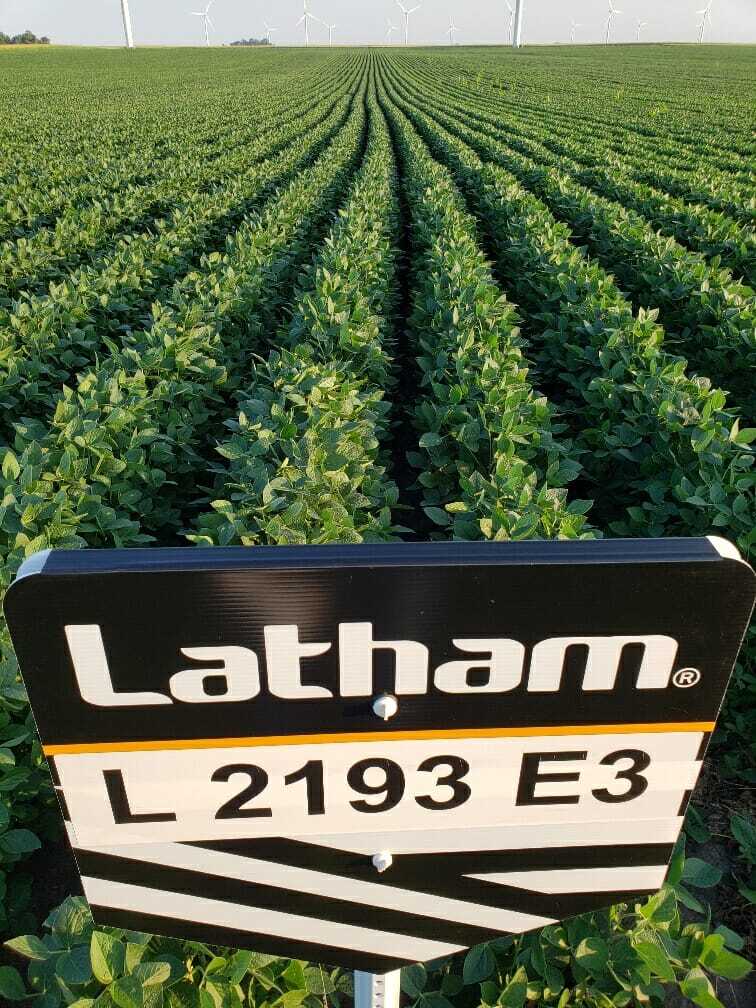
    This field of Latham’s 2193 E3 Enlist soybeans was planted May 5 near Garner, Iowa. This week they were harvested, yielding in the mid-60 bushels per acre.


    Northeast Iowa

    Craig Haaland
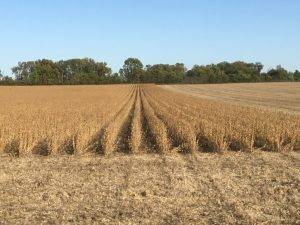
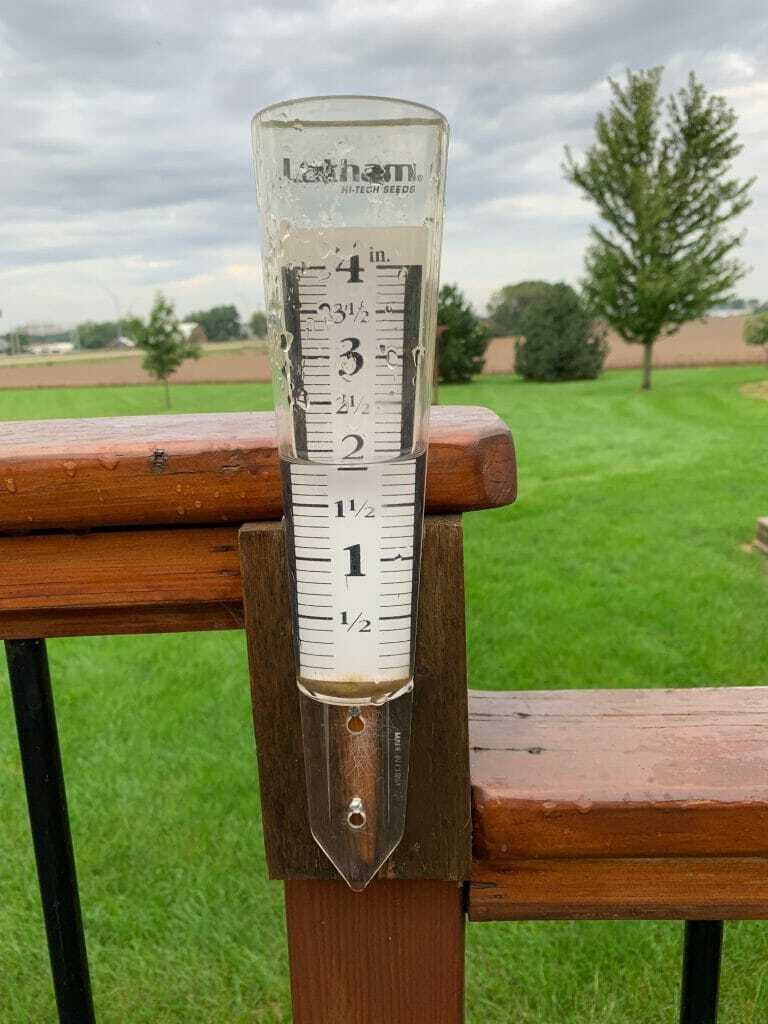
    Craig 2Nearly five inches of rain fell last week, including 1.5 inches on Saturday. I honestly didn’t think we’d see farmers in the field this quickly. Hardly any tracks were left in the fields by these combines yesterday. This field of Latham® L 2186 Liberty soybeans was harvested in Mitchell County, Iowa. Harvest moisture started at 13.5% and ended 12.7%. Yields were in the 50s. I also heard of some Latham 2084’s and 2228’s that were taken out around 12.5 to 13% moisture with Craig 1yields running in the mid-50’s. Check your fields because you might be surprised that you can go! We know everyone is anxious to bring in the crop, but remember accidents happen when we try to hurry too much. Stay safe!


    JeremyNorthwest Iowa

    Jeremy Joynt 

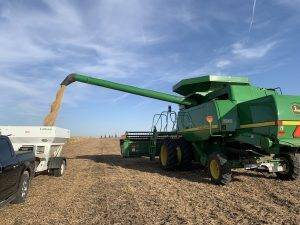
    We took out our first Latham® soybean plot on Oct. 8 in Northwest Iowa. Combines are going on both corn and soybeans. Stay safe this harvest season!


    Bart 1West North Central Iowa 

    Bart Peterson

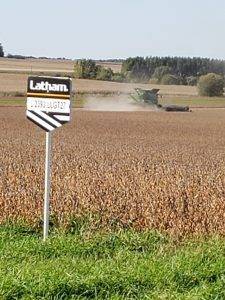
    This Latham® customer was just starting to combine L 2393 LLGT27 on Monday afternoon when I pulled onto his farm near Steamboat Rock, Iowa.

    Jerry 1Eastern Iowa

    Jerry Broders

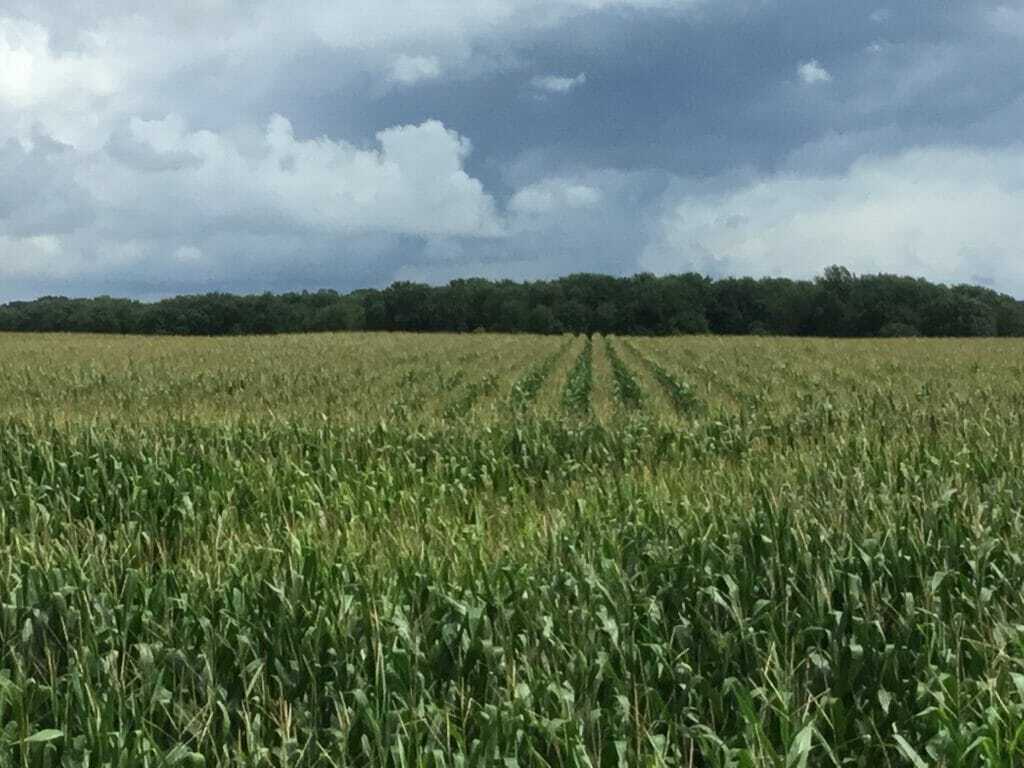
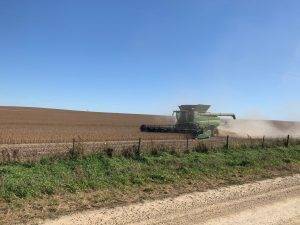
    Combines are starting to roll again in Eastern Iowa. Farmers here are harvesting both corn and soybeans.


    Western Iowa

    Larry Krapfl

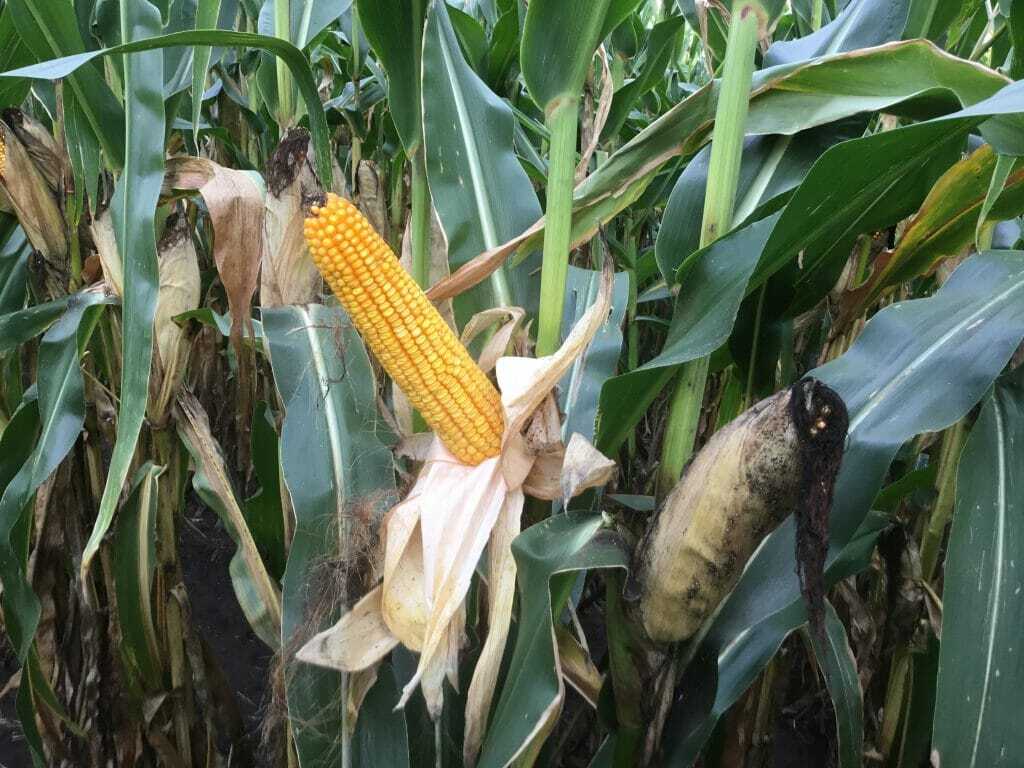
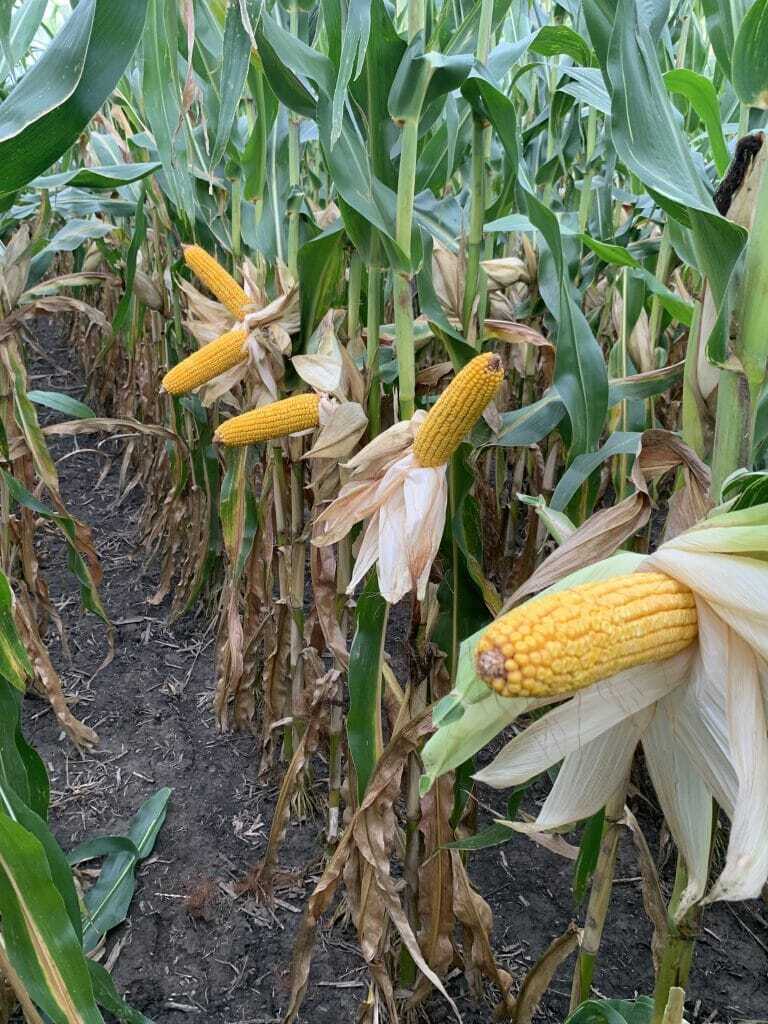
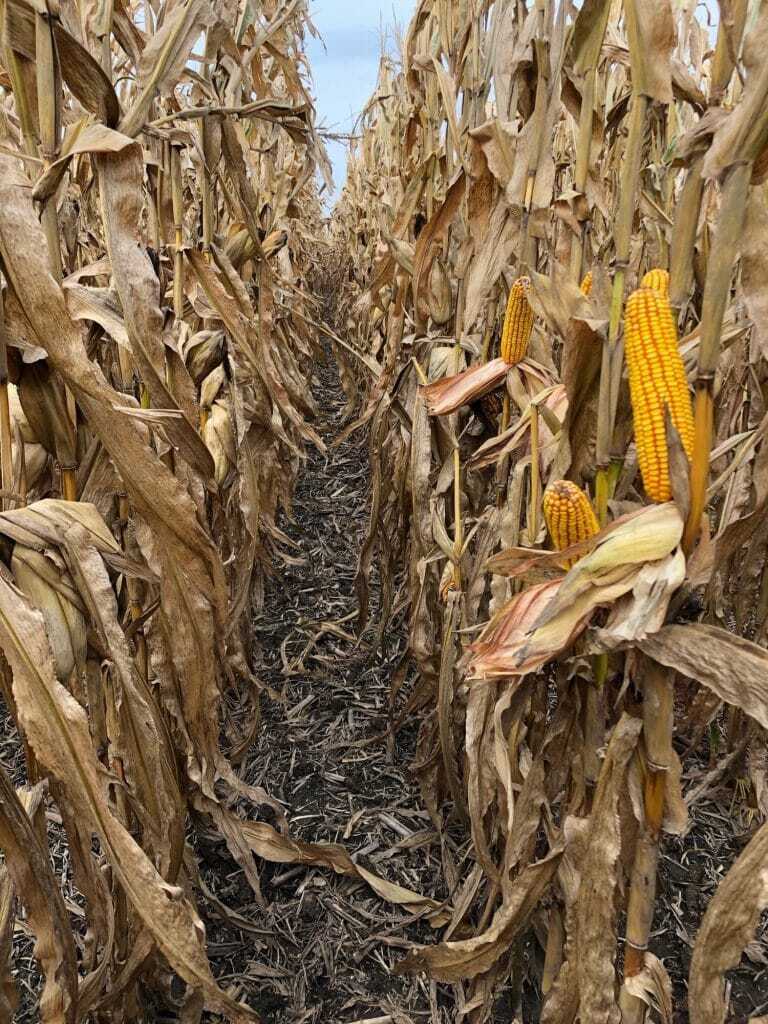
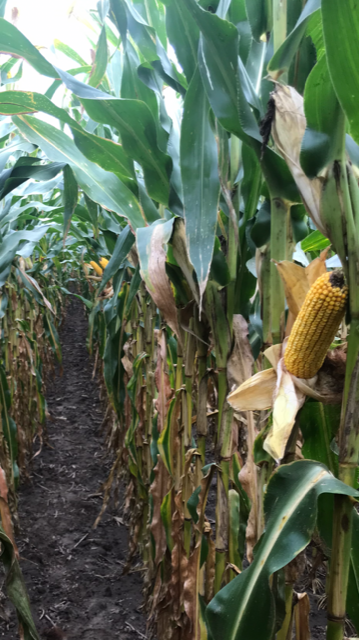
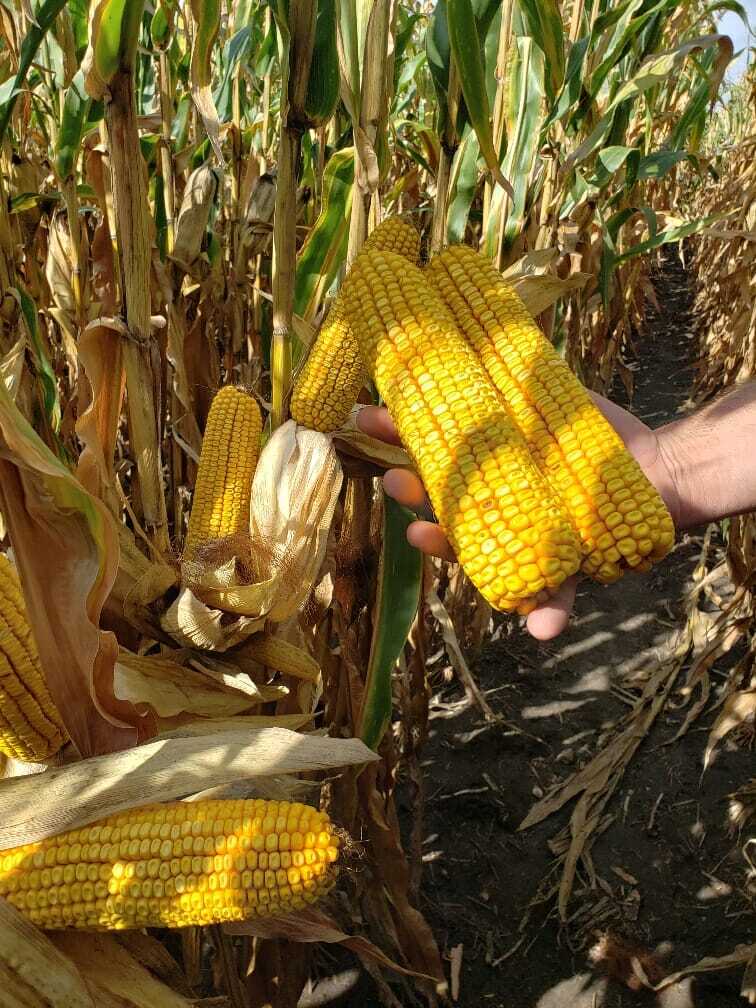
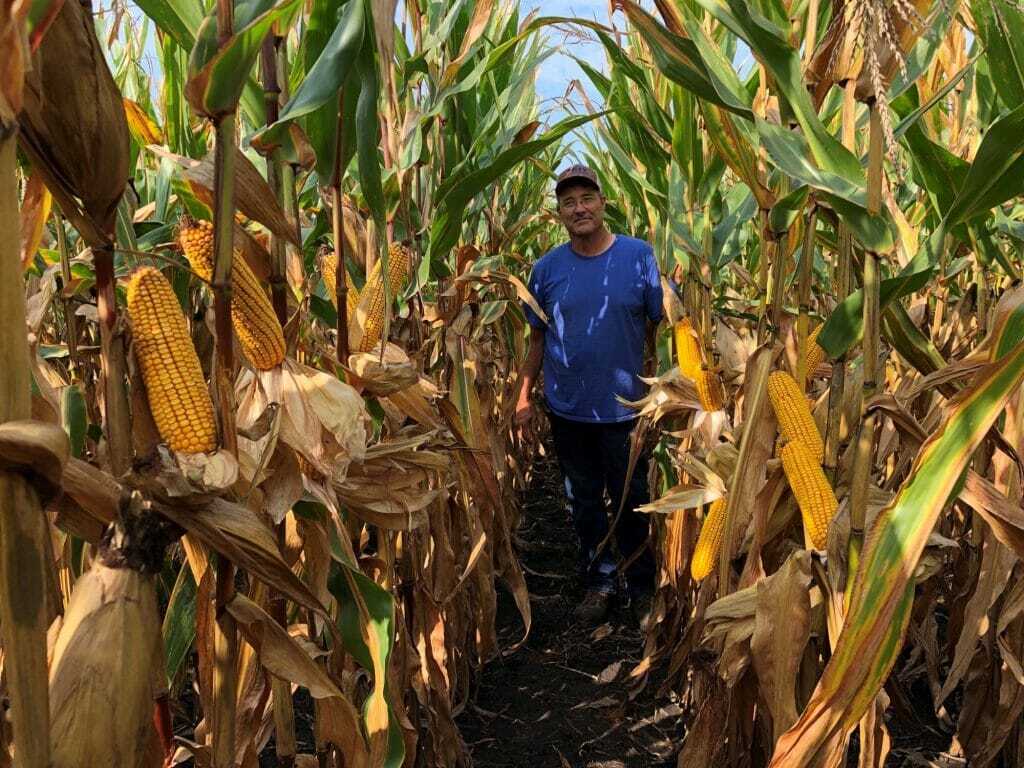
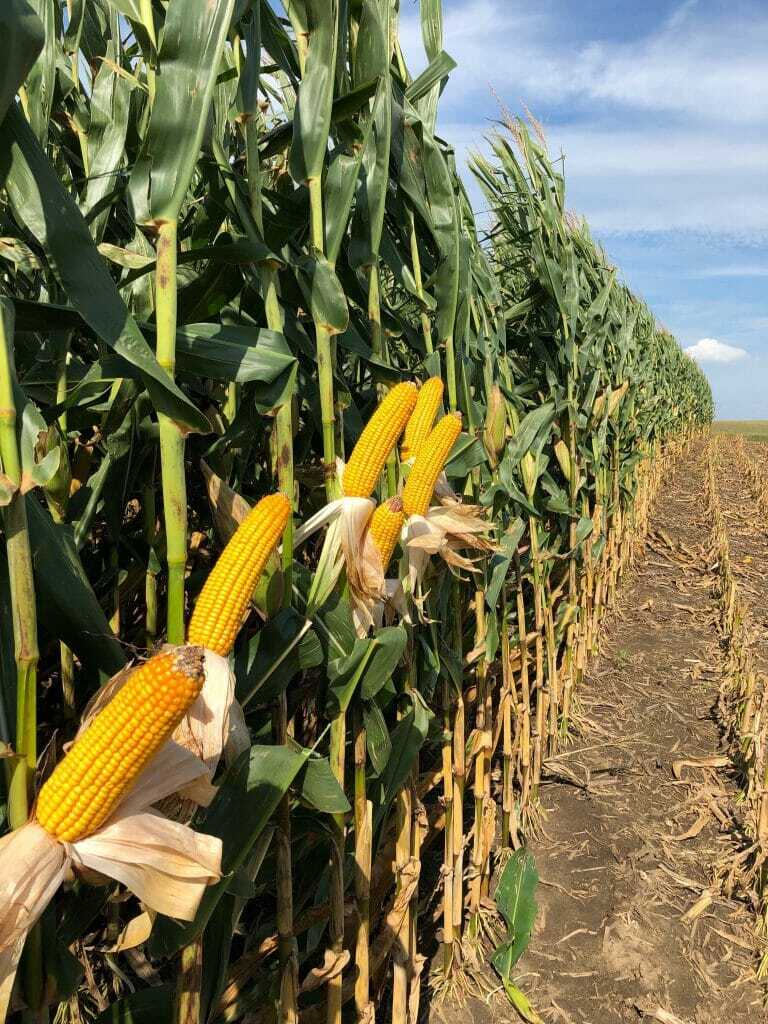
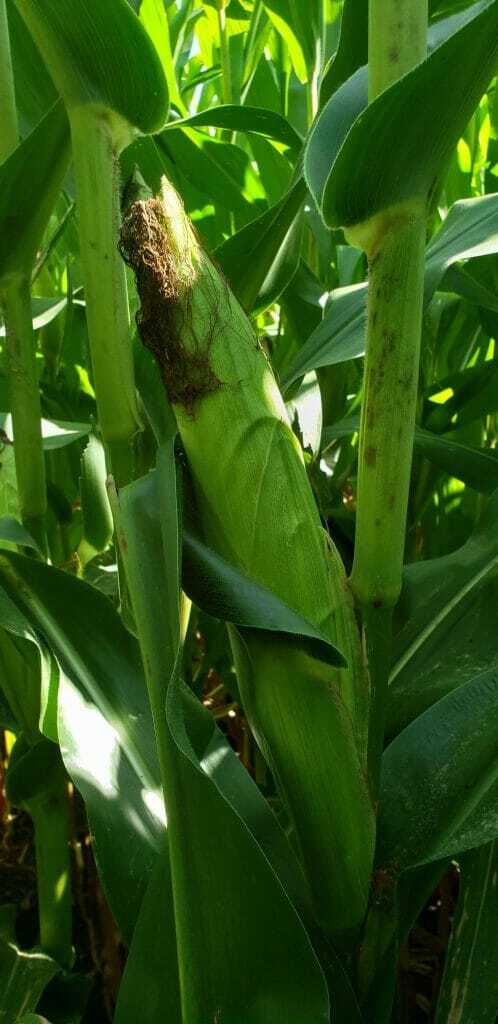
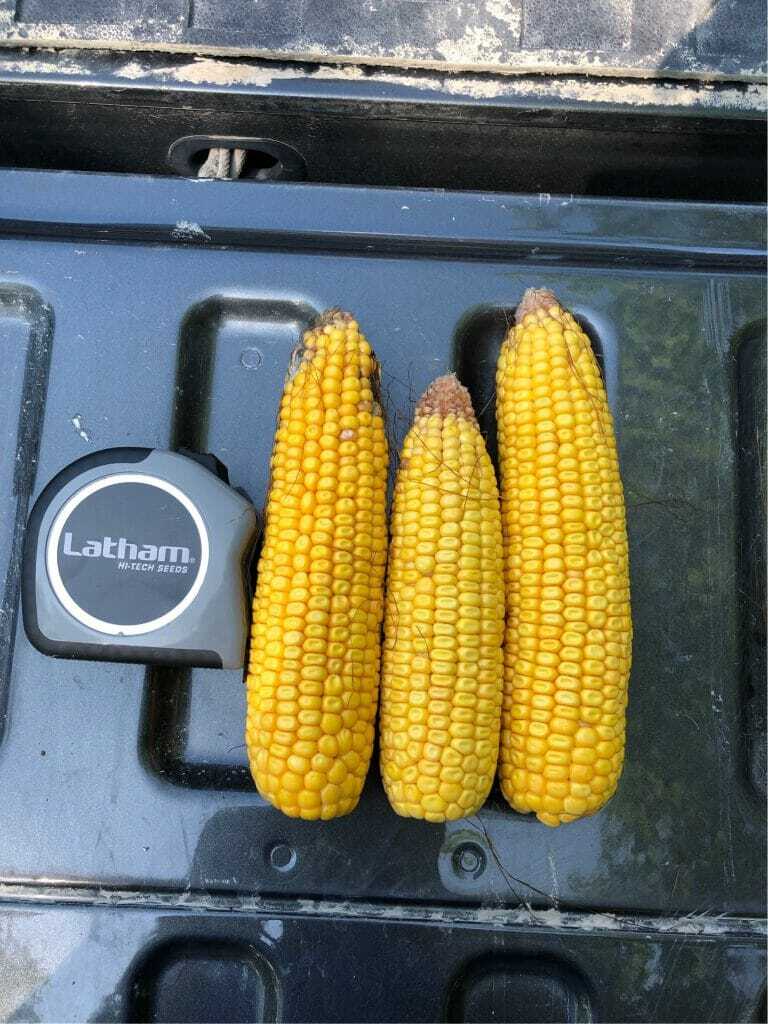
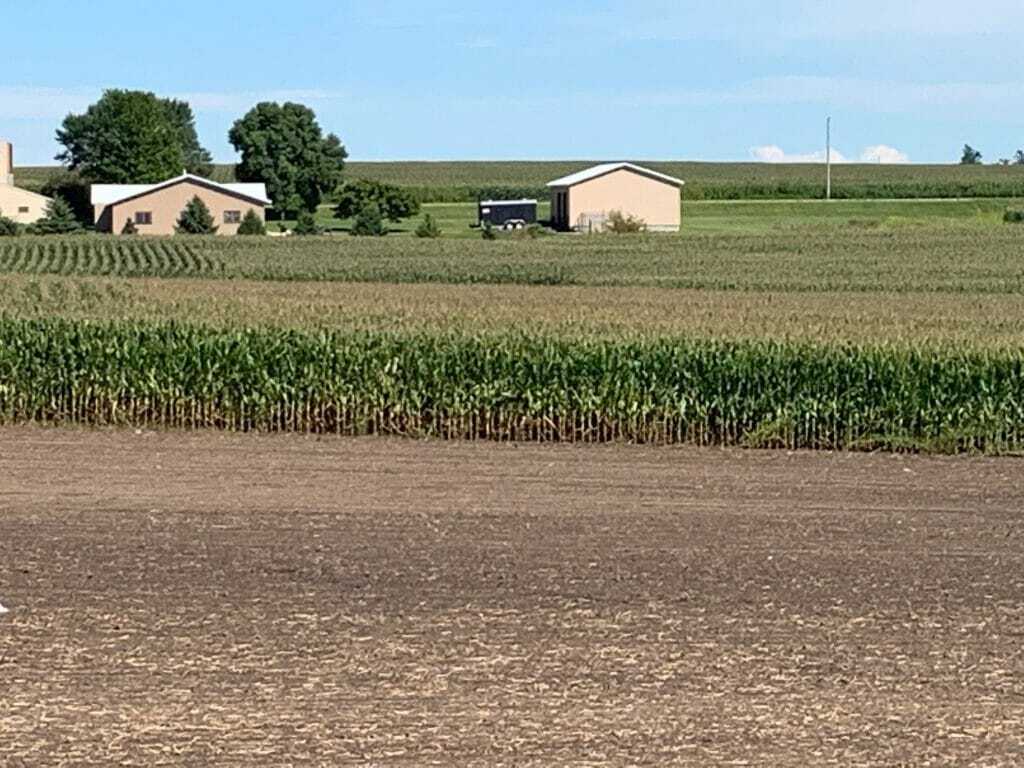
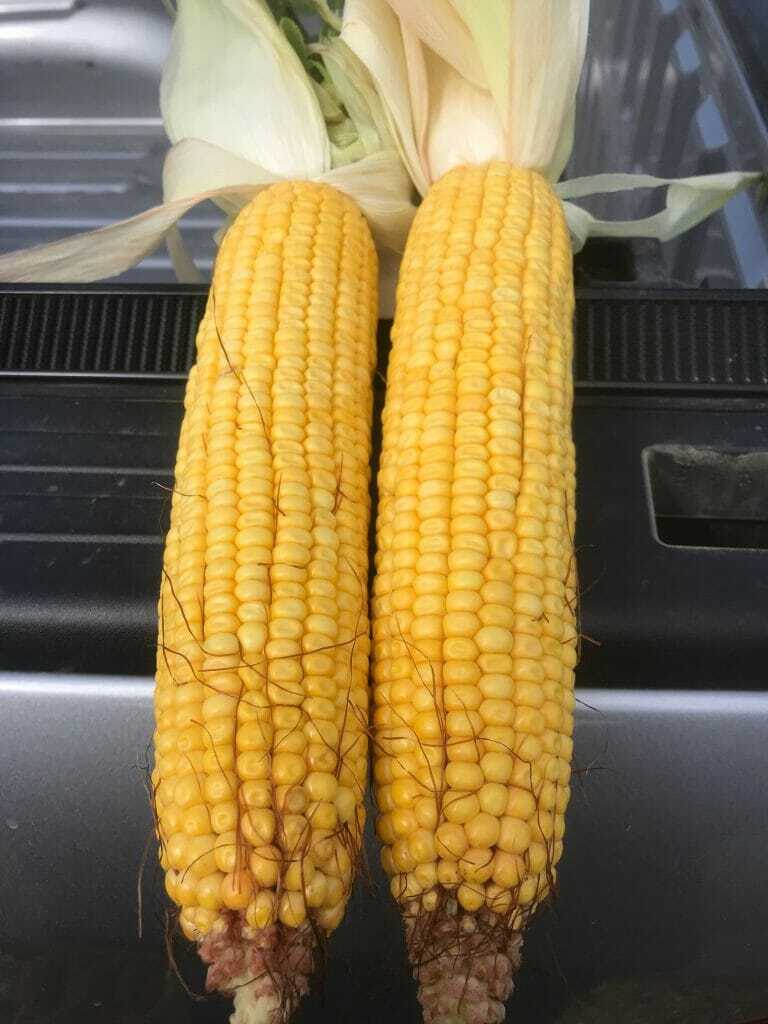
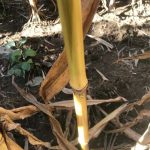
    Latham brand 6285 VT2 PRO RIB is standing perfectly, and the ears of corn it put on are amazing!
    Larry 2
    Larry 3
    Larry 1

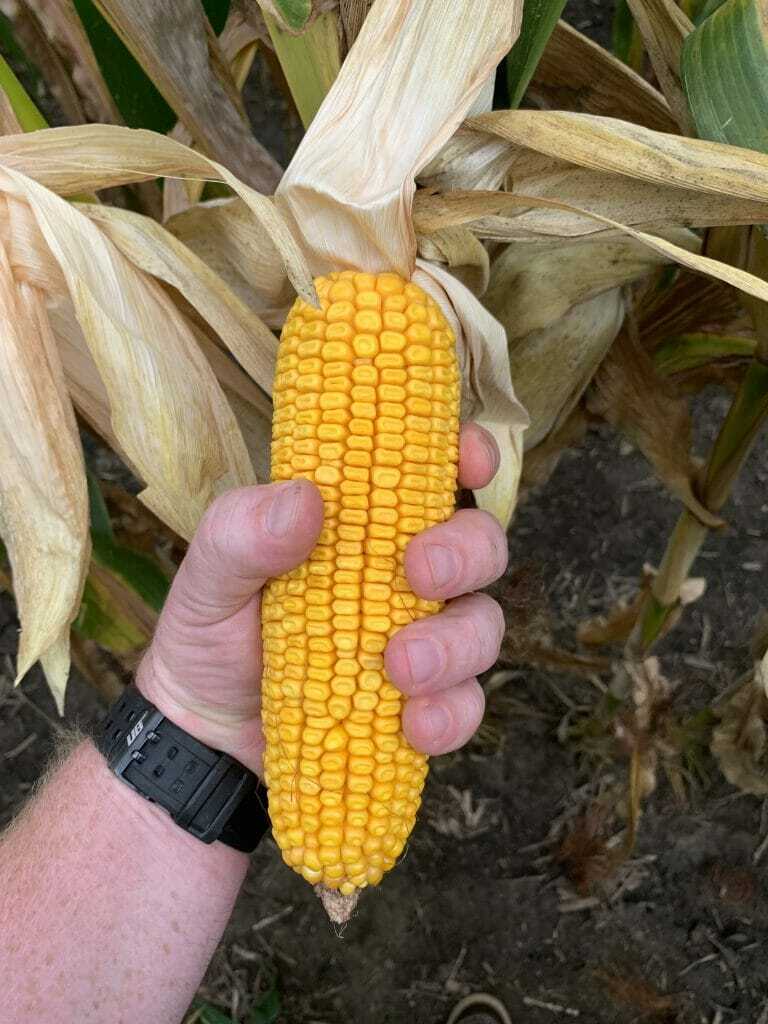
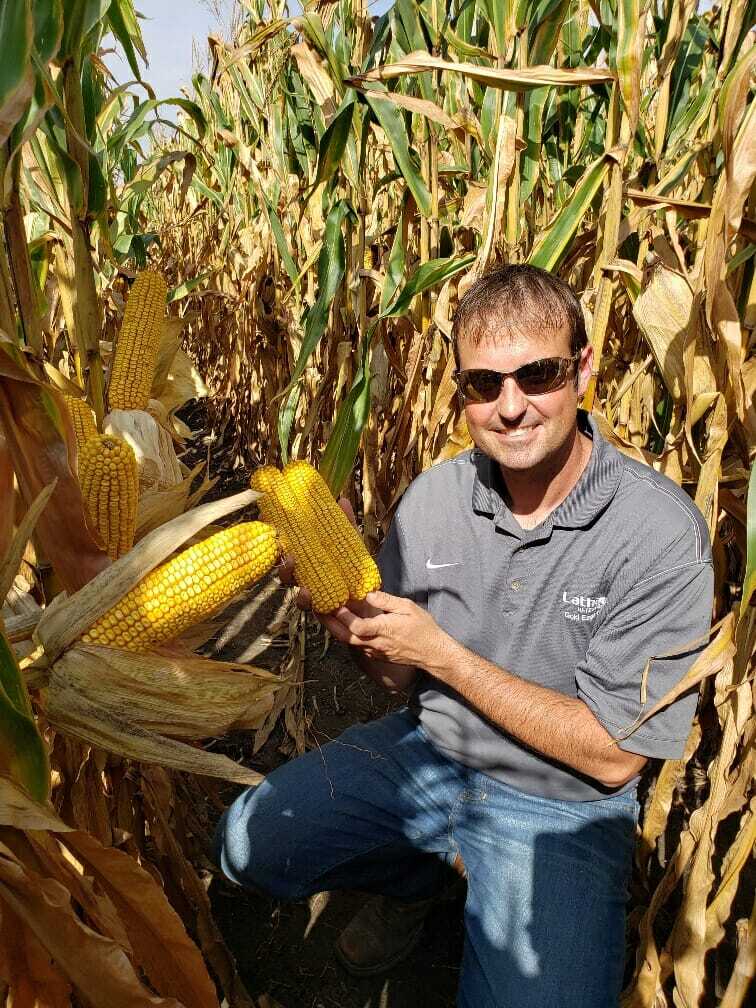
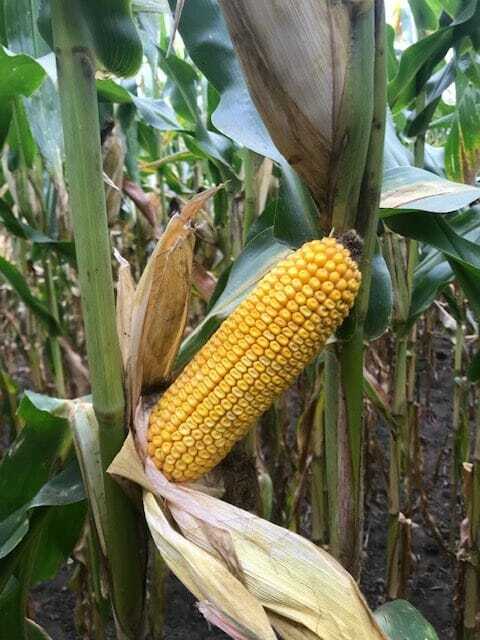
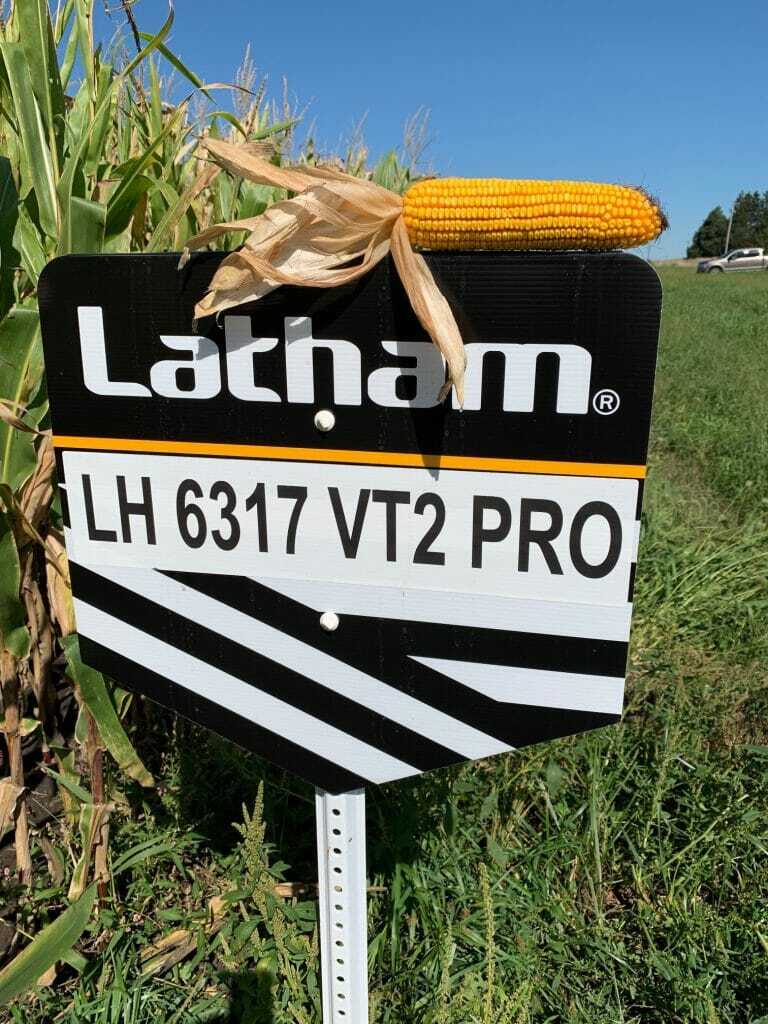
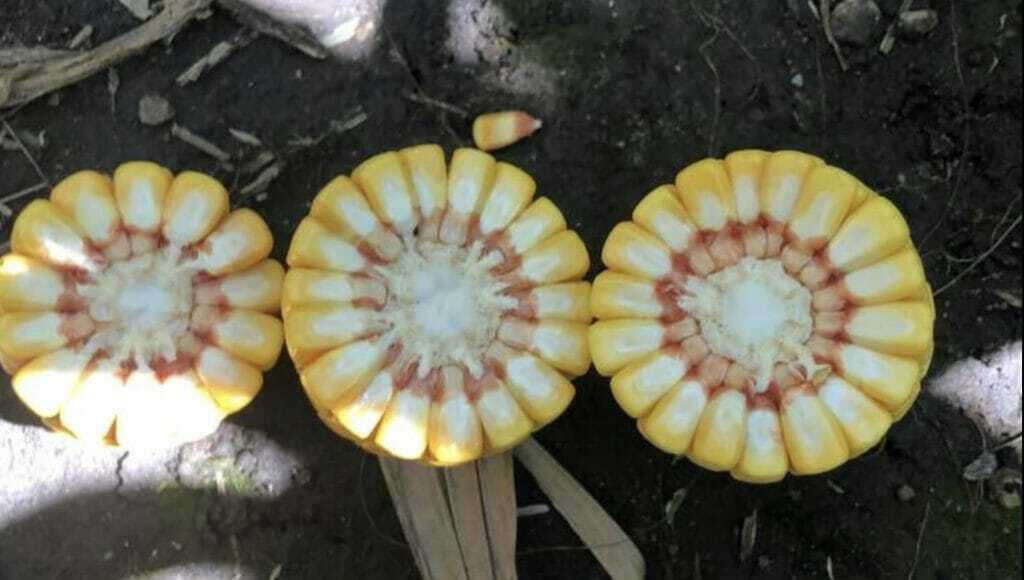
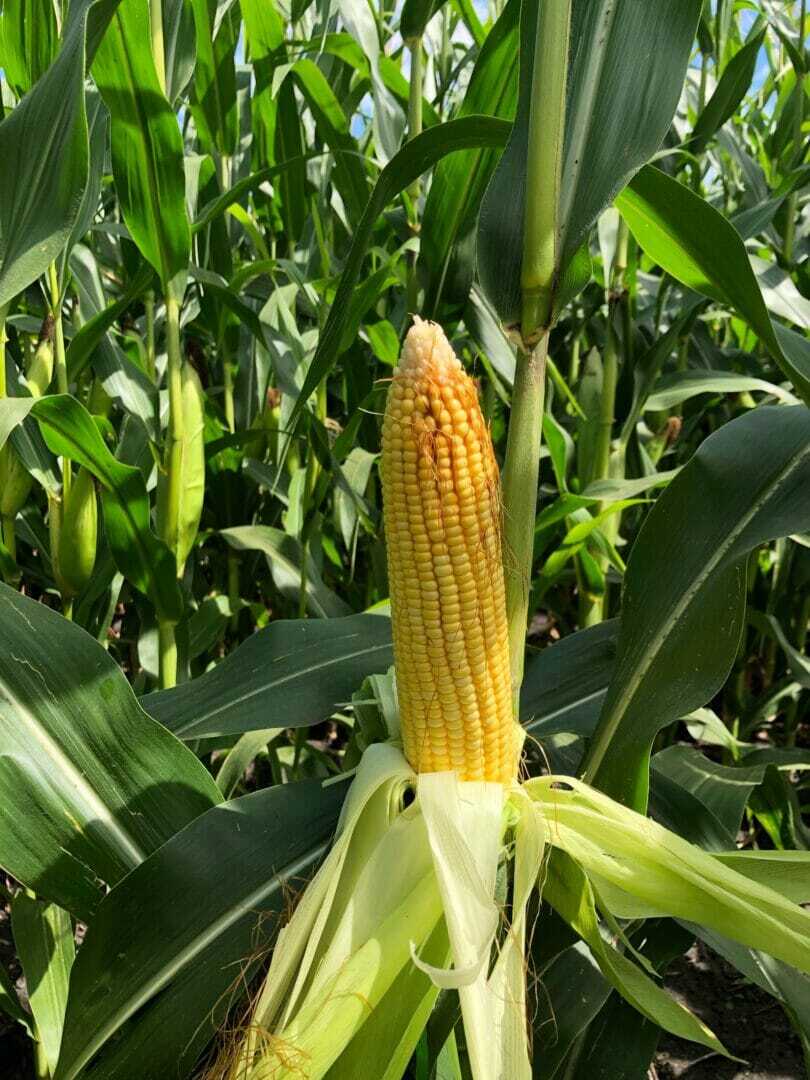
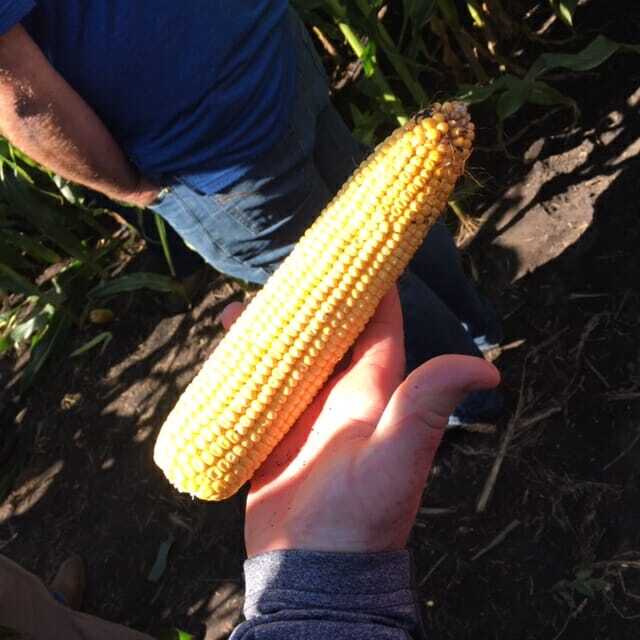
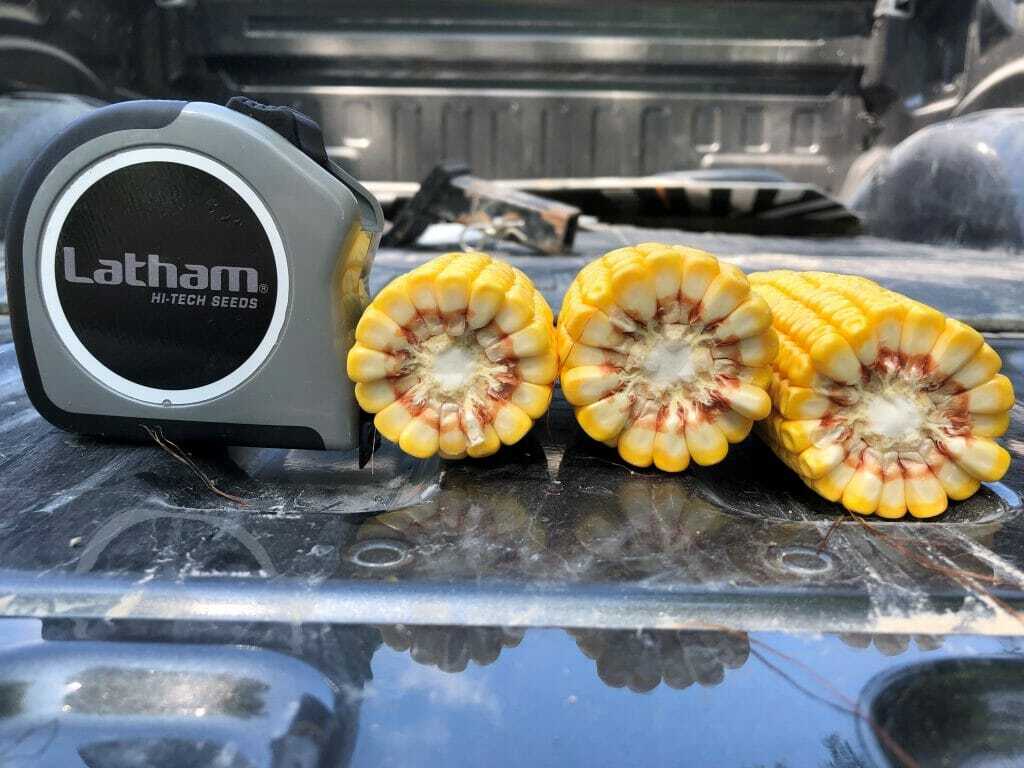
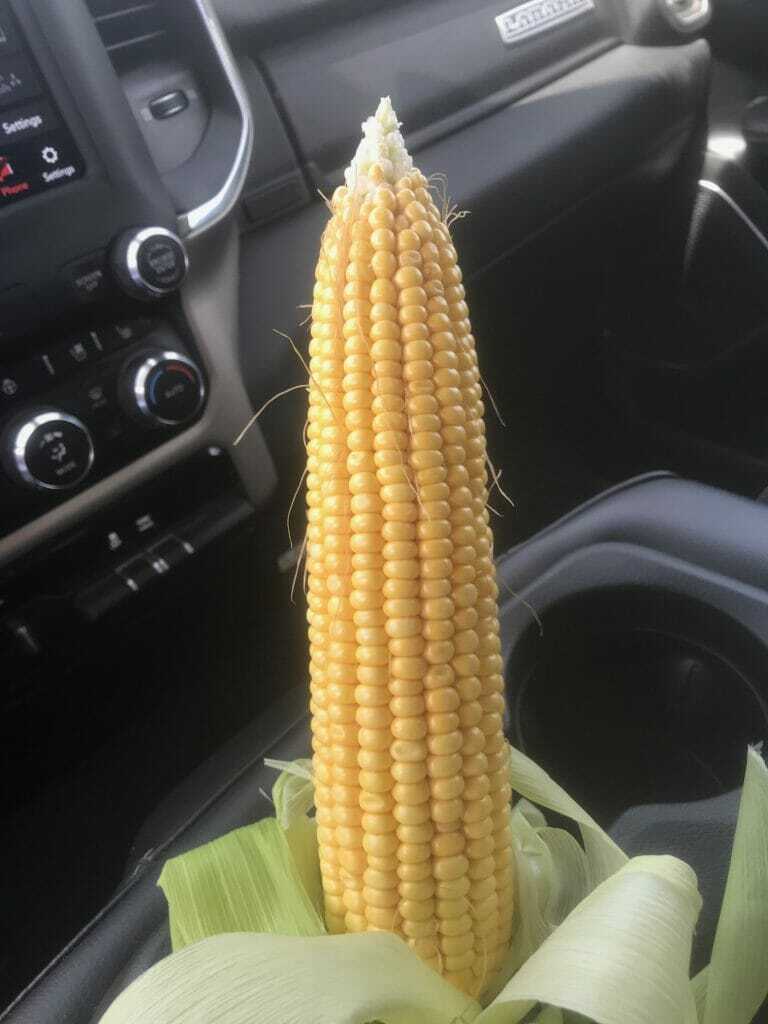
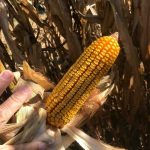
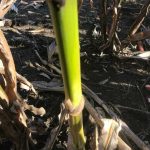
    Good Golly Miss Molly! Latham’s 6317 VT2 PRO/DG is terrific corn. The ears are huge. I counted 20 kernels around ear with grass green stalks. This hybrid has great standability.
    Larry 4
    Larry 5
    Larry 6

    Aaron 1

    Central Iowa

    Aaron Steenhoek

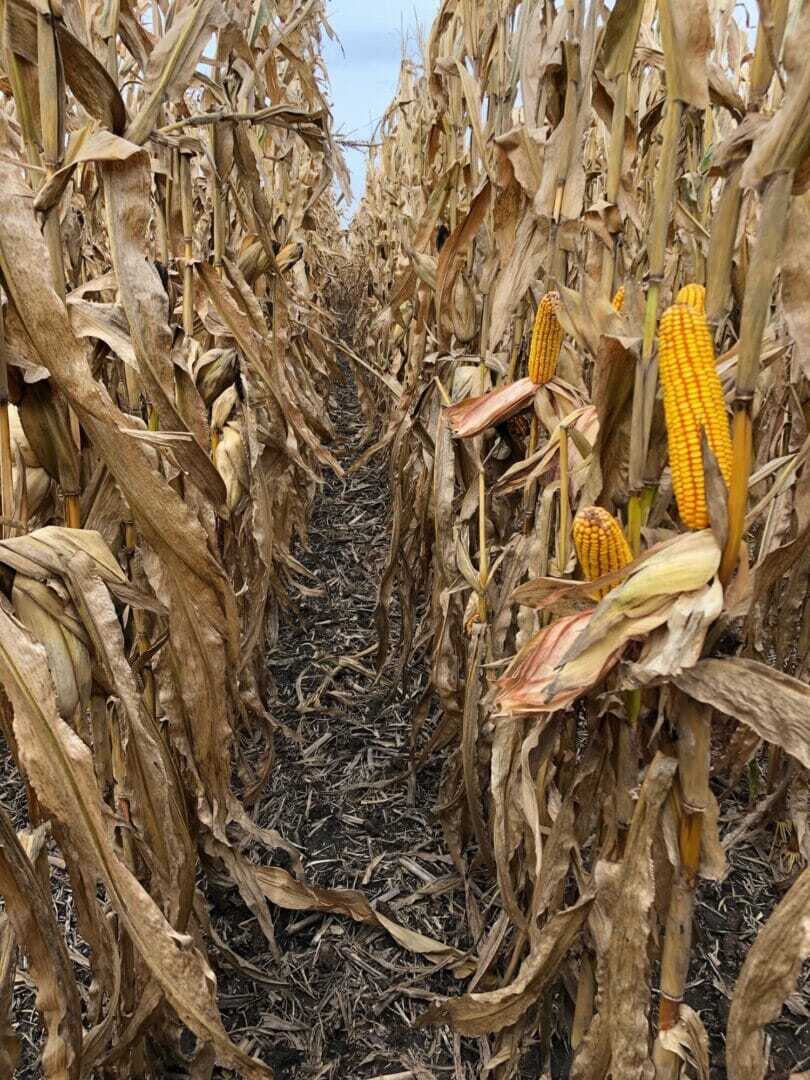
    Corn and soybean harvest has been going strong during the past 24 hours across South Central Iowa. Although the date on the calendar says we’re behind, the ground has finally dried enough for combines to roll! Good luck and safe harvest everyone!


    Laura Cunningham

    October 9, 2019
    #FromTheField Crop Reports, Fall, Season
  • Latham Hi‑Tech Seeds

    October 2, 2019 Crop Reports

    Aaron 1

    Northwest North Dakota

    Brian McNamee

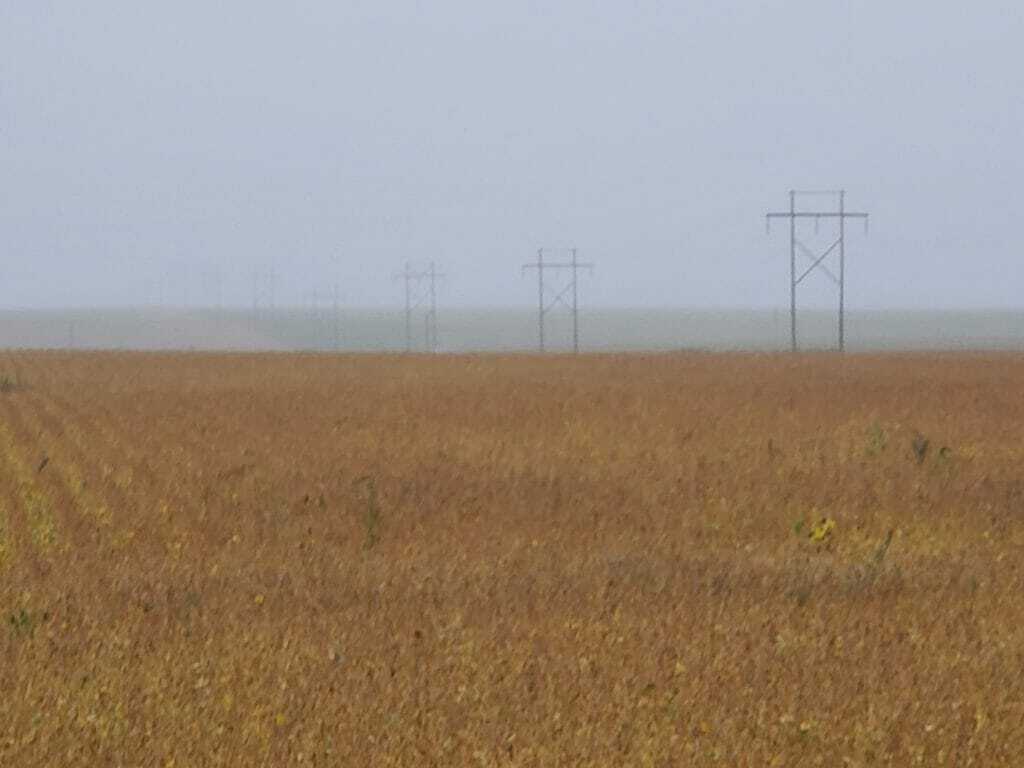
    This wet cycle continues across North Dakota. Wheat, canola and flax are still standing in certain parts of the state. Because of harvest loss and quality concerns, I’m hearing reports that what remains in the field of these crops is at abandonment level.

    More roads are becoming impassable due to overland flooding. The ditches are full, so drainage has come to a halt. Next week’s weather looks better, so that will lift all our spirits.

    Brian M 1

    Southeast North Dakota

    Gary Geske

    Just as farmers are struggling with the weather to harvest their crops, members of Latham’s product team are walking research plots in less than ideal conditions. At this location near DeForest, Wisconsin, I was checking disease scores on earlier hybrids. Latham’s 3325 VT2 PRO RIB looks like a Rockstar!

    Gary 1


    Northeast South Dakota

    James Keltgen

    This past week provided some opportunities for harvest! A few soybean fields were harvested, ranging from 30 to 55 bushels an acre. There was some patchy frost throughout Northeast South Dakota (NESD) with temps getting down in the low 30s in areas. Corn silage harvest also began this past week. It looks to be a long, slow harvest. The soil profile is full, making travel across fields very hard!

    James 1

    Frost nipped soybeans near Grenville, SD.

    James 2

    LH 4242 VT2 PRO planted May 14th has reached black layer.


    Southeast South Dakota

    Ramie Coughlin

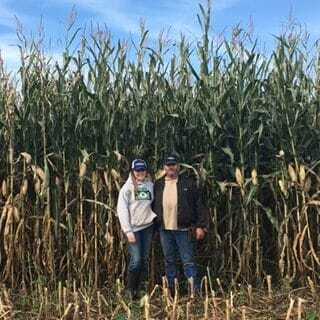
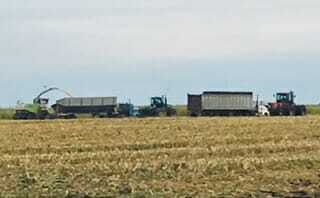
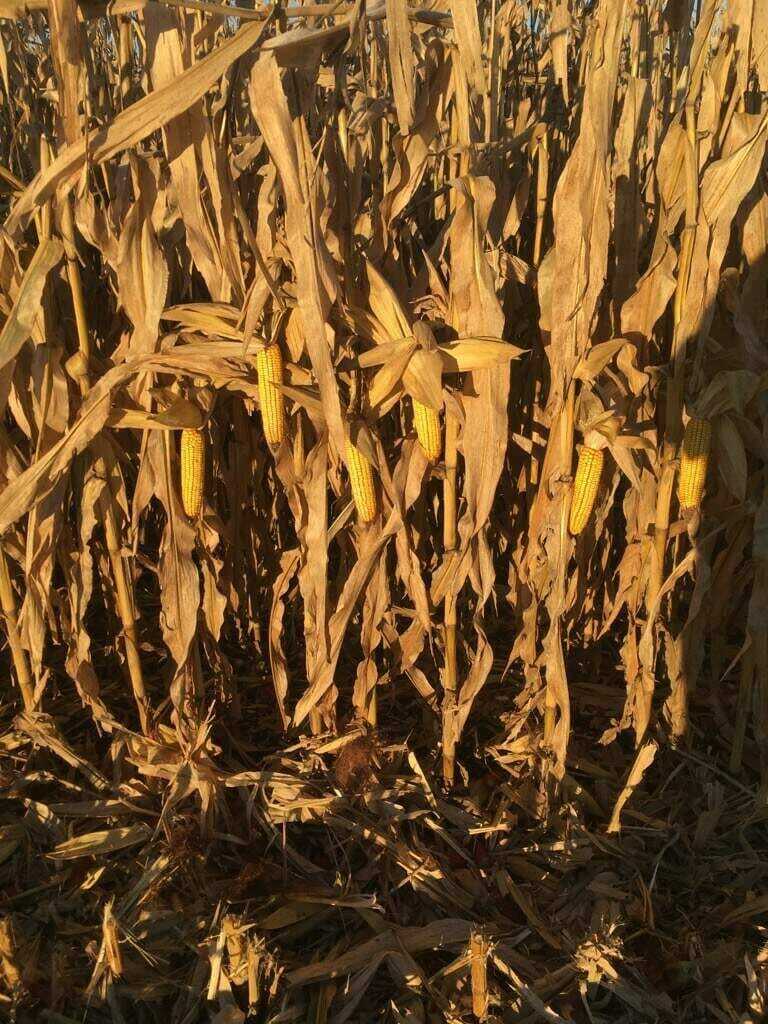
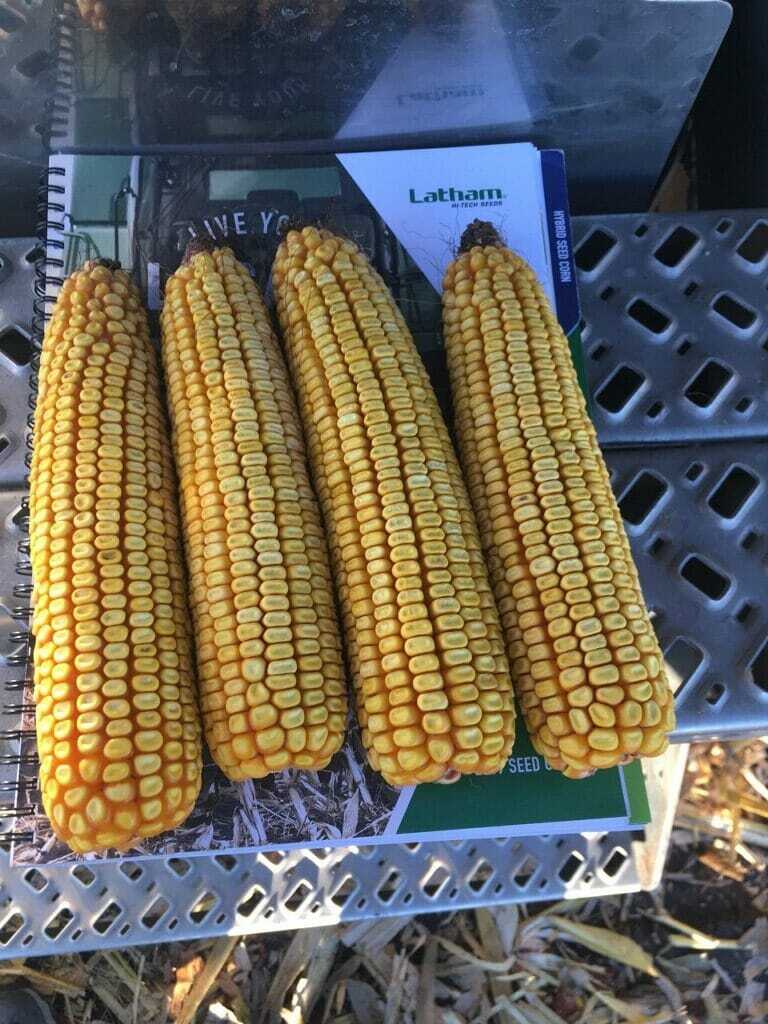
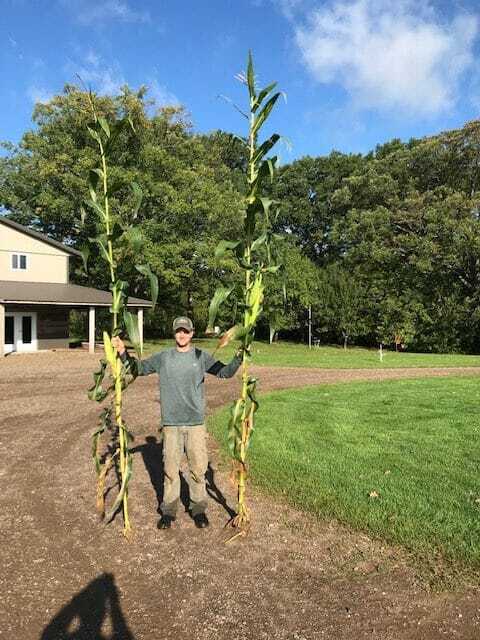
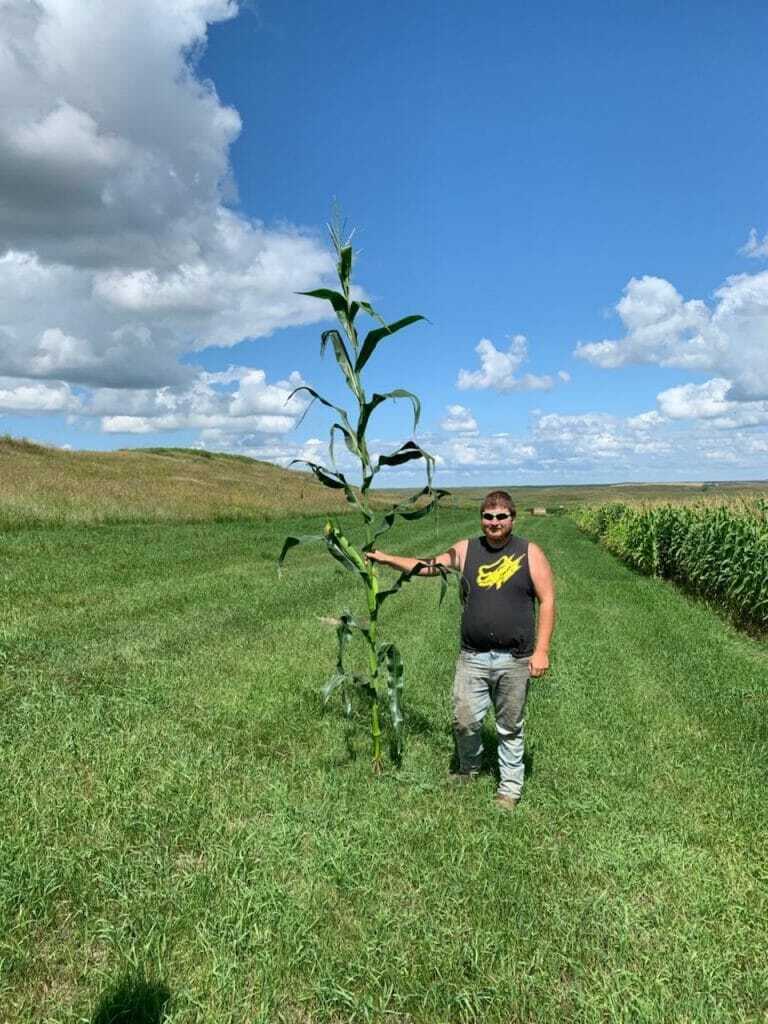
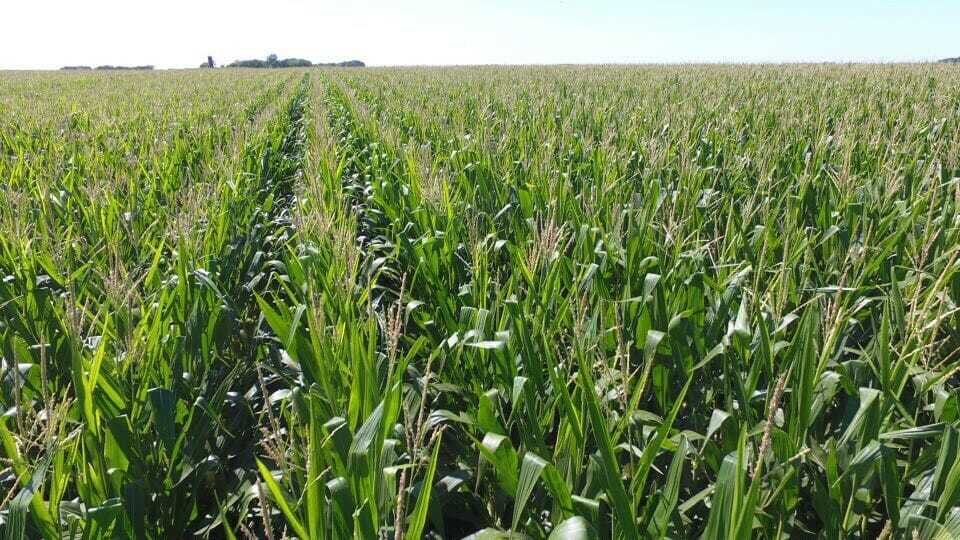
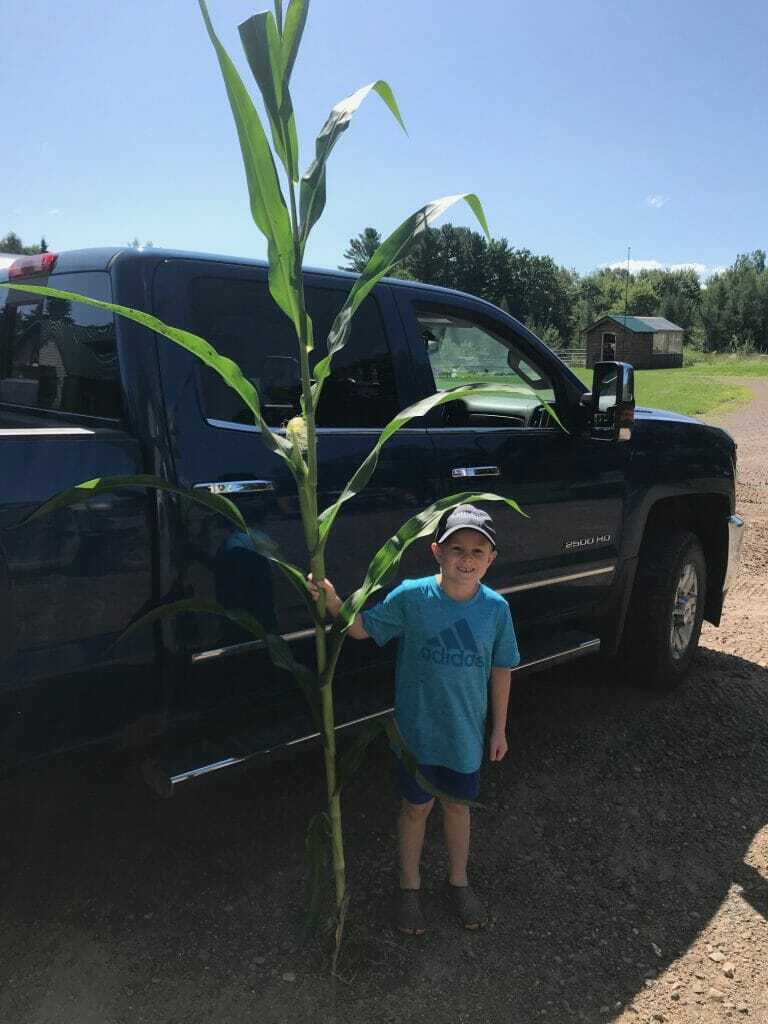
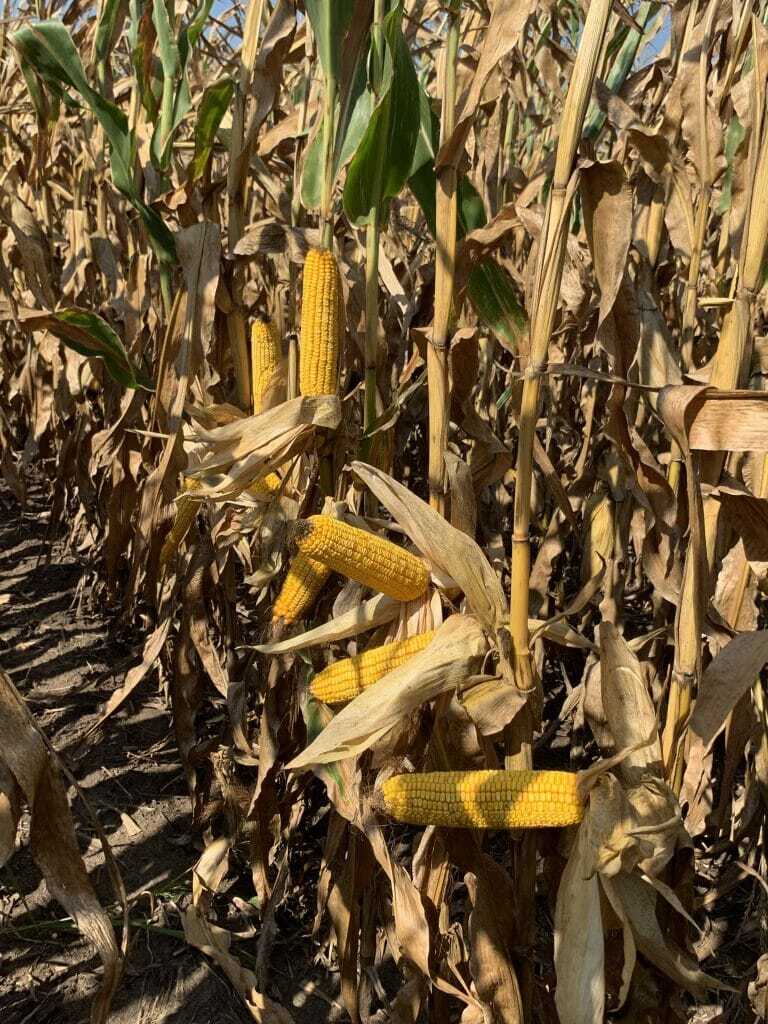
    Silage season is in full swing in South Dakota. We are going about it a little differently, using tractors to pull wagons/trucks through the fields, but we are getting it harvested. When deciding whether or not to plant this spring, many growers asked, “Can I chop it for silage? Will it make feed?” If you are planting a Latham® Leafy Hybrid, the answer is YES! The shortest plant in this field stood 10 feet high, and the taller plants grew to more than 12 feet. This dairyman started planting Latham’s silage corn two years ago and fell in love with it. It’s his daughter, Katie’s, first year running the chopper. Her standards for good silage corn have now been set high right out of the gate!
    Ramie 1

    Ramie 2


    Northern Minnesota

    Ken Highness

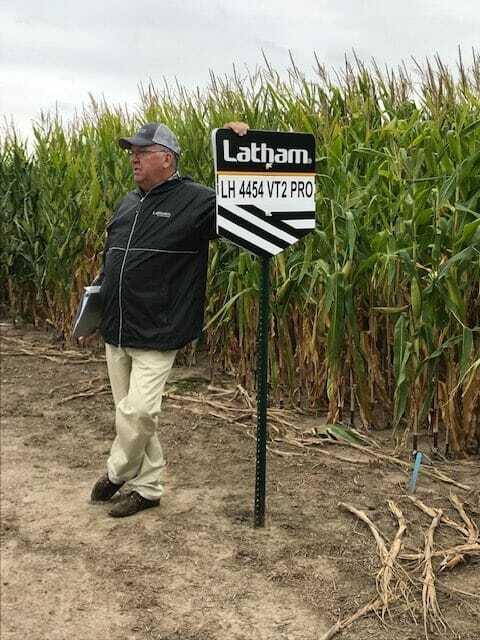
    This field of LH 4437 VT2 PRO RIB, one of Latham’s exciting new hybrids with outstanding yield potential, is ready to harvest. This field was sprayed with a foliar fungicide and is to a week to 10 days earlier than the field of Latham LH 4454 that is across the road. Farmers who applied fungicide this season are really seeing a difference.

    Ken 2

    Ken 1


    Southern Minnesota

    Justin Prokosch

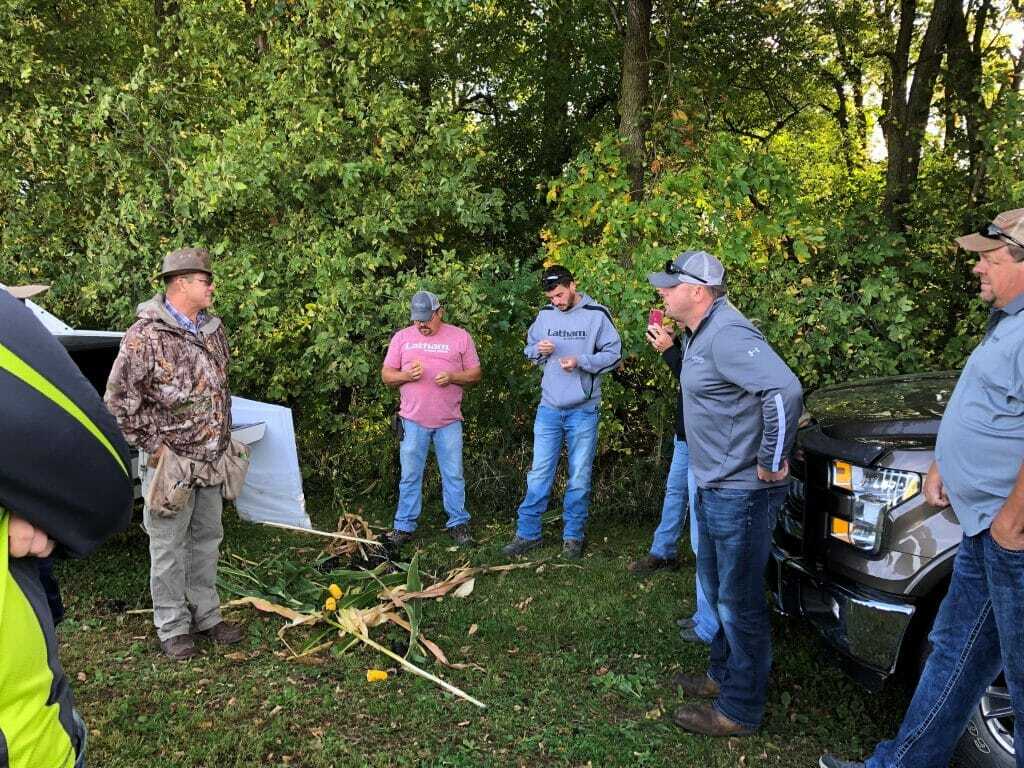
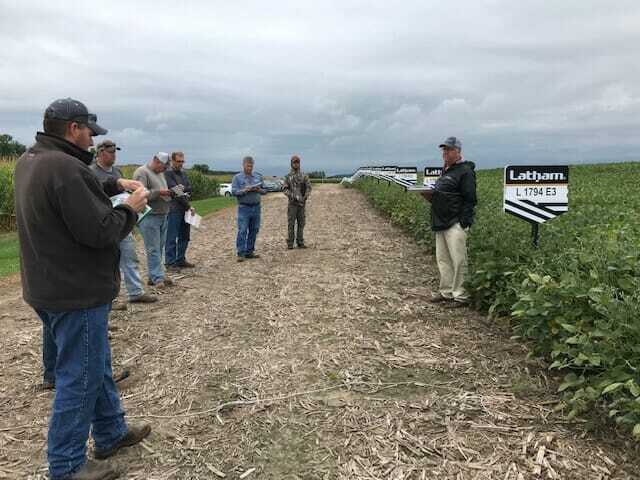
    A nice group of Latham® dealers from around southern Minnesota gathered to talk about product characteristics near Sleepy Eye.

    Justin 1

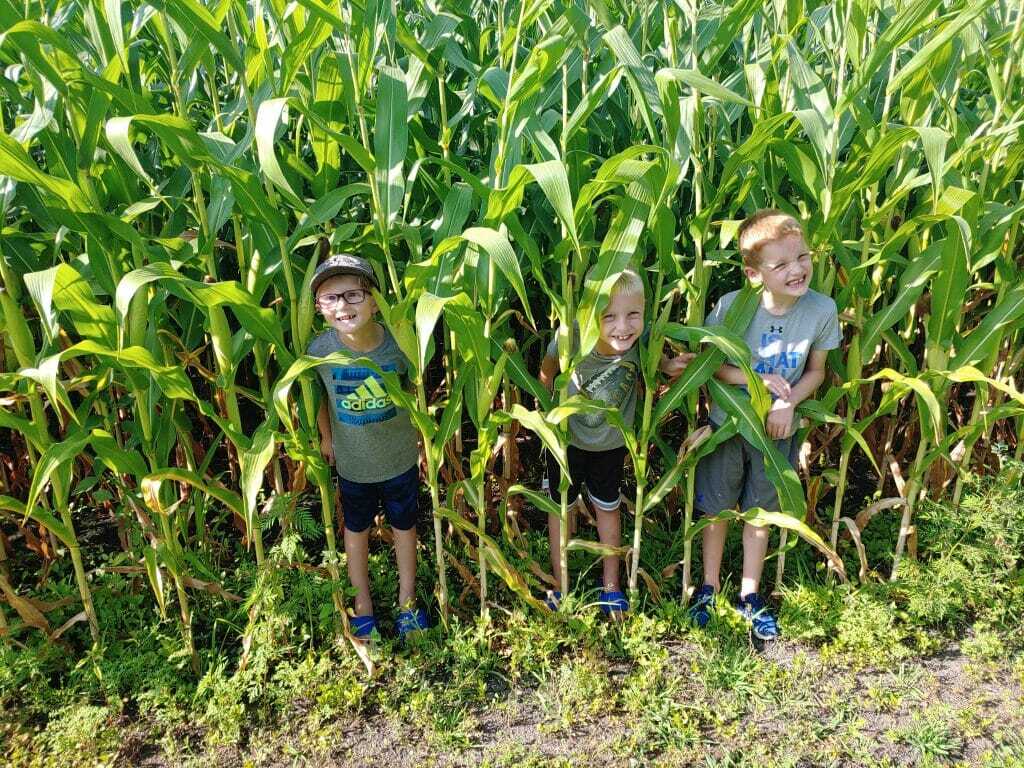
    My boys and I have enjoyed these cooler fall evenings to check crops!
    Justin 2


    Northern Wisconsin 

    Joe Salter

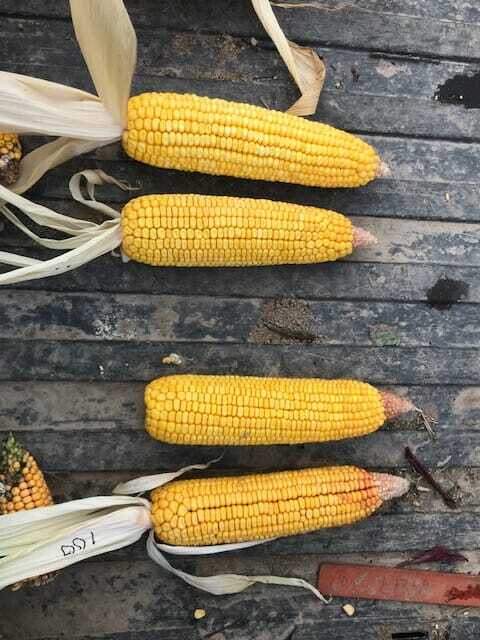
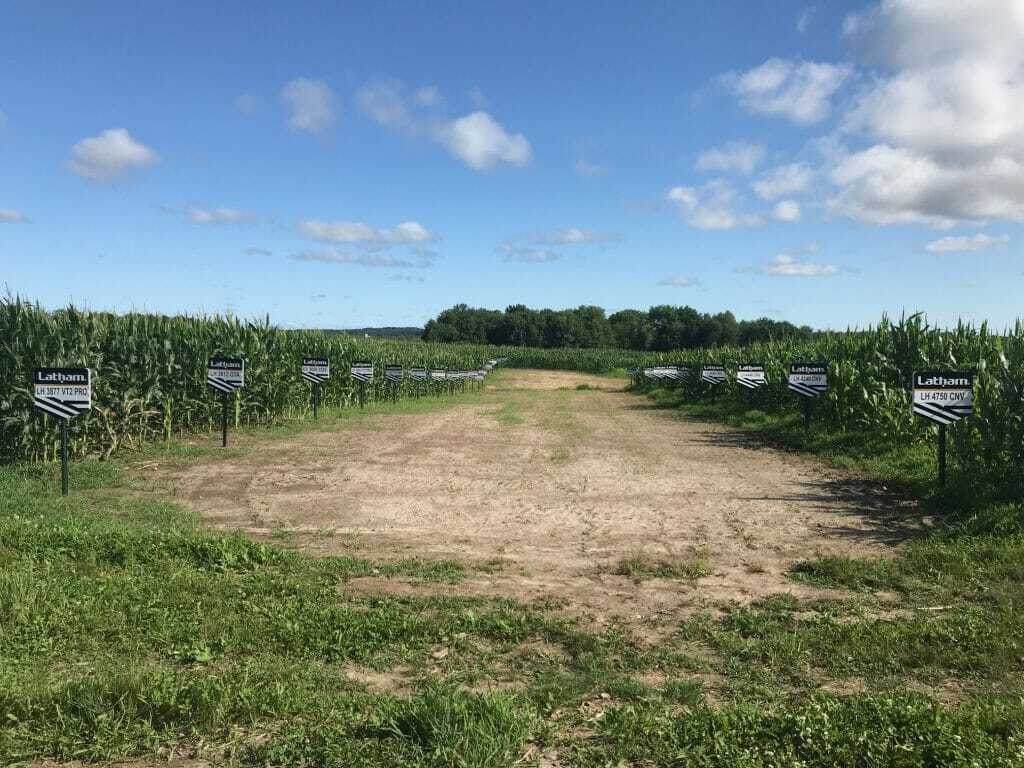
    Latham® Dealer Blake Pozarski holds LH 4542 GT/LFY. This hybrid grows extremely tall and delivers very high tonnage with 12 leaves above the ear.  Also pictured are two conventional hybrids from a Latham SuperStrip. Both LH 4750 CNV and LH 5020 CNV produced very girthy ears.

    Harvest 2019 is off to a very slow start.  Silage harvest continues across the region, and it looks like many soybeans would be going strong if rain hadn’t hit.  Unfortunately, our forecast for the next week doesn’t look promising. Joe 1

    Joe 2


    North Central Iowa

    Cory Greiman

    More than two inches of rain has fallen so far this week, and more rain is in the forecast for later in the week. Wet soils will keep farmers out of the fields until next week.

    Cory 1


    Northeast Iowa

    Craig Haaland

    Here’s another great pic of our reliable LH 5215 VT2 PRO RIB in Mitchell County, Iowa. This hybrid is consistently a high yielder. This past week a few farmers started combining soybeans. Latham’s 1858 R2 yielded 56 bushels per acre at 12-12.5% across 155 acres in Mitchell County. With all the rain this week, it will take a while for these fields to dry. It doesn’t help that temperatures will be cool over the next few days.

    Craig 1


    Eastern Iowa

    Jeremy Joynt 

    This field of LH 5635 VT2 PRO RIB that was planted at 34,500 population is sure looking good. The late-season plant health in this hybrid is terrific!

    Jeremy 1

    Jeremy 3


    Eastern Iowa

    Jerry Broders

    Four inches of rain has fallen in Eastern Iowa since Friday of last week. Soft ground conditions has halted the beginning of harvest. On a positive note, the rain knocked a lot of the remaining leaves off of early maturity soybeans. When the ground firms back up, we will be hitting soybean harvest pretty hard.

    I can bring the weigh wagon out to assist anyone who wants assistance calibrating yield monitors.

    Jerry 1

    Jerry 2


    Western Iowa

    Larry Krapfl

    Farmers in western Iowa are at a standstill due to recent rains. The forecast isn’t looking favorable for harvest to resume anytime soon.

    Larry 2

    Larry 1


    West North Central Iowa

    Bart Peterson

    We haven’t seen many soybeans combined, but so far yields look good. Latham’s 1948 R2X went 60.2 bushels per acre near Dows, Iowa.

    Bart 1


    Central Iowa

    Aaron Steenhoek

    Harvest has begun in southern Iowa. Standability will be a big question this fall due to all of our weather events. Pictured here is Latham’s 6175 VT2 PRO RIB, which is standing like a tree after weathering the storms this year. Latham has quality genetics, quality people, and quality stands for consistent performance on your farm. Now is a great time to place your seed order for 2020!

    Aaron 1


    Laura Cunningham

    October 2, 2019
    #FromTheField Crop Reports, Fall, Season
  • Latham Hi‑Tech Seeds

    September 25, 2019 Crop Reports

    20190924 144612 resized

    Northwest North Dakota

    Brian McNamee 

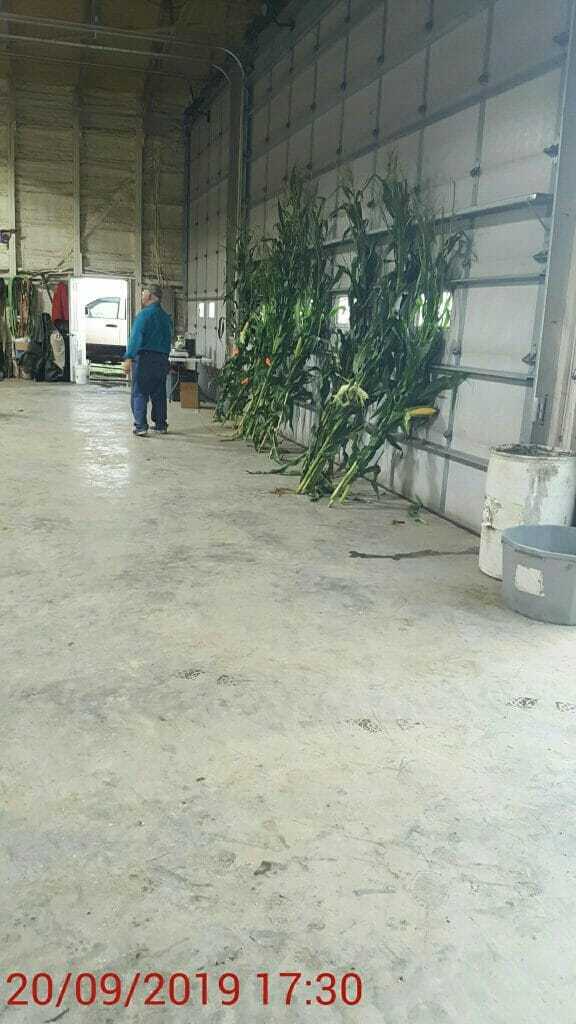
    There was a great turn out last Friday at the Gumbo Flats Ranch silage meeting despite the periodic downpours. Latham Seeds’ Northern Product Specialist Gary Geske is standing next to harvested examples from the dealer’s plot. Latham’s 5062 LFY is tough to beat in this area, and this year will be no different. We’re seeing some of the highest pre-harvest tonnage tests ever!

    Latham’s leafy silage hybrids extend the silage harvest window. The plant will stay at that 65 to 70 moisture considerably longer than a “dual purpose” or many of the competitors’ silage products. Watch the grain. We want the milk line to be as close to 60% to maximize nutrient balance in our piles. Waiting just a few days will give us significant gains in starch fill and total nutritional benefit.

    Brian 1


    Southeast North Dakota

    Gary Geske

    Usually this time of year, we’re nearly done with cutting silage. Due to the late growing season this year, however, many are just getting started. One key to good silage management is moisture. The 60 to 70% moisture range is most common when assessing harvest timing. It’s hard to get a good pack and seal on the pile when moisture is below that level. When it’s above that number, the excess moisture seeps out of the pile and nutrients are wasted. One old trick when cutting high-moisture silage is tub grinding old hay or straw to put on the bottom of the pile, so it soaks up the excess moisture. As it soaks up the moisture, it gains the leaching nutrients and maintains good feed value.

    Gary 1


    Southeast South Dakota

    Ramie Coughlin

    Everyone has been saying this is a year to learn from. I think we’re learning how far we can push corn and soybean genetics before Mother Nature wins. In this picture, John Latham is holding two boards that show the reality of corn germ. When we plant into warm soils in good/fit conditions, emergence and germ looks a lot like the board on the right. When we plant into cold, wet, unfavorable soils, we see emergence that looks more like the board on the left. The board on the left is what we see in our fields this year. As harvest nears, remember that each individual seed put in the ground this spring is its own individual, live organism. The plant next to it may be stronger, weaker or equal. This year our limits have been pushed, and we’re seeing how the limits were pushed in each field.

    Ramie 1

    Northeast South Dakota

    Ramie Coughlin

    Harvest has started in Northeast South Dakota! The first field of soybeans I saw planted this spring has been combined. It was planted on some lighter soil and yields ran mid-50s. If the weather cooperates next week, there should be more farmers combining beans.

    Corn is still ranging from 20 to 50% milk line, depending on maturity and planting date. There is talk of a frost next week with highs in the 40s and 50s. Yield loss at 50% milk line is roughly 12 percent. We’re close to being out of the danger zone, but this year every bushel counts towards profitability!

    James 1

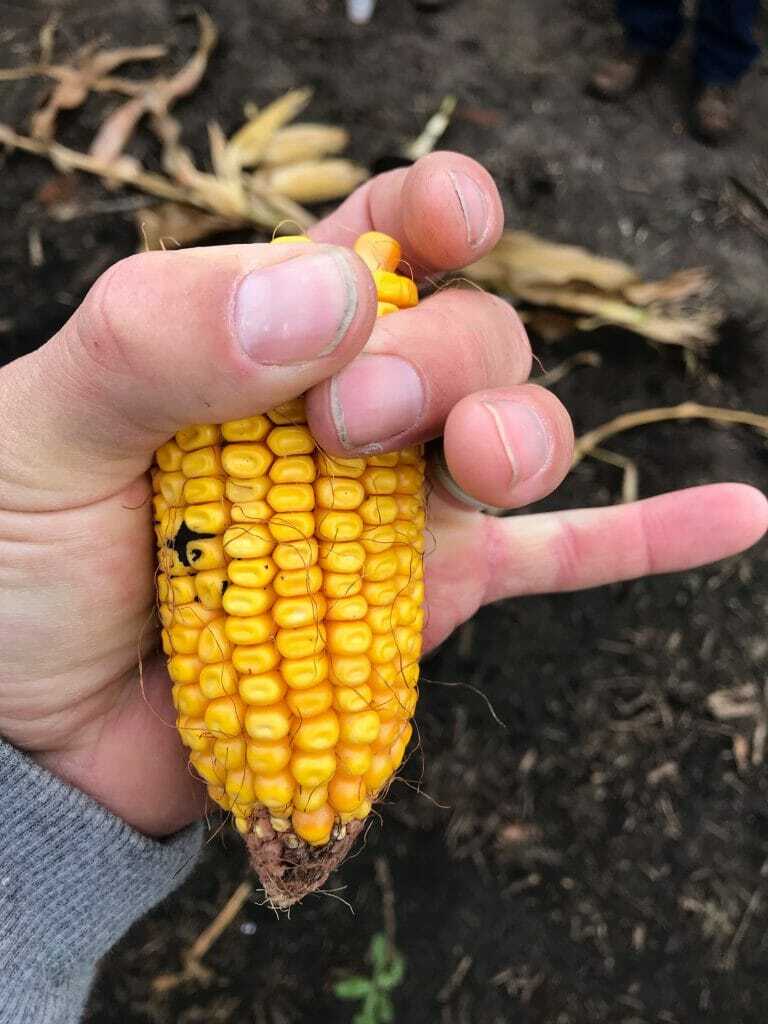
    Even though this variety has 18 rows around, kernel depth has been reduced. On an average year, 18 rows around my fingers would be touching!

    James 2

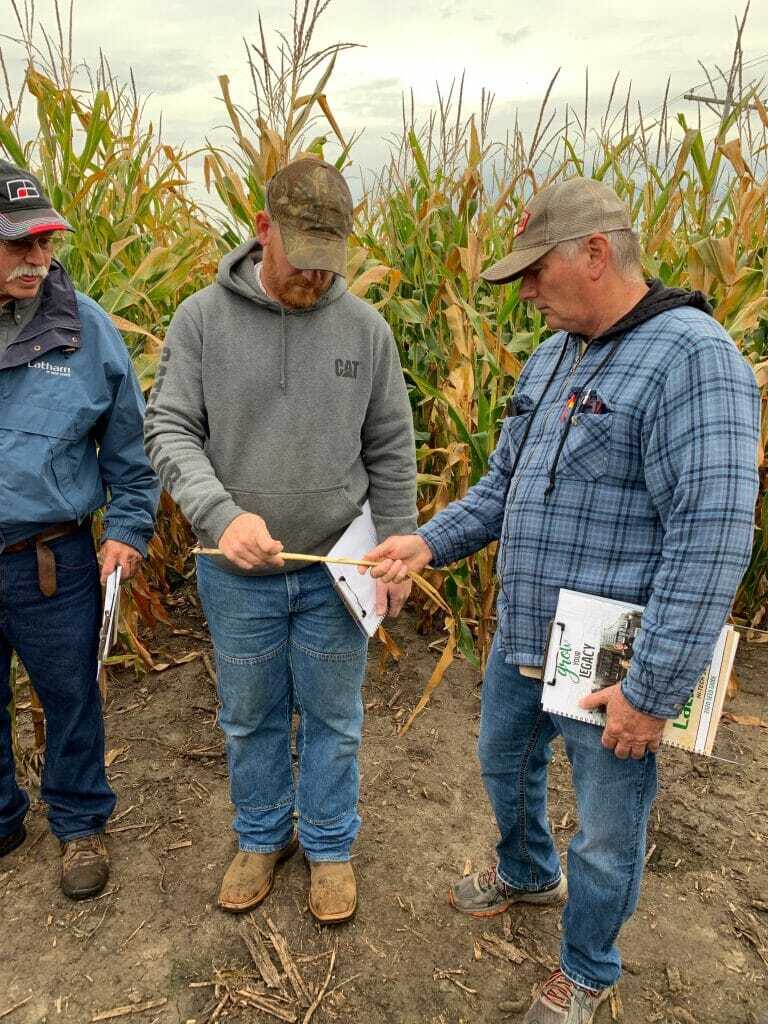
    Inspecting corn stalks for stalk rot will be important this year with the cool wet summer. It is very present and early harvest should be a priority! Planting Latham corn with the Anthracnose Stalk Rot gene can prevent stalk rot issues!

    James 3


    Northern Minnesota

    Ken Highness

    Latham® dealer Steve Gades of Morris, MN is standing in a great looking field of our LH 5402 RR.

    Ken 2

    Ken 1


    Southern Minnesota

    Justin Prokosch

    As I have evaluating plots during the past week, some varieties stand out as they show their true maturity. Farmers here are getting really excited to get the crop out of the field. Stay safe out there!
    Justin 1

    Some farmers have started combining the earlier maturity soybeans that planted early.

    Justin 2


    Northern Wisconsin 

    Joe Salter

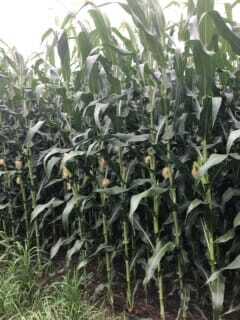
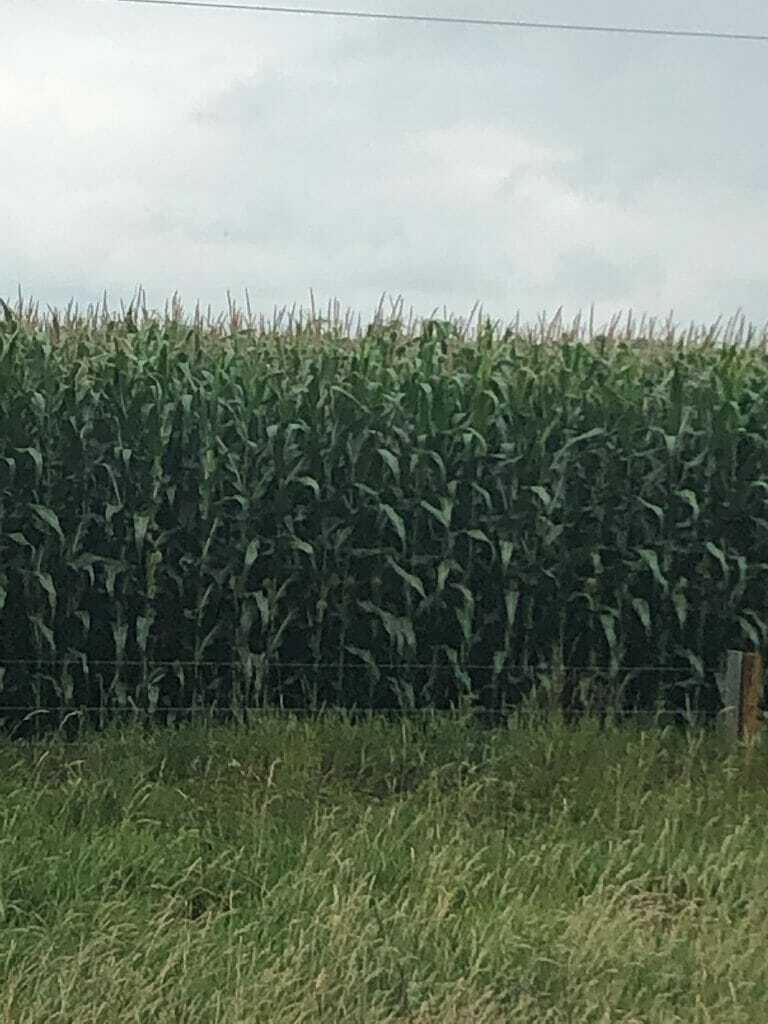
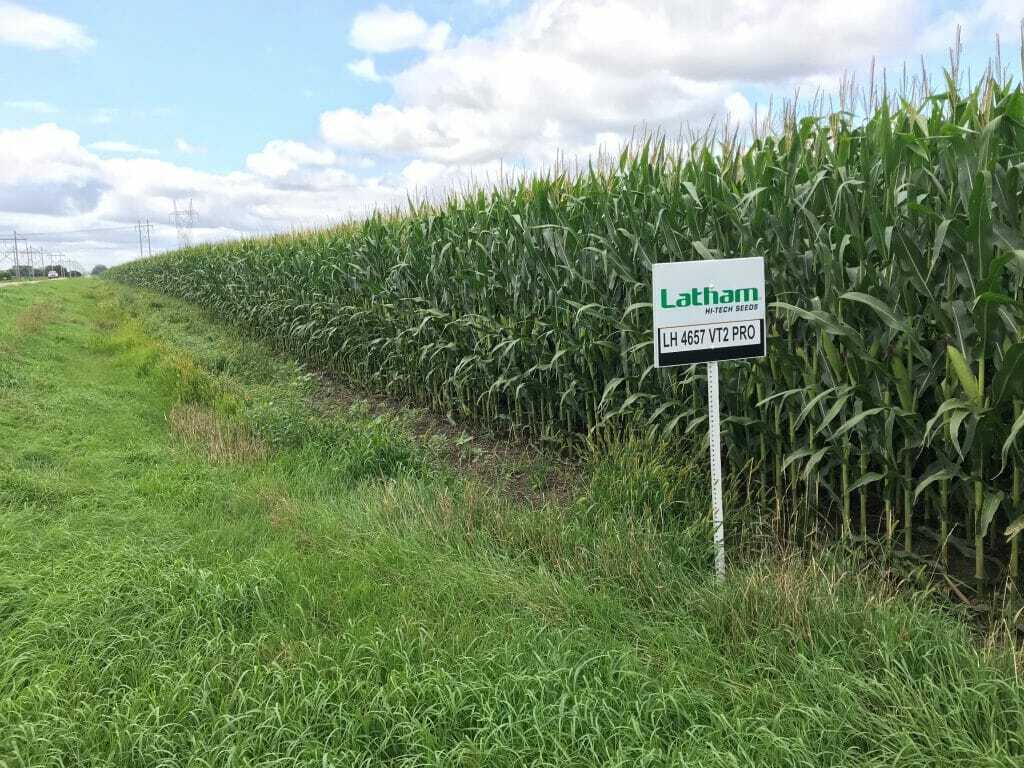
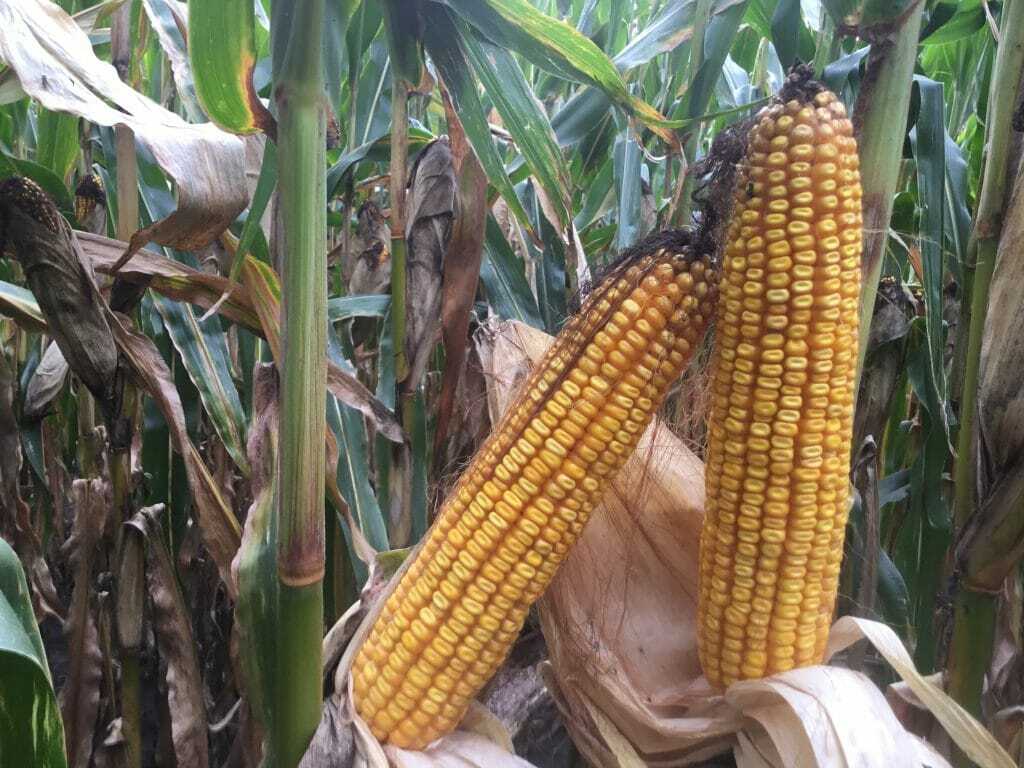
    Last week was crazy warm but very helpful for the crops. Soybeans seemed to change overnight. I heard reports of soybeans being harvested this week on some sandy soil. Unfortunately, the next five days look very wet. Latham’s corn continues to impress! Our LH 4657 VT2 PRO RIB looks good in Chippewa Falls along Hwy 53.  Also LH 3937 VT2 PRO RIB is showing some girth in the pics below. I counted 22 kernel rows!

    Joe 2

    Joe 1


    North Central Iowa

    Cory Greiman 

    We’re starting to see some harvest activity in soybeans across North Central Iowa.

    Cory 1


    Northwest Iowa

    Jeremy Joynt

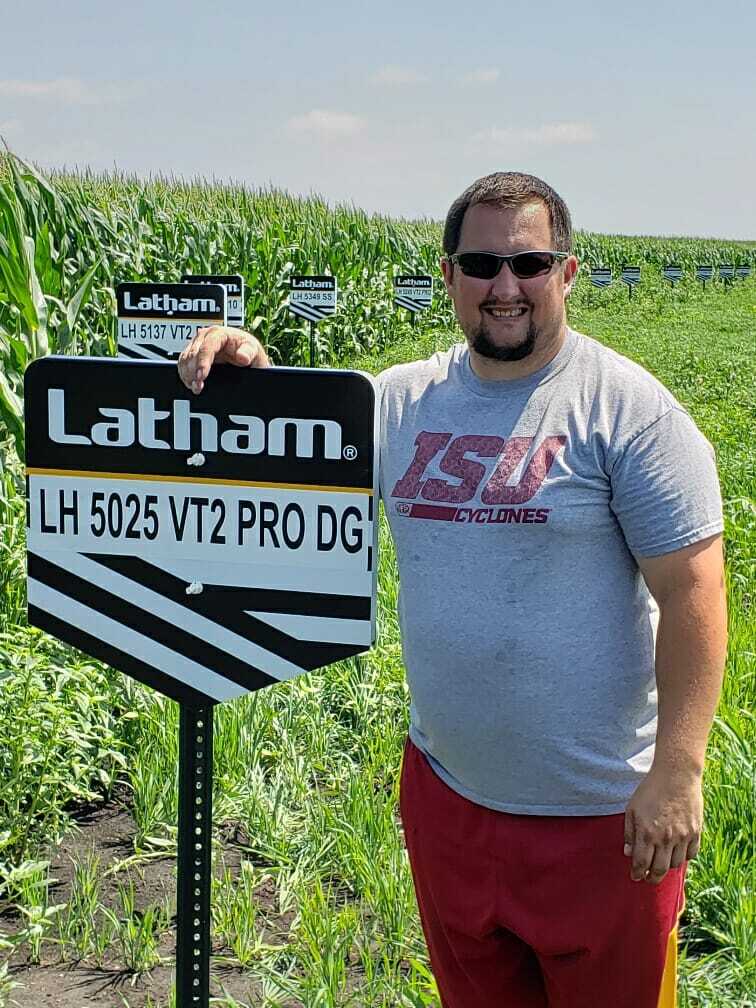
    LH 5025 VT2 PRO RIB is showing its consistency in Northwest Iowa! This hybrid has looked great all season due to its GREAT root system, and it will stay standing until harvest with its prominent stalk integrity.

    Jeremy 1


    Northeast Iowa

    Craig Haaland

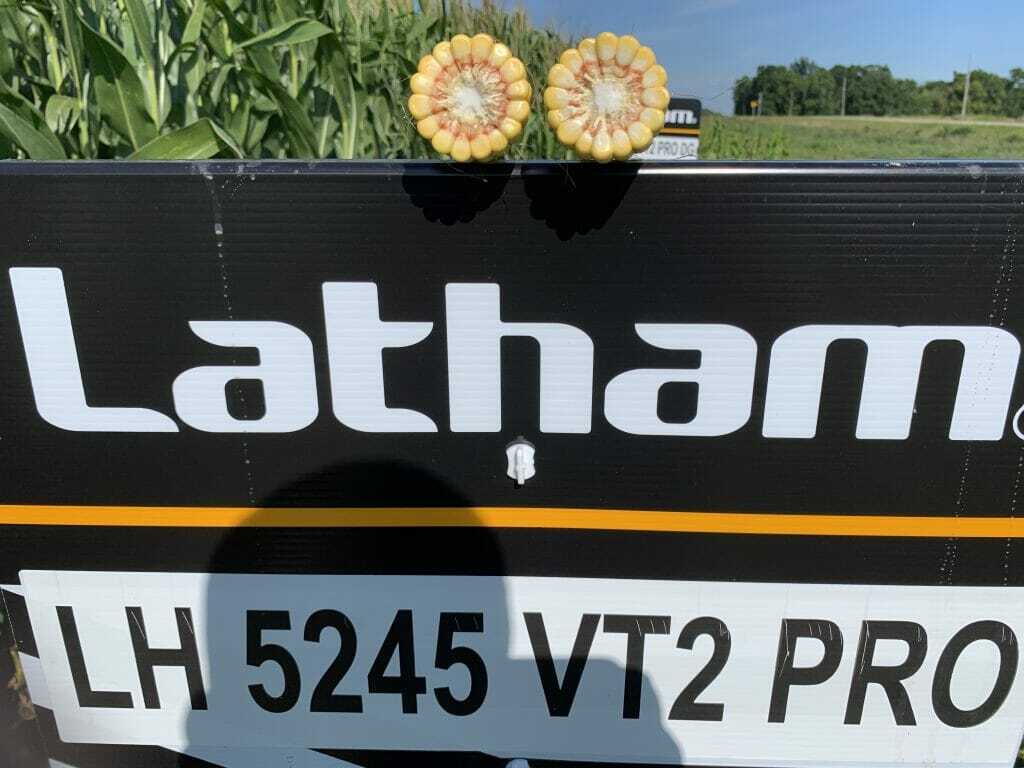
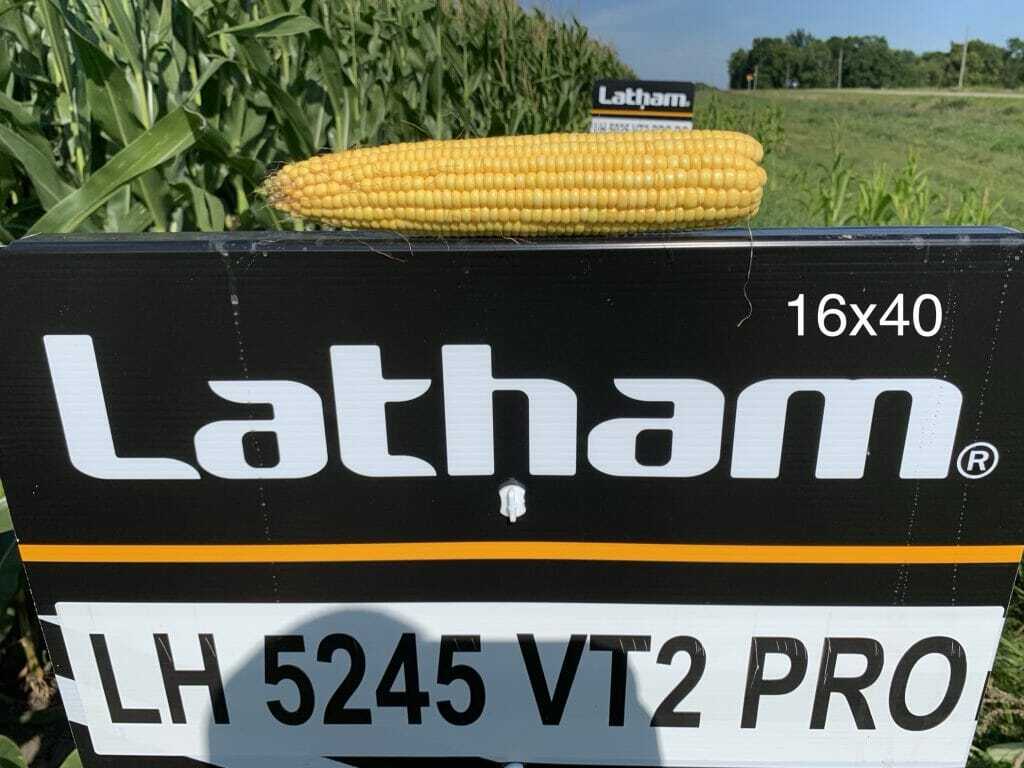
    This is a great looking field of Latham’s 5245 VT2 PRO in Mitchell County, Iowa. Corn and soybean plants are really turning everywhere. Combines could be rolling at the end of the week or early next week if it stops raining. Rain totals for this past week ranged from 4 to 8 inches. It’s a good time to get in your early seed orders before the craziness begins.

    Craig 1


    Eastern Iowa

    Jerry Broders

    LH 6317 VT2 PRO should be in the 2020 crop plan for everyone who farms south of Highway 30 in Iowa!

    Jerry 1


    Western Iowa

    Larry Krapfl

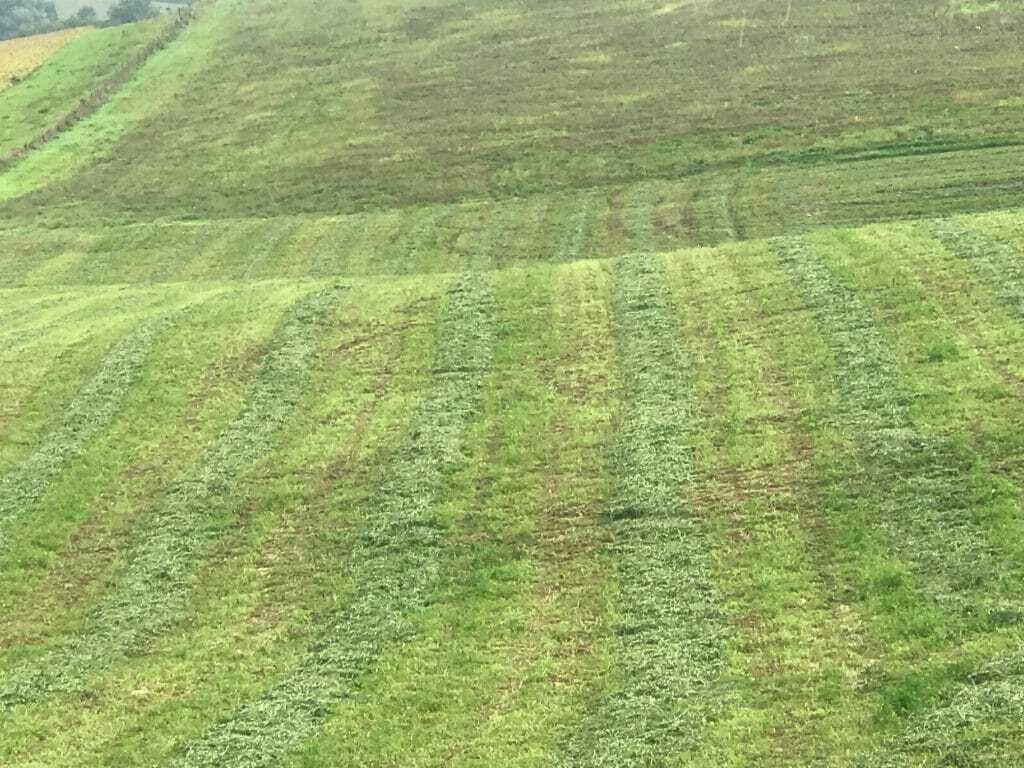
    While traveling this week, it looks like the final cutting of alfalfa for the season has been cut. We just need dry weather to get it baled.

    Larry 1

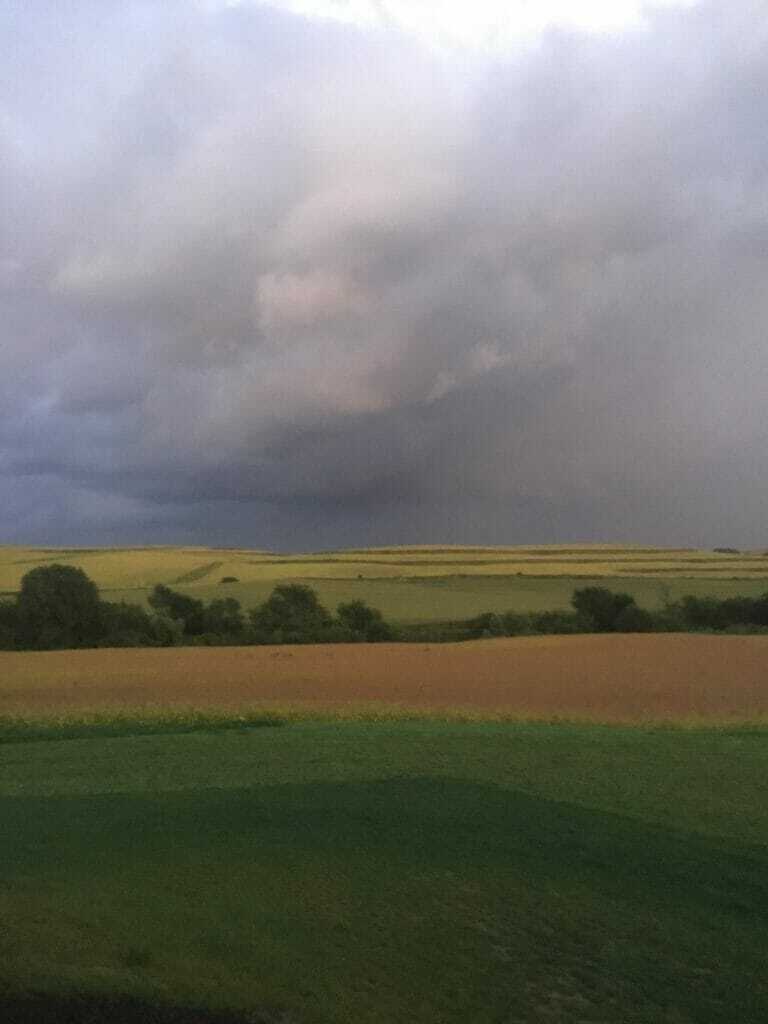
    Mother Nature continues to try and ruin this crop by sending severe weather. There was a tornado on the ground south of Dunlap, and east of Ida Grove, Iowa last evening.

    Larry 2


    West North Central Iowa

    Bart Peterson

    Mike Williams is a farmer and agronomist at Gold-Eagle Co-op in Hardy, Iowa. He’s very impressed with this field planted to Latham’s 5020 conventional corn. At 35,000 plant population, it has excellent stand. Estimated yield is 225 bushels/acre.

    20190924 144612 resized

    20190924 144541 resized


    Central Iowa

    Aaron Steenhoek

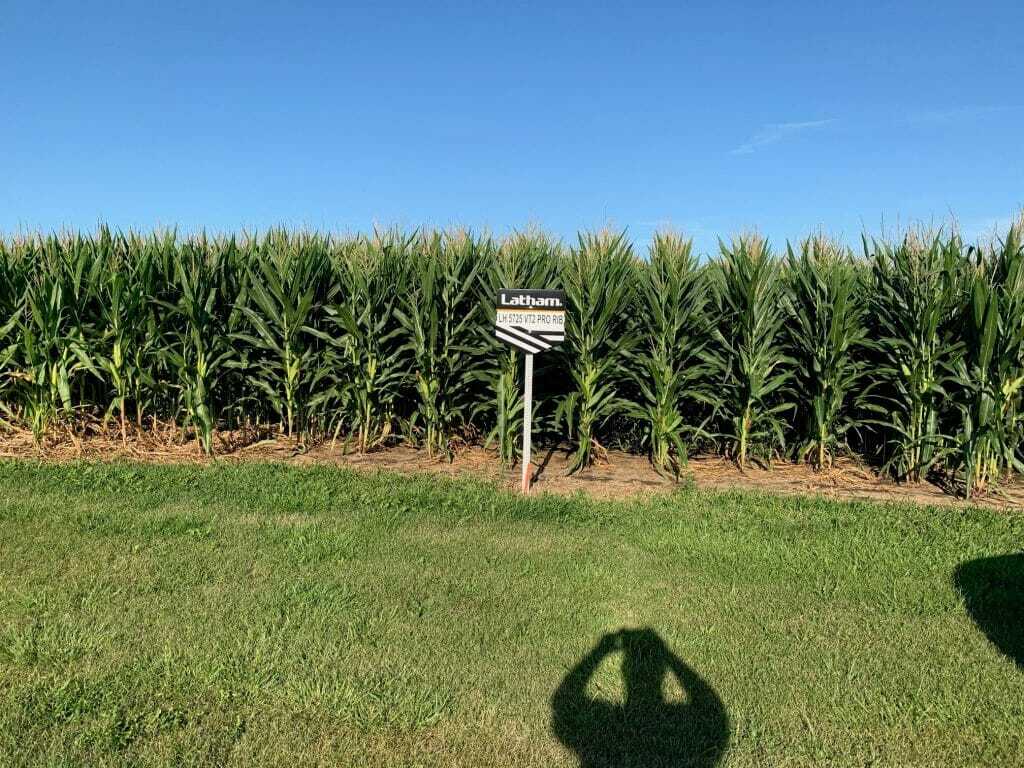
    Check out this field of Latham’s 5742 RR (left) and 5725 VT2 PRO RIB (right) as it nears harvest in South Central Iowa! Be sure you are walking your fields for a pre-harvest check and prioritize which fields you want to harvest first this fall. Good luck and happy harvest!

    Aaron 1

    Laura Cunningham

    September 25, 2019
    #FromTheField Crop Reports, Fall, Season
  • Latham Hi‑Tech Seeds

    September 11, 2019 Crop Reports

    MN 2

    Northwest North Dakota

    Brian McNamee 

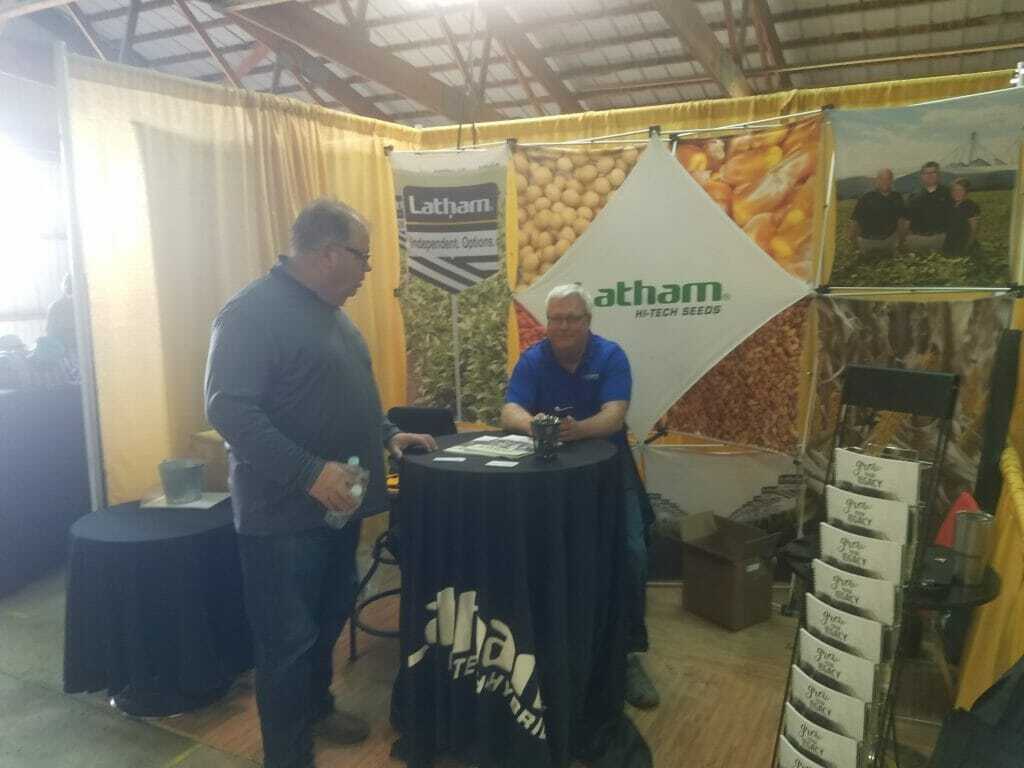
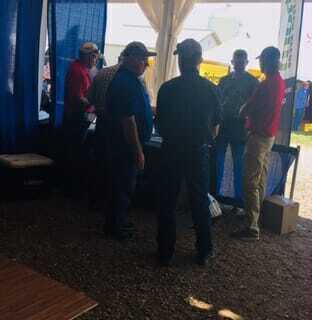
    Join us at the Big Iron Farm show in West Fargo. Yesterday was the first day of the 2019 show, and there was a great turnout! It’s the best first day I can remember we’ve had in the past eight years.

    Big Iron Farm Show


    Southeast North Dakota

    Gary Geske

    Experimental silage specific hybrids are really stretching out at Latham’s northern research plot west of Grand Forks, ND. Latham regional sales manager Ken Highness is holding two of our new hybrids, and one has 15 leaves above the ear. Look for more info coming soon about our post-harvest meetings!

    Leafy


    Southeast South Dakota

    Ramie Coughlin

    As daylight shortens and temperatures begin to cool off, we know summer is ending. Corn is still two to four weeks behind, and soybeans are beginning to turn. Southeast South Dakota (SESD) continues to get measurable rains week after week, leaving field conditions wet and sticky. Growers are doing some forward planning on how to get their crops out of the field as our area is getting between 1 and 6 inches of rain this week alone.

    IMG 1789


    Northeast South Dakota

    James Keltgen

    More rain fell this week in Northeast South Dakota (NESD). Two to four inches was very common throughout the region with additional heavy rain in the forecast. White mold and other soybean diseases are becoming more prevalent. Early soybeans are starting turn yellow as soybean harvest is only a few weeks away.

    Corn is still slow to progress as temperatures aren’t pushing milk lines very fast. There is a lot of corn that has not dented. Standability will most likely be of concern this harvest as most corn is firing and taking nutrients from within the plant to pack starch into the kernels.

    NESD 1

    NESD 2

    NESD 3


    Northern Minnesota

    Ken Highness

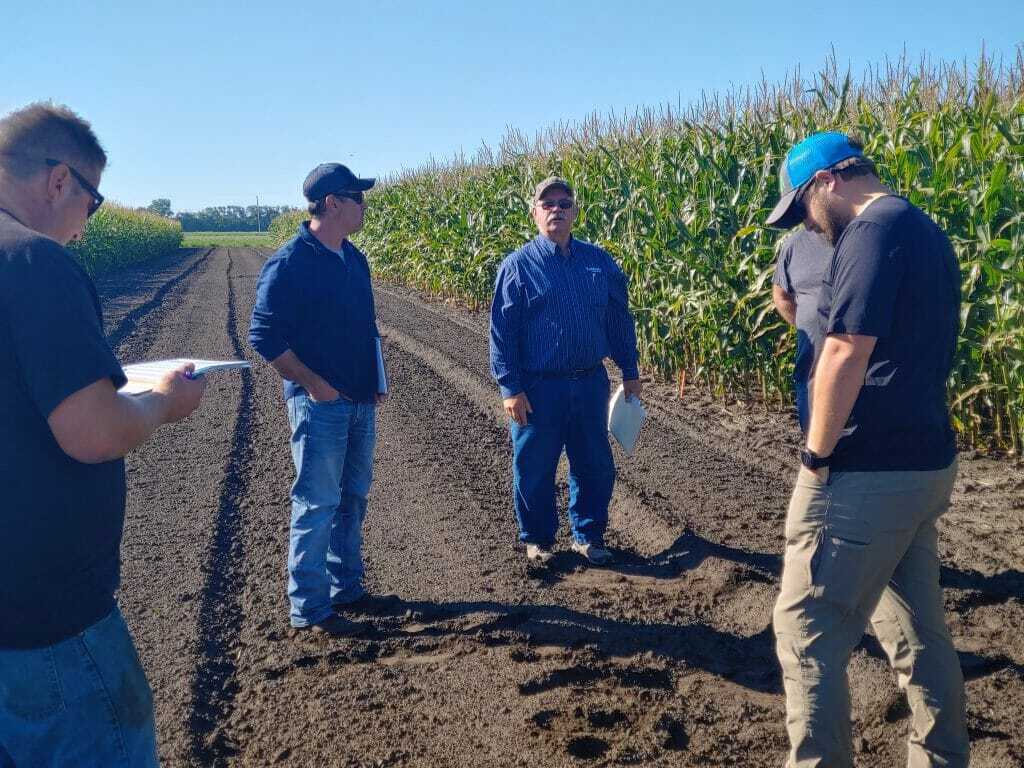
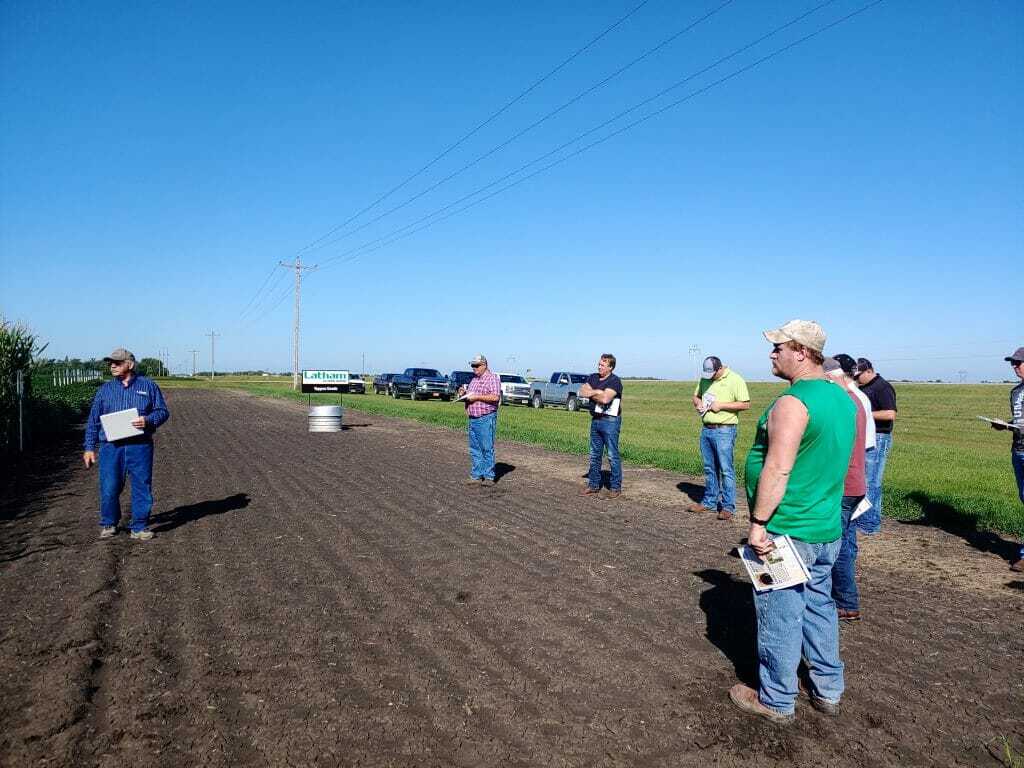
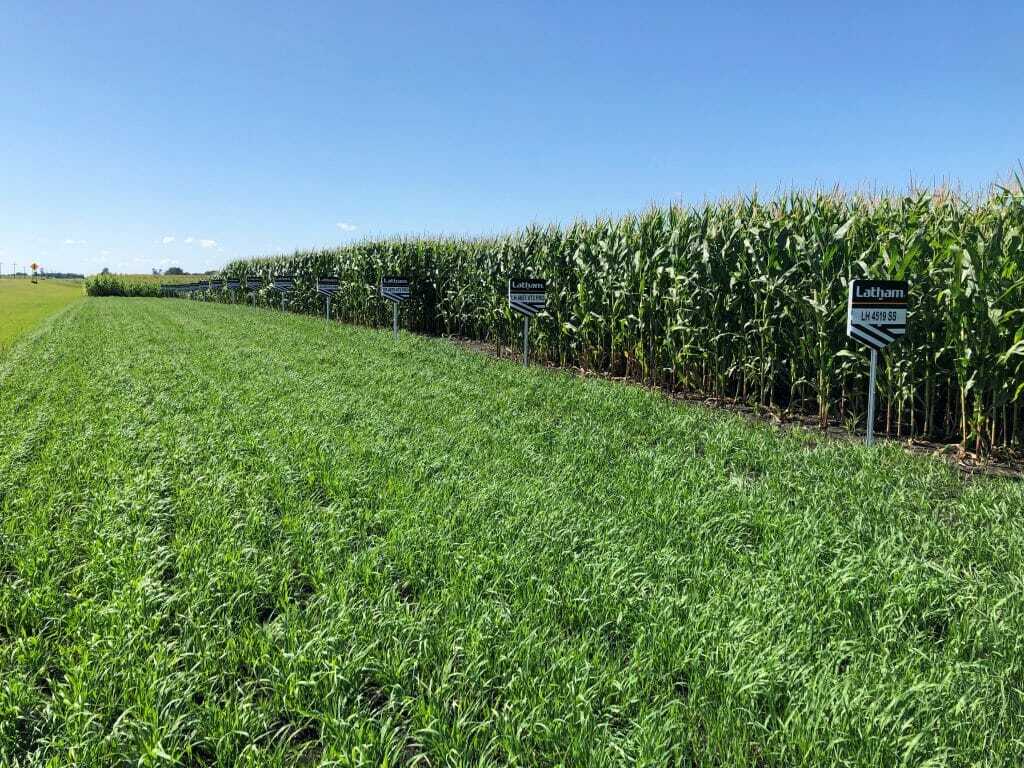
    At this time of year, Latham® dealers get together at Latham SuperStrip plots to gain agronomic and product knowledge. Dealers from the south and central parts of my region got together in Horace, ND. Dealers from  Northern ND and Northern MN got together in Emerado, ND.

    Dealer training Emerado, ND Dealer training Horace, ND


    Southern Minnesota

    Justin Prokosch

    Latham’s LH 5245 VT2 PRO continues to shine in this field south of Redwood Falls, MN. Some ears are nearly 75% dented, while some are only 25% dented.

    MN 1

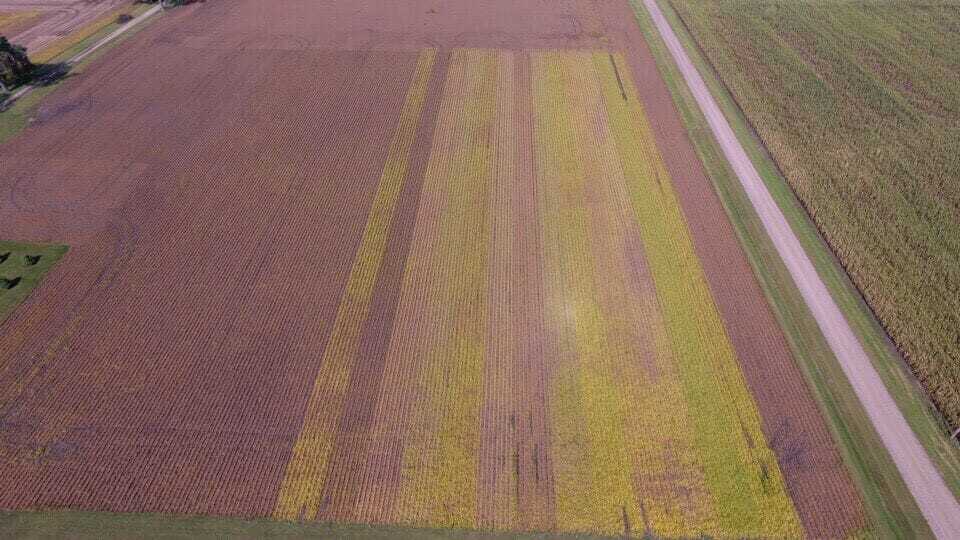
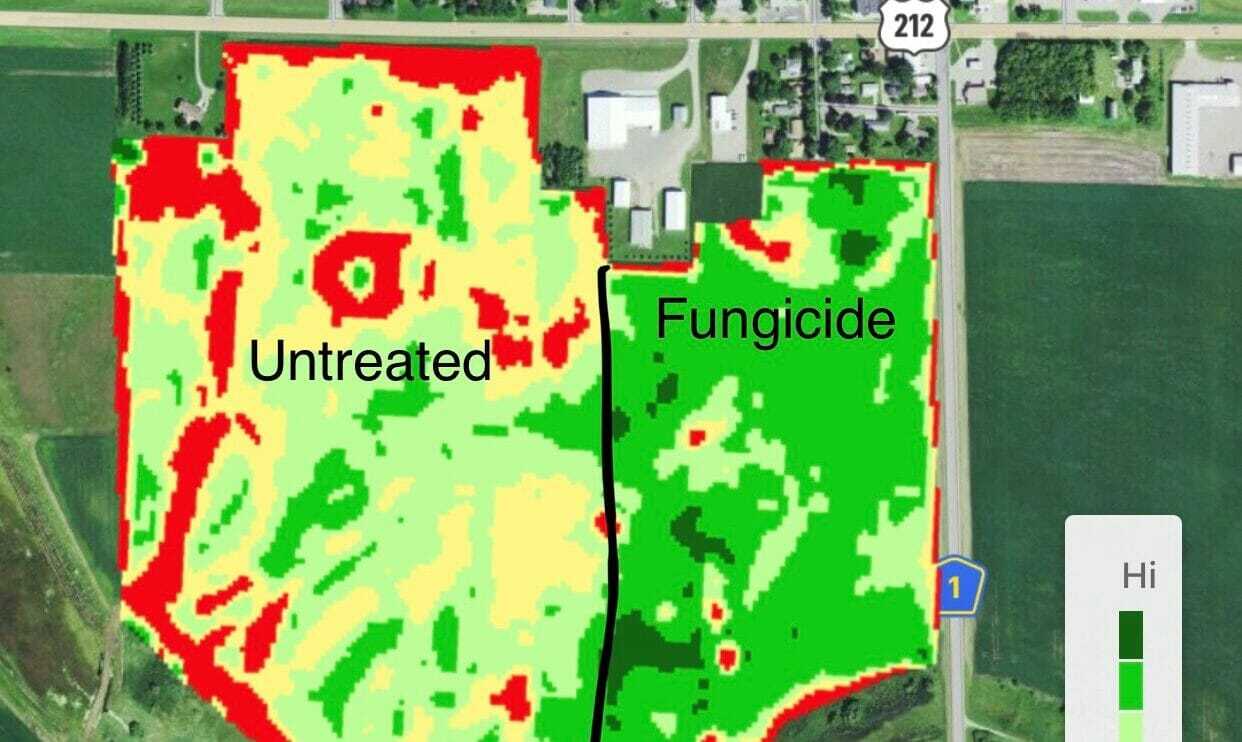
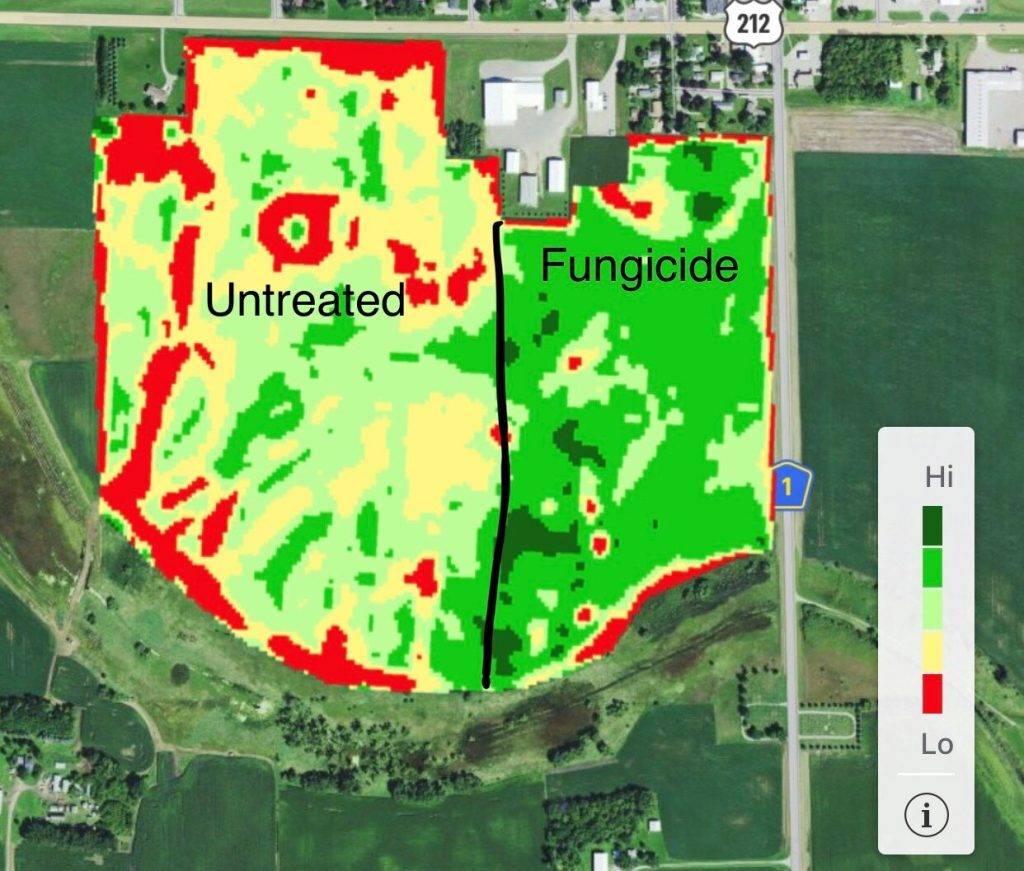
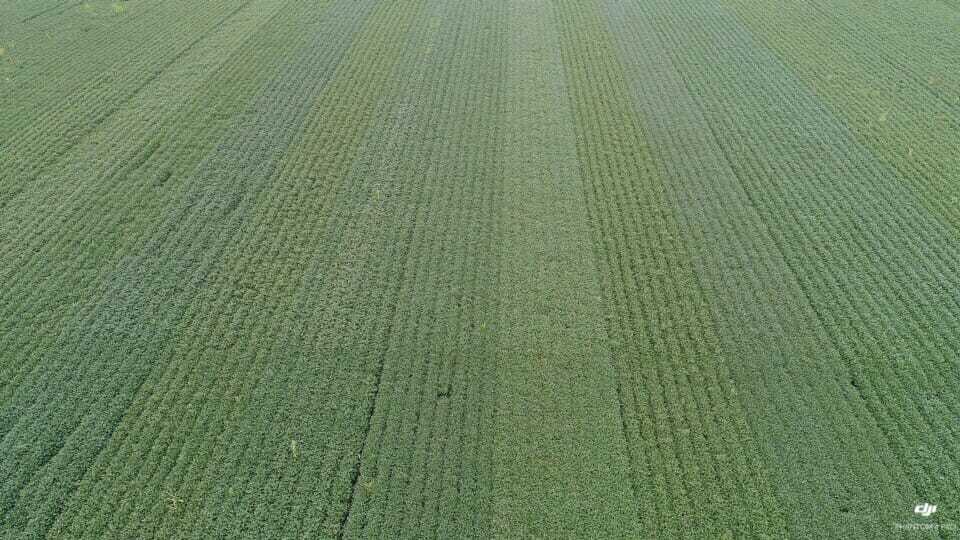
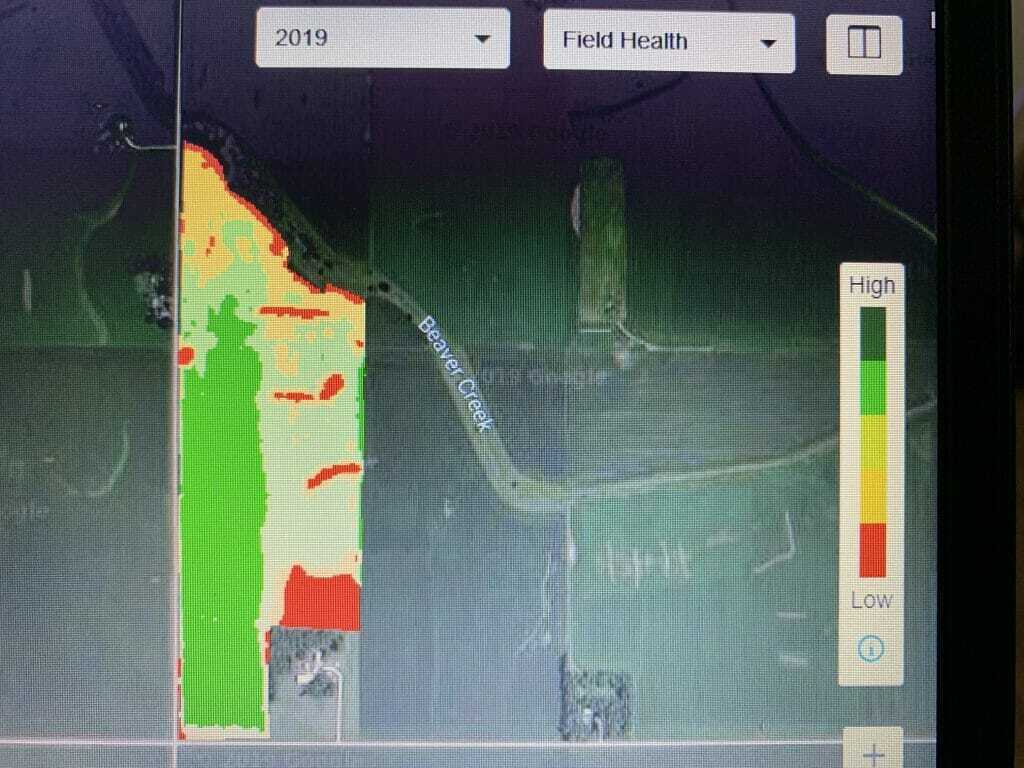
    This picture shows what a late-season fungicide applied at tassel can do for plant health. This satellite imagine shown as an NDVI provided by Climate FieldView shows a definite line as to where the fungicide was applied.

    MN 2


    Northern Wisconsin 

    Joe Salter

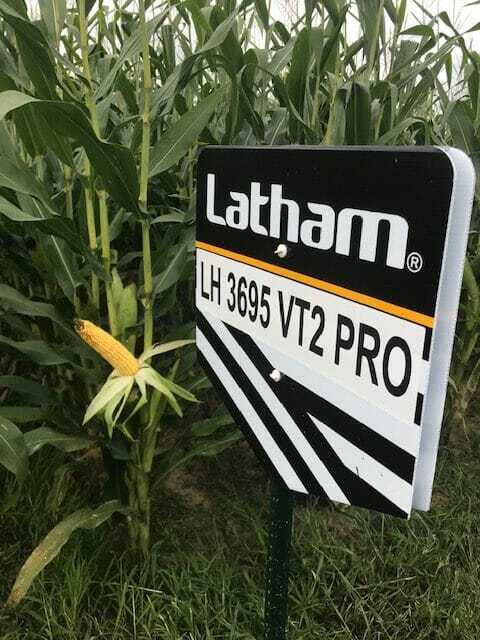
    Some early maturity soybeans are starting to turn. White Mold and SDS are showing up across the region. Take note of these areas and remember to plant a Latham® IRONCLAD™ product the next time this field is planted to soybeans. Corn is still very wet, so very few harvesters have started rolling yet.  Last week brought some great field opportunities for Latham dealers and customers. Pictured here is LH 3695 VT2 PRO which looks very good just north of Highway 29 East. For more information about all the options Latham has for your area, check out our products/hybrids on our website. You’re also welcome to call 877-GO-LATHAM and we’ll be glad to meet with you.

    IMG 4469 IMG 4470 IMG 4465


    North Central Iowa

    Cory Greiman 

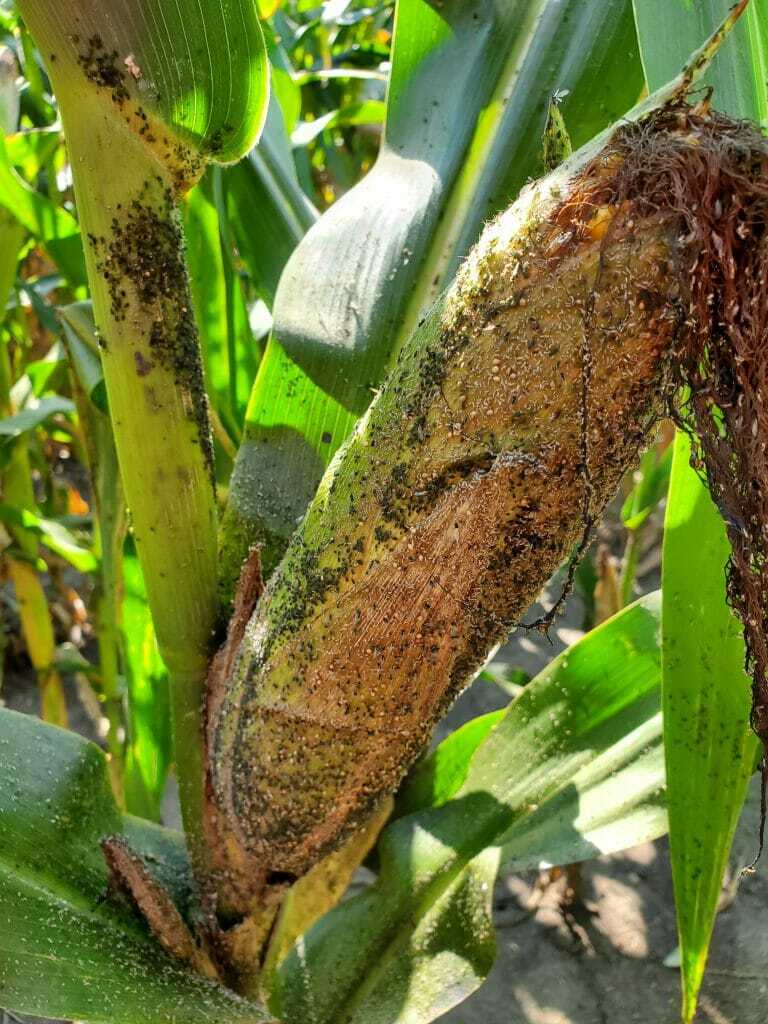
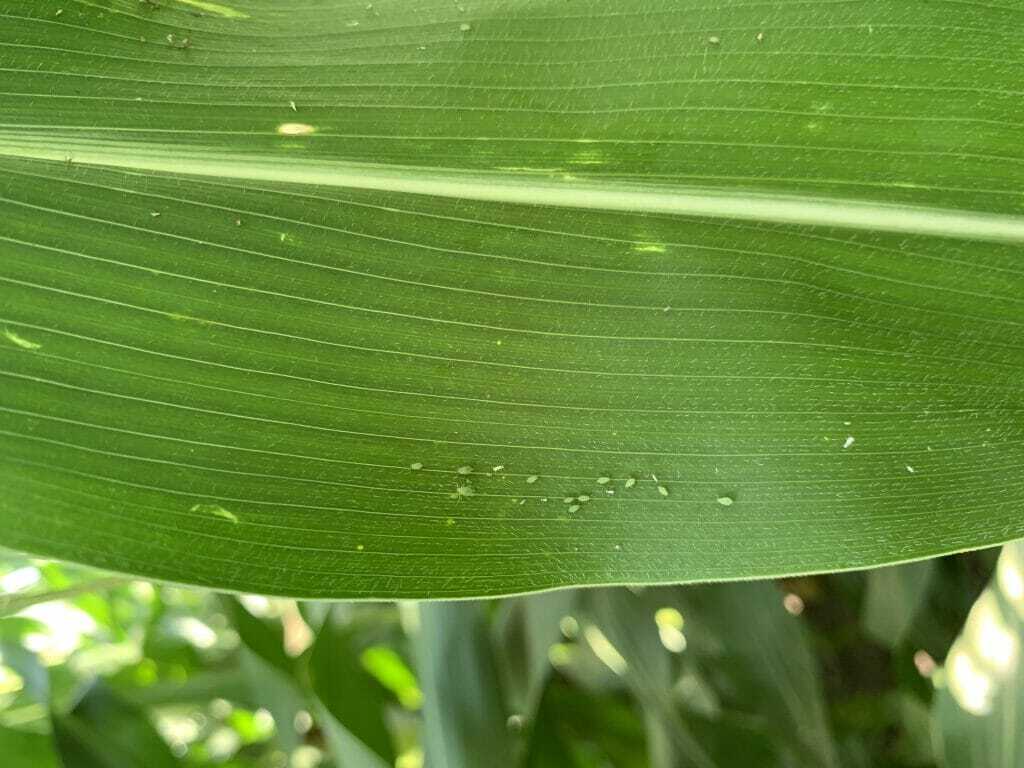
    I saw a lot of corn aphids while scouting fields yesterday around Estherville, IA. Here’s a resource from Iowa State University on corn aphids: https://crops.extension.iastate.edu/cropnews/2016/08/managing-aphids-corn

    20190905 111920


    Northwest Iowa

    Jeremy Joynt

    Variability will continue to be a part of everyone’s conversation now and throughout harvest. Last spring we saw variable soil conditions and planting dates, resulting in an array of different stages of plant growth. It is yet to be determined how the harvestability will be affected, but the yield of each hybrid is expected to be variable. As we get closer to harvest, keep plant health and stalk quality in mind to decide where to start combining.

    IMG 1217 (3)


    Northeast Iowa

    Craig Haaland

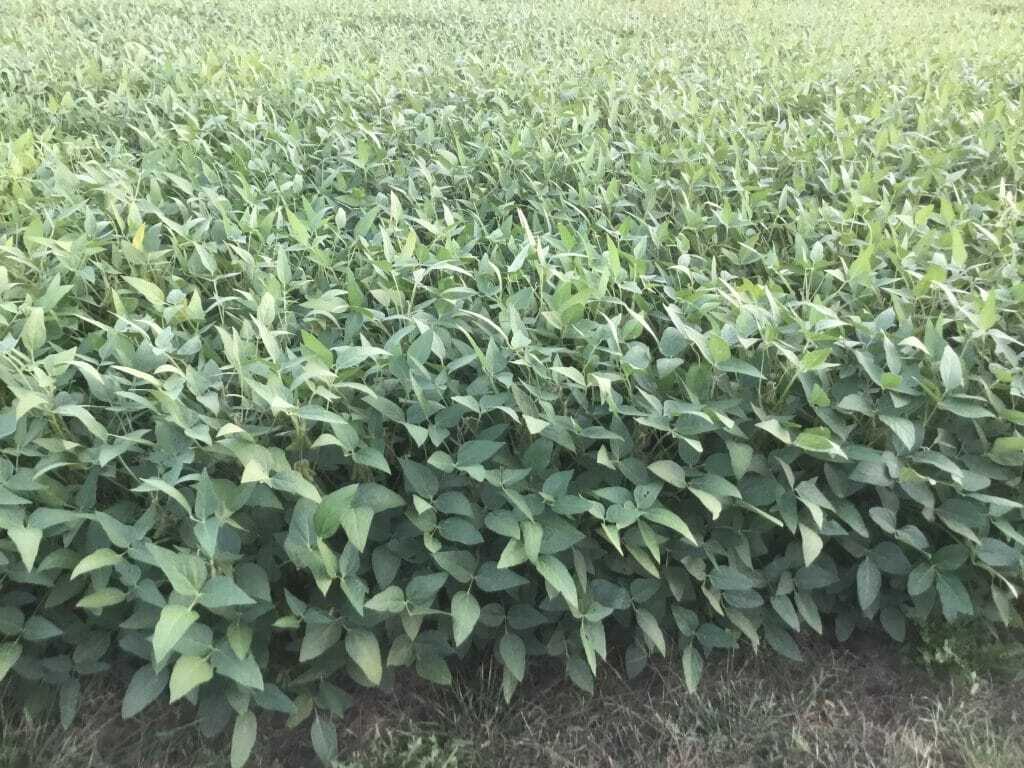
    Lots of soybean fields look like this, and a small portion are starting to turn. A few corn fields are getting closer to harvest. Now is a good time to meet with your Latham® Dealer to place early orders before harvest starts. Take advantage of early season orders and the best product availability!

    Northeast IA


    Eastern Iowa

    Jerry Broders

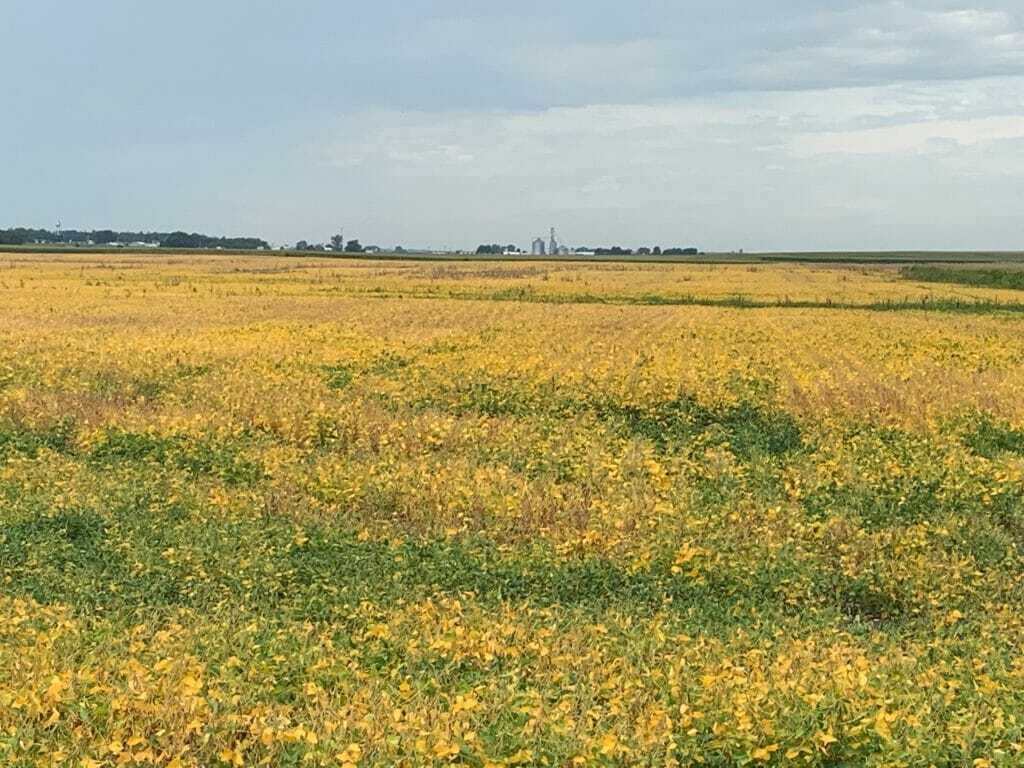
    Early planted soybeans are starting to turn in Southeast Iowa.

    Eastern IA 1


    Western Iowa

    Larry Krapfl

    Despite a growing season of challenges beginning with spring flooding, Latham’s 6317 VT2 PRO DG RIB is putting on big ears in western Iowa. This ear is 18 kernels around by 40 long.

    Image 1


    West North Central Iowa

    Bart Peterson

    Latham’s LH 5199 SS LFY is an awesome silage corn. I counted 16 to 18 kernels around and 36 to 40 long. The tonnage was very good. This dealer filled his bunker and had to find another spot to put the extra!

    17287


    Central Iowa

    Aaron Steenhoek

    Chopping season has come and gone throughout most of southern Iowa. Most of the corn that was planted in April and May has black layered and will now begin the dry-down process. Pictured here is Latham 6477 VT2 PRO RIB, doing what it does best. This variety is putting on more yield and tonnage than the competitor in this side-by-side comparison. When you look across this field, you can see that 6477 is a visually larger and healthier plant. Contact your local Latham® representative today to see how we can help you take care of your cow nutrition/feed stuffs and row crop needs!

    Southern Iowa

    Laura Cunningham

    September 11, 2019
    #FromTheField Crop Reports, Fall, Season
  • Latham Hi‑Tech Seeds

    September 4, 2019 Crop Reports

    Justin 1

    Northwest North Dakota

    Brian McNamee 

    What a fantastic Latham® product training week I attended last Thursday in southern Minnesota! We have Latham plots planted across the territory, so contact your local dealer if you’re interested in a first-hand look.

    Brian 1

    Southeast North Dakota

    Gary Geske

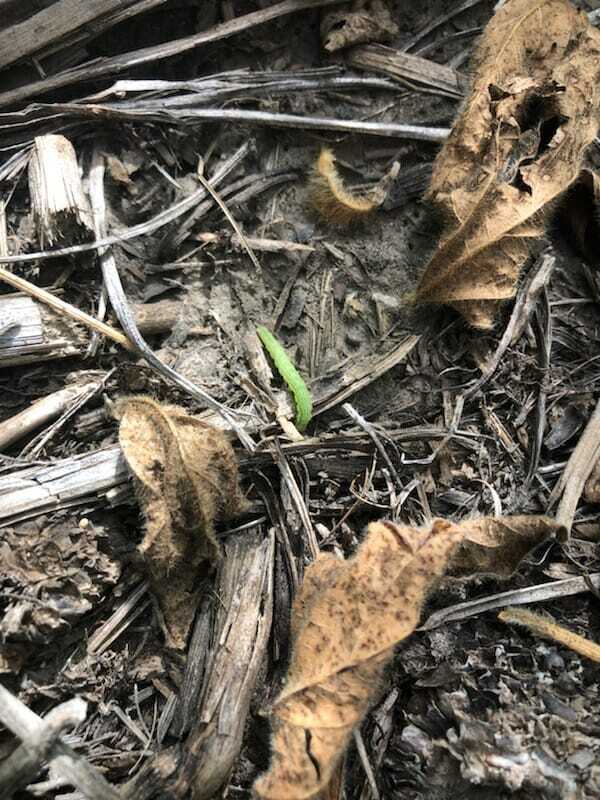
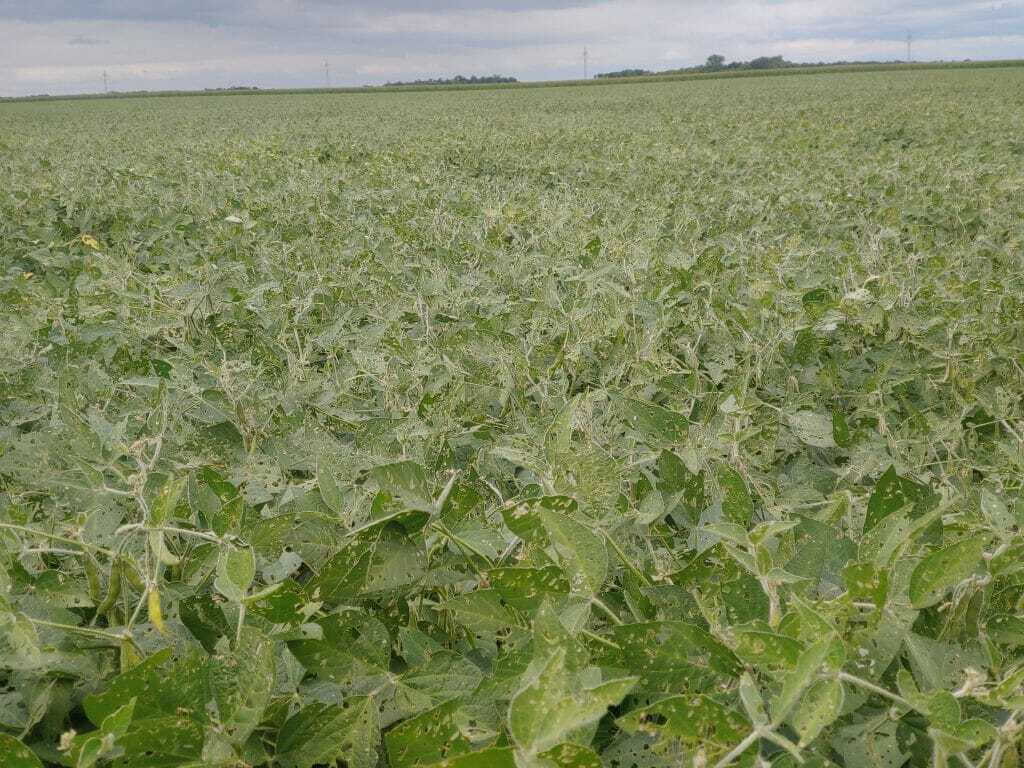
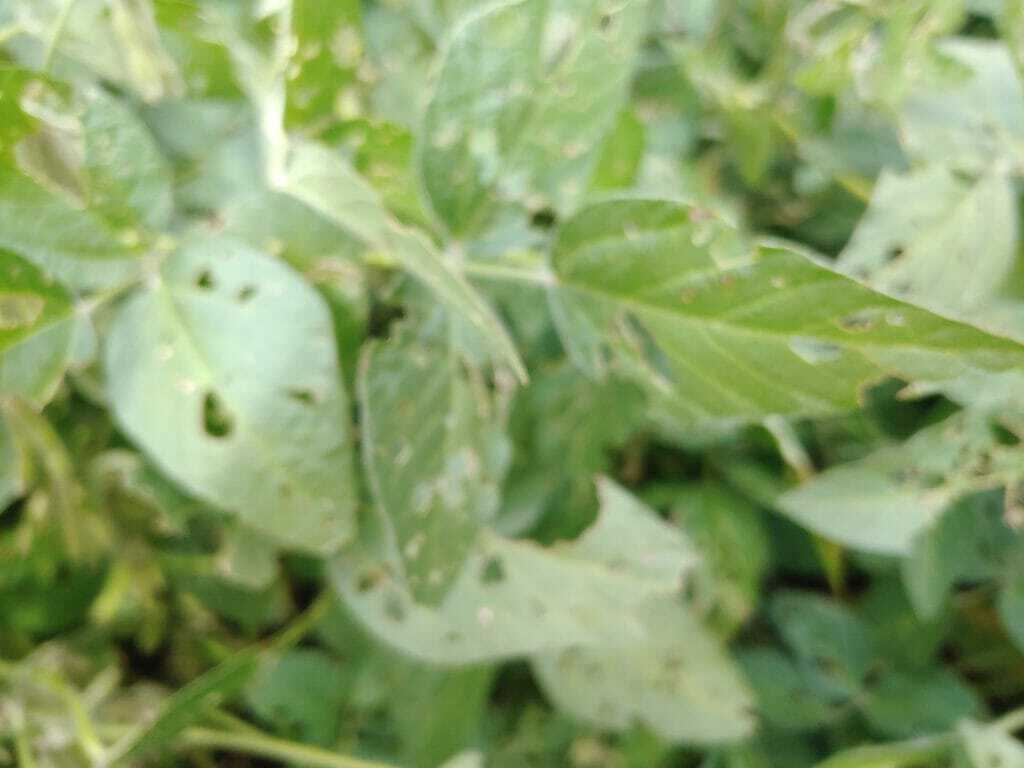
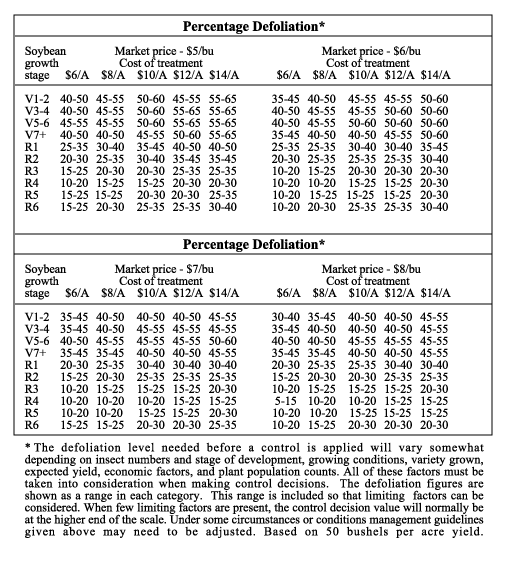
    After hearing reports of leaf-feeding on soybean fields in the area, I inspected several fields. Every field I walked had leaf feeding, and I found many Green Cloverworms on the ground. Green Cloverworms are one of many soybean defoliators in the Midwest. Using a sweep net method of sampling in an affected area is the best way of checking quantity and life stage of these insects. Many university information reports are available online, but it looks like 20 to 40 percent leaf loss is recommended before insecticide is applied. Check fields soon and spray if needed to maximize yields.

    Gary 2

    Gary 1


    Southeast South Dakota

    Ramie Coughlin

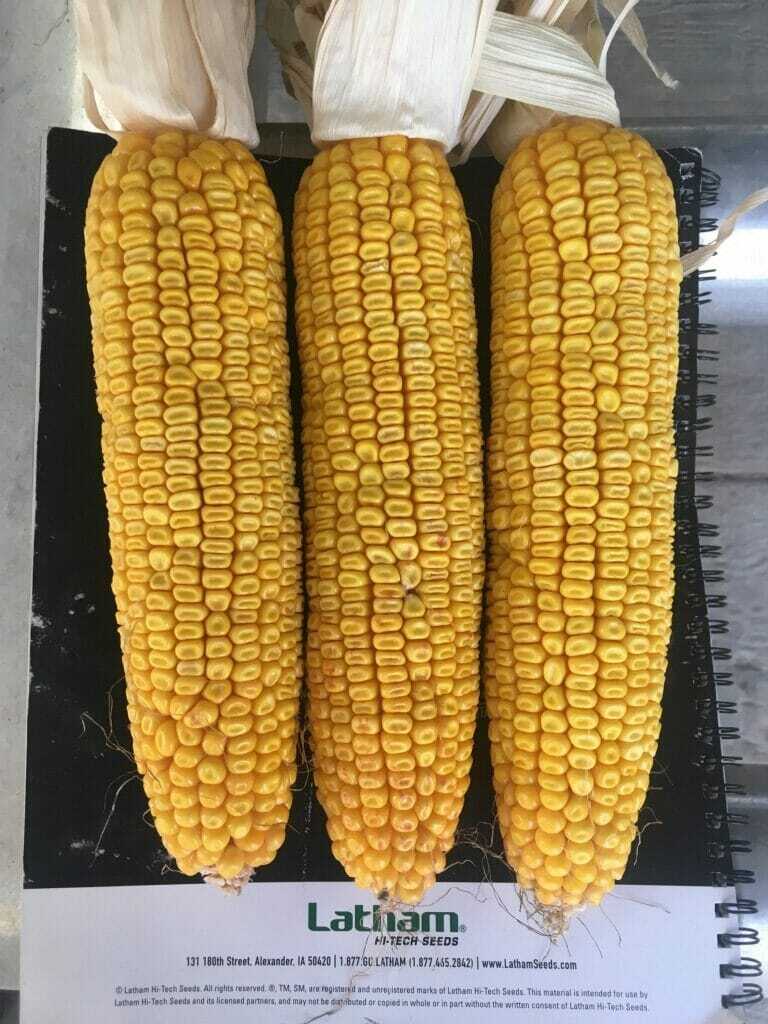
    The impressive ear pictured here is Latham® 4657 VT2 PRO RIB. It felt like it weighed more than 1 pound!

    You can get better yield estimates now by pulling back husks and counting kernels, using the formula (length x rows)/90 = bushel per acre. The rows and kernels are not consistent on the top and bottom of the ear, so start a few kernels up from the bottom and stop a few kernels from the top. Keep in mind that moisture and test weight are not figured into this formula.

    Take notes on each product, the environment and the conditions it faced this year. Also keep in mind your original goal for that hybrid back you ordered it a year ago. Then talk with your Latham dealer or regional sales manager about what you’re seeing. Even better, invite him or her to walk a field with you. Field notes can be helpful when selecting products for 2020.

    Ramie1

    Northeast South Dakota

    James Keltgen

    Northeast South Dakota finally made it a week without much rain. Some corn is denting, which puts moisture levels around 60 percent. Corn needs, on average, another 30 days to reach black layer. Unfortunately, cooler-than-normal weather is expected again this weekend. Rootworm beetles have been present late this summer, so trait selection will be important next year.

    Soybeans are finally filling pods, and some early varieties are starting to turn yellow. There were some fields that were sprayed for bean leaf beetles and clover-worms as defoliation was ever present this year.

    Jmaes 1

    Minor defoliation shown above on the new E3 Enlist soybeans.

    Pictured below is LH 3937 VT2 PRO is standing out and will be drier than fuller season hybrids this year!

    James 2

    James 3Northern Minnesota

    Ken Highness

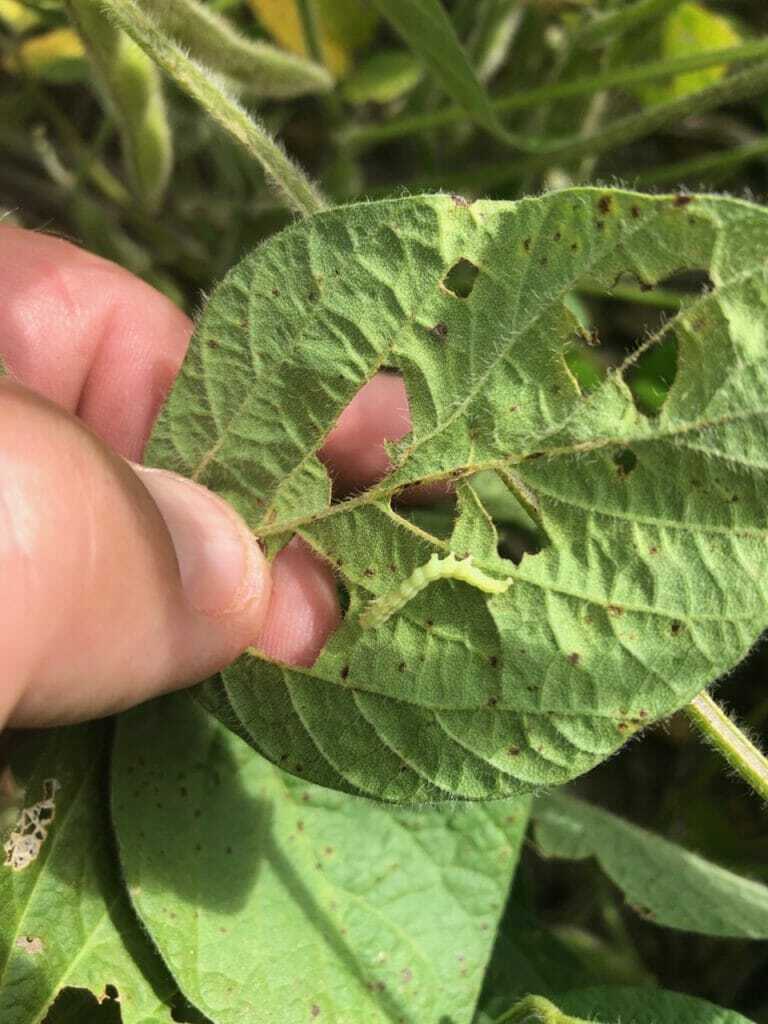
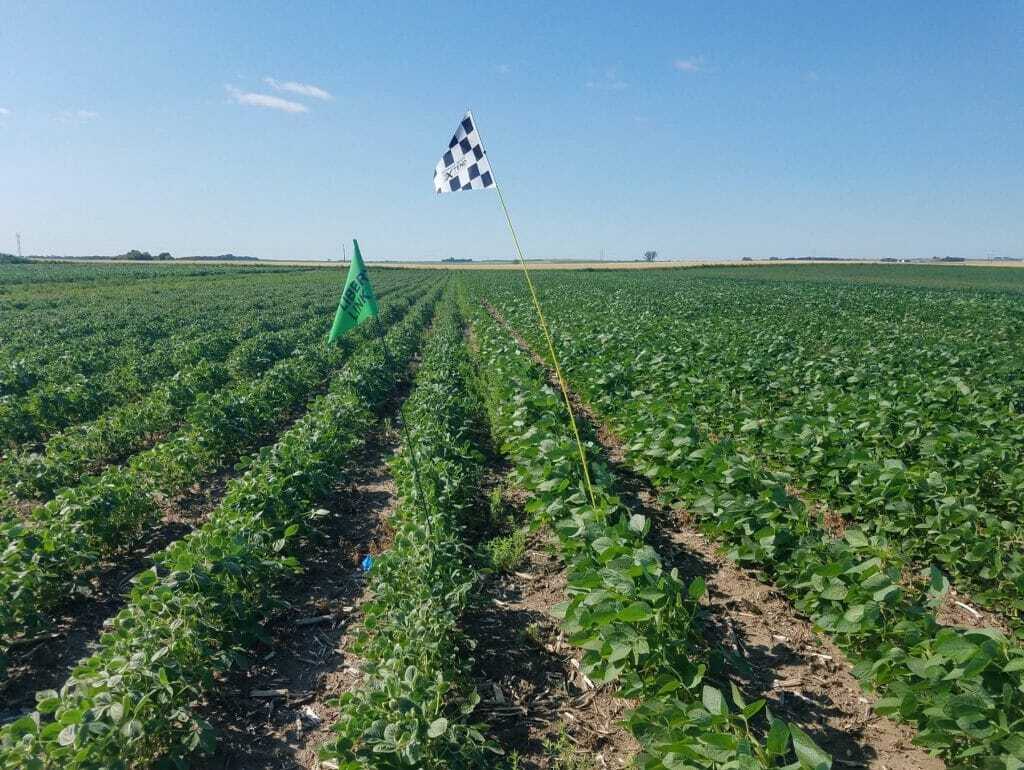
    It’s hard to believe that September is here! Soybeans have great potential in my region as the August rains were beneficial. We’ll see if the pod counts add up at harvest. Pictured is a field of LLGT27 that has the appearance of hail damage. This field actually was damaged by Green Cloverworms, one of many soybean defoliators found in the Upper Midwest. There larvae maybe found in fields from late June through September.

    Ken 2

    Ken 1

    Southern Minnesota

    Justin Prokosch

    Latham’s new 100-day LH 5077 VT2 PRO looks stout in the plots this year. We just need an ample amount of heat to finish off this year on a good note. This Latham® plot near Echo, MN looks awesome!

    Justin 1

    Justin 2


    Northern Wisconsin 

    Joe Salter

    Two things that never get old, fresh cut hay and these views as Spaeth Farms takes hay off a couple of fields. Last week also brought us some much needed time looking at Latham® product in the field.  I really enjoy Latham field training as there’s never a dull moment when our regional sales managers get together.


    Joe 2

    Joe 1


    North Central Iowa

    Cory Greiman 

    This Latham® Soybean SuperStrip plot was planted May 5 near Garner, Iowa. This plot features E3, LLGT27, and LL technologies. Plot seed was treated with SoyShieldTM  and ILeVo® and we’re not seeing any signs of SDS or white mold.

    Cory 1

    Northwest Iowa

    Jeremy Joynt

    The Clay County Fair in Spencer starts Saturday, Sept. 7. Be sure to stop by and see our Latham® Dealers at booth number 6! The start of the Clay County Fair also means it’s time to check out your combine because harvest will soon be here. It’s important to track which fields need to be harvested first.

    Jeremy

    Northeast Iowa

    Craig Haaland

    Pictured here is a nice looking field in Bremer County Iowa of LH 5245 VT2 PRO RIB. After yet another week of very little rainfall, some fields are starting to look stressed. Soybeans have a ways to go yet, so we really could use timely rains and a late frost.

    Craig 1

    Eastern Iowa

    Jerry Broders

    “Choice” is a cornerstone of Latham Hi Tech Seeds. No matter what challenges you may have in your soybean fields, we have the soybean for you! We will help you select seed, Field-x-Field® to find the right seed.

    Jerry 3

    Jerry 2

    Jerry 1

    Jerry 4

    Western Iowa

    Larry Krapfl

    Farmers in western Iowa are getting 24 to 26 tons per acre of silage, which is a bit less than in years without so much rain. Pictured here is a field of Latham’s 5495 3122 EZR.

    Larry 1

    West North Central Iowa

    Bart Peterson

    I stopped by to see our Latham® Dealer just south of Badger, Iowa, and got in on the tail-end as he and his son were baling hay pasture. That reminded me that Latham Seeds has trucked several bags of alfalfa in recent weeks for fall seeding. Be sure to check Latham’s full lineup of alfalfa, as well as our corn, soybeans and cover crops. The best price, as well as the best availability, is now!

    Bart 1

    Central Iowa

    Aaron Steenhoek

    Pre-harvest plot tours are starting across the territory, and we’re seeing the signs of fall. Corn is shrinking in places and beginning to die unnaturally. Soybean diseases like white mold, SDS, and brown stem rot (BSR) are showing up as soybeans mature. Late-season scouting leads to better seed decisions in the future plus it will help you prioritize fields for harvest. Pictured here is LH 6224, which is showing well in southern Iowa.

    Aaron 1

    Laura Cunningham

    September 4, 2019
    #FromTheField Crop Reports, Fall, Season
  • Latham Hi‑Tech Seeds

    August 28, 2019 Crop Reports

    Geske 1

    Northwest North Dakota

    Brian McNamee

    Another jungle of LH 5062 GT/LFY. This field is irrigated and highly populated for this number. Ear development is coming along nicely. Silage chopping is just right around the corner, and I can’t wait. It’s going to be one heck of a year.

    Brian 1

    Southeast North Dakota

    Gary Geske

    Checking on a field of LH 3397 VT2 PRO RIB with my little crop scout Carson. Even with the cool and late spring, the early vigor of this hybrid is helping this field reach maturity.

    Geske 2


    Southeast South Dakota

    Ramie Coughlin

    As we near the end of August, growing degree units (GDUs) and the first frost are on many of our minds. Spring and summer came a bit late this year. We are very much in need of fall and winter coming late, as well. Corn silage is still 3 to 4 weeks out, and soybean pod fill is about the same. Warmer temperatures is needed to finish out our crops. While the current forecast is cooling off a bit, the extended forecast calls for temps in the upper 70s. The great news is state climatologists are not expecting an early frost!

    Ramie 1


    Northern Minnesota

    Ken Highness

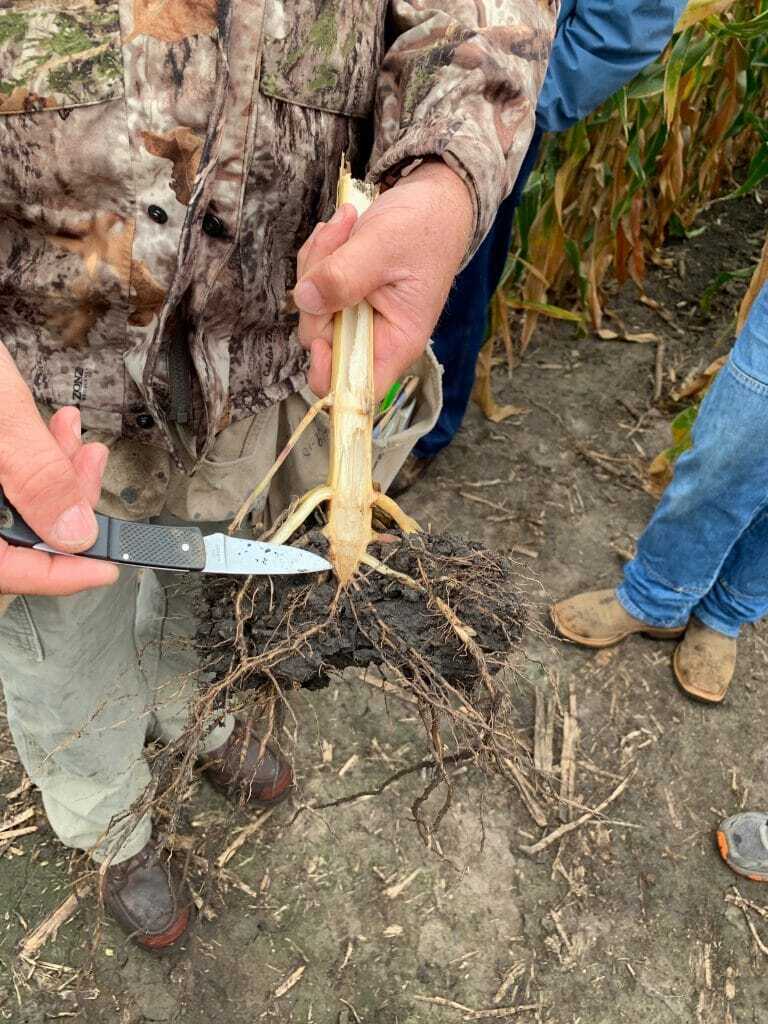
    It’s hard to believe that summer is winding down, and kids are heading back into the classroom. Harvest is underway in my region, so farmers should look at prioritizing fields for harvest. There are a few steps farmers can take now to help the ease the pressure of harvest season. Walk your fields to note maturity and potential problem areas like stalk rot or lodging. Fields under stress from either too much water this spring or lack of rain will likely warrant special harvest. Roots can be more of an issue than stalks in a wet spring like most of us experienced this year. Saturated soils limit growth of the root hairs and brace roots, making the total mass much smaller. This can put a lot of stress on the plant later in harvest time. The plant may not have the ability to take up enough nutrients, or plants may lodge if there is a late-season wind or rain event. Taking field notes now will help you prioritize field for harvest!

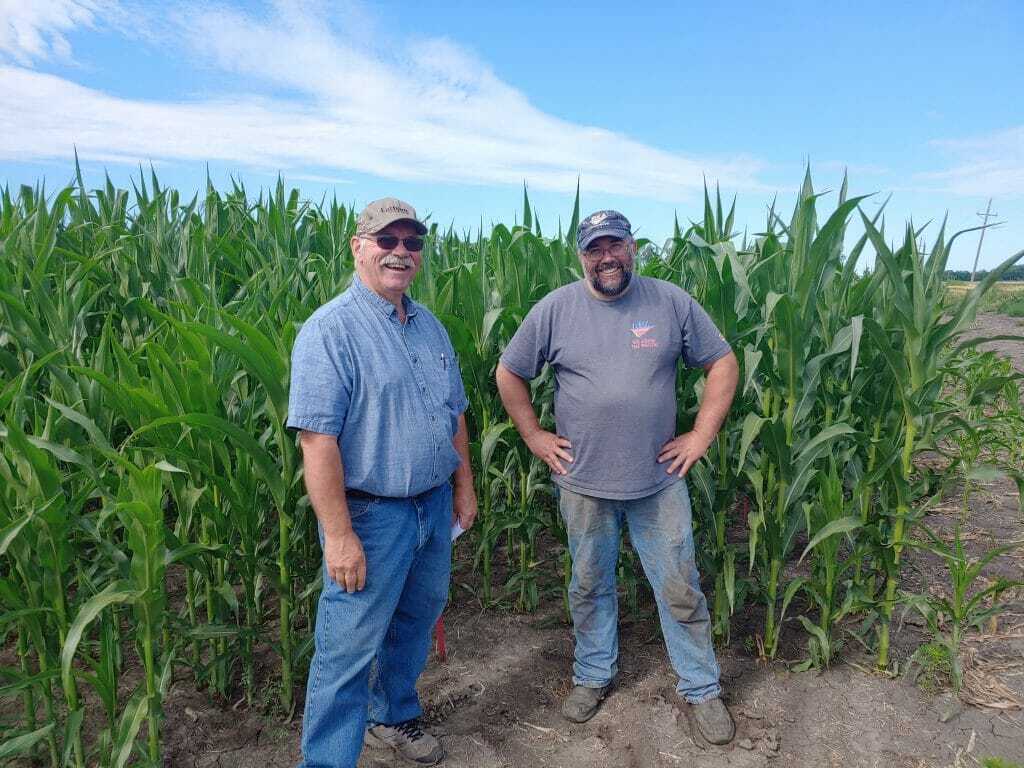
    Pictured is Gary Geske, Latham’s Northern Product Specialist, and Latham® Dealer Craig Nice standing by a field of LH 3117 VT2 PRO RIB near Ardock, ND.

    Gary 1

    Southern Minnesota

    Justin Prokosch

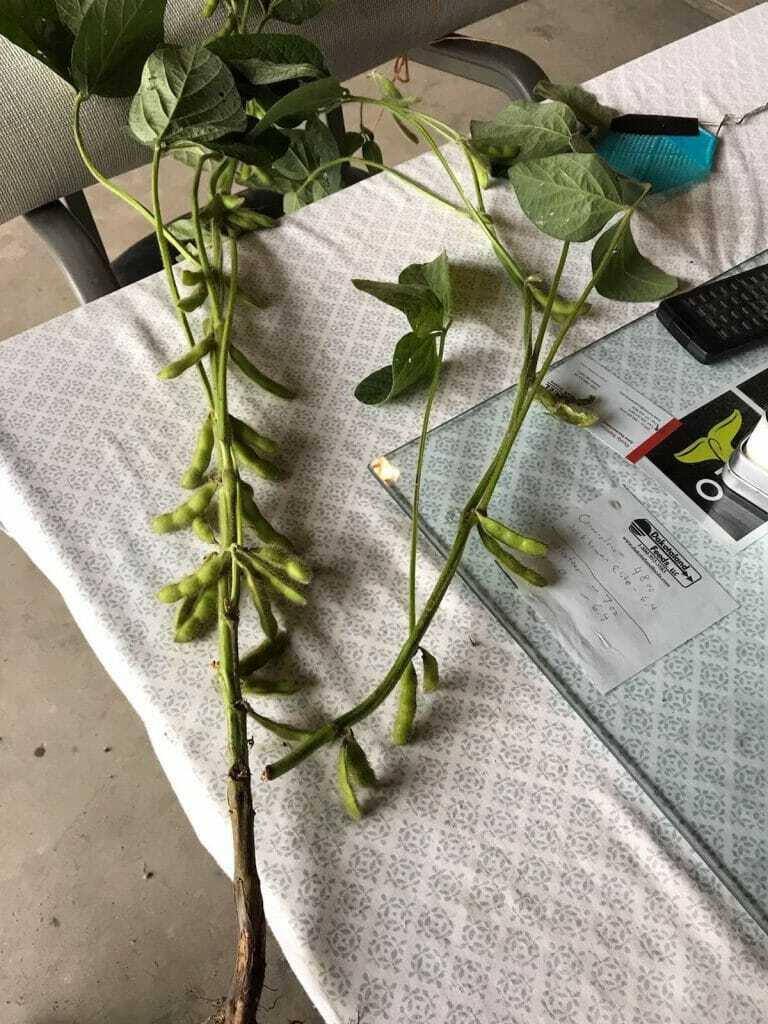
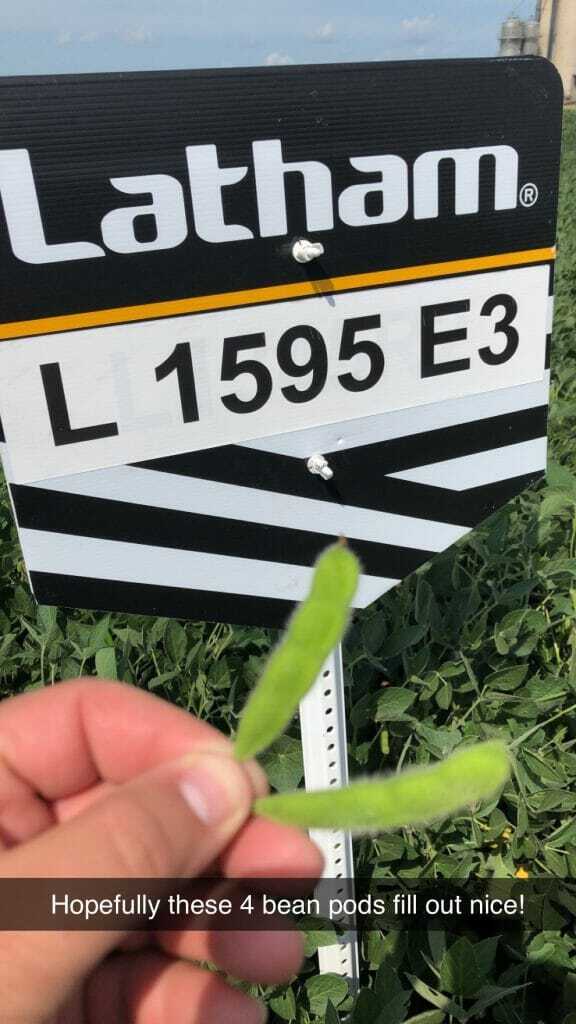
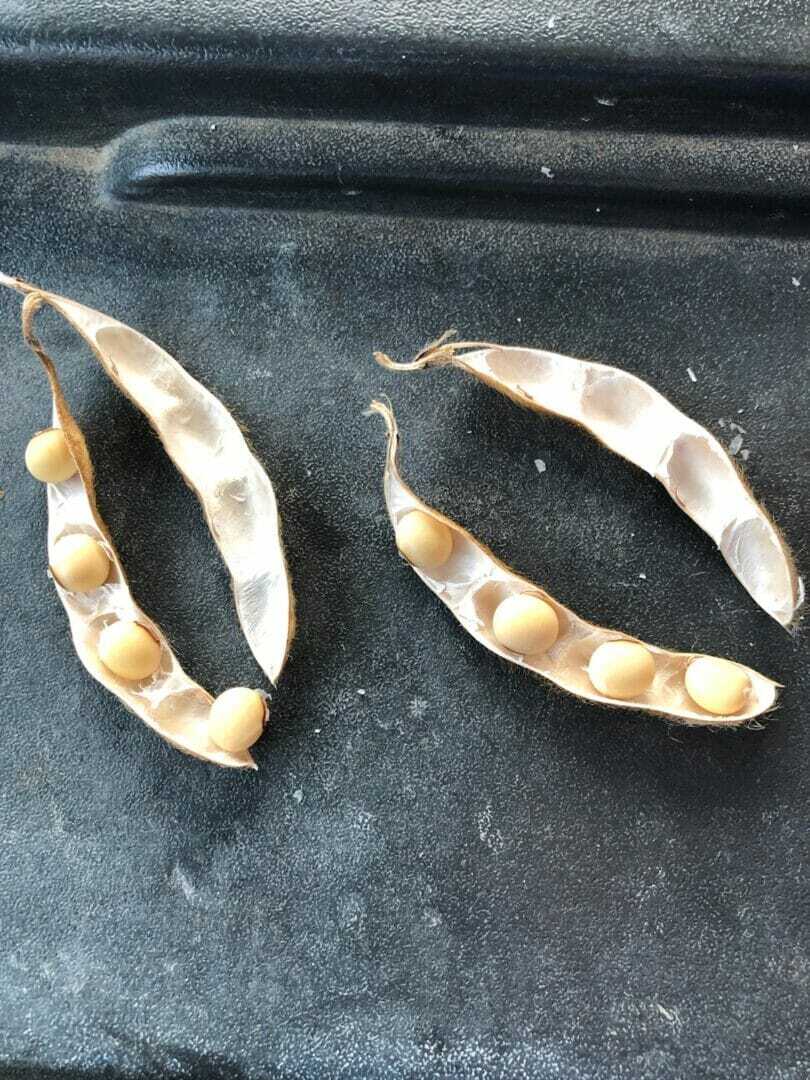
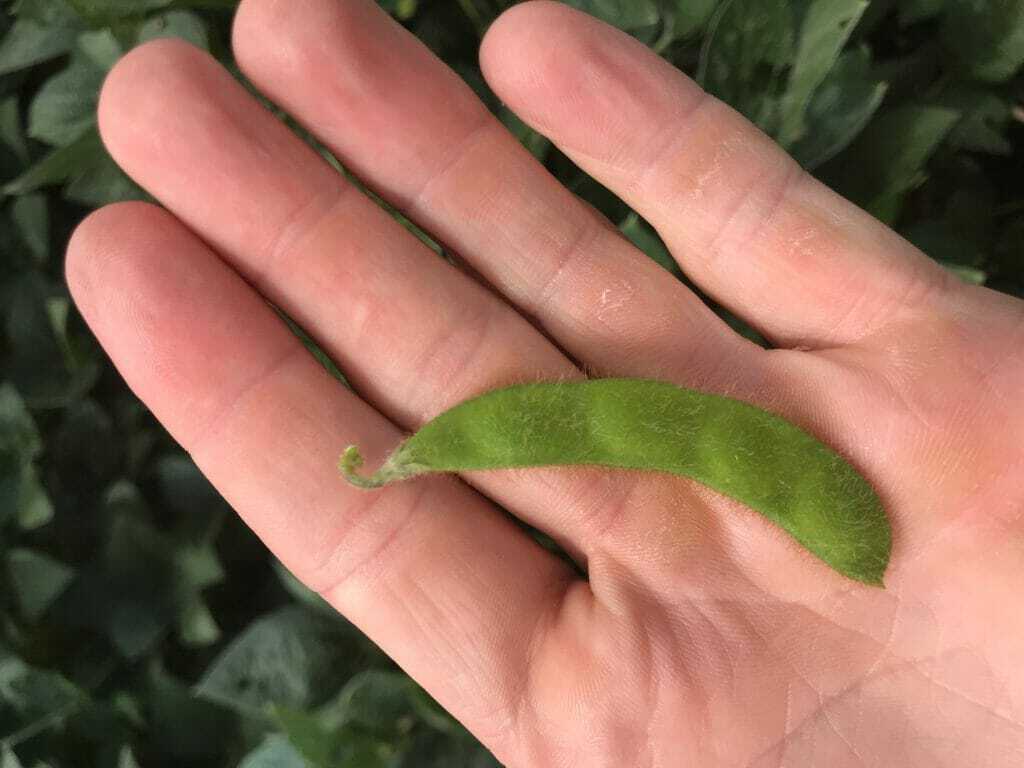
    As the old saying goes, August makes the soybean crop. I found multiple 4-bean pods in our new L 1595 E3. Now we just need some heat to fill out these beans in the pod.

    Justin 1


    Northern Wisconsin 

    Joe Salter

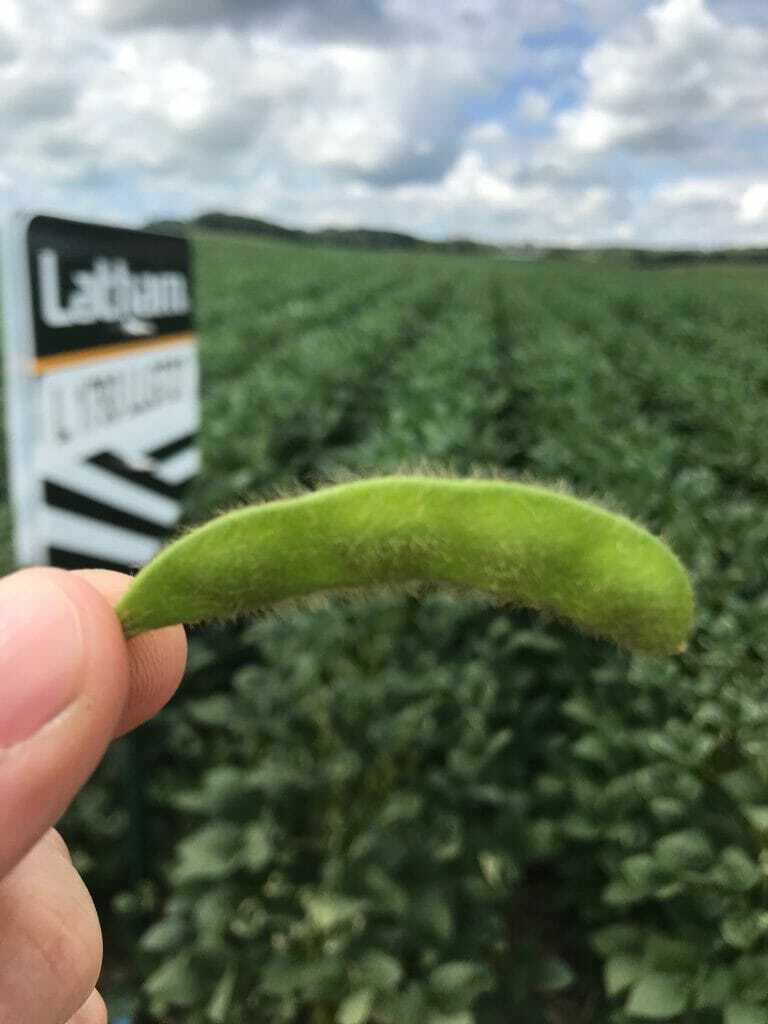
    Corn silage will be coming off the fields real soon. The next week or two should put the corn crop in optimal condition for silage harvest. Soybeans are in the pod-filling stage between R5 and R6.  As pictured here, several pods were showing 4 seeds per pod from a new Latham® brand L 1793 LLGT27.  This IRONCLAD product has an excellent emergence score, and this year’s crop has proven that! To learn more about our new products, join us Sept. 6 for our annual field day at Latham Hi‑Tech Seeds.Joe 2 Joe 1


    North Central Iowa

    Cory Greiman 

    Latham’s LH 4517 planted May 12 near Northwood, Iowa, is looking good.


    Northwest Iowa

    Jeremy Joynt

    Recent cooler conditions have slowed crop development in Nothwest Iowa. A little over 50% of the areas are showing corn reaching the dough stage. As you’re checking the stage of your corn, watch for pests that can still be detrimental to the development of your crop.

    Jeremy 3 Jeremy 2 Jeremy 1 Jeremy 4

    Northeast Iowa

    Craig Haaland

    Here’s a new LH 5077 VT2 PRO hybrid in a corn plot in Bremer County, Iowa. This new hybrid is something you will want to add to your portfolio when placing an order. Spraying is finally complete. Moisture is needed in a lot of areas to finish these crop. Soybean fields are short overall. Timely rains will help finish the top of the plant to get better yields.

    Craig 1

    Eastern Iowa

    Jerry Broders

    Plot nights have begun in Eastern Iowa. Great crowd and super customers! Don’t miss our annual Alexander Field day on September 6. See all the new products and choices for trait that fits YOUR fields.

    Jerry 1

    Western Iowa

    Larry Krapfl

    Prevent plant acres on this farm near Naper, Nebraska, are looking great! One bag of Latham’s alfalfa by 1 bag of oats per acres is making awesome hay.

    Larry 1


    West North Central Iowa

    Bart Peterson

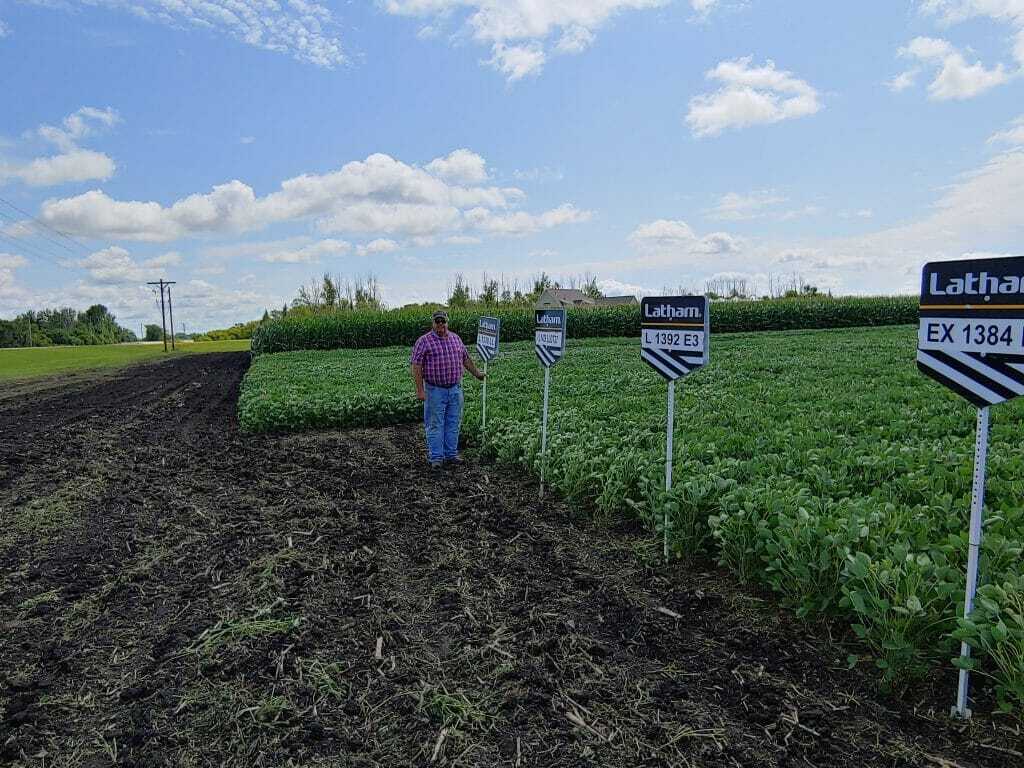
    Four Liberty soybean products stood out in Latham® SuperStrip Plot near Steamboat Rock, Iowa. We showed these at a plot night last Monday.

    Bart 1

    Central Iowa

    Aaron Steenhoek

    Crop progress is coming along nicely with the rains that fell throughout the territory. Pockets of SDS are beginning to show up, so keep an eye on fields. Remember to check ratings when making next year’s picks! Only Latham Hi‑Tech Seeds offers IRONCLAD soybeans.

    Aaron 1

    Laura Cunningham

    August 28, 2019
    #FromTheField Crop Reports, Season, Summer
  • Latham Hi‑Tech Seeds

    August 21, 2019 Crop Reports

    Aaron 2

    Southeast North Dakota

    Gary Geske

    This good looking field of Latham L 0645 LL soybeans is just east of Enderlin, ND. Crops continue to push toward maturity. So far, I have not noticed aphid pressure that’s high enough to warrant an insecticide application .

    Gary 1

    Northwest North Dakota

    Brian McNamee 

    You know the silage is going to be good when the Sudangrass looks like this! Pictured here is Elizabeth Rebonitsch, whose posing for a picture while helping her dad open the fields.

    Brian 1

    Anticipation is growing with Latham customers as we’re predicting record tonnage per acre in Southwest North Dakota. This photo shows another farmer who’s happy with his Latham® LH 5062 GT/LFY silage hybrid. I cannot wait to do in-field testing!

    Brian 2


    Northeast South Dakota

    James Keltgen

    Despite the challenging spring planting conditions and summer weather, some crops are developing nicely here in Northeast South Dakota. We’re only seeing low numbers of pests in corn and soybeans, but it’s unfortunate that more wet, cool weather is in the forecast. Growing Degree Units (GDUs) are needed to get corn to black layer. Corn needs roughly 54 days from brown silk to black layer. Some corn is still in the blister stage, putting us 45 days out with average temperatures. Soybeans continue to add pods except in wetter areas of the field where excess moisture has stunted growth.

    James 1

    Latham’s LH 3937 VT2 PRO RIB, on the left, is 20 kernels around by 32 kernels long. LH 4937 VT2 PRO RIB, on the right, is 16×36.

    James 2

    LH 4240 CNV at Ipswich is healthy and packing on yield!

    James 3

    L 1482 R2X near Ipswich is fully canopied.


    Southeast South Dakota

    Ramie Coughlin


    This week Southeast South Dakota is hosting its largest summer farm show, Dakota Fest. Latham Product Managers and Regional Sales Managers are busy talking with farmers about the challenges this year has brought and solutions to overcome them all. We are also discussing the latest and greatest products within Latham country. Many of our conversations have been about Enlist soybeans, silage corn and cover crops.

    Ramie 1


    Northern Minnesota

    Ken Highness

    With the harvest of sugar beets and spring wheat underway, there’s a lot of activity throughout the Red River Valley. The American Crystal Sugar Company starting pre-pile harvest. Pictured here is Latham® Dealer Todd Toppen, who is signing his plot for upcoming field days.

    Ken 1


    Southern Minnesota

    Justin Prokosch

    We’ve been busy, walking plots and evaluating products throughout southern Minnesota.

    Justin 1

    Justin 2

    Justin 3


    Northern Wisconsin

    Joe Salter

    Weather has been really good across the region, so we’re hoping it stays warm for a few more weeks. Soybeans have made great strides recently. Silage corn is getting close, so we soon will see fields getting chopped.

    As you can see, LH 4937 VT2 PRO RIB looks great in several plots and locations across this territory. Corn is growing tall in this early maturity Latham® plot that is located in the heart of northern Wisconsin.

    Joe 2

    Joe 1


    Northwest Iowa

    Jeremy Joynt

    Much of Northwest Iowa received a welcomed rain this week. As you’re walking through your 2019 crop and deciding what to plant for 2020, note how your crop is handling stress. Are you seeing your soybeans with signs of SDS or IDC? If so, Latham® IRONCLAD products would be a great fit in fields.

    JJ

    Northeast Iowa

    Craig Haaland

    Here is our popular LH 5245 VT2 PRO corn hybrid in Fayette County. Crops are looking pretty good in Northeast Iowa. Soybeans are filled out at the top of the plant, so we just need a few more timely rains to finish out these crops. Fungicide spraying is coming to an end, and farmers are hoping for a late frost.

    Craig 1

    Central Iowa

    Aaron Steenhoek

    Corn pollinated well, but yields will be variable this year compared to the consistency we have experienced the last couple years. Ear size and stand counts are all over the board both in length and girth. The late-planted corn pictured here is denting.

    Aaron 1 Aaron 2


    Eastern Iowa

    Jerry Broders 

    LH 6187 VT2 PRO is standing tall and looking great by Aurora, Iowa.

    Jerr 1

    LH 5725 VT2 PRO is a key product for rotational acres for 2020!
    Jerry 2Consider both products for your 2020 crop plan.


    Western Iowa

    Larry Krapfl

    Larry 3 Larry 1 Larry 2

    Latham’s 5742 RR in Madison, Nebraska, is 18 kernel around and 40 kernels long. Harvest population is 27,250 ears per acre on dryland.


    West North Central Iowa

    Bart Peterson

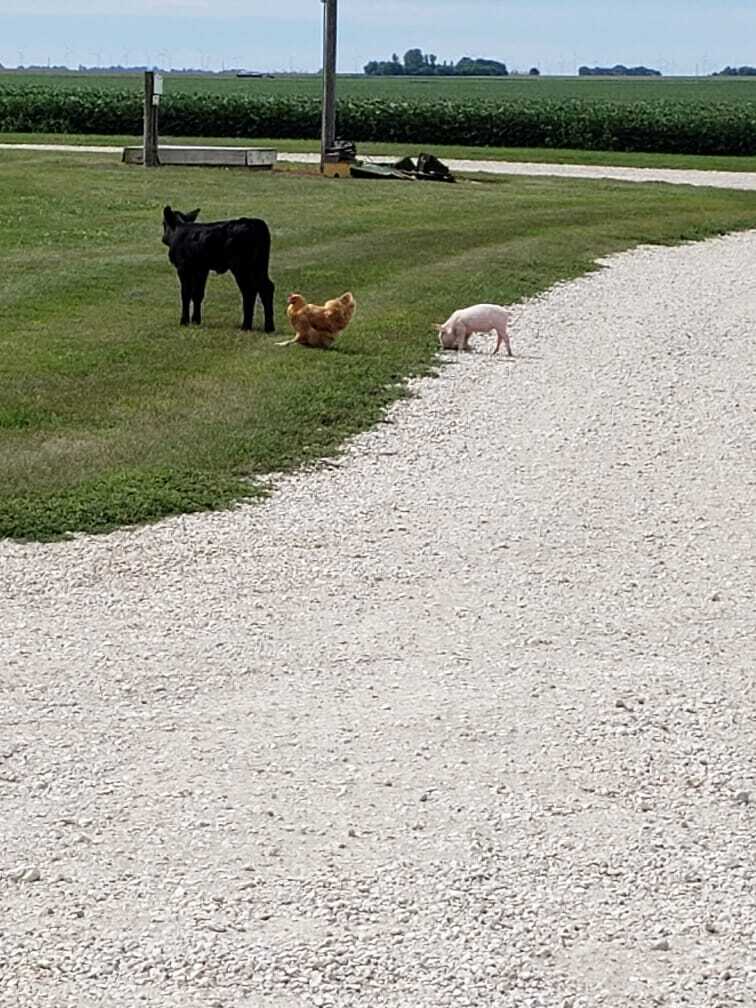
    This unusual trio has open range on this farmstead in Pocahontas County, Iowa. They do not wander off as Mama (hen) takes care of Porkchop, the piglet, like he’s one of her own. The calf is named Porterhouse, and they’re really quite entertaining to watch.

    Bart 1

    North Central Iowa

    Cory Greiman 

    We’re seeing a lot of Northern Corn Rootworm beetles in fields where last year’s crop was soybeans, as well as in soybean fields that weren’t sprayed for aphids. Most farmers who sprayed a fungicide this season added in an insecticide, so they’re not experiencing heavy infestations now.

    Cory 2 Cory 1

    Laura Cunningham

    August 21, 2019
    #FromTheField Crop Reports, Season, Summer
  • Latham Hi‑Tech Seeds

    August 14, 2019 Crop Reports

    LH 4242 N MN Crop Report 081419

    Northeast North Dakota

    Gary Geske

    For the third consecutive year, this Latham® dealer is using our conventional/leafy corn hybrids for silage. Latham’s silage mainstay LH 5062 GT/LFY continues to be a rock star in this area. If you have the ability to grow conventional corn on your farm, take a look at our portfolio of products.

    McNamee


    Southeast North Dakota

    Gary Geske

    Although this field of Latham® LH 4940 CNV/LFY was planted late due to a wet spring, it’s still doing what it does best. Plants are already 10 to 11 feet tall with 10+ leaves above the ear. This conventional silage hybrid, with its big dark green sunsoaker leaves, will produce tons of high quality silage this fall.

    LH 4940 Latham Seeds Crop Report LH 4940 SE North Dakota Crop Report 081419


    Northeast South Dakota

    James Keltgen

    Last week a damaging storm moved through central South Dakota causing massive destruction to crops and buildings. The damage started near Gettysburg and made its way down to Burke. This week a storm moved through eastern South Dakota, dumping up to 4.5 inches on already saturated ground. Rootworm beetles have a heavy presence in corn fields this year. We’re seeing a lot of bean leaf beetles, as well as green clover worms and thistle caterpillars in soybeans. Early planted corn is now in the milk stage and soybeans have flat pods with many still flowering and adding smaller pods.

    LH 4657 VT2 PRO near Groton, SDNE SD Crop Report LH 4657 VT2 PRO near Groton, SD

    EX 4325 VT2 PRONE SD Crop Report EX 4325 VT2 PRO


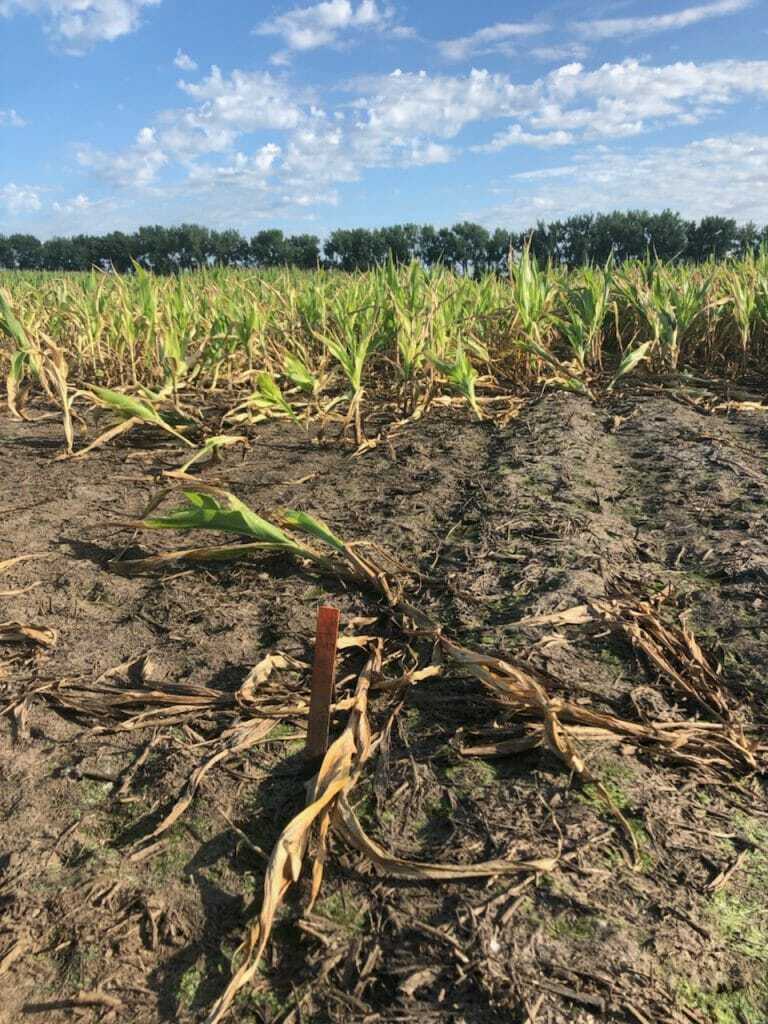
    Some corn fields recently were 100% wiped out by hail.

    NE SD Crop Report Hail Damage


    Southeast South Dakota

    Ramie Coughlin

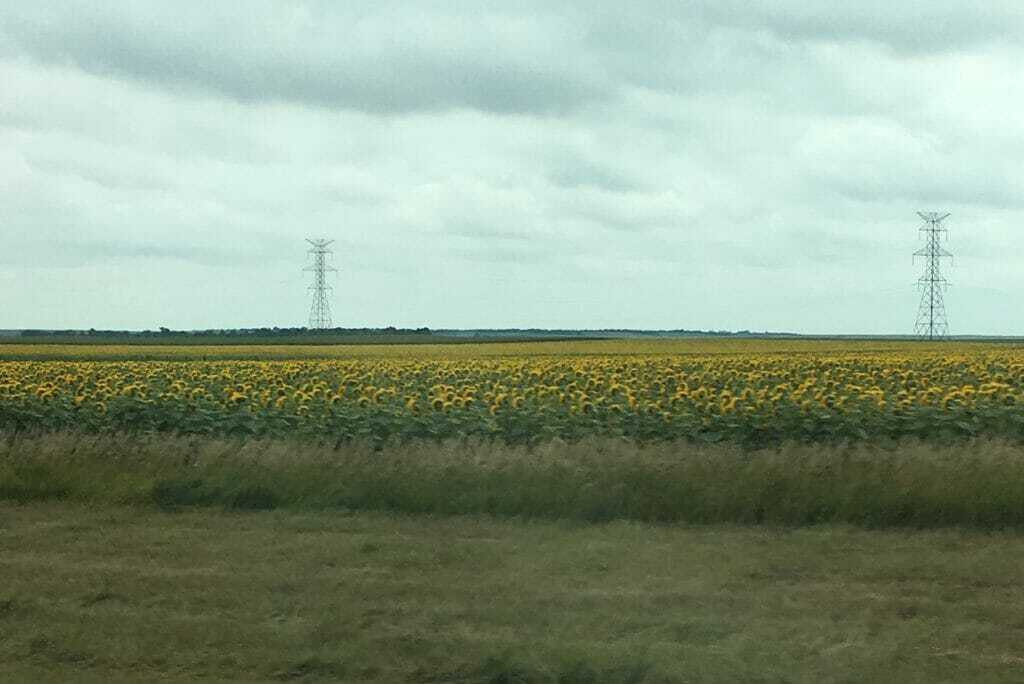
    Another 1 to 3 inches of rain fell across South Dakota on Friday, so wheat harvest is slow going. This week I’m sharing one of South Dakota’s prettiest crops. Did you know South Dakota ranks #1 in sunflower production? As you drive west through Southeast South Dakota, you can see miles of the yellow flowers. They are often used as a rotational crop for corn in western SD where moisture can be in short supply and soybeans don’t typically perform well. However, with crop innovation we are seeing more soybeans planted further and further west.

    SE South Dakota Latham Seeds Crop Report 081419


    Northern Minnesota

    Ken Highness

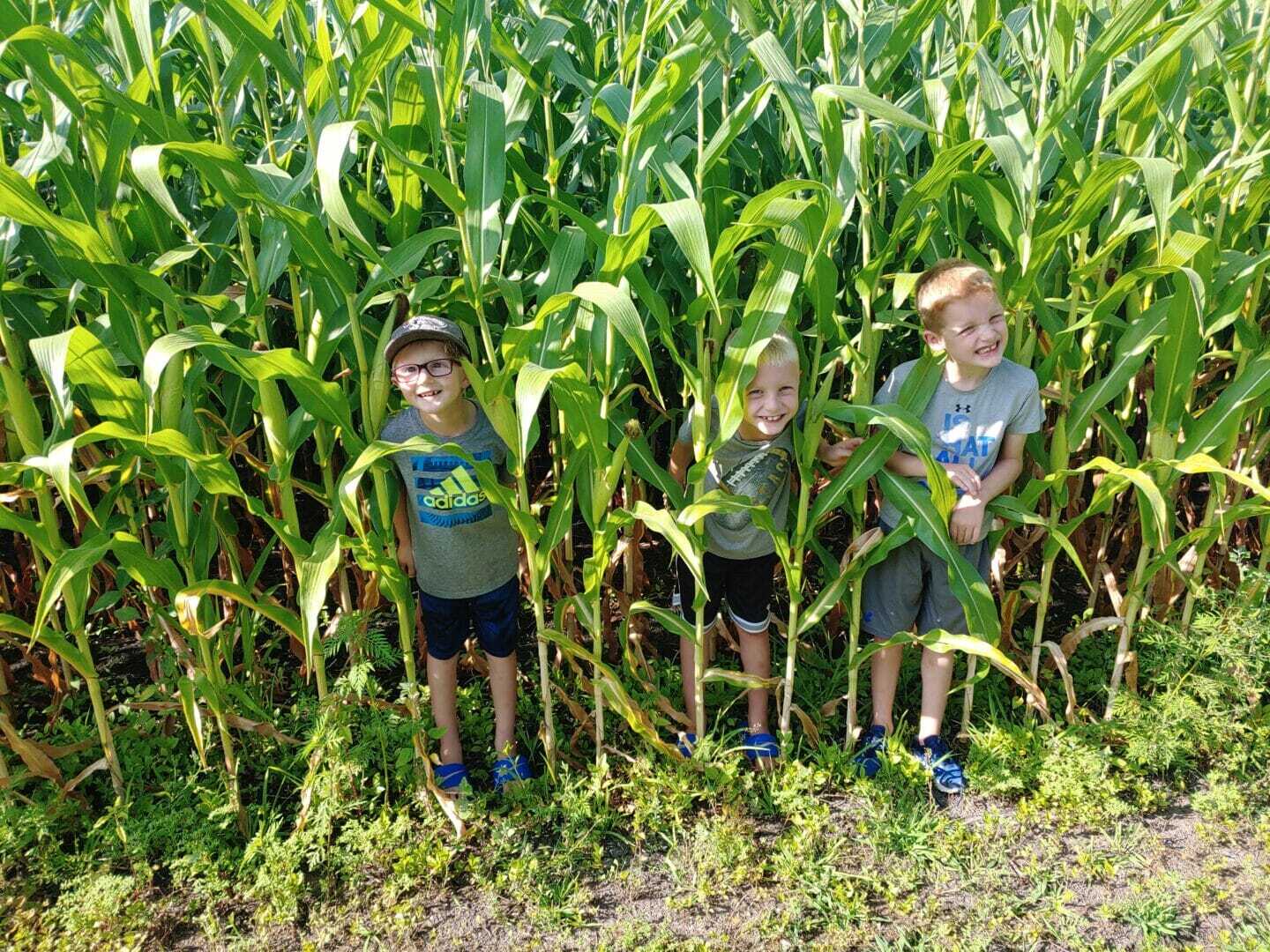
    Crops in my region continue to move quickly toward maturity and harvest will soon be in full swing.  Fields were stressed this season with too much moisture, so roots will be more of an issue than stalks this season. Saturated soils limit the growth of root hair and brace roots making the total mass much smaller. This will put stress on the plant later in the year. Corn plants may not have the ability to take up enough nutrients, or they may lodge if there is a late-season wind or rain event. Farmers should note these fields and prioritize them for harvest. These little farmers spent the afternoon scouting fields with their grandfather. They’re pictured in a nice looking field of Latham’s LH 4242 VT2 PRO near Barnesville, MN.

    LH 4242 N MN Crop Report 081419


    Southern Minnesota

    Justin Prokosch

    The effects of our wet spring are still evident in some areas of Southern Minnesota.

    Southern Minnesota Crop Report Wet Spring Effects 081419

    This soybean field in Renville County looks nice. Fungicides have been applied on numerous fields throughout this area.

    S MN Crop Report 081419


    Southern Wisconsin 

    Greg Mair

    As long as the field was fit to plant corn in southern Wisconsin, the crop looks great! This field of LH 5245 VT2 PRO in Cambridge was planted on May 16 and is coming along nicely.  We will need an excellent September to finish off this crop, but things are looking positive in the countryside today.

    IMG 8901


    Northern Wisconsin 

    Joe Salter

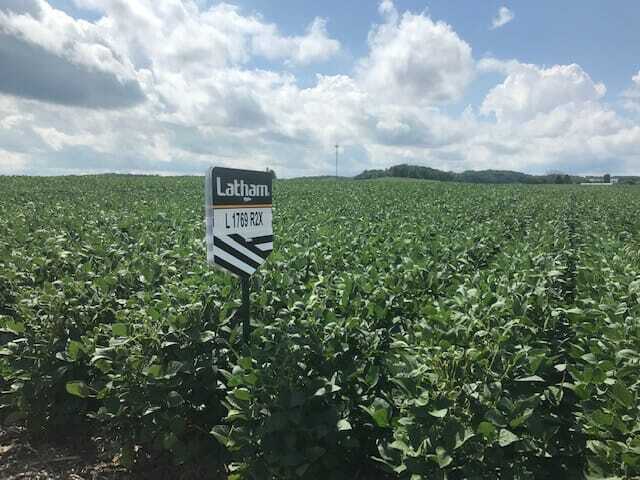
    Areas in Northern Wisconsin have received 3+ inches of rain during the past week. We’re hoping some long, warm days are ahead to finish out the month of August. Soybean varieties L 1748 R2, L 1769 R2X and L 1793 LLGT27 are looking very strong in this Latham SuperStrip plot.

    N Wisco Crop Report Latham Seeds 1748 R2 081419N Wisco Crop Report 1769 Latham Seeds 081419N Wisco Crop Report 1793 LLGT27 Latham Seeds 081419


    Northwest Iowa

    Jeremy Joynt

    Crops continue to be in various stages of development, but we’re seeing some corn move into dough stage. Most fields are keeping clean of disease, but we are seeing some scattered grey leaf spot and rust.  August makes soybeans! With daytime highs in the mid-70s to low-80s, heavy dew and moisture on the leaves, keep watching for aphids. The threshold is 250 per plant, but do not wait that long as aphid populations can explode rapidly.

    NW IA Latham Seeds Corn 8 13 19 NW IA Latham Seeds Soybeans 8 13 19


    Northeast Iowa

    Craig Haaland

    This field of our L 2249 Liberty soybeans in Howard County Iowa is waist high. If we receive some timely August rains, we could have a good crop. Soybeans are short throughout my territory, but short beans can yield well.

    North Central Iowa Crop Report L 2249 L 0814192

    North Central Iowa Crop Report L 2249 L 081419

    This field of Latham LH 4937 VT2 in Howard County is coming along pretty good. Farmers are finishing up spraying everything, so hopefully we can finish this crop year on a high note.

    North Central Iowa Crop Report LH 4937 VT2 081419


    Eastern Iowa

    Jerry Broders 

    https://www.lathamseeds.com/app/uploads/2019/08/Eastern-IA-Crop-Report-081419.mp4

    Western Iowa

    Larry Krapfl

    With 16-kernels around and 42 kernels long, Latham’s LH 6317 VT2 PRO DG RIB is kicking it! A few kernels have begun to dent.

    LH 6317 VT2 PRO Western Iowa Crop Report 081419

    This beautiful field of Latham Liberty Link soybeans (L 3187 L) shows weed control. I’m looking forward to harvest!

    L 3187 L Western Iowa Crop Report 081419


    West North Central Iowa

    Bart Peterson

    What a good looking clean field of L 2193 E3!

    West Central IA Crop Report L 2193 E3 081419

    Laura Cunningham

    August 14, 2019
    #FromTheField Crop Reports, Season, Summer
  • Latham Hi‑Tech Seeds

    August 5, 2019 Crop Reports

    Northeast South Dakota Leafy has 10 leaves above the ear Latham Seeds Crop Report 080719

    Northwest North Dakota

    Brian McNamee

    Much needed rain fell across Western and North Central North Dakota last weekend, bringing a halt to harvest. Farmers are taking out crops wheat, barley, oats, peas and rye. Reports are mixed. Peas are having a good year. It looks like the later planted spring wheat, pictured here, will be superb.

    After a day or two of rest, farmers will regroup. The timing of this rain is perfect to help fill soybean pods and to provide corn under pollination some relief. Looking forward to watching our Latham Hi‑Tech Corn and Soybean varieties continue to develop!

    Brian 2

    Brian 1


    Southeast North Dakota

    Gary Geske

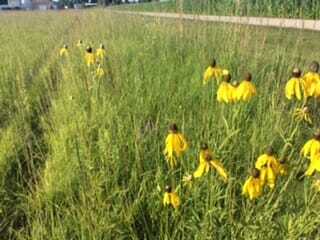
    Pollinator habitat, like this long grass prairie along my driveway, is important. Seed harvested from this weed-free plot is used to expand acres planted across the tri-state area. Producers, who value the importance of helping honey bee colonies plant pollinator habitat on their more marginal crop land or an odd-shaped field.

    Southeast North Dakota Crop Report Latham Seeds 080719


    Northeast South Dakota

    James Keltgen

    Latham’s 5062 Leafy has 10 leaves above the ear even with the early cold growing season!

    Wet is still the theme for 2019. Another round of heavy rains, ranging from 1 to 7 inches, hit this past week. Many farmers have been unable to spray crops in a timely manner, so crop dusters have been busier than usual. The early corn is has pollinated and some later planted corn has yet to pollinate.

    Soybeans are shorter than normal this year and are slow to canopy due to saturated soils. One customer had to spray for green clover worms. Liberty and the new E3 Enlist soybeans are proving to be a great option for weed control.

    Northeast South Dakota Leafy has 10 leaves above the ear Latham Seeds Crop Report 080719


    Southeast South Dakota

    Ramie Coughlin

    Corn is coming right along in South Dakota. Most fields are pollinating now and temperatures couldn’t be more perfect. The hot temps in July earned us some much needed Growing Degrees, and so far August is providing us with great flowering weather. Soybeans are also enjoying mild temps while setting pods. Many soybean fields are at the R3, or beginning pod, stage. Many fields in Southeast South Dakota are still drying after anywhere from 0.2 to 6 inches fell here last week. Yep, I said 6 inches!

    Ramie 1


    Northern Minnesota

    Ken Highness

    This field of LH 3695 VT2 PRO looks great on the farm of Kerri and Mathew Mattson. Their daughter, Taylor, posed for me with her Champion Dairy Steer at the Pope County open show. This dynamic duo will show at the Minnesota State Fair, August 22 through September 2. Good Luck, Taylor!

    Northern Minnesota LH 3695 VT2 PRO Latham Seeds Crop Report Northern Minnesota Pope County Fair Latham Seeds Crop Report

    101 Animals on the Auction Block


    Southern Minnesota

    Justin Prokosch

    This E3 plot near Butterfield, Minnesota continues to shine. Many farmers are applying fungicide on their corn and are just starting to apply fungicide on their soybeans. Not many aphids have been spotted yet in the area. Come to Farmfest in Redwood Co. Minnesota  this week and stop by the Latham booth for some goodies!

    Justin 3 Justin 1 Justin 4


    Northern Wisconsin

    Joe Salter

    Crops as a whole look good in my territory. Unfortunately, storms in the north caused several barns and grain bins to go down. These photos show my Latham soybean plot and my boys are doing some farm work with their grandpa.

    Joe 2 Joe 1 Joe 3

    Southern Wisconsin

    Greg Mair

    The corn crop is moving along quickly in southern Wisconsin.  This field of LH 5635 VT2 PRO, which was planted June 1 in Cuba City, was full shed on August 5.  Corn that was planted late into appropriate field conditions appears to have the potential to be a very good crop.

    Southern Wisconsin Crop Report Latham Seeds 080719


    Northwest Iowa

    Jeremy Joynt

    While signing fields and scouting for late-season pests and diseases, continue to scout for Japanese Beetles, grasshoppers, and aphids. It only takes 20% defoliation to meet the economic-threshold for loss when soybeans are in the reproductive stages. You might add pesticide to the tank mix if you are putting on fungicide.

    Northwest Iowa Crop Report Japanese Beetle 080719


    North Central Iowa

    Cory Greiman

    Farmers in North Central Iowa are protecting yield with fungicide and insecticide applications this week.

    North Central Iowa Crop Report Latham Seeds 080719


    Northeast Iowa

    Craig Haaland

    Both this field of L 2228 R2 and this field of our popular LH 5245 VT2 PRO RIB are progressing nicely in Chickasaw County, crops across northern Iowa could use a shot of rain. Keep a close watch for Japanese Beetles. We’re seeing some common rust in corn fields, as well as root worms and some blight. Aerial applicators have been pretty busy.

    Craig 1

    Craig 2

    Eastern Iowa

    Jerry Broders 

    While scouting corn and soybeans this past week, I’ve seen Gray Leaf Spot and a little eyespot. I haven’t seen any disease in the soybeans. Our biggest concern right now is moisture. Timely August rains are needed. Moisture can be found, but it is 18 to 20 inches from the surface.

    Jerry 2 Jerry 1 Jerry 3


    Western Iowa

    Larry Krapfl

    Soybeans and oats were planted six days ago on this farm that was put into preventative planting.

    Larry 1


    West North Central Iowa

    Bart Peterson

    I scouted this field of Latham Hi‑Tech Hybrids near Humboldt, IA this week. The shorter-stature corn is LH 4249 SS. Towering 2 foot taller alongside it is LH 5199 SS/LFY. This taller variety is intended for silage and we’re already seeing the impressive height and wide leaves of the leafy trait come through. Looking forward to the tonnage results at silage harvest.

    Western North Central Iowa Crop Report Latham Seeds 080719 Western North Central Iowa Crop Report Latham Seeds Photo 2 080719

    Central Iowa

    Aaron Steenhoek

    Corn planted during the last half May and the first part of June is reaching tassel. Bugs are extremely prevalent as is disease! If timing is right, applying fungicide and insecticide may be very worthwhile on these fields. Not only could an application help this year, but it could make a difference in rootworm beetle populations next year if you’re planning to plant corn-on-corn.

    Central Iowa Corn Disease Crop Report 080719 Central Iowa Corn Disease 080719


    Laura Cunningham

    August 7, 2019
    #FromTheField Crop Reports, Season, Summer
  • Latham Hi‑Tech Seeds

    July 31, 2019 Crop Reports

    Aaron 1

    Northwest North Dakota

    Brian McNamee

    With all the new soybean technologies, I often gets asked these questions:

    • How do Enlist soybeans yield compared to Extend?
    • All things considered, which beans have the highest yielding genetics for my geography?
    • Can I see some supporting data?

    Latham Hi‑Tech Seeds is conducting research across the Upper Midwest to help our customers answer these questions. Rest assured, before any product makes it into our lineup, it’s already gone through extensive testing. We take great care to select the products that have been shown to perform best in “Latham Country.”

    Brian 1

    Southeast North Dakota

    Gary Geske

    It’s been a challenging year for production, as well as for research and test plot sites. As you study plot results this fall, keep in mind that each testing site faced different weather-related issues. That’s why, at Latham Hi‑Tech Seeds, we test products for multiple years and across multiple locations. Visit with your Latham Seed representative for a field-by-field seed recommendations based on years of experience rather than on one year of questionable data.

    Gary 1


    Northeast South Dakota

    James Keltgen

    Another 1 to 2 inches of rain fell this week, but only a 0.5 inch would have been welcome. Unfortunately, we also got strong winds that caused green snap. Damage was as much  as to 90% of the corn in areas where the corn was about to tassel. Most is in full pollination this week, although the latest planted corn has yet to reach that stage. Many are putting on vegetation while flowering, while the latest planted soybeans have yet to canopy.

    James 1

    Southeast South Dakota

    Ramie Coughlin

    When scouting for aphids and spider mites watch for leaf feeding. This is the time of year we can typically see the second generation of bean leaf beetles feeding on plants. Most insecticide seed treatments provide full control of the first generation, which emerges in early June, and help suppress the second generation. When considering a mid-summer insecticide application, please do NOT spray unless a pest threshold has been met. Threshold for bean leaf beetles  can be found on the chart provided.Ramie 2Photo credit Purdue Extension


    Northern Minnesota

    Ken Highness

    President of Latham Hi‑Tech Seeds, John Latham, toured my territory this week. He’s standing in LH 5245 VT2 PRO DG RIB, which is Latham’s five-time F.I.R.S.T. Trial champion!

    Shannon 1

    Southern Minnesota

    Justin Prokosch

    A majority of the corn that was planted in May is pollinating pretty nicely now with the moderate temperatures we’re experiencing this week in southern Minnesota.

    Justin 1

    Northern Corn Leaf Blight is showing up in Central Minnesota. This is a great time to think about applying a foliar fungicide.

    Justin 2


    Northern Wisconsin 

    Joe Salter

    Crops have come a long ways during the past two weeks, but a late frost is still needed to help finish out this crop.

    Fungicide application could prove to be very profitable with the conditions. It’s important to know if the hybrid you planted is responsive to fungicide application. Look in the Latham Product Guide or check our website to make sure your hybrid(s) has a HR (highly recommended) or R (recommended) rating before applying fungicide.

    Joe 1
    This Latham plot is coming right along in Eastern Chippewa County.
    Joe 2
    Wyatt Pozarski standing next to LH 4657 VT2 PRO RIB


    Southern Wisconsin

    Greg Mair

    Insecticide and fungicide are being applied this week to corn and soybeans.  Leaf diseases, like Grey Leaf Spot and Northern Corn Leaf Blight, started showing up last week. Japanese Beetles are defoliating soybean plants. Fungicides and insecticides paid significant dividends last year, helping farmers capture the full potential of the crop. If corn prices rise as expected, it will pay off more to protect yield.

    Greg 1

    Greg 2


    North Central Iowa

    Cory Greiman

    Latham L2193 E3 was planted in a field with high pH and shows no signs of yellowing. The pH levels in this field get as high as 8.3 while the field average is 7.8.

    Cory 1

    Northeast Iowa

    Craig Haaland

    Our L1995 Enlist Soybeans in Mower County, MN, are really coming along but still on the short side. Corn fields have pretty much tasseled and farmers applying fungicide. Keep scouting field because we all know that insects and disease can show up strong in a short period of time.

    Craig 1

    Eastern Iowa

    Jerry Broders 

    Last week’s weather pattern has been dry across Eastern Iowa. Considering all the heat and lack of moisture, the crop is doing fairly well. Areas with lighter soil are showing signs of drought stress. Aerial applicators are applying fungicide on the early-planted corn. Later corn is still developing and has yet to reach the R1 stage of development. Latham® field signs are going up on plots and in fields throughout the area. Please contact me or your local Latham dealer if you’re interested in taking a plot tour.

    Jerry 1

    Jerr y1

    Western Iowa

    Larry Krapfl

    Japanese Beetles are defoliating crops near Woodbine, Iowa. Be sure to scout your fields and keep a watch on treatment thresholds.

    Larry 1

    West North Central Iowa

    Bart Peterson

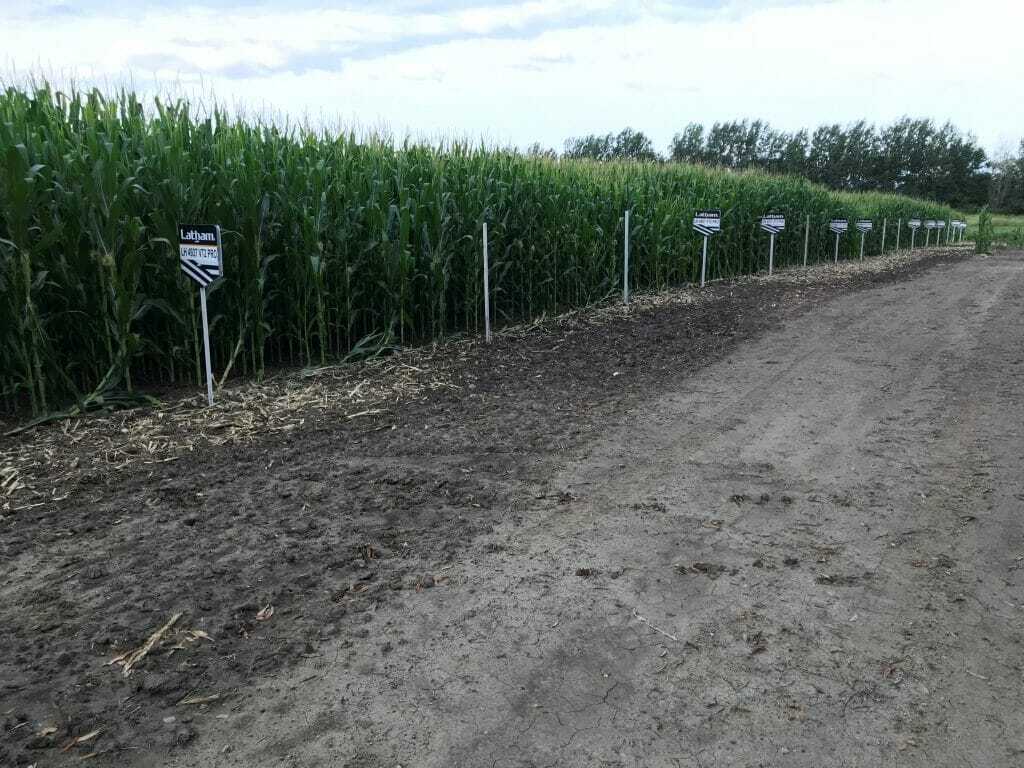
    Dealers in my area have been busy signing plots. The hybrids in this Latham SuperStrip™ plot range in maturity from 100 to 107 days.

    Bart 1

    Central Iowa

    Aaron Steenhoek

    Corn pollination has gone well. Corn planted prior to the mid-May rains has pollinated. Early yield estimates are all over the board, but some fields look really good. Soybeans that were planted timely are nearing the R3 fungicide window.

    Aaron 1


    Laura Cunningham

    July 31, 2019
    #FromTheField Crop Reports, Season, Summer
Previous Page
1 2 3 4 5 … 8
Next Page

Latham Hi‑Tech Seeds

131 180th Street | Alexander, IA 50420

(641) 692-3258

SIGNUP FOR OUR NEWSLETTER
  • Contact
  • Legal
  • Dealer Center
  • Seedware Login
  • Latham Gear

© 2025 Latham Hi‑Tech Seeds. All rights reserved. | Iowa Web Design by Webspec | Privacy Policy

Latham® Hi-Tech Seeds is a trademark of M.S. Technologies, L.L.C., 103 Avenue D, West Point, IA 52656.