Latham Hi-Tech Seeds

(641) 692-3258

  • Home
  • Products
    • Corn
    • Soybeans
    • Alfalfa
    • Corn Silage
    • Seed Guide
  • Performance
  • Find a Rep
  • Media
    • Blog
    • News
    • Videos
    • Podcasts
    • TECHTalk
  • About Us
    • Company History
    • Our Mission
    • Careers
    • Become a Rep
    • Sowing Seeds of Hope
  • Contact Us
  • Latham Hi‑Tech Seeds

    Take the Test and Beat the Pest!

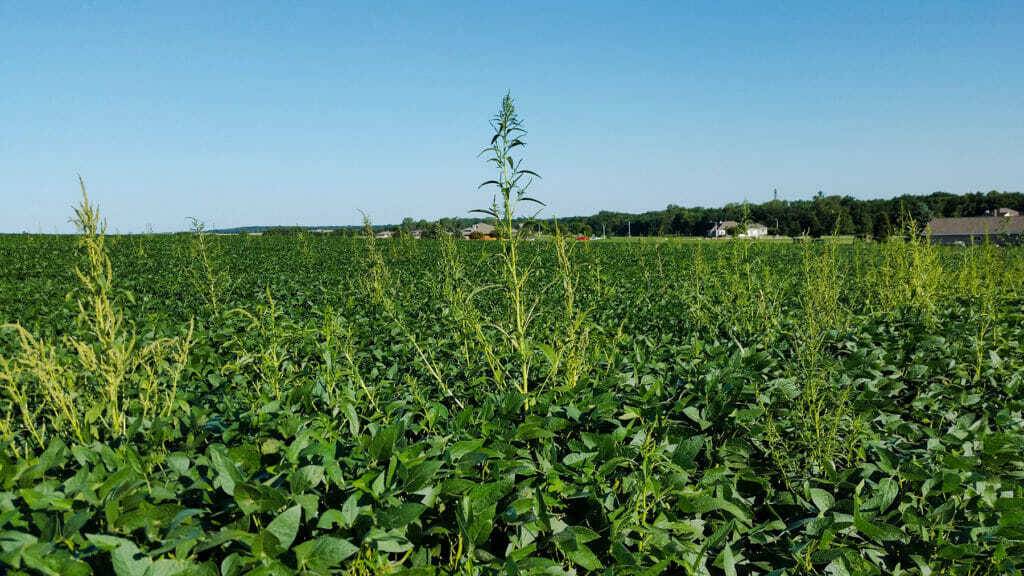
    Fig 1

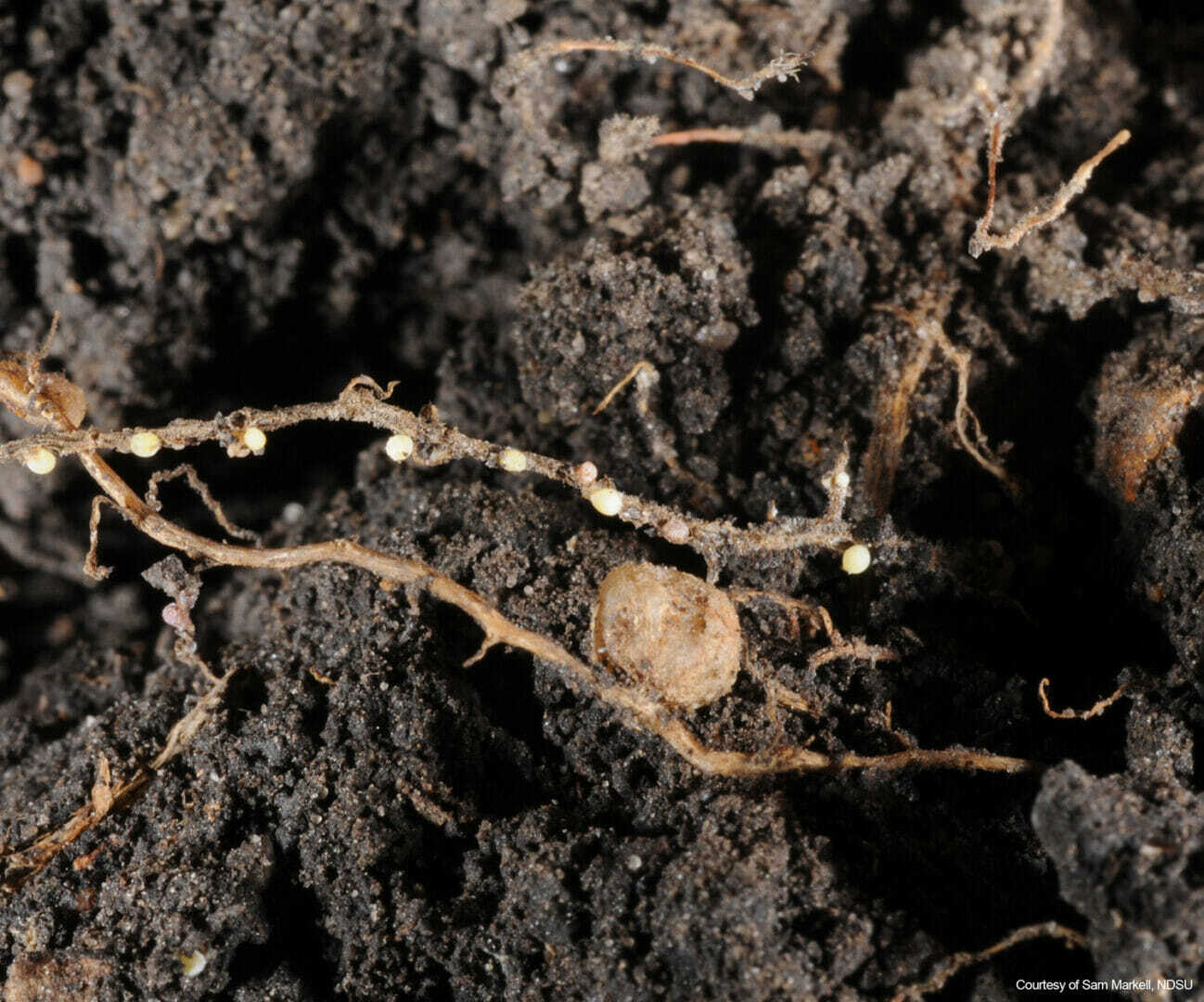
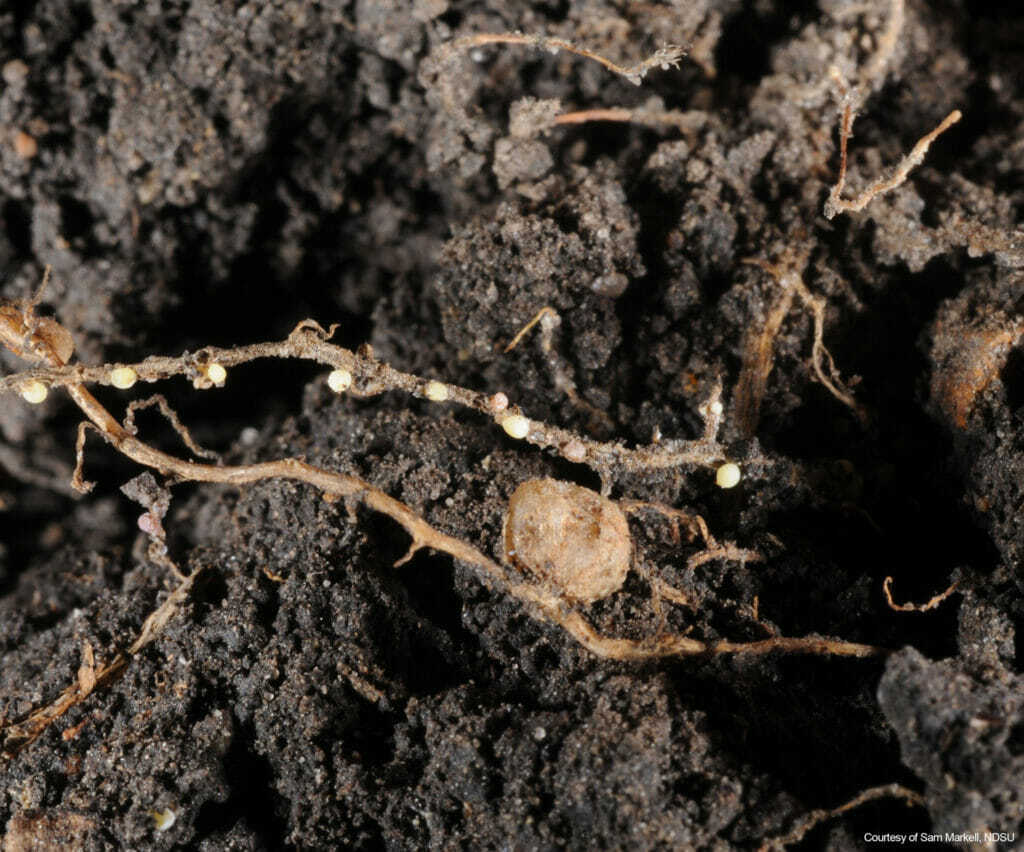
    Fig 1By robbing farmers of more than 100 million bushels annually, Soybean Cyst Nematode (SCN) is estimated to be the #1 yield-robbing soybean pest or disease in the United States. Farmers may scream over lost yield this fall, but SCN is considered a “silent yield robber” due to a lack of above-ground symptoms in most fields.

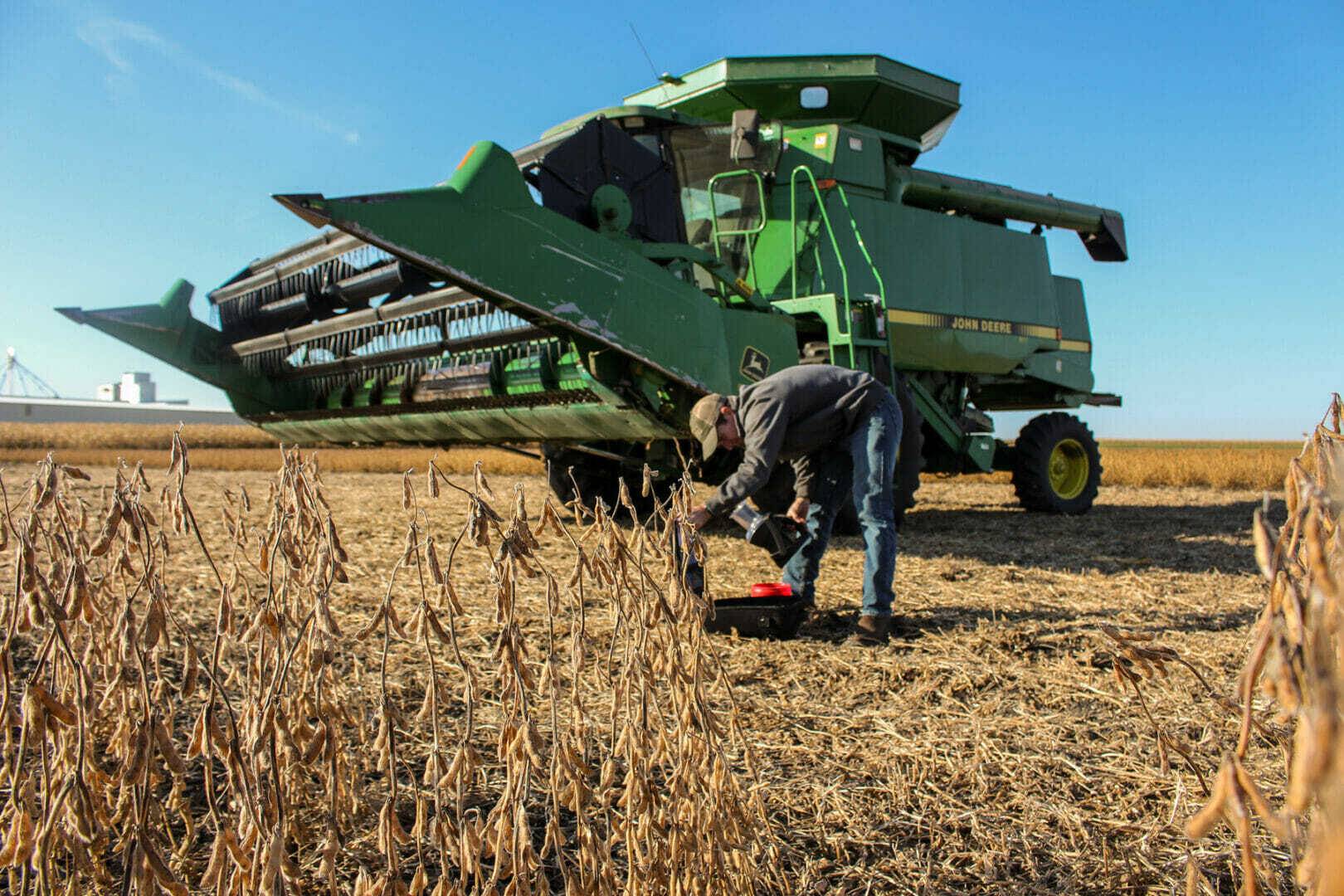
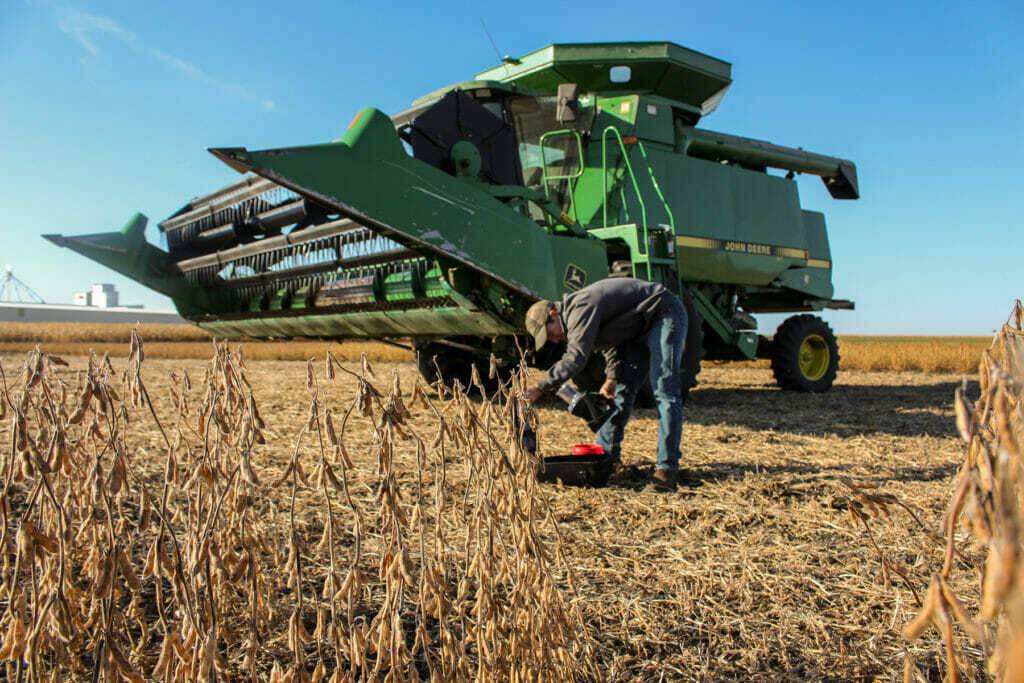
    Immediately after harvest is the best time to take soil samples for SCN. Several universities have programs that offer free soil samples to evaluate SCN, so check with your local Extension office to see if you qualify.

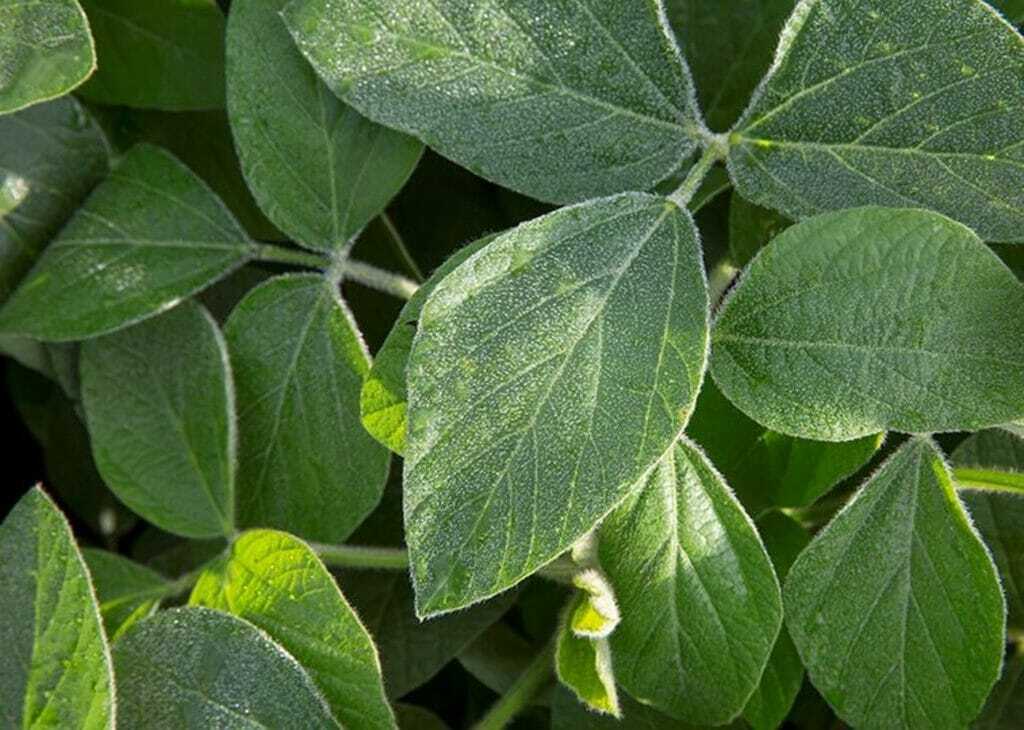
    Think SCN isn’t a problem in your fields? Think again! Dry soil conditions, especially early in the growing season, can greatly increase the effects of SCN infestations. I received numerous calls in June and July about yellow, stunted soybeans. Most farmers suspected Iron Deficiency Chlorosis. Upon further inspection, SCN was almost always present and in larger numbers than previously observed. When I asked whether these farmers had taken a recent soil sample for SCN, most had not. They admit to mostly relying on SCN-resistant varieties to control or minimize the losses from this pest.

    We have known for years that PI 88788 is gradually losing its efficacy against the pest, and more than 95% of SCN-resistant soybeans in America have PI 88788 as the source of gene resistance.  Since 1997, a team of researchers at Iowa State University led by Dr. Greg Tylka has conducted annual in-field trials with hundreds of SCN-resistant varieties. They measure agronomic performance and SCN population densities from planting until after harvest.

    Scientists have determined that to be effective, SCN-resistant varieties must maintain less than a 10% reproduction rate of SCN during the growing season.  Since 2004, Dr. Tylka and his team have noticed that the average of all PI 88788 varieties in their trials have gradually exceeded that threshold. They have also noted that the average yield of those varieties has decreased as the SCN reproduction has increased. For more information on these studies, visit www.isuscntrials.info. Other land-grant university researchers have reported similar findings.

    To effectively manage SCN in the future, soybean breeders are focusing on other sources of gene resistance. Your Latham Soybean Product Team is continually evaluating and searching for opportunities to bring new, better resistant varieties to our lineup. We also are evaluating several seed treatments for battling this pest. Saltro®, our seed treatment product for SDS protection, is also noted to have activity against SCN.  More information from our Latham Elite trials will be available post-harvest.

    “TAKE THE TEST.  BEAT THE PEST.” is a slogan/campaign by The SCN Coalition™ and funded by the Soybean Checkoff and is designed specifically to promote awareness of SCN. These microscopic roundworms, which infect the roots of soybeans and other plants, can be present in a field for years before above-ground symptoms are visible. We encourage you to take the test this season, so you can plan accordingly for the future.
    Mark Grundmeier, Product Manager

    October 15, 2021
    Agronomics, Crop, Disease, Drought, Fall, General, Insects, Season, Seed Treatment, Soil, Soybeans, Spring, Weather
  • Latham Hi‑Tech Seeds

    Notes from the Field – PreHarvest 2021

    Mark soybean article image

    Mark soybean article imageI’m very hopeful that – even with the dry weather – our production fields can achieve an overall average year for production with sufficient seed for soybean sales in 2022.


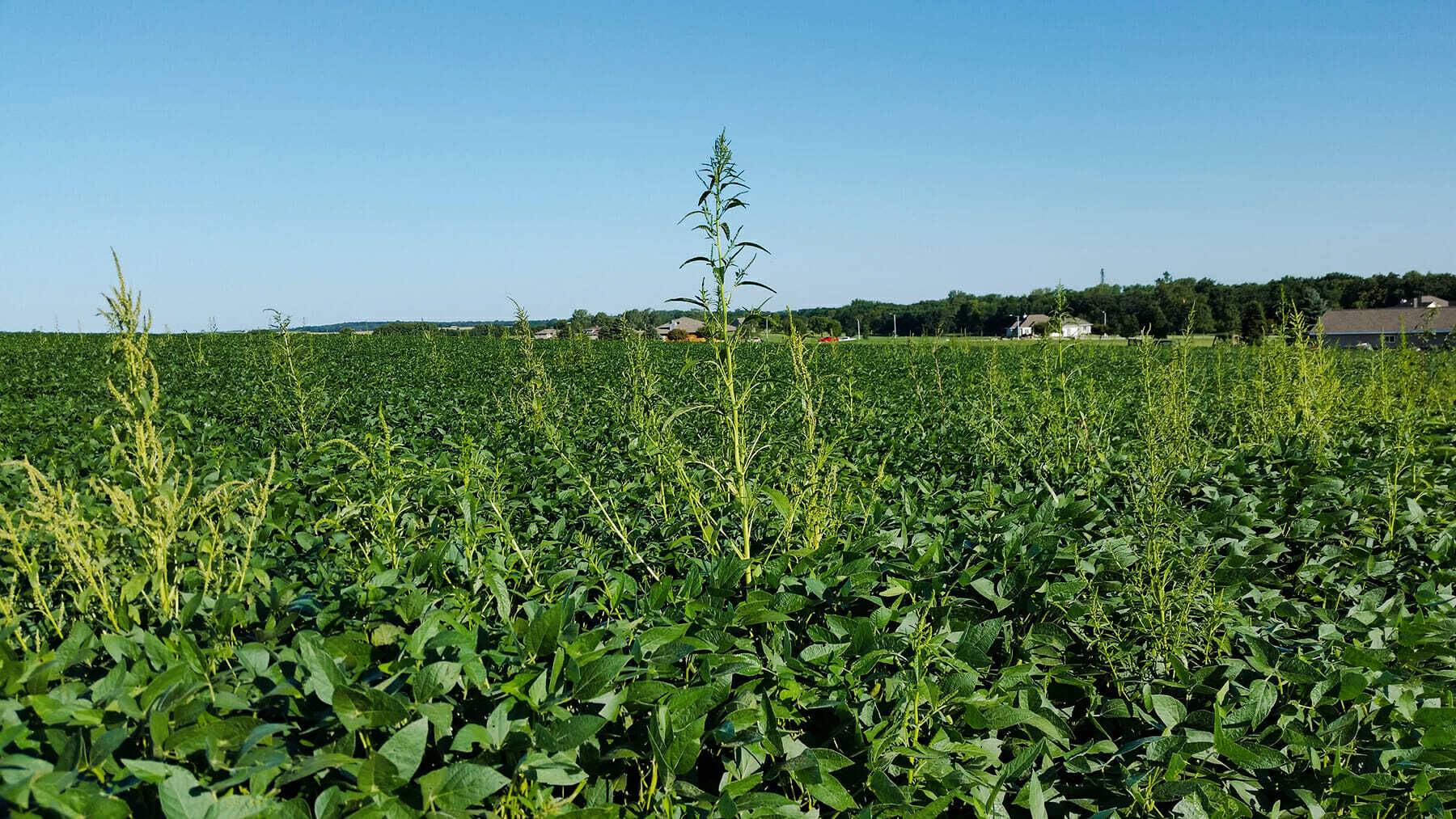
    Most soybean farmers’ biggest concern across Latham Country has been lack of moisture. Many have noticed aborted flowers, dropped pods, and restricted pod fill. Thankfully, our production fields in South Central Minnesota received a nice two-inch rain during the first week of August. Most of the growers in our area around Alexander, Iowa, got a nice one- or two-inch rain on August 20-21. That rain will help those fields fill out pretty well. Some of our fields in northern Minnesota also got a nice inch or more that weekend.

    Rainfall has been extremely variable throughout the summer. On August 20, the Des Moines airport reported no rain but most cities throughout the metro got about 1.5 inches! “Spotty” rains have been the norm rather than the exception this season.

    Besides the drought, infestations of two-spotted spider mites are popping up almost everywhere across Latham Country. This is common in periods of dry weather. Most growers seem to be willing to apply pesticides for control, especially when the market price for soybeans is high. Farmers in a few areas have reported Bean Leaf Beetles and Soybean Aphids at very low levels, so insecticide applications have not been necessary.  Grasshoppers also flourish in dry conditions, and I have heard of farmers spraying to control this pest.

    On the disease side, I’ve seen and heard of Sudden Death Syndrome (SDS) and White Mold this season. Dry weather usually hinders huge outbreaks of diseases, but it’s not unexpected that some areas will see things like this. Remember, SDS CANNOT be controlled with a foliar application of fungicide but there are some that can help on White Mold. I’ve also seen some Frogeye Leaf Spot (FLS) in a few fields but not enough to warrant a fungicide except in Southeast Iowa. I’m hearing about and seeing FLS in regions further north than usual, which is evidence this disease is moving farther north every year.

    Call the Latham Team if you need help to diagnose situations or to recommend solutions. Be sure to keep field notes from these problem areas because that will be useful when you select seed in the future.

    Mark Grundmeier, Product Manager

    September 24, 2021
    Agronomics, Crop, Disease, Drought, Fall, Fungicide, General, Insects, Season, Soybeans, Weather
  • Latham Hi‑Tech Seeds

    #AskTheAgronomist: How to Sample for Soybean Cyst Nematode

    Maxresdefault

    This season’s high-stress growing conditions gave light to areas across Latham Country facing high pressure from Soybean Cyst Nematode (SCN). A silent yield-robber, SCN can largely impact final yield and many universities are providing compensation for samples to help get a handle on egg counts across the Midwest. In today’s episode, Precision Agronomist Phil Long explains how to take a representative sample and evaluate pressure in your fields.

    Webspec Admin

    September 22, 2021
    #AskTheAgronomist, Agronomics, Crop, Disease, Fall, Insects, Season, Soybeans
  • Latham Hi‑Tech Seeds

    #AskTheAgronomist: Late-Season Scout Now to Create Success Next Season

    Maxresdefault

    Recent heavy rains combined with high temperatures can create isolated cases of soybean disease. In this episode of #AskTheAgronomist, Precision Agronomist Phil Long addresses the basics of the big six and the benefits of late-season scouting to create success for next season.

    Webspec Admin

    September 1, 2021
    #AskTheAgronomist, Agronomics, Crop, Disease, Fall, Season, Soybeans
  • Latham Hi‑Tech Seeds

    Prepare Now for a Fight Next Season

    Weed Resistance

    Weed ResistanceMother Nature throws a few curveballs each season and 2021 is no exception. Our crops are suffering from drought, but weeds are thriving across Latham Country. Herbicides are not as effective when weeds are not “actively growing” as has been the case this season. Grass herbicide tank mixes were much less effective this year due to dry growing conditions and antagonism in the plant.

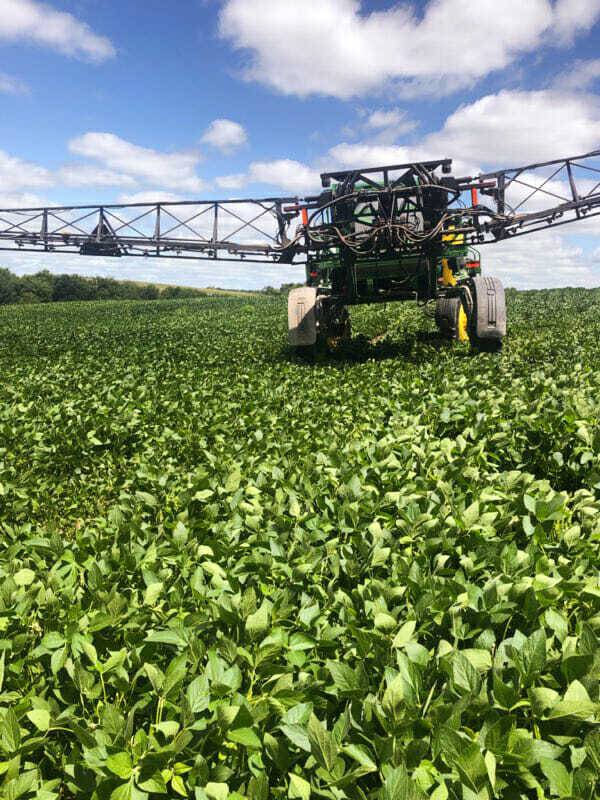
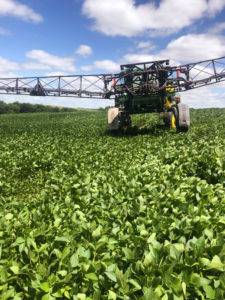
    Because weeds always find a way to succeed and survive, we need an integrated approach to manage them. Below are few things you can do this year to combat weeds next year:

    1. Document the worst fields. Latham’s FREE Data Forward® app scouting tool allows you to drop a pin in the field where you see weed escapes. Late summer is the best time to do this as you’re doing yield estimates and late-season field visits. As the crops mature, you can easily see those green weeds poking though. Then later this fall make sure you’re selecting the right herbicide- resistant traits in your soybeans to put up the best fight against them in 2022.
    2. Spray early and layer residuals. Don’t go away from applying residual herbicides just because Latham is offering Enlist® E3 and Xtend® traits. No matter which soybean traits you’re planting, residual herbicides should be part of the program. Layering herbicides in the early season and then in your post application will be most beneficial. In 2021, we sprayed taller weeds. Then drought prevented soybean rows from closing quickly enough, so we had late flushes of weeds after a rain. Prepare to spray weeds when they are small, regardless of soybean growth.
    3. Try cover crops. Cereal rye reduces the density of waterhemp early in the growing season, which in turn allows herbicides to be more effective on smaller weeds, according to a multi-state study funded by the United Soybean Board. If you have a field with strong waterhemp pressure in corn this year, cereal rye is an excellent tool to help prevent your fields from being overrun by waterhemp next year.
    4. Dig out the iron. I saw row cultivators appear this year in areas to help slow down the weeds and allow the soybeans to close the rows. Extra tillage is not advantageous for the soil structure and limiting runoff, but in a year when herbicides are less effective, sometimes we must drag the iron to the battlefield.

    It’s all about an integrated approach. No matter how many options we have for herbicide traits, weeds will always foil our best efforts. It’s time to put on our fighting gloves and manage each field based on its weed control needs.

    Phil Long

    August 20, 2021
    Agronomics, Crop, Drought, Herbicide Technology, Industry News, Season, Soybeans, Spring, Summer, Weather, Weed Control
  • Latham Hi‑Tech Seeds

    #AskTheAgronomist: Foliar Feeding Soybeans

    Maxresdefault

    Precision Agronomy Advisor Phil Long addresses a series of questions about foliar feeding soybeans and shares some tips and practices to help with return on investment.

    Webspec Admin

    August 18, 2021
    #AskTheAgronomist, Agronomics, Crop, Season, Soybeans, Summer
  • Latham Hi‑Tech Seeds

    5 Key Takeaways from XtendFlex® and Enlist E3® Systems

    Mark feature image

    Mark feature imageBased on a recent needs assessment poll conducted by Latham Hi‑Tech Seeds, the top two soybean trait technologies for 2022 planting will be Enlist E3® and XtendFlex® soybeans.

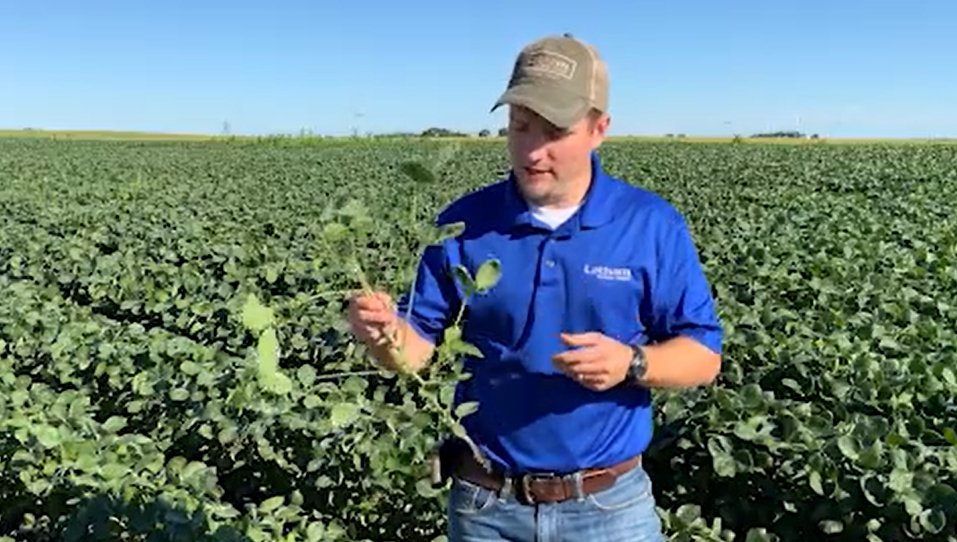
    Both technologies have triple-stacked traits, featuring tolerance to glyphosate (Roundup) and glufosinate (Liberty®) herbicides. Enlist E3 soybeans also are resistant to 2,4-D Choline herbicides (Enlist Duo® & Enlist One®). For XtendFlex® soybeans, the 3rd tolerance is to dicamba herbicides like XtendiMax®, Engenia® and Tavium®.

    Do everything you can now to keep resistant weeds from gaining a foothold in your fields. Following are five key takeaways for effectively using weed control programs with both trait packages:

    1. Start with a clean field. One or two tillage passes may be necessary to take care of emerged weeds. For no-till operations, a good burndown herbicide program is needed.
    2. Always use a pre-emergent herbicide program whether before or after you plant. Consult your local ag chem retailer for herbicide recommendations for your area but try to use a program with multiple herbicides and sites of action.
    3. Use a strong (multiple site of action) post-emergent herbicide program.
      For post-emergent applications in Enlist soybeans: I like what I’ve seen when Enlist One and Liberty are applied together. Pay attention to weed size, the stage of your crop, and label rates. If needed, you can use a second application of Enlist One if you wait at least 12 days and it’s before the full bloom stage (R2).

    For post-emergent applications in XtendFlex soybeans: You CANNOT tank mix any dicamba-based product with Liberty!  I like applying XtendiMax (plus applicable tank mix partner/s) either pre-emergence or early post-emergence and then having the flexibility to come back at or before R1 with Liberty. This maximizes the benefits from this new technology while keeping you in compliance with the EPA-approved herbicide labels. Applying XtendiMax early also decreases the chances of off-target dicamba movement to sensitive crops.

    1. As always, read and follow all label directions for herbicide use. Whoever applies these herbicides is directly responsible for knowing the labels, including all setback and buffer requirements.
    2. Knowing what is planted where is a matter of crop life and death. All forms of dicamba and 2,4-D belong to the auxin (Group 4) chemical family but react differently, depending on the herbicide trait package being used. Remember, this family primarily controls broadleaf weeds. Most grasses show little or no effect from the application of Group 4 herbicides. XtendFlex and Xtend soybeans are tolerant only to dicamba-based products and can be killed with an application of any 2,4-D product. Likewise, if you spray Enlist E3 soybeans with dicamba, they will die.

    Mark Grundmeier, Product Manager

    August 17, 2021
    Agronomics, Crop, Herbicide Technology, Industry News, Season, Seed Technology, Soybeans, Spring, Summer, Weed Control
  • Latham Hi‑Tech Seeds

    #AskTheAgronomist: High-Yield Soybeans and Node Count

    Maxresdefault

    As the calendar moves closer to harvest, many farmers are looking to gauge yield expectations in soybean fields. In this week’s segment, Precision Agronomist Phil Long explains the correlation between node count, spacing, population and yield.

    Webspec Admin

    August 11, 2021
    #AskTheAgronomist, Agronomics, Crop, Growth Stages, Season, Soybeans, Summer
  • Latham Hi‑Tech Seeds

    #AskTheAgronomist: Soybean Cupping and Recovery

    Capture

    Each year, many farmers observe cupping in soybeans for a variety of reasons ranging from herbicide drift to environmental factors. Precision Agronomist Phil Long covers how to stage damage and evaluate recovery potential.

    Webspec Admin

    July 15, 2021
    #AskTheAgronomist, Agronomics, Crop, Season, Soybeans, Summer, Weed Control
  • Latham Hi‑Tech Seeds

    Get an “Early Look” at New Products

    Soybean Plant

    We have an exciting product lineup in store for 2022!

    In September 2020, Bayer CropScience announced the approval of XtendFlex® soybeans for the 2021 growing season. Latham Hi‑Tech Seeds was prepared and launched seven new soybeans in this exciting new technology. We believe this new trait gives farmers an extra tool for battling the ever-increasing problem of herbicide-resistant weeds.

    Soybean Plant

    For the 2022 season, we are introducing these six new XtendFlex products:

    • L 0254 XF – This 0.2 soybean carries the C-gene for Phytophthora, full resistance to Brown Stem Rot and excellent tolerance to Iron Chlorosis. Avoid SCN-infested fields.
    • L 0984 XF – Featuring the Rps3-a gene for Phytophthora, this new 0.9 product also has strong tolerance to SCN, Brown Stem Rot, White Mold and Iron Chlorosis.
    • L 1383 XF – This new Ironclad has L 0982 R2 as a parent! It has the Rps-3a gene, full resistance to Brown Stem Rot and good scores for White Mold, IDC, SCN and Stress.
    • L 1784 XF – L 1858 R2 is a parent of this new 1.7 soybean! It features strong SCN, full resistance to Brown Stem Rot with very good scores for Iron Chlorosis and Stress.
    • L 2786 XF – This new line has the Rps1-c gene for Phytophthora, full resistance to Brown Stem Rot and strong tolerance to SCN, White Mold, Iron Chlorosis and Stress.
    • L 3086 XF – Replacing L 3058 XF, this SCN bean features the Rps1-c gene, full resistance to BSR and great tolerance to White Mold & Stress. It’s a fantastic Ironclad for no-till acres.

    On the Enlist E3® side, we are adding four new soybeans:

    • L 1219 E3 – This 1.2 bean carries the Rps1-c gene for Phytophthora and strong tolerance to SCN, SDS, Stress and Iron Chlorosis. It also has the Excluder gene for high-salt soils.
    • L 1558 E3 – Here’s a 1.5 Ironclad that features the Rps3-a gene for Phytophthora, full resistance to BSR and great scores for SCN, Sudden Death, Iron Chlorosis and Stress.
    • L 2458 E3 – This new E3 line has the Rps1-k gene, full resistance to BSR and strong scores for SCN, Sudden Death, Frogeye, Charcoal Rot, Stress and Iron Chlorosis.
    • L 3479 E3 – Highlights of this new 3.4 bean K-gene for Phytophthora include complete BSR resistance, great SCN tolerance and strong scores for Sudden Death, IDC and Stress.

    Our Product Development Teams have really done their homework for next year! Be sure to check out next month’s blog when we will highlight new corn products for 2022.

    The legacy that we build our product decisions on is based on a foundation of quality and performance. We believe this foundation benefits Latham® dealers and their customers because we provide seed that is bred specifically for their geographies. Rest assured WHY we do what we do will never waiver!

    Mark Grundmeier, Product Manager

    July 14, 2021
    Crop, Season, Soybeans, Summer, Tech Tuesday
Previous Page
1 … 4 5 6 7 8 … 32
Next Page

Latham Hi‑Tech Seeds

131 180th Street | Alexander, IA 50420

(641) 692-3258

SIGNUP FOR OUR NEWSLETTER
  • Contact
  • Legal
  • Dealer Center
  • Seedware Login
  • Latham Gear

© 2025 Latham Hi‑Tech Seeds. All rights reserved. | Iowa Web Design by Webspec | Privacy Policy

Latham® Hi-Tech Seeds is a trademark of M.S. Technologies, L.L.C., 103 Avenue D, West Point, IA 52656.