Skip to content
Latham Hi-Tech Seeds

(641) 692-3258

  • Home
  • Performance
  • Products
    • Corn
    • Soybeans
    • Alfalfa
    • Corn Silage
    • Seed Guide
  • Find a Rep
  • Media
    • Blog
    • News
    • Videos
    • Podcasts
    • TECHTalk
  • About Us
    • Company History
    • Our Mission
    • Careers
    • Become a Rep
    • Sowing Seeds of Hope
  • Contact Us
  • Latham Hi‑Tech Seeds

    Imbibitional Chilling

    James 1
    Causes of Imbibitional Chilling  

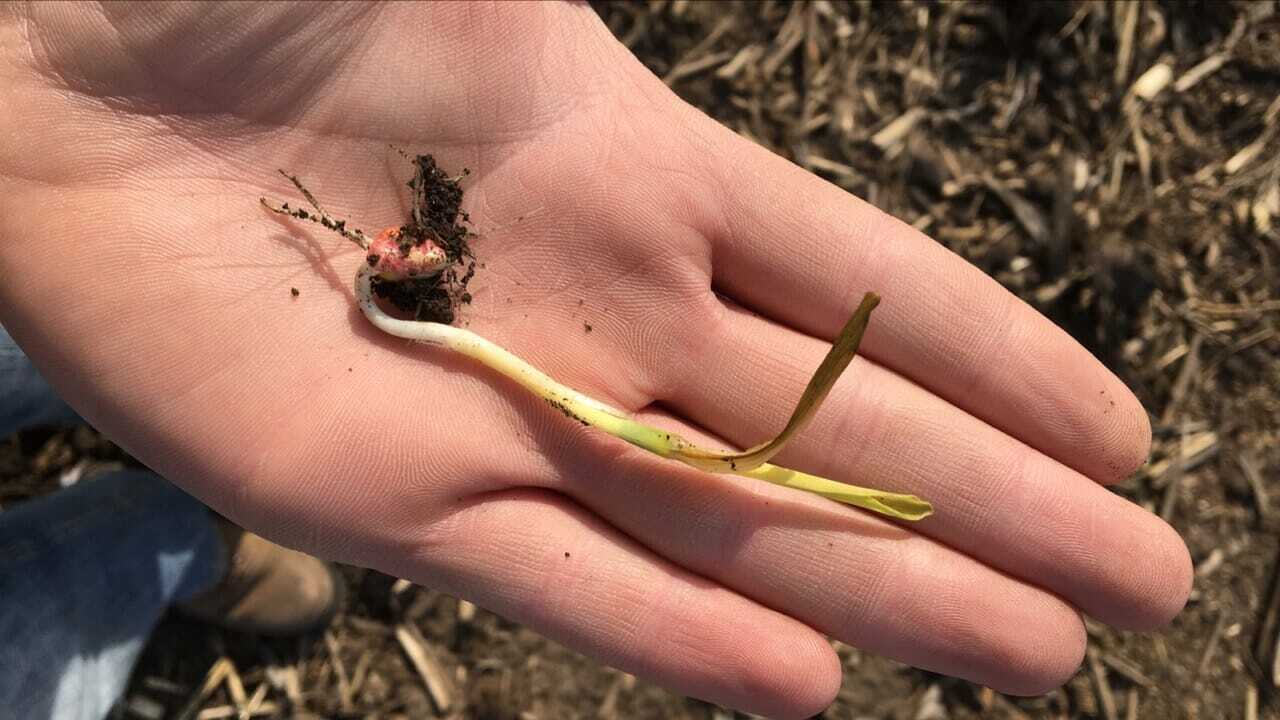
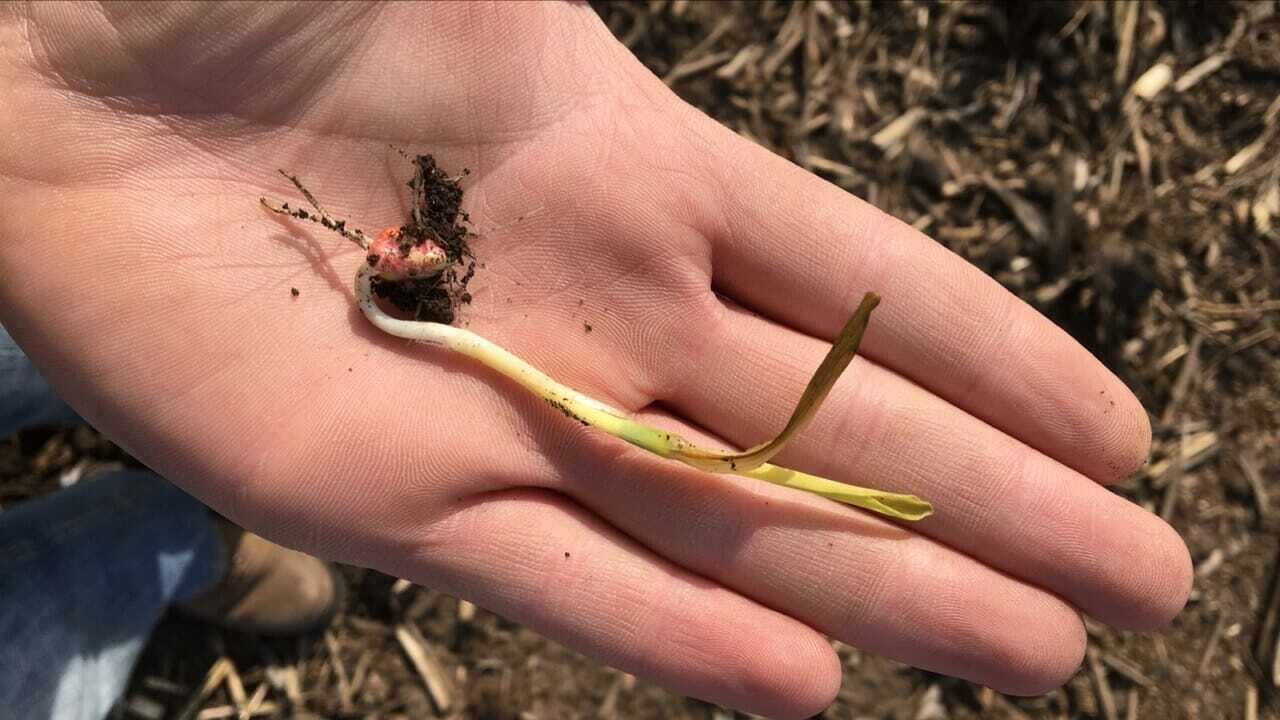
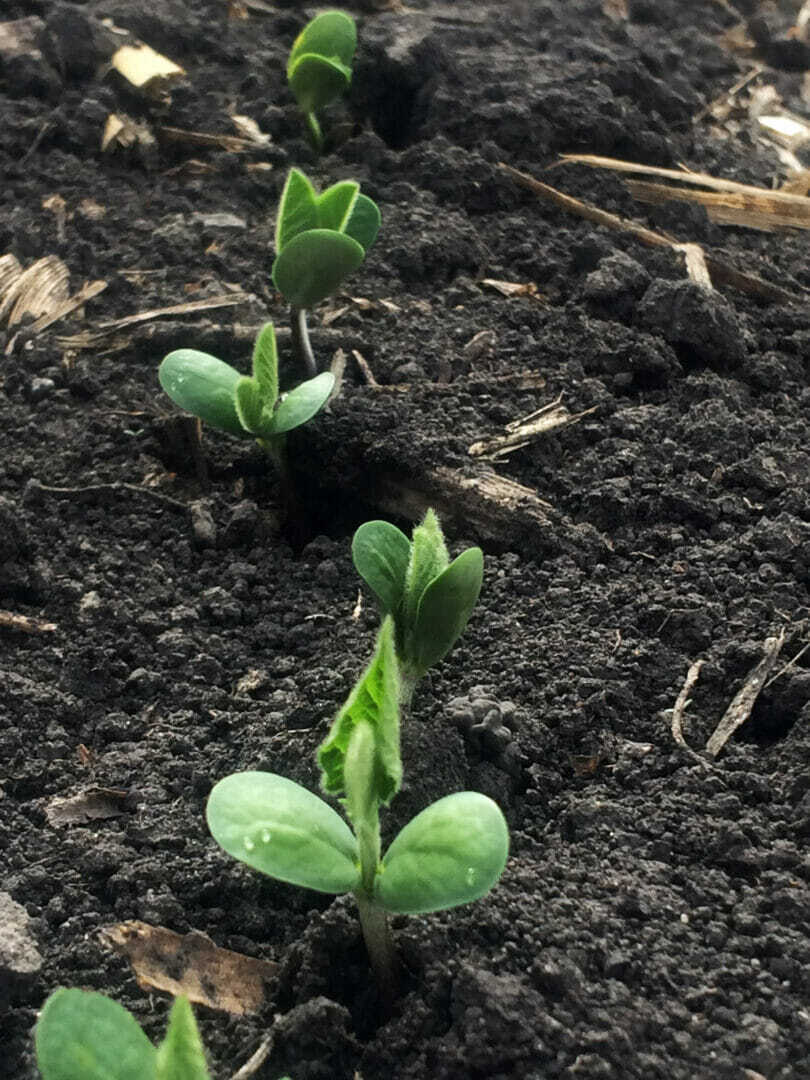
    Chilling EffectImbibitional chilling occurs during the process by which crops absorb water prior to germinating, a phase known as imbibition. Under optimal conditions, seeds should be planted when soil temperatures are above 55°F. When seeds are planted in soils below optimal temperature, the uptake of cold water can damage cells and cause seeds to rupture. This can lead seeds to become shriveled and cause seedlings to emerge late, in a corkscrew shape, or not at all.  

    If an injured seed eventually develops into an emerged seedling, it can become more vulnerable to disease or damage from herbicides. The risk of imbibitional chilling especially increases when soil temperatures fall below 50°F. Imbibitional chilling or cold injury can occur within 24 to 36 hours of planting, making the relationship between planting timing and soil temperature critical.  

    Preventing Chilling Injury 

    As the injury to seedlings occurs after planting, there is little preventive action that can be taken aside from planting when soil temperature is optimal. In the best case, if enough time is afforded between planting and the drop in soil temperature, a seed is less likely to undergo chilling if it is able to absorb warm water. There are ways to determine if imbibitional chilling has occurred after planting. When scouting, look for signs of inconsistent emergence. If a plant looks to be missing, dig into the soil around the area to see if a seedling can be found. If it has a corkscrew shape, underwent leaf emergence below ground, or is missing parts, these are also signs of imbibitional chilling. Delayed emergence of a seed can be the result of reduced seed vigor that can result from imbibitional chilling. 

    Soil temperatures should be monitored and averaged for the week preceding the projected planting date. To determine the soil temperature on the chosen planting day, take the temperature of the soil just after sunrise – the coldest part of the subsequent 24-hour period. Soil temperature changes more slowly than air temperature, but air temperature can still be a strong indicator for what to expect with soil temperature. If it is projected that soil temperature will remain above 50°F for 24 to 48 hours after planting, imbibitional chilling can be avoided.   
    Latham Seeds Precision Agronomy Advisors

    April 1, 2019
    Agronomics, Corn, Crop, Emergence, Soybeans, Spring
  • Latham Hi‑Tech Seeds

    Protect Soybeans from Cold Temperatures

    Soybeans

    SoybeansMany of our minds are already on the upcoming planting season. This week someone posed the following question, “How hard of a frost can soybeans withstand?”

    It’s a great question, so I wanted to address the topic of early planting a bit, well, “earlier” than usual!

    The first thing to keep in mind is that cold temperatures at or before planting can negatively affect the growing point of the plant. For corn, that growing point stays under the soil surface until the V5-V6 stage, helping protect the plant to a certain degree from colder weather spells for several weeks. For soybeans, however, the growing point comes out of the ground at emergence. Therefore, a soybean seedling is immediately vulnerable to cold weather.

    Using a fungicide seed treatment will help protect young soybeans from seedling diseases at this early stage, but they are not designed to protect against cold temperatures.  Soybeans typically require over 100 growing degree units (GDU’s) to accumulate before emergence, which is similar to corn that requires about  125 GDU’s. Abiding by the minimum soil temperature of 50 degrees Fahrenheit will keep you away from poor emergence and the seedling disease risk associated with soil temps below 50 degrees. That’s why I suggest watching the weather forecasts before you plant soybean seed, and do your best to ensure hard frosts (which take place at 28 degrees Fahrenheit) are no longer possible.

    Remember, when soybeans emerge, they have a growing point at the base of each cotyledon and at the main shoot. The main shoot is the small leaves in-between the cotyledons. If you notice brown on the stem below the cotyledons, the plant will not recover. Early planting is proven to provide higher yields, but it is is fine balance between the two, so watch weather forecasts and soil temperatures so you can find the balance on your own farm.

    Additional tips to keep in mind before planting:

    1. Grab a clump of soil and watch how easily it crumbles. If it stays in a ball, conditions are NOT right for planting. If it crumbles easily, the soil is fit for planting.
    2. Make sure your planting date is covered in your farm insurance policy – this includes your “do not plant before” dates. If you plant outside those dates, your insurance could be jeopardized.


    Team Latham

    April 1, 2019
    Agronomics, Crop, Emergence, Frost, Season, Soybeans, Tech Tuesday, Weather, Winter
  • Latham Hi‑Tech Seeds

    Spring Frost Damage in Corn and Soybeans 

    IMG 0392

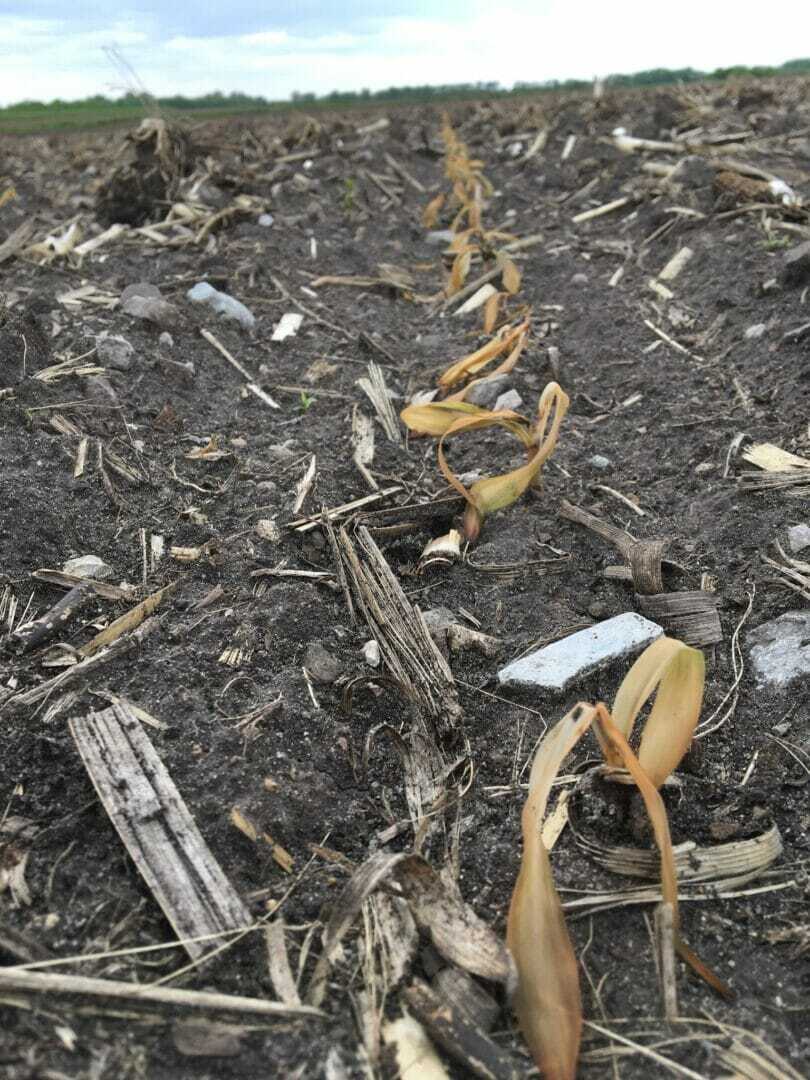
    Frost damage occurs in corn and soybeans when plants are exposed to freezing or below-freezing temperatures. Damage can occur to the plants above and below the soil when temperatures range from 28 to 32°F and colder. Corn and soybean plants exposed to air temperatures below 28°F are often lethal and prevent plants from undergoing full recovery from injuries. The key in assessing frost damage is waiting five days to allow for any potential growth recovery or rehabilitation to occur. 

    IMG 0392Spring Frost in Soybeans  

    If frost damage occurs below the soybeans’ cotyledons – the first leaves that emerge above ground – the plant will mostly likely fail to recover. Wilted and dried leaves will often remain on the plant after a frost event. In recovering soybeans, new leaves will emerge at the site of cotyledons – the first pair of embryonic leaves that appear above ground. If auxiliary buds growing at the juncture of the plant’s stem and cotyledons are not frozen, the plant is on track for recovery.  

    IMG 0393Spring Frost in Corn 

    Since corn plants are protected by soil for a longer period of time relative to soybeans, they are less susceptible to lethal frost injury. However, temperatures below 28°F can cause damage below the soil and compromise growth, leading to poor stands. Once the growing point is above ground, corn plants exposed to 32°F for a few hours and 28°F for a few minutes can be lethal. After an initial frost, continued cool temperatures can decrease yield due to the onset of stalk rot diseases.  

    If frost occurs before V6, yield loss is minimal. In recovering corn plants, you should see new leaf growth emerging from whorls. Yellow-colored tissue that exists above the growing point is a sign of regeneration.  

    Latham Seeds Precision Agronomy Advisors

    April 1, 2019
    Agronomics, Corn, Crop, Frost, Soybeans, Weather
  • Latham Hi‑Tech Seeds

    Flooding and Saturated Soils

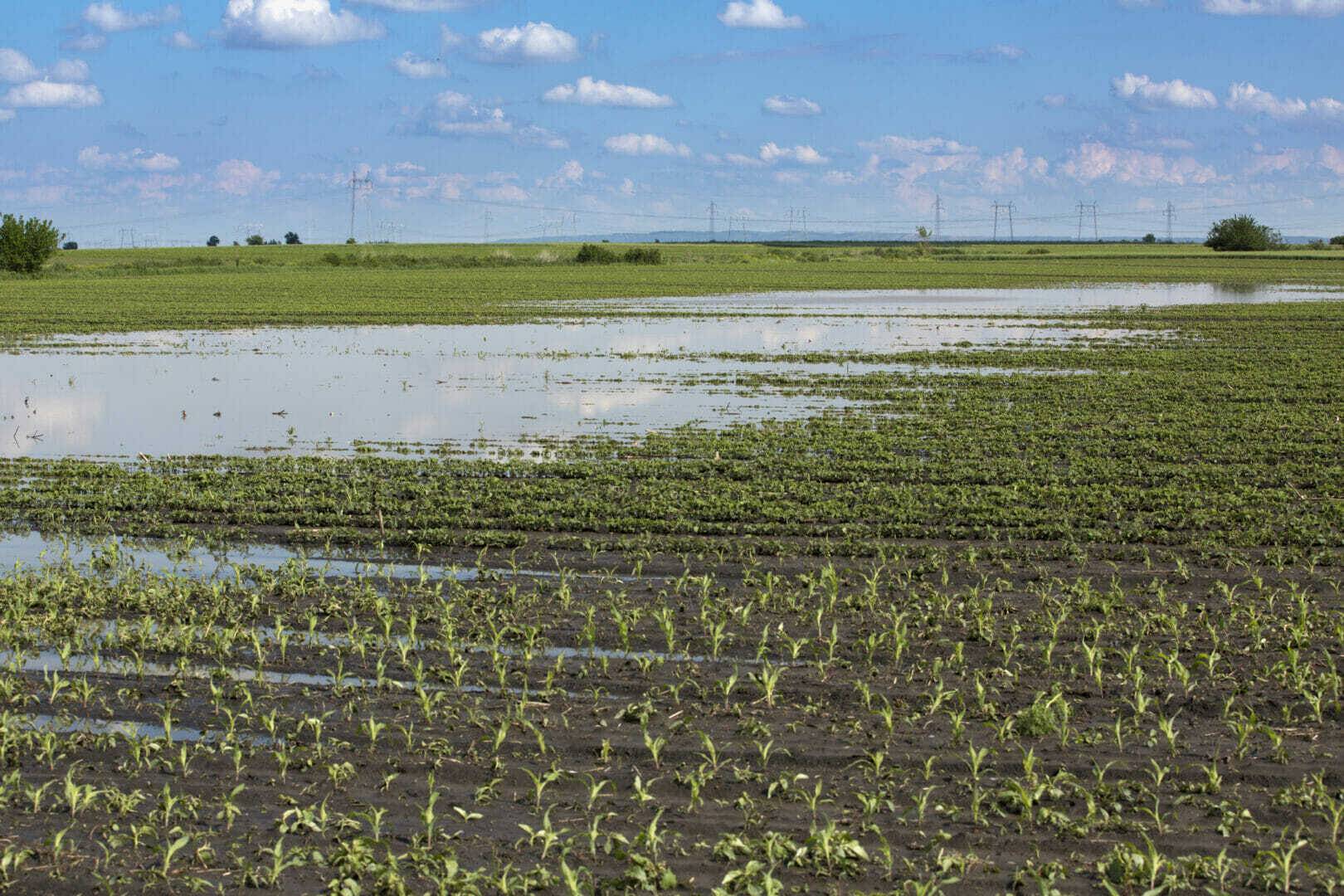
    Agricultural disaster, flooded corn maize crops.
    Agricultural disaster, flooded corn maize crops.
    iStock Photo

    For corn and soybean plants before and after emergence, flooding and saturated soils can jeopardize yield. Germinating seeds require oxygen to survive. After the first 48 hours following a heavy rain or flooding event, oxygen levels in the soil will become entirely depleted and prevent seeds from germinating and continuing to grow.  

    Yield loss for corn and soybeans depends on the duration of the flooding event and at what growth stage it occurs. The longer a plant is submerged or growing in saturated soil, the less likely it is to survive. Generally, smaller seedlings with lower stamina are less likely to survive following a heavy rainfall event compared to larger seedlings. 

    Warmer temperatures are associated with higher growth rates, and as a result, a higher amount of oxygen is used. When temperatures exceed the mid-70° range, survival may not exceed 24 hours following the heavy rainfall event. 

    Effects on Corn Plants 

    Before V6, the growing point is below ground and damage from flooding is more likely to impact yield or kill the plant.  After V6, corn plants fair better in saturated conditions if some of the plant is out of the water. However, the higher temperatures can speed up respiration and oxygen requirements, leading to more plant damage compared to cooler temperatures during a flood event.  

    Nitrogen loss is another way flooding impacts corn yields. Corn consumes two-thirds of its nitrogen by the start of the reproductive stage and relies on a functional root system. If a flooding event compromises plant roots, yield can be reduced significantly. Research from Iowa State University found that a 30-inch corn plant that had been flooded for 48 hours with minimal nitrogen uptake experienced a 20% reduction in yield. Flooding can also promote seed decay, crazy top that exhibits proliferated tassels, stunted ears or completely barren plants 

    Impacts on Soybeans 

    For soybean plants at stages V2 or V3, survival is possible. However, nitrogen fixation can be restricted and reduced yield is still likely. For soybeans submerged for less than 48 hours, yield loss is rarely observed. 

    Once the first bloom appears at stage R1 the number of pods per node will be greatly decreased if sitting in saturated conditions. Wilting, stunting and yellow-leaves will be expressed in damaged or dying soybean plants. Further, research has found that greater yield reduction has been observed in soybean plants grown in heavy clay soils as opposed to silt loam soils.  

    Assessing Outcomes 

    Flooding and prolonged saturated soils pose the greatest threat to young plants that have yet to emerge above ground. As water recedes, any remaining residual mud on corn and soybean plants can reduce photosynthesis. For plants that survive a flooding event, they will be more vulnerable to diseases and stresses over the course of the growing season.  

    The survival outlook for saturated seeds and germinating plants will not exceed four days. Plants that survive after water levels recede will continue to grow within three to five days.  

    Latham Seeds Precision Agronomy Advisors

    April 1, 2019
    Agronomics, Corn, Crop, Flooding, Soil, Soybeans, Weather
  • Latham Hi‑Tech Seeds

    New Technology Update with John Latham

    52228875 293809424619703 2330762813192011776 n

    Join us with John Latham this morning as we talk about NEW Latham Seeds soybean technology available for the 2019 growing season!!

    https://www.facebook.com/LathamSeeds/videos/293804974620148?sfns=mo

    Laura Cunningham

    February 28, 2019
    #AskTheAgronomist, Crop, Herbicide Technology, Industry News, Seed Technology, Soybeans
  • Latham Hi‑Tech Seeds

    #AskTheAgronomist: The Love List

    2.14.19

    LIBSYN header 2 01

    On this Valentine’s Day, we are reviewing 7 things we LOVE about the Latham product lineup!

    https://www.facebook.com/LathamSeeds/videos/924337164624015?sfns=mo

    Laura Cunningham

    February 14, 2019
    #AskTheAgronomist, Alfalfa, Corn, Corn Silage, Cover Crops, Crop, Soybeans
  • Latham Hi‑Tech Seeds

    On-Farm Research Helps Find Palatable Solutions

    Corey article

    Everyone is vitally aware of how brittle the farm economy has been, yet it seems like every agriculture periodical that I read discusses all the challenges. This movie quote illustrates the current state of our industry,

    “I’m drowning and you are describing the water.”

    We don’t need ag magazines and experts to “describe the water.” We need someone to toss us a life vest, or a plausible solution! That’s why I’m concentrating on solutions to help create stability.

    Granted, these solutions don’t come easy. You must be being willing to do something that you may not have done in the past. Another quote comes to mind,

    “For things to change, you need to change. For things to get better, you need to get better.”

    This quote has some personal and professional reflective value. Th e world agriculture market is becoming more competitive and aggressive. We must get more efficient domestically, and we must find ways to differentiate our products on a global scale. We must look beyond quantity of the crop produced to qualitative components, such as amino acids, fatty acids, omega 3, 6, 9 composition and more. This resonates deeply with the consumer. Not only does increasing the quality of our corn add value, it also helps us build “marketing muscle.”

    For years, research has looked for corn silage products that are stable on the acre. Then researchers looked into delivering the very best nutritional matrix. The delicate balance is so important that early adopters are designing on-farm experiments to test their management systems. I’m excited that Phil Long is merging technology with a vision of the future with Latham’s Seed-2-Soil precision agriculture program services. Little details like better starch and fiber digestibility in grain also make big differences.

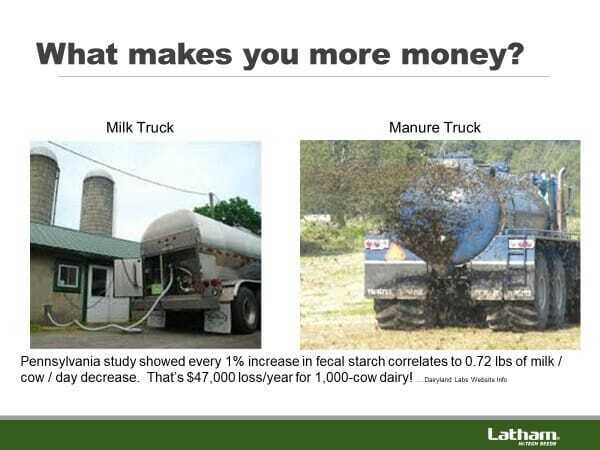
    The image below illustrates the value of feeding hybrids with softer starch. We continually provide good data to help you make better seed product selections and transform research into useful on-farm results.

    Corey article

    2018 corn silage data is available on Latham’s website. Feel free to contact me if you have any questions about setting up an on-farm research trial for forage products. In 2019, be open to exciting possibilities – and to trying something new on your farm!

    Latham Silage Hybrid Results


    January 29, 2019
    Alfalfa, Corn, Corn Silage, Cover Crops, Crop, Soybeans, Tech Tuesday
  • Latham Hi‑Tech Seeds

    #AskTheAgronomist: Undersatnding Yield Variability

    Facebook Live Cover Image

    LIBSYN header 2 01Join us this morning on understanding your yield variability. Phil Long helps us identify the types of variability and importance of knowing the difference. #AskTheAgronomist

    https://www.facebook.com/67053282137/posts/10157002779167138/

    Laura Cunningham

    January 10, 2019
    #AskTheAgronomist, Agronomics, Corn, Crop, Precision Ag, Soybeans
  • Latham Hi‑Tech Seeds

    Renewed XtendiMax™ Label

    12.27.18 Blog

    LIBSYN header 2 01

    Join us as Phil Long discusses the new XTENDIMAX™ label!

    https://www.facebook.com/LathamSeeds/videos/379348692818689/

    Laura Cunningham

    December 27, 2018
    #AskTheAgronomist, Agronomics, Crop, Herbicide Technology, Industry News, Seed Technology, Soybeans, Weed Control
  • Latham Hi‑Tech Seeds

    F.I.R.S.T. Trials Winner by State with John Latham

    49029778 266712933995762 8538707975894728704 n

    LIBSYN header 2 01


    Join us as John Latham goes through our F.I.R.S.T. Trials winners by state!

    Video breakdown is below:
    0:32 — Minnesota Wins
    3:20 — South Dakota Wins
    5:01 — Iowa Wins
    6:32 — Wisconsin Wins
    7:01 — Nebraska Wins

    https://www.facebook.com/67053282137/posts/10156950437887138/

    Find all of our F.I.R.S.T. Trials results on our website: https://lathamseeds.com/products/f-i-r-s-t-trial-results/


    Laura Cunningham

    December 20, 2018
    #AskTheAgronomist, Corn, Crop, Soybeans
Previous Page
1 … 15 16 17 18 19 … 32
Next Page

Latham Hi‑Tech Seeds

131 180th Street | Alexander, IA 50420

(641) 692-3258

SIGNUP FOR OUR NEWSLETTER
  • Contact
  • Legal
  • Seedware Login
  • Latham Gear

© 2026 Latham Hi‑Tech Seeds. All rights reserved. | Privacy Policy

Latham® Hi-Tech Seeds is a trademark of M.S. Technologies, L.L.C., 103 Avenue D, West Point, IA 52656.