Latham Hi-Tech Seeds

(641) 692-3258

  • Home
  • Products
    • Corn
    • Soybeans
    • Alfalfa
    • Corn Silage
    • Seed Guide
  • Performance
  • Find a Rep
  • Media
    • Blog
    • News
    • Videos
    • Podcasts
    • TECHTalk
  • About Us
    • Company History
    • Our Mission
    • Careers
    • Become a Rep
    • Sowing Seeds of Hope
  • Contact Us
  • Latham Hi‑Tech Seeds

    Soybean Aphids

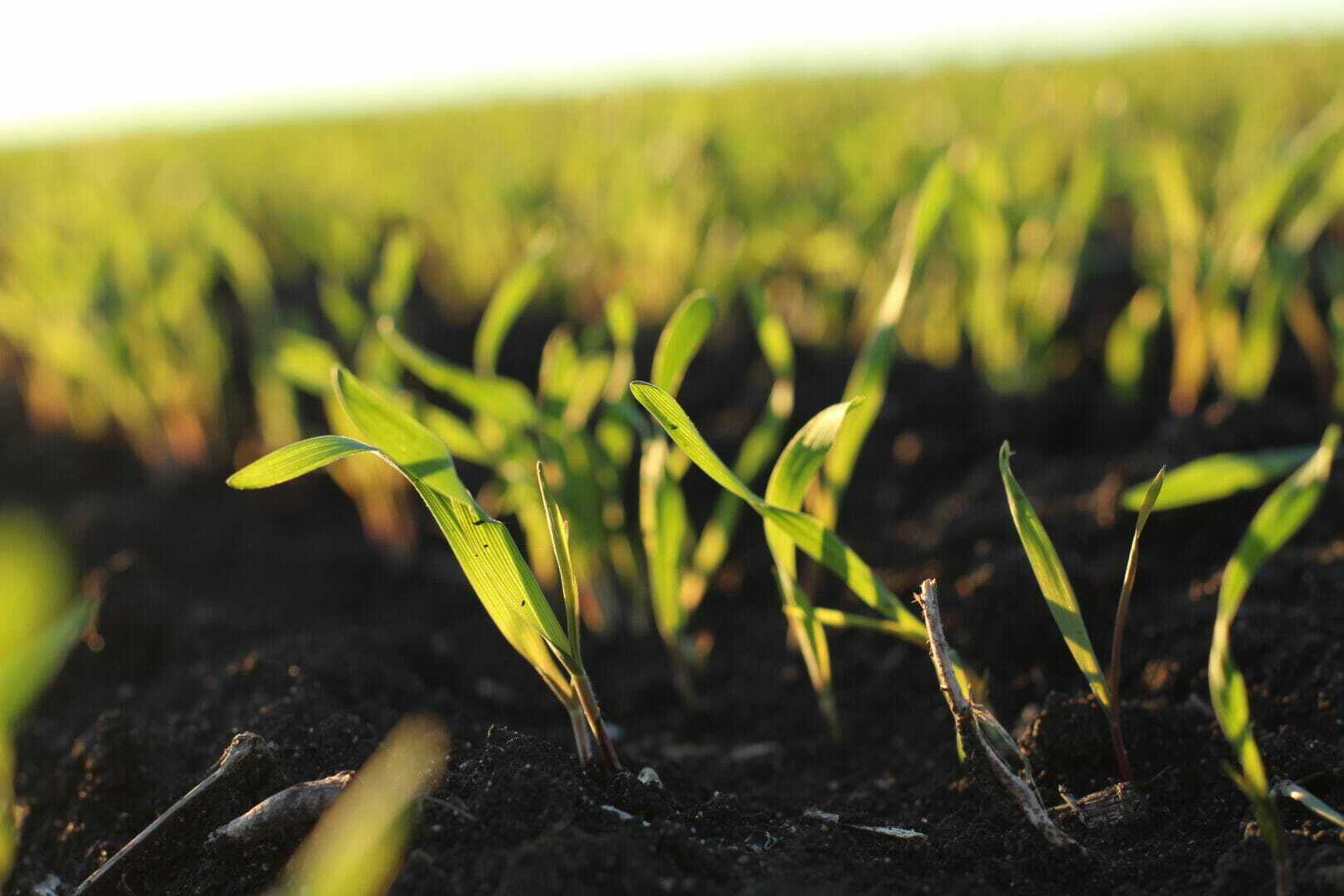
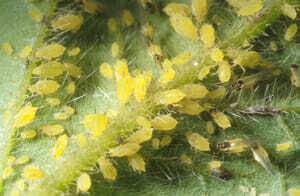
    Soybean Aphids – Purdue University
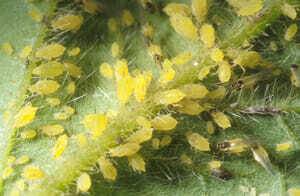
    Soybean Aphids – Purdue University
    Photo credit to Purdue University

    Soybean aphids can reduce yield by 10 to 15%. The insect is found in soybeans between May and August and are less than 1/16 inches long. Aphids have yellow bodies with a translucent appearance and may be winged or wingless.

    Unlike other soybean insects, female aphids can produce clones and can multiply the insect population during the summer months. With the rapid reproduction abilities of female aphids, it is possible for populations to double in as little as two to three days. Males typically do not appear for mating until the late summer.

    Apart from reproduction, environmental conditions that fuel infestation can also lead to a rapid increase in aphid populations. Temperatures between 72 and 77° and humidity below 78% drive the development of aphids. Drought conditions also make soybeans more susceptible to infestation.

    Implications for Yield

    Yield loss from aphids is attributed to the damage caused from feeding on leaves. Their destructive leaf feeding can reduce plant vigor and overall stand along with pod and seed populations.

    Aside from feeding damage, waste produced from aphid feeding can leave a soot-like mold on the surface of leaves and reduce photosynthetic leaf area.

    Scouting for Aphids

    Aphids are most often found on the backside of the newest leaves, especially during the earliest part of the summer when the insect first emerges. Sampling for aphids should begin once the first signs of the insect are spotted. It is recommended to sample 20 to 30 plants across many areas of the field.

    As the insect population increases, aphids can begin to inhabit the entire leaf canopy. If aphids are spotted on stems, this is a sign that aphid populations are above 400 insects per plant – an amount considered to be excessive. Be sure to scout for symptoms at least every 7-10 days until R6.

    Management

    Treatment of soybean aphids is advised if more than 80% of plants are infested and counts are in excess of 250 aphids per plant. Also, if it is evident that the population of the insect is increasing, this is also grounds for beginning treatment.

    Foliar insecticides are the best method for combatting aphid populations in soybeans. In addition, biological control plays a role in staving off high aphid populations including pirate bugs and Asian ladybird beetles. When assessing the best treatment options for soybean aphids, be sure to consult with your local Latham representative.
    Latham Seeds Agronomy Team

    July 20, 2019
    Agronomics, Crop, Insects, Soybeans
  • Latham Hi‑Tech Seeds

    #AskTheAgronomist: Soybean Scouting Blitz

    7.18.19 Ask The Agronomist

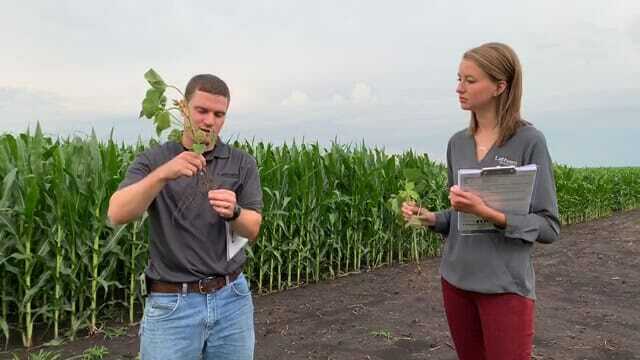
    It’s time to scout soybeans!! Tune in for a 10 minute soybean blitz on what to look for in the field.

    Insects: Japanese Beetles 1:55
    Insects: Gall Midge 2:35
    Insects: Aphids 3:55
    Diseases: Sudden Death Syndrome 4:45
    Diseases: Frog Eye 6:10
    Diseases: Soybean Cyst Nematode 7:14
    Disorders: Iron Deficiency Chlorosis 8:22
    Disorders: Root Development 9:33
    Disorders: Herbicide Injury 10:55


    Laura Cunningham

    July 18, 2019
    #AskTheAgronomist, Agronomics, Crop, Disease, Insects, Season, Soybeans, Summer
  • Latham Hi‑Tech Seeds

    Early Season Fungicides

    Greg 1

    This year we have seen slow early growth, reduced tillage, persistent rain and heavy storms. We have also seen an increase in corn-on-corn acres and other agronomic challenges. All these problems can add up to more inoculum in the field and poor overall health leaving plants more susceptible to infection. The early season diseases we think about with corn are typically Anthracnose and seedling diseases (V2-V8); however, Gray Leaf Spot, Northern Corn Leaf Blight, Goss’s Wilt, Southern Rust and Tar Spot can all show early foliar symptoms (V8-R4). Its important to note that bacterial diseases like Goss’s can’t be controlled with a fungicide.

    There is very little economic support for early season fungicide application. Depending on the individual fungicide, you may see protection against disease for anywhere from 7 to 21 days. Be sure to check the label for specifics on how long they retain efficacy on the crop. If your focus is on Anthracnose, you may stave off the leaf blight phase of the disease, but this doesn’t mean that the stalk rot phase of the disease won’t infect the plant late season.

    It’s also important to remember that coverage is critical with fungicides. This not only means good coverage during your spray operation with correction nozzles, pressure and volume, but it also means that if you spray early in the season, your corn will grow a new leaf approximately every 3-5 days with average GDUs. That new tissue is not protected because fungicides are not very mobile in the plant.

    When to Spray? 

    The best bang for your buck is still going to be around VT to R2 time period because you will be able to suppress diseases that may be present on the leaves and protect them for a few weeks of any diseases trying to get into the plant. Corn is also done putting on new leaves at this point. Typically a 5-8 bu/A yield increase will pay for the investment depending on grain price and application costs. If you are facing heavy disease pressure, be sure to select the right fungicide for the diseases you have. Fungicides with dual modes of action in the Group 3 (Triazoles) and 11 (QoI) will provide suppression and some lasting protection. Look for the active ingredients that end in “ole” (Triozoles) and “in” (QoI).

    If you’re facing the fungicide decision to protect valuable yield in a tough year scout your fields for disease. If you don’t see any issues now, then skip an early application and focus on tassel. Take a look at the susceptibility of that hybrid to the disease you are seeing and then evaluate the weather outlook and if you’re in a corn-on-corn or reduced tillage situation. Lastly, monitor fields closely that had Tar Spot last season

    It has been an interesting year with all the weather components we have had to face. If you have any questions, don’t hesitate to call in to the Latham Office.

    Phil Long

    July 2, 2019
    Agronomics, Corn, Crop, Fungicide, Growth Stages, Season, Summer, Tech Tuesday
  • Latham Hi‑Tech Seeds

    Uneven Corn Stands

    62019

    LIBSYN header 2 01

    Uneven corn stands? Tune in to hear what to watch for next from Phil Long! #AskTheAgronomist
    0:15 — Recap of the growing season
    1:10 — #Plant19 Challenges
    2:36 — Issues with emerging corn: damping off, herbicide damage, ponding or crusting
    4:40 — Yield Repercussions
    6:30 — Managing uneven corn stands

    Laura Cunningham

    June 20, 2019
    #AskTheAgronomist, Agronomics, Corn, Crop, Emergence, Growth Stages
  • Latham Hi‑Tech Seeds

    #AskTheAgronomist: Why is my corn yellow?

    62213534 698949990537269 5317103013469356032 n

    Why is my corn yellow? Tune in to find out!

    1:02– Growing conditions: Saturated soil, cold soil, minimal tillage
    2:32 – Stage of corn recap
    3:28 – Corn root transition phase 
    5:02 – When to act – patience is key!
    6:32 – Pay attention to seeding depth
    7:22 – Mesocoytl recovery
    8:36– Nitrogen or sulfur deficiency
    10:07 – Effects of reduced tillage
    11:21 – Key takeaway

    Laura Cunningham

    June 13, 2019
    #AskTheAgronomist, Agronomics, Corn, Crop, Fertility
  • Latham Hi‑Tech Seeds

    Cover Crop Options for Prevent Plant Acres

    IMG 2342

    IMG 2342If considering cover crops for prevent plant acres, the first step is to talk with your insurance agent, early and often. Knowing your options for payments, cover and potential harvest or termination are important parts of the overall plan.

    Should your plan include the use of a cover crop, here are some considerations to include in that planning process.

    Before ordering, take inventory:

    1. Did you already apply a herbicide?
    2. If yes, what herbicide and does any residual affect which cover crops you can select?
    3. To review common watch-outs for herbicide residual, this guide from Penn State University is helpful
    4. What is your overall goal?
      • Weed suppression, Erosion Control or Nutrient Fixation for row crop;
      • Or Forage for Livestock
    FORAGE OPTIONS

    If the main goal is forage for livestock or grazing, timing matters. To receive full prevent plant payment the cover crop must not be harvested before November 1. If the main goal is tonnage, some crop options yield higher quality forage if harvested prior to November 1. Here are some crop options to consider:

    Goal: Forage Harvesting After November 1 (for full Prevent Plant Payment)

    Cereal Rye, also Winter Triticale, Winter Wheat

    These cereal grain options provide fast establishment in dry or wet conditions and good weed suppression. In terms of forage quality, fields planted early to Mid-August will provide best growth, but will start to lose biomass and quality by November 1. All cereals planted earlier than the August time-frame will struggle to overwinter if planted early summer.

    Ryegrass and Berseem Clover Mix

    When seeded at about 15 lbs/a this cover crop mix can provide the benefit of fast establishment with excellent forage quality. It can tolerate close grazing and has good hay potential. Great weed suppression and a strong fiberous root system help break up layers of compaction. Berseem clovers adds 50-100lbs/A nitrogen to the mix for corn next season. Great before corn.

    Goal: Forage Harvesting Prior To November 1 (for maximum forage tonnage and quality)

    Oats

    Oats are a great option for quick establishment, fast growth and a good palatable feed. We recommend them in a mix with a legume for added livestock benefit. If mixing, consider Oats with Sorghum-Sudangrass and/or turnips for early summer plantings and for late summer Oats with Berseem Clover.

    Italian Ryegrass

    Italian Ryegrass is another option for fast establishment while providing excellent forage quality. This crop tolerates close grazing and would have good hay potential with its higher tonnage as well.

    Sorghum Sudangrass and Pearl Millet

    These warm season options can be grazed within 4-5 weeks with medium to high palatability for livestock. These options would also provide high biomass for haying or chopping for silage.

    Teff Grass

    Teff grass is fast-growing and can be harvested in 60 days. It’s fine-stemmed with medium palatability for livestock feed.

    GROUND COVER OPTIONS

    Cereal Rye (Overwinters)

    As mentioned before cereal rye provides fast establishment in dry or wet conditions and provides great cover for erosion control, weed suppression and organic matter to build soil health.

    Ryegrass and Berseem Clover Mix (Winterkills)

    When seeded at about 15 lbs/a this cover crop mix can provide the benefit of fast establishment with excellent forage quality. It can tolerate close grazing and has good hay potential. Great weed suppression and a strong fiberous root system help break up layers of compaction. Berseem clovers adds 50-100lbs/A nitrogen to the mix for corn next season. Great before corn.

    Oats and Radish (Winterkills)

    Oats and radish is another mix that can provide the cover needed for weed suppression when planted anytime from June to August. Fast growth and large amounts of aboveground biomass are perfect for holding onto nutrients from manure applications or fertilizer applied. Great before soybeans.

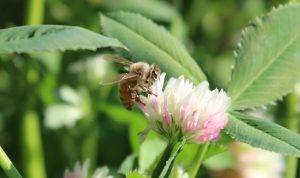
    Fixation pollinator croppedBerseem Clover: (Winterkills)

    Berseem Clover is a quick growing summer annual clover with the main benefit being that it can produce 50-100 lbs/A of nitrogen for the following corn crop.


    Disclaimer: There are several options available for prevent plant acres, please contact us at 1-877-GO-LATHAM to inquire about the benefits of different mixes. Be sure to communicate with your crop insurance company to understand the rules and regulations for planting a cover or forage crop before or after your “final plant date” and/or “Late Plant Date” in your state.

    Phil Long

    June 11, 2019
    #AskTheAgronomist, Cover Crops, Crop, Flooding, Weather
  • Latham Hi‑Tech Seeds

    Scouting soybeans after a cool wet spring

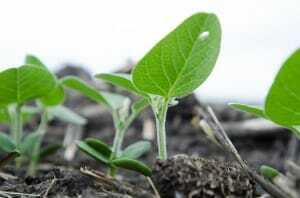
    Small Soybean1

    If you’re fortunate to be done with planting your crops, it’s time to get back out there and check your stands. This year I’m especially concerned with soybean stands for three main reasons:

    1. Cold soils. Many fields were planted when soil temperatures were below the recommended 60° Fahrenheit. (This link goes into more detail about the importance of soil temperatures: https://bit.ly/2JuHTkO) Cool, wet conditions can lead to severe disease infestation and reduced stands. Seed treatments protect the seedlings before and just after emergence. Historical data shows that not using a seed treatment can cause yield loss of 2½ to 3 bushels per acre if damping off occurs, but many farmers cut back on seed treatments this season to lower their input costs.
    2. Wet soils. Farmers felt like they were racing against the calendar during an especially wet spring, so some seed was planted into unfit soils. Planting into wet soils can lead to both sidewall and overall field compaction. Delayed emergence may cause uneven stands and reduce yield. Nutrient deficiency, reduced crop productivity and restricted root development are three of the top 10 reasons to avoid compaction. (Click here for the rest of the story: https://bit.ly/2VS06zo)
    3. Soybean Gall Midge. This new insect pest was especially damaging last season in Northeast Nebraska, Northwest Iowa, Southeast South Dakota and Southwest Minnesota. Ask your local Extension Agronomist if any of these pests have been reported in your area. (You can learn more about Soybean Gall Midge in this blog post: https://bit.ly/2JSLetw)

    Walking fields right after emergence gives you the most time to make corrections or to replant. Stand reductions rarely occur evenly across a field. That’s why I recommend taking 10 stand counts in the area where the problem is the worst, as well as taking 10 counts in an area that was not affected or is slightly affected. Most university researchers recommend keeping a final stand of at least 100,000 plants per acre.

    University trials also indicate that planting soybeans on or before June 1 in northern Iowa and southern Minnesota gives 95% of expected yield. It is usually June 15 before soybean yields drop below 85% of what is expected. Over the years, we have seen decent soybean yields when soybeans were planted around the 4th of July.

    Scouting early and often is the best advice I can give, so you can remedy the situation as soon as possible. Different insects, diseases and pests may be present due to weather conditions and stage of crop development. Scout diligently all growing season long!

    Mark Grundmeier, Product Manager

    June 10, 2019
    Agronomics, Crop, Disease, Rain, Season, Soybeans, Spring, Tech Tuesday, Weather, Weed Control
  • Latham Hi‑Tech Seeds

    #AskTheAgronomist: Delayed Soybean Planting

    62041134 476066029800373 4652420665083691008 n

    LIBSYN header 2 01

    Tune in to hear how delayed planting will affect your soybean crop.
     
    1:03 – #Plant19 soybean update across Latham Country
    2:18 – Deciding factors for delayed soybean planting
    4:10 – Yield penalty associated with late planted soybeans
    5:18 – Switching soybean maturities
    7:02 – Canopy closure and seeding rate
     
    #AskTheAgronomist

    Laura Cunningham

    June 6, 2019
    #AskTheAgronomist, Crop, Flooding, Rain, Season, Soybeans, Spring, Weather
  • Latham Hi‑Tech Seeds

    #AskTheAgronomist: Is It Time to Switch Corn Maturities?

    60190993 473775090032290 7744821225855123456 n

    LIBSYN header 2 01

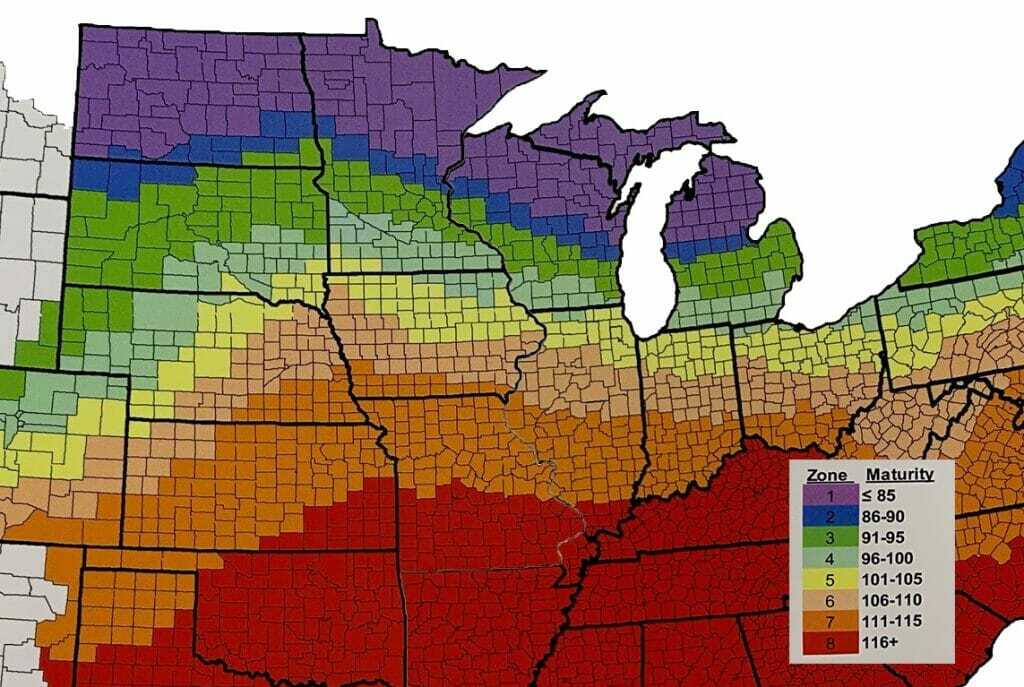
    Is it time? Tune in to hear Phil Long discuss the question of the season. Is it time to switch corn maturities? #AskTheAgronomist

    Map 2 zoomed with key

    Laura Cunningham

    May 30, 2019
    #AskTheAgronomist, Corn, Crop, Flooding, Rain, Season, Spring, Weather
  • Latham Hi‑Tech Seeds

    Feed Your Crops to Maximize Yield

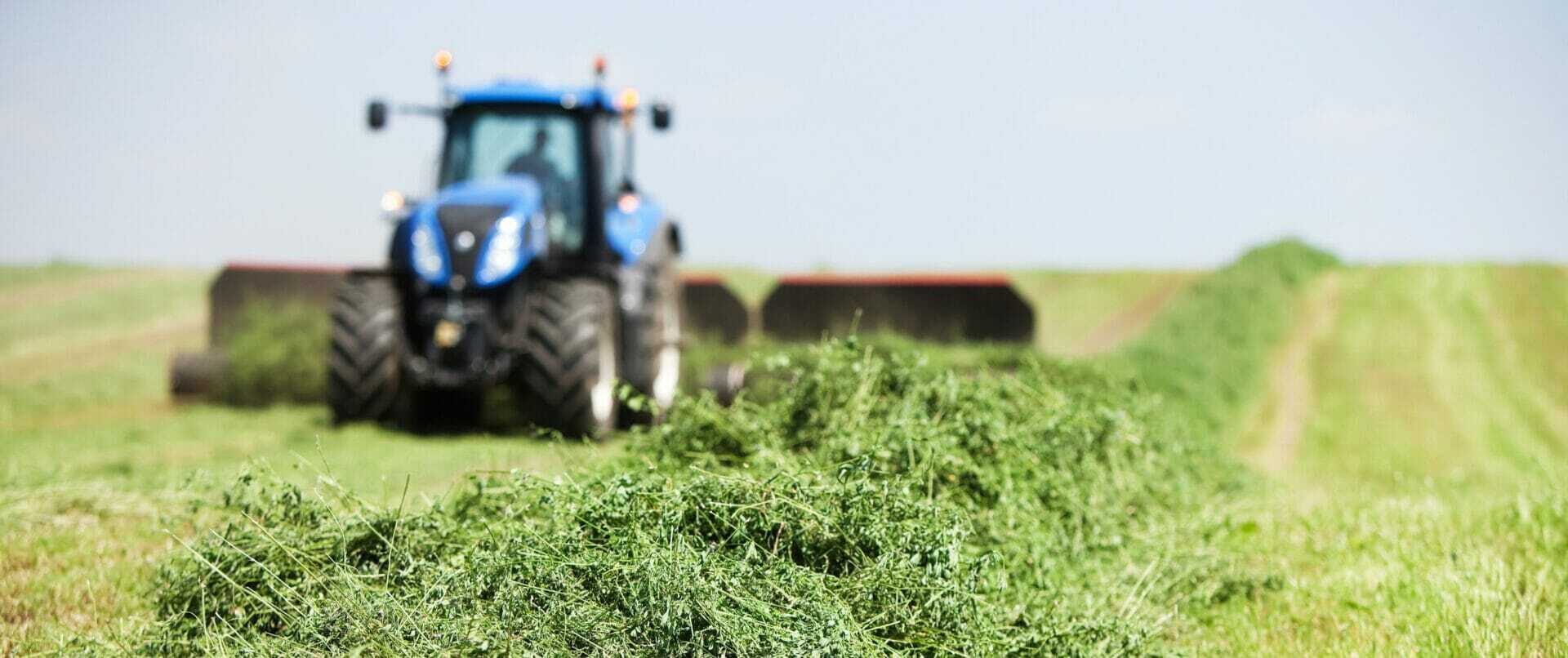
    Tractor Towing Merger on Cut Alfalfa (Hay) Field

    The official start of the grilling season is almost upon us! What’s better than grilling your favorite brats or hamburgers while listening to a game of baseball on a beautiful spring day?

    With the season of good food upon us, it’s also time to feed your crops. Some farmers plan to reduce fertilizer rates or forgo advanced management practices, such as soil or tissue testing, to save money. I understand that margins are tight, but the short-term savings could cost more in the long run.

    I want to encourage farmers to hang in there by offering a few strategies to help navigate tight budgets:

    • Review the latest soil test reports;
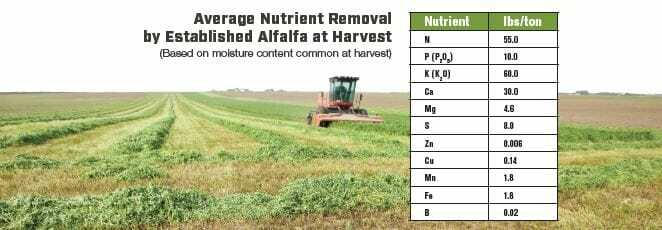
    • Study crop removal rates; and
    • Strike the balance between cost and return on investment.

    For example, alfalfa is coming off a super hard winter. Crown carbohydrate levels are going to be low. Supplemental potash, boron, and sulfur will help replenish crown reserves and prepare for next winter. If you only can afford one supplemental nutrient, consider potash.

    The crown is like alfalfa’s gas tank; the roots are its supply hose; and foliage the energy source. More foliage above the ground helps harness more sun, which helps fill the gas tank. When foliage is removed, the plant takes stored carbohydrates from the root to rebuild the manufacturing plant. When the plant has potash and other vital nutrients, its gas tank fills faster.

    More access to carbohydrates in the crown can be used to rebuild another cutting for more yield plus leave the gas tank fuller. Without adequate potash, the gas tank fills slower and even more stored carbohydrates are used. The plant becomes more vulnerable late in season.

    Bottom Line: Reducing supplemental fertilizer can lower yields and increase winterkill potential. One way to potentially reduce the risk of winter kill during a reduced supplemental fertility year is not take the last cutting of the season to allow plants to build or manufacture as many carbohydrates as possible. Even if you don’t like the idea of one less cutting, it’s food for thought.

    If you’re wondering how to best feed all your plants this season, feel free to call me. I’ll gladly talk through your options. I applaud farmers for their ingenuity. With grit and moxy, farmers do the best with what they have. We, at family-owned and independent Latham Hi‑Tech Seeds, are here to help farmers protect their bottom line.

    5.21.19 tech tuesday

    Webspec Admin

    May 21, 2019
    Alfalfa, Crop, Tech Tuesday
Previous Page
1 … 27 28 29 30 31 … 62
Next Page

Latham Hi‑Tech Seeds

131 180th Street | Alexander, IA 50420

(641) 692-3258

SIGNUP FOR OUR NEWSLETTER
  • Contact
  • Legal
  • Dealer Center
  • Seedware Login
  • Latham Gear

© 2025 Latham Hi‑Tech Seeds. All rights reserved. | Iowa Web Design by Webspec | Privacy Policy

Latham® Hi-Tech Seeds is a trademark of M.S. Technologies, L.L.C., 103 Avenue D, West Point, IA 52656.