Latham Hi-Tech Seeds

(641) 692-3258

  • Home
  • Products
    • Corn
    • Soybeans
    • Alfalfa
    • Corn Silage
    • Seed Guide
  • Performance
  • Find a Rep
  • Media
    • Blog
    • News
    • Videos
    • Podcasts
    • TECHTalk
  • About Us
    • Company History
    • Our Mission
    • Careers
    • Become a Rep
    • Sowing Seeds of Hope
  • Contact Us
  • Latham Hi‑Tech Seeds

    Prepare Now for Increased Production in 2024

    Corncob background

    There’s more to fall than getting the combine ready. To ensure healthy, productive soils next year, think about doing these three things now:

    1. Review your field data
    2. Correct compaction
    3. Add a cover crop

    Whether your fields produce bumper crops or have lower-than-average yields, take the time after harvest to assess soil fertility levels, replenish depleted nutrients, determine reasons for high- and low-yielding areas and evaluate overall soil health. Doing this can help give your crops a head start for next season.

    Soil samples and yield maps can predict the future

    Begin next season’s preparations by pulling post-harvest soil samples and assessing this season’s yield maps. Soil samples will identify any phosphorus or potassium deficiencies, while yield maps will show the amount of nutrients removed from the soil by this year’s crops. This information will help you determine crop nutrient amounts for next season, based on actual numbers rather than estimates.

    If post-harvest conditions allow, farmers can make partial (or base) nitrogen applications in the fall. Then test soil nitrate levels in the spring to determine the additional amount needed to meet next season’s crop performance goals. This ensures that nitrogen will be available in the soil at planting, as well as throughout the remainder of the growing season. If weather delays spring applications, this nitrogen management strategy provides you with more time to assess fertility needs based on early-season crop and soil conditions.

    Consider fall nitrogen applications with a stabilizer

    If you can make a fall nitrogen application, consider the effects of soil texture, soil moisture levels and soil temperature to avoid leaching and denitrification issues. Fall nitrogen applications should not be made until your soil cools to 50 degrees Fahrenheit or lower, when soil bacteria begin to go dormant. Fall-applied nitrogen must be used with a stabilizer to prevent it from converting into a mobile nitrate form that can move off-target and run off into nearby waterways. If manure is part of your nitrogen strategy, consider also using a stabilizer.

    Ease spring workloads with simple steps

    If your fall soil samples identify phosphorus (P) or potassium (K) deficiencies, you can apply these nutrients any time after harvest. To ease spring workloads, broadcast applications may be made in the fall and incorporated into the soil. If a spring application works better, P and K can also be applied prior to planting.

    Another important issue to assess in the fall is soil compaction. Before doing any fall tillage, check compaction depth to help you determine the proper tillage tool to use. Accurate tillage depth and the tillage speed will loosen soil and prepare it for next season.
    steve-sick

    September 21, 2023
    Agronomics, Corn, Crop, General, Soil, Soybeans, Tech Tuesday
  • Latham Hi‑Tech Seeds

    #FromtheField – Week of June 12, 2023

    Ramie from the field graphic

    Take a look across Latham Country! We’re coming to you every week.

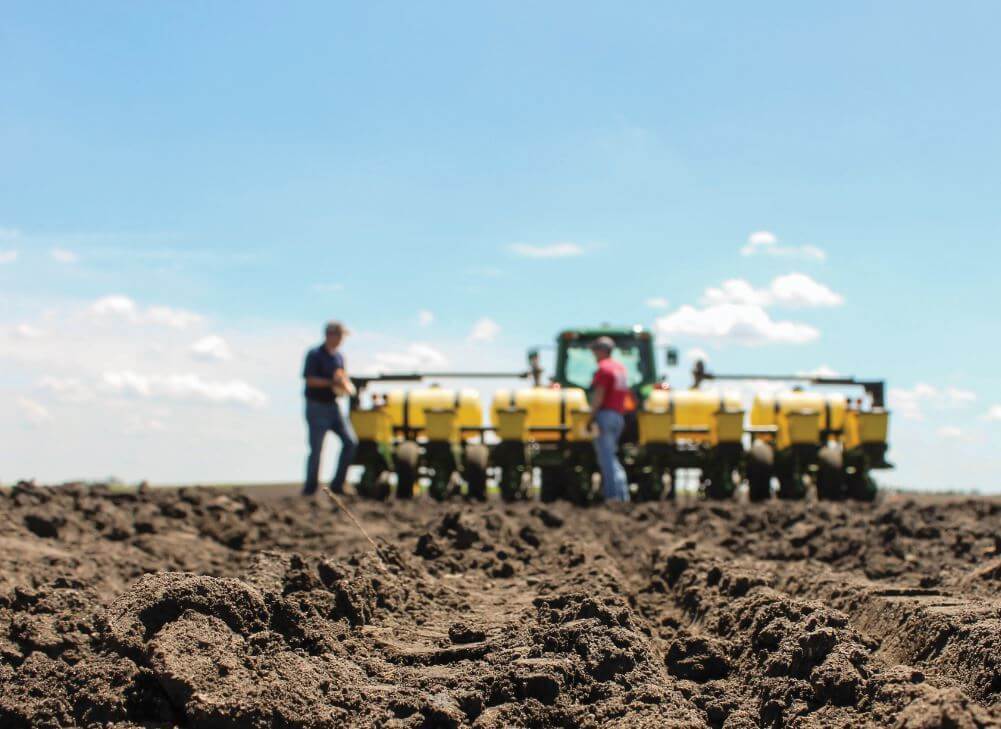
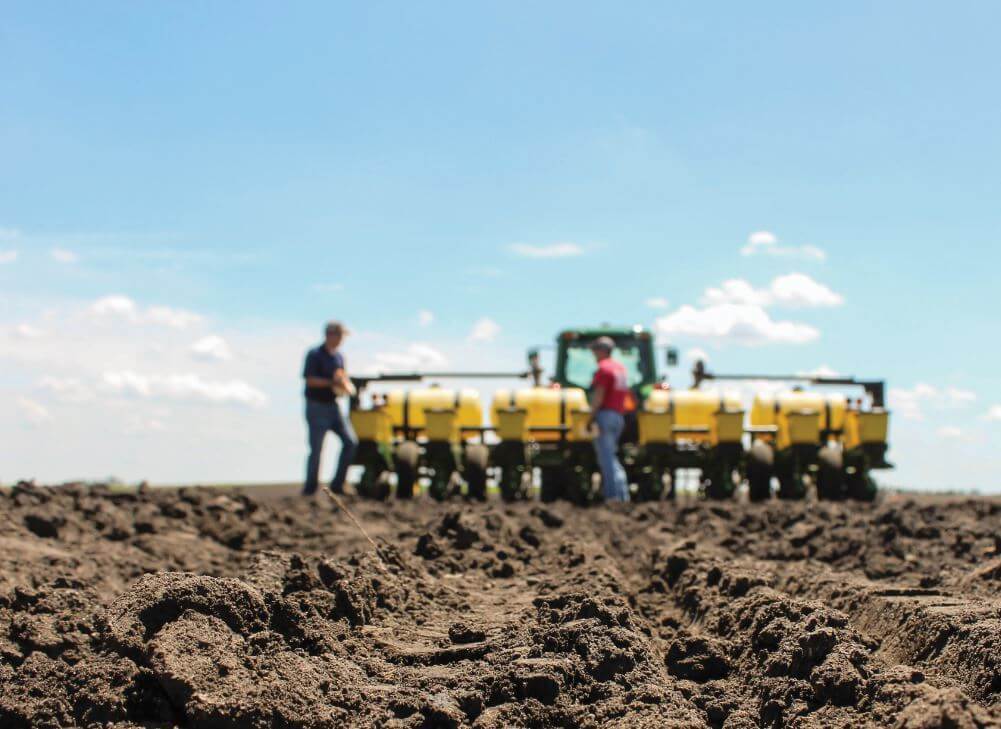
    How important is planting depth? Aaron shows us first-hand from the field in Central Iowa.

    Ramie from the field graphic

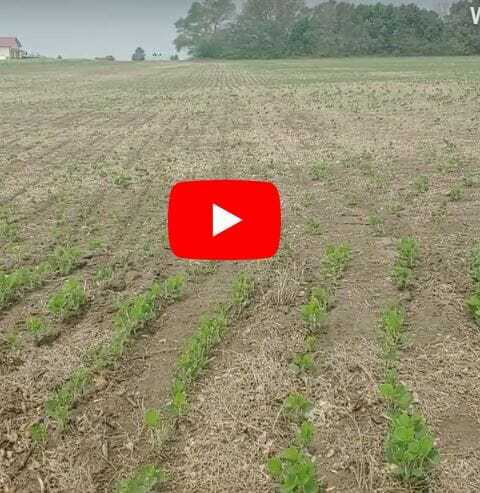
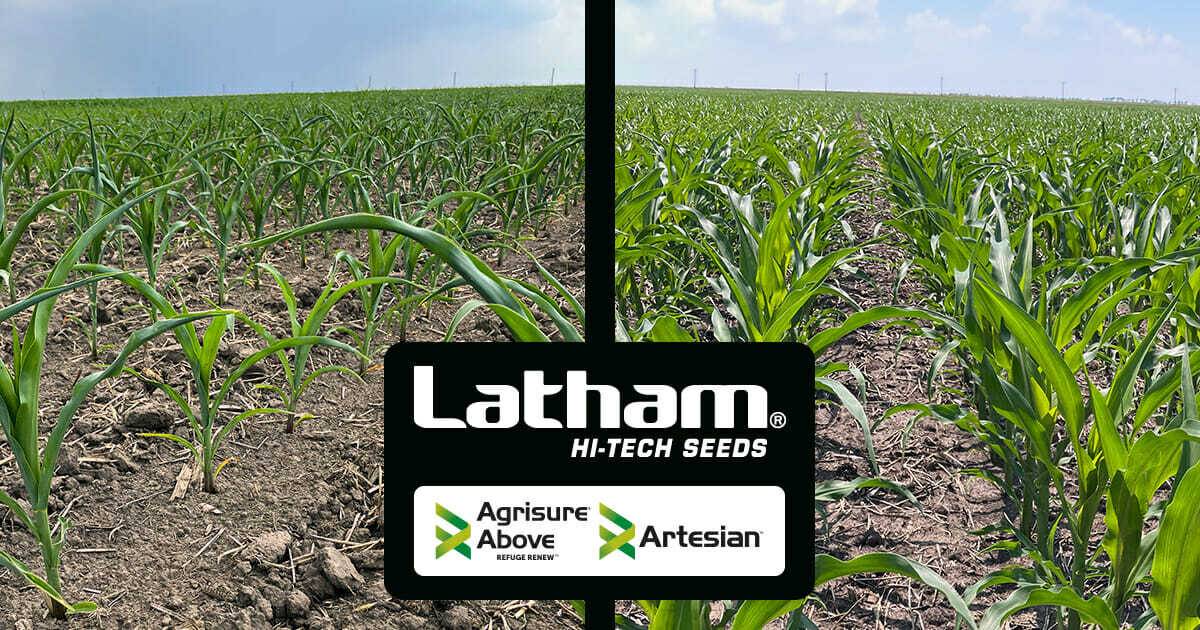
    See the difference! On the left is LH 5034 AA after getting no rain for 35 days in super-hot weather. On the right shows the same hybrid after 1.2” of rain. This product has impressive heat and drought resistance in South Dakota! Learn more about our unmatched lineup: https://www.lathamseeds.com/products/?crop=377

    Did you enjoy these videos? We want to (TECH)talk with you! Sign up for our newsletter to receive agronomy videos (and delicious recipes) in your inbox! We’ll TALK soon.


    Webspec Admin

    June 15, 2023
    #FromTheField Crop Reports, Agronomics, Corn, Crop, Emergence, From the Field, Growth Stages, Season, Soil, Summer
  • Latham Hi‑Tech Seeds

    #FromtheField – Week of June 5, 2023

    YouTube 1

    Take a look across Latham Country! We’re coming to you every week.

    Did you enjoy these videos? We want to (TECH)talk with you! Sign up for our newsletter to receive agronomy videos (and delicious recipes) in your inbox! We’ll TALK soon.

    Webspec Admin

    June 8, 2023
    #FromTheField Crop Reports, Corn, Crop, Emergence, From the Field, Growth Stages, Soil, Soybeans, Summer
  • Latham Hi‑Tech Seeds

    #FromtheField – Week of May 22

    Minnesota


    Take a look across Latham Country! We’re coming to you every week.

    Did you enjoy these videos? We want to (TECH)talk with you! Sign up for our newsletter to receive agronomy videos (and delicious recipes) in your inbox! We’ll TALK soon.

    Webspec Admin

    May 25, 2023
    #FromTheField Crop Reports, Agronomics, Corn, Crop, Emergence, From the Field, Growth Stages, Soil
  • Latham Hi‑Tech Seeds

    #AsktheAgronomist – Do Ca and Mg Really Matter?

    Ask the agronomist does Ca and Mg really matter

    Too much of anything can be a bad thing. This week Phil Long explains how Calcium and Magnesium levels affect nutrients in your soil. (Which you should be testing, by the way.)


    Webspec Admin

    March 9, 2023
    #AskTheAgronomist, Agronomics, Soil
  • Latham Hi‑Tech Seeds

    Drive Yield with Soil Health and Customized Plant Nutrition

    Soil Health Resized

    It’s no secret that optimal yields result from a combination of many factors: environment, plant nutrition and nutrients to name a few.

    Soil Health ResizedPlant nutrition is key to maximizing the yield potential of today’s plant genetics. To meet the intensive nutritional demands of these plants, there must be a higher fidelity to soil condition and nutrition. Removing nutrients removes nutrition from the soil reserves.

    There is a no “one-size-fits-all” nutrition program, and there are many variations of soils and environments. So customizing nutrition programs by field can help optimize yield. Today’s technology allows us to do just that!

    Many years ago, we heard about a farmer who found a unique combination of cover crops that worked well for his soils and climate. He tracked everything precisely and found that soil organic matter (OM) increases by 0.1% each year. This may not seem like much, but the impacts are exponential. In 10 years, you gain 1% more OM. For every 1% OM, the soil can hold 1 acre inch of rain. That’s 27,000 gallons of water.

    This farmer is improving water and nutrient-holding capacity of the soil in the root zone. During drought years, his farm’s yield was only down 10 bushels while the average yield decrease was 60 bushels. Plus, his farm produced the same yields using less nitrogen (N), phosphorus (P) and potassium (K) because leaching is reduced.

    Why not experiment on your own farm? Start small and see how you can capture more yield on the same acre. Here are a couple resources to help you get started:

    • Try Something New
    • On-Farm Research Helps Find Palatable Solutions

    Did you enjoy this article? We want to (TECH)talk with you! Sign up for our newsletter to receive agronomy articles (and delicious recipes) in your inbox! We’ll talk soon.

    Webspec Admin

    February 22, 2023
    Agronomics, Cover Crops, Crop, Disease, Emergence, Fertility, General, Growth Stages, Soil
  • Latham Hi‑Tech Seeds

    Mitigate Weather Risks with Best Management Practices

    Young green corn growing on the field. Young Corn Plants.

    Young green corn growing on the field. Young Corn Plants.Weather concerns are top of mind as farmers across Latham Country look ahead to spring 2023 planting. Customers frequently ask us how to mitigate risk from the 2022 wet planting season.

    While we want to maximize the yield potential of early planting, 2022 data shows us that delayed planting can result in very good yields — and better yields than planting when conditions are unfit.

    Consider these factors to successfully mitigate potential risks of delayed planting:

    1. Minimize compaction during field preparation.
      • A uniform seed bed creates the best opportunity to plant your crop with precision.
      • Minimize passes in the spring while creating a uniform seed bed.
      • Be careful not to cause sidewall compaction of seed trench at planting.
    2. Plant your corn crop with precision. We want all plants to emerge within 72 hours. This creates the best root system to maximize water use through the entire growing season.
      • Plant a consistent seed depth.
      • Check for consistent seed spacing.
      • Ensure great seed-to-soil contact.
      • Delay planting if cold temps or cold rain is forecasted within 72 hours after planting.
    3. Promote a healthy root system with fertility. Good fertility programs maintain a healthy, strong root system to effectively use available water.
      • Starter fertilizer gets corn plants off to the best start possible.
      • Side-dress Nitrogen in a timely manner to nurse optimum plant health.
      • Maintain a good fertility balance, using soil testing as a guide.

    We suggest staying with a hybrid selection plan that does not vary significantly from previous years.  A couple management changes at planting time to get your crop off to a great start will result in more success than totally changing your hybrid selection.

    Remember, most corn yield is created in July and August. Get your plants off to the best start, so they can take advantage of that part of the growing season. Don’t get discouraged if you encounter a bit of a delay. Stick to the hybrids in your original plan through the end of May.

    Did you enjoy this article? We want to (TECH)talk with you! Sign up for our newsletter to receive agronomy articles (and delicious recipes) in your inbox! We’ll talk soon.

    Webspec Admin

    February 14, 2023
    Agronomics, Corn, Crop, Emergence, General, Growth Stages, Precision Ag, Season, Soil, Soybeans, Spring
  • Latham Hi‑Tech Seeds

    Success with Biologicals Starts with Optimizing Your Soil Fertility

    Phil Long, Precision Agronomy Specialist
    Phil Long, Precision Agronomy Specialist
    Precision Agronomy Advisor, Phil Long

    One reason Latham Hi‑Tech Seeds opened its Premier Agronomy Center on the Latham family’s Iowa Century farm was to collect data using real-world practices and to research solutions for real-world problems. More farmers are interested in biologicals to reduce fertilizer and other input costs and/or to build soil health.

    A biological product, or biofertilizer, contains living microorganisms that promote fertilizer efficiency or plant growth. Most of these products are naturally occurring in the environment but likely do not occur in high amounts in your field.

    At Latham’s Premier Agronomy Center in 2022, we used Pivot Bio PROVEN® and Azotic Envita® on corn. Both nitrogen-producing bacteria products were trialed on a large scale and applied in-furrow with LH 5245 VT2 PRO RIB. PROVEN yielded 213.1 bushels per acre (bu/A), and Envita yielded 208.1 bu/A while the untreated LH 5245 yielded 206.2 bu/A. (Also please note that I applied about 40 lbs per acre less nitrogen on all the biological products, so I saved about $20 to $30 per acre when accounting for the product cost.) We have seen similar past results with PROVEN on our farm despite the dry conditions we have had. Envita also may be sprayed over the crop in-season — a process that our team will try in 2023.

    Another biological/foliar product that I’ve used on my own farm for soybeans is BW Advance from BW Fusion. This product has foliar nutrients plus biologicals. When applied around soybean reproduction time, it can help reduce flower and pod abortion plus reduce moisture loss during drought stress. It takes about a 1.5 bu/A yield increase to pay for the product at current soybean prices. In 2022, I saw an average of 2.3 bu/A advantage. Keep in mind, 2022 was very dry and this particular field has some underlying fertility issues.

    If you are going to try biologicals, you must take care of pH and other soil fertility deficiencies. The microbes in your soil, especially bacteria and fungi, thrive based on proper pH and physical soil environment. For example, if you have a pH of 5.0 or heavily compacted soils, you’re not going to see a boost in soil life until you correct those issues.

    This year I used two foliar/soil-applied products, Midwest Bio-Tech’s Chandler Soil and TerraMax’s Ag Soft. The goal of these products is for compaction alleviation and residue management. I’m using these products on our cover crop and no-till plots. During the next few years, I will share results and show any soil structure changes. We also use seed-applied products, including Talc U.S.A.’s Microsurge inoculant and Encompass, as well as TerraMax’s Vertex and Micro MX.

    How will we know which products may benefit our farm the most? Our plan is to try them! I will share soil health tests and how they can aid us in continuing to decipher the complex world of biologicals.

    Did you enjoy this article? We want to (TECH)talk with you! Sign up for our newsletter to receive agronomy articles in your inbox! We’ll talk soon.

    Phil Long

    February 2, 2023
    Agronomics, Corn, Crop, Fertility, From the Field, General, Growth Stages, Precision Ag, Soil
  • Latham Hi‑Tech Seeds

    Three Keys to High-Yielding Soybeans

    NW IA Latham Seeds Soybeans 8 13 19

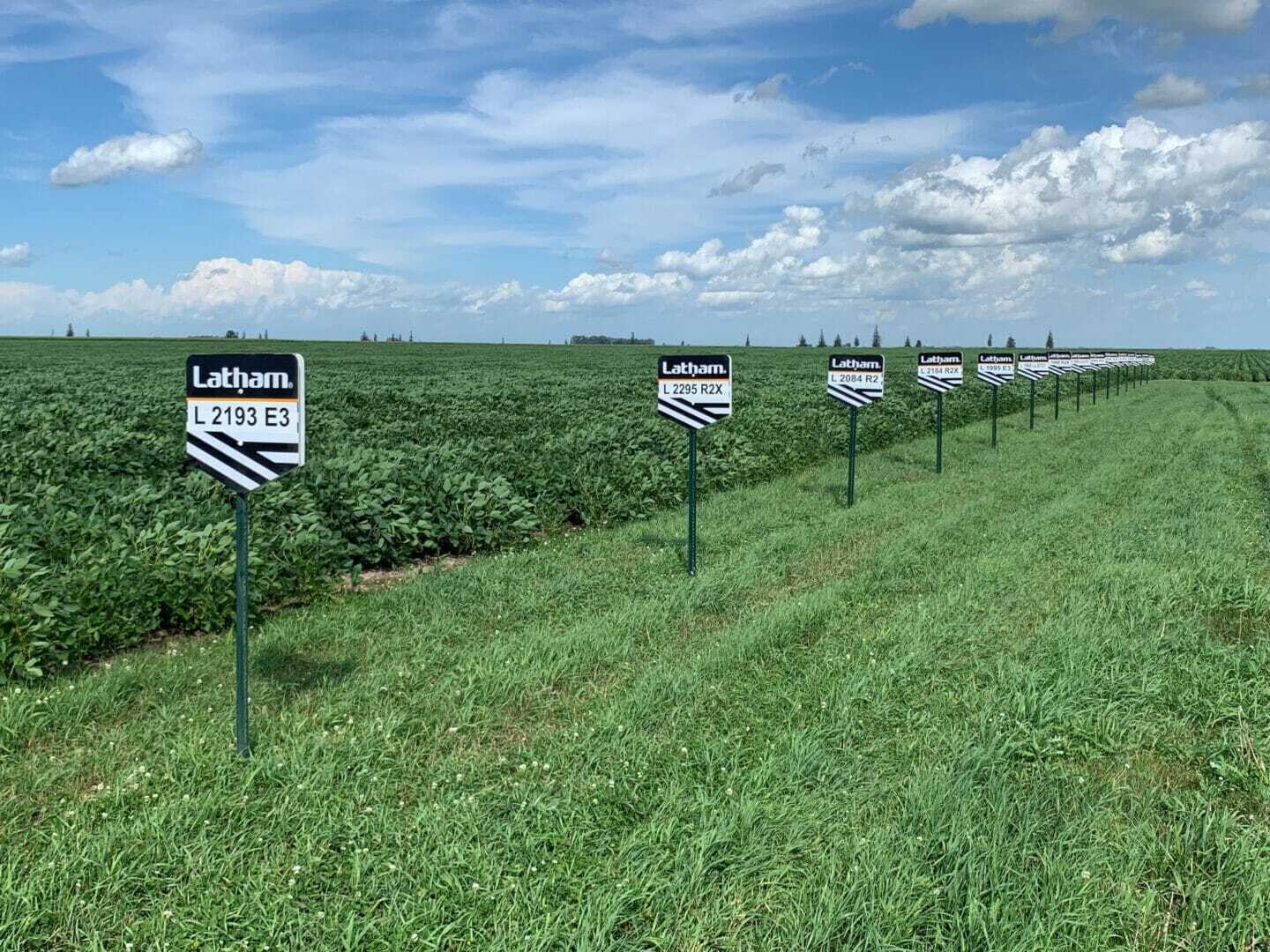
    Our focus for Latham Premier Agronomy Center in Alexander, Iowa, is to showcase a broad lineup of independent options and to demonstrate how genetics interact with the environment and management styles (G X E X M).

    LPAC Picture Resized

    In the Premier Agronomy Center this year, we tested 26 Latham® soybean varieties using 28 different management practices. My top take-home messages for our 2022 soybean plots are:

    1. August rains make soybeans. We received 11.8 inches of rain this season but 4.1 inches of it fell in August. Although we received below-normal moisture, the rain came at the right time. Our plots averaged 75 bushels per acre (bu/A) on about 12 total inches of rain!
    2. Don’t stress soybeans at early bloom. Weed control in soybeans is extremely important. I made a second pass of Liberty® in season, however, it reduced yields by 10 percent. Our showcase plots did not get the extra dose of herbicide and averaged 86 bu/A; the plots that received a second pass yielded an average of 78 bu/A.
    3. “Early” planting date is key to high yield. While earlier is better, “early” does not mean April 10 because we don’t want to risk stand loss to freezing temps. This year our first soybean plots were planted later than expected due to conditions. The plots planted May 13 averaged 5.5 bu/A better than the plots planted May 20. Seven days can make a difference in the number of nodes and pods retained, plus the canopy closes sooner.

    The key to higher yields is how all three components – genetics by environment by management – interact. Fertility tops my list, so I always make sure potassium is sufficient. Potassium is what gets soybeans (and corn) through stressful times and helps them better manage water loss on hot days.

    Latham® soybeans have outstanding yield potential. But like all living and breathing organisms, our soybeans struggle to perform when they’re stressed at the wrong time. The key to top soybean yields is management: reduce as much stress as possible during the growing season because we can’t control the weather.

    Did you enjoy this article? We want to (TECH)talk with you! Sign up for our newsletter to receive agronomy articles in your inbox! We’ll talk soon.

    Phil Long

    December 8, 2022
    Agronomics, Crop, Disease, Emergence, Fertility, Fungicide, General, Growth Stages, Insects, Seed Treatment, Soil, Soybeans, Weed Control
  • Latham Hi‑Tech Seeds

    Latham’s Premier Agronomy Center Opens for Tours

    LPAC Picture Resized

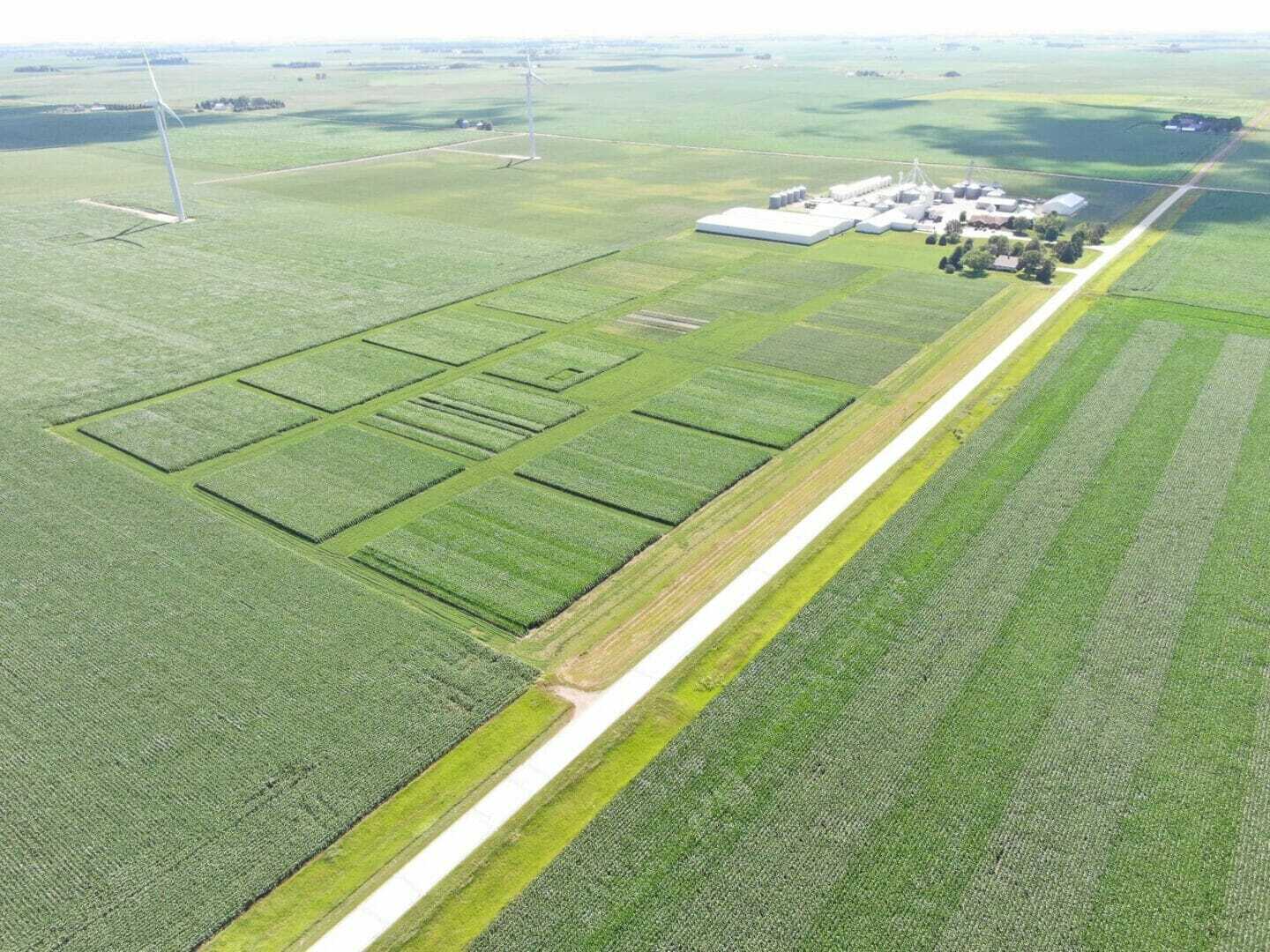
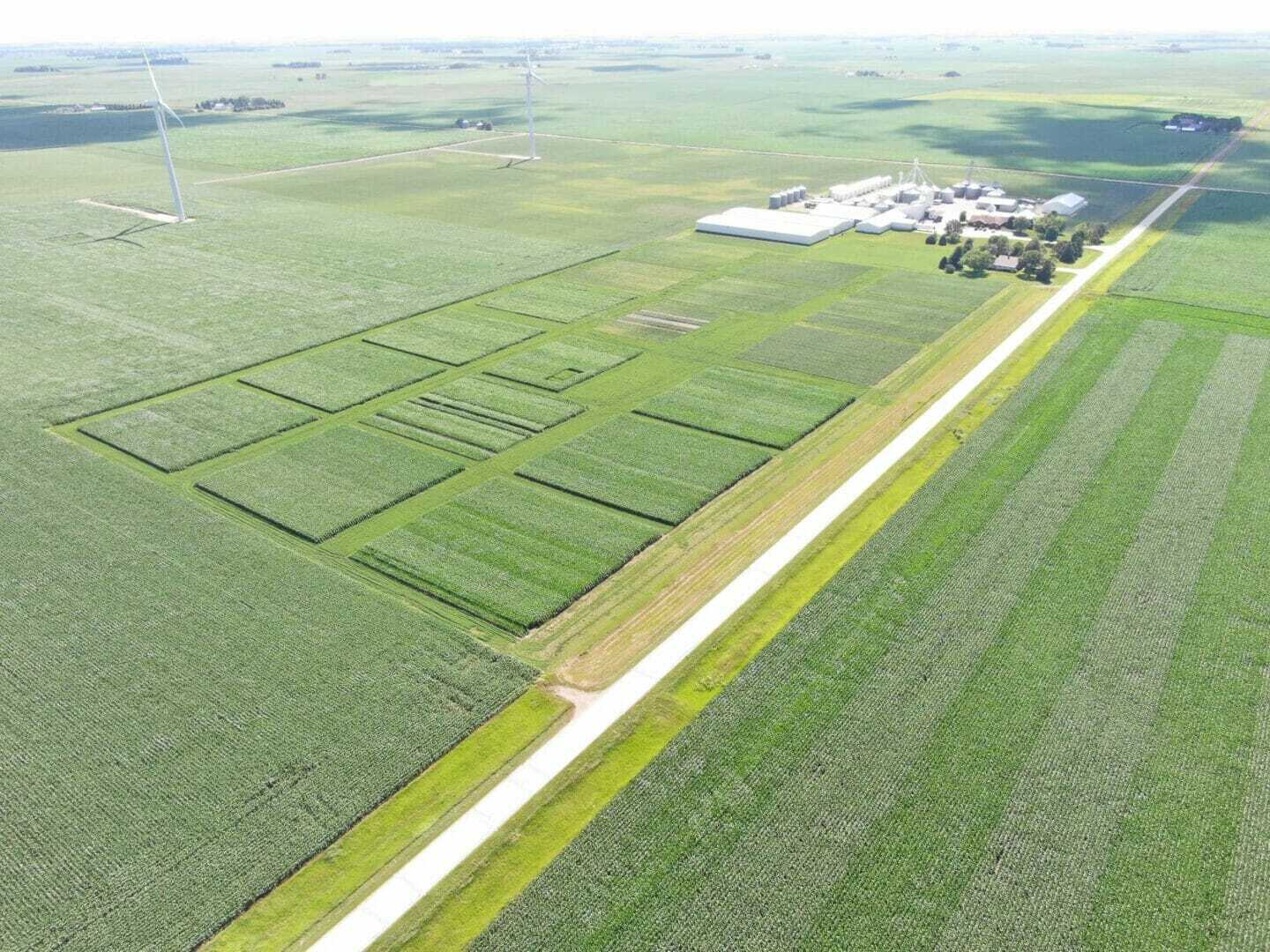
    Latham Hi‑Tech Seeds’ Premier Agronomy Center at our company headquarters in North Iowa provides us with opportunities to collect data on real-world challenges. It also provides us with an opportunity to talk about the exciting new Latham® products, as well as management practices, that help you raise more bushels. This year we have 18 different plots (10 corn and 8 soybean) to demonstrate different techniques.LPAC Picture Resized

    Interested in seeing Latham’s Premier Agronomy Center? Plan a visit! Latham Dealers are encouraged to make arrangements with their regional sales manager (RSM), so they can bring their customers throughout the growing season. We will be open for public tours on Thursday, Sept. 8, at 4 p.m.

    Here’s what you can see inside Latham’s Premier Agronomy Center… As you drive west on 180th Street in Alexander, Iowa, you will see our Latham Showcase plots featuring our top corn and soybean products. Next to that are corn and soybean seed treatment demonstration plots. I also planted my hybrid stress research up front. Twenty different Latham hybrids were planted from 22,000 to 36,000 plants per acre, so we can pinpoint when each hybrid flexes and how we can better manage them in-season.

    The second tier of plots contains high-yield plots (corn/beans) where we “throw the kitchen sink at it,” so to speak, to try to add some extra bushels. Our soybean Iron Deficiency Chlorosis (IDC) plot uses tactics like in-furrow chelated iron products with increasing population to overcome the challenges IDC can bring. We have a silage demonstration plot with a planting date demonstration. You’ll also see a sneak peak of Latham’s corn breeding program alongside some great observation plots featuring planting depth.

    The third tier of plots are “long-term plots” that include cover crops, no-till and continuous corn. These practices come with many challenges, so we have several different products/treatments including in-furrow fertilizer, biologicals, in-furrow fungicide, and biological products for providing nitrogen to corn. We also have included herbicide demonstrations, showing how cover crops can increase water infiltration during pounding rains, as well as also reduce herbicide costs and improve weed control in soybeans.

    All growing season long we’re providing opportunities to learn from our demonstrations in the Premier Agronomy Center. Follow @LathamSeeds on Facebook, Twitter, Instagram and YouTube. We share our weekly “Ask the Agronomist” videos, as well as season-specific information.

    Phil Long

    July 27, 2022
    #FromTheField Crop Reports, Agronomics, Corn, Crop, Fertility, From the Field, Fungicide, General, Growth Stages, Insects, Precision Ag, Season, Seed Treatment, Soil, Soybeans, Summer, Weed Control
1 2 3 … 9
Next Page

Latham Hi‑Tech Seeds

131 180th Street | Alexander, IA 50420

(641) 692-3258

SIGNUP FOR OUR NEWSLETTER
  • Contact
  • Legal
  • Dealer Center
  • Seedware Login
  • Latham Gear

© 2025 Latham Hi‑Tech Seeds. All rights reserved. | Iowa Web Design by Webspec | Privacy Policy

Latham® Hi-Tech Seeds is a trademark of M.S. Technologies, L.L.C., 103 Avenue D, West Point, IA 52656.