Latham Hi-Tech Seeds

(641) 692-3258

  • Home
  • Products
    • Corn
    • Soybeans
    • Alfalfa
    • Corn Silage
    • Seed Guide
  • Performance
  • Find a Rep
  • Media
    • Blog
    • News
    • Videos
    • Podcasts
    • TECHTalk
  • About Us
    • Company History
    • Our Mission
    • Careers
    • Become a Rep
    • Sowing Seeds of Hope
  • Contact Us
  • Latham Hi‑Tech Seeds

    Soybean Emergence: The Halo Effect & ILeVO

    LIBSYN header 4

    LIBSYN header 2-01

    [embedded_content]

    This week we cover the Halo Effect in result of ILEVO seed treatment.

    0:33 — What is the Halo Effect?

    1:09 — Why does the Halo Effect happen?

    2:51 — Does it result in a yield loss?

    We invite you to submit any questions weighing on your mind from agronomy diagnostics to new seed technologies. Phil will answer those questions on a Thursday weekly interview.

    Thanks for tuning in!

    Ask the Agronomist Podcast Week 2

    Gary Geske

    May 11, 2017
    #AskTheAgronomist, Agronomics, Seed Treatment
  • Latham Hi‑Tech Seeds

    Planting Corn: Seed Conditions vs. Planting Date

    LIBSYN header 4

    LIBSYN header 2-01

    [embedded_content]

    We are featuring a series called “Ask the Latham Agronomist”. Each week Latham Agronomist Phil Long will answer viewer submitted questions about agronomy and seed industry topics.

    This week we cover 3 #plant17 scenarios farmers in our marketing territory have experienced.

    0:55 — Scenario 1: Farmers who planted last week

    2:35 — Scenario 2: Farmers who planted 3-4 weeks ago

    5:05 — Scenario 3: Farmers who are waiting to plant

    We invite you to submit any questions weighing on your mind from agronomy diagnostics to new seed technologies. Phil will answer those questions on a Thursday weekly interview.

    Thanks for tuning in!

    Ask the Agronomist Podcast Week 1

    Webspec Admin

    May 4, 2017
    #AskTheAgronomist, Agronomics
  • Latham Hi‑Tech Seeds

    Quick Steps to Slow Spread of Soybean Aphid Resistance

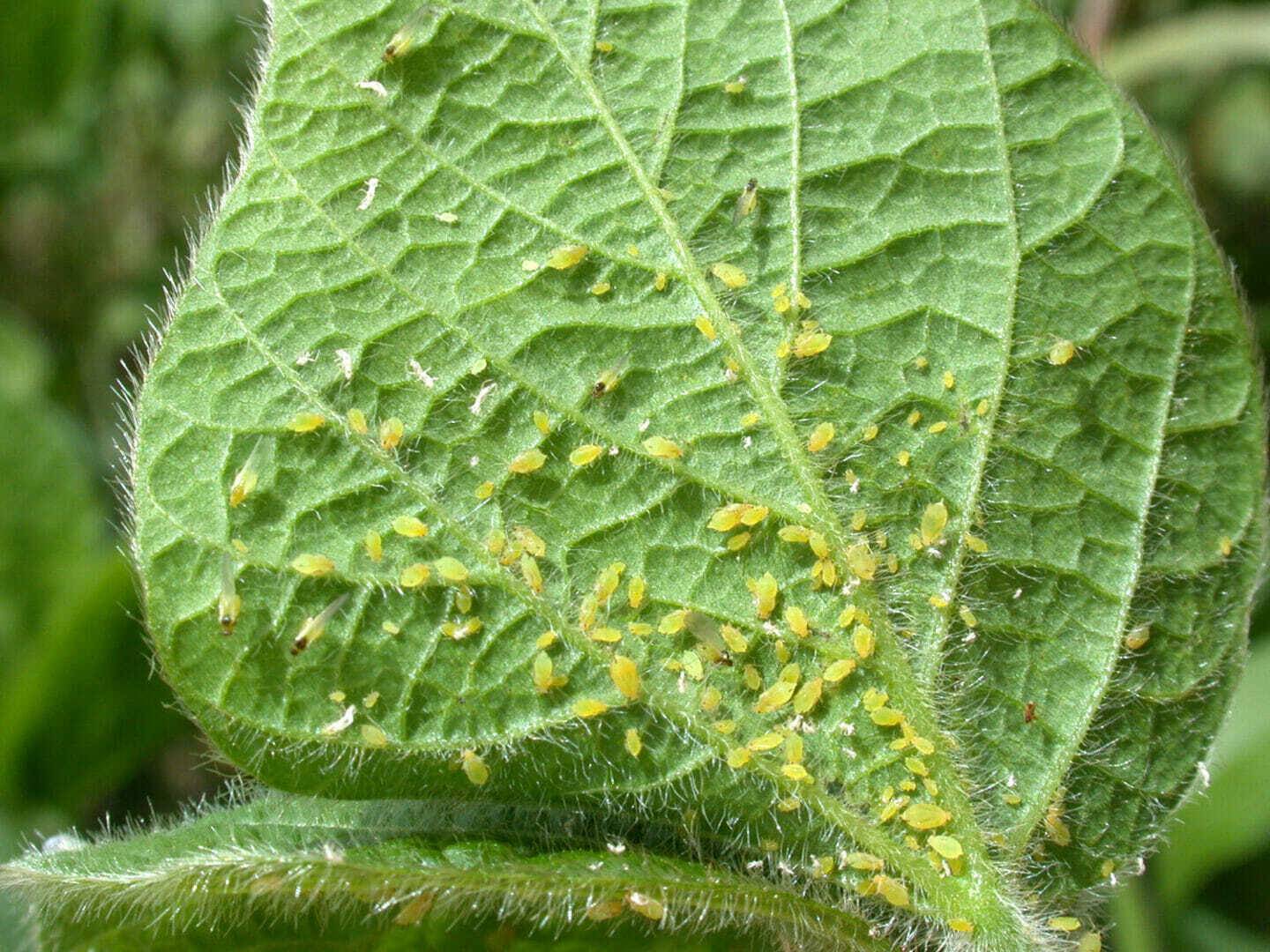
    Soybean Aphids

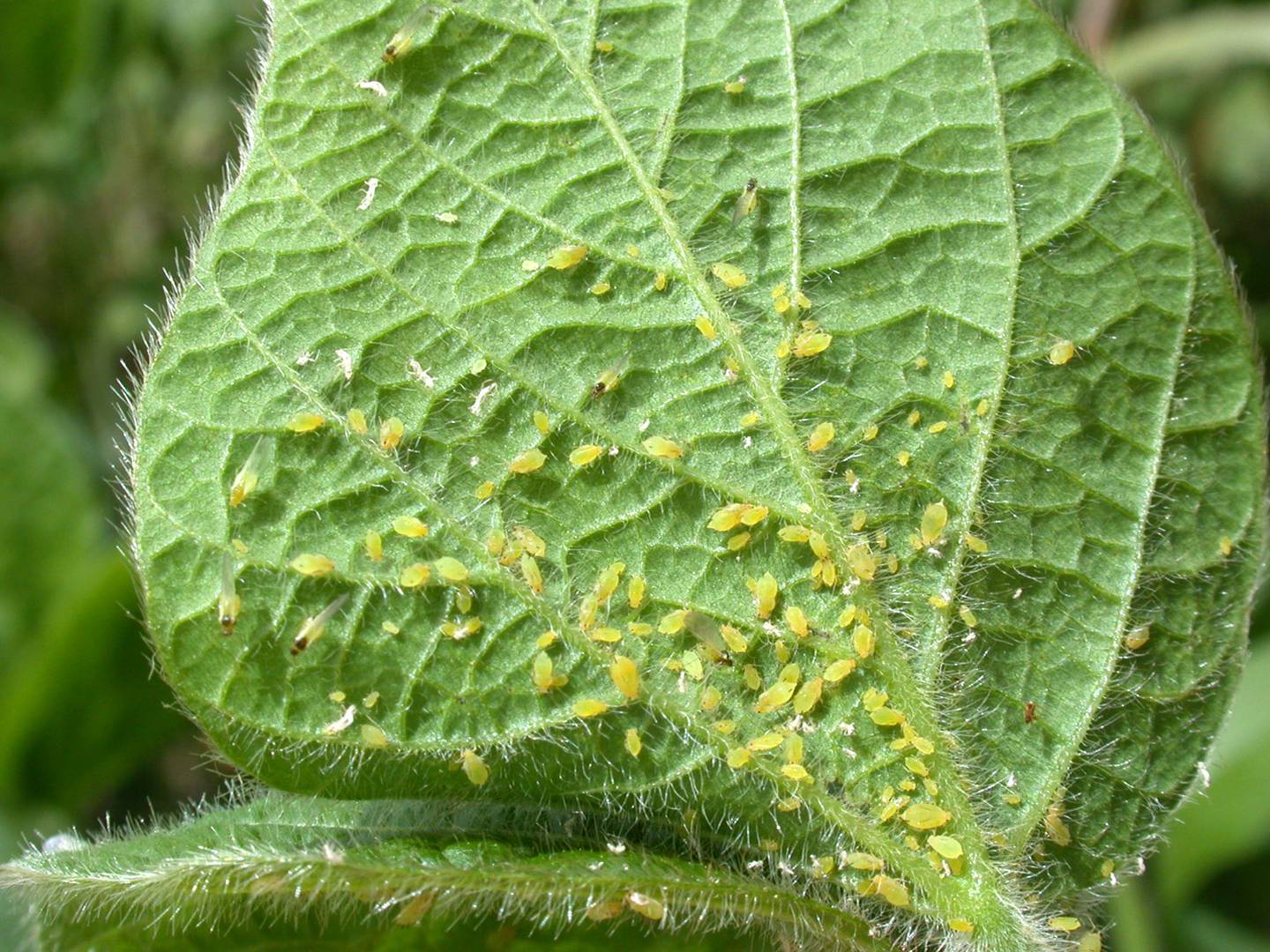
    More than 100 soybean aphids collect on the underside of a soybean leaf. Pest feeding can inhibit the plant's ability to make grain, or kill it outright.

    The number one soybean insect pest is growing across the Upper Midwest. Recent reports indicate some aphid populations are developing resistance to insecticides, especially pyrethroid products.

    While we may not be able to stop the spread of this resistance, we can certainly slow it down by using these best management practices:

    • Avoid spraying any insecticide if the economic threshold has not been reached. The accepted economic threshold is 250 aphids per plant in 80% of the field as long as the aphid population is increasing. This should not be confused with the injury threshold, which ranges from 600 to 700 aphids per plant. The economic threshold is designed to give farmers time to apply insecticide before the field reaches the injury threshold.
    • Use insecticides with different modes of action just like we use herbicides with different modes of action to help control resistant weeds. Some common examples of pyrethroid products include Warrior®, Mustang®, Asana®, Baythroid® and Pounce®, as well as a host of generic products. Lorsban® is an example of an organophosphate insecticide that may be used for aphid control.
    • Avoid adding insecticide to herbicide application just as “insurance” or to save a trip across the field, as this can easily lead to resistance problems.
    • When applying insecticides, good coverage is essential. Higher spray volumes and pressure help to move the product down into the soybean canopy.
    • As with many potential threats, scouting early and often is crucial to overall success!Soybean aphids can greatly increase in numbers if the weather is cooler than normal and if natural predators are not present.

    First identified in Wisconsin during the summer of 2000, soybean aphids are found in 21 states and three Canadian provinces. Besides the damage they do by sucking sap from plants, aphids also are vectors of several viruses that attack soybeans.

    Scouting for aphids is key for maintaining the health of your soybean crop now… and in the future. Do what you can now to keep numbers down and to avoid insecticide resistance from building.

    Webspec Admin

    April 12, 2017
    Agronomics, Crop, Insects, Soybeans
  • Latham Hi‑Tech Seeds

    Address These 3 Key Areas During Planter Prep

    Jacobsen 1

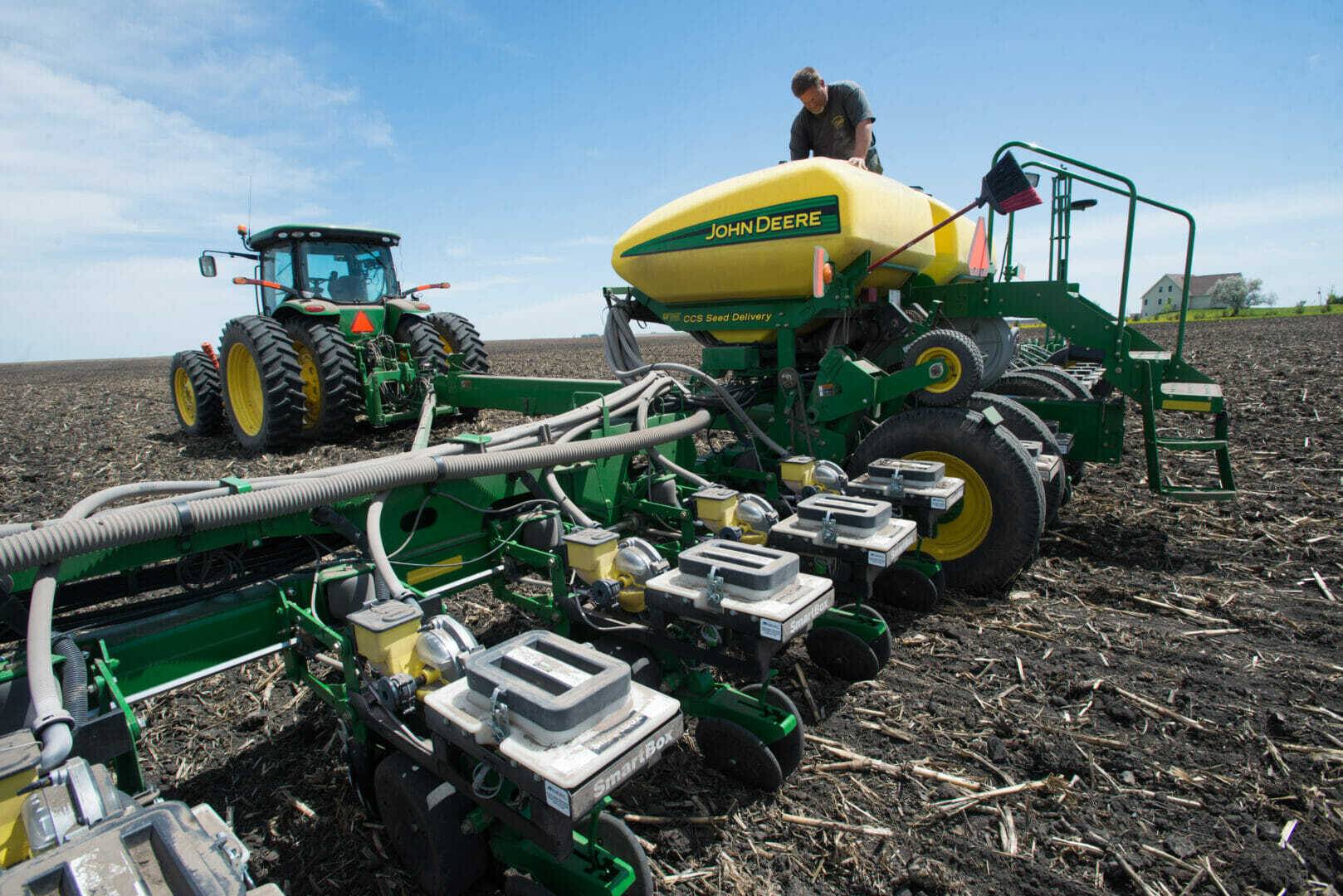
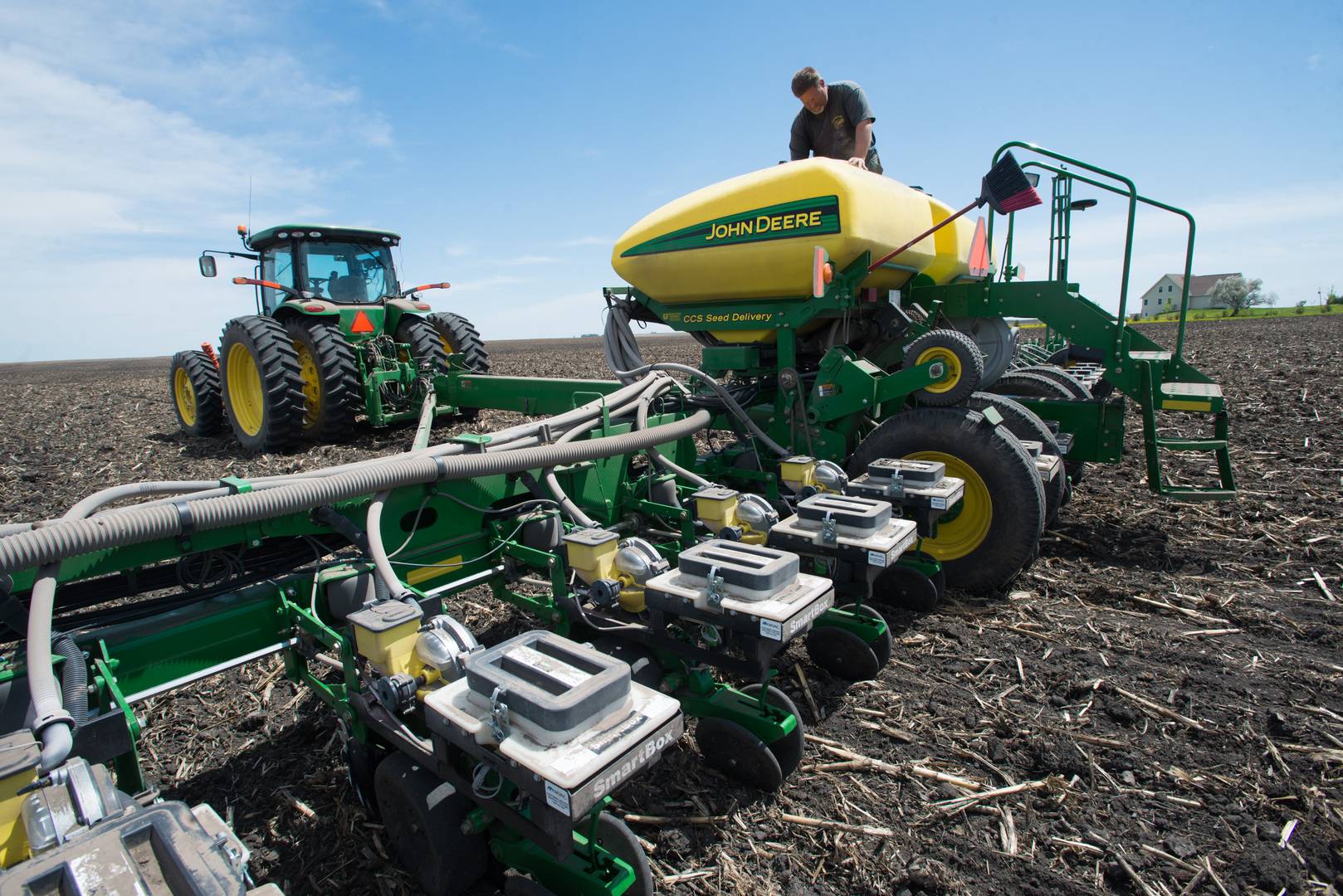
    Only so much preparation can be done in the shop. Take the time to get out of the cab — or have someone else help — to check row spacing and planting depth. Observations and planter adjustments are key to successful emergence scores.

    It doesn’t pay to have your equipment in top working condition if you don’t wait for fit planting conditions. Missing the optimum planting window may have a 2-5% impact on final yield but an uneven emergence could cause 5-9% yield loss! Plant according to soil and weather conditions rather than by the calendar.

    Our Product Team spends countless hours in research plots and in our customers’ fields, taking field notes. Our mutual goal is to help you maximize yield potential by placing the right Latham® product in the right field. FieldXField™ yields!

    Keep these three key areas in mind as you prepare your planter for spring:

    1. Level the Planter Frame: As planters get wider, it’s important that frames are leveled from side to side and from front to back. This assures all row units have the same operating positions for disc openers and the parallel linkage works correctly. Also be sure all tires are properly inflated.
    2. Proper Meter Calibration is Critical in Seed Singulation for Precision Planting: If possible, take your row units someplace where they can run on a calibration stand. While the planter boxes are removed, check all drive chains or cables for rust or kinks. The drives must work smoothly, so the meters run consistently.
    3. Seed Drop and Placement: Inspect seed tubes for wear and replace as necessary. Installing a good seed firmer helps transition seed from the drop tube; it also firmly presses seed into the bottom of the trench, which aids planting depth consistency.

    Be sure the opening wheels have a serviceable diameter and proper spacing, so the blades have a contact area of 1˝ to 2˝. If they are too wide, you will get more of a “W” in the seed trench, which affects planting depth. If there is too much pressure, discs will wear prematurely.

    Gauge wheels and arms should be adjusted to just touch the side of the seed disc. Keep mud and debris from building up on the seed disc as it affects planting depth. Also ensure the closing wheels run true, so the trench closes over the seed.

    Jacobsen-1

    Latham Seeds Agronomy Team

    March 8, 2017
    Agronomics, Precision Ag, Season, Spring
  • Latham Hi‑Tech Seeds

    Tips for Controlling Palmer Amaranth Across the Upper Midwest

    Weed

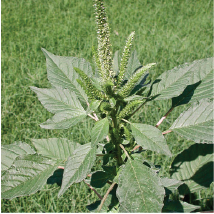
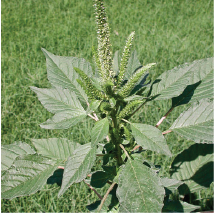
    weedPalmer Amaranth, called Palmer Pigweed, has been confirmed in 48 of Iowa’s 99 counties. When Bob Hartzler of Iowa State University Extension made this frightening announcement during a recent crop meeting that I attended in Ames, the atmosphere in the room changed — and for good reason.

    To say this weed is “aggressive” is an understatement. To win the battle, farmers must employ an aggressive weed management system. It’s important to start with a clean seedbed, and then integrate more than one herbicide to prevent weed escapes by:

    • Using full rates of a pre-emergence residual herbicide that kills Palmer Amaranth.
    • Applying post-emergence herbicide before pigweeds are 3 inches tall.
    • Tank mixing another residual herbicide to extend control.
    • Applying a second post-emerge application if needed.
    • Removing surviving plants by hand or mechanically.

    Every attempt must be made to completely eradicate it from fields, as Palmer Amaranth is truly “waterhemp on steroids.” Palmer is closely related­­­ to Common Waterhemp but is much more invasive. It can get so bad that literally entire fields must be tilled up to prevent further infestations.

    Both Palmar Amaranth and common Waterhemp are dioecious, meaning there are male and female plants, as opposed to most other pigweeds species that have male and female parts on the same plant. Many scientists believe this characteristic gives these weeds an advantage to developing herbicide resistance.

    Both Palmer Amaranth and Waterhemp have become resistant to numerous herbicide groups. Many populations are resistant to multiple groups — as many as five in one population has been documented in Illinois!

    Pollen spreading within fields and to neighboring fields spreads that resistance, so farmers must be even more diligent to control weeds in both corn and soybeans. Diversity of weed control tactics key. We won’t be able to rely on just Roundup Ready 2 Xtend®, Enlist™ or Balance™ GT — nor any other future trait system.

    Take some time now to attend some weed control meetings in your area, and learn how to identify and manage this potentially devastating pest.

    Webspec Admin

    March 1, 2017
    Agronomics, Crop, Weed Control
  • Latham Hi‑Tech Seeds

    Three Ways Latham Helps Farmers Reduce Risk

    IStock 000014734121XLarge

    Due to another down year of commodity prices, combined with uncertainty in the marketplace and the transition to a new presidential administration, many Midwest farmers are looking for ways to limit their risk exposure. Here are three key ways farmers can limit risk in 2017:

    1. LATHAM’S FREE REPLANT POLICY. Qualifying is simple: Purchase at least 60 units more of Latham® corn than was ordered in 2016 and/or a minimum of 120 units of treated soybeans, and you will qualify for free replant! This low-cost insurance policy offers a great options for our customers.
    2. SEED TREATMENTS. The old saying, “It’s hard to save your way to prosperity,” really holds true here! So much of a farmer’s money is invested in seed that it’s hard for me to understand why some people forego seed treatment. This is where the saying, “Penny wise but pound foolish” comes into play. Seed treatment is a good return on investment. Data shows a 3 – 5 bushel advantage on fungicides and insecticides that provide protection against diseases and insects in certain parts of our market. Last week, Mark Grundmeier wrote about how soybeans treated with ILeVO® yielded 8 – 18 bushels per acre, even where Sudden Death Syndrome wasn’t severe.
    3. FIELDXFIELD™ YIELDS. Crop planning, field by field, helps farmers reduce risk by placing the best products on given soil types and farming practices. It also takes into consideration disease, plant population and weed control. Determining the best population for both corn and soybeans also is a good way to reduce cost since many farmers plant soybeans too thick. Paying special attention to ear type (flex, semi-flex or determinate) makes a big difference in choosing the right population.
    One final point to make is the stability and proven performance of Latham Hi‑Tech Seeds and its products. Our family-owned, independent company will celebrate its 70th year of business in 2017. In addition, we set records (again) in 2016 with our F.I.R.S.T. Trials Seed Tests across the regions we serve. Go to lathamseeds.com to see the data.
    Feel free to also contact us at 1.877.GO.LATHAM. Also remember to “search” for specific agronomic topics like “risk management” on TheFieldPosition.com for more information.

    Webspec Admin

    February 15, 2017
    Agronomics, Crop, Soybeans
  • Latham Hi‑Tech Seeds

    Tips for Managing SDS in 2017 and Beyond

    LLeVO comparison

    Sudden Death Syndrome (SDS) in 2016 affected numerous soybean fields in the Upper Midwest. We saw SDS in fields where it had never been a problem, and some of that can be attributed to Mother Nature. Frequent or heavy rains can add to the severity of the disease, and irrigated fields are also at higher risk.

    While we cannot control the weather and it’s not possible to get rid of this soil-borne fungus, there are strategies you can implement to protect future yield:

    • Studies show SDS severity increases when high populations of Soybean Cyst Nematode (SCN) are present. Practices that lower the SCN population may also help decrease SDS, but note SDS and SCN can infect fields on their own.
    • Improving drainage and soil structure, as well as reducing compaction, can help reduce the severity of SDS.  Any movement of infected soil spreads both SCN and SDS within the field and to other fields.
    • Wait for fit soils. Working or planting into wet soils greatly enhances the disease. I spoke with farmers who rolled their fields in 2016 when conditions were too wet, which increased the severity and incidence of SDS in their fields.
    • Crop rotation. There have been reports of farmers using an oats and alfalfa/clover rotation in a third year that seemed to reduce SDS severity. However, crop rotation in general hasn’t been effective in managing SDS, as the SDS fungus readily invades corn roots. Legume crops like alfalfa, clovers, navy beans and pinto beans also can host the SDS fungus.
    • Plant soybean varieties that are tolerant to the disease. While no soybean brand is completely resistant, planting tolerant varieties can minimize yield loss. At Latham Hi‑Tech Seeds, we evaluate soybeans for a wide range of diseases, including SDS. Only those with the best defensive packages earn the IRONCLADTM distinction.
    • Delayed planting allows the soil to dry and warm. Because overall soybean yield research shows higher yield potential with early planting dates— even if SDS is present at moderate levels — I recommend delayed planting only when a field has a history of severe SDS and yields have been drastically reduced in past years.
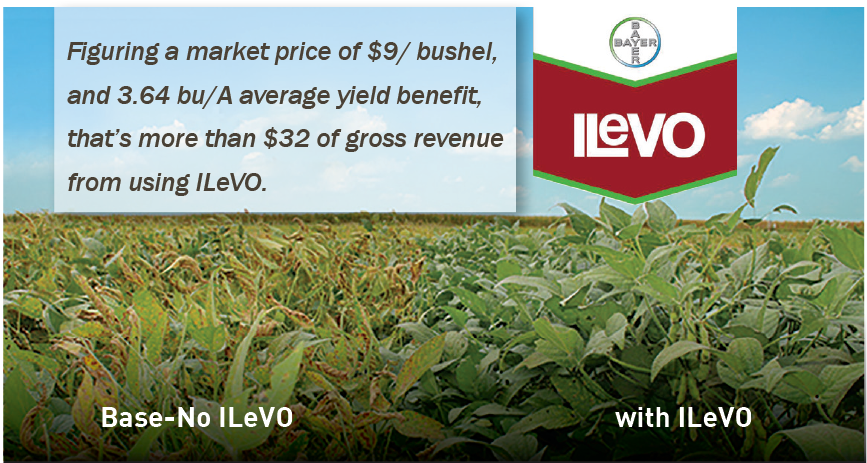
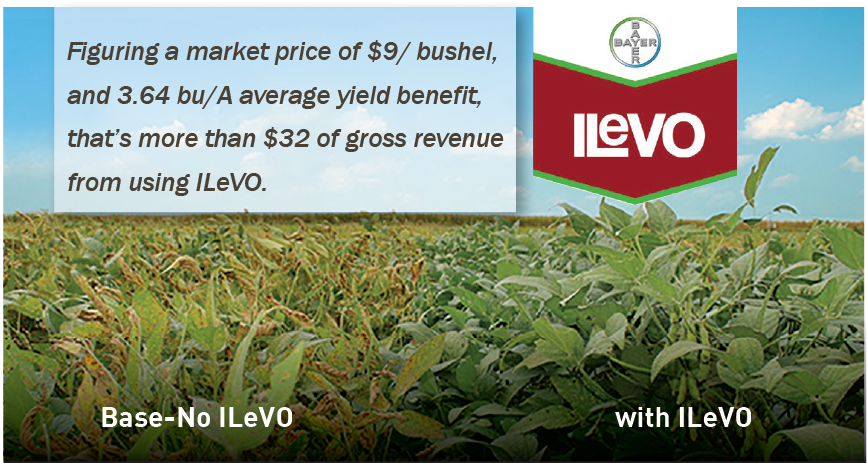
    • Employ ILeVO®. The most exciting new tactic for SDS management is ILeVO seed treatment from Bayer CropScience. Numerous university trials have shown IleVO effectively reduces SDS severity and protects yield.  Latham’s own research across 26 locations in 2016 showed an average benefit of 3.64 bu/A, which easily pays for the cost of the treatment.(See the January 2017 issue of TECHtalk for more details.) Other seed treatments claim efficacy on SDS, but university research shows the level of effectiveness from thiabendazole products like Mertect® are not quite as good as what ILeVO shows.

    If Sudden Death Syndrome is a potential problem in your area for 2016, do all that you can to limit its effect in the future.  Feel free to call me if you have any questions.

    lLeVO comparison

    Webspec Admin

    February 8, 2017
    Agronomics, Crop, Disease, Soybeans
  • Latham Hi‑Tech Seeds

    Four Ways Latham Seeds Can Help You Maximize Yield in 2017

    LATHAM 0073 JAN17 TECHtalk WEB ARCHIVE

    While fighting blowing snow and bitter wind chills, it’s a welcome relief to think about spring! I know many farmers, including myself, are getting equipment ready for tillage and planting. It’s also a good time to review your seed order.

    I expect most orders were placed with thoughtful consideration of the 2016 results, including university, F.I.R.S.T. yield trials and dealer plots. While this is all important data, keep in mind it represents information that was recorded in one location during one growing season.

    Also keep in mind that on-farm plots might be impacted by variables you would be unaware of unless you walked the plot throughout the growing season. For example, if a sprayer wheel track accidentally ran over part or all of the plants in a row, the yield of that hybrid could be affected significantly. If the wheel track happens to run over part of a row on a check hybrid, that yield reduction would affect hybrids on both sides of the check.

    Two more areas to consider when selecting seed are soil type and disease. Plants respond differently in various growing conditions. It’s also important to know field history. For example, once you’ve had white mold or Sudden Death Syndrome (SDS) in a field, it has the potential to cause yield loss every time you plant soybeans there in the future. That’s why it’s especially important to know how well different brands handle SDS and white mold.

    Be sure to check out our performance in the 2016 F.I.R.S.T. Trials. Latham won a record-setting 42 trials! Our corn program produced 17 first place winners and 199 total Top 10 finishes; our soybean program produced 25 first place finishes and 185 total Top 10 finishes. These stats show just how deep and wide our product line is.

    Latham’s sales and product teams are at your service! Call us at 1.877.GO.LATHAM (1.877.465.2842), and we’ll gladly help you choose the right seed, field-by-field!

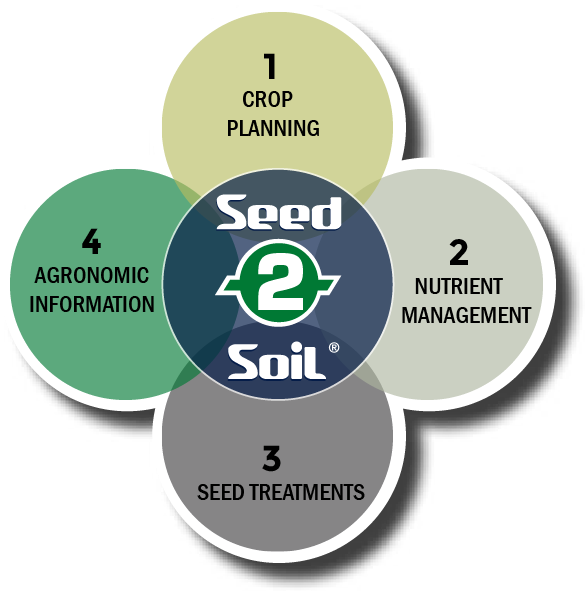
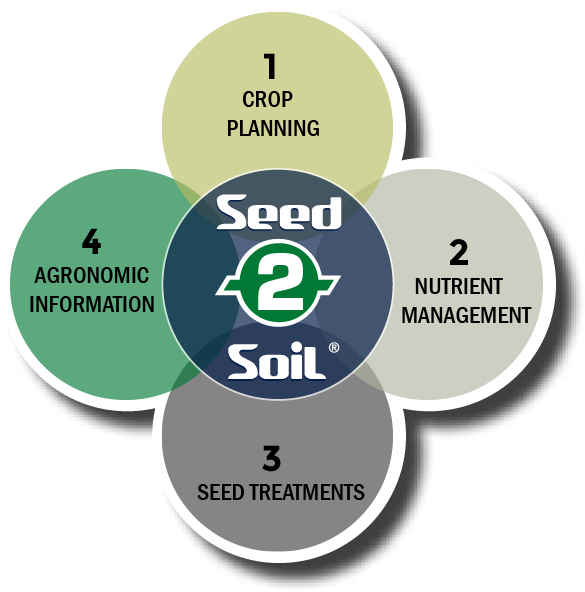
    LATHAM_0073 JAN17_TECHtalk_WEB ARCHIVELatham Hi‑Tech Seeds helps simplify the seed selection process through our Seed-2-Soil® agronomic services. We help maximize your yield potential by focusing on four key areas:

    1. FieldXField crop planning: Your farm management style, equipment and overall production goals, along with our research and performance data for each hybrid, is taken into account when we help you select the best Latham hybrid in each field. Seed placement helps reduce risk and increases your likelihood of top performance.
    2. Nutrient management: Research shows that fertility programs influence plant performance and yield by as much as 60%, so nutrient management includes the use of foliar leaf sampling to help manage micro and macro nutrients. There are 17 essential nutrients for plant development, and each one is important in various amounts. We also look at variable rate planting to help manage populations specific to field conditions and hybrid tendencies.
    3. Seed treatments: It’s important to treat seed with proper fungicides and insecticides to protect your growing crop from insects and diseases. Farmers who invested in seed treatments last year were very glad their crops had extra protection. (See Mark Grundmeier’s column in this issue for specific results.) Research shows that seed treatment is the best defense against disease. Choose a treatment like Latham’s SoyShield fungicide or SoyShield PLUS that is a fungicide-insecticide combination to help protect early-planted seed against the unexpected.
    4. Agronomic information: Latham Seeds provides agronomic tools to help choose the right hybrids. You’ll find loads of information on our blog, TheFieldPosition.com. On our website, lathamseeds.com, you’ll find product tech sheets, seed placement recommendations, and companion hybrid recommendations, as well as yield data from strip trials and unbiased independent third party trial results.

    Webspec Admin

    January 18, 2017
    Agronomics, Crop, Seed Treatment, Soil
  • Latham Hi‑Tech Seeds

    Farmers Have More Options to Fight Weeds

    RRX Crop Syste email header

    Farmers looking for new tools to fight weed resistance across Latham Country now have another option to choose from. XtendiMax is a newly approved herbicide that can be worked into a rotation to help farmers fight weed year after year.

    Just a few short months ago, we received news that Roundup Ready 2 Xtend® Soybean technology was approved for the 2017 planting season and necessary export channels. We are happy to announce that XtendiMax™ Herbicide with VaporGrip™ Technology is now approved by the EPA for in-crop use.

    XtendiMax™ Herbicide with VaporGrip™ Technology can be described as a low volatile formulation of dicamba. This new tool assists in the fight against weeds, enabling the in-crop use of approved dicamba. However, the current EPA label approves the use of this dicamba-only formulation and does not allow for tank mixes with other herbicides or adjuvants, including glyphosate.  This may change as Monsanto and other chemical manufacturers plan to submit data to the EPA for tank mixes.  Growers can go to RoundupReadyXtend.com to view the latest developments.

    The XtendiMax® label has very specific regulations. It is important to read thoroughly and take note of these practices to mitigate migration. I can’t emphasize enough the importance to follow all of these instructions to allow farmers to continue using this tool. A few of the key points include:

    • No application from aircraft
    • No application when wind speed is over 15 mph
    • Application with only approved nozzles at specified pressures
    • Implementation of buffer areas
    • No tank mixes
    • Application timing up to and including the R1 stage of development for soybean.

    While the herbicide still warrants some caution, we are more excited than ever about our line of Latham® Roundup Ready 2 Xtend® soybean brands. Latham customers have come to expect strong genetics and disease packages from our company, and the 2016 F.I.R.S.T. trial tests have confirmed that our Xtend® soybean lineup is second to none!

    This year, we had a total of nine Roundup Ready 2 Xtend® Soybean varieties in F.I.RS.T. trials, with maturities ranging from 0.7 to 3.0. We have won seven Top 1, 2, and 3’s in F.I.R.S.T. Trials, and 28 Top 10’s! Look up area specific soybean data for your area here.

    The future for breaking yield barriers and building on current progress in soybean technology is bright. Latham Hi‑Tech Seeds is positioned to remain on the cutting edge of the newest and best the industry has to offer. While it’s fun winning yield trials, and showcasing new products, it’s more important that we win on your farm. Contact your Latham representative for information on which of these Xtend products might be the best fit for your farm.

    John Latham, President

    December 7, 2016
    Agronomics, Crop, Weed Control
  • Latham Hi‑Tech Seeds

    Research Plots Show Outstanding Performance

    Research Plots 101

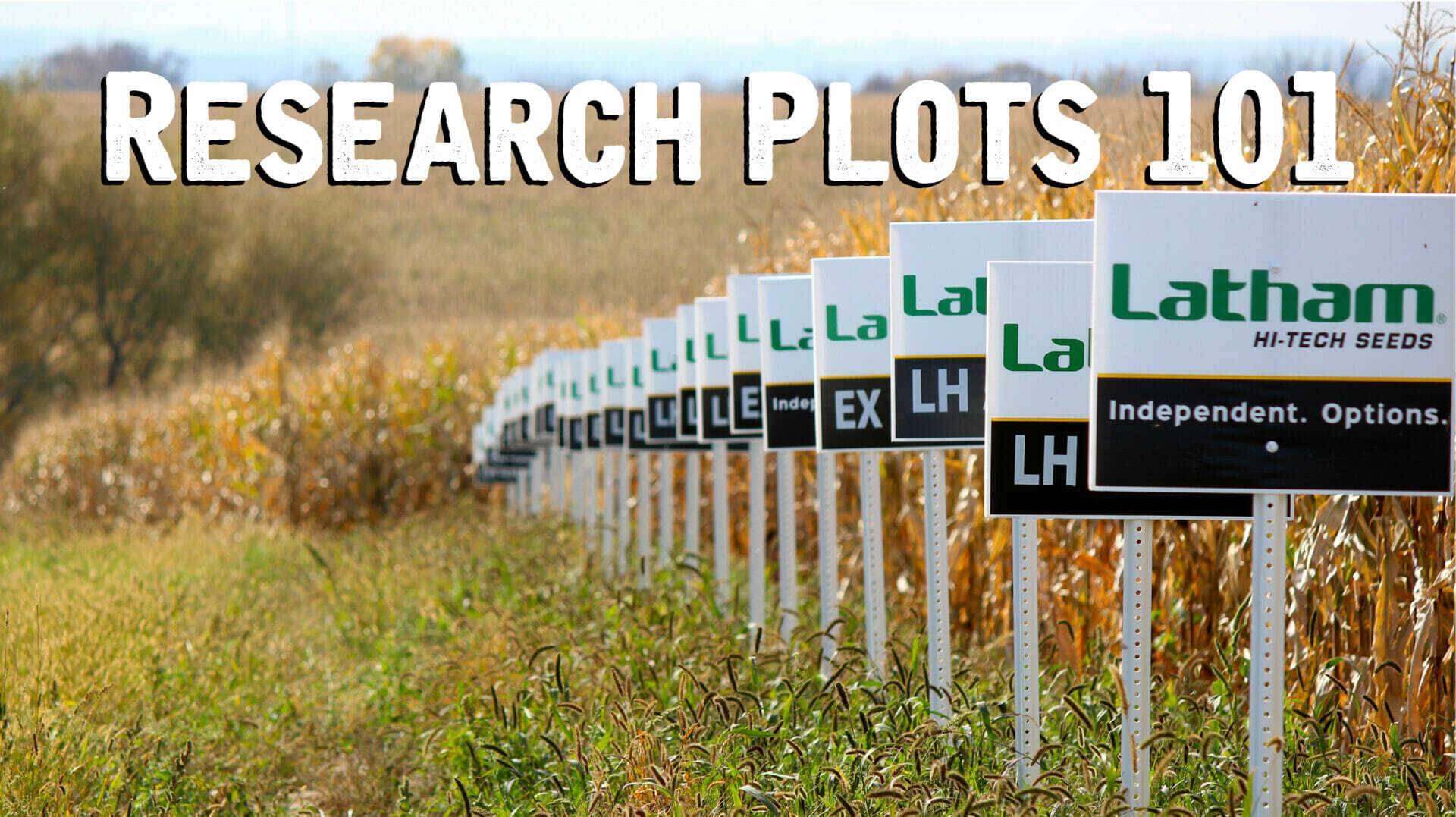
    As a member of the Latham Corn Product Team, it’s my job to walk research plots throughout the growing season and take notes. It’s hard to put into words just how exciting these crop tours have been this fall! The performance of Latham® corn products has been outstanding, so I’m having fun making recommendations for promising new products that could complement our current lineup.

    We not only take these plots to yield, but we also note­ disease pressure. This year we noticed more hybrids than normal with some degree of stalk rot or stalk cannibalization. When cutting damaged stalks lengthwise, I usually found the internal pith tissue was still white and not compromised by disease. They may be shrunken, cracked, or otherwise weakened, yet the stalk rot didn’t invade the plant.

    In high-yield environments, a shortage of nutrients or other weather-related stress weakened the plant by mobilizing sugars or nutrients that were stored in the stalk, and moved them to the ear to help fill kernels. Usually any factor that stresses corn allows pathogens to enter the plant: wet soils, daytime temperatures that are either too hot or too cold, nighttime temperatures that are too warm, flooding, moisture stress, hail, or leaf diseases.

    There are very few (if any) years with ideal growing conditions, so it’s important to scout and manage fields for disease before harvest every year. Stalk rots don’t show up until later in the growing season, so I start scouting for them in August at the same time I am looking for leaf diseases. Early symptoms include dying lower leaves and the plant color appears pale green to gray.

    While there is no one way to eliminate stalk rots and disease, the best management practice is to manage stress on the corn plants including proper soil drainage, proper fertility, plant selection and populations, foliar fungicide, and crop rotations. 

    Webspec Admin

    November 30, 2016
    Agronomics, Crop, Soil
Previous Page
1 … 41 42 43 44 45 … 67
Next Page

Latham Hi‑Tech Seeds

131 180th Street | Alexander, IA 50420

(641) 692-3258

SIGNUP FOR OUR NEWSLETTER
  • Contact
  • Legal
  • Dealer Center
  • Seedware Login
  • Latham Gear

© 2025 Latham Hi‑Tech Seeds. All rights reserved. | Iowa Web Design by Webspec | Privacy Policy

Latham® Hi-Tech Seeds is a trademark of M.S. Technologies, L.L.C., 103 Avenue D, West Point, IA 52656.