Latham Hi-Tech Seeds

(641) 692-3258

  • Home
  • Products
    • Corn
    • Soybeans
    • Alfalfa
    • Corn Silage
    • Seed Guide
  • Performance
  • Find a Rep
  • Media
    • Blog
    • News
    • Videos
    • Podcasts
    • TECHTalk
  • About Us
    • Company History
    • Our Mission
    • Careers
    • Become a Rep
    • Sowing Seeds of Hope
  • Contact Us
  • Latham Hi‑Tech Seeds

    Podcast: Ear Rot

    LIBSYN header 4

    LIBSYN header 2-01

    http://traffic.libsyn.com/fromthefield/Ear_Rot.mp3

    Welcome back! It’s been a wet and cold fall for many farmers in our marketing territory. Today, our Agronomy Specialist, Phil Long, discusses different types of ear rot he has seen in the field and how to plan for the next year.

    Thanks for tuning in and have a safe harvest.


    Webspec Admin

    October 12, 2017
    #AskTheAgronomist, Agronomics, Corn, Disease, Podcast
  • Latham Hi‑Tech Seeds

    Podcast: Stalk Rot

    LIBSYN header 4

    LIBSYN header 2-01

    http://traffic.libsyn.com/fromthefield/Stalk_Rot.mp3

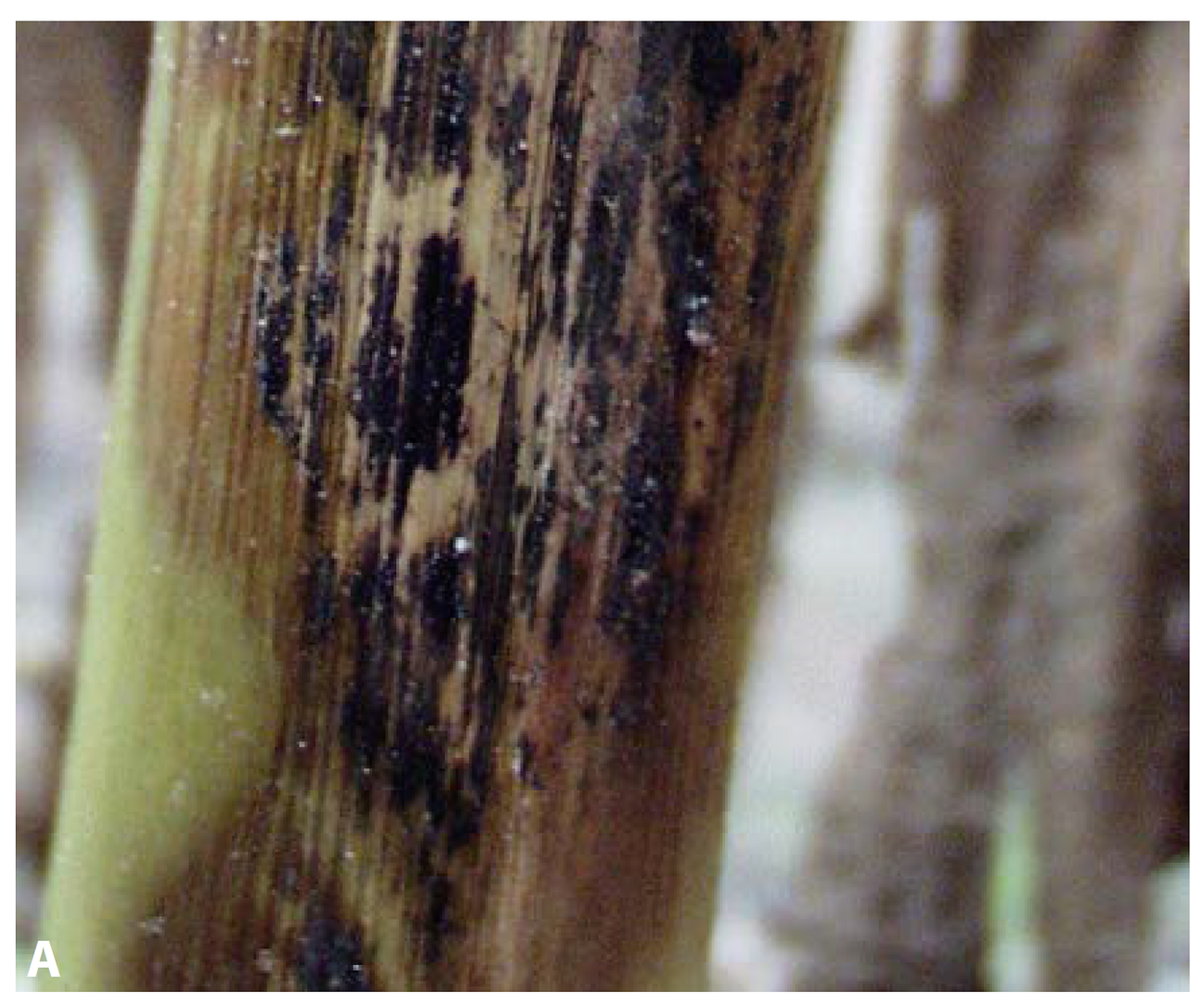
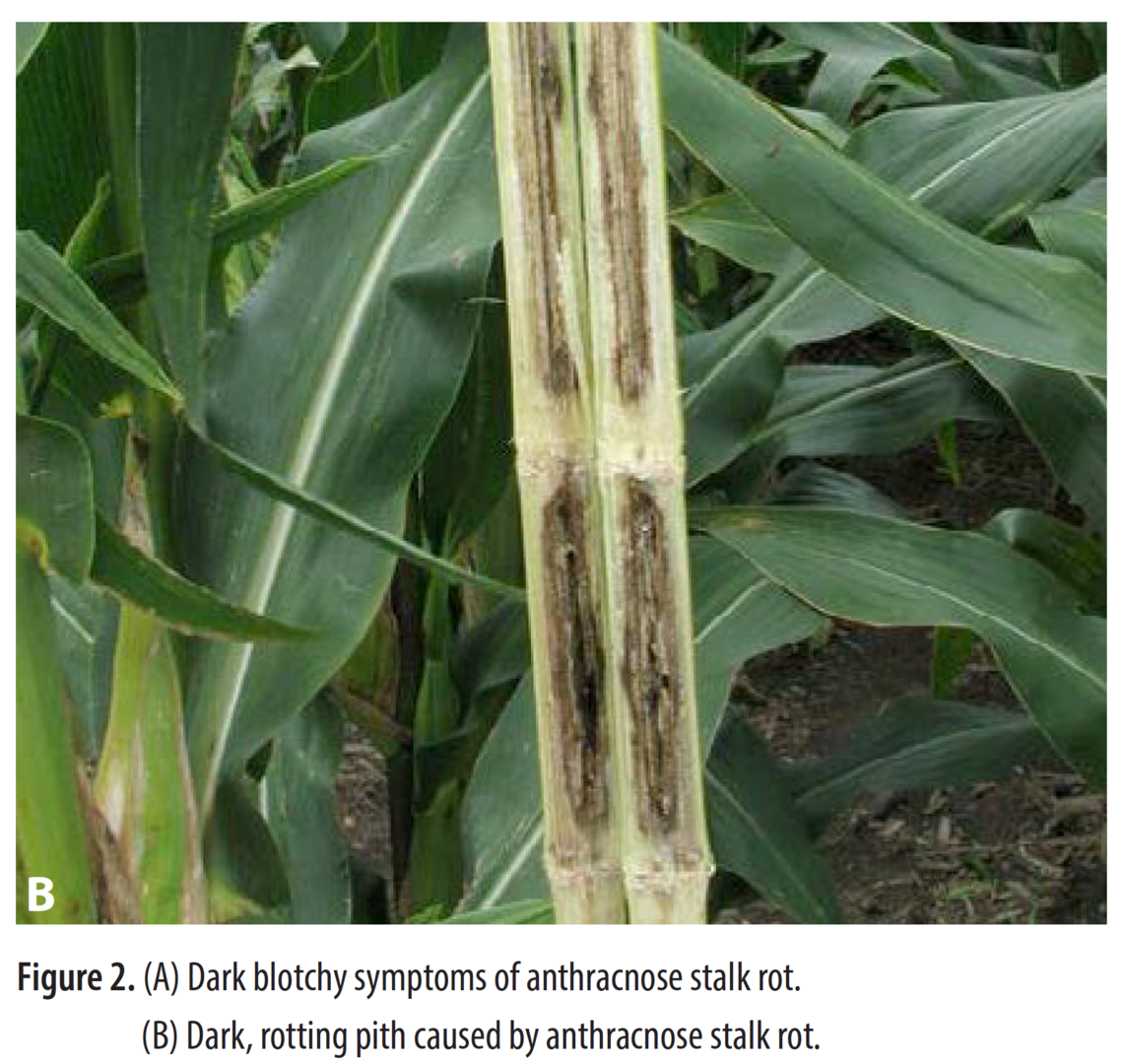
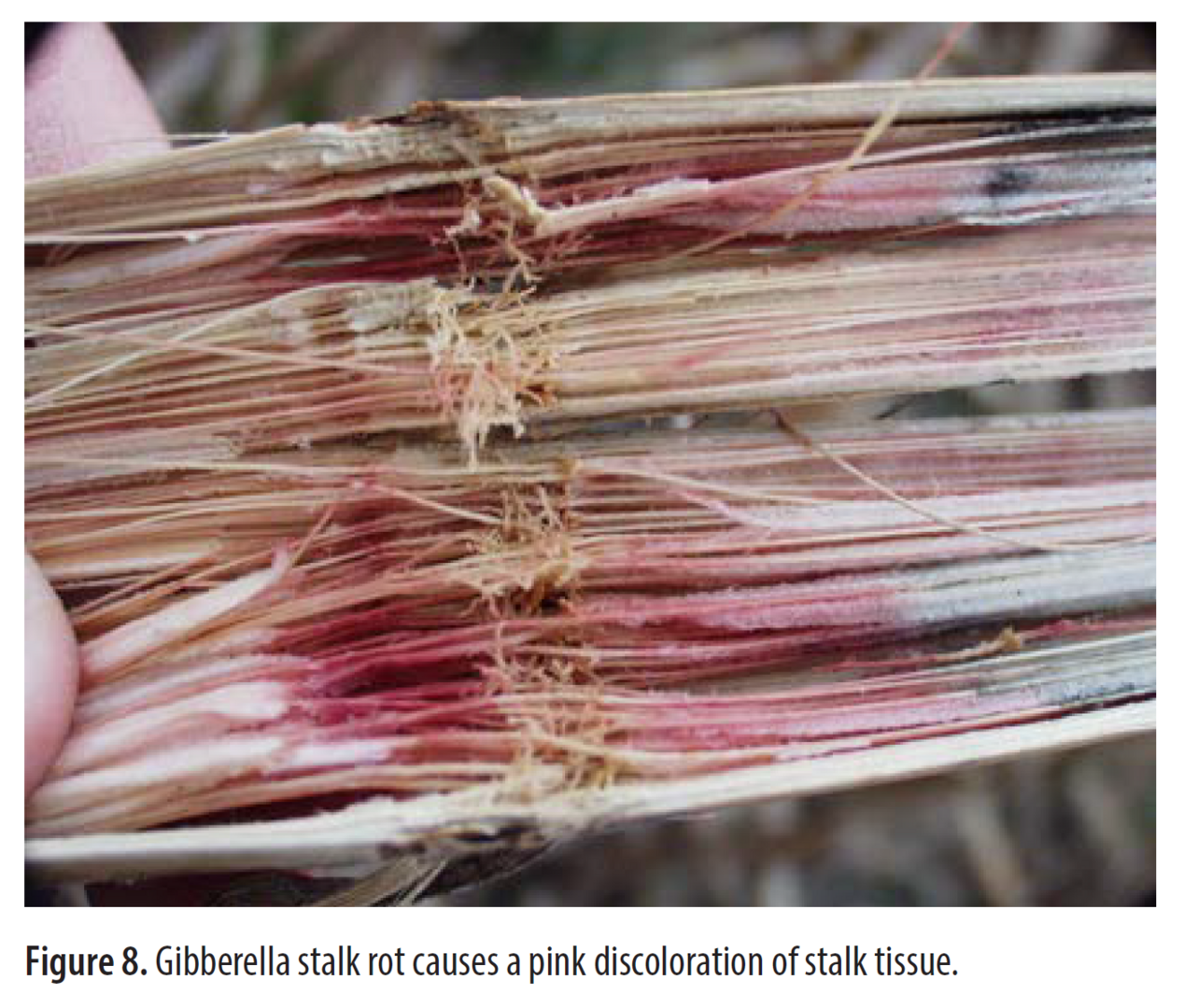
    We know it’s hard to patiently wait for fields to dry up before continuing #harvest17. Phil Long, our Agronomy Specialist, gives advice and shares identifying factors to look for when prioritizing fields. Tune in to hear what he has to say! Below are images Phil refers to in the podcast.

    Screenshot (218)
    Photo sourced from Purdue Extension
    Screenshot (217)
    Photo sourced from Purdue Extension
    Screenshot (219)
    Photo sourced from Purdue Extension

    Have a safe and happy harvest!

    Webspec Admin

    October 5, 2017
    #AskTheAgronomist, Agronomics, Corn, Disease, Podcast
  • Latham Hi‑Tech Seeds

    Podcast: Sudden Death Syndrome vs. Brown Stem Rot

    SDS BSR 01

    LIBSYN header 2-01

    http://traffic.libsyn.com/fromthefield/SDS_vs_BSR.mp3

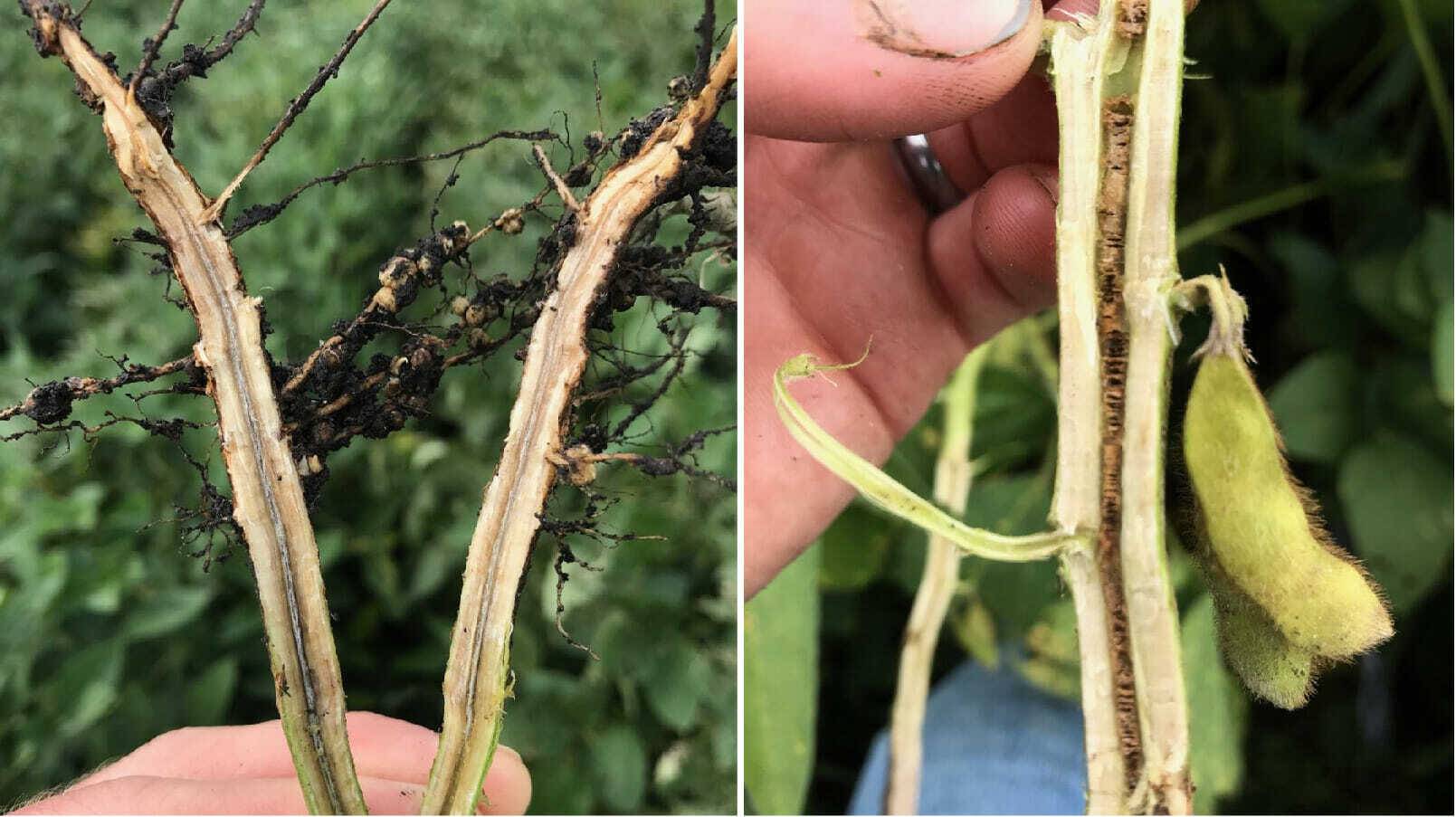
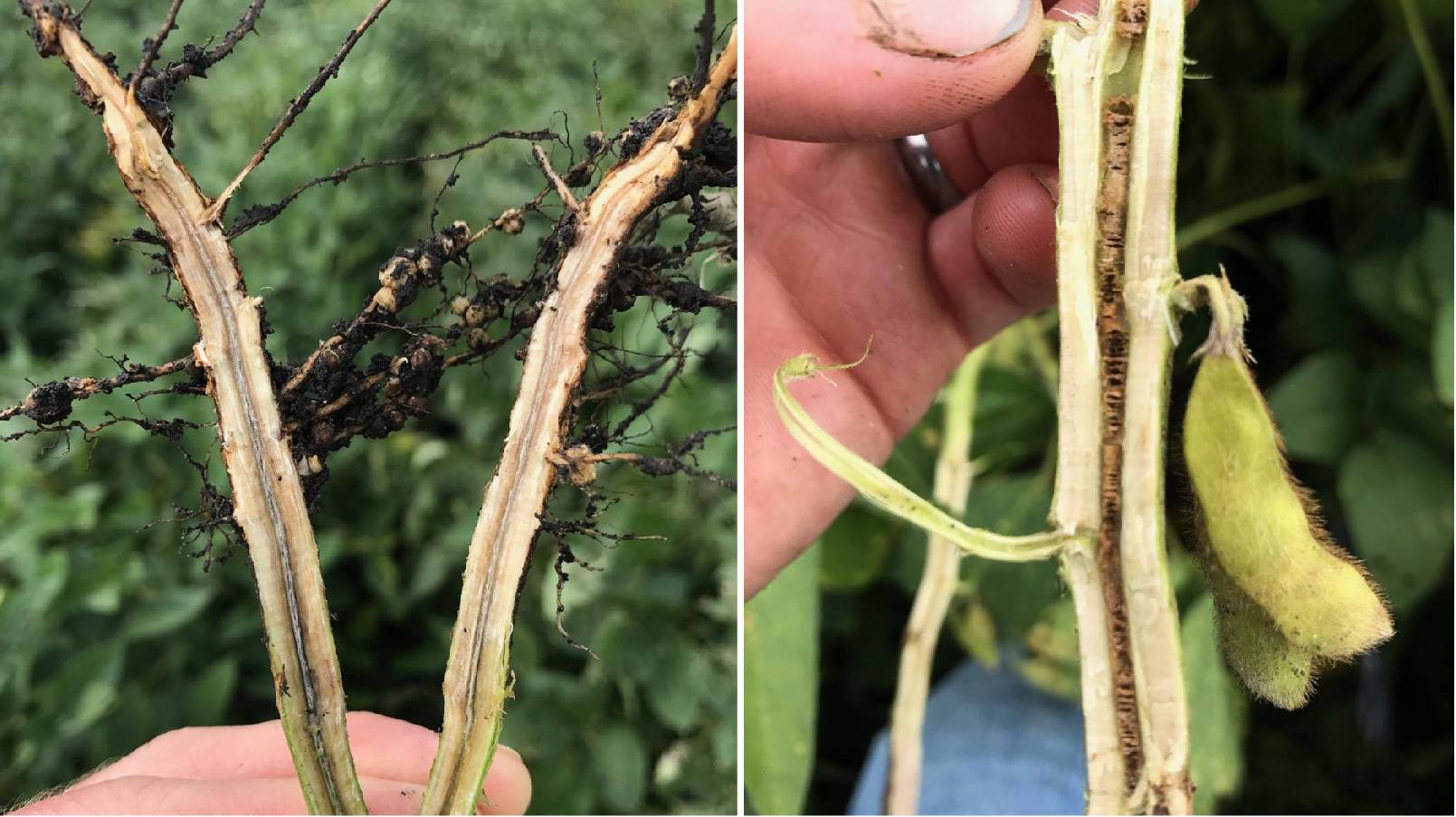
    Phil Long discusses the difference between Sudden Death Syndrome and Brown Stem Rot. Tune in to learn about the identification, life cycle and management practices for both of these diseases. Also, find differentiating pictures of both of these diseases below.

    Thanks for tuning in and find us back here next week!

    SDS BSR-01

    Webspec Admin

    September 7, 2017
    #AskTheAgronomist, Agronomics, Disease, Podcast, Soybeans
  • Latham Hi‑Tech Seeds

    Why You Should Calibrate Yield Monitors

    Feature Tech Tuesday 01

    Tech Tuesday Header-01

    By: Phil Long, Agronomy Specialist

    Let’s start by examining the process a yield monitor performs to capture yield information while the combine moves
    through a field. The GPS receiver on top of the cab pinpoints where each piece of data is coming from; that location data goes to the monitor in your combine to integrate the location with information coming from sensors in the combine. Without correct communication between the receiver and monitor, you cannot record a yield map.

    One of the two main sensors recording data is a moisture sensor, which is typically located in or on the side of the clean grain elevator or in the grain tank. The other main sensor is the mass flow sensor, which is typically located at the top of the clean grain elevator. This sensor translates the impact of the grain into an electrical impulse and uses the moisture to correlate a yield value to that sample of grain.

    Systems installed on modern combines can be very accurate if properly calibrated. Calibration procedures usually require a series of loads (at least 3,000 pounds) to be run through the combine to provide the mass flow sensor with calibration standards. These calibration loads should be different amounts, and at different flow rates or combine speeds, to make sure the mass flow sensor can adjust to different yield conditions. The moisture sensor also should be calibrated; it’s important to calibrate it against an accurate tester.

    There are several other important settings that should be checked before harvest starts: header height stops; flow delay settings; swath width and initial vibration settings for the mass flow sensor. Also be sure field names are in the monitor. This is not an exhaustive list, but it’s meant to serve as a reminder of what to check before harvest begins.

    Major yield map issues that may be fixed before or during harvest are setting the correct flow delays and swath widths. If you are not harvesting with a full header because you are not using assisted steering, then bump your width down by a foot or two; that will make your yield calculation more accurate. Setting the flow delay for how long it takes the crop to begin hitting that mass flow sensor from the time your header is lowered will positively impact data quality. (See image.)

    Screenshot (135)


    Pre-harvest is the best time to look at your yield monitor and settings. Help farmers you work with to calibrate during harvest, so they have quality data to use when making post-harvest decisions.

    Team Latham

    September 5, 2017
    Precision Ag, Tech Tuesday
  • Latham Hi‑Tech Seeds

    Podcast: Weed Resistance

    LIBSYN header 4

    LIBSYN header 2-01

    http://traffic.libsyn.com/fromthefield/Weed_Resistance.mp3

    This week on our Ask the Agronomist podcast, Phil Long discusses the heavy topic of resistant weeds. Tune in a grab a bit on information on resistant weeds overall, as well as in-field action items for the years ahead.

    Thanks for tuning in and find us back here next week!

    Webspec Admin

    August 31, 2017
    #AskTheAgronomist, Agronomics, Podcast, Weed Control
  • Latham Hi‑Tech Seeds

    Weed Management, PART II: The Hows and Whys of Herbicide Resistance

    Feature Tech Tuesday 01

    Tech Tuesday Header-01

    This is the second article in a three-part series, focusing on how to deal with herbicide-resistant weeds. Didn’t catch the first article in the series? Click here to read Weed Management, PART I: Learn from the Past, Look to the Future.

    Plants that develop resistance to herbicides are simply following the age-old process of “survival of the fittest.” This process acts on phenotypes, or the plants in this case, but the unit of inheritance is the gene.

    Different versions of the same gene are called alleles. Individuals usually have two different alleles for each gene. An example of this in humans is blood type, where each parent contributes a different allele to the offspring.

    Therefore, herbicide resistance can be defined as “an increase in frequency of resistant alleles in a plant population after exposure to herbicide selection.” There are three main sources of these resistant alleles: new mutations, immigration and standing genetic variation.

    New mutations are rare and impossible to predict, so there’s really nothing we can do about those. Immigration occurs when a population is found in new territory, such as when Palmer Amaranth invades an area. Immigration also is considered to be fairly rare unless it’s introduced through an outside source.

    The most common source of resistant alleles is from standing genetic variation. We’ve all seen studies of how this can happen. Herbicide is sprayed on a field where there is a high concentration of weeds. Most of those weeds die but a few survive. If not controlled with another method or herbicide, those few surviving weeds will produce seeds that will germinate the following year. If the same herbicide is used that next year, the population can increase dramatically. After multiple years of this practice, a tremendous weed problem exists.

    When waterhemp became a serious problem in Illinois, Dr. Aaron Hager and his colleagues conducted a multi-year study on what factors contributed most to the occurrence of herbicide-resistant weeds. They took into consideration a wide range of factors within four main categories: Management, Weeds Present, Soil Properties and Landscape.

    Three major findings resulted from the University of Illinois study:

    • How close you are to a neighbor who has resistant weeds is not a good predictor of when or if you would have them.
    • Overall management factors have the most impact on preventing weed resistance: How many different herbicides are used; How often pre-emergence herbicides are used; Crop rotation, etc.
    • Herbicide rotation is important, but mixing herbicides with different sites of action makes weed resistance 83 times less likely to occur.

    On the first TECH Tuesday of next month, I’ll further discuss the concept of managing weed resistance by rotating herbicide traits and mixing different sites of action.


    Webspec Admin

    August 29, 2017
    Tech Tuesday, Weed Control
  • Latham Hi‑Tech Seeds

    From the Field Crop Report: August 30

    Greg 2

    Northeast Iowa & Southeast Minnesota

    Craig Haaland

    This week’s crop report is a “mixed bag.” The good news is we’ve received moisture, but temperatures have been cooler than normal. The month of August brought lots of cool temperatures, so let’s hope early September is usually warm!

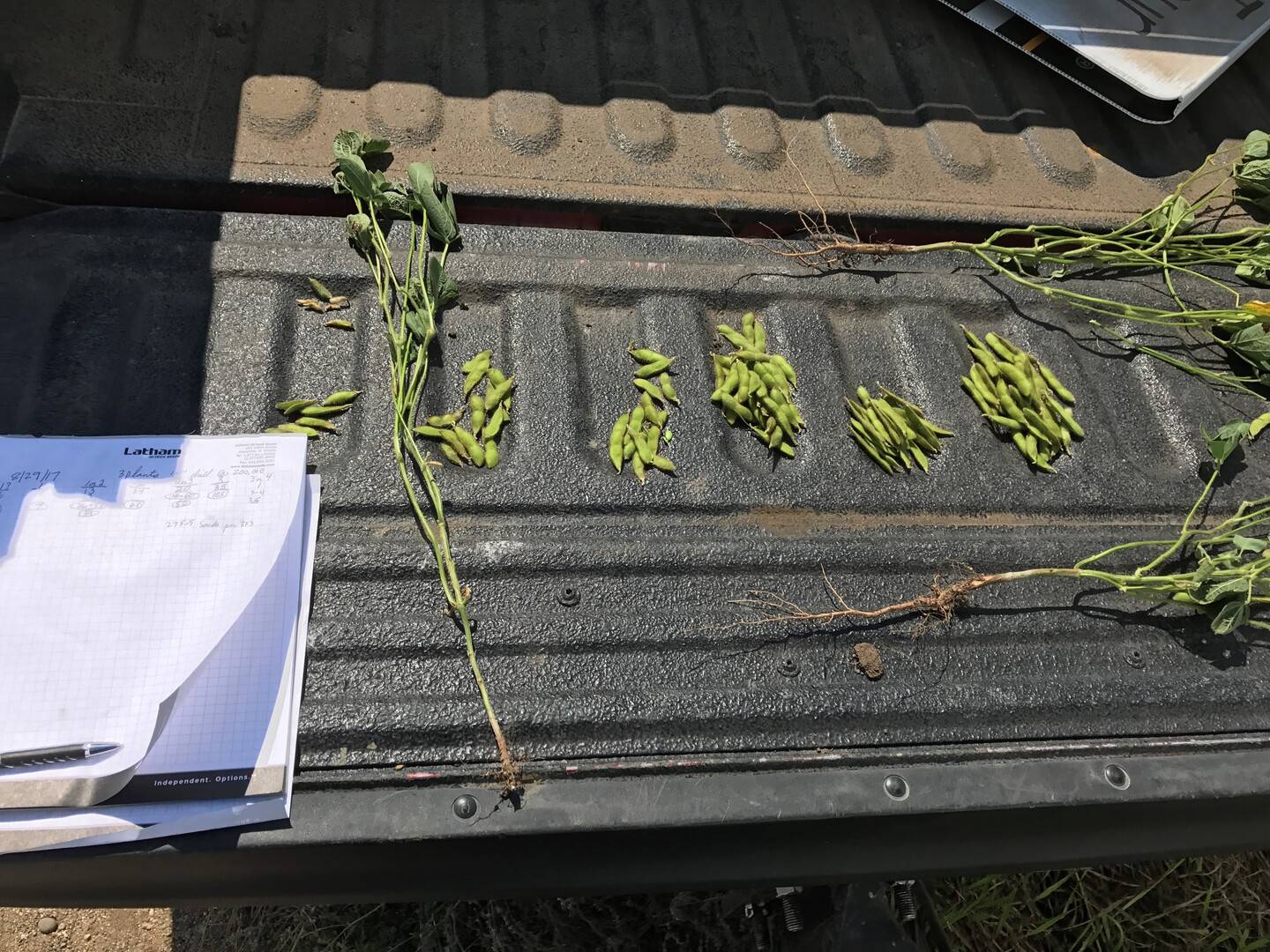
    Soybeans are looking pretty good, but they could really use some heat. This field of soybeans in Mitchell County was planted to our popular L 2084 R2. As you can see, there 4-bean pods in there.

    Eastern Iowa

    Jerry Broders

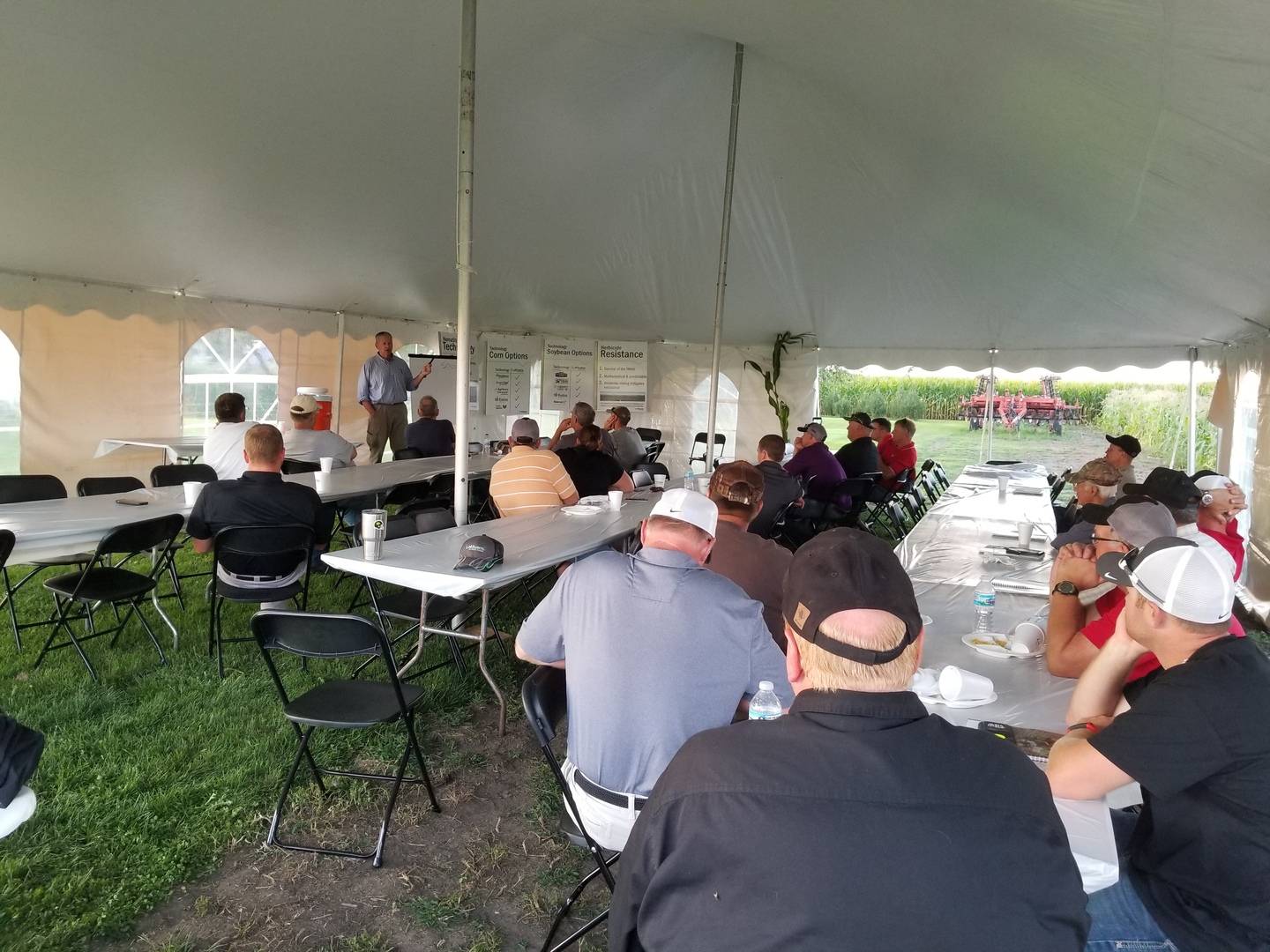
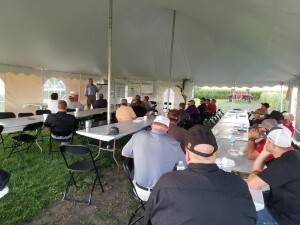
    John McGillicuddy, independent agronomist, addresses the group at our South English, IA field day last night. Thanks John for coming to speak to our dealers and customers!
    Jerry 1

    North Central Iowa & South Central Minnesota

    Cory Greiman

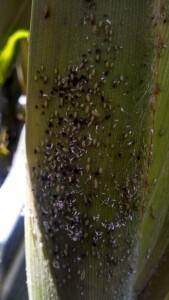
    Scouting crops all season long is especially important because different insect and disease pressures become evident at this time of year. Any type of stress greatly enhances the likelihood of opportunistic insects such as corn leaf aphids, European corn borer and army worm to feed upon plants. This week I noticed corn aphids in a field near Estherville.
    cory

    Central Iowa

    Bryan Rohe

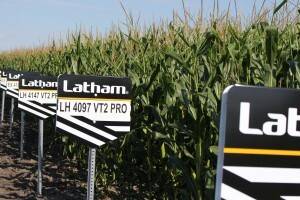
    It’s that time of year when farmers ask themselves what they can do differently to improve yield for the next season. Seed selection is certainly a major factor – some some might argue it’s the most important consideration – to increasing yield. Soil fertility and reducing weed pressure also are among the Top 10 Tips for increasing yield.

    I am encouraging farms to look at hybrids that either have a strong drought score or to plant Genuity® DroughtGard® hybrids from Latham Hi‑Tech Seeds in 2018. The longer you can keep plants alive, the more ability they have to do their job. Health corn dies from the ground up, so I’m sure we’ll see an ROI on fungicides this year due to keeping plants health long enough to finish their jobs.

    Good plant health is also key to increasing soybean yields. Sudden Death Syndrome (SDS) is starting to show up in Central Iowa soybean fields. The time is right to start watching any side by sides with ILevo and without ILevo. Also, it is a good time to make notes for future years seed treatment plans if SDS is showing up in your fields.

    Soybean product selection is key. Prevention is the best defense against SDS. Soybean Cyst Nematodes (SCN) are associated with SDS. The best way to combat SCN is to plant resistant varieties or avoid susceptible varieties. Be sure to keep Latham IRONCLAD™ soybeans in mind when mapping out which varieties will be used on different fields for 2017.

    The time is right to also start noting results from studies using ILeVO treated seed. Latham Seeds’ research staff to conduct 2016 studies using ILeVO treated seed side-by-side with seed that was not treated with ILeVO. We saw an average yield advantage of 3.64 bushels per acre across 26 plots, so ILeVO definitely provided a return on the investment.
    IMG_3317

    West North Central Iowa

    Bart Peterson

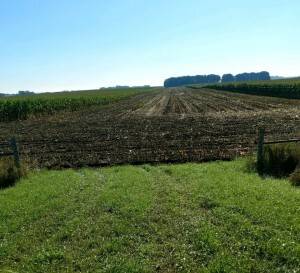
    Silage harvest is underway near Alta, Iowa.

    Producers often ask what the most important characteristics are when selecting corn hybrids for silage or grain. To pick the best hybrids for his situation a farmer should follow 3 basic steps: (1) Consider the end use first; (2) Keep crop rotation in mind; and (3) Minimize yield-limiting factors.

    Click here for more silage selection details from Latham Forage Products Manager Corey Catt.
    Bart 1

    Northwest Iowa

    Darin Chapman

    Latham® Dealer Brian Schafer and his son, Adam, prepare for area farmers to show up to their Latham Hi‑Tech Seeds plot tour.

    Everthing is looking good here in Northwest Iowa. The ear in the center is LH 5505 VT2 PRO, which has looked consistent in Latham’s SuperStrip plots all season long. I’m really looking forward to seeing yield results this fall!

    Western Iowa & Eastern Nebraska

    Larry Krapfl

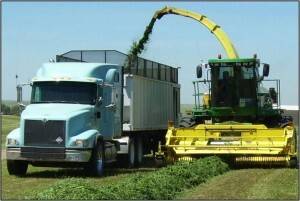
    Last silage crop of the year being harvested near Emerson, Nebraska. Click here if you would like tips for selection corn silage products for next year!
    Larry

    Southern Wisconsin

    Greg Mair

    The Latham Technology Tour stops in Platteville, Wisconsin tonight, Aug. 30. The plot is located at 3775 State Road 80 between Platteville and Cuba City.  Tours are at 5:30 and 6 pm.  We’re excited to offer our customers so many options in our lineup for 2018!  We would love to see you there.

    Despite not having the desired heat units, the corn is still moving along.  LH 5245 VT2 PRO appears to have great yield.  With ears of 16×33 and 16×36 planted at over 36,000 plants per acre (ppa), it’s sure to catch your eyes this fall.

    Eastern North Dakota

    Brian McNamee

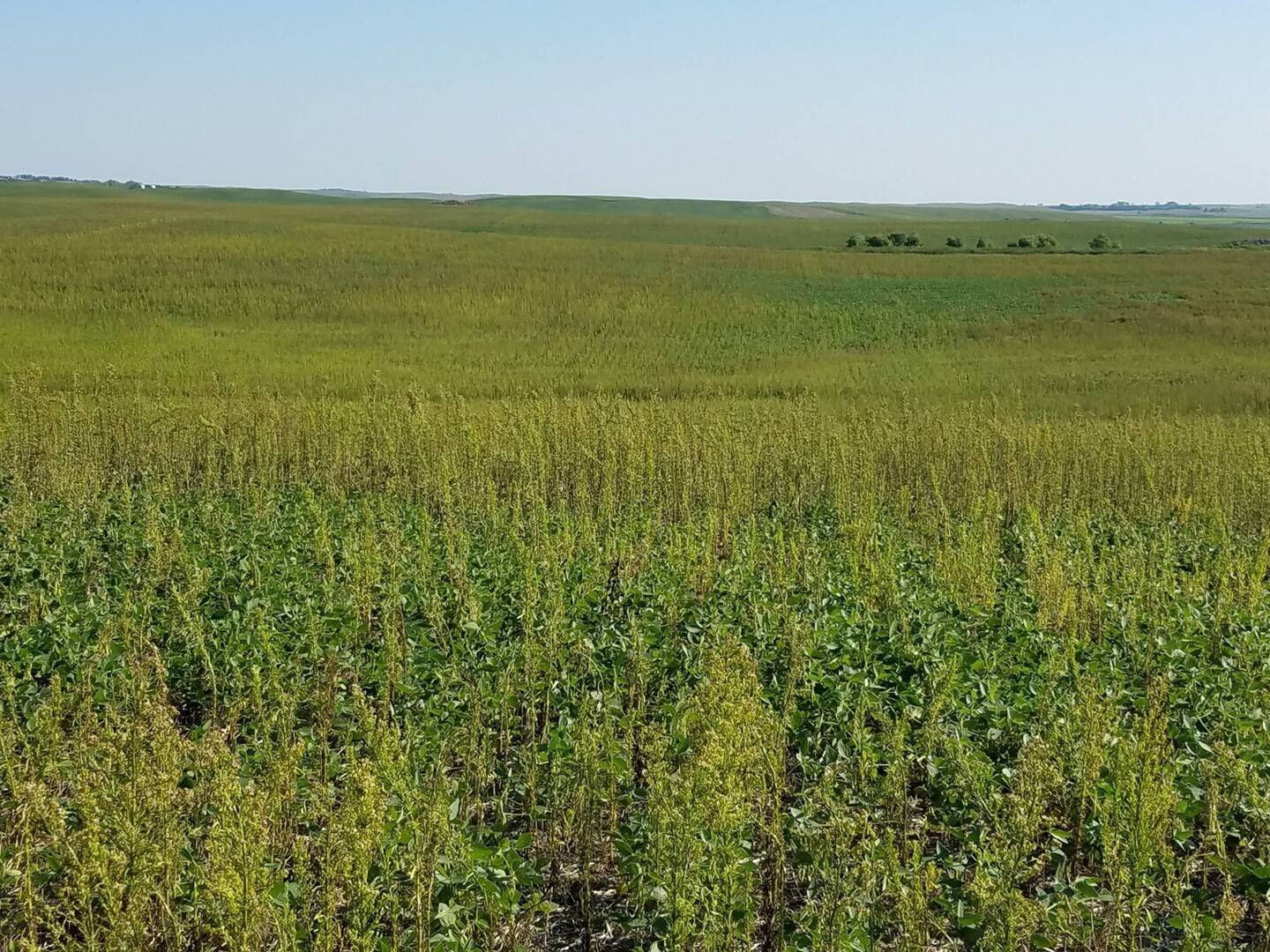
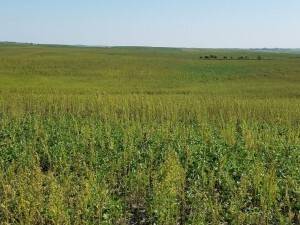
    Is this some new type of nurse crop?

    This season, across my territory in North Dakota, I have been taken aback by the number of semi-resistant or fully-resistant weeds I have been seeing. I had no idea that marestail was as bad as it is and spread so far west. This particular field is the worst infestation I have ever seen. You can just barely make out the soybeans planted in this field.

    A full grown marestail can have upwards of 200,000 seeds per plant. Just think of how many seeds are in this field… Crazy!

    This year was the perfect storm for these issues to arise: pre-emergence not working; droughty conditions with slow and poor seed emergence; and periods of late-season rains that produced flushes of all weeds.

    This now has the potential to be an epidemic problem not only for this farmer but all the adjacent landowners, as well. It’s going to be a challenge and will have to be monitored especially closely.

    Herbicide rotation is important, but mixing herbicides with different sites of action makes weed resistance 83 times less likely to occur. Click here to learn more about weed management, including how and why herbicide resistance occurs.
    Brian

    Southeast North Dakota

    Gary Geske

    Despite very dry conditions on the Red River Valley, the corn and soybean plots we viewed at the plot day are still in good condition.

    Geske

    Northeast South Dakota

    James Keltgen

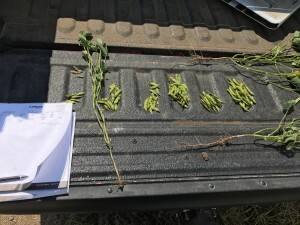
    Another widespread rain event this week will benefit the crops. Early corn is denting and converting to starch. Soybeans are filling pods. Early soybeans are beginning to yellow, signaling harvest just around the corner.
    James

    Southeast South Dakota

    Ramie Coughlin

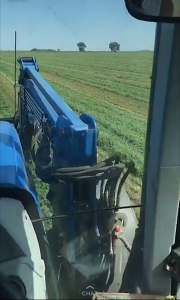
    With all the rain we’ve been getting, growers are getting a nice 2nd and some 3rd cuttings of alfalfa and hay.
    Ramie

    Northern Minnesota

    Ken Highness

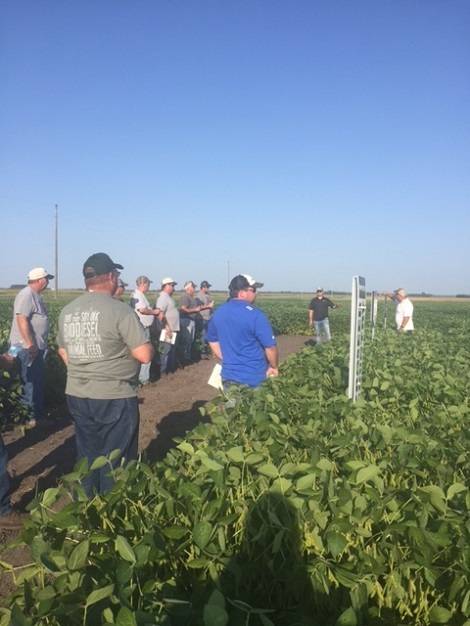
    Congratulations to Latham rep Ryan Skaug of M&R Seed for hosting a successful plot day yesterday in Beltrami, Minnesota! The main topics of discussion among growers in attendance was weed management plus corn and soybean technologies.

    Weed management is certainly more challenging! Plants that develop resistance to herbicides are simply following the age-old process of “survival of the fittest.” That’s why seed product selection and herbicide rotation are more important than ever.

    Southern Minnesota

    Brandon Wendlandt

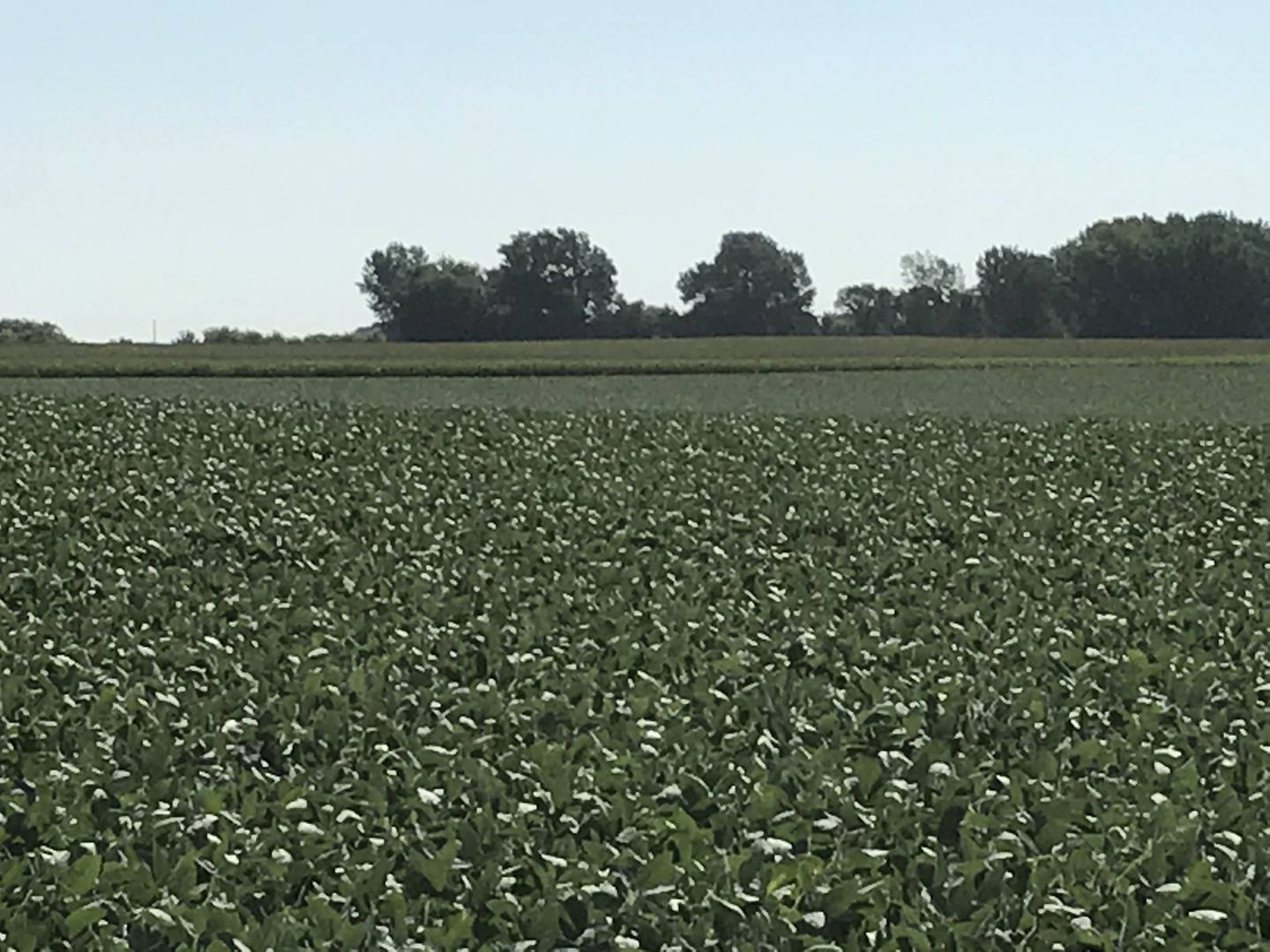
    Latham 2084 R2 is looking great in southern Minnesota! Now is a great time to scouting soybeans for things White Mold and Sudden Death Syndrome. The best defense is a great offense! Be sure to note problem areas and look at disease ratings when selecting future products. Also know that IRONCLAD soybean products are exclusively available from Latham Hi‑Tech Seeds.


    Brandon

    Webspec Admin

    August 29, 2017
    Corn, Insects, Season, Summer
  • Latham Hi‑Tech Seeds

    Podcast: Latham On-Farm Research

    LIBSYN header 4

    LIBSYN header 2-01

    http://traffic.libsyn.com/fromthefield/Research__Field_Days.mp3

    Welcome back to our Ask the Agronomist podcast! This week, Phil and Kilah discuss on-farm research and provide a sneak-peak into the upcoming field days! Tune in for a 10-minute from the field agronomy update!

    Submit your #crop17 growing questions to us on either Facebook, Twitter, Snapchat or Instagram. Thanks for tuning in!

    Webspec Admin

    August 10, 2017
    #AskTheAgronomist, Agronomics, Podcast
  • Latham Hi‑Tech Seeds

    Weed Management, PART I: Learn from the Past, Look to the Future

    Feature Tech Tuesday 01

    Tech Tuesday Header-01

    My college professor in Principles of Plant Physiology said it quite simply, “A weed is a plant that is out of place.” I never thought to ask him just where he felt was the proper place for Waterhemp… or Kochia… or Palmer Amaranth.

    Weeds have been a problem since the dawn of mankind. After Adam sinned in the Garden of Eden, God “cursed the ground” and told him that “thorns and thistles would be produced” because of what he did. (Genesis 3: 17-19)

    Not only were thorns and thistles (i.e. weeds) produced, but they multiply rapidly. Did you know that Waterhemp produces as many as 1.5 times more seeds than most other pigweed species? Waterhemp plants generally produce about 250,000 seeds per plant. Some Waterhemp plants can produce 1 million or more seeds under optimal conditions in noncompetitive environments.

    It’s no wonder weed management is such a challenge! During my presentation at the Latham® Dealer Kickoff meeting last month in Branson, I mentioned that a 90% weed kill rate used to be acceptable. Weed scientists today, however, say we should shoot for a 100% weed kill to prevent resistance.

    Resistance to herbicides results when weeds get sprayed but live through the application. This might happen because of improper rates, improper timing or just due to natural selection. That’s why we must learn from the past to ensure success in the future.

    Herbicides were introduced in the U.S. after WWII with the marketing of 2,4-D. Atrazine was first registered for use in 1959, followed by a succession of products designed to control weeds.

    Farmers in the 1970s and ‘80s didn’t worry about weeds becoming resistant to herbicides being used because all they had to do was visit their local chemical retailer where they’d get the newest and greatest product to try.

    The first herbicide in the U.S. that weeds developed resistance to was Atrazine in the early 70s. The alarm, however, didn’t really get sounded until resistance to Pursuit® and Scepter® occurred. These ALS herbicides were introduced in the mid-80s and weed resistance showed up very quickly.

    When Roundup® (glyphosate)-tolerant soybeans were introduced in 1996, farmers believed they finally had the ultimate answer to weed control. Not only did this new system work, but it was very simple to use.

    Roundup made good weed managers out of bad. Weeds too big before the field was sprayed? No problem… just add a little more! Don’t bother with any of those old herbicides… all you need is Roundup!

    Sound familiar? We were assured weeds would NEVER develop resistance to glyphosate, but it happened. To make matters worse, the “endless supply” of new herbicide products stopped. The last new herbicide group of HPPD inhibitors was discovered in 1986.

    There are 29 groups of herbicides, each with its own unique site of action, according to the Weed Science Society of America (WSSA). At the latest count, weeds have developed resistance to all but three of them.

    It’s been well documented that weed resistance is a growing problem. In next month’s article, I’ll talk in more detail how weeds develop resistance to herbicides. The last article in this series will cover what (if anything) can be done.

    This is the first article in a three-part series, focusing on how to deal with herbicide-resistant weeds. Click here to read PART II: The Hows and Whys of Herbicide Resistance.

    Webspec Admin

    August 8, 2017
    Tech Tuesday, Weed Control
  • Latham Hi‑Tech Seeds

    Podcast: Herbicide Damage

    LIBSYN header 4


    LIBSYN header 2-01

    http://traffic.libsyn.com/fromthefield/Dicamba_ATA.mp3

    Welcome back to our Ask the Agronomist podcast! This week, Phil discusses herbicide damage and helpful indicating symptoms. Tune in for a 10-minute from the field agronomy update!

    Submit your #crop17 growing questions to us on either Facebook, Twitter, Snapchat or Instagram. Thanks for tuning in!


    Webspec Admin

    August 3, 2017
    #AskTheAgronomist, Podcast, Weed Control
Previous Page
1 … 39 40 41 42 43 … 67
Next Page

Latham Hi‑Tech Seeds

131 180th Street | Alexander, IA 50420

(641) 692-3258

SIGNUP FOR OUR NEWSLETTER
  • Contact
  • Legal
  • Dealer Center
  • Seedware Login
  • Latham Gear

© 2025 Latham Hi‑Tech Seeds. All rights reserved. | Iowa Web Design by Webspec | Privacy Policy

Latham® Hi-Tech Seeds is a trademark of M.S. Technologies, L.L.C., 103 Avenue D, West Point, IA 52656.