Latham Hi-Tech Seeds

(641) 692-3258

  • Home
  • Performance
  • Products
    • Corn
    • Soybeans
    • Soybean Blends
    • Alfalfa
    • Corn Silage
    • Seed Guide
  • Find a Rep
  • Media
    • Blog
    • News
    • Videos
    • Podcasts
    • TECHTalk
  • About Us
    • Company History
    • Our Mission
    • Careers
    • Become a Rep
    • Sowing Seeds of Hope
  • Contact Us
  • Latham Hi‑Tech Seeds

    FB Live: Fungicide Application

    LIBSYN header 4

    LIBSYN header 2 01

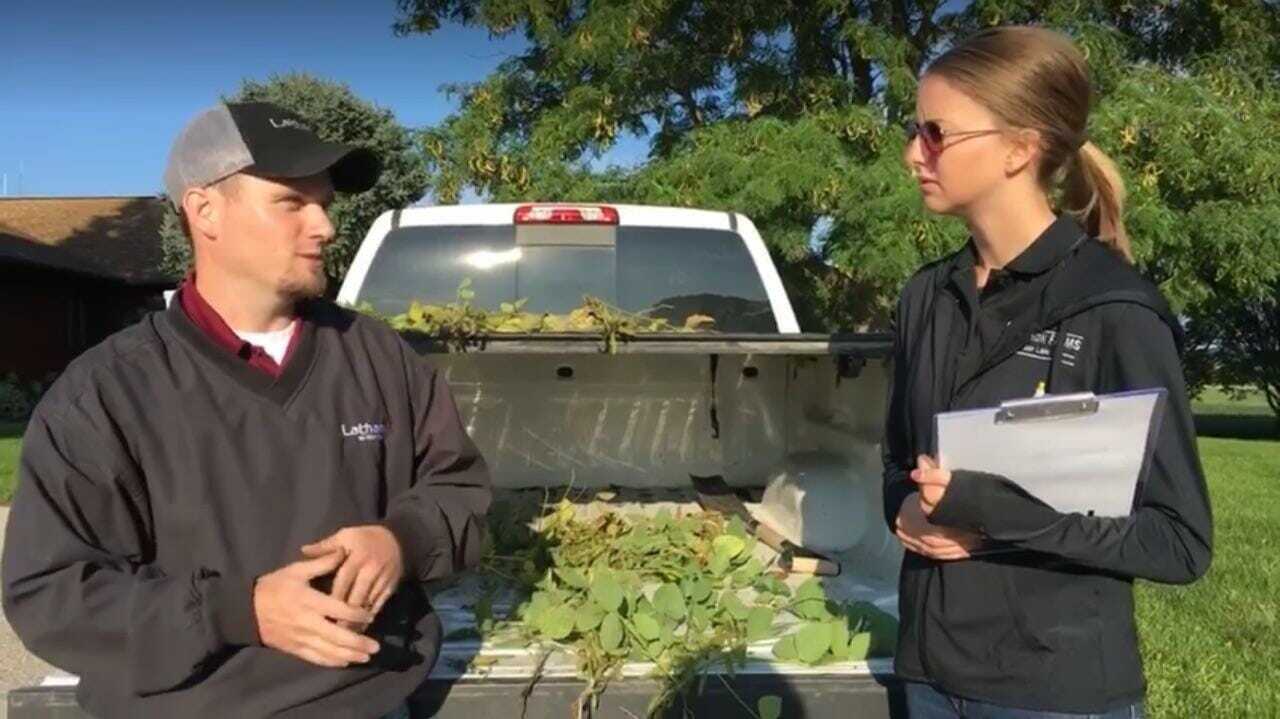
    Tune in for live discussion with Phil Long on fungicide application tips and factors to consider when planning for your 2019 crop year.

    FB Live Video: https://www.facebook.com/LathamSeeds/videos/10156586918247138/

    Laura Cunningham

    July 26, 2018
    #AskTheAgronomist, Agronomics, Fungicide
  • Latham Hi‑Tech Seeds

    DataForward Leads to Better Product and Placement Decisions

    Feature Tech Tuesday 01 1024x598

    Tech Tuesday Header 01

    Our focus remains on providing options for our farmers when it comes to our precision ag offerings. Just like we do with the diversity of our product lineup.

    For farmers who want to invest their own time into working with their data, we will use the Climate FieldView™ (CFV) Platform to help them uncover valuable resources to better their operations. For farmers who want to benefit from using their data but don’t want to spend their own time organizing and analyzing it, we will use our Data ForwardSM Platform. Both platforms provide excellent opportunities for using farmers’ data. The major difference is that one platform is “farmer led,” and the other is “Latham led.”

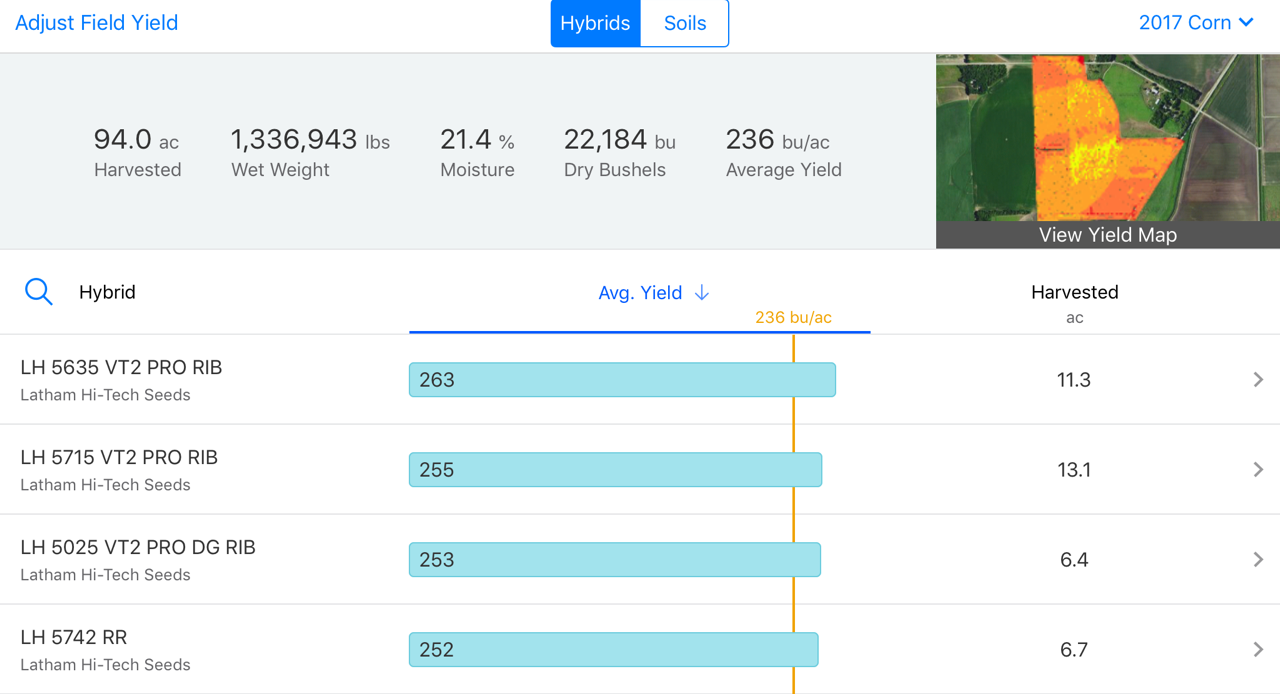
    Data Forward is the approach we take to help customers use their data to increase profitability and to help them make the best product selections for every acre. We typically meet to discuss the soil types, weed pressure or other challenges in each field, as well as management practices used. Data Forward helps us gain insights from their yield data, which can help us understand each field’s productivity on a deeper level. It also helps us select the best genetics and trait package for each acre.

    A key part of our Data Forward program is “Yield Analysis with Insights.” Using planting and yield data, we can analyze yield against many different factors to help with seed placement. One example is looking at yield based on planting date and also using harvested moisture to guide next season’s discussion on particular hybrid maturities and drydown characteristics.

    Dealers can encourage their customers, who are using the Data Forward Platform, to conduct their own on-farm experiments. They might be interested in comparing results from soybeans tolerant to Iron Deficiency Chlorosis (IDC) to an in-furrow treatment for IDC, or maybe they’re interested in conducting a hybrid seeding rate study to find the sweet spot for seeding rates on their farm. These are just a couple quick examples. All farmers think about the best ways to manage their unique challenges in each field, and Data Forward provides a way for both you and them to make better placement and product decisions.

    Data Forward also encompasses our commitment to the quality for which we stand. We work with farmers to collect the best data by calibrating equipment and programming monitors, so they can accurately track the history in each field. We layer all the data a farmer has available, from planting and soil sampling, to spray and harvest operations. It is one thing to use a yield map to make some changes for the next season, but it’s a much more meaningful tool to build quality data over time. By organizing years of data within each field, we can help a farmer gain insights he or she may have never considered by scouting from the truck or combine windshield.

    Data Forward is our approach to helping customers use their data now and to also build that powerful resource for the future. Many farmers may be in the early stages of collecting data, so we want to help them see the benefits of using what they have now. We also want to show them how building their data for a few years can provide valuable insights. We use those data layers to create powerful Management Zones for each field, allowing a farmer to see value from technologies like variable rate seeding or fertility.
    Feel free to contact me at the Latham office if you’re interested in learning more!


    Team Latham

    July 17, 2018
    Agronomics, General, Precision Ag
  • Latham Hi‑Tech Seeds

    FB Live: Japanese Beetles Population Rise

    LIBSYN header 4 1024x576

    LIBSYN header 2 01

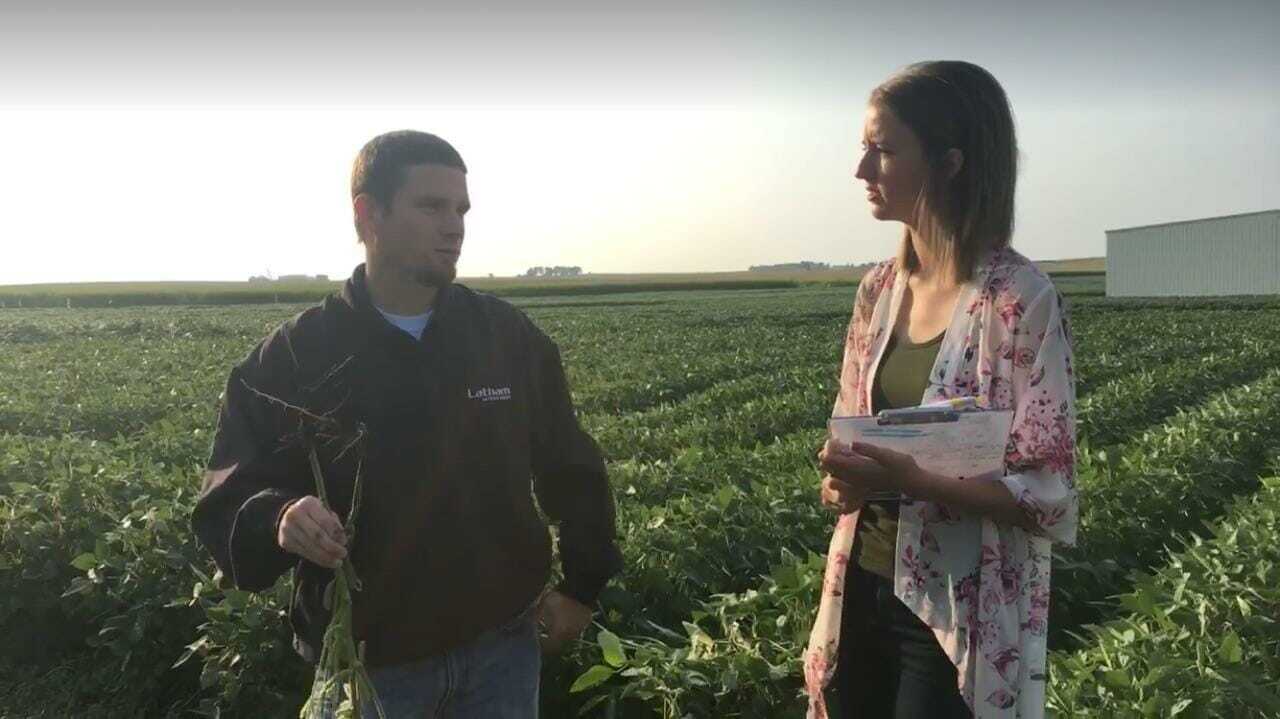
    Japanese beetles populations are settling in across the Midwest. Tune in to learn more about insect control!

    https://www.facebook.com/LathamSeeds/videos/10156551348677138/

    Laura Cunningham

    July 12, 2018
    #AskTheAgronomist, Agronomics, Crop, General, Insects
  • Latham Hi‑Tech Seeds

    Tests Underway with Climate Nitrogen Advisor

    Feature Tech Tuesday 01 1024x598

    Tech Tuesday Header-01

    Nitrogen is mobile in air, water or soil. Because nitrogen moves, it’s a challenge for farmers to keep everything in balance while maintaining profitability. That’s probably why we hear so much about “precise nitrogen management.”

    It seems like everyday we hear about a different way to best manage nitrogen. Universities have moved from the long accustomed Yield Goal approach to Maximum Return to Nitrogen (MRTN), which links corn and nitrogen prices to calculate the best nitrogen rate based on years of data. The objective is to provide a yield increase that will pay for the cost of the nitrogen. Another nitrogen management method involves applying some nitrogen before planting to get the corn started. Then soil or plant tissue samples are taken to determine plant nitrogen levels and to estimate how much nitrogen will be available in the soil for the remainder of the season.

    Yet another nitrogen management tool is sensor technology, which uses artificial light to capture on-the-go leaf reflectance and translates that into values to calculate a product rate for on the-go nitrogen side-dress applications. The Nitrogen Advisor tool available through the Climate FieldView™ (CFV) platform combines extensive weather data with rainfall and temperature information to understand leaching, volatilization or other ways nitrogen may be lost based on timing of application, product being applied, and rates being applied. This sounds very familiar to the 4 R’s of nutrient management: Right Rate, Right Source, Right Placement, and Right Timing.

    The CFV Nitrogen Advisor is based on a model that has been extensively researched throughout the Midwest. Last winter the Iowa Soybean Association released its research, which included replicated trials using the CFV Nitrogen Advisor. Cooperating farmers across Iowa ran the CFV Nitrogen Advisor and used their own personal nitrogen rates as the check. They compared their rates with both adding and decreasing rates of 40 lbs/acre of nitrogen. Nitrogen Advisor topped 7 of the 10 trials, and in some of these trials, it led to $20/acre profit! Where Nitrogen Advisor wasn’t on top, it was within $10/acre in terms of profit of the top performer.

    When profit margins are tight, we’re all extremely interested in getting the best return on our investment. Nitrogen is where we spend most of our fertility budget; we’re experimenting on the Latham Research Farm with the Climate Nitrogen Advisor this season. I invite you to attend our fall field day in Alexander where you will be able to walk through the plot. We’ll also be sharing research results at our post-harvest meetings this fall.


    Team Latham

    June 26, 2018
    Agronomics, General, Precision Ag
  • Latham Hi‑Tech Seeds

    Tests Underway with Climate Nitrogen Advisor

    Feature Tech Tuesday 01

    Tech Tuesday Header-01

    Nitrogen is mobile in air, water or soil. Because nitrogen moves, it’s a challenge for farmers to keep everything in balance while maintaining profitability. That’s probably why we hear so much about “precise nitrogen management.”

    It seems like everyday we hear about a different way to best manage nitrogen. Universities have moved from the long accustomed Yield Goal approach to Maximum Return to Nitrogen (MRTN), which links corn and nitrogen prices to calculate the best nitrogen rate based on years of data. The objective is to provide a yield increase that will pay for the cost of the nitrogen. Another nitrogen management method involves applying some nitrogen before planting to get the corn started. Then soil or plant tissue samples are taken to determine plant nitrogen levels and to estimate how much nitrogen will be available in the soil for the remainder of the season.

    Yet another nitrogen management tool is sensor technology, which uses artificial light to capture on-the-go leaf reflectance and translates that into values to calculate a product rate for on the-go nitrogen side-dress applications. The Nitrogen Advisor tool available through the Climate FieldView™ (CFV) platform combines extensive weather data with rainfall and temperature information to understand leaching, volatilization or other ways nitrogen may be lost based on timing of application, product being applied, and rates being applied. This sounds very familiar to the 4 R’s of nutrient management: Right Rate, Right Source, Right Placement, and Right Timing.

    The CFV Nitrogen Advisor is based on a model that has been extensively researched throughout the Midwest. Last winter the Iowa Soybean Association released its research, which included replicated trials using the CFV Nitrogen Advisor. Cooperating farmers across Iowa ran the CFV Nitrogen Advisor and used their own personal nitrogen rates as the check. They compared their rates with both adding and decreasing rates of 40 lbs/acre of nitrogen. Nitrogen Advisor topped 7 of the 10 trials, and in some of these trials, it led to $20/acre profit! Where Nitrogen Advisor wasn’t on top, it was within $10/acre in terms of profit of the top performer.

    When profit margins are tight, we’re all extremely interested in getting the best return on our investment. Nitrogen is where we spend most of our fertility budget; we’re experimenting on the Latham Research Farm with the Climate Nitrogen Advisor this season. I invite you to attend our fall field day in Alexander where you will be able to walk through the plot. We’ll also be sharing research results at our post-harvest meetings this fall.


    Webspec Admin

    June 26, 2018
    Agronomics, General, Precision Ag
  • Latham Hi‑Tech Seeds

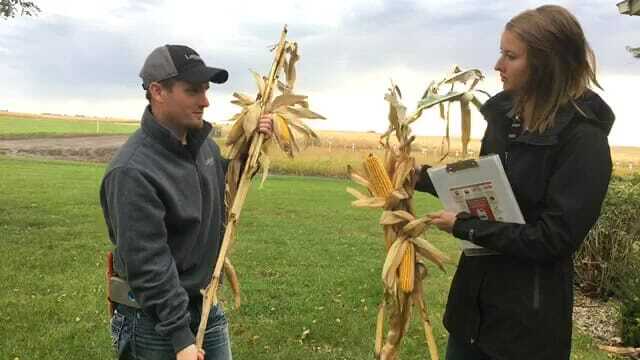
    FB Live: Dissecting a Corn Plant

    LIBSYN header 4

    LIBSYN header 2-01

    Tune in as we dissect a corn plant at its current stage on Ask the Agronomist!

    FB Live Video: https://www.facebook.com/LathamSeeds/videos/10156497920517138/

    Webspec Admin

    June 21, 2018
    #AskTheAgronomist, Agronomics, Corn, Crop, General, Growth Stages
  • Latham Hi‑Tech Seeds

    Quick Tips for Assessing Soybean Stands

    Feature Tech Tuesday 01

    Tech Tuesday Header-01

    The spring of 2018 will be remembered for too much rain and cold temperatures, which all contributed to one of the most challenging planting seasons in recent history. Farmers were concerned about getting their seed in the ground early enough to capture full yield potential, but one must take more than planting date into consideration. Soil conditions at the time of planting and the short-term weather forecast also play an important role in germination and emergence, as many were reminded when they saw poor emergence and weak stands.

    With this in mind, the following guidelines will help you evaluate soybean stands and determine whether re-planting is necessary:

    » PLANTING DATE: In a five-year study completed by Latham’s research team across multiple states, there was no significant yield difference between soybeans planted before May 15. We evaluated planting dates of late April and early May to mid-May. Planting on or before June 1 averaged 95% of expected yield. In fact, yields didn’t drop to the 85% and lower range until soybeans were planted after June 15. These results compare very closely to similar studies done by university researchers throughout our trade territory.

    » PLANT POPULATION: Soybean stands can suffer from a wide variety of problems that will reduce population: hail, disease, insects, cold soil temps at planting time, compaction and planter failures. The biggest problem we find is that stand reductions almost never occur evenly across the field, so farmers must be diligent in scouting their fields and take the necessary time to evaluate their stands properly.

    I recommend taking 10 stand counts in the area with the worst damage and 10 counts in the part of the field that was not affected or affected just slightly. At each point, measure off 10 feet of row and count the number of live, viable plants. You can take the average of your 10 points and compare them to the table on Page 3 to see how many plants per acre you have remaining.

    A stand of 100,000 evenly distributed plants generally gives you optimum yield. Remember that as the growing season progresses, it is much more difficult to establish a good stand of soybeans. This means you might be better off leaving a stand of 75,000 plants on July 1 rather than trying to establish a new population. A stand of 75,000 on May 15, however, seems very inadequate and would warrant replanting.

    Evaluating your stands early will help you identify concerns while there is still time to remedy the situation. If you have questions on evaluating your soybean stands, feel free to contact me or Phil Long.

    Webspec Admin

    June 19, 2018
    Agronomics, Crop, General, Growth Stages, Soybeans
  • Latham Hi‑Tech Seeds

    FB LIVE: Pros & Cons of Rolling

    Ask the Agronomist Feature Photo 01 1024x575 1024x575

    LIBSYN header 2-01


    Is rolling your fields the best option? Tune in to here the pros and cons of rolling.

    FB Live Link: https://www.facebook.com/LathamSeeds/videos/10156478876747138/

    Laura Cunningham

    June 14, 2018
    #AskTheAgronomist, Agronomics, Emergence, General
    Ask the Agronomist, From the Field, Rolling
  • Latham Hi‑Tech Seeds

    FB Live: Volunteer Corn

    LIBSYN header 4 1024x576

    LIBSYN header 2-01

    Tune in to our 50th episode of Ask the Agronomist as we discuss the impacts of volunteer corn!

    Facebook Live Link: https://www.facebook.com/LathamSeeds/videos/10156461584057138/

    Laura Cunningham

    June 7, 2018
    #AskTheAgronomist, Agronomics, General, Weed Control
    50th episode, Ask the Agronomist, From the Field, volunteer corn
  • Latham Hi‑Tech Seeds

    FB Live: Volunteer Corn

    LIBSYN header 4

    LIBSYN header 2-01

    Tune in to our 50th episode of Ask the Agronomist as we discuss the impacts of volunteer corn!

    Facebook Live Link: https://www.facebook.com/LathamSeeds/videos/10156461584057138/

    Webspec Admin

    June 7, 2018
    #AskTheAgronomist, Agronomics, General, Weed Control
Previous Page
1 … 37 38 39 40 41 … 67
Next Page

Latham Hi‑Tech Seeds

131 180th Street | Alexander, IA 50420

(641) 692-3258

SIGNUP FOR OUR NEWSLETTER
  • Contact
  • Legal
  • Dealer Center
  • Seedware Login
  • Latham Gear

© 2025 Latham Hi‑Tech Seeds. All rights reserved. | Iowa Web Design by Webspec | Privacy Policy

Latham® Hi-Tech Seeds is a trademark of M.S. Technologies, L.L.C., 103 Avenue D, West Point, IA 52656.