
Did you know seed placement can affect up to 20% of your final yield? Today Phil Long discusses the WHY behind FieldxField™. Tune in to learn more! #AskTheAgronomist


Did you know seed placement can affect up to 20% of your final yield? Today Phil Long discusses the WHY behind FieldxField™. Tune in to learn more! #AskTheAgronomist
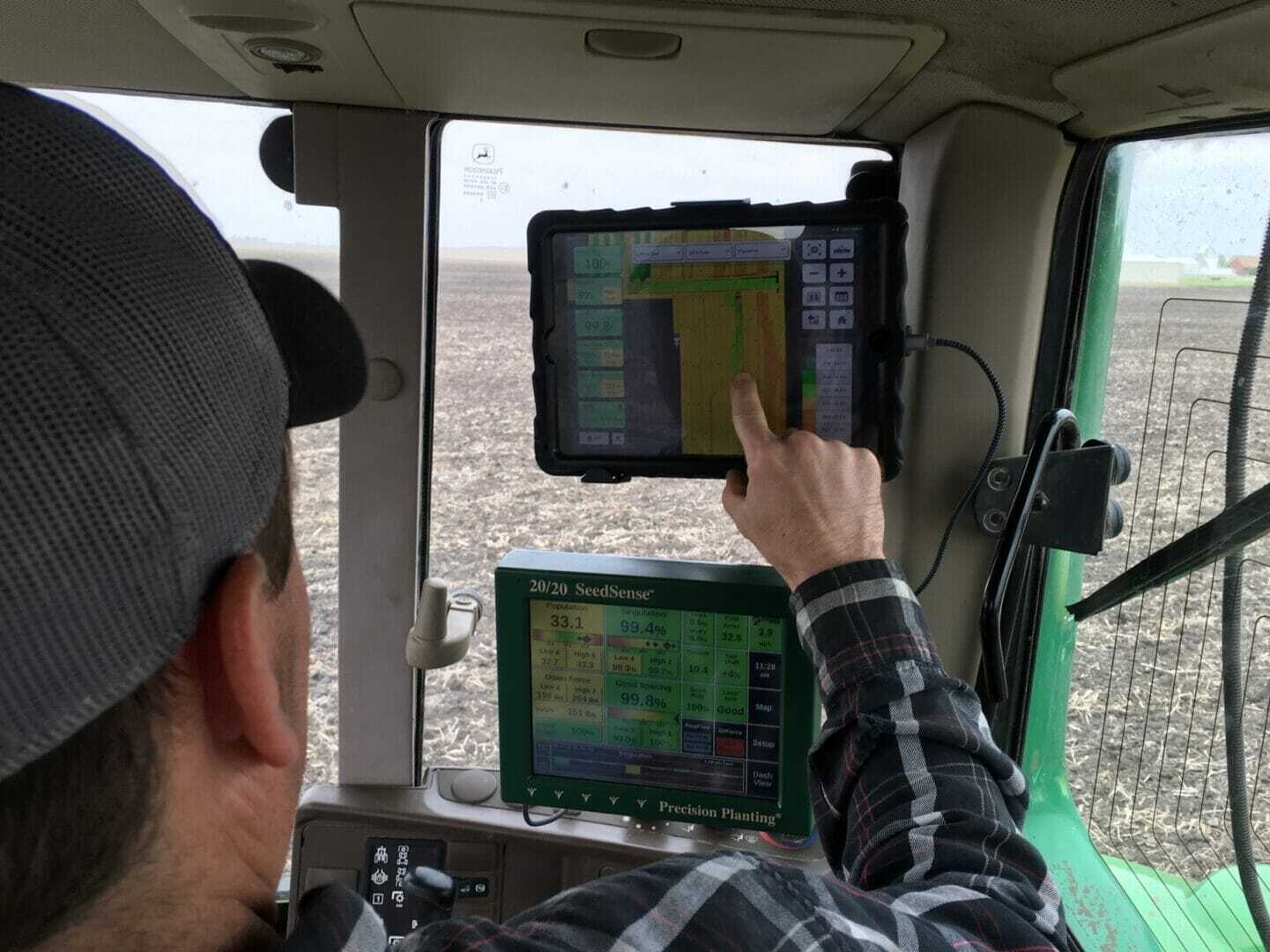
Spring officially arrives March 20, so farmers are busy readying equipment.
Many yield variables are determined at the planter: planting date, seeding rate, planting depth, planting conditions, where to place fertilizer, and especially planting precision (singulation/spacing). Many pieces of the puzzle must come together to give your corn and soybeans a good start, but I’m going to focus on the precision part of planter preparation.
Most farmers begin by thoroughly checking their planter by running units on a test stand. Test all bearings, chains (if applicable), hoses, motors, openers, rows cleaners, etc. to ensure they will last through the planting season. You don’t want to have a needless breakdown because worn parts weren’t replaced.
 Another critically important part of planter preparation is your technology. Make sure all monitor software is current. If it isn’t, this can cause problems with how well it communicates with your planter. Old software can cause functions to glitch or simply fail to work, which is very frustrating in the heat of the battle. Outdated software also may impact how your auto-steer functions. Have your dealer check your monitor for updates because that’s one tool that can reduce operator fatigue during long days during planting season.
Also be sure that field names have been entered, so you can collect data specific to each hybrid or variety. This is pretty simple to do if you’re using Climate FieldView™ as it will prompt you to enter a hybrid once you confirm the field you’re in, or you can pre-load hybrid numbers by field to save time searching or entering them on the go.
If you’re running an OEM monitor in the cab, the biggest challenges are getting to the correct screen on your monitor and then entering the hybrid in the correct box. Some monitors are harder to navigate than others, but this step is important for recording yield data and better managing your operation. A few seconds of work can provide you with “data in hand” come next winter when you’re evaluating products.
“Setup files” for the monitor are really helpful to preload information like hybrids, client-farm-field structure, as well as GPS boundaries for row shut-offs. These files can be loaded into most monitors by creating a setup file in a software program and then transferring it to the monitor by USB stick. This is very helpful for pre-loading hybrid/variety names because they will be available in a drop-down menu, which makes it easy for you to select them. Ask your dealer if your monitor is capable of reading setup files.
One more tip is to print a list of your fields and field names, so you can keep a copy in the tractor cab. If more than one person operates your planter – or if you run more than one planter – then everyone will know which hybrid to plant in each field. Clarification helps save precious time.
If you have any questions, call me at 877-GO-LATHAM (877-465-2842) or email me at phill@lathamseeds.com. You can even ask questions in real time as agronomic information, including precision planting tips, are shared each Thursday during Latham’s Facebook Live broadcast. Check out the videos we post weekly on Facebook. You also can watch archived videos on LathamSeeds.com under “The Field Position” or search our Facebook page for #AsktheAgronomist.


Looking to implement cover crops on your farm? Phil Long walks through a 5-year plan to get started. Tune in below!

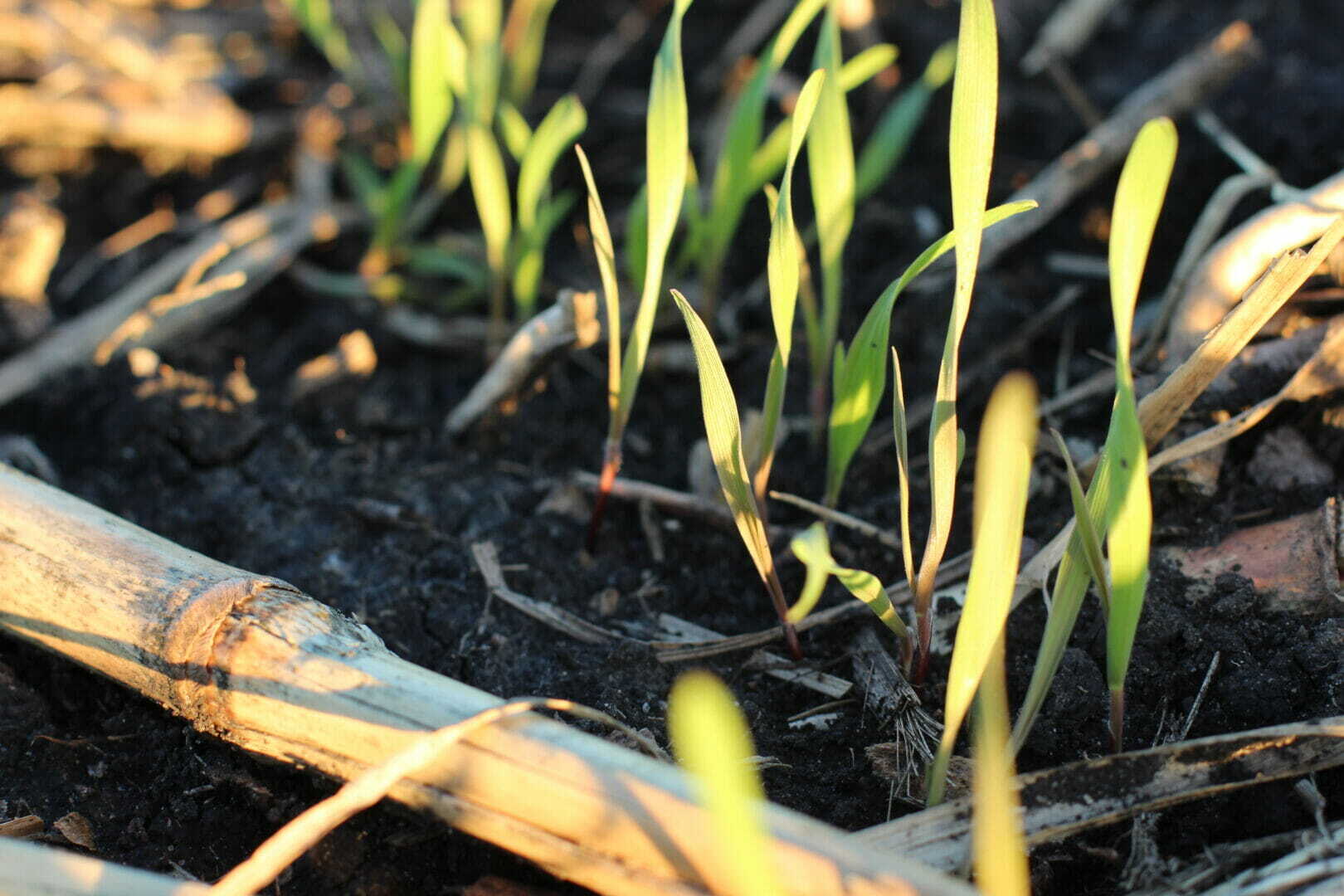
Taking soil samples and then implementing “3 Ps” is key to building soil health: (1) Sample; (2) Plan; (3) Plant and (4) Be Patient. The focus of my post is to provide tips for developing a plan that will leave your soil in better shape for future generations.
In addition to working for Latham Hi‑Tech Seeds, I also work part time in the emergency room and am a paramedic in rural Wisconsin. When a sick patient is admitted to the hospital, a blood sample test is run. Results from this CBC, or complete blood count, and other tests become the foundation on which we develop the best suited treatment plan. This is really a customized approach to treating a situation because everyone is different.
The same is true with soils. Every single soil is unique, and the state of its biological soil health is based on several factors that only soil sampling can truly reveal. Once we have soil sampling results, we have a point from which we can develop the best suited plan.

There are a lot of tests available, but I have found the most useful test is the Solvita soil test by Woods End Laboratories. This test gives an overview of the biological health of the soil. It also actually provides a recommendation of the best cover crop combination to the benefit and build the soil.
If you’re not already doing so, I encourage you this season to develop the best suited plan to start building your soil structure. Start small, so you don’t get overwhelmed. Choose a soil you believe needs the most help. NOTE: Most conventionally-tilled soils could benefit. Use the absolute best soil sampling equipment you can find. Be very diligent in collecting the sample because the data you get back is only as good as the sample the lab receives from you.
Take your time. Enjoy the experience as you embark on a journey of doing something good for humanity. – Corey Catt, Latham Forage Product Specialist
If you plan to interseed cover crops into your existing corn or soybean field in mid-summer, be very mindful of what herbicide you are using because carryover can reduce your cover crop emergence and growth. In particular, the residual of Dicamba herbicide really restricts your cover crop options.
Fact is, you are getting results albeit they are subtle. In many cases, however, the results are exponential when you commit to the plan for years. One Indiana grower found he has increased organic matter (OM) over time. This is huge as increasing OM also increases the water holding capacity in the root zone, which correlates to more yield potential, especially during dry conditions. This grower says he’s gaining about .1% OM every year that he no-tills and uses specific cover crops.
Consider that in 10 years you could gain another 1% OM. Every 1% OM holds about 1 acre inch of rain, which is around 27,000 gallons. Every year you increase the water holding capacity, you improve your chances of higher yield.
We’re all about helping you “grow your legacy” at Latham Hi‑Tech Seeds! Feel free to call me if you’re interested in setting up an on-farm trial for cover crops this growing season. We might even be able to partner with you to try some new products or different rates / seeding studies of existing products. Also note that the 2020 Latham® Seed Product Guide will be distributed in July 2019, so be sure to check out our production offering for Fall 2019 seeding.

Join us this morning as we discuss top populations for top yields! #AsktheAgronomist
https://www.facebook.com/LathamSeeds/videos/316328942324823/
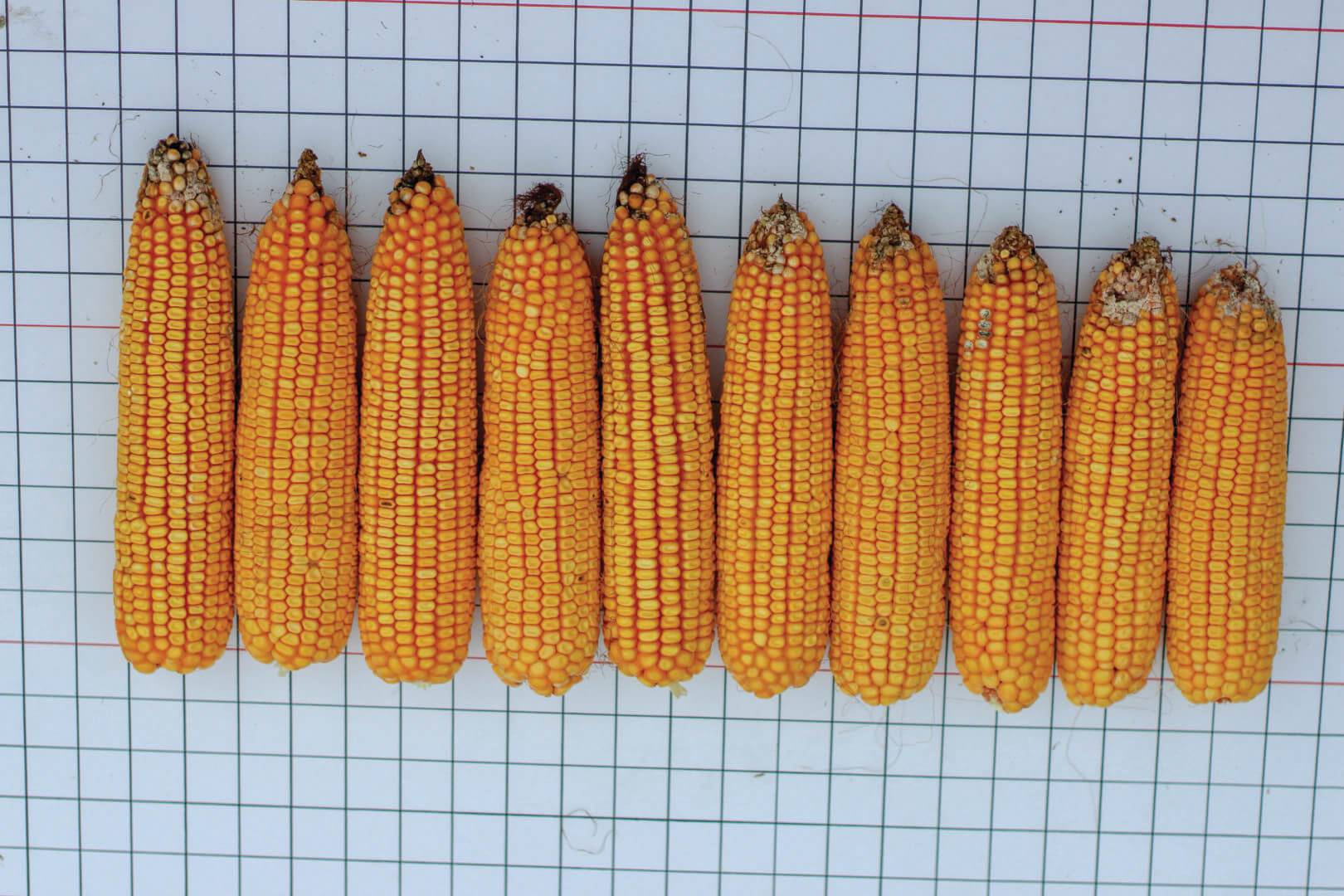
Nitrogen rates can be the most powerful yield influencer when it comes to corn inputs. Other management practices including fungicide, starter fertilizer and seeding rate also can significantly impact yield.
In a previous post, I discussed the results of our Climate FieldView (CFV) study. We compared a recommendation from Climate’s Nitrogen Advisor tool of 135 pounds per acre (lbs/A) total Nitrogen (N) to our typical yield goal (YG) approach of 170 lbs/A total N. We didn’t see significant yield differences between the two nitrogen programs. In this post, I’m going to focus on the other 10% of the
study.
Seeding rates don’t always influence yield as expected because many of our hybrids have outstanding ear flex and the plant compensates for the additional space. Our planting rates were around 31,500 and 37,500 seeds per acre in our study, but weather greatly affected this. Several severe storms hit during the early growing season, and winds of 70+ mile-per-hour hit during the period of rapid growth for most of our corn. Corn fields throughout our area saw quite a bit of greensnap; the corn we planted 10 days later had no greensnap. Unfortunately, timing was not on our side. I took stand counts before harvest. Our final plant stands were 25,000 and 29,000 plants per acre (ppa) for the low and high seeding rates. We had approximately a 4,000-plant difference between the two seeding rates, which made a significant yield difference.
Our CFV nitrogen test had 135 total lbs/A of N yielded 198 bushels per acre (bu/A) at the low seeding rate, and 210 bu/A at the high seeding rate. Our YG approach with 170 lbs/acres total nitrogen yielded 206 bu/A at the low seeding rate and 213 bu/A at the higher seeding rate. We saw both a 12 bu/A and 7 bu/A advantage with the higher seeding rates in the CFV and YG systems. After subtracting the cost for higher seeding rates, the additional yield resulted in additional revenues of $23.48/A (CFV) and $5.80/A (YG). We used LH 5245 VT2 PRO, which has a semi-flex ear. This means that even at the low seeding rate of 25,000 ppa, that hybrid had the late-season ability to flex enough in ear length and kernel depth (weight) to make up for lost bushels. The question is, “Does it pay to plant at higher rates?” It did for us in 2018, but there’s a good chance our results will differ in 2019.


Our nitrogen test didn’t show a yield difference despite the 35 additional pounds in our YG approach. Given the abnormally high amount of rainfall and above-average growing degree units (GDUs) for the season, we likely saw an increased grain-fill period and some additional loss of nitrogen through leaching. Above-average temperatures and good soil moisture means we also likely had higher mineralization rates, so the soil may have saved us because this particular soil organic matter is 5.0 percent.
All things considered, our YG approach won out in terms of revenue this year, but will it hit the mark every year? Consistency is what we want to see when trying to manage such a variable nutrient in the soil. In the future we plan to expand our research on the CFV Nitrogen Advisor tool to bring meaningful information on seeding rates to our dealers and customers.

Looking to buy a drone? Tune in to hear Phil Long walk through steps of things to consider when buying a drone.
https://www.facebook.com/LathamSeeds/videos/2326095090983092/

Our soil is the backbone of every farming operation and a lasting legacy that we will leave to the next generation said Latham’s Forage Product Manager Corey Catt during our Post-Harvest Huddle last month in Wisconsin. It’s up to us to decide if that legacy will be good or bad!
The 2018 growing season was certainly one for the record books. Most of our dealers and customers experienced cool and wet conditions early, followed by rapid growth mid-season, with cool and very wet conditions returning and persisting throughout much of the harvest season. Wet soils after harvest prevented many farmers from doing fall tillage, seeding cover crops and applying manure or Nitrogen. Those who applied fertilizer run the risk of severe compaction and nutrient loss. Those who didn’t apply fertilizer will be “behind the eight ball,” especially if the early spring weather isn’t conducive to drying the soil before fieldwork needs to begin. It can feel like a no-win situation, yet we all know that healthy soils are critical for optimizing yield.
I highly recommend viewing a recently released film by the Soil Health Institute titled “Living Soil.” A press release promoting the film states: “Our soils support 95% of all food production, and by 2060, they will be asked to give us as much food as we have consumed in the last 500 years. They filter our water. They are our foundation for biodiversity. They are vibrantly alive, teeming with 10,000 pounds of biological life in every acre. Yet, in the last 150 years, we’ve lost half of the basic building block that makes soil productive. The societal and environmental costs of soil loss and degradation in the U.S. alone are now estimated to be as high as $85 BILLION every single year.”
For more information about improving soil health and protecting the future of agriculture, attend clinics and seminars. Below is a brief list of upcoming soil and nutrient management conferences that I’ve found:
North Dakota: January 28, 2019
Canad Inn, Grand Forks
South Dakota: January 22-23, 2019
SDSU campus in Brookings
Minnesota: February 19, 2019
Best Western Kelly Inn, St. Cloud
Iowa: February 4-5, 2019
Scheman Building on the ISU campus in Ames
Wisconsin: January 15-17, 2019
Alliant Energy Center in Madison
Illinois: January 22-24 at three different sites –
Princeton, Springfield & O’Fallon
I wish you the best of luck as you prepare for the upcoming 2019 season. Happy New Year!
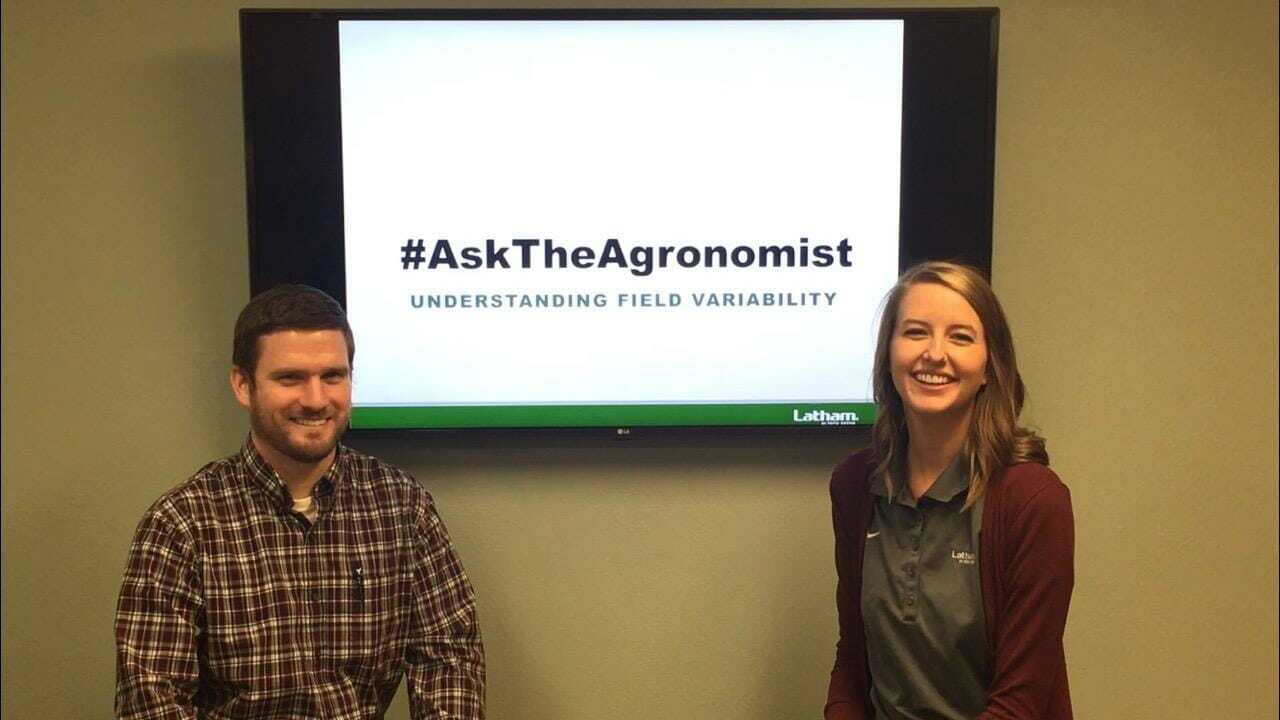
Join us this morning on understanding your yield variability. Phil Long helps us identify the types of variability and importance of knowing the difference. #AskTheAgronomist
https://www.facebook.com/67053282137/posts/10157002779167138/
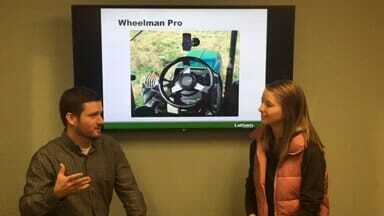
Phil Long discusses a new, affordable auto-steer option! Tune in to hear the unique benefits and advantages with this low cost option.
https://www.facebook.com/LathamSeeds/videos/2285480814819843/