Latham Hi-Tech Seeds

(641) 692-3258

  • Home
  • Performance
  • Products
    • Corn
    • Soybeans
    • Soybean Blends
    • Alfalfa
    • Corn Silage
    • Seed Guide
  • Find a Rep
  • Media
    • Blog
    • News
    • Videos
    • Podcasts
    • TECHTalk
  • About Us
    • Company History
    • Our Mission
    • Careers
    • Become a Rep
    • Sowing Seeds of Hope
  • Contact Us
  • Latham Hi‑Tech Seeds

    Managing Weeds with Various Herbicide Technologies

    Weeds
    By Darin Chapman, Precision Agronomy Advisor

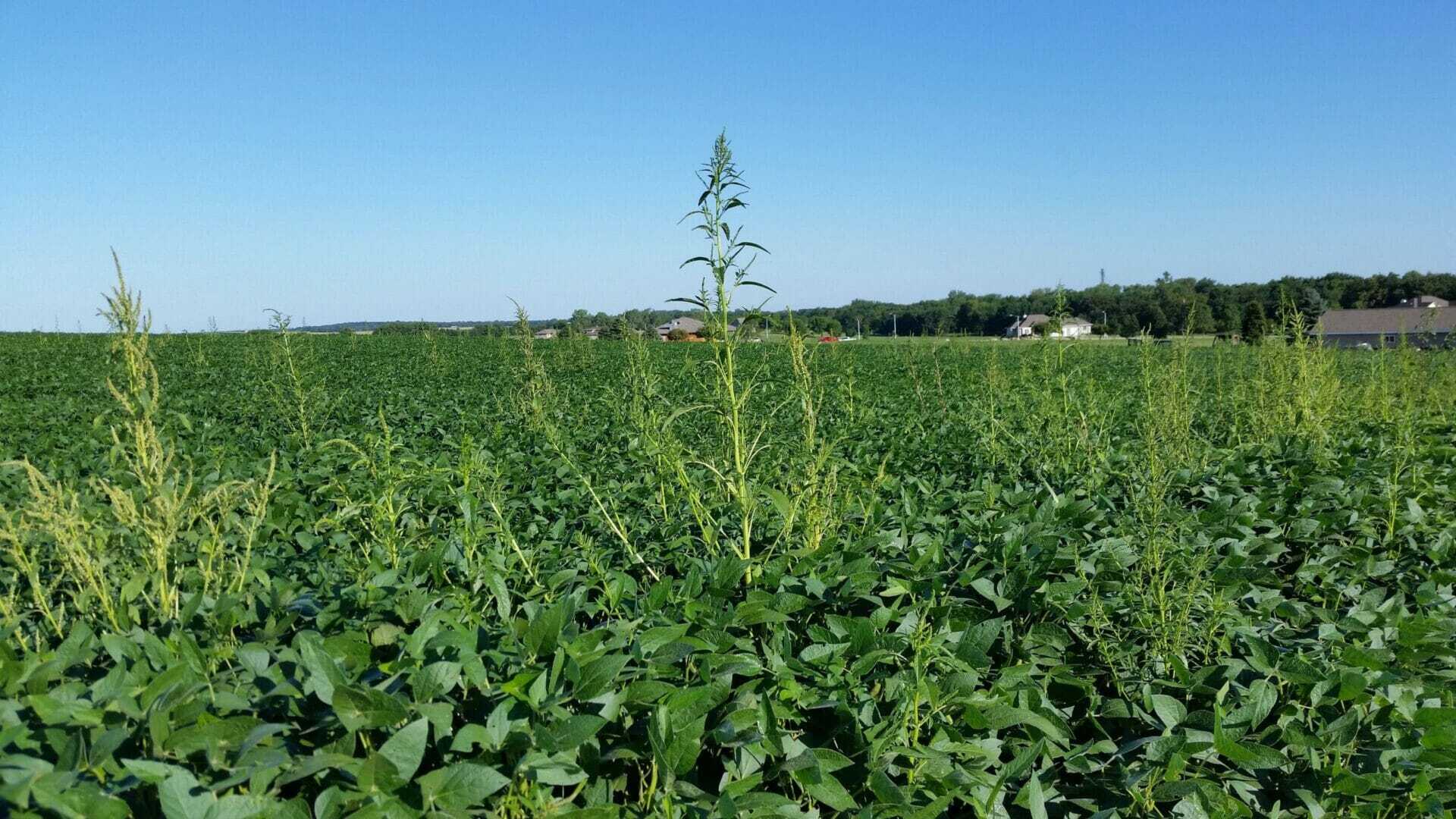
    WeedsOne of the main topics of conversation this season is weed management and herbicides with various technology options. As an independent company, Latham Hi‑Tech Seeds has broad options of trait packages, so it’s good to strategically select which trait option will work best for your operation. 

    Start by looking at the type of weed pressure you have and also consider any insect pressure that needs to be factored into the decision. Then weigh the Independent Options® and their herbicide technologies.

    Latham’s Data Forward platform provides an easy way to keep these options organized within your operation and prevent mistakes from happening during the busy seasons. Below are “organizational options” within Data Forward:

    Crop protection and fertilizer placement

    Staying organized will help ensure there are no mistakes in the busy season. Simply enter your herbicide and fertility programs into your Data Forward app, using your iPhone or iPad. Data Forward helps you track your crop protection and fertilizer program, so your operations run efficiently all growing season long. You can run reports to show a photo of the field and boundaries, total acres, application timing, application method, product type, product name, rates, and total amount of product needed for that field. Your crop protection decisions also will play a large role in your seed decisions.

    Planting recommendation

    Another great tool within Data Forward is the Planting Recommendation tab, which keeps your seeding plan organized for the busy season. Planting recommendation is a great way to assure that your varieties/hybrids get placed on the correct acre at the proper population rates. We understand that sometimes things change in season and the plan doesn’t always come together.  If this happens, it is easy to edit to make these changes in the Data Forward app. You can apply notes to why you may have made these changes for record keeping, which is crucial to your return on investment (ROI).

    Now, more than ever, it is important to avoid any mistakes within our farming operations. Data Forward allows you to keep the 2020 crop plan at your fingertips! Literally, you can work your plan by using the Data Forward app on an iPhone or iPad or using our detailed Data Forward Report book that may be kept in your cab. Reach out to your Precision Agronomy Advisors to learn more!

    Webspec Admin

    April 1, 2019
    Agronomics, Herbicide Technology, Weed Control
  • Latham Hi‑Tech Seeds

    Western Bean Cutworm 

    WBC Purdue University (1)
    WBC Eggs Iowa State University (1)
    Credit: Iowa State University

    The Western Bean Cutworm can dramatically reduce end-of-season corn profit. The Western Bean Cutworm does not cut stalks but feeds on ears, posing as a threat to grain quality and corn yield. The cutworm moths are gray to brown with a wing span of 1 ½ inches. As a late summer insect, moths first emerge in early July and only one generation is produced each year. 

    Female moths lay eggs in whorls just ahead of the pollination stage and will lay an average of 50 eggs at a time. Eggs develop over the course of 5 to 7 days. Eggs will first be white, then become tan as they develop and will turn purple once they are close to hatching. 

    Only a small percentage of eggs typically survive, but larvae that reach full maturity can cause measurable damage to corn.  

    Scouting and Implications 

    Pheromone traps can be used to identify Western Bean Cutworm in fields. When multiple moths are caught at a high frequency, scouting for symptoms should take place. When scouting, focus on fields that are close to shedding pollen and examine 20 consecutive plants in 5 different locations.  

    WBC Purdue University (1)
    Credit: Purdue University

    Western Bean Cutworms feed on leaf tissue and silks as they approach the ear where most of the damage is incurred. The Western Bean Cutworm can be confused with other species of cutworm. The dark brown stripes behind their head that appear during the third instar distinguishes them from other cutworms.  

    The most mature larvae will feed on fully developed ears and can sometimes burrow into the sides of the ear. When scouting, it is important to pull back the husks to fully determine if the cutworms are present.  

    After feeding on the ears, the larvae will drop to the soil and burrow deep underground where they overwinter. It is common for many larvae to feed on one ear at once, increasing the severity of feeding damage. Ears with multiple larvae can exhibit up to 50-60% in kernel loss.  

    An average of one larva per plant has resulted in yield loss of 4 bu/acre in Iowa and Nebraska. Aside from yield loss, damaged kernels are prone to mold growth which reduces overall grain quality.  

    Managing Western Bean Cutworm   

    Managing Western Bean Cutworm should take place close to hatching, just before pollination. Once larvae hatch and move underneath tight leaves surrounding the ear, they become difficult to exterminate. Applying a foliar insecticide is recommended when 5-8% of plants have egg masses or young larvae present but not before at least 90% of plants have emerged tassels.  

    SmartStax, Viptera, and eventually we will have Duracade traited hybrids that provide aboveground protection against Western Bean Cutworm. Though Western Bean Cutworm overwinters, there is no evidence that tillage is an effective way to combat infestation. Be sure to consult with your local Latham representative to design the most effective treatment plan.

    Latham Seeds Precision Agronomy Advisors

    April 1, 2019
    Agronomics, Corn, Crop, Insects, Season, Summer
  • Latham Hi‑Tech Seeds

    Potassium Deficiency

    K Deficiency NDSU
    K Deficiency NDSU
    Credit: North Dakota State University

    Corn and soybeans can exhibit similar signs of potassium deficiency. Potassium deficient corn plants will begin yellowing along the outside edges of their leaves. Overtime, the lowest leaves of the plant may turn brown.  

    Similar to corn, potassium deficient soybeans begin yellowing along the edges of the newest leaves. This yellowing will start on the outer edge of the leaves and work inward. 

    Deficiency Causes  

    Compacted, dry soil can prevent proper potassium uptake and stifle root development, even if soil has adequate levels of potassium. Cool soils can also slow root development, resulting in slow nutrient uptake. 

    Potassium is an essential nutrient responsible for controlling the stomata. The stomata allow the plant to absorb water, carbon dioxide and oxygen. As a result, inadequate potassium absorption can reduce overall yield or lead to stunted growth in corn and soybeans. The majority of potassium uptake occurs four to six weeks after planting, so the effects of potassium deficiency may not be exhibited right away.  

    K Deficiency University of Maryland
    Credit: University of Maryland
    Treatment Options and What to Look For 

    Proper rainfall is the main solution for correcting potassium deficiency in-season. Minimum tillage would help break up compacted soil, leading to proper root development. 

    Applying potassium after planting will not always be effective if the soil is dry since water is still required for proper absorption. However, some positive effects from applying potassium may be seen in the following year’s crop.  

    Potash fertilizer should be applied before planting season in corn and soybeans where results have been the most effective. Sandy soils are associated with the lowest absorption rate of potassium and struggle to retain the nutrient after it is applied.  

    If signs and symptoms do not diminish following rainfall, this may be a sign of potassium-deficient soil. It is advised to apply potassium before planting in order to combat any future signs of deficiency.  

    Latham Seeds Precision Agronomy Advisors

    April 1, 2019
    Agronomics, Crop, Season, Soybeans, Spring
  • Latham Hi‑Tech Seeds

    Phosphorus Deficiency in Soybeans 

    P Deficiency Comparison UNL
    P Deficiency Comparison UNL
    Credit: University of Nebraska

    Phosphorus is responsible for transporting energy created during photosynthesis throughout soybean plants. This essential nutrient is critical in promoting growth, increasing water use efficiency and supporting high yields.  

    It can be a challenge to identify symptoms of phosphorus deficiency. Agronomists at Iowa State University confirm that phosphorus deficiency is less common in soybeans, but it can still present negative results at the end of the growing season without revealing foliar symptoms. 

    Scouting for Deficiency

    Signs of discoloration are the best way to identify phosphorus deficiency. A dark green, blue-green, or purple-green color can be exhibited in phosphorus-deficient soybeans. Discoloration will begin on the oldest leaves and move to younger leaves.  

    Leaf cupping and lesions on soybean leaves are additional signs of phosphorus deficiency. The phosphorus level in the soil can also a key indicator of future phosphorus deficiency in plants.  

    When soils have adequate moisture, signs of deficiency may be more apparent as nutrient uptake is stimulated by moisture. Stunted growth is the most common result of phosphorus deficiency in soybeans.   

    Treatment Options

    As phosphorus deficiency can appear to be asymptomatic, it is important to collect soil samples to capture soil nutrient levels. Once captured, you can decide if additional nutrient application is necessary.   

    If a deficiency appears in season, the best practice is to pull tissue samples to determine the exact cause. Take twenty leaf samples from the newest mature leaf. The leaf is usually 2nd or 3rd from the top. If plants are in early vegetative stages, send in the whole above-ground portion of the plant. Remember, always pull two samples: one from the problem area and one from a healthy area. Correcting phosphorus deficiency in–season is not typically cost effective. Once you determine phosphorus deficiency is the problem, it is best to apply phosphorus in the fall or spring before planting in dry granular form. Contact your Latham or Data Forward™ Advisor to fine tune your fertility in each field.  

    Latham Seeds Precision Agronomy Advisors

    April 1, 2019
    Agronomics, Crop, Season, Soybeans, Spring
  • Latham Hi‑Tech Seeds

    Nitrogen Deficiency in Soybeans

    Soybean Yellowing N Deficiency
    Soybean Yellowing N Deficiency
    Credit: Michigan State University

    Even as nitrogen-fixing plants, nitrogen deficiency in soybeans can be problematic for farmers. Soybeans can fix up to 50% of their own nitrogen while the other 50% is sourced from soil. Root development and soil health are key drivers of nitrogen deficiency.  

    A primary cause of nitrogen deficiency is poor inoculation. Rhizobia – the nitrogen-fixing bacterium responsible for prompting nodulation – cannot survive well in coarse, sandy or saturated soils. Cold and wet soils can also suppress rhizobia activity and reduce nodulation.  

    Soils with low pH can prevent root nodulation and reduce nitrogen absorption Flooding or highly saturated soils can also prevent nitrogen uptake, even if nodulation occurred successfully.  

    Scouting for Nitrogen Deficiency  

    Nitrogen is a mobile nutrient, moving throughout the entire plant. It moves to the newest leaves first, leaving the oldest leaves more susceptible to deficiency. In nitrogen-deficient soybeans, the lowest leaves will appear a pale shade of green or show signs of yellowing. Some leaves will also have dark green veins.  

    Be sure to check nitrogen levels in the soil before R1. As nodules can appear as soon as V1. Check the health of nodules by squeezing them open. If A pink color on the inside indicates that nodules are active and healthy.   

    Treatment and Implications  

    A single bushel of soybeans uses 4.2 pounds of nitrogen. Purdue University observed a 38% decrease in yield from nitrogen deficiency – a decline from 65 bu/acre to 40 bu/acre. Rhizobia population can carry over from season to season and continue to support soybean growth. We advise applying inoculant in fields where soybeans have not recently grown. The inoculant can help to stimulate rhizobia activity and promote nodulation. 

    It is advised to apply 20 to 40 pounds of nitrogen per acre during the R3 growth stage. However, applying nitrogen at planting – especially too much nitrogen – does not increase yield and can actually reduce nodulation. It’s important to determine the best nitrogen application and treatment plan to fit your unique needs. Contact your Data Forard™ Advisor or Latham Representative to discuss your options.

    Latham Seeds Precision Agronomy Advisors

    April 1, 2019
    Agronomics, Crop, Season, Soybeans, Spring
  • Latham Hi‑Tech Seeds

    Iron Deficiency Chlorosis in Soybeans

    Soybean Chlorosis IDC Soybean Research Information Network

    Iron deficiency chlorosis (IDC) is a disorder that appears in soybeans during the early stages of the growing season. IDC can reduce yield and lead to stunting if it goes unaddressed year to year. Every year, farmers lose over $100 million to IDC and yield loss estimates range from 20-30% in severe cases.  

    Soybean Chlorosis IDC Soybean Research Information Network
    Credit: Soybean Research Information Network
    What to Look For  

    Iron is an essential nutrient that supports key plant functions including nodulation, energy transfer and plant metabolism. Iron deficiency can reduce the absorption of other essential nutrients including nitrogen. Deficiency in iron prevents chlorophyll from forming which leads to the yellowing of leaves.  

    In soybeans with IDC, the youngest leaves will begin to turn yellow or white while the veins remain green. Unlike mobile nutrients such as nitrogen or potassium, iron is immobile within the plant. As a result, yellowing and signs of IDC will only be seen on newer growth. Beyond yellowing, severe cases of IDC can cause leaves to turn brown.  

    Causes and Implications  

    Upon testing, soils may have abundant levels of iron, but must be in a usable form. Wet soils, salty soils and soils with high pH (greater than 7.5) will cause IDC to occur as these factors prevent iron absorption. Calcareous or chalky soils are also favorable conditions for IDC.  

    IDC occurs most often in shallow areas that are wet where salts and carbonates have built-up overtime. Under these conditions, calcium particles bind to the soil, making the iron inaccessible to soybeans. Calcium carbonate neutralize acid in roots that is needed to make usable iron. For this reason, soils containing limestone with carbonate levels higher than 5% can make iron insoluble.  

    High nitrates can worsen IDC since absorbing nitrogen decreases the amount of usable iron. Fields with over 100 pounds of nitrogen per acre can be problematic for soybeans and lead to IDC. 

    Treatment  

    IDC cannot be managed in-season. We recommend selected a portfolio of defensive varieties to fight this in your fields. Check our line of Ironclad™ soybeans. Our Ironclad brand has been designed to fight this disorder. 

    Reducing stress levels for soybeans is critical for preventing IDC or worsening its impacts. Other factors including compaction, over-tillage and herbicide injuries can make soybeans more susceptible to chlorosis or lower their chances of overcoming the deficiency.   

    Soybean varieties that are resilient to IDC should be planted, especially if a field has produced soybeans with chlorosis in the past. In addition to selecting the right varieties, planting iron-coated seeds can be a way to combat the onset of IDC. In-furrow application of iron chelate fertilizer can also address IDC.  

    Rotational planting or companion cropping with oats are also solutions for preventing IDC. Intercropping soybeans with oats and wheat can reduce levels of soil nitrates that would otherwise lead to chlorosis. Contact your local Latham Representative to determine a treatment plan that meets your specific needs.  


    Latham Seeds Precision Agronomy Advisors

    April 1, 2019
    Agronomics, Crop, Season, Soybeans, Spring
  • Latham Hi‑Tech Seeds

    Armyworms and Cutworms in Soybeans

    Yellowstriped Armyworm OK State

    Armyworms and cutworms are known to reduce soybean stand and yield by feeding and cutting. Armyworms damage leaf tissue while cutworms clip young plants just above the soil. These worms are differentiated by their appearance.  

    Black Cutworm Iowa State Edited
    Black Cutworm (Credit: Iowa State University)
    Cutworm

    Soybean cutworm species include dingy cutworm, variegated cutworm and black cutworm. Cutworms begin feeding on winter weeds before moving to soybean plants. Cutworms will burrow in the soil surrounding injured plants. Smaller larvae will feed on leaves and larger larvae will cut the plants.  

    Scouting and Treatment
    Dingy Cutworm Purdue U
    Dingy Cutworm (Credit: Purdue University)

    Begin scouting for cutworms at emergence. The most common signs of cutworm infestation are cut plants, discoloration or wilting leaves. Reduced tillage, no-till and corn on corn rotations can make cutworm infestation more likely. Legume cover crops can also attract cutworms. This protective vegetation should be removed from the soil at least two weeks before planting.  

    Mature soybeans are the most resilient to yield loss from cutworms. As advised by researchers from Iowa State University, insecticide treatment should also be applied if more than 20% of feeding damage is observed and larvae are smaller than ¾ inch in length. 

    Yellowstriped Armyworm OK State
    Yellowstriped Armyworm (Oklahoma State)
    Fall Armyworm University of Tennessee
    Fall Armyworm (University of Tennessee)
    Armyworm

    The yellow-striped armyworm and fall armyworm are two popular armyworm species. Armyworms grow to be two inches long and feed on both soybean leaves and pods.  

    Scouting and Treatment

    Typically, only one generation of armyworms can be produced in the Midwest due to their inability to overwinter in the cold. Armyworms like to seek shelter in winter annual weeds and grasses. Poorly drained fields can also be an attractive environment for armyworms to dwell.  

    Applying insecticide is recommended when armyworms are less than one inch. Once armyworms mature and exceed 1 ¼ inches in size, they will stop feeding so it is unnecessary to apply insecticide. Contact your local Latham Representative to assess the best options for treating armyworm and cutworm infestation in your soybeans.  

    Latham Seeds Precision Agronomy Advisors

    April 1, 2019
    Agronomics, Crop, Insects, Season, Soybeans, Spring
  • Latham Hi‑Tech Seeds

    Fall Frost Damage in Corn and Soybeans 

    Soybean Fall Frost – Michigan State

    Frost damage occurs in corn and soybeans when plants are exposed to freezing or below-freezing temperatures. Damage can occur to the plants above and below the soil when temperatures range from 28 to 32°F and colder. Corn and soybean plants exposed to air temperatures below 28°F are often lethal and prevent plants from undergoing full recovery from injuries. The key in assessing frost damage is waiting five days to allow for any potential growth recovery or rehabilitation to occur. 

    Soybean Fall Frost – Michigan State
    Credit: Michigan State University
    Fall Frost in Soybeans 

    Once soybeans begin maturity and already have developed pods, they are most often immune from frost injury. Soybeans placed in narrow rows can have more protection from freezing air temperatures in being covered by leaf canopies. Pods growing on the lower portion of the plant are less vulnerable to frost damage than those on the top part of the canopy. Injured soybeans exhibit elongated pods that shrink to smaller than normal sizes upon drying. Most yield loss occurs during the full seed maturity stage.  

    Soybeans damaged by frost should be dried at a temperature no higher than 130°F and may have lower oil content. Both frost damaged corn and soybeans may also have delayed dry down.  

    Fall Frost Corn – University of Minnestoa
    Credit: University of Minnesota
    Fall Frost in Corn  

    Frost-damaged corn can exhibit softened kernels prone to breakage and should be dried at temperatures below 160°F and be stored at a moisture level no higher than 14%. The storage life for frost-damaged corn will be cut in half and damaged corn should be handled separately from uninjured corn. 

    Latham Seeds Precision Agronomy Advisors

    April 1, 2019
    Agronomics, Corn, Crop, Fall, Frost, Season, Soybeans, Weather
  • Latham Hi‑Tech Seeds

    Nitrogen Deficiency in Corn  

    Nitrogeon Def University of MN Extension
    Nitrogeon Def University of MN Extension
    Photo credit: University of Minnesota Extension

    Nitrogen is an essential nutrient and its depletion can lead to severe yield loss. Nitrogen deficiency can be difficult to spot as different hybrids exhibit different symptoms. Most corn plants deficient in nitrogen will exhibit pale-yellowish leaves with a spindled appearance.  

    Nitrogen is a mobile nutrient and moves to the newest leaves first, leaving the oldest leaves more susceptible to deficiency. By moving from the oldest to youngest leaves, signs of yellowing will often form a “V” pattern on the plant leaf.  

    Causes of Nitrogen Deficiency  

    Cold or saturated soils are the primary causes of nitrogen deficiency in corn. Periods of heavy rainfall increase nitrogen leaching, depleting saturated soils of the vital nutrient. Aside from soil leaching, nitrogen can be lost through denitrification – where the nutrient is converted to a gas form and lost in the atmosphere.  

    When soil conditions are dry, sandy or poorly fertilized, early-applied nitrogen fails to be absorbed by plants. Insect diseases that injure root systems can further prevent proper absorption of nitrogen and lead to deficiency.  

    Other unavoidable circumstances happen later in the growing season when the increase in plant height and density can block sunlight absorption and reduce photosynthesis. This leads corn to use nutrient reserves within the plant, which will weaken stalks.  

    Implications  

    60% of the nitrogen needed to support corn growth is built-up between V4 and pollination, making this an important time to monitor for deficiency. Scouting for nitrogen deficiency should also take place after episodes of heavy rainfall. 

    While having negative implications on yield potential and crop quality, nitrogen deficiency can also contribute to other corn disorders including tip-dieback and kernel abortion. Plants that are nitrogen deficient will cannibalize their stalks to compensate for the nutrient loss. This makes stalks more vulnerable to lodging and pinching.  

    Management Options 

    Tissue sampling can provide insight into how severe deficiency is. When testing for nitrogen deficiency in corn, gather samples from different areas of the field to compare nitrogen levels in deficient corn with healthy plants.  

    Nitrogen deficient corn should be harvested early in order to prevent additional yield loss from stalk lodging. When planning for next year’s crop, avoid planting hybrids with a history of poor nitrogen uptake. Some hybrids also demand a higher level of nitrogen during grain fill than others, so it is important to consider when planning for the next crop.  

    Be sure to consult with your local Latham representative to determine the best plan for managing nitrogen deficiency in corn.  

    Latham Seeds Precision Agronomy Advisors

    April 1, 2019
    Agronomics, Corn, Crop, Fertility, Growth Stages
  • Latham Hi‑Tech Seeds

    Anthracnose Leaf Blight 

    Anthracnose Leaf Blight UMN
    Photo Credit: University of Minnesota

    Colletotrichum graminicola is a fungal pathogen that causes anthracnose leaf blight. Anthracnose leaf blight is a foliar disease that appears in the early and late stages of growth in corn plants. The fungus survives in infected corn residue that remains in the field over the winter. The disease creates elongated lesions with a dried, brown appearance across the length of the leaf blade and is bordered by a darker reddish-brown color.   

    In the earliest part of the season, leaf blight will impact the lower leaves of the plant and expand toward the top of the plant by late season. The upper part of the plant will begin to exhibit early senescence while the lowest part of the corn plant will remain green and healthy.  This is a characteristic of the Top Dieback part of this disease.   

    Disease Causes 

    Anthracnose leaf blight develops predominately from the infected residue left behind in the field. No-till, reduced till and corn on corn rotations can increase the likelihood of the disease to emerge. Though no-till and reduced-till methods are critical for preventing erosion and other corn disorders, it can lead to the accumulation of corn debris that is conducive for housing the fungal pathogen.   

    The fungus thrives in a warm and wet environment. Moisture from rainfall will often create black specks that appear across the lesions. Wind can also act as a transportation method for the fungus as spores can travel by air or water.  

    Implications and Treatment 

    The disease will infect at the seedling stage, causing foliar damage, and end at the growing season, causing stalk rot. Although anthracnose leaf blight has the potential to occur later in the growing season, early signs of the infection do not guarantee that it will resurface closer to harvest. Iowa State University researchers state that because of the early-season nature of the leaf blight, impacts on yield are rarely demonstrated. The late season stalk rot phase of the disease tends to be more detrimental on yield and harvestability. 

    Crop rotation and the use of resistant hybrids are the best ways to combat leaf blight. Fungicides can keep anthracnose leaf blight in control, but it likely will not be effective for combatting the stalk rot phase. Further, corn hybrids that provide resistance against the earliest stages of leaf blight are not often effective for preventing the onset of late-season stalk rot.  

    If tillage is used, methods that bury infected corn residue can prevent leaf blight from emerging again during the next season. Crop rotation has also been deemed as an effective way to prevent the continued onset of anthracnose leaf blight. For corn that has perpetually been impacted by leaf blight, two-year rotations away from corn are also advised.  

    Latham Seeds Precision Agronomy Advisors

    April 1, 2019
    Agronomics, Corn, Crop, Disease
Previous Page
1 … 32 33 34 35 36 … 67
Next Page

Latham Hi‑Tech Seeds

131 180th Street | Alexander, IA 50420

(641) 692-3258

SIGNUP FOR OUR NEWSLETTER
  • Contact
  • Legal
  • Dealer Center
  • Seedware Login
  • Latham Gear

© 2025 Latham Hi‑Tech Seeds. All rights reserved. | Iowa Web Design by Webspec | Privacy Policy

Latham® Hi-Tech Seeds is a trademark of M.S. Technologies, L.L.C., 103 Avenue D, West Point, IA 52656.