Latham Hi-Tech Seeds

(641) 692-3258

  • Home
  • Products
    • Corn
    • Soybeans
    • Alfalfa
    • Corn Silage
    • Seed Guide
  • Performance
  • Find a Rep
  • Media
    • Blog
    • News
    • Videos
    • Podcasts
    • TECHTalk
  • About Us
    • Company History
    • Our Mission
    • Careers
    • Become a Rep
    • Sowing Seeds of Hope
  • Contact Us
  • Latham Hi‑Tech Seeds

    Helpful Tools for Nutrient Planning

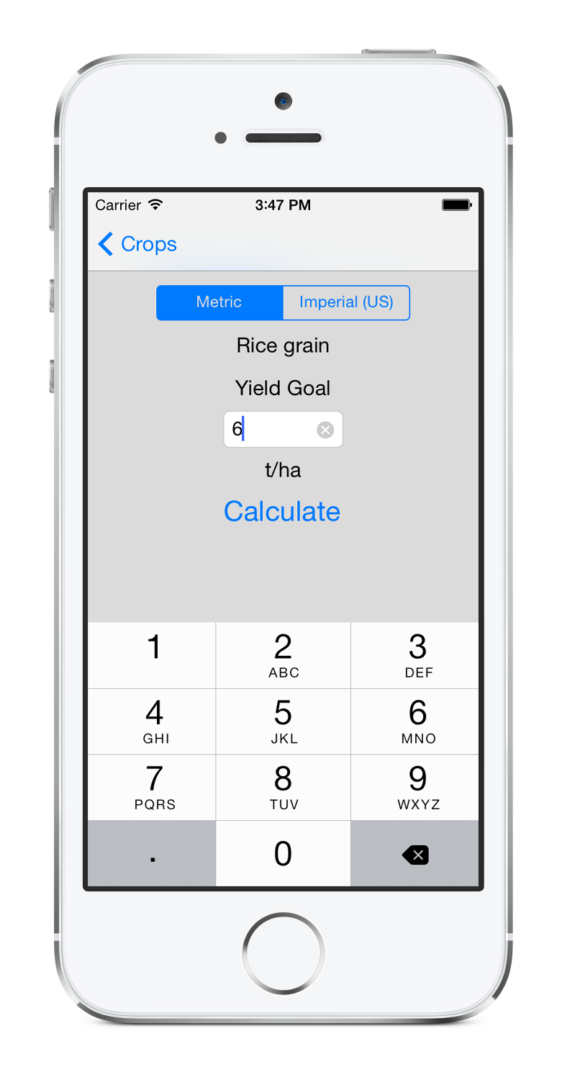
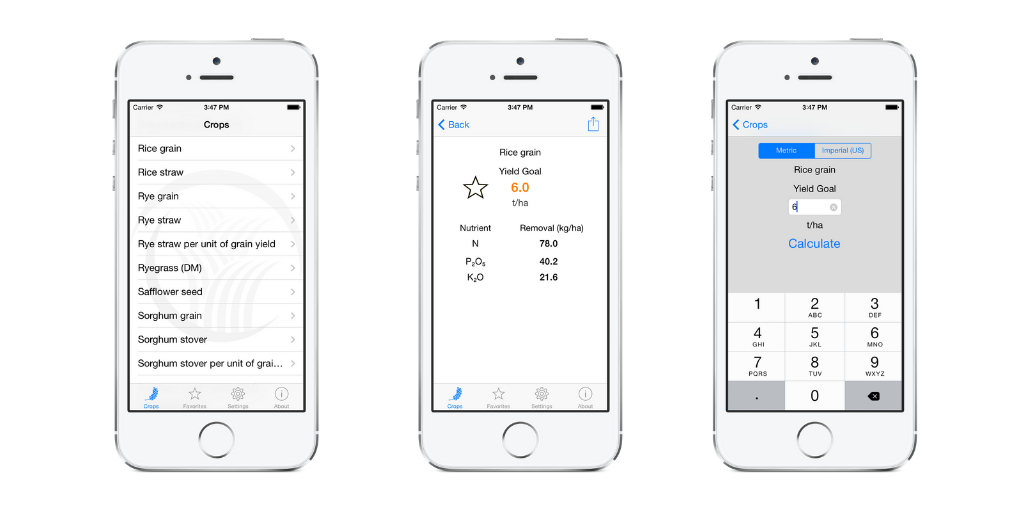
    PlantCalc 1

    There are so many apps and tools at our disposal today, and you may have some favorites that are helpful to you. One such tool I reference is a crop nutrient removal application on my phone. The info can be helpful in many ways including revealing production-limiting factors leading to better product placement and fertilization.

    The PlantCalc app displays a guideline based on crop being grown. Enter your yield goal and within seconds you have a list of the primary nutrient removal standards for that specific crop to help build your nutrient plan. We must be mindful that many nutrient removal guidelines focus only on the primary four to five nutrients. However, yield is comprised of a balance of 17 essential nutrients.
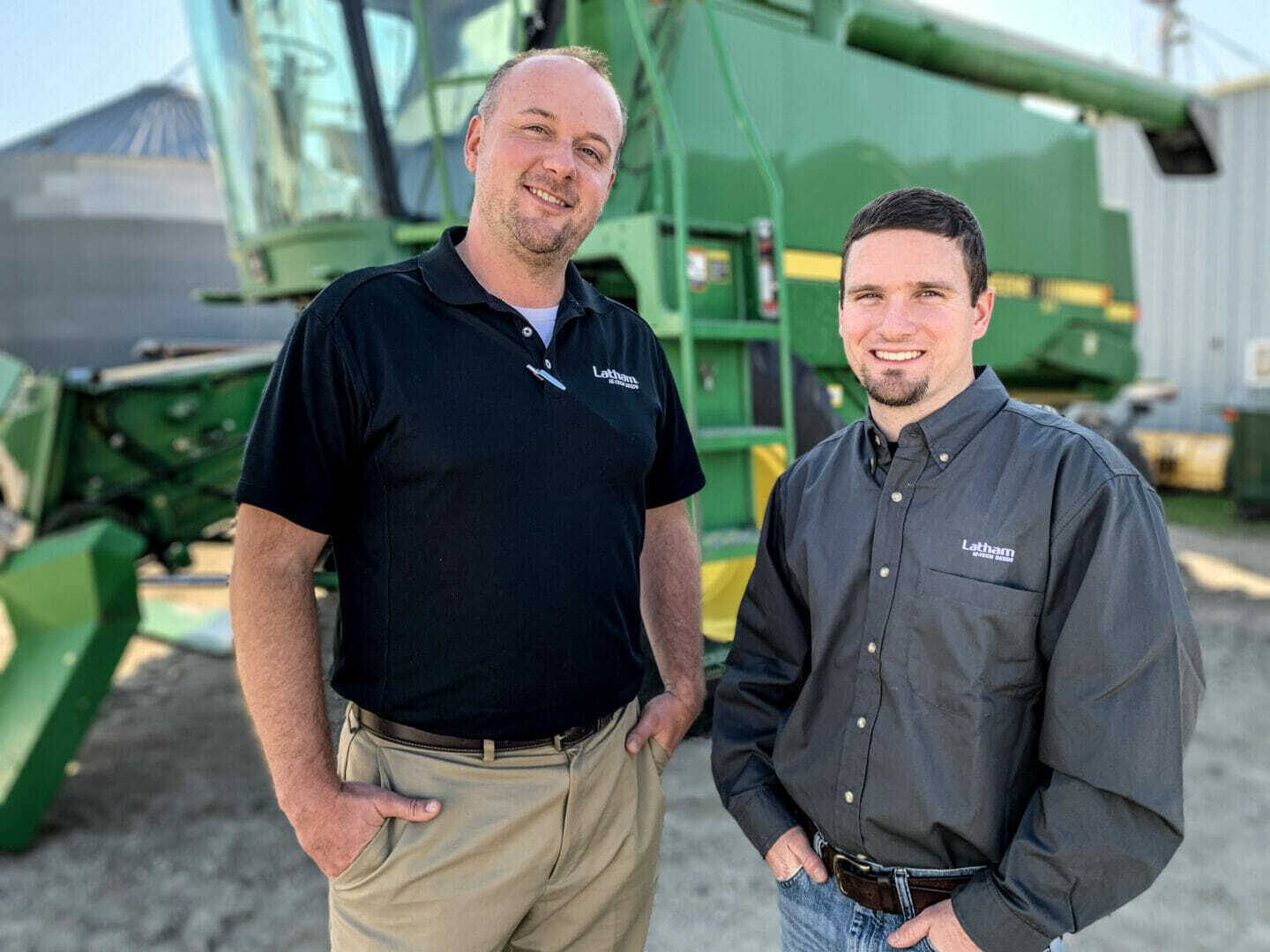
    Corey Catt Twitter (1)

    The USDA suggests daily food requirements (the food pyramid) for us as humans to keep our body in balance. Similarly, scientists have found that nutrients can impact yield as much as 60%. Yield is a complex matrix of which the delicate balance of the 17 essential plant nutrients is critical. Technology affords us the ability to look deep into the complex world of the living soil microbiome, unfolding long-held secrets about how it interacts with yield and quality. We have active research currently taking place to understand your unique soil microbiome, the interaction with nutrient management, and even more precise product placement to reduce disease and increase yield optimization. It’s very exciting research with more to come in the near future!

    It’s no secret that each crop has a unique nutrient demand and those nutrient demands are affected by soil health and the cation-exchange capacity. There are evolving plant and soil management applications to assist in furthering a deeper understanding of this complex world. Latham’s Data ForwardSM certainly has gained a lot of favor in simplifying this. The graph below shows the impact of potassium fertilization on alfalfa. Proper fertilization of potassium and phosphorus fertilization not only adds yield each season, but it also maintains peak yield over the life of the stand.
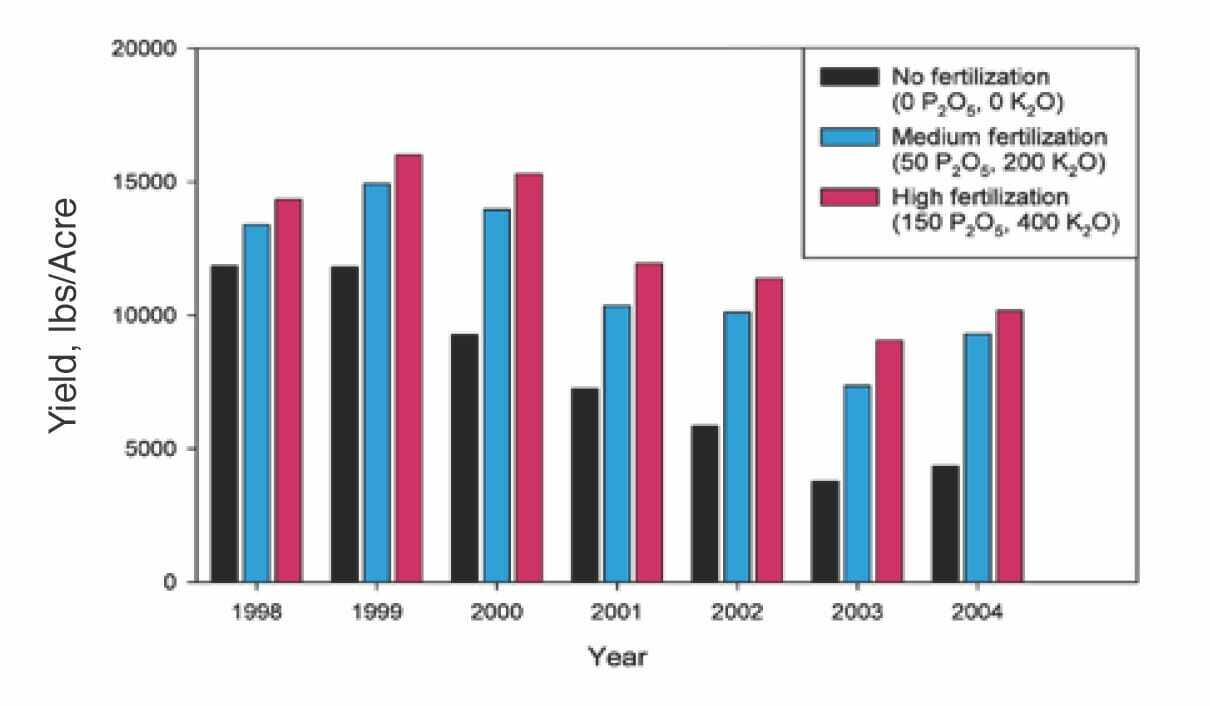
    Alfalfa Chart 2

    At the end of the day, the mission should be to strike a balance of nutrient investment while leaving no yield in the field. My hopes are that you consider helpful tools for reminding us of the needed nutrients to fuel plants and forge the best yield and quality results each season.


    Webspec Admin

    April 7, 2020
    Agronomics, Precision Ag, Tech Tuesday
  • Latham Hi‑Tech Seeds

    #AskTheAgronomist: Soybean Residual Herbicide

    91966693 421834152016098 1054926530053931008 n

    This morning we are talking about weed control with Phil Long. Start the season with clean fields! #AskTheAgronomist #LathamSeeds

    :40 — Start with clean fields

    2:30 — Modes of action

    8:20 — Additional pest control

    9:50 — Final thoughts


    Laura Cunningham

    April 2, 2020
    Agronomics, Weed Control
  • Latham Hi‑Tech Seeds

    #AskTheAgronomist: Nitrogen Application

    3.26 Ask The Agronomist

    Are you getting the biggest bang for your buck from your nitrogen application? #AskTheAgronomist

    1:06 — Welcome & topic introduction
    2:26 — Nitrogen 4 R’s: right source, right time, right place
    5:30 — Right rate
    9:36 — On-farm research with Data Forward

    Laura Cunningham

    March 26, 2020
    Agronomics, Corn, Crop, Fertility, Season, Spring
  • Latham Hi‑Tech Seeds

    Ask The Agronomist: SCN & SDS

    83515631 2339747469657615 202813178965393408 n

    Join us live this morning as we discuss how to plan for Soybean Cyst Nematodes and Sudden Death Syndrome this spring. #AskTheAgronomist

    0:45 Topic introduction
    1:41 SCN economic impact
    3:01 SDS economic impact
    3:36 Managing SCN & SDS
    7:50 Data Forward Program can help

    Laura Cunningham

    March 19, 2020
    #AskTheAgronomist, Agronomics, Crop, Disease, Insects, Soybeans
  • Latham Hi‑Tech Seeds

    #AskTheAgronomist: Fallow Syndrome

    Will you be facing Fallow Syndrome this season? Phil Long talks about the implications of this condition and how to prepare for 2020.

    0:40 — Topic introduction
    1:23 — Why is Fallow Syndrome important?
    3:00 — What makes the Fallow Syndrome worse?
    6:15 — How to prepare for 2020?

    Laura Cunningham

    March 12, 2020
    #AskTheAgronomist, Agronomics, Fertility
  • Latham Hi‑Tech Seeds

    Focus on Achieving Even Emergence for Maximum Yield

    IStock 000018151817Large
    IStock 000018151817Large
    By Darin Chapman, Precision Agronomy Advisor

    The cost of achieving uniform emergence is a complicated one as achieving uniform emergence is dependent upon receiving adequate moisture, heat units and proper seed-to-soil contact.

    If you’ve struggled with achieving uniform emergence, there are three key areas on which to focus. Start at the front of the planter and work your way back:

    1. Look at the row cleaners. Assure the planter is clearing trash as it moves through the field.

    2. Next, check the downforce to make sure that seeds are being placed at a consistent seed depth across your field. Take the time to dig in the trench behind the planter, which is important but often overlooked.

    3. Maintaining consistent seed-to-soil contact and proper closing of the seed trench is vital.

    There are many options to control these aspects at varying levels of cost. Look at your own operation and balance the improvements you desire with the potential return on investment. Below are options to consider for even emergence:

    · Tillage Practices– Prepare an optimal seed bed.

    · Residue Management– Move residue, not topsoil.

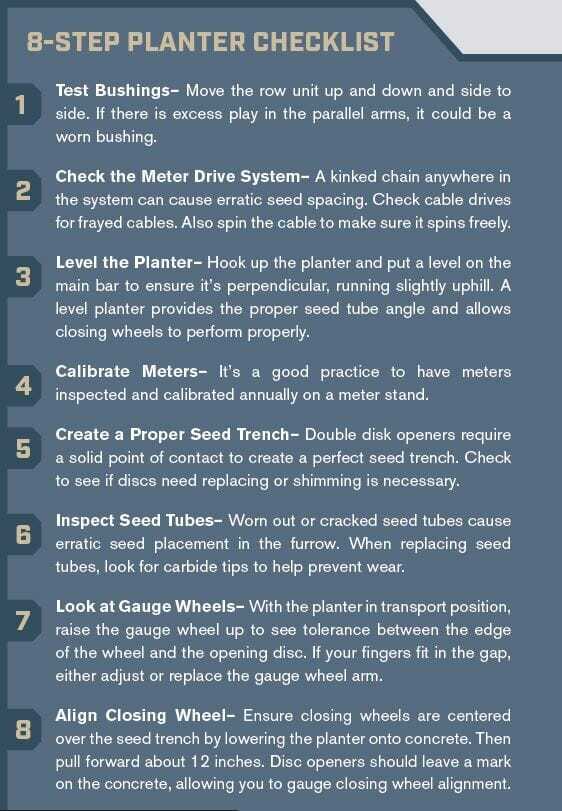
    · Planter Row Unit Maintenance– Use an annual planter checklist. (See sidebar below.)

    · Planter Downforce– Look at planter upgrades for the best down and lift force option for your operation. In certain cases, lift force versus downforce is more beneficial.

    · Seed Settlement– Make sure seed is reaching the bottom of trench for seed-to-soil contact.

    · Closing the Trench– Confirm the closing system is doing its job to close the trench; make certain there are no air pockets.

    Non-uniform stands result in lower yields because the smaller plants that emerge later cannot capture enough sunlight. Without even emergence, your work to achieve even seed spacing and singulation is in vain. The extra time spent now on planter maintenance will be worth it come spring planting.

    Contact your Latham Precision Agronomy Advisor to take a deeper look at your operation now. We’re here to help you achieve better emergence.

    8 step checklist

    Latham Seeds Precision Agronomy Advisors

    March 10, 2020
    Agronomics, Corn, Crop, Emergence, Soybeans, Tech Tuesday
  • Latham Hi‑Tech Seeds

    #AskTheAgronomist: Talc USA Benefits

    3.5.20

    Is talc worth it? Phil Long reviews real benefits of our Talc USA line and research from our test at Alexander. #LathamSeeds

    0:40 — Topic Introduction
    1:30 — The importance of talc
    3:10 — Why Talc USA?
    4:30 — Talc study at Latham Seeds
    7:00 — How to incorporate Talc USA products on you farm

    Laura Cunningham

    March 5, 2020
    #AskTheAgronomist, Agronomics, Corn, Crop, Season, Seed Treatment, Soybeans, Spring
  • Latham Hi‑Tech Seeds

    #AskTheAgronomist: Plan for 2020 Corn Planting

    83907304 2419266031508598 6551224860536733696 n

    Tune in for 3 corn planning tips for the 2020 season! #AskTheAgronomist

    0:18 — Topic Introduction
    1:25 — Select full-season maturities
    4:10 — Nitrogen Application
    7:25 — Sidewall Compaction

    For more information, view an article on corn planting tips here: https://www.lathamseeds.com/2020/02/tips-for-planning-for-the-best-corn-crop-possible-in-2020/ 

    Laura Cunningham

    February 27, 2020
    Agronomics, Corn, Crop, Season, Spring
  • Latham Hi‑Tech Seeds

    Looking Through Latham’s Lens

    IMG 3125 edite

    Looking Through Latham’s Lens: Today we are featuring our Data Forward™ Team! Precision Agronomy Advisors Phil Long and Darin Chapman will walk with you through the world of precision agriculture. Learn more about our program here: https://www.lathamseeds.com/2020/02/now-available-latham-seeds-data-forward-app/ 

    IMG 3125 edite

    Laura Cunningham

    February 17, 2020
    Agriculture, Agronomics, Industry News, Precision Ag
  • Latham Hi‑Tech Seeds

    #AskTheAgronomist: Data Forward App Release

    2.13.20 cropped
    Our Data Forward app is now available! Tune in to hear three highlights on this program!
     
    0:22 — Topic Introduction
    0:50 — What is Data Forward?
    1:50 — Our Latham Led Approach
    2:50 — Program Independence
    3:40 — Program Transparency
    4:50 — What are quality insights?
    6:03 — Acre by acre management

    Laura Cunningham

    February 13, 2020
    #AskTheAgronomist, Agriculture, Agronomics, Corn, Corn Silage, Crop, Industry News, Precision Ag, Soybeans
Previous Page
1 … 25 26 27 28 29 … 67
Next Page

Latham Hi‑Tech Seeds

131 180th Street | Alexander, IA 50420

(641) 692-3258

SIGNUP FOR OUR NEWSLETTER
  • Contact
  • Legal
  • Dealer Center
  • Seedware Login
  • Latham Gear

© 2025 Latham Hi‑Tech Seeds. All rights reserved. | Iowa Web Design by Webspec | Privacy Policy

Latham® Hi-Tech Seeds is a trademark of M.S. Technologies, L.L.C., 103 Avenue D, West Point, IA 52656.