Latham Hi-Tech Seeds

(641) 692-3258

  • Home
  • Products
    • Corn
    • Soybeans
    • Alfalfa
    • Corn Silage
    • Seed Guide
  • Performance
  • Find a Rep
  • Media
    • Blog
    • News
    • Videos
    • Podcasts
    • TECHTalk
  • About Us
    • Company History
    • Our Mission
    • Careers
    • Become a Rep
    • Sowing Seeds of Hope
  • Contact Us
  • Latham Hi‑Tech Seeds

    #MadetoWin Video Series Recap

    Made to win with john latham
    #MadetoWin Week 1

    John Latham for the first #MadetoWin video of the harvest season! John will discuss the recent XtendFlex approval, preview Latham seed quality for next year and discuss products that are winning in the field throughout Latham Country!


    #MadetoWin Week 2

    Join us for the second #MadetoWin update with John Latham! John highlights products performing well throughout Latham Country.  #LathamSeeds


    #MadetoWin Week 3

    Join us for week 3 of our #MadetoWin video series! John Latham covers his Power 10 hybrids based on yield results. Tune in the learn more! #LathamSeeds


    #MadetoWin Week 4

    Join us with John Latham! John discusses his Power 10 soybean varieties covering our entire marketing territory. Tune in to learn more! #LathamSeeds


    #MadetoWin Week 5

    Join John Latham for this week’s #MadetoWin video series! John will discuss our 2020 F.I.R.S.T. Trial winners. #LathamSeeds


    #MadetoWin Week 6

    John highlights our top 10 products based on F.I.R.S.T. trial wins. #LathamSeeds


    #MadetoWin Week 7

    John Latham talks soybeans! Tune in to hear a run down of the multiple F.I.R.S.T. Trial soybean wins throughout Latham Country! #MadetoWin #LathamSeeds


    #MadetoWin Week 8

    Join us for the final episode of our #MadetoWin series with John Latham! John discusses our new XtendFlex options and what it means for farmers across Latham country. #LathamSeeds
    Webspec Admin

    December 7, 2020
    Agronomics, Corn, Crop, Fall, Season, Soybeans
  • Latham Hi‑Tech Seeds

    Ask the Agronomist: Put 2020 Yield Data to Work

    Ata

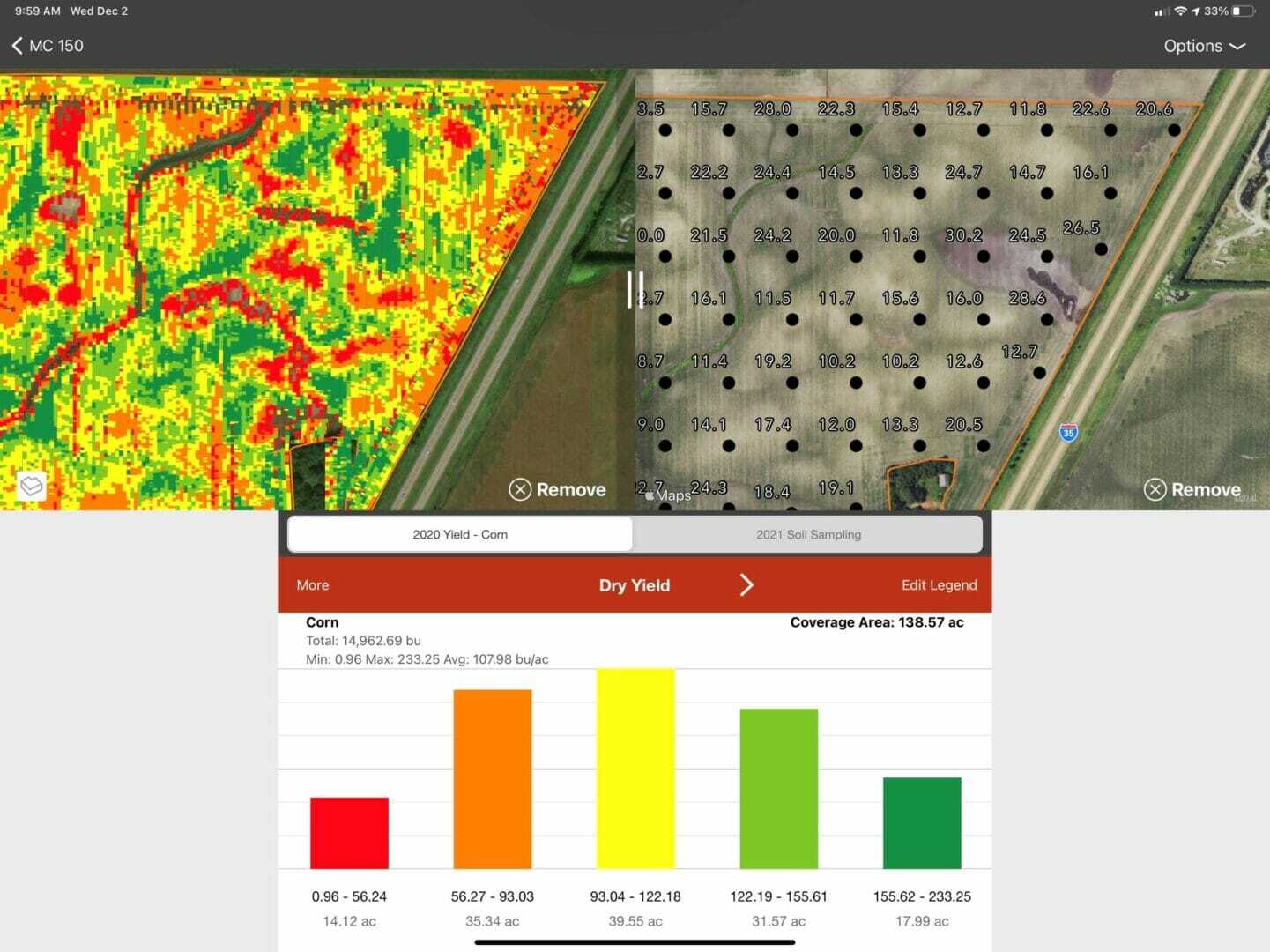
    Join us as we discuss three ways to analyze our 2020 yield data and how to put it into practice for 2021. #AskTheAgronomist

    Laura Cunningham

    December 3, 2020
    Agronomics
  • Latham Hi‑Tech Seeds

    #MadetoWin with John Latham 11/30/20

    Made to win with john latham

    Join us for the final episode of our #MadetoWin series with John Latham! John will discuss our new XtendFlex options and what it means for farmers across Latham country. #LathamSeeds
    Webspec Admin

    November 30, 2020
    Agronomics
  • Latham Hi‑Tech Seeds

    2020 Corn Harvest Illustrates Importance of Planting Multiple Hybrids

    Jeremy 1

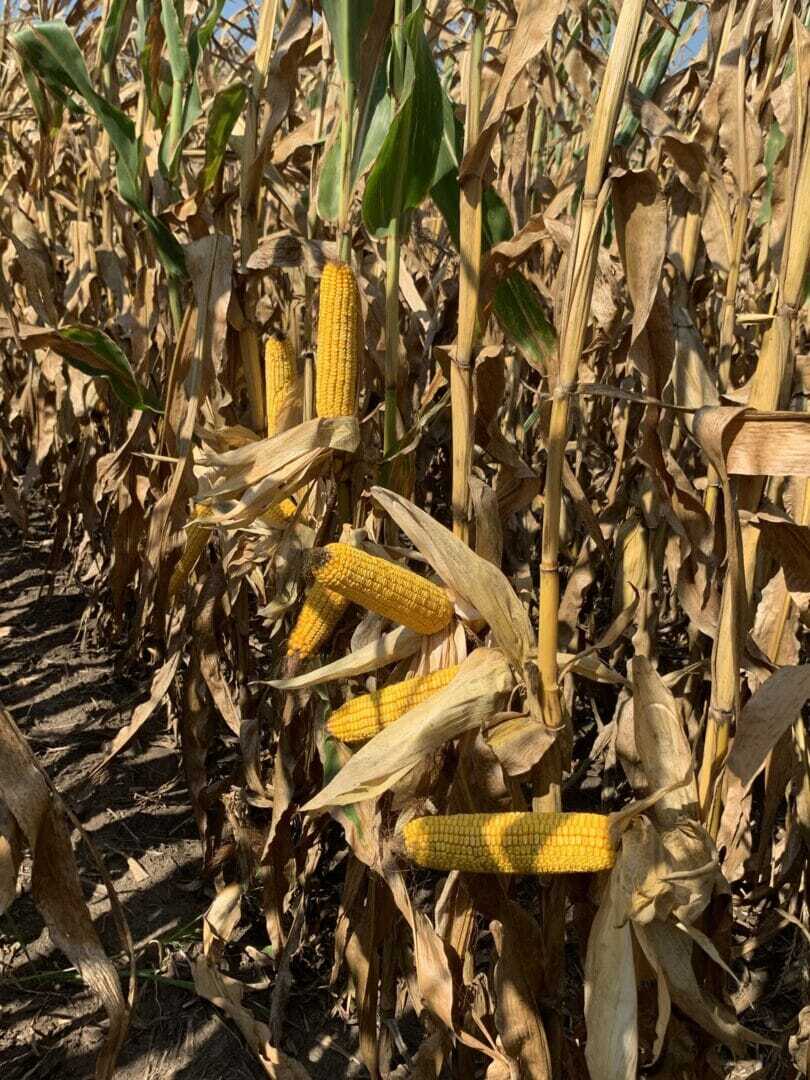
    This year will provide all of us with great information for positioning Latham® corn hybrids. As we pour over mounds of data from the 2020 corn harvest, “variability” best describes this season. Hybrids that have worked well in Latham Country are rising to the upper 10% or higher in plots, but we are seeing wider variation than in past years across F.I.R.S.T. Trials, SuperStrips™, MiniStrips and showcase plots.

    The Latham lineup continued to perform well in F.I.R.S.T. Trials as you have seen or heard from John Latham’s weekly “Made to Win” video broadcast and frequent e-mails. Our F.I.R.S.T. Trials performance shows that, from early to late, the Latham portfolio offers great hybrids for your customers. Although your favorite hybrid may not have placed as high this season as in the past, most likely one of its recommended companion hybrids had a great year in 2020!

    Reviewing F.I.R.S.T. data from the past three season shows that you have a strong lineup to present to your customers. The F.I.R.S.T. Trials results should provide you the confidence to promote a package of hybrids to each of your customers.

    Showcase and SuperStrip performance provides data, showing an edge over our competitors and an improvement in consistency of favored hybrid performance. You might ask, “Why would this occur in these plots?” When planning our Showcase and SuperStrip plot sets, we work to create packages that perform well together. Your Regional Sales Manager has very good knowledge of the environments into which these plots get planted. Your help identifying grower challenges are key in helping your RSM position the best of our lineup in your plots.

    These plots in 2020 showed us that fine-tuning the positioning of the Latham lineup provides strong performance that is widely adaptable with enough flexibility to help with our farmer-customers’ specific needs.

    As we complete another season of pre-commercial testing in our MiniStrip plots, we are confirming the strength of our current lineup. The key hybrids that we talked about at Latham Dealer Kickoff, fall field days and early harvest presentations all rose to the upper percentile of our MiniStrips.

    The stresses of 2020 provide us with an excellent opportunity to sort through the many options we have in new products. We have our eyes on some new hybrids and look forward to sharing more about them as they progress through the steps to become a Latham brand hybrid.

    This season showed us just how important planting a third or fourth hybrid on your farm can be for your success.

    Latham Seeds Agronomy Team

    November 16, 2020
    Agronomics, Disease
  • Latham Hi‑Tech Seeds

    Preliminary Trial Results Show It Pays to Use Saltro®

    Industry Leading Quality

    Industry Leading QualityIn September 2019 the U.S. Environmental Protection Agency (EPA) approved Saltro, a new seed treatment product from Syngenta Seed Care to control Sudden Death Syndrome (SDS) and Soybean Cyst Nematode (SCN) in soybeans. For the 2020 growing season, Latham Hi‑Tech Seeds distributed about 50 trials to Latham® dealers and their customers. Each on-farm trial consisted of a Latham® soybean treated with SoyShield Plus™ that was planted side-by-side with that same soybean treated with SoyShield Plus and Saltro. The majority of these trials were conducted within the parameters of Latham SuperStrip™ plots where a check variety was used to adjust final yield calculations. To date, we have received yield results from 25 of those studies: 16 from Iowa, six from Minnesota and three from South Dakota. I believe it’s worthwhile to share preliminary results with you.

    Comparing the harvested raw yield data, the 16 trials from Iowa showed an average yield increase from Saltro of 2.01 bushels per acre (bpa). The Minnesota plots gave an increase of 3.85 bpa raw yield, and the South Dakota plots came in at 2.24 bpa. Overall, there was a 2.30 bpa yield increase from using Saltro in the raw yield column. The results were very similar when the harvested yields were adjusted to the check. The Iowa plots came in with a 1.84 bpa increase. The Minnesota trials showed a 3.73 bpa increase, and the plots from South Dakota averaged 5.40 bpa better. The overall average in the adjusted yield column came in at 2.31 bpa!

    It should be noted here that there were a handful of trials where the seed treated with SoyShield Plus and Saltro actually showed a yield decrease. While it is difficult to understand and even more difficult to explain, results like this are very common when doing research of this type and are usually attributed to experimental error. I also want to note that we did not see widespread infestations of SDS in 2020. Due to variable weather patterns and a fairly widespread drought, SDS didn’t show up in a lot of fields. We intend to proceed with a similar Saltro study in 2021.

    BOTTOM LINE: While more experiment results will be sent to us yet this year, there is a trend for at least a two bushel per acre yield benefit from using soybean seed treated with Saltro. With a retail cost of approximately $13 for the Saltro, the added yield benefits in a year where SDS was not widespread are fairly substantial. Using the soybean market price of $10.50 per bushel as I write this article, the treatment acted as an insurance policy that paid for itself.

    Check back with us during and after our Post-Harvest meetings to get the updated yield results from this study.

    Mark Grundmeier, Product Manager

    November 16, 2020
    Agronomics, Disease, Emergence, Seed Treatment
  • Latham Hi‑Tech Seeds

    #MadetoWin with John Latham 11/16/20

    Made to win with john latham

    Tune in Monday morning at 8 AM to hear an update from John Latham! John will highlight our top 10 products based on F.I.R.S.T. trial wins. #LathamSeeds

    Webspec Admin

    November 16, 2020
    Agronomics
  • Latham Hi‑Tech Seeds

    Ask the Agronomist: 2021 Crop Planning

    Join us on November 12 at 8 AM as we discuss the conclusion of the 2020 harvest season and begin planning for 2021. We will share three different scenarios to help you select the right products for your acres. #AskTheAgronomist

    Laura Cunningham

    November 12, 2020
    #AskTheAgronomist, Agronomics, Corn, Crop, Soil, Soybeans
  • Latham Hi‑Tech Seeds

    The History of Latham® IRONCLAD™ Soybeans

    IMG 9881

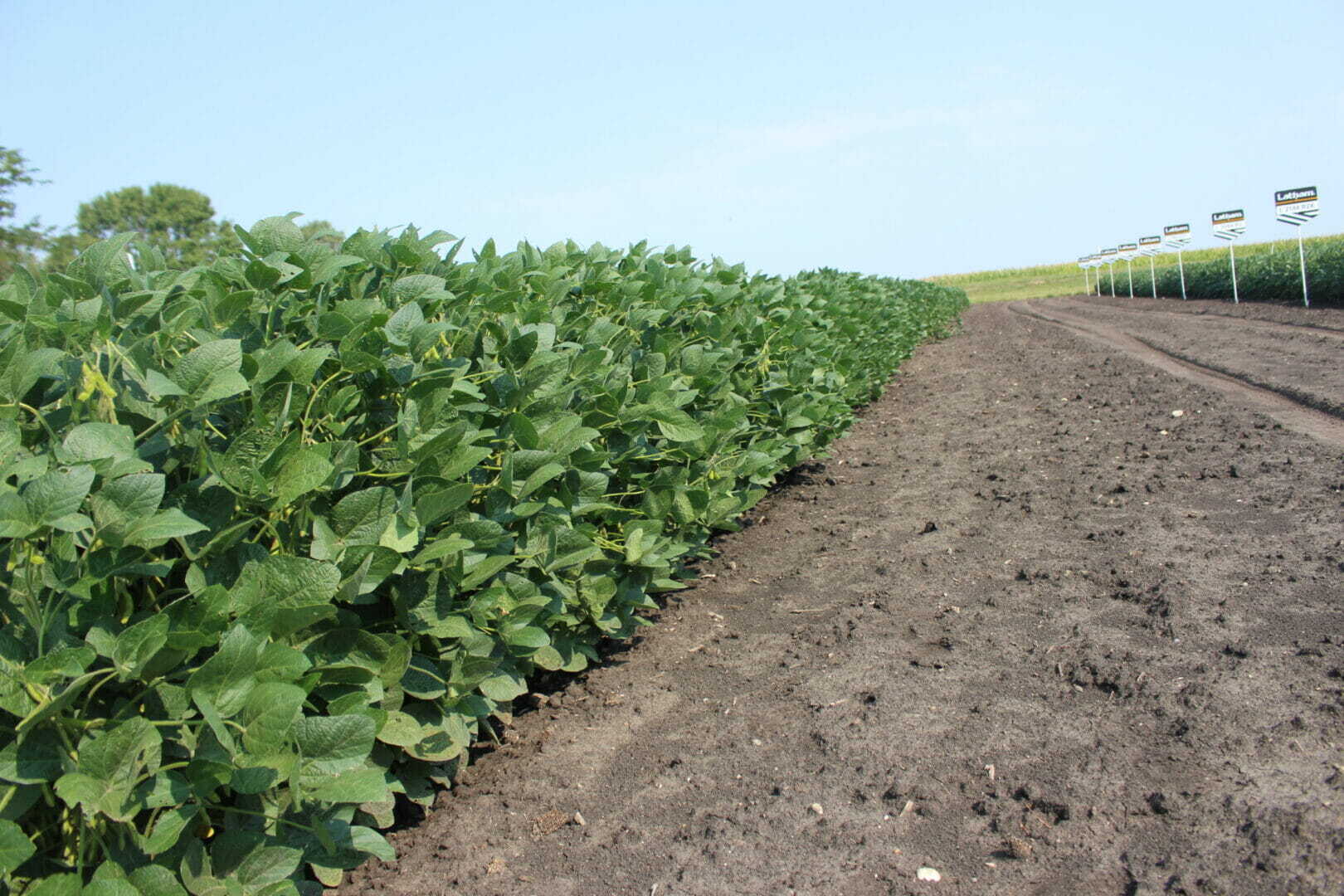
    Soybean Cyst Nematode, Iron Deficiency Chlorosis, Phytophthora Root Rot and Sudden Death Syndrome are just a few of the pests, diseases and agronomic issues that have contributed to lower yields and higher costs. Farmers, who needed protection against these agronomic issues, were hesitant to plant defensive soybean lines in fear of giving up yield.

    Then in the late 1990s soybean breeding techniques were developed that could quickly identify cultivars that had sound defensive traits and were high yielding.

    In 2011, Bill Latham, then head of Latham’s Research program, challenged our Soybean Product Team to find an idea or a concept that would help change the way farmers felt about defensive soybean products. Bill, an ex-Marine aviator, was a military history buff as were several other members of our team at that time. We remembered back to the pre-Civil War era when naval warships were made almost exclusively out of wood. Offensive firepower from these ships was quickly outmatching their wooden defense. Innovators at the time were quick to experiment with using iron plates over the wooden sides. Hence, the term “Ironclad” was born.

    The first ever battle between two ironclads took place in 1862. The Monitor was the Union warship. The Confederacy had captured the Union ship Merrimack, plated it with iron, and renamed it the CSS Virginia. However, the battle has gone down in history as the Monitor versus the Merrimack. Although both sides claimed a victory, in essence it was a draw as neither ship could sink the other. It did, however, dramatically change the course of naval warfare. From that battle on, navies all over the globe began using metal plates over wood and eventually made their ships completely out of metal!

    Back to 2011… After much discussion, it was decided to use the designation of IRONCLAD™ for Latham brand soybeans that had a resistance gene for Soybean Cyst Nematode, a gene for Phytophthora Root Rot and scores of 2.2 or better (on a scale of 1-5) against Brown Stem Rot, Iron Deficiency Chlorosis and either White Mold or Sudden Death Syndrome.

    Latham’s first IRONCLAD soybeans were introduced in our 2013 Product Guide. It was quickly evident that these defensive traits were exactly what farmers in Latham Country needed to protect yield and increase profitability.

    It should be noted here that since the start of our Ironclad program, we have never had a #1 selling soybean that was NOT an IRONCLAD! Additionally, our 2021 Product Guide features 28 Ironclad soybeans out of the total 56 we have listed. That’s truly an amazing advancement during a short eight-year period of time!

    Mark Grundmeier, Product Manager

    November 10, 2020
    Agronomics, Crop, Disease, Emergence, Soybeans
  • Latham Hi‑Tech Seeds

    #MadetoWin with John Latham 11/9/20

    Made to win with john latham

    #MadetoWin with John Latham 11/9/20

    Laura Cunningham

    November 9, 2020
    Agronomics
  • Latham Hi‑Tech Seeds

    Ask the Agronomist: Corn Residue Management

    121844642 2002969963179604 4892903202099503941 n
    What’s the best way to manage corn residue on your farm? Tune in to find out! #AsktheAgronomist
     
    1:15 — Topic introduction
    4:15 — Primary fall tillage
    5:20 — Chopping heads
    7:50 — Baling stalks
    9:30 — Strip tillage
    11:20 — Vertical tillage
    13:15 — Final thoughts

    Laura Cunningham

    November 5, 2020
    #AskTheAgronomist, Agronomics, Corn, Crop
Previous Page
1 … 17 18 19 20 21 … 67
Next Page

Latham Hi‑Tech Seeds

131 180th Street | Alexander, IA 50420

(641) 692-3258

SIGNUP FOR OUR NEWSLETTER
  • Contact
  • Legal
  • Dealer Center
  • Seedware Login
  • Latham Gear

© 2025 Latham Hi‑Tech Seeds. All rights reserved. | Iowa Web Design by Webspec | Privacy Policy

Latham® Hi-Tech Seeds is a trademark of M.S. Technologies, L.L.C., 103 Avenue D, West Point, IA 52656.