
Precision Agronomy Advisor, Phil Long, brings us an update from the field. He shares what to keep an eye on with this late spring and how emergence may be quicker than normal.
-
Latham Hi‑Tech Seeds
#AsktheAgronomist – Emergence
-
Latham Hi‑Tech Seeds
#AsktheAgronomist – Alfalfa Evaluation
The rain is causing some planting delays in Latham Country, so we thought we’d take a look at our alfalfa stand! Phil Long, precision agronomy advisor, dives into how to evaluate an alfalfa stand and how to gauge growth. Subscribe to Latham Seed’s YouTube Channel today!
-
Latham Hi‑Tech Seeds
#AsktheAgronomist – Cover Crop Termination
 Phil Long, precision agronomy advisor, battles the wind to bring us a field update! He highlights cereal rye and when it should be terminated.
Check out The Field Position for more industry and agronomy topics!
-
Latham Hi‑Tech Seeds
#AsktheAgronomist – Soil Temperatures
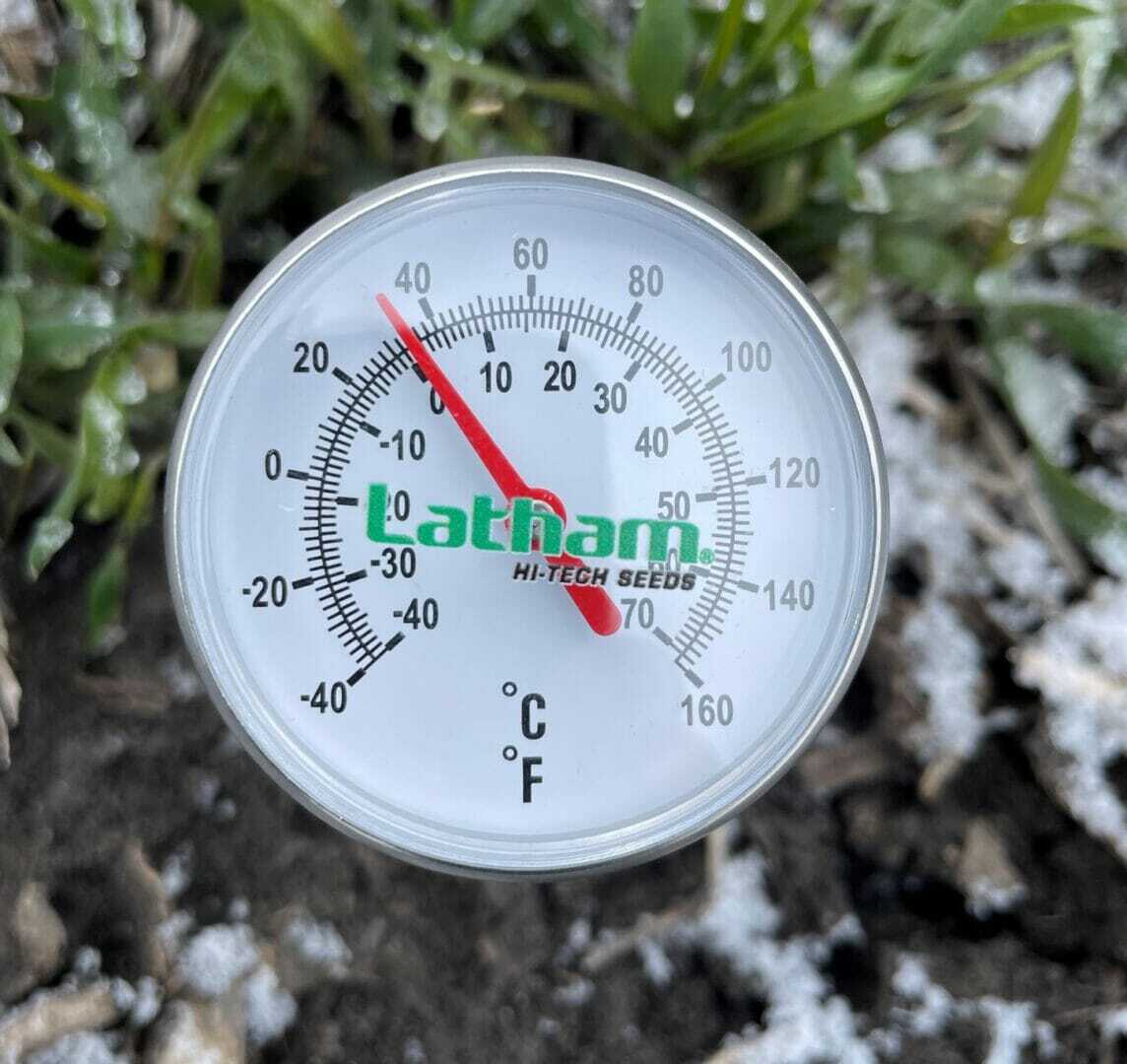 When will it be time to plant? Our agronomist shares current soil temperatures that include conventional tillage, no till and soil with a cover crop. The good news is that the ideal planting time is still yet to come as we approach May!Subscribe to our YouTube Channel today: https://www.youtube.com/user/TeamLathamSeeds
 -
Latham Hi‑Tech Seeds
#AsktheAgronomist – How to Keep Residue Out of the Furrow?
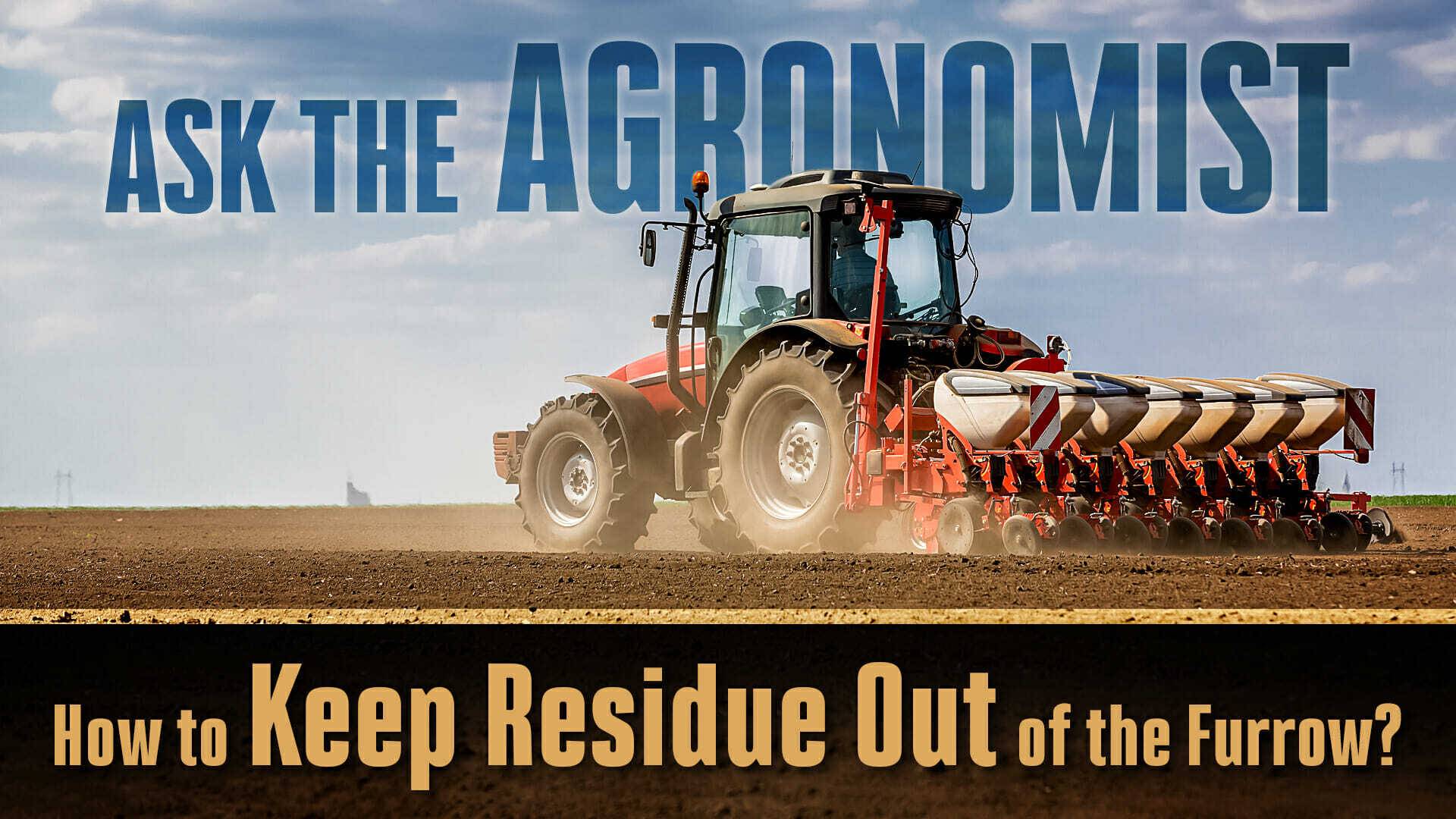
Residue in your fields can play a major factor on how your seed is planted. Phil Long, precision agronomy advisor, unpacks tillage/no-till, row cleaners and other factors to improve your stand when dealing with residue. Subscribe to our YouTube Channel today to learn more agronomy tips and industry news.
-
Latham Hi‑Tech Seeds
Planter Upgrades with Quick ROI
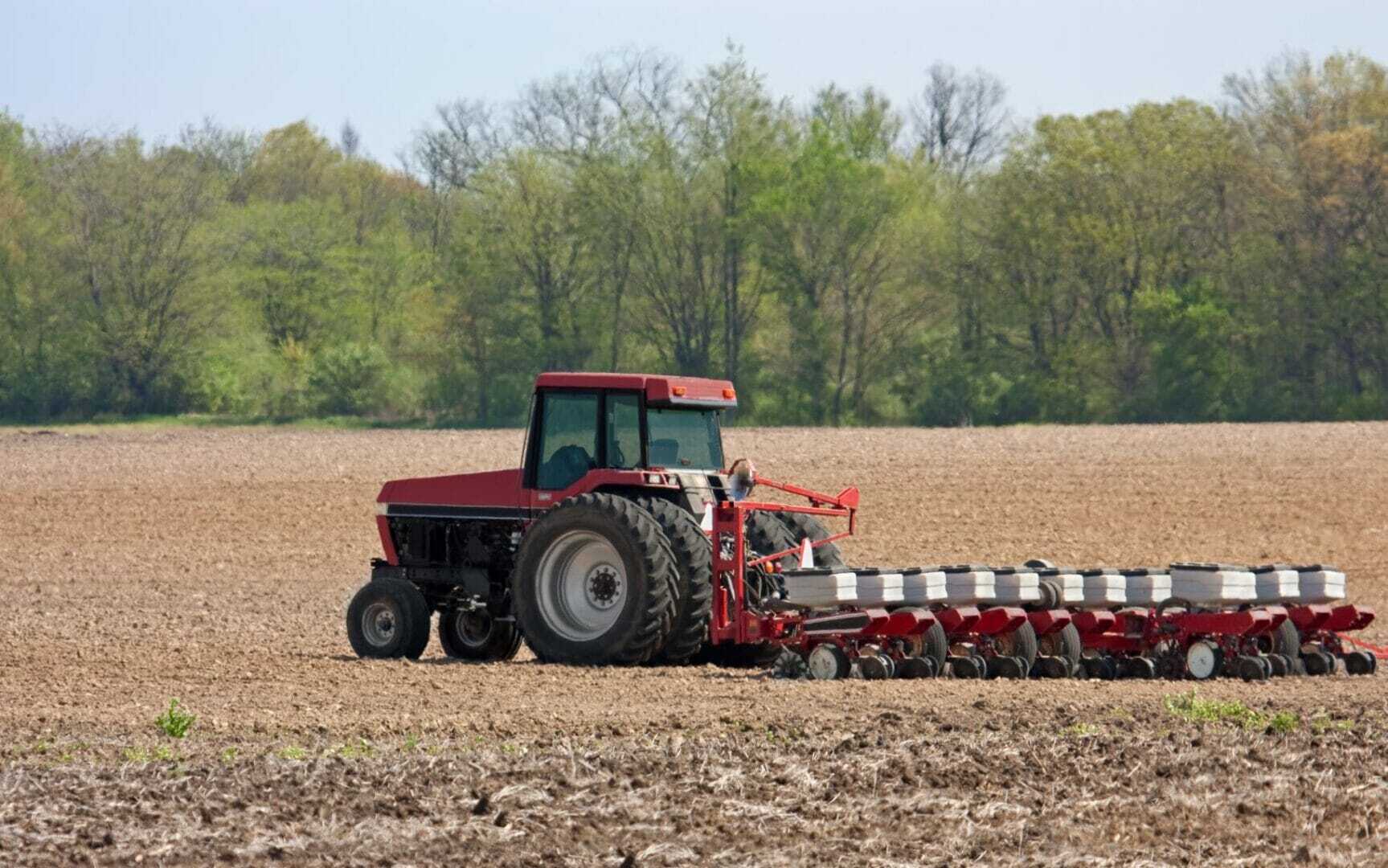
Your planter is the most important piece of equipment because it has the largest impact from emergence to final yield. Making these three upgrades will provide a return on your investment (ROI).

- Closing Wheels in No-Till or Limited-Till Conditions. Closing wheels on a planter ensure the furrow is closed and there is adequate seed-to-soil contact. In a dry spring, this can be the difference as to whether the seed can pull enough water to germinate. If there are air pockets around the seed, it either won’t germinate or it will rot trying. There are many different types of closing wheels and closing wheel systems. Look at your management style and determine if you need spiked wheels to help crumble the furrow wall in tough soil conditions or if you need more aggressive closing action. Then look at the closing wheel systems or one with a walking axle on it. If you conventionally till all your fields in the spring before planting, you likely don’t need this upgrade.
- Floating Row Cleaners. Rigid or pin adjust row cleaners have been the standard for many years and can perform well in certain circumstances. However, their limitation is not being able to adjust for changing terrain. Any tillage situation that leaves some residue on top of the soil can benefit from a residue cleaner. Consider switching from fixed to floating if you have been noticing uneven emergence in spots of the field as you roll across different terrain. The row cleaner could be riding high and not clearing a path, resulting in hair pinning, uneven planting depth and residue in the furrow.
- Downforce Adjustment. On-the-go downforce adjustments is not the easiest upgrade, but it will likely provide the best ROI in any tillage situation. This upgrade can keep your planter units riding smoother, so more uniform depth is achieved. Depth robs more yield than spacing. Having too little downforce means the unit could be riding up and not getting the seed placed where it should. If conditions are wet, you don’t need as much weight on the unit. Wet conditions or too much weight compact the furrow walls, causing root and early season growth issues. A study done by Agco in 2017 revealed on-the-go downforce adjustments had a 20 bushel per acre (Bu/A) advantage in situations when the down pressure was too light and 6 Bu/A advantage over too much down pressure.
Remember, your operation is not the same as your neighbors’. Be sure to align these planter upgrades with your specific soils and management practices, and they will provide a return for your operation.
-
Latham Hi‑Tech Seeds
Tips for Determining Why Stalks Are Lodging
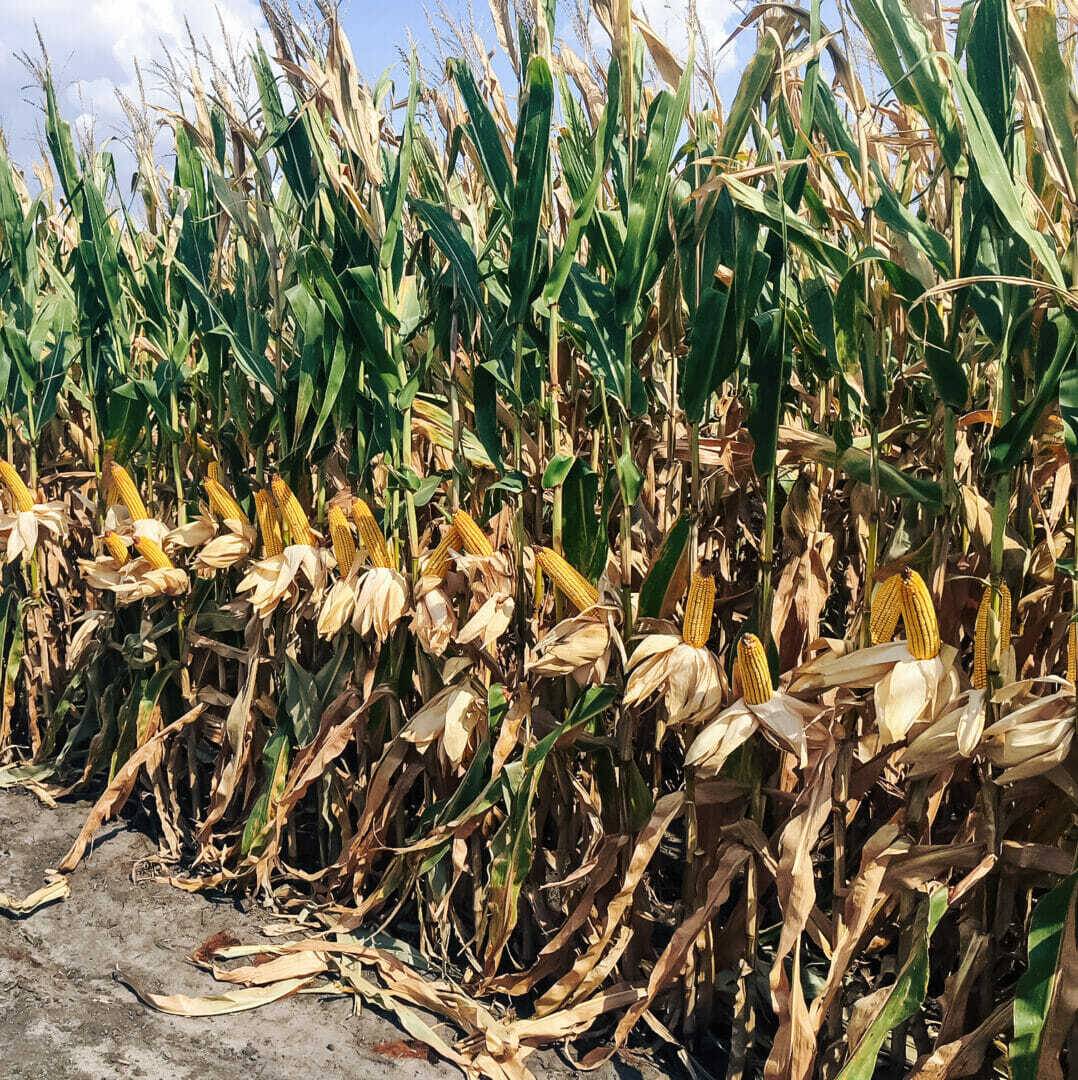
 As Harvest 2021 gets underway, we will start our morning checks to see which fields should be prioritized for harvest. Hybrid maturity helps guide us to certain fields, but sometimes a field stands out for another reason like late-season stalk lodging.
Hybrids have different susceptibility to stalk rots as the season progresses. Knowing the hybrid you have on every field – and how each hybrid handles stalk rot diseases – is important. Another consideration is whether the hybrid you planted is a racehorse because racehorse hybrids do whatever it takes to fill an ear even if that means cannibalizing the stalk. This can be an unfortunate reality in a year like 2021 where moisture was very limited across most of Latham Country. A fungicide can keep the lower stalk healthier later into harvest, so if you choose to spray, you likely will see better standability.
Decisions made early in the season also influence late-season stalk health. Planter singulation is key. Doubles or multiples causes corn plants to grow on top of one another, so most of the time only one of those plants will develop an ear. Shallow planting depth causes the “crown” to establish closer to the soil surface, predisposing plants to root rot during this point in the season. Uniform competition is really important for neighboring corn plants, so that’s why good singulation and even emergence are important.
Planting population can influence stalk diameter and stalk health. You can push planting populations more if you keep your fertility levels in check. If you’re having stalk lodging issues and tend to push higher populations, then test soils and investigate where you may have an issue. If you notice foliar symptoms as you’re scouting throughout the season, then there is no better time than right after harvest to take soil samples. Potassium is a key nutrient for building healthy stalks. Micro-nutrients are also important, but it requires a balance. Too much of one nutrient can prevent other nutrients from being taken up by the corn plant.
As you walk your fields prior to fall harvest, do the “pinch” or “push” test to monitor stalk health. If you’re wondering about whether your soil fertility is influencing stalk health or haven’t soil tested in a while, feel free to give me a call. I’ll be glad to talk with you about the benefits of using Latham’s Data Forward® program.
-
Latham Hi‑Tech Seeds
#AskTheAgronomist: High-Yield Soybeans and Node Count
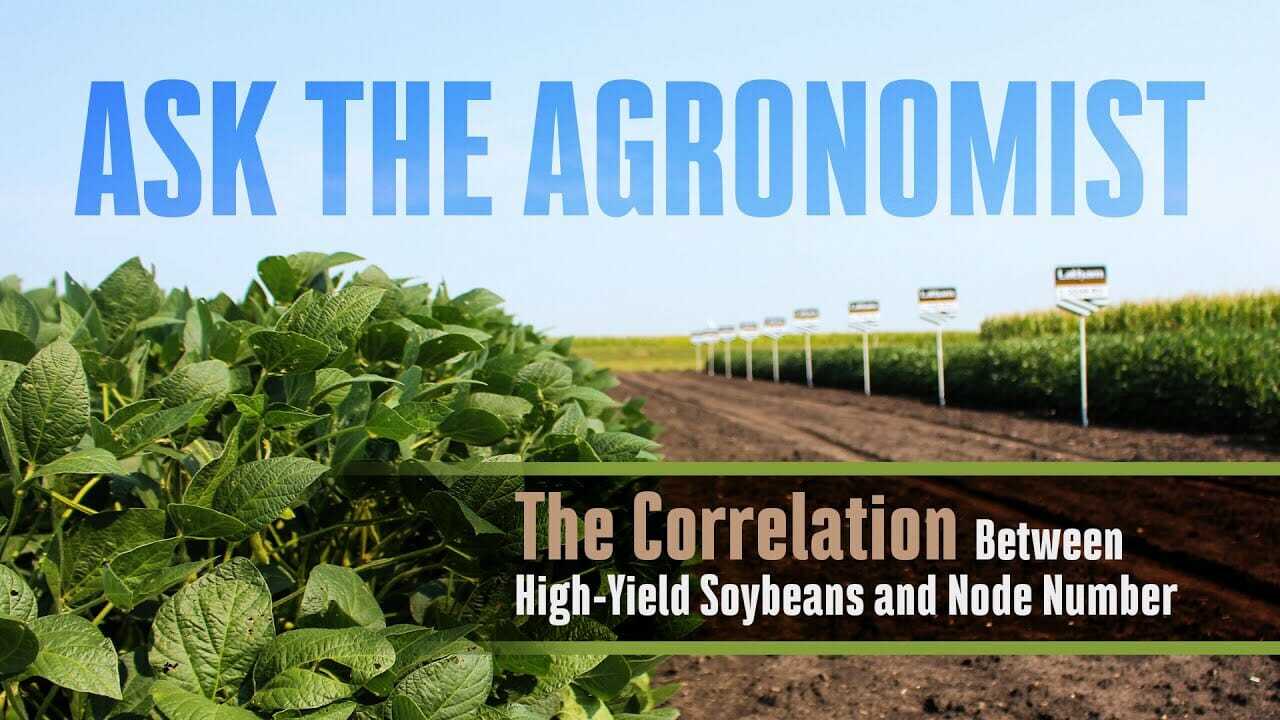
As the calendar moves closer to harvest, many farmers are looking to gauge yield expectations in soybean fields. In this week’s segment, Precision Agronomist Phil Long explains the correlation between node count, spacing, population and yield.
-
Latham Hi‑Tech Seeds
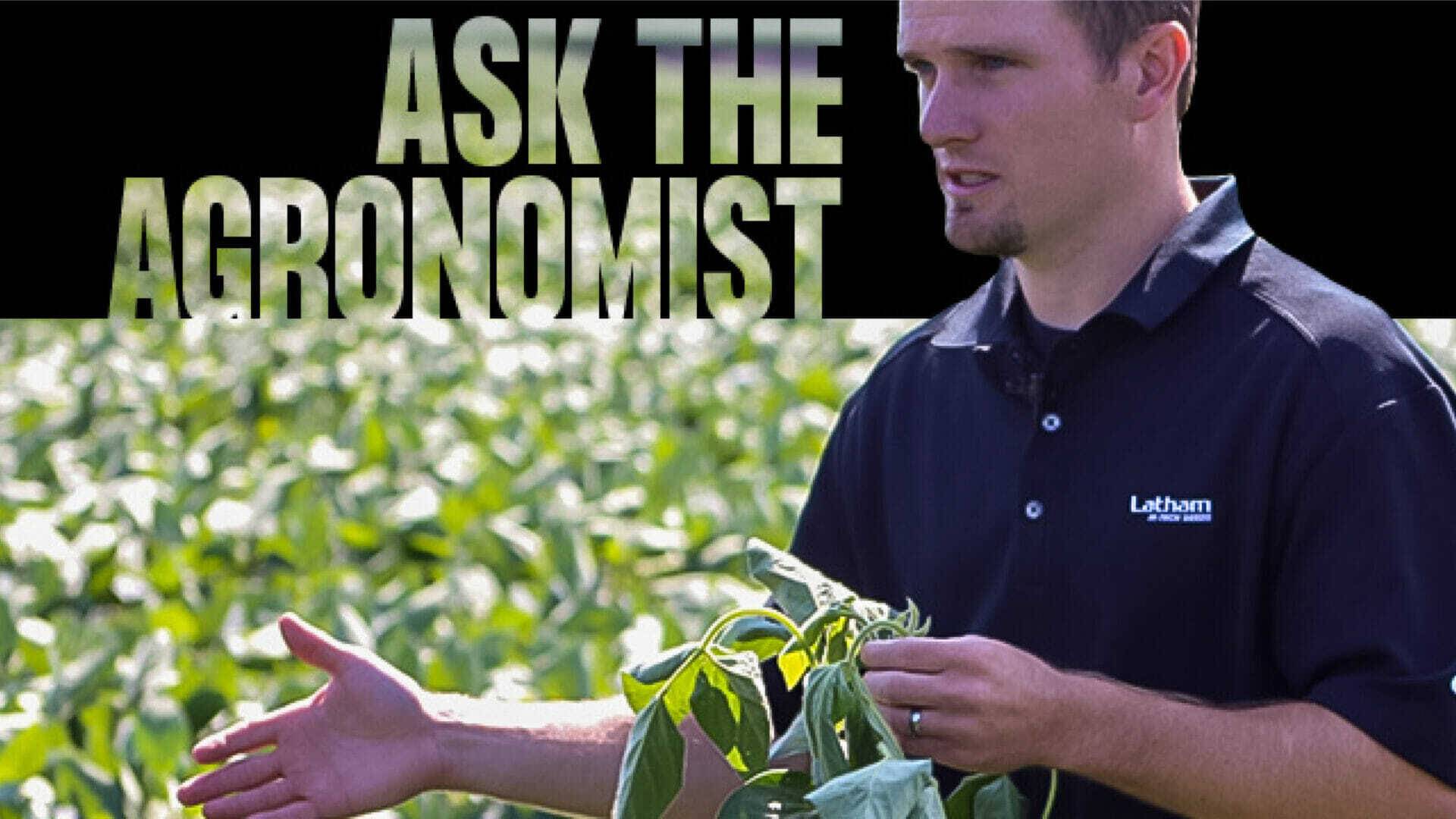
Ask the Agronomist: Calendar Date vs Soil Temp
-
Latham Hi‑Tech Seeds
Ask The Agronomist: Managing Stress & Ear Flex
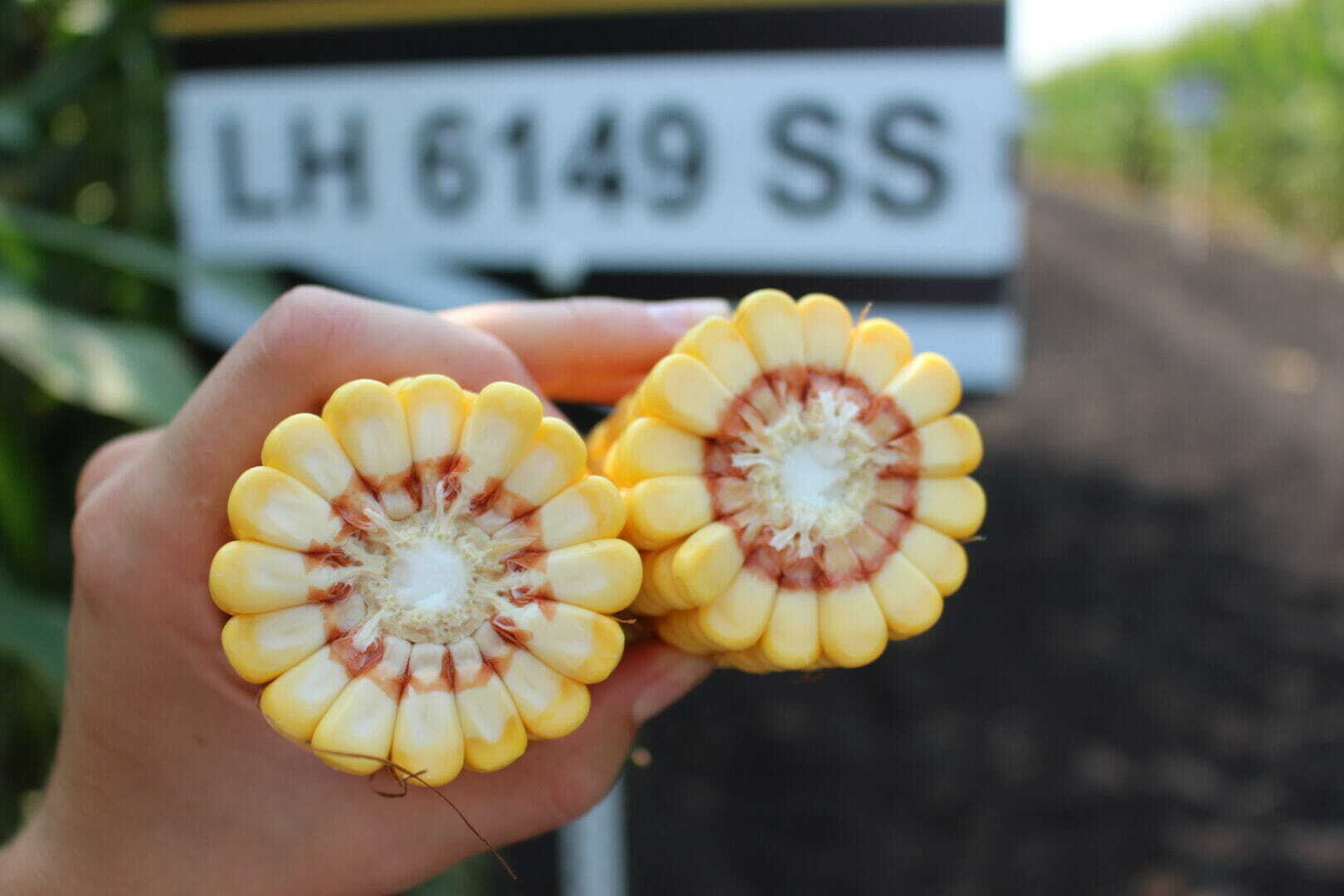 Phil Long discusses the correlation between in-season plant stress and ear flex. Tune in to learn more.:25 — Topic Introduction:50 — Population resarch at Latham Seeds1:45 — Early-season stress5:00 — MId-season stress8:20 — Late-season stress#AskTheAgronomist
