Latham Hi-Tech Seeds

(641) 692-3258

  • Home
  • Performance
  • Products
    • Corn
    • Soybeans
    • Soybean Blends
    • Alfalfa
    • Corn Silage
    • Seed Guide
  • Find a Rep
  • Media
    • Blog
    • News
    • Videos
    • Podcasts
    • TECHTalk
  • About Us
    • Company History
    • Our Mission
    • Careers
    • Become a Rep
    • Sowing Seeds of Hope
  • Contact Us
  • Latham Hi‑Tech Seeds

    #AskTheAgronomist: Planting Depth

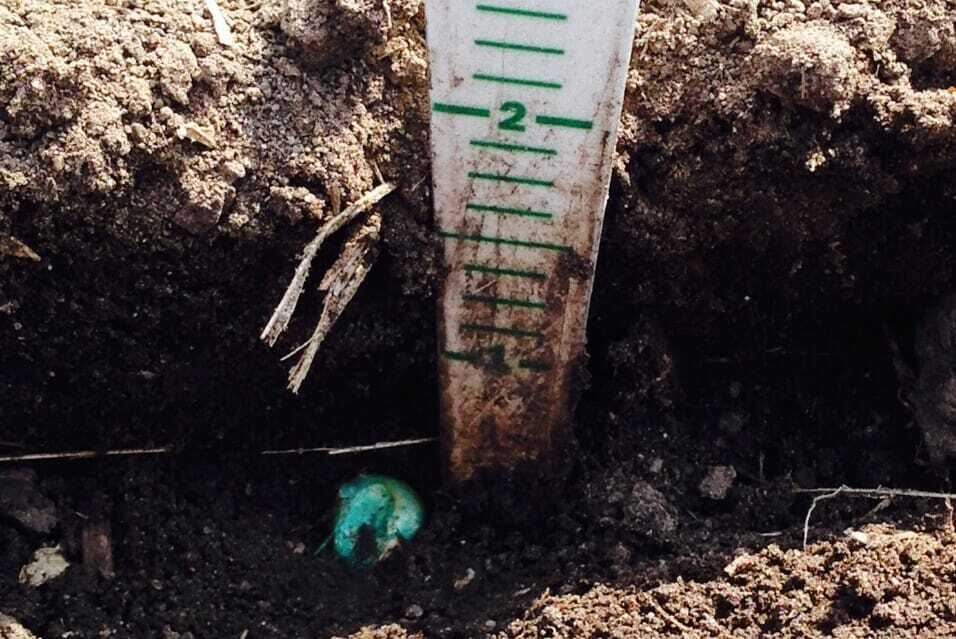
    Corn Planting Depth
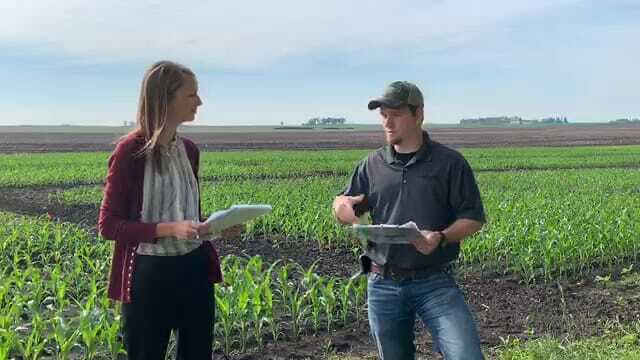
    It pays to double check seeding depth! Tune in as Phil Long discusses ideal seeding depth for both corn and soybeans. #AskTheAgronomist
     
    :20 – Introduction
    :50 – Topic overview
    1:50 – Corn: Why 2 inches?
    2:00 – Imbibitional phase
    3:13 – Nodal root development
    6:25 – Soybean seeding depth
    7:25 – Soybean seed size
    9:15 – Final thoughts

    Laura Cunningham

    April 23, 2020
    Agronomics, Corn, Crop, Emergence, Season, Soybeans, Spring
  • Latham Hi‑Tech Seeds

    Effects of Early Planting

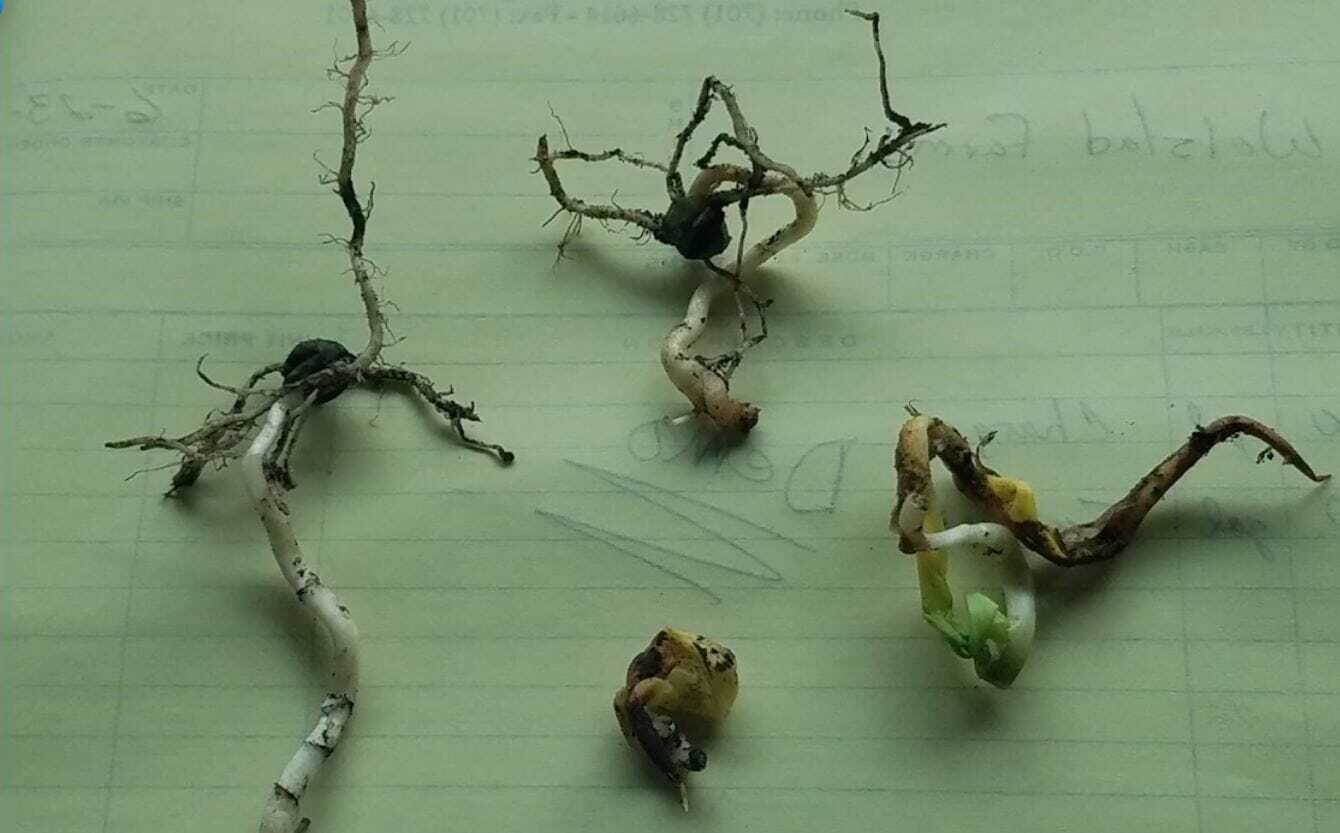
    Corkscrewing
    Do cool soils affect corn or soybeans more? Tune in as Phil Long discusses how cold temps affect corn and soybeans differently. #LathamSeeds
     
    0:12 — Welcome & topic introduction
    2:00 — Days to emerge
    5:50 — Corn cold injury potential
    8:15 — Soybean cold injury potential
    10:35 — Forecast of opportunity

    Laura Cunningham

    April 16, 2020
    Agronomics, Corn, Crop, Disease, Emergence, Growth Stages, Season, Soybeans, Spring
  • Latham Hi‑Tech Seeds

    Focus on Achieving Even Emergence for Maximum Yield

    IStock 000018151817Large
    IStock 000018151817Large
    By Darin Chapman, Precision Agronomy Advisor

    The cost of achieving uniform emergence is a complicated one as achieving uniform emergence is dependent upon receiving adequate moisture, heat units and proper seed-to-soil contact.

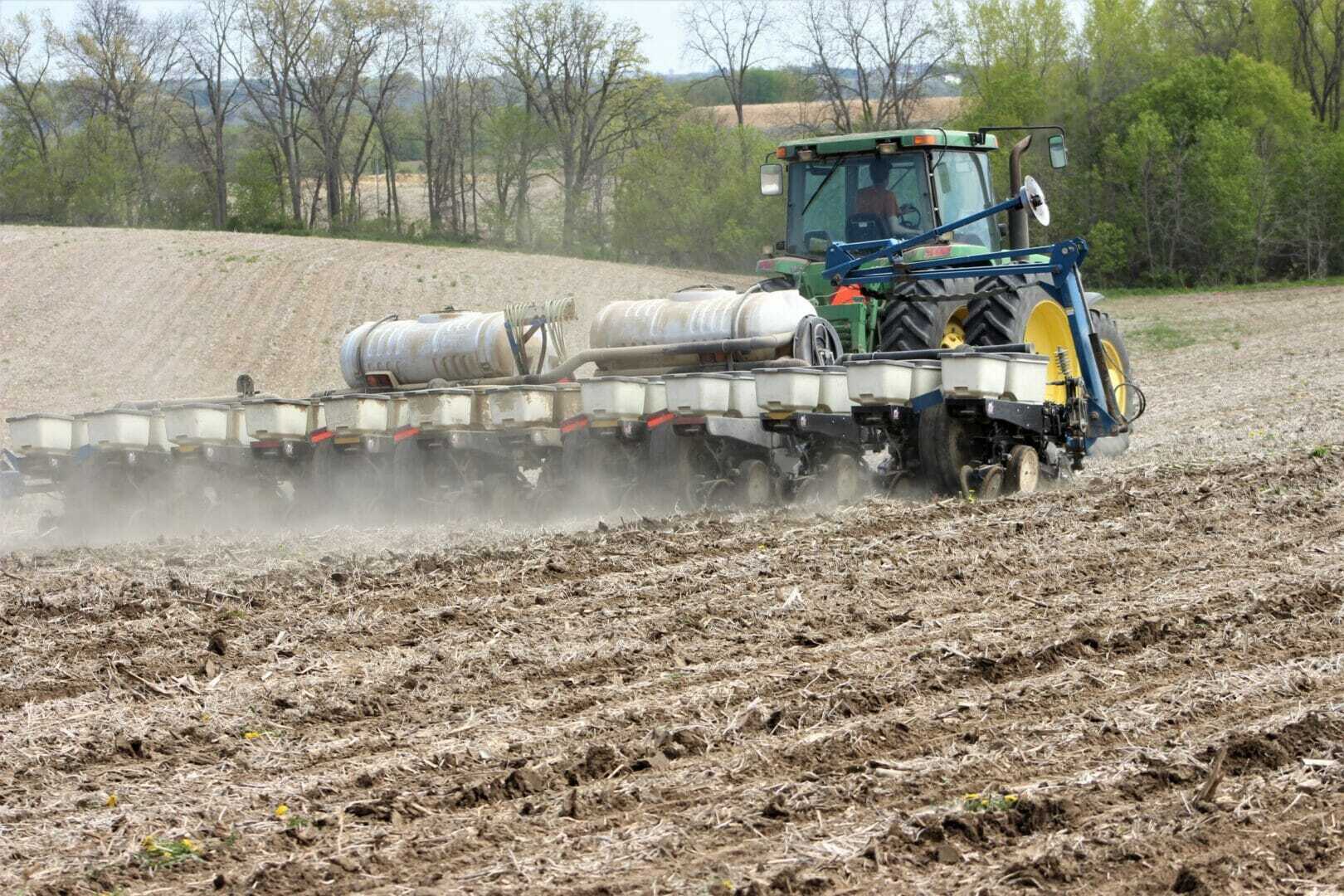
    If you’ve struggled with achieving uniform emergence, there are three key areas on which to focus. Start at the front of the planter and work your way back:

    1. Look at the row cleaners. Assure the planter is clearing trash as it moves through the field.

    2. Next, check the downforce to make sure that seeds are being placed at a consistent seed depth across your field. Take the time to dig in the trench behind the planter, which is important but often overlooked.

    3. Maintaining consistent seed-to-soil contact and proper closing of the seed trench is vital.

    There are many options to control these aspects at varying levels of cost. Look at your own operation and balance the improvements you desire with the potential return on investment. Below are options to consider for even emergence:

    · Tillage Practices– Prepare an optimal seed bed.

    · Residue Management– Move residue, not topsoil.

    · Planter Row Unit Maintenance– Use an annual planter checklist. (See sidebar below.)

    · Planter Downforce– Look at planter upgrades for the best down and lift force option for your operation. In certain cases, lift force versus downforce is more beneficial.

    · Seed Settlement– Make sure seed is reaching the bottom of trench for seed-to-soil contact.

    · Closing the Trench– Confirm the closing system is doing its job to close the trench; make certain there are no air pockets.

    Non-uniform stands result in lower yields because the smaller plants that emerge later cannot capture enough sunlight. Without even emergence, your work to achieve even seed spacing and singulation is in vain. The extra time spent now on planter maintenance will be worth it come spring planting.

    Contact your Latham Precision Agronomy Advisor to take a deeper look at your operation now. We’re here to help you achieve better emergence.

    8 step checklist

    Latham Seeds Precision Agronomy Advisors

    March 10, 2020
    Agronomics, Corn, Crop, Emergence, Soybeans, Tech Tuesday
  • Latham Hi‑Tech Seeds

    A Simple Solution to an Even Stand

    Feature

    2.4.20 TTA great growing season begins with picket fence stands and even emergence. With this goal in mind we are excited to continue offering the TALC USA line of premium Talc, Graphite and Microsurge Innoculant products. Each of these products provides unique qualities to improve planter performance and enhance yield through seed-applied biologicals. Our product line catalog featured at right includes features and benefits for each product, but I’d like to highlight a few I believe farmers across Latham Country can especially benefit from:

    Talc and Talc GraphiteTalc and Talc 80/20 Graphite Blend: Why use TALC USA’s talc and talc/graphite blend products? They are a high-grade premium 200 micron grind Talc for improved planter performance but also fortified with iron and manganese for increased yield & plant health.


    InceptiveInceptive: Inceptive, equipped with a Harpin Protein, is designed to enhance your plant’s defense mechanism. It’s easy to use by mixing with either Talc or 80/20 Talc Graphite to suppress cyst and pest nematodes. Inceptive promotes improved root systems and germination while also increasing photosynthesis and early vigor.


    MicroSurge InoculantsMicroSurge Corn and Soybean Inoculants: Microsurge inoculants can be easily applied by mixing with Talc and 80/20 Talc Graphite as a planter box treatment and are designed to increase mycorrhizal activity for improved soil health.


    Contact your Latham Representative for information on which products might get your crop off to a great start this growing season.

    Gary Geske

    February 4, 2020
    Agronomics, Emergence, Growth Stages, Season, Spring, Tech Tuesday
  • Latham Hi‑Tech Seeds

    Uneven Corn Stands

    62019

    LIBSYN header 2 01

    Uneven corn stands? Tune in to hear what to watch for next from Phil Long! #AskTheAgronomist
    0:15 — Recap of the growing season
    1:10 — #Plant19 Challenges
    2:36 — Issues with emerging corn: damping off, herbicide damage, ponding or crusting
    4:40 — Yield Repercussions
    6:30 — Managing uneven corn stands

    Laura Cunningham

    June 20, 2019
    #AskTheAgronomist, Agronomics, Corn, Crop, Emergence, Growth Stages
  • Latham Hi‑Tech Seeds

    Factors of Sidewall Compaction

    Sidewall compaction 1 a

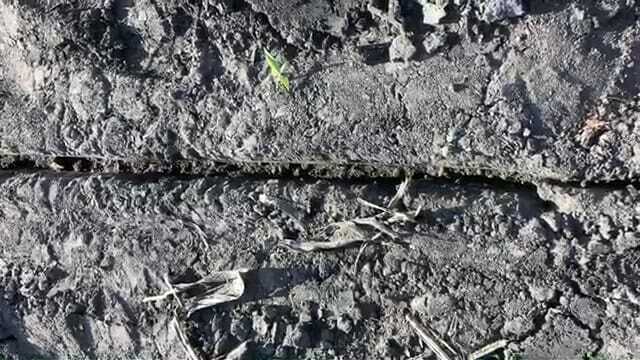
    Many farmers are pushing the envelope to get their crop in the ground this season. With moisture continuing to be a real issue, we run into problems with sidewall compaction. We have three examples below of scenarios that can lead to sidewall compaction issues later on: open trench, rubber closing wheels and spiked closing wheels.

    Sidewall compaction can result from V-openers “smearing” through wet soil. Gauge wheels or planter lift wheels will then compound the problem. When the soil dries it becomes too hard for roots to penetrate through and develop the root system.

    If you see an open trench, the key takeaway is to decrease your unit down pressure and increase closing wheel down pressure. During a seed’s crucial growth stage, it transitions from growing seedling roots into developing its nodal root system. This tends to be around V2 and V3 and is when you can see implications of sidewall compaction. When the seedling shuts down those seedling roots the nodal root system starts to grow horizontally along the trench searching for water. You may start to see nutrient deficiency symptoms, yellowing corn, stunted growth or floppy corn.

    The University of Kentucky released a study showing a 50 percent yield reduction when corn is planted in a completely open trench. We recommend avoiding sidewall compaction by either staying out of the field until conditions are suitable, staggering your closing wheels or investing in the spiked closing wheels. The spiked wheels leave a zippered pattern in the soil that breaks down the sidewalls to ensure seed to soil contact.

    Sidewall compaction is not something you can see from your planter, so we encourage you to jump out and look at what’s happening with your seed to soil contact. Dig few plants and wash off the roots to determine how growth is proceeding. Knowing this information early on will be important for late season windy and wet weather, and for evaluating stalk quality when harvest approaches later in the season.


    Sidewall compaction 1 a
    Example 1 – Open Trench


    Sidewall compaction 2
    Example 2 – Rubber Closing Wheels


    Sidewall compaction 3
    Example 3 – Spiked Closing Wheels

    Team Latham

    June 4, 2019
    Agronomics, Emergence, Rain, Season, Spring, Tech Tuesday, Weather
  • Latham Hi‑Tech Seeds

    #AskTheAgronomist: Crusting Soils

    59532994 2268247053397539 3457397893881659392 n

    LIBSYN header 2 01

    How does crusting and rolling soybeans go hand in hand this season? Phil Long talks about these two topics in reference to this year’s growing season.

    Laura Cunningham

    May 16, 2019
    #AskTheAgronomist, Agronomics, Drought, Emergence, Rain, Season, Soil, Spring, Weather
  • Latham Hi‑Tech Seeds

    #AskTheAgronomist: Imbibitional Chilling or Chilling Injury?

    58719974 460225254519200 1315929768486502400 n

    LIBSYN header 2 01

    Will your planted fields be affected by imbibitional chilling? Tune in the hear symptoms of the chilling effect.

    Laura Cunningham

    May 9, 2019
    #AskTheAgronomist, Agronomics, Corn, Crop, Emergence, Frost, Season, Soybeans, Spring, Weather
  • Latham Hi‑Tech Seeds

    Imbibitional Chilling

    James 1
    Causes of Imbibitional Chilling  

    Chilling EffectImbibitional chilling occurs during the process by which crops absorb water prior to germinating, a phase known as imbibition. Under optimal conditions, seeds should be planted when soil temperatures are above 55°F. When seeds are planted in soils below optimal temperature, the uptake of cold water can damage cells and cause seeds to rupture. This can lead seeds to become shriveled and cause seedlings to emerge late, in a corkscrew shape, or not at all.  

    If an injured seed eventually develops into an emerged seedling, it can become more vulnerable to disease or damage from herbicides. The risk of imbibitional chilling especially increases when soil temperatures fall below 50°F. Imbibitional chilling or cold injury can occur within 24 to 36 hours of planting, making the relationship between planting timing and soil temperature critical.  

    Preventing Chilling Injury 

    As the injury to seedlings occurs after planting, there is little preventive action that can be taken aside from planting when soil temperature is optimal. In the best case, if enough time is afforded between planting and the drop in soil temperature, a seed is less likely to undergo chilling if it is able to absorb warm water. There are ways to determine if imbibitional chilling has occurred after planting. When scouting, look for signs of inconsistent emergence. If a plant looks to be missing, dig into the soil around the area to see if a seedling can be found. If it has a corkscrew shape, underwent leaf emergence below ground, or is missing parts, these are also signs of imbibitional chilling. Delayed emergence of a seed can be the result of reduced seed vigor that can result from imbibitional chilling. 

    Soil temperatures should be monitored and averaged for the week preceding the projected planting date. To determine the soil temperature on the chosen planting day, take the temperature of the soil just after sunrise – the coldest part of the subsequent 24-hour period. Soil temperature changes more slowly than air temperature, but air temperature can still be a strong indicator for what to expect with soil temperature. If it is projected that soil temperature will remain above 50°F for 24 to 48 hours after planting, imbibitional chilling can be avoided.   

    Latham Seeds Precision Agronomy Advisors

    April 1, 2019
    Agronomics, Corn, Crop, Emergence, Soybeans, Spring
  • Latham Hi‑Tech Seeds

    Rootless Corn Syndrome

    Rootless Corn Syndrome Photo Credit ISU
    Rootless Corn Syndrome Photo Credit ISU
    Credit: Iowa State University

    Rootless corn syndrome is a disorder, often a result of hot and dry soil surfaces and planting into dry soil. With rootless corn syndrome, the nodal roots will fail to attach to the soil. Nodal roots are essential conduits for transporting water and nutrients to corn plants. Their absence is highly consequential for the quality of stand and overall yield outcomes.  

    Dry soils warm more rapidly than moist soils, and combined with conventional tilling, corn plants can become susceptible to failed nodal root development. Heavy rainfall and planting when the soil is too wet can compact the soil, preventing nodal roots from extending downward.  

    The erosive effects of rainfall and wind combined with shallow planting depth are the primary drivers of rootless corn syndrome. In addition to weather-related causes, when corn is planted at a depth less than 1 inch below the surface, nodal root development can take place at a depth shallower than what is needed for having access to moist soil. Nodal roots should form between 1 to 1.5 inches below the surface.  

    What to Look for 

    Nodal roots first appear around the V1 and V2 stage. Rootless corn occurs in plants with poorly developed root systems and is usually observed in plants from about V3 to V8. When rootless corn syndrome is suspected, look for signs of lodged and collapsed corn plants. Corn plants may still be standing but later on they will lose vigor and fall over. Test plants in the area of concern by tugging on them to determine whether nodal roots are established and growing down.  

    Preventative Action 

    Rootless corn can largely be prevented by ensuring that seeds are planted at least 1.5 to 2 inches below the soil surface. For corn plants whose nodal roots fail to grow, the prospects for survival are bleak. Corn nutrient and water uptake hinges on having a developed nodal root system. For plants that do survive, poor stands and low vigor will be exhibited.  

    Moving soil to cover roots may allow them to recover – but if an operation is following a no-till plan, this may not be viable. Further, row cultivation for bringing soil around nodal roots will be ineffective if the soil below the surface lacks moisture for supporting recovery. Adequate rainfall and the absence of drought conditions will support optimal nodal root development and prevent rootless corn syndrome.   

    Latham Seeds Precision Agronomy Advisors

    April 1, 2019
    Agronomics, Corn, Crop, Disease, Drought, Emergence
Previous Page
1 … 5 6 7 8 9 10
Next Page

Latham Hi‑Tech Seeds

131 180th Street | Alexander, IA 50420

(641) 692-3258

SIGNUP FOR OUR NEWSLETTER
  • Contact
  • Legal
  • Dealer Center
  • Seedware Login
  • Latham Gear

© 2025 Latham Hi‑Tech Seeds. All rights reserved. | Iowa Web Design by Webspec | Privacy Policy

Latham® Hi-Tech Seeds is a trademark of M.S. Technologies, L.L.C., 103 Avenue D, West Point, IA 52656.