
Is it time? Tune in to hear Phil Long discuss the question of the season. Is it time to switch corn maturities? #AskTheAgronomist


Is it time? Tune in to hear Phil Long discuss the question of the season. Is it time to switch corn maturities? #AskTheAgronomist
Brain McNamee
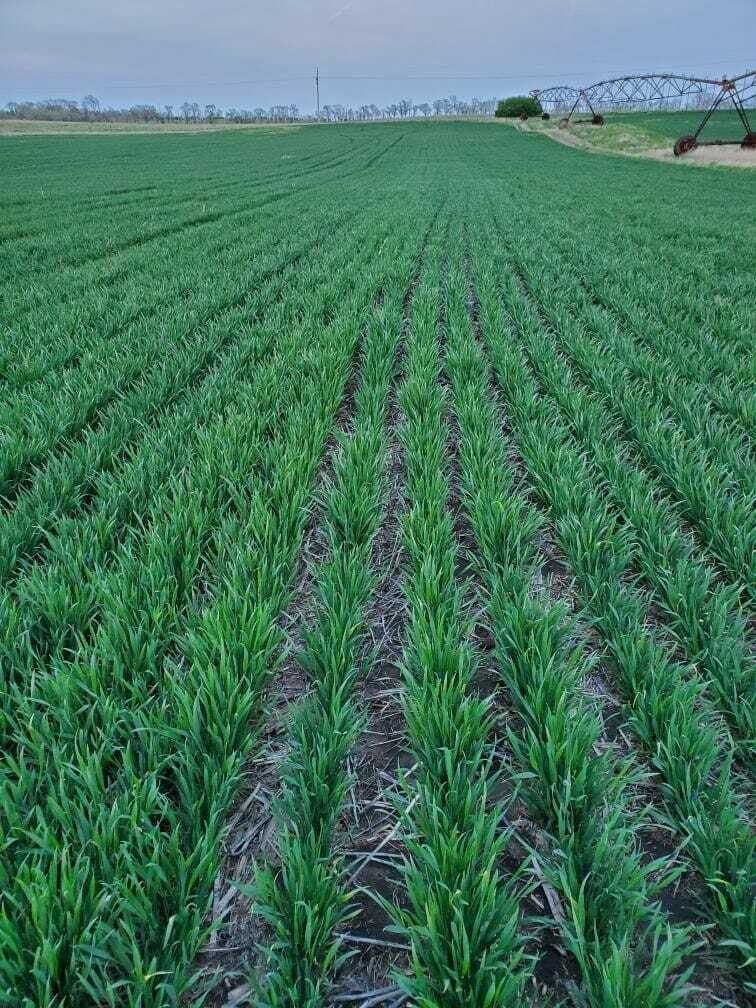
This week I wanted to post a picture of emerging corn, but truth be told, there isn’t much to show. Cool temps have delayed emergence by 2 to 3 weeks. Next week will likely be a different story as daytime temps are climbing into the mid-80s. Small grains thrive under cool, damp spring conditions, so at least this field of winter wheat is off to a good start.
Gary Geske
The crop is finally emerging after we were blessed with sunshine and warmer weather this week. We are all quite busy getting the crop planted where possible, but it’s also time to check emergence and seedling condition on previously planted acres. If a replant is needed, let your Latham® Dealer or RSM know as quickly as possible for a field inspection. They can help you decide which Latham product best fits your replant situation.
James Keltgen
A drier forecast is finally coming for Northeast South Dakota. Not much planting progress was made this past week as more rain fell. Corn acres will be lower as farmers are switching crops in an attempt to get fields planted. Some planted corn is emerged and some is nearing emergence.
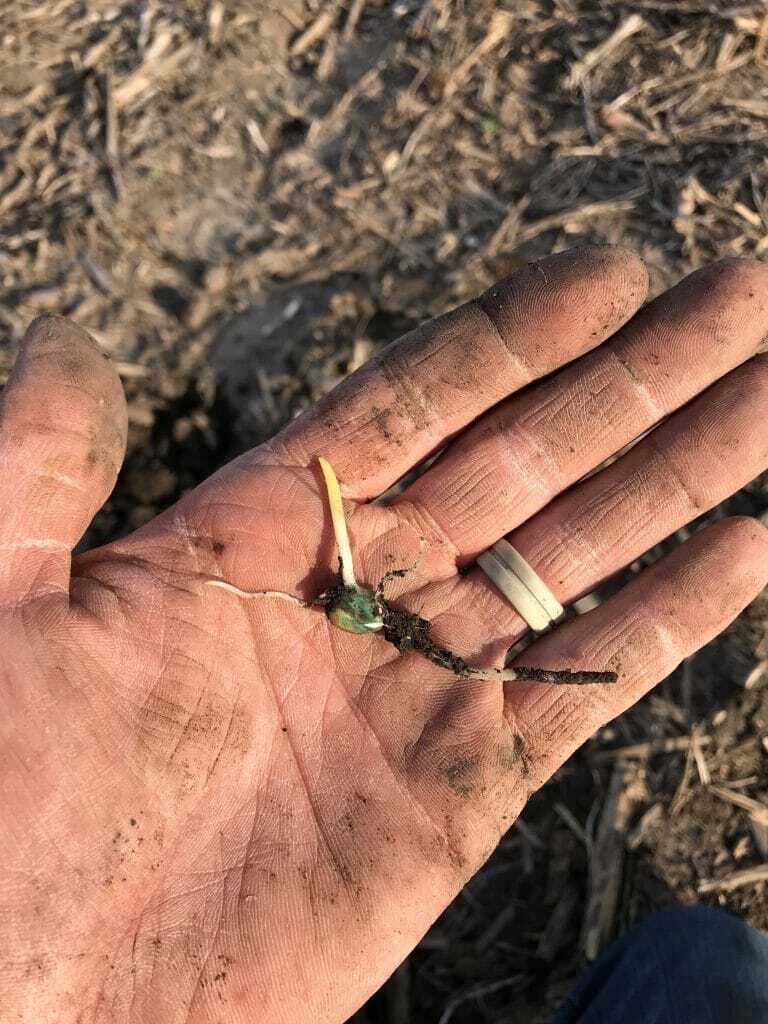
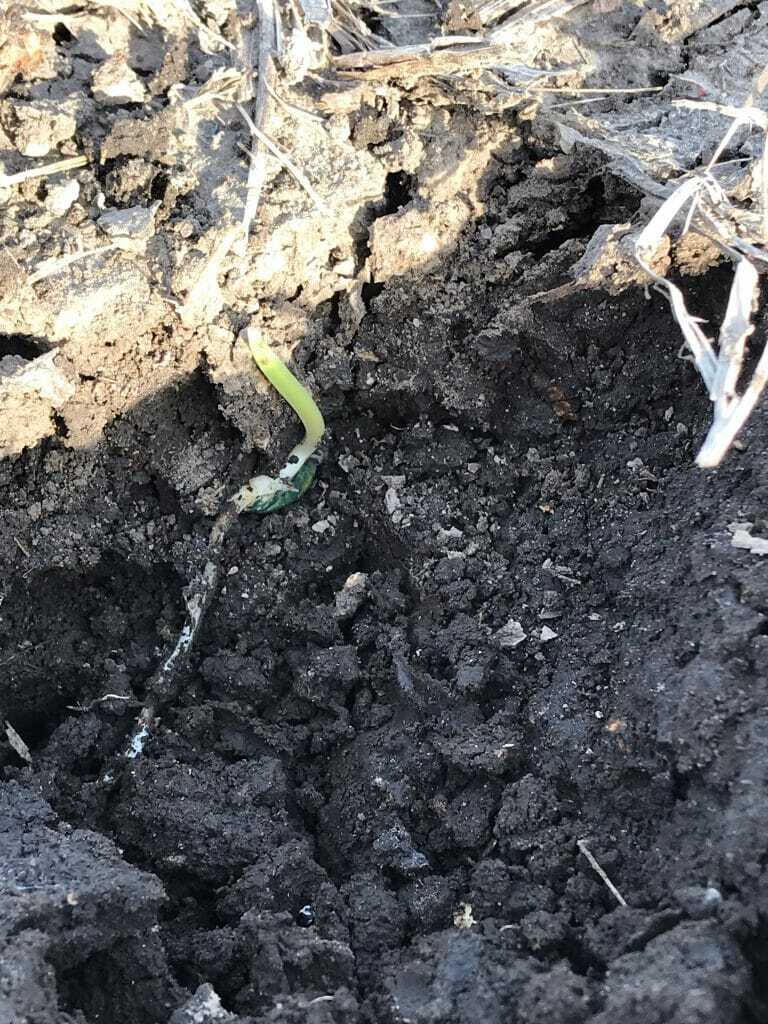
Ramie Coughlin
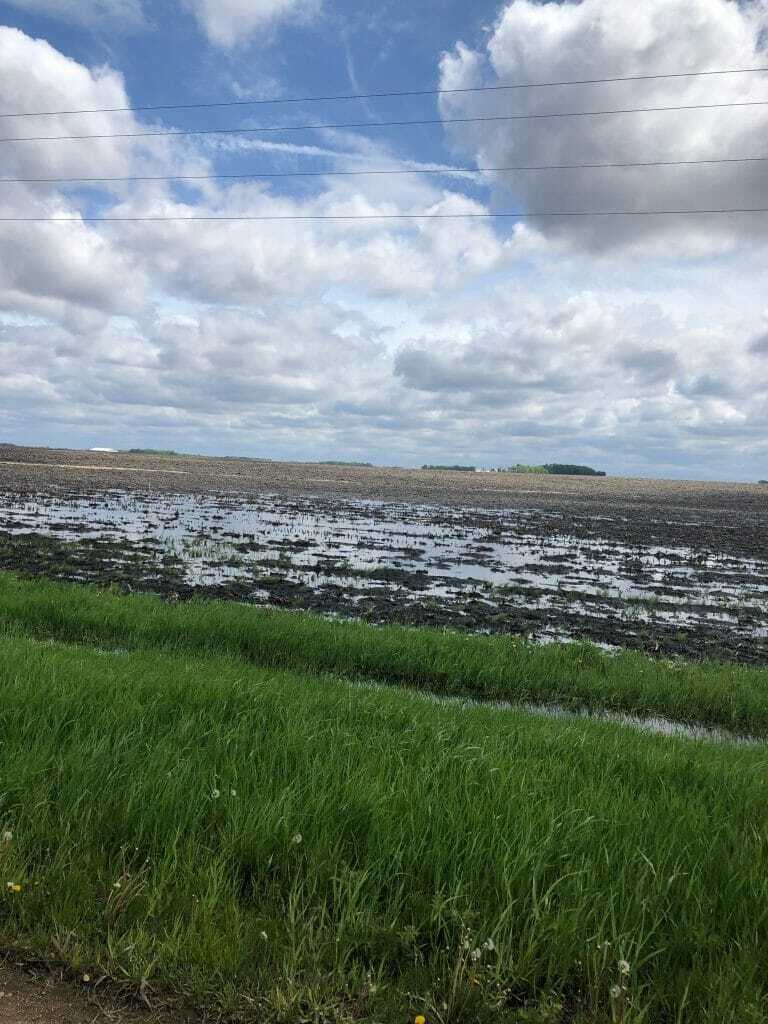
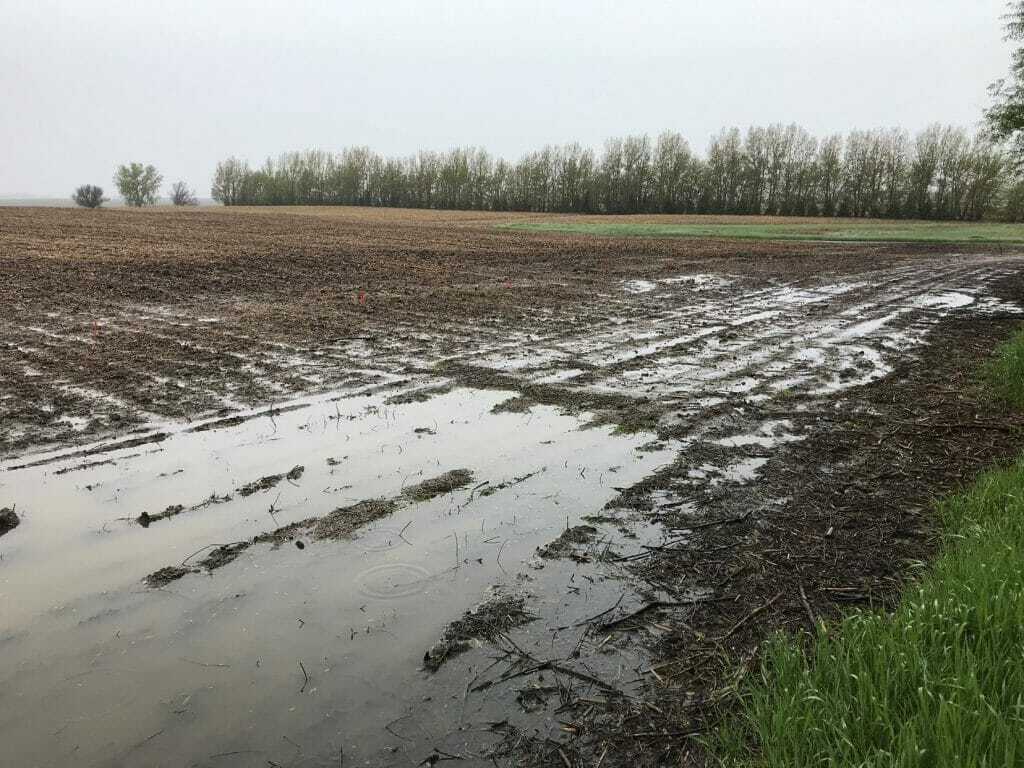
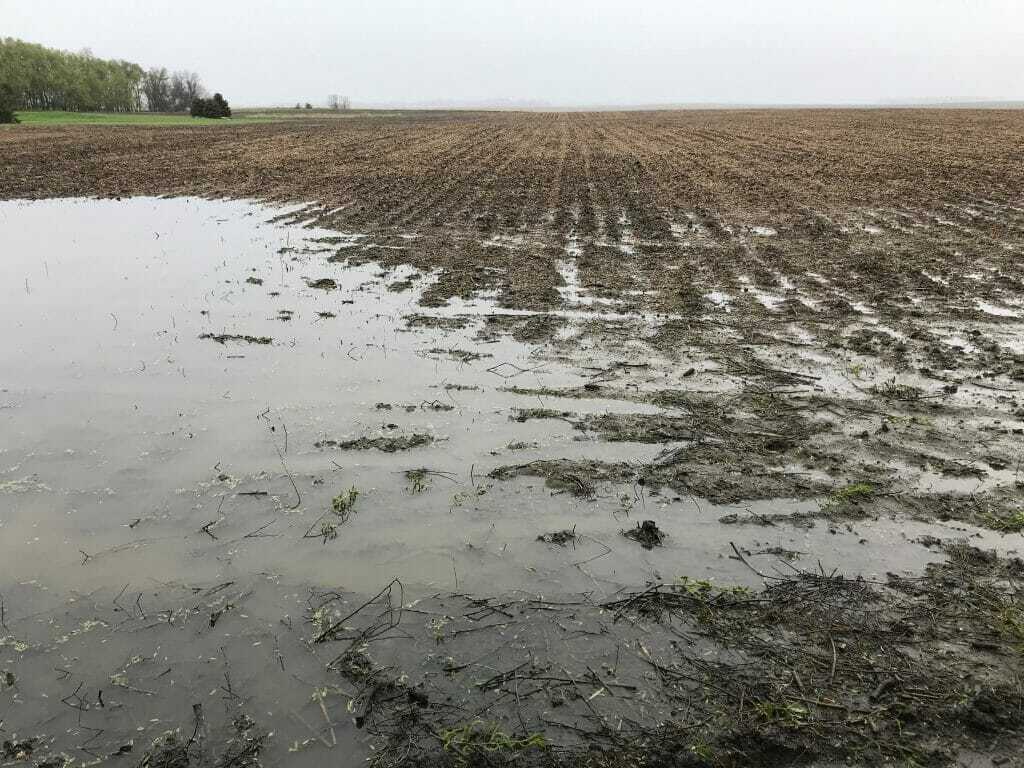
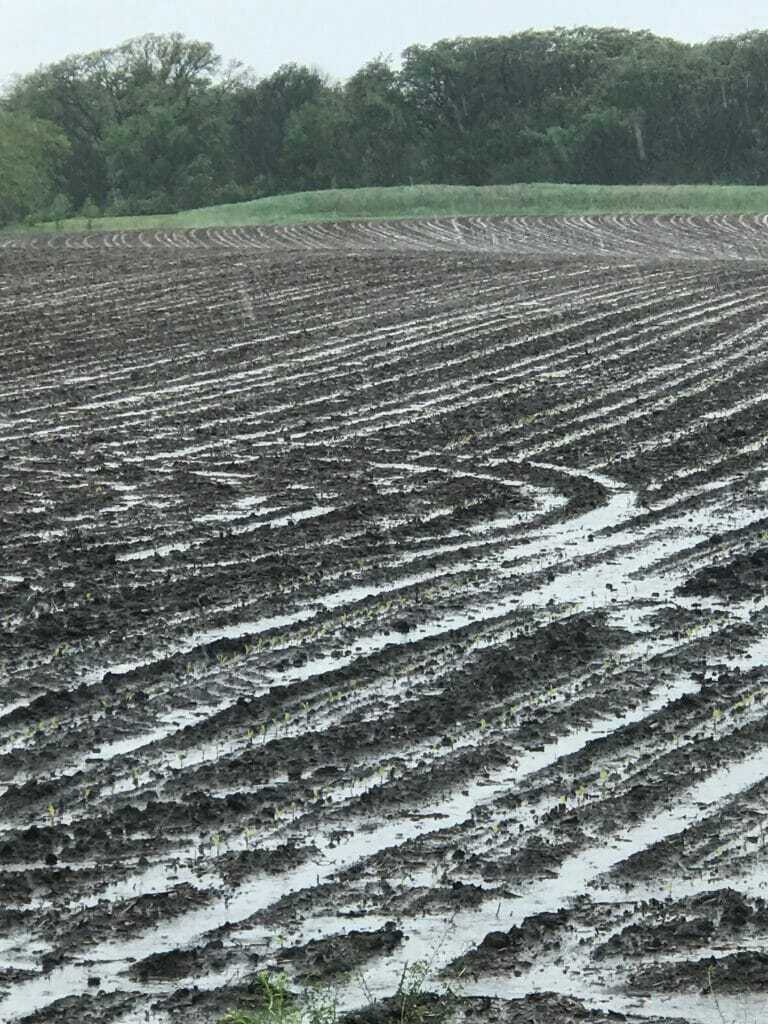
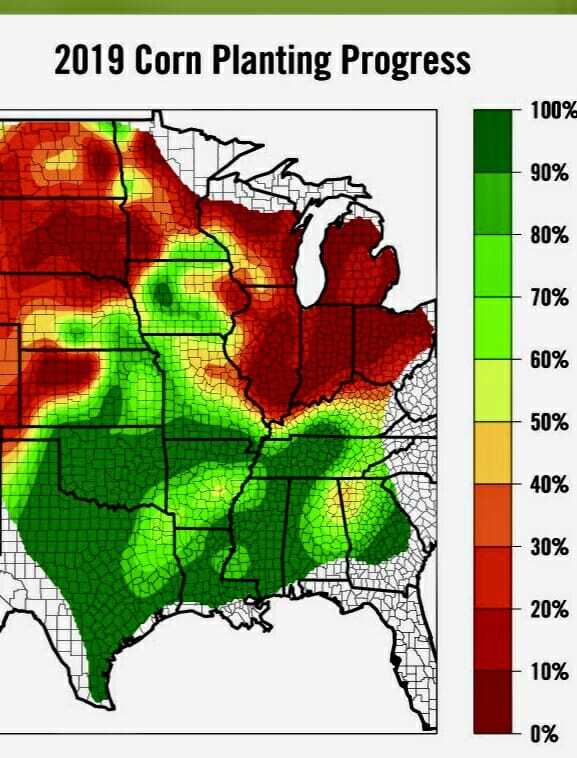
Spring planting in Southeast South Dakota continues to be delayed by rain every few days, but growers are working hard to plant when and where they can. Many fields look like this one in the photo. However, growers are not ready or willing to throw in the towel on cornhusking yet. Delayed planting throughout most of the Midwest has many believing that corn prices will much more attractive this fall than in recent years. This past week we started switching full-season hybrids for shorter season hybrids. Latham® Dealers are working hard to get the right seed in place for when planting finally brakes loose. The 10-day weather forecast looks favorable for some planters to get in fields yet this year.

Ken Highness
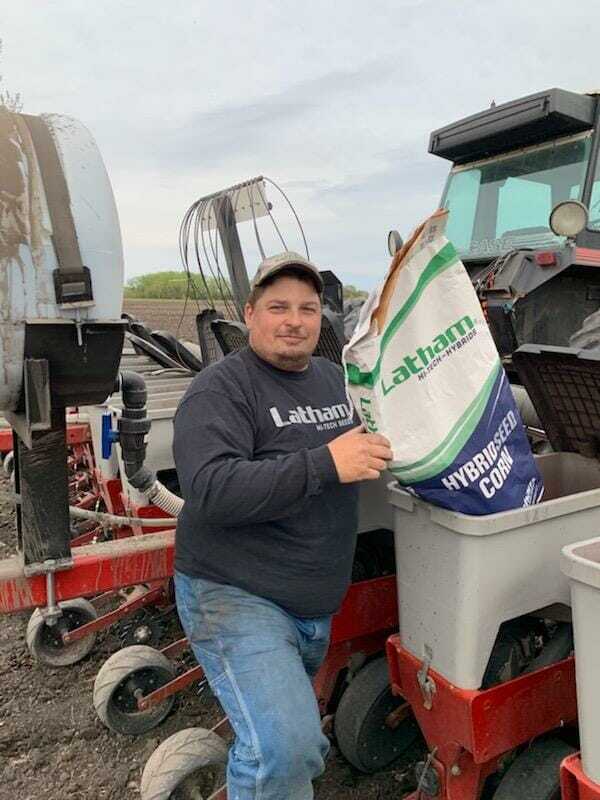
Nathan Wesolowski, a new Latham® dealer from the Tabor, Minnestoa, is planting 160 acres to Latham® Hi‑Tech Hybrids LH 3427 GT/CB/LL.
Justin Prokosch
Planting progress is pretty slow due to the ample amount of moisture we’ve received. Most growers are hoping for drier conditions, so they can soybeans in the ground.
Joe Salter
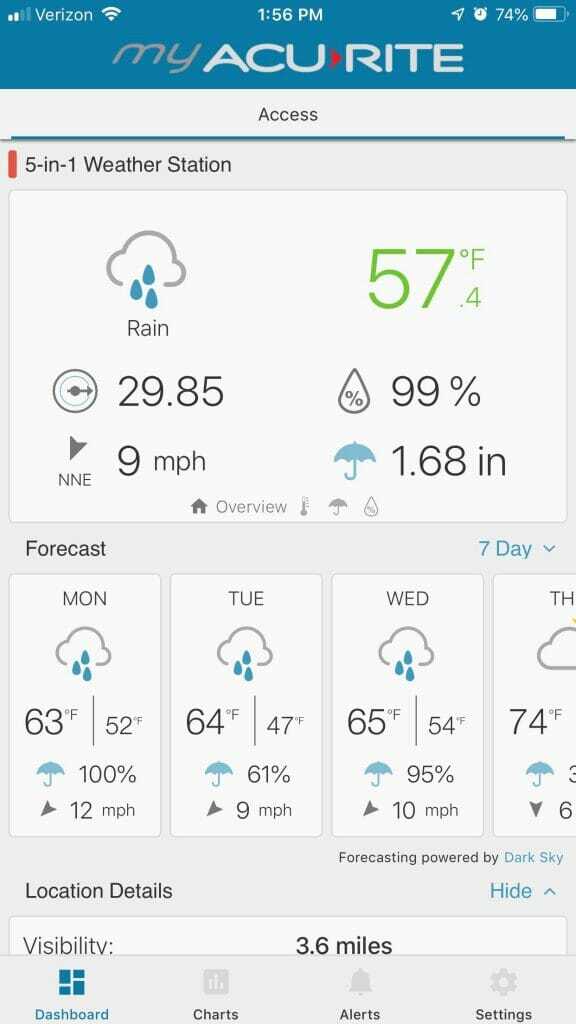
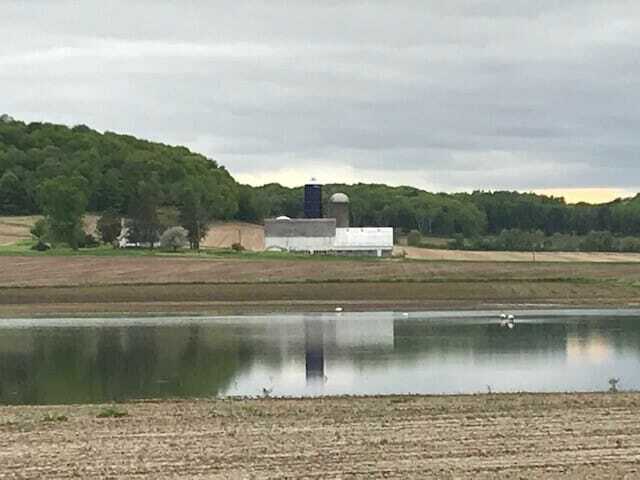
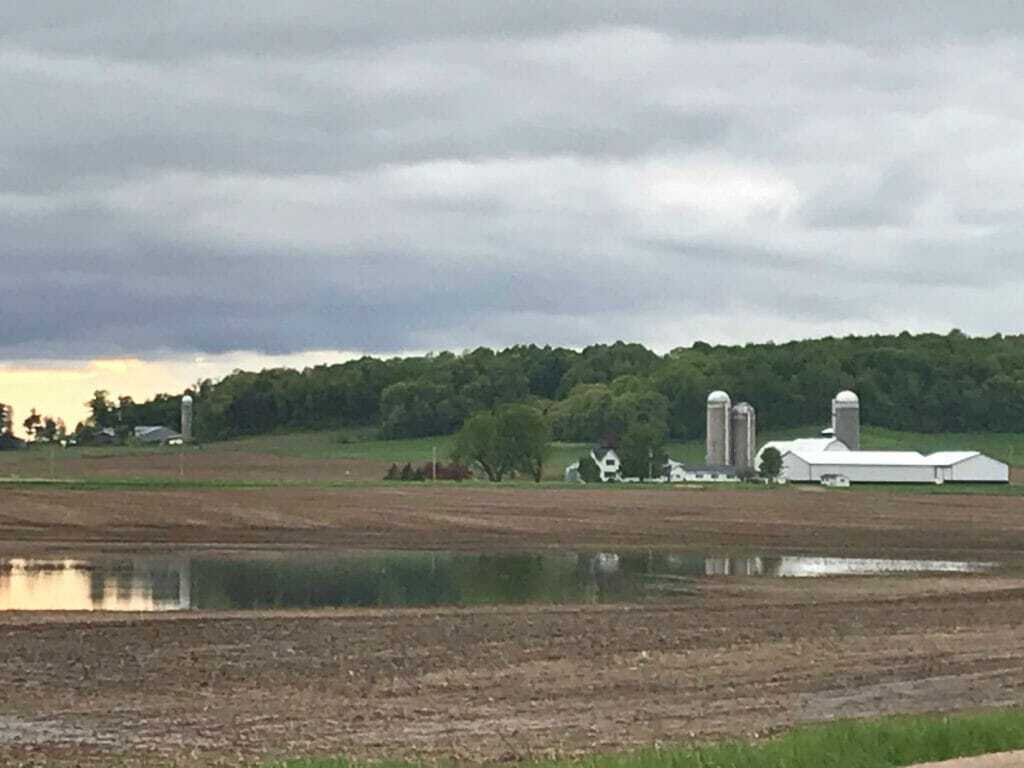
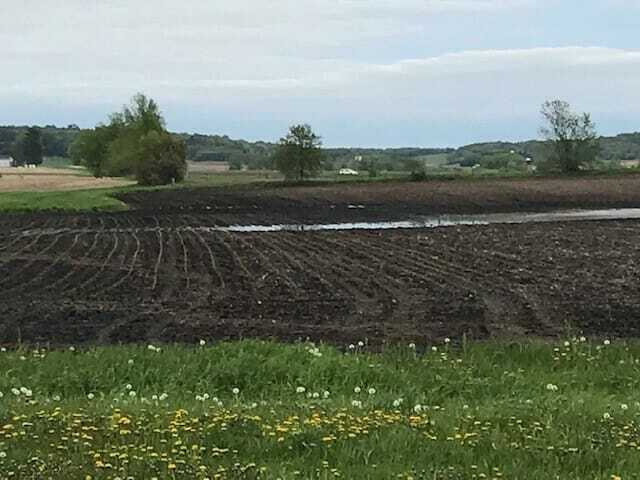
Time is running out to get this year’s crop planted, yet many growers remain optimistic about getting all their seed in the ground. Last week brought some good planting days, but rain has once again brought everything to a screeching halt. Corn is starting to emerge as shown in the pics. Many fields across Northern Wisconsin tell the same story… Growers are doing their best to get what they can planted, even if that means planting around water holes. Others are switching to early maturity options.
Many variables should be considered before switching to an early maturity hybrid:
Greg Mair
The acres that got planted are off to a good start plus the rally in the commodity market has farmers optimistic about the future of this year’s crop. Fields are looking green as corn and soybeans, which were planted the week of May 13, begin to emerge. LH 5249 SS RIB, planted May 14, was spiking through on Sunday in Janesville, Wisc. Latham® Liberty L 2249 L soybeans have gotten off to a fast start in Cuba City.

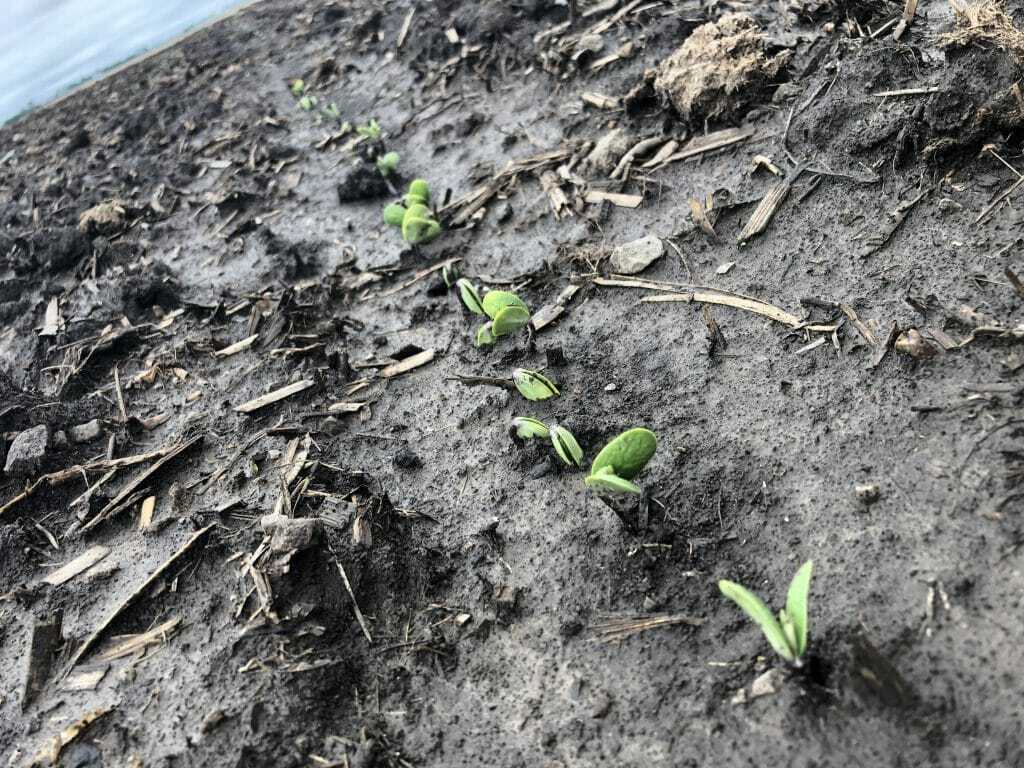
Cory Greiman
Too much rain this past week means very little field work got done in North Central Iowa and South Central Minnesota. Unfortunately, more rain is in the forecast for this week.
Craig Haaland
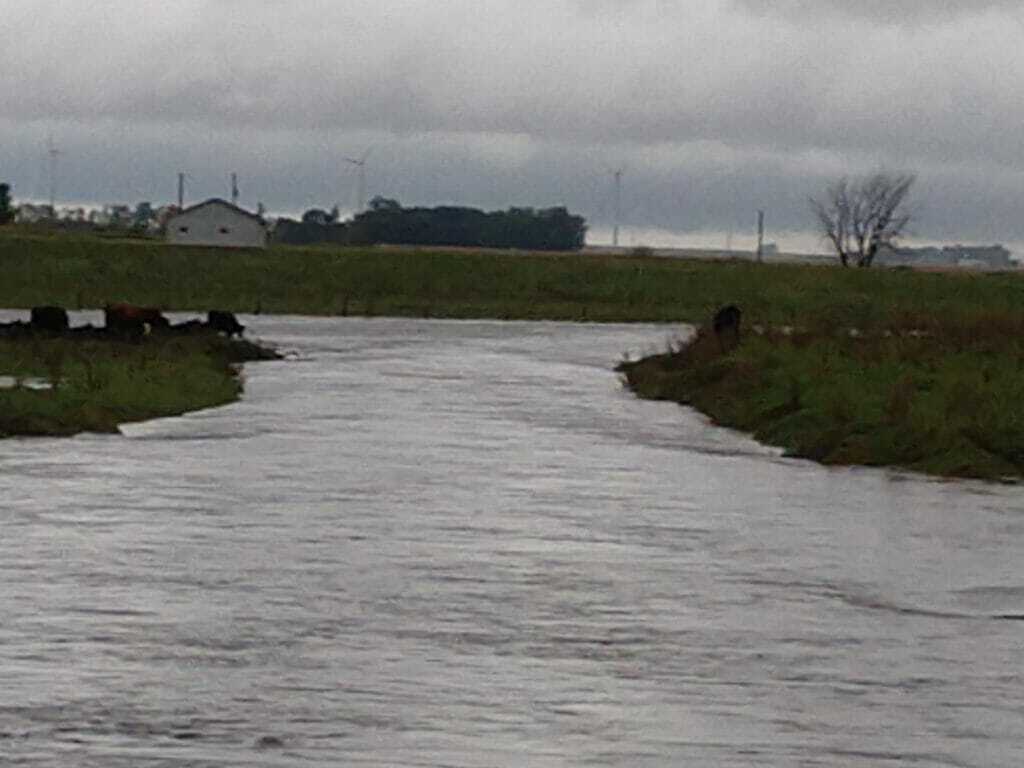
Rain, rain, go away!
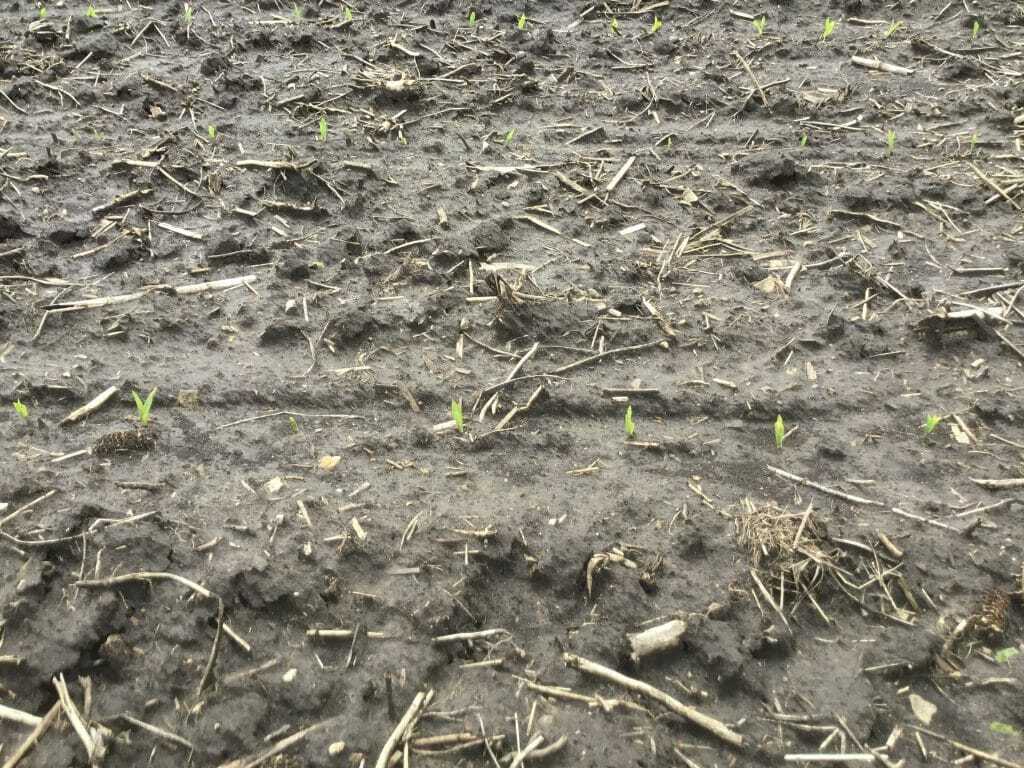
Anywhere from 3 to 4.5 inches of rain has fallen during the past week, so virtually nothing has gotten planted since last Tuesday. Everything is saturated, so it will be awhile before we can finish the 2019 planting season. Corn is starting to pop in the fields that were planted earlier. This field of Latham® LH 5400 is spiking through in Mitchell County, Iowa.
Darin Chapman
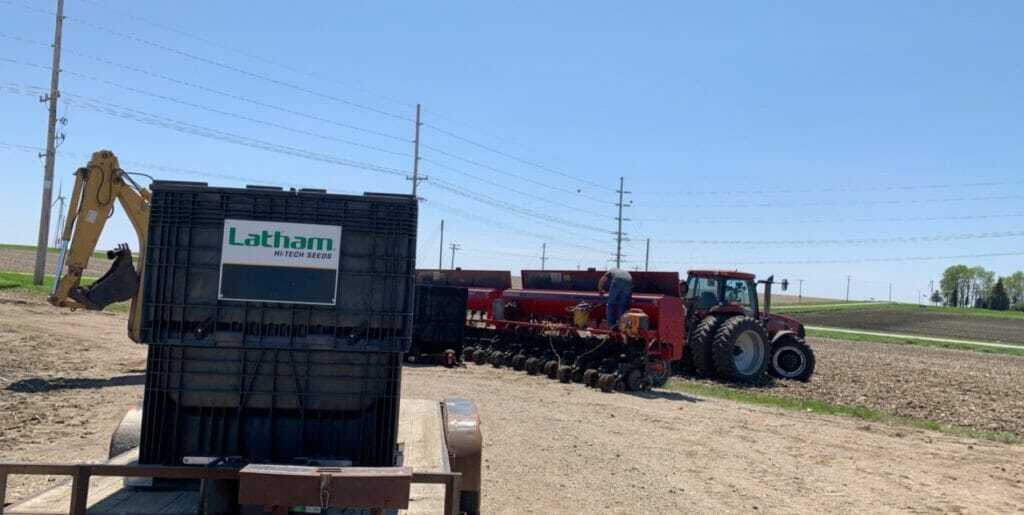
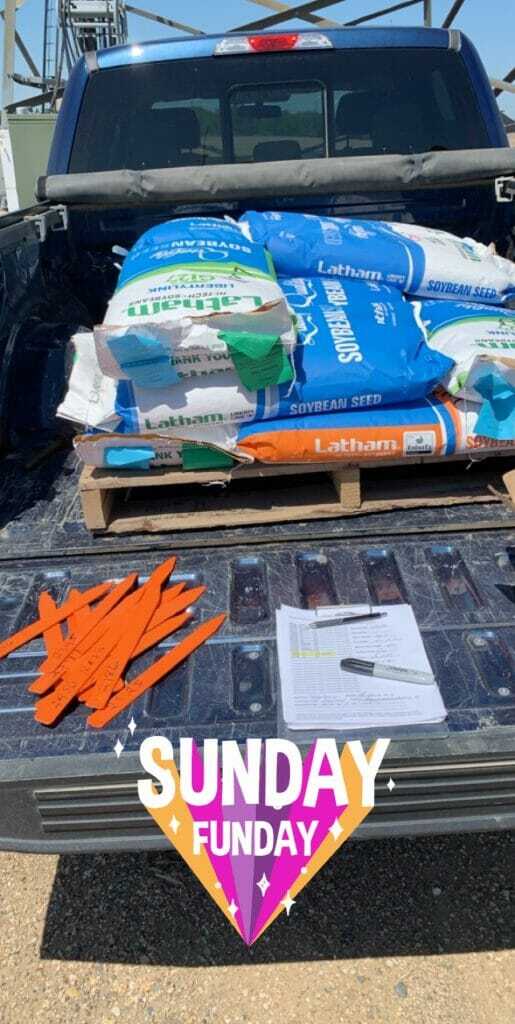
Farmers in Northwest Iowa are having a difficult time keeping their planters going due to heavy rainfall. As much as I like to wait for ideal planting conditions, this year is an exception. We need to get seed in the ground, so we’re being strategic with the planter pass by keeping the dry top soil on top and not running our row cleaners too aggressively. By not running too aggressively and only moving debris with little to no top soil, we can keep the press wheels riding on the dry top soil to avoid plugging the planter with mud.
Jerry Broders
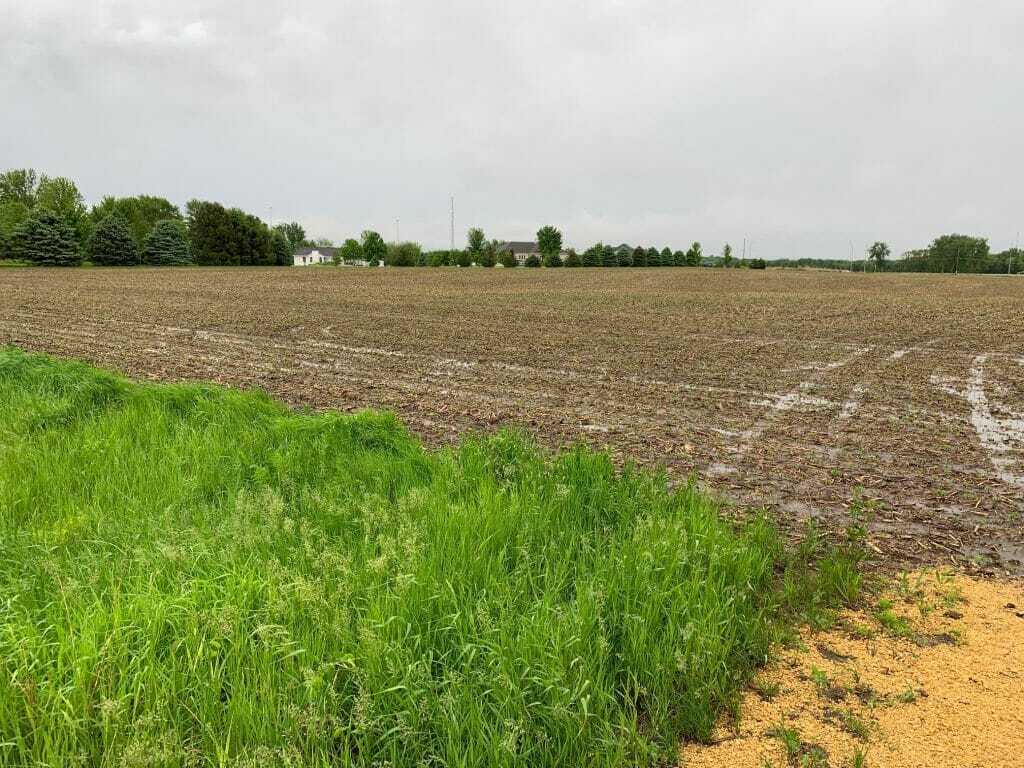
Weather continues to be the limiting factor for spring planting 2019. Farmers in a small area of Jackson County were able to plant for a couple of days last week, but fields across most of Eastern Iowa weren’t fit.


Larry Krapfl
This has been the season of extreme weather. Much of my area was adversely affected by flood waters this spring. Then on May 28 a devastating storm moved through the Adair-Stuart-Casey area. Torrential rains, hail so heavy it resembled a snowstorm and strong winds created hazardous conditions. Overturned semis temporarily shut down a portion of the interstate.

Bart Peterson
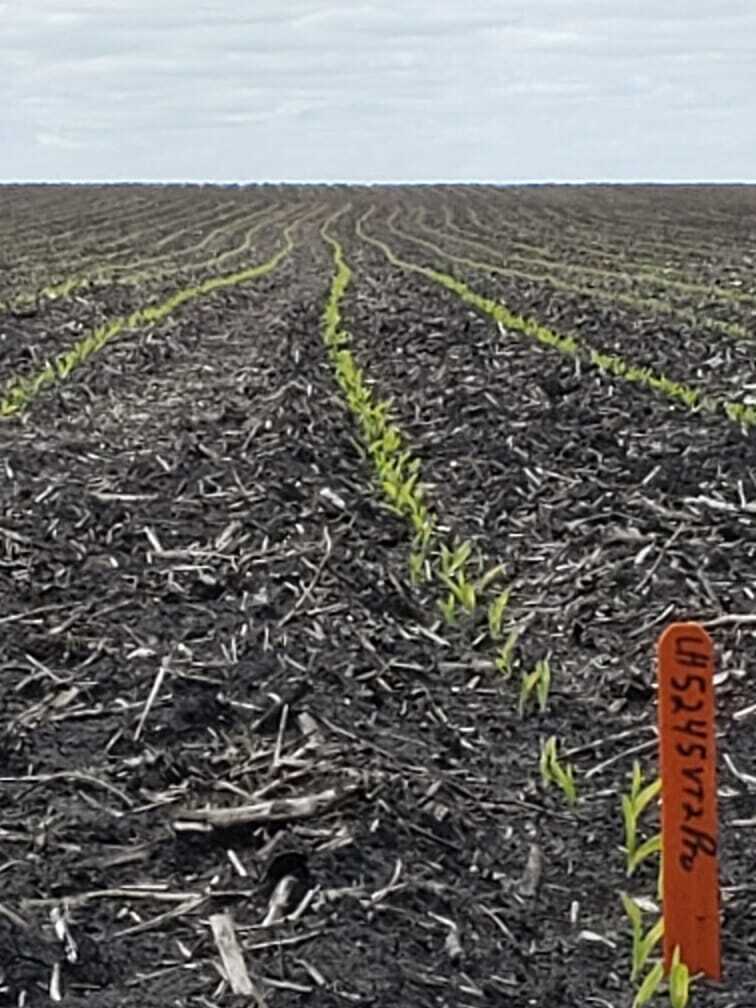
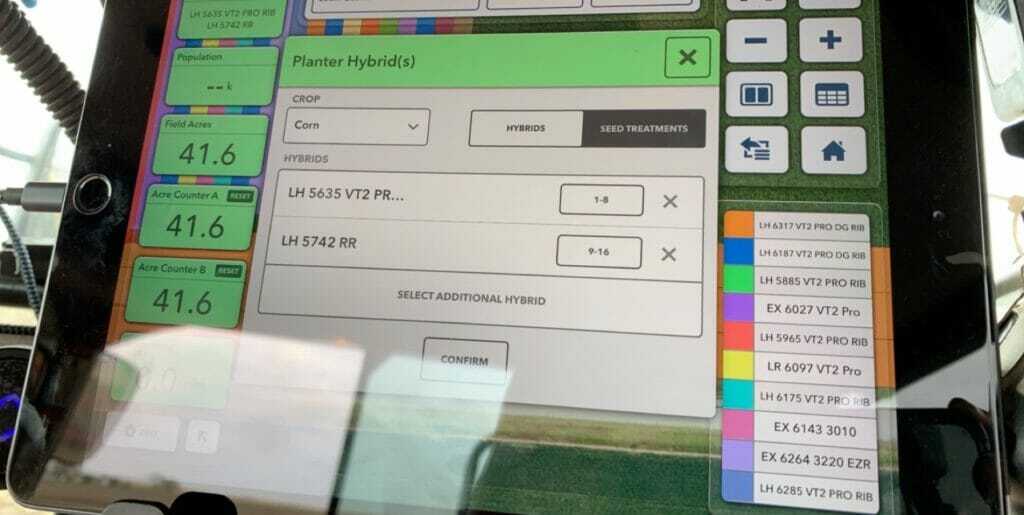
LH 5245 VT2 PRO emerged like a rocket, and LH 5742 RR also had great emergence in this Latham® SuperStrip Plot north of Hardy, Iowa, that was planted May 6. Now all this plot needs is some sunshine and heat!
Bryan Rohe
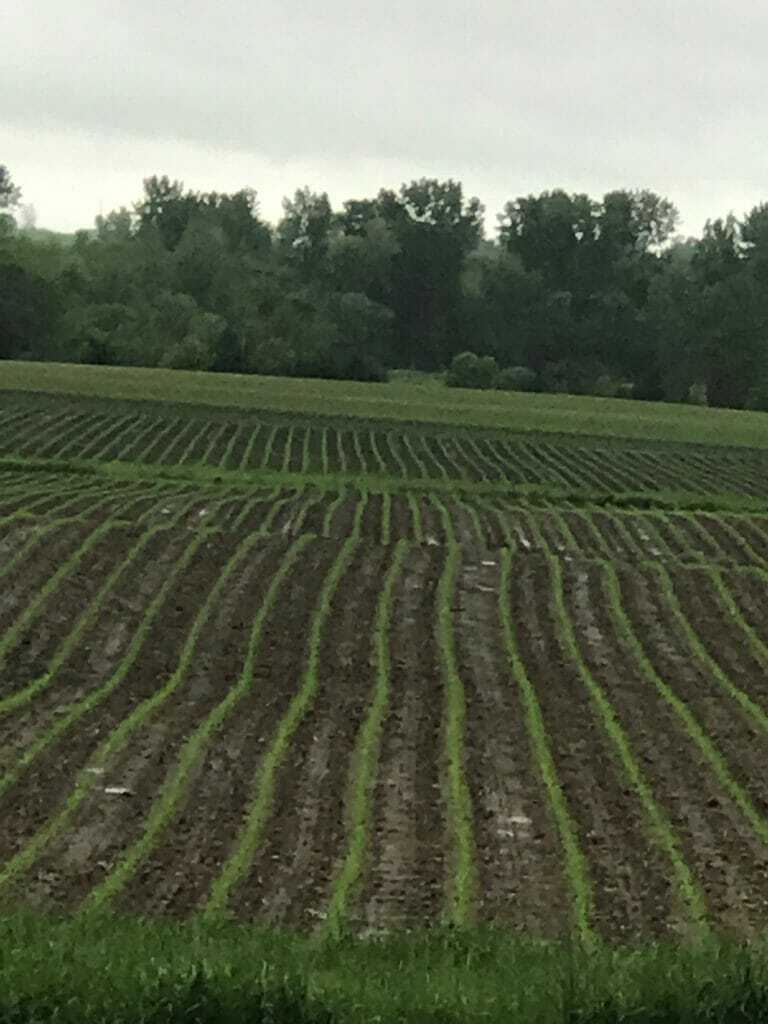
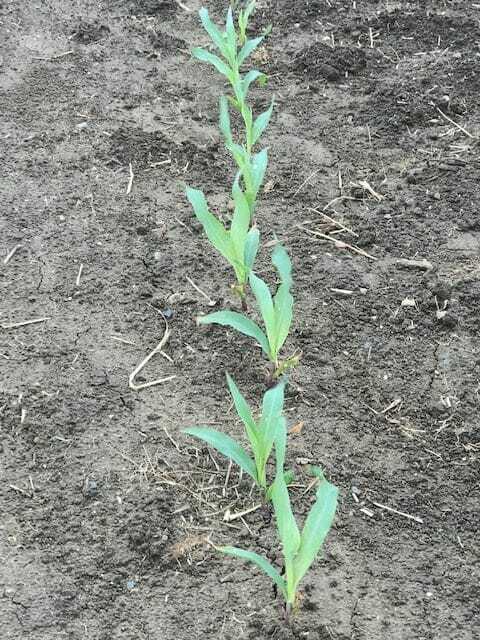
Getting your 2019 corn and soybeans crop in the ground will be extremely important to take advantage of rebounding markets. Central Iowa farmers are eager to finish planting, but Mother Nature isn’t cooperating. I’d say 90% of the corn acres and 65% of the soybean acres in my area are planted.

Brain McNamee
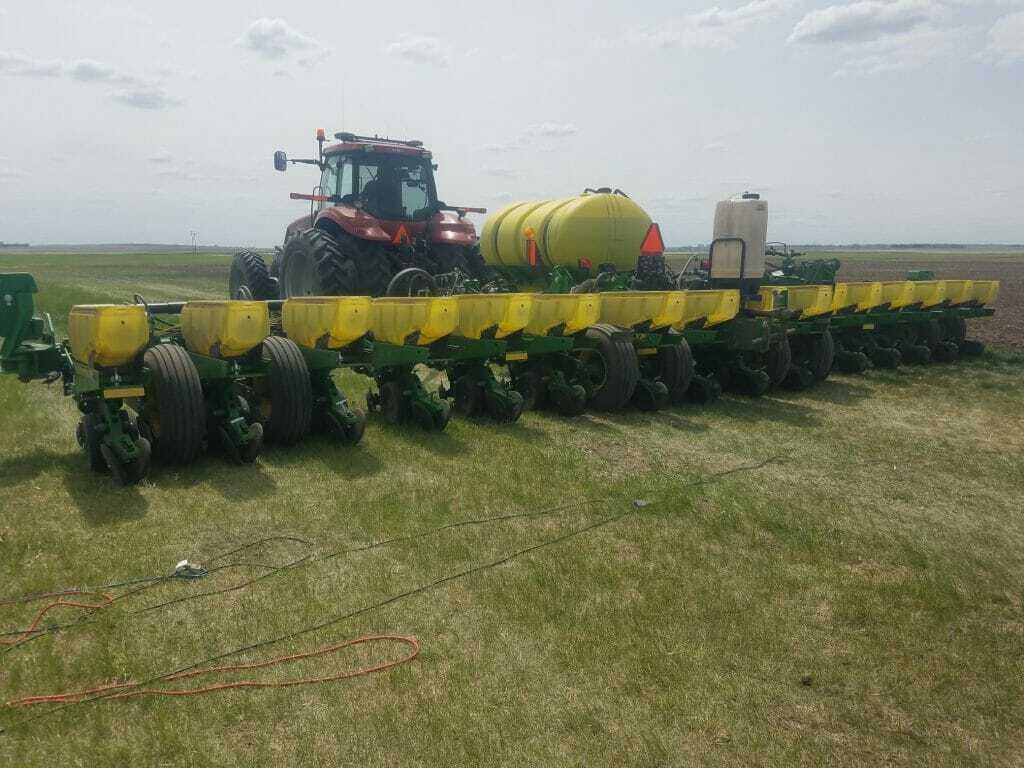
Just like last spring, farmers in the North Central and Northwest part of my territory have missed the rains. Planting has progressed there for more than 20 days. Last night I drove about 200 miles from home, north to south, and saw maybe half a dozen tractors total in the fields. Of that equipment, it appeared an even split between planters, tillage and rollers. Corn continues to be planted as we push closer to the insurance deadline. All last-minute and final acre decisions are leaning toward corn.
Gary Geske
With more rain in the forecast, farmers are putting in longer hours to plant what they can now. Take time during this next rain delay to scout previously planted fields for weeds, germination and early crop growth. If you’re planning to use a pre-emergence herbicide, most must be applied before the crop emerges to avoid injuring the growing crop.
James Keltgen
It’s been another wet week in Northeast South Dakota! Farmers pushed hard in areas the last half of last week. I’m hearing everything from 0% to 100% done with planting corn. Most farmers are somewhere in the 20 to 40% completed range. Nearly three inches of rain have fallen since last week, so some farmers are thinking about planting earlier hybrids. We’re praying for a break in this rainy weather pattern.
Ramie Coughlin
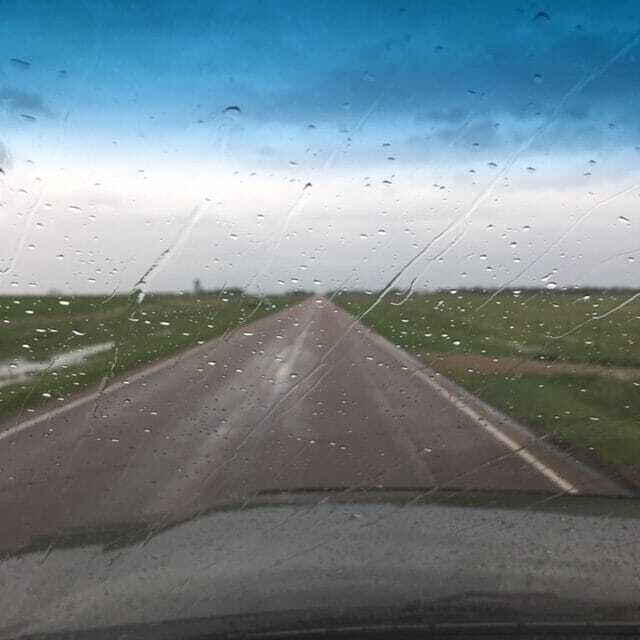
Last week we had four days of dry weather, so planters got in the field. I’ve heard reports from farmers, ranging from 100% to 0% planted on corn. It was a relief that fields were dry enough to plant last week, but it was unfortunate the next rain system wasn’t far behind. Rain fell Friday night across most of eastern and western South Dakota and continued into Saturday and Sunday. The next system flared up Tuesday and has continued into today. We’re hopeful that good drying weather in the days to come as warmer temperatures are suppose to be on the way.
Ken Highness
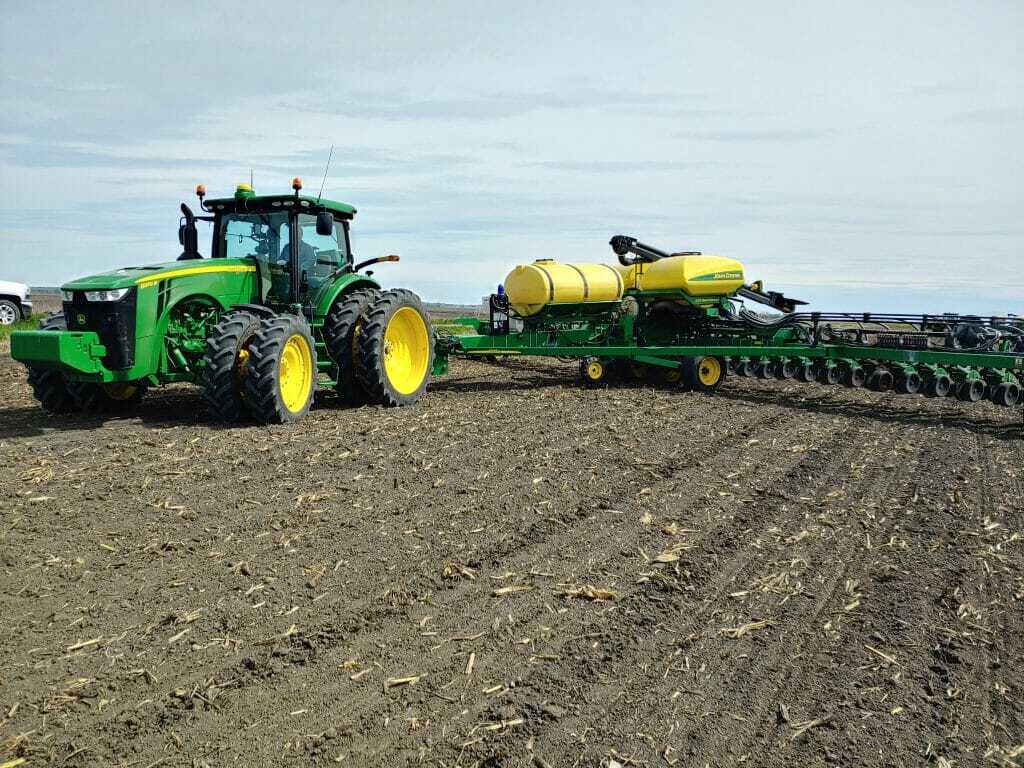
This past week brought favorable conditions for field work with soil temperatures above 50-degree mark. Latham® Dealer Riverton Seed planted L 0982 RR2, which was the Red River’s F.I.R.S.T. Trials winner. Many farmers were busy finishing tillage while some started planting. A few areas experienced large amount of rain and some even received snow last weekend. The good news is we’re still within the time period for great yields, so there’s no need to think about switching maturities yet!
Justin Prokosch
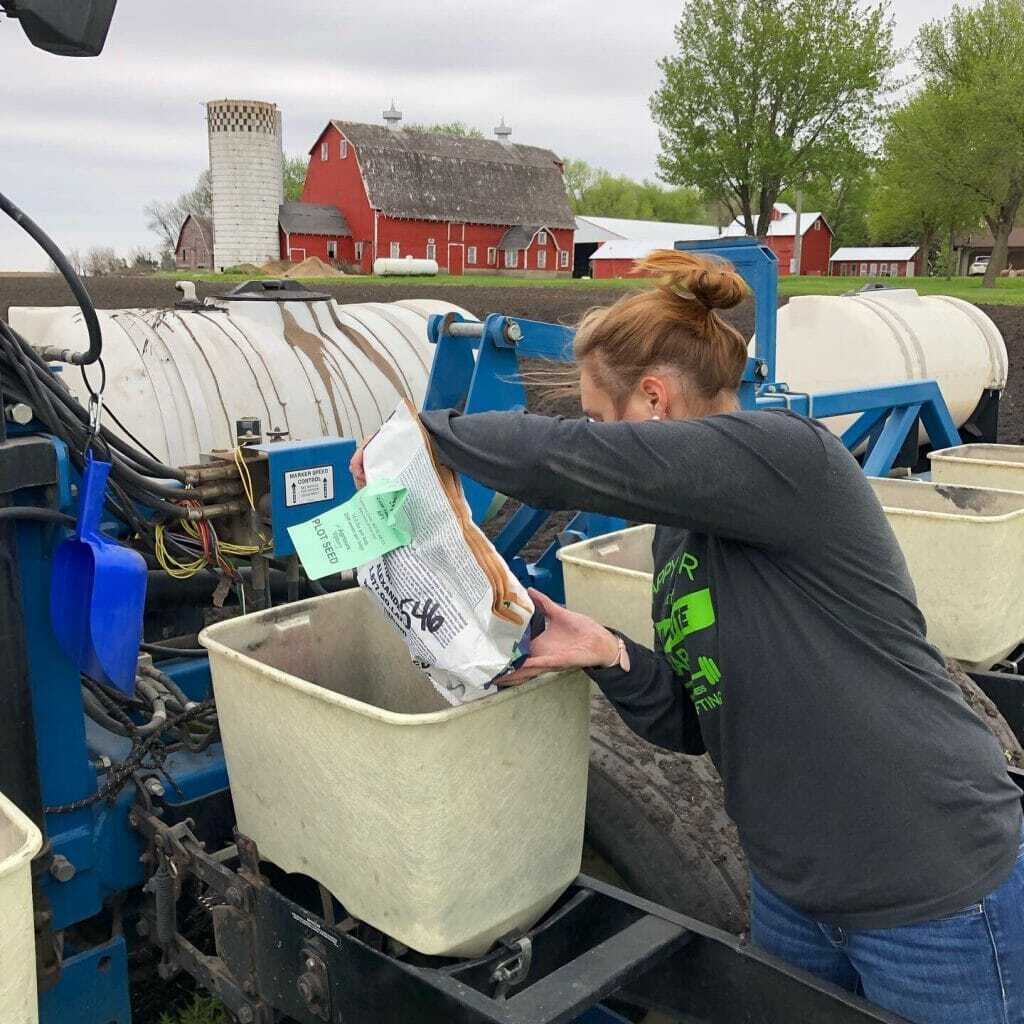
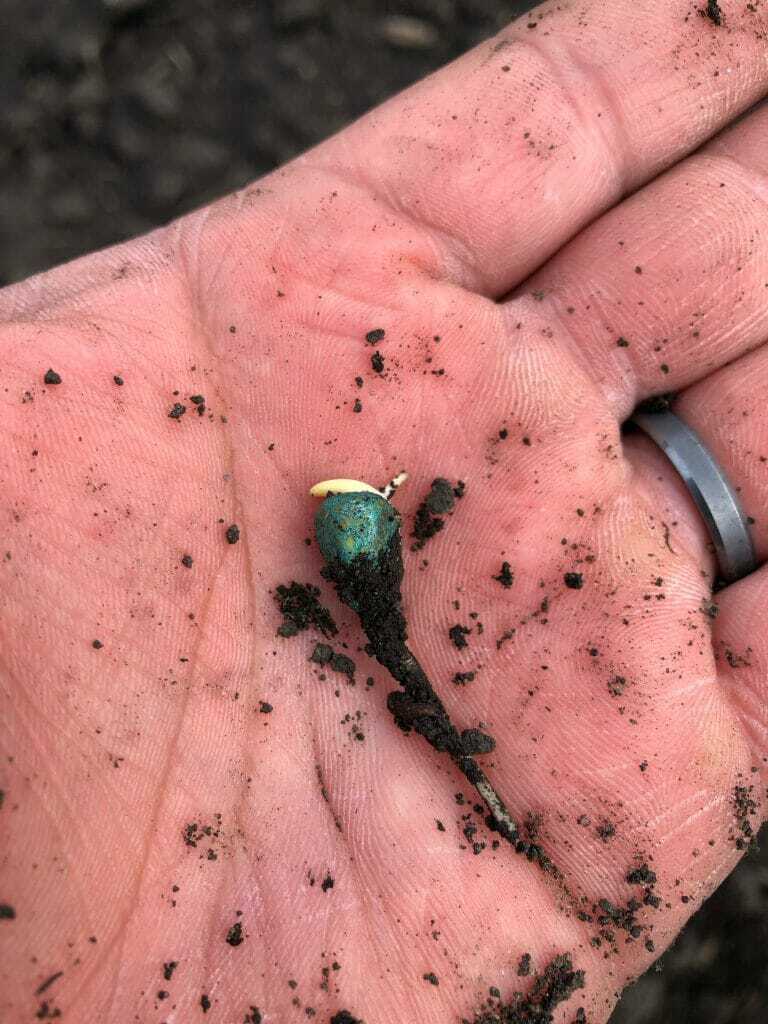
Last week was a strong week for many farmers in southern Minnesota. Many farmers finished planting corn, and some got started on soybeans. With rain coming in last Friday, I convinced my wife to help put in my last Latham SuperStrip™ on our home farm. We pulled out all the stops to get it planted right before it started raining!
Joe Salter
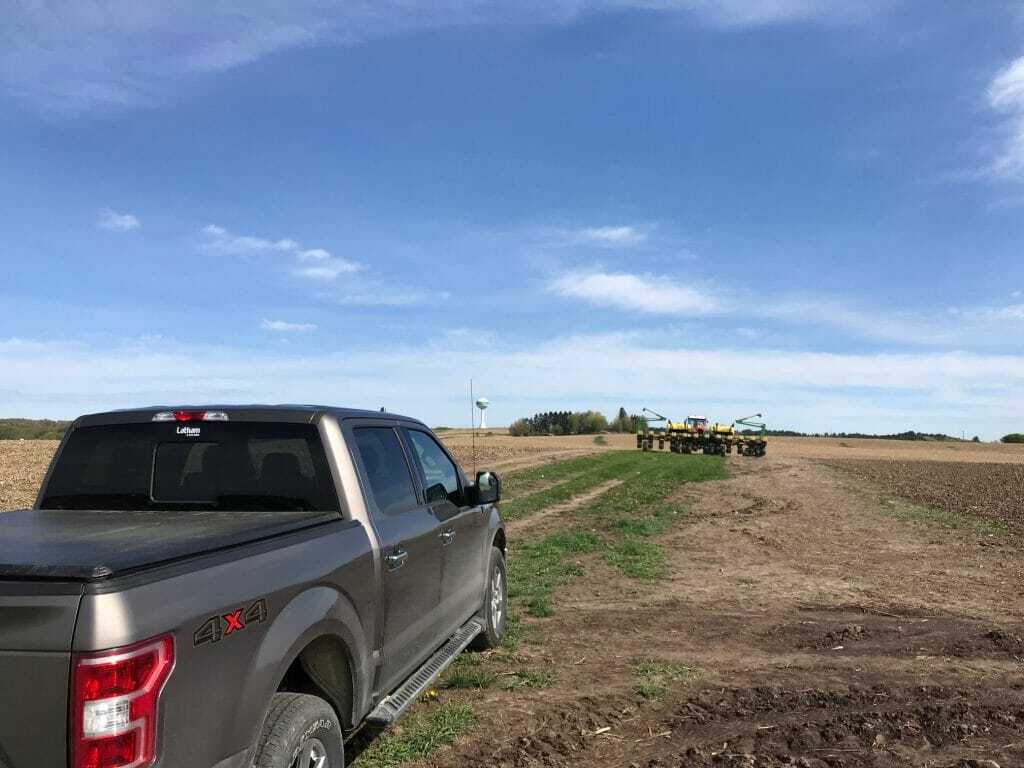
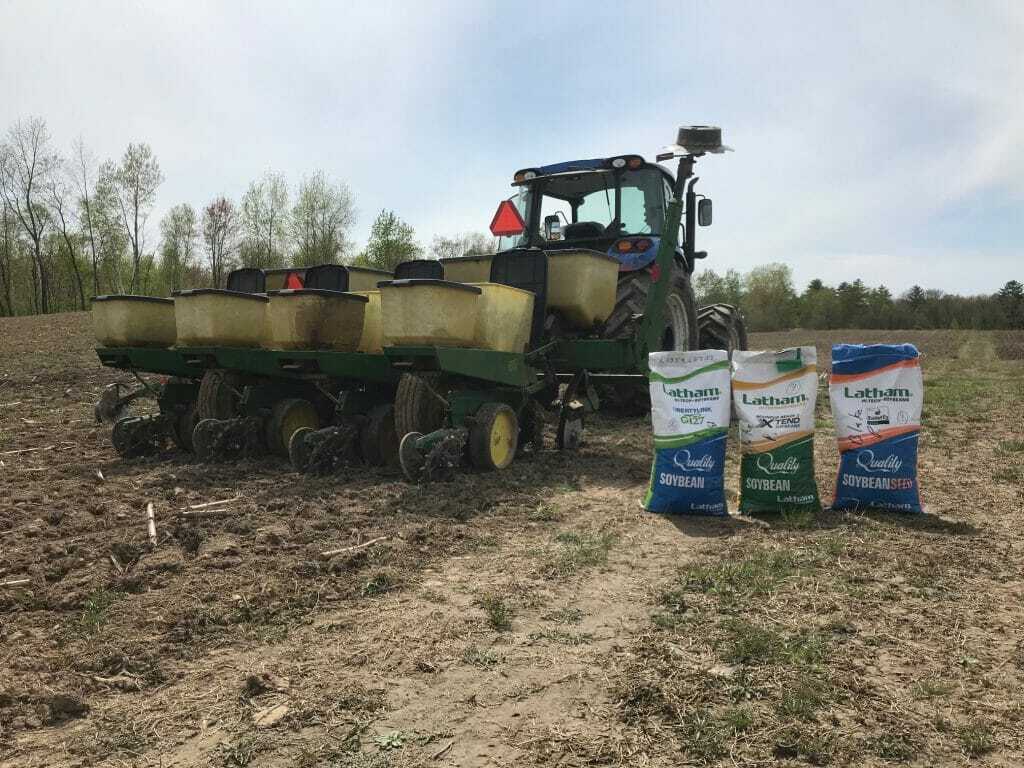
This last week we gained some ground! Tractors were running steady because farmers knew rain would soon hit us. Northern Wisconsin planting progress ranges from zero acres planted to almost done. A few more Latham plots went in the ground.
Greg Mair
Seed that has been in the ground for three or more weeks is finally emerging. These acres are a little pale green, but the stands look fairly uniform given what they have been through. More rain in the forecast this week, but farmers remain hopeful for good conditions to finish planting this spring.
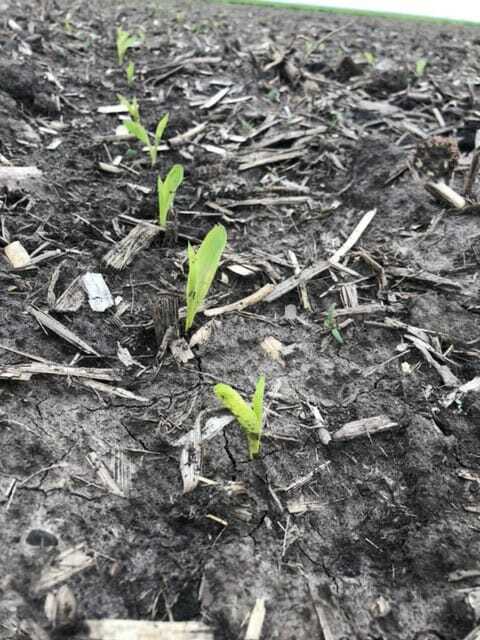
Cory Greiman
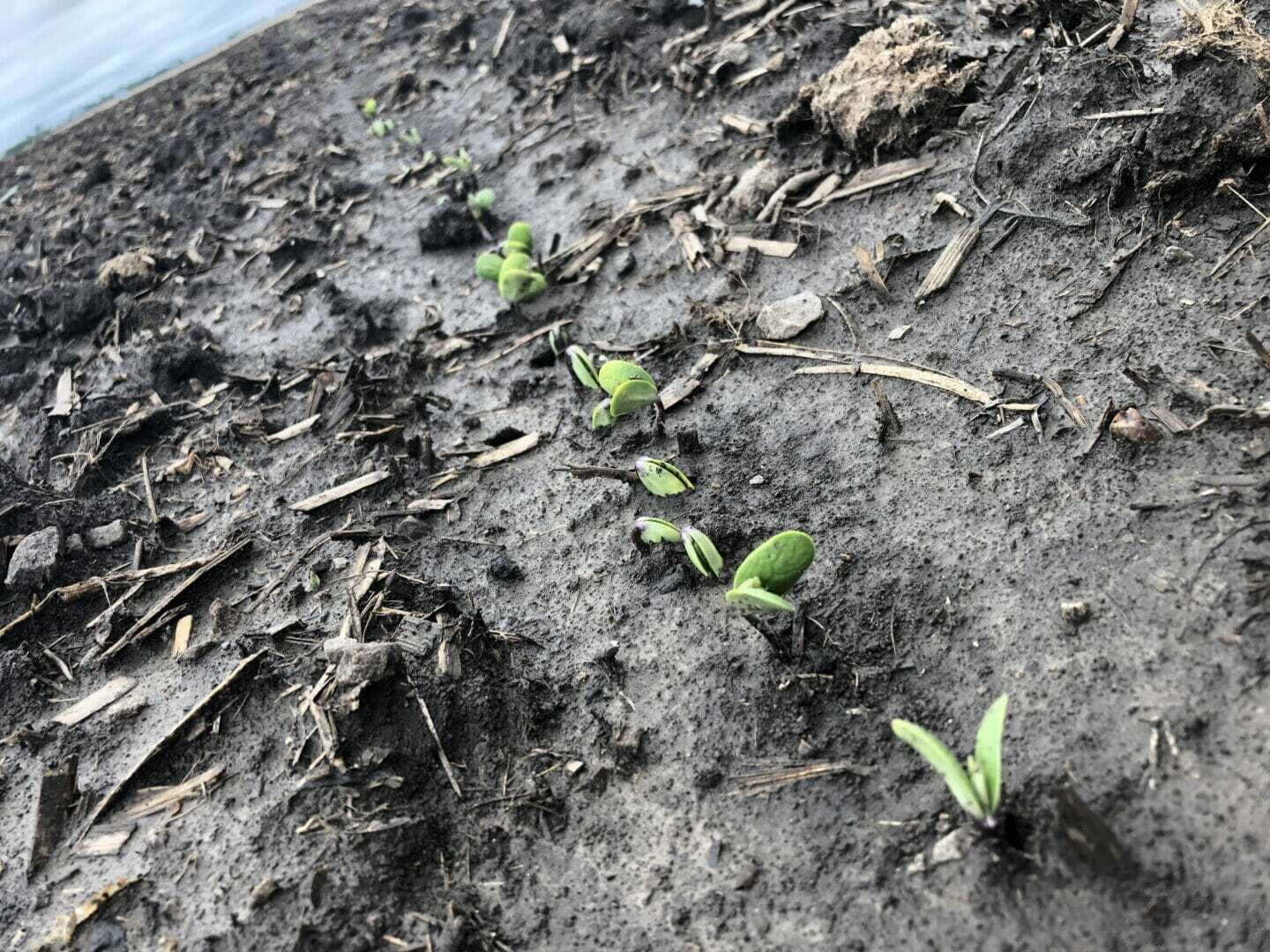
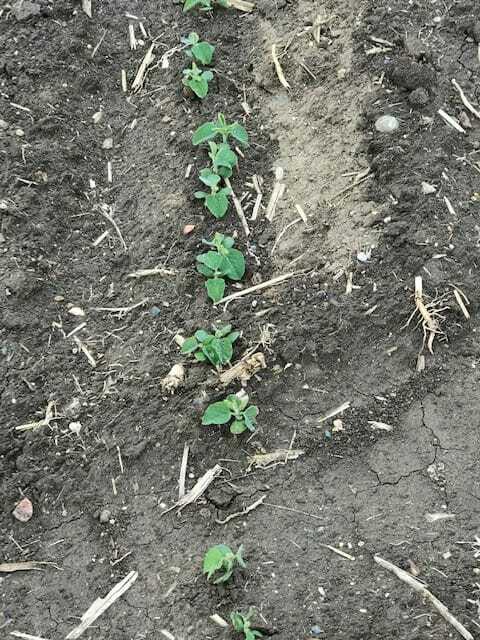
Latham 2193 E3 beans were planted near Garner on May 7. This picture was taken on May 16. We could use a little sunshine and warmth.
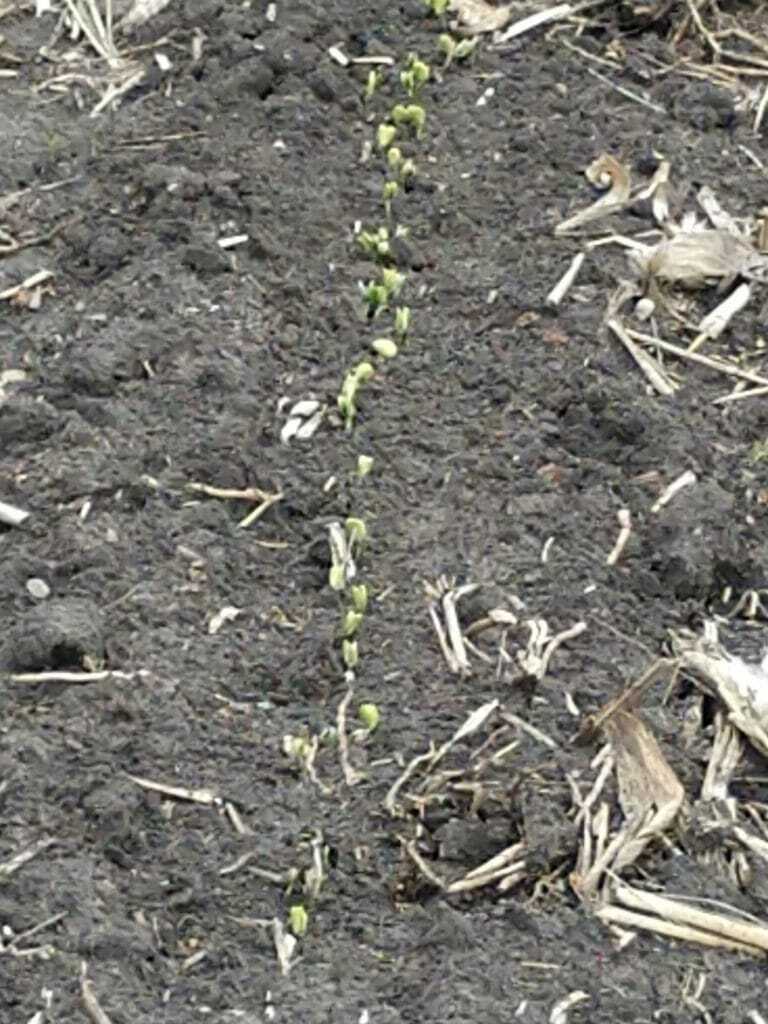
Craig Haaland
This no-till customer in Mitchell County, Iowa, was able to plant soybeans last Thursday. Quite a few farmers got seed in the ground last Monday through Thursday. Spotty rains fell Friday and Saturday, with rainfall totals ranging from 1.5 to 5 inches. Most area farmers finished planting corn last week and got a decent start on soybeans. Temperatures have been up and down these past few weeks, so some seed is struggling to emerge. We need warm and dry weather, so we can finish the 2019 planting season.
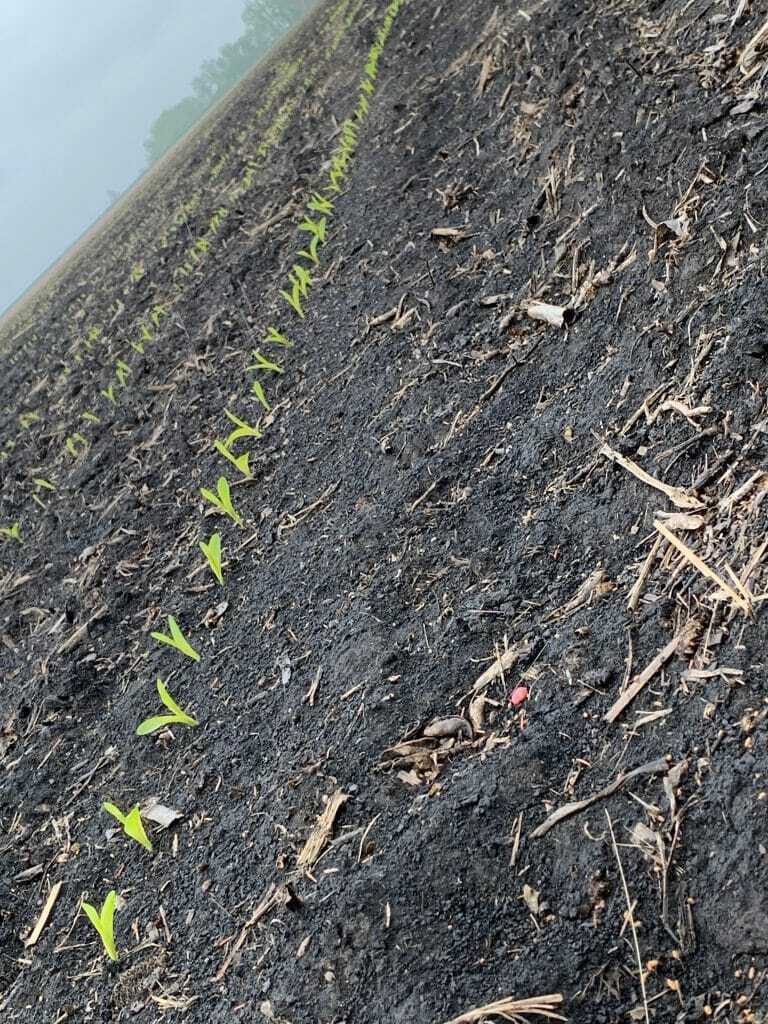
Darin Chapman
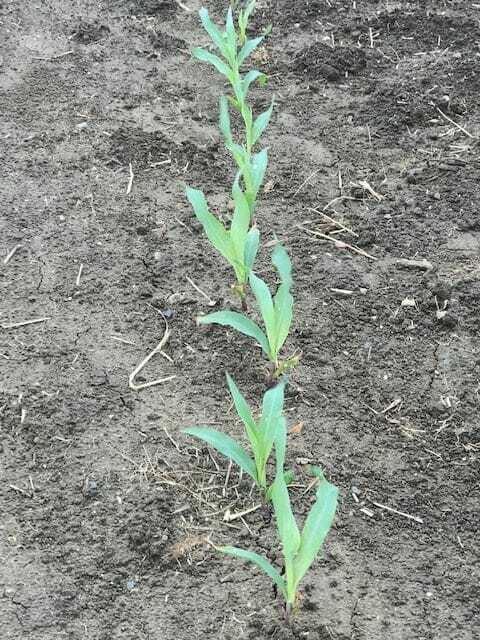
These photos show Latham LH 5245 VT2 PRO planted May 5 at 36,000 population. We’ve only had a few days of sunshine to get this crop started, so I’m happy to see good emergence and the start of a nice stand.
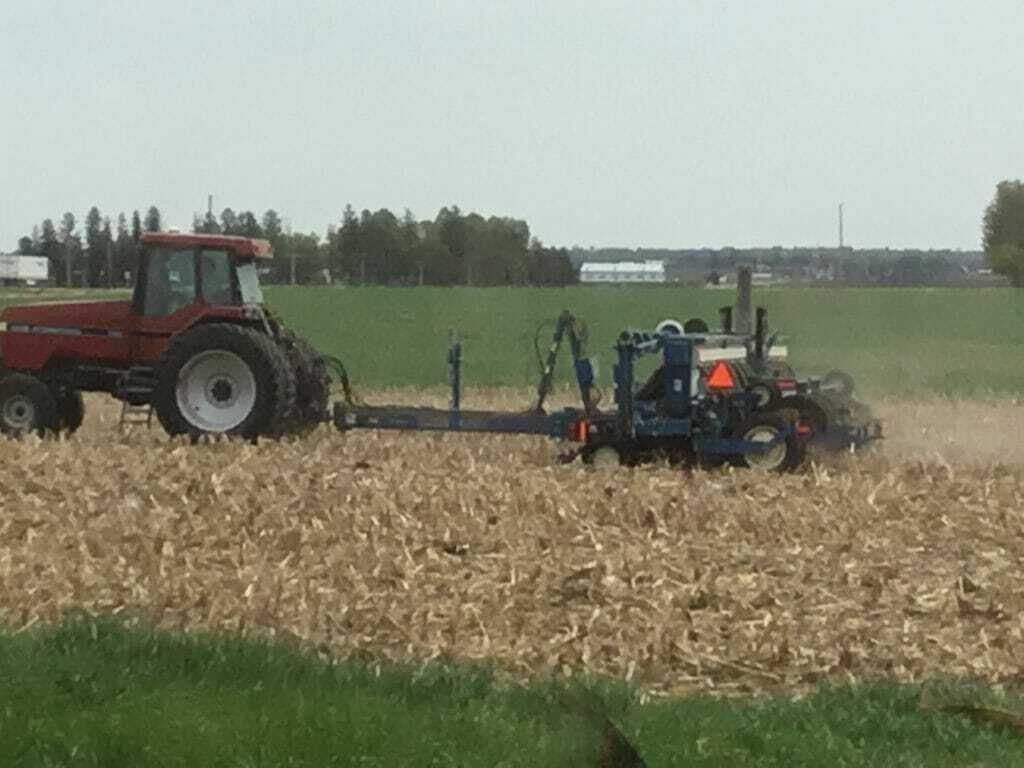
Jerry Broders
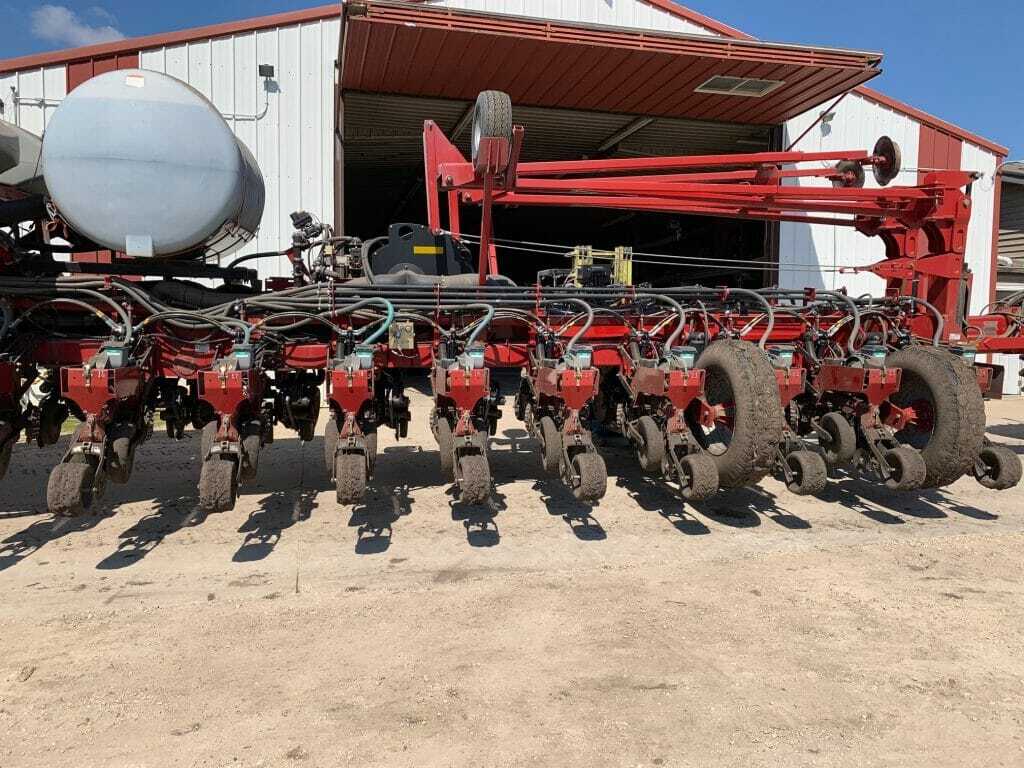
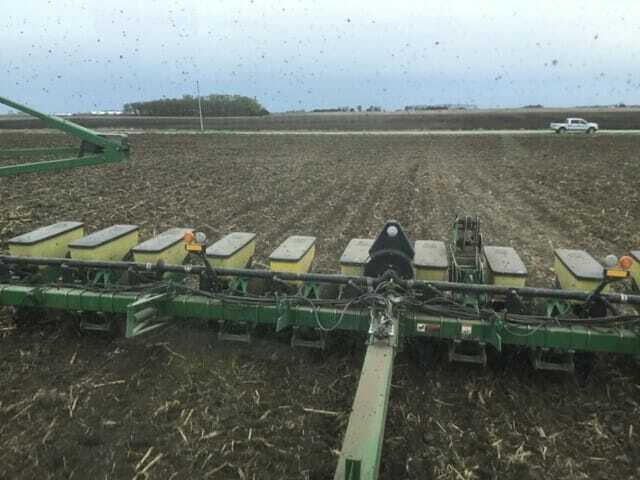
We managed to string together four days of dry weather to get some much needed planting done. Some fields were not “ideal” for planting as you can see the soil packed on the press wheels and travel wheels of this planter. #Plant19 continues to be an adventure.
Larry Krapfl
You can row this field of Latham L 3187 L that was planted April 18 in western Iowa.
This 20-year old CRP ground was planted to LH 5819 SS on April 18 near Climbing Hill, IA.
Bart Peterson
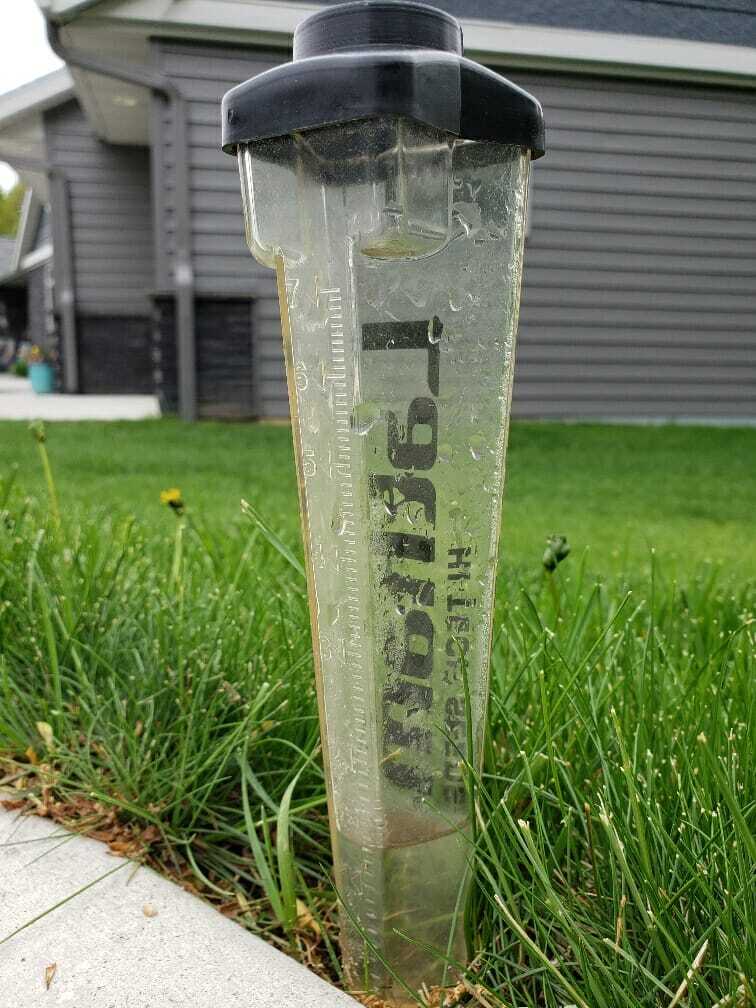
Last week I dumped 1.3 inches from my Latham rain gauge in Dakota City, Iowa. It’s been challenging to put seed in the ground when it seems to rain each time the fields are almost dry enough to enter. I’m guessing 99% of the corn is planted and 60% of soybeans are planted in West Central Iowa. My North Central territory is a little behind that with about 70% of the corn acres planted and 25% of the soybeans planted.
Bryan Rohe
Rain continues to fall across Central Iowa, and the 5-day forecast calls for more. The central region is 95% done with planting corn and 60% done with soybeans, so we’re pretty fortunate. Once it stops raining and dries up, planting will finish in a hurry.

How does crusting and rolling soybeans go hand in hand this season? Phil Long talks about these two topics in reference to this year’s growing season.

Brain McNamee
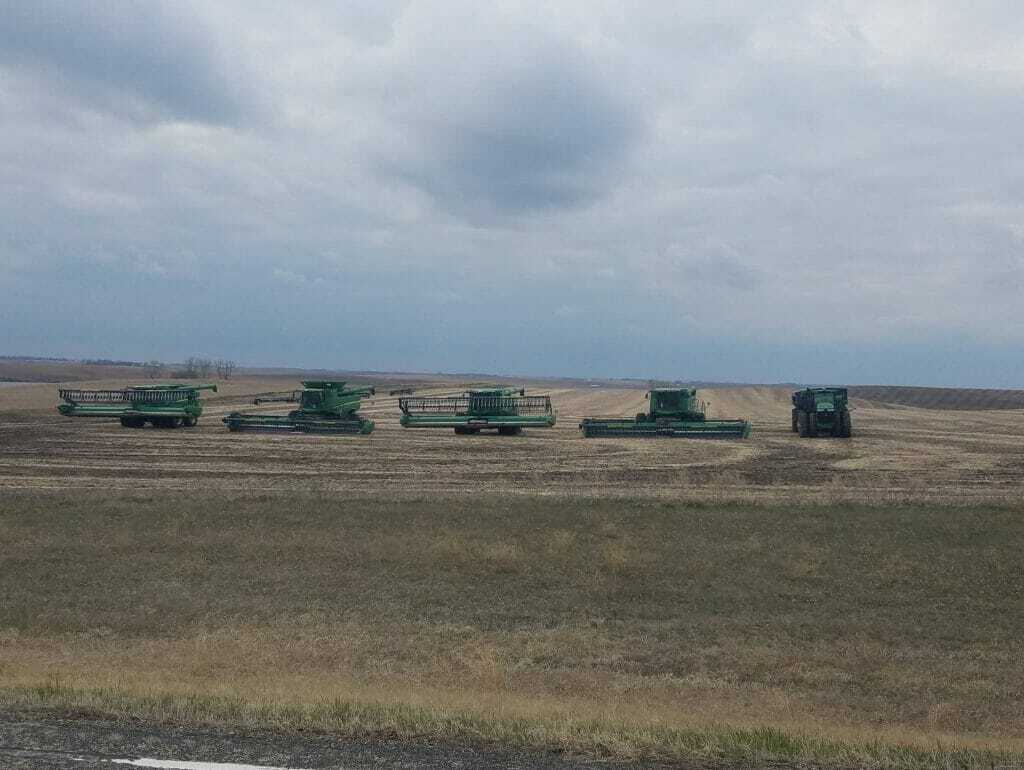
I forgot how many thousands of acres of soybeans were left standing yet this spring. I believe last year’s crop may finally be 100% harvested.
Gary Geske
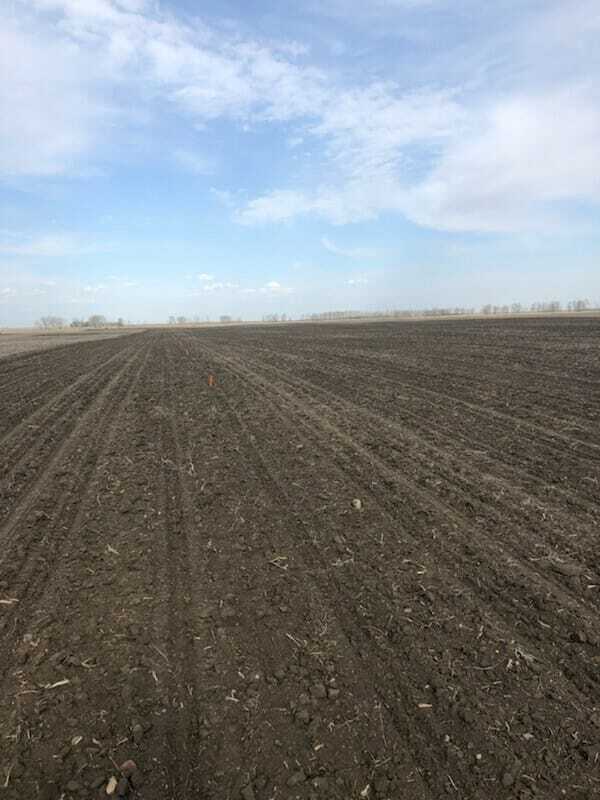
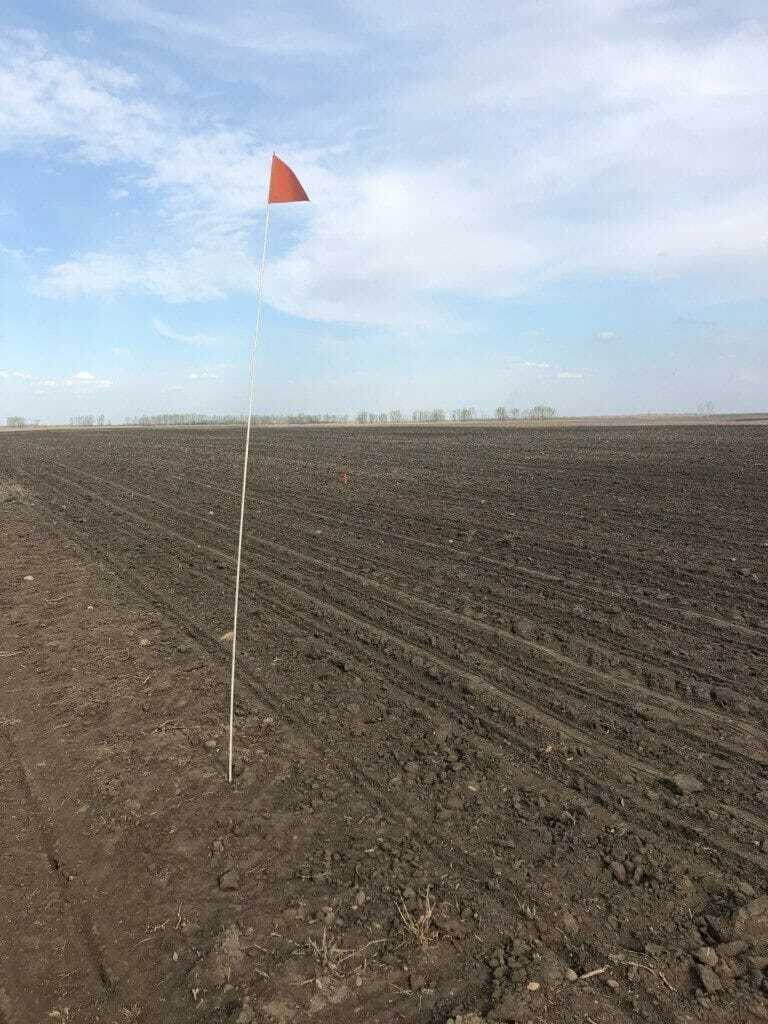
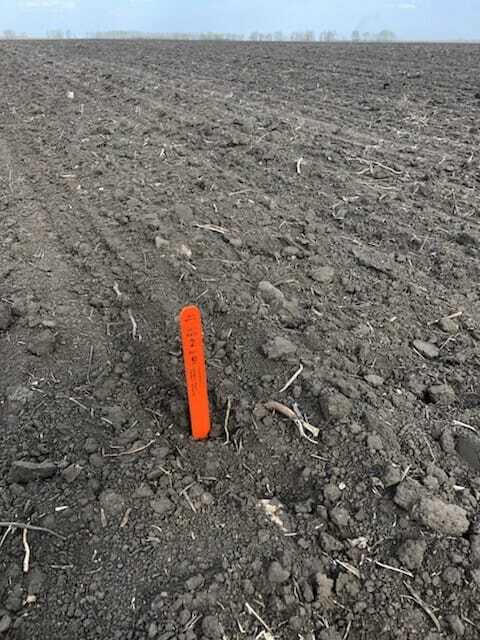
While it doesn’t look like much yet, these areas will provide important training for Latham sales managers, dealers and customers. This research plot planted near Minot, North Dakota, will give us replicated yields to help confirm our current seed lineup. We will watch silage hybrids and compare seed treatments, as well as conduct population studies. These plots also will give us a look into the future on new hybrids with tolerance to drought and heat stress, using natural selection without including traits. In- field training camps, which will be held throughout the growing season, help Latham sales managers and dealers earn the trust of their customers when making seed selections.
James Keltgen
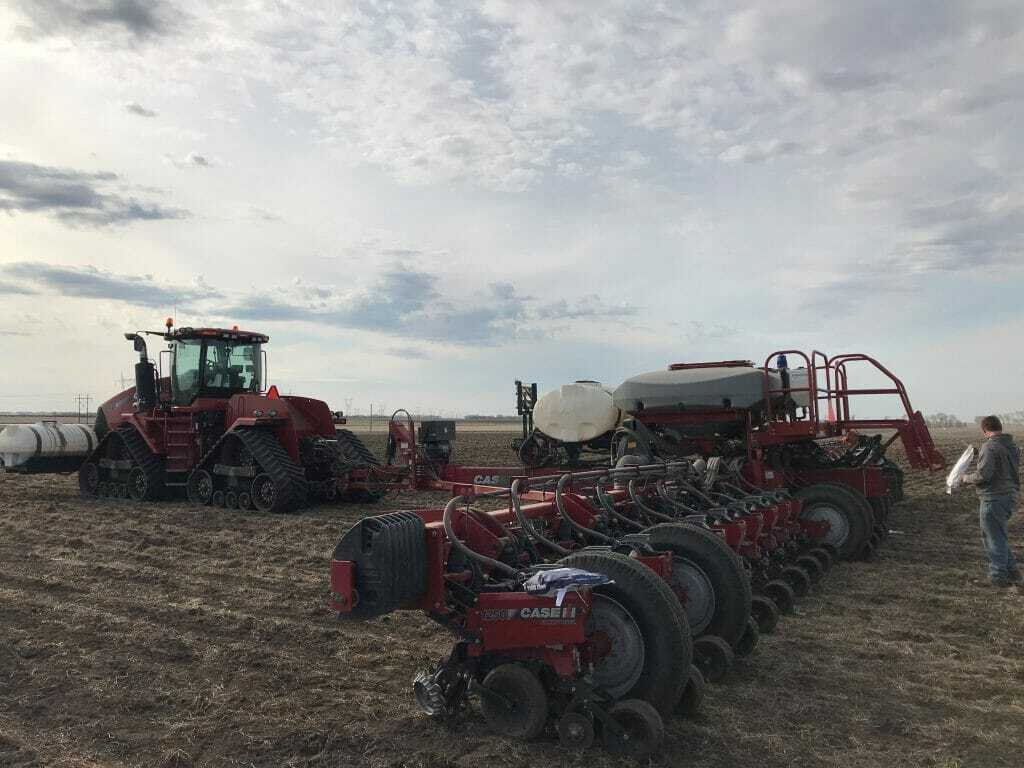
This sun is finally shining! Big rains are expected, with totals nearing 4 inches this weekend, so the race is on in Northeast South Dakota. Farmers are getting a good start on corn, and a few people are planting soybeans since the fields are fit. We will find out how much corn can be planted in four days as that looks to be our short window of opportunity. Some farms in Central and Southeast South Dakota received rain Monday night, which delayed planting further.

Ramie Coughlin
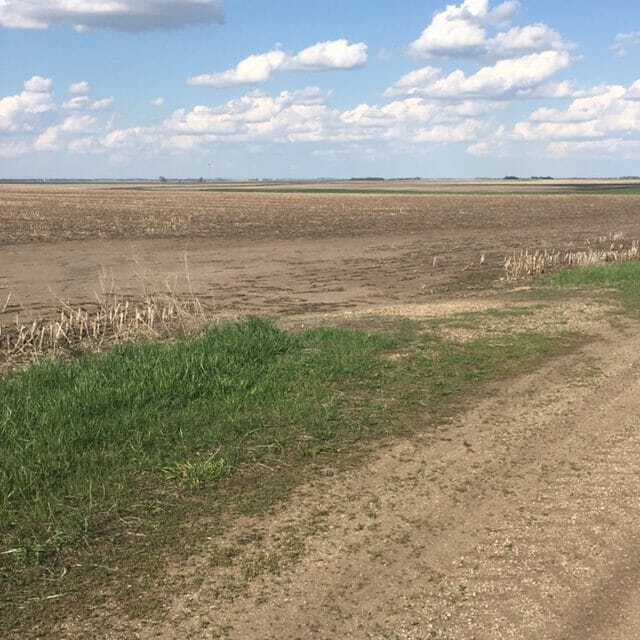
As I drive across my territory, it’s strange to see bare fields. Wet weather has delayed planting again. The good news is that we’re in the middle of 5 days of warm weather and sunshine. I’m hopeful that we’ll see some corn go in the ground the next couple days. While we’re all eager to get going, I want to remind farmers that it’s still too early to back off on corn maturities. Research has shown that you can safely plant your fuller season hybrids until June
Ken Highness
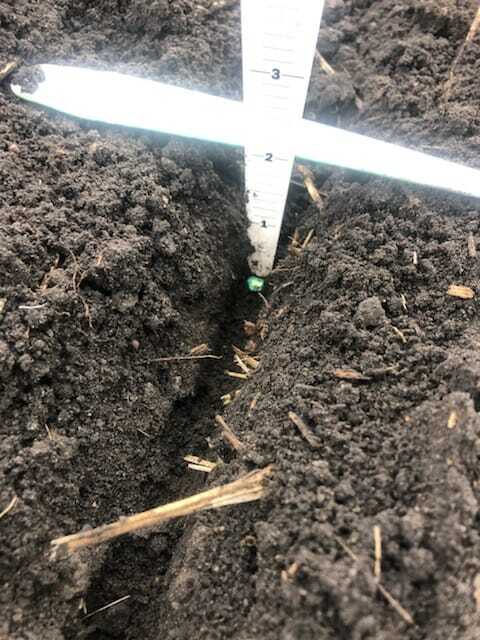
The main objective at planting time is to provide seed with an environment that promotes rapid germination and vigorous early growth. Optimal planting depth for corn in 2 inches deep and 1.5 inches for soybeans. Latham Dealer is checking seed depth in a field of LH 3937 VT2 PRO RIB.
It’s important to get out of the cab and check planting depth. Two major problems can result from planting too deep: delayed emergence and uneven stands. Corn seed that is planted too shallow can lead to rootless corn syndrome, which causes corn plants to fall over due to poor nodal root development.

Justin Prokosch
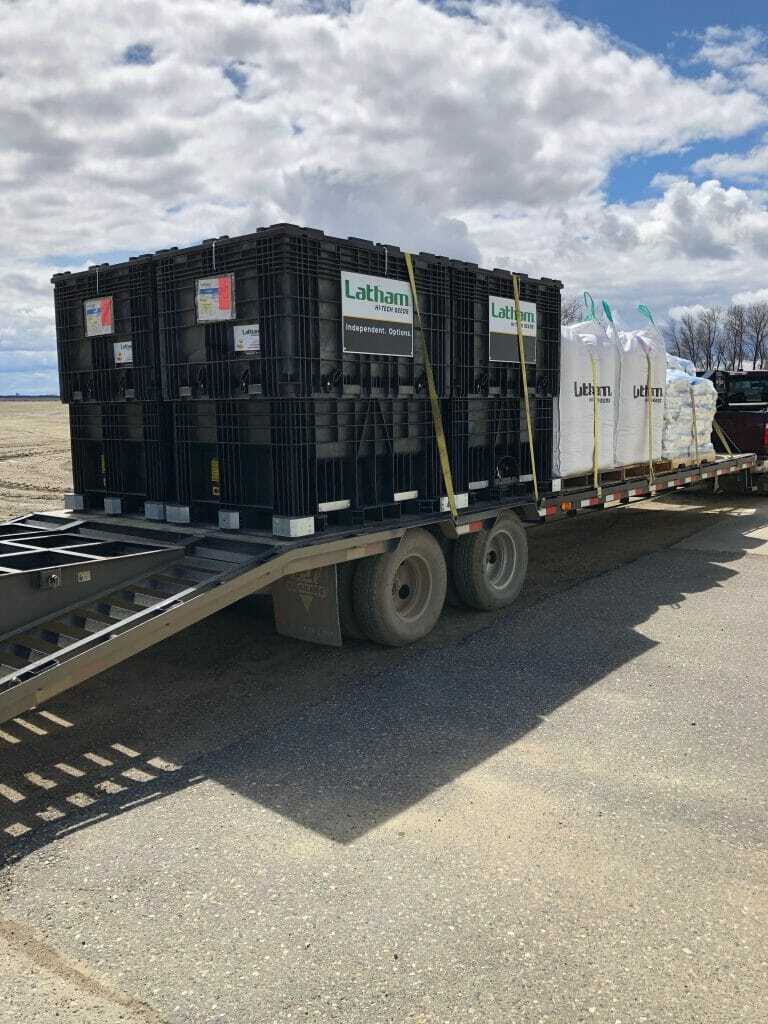
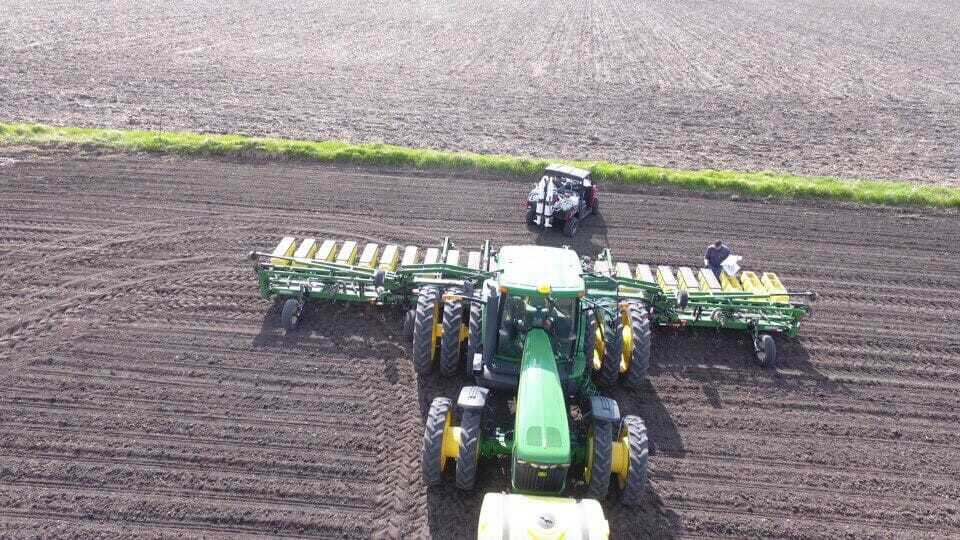
Last week’s wet weather allowed us to delivered to more seed to customers. Thankfully, we got some dry weather. Most farmers started planting corn this week, and I was able to put in a plot near Willmar.

Joe Salter
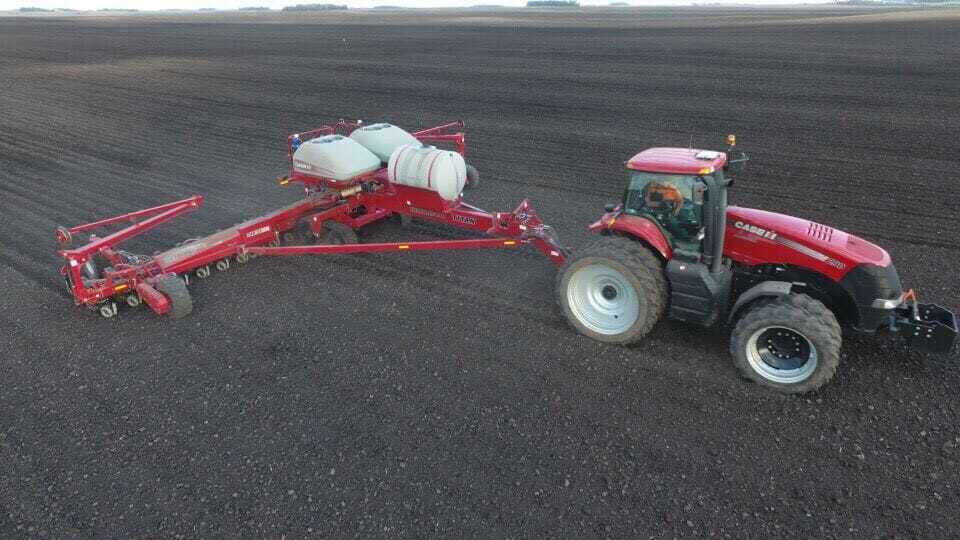
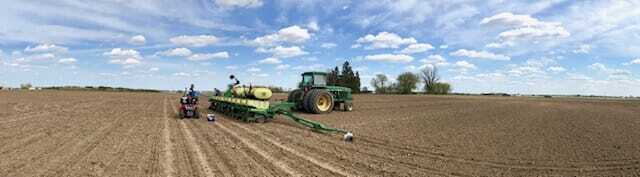
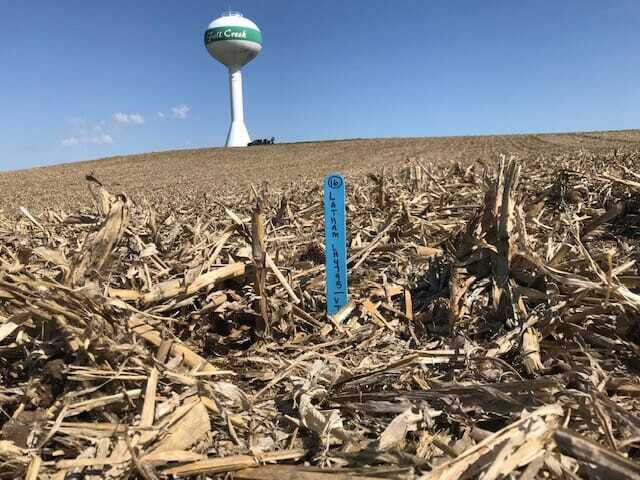
Soil temperatures finally reached the 50’s, but timely rains have kept most farmers from turning wheels in northern Wisconsin. Many farmers have yet to plant any crop. We were fortunate to get two corn plots in the ground this week, one in Fall Creek and one in Almena. 
Greg Mair
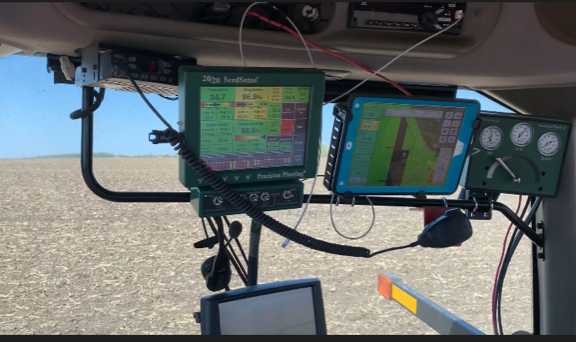
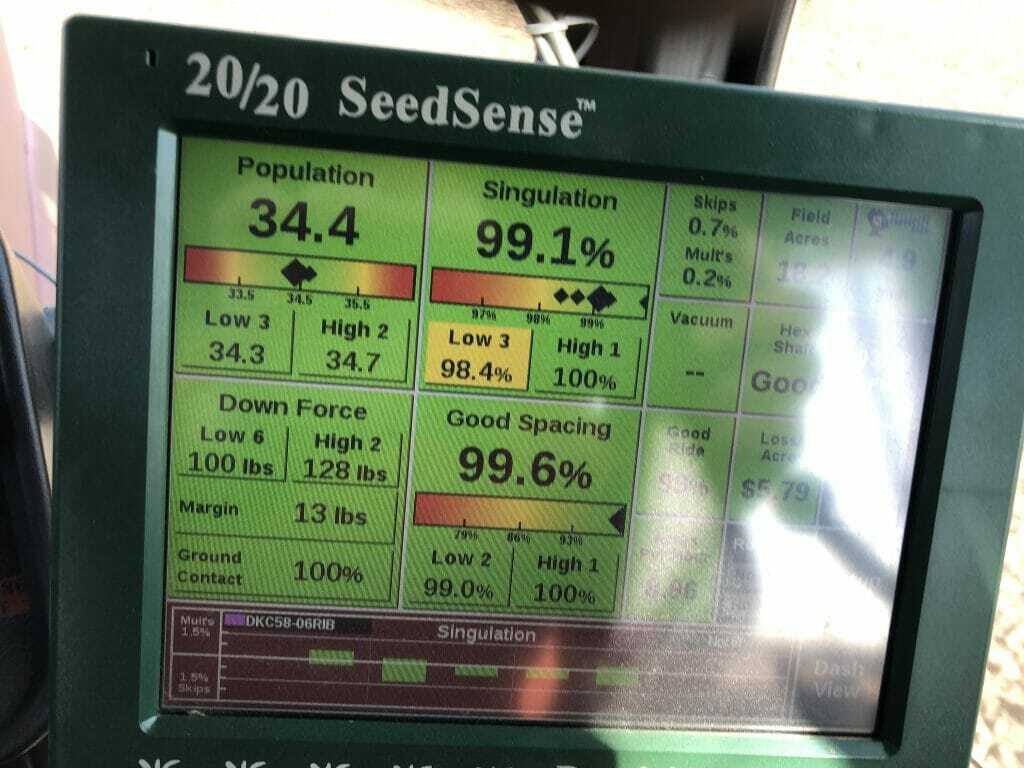
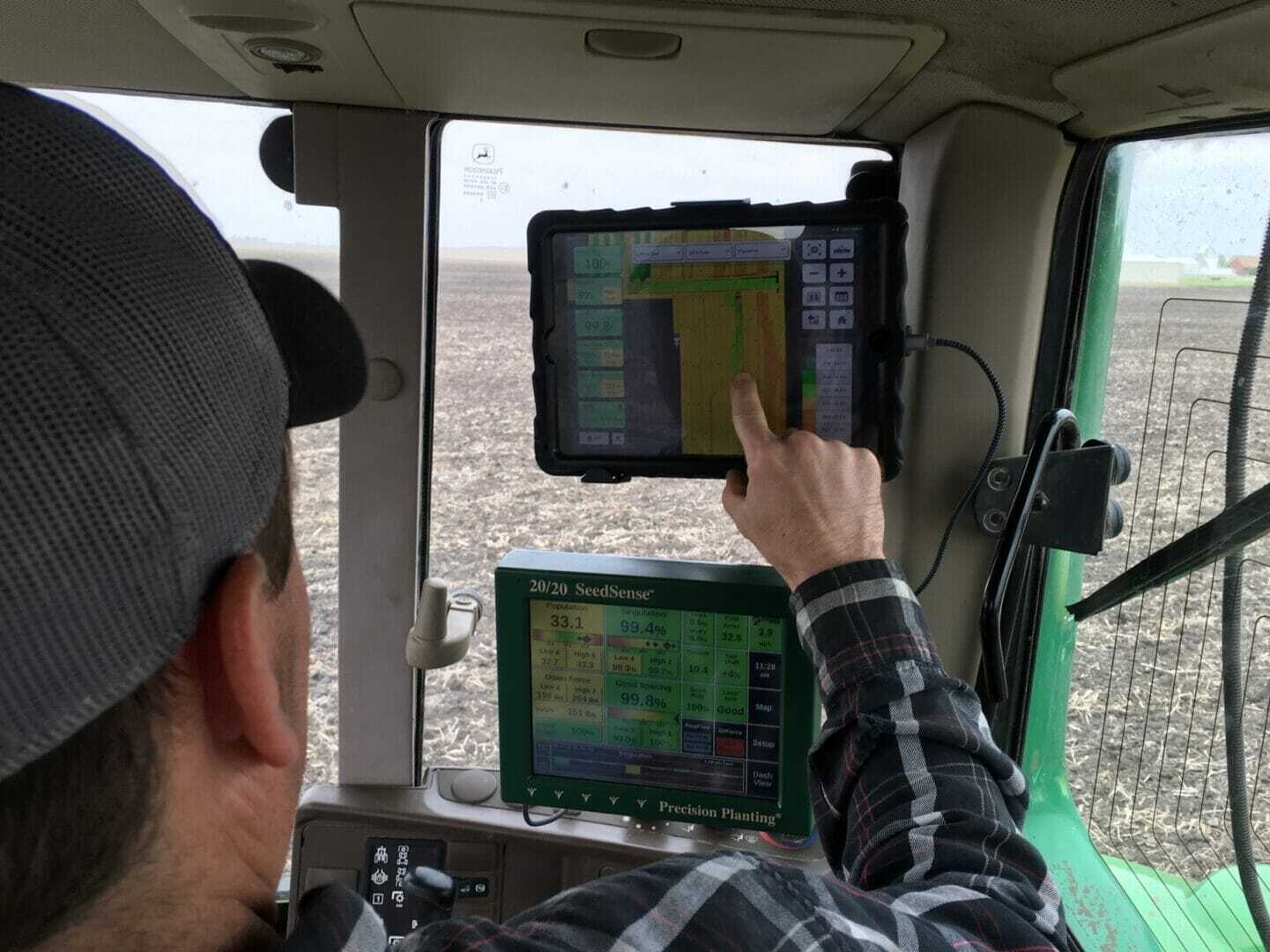
Farmers in southern Wisconsin finally go back in the fields on Monday. Now that fields are fit, we’re working to dial in the monitors for best spacing, down pressure and singulation. Maximizing the planter singulation can increase profit potential on the farm by properly placed seed and full utilization of moisture and sunlight.
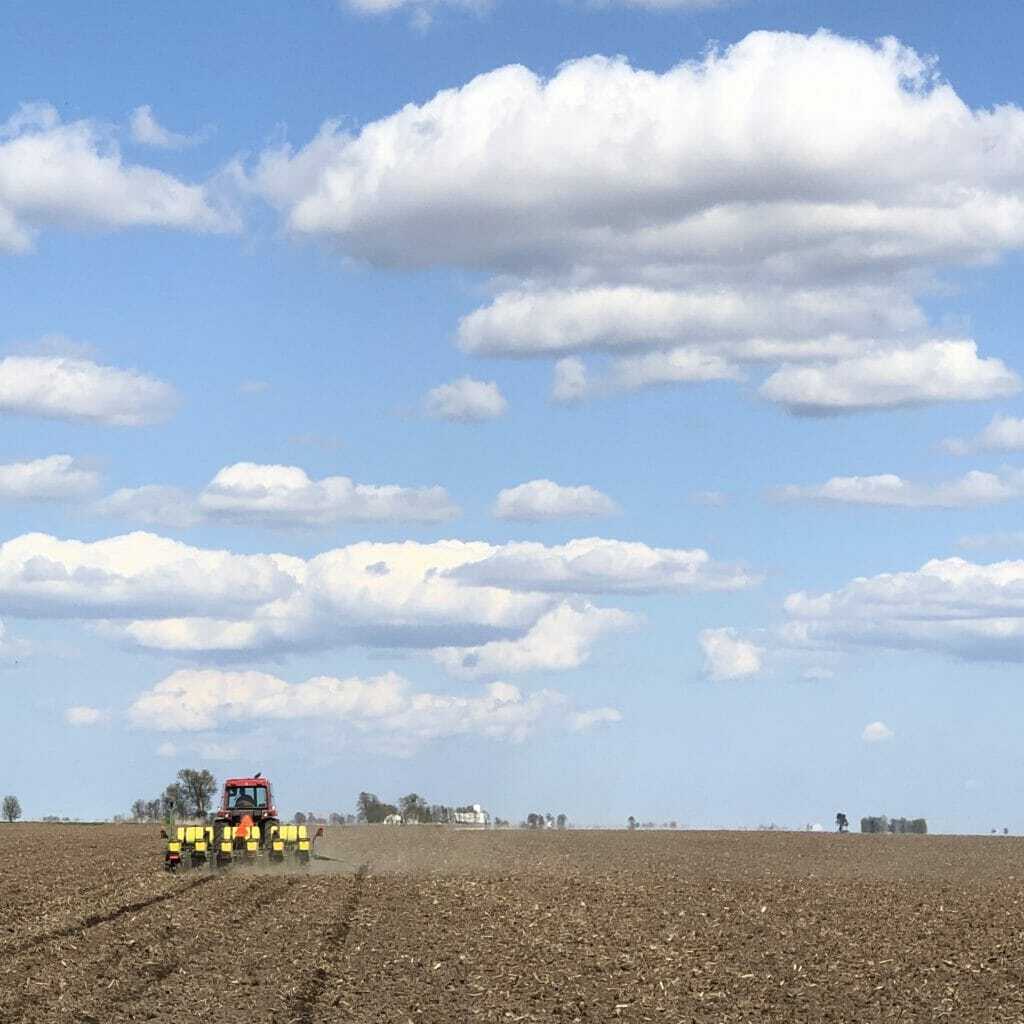
The weather cooperated on Monday, so we put in a corn test plot in Oshkosh. We’re hoping for a good week of field work, so we can make a lot of progress on corn. The first corn fields that were planted have yet to emerge, and seed has been laying in the ground for three weeks now.
Cory Greiman
Earlier this week I delivered seed to cooperators in South Central Minnesota and North Central Iowa who will plant Latham® SuperStrip soybean plots. This on-farm research plays an important role in selecting soybeans for our lineup.

Craig Haaland
After a short week of not being in the fields, farmers were rolling again on Sunday and Monday. This photo shows a Latham® Hybrids SuperStrip Plot we planted Monday in Southeast Minnesota. The soils were ideal. A lot of corn is going in the ground in a short amount of time as farmers are eager to finish before moving on to planting soybeans. Not many acres of soybeans have been planted yet in my territory.

Darin Chapman
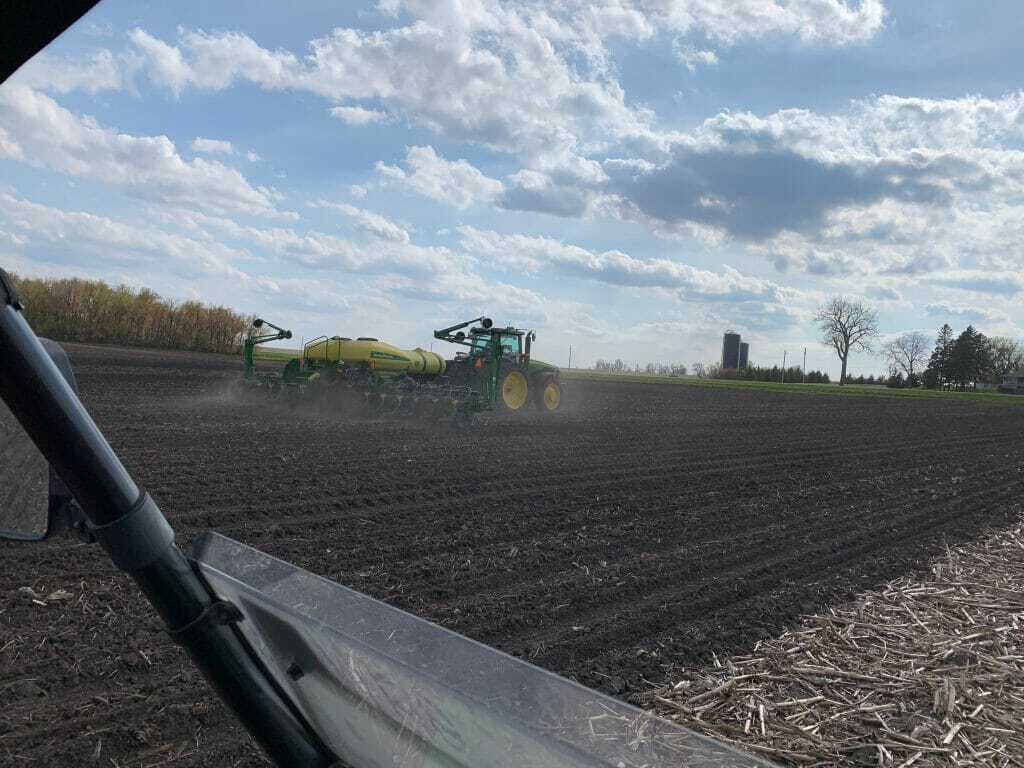
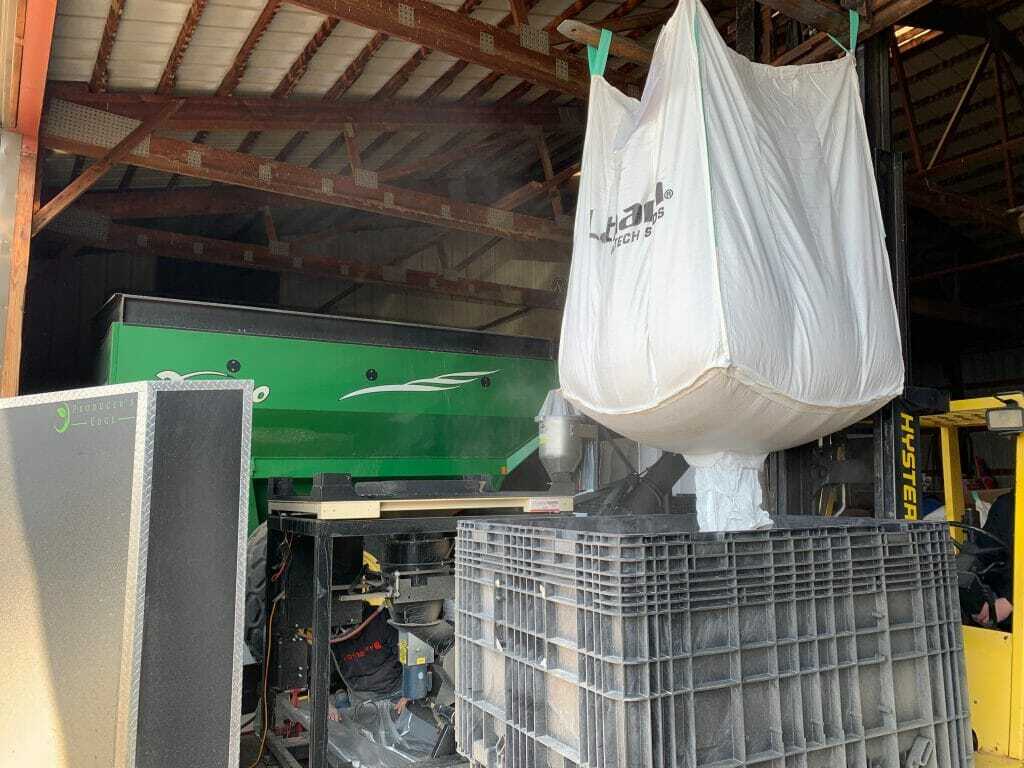
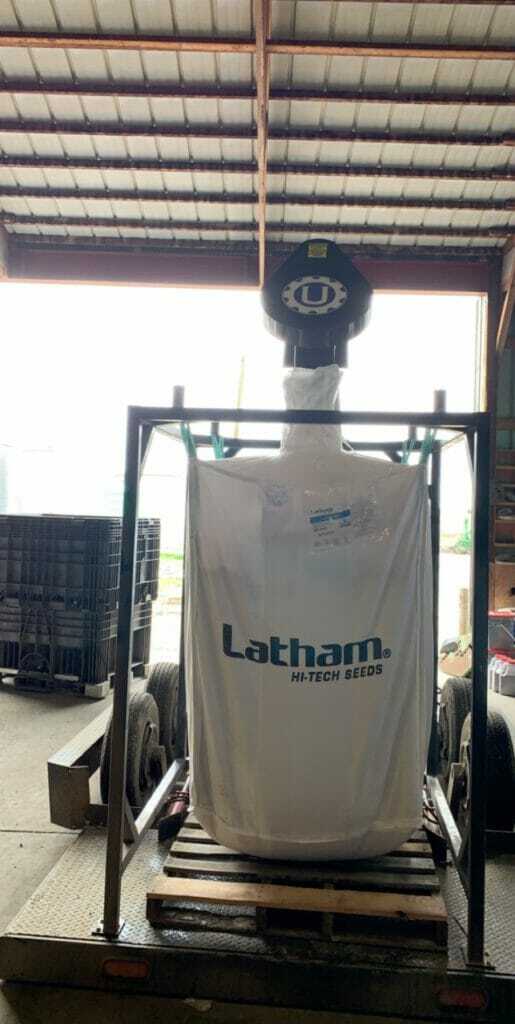
Northwest Iowa could receive four inches of rain this weekend, so it has been nice to make some corn planting progress this week. Farmers are eager to start planting soybeans, but it’s important to wait for fit conditions to avoid issues going forward. Soils have been wet and cold this spring, but a good seed treatment like Latham’s Soyshield Plus helps protect yield.
Jerry Broders
After last Thursday’s rain in Eastern Iowa, planters didn’t start rolling again until Sunday evening or late Monday morning.
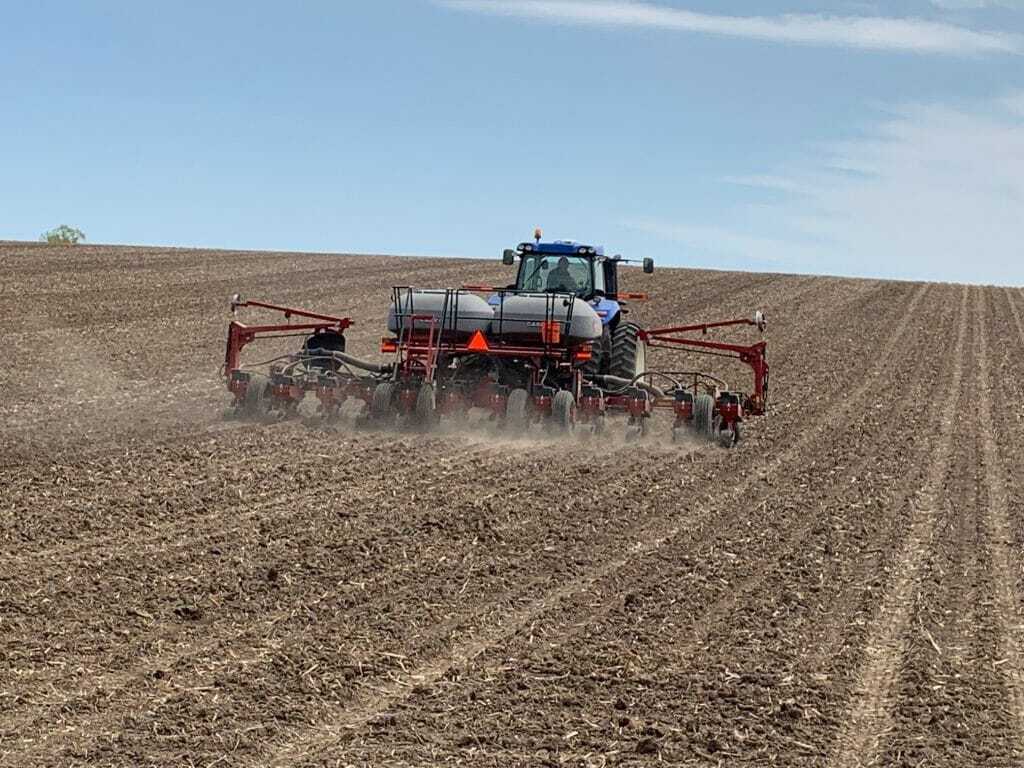
Larry Krapfl
At last! Favorable weather returned, so we are able to resume planting Latham plots.
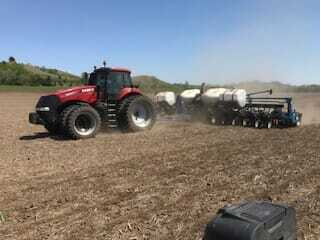
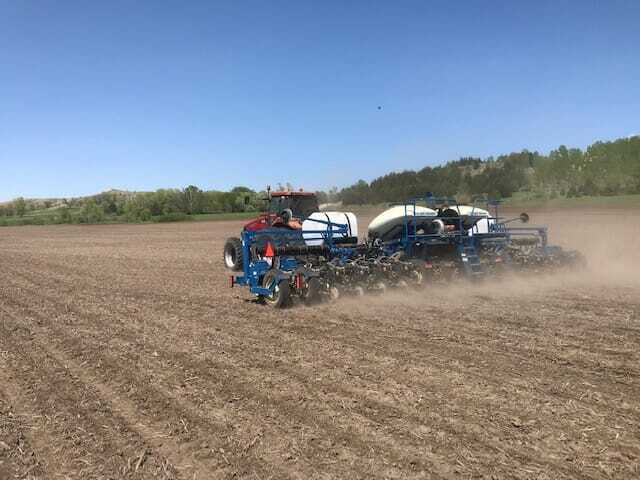
Bart Peterson
This field of L 1858 R2, which was planted April 21 near Odebolt, Iowa, is just popping out of the ground.

Bryan Rohe
Farmers are trying to get the last of their corn in the ground. There was a very small planting window last week, and farmers throughout Central Iowa got rained out Monday evening. During the past week, some of the early planted corn has emerged. Some corn plants are tall enough to row, and the stand looks pretty good. With soil temps hovering around 46 to 47 degrees at 2 to 3 inches deep, crop development is slow. Heat units are about three weeks behind.
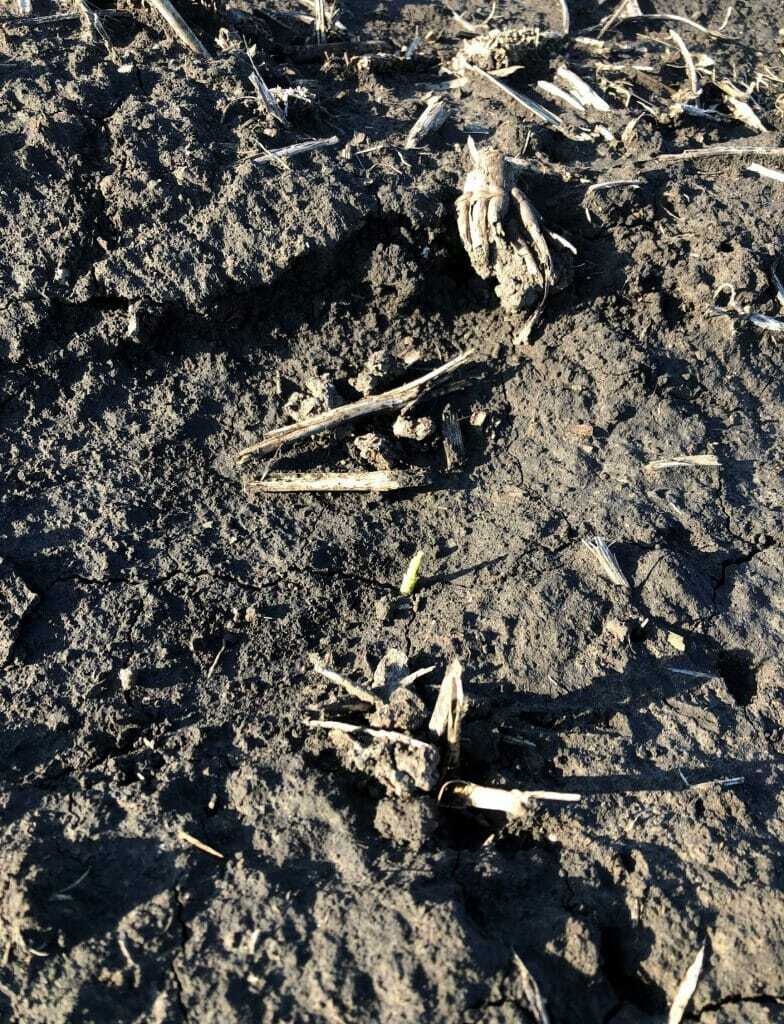


Will your planted fields be affected by imbibitional chilling? Tune in the hear symptoms of the chilling effect.

Brain McNamee
Many farmers had planned to start planting after the weekend, but all it took was one farmer to roll. Then another one. And another. All of the sudden, it’s time to go! Farmers here are rolling on corn. Remember, it’s important to look at the short-term forecast before planting. Next week calls for daytime highs in the 60’s and 70’s with lows in the 40’s with minimal moisture. Soils look to be warmer, which helps with germination and faster emergence.

Gary Geske
Although soil temps are still below 50 degrees, farmers are considering planting soybeans. Seed treatments, like Latham SoyShield™ Plus, have fungicides to protect the seed from germination through early growth stages plus insecticide with additional growth promoters to help protect and enhance early growth. Check with your Latham® dealer or RSM to see if the varieties you’re looking for are still available.
Ramie Coughlin
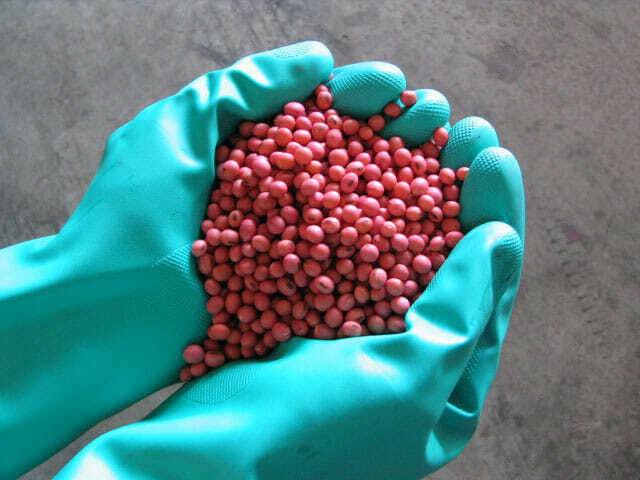
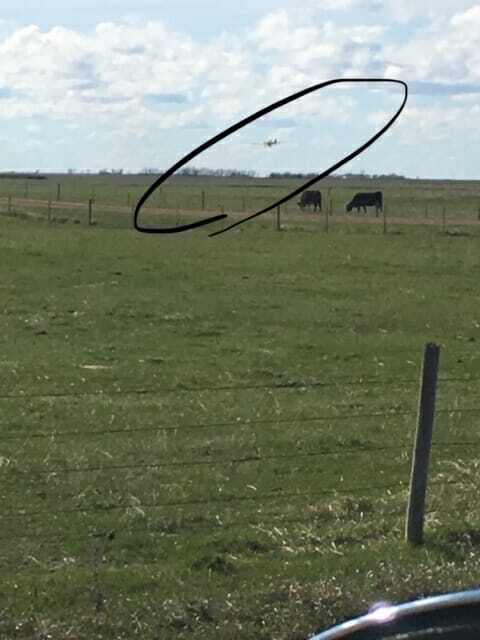
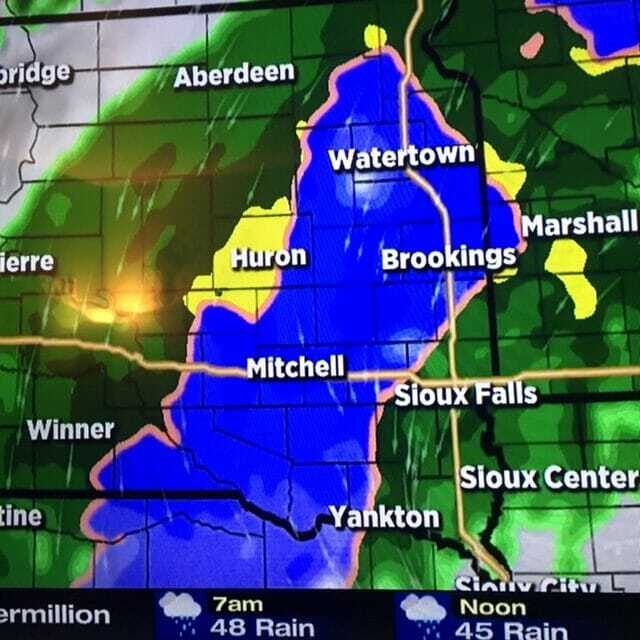
Things haven’t changed much this past week in Southeast South Dakota. We got a few dry days of weather, which allowed some small grains to get planted. This sky has been full of spray planes. We’re still fighting moisture every few days. Rain fell across the whole state at the beginning of this week. Soaking rain and even snow is in the forecast for Wednesday.
Ken Highness
This picture was taken near Foxholm, Minnesota. Despite planting delays, wheat, sugar beets and some corn seed is in the ground. Keep in mind, field conditions should be the main consideration. To get good plant stands, you must plant into good soil conditions. The worst thing we can do is plant in wet soils! Working soils that are too wet can have these negative impacts on your crop all growing season: stunted plant growth, slowed infiltration of water, poor root system development, and nutrient deficiency.
Justin Prokosch
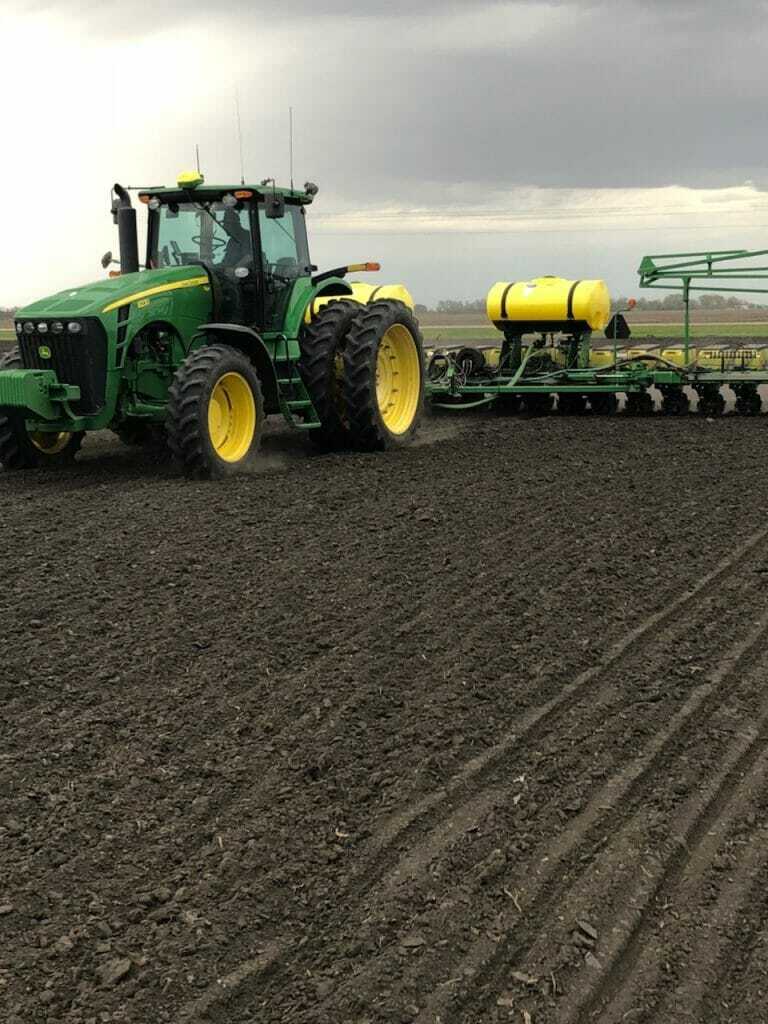
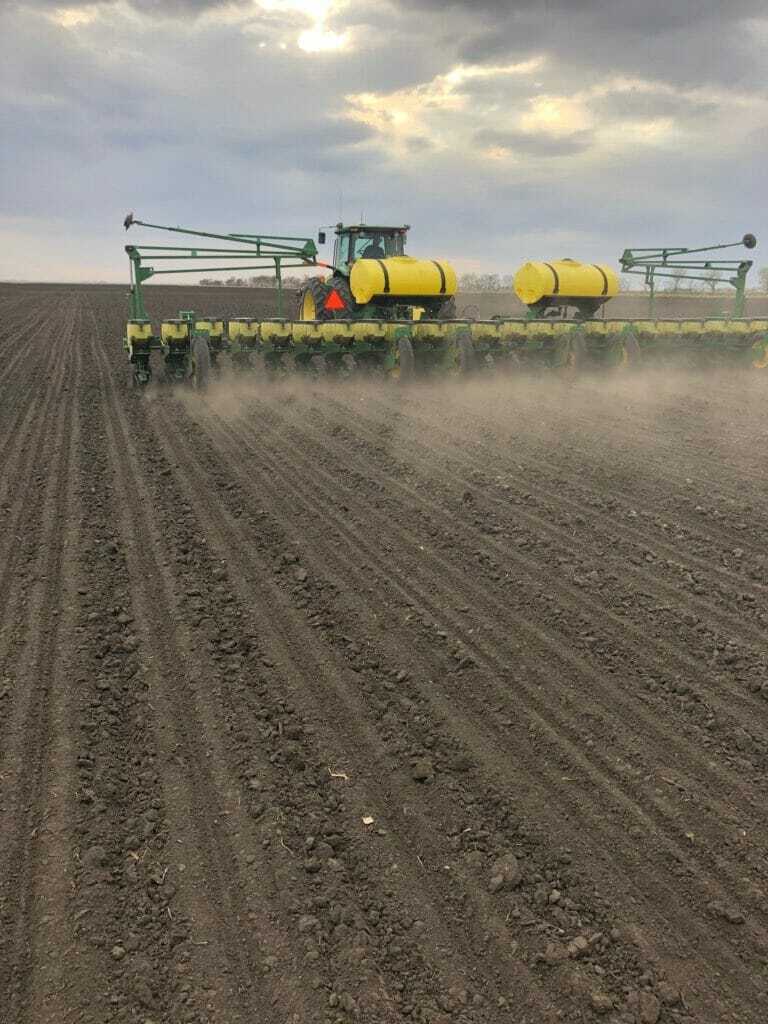
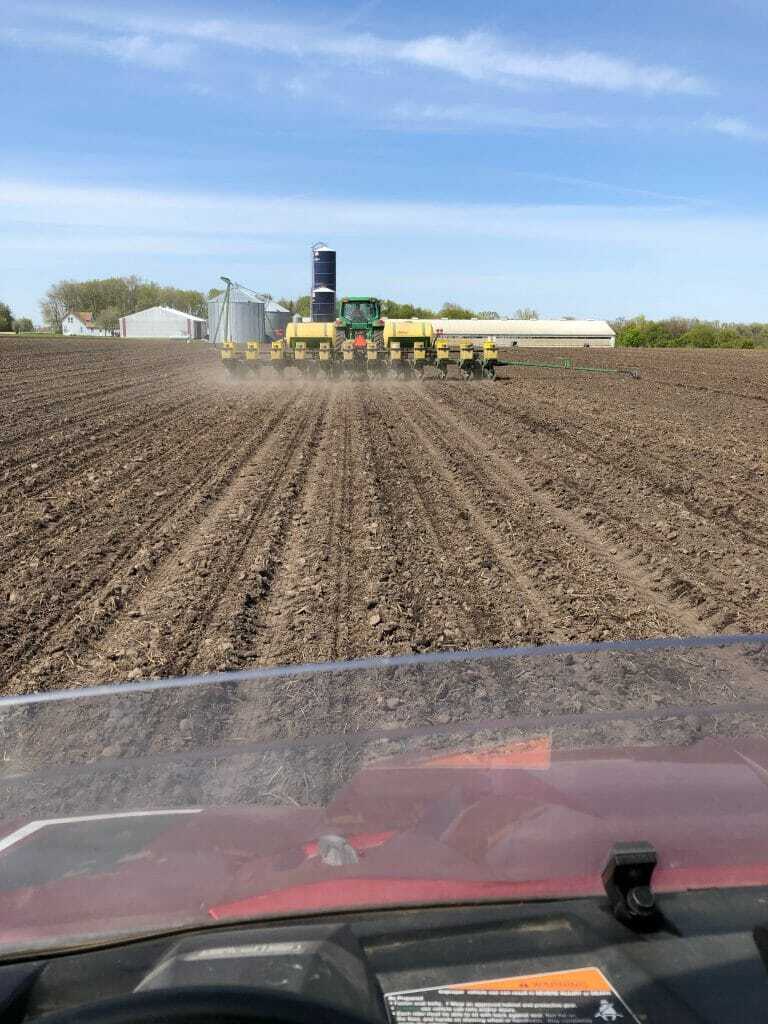
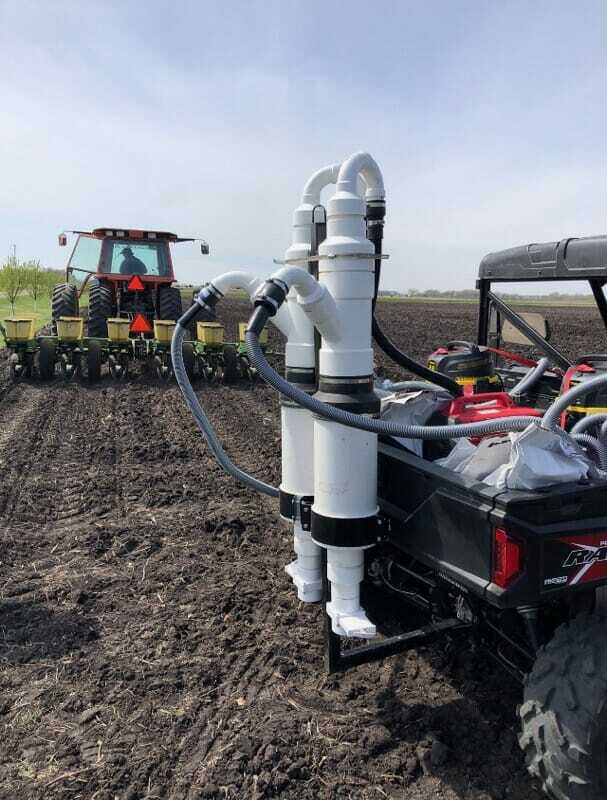
With favorable drying weather last weekend across southern Minnesota, many farmers put corn in the ground on Monday and Tuesday. Three of my Latham® corn plots were planted Tuesday near Mountain Lake, Hanska, and Vernon Center. Farmers in the north are still trying to find dry fields to plant; tile is sure paying off this spring. More wet weather looks like it’s headed our way for the next couple of days, so we are praying we don’t get too much.

Joe Salter
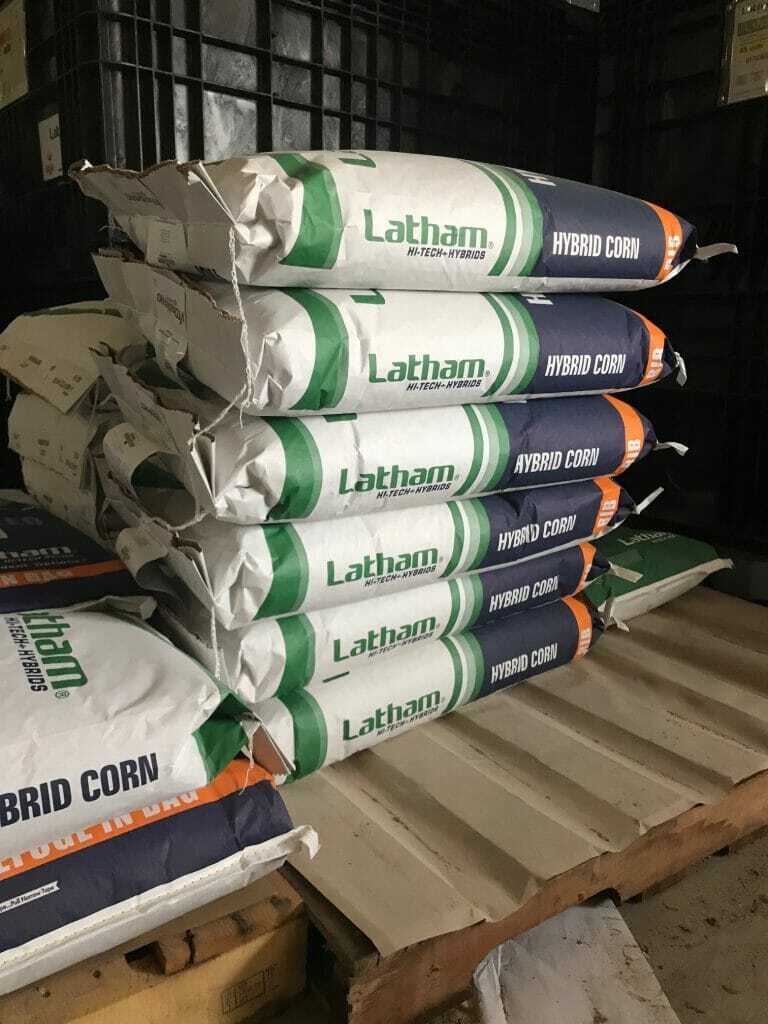
Planting season is off to a slow start across Northern Wisconsin due to frequent rains, and more rain is in the forecast. The poor planting weather is giving local dealers time to breath and reorganize inventory.
Greg Mair
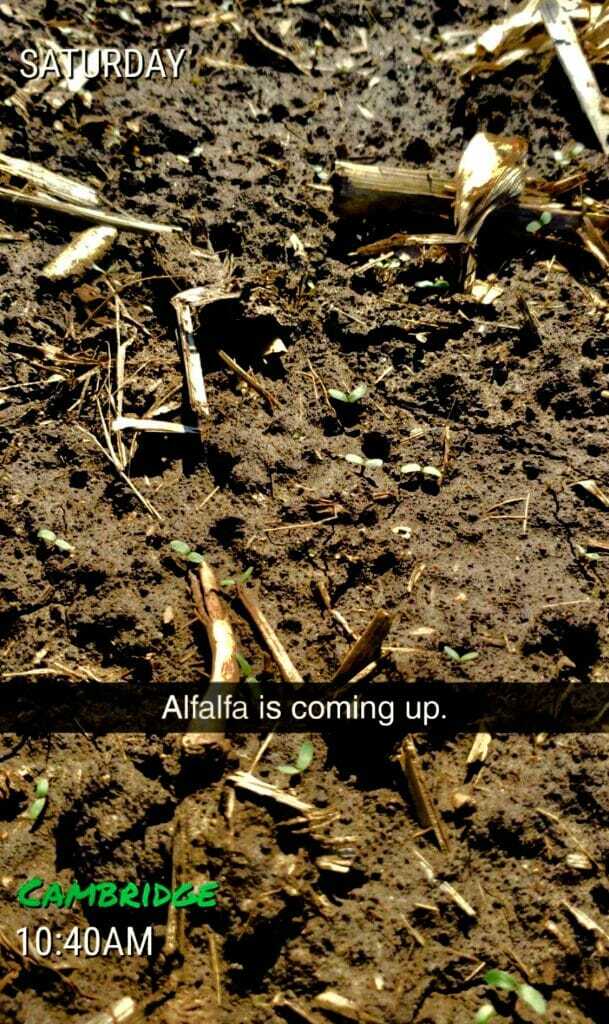
This new seeding of HarvXtra is emerging in Cambridge, Wisconsin. Conditions were perfect April 22 when this field was planted. Our first Latham® Corn SuperStrip in the ground near Monroe on May 5. Conditions were perfect when we planted this no-till field, and we were able to finish a few hours before the next rain fell. Scattered showers are forecast for this week, but the forecast improves on Friday with six days of sunshine IN A ROW!
Cory Greiman
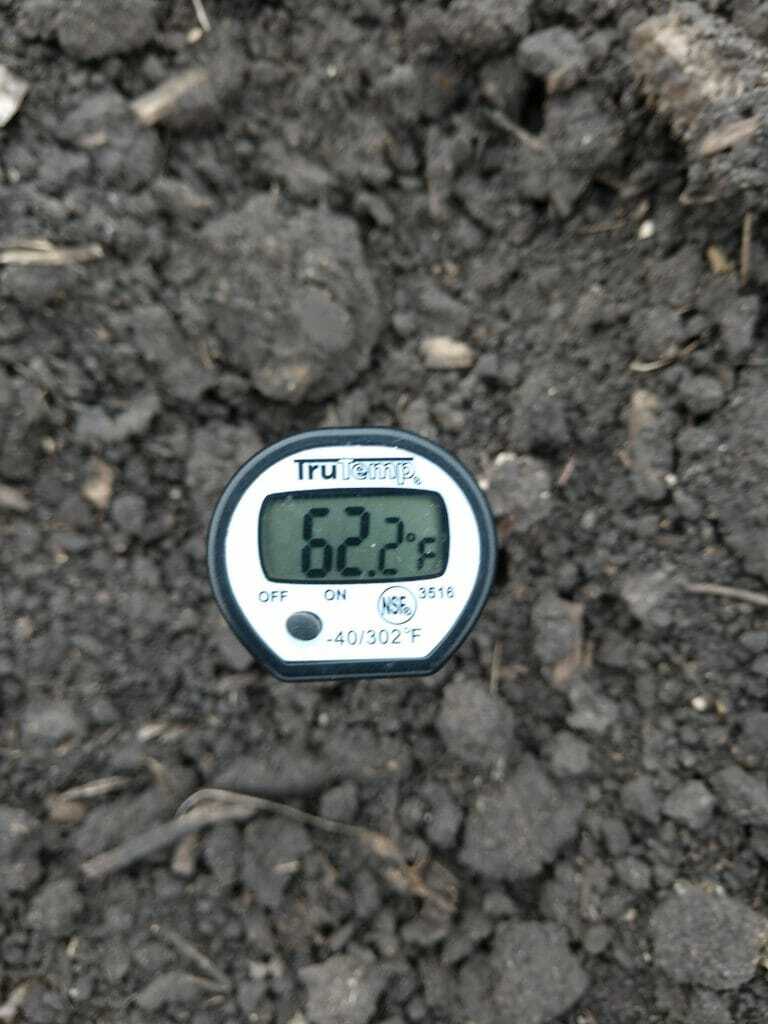
Temperatures are rising! The soil temperature at 4-inch depth within the seed furrow of a SuperStrip corn plot near Garner on Tuesday read 62 degrees at 6:30 PM.
Craig Haaland
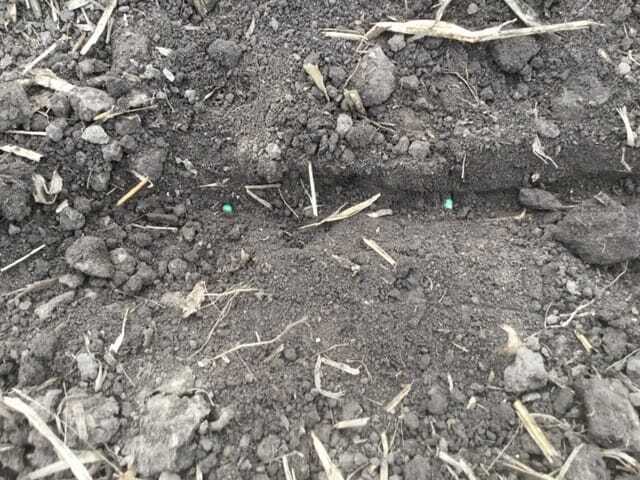
This field in Cerro Gordo County is being planted to LH 5099 SS. Planting depth is 2 inches, and good seed-to-soil contact is critical. Many farmers planted last weekend through Monday. Area farmers backed off from planting yesterday with rain and cooler temps in the short-term forecast.
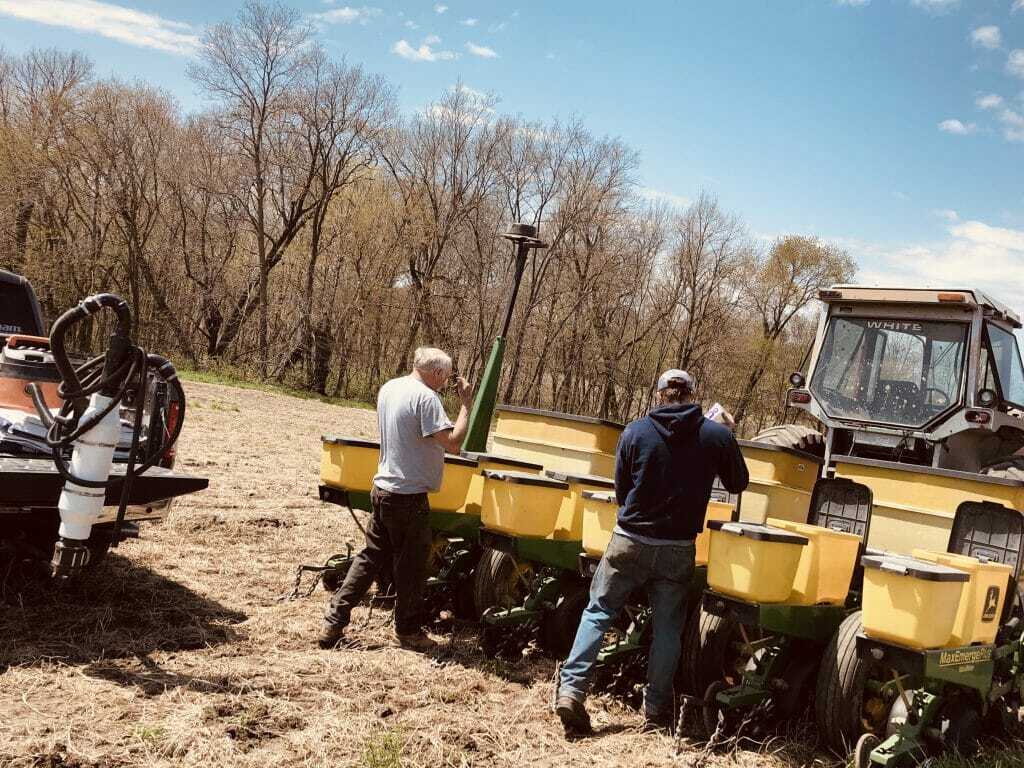
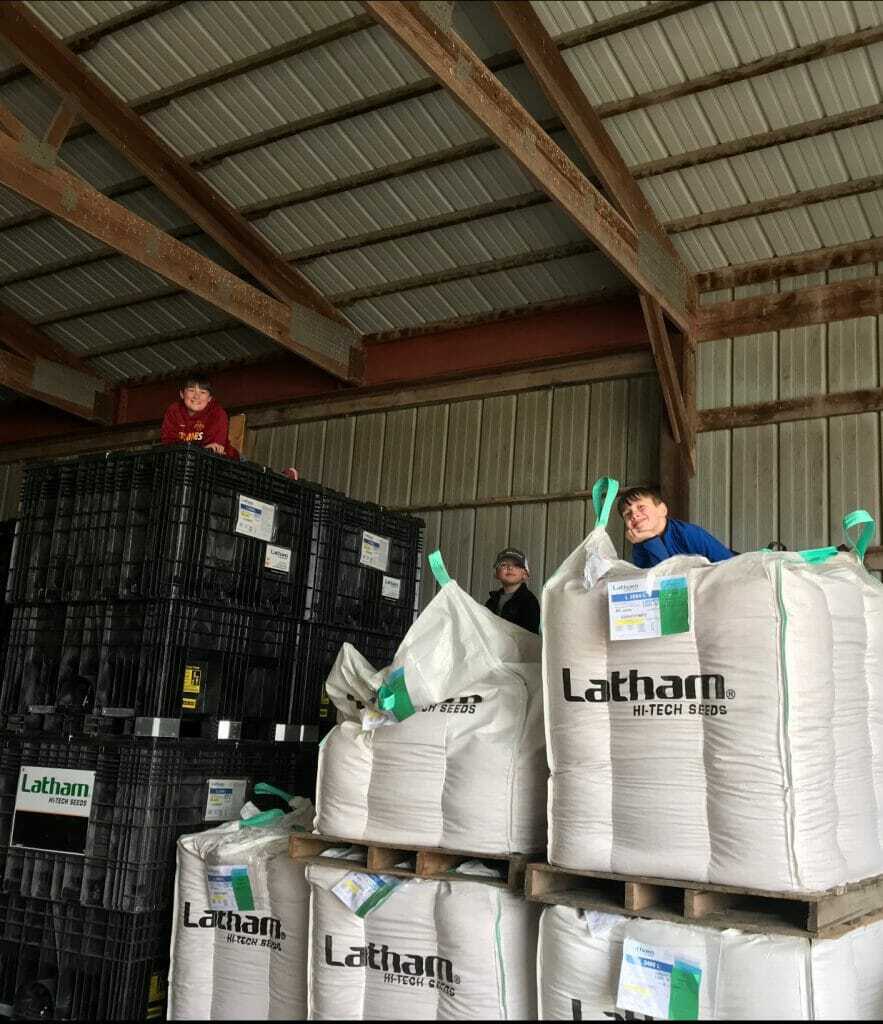
Pitzenberger Farms crew sorting seed for planting.
Darin Chapman
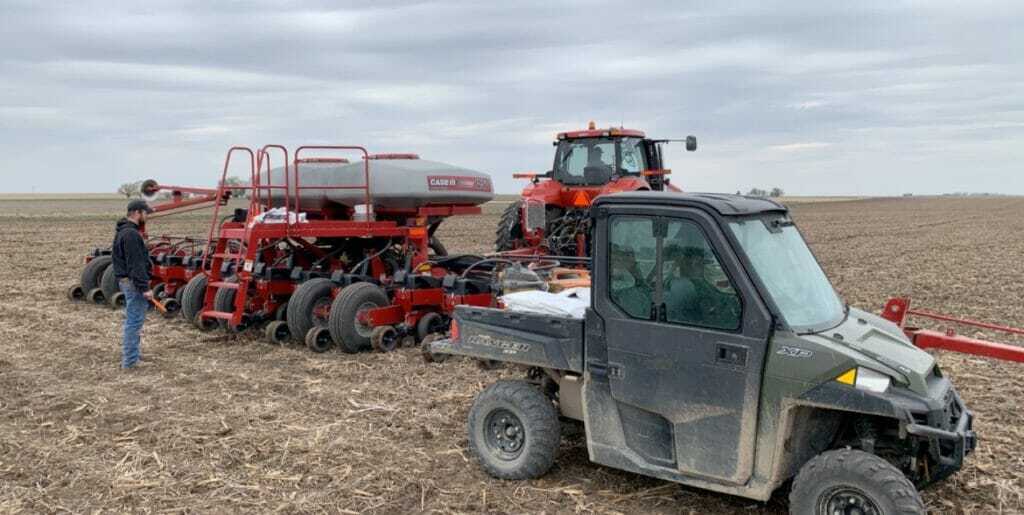
The weather finally allowed us to get our first Latham SuperStrip corn plot of the season planted in Alta, Iowa. The forcast shows a chance of an inch of rain with cool temperatures for the next couple of days. Bring on that sunshine and heat units!
Jerry Broders
Anywhere from .5 to 4.5 inches of rain fell last week in Eastern Iowa. As a result, there was various field work underway. I saw everything from tillage work to parked planters. Farmers in the western part of my territory got going again late Saturday while those south of Dubuque have yet to start.


Larry Krapfl
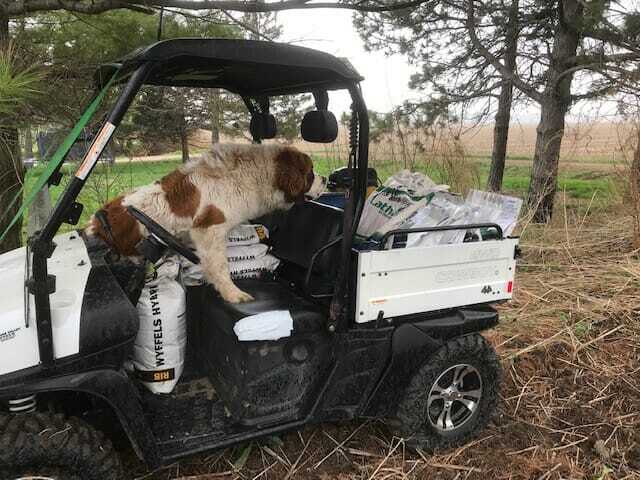
We attempted to plant a corn plot but got rained out before we even started. The rain didn’t stop this curious visitor from checking out the Latham bags.
Bart Peterson
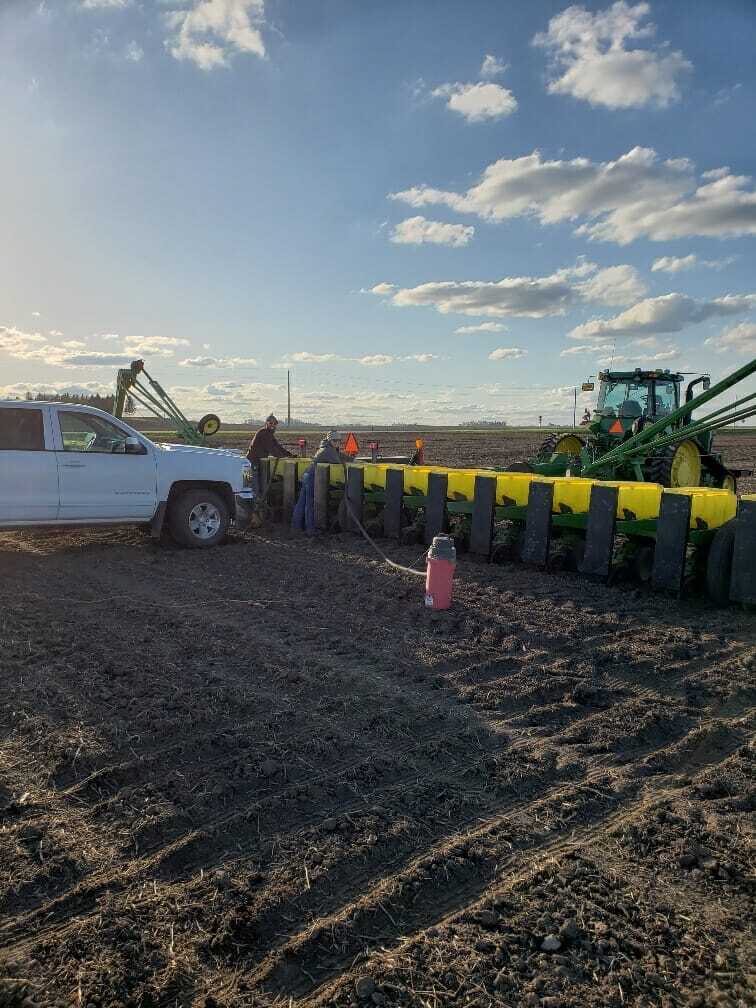
This engaged couple is working together to plant their first Latham® SuperStrip plot near Hardy, Iowa, on May 3. Here they’re shop vacuuming plot seed before we plant the next hybrid.

Jon and Jenna running shop vacs before the next hybrid is planted in this Latham® SuperStrip plot.
Bryan Rohe
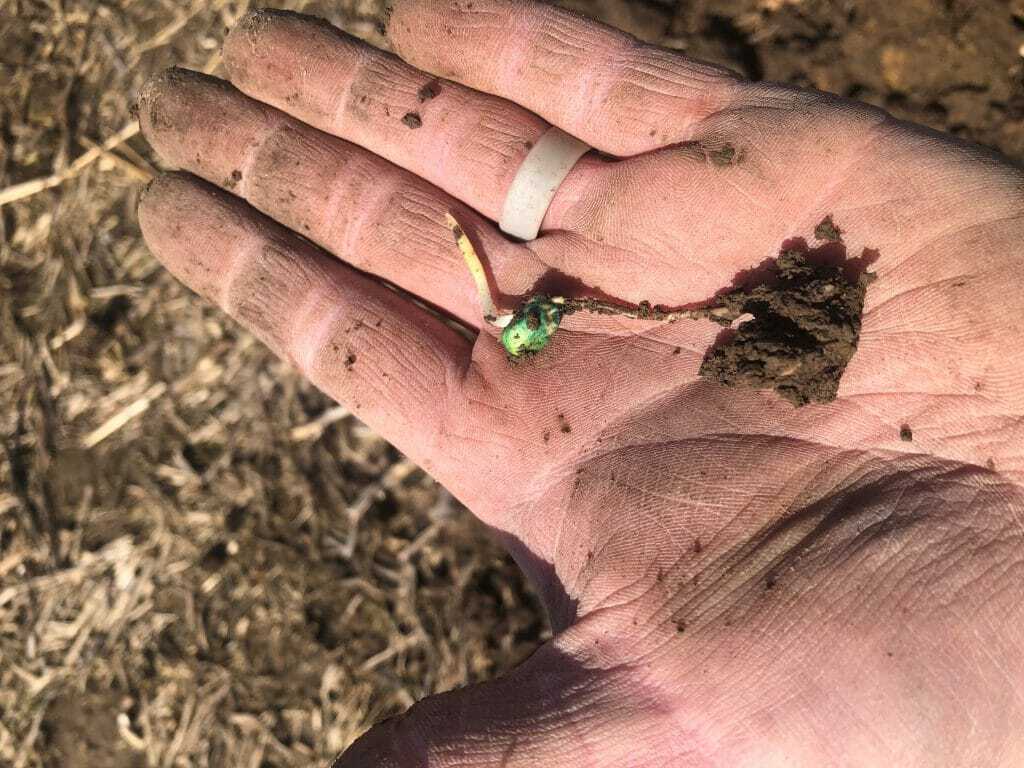
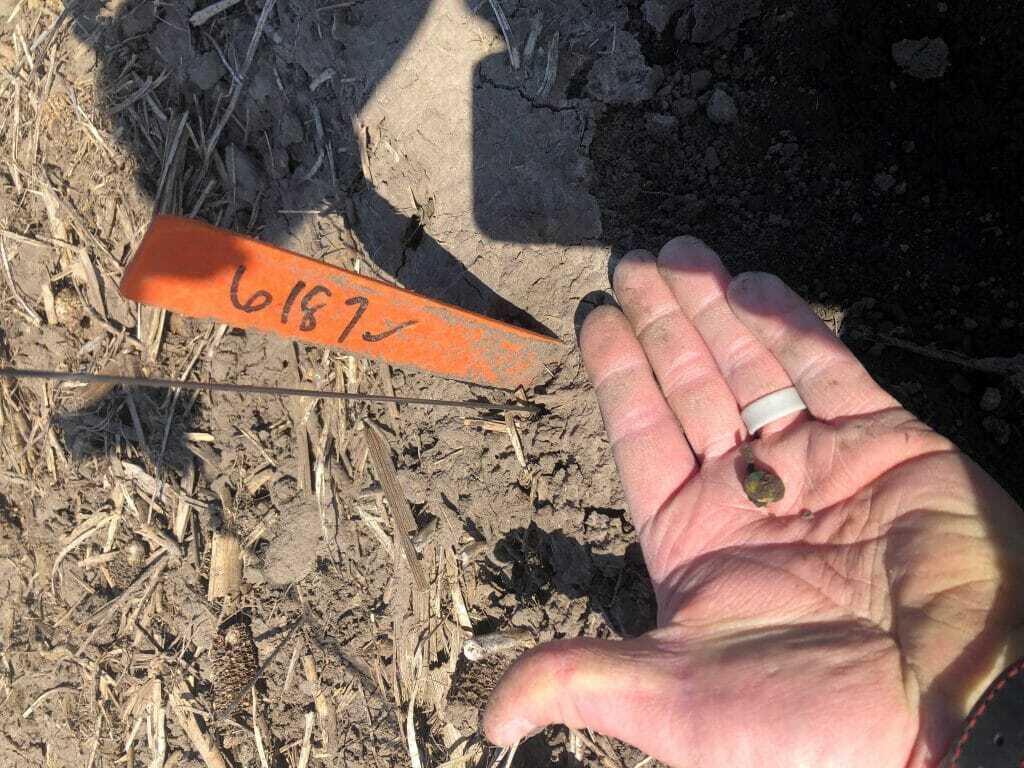
Planting resumed Saturday, May 5, across Central Iowa. More showers fell Monday. Cooler weather with heavy rain is expected Wednesday, which is keeping a majority of farmers from planting. This photos shows Latham 5965 that was planted April 20 in Oskaloosa, Iowa. Then other two photos show LH 6187 corn plot planted April 25.
Be sure to watch for un-even stand and for corn that’s growing downward as heat units are significantly lower than were needed when some farmers planted. Exercise patience and wait for soils to dry before re-entering fields.
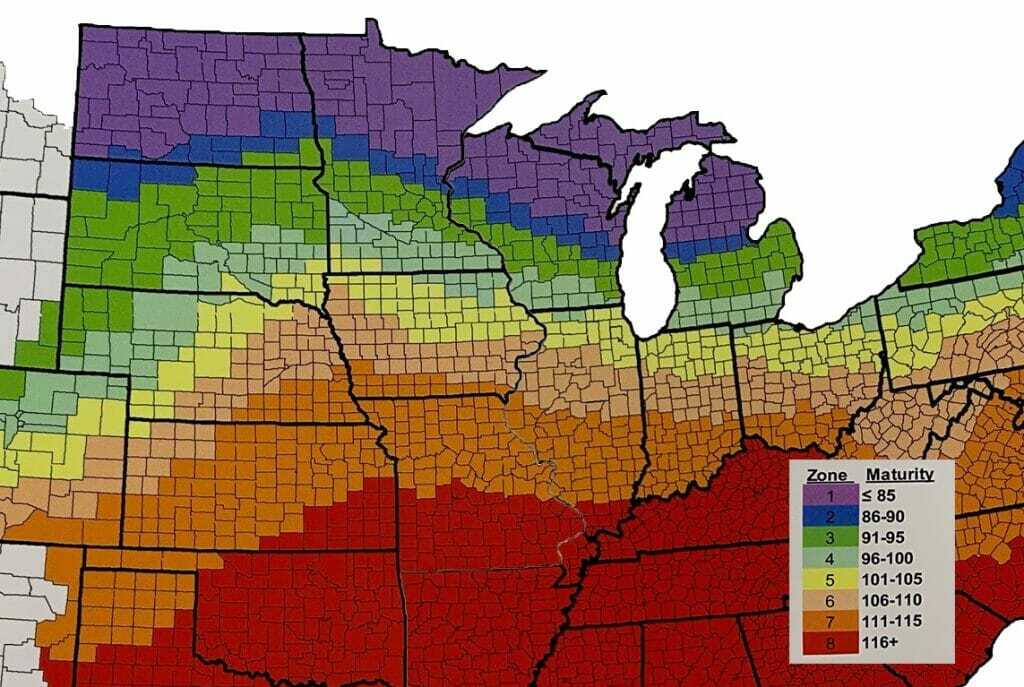
Each day we turn the calendar, I receive more calls from Latham® dealers and farmers asking whether they should change maturities. Keep in mind, the object is to achieve maximum yield potential for this crop. When you switch maturities, you forfeit maximum potential and have essentially decided to lower your yield expectations!
Based on my experiences over the past 40 years – as well as research findings from many Midwest land grant institutions – I can tell you with confidence that full-season hybrids and varieties outperform early maturing hybrids and varieties. Most people jump the gun and make the switch way too soon. Corn planted in mid-June can make decent yields, and there’s no need to switch from corn to soybeans until after that.
There becomes a point in time where the advantages of planting a full-season hybrid diminishes to the point where shifting to a shorter-season hybrid or variety will generally result in drier corn and higher yields come fall. Below is a summary of factors to consider when deciding whether to switch corn or soybean maturities.
I’ll use northern Iowa and southern Minnesota as an example. If your maturity range is 98- to 109-days (which is what I use for the Latham Research Farm), then you should generally not deviate from those maturities until at least May 25. If all you have left to plant is your 98-day hybrids, then you can safely extend your planting window to about June 7-10. On the other hand, if you only have your 109-day hybrids left to plant, you’ll probably be better off switching to 95- or 99-day products.
That brings us to the next subject… if you must switch, how early of a hybrid is needed? You don’t need to take it to extreme and switch from 109 RM to an 85-day hybrid or something equally silly! Research has proven that it pays to stay closer to your “normal” maturity. Switch to hybrids that are about 5 to 7 relative maturity units earlier than full season for the region. Yields in this scenario will be greatly improved if northern Iowa and southern Minnesota farmers (from the example above) move toward a 92- to 95-day hybrid that is more closely adapted to the area.
The decision to switch maturity with delayed corn planting is difficult because of so many variables including: available GDUs, first frost date and fall drying conditions. With this in mind, here are some general guidelines for Iowa farmers:
| Location within Iowa |
Full Season RM | Switch to on May 25 |
Switch to on June 10 |
| South of U.S. 92 | 114-117 | 108-111 | 105-109 |
| Central | 108-115 | 104-110 | 100-106 |
| North of U.S. 20 | 100-109 | 96-105 | 94-100 |
For your convenience, below are few links to related articles: Adjust this information depending on where you farm, but make your decision is based on sound research and not “coffee shop facts.” Just because your neighbor is switching doesn’t mean it’s the best decision. Conduct a little research of your own before deciding what might be best for your operation.
There is absolutely no reason to start switching soybean maturities until at least mid-June. I use June 20 as our cutoff here in North Central Iowa, but again, it depends on what you were planning to plant in the first place. In this area, bean maturities range from 1.8 to 2.7. L 2482 R2’s are still good to plant in this region until mid-June as we’ve done it before with great results.
Soybeans have even more resiliency when it comes to maturity stretch. Because soybeans are more “photo period” sensitive, they actually adjust based on the length of the nighttime. A planting date of June 20 in southern Wisconsin and June 15 in northern Wisconsin, using early maturing varieties, was considered to be the latest practical date by the University of Wisconsin. Soybeans can be planted in our area as late as the Fourth of July with decent yield results as long as we don’t go into a dry period.
 The 2019 planting season will certainly test our patience! It’s tough to turn pages off the calendar without putting any seed in the ground, but it’s better to wait a few more days than to mud seed into the ground. Experts warn that compaction and/or inadequate seed-to-soil contact from planting in wet conditions cause yield reductions for soybean farmers. During a wet year, it’s even more important for soybean growers to pay close attention to machinery. Avoiding soil compaction and obtaining good soil closure over seeds will help increase yields. For more soybean planting tips to boost yields, click here.
 Written by Darin Chapman, Latham Agronomy Adviser
Having a plan, and the execution of that plan with corn planting is critical to maximizing the yield potential with today’s high yielding hybrids, and many of these management decisions are made well before planting. Some of these choices may be hybrid, crop rotation, tillage, nutrient placement, target planting rate, and even planter upgrades.
One of the most crucial key management decisions to look at is achieving uniform plant emergence. If we do not achieve even emergence throughout the field, everything else we worked hard to achieve such as singulation, target population, and spacing will not matter if they don’t have even emergence.
Consider three things when trying to achieve stellar emergence: Simultaneous, quick, and secure. Consistent heat and moisture are two things needed when a seed is planted. Tillage, residue management, downforce, and closing the furrow, are just a few variables to manage attaining even emergence.
Let us help you with these management decisions to attain even emergence and a picket fence stand. Call 1-877-GO-LATHAM to schedule a Data Forward Needs Assessment.