Latham’s homegrown labor force worked to grow a family farm into a regional seed business
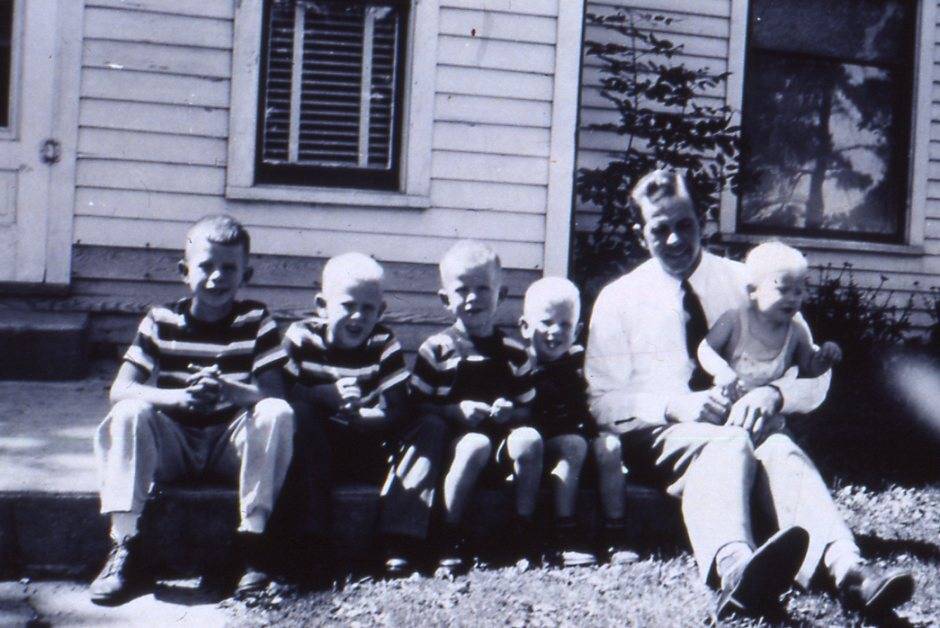

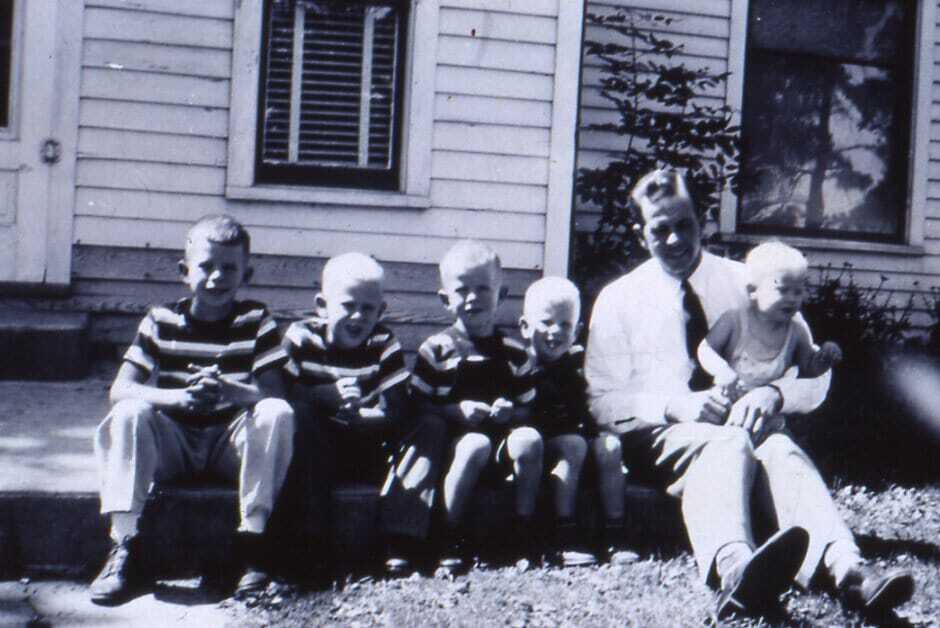
Latham’s homegrown labor force worked to grow a family farm into a regional seed business
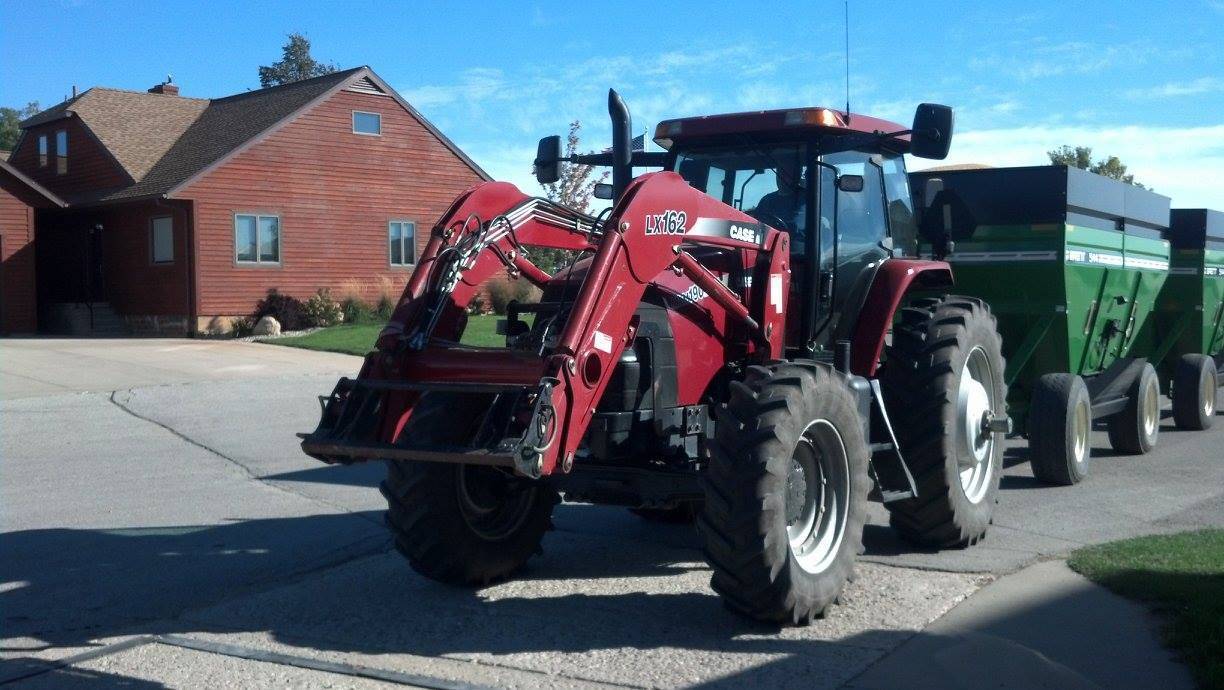
Soybeans are delivered straight from the growers’ fields to Latham headquarters where we then condition the soybeans and store the seed
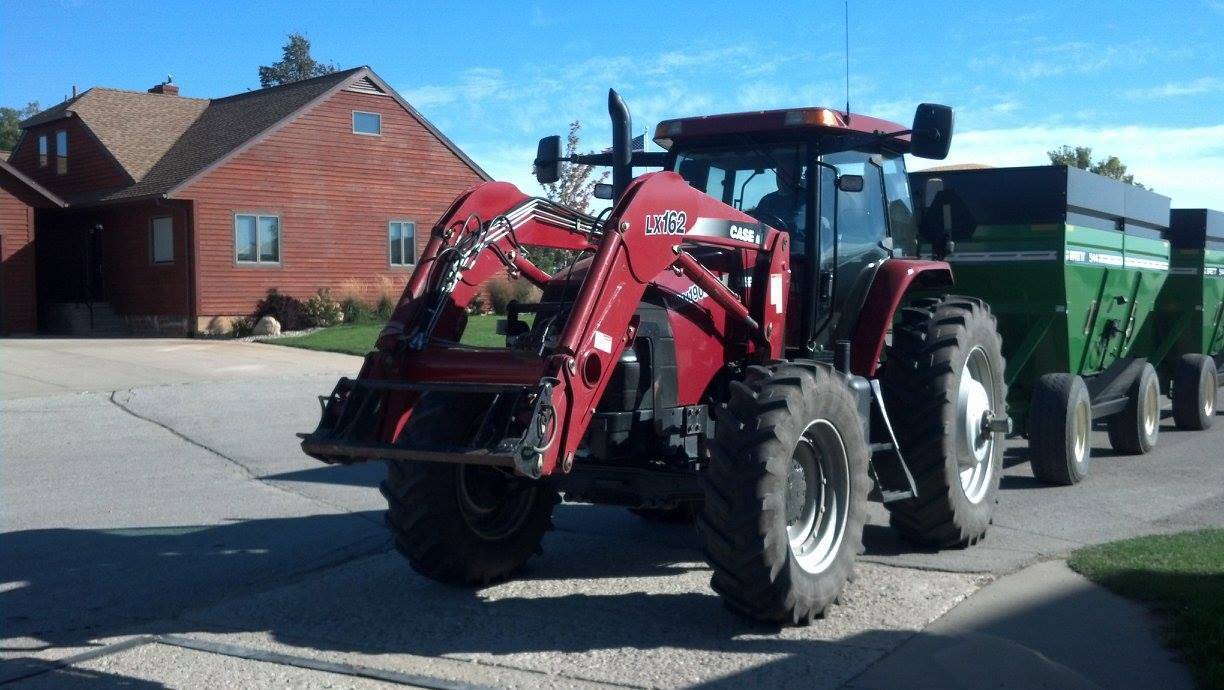
 “Musings of a Pig Farmer” by Larry Sailer
Since this is November and folks on social media platforms are sharing #thanks, I’d like to say how thankful I am to have a chance to share my thoughts weekly on TheFieldPosition.
This past week I posted a comment on Facebook for the purpose of seeing how closely it would be read. I wrote: “Spending so much time in the fields this fall, I have given this a lot of thought, and decided I should say, something profound…”
The placement of a comma can be overlooked so easily. I know many really were in suspense, waiting for what I had to say. Others caught it right away!
This brings up a point I often make about how we must listen first before determining what another person is trying to say. I made this statement in Michele Payn-Knoper’s book, No More Food Fight, “A conversation must include listening. I need to know the concerns of people and to learn how they view what I do. I don’t live on Old McDonald’s Farm anymore and my farm animals are not the same as the cartoon characters you see on TV.”
The difficult part for me is that too many conversations are one sided. For example, the anti-GMO crowd has what seems to be an unending list of talking point. Emotion rules with talk of Agent Orange and fears that mutinational corporations are taking over our food supply. The real clear and present Danger is opposing GMOs. There have been so many good points made about GMOs that the debate should be over, but emotion rules!
I learned a new word today, palaver, as in The Vatican Enters a GMO “Palaver.” I’ll admit that I had no idea what this word meant before I read this Agri-Pulse headline. I looked it up to find palaver means “a patient and thorough exploration of a major problem.” The word I key in on here is “patient,” and I take this to mean to listen!
Just think the progress that could be made if we had a palaver on the Farm Bill right now! An article by Brigitte McMinn explains how regulations are paved with good intentions, but it questions what good our government regulations really accomplish and at what cost. This article takes on the SNAP program and how it became connected to the Farm Bill. It also digs in to a part of the bill pushed by HSUS to more regulate animal welfare. There’s a really important call to action at the end, so please read it!
I know getting involved takes time and effort, but keep in mind my new word for the week – palaver! Tomorrow on #AgChat, there will be discussions on ag legislation and the Farm Bill. Hopefully, you can join the conversation between 8-10 p.m. EST. Remember, your voice can’t be heard if you don’t speak up for agriculture!
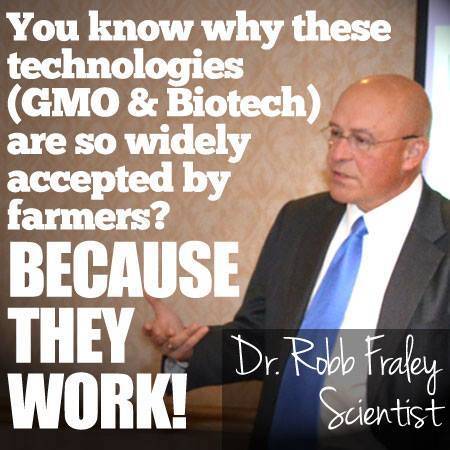
“Some people don’t understand the science behind the (GMO) technology, and what you don’t understand, you normally fear,” writes Suzie Wilde, who blogs at I Kissed a Farmer.
I couldn’t agree more. Fear causes people to make decisions and act in ways that defy common sense and common decency. For example, vandals destroyed a “Golden Rice” trial on Aug. 8, 2013, in the Phillipines. “Golden Rice” is a rice variety in which rice grains accumulate B-carotene. This rice variety has been ready for use since the turn of the 21st century, yet it is still not available to farmers.
Meanwhile, literally millions of people who live in poverty suffer from Vitamin A deficiency resulting in compromised immune systems. Severe Vitamin A deficiency also results in blindness, and nearly 50% of the half-million children who are blinded by it die within a year. From 1.9 to 2.8 million deaths could be prevented annually if Golden Rice were available in these poverty stricken areas! We know these deaths could be prevented, yet we’re letting fear of the unknown prohibit us from helping these poor people.
Fear of the unknown is also causing agriculture to come under attack on the Hawaiian Island of Kauai, known as the Garden Island. Activists from the mainland are funding a campaign to remove four seed and technology companies from Kauai. The anti-GMO groups are citing pesticides as the reason, but their real agenda is to advance their battle against all GMO crops.
If seed companies are forced from the Hawaiian Islands, it will have a negative effect on our seeds in the Midwest. It will slow-down the time new hybrids and varieties reach market as research facilities in Hawaii speed up hybrid development from 10 or 12 years to just 3 to 5 years.
Why does this matter? It matters because new corn hybrids are higher yielding than older hybrids. The average “life” of a hybrid seed corn product today is less than three years because these hybrids are replaced by higher-yielding products or products that have the potential due partly to protection mechanisms they have against insects and disease.
If Zambian farmers had access to seed with better defenses against weeds, pests and weather extremes, their living standards would rise considerably. Kelvin Kamfwa says his parents, just like millions of subsistence farmers in Zambia, struggle to survive. He knows firsthand that better seeds equal better life.
Access to GM crops would provide youth with options and opportunity in a country where flushing toliets and education are considered luxury. Activists say they’re protecting human health and the planet when they protest biotechnology and GMOs, but Kamfwa says protestors are really condemning millions to lifelong poverty.
GM crops can help farmers worldwide rise above poverty through heartier, healthier plants and increased yields. It’s a fact that seed technology advancements have allowed farmers to make significant yield increases in recent years. In 1912, U.S. corn yields averaged just 20 bushels per acre (bu/A). Iowa corn yields averaged nearly 200 bu/A in 2009. This week I visited an Iowa farmer, who achieved whole-farm averages of 300+ bu/A; one of his test plots produced a yield of 414 bu/A.
 Just think how many more people can be fed with corn yielding 400 bu/A as compared to 20 bu/A! As Dr. Robb Fraley, who’s often referred to as Father of Biotechnology says, “GM crops are the least size-sensitive of any crop. Small farmers, as well as large farmers, can use them. They are just seeds, and any farmer knows what to do with a seed.”
While not everyone will agree with my viewpoint, I feel “helping farmers feed and fuel the world” is a noble mission. I can rest easier at night, knowing the seed technology and trait companies with which we work are helping advance agriculture around the globe.
Please do your own research on the topic of GM crops. Below are links to a few resources:
Today is Day 1 of a 30-day blogging series initiated by Holly Spangler of Wallaces Farmer / Farm Progress magazines to help create understanding between farmers and non-farmers. Holly will be blogging about 30 Days of Five Things. For example: Five Things an Honest Farmwife Admits. Five Things You Need to Know at the Grocery Story. Five Things to Tell Your Friends about GMOs. The list just goes on…
Sounds like a blog worth reading, right? I’m looking forward to it. And I’ll admit, my own desire to create blog posts that people want to read every day is causing me a little anxiety. I tried brainstorming a list of topics. I’ve fretted about unique story ideas, but I finally decided that I’m simply going to write about 30 Days of Farming, Food & Family – because that’s what we do on TheFieldPosition.com.
Each Tuesday we’ll continue to post Larry Sailer’s “Musings of a Pig Farmer.” Now that harvest is wrapping up across Latham Country, we’ll replace our Wednesday Crop Report feature with an (Almost) Wordless Wednesday post to describe our soybean production process. Throwback Thursdays will give you a look into the Latham archives as we show how our seed company, as well as farming in general, have changed over the past 65 years. Each Friday we’ll continue to feature a farm family and a favorite recipe.
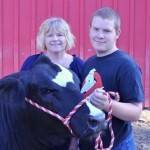
Since it’s the first Friday of November, I’m pleased to feature one of the farming community’s leading bloggers. Judi Graff, aka FARMnWIFE (@farmnwife on Twitter), describes herself as “a wife who farms in the middle of the Midwest. I love to show farmers and ag businesses how to make a website work for them. From simply telling your farm story to creating new business opportunities, it’s amazing where a website can take you.”
Oh, the places Judi has gone! She first launched a website in 2007 to show her three kids showing their cattle. Since her children are homeschooled, many visitors to her Kids Cattle website were others whom homeschool their children but aren’t familiar with farming. These “city moms” saw Judi’s posts about cattle shows and started asking questions about farming, which led Judi to start blogging in 2007.
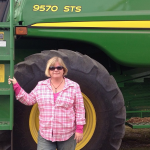
Then in 2009, Judi started the “Big Green Combine” blog about the purchase of a pre-owned John Deere combine after her family had harvested for 15 years with red ones. That blog documented the harvest season, which turned out to be one of the most challenging seasons. Rains fell frequently that fall and harvest wasn’t complete until Dec. 13, after the ground had frozen, and they could reenter the fields. The “Big Green Combine” blog became a written history of the Graff family farm and will provide insight into the family’s heritage for generations to come.
A short time later, Judi started another site for her family’s farming operation. Because it became extremely challenging to keep all blogs current, she joined them together. Now all past and current posts may be viewed at Graff Land and Livestock.
“My focus for blogging is really on telling our farming story and recording events for generations to come. It’s our family’s heritage, and if we don’t record it, it will be lost,” says Judi. “If I can do some advocating along the way, even better. Blog on, baby!”
Due to her experience with most blogging platforms, other farmers began asking Judi how they could get started. That led her to create FARMnWIFE, where she helps farmers and ag business owners make their sites productive. She also gives presentations to social media and ag organizations like #140conference and AgChat. I had the pleasure of meeting Judi at one of these gatherings, and today I’m honored that she is sharing one of her family’s favorite recipes with us on TheFieldPosition.
“This recipe is always requested at family gatherings. It’s so silly how easy it is, but everyone loves it!” says Judi.
Simple and delicious… That’s my mantra in the kitchen. You can bet I’ll be whipping up this casserole for our family’s Thanksgiving potluck. Thanks again for sharing, Judi!
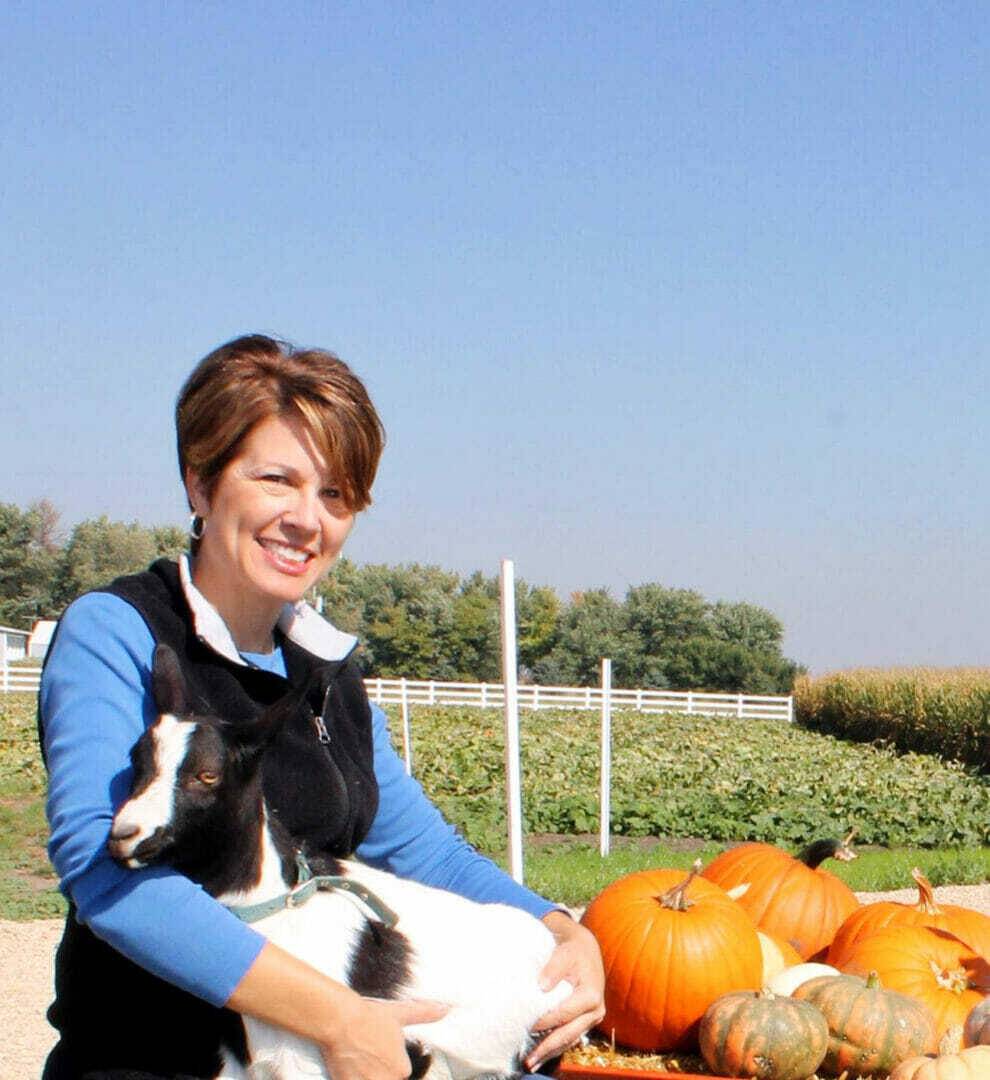
“Two roads diverged in a wood, and I… I took the one less traveled by, and that has made all the difference.” – Robert Frost
 How true! This quote has become somewhat of a mantra since my husband, John Latham, made it part of a presentation last year as part of our company’s 65th anniversary celebration. John used the quote in reference to how our family-owned seed company takes the road less traveled by remaining independent and offering a variety of product and program options for our farmer-customers.
This particular Frost quote also is relevant to the people side of our business. Often times I meet some of the world’s nicest people while I’m visiting the smallest farming communities. I hear the most interesting stories while sitting in the buddy seat of a combine or across the table from a farm couple. These stories are what shape my blog, TheFieldPosition.com.
For the past five years, I’ve blogged in support of America’s family farmers. Often times I talk to industry experts and share their helpful agronomic tips. Other times I share recipes from meals I’ve enjoyed while visiting Midwest farmers. And when ridiculous laws or rule changes like those concerning Child Labor and School Lunches threaten our way of life, then I do what I can to give agriculture a voice.
I’ve never been known to walk away from a challenge, so that’s why I’m joining Holly Spangler’s 30-days of blogging. The objective is for agriculturists to share what they do to help promote understanding among our non-ag friends. Get ready to agvocate!
During this 30-day challenge, I will feature farm families and their favorite recipes on Fridays. I’m looking forward to “Slow Food Sundays” when I highlight recipes we’ve shared to bring families together for a healthy meal and a few hearty laughs. On Tuesdays, Larry Sailer will continue to post his “Musings of a Pig Farmer” blog. The rest of the days, I’ll address topics of interest to readers.
Walk along the road less traveled with me! As Janice Person wrote, “While I want to do this daily, I also want them to keep readers by making them good enough to be read!” The best way to assure these topics are relevant and interesting is for you to send me your story ideas.

“Musings of a Pig Farmer” by Larry Sailer
#Harvest13 is winding down, but there’s still combing to be done on my North Central Iowa farm. All this “windshield time” has given me so many things to think about, and so many ideas for today’s blog have come to mind. Since this evening’s #AgChat discussion will focus on family vs. corporate farms, it made me reflect upon last week’s AgChat discussion about the size of farming and ranching operations.
Ownership nor size determines a farm’s worth. Farms, big or small, can be good or bad – or simply average. Management makes the difference.
When I was young, I grew my farming operation to about twice the average farm size in just under 10 years. Growth can lead to problems in any business, and farming is no different. Farming is extremely capital intensive. Even in the 1970s, farming wasn’t a cheap business to expand. The 1980s Farm Crisis with high interest rates took a toll on my operation. Since then, my operation has been close to what is considered an average-size Iowa farm. Herein lies another problem…
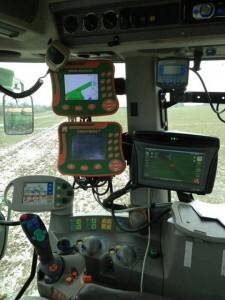
To use most of today’s farming technology, an operation must be large enough to spread out the cost. I’m not a large farmer, so I don’t have large machinery. That’s not a problem for me, but it is a problem for others in the industry who assume bigger is better.
My point is that farmers come in all sizes and operations come in all types. Each farmer must learn to adapt and do what works for him or her. They may find that new equipment is the best fit for their operation, or they may scour the combine grave yards in search of replacement parts. Perhaps a farmer may find his niche raising crops or livestock for a certain market. In the past, I’ve grown seed stock for seed companies and breeding stock for suppliers of hog genetics.
There is technology that can be used by all farmers of all sizes. At World Food Prize Tweet Up where I recently met Dr. Robb Fraley, he made a comment that has stayed with me: The technology he has helped develop is good for operations of all sizes. Seed technology is size neutral.
There is a place for every size of farming operation. With only 28% of the world’s land mass suitable for growing crops, we’re going to need every farmer to help feed the growing world population. I’m certainly looking to see how to make my farm better! Sometimes adjustments must be made on any farm, regardless of its size. Times change, and farming never stands still.
“Musings of a Pig Farmer” by Larry Sailer
Many people say “windshield time” gives them time to think. Imagine how much “windshield time” the average farmer has during fall harvest. I’ll tell you, it’s enough to solve the world’s problems – or at least provide some perspective on the mess our government has created!
Most Americans must balance their personal budgets, which requires reducing expenditures and increasing revenue whenever possible. That might mean someone picks up a second or third job. Others might forgo new clothes or a new car in favor of second-hand clothing or a used vehicle. But, our government doesn’t seem to take this same common sense approach to resolving its financial issues.
Two weeks ago the U.S. government “shut down.” From what I gather, about 17% of the government is staying home yet it doesn’t appear that cut is enough. Why not? Many government officials blame the lack of job creation (real job creation). I also believe jobs are key – one key.
While I’m a pig farmer and not an economist, I understand that good jobs fuel tax revenue! More jobs equal more income for the budget, but creating jobs isn’t as simple as it sounds.
My experience running a construction business during the 1980s Farm Crisis provided me with insight on the problems a business owner can have creating jobs:
Less government and less regulation would create more jobs, leading to more tax revenue. More tax revenue equals less debt.
This concept sounds so simple, doesn’t it? Yet our illustrious leaders in D.C. can grasp it. They don’t understand that job creation alone isn’t enough to solve our federal deficit. Why? Because the more revenue generated by the U.S. government, the more money it spends! Saying we need to cut spending won’t solve a thing because talk is cheap.
In an article published October 18 by the Wall Street Journal, former chairman of the Federal Reserve Alan Greenspan says he thinks mistakes were made quite some time ago and the situation has escalated over recent years. He said his biggest revelation came about a year ago when he was reviewing gross domestic savings numbers. He found the increase in entitlements has closely corresponded to a decline in the country’s savings.
“We had this extraordinary increase in benefits, with each party trying to outbid the other,” Greenspan is quoted in the WSJ. “That practice has been eroding the country’s flow of savings that’s so critical in financing our capital investment.” The decline in savings has been partly offset by borrowing from abroad, which brings us to our current foreign debt: $5 trillion and counting.”
Greenspan says he is baffled by all the blame that has been piled on him for the current economic situation. When a man of this stature can admit he is flabbergasted, we should take note.
But what really struck me when I read the October 19th WSJ article is how fear and emotion are the driving forces that shape people’s opinions. This is very true relating back to last Tuesday’s blog. Concerns over GMOs in foods is totally about fear! Science takes a back seat and doesn’t get read, just like Alan Greenspans’ rebuttal to Professor Taylor’s statement about the housing bubble.