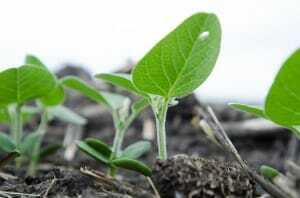
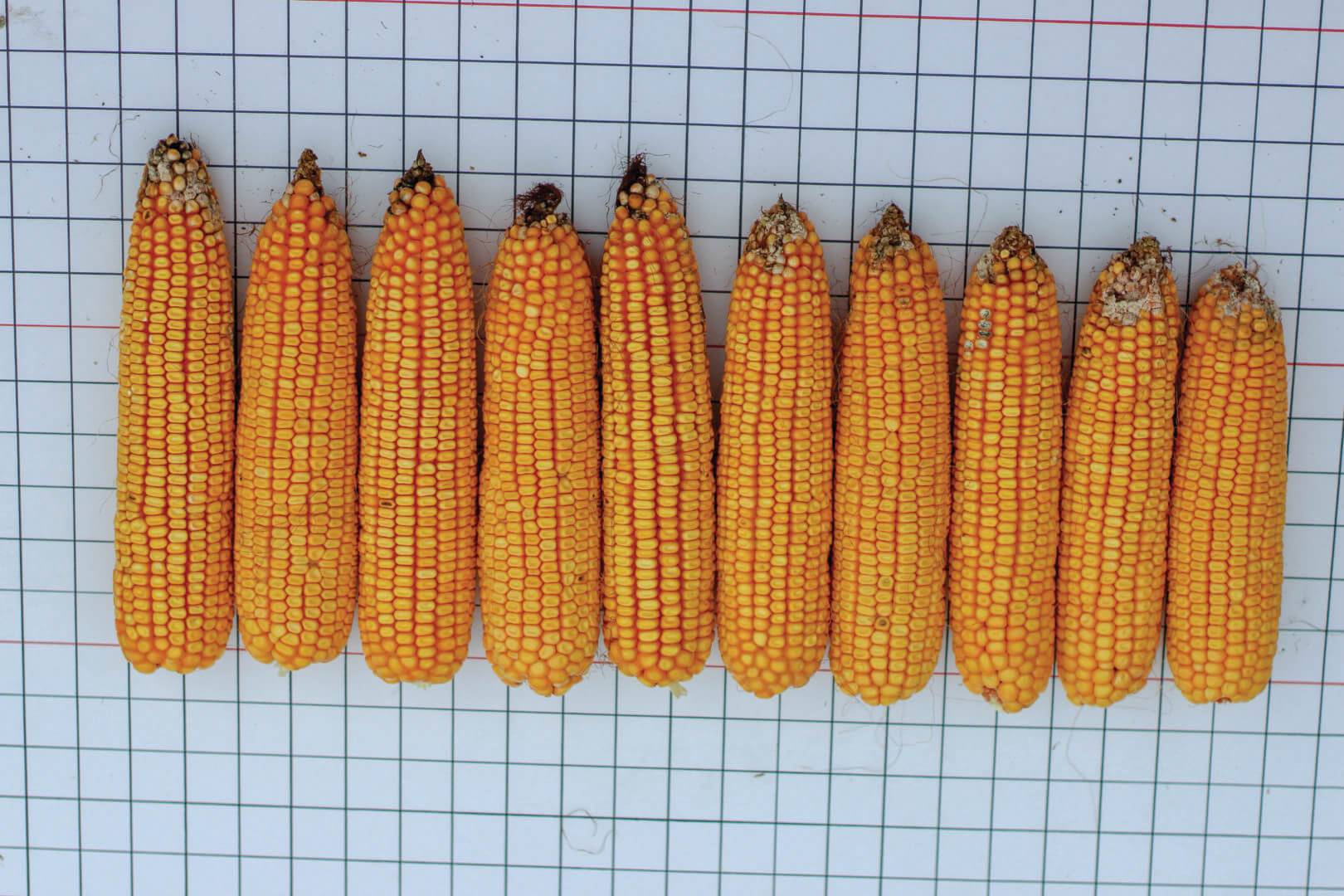
Does varying seed size can have effect germination and emergence? Tune in to find out! #AskTheAgronomist
:39 – Topic Introduction
2:05 – Local seed production
2:45 – Germination and emergence
6:15 – Planting date
10:30 – Establishing high yield
Does varying seed size can have effect germination and emergence? Tune in to find out! #AskTheAgronomist
:39 – Topic Introduction
2:05 – Local seed production
2:45 – Germination and emergence
6:15 – Planting date
10:30 – Establishing high yield
by Corey Catt, Forage Product Manager
Everyone is looking for ways to increase return on investment and to add value.
The Product and Research Team members at Latham Hi‑Tech Seeds are looking at 2020 data to evaluate silage hybrids for yield and quality. We’re comparing results from breeder and university trials with independent trials and our own research. We’re thinking about studies and research projects we want to conduct in 2021. Every livestock producer is doing the same. We’re all doing our best to generate meaningful, reliable data that can be used to make future decisions.
It seems that every business coach and motivational speaker encourages us to “think outside the box” for innovative solutions. While attending a church conference a few years ago, however, one of the speakers challenged this way of thinking. He made a comment that really resonated with me. He said, “In today’s economic climate, we should think inside the box.” Inside the box is using the resources you currently have, but modifying them to get a better result. He encouraged us to discover methods that require lower input but deliver higher impact.
After attending that conference, I started thinking about how I could get more or do better with what I already have. For example, how can I adjust my current equipment? How can I alter my existing research projects to deliver more impactful results?
It takes some planning, a lot of patience, as well as eternal optimism. In my endless pursuit to not leave any yield in the field, I have ongoing studies related to plant population and spacing. Years of data shows that we’re delivering 4 to 6 more tons per acre while improving fiber digestibility.
In 2020, we conducted another “inside the box” trial. One grower had a question about chopping height. Because I believe the most relevant data comes from your own farm, I helped him do a quick test on the spot. We raised the chopper height from 12 to 24 inches for a side-by-side test. Because most of the lignin is near the lower portion of the plant, we hoped to increase NDFD numbers with minimal sacrifice to the overall yield.
RESULT: Fiber Digestibility improved by 3.1 points. Each point equates to about one-half pound of milk per head per day, so this increase can be significant. Raising the chopping height also lowered moisture. As we removed fiber, the starch concentration of the ear increased, which dries down the corn silage. The corn became drier. It was a close comparison when comparing milk/ton, milk/acre, and DM tons/acre. However, there were great gains made in fiber digestibility.

The beginning of a new year is a time to set new goals or to try new things. It seems like a good time to think about how you can think “inside the box” during the 2021 growing season and potentially create higher impact without increasing your inputs.

 by Lyle Marcus, Corn Product Manager
Each December and January Latham’s Corn Product Team reviews all the yield data from the current year plots and from previous years for products that are currently in our lineup, as well as for experimental products that we are considering adding to our lineup.
We fine-tune positioning information for each product and then incorporate that into our company’s product guide and tech sheets. In addition to yield results, we review field notes about product characteristics that we took throughout the growing season.
Our RSMs provide valuable insight that comes from their experiences working directly with you, our customers. We also ask the Latham Sales Team to submit a “Needs Assessment,” so we can match our product offering to customers’ needs. Feedback from Latham® dealers also provides valuable insight.
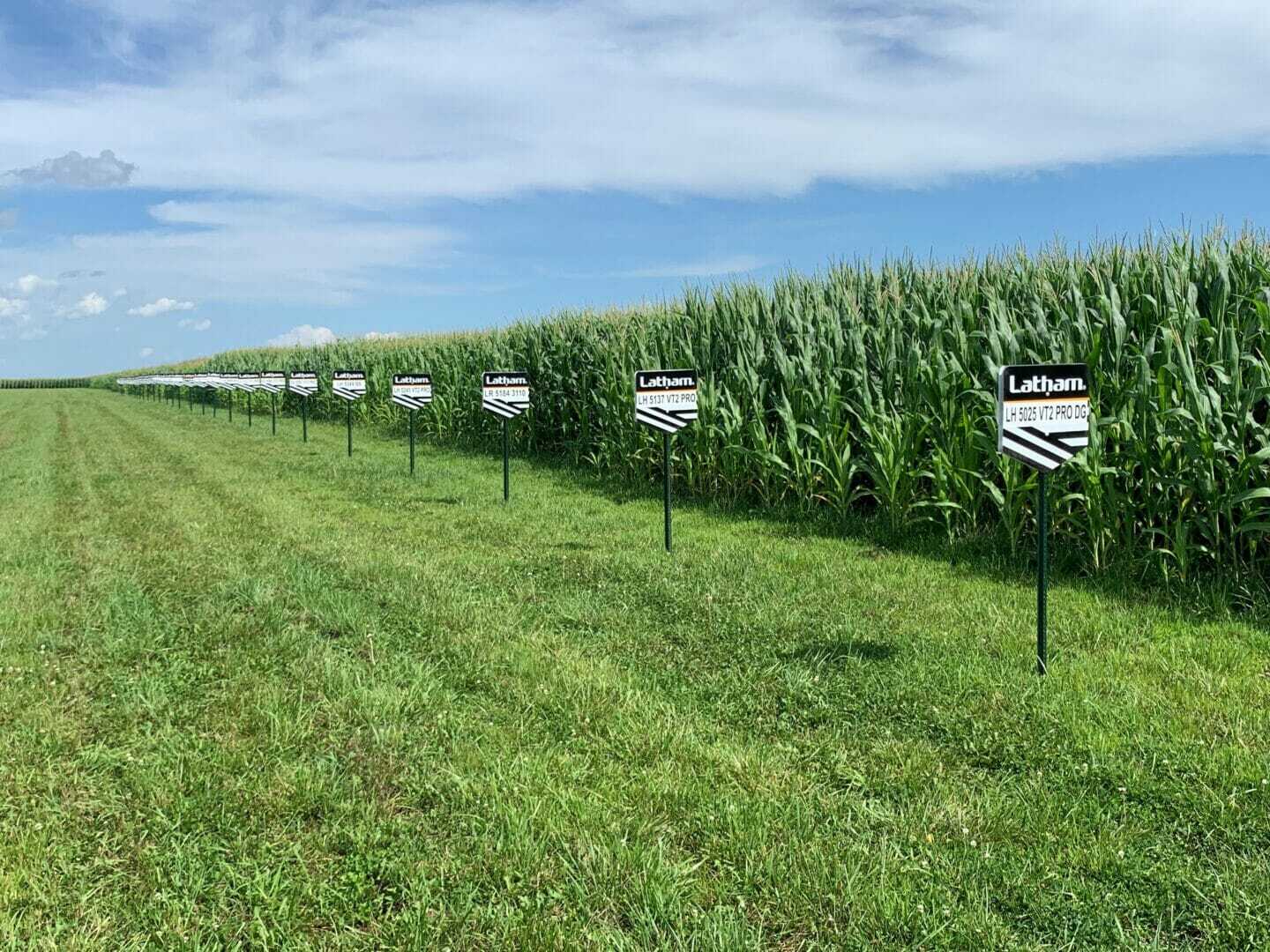
In addition to RSM and dealer input, Latham’s MiniStrip™ and SuperStrip™ plots help identify hybrids that fit identified needs. Plots planted across our marketing footprint allow us to look for hybrids that can outperform our key hybrids, so our customers can have confidence that we are continually advancing our corn lineup.
SuperStrip plots test the same group of corn hybrids on several farms during the same year. Our MiniStrip plot program allows us to contract with independent third parties to test both existing products, potential new products and experimental products in multiple locations across our footprint. Through our plot programs, we collect data on how hybrids perform by soil type and under various environmental conditions. Hybrids also are evaluated throughout the growing season for their overall characteristics and then taken to yield at harvest as a final comparison.
Research data provides us with building blocks for our crop plan. Keep in mind, what we plant in 2021 becomes the seed we will offer for farmers to plant in 2022.
Winter is really an exciting and busy time of the year for the product team!

 by Mark Grundmeier, Soybean Product Manager
Recently, Iowa State University Extension Entomologist Dr. Erin Hodgson delivered a presentation about the spread in 2020 of Soybean Gall Midge (SGM) to 19 more counties across five Midwestern states.
To recap, SGM was identified in 2011 in soybean fields in eastern Nebraska. Then in 2015 and 2016, it was discovered in South Dakota and Iowa, respectively. Widespread damage from SGM wasn’t noted until 2018, and also that year SGM was found in Minnesota. In 2019, SGM was found in Missouri. The scientific name of Soybean Gall Midge is Resseliella maxima.
Scouting for this pest can be very difficult as it is only about 1/10 of an inch long. Focus on the edges of soybean fields, beginning in those areas where you may have seen SGM damage the previous year. Look in your earliest planted soybean fields that are at the V3 stage or later for wilted plants that at first glance look like a disease problem. Then carefully check the base of the plant, giving a slight push to the plant base to see if it will snap off. If it does, split the base of the plant with a knife and look for the orange or white larvae. If you find Soybean Gall Midge, please report this to your local Extension Agronomist. Extension personnel are very interested in tracking the spread of this significant new pest.
Because farmers in Nebraska, South Dakota, Iowa, Missouri and Minnesota have been sharing their findings of SGM, Dr. Hodgson said she and her colleagues are making observations on the insect’s life cycle. Eggs are laid in soybean fields at from 2 to 4 inches deep. These eggs overwinter and emerge as adults the following year, flying into nearby soybean fields that are at that V3 stage or later where they will mate and lay eggs in soybean plants that have a wound or opening. These eggs hatch inside the plant with a total of three instars that will develop and feed on the inside of the plant. The third instar will be the largest and will usually be orange in color. These will eventually drop off the plant and burrow into the soil to later hatch and produce adults. This entire life cycle can take just 28 to 32 days.
Managing Soybean Gall Midge has proven to be very difficult as the larva are well protected by the plant and the presence of adults is extremely widespread through out the growing season. One researcher in Nebraska noted that adults could be found anytime between six and eight weeks in fields. While insecticides will easily control SGM adults, the timing of application over that period would be costly and tedious.
If you farm in the Missouri River area, please watch closely for Soybean Gall Midge and report your findings to your local Extension personnel. I would also appreciate a “heads up,” so I can make some observations of my own.

It was a beautiful, extended fall season, giving us ample time to finish tillage, fertilizer applications, tilling and other field work. Our machinery was strategically tucked away in the shed before the snow fell. Speaking of strategic placement…
Is your planter all the way in the back of the shed because you aren’t planning to touch it until March? Now is actually a good time to start thinking about your planter. New technology allows us to make our existing planter as good as – if not better than – the brand new planter on the lot at the implement dealership. One perk of working with us at Latham Hi‑Tech Seeds is using our Data ForwardSM services to help you make some unbiased decisions. Perhaps you weren’t happy with the way your corn was spaced in 2020 or maybe you noticed uneven emergence last spring. We can help you determine why this happened and fix these issues before going into 2021 planting season.
If you attended a plot tour last summer or listened online to our Corn Product Manager Lyle Marcus, you know he emphasized the importance of planting depth. It can be difficult to stay consistent across the field; controlling planter speed is one of the simplest ways to achieve optimum seed placement. We can review planter speed. We also can explore technology options for your planter, so you can monitor and control variabilities throughout a field.
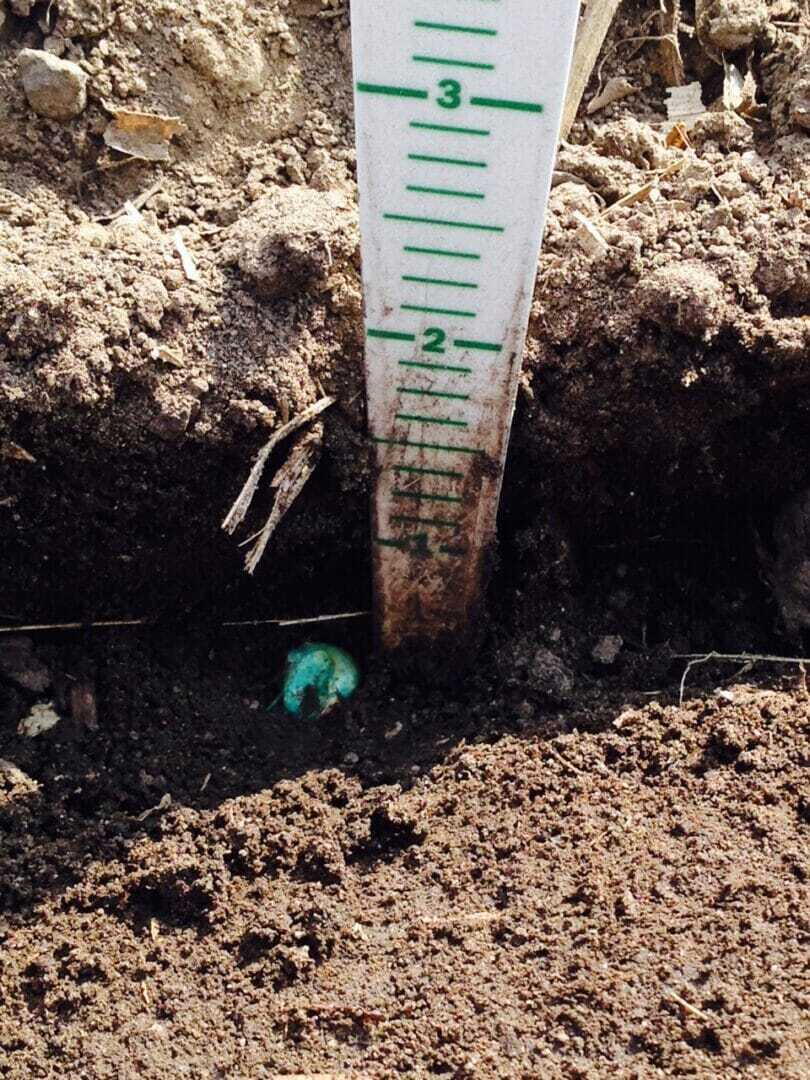
Another factor to consider is planting depth. Oftentimes, we say 2.75 inches is a safe planting depth to allow adequate moisture and growing degree units (GDUs) to attain even emergence.
There is a lot of talk around two-inch planting depths. This could be optimal if there is adequate moisture. Planting at 2 inches with adequate moisture can get you better emergence due to having faster GDU adaptation. This also means that it could come out of the ground better in crusting conditions, but keep in mind that the key to shallower planting is moisture. It’s risky to rely on moisture being available at that shallower depth.
We spend a lot of time helping our Data Forward clients improve efficiency. While this can encompass many things, we focus on your planter, seed and equipment. We believe one of the most important assets to a farmer’s operation is the planter. If the planter is not equipped to place that seed where it is going to thrive, then other investments throughout the year are not going to be as valuable either.
One of our biggest challenges is helping clients achieve uniform, speedy emergence. If one plant emerges 24 to 48 hours after its neighbor, that plant will compete for the sunlight that its neighbor is already harvesting. The plant starving for sunlight will be a runt for the rest of the growing season.
Keep these four things in mind when trying to keep even heat and moisture to achieve even emergence:
If you want to improve efficiency, planter performance, and data management for 2021, it’s time to plan. Call your Latham Precision Agronomy Advisors now for unbiased recommendations to get your 2021 crop off to a better start!
Tune in for discussion on choosing planting population by hybrid. Take time this winter to make a game plan for spring! #AsktheAgronomist
Ask the Agronomist: Managing Stress & Ear Flex: https://lathamseeds.com/2020/10/ask-the-agronomist-managing-stress-ear-flex/
Alfalfa can offer one of the highest returns on a farmers’ investment, but it often gets the least amount of consideration. Growers often purchase alfalfa from the first salesperson who asks for the order, but it really pays to compare alfalfa products. You usually get what you pay for, and quality pays for itself.
Latham Hi‑Tech Seeds offers very competitive, highly productive, Olympic-style alfalfa products. Unfortunately, we tend to undersell the advantages our alfalfa line carries.
Here are three reasons why alfalfa from Latham is superior:
Because most farmers only get approximately 40 chances in their careers to get a crop right, make each one count! One key to top yields is fast emergence. When you merge the best genetics with the best seed treatments, farmers can have confidence they have done all they can to manage environmental risks.
Latham’s AlfaShield seed treatment surrounds the alfalfa seed, helping it absorb soil moisture quickly to begin the germination process. AlfaShield also contains key micronutrients, as well as a growth promoter called Optimize Gold, that accelerate emergence.

New seeding mortality rates were very high, from 50 to 75% in the first year, with old seed treatments. New treatments like Stamina, however, reduce pathogen problems and manage risk. As a result, seedling mortality is lower and higher yields are possible.
Our goal is MORE LIVE PLANTS per bag, which allows you to capture more yield. Seed selection and fertility are key, so help set your crop up for success by choosing alfalfa products from Latham Seeds.
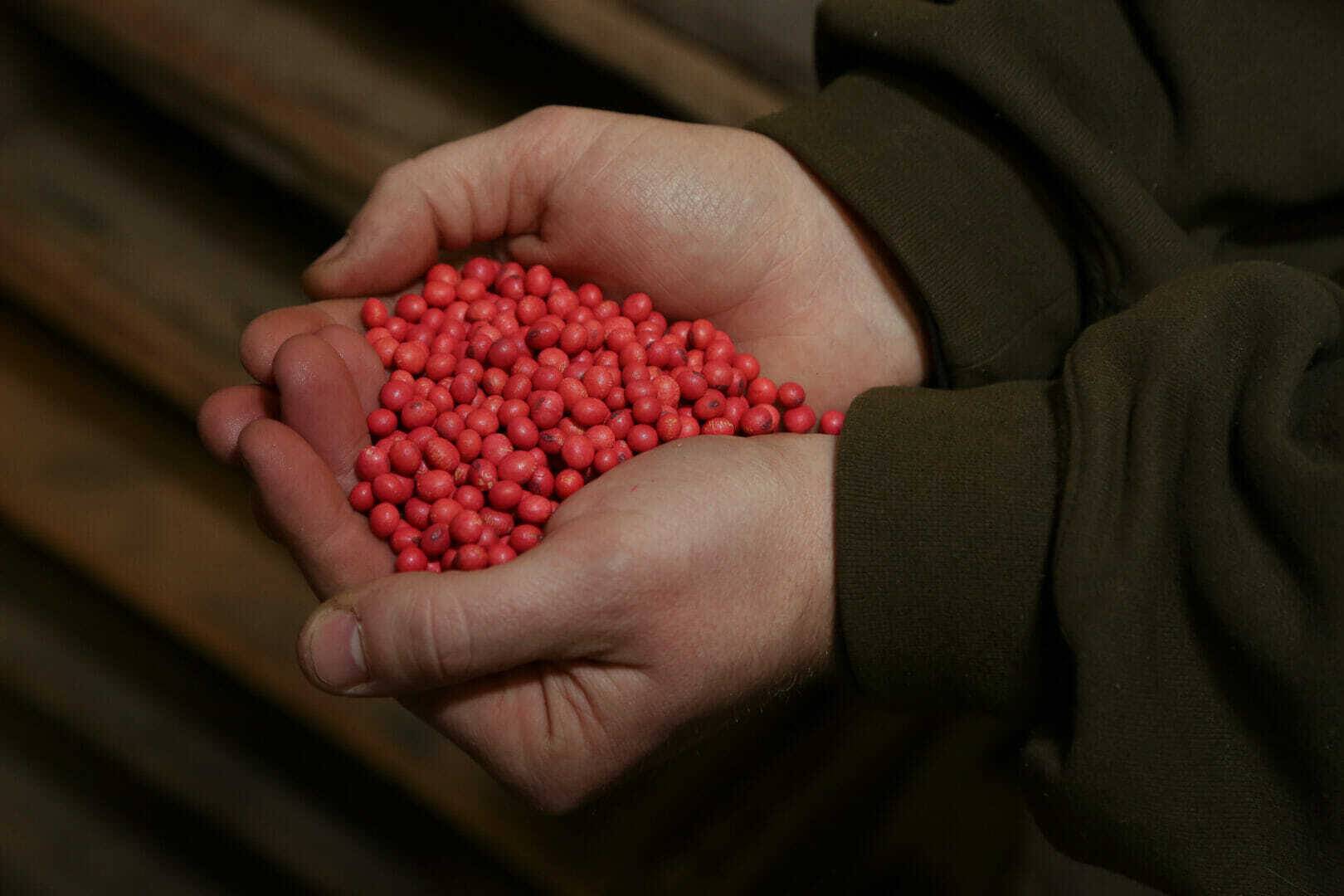
Join us as we discuss the importance of protecting your investment every year. How does Latham Seeds seed treatment differentiate? Tune in and find out!