Skip to content
Latham Hi-Tech Seeds

(641) 692-3258

  • Home
  • Performance
  • Products
    • Corn
    • Soybeans
    • Alfalfa
    • Corn Silage
    • Seed Guide
  • Find a Rep
  • Media
    • Blog
    • News
    • Videos
    • Podcasts
    • TECHTalk
  • About Us
    • Company History
    • Our Mission
    • Careers
    • Become a Rep
    • Sowing Seeds of Hope
  • Contact Us
  • Latham Hi‑Tech Seeds

    Improve Meat and Milk Production with Better Silage

    Corey feature image

    “Repetition is effective. Repetition is effective.” – Legendary Broadcaster Paul Harvey

    The massive amounts of information we process each day makes it easy for messages to get diluted or forgotten. That’s why I find it helpful to continually review the basics, especially when it comes to feeding corn silage.

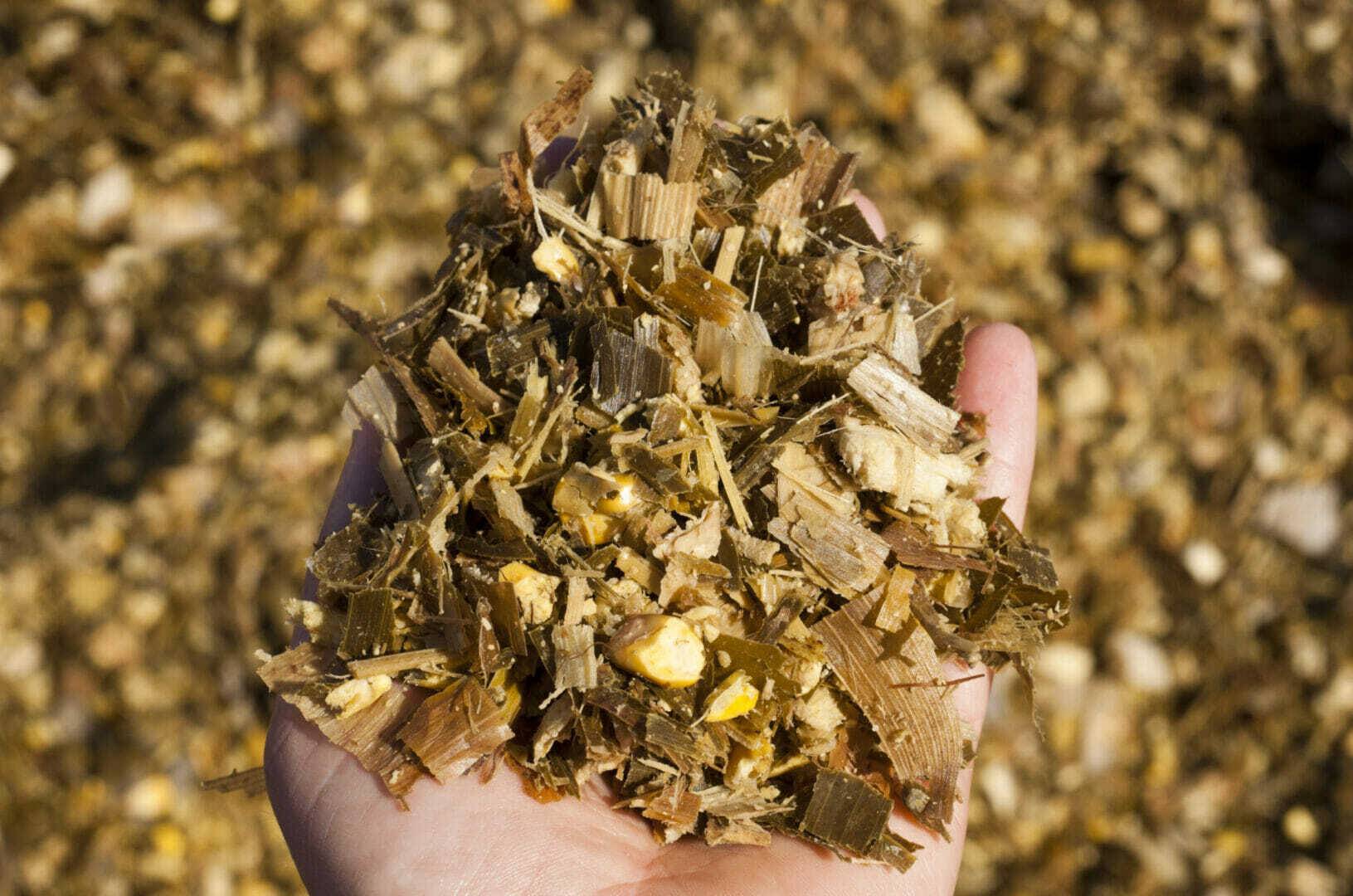
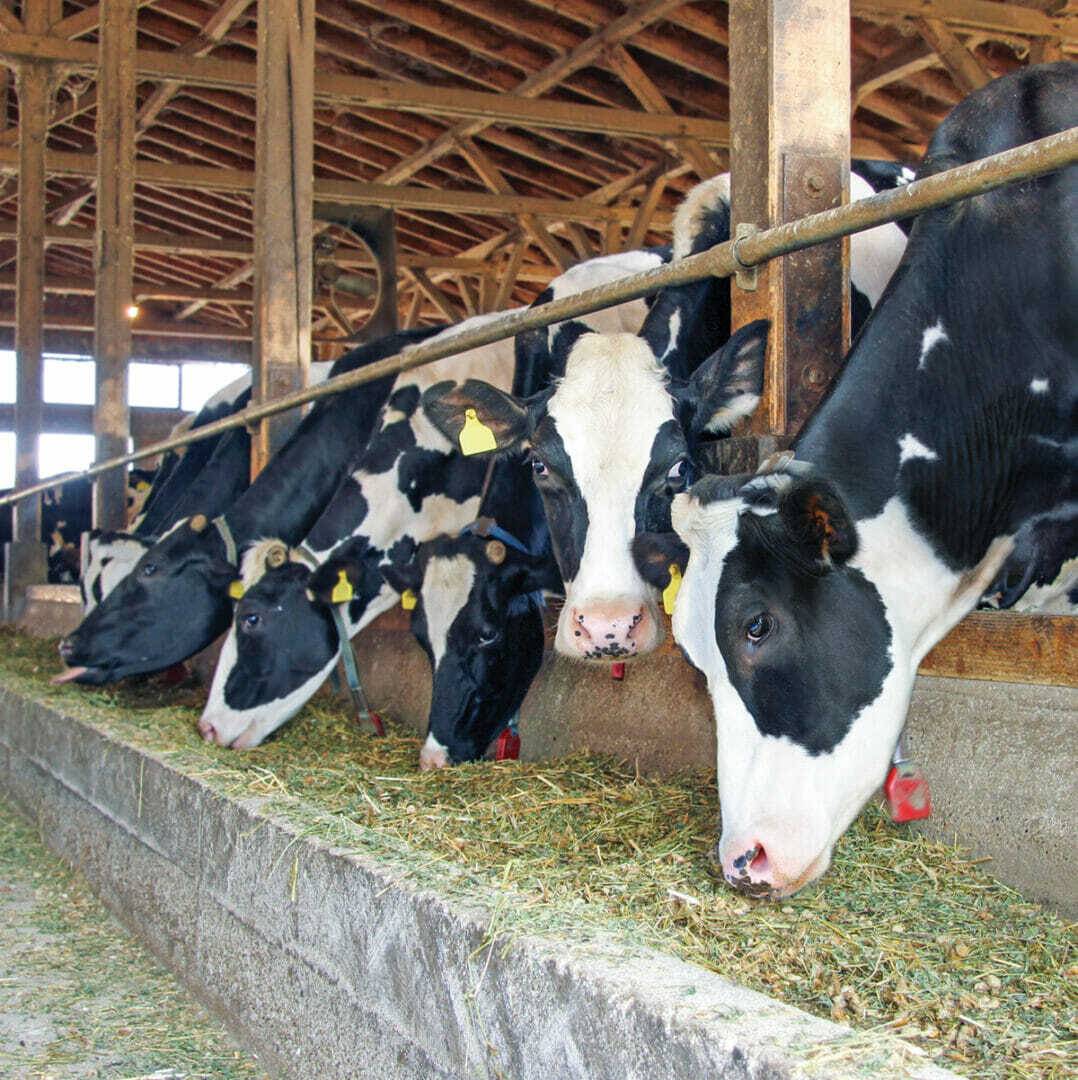
    What gets fed to dairy cattle, as well as to beef cattle, affects the quality and quantity of the milk and meat produced. We know there is a correlation between starch and fiber digestibility with rates of gain. Getting the most tonnage and high nutritional concentration gives you the best chance of improving milk quality and production in dairy, as well as rates of gains in beef.

    Most of the silage research to date deals with feeding corn silage to dairy cattle. However, Iowa State University has updated its Beef Corn Silage Calculator that ranks the potential value of corn silage varieties used in beef rations.

    You also get an index ranking for Latham® hybrids in our seed guide. Our index rating shows a hybrid trend on a multi-season, multi-environment basis. Keep in mind that management practices, weather, and fertility can dramatically impact forage quality.

    Simply stated, here’s what we want from corn silage: high tonnage in the field and high quality in the bunk. Listed below are some basic corn silage terms to provide a better understanding of corn silage yield and quality:

    1. Dry Matter Basis (DM). Most all feed comparisons are done on a dry matter basis where all the moisture is removed. This helps provide consistency.
    2. Corn Silage Composition. Typical corn silage composition is 50% grain to 50 % stover on a dry matter basis.
    3. Grain yield. High-yielding grain hybrids tend to bring great tonnage and quality. Yield contributes to tonnage and quality.
    4. Nutritional value of the kernel. The value of corn silage is related to its energy content from starch, fat and amino acids. Corn silage provides energy from digestible fiber and from the starch contained in the kernel.
    5. Corey fecal starch tableStarch Digestibility. Increasing starch digestibility supports rumen bacteria and increases energy supply to dairy and beef cows. It’s estimated that for every 1 percent of fecal starch that passes into the manure, milk production is reduced by 0.72 pounds per head per day. This adds up!
    6. Fiber Digestibility. Hybrid selection, environment, and management practices impact fiber digestibility in corn silage. It’s estimated that for every 1 point of increased or improved fiber digestibility, milk output of a dairy cow can improve about one-half pound of milk per day per head.
    7. Non-Fiber Carbohydrate (NFC). Corn silage is about 50 percent NFC. Note: There is a correlation between this number and the grain percentage.

    There is an ocean of information available from seed guides to feed reports. Ultimately, it comes down to considering the end use first. Match your end use goals with product features and proper placement for maximum ROI at the bunk.
    October 22, 2021
    Corn Silage, Crop, Fertility, General
  • Latham Hi‑Tech Seeds

    Test for Aflatoxin Before Feeding Moisture-Stressed Corn

    Aflatoxin Enhanced

    It could be a matter of life and death.

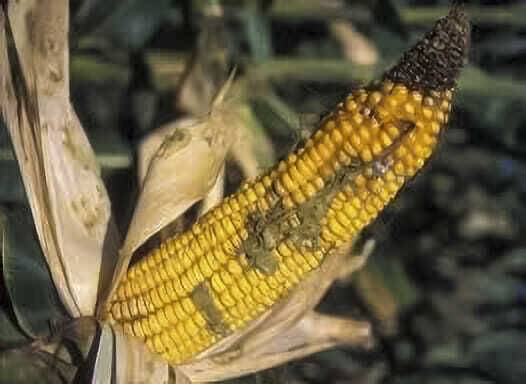
    Hot, dry summers like we’ve seen throughout the 2021 growing season stress plants and create the perfect environment for fungal growth and toxins. Test for nitrate levels and mycotoxin before you feed moisture-stressed corn silage or grain to livestock. If you plan to graze corn stubble, it is a good idea to test the lower one-third of plant in the area you plan to graze.

    Even one highly contaminated kernel in a five-pound sample could result in more than 20 parts per billion (ppb) aflatoxin. If you see olive green or graygreen fungus on corn kernels, contact a feed testing lab like DairyLandLabs.com or IowaGrain.org.

    Aflatoxins cause various animal health problems, including death in some cases. Most commonly, feeding contaminated corn reduces the animals’ feed efficiency and reproductivity. Aflatoxin also suppresses an animal’s immune system, making it more susceptible to infectious diseases. In addition, aflatoxin can appear in the milk produced by dairy cows that were fed contaminated corn.

    Prime conditions for the fungus to produce toxin are warm nights, when temperatures stay above 70 degrees Fahrenheit, during the latter stages of grain fill (August/September) in a period of drought. As kernel moisture decreases, aflatoxin production increases. Toxin production is highest at 18 to 20 percent kernel moisture and usually stops around 15 percent kernel moisture. Ensiling corn usually does not reduce aflatoxin concentrations, but concentrations are unlikely to increase in properly managed silage.

    Below are guidelines from the Food and Drug Administration (FDA) for acceptable aflatoxin levels in corn based on intended use. I also encourage you to work with a livestock nutritionist.

    Aflatoxin table

    September 10, 2021
    Agronomics, Corn, Corn Silage, Crop, Disease, Drought, Season, Summer, Weather
  • Latham Hi‑Tech Seeds

    6 Tips for Harvesting Corn Silage in Drought Conditions

    Silage

    Drought-stressed corn can create a range of silage harvest issues. With much of Latham Country experiencing abnormal to extreme drought conditions, risks such as high nitrate levels, variable moisture content and potential for yeasts, molds and mycotoxins must be accounted for and well understood.

    Silage

    Taking extra precautions to ensure a safe and productive corn silage harvest is a worthy investment. Here are a few key considerations to keep in mind this summer and fall.

    1. Consult your team. Before you make any corn silage harvest decisions, verify your plan doesn’t impact your insurance coverage. It’s also good to discuss feed-out plans with an animal nutritionist so you have a plan for when and how the forage will be used.
    2. Test chopping height. As you prepare to harvest silage, test various chopping heights for nitrates. Nitrate concentration tends to lessen as chopping height increases. Measure your chopping height and then send a 5-inch stalk sample to the lab. It is best to send at least two samples. By testing different heights across the plant, it gives you a general idea of nitrate hot zones. Also, remember that recent rains can increase nitrate levels.If you harvest high on the stalk to avoid high nitrate levels, your tonnage will be reduced. It is estimated that you harvest 1 ton per foot of no ear or poorly eared corn.
    3. Monitor moisture content. As fields vary, so too will harvest moisture. Ideally, you want to get to 65% whole plant moisture. If it is drier, packing can be difficult but mixing in small particles can help if needed.
    4. Test on harvest day. Testing nitrate levels on harvest day will give you a good frame of reference for the final product. If it shows high, do not feed it to pregnant animals, and consult with your nutritionist regarding feeding to it the rest of your livestock. Allow this crop to ensile at least 21 days, and then retest.
    5. Innoculate. Anything to help ensile and preserve the forage after chopping is important. Because drought-stressed corn can be so variable in content, moisture and packing densities, it can lead to potential issues with high nitrates, mold, yeasts and mycotoxins. A good inoculant can help the fermentation process and reduce any further problems during feed out.
    6. Test before you feed. Ensiling can help reduce nitrate levels by as much as 40-60%, but the final nitrate levels can be dependent on good packing. It is always best to test before you feed silage to livestock. As a rule of thumb, take at least two samples from different areas of the silage pack. One sample is just a number, two samples start the trend and three samples add confidence. There is just too much at stake to risk nitrate poisoning.

    While Mother Nature can certainly throw some unexpected curve balls our way, these tips can help you make the best of a not-so-ideal harvest scenario.

    August 11, 2021
    Agronomics, Corn Silage, Crop, Drought, Season, Summer, Tech Tuesday, Weather
  • Latham Hi‑Tech Seeds

    Invest in a Tissue Test

    IMG 0484

    Leaving no yield in the field is always an important goal, but it’s especially important when commodity prices are as strong as they are. It literally pays to harvest more tonnage! In-season testing will verify whether your growing plants’ nutritional needs are all met, which helps your alfalfa and corn silage crops reach their full potential.

    It’s more challenging to determine actual alfalfa and corn silage yield and correlate yield to plant nutrient removal than it is to do so for corn or soybeans. A more accurate way to determine soil and plant needs for alfalfa is in-season soil sampling combined with plant tissue sampling.

    The chart below provides examples of tissue sampling methods. You will find a link to full descriptions here: www.dairylandlabs.com/agronomy-services/plant-tissues. I like to add this layer of fidelity on at least a few acres as it gives me a sense that I have done my best. The lab results you get will indicate if a nutrient is still lacking and the amount to supplement. NOTE: It’s helpful to provide a soil sample (at least 10 cores) from area of tissue sample.

    Tissue Sampling

    For Best Results

    Modern alfalfa plant genetics have a lot of capacity to yield, but plant nutrition is key to achieving those top yields. Potash, phosphorus, boron and sulfur are key nutrients. The top yield-driving nutrient is potassium. Split-applying potassium to alfalfa tends to provide the best results.

    Alfalfa will remove 50 to 55 pounds of potassium per dry matter (DM) ton, so a total of 300 pounds may be removed per acre in one season. A split application of 150 pounds of potash per acre will help avoid any leaching potential. NOTE: Alfalfa consumes more potash than it needs, a condition called luxury consumption. If you apply more than 200 pounds of potash per acre in one application, there is a high potential for luxury consumption. The plant can only use a certain amount for yield, but an alfalfa plant will continue to consume as much potash as it can. Potash will increase plant tissue concentrations. As a result, it can cause negative animal health issues when the forage is fed.

    To maintain maximum animal health, as well as plant health, it’s important to study both data from your field and from your alfalfa plants. Mosaic® fertilizer has a great nutrient removal chart, which correlates expected yield with critical nutrient removal rates.

    Maintaining peak nutrition keeps alfalfa plants healthier, so they live longer. More live plants when you plan to rotate to corn can provide up to 100 pounds of nitrogen credit or even greater. It pays to keep alfalfa happy!

    June 16, 2021
    #AskTheAgronomist, Agronomics, Alfalfa, Corn Silage, Crop, Season, Summer, Tech Tuesday
  • Latham Hi‑Tech Seeds

    Think “Inside the Box” for Higher Impact

    by Corey Catt, Forage Product Manager

    Everyone is looking for ways to increase return on investment and to add value.

    The Product and Research Team members at Latham Hi‑Tech Seeds are looking at 2020 data to evaluate silage hybrids for yield and quality. We’re comparing results from breeder and university trials with independent trials and our own research. We’re thinking about studies and research projects we want to conduct in 2021. Every livestock producer is doing the same. We’re all doing our best to generate meaningful, reliable data that can be used to make future decisions.

    It seems that every business coach and motivational speaker encourages us to “think outside the box” for innovative solutions. While attending a church conference a few years ago, however, one of the speakers challenged this way of thinking. He made a comment that really resonated with me. He said, “In today’s economic climate, we should think inside the box.” Inside the box is using the resources you currently have, but modifying them to get a better result. He encouraged us to discover methods that require lower input but deliver higher impact.

    After attending that conference, I started thinking about how I could get more or do better with what I already have. For example, how can I adjust my current equipment? How can I alter my existing research projects to deliver more impactful results?

    It takes some planning, a lot of patience, as well as eternal optimism. In my endless pursuit to not leave any yield in the field, I have ongoing studies related to plant population and spacing. Years of data shows that we’re delivering 4 to 6 more tons per acre while improving fiber digestibility.

    In 2020, we conducted another “inside the box” trial. One grower had a question about chopping height. Because I believe the most relevant data comes from your own farm, I helped him do a quick test on the spot. We raised the chopper height from 12 to 24 inches for a side-by-side test. Because most of the lignin is near the lower portion of the plant, we hoped to increase NDFD numbers with minimal sacrifice to the overall yield.

    RESULT: Fiber Digestibility improved by 3.1 points. Each point equates to about one-half pound of milk per head per day, so this increase can be significant. Raising the chopping height also lowered moisture. As we removed fiber, the starch concentration of the ear increased, which dries down the corn silage. The corn became drier. It was a close comparison when comparing milk/ton, milk/acre, and DM tons/acre. However, there were great gains made in fiber digestibility.

    Inside the box image

    The beginning of a new year is a time to set new goals or to try new things. It seems like a good time to think about how you can think “inside the box” during the 2021 growing season and potentially create higher impact without increasing your inputs.

    January 25, 2021
    Agronomics, Corn Silage, Crop
  • Latham Hi‑Tech Seeds

    Select Silage Hybrids That Fit Your Soils

    Ken 2

    As you finalize your seed product selections, I’d like to once again share with you the largest factors on corn products as outlined by University of Illinois researcher Dr. Fred Below in his 7 Wonders of Corn Production:

    Corey article

    What happens in the field has the biggest impact on the quality we put into the silo, bag or bunk. Below are a few more considerations:

    1. Weather. If moisture in the field is a limiting factor, consider DroughtGard® or Artesian®. It’s a delicate balance as these specific hybrids may not have the best corn silage yield rating but are the best genetic fit for the acre. Many areas in 2021 suffered from lack of moisture and intense heat, so those areas would have benefited from these traits.
    2. Nitrogen. Plant food balance is critical. Because corn silage hybrids tend to be much larger in stature, they require additional plant food. A study done in Pennsylvania suggests adding 20 pounds of nitrogen above normal nitrogen usage for grain. Larger plants need more food.
    3. Hybrid. There are silage-specific hybrids and dual-purpose hybrids. Each has their winning attributes. The nutritionist wants a hybrid for best forage quality. The agronomist wants the best emerging, drought tolerant, hybrid you can find. With so much at stake, I tend to plant the hybrid that is best suited for the soil. There are ways to improve quality from plant spacing, raising the cutter head at chopping time, to using fungicides. If the hybrid is on the wrong soil, however, it’s difficult to manage around that.
    4. Previous Crop. Root worm control is important, especially for corn on corn. Huge silage hybrids need a solid foundation and an intact, healthy root system. I believe the best corn silage is on alfalfa ground rotated to corn silage because there is a good nitrogen credit from the alfalfa, and the corn can develop a better root system following the tap root of the alfalfa.
    5. Plant Population. For best results, read and follow all label instructions. Some hybrids, like leafy hybrids, do better under 28,000. Each hybrid has a distinct recommendation listed in the product guide.
    6. Tillage. My philosophy is do what’s best for the soil, and the soil will do what’s best for you.
    7. Growth Regulators. Talc USA has shown positive benefits to corn silage yield and quality. Fungicide research has shown 3 tons more corn silage per acre with the application of a specific brand of fungicide. BASF has a new fungicide that shows longer term residual benefits, which hopefully translates into healthier plants and fewer mycotoxins in the corn silage.

    In summary, the hybrid that performs best in your specific soils likely will deliver the best end result. Use Latham’s performance data, as well as data from universities and on-farm research, to help you plan for next season.

    November 16, 2020
    Corn Silage, Crop
  • Latham Hi‑Tech Seeds

    Corn Silage Testing with Corey Catt

    Corey Feature

    Join us in the field with our Forage Product Manager, Corey Catt! Corey discusses corn silage basics, yield estimates and quality samples. Watch below to learn more. #LathamSeeds

    :30 – Collecting a sample

    3:04 – Track location via GPS

    8:08 – Calculating whole plant moisture

    11:40 – Overall corn silage basics

    14:30 – Yield estimate importance

    15:50 – Discovering grain to stover ratio

    16:50 – Quality sample

    19:11 – Moisture evaluation

    22:00 – Variability and repetition

    August 6, 2020
    Agronomics, Corn Silage, Crop
  • Latham Hi‑Tech Seeds

    Optimize Silage Quality with Timely Harvest

    Chopping silage in the 1486

    KernelIt’s more challenging than most people think to achieve optimum harvest timing. Life on the farm would be mighty easy if the weather cooperated, machinery was always in working order, and the custom harvester came right when you called.

    Some days farming feels like you’ve been handed a bent golf club to play a mini golf course full of obstacles, water hazards, and challenges meant to distract, disrupt and impact the result. Fortunately, farmers are the golf pros of the acre. Despite all the craziness tossed at them, they face the adversity with steadfast grit and determination. Farmers keep their eyes fixed on the goal of doing their best.

    Timing is everything to harvest the best quality corn silage. With corn silage harvest rapidly approaching, let’s review why timing is important.

    In general, 65 to 70 percent whole-plant moisture is the optimal goal range for harvest moisture. The plant is at this moisture level when the kernel is about 50 percent milk line. The starch in the kernel is like a sponge, absorbing moisture from the plant. Think about this… If you remove the entire ear, the remaining stalk contains a moisture level about 80 to 85 percent moisture. Now, add back in a normal size ear that is half milk line. The new whole-plant moisture will be between 65 and 70 percent as that added starch absorbs some of the plant moisture.

    As the milk line of the kernel drops toward the tip, it adds even more starch to the kernel. Each day more starch is added to the kernel, which is absorbing more moisture from the plant. As a really broad general rule of thumb, from about one-fourth milk line stage, corn silage moisture can drop in the field around 0.5 percent each day. Moisture can drop a full percent on those hot, dry, sunny September afternoons when photosynthesis is good and starch is accumulating rapidly. Additionally, there is also some evaporation from the leaf tissues.

    Once the kernel drops below half milk line, the moisture will rapidly drop below 65 percent whole-plant moisture, and it becomes more difficult to pack and ensile. Additionally, as the milk line drops, it is exponentially adding a protein called prolamin zein. This particular protein has a negative impact on starch availability and can be linked to higher fecal starch levels.

    Hybrids like Latham® 5495 3122 EZR and LH 5742 RR and our leafy hybrids tend to have less of this protein. This softer, lower prolamin starch found in select dual-purpose and leafy corn silage hybrids provides flexibility in the harvest window while still giving peak harvest qualities. They can take away a little stress while you’re waiting on weather or the custom harvesting crew.

    Bottom line, as harvest approaches, check moistures early and often to develop the best harvest plan to capitalize on yield and quality.

    August 6, 2020
    Agronomics, Corn Silage, Crop
  • Latham Hi‑Tech Seeds

    Corn Silage Fungicides

    Corey

    Forage Product Specialist, Corey Catt, dives into the benefits of fungicide application on corn silage. View a breakdown of topics below:

    0:25 — Topic introduction

    :35 — Yield in the field

    :50 — Economics of fungicide application

    1:30 — Tissue health

    2:20 — Final thoughts

    Latham Seeds Precision Agronomy Advisors

    July 27, 2020
    Agronomics, Corn Silage, Crop, Fungicide
  • Latham Hi‑Tech Seeds

    Pollination & Silk Growth with Bob Foley

    Xtra 6b. Silk Trichomes
    Join Bob Foley in the field as he discusses pollination and silk growth over a span of 4+ days. Find a time breakdown below:
     
    0:04 — Video introduction
    1:40 — Day 1: Silk trimming and cutting
    5:20 — Day 2: 14 hours past silk cutting
    8:40 — Day 2: 24 hours past silk cutting
    11:25 — Pollination vs Fertilization
    12:30 — Day 3: Pollination & trichomes
    18:45 — Day 5: 100 hour silk mark

    Latham Seeds Precision Agronomy Advisors

    July 17, 2020
    Agronomics, Corn, Corn Silage, Crop
Previous Page
1 2 3 4
Next Page

Latham Hi‑Tech Seeds

131 180th Street | Alexander, IA 50420

(641) 692-3258

SIGNUP FOR OUR NEWSLETTER
  • Contact
  • Legal
  • Seedware Login
  • Latham Gear

© 2026 Latham Hi‑Tech Seeds. All rights reserved. | Privacy Policy

Latham® Hi-Tech Seeds is a trademark of M.S. Technologies, L.L.C., 103 Avenue D, West Point, IA 52656.