Latham Hi-Tech Seeds

(641) 692-3258

  • Home
  • Products
    • Corn
    • Soybeans
    • Alfalfa
    • Corn Silage
    • Seed Guide
  • Performance
  • Find a Rep
  • Media
    • Blog
    • News
    • Videos
    • Podcasts
    • TECHTalk
  • About Us
    • Company History
    • Our Mission
    • Careers
    • Become a Rep
    • Sowing Seeds of Hope
  • Contact Us
  • Latham Hi‑Tech Seeds

    Tips for Scissor Cutting Alfalfa

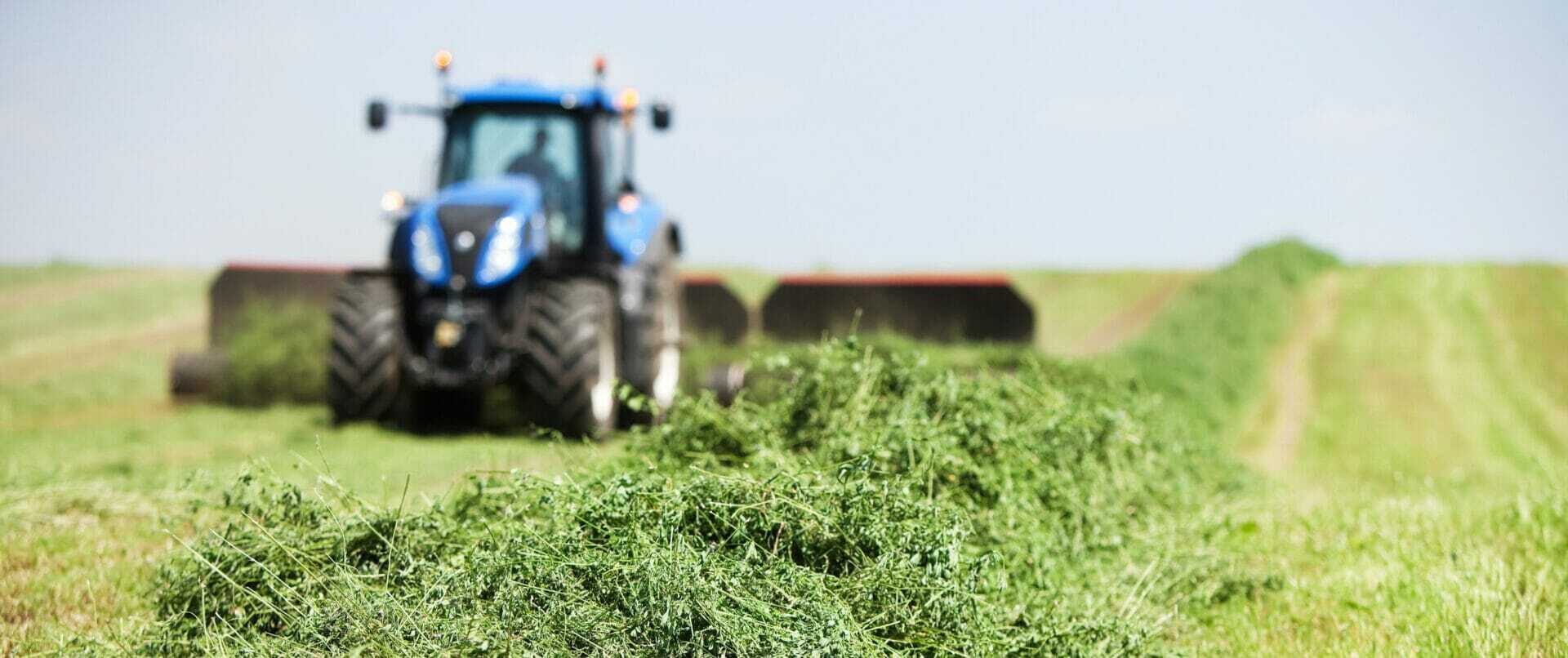
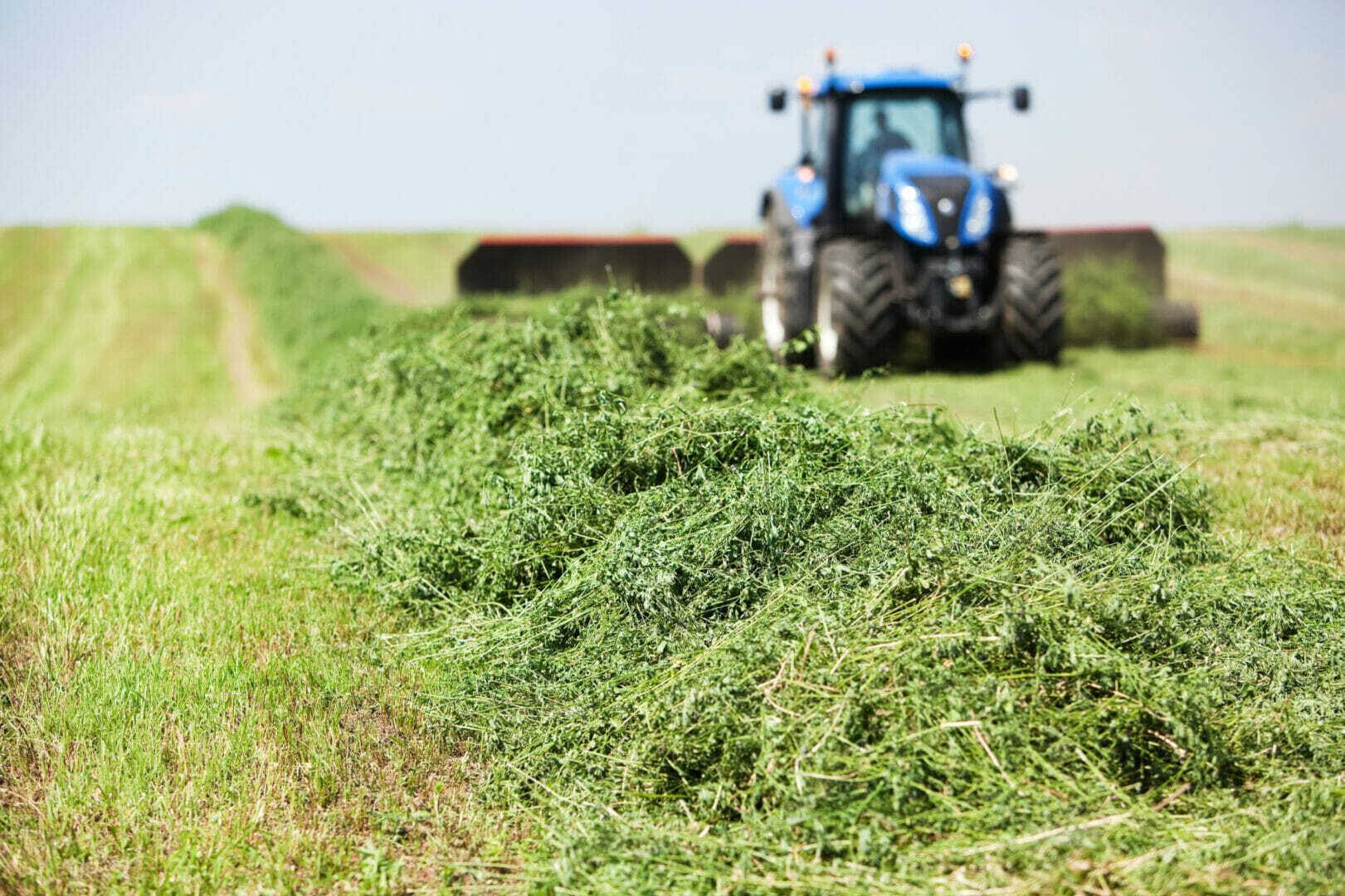
    Tractor Towing Merger on Cut Alfalfa (Hay) Field

    From weather patterns to other fieldwork to insect infestations, many factors can impact when you decide to harvest alfalfa. But if your goal is to harvest based on feed quality, understanding alfalfa’s Relative Feed Value (RFV) is key.

    You can measure RFV by taking regular field clippings and analyzing samples. This sampling method is known as “scissor cutting” and it can help you determine the best time to start harvesting alfalfa. It is important to stay consistent and ensure samples are representative of your fields.

    Here are six steps to follow when scissor cutting alfalfa:

    1. Start sampling in mid-May; or when alfalfa is about 14-inches tall.
    2. Sample on Mondays and Thursdays so lab results are available on business days. You don’t want to let the crop sit over the weekend while waiting for results!
    3. Stay consistent with the time of day; before 8 a.m. is preferred. This helps reduce day-to-day variability.
    4. Sample two, 2-square-foot areas that are representative of the field. Then choose 5-6 different plants in each area. Be sure the selected plants are random, not just the largest.
    5. Cut 2-3 inches above the soil and collect about a half-pound of fresh weight per location.
    6. Place samples in a paper bag and send to a forage quality testing laboratory. Dairyland Laboratories is a good testing resource in the Midwest.

    We recommend cutting alfalfa when RFV hits 170 to get RFV of 150. It will lose about 15-20 RFV points during harvest or about 4-5 RFV points per day depending on the weather.

    The PEAQ system is a good tool for estimating RFV in conventional alfalfa without having to use a lab. The method is based on measuring the tallest and most mature stem in a 2-square-foot sample area, then using this table to find an average RFV. If you are using reduced lignin products, the PEAQ measuring method may not be as accurate.

    Webspec Admin

    May 21, 2021
    #AskTheAgronomist, Agronomics, Alfalfa, Crop
  • Latham Hi‑Tech Seeds

    Execute Your Plan for Seeding Success

    Alfalfa3

    Vince Lombardi had many attributes that built his winning record, but I suspect it started with a vision of reaching the end zone. He then built and executed a plan. He kept it simple, often using the same play many times in a row. The power sweep was successful because the focus was on executing it flawlessly.

    The same steps can be applied in your pursuit of leaving no yield in the field. Keep the vision clear. Build the plan. Master the basics, and you’ll hit the proverbial end zone of success.

    Below are six basic steps to achieve success with alfalfa this growing season:

    1. Check emergence. Alfalfa is a survival of the fittest plant. Some research suggests 60% of seeds won’t become seedlings. Depending on your seeding rate, seeding bed, and weather, you should see 50 live plants per square foot within four weeks of spring seeding. AlfaShield™ improves survival chances.
    2. Check existing stands. The crown is fully developed after one full year, so we transition to stem count. Strive for more than 55 stems per square foot. If a field is not looking good and the stand is young enough, you should be able to no-till some supplemental alfalfa seed.
    3. Control weeds. Be the boss! Mortality rates are often high due to competition from aggressive weeds. Scout early and spray when label advises. The younger the weeds, the more vulnerable they are to herbicides. New seeding can be cut after about 60 days or so, which also can help manage certain weed populations.
    4. Be vigilant against pests. New seedings are vulnerable to leafhoppers, especially when they come from established fields nearby. Temperatures of 70+ degrees Fahrenheit also increase leafhopper reproduction. Eggs hatch in seven to 10 days and become adults in about 14 days. The damage to yield potential is often irreversible, so it’s important to be vigilant.
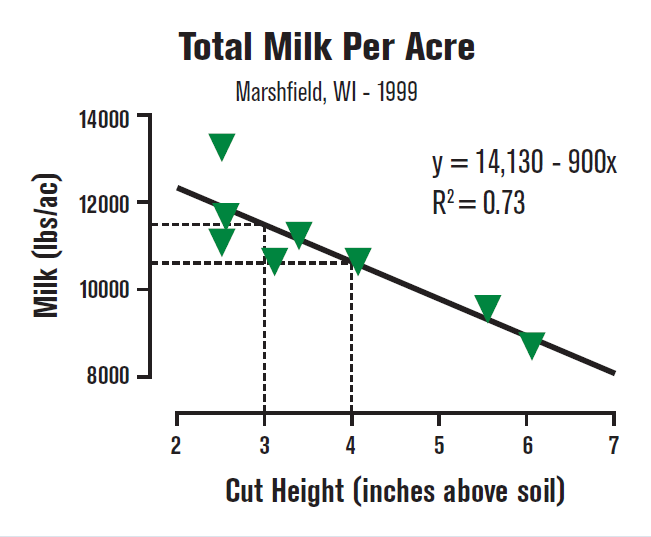
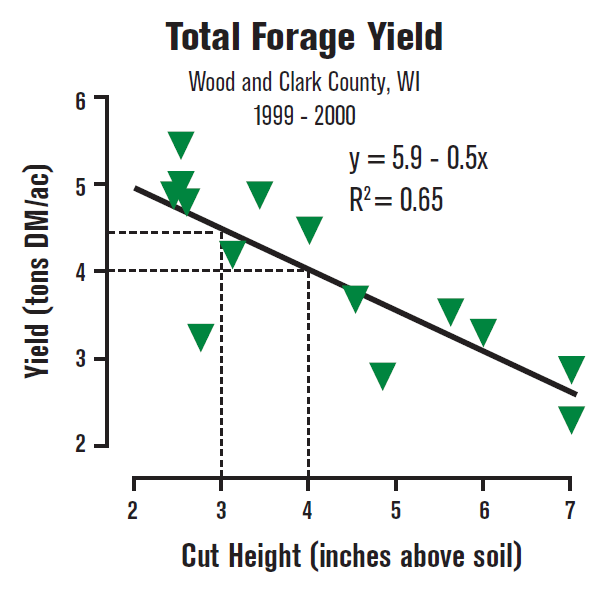
    5. Cut it short for best quality. A tremendous amount of research has shown a cutting height of two inches is the most economical and provides the best forage quality (See graphs below.) That is, as long as you don’t have rocks and gopher mounds!
    6. Feed the plants. Potash equals plant performance. Every dry matter ton of alfalfa removes about 50 to 60 pounds of potassium per acre. Consider adding sulfur, boron and zinc. Testing soil and tissue help you develop the best fertility program. Most growers apply supplemental fertilizer after first cutting and third cutting for best results.
    Total Forage Yeild
    Research on ideal cut height.
    Total Milk Yeild
    Research on ideal cut height.

    Webspec Admin

    May 12, 2021
    #AskTheAgronomist, Agronomics, Alfalfa, Crop, Emergence, Insects, Season, Spring, Summer, Weed Control
  • Latham Hi‑Tech Seeds

    Tips for Assessing Spring Alfalfa Stands

    P1040220

    If you grow alfalfa, you have experienced winter kill.

    Alfalfa winterkill is a complex matrix of many factors: variety, fertility, general stand health, previous fall weather conditions, snow cover, winter temperatures, and spring weather patterns. My own experience has proven one type of winterkill is rarer, while the other is more common.

    The rarer situation occurs when conditions are ideal for the alfalfa to overwinter, but temperatures warm up in late winter or early spring and are followed by several freeze-thaw events. The rapid thaw causes the snow to melt into and around the permeable alfalfa crown and tap root. The sudden, deep freeze crystalizes that moisture around the crown. I had a case where this type of weather caused the crown to pop two to four inches out of the soil! While this is an extreme example, there was nothing anyone could have done to save this alfalfa. It was an act of nature.

    The other type of winter kill also results from Mother Nature but is more subtle and common. This type of winter kill is a combination of many factors, such as a poor and/or diseased stand, a stand with low fertility, a stand that has limited insulating snow cover throughout winter months, and a cheap alfalfa variety with a lower winter hardiness score.

    The effects of winterkill can be quite variable in the field due to slopes, soil types, fertility and other factors. If you see a reduced stand after spring green up, walk around the field to evaluate whether it’s time to rotate the crop.

    Tips for assessing spring stands:

    1. Watch for green up; be patient.
    2. If the alfalfa isn’t greening up in some areas of field, dig roots and split them. If the average stem density is low in some areas of field but not in others, consider interseeding something as a quick rescue like Italian ryegrass. It establishes quickly, provides tonnage, is good quality and allows you to capture the value of the alfalfa that is still alive.
    3. Calculate yield potential and consider rotating the crop. The University of Wisconsin – Madison Extension provides a calculator to help estimate yield based on the number of stems in a square foot. Once the stem number is determined, use this formula to calculate the yield potential of that stand: Yield (tons/acre) = (Stems/ft2 x 0.1) + 0.38

    For example, an alfalfa stand with 50 stems per square foot would have a yield potential of 5.38 tons per acre. Keep in mind that soil, nutrient deficiency, insects, diseases and other factors may affect the actual yield.

    Stem Density

    Latham Seeds Agronomy Team

    March 26, 2021
    Agronomics, Alfalfa, Crop, Emergence
  • Latham Hi‑Tech Seeds

    Fighting Aphanomyces in Alfalfa

    Picture2
    Picture1
    Photo sourced from the UW Extension Forage.

    The world of soils is made up of a complex living biology. Uncovering production-limiting factors can be one of the many links to selecting the best products and seed treatments for that acre. More specifically, it is helpful to know the most prominent diseases that could hamper emergence and yield. There are steps you can take to reduce that risk.

    Aphanomyces Root Rot is a big word to describe a microscopic pathogen with the power to cause big problems. The fungus responsible, Aphanomyces euteiches, is an oomycete that is present in many Midwest soils. It’s especially prevalent in heavy, wet, poorly drained soils. The pathogen spreads by zoospores, which move easily in wet soils. Many years ago, scientists discovered two dominant races of this particular pathogen: Race 1 and Race 2. The latter proves more virulent or infectious. There is speculation of a “Race 3” although testing is still taking place.

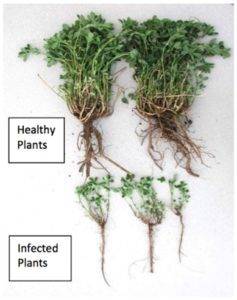
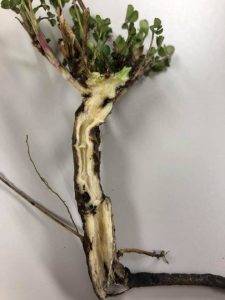
    Aphanomyces often presents as stunted, yellow plants with poor root development and very few lateral roots. If the seedling becomes infected, symptoms escalate to include yellow cotyledons and first leaves with chlorosis. The roots and stems will first appear grey (often water soaked) and then change to brown. Yield reduction results from poor root growth and significantly less nodules.

    Picture2
    Photo sourced from the UW Extension Forage.

    Rebound is also extremely slow after harvest. If you are concerned you have Aphanomyces and want to know which races you have, you can submit a soil sample to the UW Plant Disease and Diagnostic Clinic.

    Plant breeders rose to the challenge and have done a great job selecting varieties of alfalfa with high resistance to Race 1. When Race 2 was discovered, they also began selecting for that. On page 69 of the 2021 Latham® product guide, you will find our disease resistance chart with Aphanomyces Race 1 and 2 index ratings.

    In addition to genetic resistance, we also equip our alfalfa varieties with an additional layer of protection with AlfaShield seed treatment. The success of a multi-year alfalfa stand rests on good emergence and seedling survival. Latham Hi‑Tech Seeds includes Stamina® in its seed treatment to provide that needed broad-spectrum protection against soil-borne pathogens.

    Seed treatments that don’t include Stamina can suffer mortality rates of up to 75% in the seedling year. Discount seed companies tend to use older plant genetics and cheaper seed treatments, which can offer significantly less protection. In addition to high mortality rates, the risk includes reduced stands and less yield.

    Latham Seeds can we reduce that risk, increase your yield potential and promote greater stand longevity thanks to good genetic resistance and seed treatments. Talk with your Latham rep to learn more. Now is a great time to buy alfalfa for spring seeding!

    Webspec Admin

    March 4, 2021
    Agronomics, Alfalfa, Crop, Disease
  • Latham Hi‑Tech Seeds

    Give Alfalfa a Second Look

    Alfalfa can offer one of the highest returns on a farmers’ investment, but it often gets the least amount of consideration. Growers often purchase alfalfa from the first salesperson who asks for the order, but it really pays to compare alfalfa products. You usually get what you pay for, and quality pays for itself.

    Latham Hi‑Tech Seeds offers very competitive, highly productive, Olympic-style alfalfa products. Unfortunately, we tend to undersell the advantages our alfalfa line carries.

    Here are three reasons why alfalfa from Latham is superior:

    1. Best genetics offer higher yield potential.
    2. Top seed quality leads to higher germination rates.
    3. Best seed treatment fosters emergence success.

    Because most farmers only get approximately 40 chances in their careers to get a crop right, make each one count! One key to top yields is fast emergence. When you merge the best genetics with the best seed treatments, farmers can have confidence they have done all they can to manage environmental risks.

    Latham’s AlfaShield seed treatment surrounds the alfalfa seed, helping it absorb soil moisture quickly to begin the germination process. AlfaShield also contains key micronutrients, as well as a growth promoter called Optimize Gold, that accelerate emergence.

    Seed Treatment Chart

    New seeding mortality rates were very high, from 50 to 75% in the first year, with old seed treatments. New treatments like Stamina, however, reduce pathogen problems and manage risk. As a result, seedling mortality is lower and higher yields are possible.

    Our goal is MORE LIVE PLANTS per bag, which allows you to capture more yield. Seed selection and fertility are key, so help set your crop up for success by choosing alfalfa products from Latham Seeds.

    Latham Seeds Agronomy Team

    December 29, 2020
    Agronomics, Alfalfa, Crop, Seed Treatment
  • Latham Hi‑Tech Seeds

    Late-Summer Insect Management Helps Alfalfa Plants Prepare for Winter

    Alfalfa3

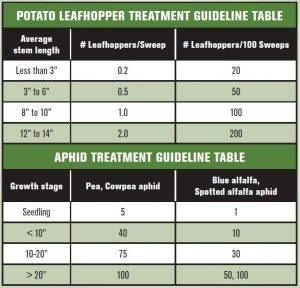
    CaptureWe work so hard to help crops to reach their yield potential. There is so much promise when a crop emerges from the ground… and then the uninvited bugs show up to the party robbing yield and causing disease. The chart provided reviews the life cycle of these yield-robbing insects.

    The 2020 alfalfa bug of the year so far is the weevil. It’s only about a quarter-inch long, but these little weevils can do big damage! If you don’t see the alfalfa weevils, you’ll notice their presence. Look for pinhole or lacing-type feeding damage on leaves.

    Weevil numbers can resurge quickly in the fall, and we have third and fourth cuttings of alfalfa to protect. It’s important to protect the crop in late summer, so tissue is intact to ensure the alfalfa plants capture nutrients required to overwinter.

    Consider your spraying options if you see plant damage or notice the presence of weevils and other pests. As temperature cool in the fall, it’s more challenging to control pest populations because insecticides must come into contact with the bug. A bug’s activity levels decline as temperatures decline. Bugs may move toward the hard to reach, lower portion of plant.

    Fall Seeding 

    Seeding earlier is better because it helps ensure good crown development. If there is a delay in moisture, seeding earlier increases the window of getting rain to facilitate rapid emergence. Remember, it’s important to get a good crown developed to prevent winterkill.

    Now is a great time to tentatively plan which acres will be seeded and line up your seed. Below are a few considerations for late summer and early fall seeding:

    1. Herbicide carryover. There have been many surprises in cover crop and fall alfalfa seeding. The seed will emerge. Once the radicle comes into contact with the carryover herbicide in soil, the plant dies. Here is a guide of some commonly applied spring herbicides and rotation restrictions: https://extension.sdstate.edu/sites/default/files/2019-08/P-00124.pdf
    2. Seed-to-soil contact ensures the seed quickly gets moisture. Quick emergence is critical in the fall.
    3. Time can be your friend or enemy. Alfalfa breeders suggest fall seeding is complete by August 15 if you are roughly north of Interstate 90 and by September 1 if you are south of I-90. The later you start, the more risk you encounter for establishing the crown. Alfalfa seed is an investment worth protecting.
    4. Latham’s AlfaShield™ seed treatment helps draw moisture to the seed. There’s a reason our ads read: Emerge Fast. Grow Strong. Yield MORE! Alfalfa seed must imbibe at least 125% of its weight in moisture to germinate, but it needs more available moisture to sustain growth. AlfaShield also contains key micronutrients and a growth promoter called Optimize Gold that accelerates early nodulation to speed up capturing nutrients. This process is critical to getting those desired nutrients and carbohydrates into the crown for winter survival.

    Fall seeding is a great way to get a jump start on next spring’s work and to capture more yield. Feel free to contact me if you have any questions.

    Webspec Admin

    August 5, 2020
    Agronomics, Alfalfa, Crop, Insects
  • Latham Hi‑Tech Seeds

    High Impact Genetics Improve ROI Potential

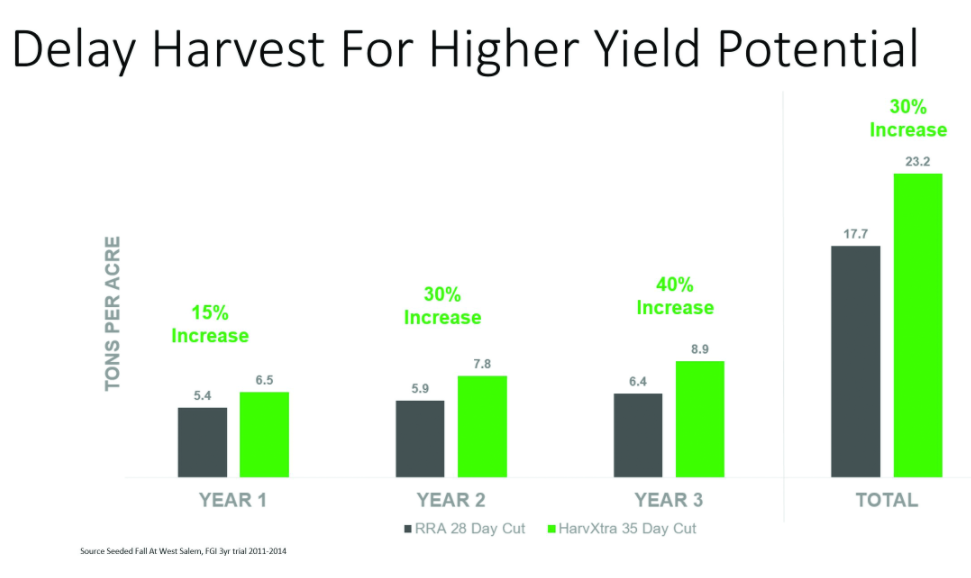
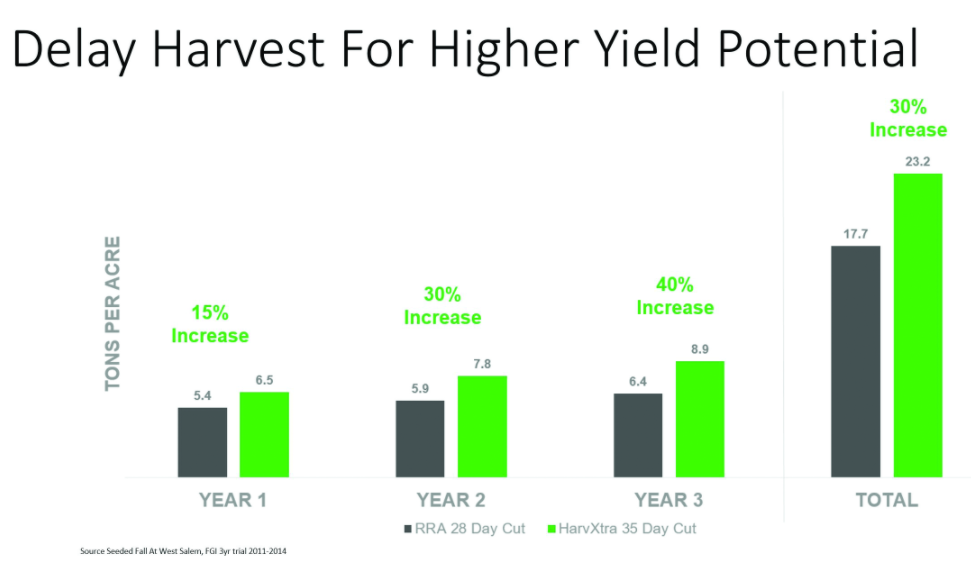
    Delayed Harvest Pic

    With each input decision on the farm, one of the most important parts of the equation includes calculating Return on Investment (ROI). Corn and soybeans as annual crops are calculated over one year’s return. As a perennial crop, alfalfa seed cost should be amortized over three to four years.

    One other factor that often gets overlooked when calculating return on alfalfa investment is the nitrogen credit at the end of the alfalfa stand life cycle. This credit can be in excess of 100 lbs/acre for a good stand.

    Our Forage Products Team has put together a rock-solid lineup of alfalfa options to address challenges across the Upper Midwest. It comes down to field-limiting factors, end use, and ROI. Last month I introduced Hi-Gest as a solution for producers looking to increase return at the feed bunk. I would be remiss if I didn’t also highlight HarvXtra, our Cadillac of high-quality alfalfas. HarvXtra has some distinct genetic advantages that have been shown to contribute favorably to return on investment. Since this is such a revolutionary new technology, we have to approach it with a new perspective.

    I submit for your consideration the ROI on each unit of corn and soybean seed. This might include:

    • Ability to plant sooner (early vigor)
    • Leaves above the ear (higher tonnage)
    • Standability (ease of harvest)
    • Insect and herbicide traits that allow for less passes across the field and reduced chemicals to control pests.

    All of these variables are considered per acre each year. Compare this with the potential of HarvXtra alfalfa:

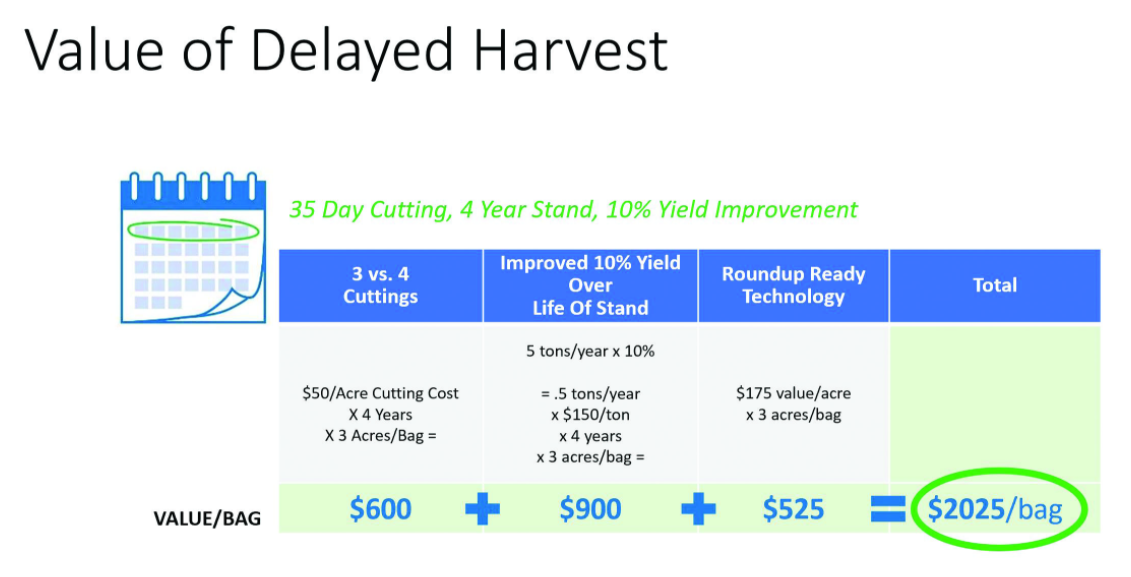
    1. Wider harvest window and Roundup® technology for broad weed control

    Val of Delayed Harvest

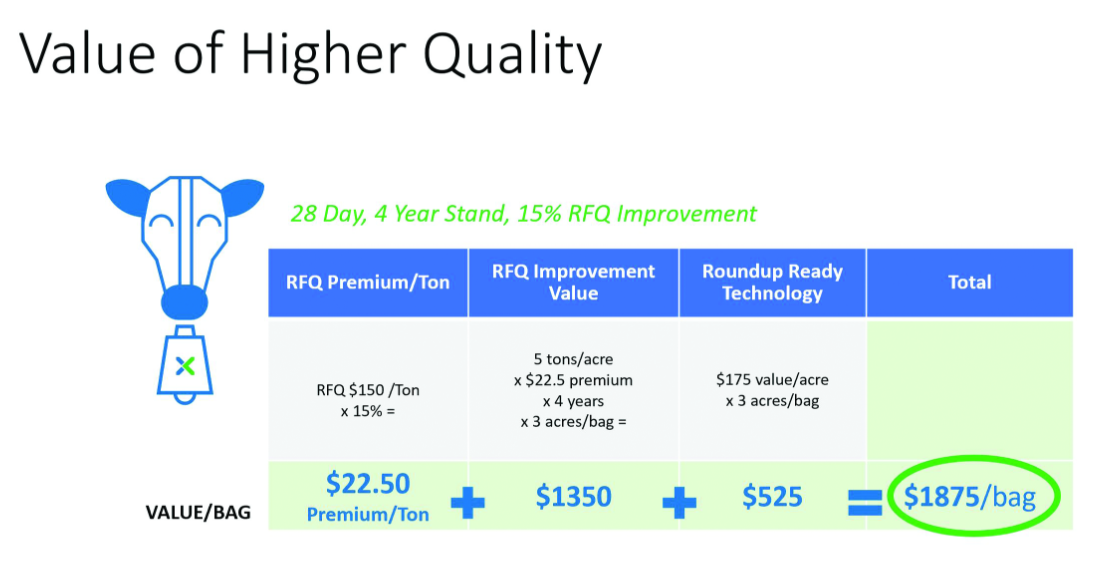
    2. Fewer harvests, yet maintaining top yields and forage quality

    Val of Higher Quality

    Note: The included charts only display the quality and delayed harvest advantage. Don’t forget the nitrogen credit!

    3. Improved daily feed intake, digestion, milk and beef potential

    Delayed Harvest Pic

    If you feed cows or raise alfalfa commercially, HarvXtra offers the best potential for return on your seed investment than any other hybrid or variety you could buy. Here’s why:

    Lignin is part of the alfalfa structure that helps keep the plant standing. As the alfalfa plant matures from vegetative to bloom stage, typically the digestibility of Neutral Detergent Fiber Digestibility (NDFD) decreases. Plants with the HarvXtra trait, however, demonstrated a 10 to 15% increase in NDFD and Relative Forage Quality when compared to related lines without the HarvXtra trait. Plus, this new low lignin alfalfa maintained standability similar to conventional alfalfa.

    Contact your local Latham® representative or call 1-877-GO-LATHAM (1.877.465.2842) today to discuss which varieties would provide the best ROI for your operation

    Webspec Admin

    January 28, 2020
    Alfalfa, Crop, Tech Tuesday
  • Latham Hi‑Tech Seeds

    Feed Your Crops to Maximize Yield

    Tractor Towing Merger on Cut Alfalfa (Hay) Field

    The official start of the grilling season is almost upon us! What’s better than grilling your favorite brats or hamburgers while listening to a game of baseball on a beautiful spring day?

    With the season of good food upon us, it’s also time to feed your crops. Some farmers plan to reduce fertilizer rates or forgo advanced management practices, such as soil or tissue testing, to save money. I understand that margins are tight, but the short-term savings could cost more in the long run.

    I want to encourage farmers to hang in there by offering a few strategies to help navigate tight budgets:

    • Review the latest soil test reports;
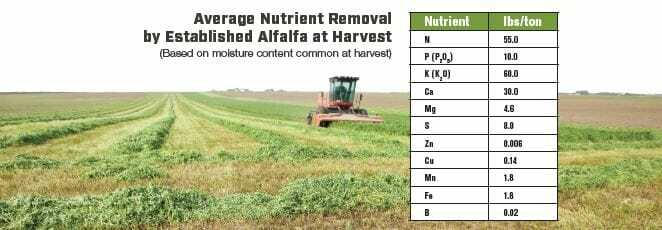
    • Study crop removal rates; and
    • Strike the balance between cost and return on investment.

    For example, alfalfa is coming off a super hard winter. Crown carbohydrate levels are going to be low. Supplemental potash, boron, and sulfur will help replenish crown reserves and prepare for next winter. If you only can afford one supplemental nutrient, consider potash.

    The crown is like alfalfa’s gas tank; the roots are its supply hose; and foliage the energy source. More foliage above the ground helps harness more sun, which helps fill the gas tank. When foliage is removed, the plant takes stored carbohydrates from the root to rebuild the manufacturing plant. When the plant has potash and other vital nutrients, its gas tank fills faster.

    More access to carbohydrates in the crown can be used to rebuild another cutting for more yield plus leave the gas tank fuller. Without adequate potash, the gas tank fills slower and even more stored carbohydrates are used. The plant becomes more vulnerable late in season.

    Bottom Line: Reducing supplemental fertilizer can lower yields and increase winterkill potential. One way to potentially reduce the risk of winter kill during a reduced supplemental fertility year is not take the last cutting of the season to allow plants to build or manufacture as many carbohydrates as possible. Even if you don’t like the idea of one less cutting, it’s food for thought.

    If you’re wondering how to best feed all your plants this season, feel free to call me. I’ll gladly talk through your options. I applaud farmers for their ingenuity. With grit and moxy, farmers do the best with what they have. We, at family-owned and independent Latham Hi‑Tech Seeds, are here to help farmers protect their bottom line.

    5.21.19 tech tuesday

    Webspec Admin

    May 21, 2019
    Alfalfa, Crop, Tech Tuesday
  • Latham Hi‑Tech Seeds

    Alfalfa Winter Survival

    41119 pic

    LIBSYN header 2 01

    Click below to hear Phil Long address winter survival in alfalfa! #AskTheAgronomist

    https://www.facebook.com/LathamSeeds/videos/577684892726656?sfns=mo
    Alfalfa Root Health
    Here we can see slight discoloration coming into the crown, but overall, a very healthy plant.


    Laura Cunningham

    April 11, 2019
    #AskTheAgronomist, Alfalfa, Crop, Season, Winter
  • Latham Hi‑Tech Seeds

    Evaluating Winter Kill

    Alfalfa3

    Evaluating alfalfa stands is a spring-time ritual for every alfalfa grower. This winter presented several challenges to strong, hardy alfalfa varieties. This includes above average soil moisture going into winter, soil temps that dipped below 15 degrees Fahrenheit in areas without snow cover and below average snowfall followed by above average snowfall in February.

    Remember, patience is a virtue. Winter-injured plants are often slow to recover in the spring, so avoid making a quick decision to destroy a winter-injured stand. Allow the alfalfa to green up.

    Tips for evaluating alfalfa stands:
    1. Select at least four areas of the field and count stems. Wisconsin research has shown that counting stems provides a more accurate yield estimate.
    2. Dig plants from four locations of the field, including top 6 inches of the root. Examine the crown for size, symmetry, and number of shoots present.
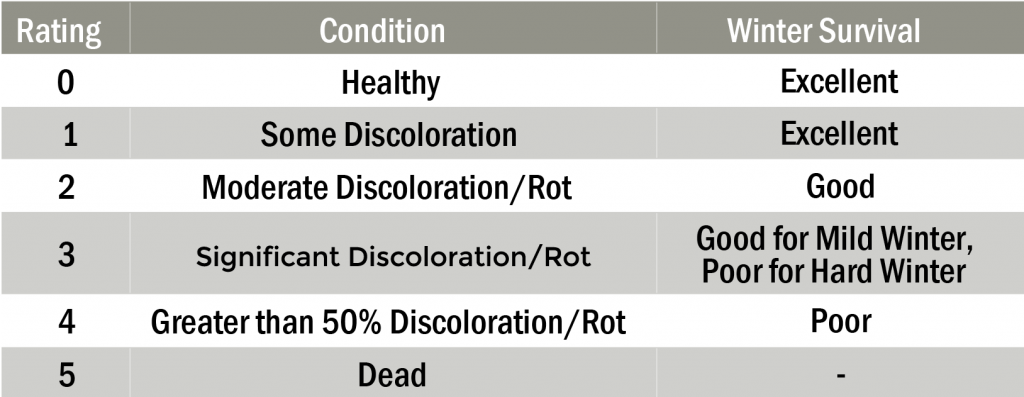
    3. Cut the root of these plants lengthwise. Check for rot or discoloration of the crown and root. Healthy stands have fewer than 30% of the plants in categories 3 and 4. (Seed tables.)

    4.9 Grapic 1


    4.9 Grapic 2

    Additional considerations when deciding whether to tear out existing alfalfa stands:
    • You have heavy weed pressure but a light alfalfa stand.
    • You have adequate alfalfa or hay inventory, so you can use the nitrogen credits and rotate that field into another crop.
    • If the alfalfa stand is more than a year old, you may have high concentrations of the autotoxicity compound present. That will reduce the effectiveness of interseeding alfalfa, so producers can interseed Italian ryegrass, clover, or oats as a temporary solution to thicken the stand.

    For additional information, feel free to contact me or your Latham regional manager. We’d also love an opportunity to talk with you about the placement for Latham Seeds’ outstanding lineup of high-quality forage products.

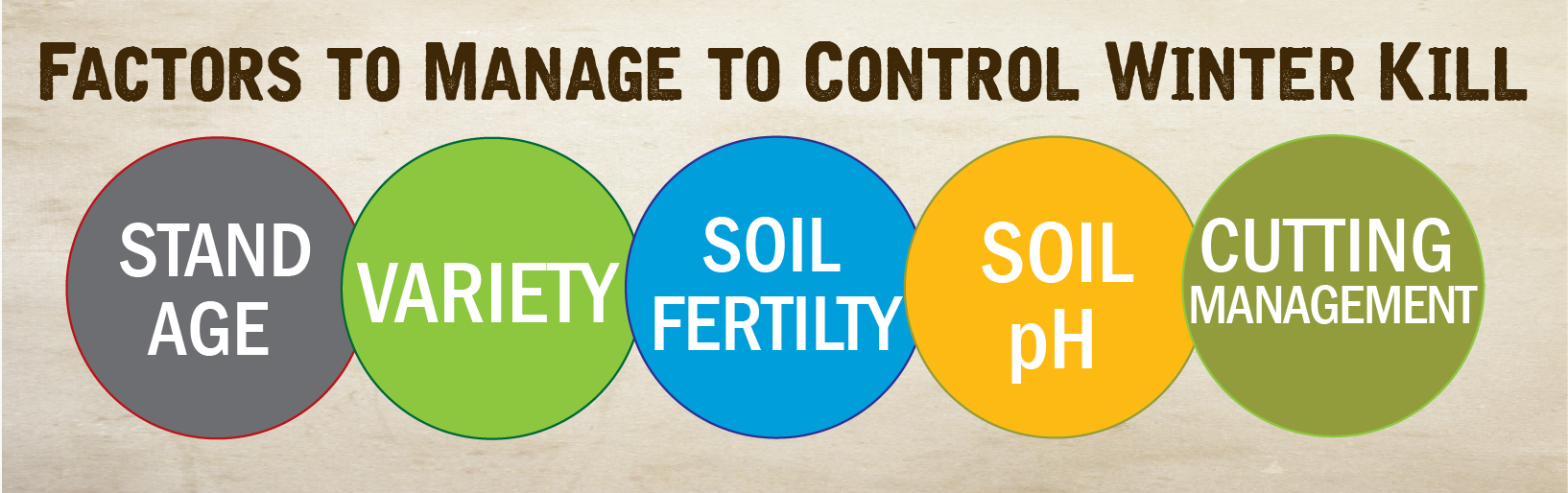
    While we obviously can’t control the weather, there are other factors we can manage to help reduce the risk of winter kill in the future.

    1. Stand Age – Older stands are more likely to winterkill.
    2. Soil Fertility – Stands with high fertility, particularly potassium, are less likely to experience winter injury.
    3. Cutting Management – Both harvest frequency and timing of fall cutting affect winter hardiness. The shorter the interval between cuttings, the greater the risk of winter injury.
    4. Variety – Varieties with superior winter-hardiness ratings and a high disease resistance index are less likely to experience winter injury.
    5. Soil pH – Stands growing on soils with a pH above 6.6 are less likely to experience winter injury.

    control wnter kill

    Phil Long

    April 9, 2019
    Alfalfa, Crop, Season, Tech Tuesday, Winter
Previous Page
1 2 3 4 5
Next Page

Latham Hi‑Tech Seeds

131 180th Street | Alexander, IA 50420

(641) 692-3258

SIGNUP FOR OUR NEWSLETTER
  • Contact
  • Legal
  • Dealer Center
  • Seedware Login
  • Latham Gear

© 2025 Latham Hi‑Tech Seeds. All rights reserved. | Iowa Web Design by Webspec | Privacy Policy

Latham® Hi-Tech Seeds is a trademark of M.S. Technologies, L.L.C., 103 Avenue D, West Point, IA 52656.