Latham Hi-Tech Seeds

(641) 692-3258

  • Home
  • Products
    • Corn
    • Soybeans
    • Alfalfa
    • Corn Silage
    • Seed Guide
  • Performance
  • Find a Rep
  • Media
    • Blog
    • News
    • Videos
    • Podcasts
    • TECHTalk
  • About Us
    • Company History
    • Our Mission
    • Careers
    • Become a Rep
    • Sowing Seeds of Hope
  • Contact Us
  • Latham Hi‑Tech Seeds

    Check Those Soybean Stands!

    PythiumSoybeans

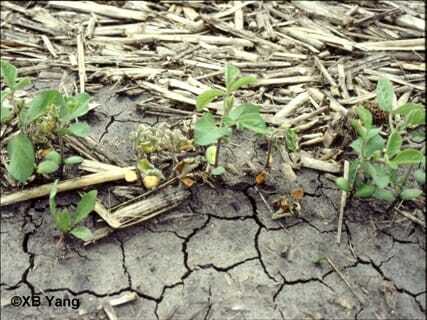
    Soybean stands can suffer from a wide variety of problems that will reduce population. Hail, diseases, insects, cold soil temperatures at planting, compaction, and planter failures can all affect the stand individually and in combination.

    Stand reductions almost never occur evenly across the field. Here are some basic steps to help evaluate soybean stands and decide if re-planting is necessary.

    Take 10 stand counts in the area with the worst damage and 10 counts in the part of the field that was not affected or affected just slightly. At each point, measure off 10 feet of row and count the number of live, viable plants. Then calculate the average of your 10 points and compare them to the table below to see how many plants per acre you have remaining.

    A stand of 100,000 evenly distributed plants generally gives you optimum yield. As the growing season progresses, however, it is much more difficult to establish a good stand. A stand of 75,000 on May 15 is inadequate, but you might be better off leaving a stand of 75,000 plants if it is July 1.
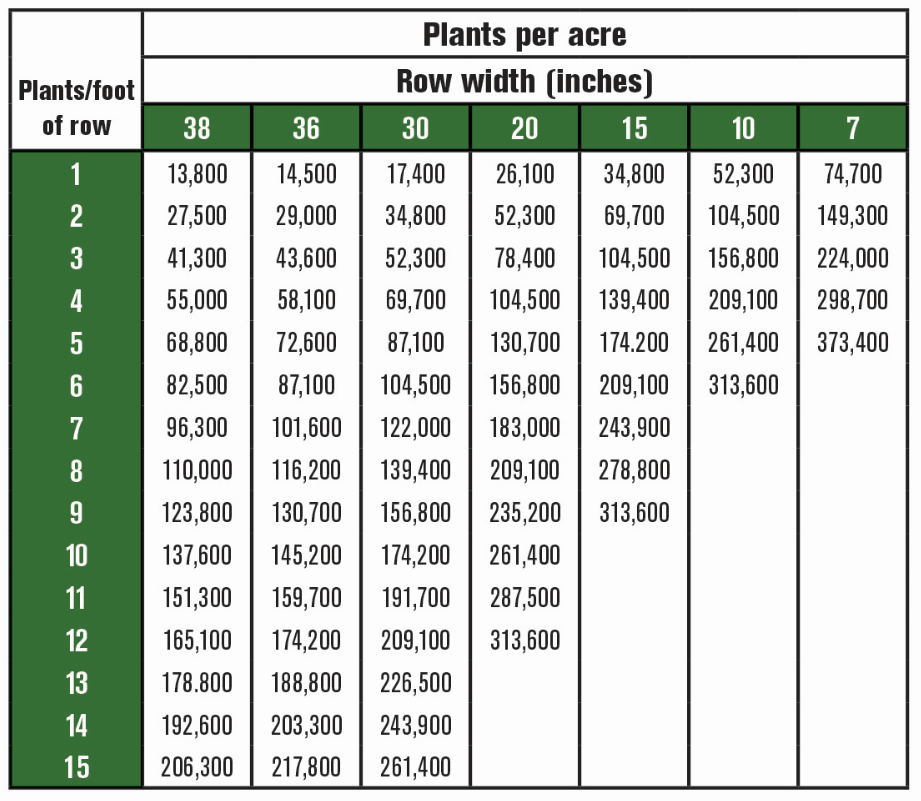
    Plants per acre

    Planting soybeans on or before June 1 averages 95% of expected yield. In a five-year Latham Seeds’ study, there was no significant yield difference in soybeans planted before May 15. Planting dates included late April, early May and mid-May. We did not see yields drop to 85% or lower until after June 15.

    Our results are similar to studies done by university researchers. If you farm below the line from Watertown, SD through the Twin Cities and over toward Green Bay, Wisc., I recommend staying with soybeans in your normal maturity until mid-June. After June 15, consider the precipitation expected in late June and early July because the biggest threat to establishing a late soybean crop is lack of rainfall. If you are north of that line, you may need to switch to an earlier variety a week or so sooner.
    Webspec Admin

    May 12, 2021
    #AskTheAgronomist, Agronomics, Crop, Soybeans, Spring, Summer
  • Latham Hi‑Tech Seeds

    Ask the Agronomist: Calendar Date vs Soil Temp

    Ask the agronomist cover photo for video 01

    Laura Cunningham

    April 22, 2021
    #AskTheAgronomist, Agronomics, Emergence, Growth Stages, Soil
  • Latham Hi‑Tech Seeds

    It Pays to Follow the Crop Plan

    Precision Ag on phone 2

    One of the most important to-do items for each of us this spring is following our Field X Field™ crop plans.

    If a particular field dries out and is ready to plant, it’s extremely tempting to plant the seed that’s in the front of the shed even if that isn’t the hybrid intended for that field. It pays to take the time to plant the right hybrid in the right field.

    How many other decisions do you make every year that account for up to $200/acre?

    Planting the right genetics in the right field accounts for up to 20% of the yield. We can’t predict the weather, so we plant more than one hybrid/variety to mitigate that risk. We also do our best to make sure the genetics are planted into the environment where they will thrive.

    If you have the technology to capture planting data from the planter, make it happen! Equipment dealers can check your monitor systems and install updates. Then you can enter the hybrid/variety information as you move from field to field. The two minutes it takes to enter the information will pay you back all season long as you track progress on how you manage your farms the rest of the season. Remember, if you’re running a Case IH planter/monitor, plug in a USB stick or it will not record any data. Most other monitors have internal memory that records data until it’s full.

    It’s important to note where the hybrid “breaks” are during planting. If you don’t have a planter monitor that can map where you start and stop different hybrids/varieties, then drop a pin in your monitor or even just draw a picture with landmarks. This allows you to go back and compare genetics as they emerge and grow. Another option is Latham’s Data ForwardSM app, which allows you to easily split a field based on landmarks of where a hybrid/variety ran out and where the next one began.

    For best success, the crop plan process shouldn’t stop when the planter leaves the field. Take time to walk your fields during emergence. Corn establishes the girth of the ear during the 5-7 leaf stages. If you see stress during emergence, it will likely affect ear development in a few weeks. The premium version of Latham’s Data Forward app provides satellite imagery after planting. This can help narrow areas of focus by noticing different hybrid/variety performance. I’ll talk more about how satellite imagery can be used in upcoming articles because it is a very unique tool. Diligence in keeping records today means more opportunity to move the Data Forward in the future.

    Latham Seeds Precision Agronomy Advisors

    April 16, 2021
    #AskTheAgronomist, General
  • Latham Hi‑Tech Seeds

    Ask the Agronomist: Cereal Rye Management ahead of Corn and Soybeans

    Capture

    Join us as we discuss tips to manage cereal rye cover crop ahead of corn and soybeans.

    Laura Cunningham

    April 13, 2021
    #AskTheAgronomist
  • Latham Hi‑Tech Seeds

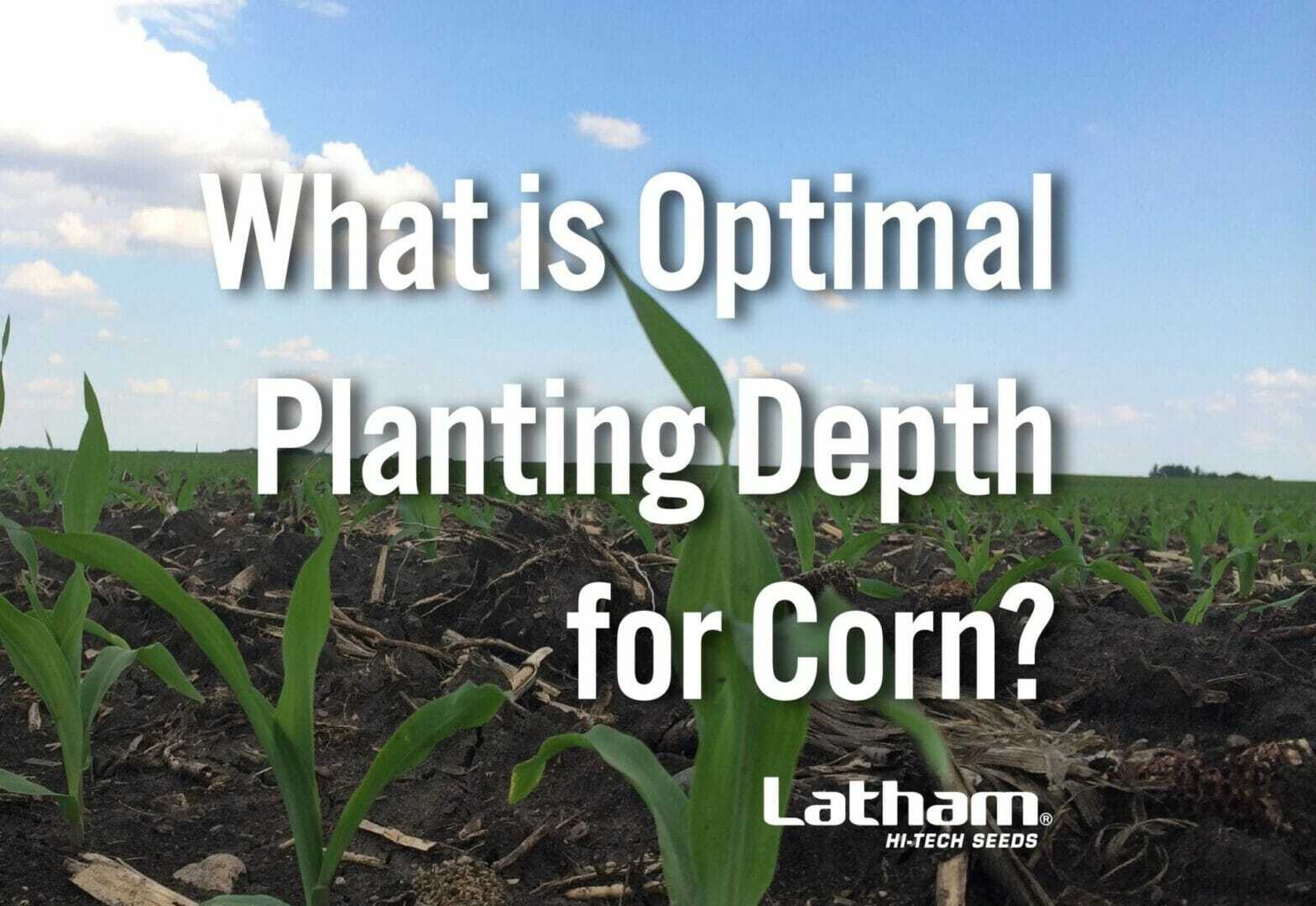
    #AsktheAgronomist: What is Optimal Planting Depth for Corn?

    Optimal Planting Depth Cover Image

    Join Corn Product Manager Lyle Marcus and Pre-Commercial Development Manager Bob Foley as they discuss optimal planting depth for corn and other considerations for emergence success.

    Laura Cunningham

    April 8, 2021
    #AskTheAgronomist, Agronomics, Emergence, Soil
  • Latham Hi‑Tech Seeds

    Planting Depth is Critical to Plant Performance

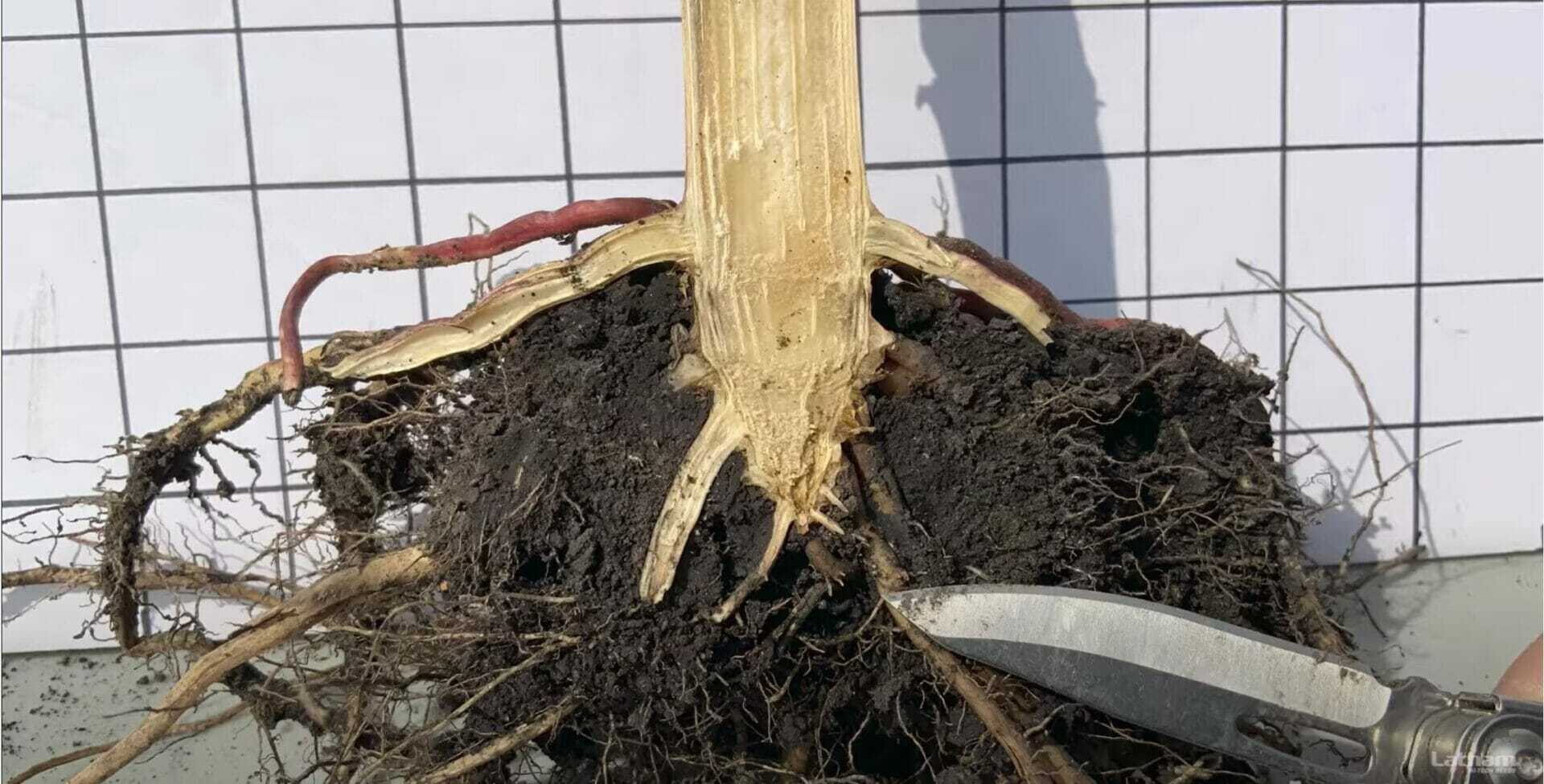
    Planting Depth Study

    Laura Cunningham

    March 26, 2021
    #AskTheAgronomist, Agronomics, Emergence
  • Latham Hi‑Tech Seeds

    Ask the Agronomist: The Four Rs of Early Corn Planting

    Capture
    Join us as we discuss the four factors to watch for if you are planning to plant your corn crop early. #AskTheAgronomist
    :45 – Topic Introduction
    2:30 – Residue Management
    5:25 – 48-hour weather outlook
    6:25 – Hybrid selection
    7:54 – Right soil type

    Laura Cunningham

    February 25, 2021
    #AskTheAgronomist
  • Latham Hi‑Tech Seeds

    Ask the Agronomist: Does Corn Seed Size Matter?

    Field Corn Seedling Emerging From Soil

    Tune in as we discuss if corn seed size matters. From germination to emergence, learn the importance of an even stand and how seed size can play a role. #LathamSeeds

    :45 – Topic introduction

    2:40 – Emergence & germination

    5:20 – Seed placement

    9:20 – Seed genetic potential

    10:10 – Seed orientation

    Laura Cunningham

    February 4, 2021
    #AskTheAgronomist, Agronomics, Corn, Crop, Emergence
  • Latham Hi‑Tech Seeds

    Ask the Agronomist: Dicamba Label Updates

    XF
    How will the updated XtendiMax label affect your management practices for 2021? Tune in to learn more. #AskTheAgronomist
     
    :45 — Topic introduction
    2:10 – Tank mix updates
    5:15 – Field buffer updates
    6:50 – Weed management for buffered areas
    8:25 – Application rates
    10:30 – Hooded sprayer opportunity

    Laura Cunningham

    January 21, 2021
    #AskTheAgronomist, Agronomics, Crop, Soybeans, Weed Control
  • Latham Hi‑Tech Seeds

    Ask the Agronomist: How to Identify and Manage Goss’s Wilt

    Goss Wilt Iowa State University
    Tune in for discussion on identifying and managing Goss’s Wilt. Learn about how this bacterial disease can grow and affect nearly up to 50% of your overall corn yield. #AskTheAgronomist
     
    1:15 – How Goss’s Wilt affects a corn plant
    2:38 – How to identify Goss’s Wilt
    5:00 – Yield impact
    7:00 – How to manage Goss’s Wilt

    Laura Cunningham

    January 14, 2021
    #AskTheAgronomist, Agronomics, Corn, Crop, Disease
Previous Page
1 … 6 7 8 9 10 … 24
Next Page

Latham Hi‑Tech Seeds

131 180th Street | Alexander, IA 50420

(641) 692-3258

SIGNUP FOR OUR NEWSLETTER
  • Contact
  • Legal
  • Dealer Center
  • Seedware Login
  • Latham Gear

© 2025 Latham Hi‑Tech Seeds. All rights reserved. | Iowa Web Design by Webspec | Privacy Policy

Latham® Hi-Tech Seeds is a trademark of M.S. Technologies, L.L.C., 103 Avenue D, West Point, IA 52656.