Phil Long, precision agronomy advisor, dives into Dicamba and highlights ways it can be affective in your herbicide regime.
-
Latham Hi‑Tech Seeds
#AsktheAgronomist – Dicamba Tips
-
Latham Hi‑Tech Seeds
#AsktheAgronomist – Dicamba Tips
Phil Long, precision agronomy advisor, dives into Dicamba and highlights ways it can be affective in your herbicide regime. Subscribe to our YouTube channel and stay up-to-date with agronomy news in the industry.
-
Latham Hi‑Tech Seeds
#AsktheAgronomist- 2022 Soybean Considerations

What are the top three challenges facing soybeans this year? Precision Agronomy Advisor, Phil Long, addresses planting, weeds and Soybean Cyst Nematode issues in Latham Country. Check out our #AsktheAgronomist series to learn more about industry news and agronomy.
-
Latham Hi‑Tech Seeds
#AsktheAgronomist – Why are Chelated Fertilizers Important
On this week’s #AsktheAgronomist, Phil Long, precision agronomy advisor, unpacks chelated fertilizers and why they are important. Learn how they are absorbed and how it can benefit soils with high pH in Latham Country.
-
Latham Hi‑Tech Seeds
#AsktheAgronomist – Can I Lower Soil pH?
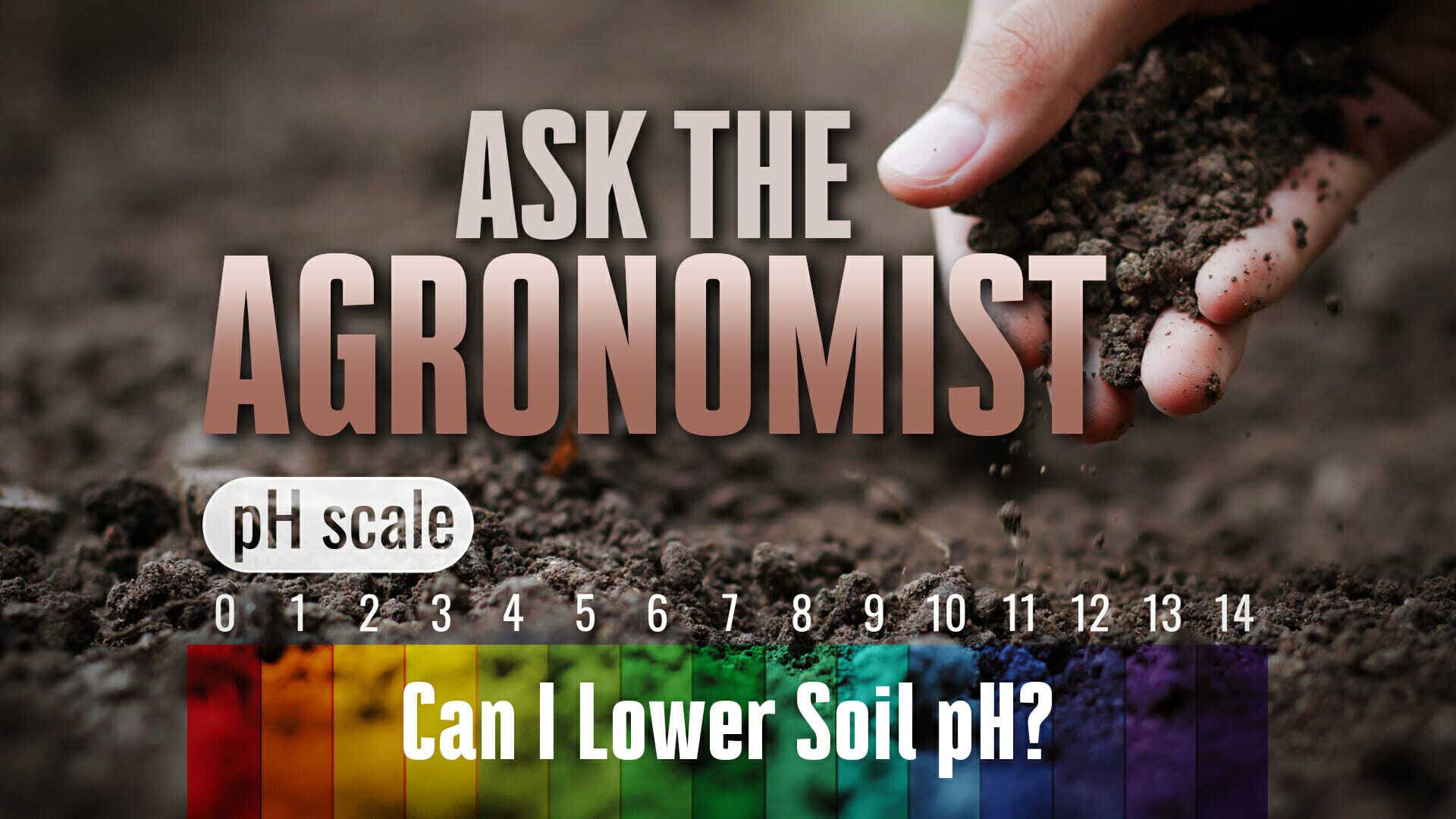
Precision Agronomy Advisor, Phil Long, breaks down soil pH levels and highlights best practices to work with mother nature on managing them. Check out some new ideas as we head into the spring.
-
Latham Hi‑Tech Seeds
#AsktheAgronomist – Soil Tests and Batteries
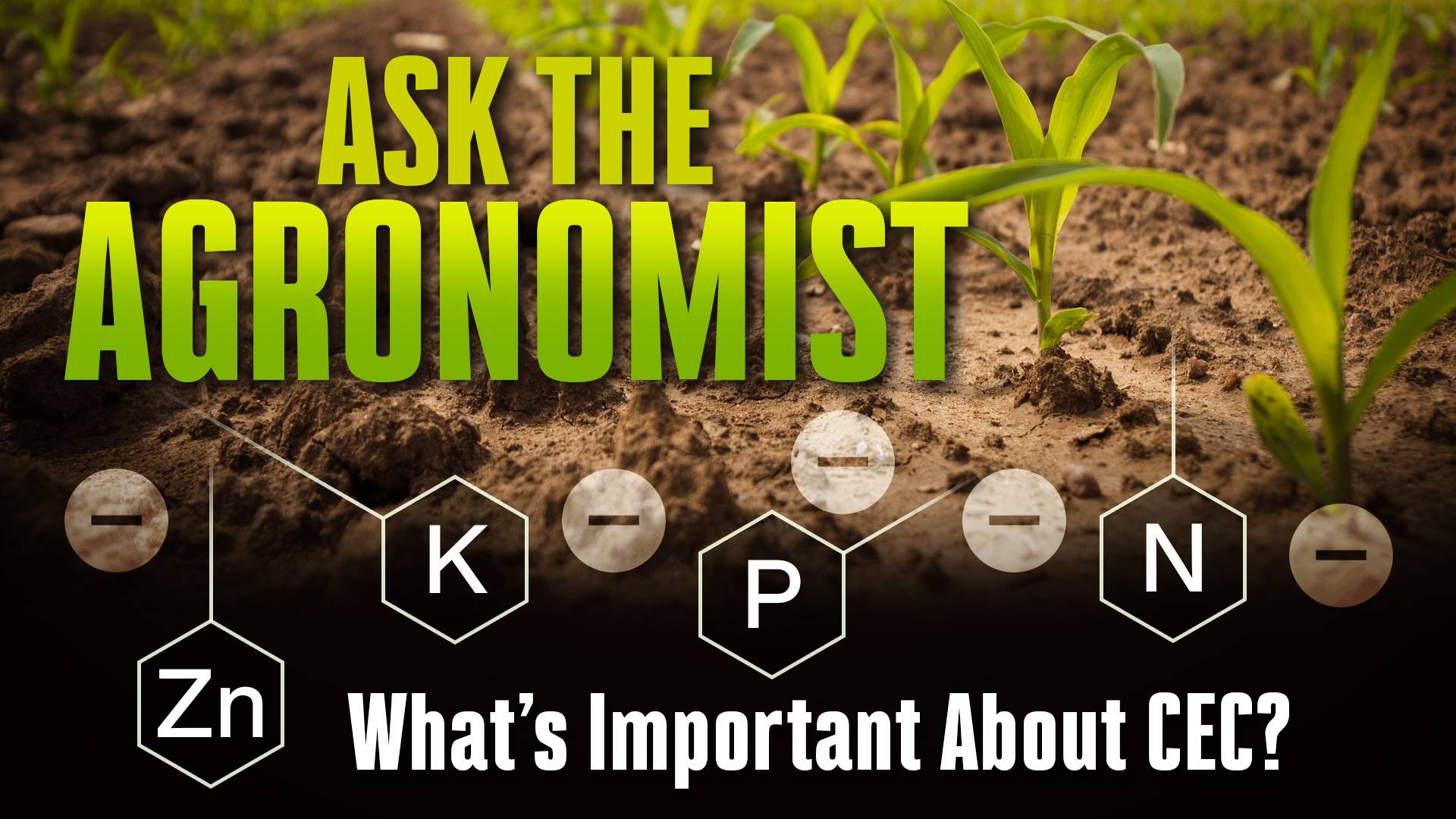
What does my soil test have to do with a battery? Phil Long, precision agronomy advisor, has a fun activity to test your soil as he discusses CEC (cation exchange capacity) and how that affects your soil.
-
Latham Hi‑Tech Seeds
#AsktheAgronomist – Potassium Levels

Phil Long, precision agronomy advisor, continues his soil fertility series with the topic of Potassium. He highlights different challenges that come along with building Potassium levels and what you can do to reach your goals.
-
Latham Hi‑Tech Seeds
#AsktheAgronomist – Too Much Nitrogen?
Phil Long, precision agronomy advisor, continues his soil fertility series with the topic of Nitrogen. Is it possible to have too much Nitrogen?
-
Latham Hi‑Tech Seeds
#AsktheAgronomist – The Zinc and Phosphorus Relationship
Why are Zinc and Phosphorus important for soil health? In this short video, Precision Agronomy Advisor Phil Long breaks down how these two elements can work well together or be antagonists.
Check out our Latham Hi‑Tech Seed YouTube Channel where our agronomists unpack other agronomy topics.
-
Latham Hi‑Tech Seeds
Balanced Fertility to Optimize Yield
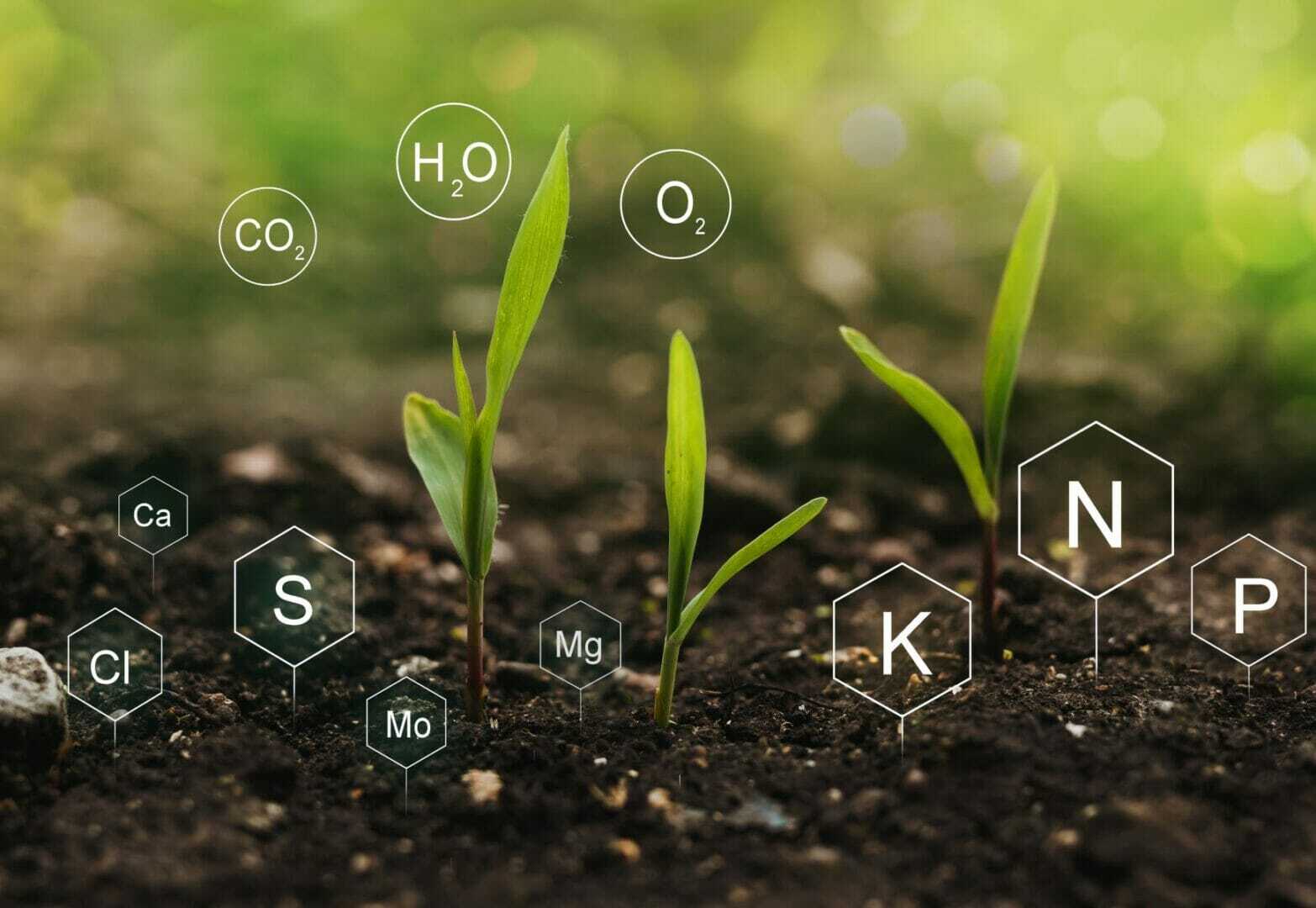
High yields from 2021 combined with increasingly high fertilizer for spring 2022 have caused many farmers to scale back their fertilizer applications. While they may save on short-term input costs, they could lose more in yield than they’re saving.
Spending lots of money on fertilizer doesn’t equal high yields, however, having a soil balance sustains a corn or soybean crop during a tough year. So how can you strike a balance? It’s important to start with pH, especially when growing legumes like soybeans, edible beans and alfalfa.
A soil pH around 6.5 is important because it determines if nutrients are in usable form for the crop. If you struggle with high pH, fertilizers like MAP and AMS that are more acidifying will help lower pH over time. The micronutrient part of your fertility is also very important. In most cases, you don’t need to add as many micronutrients to fix a low test; you just need to be aware of which nutrients may be too high and thus limit the availability of other nutrients.
Soil biology – fungi, bacteria, and other microbes – play a key role in cycling nutrients to available and unavailable forms. It’s more about having a balance and being in the right form than it is about applying lots of fertilizer. For example, Iron Deficiency Chlorosis (IDC) in soybeans results when iron is not in an available form for the plant to take it up; there is actually over 20,000lbs/acre of iron in the top 8 inches of our soils!
A 200-bushel corn crop removes approximately 150, 70, and 50 pounds of N, P, and K respectively per season. A 60 bushel per acre (bu/A) soybean crop removes approximately 240, 50, and 75 pounds of N, P, and K per season. Do we need to apply exactly those amounts? No, but we must understand what the soil can provide and how it maintains a balance that is available to our crops. Soil testing is so important for gaining this understanding. When problem spots arise, then we tissue test, take additional soil samples, and use other information to diagnose.
The key point is a lot more goes into maintaining a balance in your soils than just applying the same amount of fertilizer every year. The best place to start is with a soil test. Latham’s Data ForwardTM program helps takes some of the worry and complexity out of it while figuring out what your soils needs. Remember, your soils are not identical to your neighbors’. A soil test is key to finding the right balance for higher yields on your fields. I’d be happy to discuss with you any questions you have about your soil and how Latham’s Data ForwardTM could help you iron out your fertilizer needs. Call 1.877.GO.LATHAM (1.877.465.2842).