Latham Hi-Tech Seeds

(641) 692-3258

  • Home
  • Products
    • Corn
    • Soybeans
    • Alfalfa
    • Corn Silage
    • Seed Guide
  • Performance
  • Find a Rep
  • Media
    • Blog
    • News
    • Videos
    • Podcasts
    • TECHTalk
  • About Us
    • Company History
    • Our Mission
    • Careers
    • Become a Rep
    • Sowing Seeds of Hope
  • Contact Us
  • Latham Hi‑Tech Seeds

    Tips for Assessing Winterkill in Alfalfa

    Alfalfa3

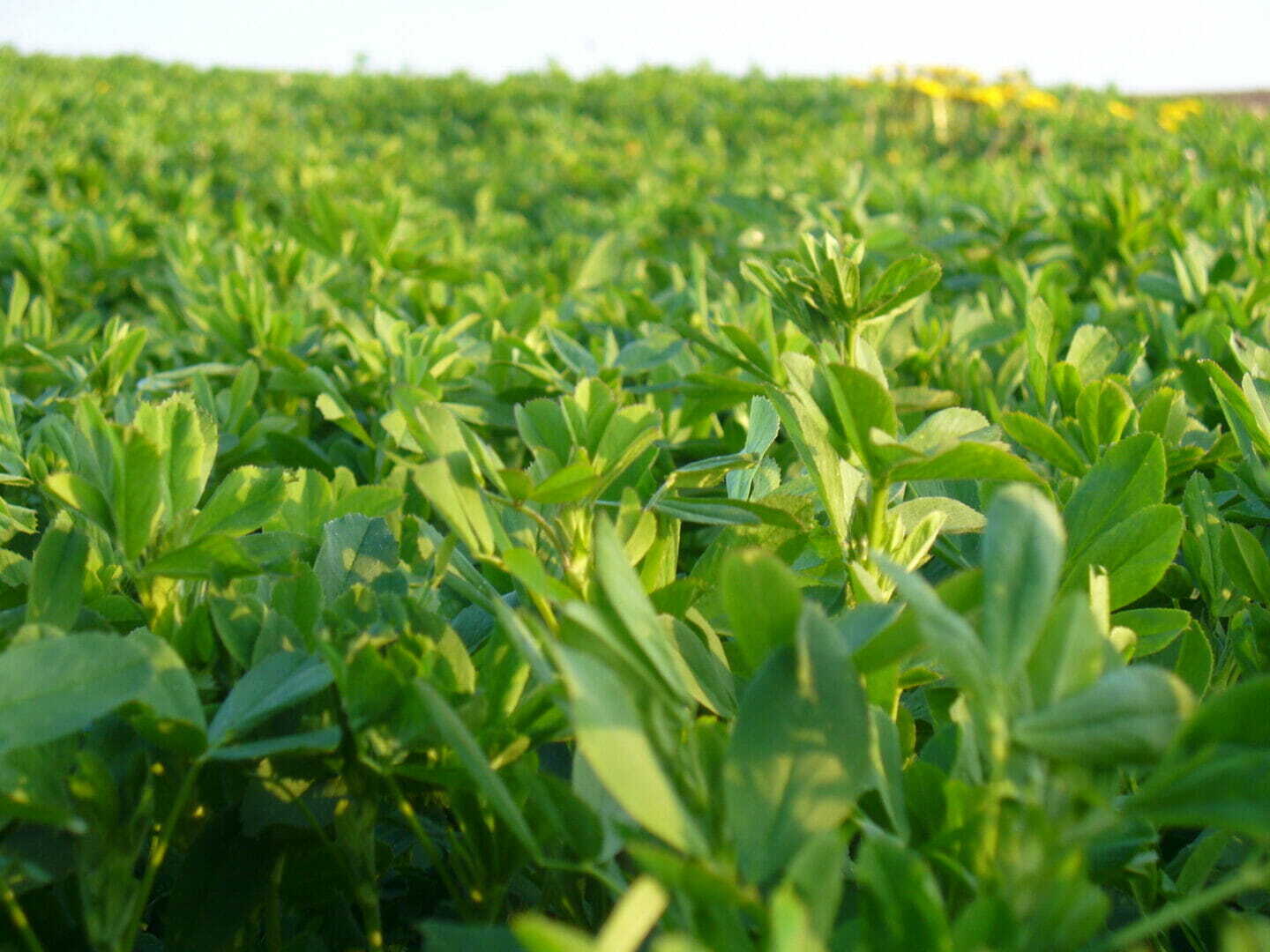
    When soils thaw in early spring, we can see how our alfalfa crop fared. You can get a pretty good indication of your alfalfa crop’s health from the road. If your field is still brown and the neighbor’s field is green, check for injury or death.

    The best way to diagnose winter injury is by digging four to six inches deep and then examining the plants’ roots. Healthy roots should be firm and white in color with little evidence of root rot. Winter-killed roots will have a gray, water-soaked appearance early.

    If your alfalfa stand has suffered winter injury, assess the field’s yield potential by determining the number of stems per square foot:

    Yield (tons/acre) = (Stems/ft2 x 0.1) + 0.38

    This calculation should only be used as a guideline as many factors determine yield. Factors that influence winter injury and yield in alfalfa stands include:

    • Stand age. Older stands are more likely to winterkill than younger ones.
    • Variety. Varieties with superior winter-hardiness ratings and a high disease resistance index are less likely to experience winter injury.
    • Soil pH. Stands growing on soil with a pH about 6.6 are less likely to experience winter injury.
    • Soil Fertility. Stands with high fertility, particularly potassium, are less likely to experience winter injury than those with low fertility.
    • Soil moisture. Alfalfa grown on well-drained soils is less prone to winter injury.
    • Fall soil moisture status. As dehydration is the primary means of tolerating freezing temperatures, stands that go into winter with low soil moisture are better able to lose moisture and are less likely to winterkill.
    • Cutting management. Both harvest frequency and timing of fall cutting affect alfalfa winter hardiness. The shorter the interval between cuttings, the greater the risk of winter injury. Stands where the last cutting was taken between Sept. 1 and Oct. 15 are at greater risk, as plants are unable to replenish root carbohydrate reserves before winter.
    • Snow cover. Snow is an excellent insulator. Four inches of snow can result in a 10°F difference in soil temperatures. Stands that were not cut after Sept. 1 or that have at least six inches of stubble retain more snow cover and are less susceptible to winter injury.

    While we cannot control what Mother Nature delivers during the winter months, we can take steps to control or reduce alfalfa winter injury. Contact your local Latham® dealer or call our office at 877-GO-LATHAM (877-465-2842); we’d love to assist you with any questions you may have.

    Did you enjoy this article? We want to (TECH)talk with you! Sign up for our newsletter to receive agronomy articles (and delicious recipes) in your inbox! We’ll talk soon.
    steve-sick

    April 5, 2023
    #AskTheAgronomist, Agronomics, Alfalfa, Crop, From the Field, Growth Stages, Season, Spring, Tech Tuesday, Winter
  • Latham Hi‑Tech Seeds

    Latham® Corn Seed: Your Passport to Quality

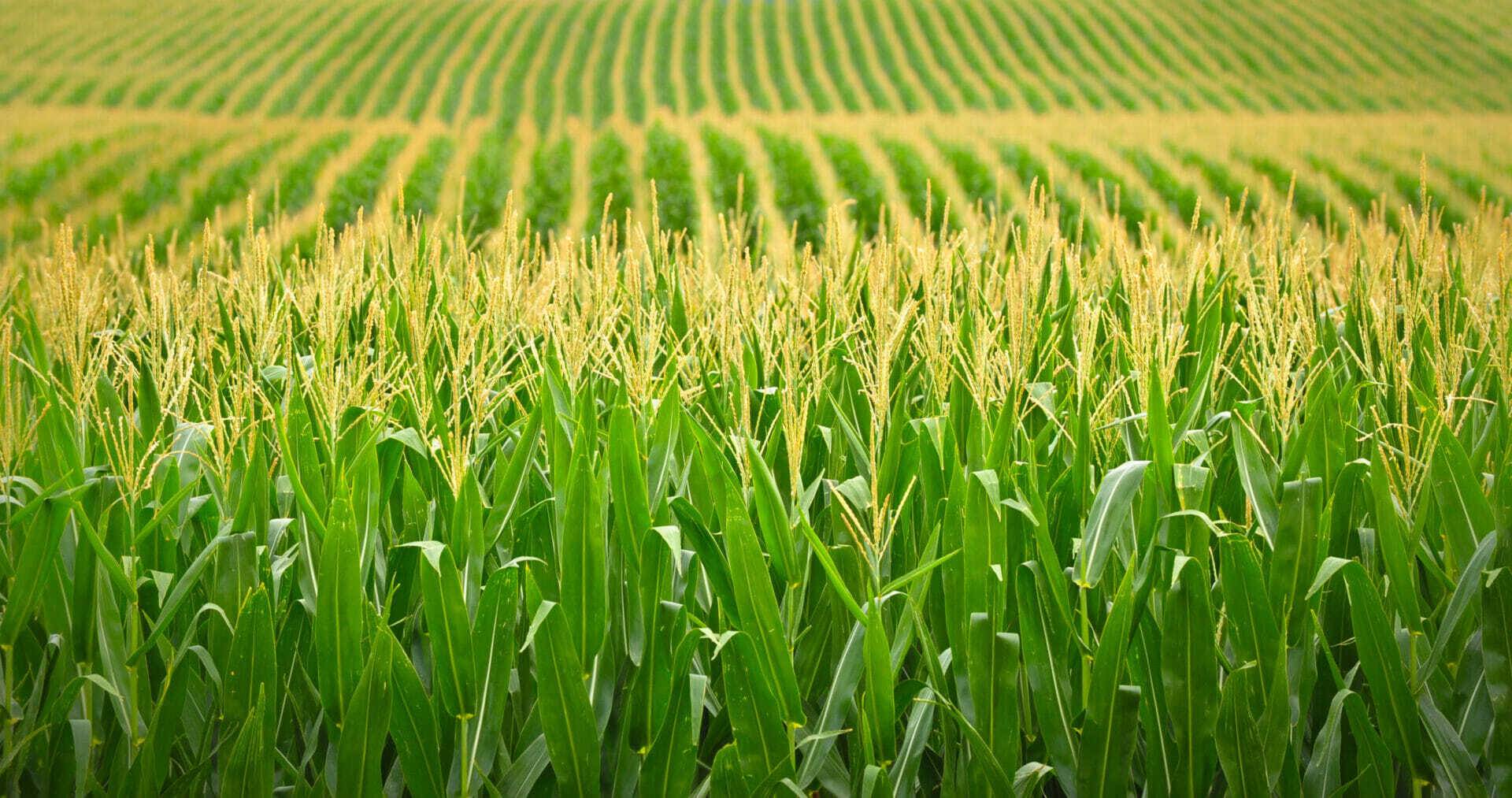
    Nebraska Cornfield

    Corn BagBy the time Latham Hi‑Tech Seeds offers a new corn hybrid, the number of places it has traveled in its developmental process is pretty “a-maize-ing.”

    Let’s look at the developmental timeline and how your bag of corn seed gets so many frequent flyer miles. It can take at least five years to create a new hybrid with a new seed parent. These new corn lines like to travel. As a breeder, I become the travel agent coordinating their travel plans.

    What are some of the popular destinations for these lucky kernels? We use fields in Hawaii, Mexico, Chile and Argentina. By using these countries, we can plant fields year-round to accelerate our development process. In some cases, we can get three growing seasons in one year.

    We use these locations to develop new parents, remake successful hybrids, create new experimental hybrids to test each year and produce hybrid for new releases. No one country can efficiently meet all our needs, so using multiple locations allows us to do different processes to deliver a new product to you.

    Your family uses passports to travel and gets inspected by the TSA to get on the plane. A corn family needs similar documents for travel. The difference is that your family typically can travel and get into a country within a day. Each seed shipment we send or receive needs its own inspection and unique documentation, depending on where it’s going. Seed is further inspected upon arriving at its destination. This trip can take up to a week or more if its paperwork isn’t accepted. Delays can affect whether the seed arrives home in time.

    The next time you look at a bag of Latham brand hybrid seed corn, know that it might have as many airline miles as you do. Unfortunately, I haven’t found a way to collect and use those frequent flyer perks!

    Did you enjoy this article? We want to (TECH)talk with you! Sign up for our newsletter to receive agronomy articles (and delicious recipes) in your inbox! We’ll talk soon.

    Fred Wilz

    March 24, 2023
    #AskTheAgronomist, Corn, Crop, From the Field, General, Latham News, Tech Tuesday
  • Latham Hi‑Tech Seeds

    Breeding Tech Tools

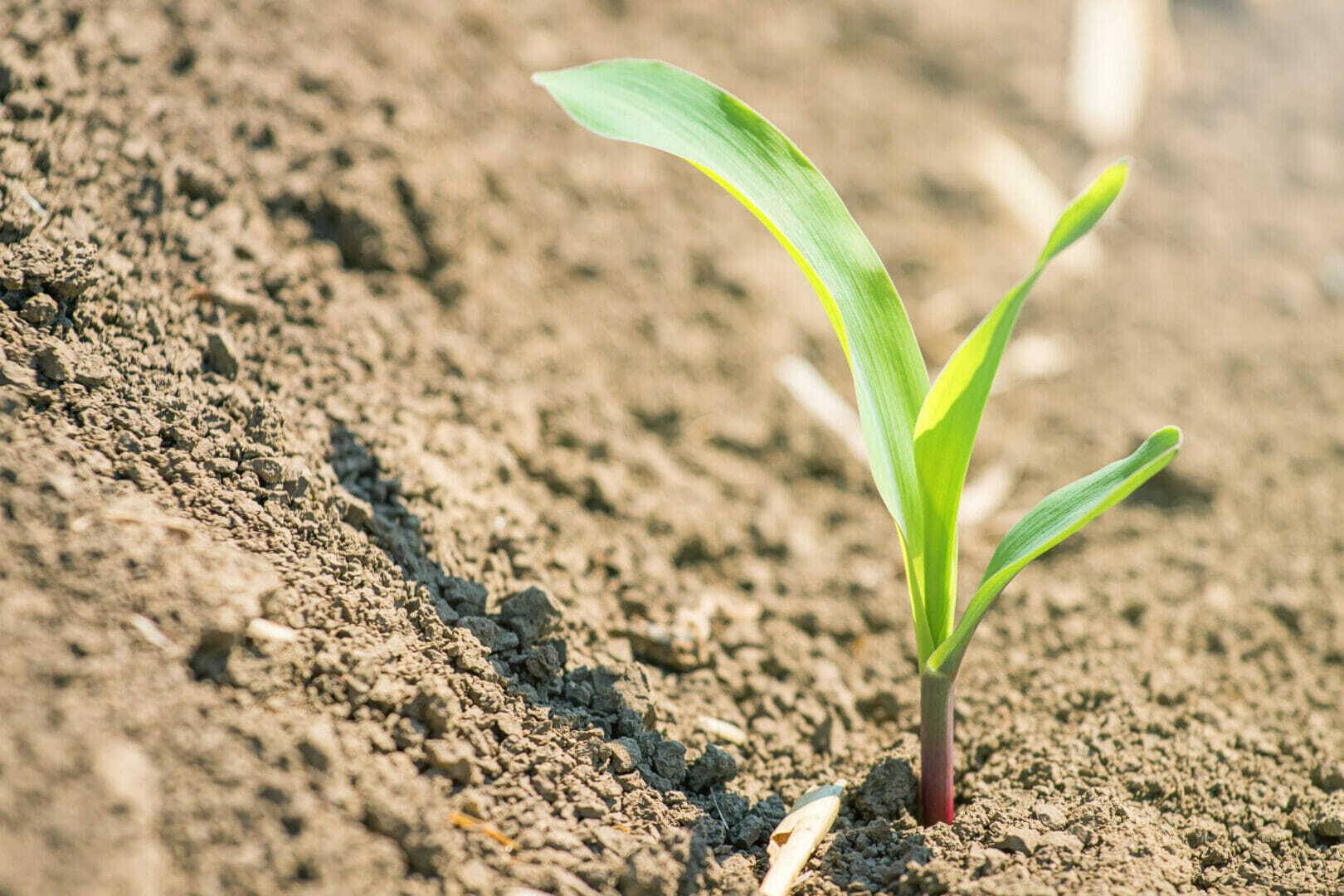
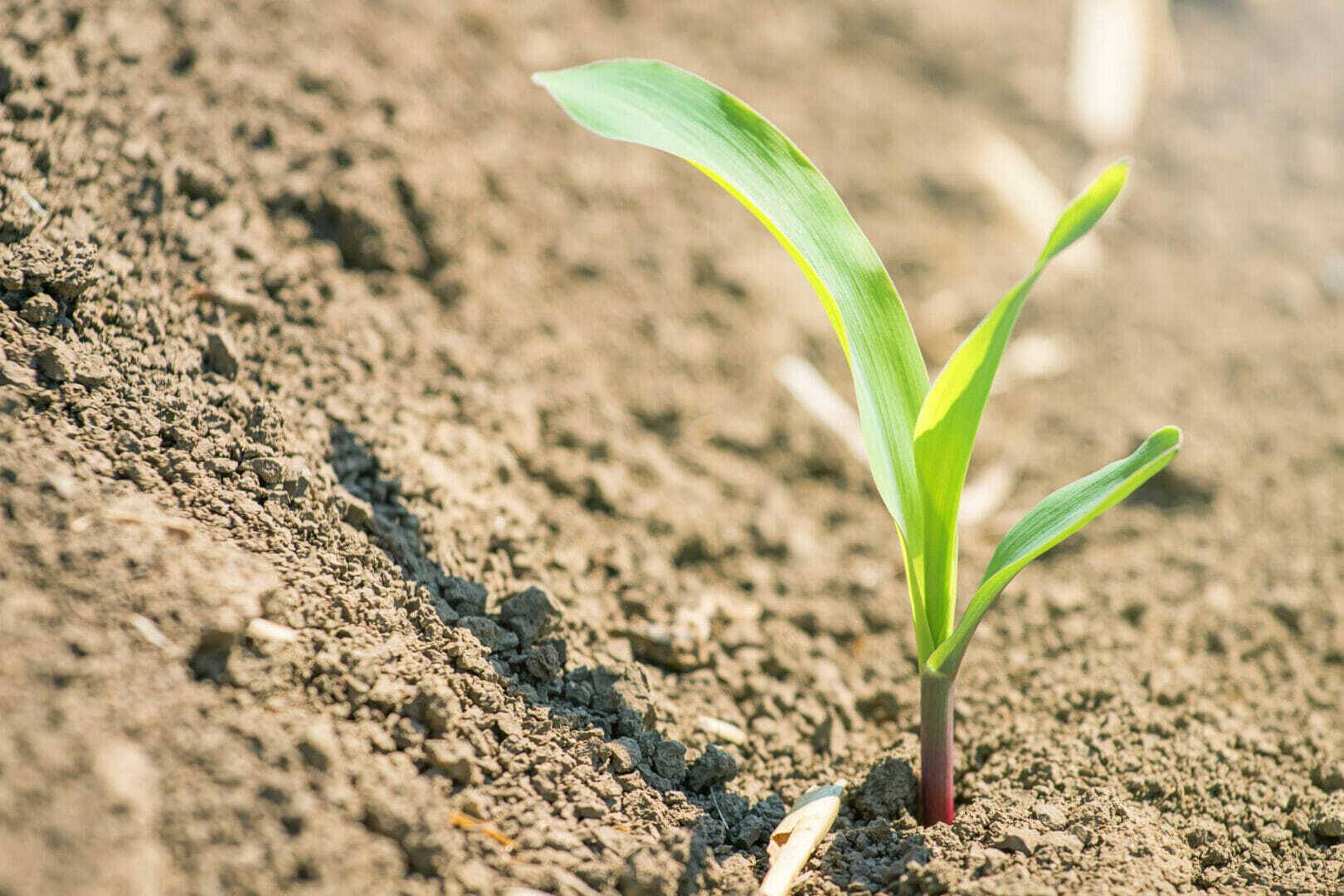
    Young green corn growing on the field. Young Corn Plants.

    Like our planting and harvest monitors, corn breeding technologies today improve the speed, accuracy (reliability) and cost of identifying, developing and delivering improved genetics to your farm gate. In this article, I’ll try to briefly describe a few of the most widely used tech tools in developing Latham Hybrids. Like electronic tools, they can be a distraction standing alone, but when linked together into a systematic process they create a powerful platform for continuous improvement.

    Young green corn growing on the field. Young Corn Plants.

    Unlike traditional methods, “Dihaploid Breeding” (DH) creates homozygous (genetically fixed) male or female corn inbreds quickly. What once took five generations of manual self-pollination can now be created in just two or three generations. Not only do DH’s speed the creation of new inbreds but because they are uniform, they improve and speed field testing required to identify performance. DH delivers inbreds faster (commonly called “instant inbreds”), with near-perfect genetic uniformity at a moderate cost.

    Sorting all those new inbreds can become a bottleneck in finding commercially viable candidates. Similar to trying to find NFL players among thousands of college athletes, corn breeding also requires a large pool of candidate inbreds — as quickly as possible. Thankfully, selecting for inbreds with “Favorable DNA” (genes with proven performance) has never been easier or cheaper. Breeders used to spend thousands of dollars to identify a few genetic markers on a single inbred to make associations with key traits such as yield or disease tolerance. Today, we are fast approaching a capability to sequence an entire corn inbred genome (all genes) for less than a dollar. Considering that corn has more genes than humans (on fewer chromosomes), detailed genetic data can enable breeders to quickly select best “candidate” inbreds.

    To speed development even further, “Predictive Breeding” can now use genetic data to now simulate some field performance prior to testing in the field. While this will never replace actual field testing predictions, it enables breeders to discard the “chaff” from the wheat — inbreds with low probability of good performance before they’re ever field tested.

    Lastly, once commercial lines are identified, “Embryo Rescue” can cycle four generations of trait conversion in the lab and greenhouse in a single year, to deliver trait conversions in two years instead of what used to take four to five years.

    None of these tools stand alone, but when paired together they create a powerful process to speed development, improve uniformity and reduce developmental cost of delivering improved Latham genetics to your farm.

    Did you enjoy this article? We want to (TECH)talk with you! Sign up for our newsletter to receive agronomy articles (and delicious recipes) in your inbox! We’ll talk soon.
    Doug Barker

    March 24, 2023
    #AskTheAgronomist, Corn, General, Industry News, Seed Technology, Tech Tuesday
  • Latham Hi‑Tech Seeds

    #AsktheAgronomist – Do Ca and Mg Really Matter?

    Ask the agronomist does Ca and Mg really matter

    Too much of anything can be a bad thing. This week Phil Long explains how Calcium and Magnesium levels affect nutrients in your soil. (Which you should be testing, by the way.)


    Webspec Admin

    March 9, 2023
    #AskTheAgronomist, Agronomics, Soil
  • Latham Hi‑Tech Seeds

    #AsktheAgronomist – Why is Sulfur and Nitrogen Important?

    Ask the agronomist sulfur with nitrogen

    Did you enjoy this video? We want to (TECH)talk with you! Sign up for our newsletter to receive agronomy articles, videos (and delicious recipes) in your inbox! We’ll talk soon.
    Webspec Admin

    February 15, 2023
    #AskTheAgronomist, Agronomics, Corn, Crop, Emergence, Soybeans
  • Latham Hi‑Tech Seeds

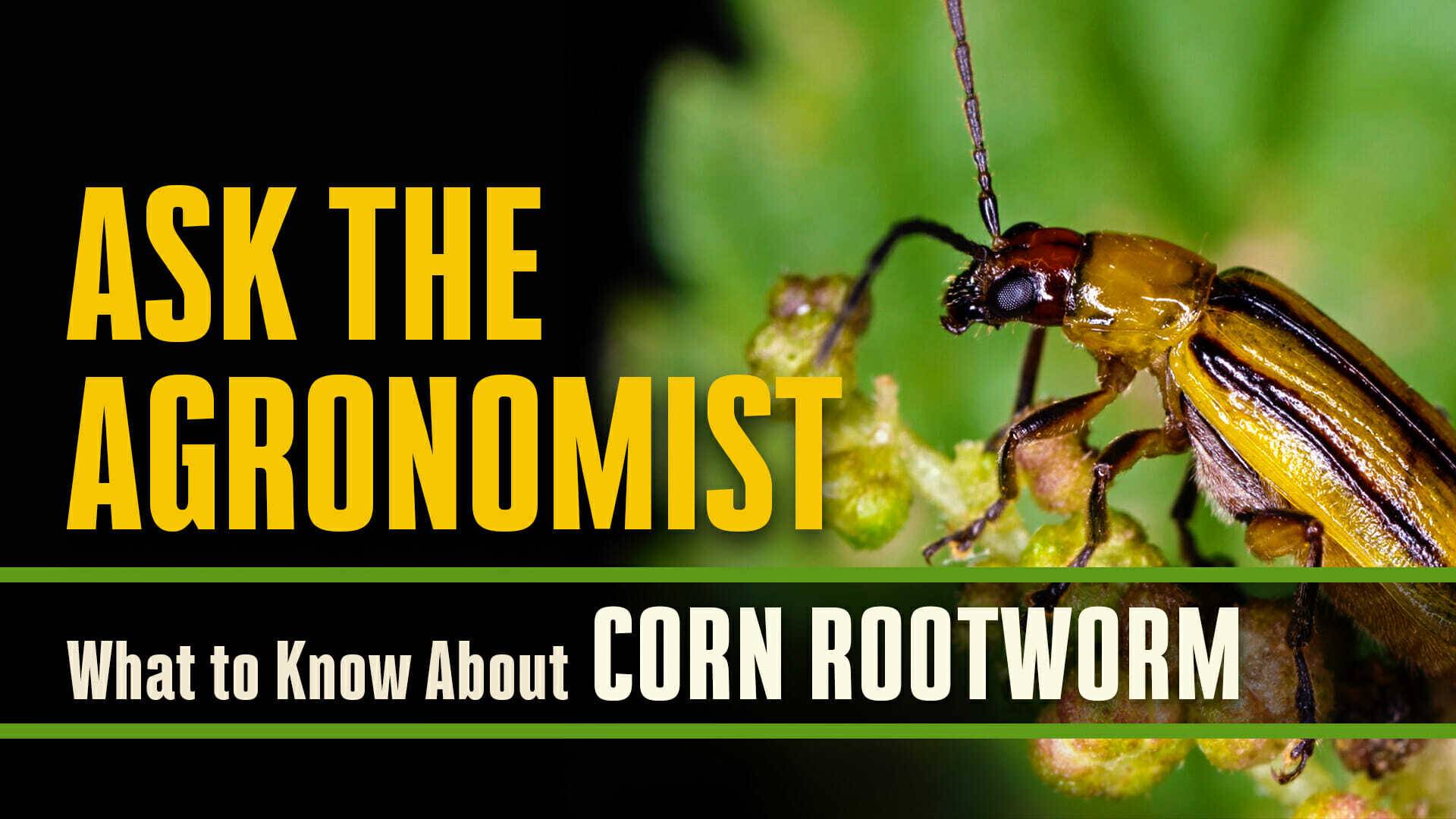
    #AsktheAgronimst – Corn Rootworm

    Ask the agronomist what to know about corn rootworm

    Phil Long, precision agronomy advisor, is scouting in the corn field. He highlights unique characteristics you could see with corn rootworm damage. You may be looking for the wrong thing!

    Shannon Latham

    August 11, 2022
    #AskTheAgronomist, Agronomics, Corn, Crop, From the Field, General, Insects
  • Latham Hi‑Tech Seeds

    Tissue Test for Better Yields

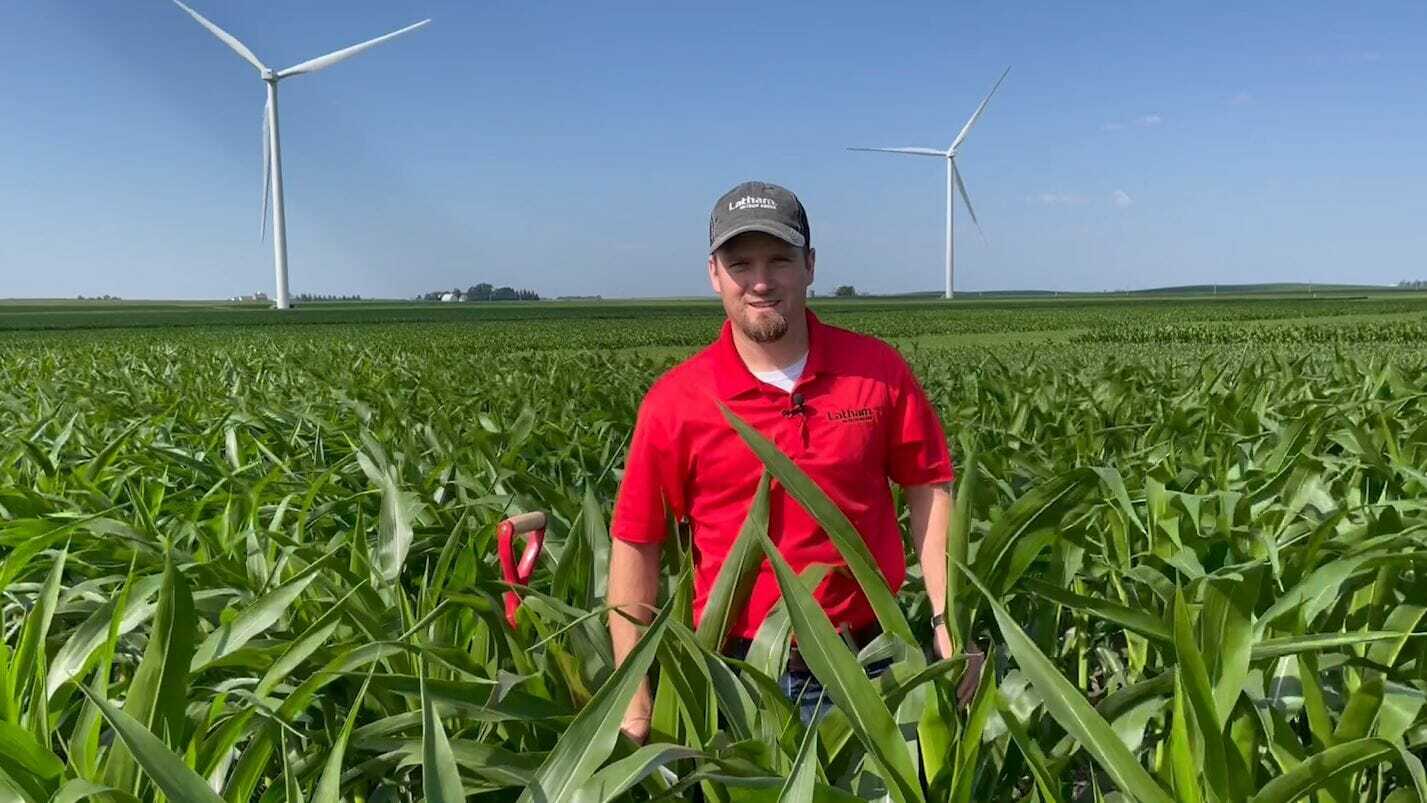
    Phil Corn in late June

    Phil Long is in the field this week looking at the rapid growth phase of corn. He also shares what to scout for this time of year and how to send in a proper tissue test. Check out the video or read the article below to learn more.

    With current input and commodity prices, we must get the most from each crop. To help your crop reach its potential, start with fertility. Regular soil tests are great, but the next step is in-season tissue testing.

    Tissue testing supplements your soil test. You shouldn’t take a tissue test without a current soil test in hand. Once you take the tissue test, compare it to your soil test. See where the two tests match. Then make plans to address those needs either this season or next season.

    Tissue testing every two weeks shows how your crop is developing throughout the season. If you only can tissue test once or twice, I recommend pulling a sample early (V4 for corn or soybeans) and before grain fill (R1 for corn and R3 for soybeans). This will give you a good understanding of what needs are not being met during crucial development stages.

    Here are some tips on how to use tissue testing to your advantage this season:

    1. Sample whole plant (above ground) when shorter than eight inches. Once a plant gets to reproduction, use the leaf below and opposite the ear leaf for corn. For soybeans, use the most recently matured leaf (usually the 2nd or 3rd leaf from top of the plant). Take at least 15 leaves/plants per sample.
    2. Take multiple samples to compare locations in the field and to look for consistencies. If you are looking at a trouble spot, be sure to also take a sample from a good spot in the field. Send samples in a breathable bag (not a plastic Ziploc bag), or your results may not be good.
    3. Compare back to your soil test. Keep environmental conditions in mind at the time of sampling. Most labs will categorize the nutrient levels based on what growth stage the plant was in when sampled. Tissue testing is like taking your temperature; the tissue test can reveal consistencies in a field that must be addressed to break that next yield barrier.

    Check out other corn videos and articles on The Field Position.

    Phil Long

    June 29, 2022
    #AskTheAgronomist, Corn, Crop, Disease, From the Field, Growth Stages, Soil, Summer, Tech Tuesday
  • Latham Hi‑Tech Seeds

    #AsktheAgronomist – Tough Start

    Ask the agronomist tough starte

    It’s been a tough start to the 2022 season with delayed planting and cool weather. Phil Long, precision agronomy advisor, unpacks GDUs across Latham Country and when corn and soybean stands will really take off. Check out more agronomy videos.


    Phil Long

    June 7, 2022
    #AskTheAgronomist, Agronomics, Corn, Crop, Emergence, From the Field, Growth Stages, Soil, Soybeans
  • Latham Hi‑Tech Seeds

    #AsktheAgronomist – Stand Count

    Ask the agronomist stand count

    Phil Long

    May 26, 2022
    #AskTheAgronomist, Agronomics, Crop, Emergence, Growth Stages, Soybeans
  • Latham Hi‑Tech Seeds

    #AsktheAgronomist – Emergence

    Ask the agronomist emergence

    Precision Agronomy Advisor, Phil Long, brings us an update from the field. He shares what to keep an eye on with this late spring and how emergence may be quicker than normal.

    Phil Long

    May 19, 2022
    #AskTheAgronomist, Agronomics, Corn, Crop, Emergence, General, Growth Stages, Season, Soybeans, Spring
1 2 3 … 24
Next Page

Latham Hi‑Tech Seeds

131 180th Street | Alexander, IA 50420

(641) 692-3258

SIGNUP FOR OUR NEWSLETTER
  • Contact
  • Legal
  • Dealer Center
  • Seedware Login
  • Latham Gear

© 2025 Latham Hi‑Tech Seeds. All rights reserved. | Iowa Web Design by Webspec | Privacy Policy

Latham® Hi-Tech Seeds is a trademark of M.S. Technologies, L.L.C., 103 Avenue D, West Point, IA 52656.