Latham Hi-Tech Seeds

(641) 692-3258

  • Home
  • Products
    • Corn
    • Soybeans
    • Alfalfa
    • Corn Silage
    • Seed Guide
  • Performance
  • Find a Rep
  • Media
    • Blog
    • News
    • Videos
    • Podcasts
    • TECHTalk
  • About Us
    • Company History
    • Our Mission
    • Careers
    • Become a Rep
    • Sowing Seeds of Hope
  • Contact Us
  • Latham Hi‑Tech Seeds

    Reducing Harvest Loss Begins at the Header

    GaryG 9 17beans

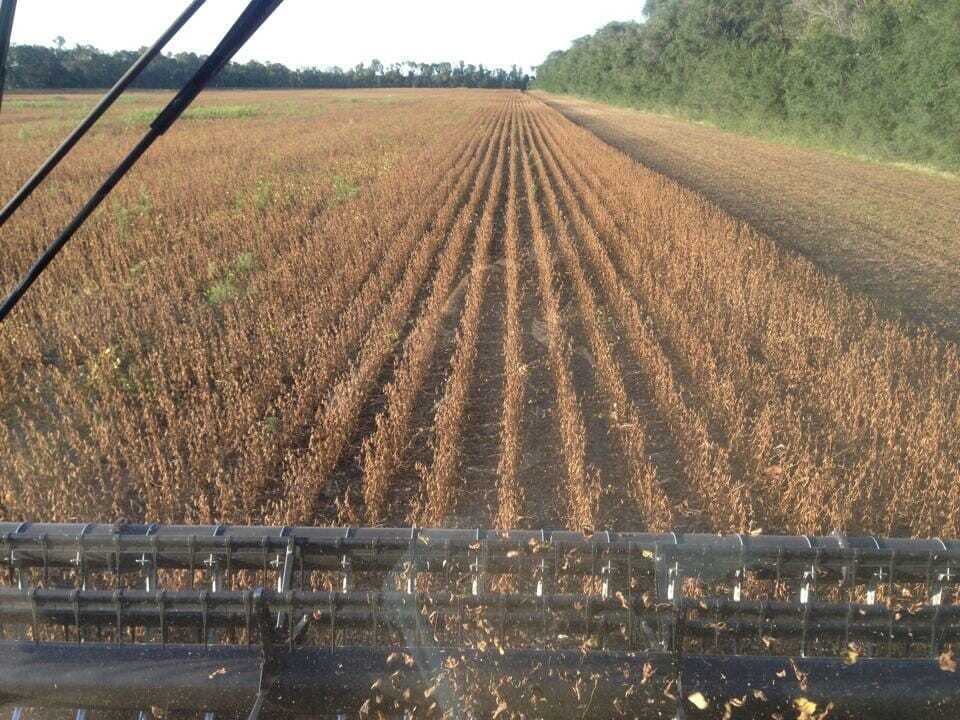
    Half of corn harvest loss and a whopping 80% of soybean harvest loss can occur at the header. It’s easy to overlook adjustments to the header because there aren’t any sensors to tell us what’s wrong. That’s why a relatively quick inspection is well worth your time.

    A combine performs five key operations during harvest: cuts the crop; threshes the crop (first part of the rotor); separates the grain from the chaff (back part of the rotor); cleans the grain with fans and the cleaning shoe; and handles the crop to move it through the combine and into the grain cart or wagon. We all do our best to adjust our combines for each of these five areas.

    Harvest loss can add up in a hurry as 1 bushel/acre of harvest loss is only 2 kernels of corn or just 4 soybeans per square foot.

    Be sure to check the following two areas, which are often overlooked when making adjustments at harvest time:

    • Reel speed is typically set automatically based on tire speed in modern combines. However, you can adjust reel speed on-the-go and stop loss due to changing field conditions. The reel should be hitting soybeans about one-half to 3/4 of the way up the plant and at a speed that lays them back onto the platform. If your reel speed is too fast, it will cause premature shatter losses.
    • Corn harvest loss typically comes from whole ear loss or “butt-shelling” at the deck plates. Whole ear loss can be minimized by installing different things like ear savers for over the throat and at the front of the gathering chains. Upgrades that extend the height of each end of the header help when corn is down. “Butt-shelling” should be adjusted for by adjusting deck plates to stalk size and by making sure there is not extra wear where the ears continually snap.

    Adjusting monitors in your combine cab is another area that can have a significant impact on your data collection. Following are a few noteworthy areas for your consideration:

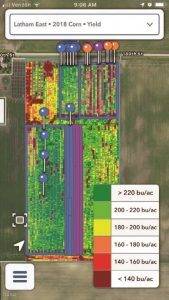
    • Don’t lag behind. Inaccurate Flow Delay is the most common issue with yield mapping. Are you noticing red streaks or a gap at the beginning and ending of each pass? This means the flow delay is not set appropriately. The delay is typically between 10 and 20 seconds. If you see lots of red as you start a pass, increase that time. If you see a gap of data points between the end of a pass and the headlands, you need to decrease the delay.
    • Calibrate. Yield monitors can be off as much as 100%. Even if you diligently calibrated your monitor in corn last year, you must calibrate it again this year in corn. Make sure the moisture sensor is accurate because that calibration also impacts yield calibration. Electronic sensors are especially prone to needing adjustments.
    • Do you run Auto Steer? If you don’t run auto-steer on your combine, you’ll need to adjust the swath width for soybeans if you’re running at an angle or harvesting drilled beans. For example, if you’re leaving about a two-foot gap on a 35-foot header, your swath width should be changed to 33 feet.

    Focus on making the adjustments that can have a significant impact on the quality of your data, but don’t sweat the small stuff. For example, if you must stop on a dime for a tile blowout that would swallow your combine or if you skirt around a waterway, that data can be cleaned up later. Feel free to call me if you have any questions or need assistance.
    Phil Long

    September 3, 2019
    Agronomics, Corn, Crop, Fall, Precision Ag, Season, Soybeans, Tech Tuesday
  • Latham Hi‑Tech Seeds

    Spring Management Decisions

    Phil Planting

    IMG 5301Written by Darin Chapman, Latham Agronomy Adviser

    Having a plan, and the execution of that plan with corn planting is critical to maximizing the yield potential with today’s high yielding hybrids, and many of these management decisions are made well before planting.  Some of these choices may be hybrid, crop rotation, tillage, nutrient placement, target planting rate, and even planter upgrades.

    One of the most crucial key management decisions to look at is achieving uniform plant emergence. If we do not achieve even emergence throughout the field, everything else we worked hard to achieve such as singulation, target population, and spacing will not matter if they don’t have even emergence.

    Consider three things when trying to achieve stellar emergence: Simultaneous, quick, and secure. Consistent heat and moisture are two things needed when a seed is planted. Tillage, residue management, downforce, and closing the furrow, are just a few variables to manage attaining even emergence.

    1. TILLAGE. If making a tillage pass in the spring prior to planting, it is important to make sure both dry and moist soil are not mixed in the seed zone. This could cause the seeds to experience variances in moisture causing different emergence timing.
    2. RESIDUE MANAGEMENT. Leaving crop residue on the surface of the soil is an investment and saves from wind and water erosion.  Although residue being very valuable, it needs to be managed.  If residue isn’t properly managed, it can cause late emergence, seedling blights, and nutrient deficiencies.
    3. DOWNFORCE. This is probably one of the more crucial aspects that affect emergence and yield but is often overlooked. The proper weight on a planter gauge wheel determines we are planting at the correct depth.  To control this, we need adequate down pressure on the gauge wheel. Side walls can collapse if there isn’t enough weight applied to the gauge wheels. If there is too much weight applied, compaction can be an issue. Studies have shown that lift force on a planter row unit plays as big of a part in even emergence as downforce.  Lift force will help avoid side wall compaction while still maintaining adequate seed depth.

    Let us help you with these management decisions to attain even emergence and a picket fence stand.  Call 1-877-GO-LATHAM to schedule a Data Forward Needs Assessment.

    Webspec Admin

    May 3, 2019
    Agronomics, Precision Ag, Season, Spring, Tech Tuesday
  • Latham Hi‑Tech Seeds

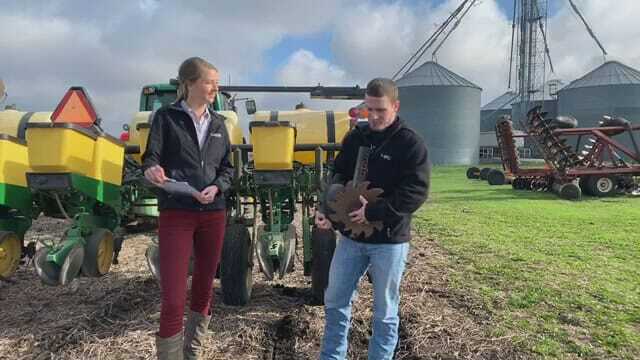
    #AskTheAgronomist: Row Cleaners

    5.2.19 Phil

    LIBSYN header 2 01

    What’s the proper height adjustment for your row cleaners? Tune in to find out! We will go over three scenarios: no-till, reduced till and conventional till. #AskTheAgronomist

    https://www.facebook.com/LathamSeeds/videos/347855382746136?sfns=mo

    Laura Cunningham

    May 2, 2019
    #AskTheAgronomist, Agronomics, Precision Ag, Season, Spring
  • Latham Hi‑Tech Seeds

    Now There’s a FieldView™ Cab App for iPhones!

    Precision ag on phone 1

    4.23 Tech Tuesday postViewing equipment in real time offers benefits like knowing how close an operator is to finishing a field, and this feature just got easier thanks to technology. Climate FieldView has released a cab app for iPhones that will help farmers coordinate filling planters in the spring and semis during harvest.

    The opening map screen on the phone app is an interactive weather radar. From the menu, “remote view in” to another account. You will quickly see which field operations are underway in real time.

    This new app also allows you to pull up reports that you can print or send. For example, you could send a planting summary to a landlord as soon as you finish planting the field. Simply pull up the “Field Planting Summary” PDF file and email this file from the tractor cab. You also may view reports “by hybrid” to see how many acres of each hybrid you have in the ground and at what population. If you’re running more than one planter, you can view reports “by planter.”Precision ag on phone 1

    Another feature of the iPhone Cab App (and on the iPad version) is the ability to “log out” of the app and into another account, so you can toggle between accounts to log data. This feature may be especially useful for growers who have more than one Climate account or who custom farm ground for farmers who also use Climate FieldView. NOTE: Those who custom farm multiple farms with separate Climate accounts may find it remains faster and easier to log the data under your own account then send “field files” to that particular Climate account.

    One more announcement Climate recently made is a partnership with NAU Crop Insurance Company, which covers acres across Latham Country. Climate also partners with Farmers Mutual Hail Insurance Company, which allows simplified reporting for crop insurance. This eliminates manual reporting errors and can speed up the reporting process.

    Hopefully, these new features will help make the 2019 planting season more productive so you’re less fatigued.

    Have a safe spring!


    Phil Long

    April 22, 2019
    Agronomics, Precision Ag, Tech Tuesday
  • Latham Hi‑Tech Seeds

    Win-Win: Precision Ag Technology Increases Farm Efficiency and Yield

    IMG 5285

    Most U.S. farmers use some form of precision ag technology, and the majority of these farmers are looking for ways to use their data more efficiently. Organizing data and offering suggestions on how farmers can increase yield on a field-by-field basis is where Seed-2-Soil® services comes into play.

    Technology in the tractor is one part of precision ag data that is recorded by the combine, planter or sprayer monitor requires another level of understanding. Here at Latham Hi‑Tech Seeds, we’re working to help farmers find the intersection between crop production and precision ag.

    We believe this technology is a huge stepping stone in terms of efficiency and reaching that next level of production on your fields. Understanding the variability on each of your farms is Step One.

    Our FieldXField process focuses on placing hybrids/varieties according to yield-limiting factors combined with data from your yield monitor. We can define smaller “management or productivity zones” that will allow you to put Variable Rate (VR) technology to use on your farm.

    Combining data such as soil samples, satellite or drone imagery, disease and insect scouting reports, and planter and sprayer applications gives you a much clearer picture of each field. Armed with this additional data, you can monitor and manage that field throughout the season.

    There are many ways to incorporate precision ag technology on your farm. While not everyone will have every technology, using a few tools provides valuable information. For example, variable rate (VR) hybrid planting can provide a $20/acre benefit. We’re testing this technology on a farm in Northwest Iowa and are eager to see the results this fall.

    Although most farmers don’t yet have the capability for VR hybrid planting, many have the ability to apply VR fertilizers. Studies show a $5-8/acre benefit from decreasing over application and under application to areas within a field. If your fields have a large amount of variability, you may reap even more revenue from VR technologies.

    Variable rate seeding and applications are just one piece of the precision ag pie. We can work with you to make your data work for you and your operation. It’s our goal to work with farmers and add value regardless of where they are along the technology adoption spectrum.

    One simple, but especially important detail, is naming your fields consistently from year to year. Also make sure your monitors and GPS receivers are communicating with one other. You may see a yield number on your monitor, but that doesn’t mean the GPS location and other information is running through your combine. The data coming out is only as good as the information going in! Calibration is key to getting useful results.

    I’m looking forward to working with Latham dealers and customers to help bring more value from the combined use of seed and precision ag technologies. Feel free to contact me at 1.877.GO.LATHAM (1.877.465.2842) if you’d like to visit about how precision ag can benefit your operation!

    IMG 5285

    Phil Long

    March 25, 2019
    Agronomics, Precision Ag, Tech Tuesday
  • Latham Hi‑Tech Seeds

    #AskTheAgronomist: The Why behind FieldxField™

    3.14.19 Feature

    LIBSYN header 2 01

    Did you know seed placement can affect up to 20% of your final yield? Today Phil Long discusses the WHY behind FieldxField™. Tune in to learn more! #AskTheAgronomist

    Laura Cunningham

    March 14, 2019
    #AskTheAgronomist, Agronomics, Precision Ag
  • Latham Hi‑Tech Seeds

    Update Precision Technology before Planting Begins

    Phil Planting

    Spring officially arrives March 20, so farmers are busy readying equipment.

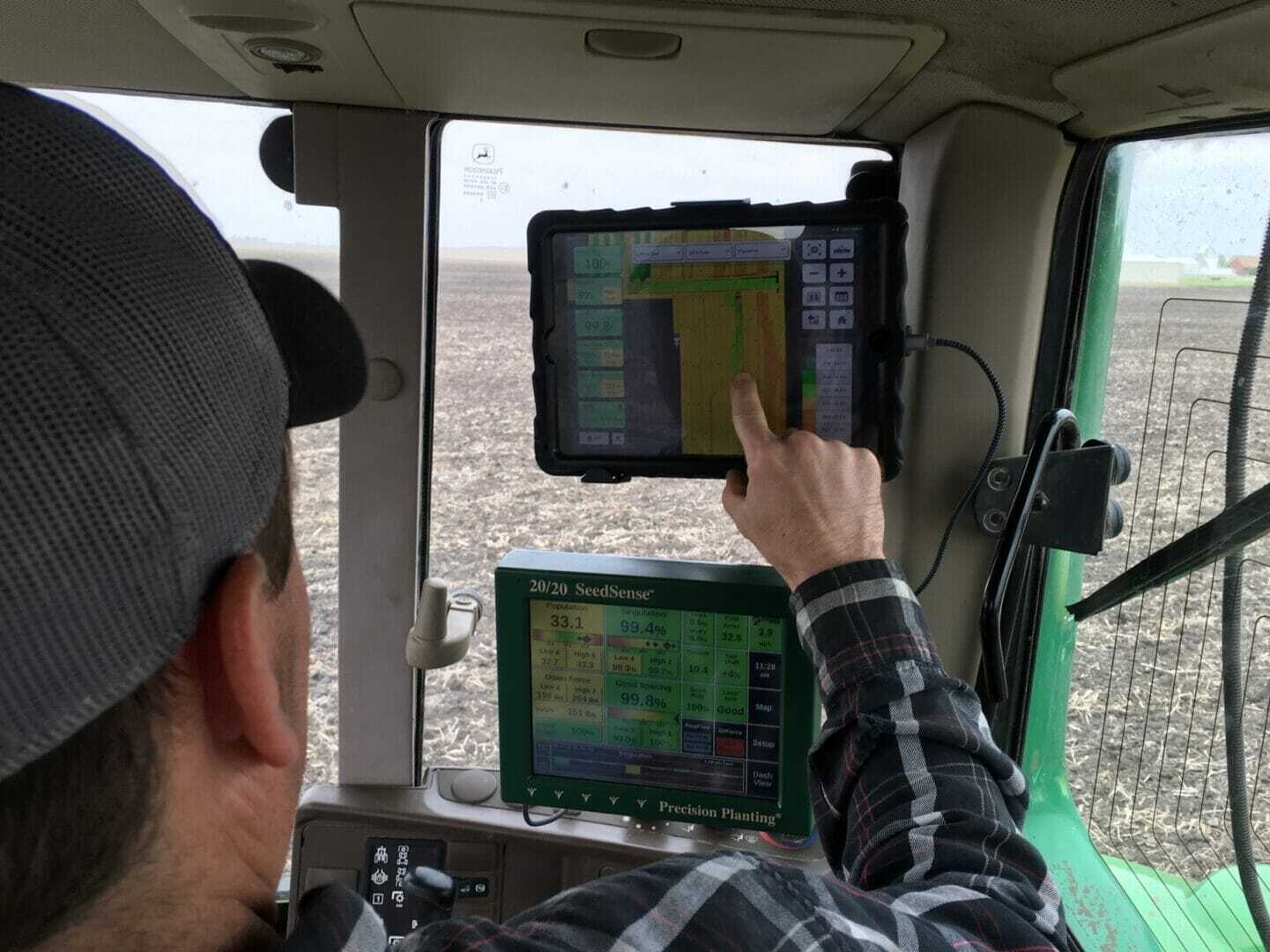
    Many yield variables are determined at the planter: planting date, seeding rate, planting depth, planting conditions, where to place fertilizer, and especially planting precision (singulation/spacing). Many pieces of the puzzle must come together to give your corn and soybeans a good start, but I’m going to focus on the precision part of planter preparation.

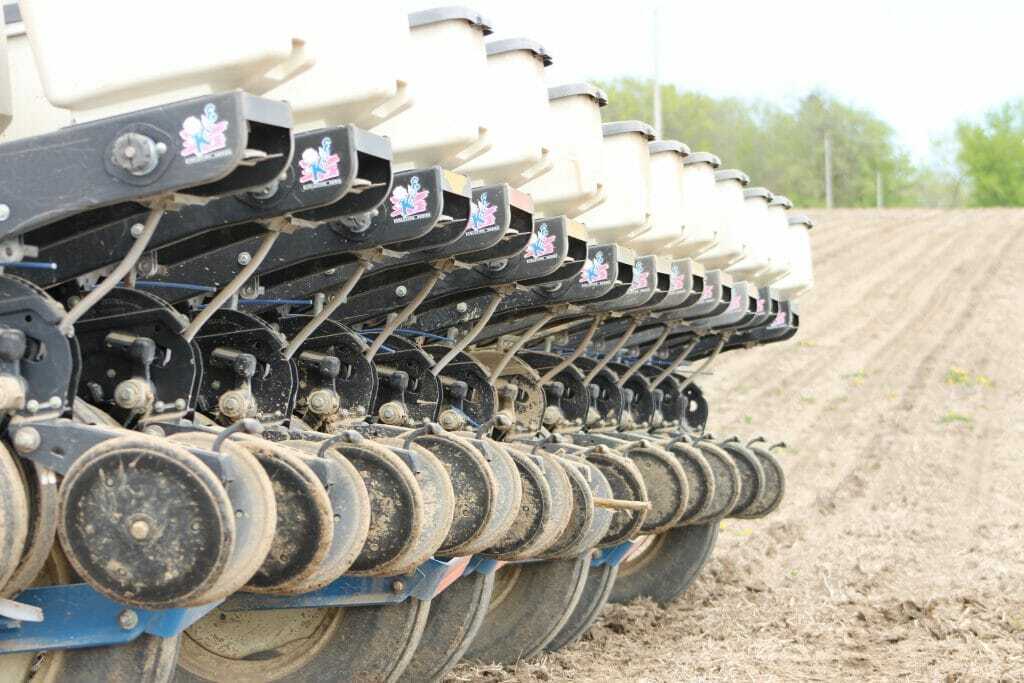
    Most farmers begin by thoroughly checking their planter by running units on a test stand. Test all bearings, chains (if applicable), hoses, motors, openers, rows cleaners, etc. to ensure they will last through the planting season. You don’t want to have a needless breakdown because worn parts weren’t replaced.

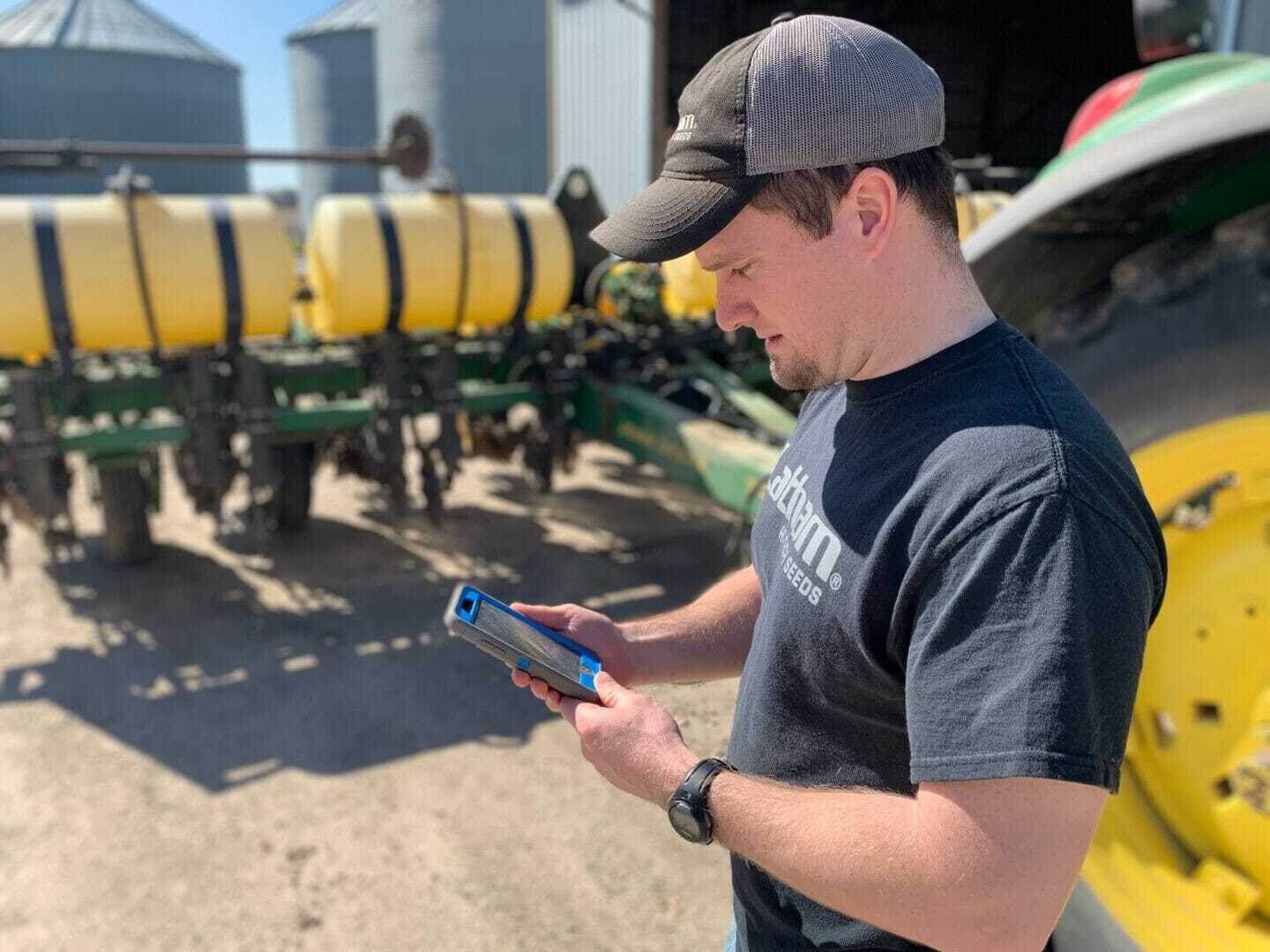
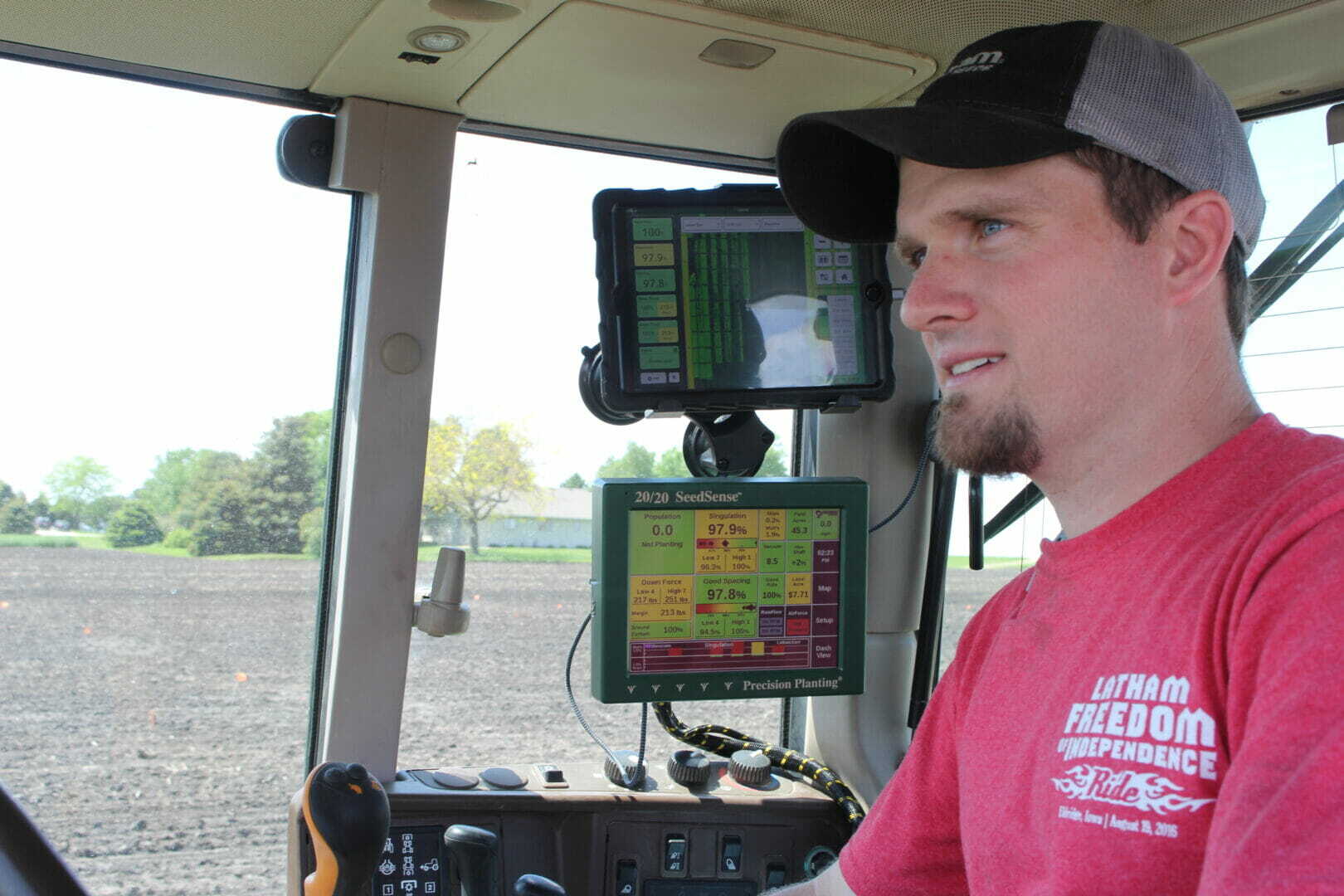
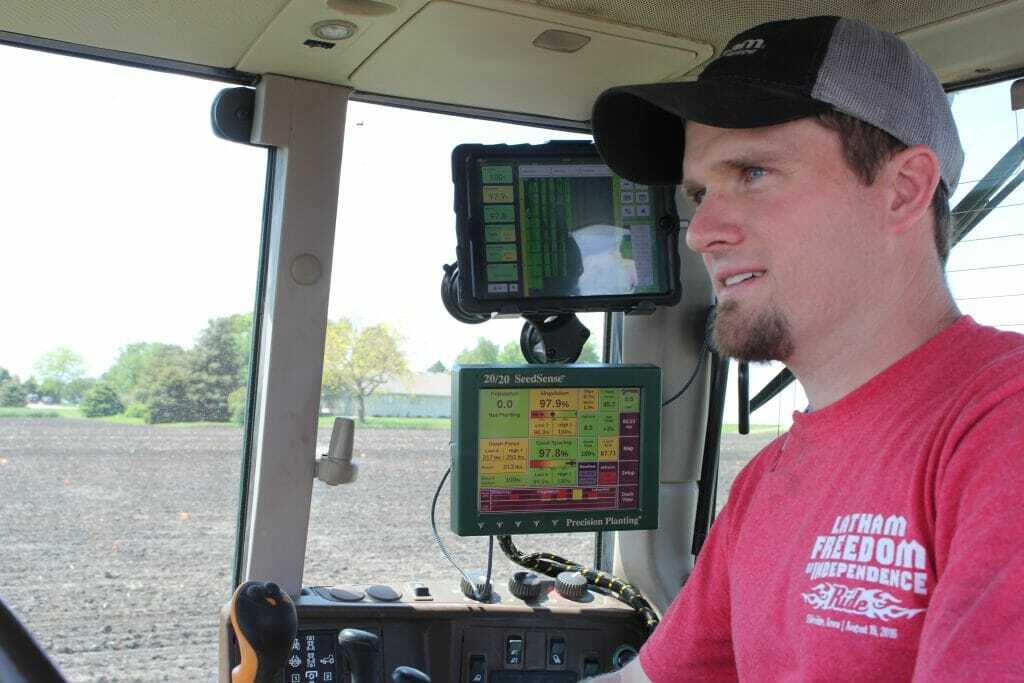
    Phil PlantingAnother critically important part of planter preparation is your technology. Make sure all monitor software is current. If it isn’t, this can cause problems with how well it communicates with your planter. Old software can cause functions to glitch or simply fail to work, which is very frustrating in the heat of the battle. Outdated software also may impact how your auto-steer functions. Have your dealer check your monitor for updates because that’s one tool that can reduce operator fatigue during long days during planting season.

    Also be sure that field names have been entered, so you can collect data specific to each hybrid or variety. This is pretty simple to do if you’re using Climate FieldView™ as it will prompt you to enter a hybrid once you confirm the field you’re in, or you can pre-load hybrid numbers by field to save time searching or entering them on the go.

    If you’re running an OEM monitor in the cab, the biggest challenges are getting to the correct screen on your monitor and then entering the hybrid in the correct box. Some monitors are harder to navigate than others, but this step is important for recording yield data and better managing your operation. A few seconds of work can provide you with “data in hand” come next winter when you’re evaluating products.

    “Setup files” for the monitor are really helpful to preload information like hybrids, client-farm-field structure, as well as GPS boundaries for row shut-offs. These files can be loaded into most monitors by creating a setup file in a software program and then transferring it to the monitor by USB stick. This is very helpful for pre-loading hybrid/variety names because they will be available in a drop-down menu, which makes it easy for you to select them. Ask your dealer if your monitor is capable of reading setup files.

    One more tip is to print a list of your fields and field names, so you can keep a copy in the tractor cab. If more than one person operates your planter – or if you run more than one planter – then everyone will know which hybrid to plant in each field. Clarification helps save precious time.

    If you have any questions, call me at 877-GO-LATHAM (877-465-2842) or email me at phill@lathamseeds.com. You can even ask questions in real time as agronomic information, including precision planting tips, are shared each Thursday during Latham’s Facebook Live broadcast. Check out the videos we post weekly on Facebook. You also can watch archived videos on LathamSeeds.com under “The Field Position” or search our Facebook page for #AsktheAgronomist.


    IMG 2110


    Phil Long

    March 11, 2019
    Agronomics, Precision Ag, Tech Tuesday
  • Latham Hi‑Tech Seeds

    #AskTheAgronomist: Achieve Top Yield

    1.24.19

    LIBSYN header 2 01

    Join us this morning as we discuss top populations for top yields! #AsktheAgronomist

    https://www.facebook.com/LathamSeeds/videos/316328942324823/

    Laura Cunningham

    January 24, 2019
    #AskTheAgronomist, Agronomics, Corn, Crop, Precision Ag
  • Latham Hi‑Tech Seeds

    #AskTheAgronomist

    1.17.19

    LIBSYN header 2 01

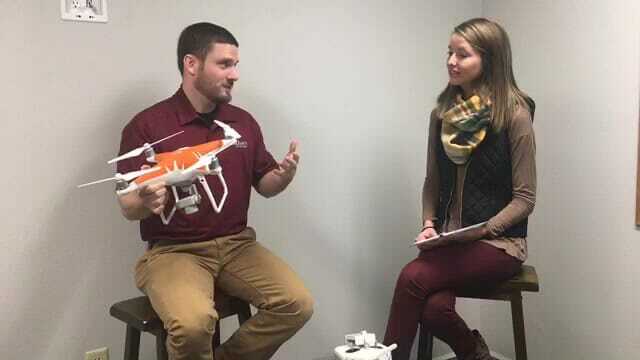
    Looking to buy a drone? Tune in to hear Phil Long walk through steps of things to consider when buying a drone.

    https://www.facebook.com/LathamSeeds/videos/2326095090983092/

    Laura Cunningham

    January 17, 2019
    #AskTheAgronomist, Agronomics, Precision Ag
  • Latham Hi‑Tech Seeds

    #AskTheAgronomist: Undersatnding Yield Variability

    Facebook Live Cover Image

    LIBSYN header 2 01Join us this morning on understanding your yield variability. Phil Long helps us identify the types of variability and importance of knowing the difference. #AskTheAgronomist

    https://www.facebook.com/67053282137/posts/10157002779167138/

    Laura Cunningham

    January 10, 2019
    #AskTheAgronomist, Agronomics, Corn, Crop, Precision Ag, Soybeans
Previous Page
1 2 3 4 5 6 … 8
Next Page

Latham Hi‑Tech Seeds

131 180th Street | Alexander, IA 50420

(641) 692-3258

SIGNUP FOR OUR NEWSLETTER
  • Contact
  • Legal
  • Dealer Center
  • Seedware Login
  • Latham Gear

© 2025 Latham Hi‑Tech Seeds. All rights reserved. | Iowa Web Design by Webspec | Privacy Policy

Latham® Hi-Tech Seeds is a trademark of M.S. Technologies, L.L.C., 103 Avenue D, West Point, IA 52656.