
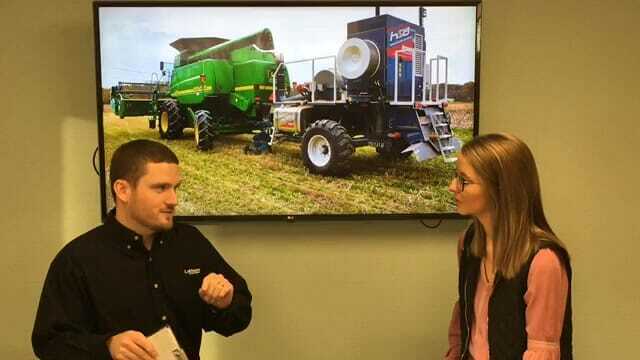
Join us LIVE as we discuss weed pressure throughout the Upper Midwest and management practices! #AskTheAgronomist
-
Latham Hi‑Tech Seeds
#AskTheAgronomist: Weed Pressure Updates
-
Latham Hi‑Tech Seeds
Where Did My Nitrogen Go?
Nitrogen is the 2nd most expensive input but the #1 yield-influencing input we apply every year to our corn crop. So how can we use it more efficiently?
According to Oklahoma State’s Nitrogen Use Efficiency (NUE) website, side-dress or top-dress practices see about 50% NUE. That means that when you apply 200 pounds/acre of nitrogen to achieve a 200- to 250-bushel yield, the corn crop only uses around 100 pounds per acre of nitrogen. That’s not easy to digest in these economic times, but it provides motivation to determine the best nitrogen rate to keep yields up while ensuring the corn plants use it. This is where precision ag software comes into play.
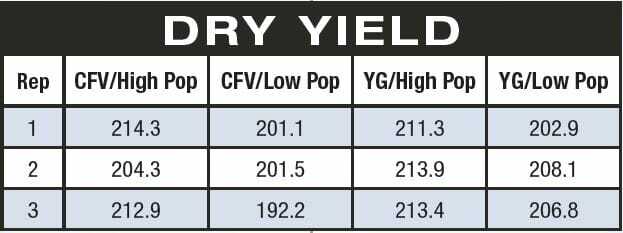
The Climate FieldView (CFV) Nitrogen Advisor (NA) is one of several nitrogen models that factors weather into the equation. During the 2018 growing season? We tested the CFV NA in a large plot at the Latham Farm in Alexander, Iowa. The test was replicated three times, using two nitrogen rates.
Using the NA, we applied a total 135 pounds per 3 212.9 acre. Using our previous Yield Goal approach (YG), we applied a total of 170 pounds/acre. We put down 25 pounds per acre with MAP before planting then an additional 70 pounds/acre UAN with our herbicide at planting. The last application of 32% UAN was applied June 13. This study also included a high and low seeding rate of 37,500 and 31,500 seeds per acre.
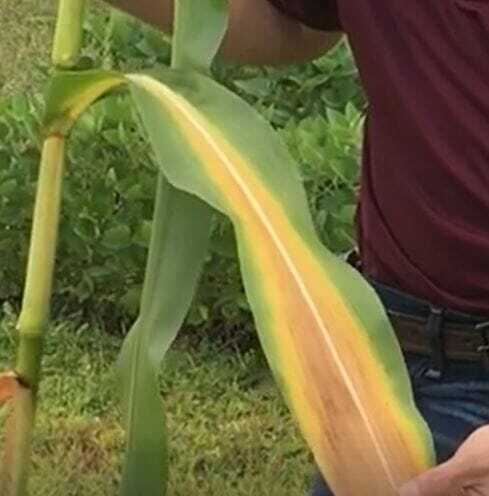
We planted LH 5245 VT2 PRO on May 18 for this study. After analyzing yield across the two different nitrogen rates and two seeding rates, there was not a significant difference in yield between the Nitrogen Advisor and our Yield Goal approach. Given that 31 inches of rain fell this growing season as compared to the 10-year average of 23.4 inches, I thought we’d see more difference between the two nitrogen rates. I flew my drone periodically throughout the growing season and noticed a few NA plots showed some yellowing. The yellowing wasn’t major and it didn’t last long.
I also pulled ear leaf samples at R1 and compared them to our yield results. There was a significant impact of the lower nitrogen rate by the Nitrogen Advisor but only at the higher populations, which follows the trend many researchers have found. As the population increases, nitrogen decreases in the ear leaf. It is difficult to apply enough nitrogen to make up for the extra demand that all those extra plants put on the supply in the soil. Therefore, if you are VR seeding, then VR apply nitrogen to apply more in the heavier seeded areas or consider applying higher blanket rates if you can’t VR apply nitrogen.
The biggest take away from the R1 ear leaf samples is that all were “deficient,” meaning we aren’t applying enough nitrogen overall with our YG approach to see the full potential. We must keep in mind 50% NUE and the role that the weather, especially this year’s heavy rain events, likely played on how much nitrogen was taken up and how much was lost due to leaching.
Look for Part 2 of our research findings in next month’s article. I will discuss the surprising impact that the different seeding rates had on this study.
-
Latham Hi‑Tech Seeds
Facebook Live #AskTheAgronomist is One Year Old!
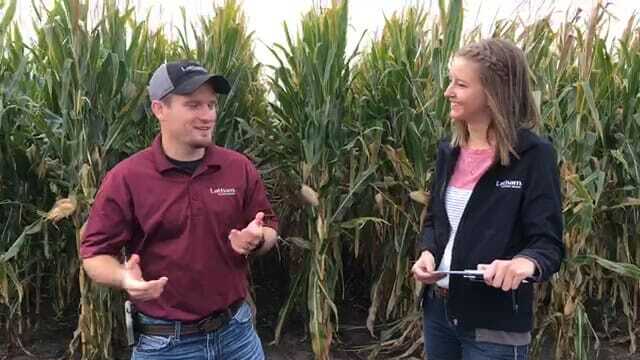
Our weekly #AskTheAgronomist segments have evolved from local radio interviews to a podcast to weekly Facebook Live segments. Regardless of the format, we’ve worked to provide Upper Midwest farmers with sound agronomic and product information by answering questions we’ve received from Latham® dealers and customers.
We started the Facebook Live version of our #AskTheAgronomist in November 2017. We love the real-time interaction with our viewers. We also know that not everyone is available to join us “live,” so we upload each segment to our Facebook page for additional viewing opportunities.
To celebrate our one-year anniversary of Facebook Live, we’re hosting a #LiveWithLatham broadcast event on December 13 at 10 a.m. Four guest speakers will talk Latham’s legacy of producing high quality seed since 1947, plus we’ll share harvest results and talk about standout Latham brand corn and soybean products. And keeping true to our mission of helping farmers feed and fuel the world, we’ll answer viewers’ questions about agronomy.
Tune-in at your convenience and catch the show on December 13! We will be post all four of the segments for additional viewing.
In celebration of our one-year anniversary, please are links to our top 3 videos from 2018:
https://www.facebook.com/LathamSeeds/videos/248852759141493/
https://www.facebook.com/LathamSeeds/videos/10156497920517138/
https://www.facebook.com/LathamSeeds/videos/10155945312677138/

-
Latham Hi‑Tech Seeds
#LiveWithLatham Broadcast
More Topics. More Expertise. More Value.
JOIN US! We will be #LIVEwithLATHAM on Dec. 13 at 10 a.m. on our Facebook page. Each guest will have 15 minutes, including a live interview, plus questions will be accepted throughout the broadcast. Special guests & topics include:
- John Latham, President, Latham Hi‑Tech Seeds
- Bob Foley, Corn Breeder
- Mark Grundmeier, Product Manager
- Phil Long, Agronomy Specialist
Do you have questions of your own? Feel free to submit in advance via PM on social media, or submit them live on Dec. 13!
-
Latham Hi‑Tech Seeds
Create a Planting Layer in Climate FieldView™
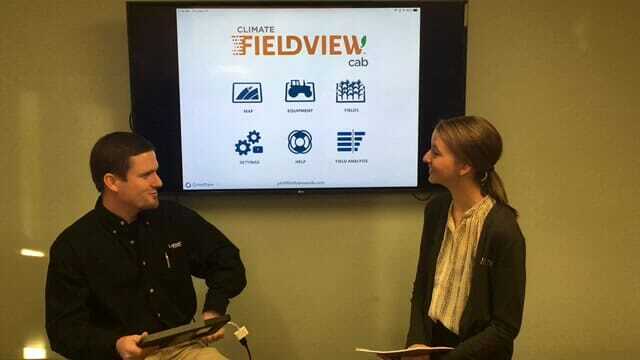
Join us this morning for a live tutorial on how to create a planting layer in Climate FieldView™ after harvest! Learn ways to analyze yield by variety.
https://www.facebook.com/LathamSeeds/videos/1767875733339923/
-
Latham Hi‑Tech Seeds
#AskTheAgronomist: Is Applying Variable Rate Fertilizer Worth it?
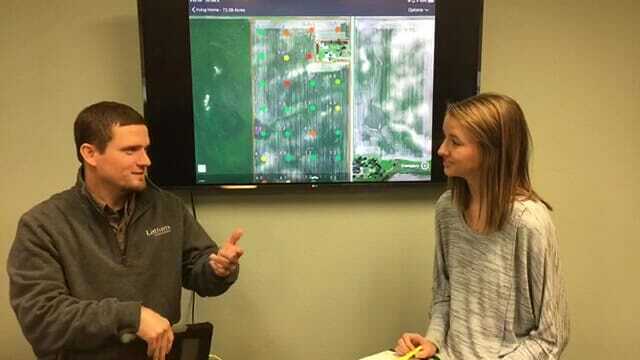
Join us as we discuss the importance of variable rate fertilizer and identifying trends in data.
https://www.facebook.com/LathamSeeds/videos/292211041398034/
-
Latham Hi‑Tech Seeds
#AskTheAgronomist: What’s Wrong With My Ear?
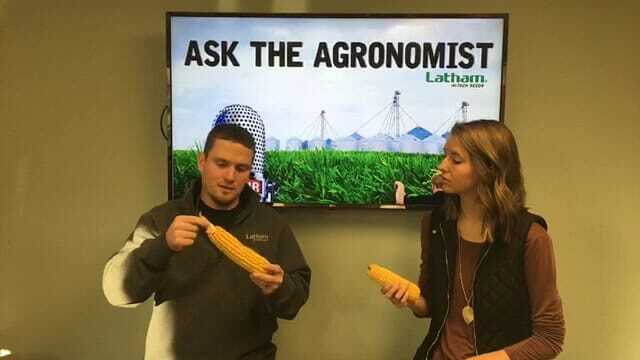
Join us as we identify agronomic issues with ear symptoms!
https://www.facebook.com/LathamSeeds/videos/2143666655851395/
-
Latham Hi‑Tech Seeds
#AsktheAgronomist: Vivipary
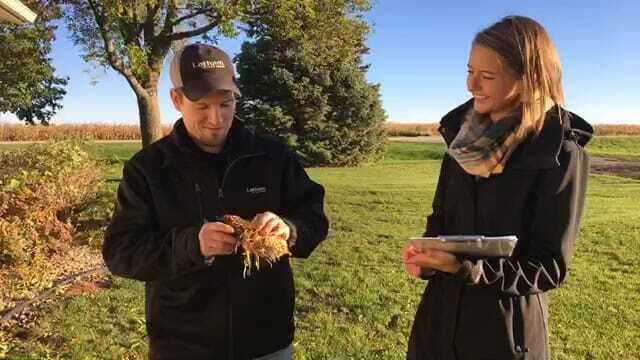
We have a new word of the week today, vivipary! Tune in to our ask the agronomist video series to learn more.
https://www.facebook.com/LathamSeeds/videos/159231695013639/
-
Latham Hi‑Tech Seeds
Climate FieldView™ Cab App features to try during harvest
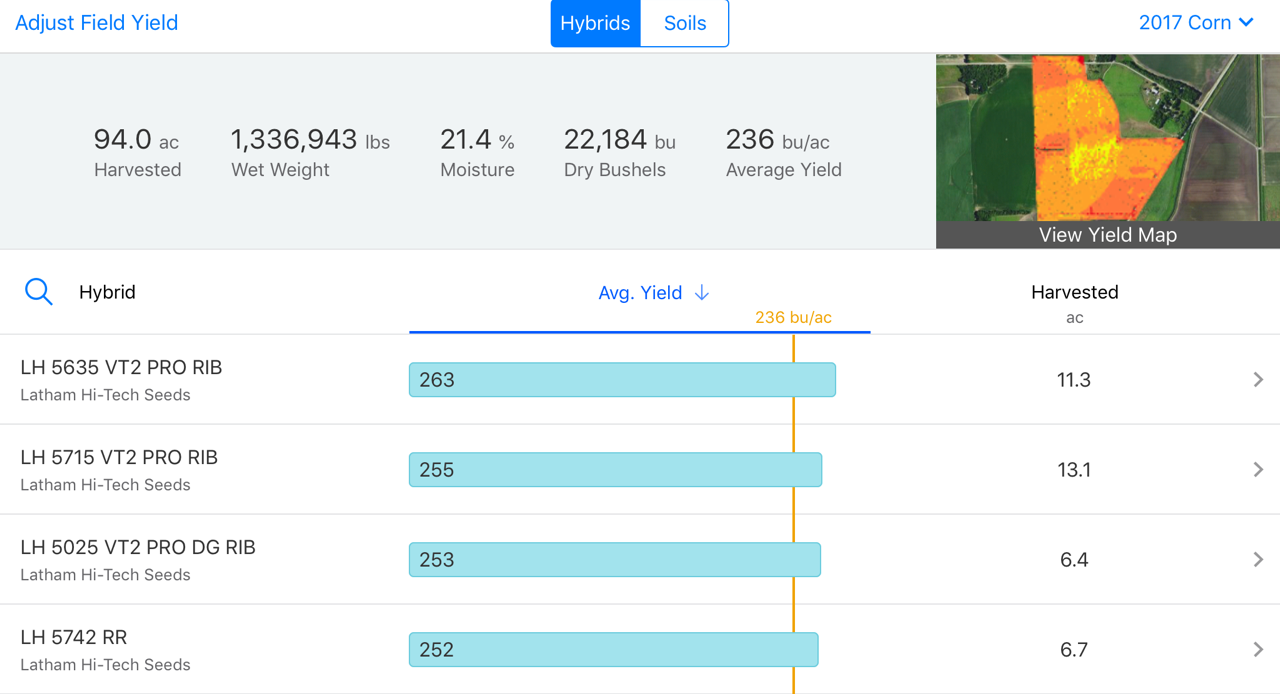
While Climate Fieldview™ (CFV) records hybrids and varieties during spring planting, the real value is shown during harvest time.
The cab app allows you to record, map and send data all at once! If you mapped planting data, you can see “on the go” how particular hybrids and varieties are performing at harvest. You can pull up a hybrid harvest report and compare yields throughout the field. You can also send this report to your trusted advisor, landlord or family member to help with record keeping.
Three of my favorite features are:
- Creating field region reports. This feature allows you to circle an area or draw any shape around an area of a field to track yield. Maybe you did a side-by-side comparison with and without fungicide or with and without a starter fertilizer treatment. You can view a particular hybrid in different soil types without including bias from wet spots.
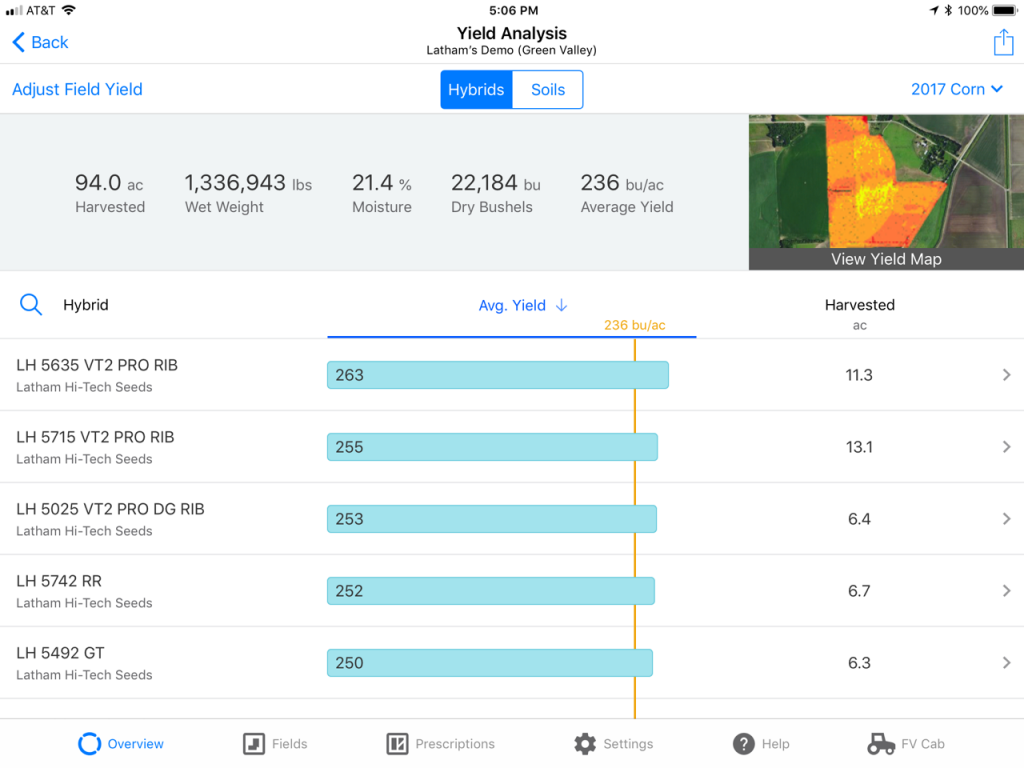
- Calibrating Yield Maps. Sometimes our combine calibration is slightly off, so the scale tickets don’t add up with what was captured by the equipment inside the cab. Using the app, you can easily edit the weight and moisture of the crop that was harvested. This allows for calibration after the fact that will adjust your harvest maps to more accurately represent what came off the field.
- Uploading data on-the-go when you’re running multiple combines in a field. You can instantly see how far another combine has harvested. This requires a data package on your iPad or using your phone as a hotspot, but that’s a small price to pay for the efficiency of coordinating equipment.
The best part is right now farmers have an opportunity to try the CFV platform FREE for a year! (This includes a one-year subscription and hardware. Offer expires Aug. 31, 2019.) This is an excellent opportunity to experience CFV first-hand during harvest. If this is something you’re interested in, feel free to call me for more information.
- Creating field region reports. This feature allows you to circle an area or draw any shape around an area of a field to track yield. Maybe you did a side-by-side comparison with and without fungicide or with and without a starter fertilizer treatment. You can view a particular hybrid in different soil types without including bias from wet spots.
-
Latham Hi‑Tech Seeds
#AskTheAgronomist: Stalk Rot & Harvest 2018 Complications
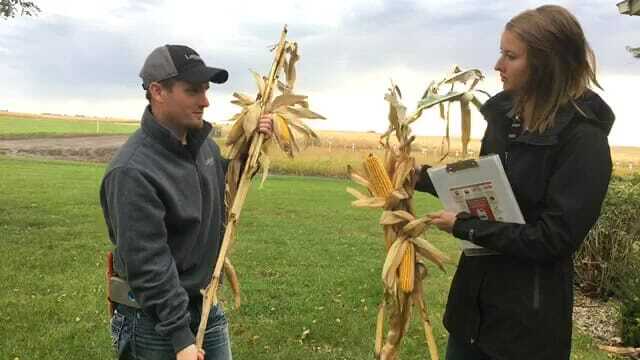
The time is here! Don’t delay corn harvest. Tune in for our weekly #AskTheAgronomist.
https://www.facebook.com/LathamSeeds/videos/157593215174798/