Latham Hi-Tech Seeds

(641) 692-3258

  • Home
  • Products
    • Corn
    • Soybeans
    • Alfalfa
    • Corn Silage
    • Seed Guide
  • Performance
  • Find a Rep
  • Media
    • Blog
    • News
    • Videos
    • Podcasts
    • TECHTalk
  • About Us
    • Company History
    • Our Mission
    • Careers
    • Become a Rep
    • Sowing Seeds of Hope
  • Contact Us
  • Latham Hi‑Tech Seeds

    Get More from Your Data

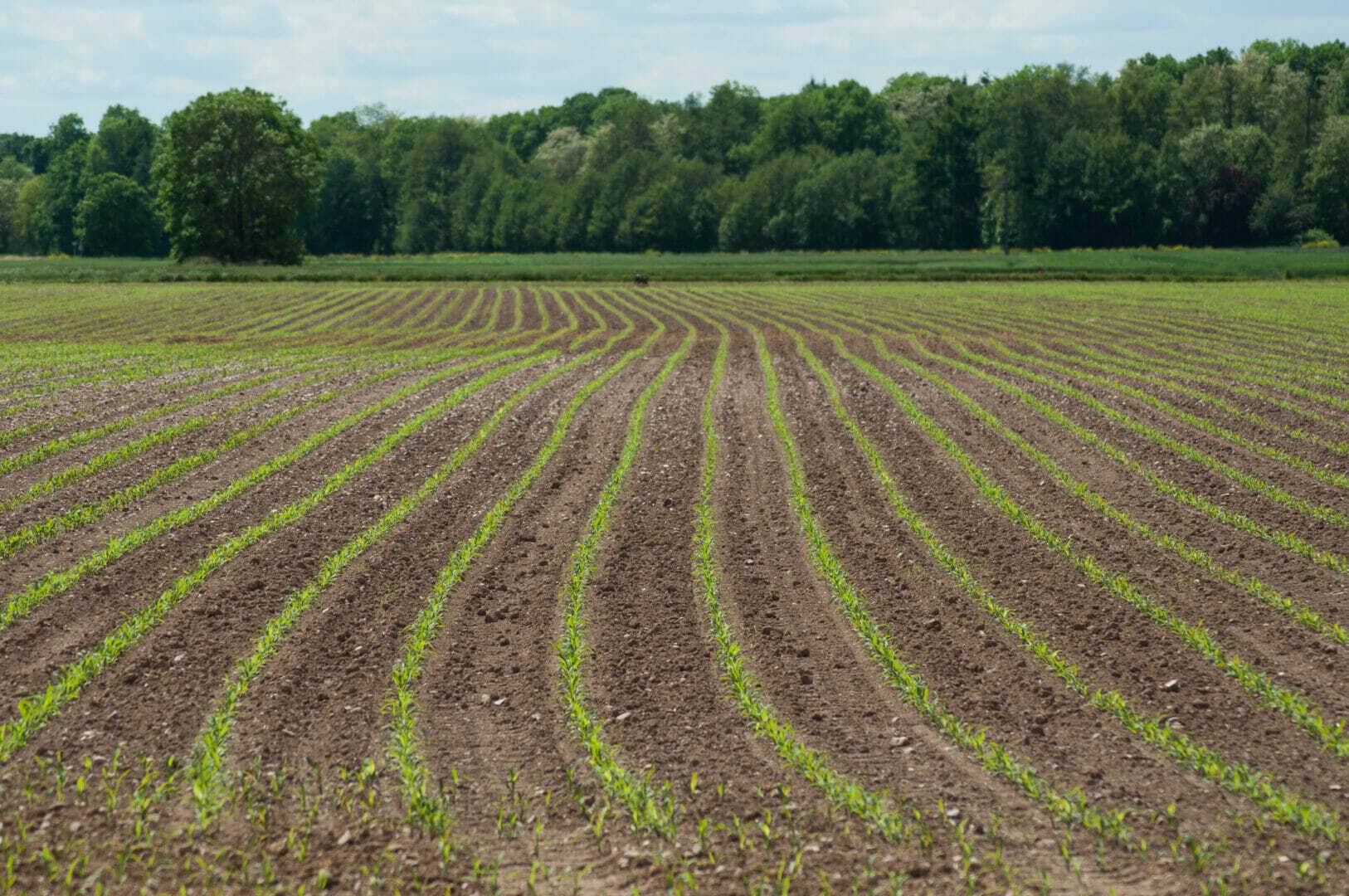
    Young corn plant sprout growing from the ground, Agricultural Farm

    We can learn so much from the past. The Data Forward program offered by Latham Hi‑Tech Seeds makes it easier than ever to gather and organize valuable information that can be used to make crop planning decisions, equipment investments, financial decisions and more.

    For example, you might be comfortable with the planter you own but would like to invest in newer technology. It might not be as costly or complicated as you think! By using Data Forward, you do not have to choose between “simple to operate” or “best performance.”

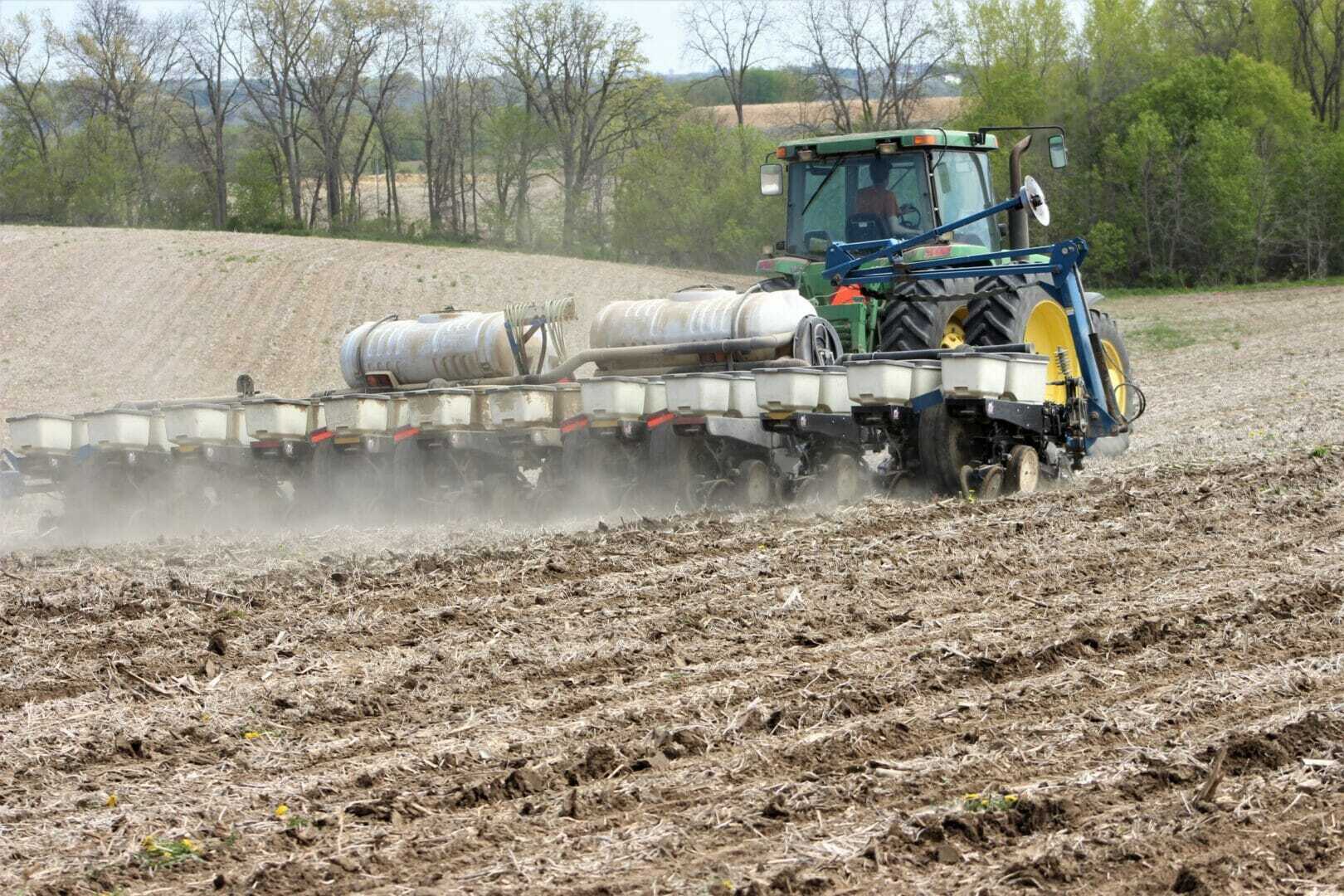
    Latham’s Precision Advisors can help you consider the options. For example, you might have noticed that late-emerging plants cost you money. Maybe you want consistent singulation and consistent spacing to achieve the highest profitability. Maybe you are considering a planter capable of applying at-plant fertility. We can achieve most of these upgrades by adding them to the planter you already have.

    If you are unsure how to assess best planter preparation and performance, we can help! Using your machine-generated data, we can use Data Forward to analyze your current situation. Then we can monitor your crop throughout the season, assess your yield data next fall, and help you make informed decisions for 2022.

    Below is an eight-step planter checklist for your consideration.

    1. Test Bushings– Parallel linkage maintains a level row unit and keeps the row unit running smooth. Test your bushings by moving the row unit up and down and side to side. If there is excess play in the parallel arms, it could be a worn bushing. Replace bushings as necessary.
    2. Check the Meter Drive System– A kinked chain in any part of the chain system can cause erratic seed spacing. If there is any possible concern, it’s best to replace the chain. If you have cable drives, check the ends for frayed cables. Also spin the cable to make sure they spin freely.
    3. Level the Planter– A level planter provides the proper orientation of the no-till coulter to the opening disc and seed tube angle. Even the closing wheels won’t perform properly if not level. Hook up the planter and put a level on the main bar to ensure it is perpendicular, running slightly uphill.
    4. Calibrate Meters– It’s always good practice to have your meters inspected and calibrated annually on a meter stand.
    5. Create a Proper Seed Trench– Double disk openers require a solid point of contact to create a perfect seed trench. Check your disc openers every season to see if replacement discs or shimming is necessary.
    6. Inspect Seed Tubes– Inspect your seed tubes for wear at the bottom the tube. Worn out or cracked seed tubes could cause seed ricochet and erratic seed placement in the furrow. There are seed tube replacement options with carbide tips to prevent wear from happening.
    7. Look at Gauge Wheels– Gauge wheel arms take a lot of stress. With the planter in transport position, raise the gauge wheel up and look at the tolerance between the edge of the gauge wheel and the opening disc. If the gap is large enough to fit your fingers in, you may need to look at adjusting the gauge wheel arm or even replacing.
    8. Align Closing Wheel– Be certain your closing wheels are centered over the seed trench. One way
      to check this is to lower the planter onto the concrete and pull forward about a foot. The disc openers should leave a mark on the concrete to gauge your closing wheel alignment.
    Webspec Admin

    March 17, 2021
    Agronomics, Precision Ag
  • Latham Hi‑Tech Seeds

    Product Placement is Key to Success

    Planting ROI

    Planting a product in the field it was chosen for creates the greatest success.

    We spend a lot of time at Latham Hi‑Tech Seeds working with our dealers and customers on the proper placement of our products in their fields. The suggestions we offer in our product guide and tech sheets provide a great amount of detail. In addition, our product team members offer face-to-face support for these recommendations while giving tours to dealers and customers throughout the season.

    A Field x Field™ recommendation for your farm creates optimum performance opportunities for the Latham® products you purchased. Our Field x Field guide can either be a paper document provided by your dealer or an electronic version inside your Data ForwardSM App that your dealer or one of our precision agronomists helped you design.

    Now that you have this detailed plan, what steps can you take to implement it accurately? Here are a few suggestions to help execute your plan:

    1. Review your plan and be sure it matches each field.
    2. Did you add a field that needs seed? If so, contact your Latham dealer to get a plan for that field and seed ordered.
    3. Take delivery of your seed early. Document that you have all the products and correct volume of each to match your plan for each field.
    4. Sort your seed purchases by field.
    5. Label where you plan to plant the seed, the seeding rate and suggested timing.

    Before planting starts, gather everyone on your team who helps with planting. Review the crop plan with them. Be sure everyone understands the importance of planting each product in the correct field.

    Following the steps listed above will help ensure the time spent building your crop plan with your Latham dealer or RSM was time well spent. A well-executed plan can add value to your operation in 2021.

    Latham Seeds Agronomy Team

    March 15, 2021
    Agronomics, Corn, Crop, Soil
  • Latham Hi‑Tech Seeds

    #AsktheAgronomist: Prep for a Dry Spring Part 2

    Kilah and Phil

    Join us as we discuss part 2 of how to plan for a dry spring! Phil Long will expand on the topics of herbicide effectiveness and in-furrow applications.

    :30 – Topic introduction

    :55 – Herbicide effectiveness

    6:00 – In-furrow applications

    10:00 – In-furrow application placement

    12:10 – Final thoughts

    Laura Cunningham

    March 11, 2021
    Agronomics, Corn, Crop
  • Latham Hi‑Tech Seeds

    Fighting Aphanomyces in Alfalfa

    Picture2
    Picture1
    Photo sourced from the UW Extension Forage.

    The world of soils is made up of a complex living biology. Uncovering production-limiting factors can be one of the many links to selecting the best products and seed treatments for that acre. More specifically, it is helpful to know the most prominent diseases that could hamper emergence and yield. There are steps you can take to reduce that risk.

    Aphanomyces Root Rot is a big word to describe a microscopic pathogen with the power to cause big problems. The fungus responsible, Aphanomyces euteiches, is an oomycete that is present in many Midwest soils. It’s especially prevalent in heavy, wet, poorly drained soils. The pathogen spreads by zoospores, which move easily in wet soils. Many years ago, scientists discovered two dominant races of this particular pathogen: Race 1 and Race 2. The latter proves more virulent or infectious. There is speculation of a “Race 3” although testing is still taking place.

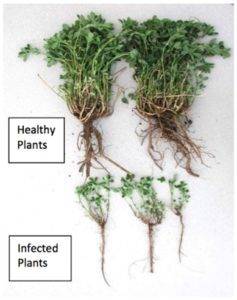
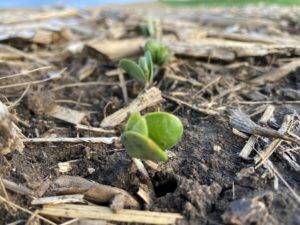
    Aphanomyces often presents as stunted, yellow plants with poor root development and very few lateral roots. If the seedling becomes infected, symptoms escalate to include yellow cotyledons and first leaves with chlorosis. The roots and stems will first appear grey (often water soaked) and then change to brown. Yield reduction results from poor root growth and significantly less nodules.

    Picture2
    Photo sourced from the UW Extension Forage.

    Rebound is also extremely slow after harvest. If you are concerned you have Aphanomyces and want to know which races you have, you can submit a soil sample to the UW Plant Disease and Diagnostic Clinic.

    Plant breeders rose to the challenge and have done a great job selecting varieties of alfalfa with high resistance to Race 1. When Race 2 was discovered, they also began selecting for that. On page 69 of the 2021 Latham® product guide, you will find our disease resistance chart with Aphanomyces Race 1 and 2 index ratings.

    In addition to genetic resistance, we also equip our alfalfa varieties with an additional layer of protection with AlfaShield seed treatment. The success of a multi-year alfalfa stand rests on good emergence and seedling survival. Latham Hi‑Tech Seeds includes Stamina® in its seed treatment to provide that needed broad-spectrum protection against soil-borne pathogens.

    Seed treatments that don’t include Stamina can suffer mortality rates of up to 75% in the seedling year. Discount seed companies tend to use older plant genetics and cheaper seed treatments, which can offer significantly less protection. In addition to high mortality rates, the risk includes reduced stands and less yield.

    Latham Seeds can we reduce that risk, increase your yield potential and promote greater stand longevity thanks to good genetic resistance and seed treatments. Talk with your Latham rep to learn more. Now is a great time to buy alfalfa for spring seeding!

    Webspec Admin

    March 4, 2021
    Agronomics, Alfalfa, Crop, Disease
  • Latham Hi‑Tech Seeds

    Ask The Agronomist: Plan for a Dry Spring Part 1

    Corn leaves growth in a field at spring
    Join us for Part 1 of our spring planting discussion. Phil Long discusses two factors to consider as we head into a dry spring. #AsktheAgronomist #LathamSeeds
     
    :25 – Topic introduction
    1:10 – Tillage practices
    4:15 – Row cleaner recommendations
    6:00 – Nitrogen Applications
    11:15 – Final thoughts

    Laura Cunningham

    March 4, 2021
    Agronomics, Corn, Crop, Soil, Soybeans
  • Latham Hi‑Tech Seeds

    Using XtendFlex® Soybeans in Your Weed Management Program

    Xtendflex hero image

    Xtendflex hero imageXtendFlex soybeans, which were approved for global sale in September 2020, will be an important tool to manage resistant weeds. The combination of tolerance to dicamba (XtendiMax®, Engenia® and Tavium®), glyphosate (Roundup®) and glufosinate (Liberty®) herbicides offers a unique triple option of choices to control a wide range of grasses and broadleaf weeds in soybean fields.

    Farmers who have used Roundup Ready 2 Xtend® soybeans are generally happy with their yields but desire better weed control options. Most farmers with whom I’ve visited believe they must wait as long as possible to apply the post-emergence dicamba products with the Xtend system. This application was later than ideal, resulting in weed escapes and even off-target movement of the dicamba herbicide to neighboring soybean fields that weren’t tolerant to that herbicide.

    Using the XtendFlex system will allow farmers to apply dicamba herbicide earlier. They can spray either pre-emergence or early post-emergence when weeds are at labeled heights and are most sensitive to the herbicide. This should also greatly reduce the likelihood of off-target movement of dicamba to nearby sensitive crops.

    Another benefit of the XtendFlex system is that farmers can apply Liberty herbicides up to the R2 stage of growth if there are any weed escapes. It is still highly recommended that weed management programs start with a pre-plant or early pre-emergence residual herbicide like Warrant®, Authority® or Sonic®. Regardless of which herbicide you use, please read and follow all label recommendations.

    At press time, Latham Hi‑Tech Seeds will have seven XtendFlex soybeans available for spring 2021 planting:

    1. L 0728 XF – This 0.7 maturity soybean carries the combination 3a and 1c genes for Phytophthora and Brown Stem Rot resistance with good tolerance to Iron Chlorosis.
    2. L 1285 XF – This medium-tall, medium-bush type plant has the C-gene for Phytophthora. It also has above-average tolerance to White Mold, Brown Stem Rot and Iron Chlorosis. Maturity is 1.2.
    3. L 2283 XF – Very strong emergence, excellent tolerance to Brown Stem Rot and the C-gene for Phytophthora are a few highlights of this 2.2 maturity soybean.
    4. L 2385 XF – This 2.3 maturity line features the C-gene for Phytophthora with very good tolerance to Brown Stem Rot. It has above-average scores for White Mold and Iron Chlorosis.
    5. L 2494 XF – At a 2.4 maturity, this medium-bushy plant carries the C-gene for Phytophthora with outstanding emergence and early growth.
    6. L 3058 XF – Excellent tolerance to Brown Stem Rot and the 3a gene for Phytophthora are highlights of this 3.0 maturity line. Its emergence and standability are outstanding.
    7. L 3595 XF – This soybean features the 3a + K-gene for Phytophthora, very good tolerance to Frogeye Leaf Spot and excellent overall stress tolerance. It’s a fairly tall, medium-bush plant at a 3.5 maturity.

    All of these XtendFlex releases carry strong Soybean Cyst Nematode tolerance. Contact your Latham Dealer or RSM for current availabilities.

    Mark Grundmeier, Product Manager

    March 3, 2021
    Agronomics, Crop, Soybeans
  • Latham Hi‑Tech Seeds

    Think Differently about VR Seeding Soybeans

    8 Eric

    8 EricVariable rate (VR) seeding in corn has been a frequent topic of conversation for years, but now that conversation is shifting to VR seeding soybeans. Before planting VR seeding soybeans, we must change the way we think.

    When your yield potential goes up in a corn field, we increase population. When corn yield potential goes down, we decrease population. Makes sense, right? It’s the opposite for soybeans. When yield potential increases, lower your planting rate in a soybean field. When your yield potential decreases, increase the planting rate. Our trials to date have shown the most return on investment in lower-yielding environments where population was decreased.

    Why invest more in a geography where yield potential is less for soybeans? There’s good reason! Percent germination in soybeans is one big reason.

    When you plant tougher areas in the field, you’re not going to achieve 100% of your germination rate. Now think of your high yielding areas in your field… There is a much greater chance you will achieve close to 100% germination there. High-yielding areas typically have better soils and drainage, so it makes sense to plant more seed in low-yielding areas to increase the germination rate.

    We enjoy sitting down with farmers and talking about whether VR planting is right for them. Our Data Forward™ team is here to help you get comfortable with implementation. Phil Long and I love to do On-Farm Trials in your own fields, so this could be a good starting place for farmers wanting to experiment with lower seeding rates. We can experiment on a smaller scale while placing learning blocks throughout the field. Using learning blocks and on-farm research allows us to compare different zones of a farmer’s field and to also compare to previous years.

    Imagine the savings if we can drop soybean planting populations by even 20,000! The savings from reducing planting rates from 160,000 to 140,000 can then be invested into seed treatment or something else that protects yield and helps you achieve optimal germination. This allows farmers to continue to achieve higher yields while lowering planting populations.

    Give your Precision Agronomy Advisors a call today! Let’s start a conversation about conducting on-farm research.

    Latham Seeds Precision Agronomy Advisors

    February 24, 2021
    Agronomics, Crop, Soybeans
  • Latham Hi‑Tech Seeds

    Ask the Agronomist: Soil Fertility

    ATA Feb 18
    Join us as we review group soil fertility data. Learn the importance of knowing what’s in your soil and how to plan for spring fertilizer. #AskTheAgronomist
     
    :45 – Topic Introduction
    1:00 – Soil fertility group results
    4:00 – Asses soil fertility this spring
    11:20 – Final thoughts

    Laura Cunningham

    February 18, 2021
    Agronomics, Fertility
  • Latham Hi‑Tech Seeds

    Ask the Agronomist: Soybean Gall Midge

    Gall midge larvae credit Dr. Bruce Potter

    Tune in as Phil & Kilah discuss the movement of Soybean Gall Midge across the Midwest. Learn about the life cycle of this pest, identification and a few management practices. #AskTheAgronomist

    :45 – Topic introduction

    1:40 – Soybean gall midge spread across the Midwest

    3:00 – Life cycle of soybean gall midge

    5:00 – Gall midge identification

    12:30 – Pace of gall midge spread

    Laura Cunningham

    February 11, 2021
    Agronomics, Insects
  • Latham Hi‑Tech Seeds

    Does Seed Size Matter?

    Renner 1

    Phil Long tackles both the corn and soybean seed size discussion in the videos below. Tune in to learn if seed size matters on your farm!

    Laura Cunningham

    February 10, 2021
    Agronomics, Corn, Crop, Soybeans
Previous Page
1 … 14 15 16 17 18 … 67
Next Page

Latham Hi‑Tech Seeds

131 180th Street | Alexander, IA 50420

(641) 692-3258

SIGNUP FOR OUR NEWSLETTER
  • Contact
  • Legal
  • Dealer Center
  • Seedware Login
  • Latham Gear

© 2025 Latham Hi‑Tech Seeds. All rights reserved. | Iowa Web Design by Webspec | Privacy Policy

Latham® Hi-Tech Seeds is a trademark of M.S. Technologies, L.L.C., 103 Avenue D, West Point, IA 52656.