Latham Hi-Tech Seeds

(641) 692-3258

  • Home
  • Products
    • Corn
    • Soybeans
    • Alfalfa
    • Corn Silage
    • Seed Guide
  • Performance
  • Find a Rep
  • Media
    • Blog
    • News
    • Videos
    • Podcasts
    • TECHTalk
  • About Us
    • Company History
    • Our Mission
    • Careers
    • Become a Rep
    • Sowing Seeds of Hope
  • Contact Us
  • Latham Hi‑Tech Seeds

    Check Those Soybean Stands!

    PythiumSoybeans

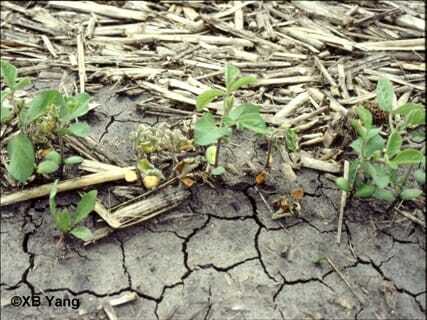
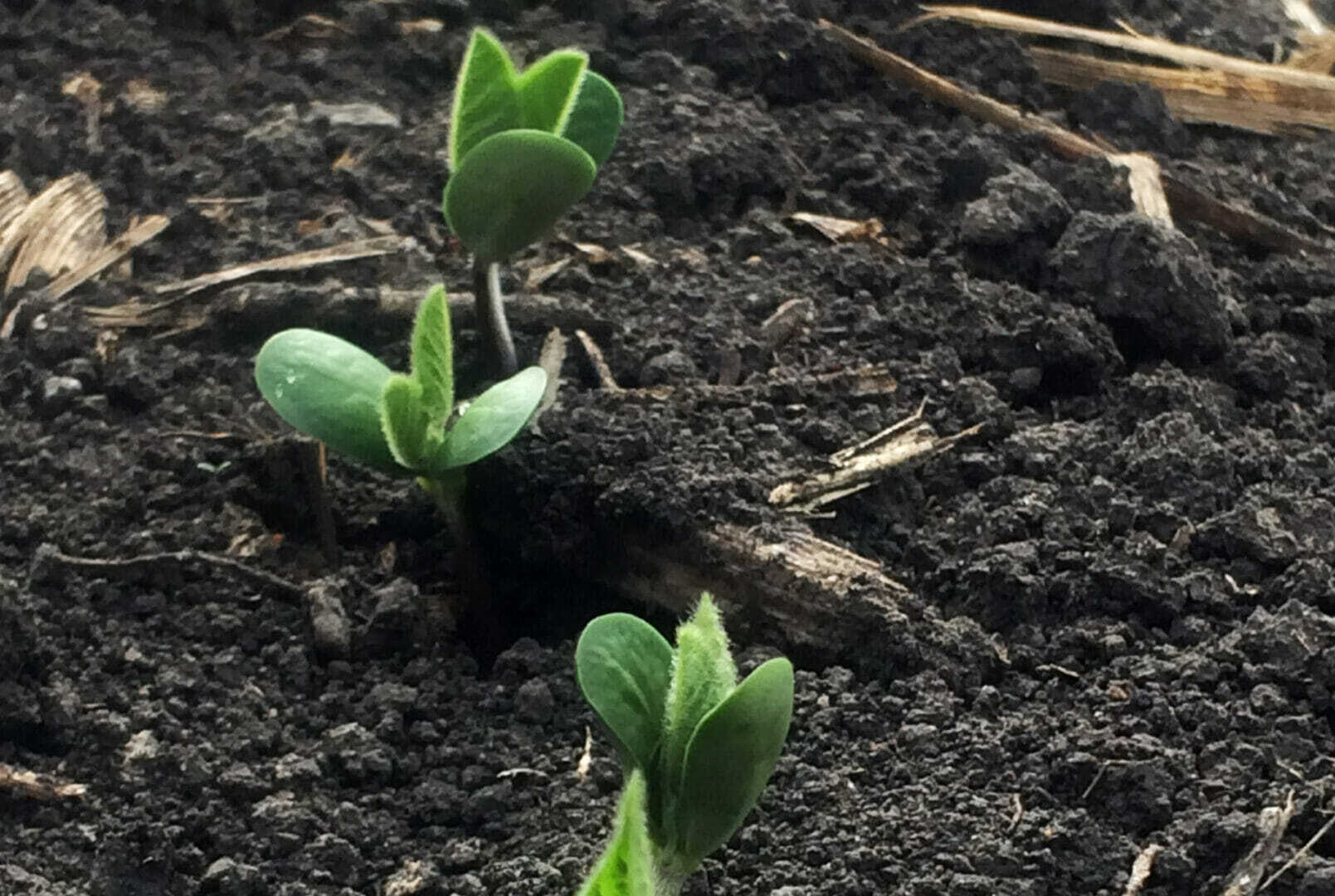
    Soybean stands can suffer from a wide variety of problems that will reduce population. Hail, diseases, insects, cold soil temperatures at planting, compaction, and planter failures can all affect the stand individually and in combination.

    Stand reductions almost never occur evenly across the field. Here are some basic steps to help evaluate soybean stands and decide if re-planting is necessary.

    Take 10 stand counts in the area with the worst damage and 10 counts in the part of the field that was not affected or affected just slightly. At each point, measure off 10 feet of row and count the number of live, viable plants. Then calculate the average of your 10 points and compare them to the table below to see how many plants per acre you have remaining.

    A stand of 100,000 evenly distributed plants generally gives you optimum yield. As the growing season progresses, however, it is much more difficult to establish a good stand. A stand of 75,000 on May 15 is inadequate, but you might be better off leaving a stand of 75,000 plants if it is July 1.
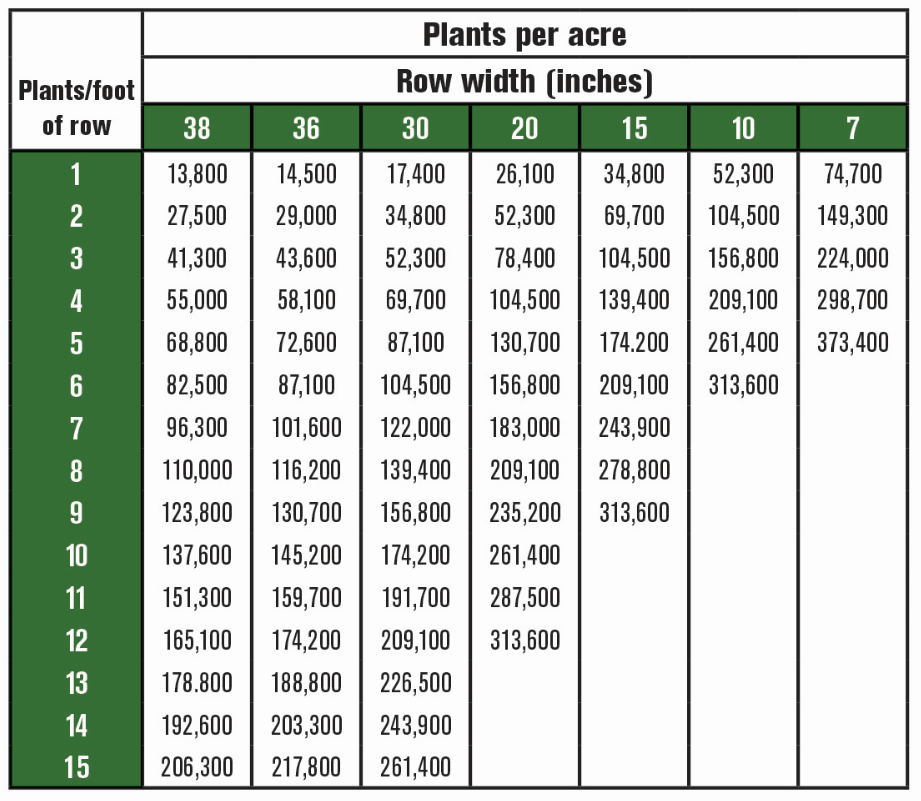
    Plants per acre

    Planting soybeans on or before June 1 averages 95% of expected yield. In a five-year Latham Seeds’ study, there was no significant yield difference in soybeans planted before May 15. Planting dates included late April, early May and mid-May. We did not see yields drop to 85% or lower until after June 15.

    Our results are similar to studies done by university researchers. If you farm below the line from Watertown, SD through the Twin Cities and over toward Green Bay, Wisc., I recommend staying with soybeans in your normal maturity until mid-June. After June 15, consider the precipitation expected in late June and early July because the biggest threat to establishing a late soybean crop is lack of rainfall. If you are north of that line, you may need to switch to an earlier variety a week or so sooner.
    Webspec Admin

    May 12, 2021
    #AskTheAgronomist, Agronomics, Crop, Soybeans, Spring, Summer
  • Latham Hi‑Tech Seeds

    Gathering Planting Data Sets You Up for Success All Season Long

    Soybeans LauraC

    Planting really is the most important operation in terms of seeing your best yield potential. We have tools at our fingertips that can make farming a little easier during the rest of the season.

    Use planter maps on-the-go to your advantage. Some of the best maps to watch as you’re planting are the singulation/spacing or downforce maps. Tracking spacing and downforce per row is a huge asset in the cab. Although it doesn’t replace routine checks, it helps you focus on trouble rows or on certain parts of the planter. Load these maps into your iPad, so you can go back to those areas throughout the season and note the impact planter issues or upgrades have.

    Maintaining uniform seed depth and spacing is crucial. Uniform emergence can impact yields by up to 8 to 10 percent! Poor spacing creates unequal competition, so little corn plants can account for another 1 to 5 percent of your yield at the end of the season. Track how your planter performs. If you don’t have a monitor, you can still gather this information. Check your seed depth throughout the field. Stop in different soil types or areas where you know there may be some compaction. This will help you monitor the impact of seed depth and spacing throughout the season. Then next year you can plan how to adjust your planter for challenging conditions.

    Monitor corn/corn fields for depth but also for seed-to-soil contact. Heavy residue with corn/corn fields can cause seed to be in contact with residue and create delayed emergence. Seeds absorb water much better from soil than from plant residue, so row cleaners and tillage preparation are crucial.

    Pinpoint where the issues are. Today’s technology makes it easy to drop a pin where you are, so you can revisit that spot in the field. You can drop a pin on most any planter monitor, your phone, or an app like Data Forward™ that allows you to track your fields all season long. A pin also will let you make a late-season yield estimate or determine how much yield was lost or gained by fixing the specific issue that caused this problem area in your field.

    None of us likes to learn the hard way. We certainly don’t want to make the same mistake twice! Take the time this planting season, or as you spray post-emerge herbicides, to make notes that can help you make better planting or management decisions next year.

    Phil Long

    May 7, 2021
    Agronomics, Emergence, Fall, Precision Ag, Tech Tuesday
  • Latham Hi‑Tech Seeds

    Ask the Agronomist: Calendar Date vs Soil Temp

    Ask the agronomist cover photo for video 01

    Laura Cunningham

    April 22, 2021
    #AskTheAgronomist, Agronomics, Emergence, Growth Stages, Soil
  • Latham Hi‑Tech Seeds

    Spring Planting: Get it Right From the Start

    Soybeans LauraC

    “In farming, you only get one chance every year, so it’s worth it to do it right the first time.”

    That statement is so very true. Below are a few things to keep in mind to optimize your corn and soybeans yields:

    Soybeans LauraCSoil Moisture. Working ground when it is too wet leads to slabbing and clodding of the soil, so areas within fields dry at different rates. A kernel of corn imbibes, or takes in, about 30% of its weight in water during germination. When kernels in a row are exposed to varying amounts of soil moisture, their germination rates and emergence will vary from plant to plant. The result is uneven emergence, poor early growth and potentially severe stand loss. Soybeans need more water at germination, taking in about 50% of seed weight on average. As with corn, good seed-to-soil contact is critical, so avoid cloddy conditions.

    Soil Temperature. Corn germinates best when soil temperature is close to 50° F. Approximately 120 growing degree units (GDU’s) are required for corn to emerge. During periods of cool temperatures, it can take several days to achieve those GDU’s. Once a corn seed germinates, it can exist for about 14 days on the energy that is contained in the endosperm. Under ideal conditions, the seed will emerge and develop a root system in much less than 14 days. Most researchers agree that soybeans emerge best when the soil temp is 55° F or warmer. Avoid planting soybeans if the temperature is below 55° and a cold rain/weather event is expected within 24 hours after planting.

    Planting depth:  Soybeans respond best when planted at 1¼ to 1½ inches deep and should never be planted deeper than 2 inches! Remember, a soybean seedling must push that cotyledon through the soil as it emerges. The soybean seedling requires much more energy than a corn seedling with its narrow coleoptile (shoot). Target depth when planting corn is 2.5 inches. Planting corn shallow is as bad as planting soybeans too deep because nodal roots will not develop properly and “Rootless Corn Syndrome” may result.

    Soybean inoculant:  Old-timers say if soybeans have been planted in a field within the past four to five years, then an inoculant is not necessary. However, recent studies and more advanced inoculant formulations show otherwise. Using inoculants in light, sandy soils, as well as weather-stressed (flood, drought, etc.) fields have shown increased plant health and improvements in overall yield. Consider running side-by-side trials on your farm to see if inoculants will work for you.

    Problems like sidewall compaction, surface crusting, herbicide injury, seedling insects and seedling diseases can all lead to delayed plant and root development. These, and many others, can all cause uneven emergence and poor stands in corn and soybean. That’s why it’s important to control what you can to set up your crops for success!

    Stay safe this planting season. Did you enjoy this article? We want to (TECH)talk with you! Sign up for our newsletter to receive agronomy videos, articles (and delicious recipes) in your inbox! We’ll TALK soon.

    Latham Seeds Agronomy Team

    April 9, 2021
    Agronomics, Corn, Crop, Emergence, Soil, Soybeans
  • Latham Hi‑Tech Seeds

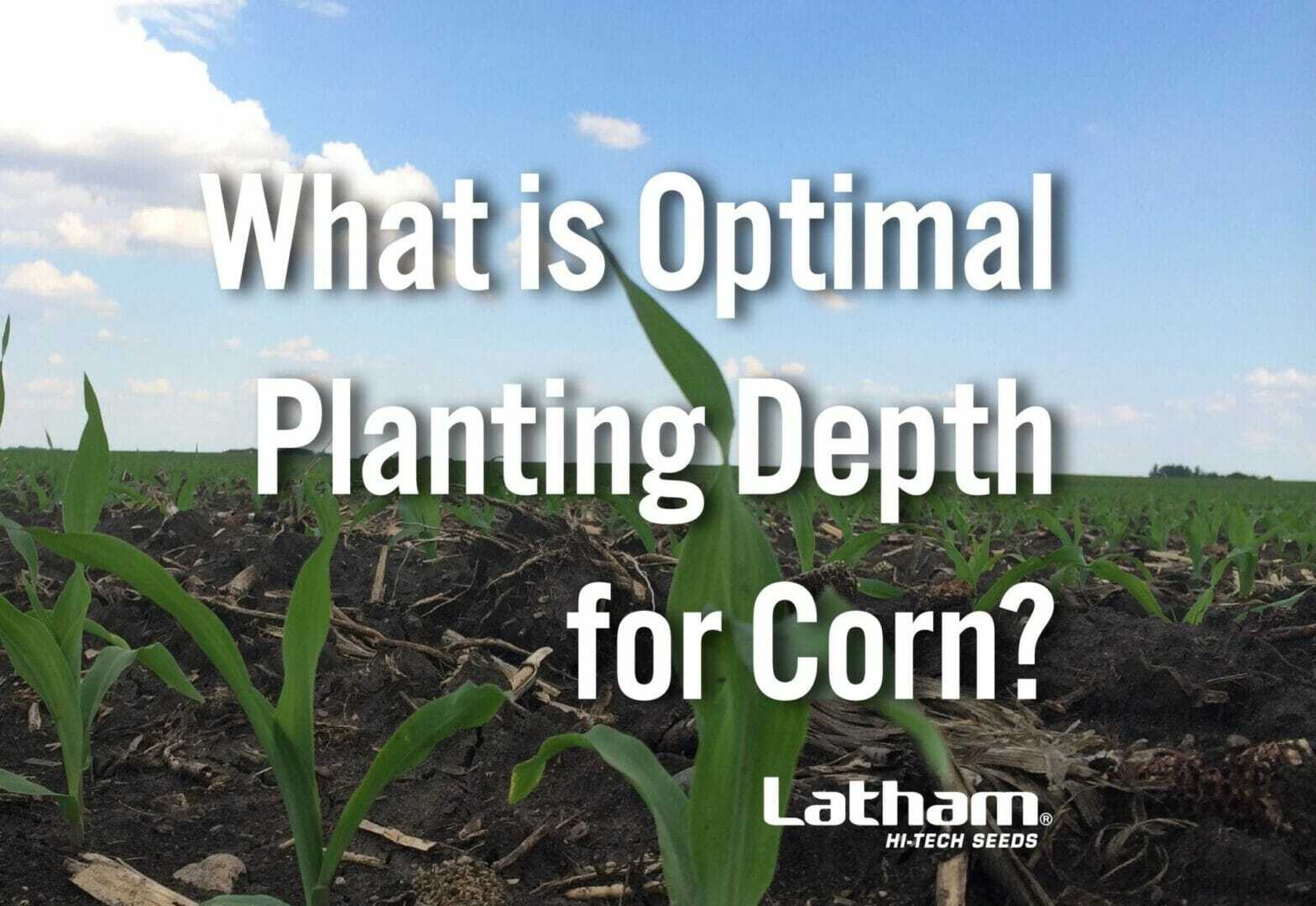
    #AsktheAgronomist: What is Optimal Planting Depth for Corn?

    Optimal Planting Depth Cover Image

    Join Corn Product Manager Lyle Marcus and Pre-Commercial Development Manager Bob Foley as they discuss optimal planting depth for corn and other considerations for emergence success.

    Laura Cunningham

    April 8, 2021
    #AskTheAgronomist, Agronomics, Emergence, Soil
  • Latham Hi‑Tech Seeds

    #AsktheAgronomist: How To Reach 100% of Your Yield Potential

    April 1

    Join us on April 1 at 8 AM as we discuss how to reach 100% of your yield potential. Phil Long shares a study across high yield results and finds 5 common denominators.

    Laura Cunningham

    April 1, 2021
    Agronomics, Corn, Crop, Fertility
  • Latham Hi‑Tech Seeds

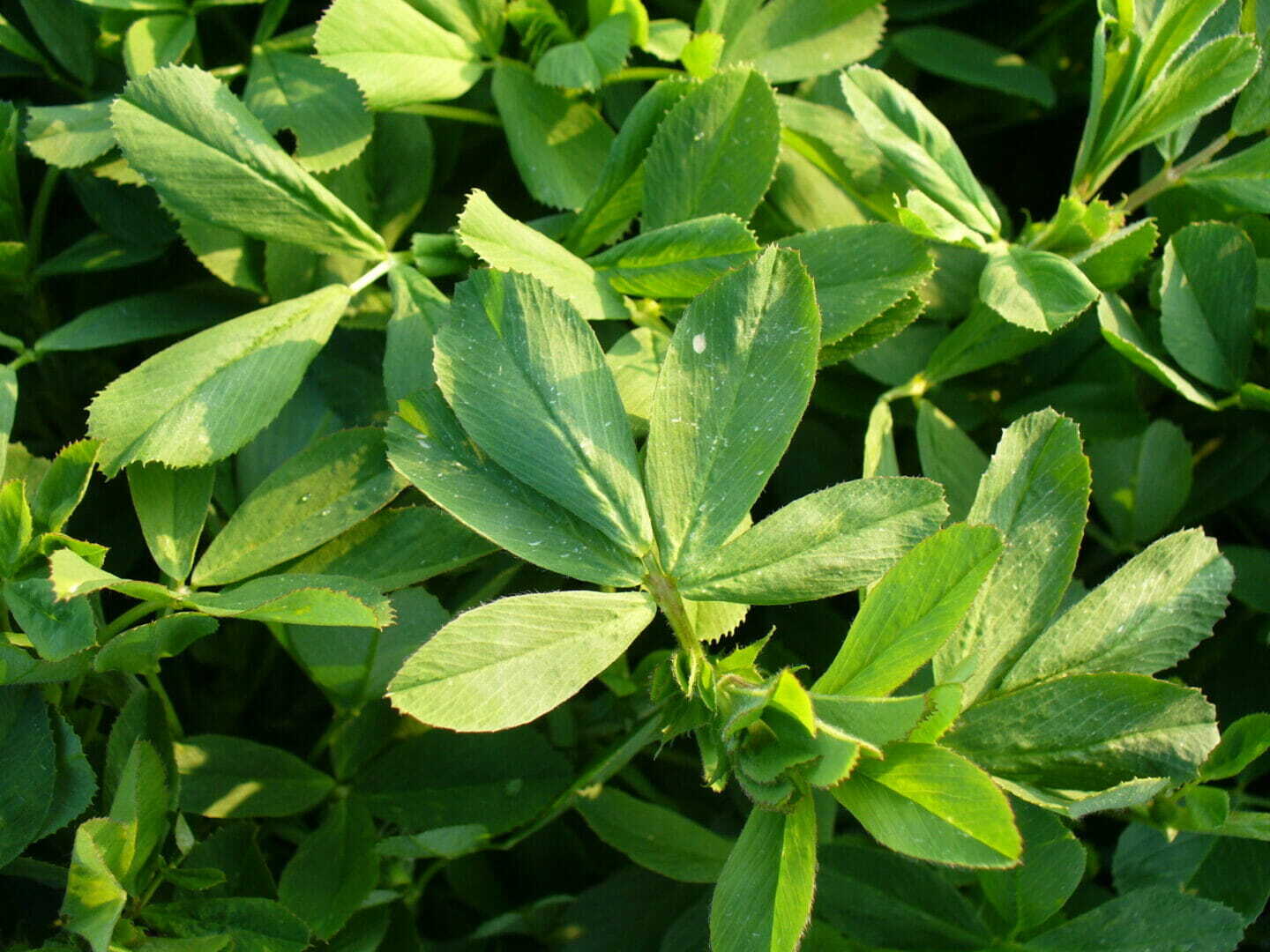
    Tips for Assessing Spring Alfalfa Stands

    P1040220

    If you grow alfalfa, you have experienced winter kill.

    Alfalfa winterkill is a complex matrix of many factors: variety, fertility, general stand health, previous fall weather conditions, snow cover, winter temperatures, and spring weather patterns. My own experience has proven one type of winterkill is rarer, while the other is more common.

    The rarer situation occurs when conditions are ideal for the alfalfa to overwinter, but temperatures warm up in late winter or early spring and are followed by several freeze-thaw events. The rapid thaw causes the snow to melt into and around the permeable alfalfa crown and tap root. The sudden, deep freeze crystalizes that moisture around the crown. I had a case where this type of weather caused the crown to pop two to four inches out of the soil! While this is an extreme example, there was nothing anyone could have done to save this alfalfa. It was an act of nature.

    The other type of winter kill also results from Mother Nature but is more subtle and common. This type of winter kill is a combination of many factors, such as a poor and/or diseased stand, a stand with low fertility, a stand that has limited insulating snow cover throughout winter months, and a cheap alfalfa variety with a lower winter hardiness score.

    The effects of winterkill can be quite variable in the field due to slopes, soil types, fertility and other factors. If you see a reduced stand after spring green up, walk around the field to evaluate whether it’s time to rotate the crop.

    Tips for assessing spring stands:

    1. Watch for green up; be patient.
    2. If the alfalfa isn’t greening up in some areas of field, dig roots and split them. If the average stem density is low in some areas of field but not in others, consider interseeding something as a quick rescue like Italian ryegrass. It establishes quickly, provides tonnage, is good quality and allows you to capture the value of the alfalfa that is still alive.
    3. Calculate yield potential and consider rotating the crop. The University of Wisconsin – Madison Extension provides a calculator to help estimate yield based on the number of stems in a square foot. Once the stem number is determined, use this formula to calculate the yield potential of that stand: Yield (tons/acre) = (Stems/ft2 x 0.1) + 0.38

    For example, an alfalfa stand with 50 stems per square foot would have a yield potential of 5.38 tons per acre. Keep in mind that soil, nutrient deficiency, insects, diseases and other factors may affect the actual yield.

    Stem Density

    Latham Seeds Agronomy Team

    March 26, 2021
    Agronomics, Alfalfa, Crop, Emergence
  • Latham Hi‑Tech Seeds

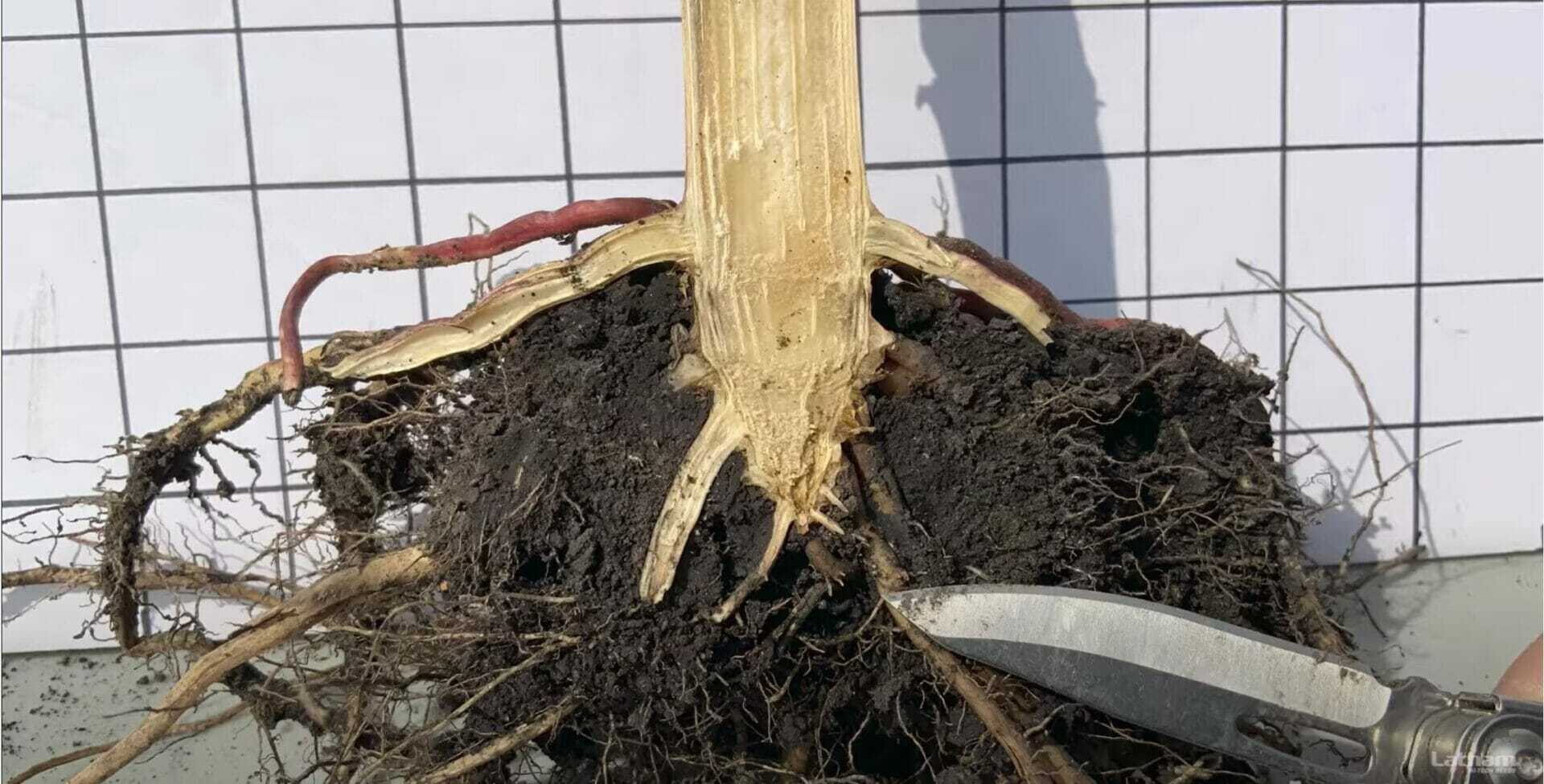
    Planting Depth is Critical to Plant Performance

    Planting Depth Study

    Laura Cunningham

    March 26, 2021
    #AskTheAgronomist, Agronomics, Emergence
  • Latham Hi‑Tech Seeds

    #AskTheAgronomist: Spring and In-Season Soil Sampling

    March 25

    Why is soil sampling important? The answers in this episode of Ask the Agronomist. #LathamSeeds

    Webspec Admin

    March 24, 2021
    Agronomics, Soil
  • Latham Hi‑Tech Seeds

    #AskTheAgronomist: Herbicide Carryover

    Today

    Tune in on March 18 at 8 AM as we discuss how to identify and manage herbicide carryover. Phil will walk through corn and soybean rotations and provide insights on various herbicide groups. #LathamSeeds

    Laura Cunningham

    March 18, 2021
    Agronomics, Soil, Weed Control
Previous Page
1 … 13 14 15 16 17 … 67
Next Page

Latham Hi‑Tech Seeds

131 180th Street | Alexander, IA 50420

(641) 692-3258

SIGNUP FOR OUR NEWSLETTER
  • Contact
  • Legal
  • Dealer Center
  • Seedware Login
  • Latham Gear

© 2025 Latham Hi‑Tech Seeds. All rights reserved. | Iowa Web Design by Webspec | Privacy Policy

Latham® Hi-Tech Seeds is a trademark of M.S. Technologies, L.L.C., 103 Avenue D, West Point, IA 52656.