Latham Hi-Tech Seeds

(641) 692-3258

  • Home
  • Products
    • Corn
    • Soybeans
    • Alfalfa
    • Corn Silage
    • Seed Guide
  • Performance
  • Find a Rep
  • Media
    • Blog
    • News
    • Videos
    • Podcasts
    • TECHTalk
  • About Us
    • Company History
    • Our Mission
    • Careers
    • Become a Rep
    • Sowing Seeds of Hope
  • Contact Us
  • Latham Hi‑Tech Seeds

    Weed Management: Herbicide Mixing is Best Practice for Mitigating Weed Resistance

    Weed Resistance

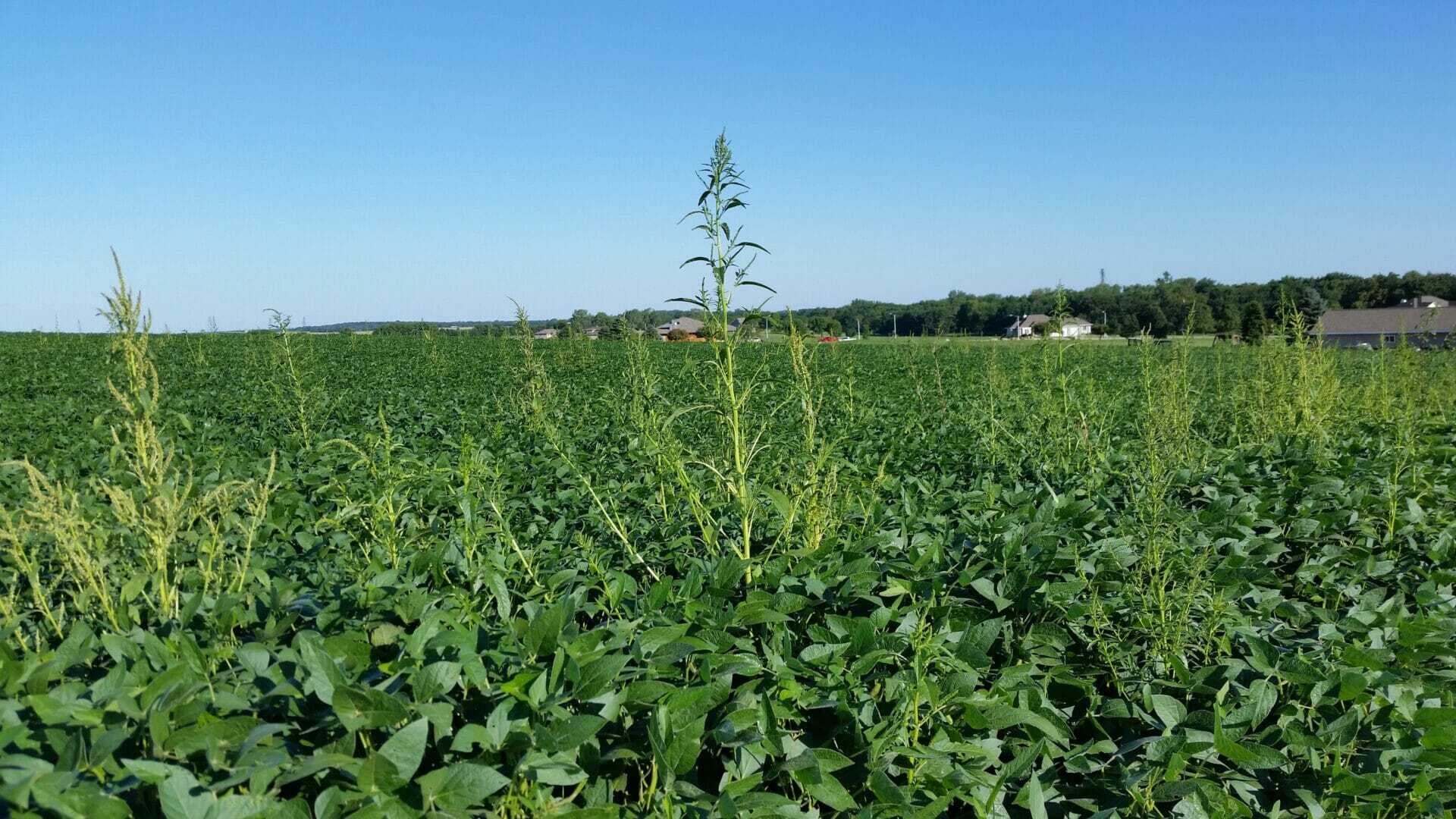
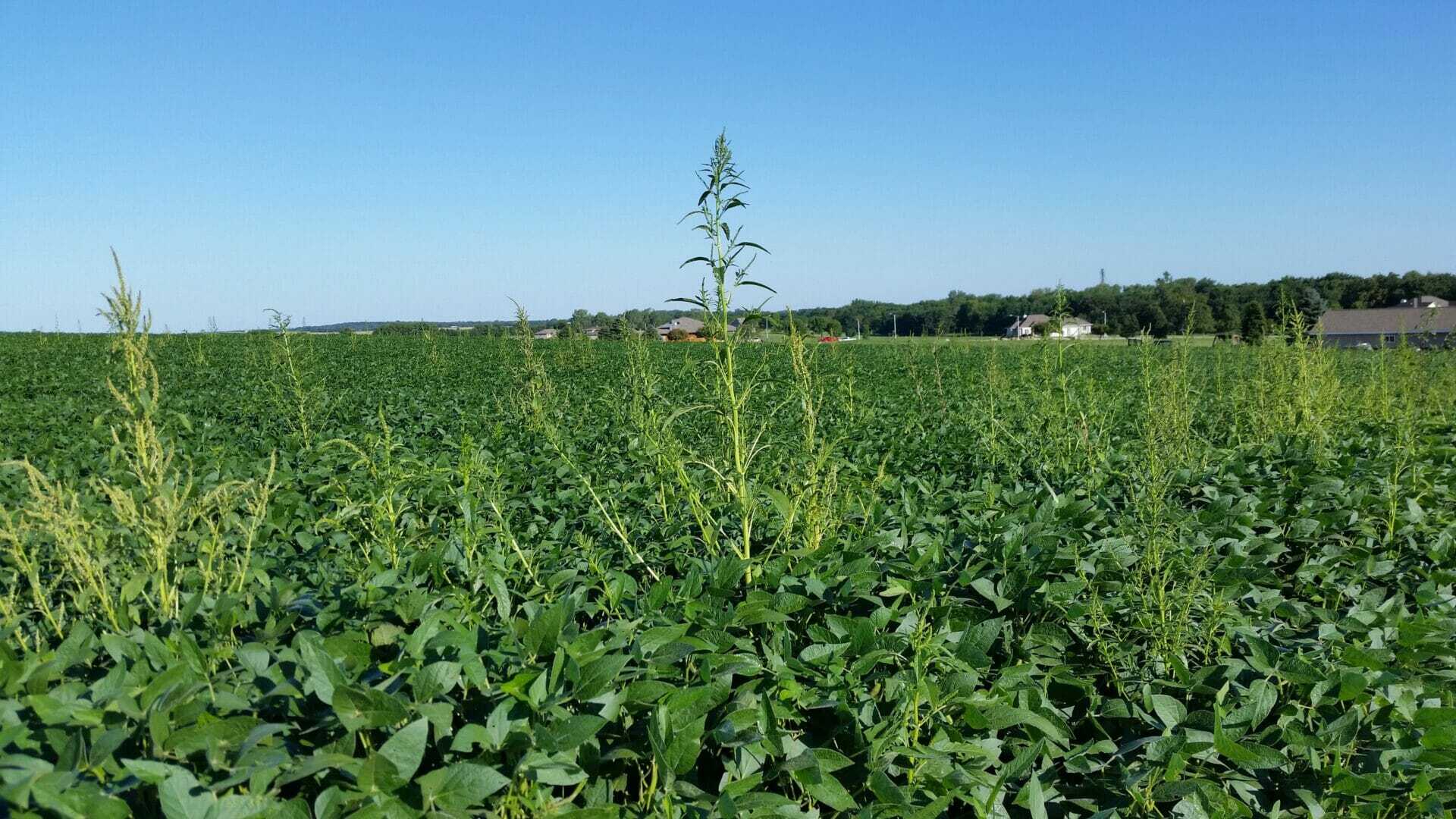
    Research conducted in Illinois by Dr. Aaron Hagar and his associates revealed, not surprisingly, that management factors are most important when it comes to the occurrence and the severity of resistance.

    Dr. Hager’s team also concluded that herbicide mixing, and not herbicide rotation, is the best practice for mitigating weed resistance. Using two herbicides with different sites of action each time you spray for weeds makes it 83 TIMES LESS LIKELY that weed resistance will develop!

    The following steps will help you put effective weed management practices in place:

    1. Identify your driver weed. Which weed will most likely develop resistance and has, historically, been the most difficult to control in your fields? For most of us in the Upper Midwest, this is Waterhemp. Depending on your geography, however, the driver weed could be Palmer Amaranth, Kochia, Marestail, Ragweed, etc.
    2. ALWAYS use a pre-plant or pre-emergence application. Never rely exclusively on post-emergent control options.
    3. ALWAYS follow label directions. When applying post-emerge products, make certain you do not exceed the labeled weed height for optimum control.
    4. Mix herbicides. Each time you make a herbicide application, use two products with different sites-of-action for controlling your driver weed.
      • There are many lists available online from universities.
      • If you have a weed population that is already resistant to glyphosate, then glyphosate is NOT an effective site-of-action product against your driver weed.
      • If you are trying to control a broadleaf weed, like Waterhemp, adding a product for volunteer corn does NOT give you an extra site-of-action for the broadleaf weed.
    5. Have a plan ready. Remember, selection for herbicide resistance happens every time you make a pass across the field. Make plans now for a comprehensive and sustainable weed management program.

    Implementing an effective weed management program is critical to protecting the effectiveness of seed options. Weeds can and will overcome all trait options given enough time. While we all recognize the value of having multiple options for herbicide-resistant traits, the end-result will eventually be the same unless we protect against weed escapes now.
    Mark Grundmeier, Product Manager

    September 18, 2018
    Agronomics, Herbicide Technology, Industry News, Tech Tuesday, Weed Control
  • Latham Hi‑Tech Seeds

    Weed Management: The Hows and Whys of Herbicide Resistance

    Weed Resistance

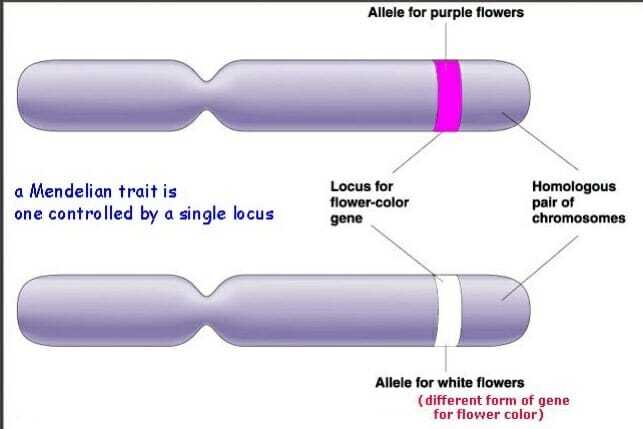
    Plants that develop resistance to herbicides are simply following the age-old process of “survival of the fittest.” This process acts on phenotypes, or the plants in this case, but the unit of inheritance is the gene.

    Different versions of the same gene are called alleles. Individuals usually have two different alleles for each gene. An example of this in humans is blood type, where each parent contributes a different allele to the offspring.

    Therefore, herbicide resistance can be defined as “an increase in frequency of resistant alleles in a plant population after exposure to herbicide selection.” There are three main sources of these resistant alleles: new mutations, immigration and standing genetic variation.

    New mutations are rare and impossible to predict, so there’s really nothing we can do about those. Immigration occurs when a population is found in new territory, such as when Palmer Amaranth invades an area. Immigration also is considered to be fairly rare unless it’s introduced through an outside source.

    The most common source of resistant alleles is from standing genetic variation. We’ve all seen studies of how this can happen. Herbicide is sprayed on a field where there is a high concentration of weeds. Most of those weeds die but a few survive. If not controlled with another method or herbicide, those few surviving weeds will produce seeds that will germinate the following year. If the same herbicide is used that next year, the population can increase dramatically. After multiple years of this practice, a tremendous weed problem exists.

    When waterhemp became a serious problem in Illinois, Dr. Aaron Hager and his colleagues conducted a multi-year study on what factors contributed most to the occurrence of herbicide-resistant weeds. They took into consideration a wide range of factors within four main categories: Management, Weeds Present, Soil Properties and Landscape.

    Three major findings resulted from the University of Illinois study:

    1. How close you are to a neighbor who has resistant weeds is not a good predictor of when or if you would have them.
    2. Overall management factors have the most impact on preventing weed resistance: How many different herbicides are used; How often pre-emergence herbicides are used; Crop rotation, etc.
    3. Herbicide rotation is important, but mixing herbicides with different sites of action makes weed resistance 83 times less likely to occur.9.11 Tech Tuesday

    Mark Grundmeier, Product Manager

    September 11, 2018
    Agronomics, Tech Tuesday, Weed Control
  • Latham Hi‑Tech Seeds

    Weed Management: Learn from the Past, Look to the Future

    Weed Resistance

    My college professor in Principles of Plant Physiology said it quite simply, “A weed is a plant that is out of place.” I never thought to ask him just where he felt was the proper place for Waterhemp… or Kochia… or Palmer Amaranth.

    Weeds have been a problem since the dawn of mankind. After Adam sinned in the Garden of Eden, God “cursed the ground” and told him that “thorns and thistles would be produced” because of what he did. (Genesis 3: 17-19)

    Not only were thorns and thistles (i.e. weeds) produced, but they multiply rapidly. Did you know that Waterhemp produces as many as 1.5 times more seeds than most other pigweed species? Waterhemp plants generally produce about 250,000 seeds per plant. Some Waterhemp plants can produce 1 million or more seeds under optimal conditions in noncompetitive environments.

    Resistance to herbicides results when weeds get sprayed but live through the application. This might happen because of improper rates, improper timing or just due to natural selection. That’s why we must learn from the past to ensure success in the future.

    Herbicides were introduced in the U.S. after WWII with the marketing of 2,4-D. Atrazine was first registered for use in 1959, followed by a succession
    of products designed to control weeds.

    Farmers in the 1970s and ‘80s didn’t worry about weeds becoming resistant to herbicides being used because all they had to do was visit their local chemical retailer where they’d get the newest and greatest product to try.

    The first herbicide in the U.S. that weeds developed resistance to was Atrazine in the early 70s. The alarm, however, didn’t really get sounded until resistance to Pursuit® and Scepter® occurred. These ALS herbicides were introduced in the mid-80s and weed resistance showed up very quickly.

    When Roundup® (glyphosate)-tolerant soybeans were introduced in 1996, farmers believed they finally had the ultimate answer to weed control. Not only did this new system work, but it was very simple to use.

    Roundup made good weed managers out of bad. Weeds too big before the field was sprayed? No problem… just add a little more! Don’t bother with any of those old herbicides… all you need is Roundup!

    Sound familiar? We were assured weeds would NEVER develop resistance to glyphosate, but it happened. To make matters worse, the “endless supply” of new herbicide products stopped. The last new herbicide group of HPPD inhibitors was discovered in 1986.

    There are 29 groups of herbicides, each with its own unique site of action, according to the Weed Science Society of America (WSSA). At the latest count, weeds have developed resistance to all but three of them.

    It’s been well documented that weed resistance is a growing problem. In next week’s article, I’ll talk in more detail how weeds develop resistance to herbicides. The last article in this series will cover what (if anything) can be done.

    Mark Grundmeier, Product Manager

    September 4, 2018
    Agronomics, Tech Tuesday, Weed Control
  • Latham Hi‑Tech Seeds

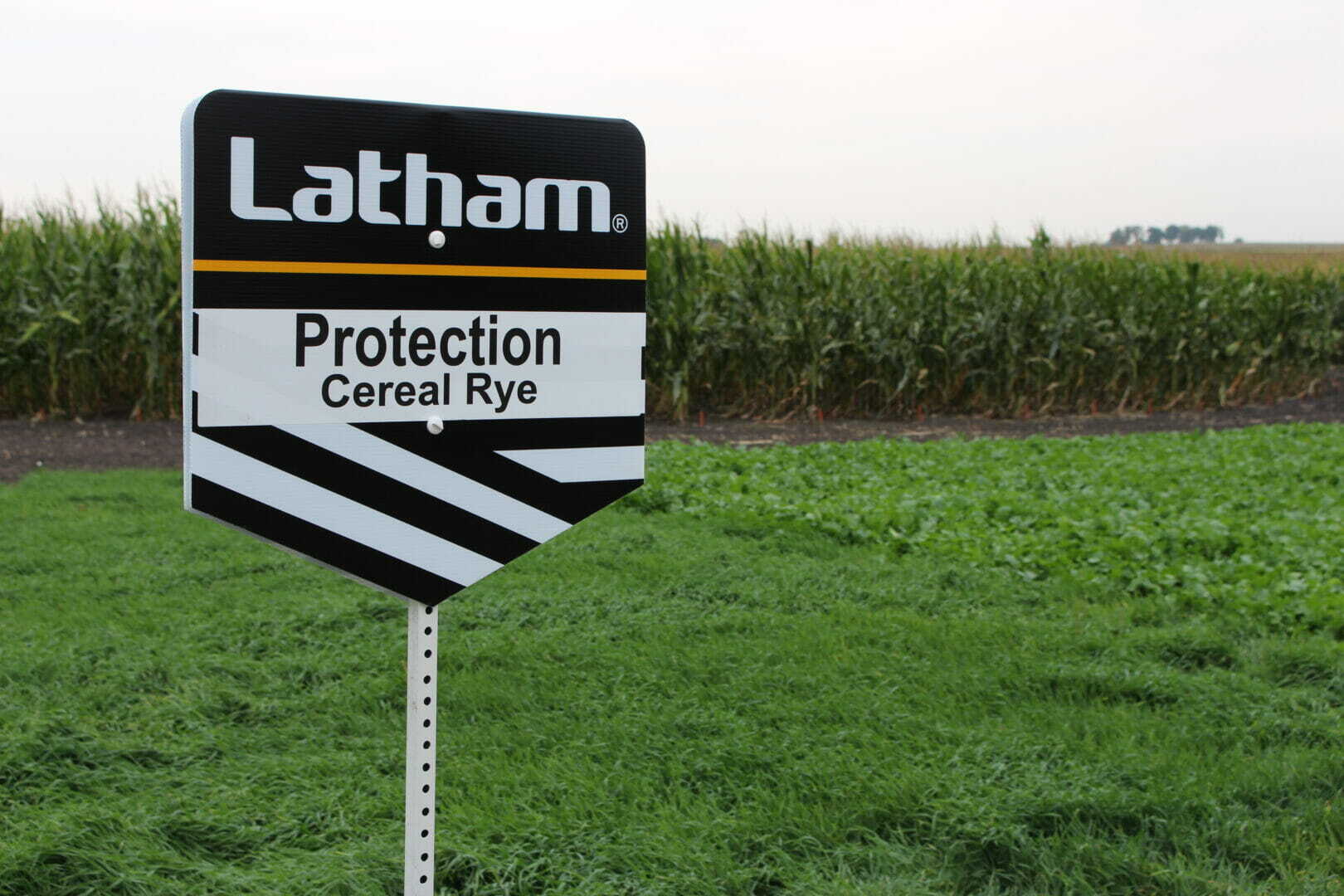
    Tips for Protecting and Building Soils with Cover Crops

    IMG 3901

    Many farmers work hard and put safety measures in place to preserve their family’s farm — their legacy — for future generations. Preserving and building the soil is one of the most important things farmers do for humanity.

    It’s more of a marathon, rather than a sprint, to unleash new yield levels. We must unfold the earthly secrets that will help develop new soil health levels. Soil biological development has recently gained massive interest in the United States, so many farmers are experimenting with biological supplements and cover crops.

    If you’re interested in getting started with cover crops on your farm, below are a few tips for your consideration:

    1. Start small in early fall so the crop has enough time to grow.

    I suggest getting an initial solvita soil test. Start super simple by getting one test per majority soil type in the area of cover crop interest. The soil test results will suggest a cover crop that will benefit the soil and following crop the most. In addition, it will help you trend the soil biological activity over the next few years.

    2. Keep it very simple at first.

    All the options can be overwhelming, so focus on one cover crop in the beginning. The most experienced cover crop farmers say you don’t need to get too fancy with complicated mixes. Some NRCS cooperative payments require certain mixes, so you’ll need to get the requirements from your local NRCS office.

    3. Explore seeding options.

    Many county NRCS agencies have no-till drills available for rent. There also are programs available to help fund aerial applications. Again, work with the NRCS to explore programs available in your area.

    4. Conduct a test to help determine if carryover herbicide could affect cover crop emergence.

    Some residual herbicide compounds can still be potent enough to affect cover crop emergence or root growth, as herbicide could be at a deeper level. To test for carryover, conduct a flower pot soil test two weeks prior to seeding cover crops. I gather soil samples from three locations throughout the field. Then I replicate this test for each cover crop I plan to plant.

    For example: If I were going to mix tillage radish with winter rye, I would need six soil samples from the field (3 for rye and 3 for radish). You also need to purchase enough basic potting soil for 1 or 2 pots that will be used as a check.

    IMG 3901

    5. Have fun!

    Cover crops are a new pathway for many. You’re developing a plan that is relevant and specific to your farming system and soil biology. Your soil is your science lab! Even if you don’t achieve the desired results right away, you’re gaining knowledge that can be used to improve your soils in the future. Remember to involve your local NRCS to help share the investment costs.

    FOR MORE INFORMATION, GO TO:
    www.nrcs.usda.gov/Internet/FSE_DOCUMENTS/stelprdb1082778.pdf

    Webspec Admin

    August 28, 2018
    Cover Crops, Crop, Tech Tuesday
  • Latham Hi‑Tech Seeds

    Harvest Tips to Optimize Corn Silage Quality

    Silage article Milk Line

    It can be tricky to get everything to work out just right for an optimal corn silage harvest. The weather, combined with the custom harvester’s schedule and corn silage moisture, are just a few of the details that make harvest a challenge.

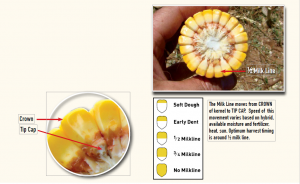
    Let’s review the basics to help increase your chances of an optimal silage harvest this year:Silage article Milk Line

    • Harvest when whole-plant moisture is between 65% and 70%.
    • Moisture can drop by as much as .5% – 1%/day.
    • To check moisture, replicate in different areas of a field. I always add 1 to 2 points to the moisture check result as there can be a lot of field variability.
    • Half milk line is the rule of thumb, but it’s best to test to verify.
    • Some growers increase chopper height to increase grain portion. This makes corn silage drier, so they can start earlier. They also do this to increase fiber digestibility. As the height increases, the neutral detergent fiber (NDF) portion is less and digestibility typically improves.
    • Whole-plant moisture of 68% to 70% is the best moisture zone for packing silage in a bunk.
    • Although it varies by silo type, whole-plant moisture of 65% is preferred to reduce seepage potential when storing silage in an upright silo.
    • As a review, corn silage dry matter (DM) is typically 50% grain to 50% stover. The portion of corn silage that has the most impact on whole-plant moisture is the starch accumulation. Starch dries the mix down. As the milk line drops and more starch accumulates, the lower the moisture.
    • Moisture changes can certainly vary based on environment. If we get a very sunny, hot, windy, low humidity day in September, whole-plant moisture can easily drop by 1%.

    Laura Cunningham

    August 21, 2018
    Corn Silage, Crop, Tech Tuesday
  • Latham Hi‑Tech Seeds

    Latham Introduces 12 Soybean Products in New LLGT27™ Trait Package

    Tech Tuesday Rebrand 02
    Tech Tuesday Rebrand 01
    LATHAM’S 2019 LINEUP OF SOYBEANS INCLUDES 12 PRODUCTS IN THE LIBERTYLINK® GT27™ (LLGT27) TRAIT PACKAGE, GIVING UPPER MIDWEST FARMERS ANOTHER TOOL AGAINST WEEDS THAT ARE DEVELOPING RESISTANCE TO VARIOUS HERBICIDES.

    The LLGT27 portfolio features the first, fully-approved triple-herbicide-stacked soybean trait available to U.S. farmers. Previously referred to as “Balance GT/LL,” the LLGT27 soybeans feature tolerance to Liberty® herbicide, glyphosate herbicide (e.g. Roundup®, Glyphos®, etc.) and a new formulation of isoxaflutole (possibly to be named Balance Bean), which is going through the EPA registration process. IMPORTANT NOTE: All current formulations of isoxaflutole herbicides have not been cleared for over-the-top application on soybeans.

    We learned the LLGT27 products were approved on July 3 — just days before Latham® Dealer Kickoff in Minneapolis — and we quickly pulled together what information we had on those products.Latham Soybean Product Team members will continue to evaluate these lines and will share results at our post-harvest meetings. We know farmers will have questions about handling herbicide applications to optimize weed control, and we plan to answer those questions at that time, as well.

    Feel free to call with any questions about this exciting new technology, which will be available for spring 2019 planting! Some of our production growers planted their acres to LLGT27 products in 2018, but we expect demand could be larger than supply this year. If you’re interested in trying some of these products, place your order early!

    Mark Grundmeier, Product Manager

    August 14, 2018
    Industry News, Seed Technology, Tech Tuesday
  • Latham Hi‑Tech Seeds

    Mid-Season: Prime Time to Conduct On-Farm Experiments

    Tech Tuesday Rebrand 02
    Tech Tuesday Rebrand 01
    ALTHOUGH WE’RE DEEP INTO THE GROWING SEASON, THERE’S STILL TIME TO MAKE CHANGES THAT LEAD TO IMPROVED FORAGE YIELD AND QUALITY. MY ADVICE IS TO EXPERIMENT, EVEN ON A SMALL SCALE, TO SEE WHAT CAN MOVE THE NEEDLE.

    Here are a few ideas for your consideration:

    • Continuous tissue testing. A foliar application of deficient nutrients could be a game changer.
    • Late-season nitrogen application. Every season is unique, so it’s beneficial to detect levels and then develop an in-season nutrient plan. Because most nitrogen uptake occurs during the reproduction phase, it’s important to ensure corn plants have sufficient levels available.
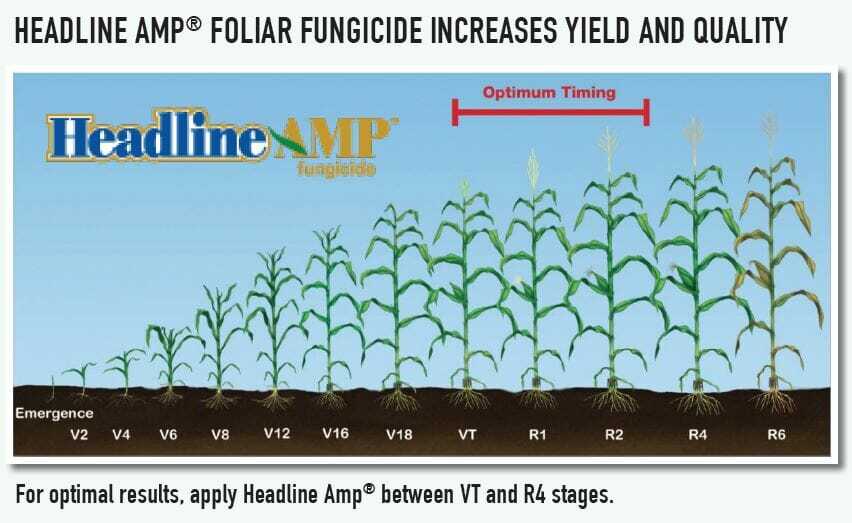
    • Foliar fungicide application. Multi-year research has shown that applying fungicide leads to 3 or more tons of corn silage. This added tonnage can potentially add another $120 value/acre!

    Every operation is different, and each operator has access to different equipment. Regardless of the hurdles, try something new. Invest in an experiment. Select s field or two to experiment, and develop a plan to lower risk, improve quality and gain tonnage. Need more ideas? I’d be happy to help! Feel free to contact me at the Latham office.

    Corey Article 8.7Corey article 2 8.7

    Webspec Admin

    August 7, 2018
    Corn Silage, Crop, Tech Tuesday
  • Latham Hi‑Tech Seeds

    Latham Expands Its Research Efforts

    Tech Tuesday Rebrand 02
    Tech Tuesday Rebrand 01
    THE CONTINUED GROWTH OF LATHAM HI‑TECH SEEDS CAN BE ATTRIBUTED TO MANY THINGS: A TERRIFIC DEALER NETWORK, DEDICATED EMPLOYEES, AND OWNERS WITH A VISION FOR THE FUTURE. ANOTHER REASON IS, OBVIOUSLY, GREAT PRODUCTS!

    HAVING PRODUCTS THAT PERFORM WELL IN specific geographies is essential, and that’s where our Latham Research efforts come into play. We must continually adapt in an ever-changing industry. We must seek out new products and technologies, but we also must seek out new sources. To that end, here’s a quick summary of what’s new in our research for 2018:

    CORN RESEARCH: The Latham MiniStrip program was introduced in 2017 by Bob Foley, our resident corn breeder and consultant. Its success in the first year prompted us to add more locations and more hybrids per location this year. We also increased the number of hybrids being tested at each location in our SuperStrip research program. In addition, we added one new genetic source this year.

    SOYBEAN RESEARCH: Over the years, Latham Seeds has earned a great reputation within the industry for the accuracy and consistency of our replicated research plots. This makes us a “favored partner,” so we’re continuing to work with the entities created by mergers/buyouts. We’re also in negotiations with another large company to partner in joint research efforts. Additionally, we have expanded the number of research locations that we plant and harvest ourselves to ensure we have reliable data on which to make product decisions.

    Another unique effort currently underway in Alexander is our Enlist™ plot. This is an EPA-stewarded plot with 10 Enlist soybeans, ranging from 1.4 to 3.1 maturities. Those Enlist products are being compared in one portion of the plot to Roundup Ready 2 Yield® and Roundup Ready 2 Xtend® soybeans. In another area, those same Enlist soybeans are being compared to LibertyLink® soybeans. We expect some interesting notes and data!

    OTHER RESEARCH: In addition to the studies noted above, we’re conducting research on some seed treatments. We’re testing NemaStrike™, Poncho/VOTiVO™ 2.0 and are in our third year of testing ILeVO™. Phil Long, Latham’s Precision Agronomy Specialist, is doing a nitrogen study in Alexander with the Climate Nitrogen Advisor tool available through the Climate FieldView™ (CFV) platform. We invite you to attend our Fall Field Day at our Iowa headquarters on Friday, Sept. 14, to learn more about these trials. If that date doesn’t work for you or your customers, contact your RSM to schedule a private tour.

    Mark Grundmeier, Product Manager

    July 31, 2018
    Corn, Crop, Soybeans, Tech Tuesday
  • Latham Hi‑Tech Seeds

    Biological Research Underway to Control Noxious Weeds

    Feature Tech Tuesday 01

    Tech Tuesday Header-01

    Researchers at the University of Illinois are testing similar techniques used to slow the spread of the Zika Virus to slow the spread of Waterhelp and Palmer Amaranth.

    The U.S. Department of Agriculture (USDA), through its National Institute of Food and Agriculture, has given $500,000 to Illinois scientists to see if genetic control of these troublesome weeds may be achieved. Scientists plan to use the very thing that makes these dioecious weeds so prolific —the fact they have separate male and female plants — to our advantage.

    By changing the male-to female ratio so that mostly male plants are produced, scientists believe they can
    cause the Waterhemp and Palmer amaranth populations to crash after a few generations. Scientists got this
    idea for weed control because already specific controls are being used to target mosquito populations that spread malaria, Zika and other insect-borne diseases. By releasing genetically modified males to mate with “normal” females,
    the offspring die before maturity.

    It will take a few years before this theory can be proven for noxious weeds, but University of Illinois researchers working on this project have been uplifted by the discovery of a genome location in female plants that leads
    to the production of non-viable males. They are quick to point out that this will not be the “silver bullet” against herbicide-resistant weeds farmer are hoping for, but it will certainly be a much-needed addition to the toolbox!

    Whether it be the use of different herbicides, management practices like rotation, tillage and cultivation, or the pending
    use of biological measures, it is important to make use of everything that is available to us. The importance of diversifying weed control tactics was emphasized during a fall field day in Alexander a few years ago by Iowa State University Extension Weed Specialist Dr. Mike Owen. It’s a philosophy we still put into practice.

    At Latham Hi‑Tech Seeds, we continuously look for the best options available to fight weed resistance and the other challenges facing our farmer customers. You can bet we’ll stay abreast of the research currently underway and provide you with updates.

    Webspec Admin

    May 15, 2018
    Herbicide Technology, Tech Tuesday
  • Latham Hi‑Tech Seeds

    Update on SCN Management

    Feature Tech Tuesday 01

    Tech Tuesday Header-01

    Soybean Cyst Nematode (SCN) remains the #1 most damaging soybean pest in North America. This pest has been called the “silent yield robber” because fields with no visible symptoms can experience a 10% yield loss.

    Recently I attended a crop management seminar in Ames, Iowa. Iowa State University (ISU) Extension Nematologist Dr. Greg Tylka presented research findings showing that yield loss to SCN under severe infestations can be as much as 50 percent. Although most farmers don’t experience that level of damage, the trend is that SCN is affecting more acres than before.

    There is another alarming trend showing up in Iowa and in other states that make up Latham Country…many SCN populations are becoming resistant to PI 88788, which is the main source of genetic resistance.

    Dr. Tylka and his staff have been conducting yield trials since 1991 in Iowa with SCN-resistant soybeans. More than 95% of the soybeans entered in those yield trials carry the PI 88788 gene which has, historically, been the best source of SCN resistance for U.S. farmers. From 1991 to 1999, almost all the SCN populations in these trials reproduced below 10% (which is considered excellent) with the PI 88788 gene. Starting in 2000, however, that resistance started to falter. In 2015, there were no PI 88788 soybeans that held the reproduction level of SCN below 10%!

    Over time, there has been a gradual reduction in yield while using the PI 88788 resistance. This trend was rather predictable as we’ve seen the same thing happen with weed resistance to various herbicides. Going forward, we know that the usefulness of PI 88788 will continue to decline.

    Here at Latham Hi‑Tech Seeds, we are working with breeders to bring in cultivars that have Peking resistance in hope that these will perform well against SCN and produce acceptable yields. Along with that, we will continue to monitor the various new seed treatment options as they become available. Products like Clariva®, VOTiVO®, Aveo™ EZ, NemaStrike™, ILeVO® and others may prove helpful as we try to manage this very serious soybean pest.

    Webspec Admin

    May 8, 2018
    Soybeans, Tech Tuesday
Previous Page
1 … 9 10 11 12 13 … 15
Next Page

Latham Hi‑Tech Seeds

131 180th Street | Alexander, IA 50420

(641) 692-3258

SIGNUP FOR OUR NEWSLETTER
  • Contact
  • Legal
  • Dealer Center
  • Seedware Login
  • Latham Gear

© 2025 Latham Hi‑Tech Seeds. All rights reserved. | Iowa Web Design by Webspec | Privacy Policy

Latham® Hi-Tech Seeds is a trademark of M.S. Technologies, L.L.C., 103 Avenue D, West Point, IA 52656.