Skip to content
Latham Hi-Tech Seeds

(641) 692-3258

  • Home
  • Performance
  • Products
    • Corn
    • Soybeans
    • Alfalfa
    • Corn Silage
    • Seed Guide
  • Find a Rep
  • Media
    • Blog
    • News
    • Videos
    • Podcasts
    • TECHTalk
  • About Us
    • Company History
    • Our Mission
    • Careers
    • Become a Rep
    • Sowing Seeds of Hope
  • Contact Us
  • Latham Hi‑Tech Seeds

    How Conservation Can Ready Soils for Planting After Tough Weather

    Webimage C2BA5E6D B844 4667 A21158F918CBE5FE

    Originally published on Agweb

    Webimage C2BA5E6D B844 4667 A21158F918CBE5FE
    Photo Credit: Darrel Smith

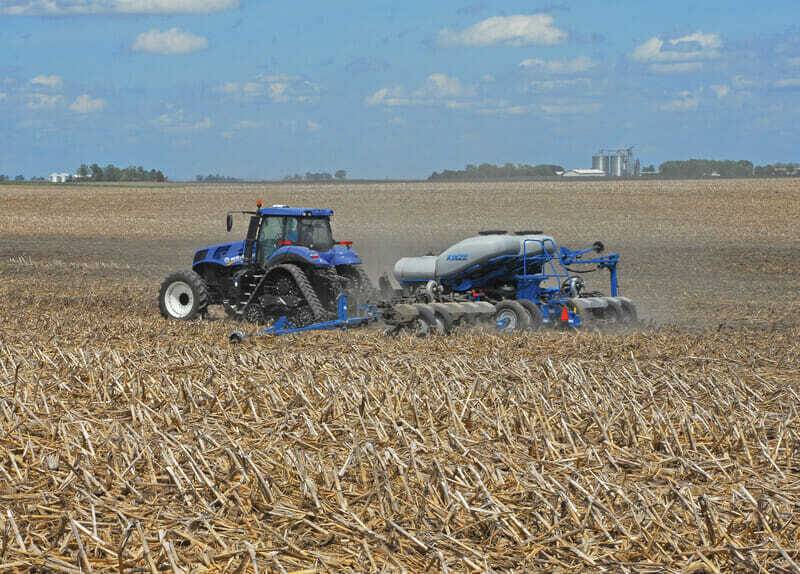
    On his Ethan, South Dakota farm, Matt Bainbridge planted just 15% of his acres in 2019—the rest were swallowed up by prevent plant. That’s the most prevent plant acres he’s ever had, and it turned all his careful pre-season planning upside down.

    For the 2019 planting season, farmers in the Midwest were no stranger to the crippling impacts of heavy rainfall, flooding and unseasonable temperatures on crop yields. May 2018 to April 2019 was the wettest 12-month period ever recorded in United States history, according to the National Oceanic and Atmospheric Administration.

    Estimates from the American Farm Bureau Federation find there were 20 million acres of prevent plant across the U.S. in that same time.

    South Dakota was at the epicenter of the record-breaking planting season, bearing the brunt of the devastating spring weather with 2.9 million corn acres and 867,000 soybean acres of prevent plant. For Bainbridge, the season brought immense challenges he worked to overcome.

    “Our production plan changed so many times during the season it was almost hard to remember the original plan,” Bainbridge said. “The chemical plan was completely changed to try managing very big weeds by the time we could spray.”

    Due east and across the Mississippi River, Dan Erickson was combatting similar issues when planting corn in Altona, Ill. Though planting was extremely late, Erickson was fortunate to not have had any prevented plant acres.

    “Our main problem was with saturated soil, and the cooler temperatures made this an issue,” Erickson said. “We had very poor stands in the early planted corn and ended up replanting about 20%.”

    While South Dakota led the nation with the most prevented plant acres, Illinois was severely reduced with 1.5 million acres lost to the unseasonable weather. For Erickson, challenges during planting season carried into harvest and even today threatens outcomes for the spring 2020 planting season.

    “Harvesting was finished so late that we didn’t really get any field work done to eliminate any compaction problems we created during the spring,” Erickson said.

    Conservation readies soil for 2020

    For both Erickson and Bainbridge, conservation practices have offered solutions for the challenges of 2019 and hope for 2020.

    “We were able to plant most of our acres to cover crops,” Bainbridge said. “We ran the air seeder every month from April to October trying to grow anything to cover the soil and use some moisture.”

    Cover crops helped him reduce weed pressure in addition to diminishing soil erosion from wind and rainfall. In addition, cover crops protect fields from fallow field syndrome, which can have damaging effects on microbe populations in the soil.

    Conservation practices – ranging from cover cropping to no-till – are offering farmers significant monetary savings.

    “With evidence we have, the no-till system can not only increase productivity and profit in a sustainable manner but is useful to repair damages caused by the past,” says Roberto Peiretti, founder of the Argentinian no-till farmers association and co-founder of Bioceres. “The ability [of this system] is beyond just sustainability.”

    A report headed by the Iowa Soybean Association found adopting no-till and strip-till creates savings of $10 to $88 per acre compared to regular tillage. Expenses attributed to pesticide inputs were also much lower for farmers using no-till. If half of Iowa’s regularly tilled acres switched to no-till or strip-till it would save farmers $265 in equipment and fuel costs.

    Bainbridge and his family have been using no-till conservation practices for 30 years. For Erickson, holding off on spring tillage has allowed his soils to drain better.

    “We have to improve the capturing efficiency of rainfall,” Peiretti says. “With no-till, water runoff is much less in no-till and infiltration is higher.”

    In a year such as 2019, better infiltration was the difference for many in planting or taking prevent plant. While you can’t beat Mother Nature, you might be able to hedge your bets in the future through sustainable practices.

    Laura Cunningham

    February 18, 2020
    Corn, Crop, Season, Soybeans, Spring, Tech Tuesday, Weather
  • Latham Hi‑Tech Seeds

    #AskTheAgronomist: Sulfur & Soybeans

    2.6.20
    Are you looking for the next step in your soybean yield? Tune in for discussion on sulfur and soybeans! #AskTheAgronomist
     
    0:20 – Topic introduction
    1:25 – The role of sulfur
    3:50 – How soybean plants respond to sulfur
    6:50 – Recommended sulfur forms
    8:50 – Final thoughts

    Laura Cunningham

    February 6, 2020
    #AskTheAgronomist, Agronomics, Crop, Fertility, Season, Soybeans, Spring
  • Latham Hi‑Tech Seeds

    A Simple Solution to an Even Stand

    Feature

    2.4.20 TTA great growing season begins with picket fence stands and even emergence. With this goal in mind we are excited to continue offering the TALC USA line of premium Talc, Graphite and Microsurge Innoculant products. Each of these products provides unique qualities to improve planter performance and enhance yield through seed-applied biologicals. Our product line catalog featured at right includes features and benefits for each product, but I’d like to highlight a few I believe farmers across Latham Country can especially benefit from:

    Talc and Talc GraphiteTalc and Talc 80/20 Graphite Blend: Why use TALC USA’s talc and talc/graphite blend products? They are a high-grade premium 200 micron grind Talc for improved planter performance but also fortified with iron and manganese for increased yield & plant health.


    InceptiveInceptive: Inceptive, equipped with a Harpin Protein, is designed to enhance your plant’s defense mechanism. It’s easy to use by mixing with either Talc or 80/20 Talc Graphite to suppress cyst and pest nematodes. Inceptive promotes improved root systems and germination while also increasing photosynthesis and early vigor.


    MicroSurge InoculantsMicroSurge Corn and Soybean Inoculants: Microsurge inoculants can be easily applied by mixing with Talc and 80/20 Talc Graphite as a planter box treatment and are designed to increase mycorrhizal activity for improved soil health.


    Contact your Latham Representative for information on which products might get your crop off to a great start this growing season.

    bonnie-harris

    February 4, 2020
    Agronomics, Emergence, Growth Stages, Season, Spring, Tech Tuesday
  • Latham Hi‑Tech Seeds

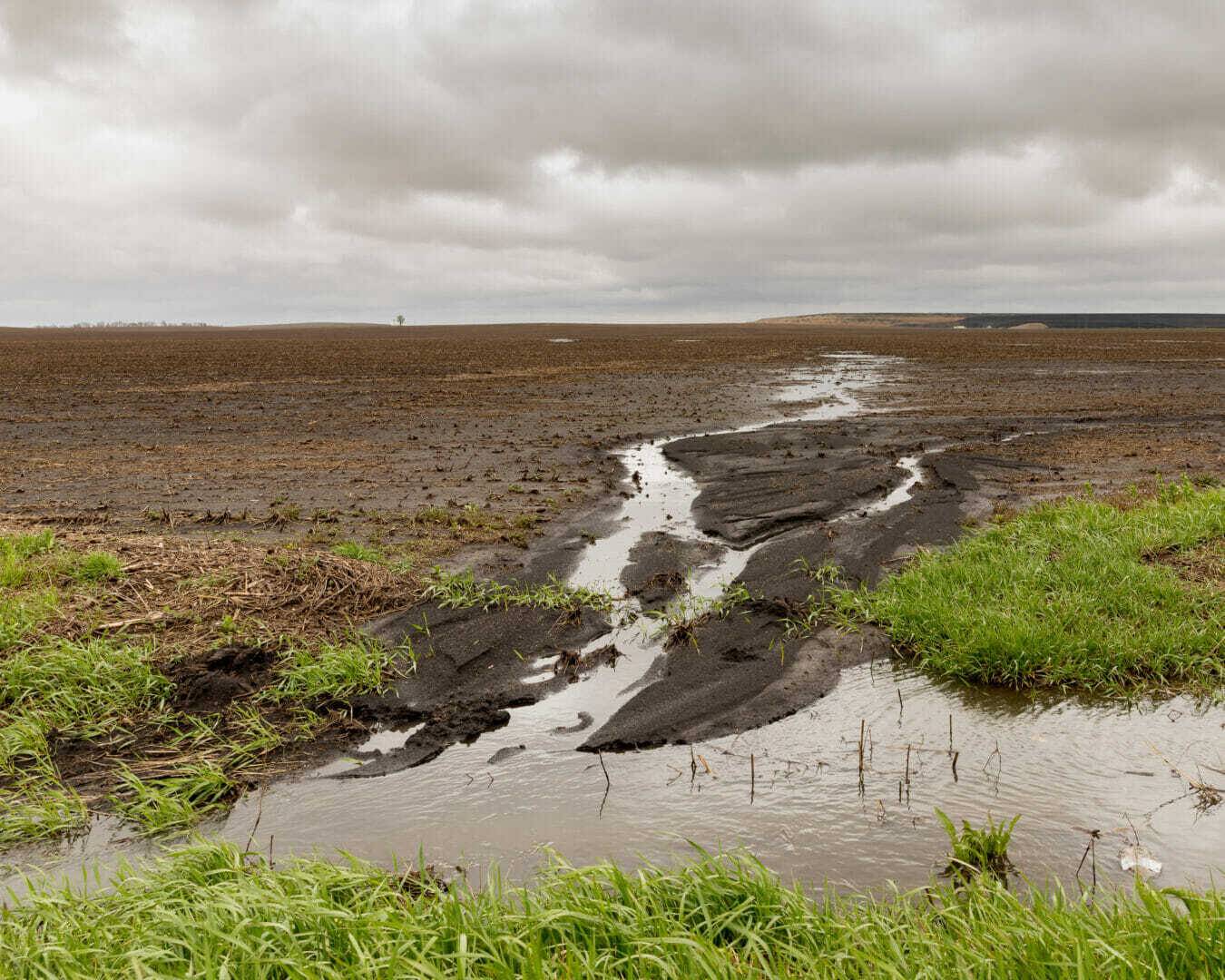
    Managing Soil Erosion

    Heavy spring rains causing flooding problems for farmers

    Soil erosion resulting from heavy rainfall events and wind leads to the loss of essential soil nutrients and soil carbon. Eroded soil and the loss of organic matter essential for supporting crop growth can damper corn and soybean production and reduce yield. Across the Corn Belt, an observed 20% increase in rainfall has led to a 40% increase in soil erosion. Record breaking flooding across the Midwest has further exacerbated erosion.

    Identify Soil Erosion

    Gully erosion is one of the most pronounced forms of erosion and its large grooves that form in the soil following heavy rainfall make it easy to identify. Less evident to the naked eye are signs of erosion that can be identified by looking for standing water in the field. Puddles of water seen after a rainstorm that are clouded with sediment suggest erosion is occurring whereas puddles of clear water are a sign of minimal erosion. Lighter colored soil seen overtime is also a sign of erosion but can be more difficult to identify.

    In Iowa, the average rate of erosion has been five tons of soil per acre every year with intense weather events worsening rates, in some cases reaching 100 tons of soil per acre per year. The loss of natural vegetation can lead to greater rates of erosion from both wind and water. Using cover crops and no-till are the most effective methods for reducing and preventing erosion, increasing soil water holding capacity and boosting moisture content.

    Take Action with Promising Solutions

    Annual cover crops such as winter rye can be planted in the fall to preserve the soil over the winter and reduce erosion. PROTECTioN™ Cereal Rye, DRILLER™ Daikon Radish and FIXatioN Balansa Clover can be planted in the late summer and early fall to enrich organic matter and reduce soil loss. Perennial cover crops including legumes and fescue have established root systems that can prevent the loss of soil nutrients to rain or weather erosion. Legumes are also nitrogen fixing and can support crop growth.

    In addition to integrating cover crops and no-till, terracing or planting grasses near waterways can prevent the formation of gullies. Buffer and filter strips can reduce the loss of soil nutrients and runoff of fertilizer and pesticides. Prairie strips can be implemented by planting perennial grasses to protect topsoil and prevent the loss of organic matter. Integrating a combination of these methods with cover cropping can combat soil erosion and offer great protection for your corn and soybean crops.

    Latham Seeds Precision Agronomy Advisors

    January 14, 2020
    Corn, Cover Crops, Crop, Soybeans, Spring, Tech Tuesday, Winter
  • Latham Hi‑Tech Seeds

    Looking Through Latham’s Lens

    IMG 7029

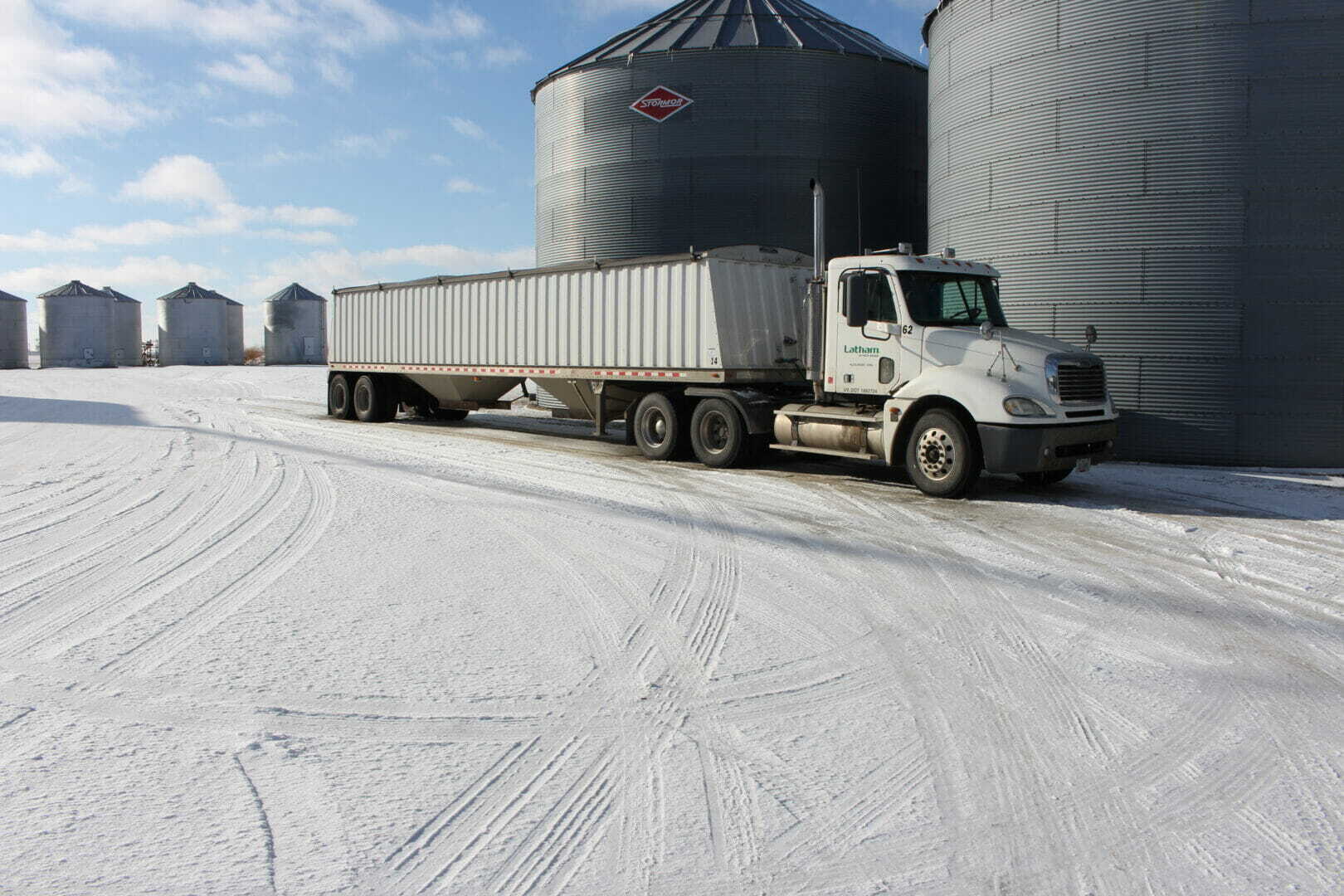
    Looking Through Latham’s Lens: Wishing safe travels to our truck drivers delivering seed and farmers hauling grain as another fresh blanket of snow fell over the weekend.

    IMG 7029


    Laura Cunningham

    January 13, 2020
    Agriculture, Industry News, Season, Winter
    delivering seed, hauling beans, Hauling corn, winter driving
  • Latham Hi‑Tech Seeds

    #AskTheAgronomist: Seed Treatments

    1.9.20 Feature ATA image
    Tune in to hear the top three reasons to use our SoyShield soybean seed treatment this spring. #AskTheAgronomist
     
    0:30 — Topic introduction
    3:14 — Early planting & cool soils
    3:34 — SDS protection
    5:30 — Soybean Gall Midge protection

    Laura Cunningham

    January 9, 2020
    #AskTheAgronomist, Agronomics, Crop, Season, Seed Treatment, Soybeans, Spring, Winter
    benefits of seed treatment, cold spring, seed protection, Seed treatment, soybean seed treatment
  • Latham Hi‑Tech Seeds

    Latham Seeds Yield Highlights

    Harvesting Corn with Combine

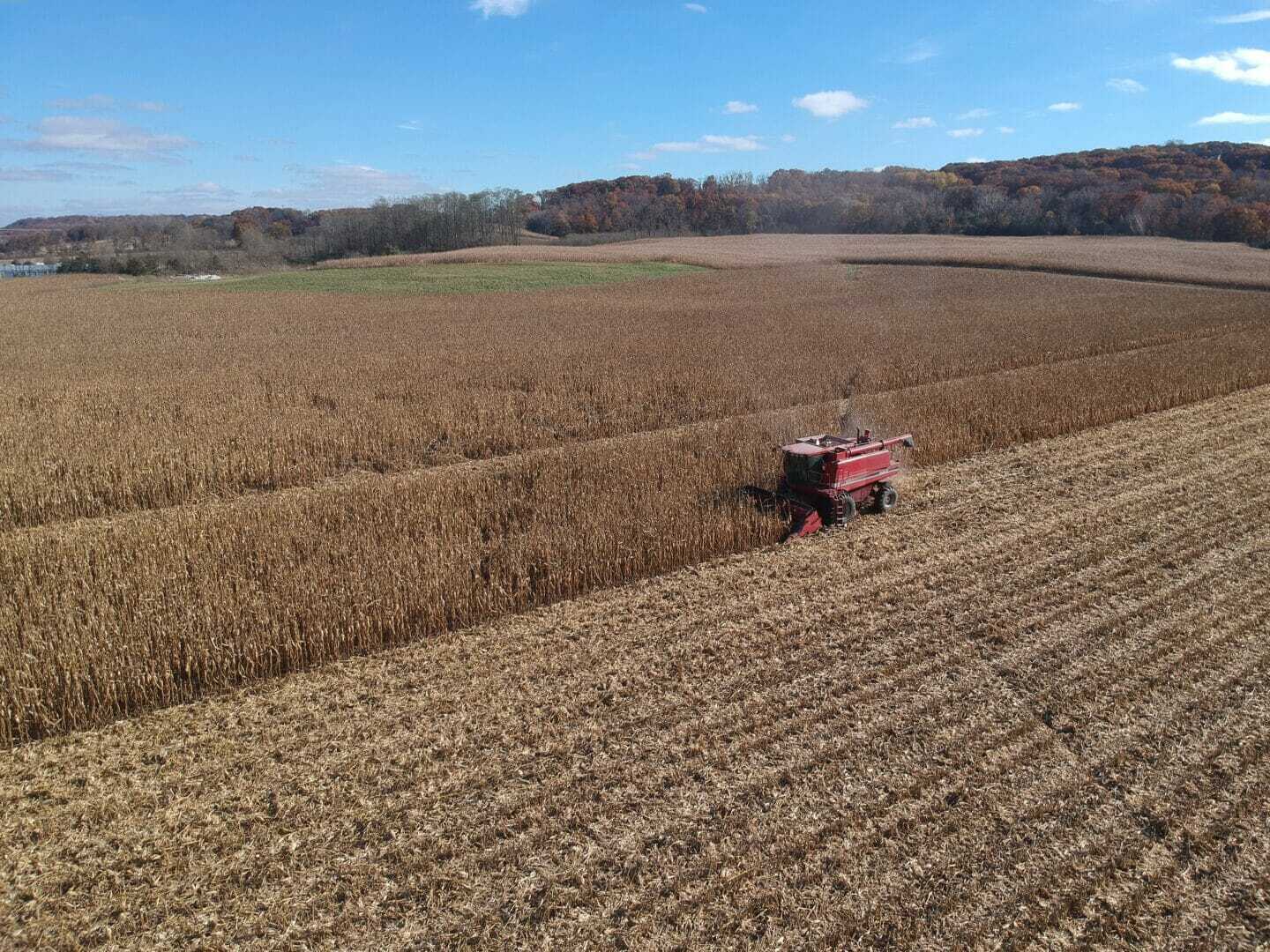
    Harvest results slow down as we enter the winter season. The result we are highlight today is our LH 5965 VT2 PRO RIB hybrid. This number won the Overall First Place spot in the Iowa East Central region.

    Harvesting Corn with Combine

    Laura Cunningham

    December 4, 2019
    #FromTheField Crop Reports, Fall, Season
  • Latham Hi‑Tech Seeds

    Latham Seeds Yield Highlights

    DCIM/100MEDIA/DJI 0299.JPG

    Below are three more #LathamSeeds wins from F.I.R.S.T. trials throughout Latham Country!

    Harvesting Corn with Combine

    Harvesting Corn with Combine

    Harvesting Corn with Combine


    Laura Cunningham

    November 27, 2019
    #FromTheField Crop Reports, Fall, Season
  • Latham Hi‑Tech Seeds

    Latham Seeds Yield Highlights

    Justin 1

    View our yield highlights from the last week across Latham country!

    Harvesting of soybean field with combine

    Harvesting Corn with Combine

    Harvesting Corn with Combine

    Laura Cunningham

    November 20, 2019
    #FromTheField Crop Reports, Fall, Season
  • Latham Hi‑Tech Seeds

    Latham Seeds Yield Highlights

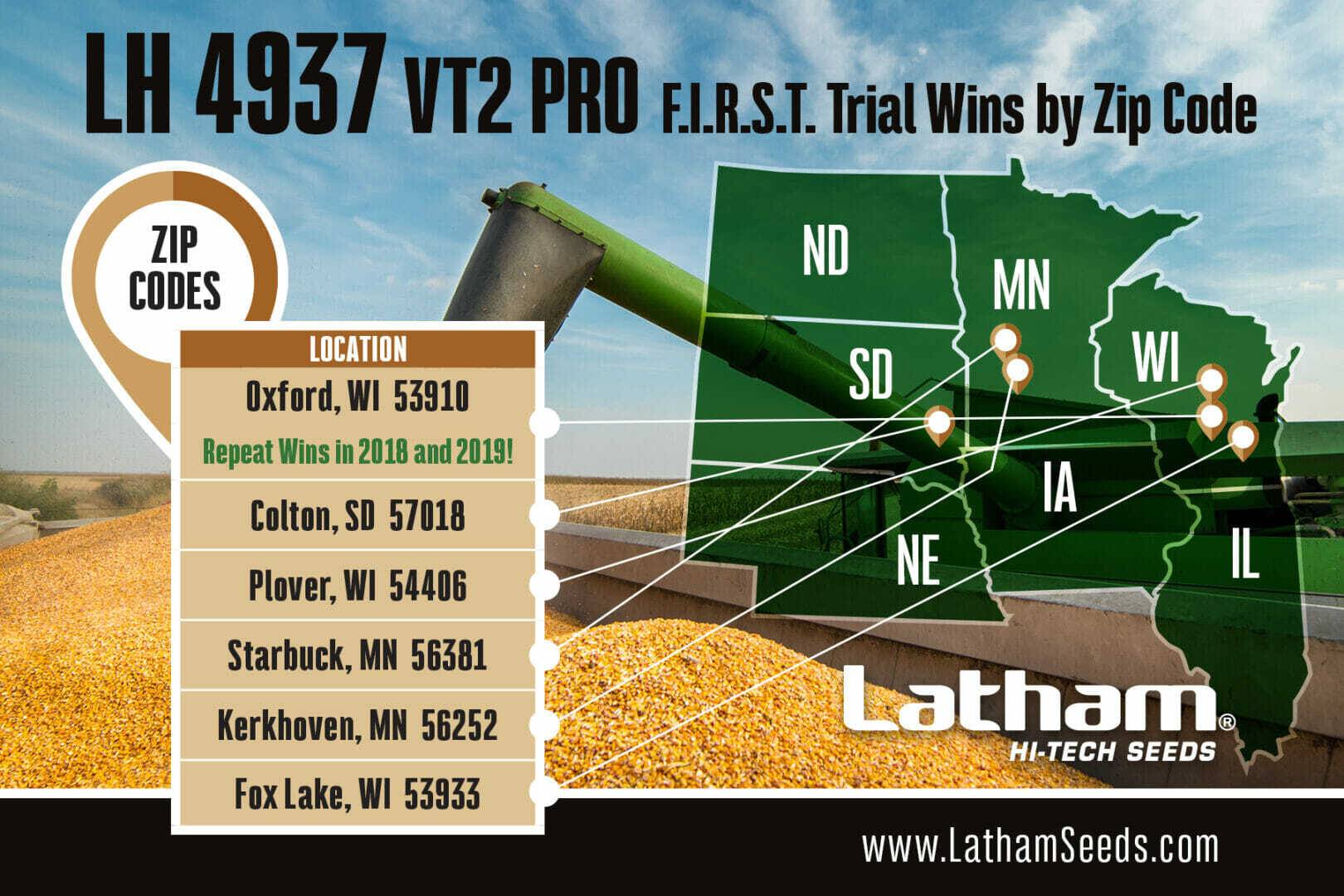
    4937 wins by zip code

    Quality is key and it is proven in our 2020 harvest results. View top yield F.I.R.S.T. Trial results below!


    South Dakota

    Harvesting of soybean field with combine


    Minnesota

    Harvesting Corn with Combine

    Harvesting Corn with Combine


    Wisconsin 

    Harvesting Corn with Combine

    Harvesting Corn with Combine


    Iowa

    Harvesting Corn with Combine

    Harvesting Corn with Combine


    Illinois

    Harvesting Corn with Combine

    Laura Cunningham

    November 13, 2019
    #FromTheField Crop Reports, Fall, Season
Previous Page
1 … 14 15 16 17 18 … 46
Next Page

Latham Hi‑Tech Seeds

131 180th Street | Alexander, IA 50420

(641) 692-3258

SIGNUP FOR OUR NEWSLETTER
  • Contact
  • Legal
  • Seedware Login
  • Latham Gear

© 2026 Latham Hi‑Tech Seeds. All rights reserved. | Privacy Policy

Latham® Hi-Tech Seeds is a trademark of M.S. Technologies, L.L.C., 103 Avenue D, West Point, IA 52656.