
It always amazes me how farmers can be so loved, yet farming so demonized!
“Bountiful harvests fail to reach Iowa’s poor,” reads the headline of an editorial by Timothy Trenkle that ran in the Sunday, November 21, edition of The Des Moines Register. Iowa is blessed with some of the world’s richest soils, yet 11.4 percent of Iowans were food insecure at some point in 2014.
Why? The author of this editorial complains how Iowa farmers fail to grow healthy food. He claims all we grow are monoculture crops, subsidized by the government. He writes that farmers only grow crops that go in to processed food, instead of growing food for the poor.

Now let’s contrast Trenkle’s claims with these facts: Food in the U.S. costs less than in any other country. Americans spent less than 10% of their average income on food! The majority of people worldwide spend more than half of their income just to eat. Poverty worldwide is determined to be people who earn less than $2 per day… Two dollars per day!
Meanwhile in the U.S., 46 million Americans are on food stamps. That means 46 million people are not earning what the government believes is needed to buy their own food. How is this the fault of an Iowa farmer?
The problem is how we as a nation, how we as a society, are evolving:
- What are Americans’ values?
- What is our family structure?
- What are our priorities?
I see a culture that has evolved into entitlement. “Give me what I think I am owed, not what I earn or what I am worth.” For example, there’s another push underway to increase minimum wage to $15. Is a particular employee – or a specific job – really worth that to a business? Does that person produce enough to justify being paid more? What is the job market for someone that doesn’t improve or even care about their output?

The problem is not the cost of food. The problem is not where food is. The problem is not unhealthy food. The problem is not how food is raised. The problem has nothing to do with how farmers farm! The problem is not the farmer.
That’s why it bothers me when non-farmers try to tell the rest of us how to do our job. The author of Sunday’s editorial is a teacher. While being a teacher is a noble profession, it does not make him an expert on farming!
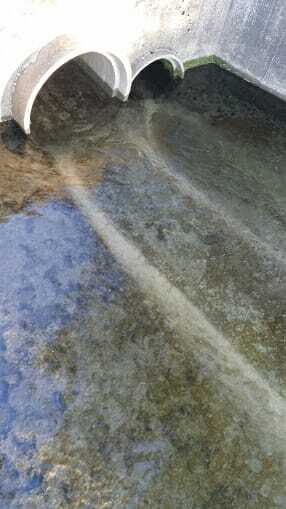
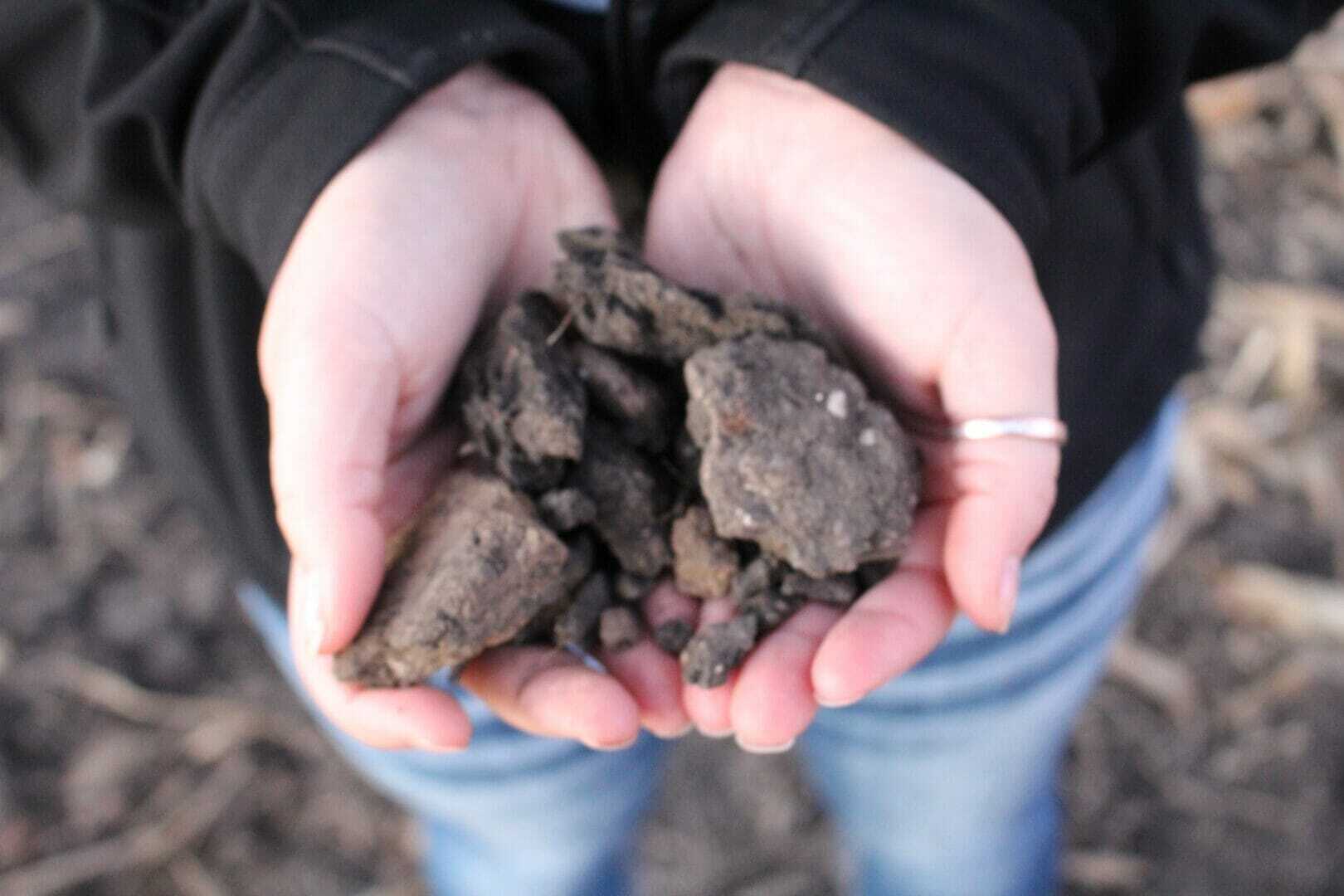
My farm has improved under my care. My soil is much healthier than 50 years ago. I’ve planted filter strips and wind breaks. The creek that flows through my farm is so clean that it’s difficult to see the water because I only see the creek bottom. Much progress has been made.
Conservation practices have been voluntarily implemented, and farming practices continue to evolve. Farmers are always looking for ways to improve, but the entire ills of this country shouldn’t be placed on the backs of U.S. farmers.
Farmers are people, too. We have families. Our kids go to school. We have the same basic needs that all people have: food, water, shelter, as well as the need to love and be loved. “Esteem” and “self-actualization” are also basic human needs.
Taking care of yourself and your family helps people develop meet basic human needs. So why are we depriving Americans from this? Forty six million people should not be fed by someone else! Social equality reduces the will to work. We must work much harder to address this problem.

 That’s why there’s something special about old photographs, letters and documents that survive. I’m grateful to the people who preserved stories of the February day in 1934 when the infamous gangsters Bonnie and Clyde robbed the Knierim bank. I’m also thankful to the anonymous photographers who took pictures of major events in Calhoun County, such as President Taft’s 1911 visit to Rockwell City, and the time when Babe Ruth played golf at Twin Lakes Golf Club following a batting exhibition in 1940.










 operation. I take pride and ownership in what I do; doing anything less wouldn’t be right. Does this mean I get everything done perfectly and on time? Of course not! I admit that I try to do too much. I see such a need to volunteer that I stretch myself much too thin. I’ve given up many jobs I am still passionate about: