Latham Hi-Tech Seeds

(641) 692-3258

  • Home
  • Products
    • Corn
    • Soybeans
    • Alfalfa
    • Corn Silage
    • Seed Guide
  • Performance
  • Find a Rep
  • Media
    • Blog
    • News
    • Videos
    • Podcasts
    • TECHTalk
  • About Us
    • Company History
    • Our Mission
    • Careers
    • Become a Rep
    • Sowing Seeds of Hope
  • Contact Us
  • Latham Hi‑Tech Seeds

    A Note to Farmers from Secretary Naig to close out National Ag Week

    Iowa Food Bank Deliveries

    Guest post by Mike Naig, Iowa Secretary of Agriculture

    Happy National Ag Week! This annual event is a great opportunity to say thank you to the farmers and agribusinesses who provide food and fuel for all of us. This past year reminded everyone what we, in agriculture, already know. Agriculture is essential to our livelihood, our food chain and our state’s economy.

    My roots are in agriculture. I was born and raised on a crop and livestock farm in Cylinder, Iowa. The agriculture community shaped who I am and I still plant and harvest our family farm every year. But nothing makes me more proud than taking my wife and three boys to the family farm to teach them about agriculture and caring for our land. Latham Seeds celebrates food and family every Friday on this blog, The Field Position so I’m sharing the below recipe for Kringla, a favorite treat in my family.
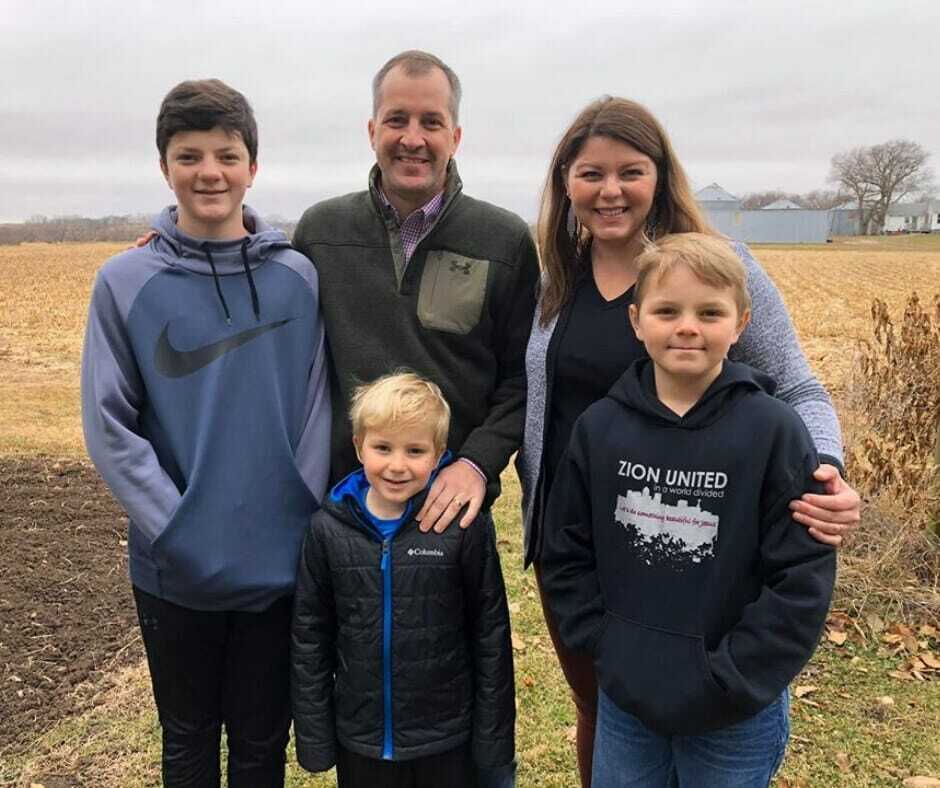
    Naig Family Farm Photo

    During the past few days of National Ag Week I’ve been visiting farmers, agribusinesses and food security organizations across the state to say “thank you” for your contributions. This past year was not easy, but it highlighted the creativity, resilience and generosity of Iowa’s agriculture community.
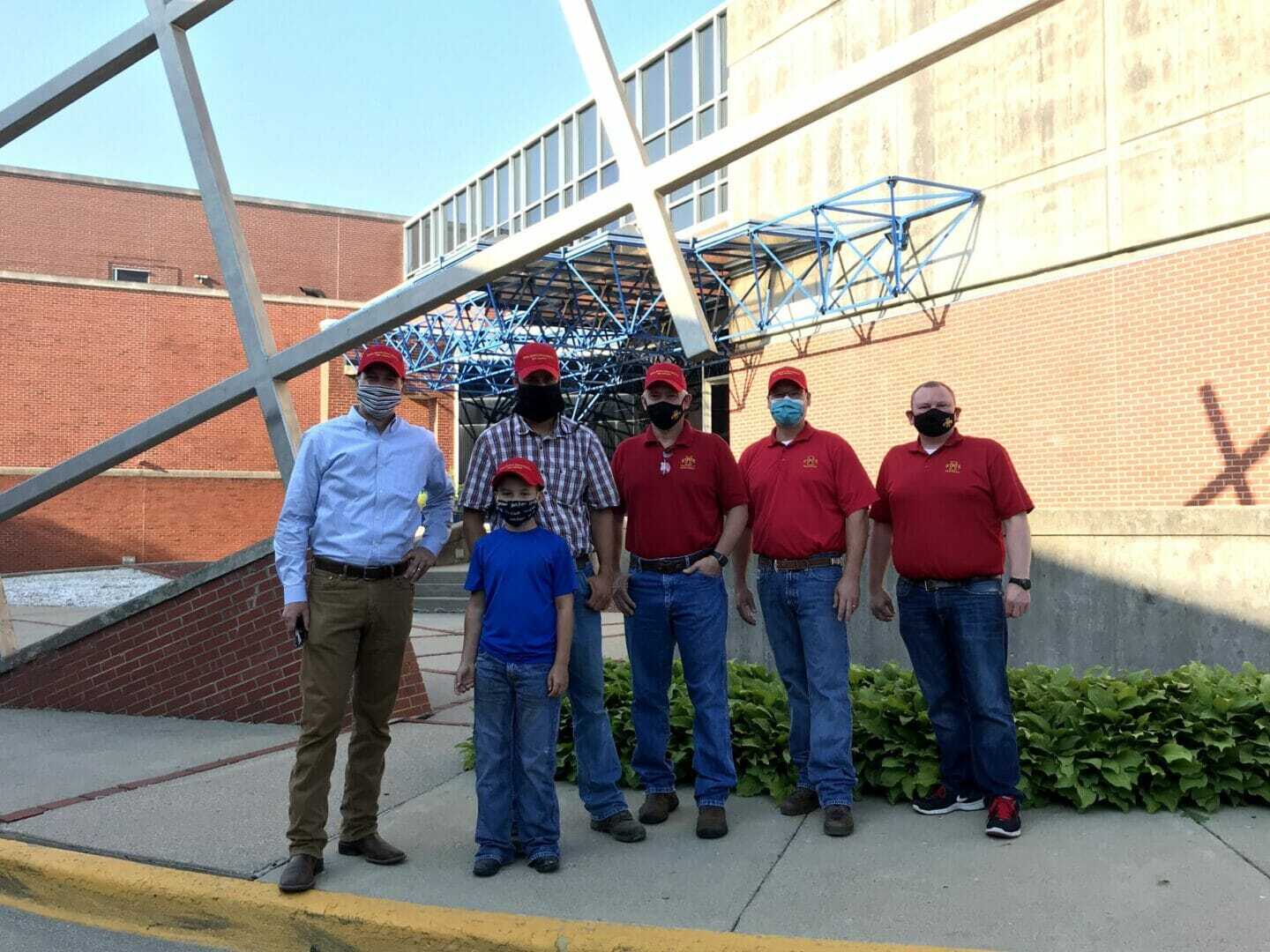
    Beef Up Iowa Donation ISU Meats Lab

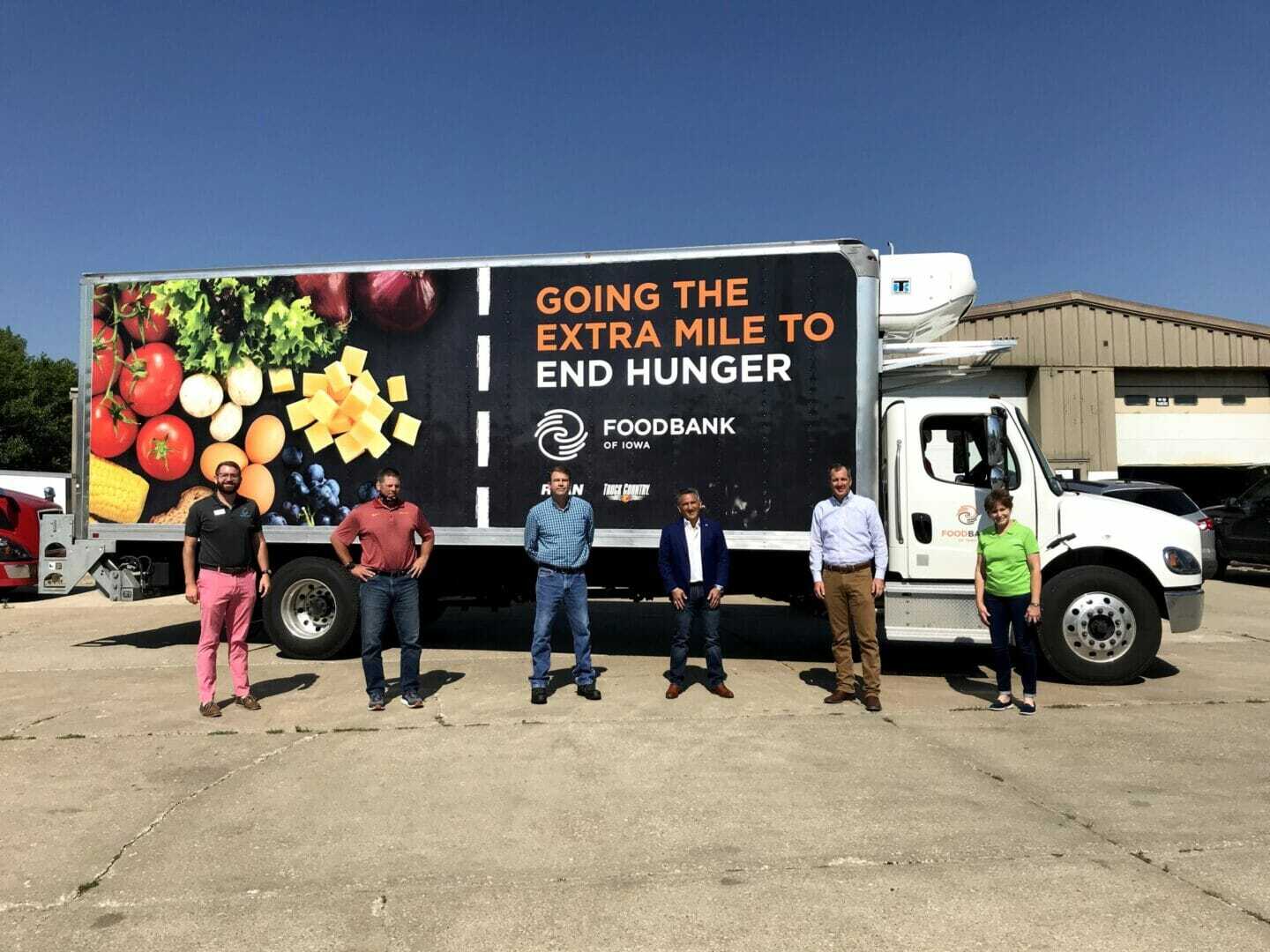
    There are two very special organizations I’d like to recognize this week — the Iowa State University Meats Lab and the Iowa Food Bank Association. These organizations went to extraordinary efforts to help livestock producers overcome supply chain disruptions and feed hungry Iowans during the COVID-19 pandemic. As a thank you, it’s my pleasure to present the Secretary’s Ag Leader Awards to both of these organizations.

    The ISU Meats Lab, and the Iowa Food Bank Association and its six regional food banks, played vital roles in the state’s food security initiatives, including Pass the Pork, Beef Up Iowa, Pack the Pantry and Turkey to Table. These programs were developed by the Governor’s Feeding Iowans Task Force in the spring of 2020, in part, to help livestock producers market their protein when the COVID-19 pandemic reduced meat processing capacity at the state’s large processing facilities. Through these programs, 1.75 million servings of Iowa-raised pork, beef and turkey were delivered to the food bank and food pantry feeding programs.
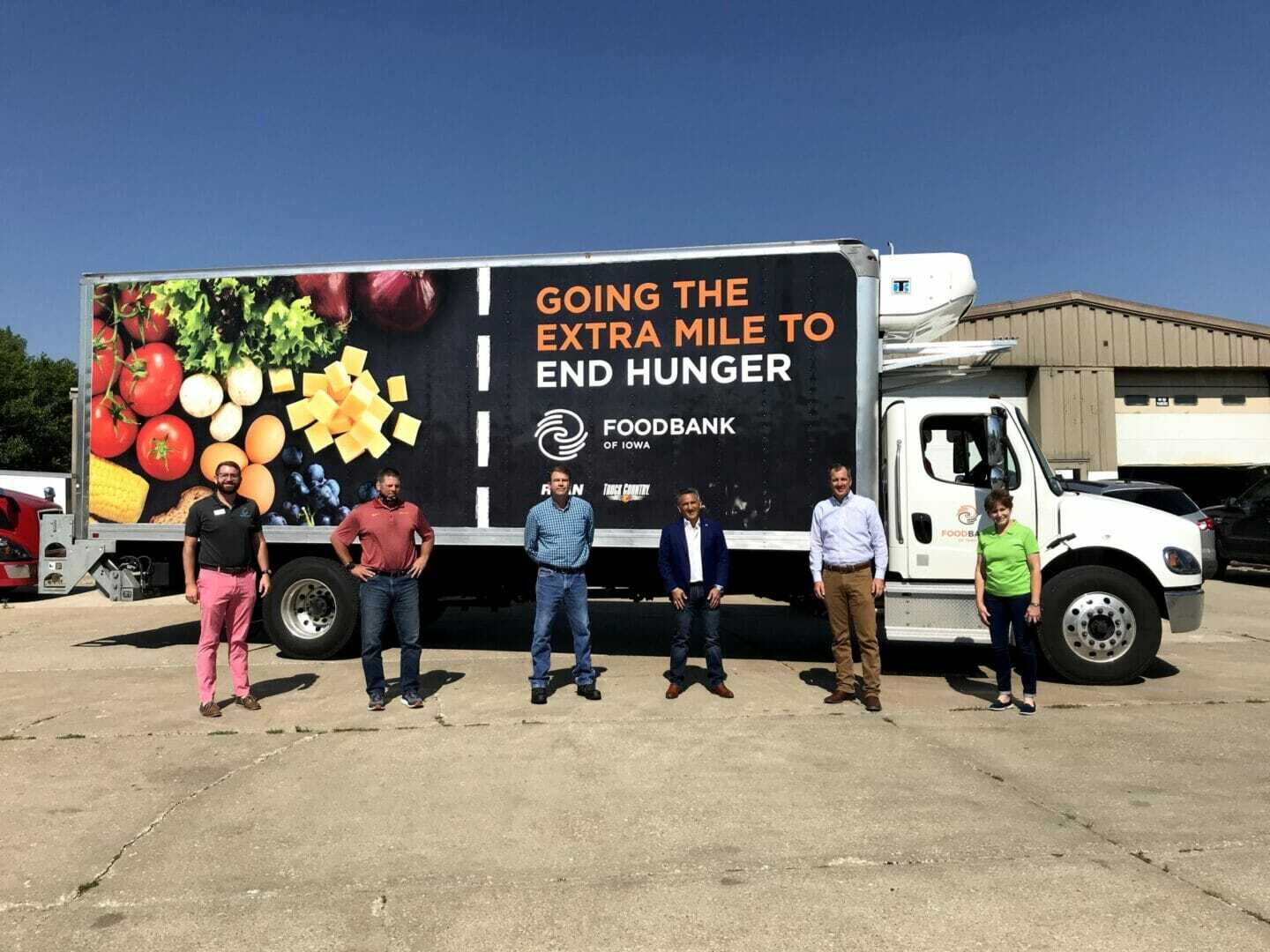
     

    Iowa Food Bank Deliveries

    I believe the Iowa agriculture community can continue leading important conversations and tackling difficult issues. Foreign animal disease prevention and planning, generating demand for renewable fuels, and scaling-up soil health and water quality projects continue to be my priorities.

    As we spend this week thanking the farmers who work tirelessly to feed and fuel us, we must also recognize their businesses must be financially and environmentally sustainable to continue doing so.

    That’s one reason why I’m working to establish a value-added agriculture grant program. If the funding is approved, the Iowa Department of Agriculture and Land Stewardship will provide grants that incentivize producers to explore new product offerings, production methods and marketing opportunities to help them be more profitable.

    The Department is also investing in conservation programs that improve soil health and water quality, and we’re learning more about the new carbon markets. These market-based systems create revenue streams for farmers and landowners who invest in carbon-sequestration practices. This is one way farmers and landowners can build upon the conservation efforts underway across the state.

    These are just two examples of the programs designed to give the Iowa agriculture community the resources it needs to continue its legacy of innovation. I am confident that the creativity and resiliency that served agriculture well in the past, will continue to drive innovation, environmental stewardship and profitability into the next decade and beyond.

    Thank you for your contributions to the Iowa agriculture community. I hope you’ve enjoyed National Ag Week, you certainly deserve it.

    • Mike Naig, Iowa Secretary of Agriculture
    Laura Cunningham

    March 24, 2021
    Agriculture, Desserts, Food & Family, Industry News, Recipes
  • Latham Hi‑Tech Seeds

    We’ve Always Believed in the Future of Agriculture
    Shannon Latham FFA

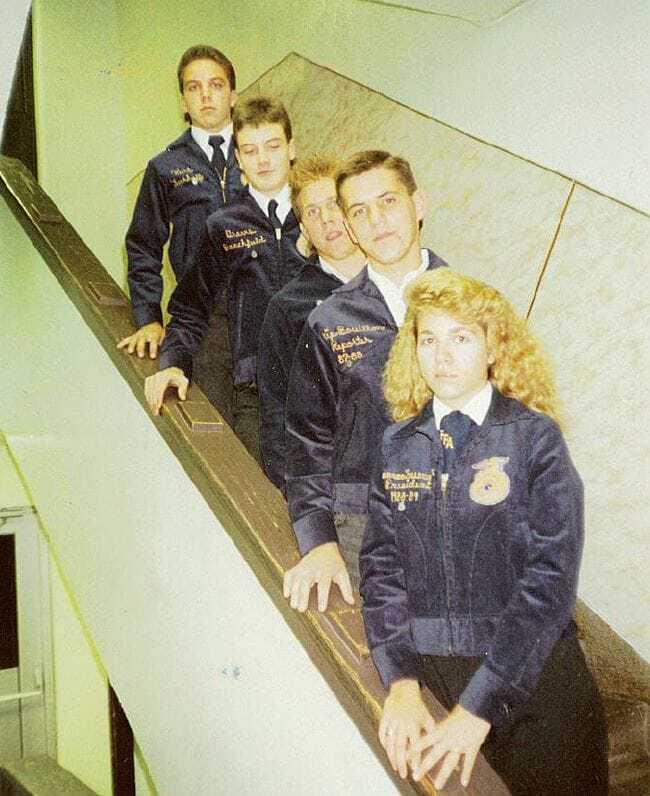
    National FFA Week is time for us to remember our roots. The Lathams have grown up in FFA, and this time every year we think about the experiences that helped shape our hope in agriculture.

    Shannon Latham FFA
    Front Right: Shannon Latham

    Did you know that E.M. Tiffany had the foresight to write the FFA Creed in 1928? That was a long time ago! And yet, that Creed continues to apply to Future Farmers of America today:

    “I believe in the future of agriculture, with a faith born not of words but of deeds – achievements won by the present and past generations of agriculturists; in the promise of better days through better ways, even as the better things we now enjoy have come to us from the struggles of former years.

    I believe that to live and work on a good farm, or to be engaged in other agricultural pursuits, is pleasant as well as challenging; for I know the joys and discomforts of agricultural life and hold an inborn fondness for those associations which, even in hours of discouragement, I cannot deny.”

    Everyone has experienced discouragement at some point, and perhaps none so much as Iowa farmers over the years. We can’t forget the derecho in August 2020, which was one of the most costly thunderstorm disasters in U.S. history.

    Before that, Iowa farmers were dealt with the Farm Crisis. The Federal Reserve’s tight money policies were intended to bring down high interest rates but caused farmland values to drop 60% in some parts of the Midwest from 1981 to 1985.

    Every generation has had to face massive changes. But history gives us invaluable perspective. This is where we remember the last paragraph of FFA’s Creed:

    “I believe that American agriculture can and will hold true to the best traditions of our national life and that I can exert an influence in my home and community which will stand solid for my part in that inspiring task.”

    We are blessed to be part of a family-owned seed company that is headquartered in America’s heartland. We’re honored to work with a network of other ag advocates across the Upper Midwest who share our passion. And we’re grateful for those who are committed to being a positive influence in their communities.

    Let’s celebrate everyone who carries on the tradition of wearing the blue jacket.

    The mac and cheese recipe below comes from the Stenjem family of Wisconsin! This recipe is often requested for FFA banquets and FFA members’ graduations. Enjoy!


    Shannon Latham

    February 22, 2021
    Agriculture, Food & Family, Industry News, Recipes, Sides
  • Latham Hi‑Tech Seeds

    2020 is a Year of Milestones for Jenna Ricklefs

    IMG 2740

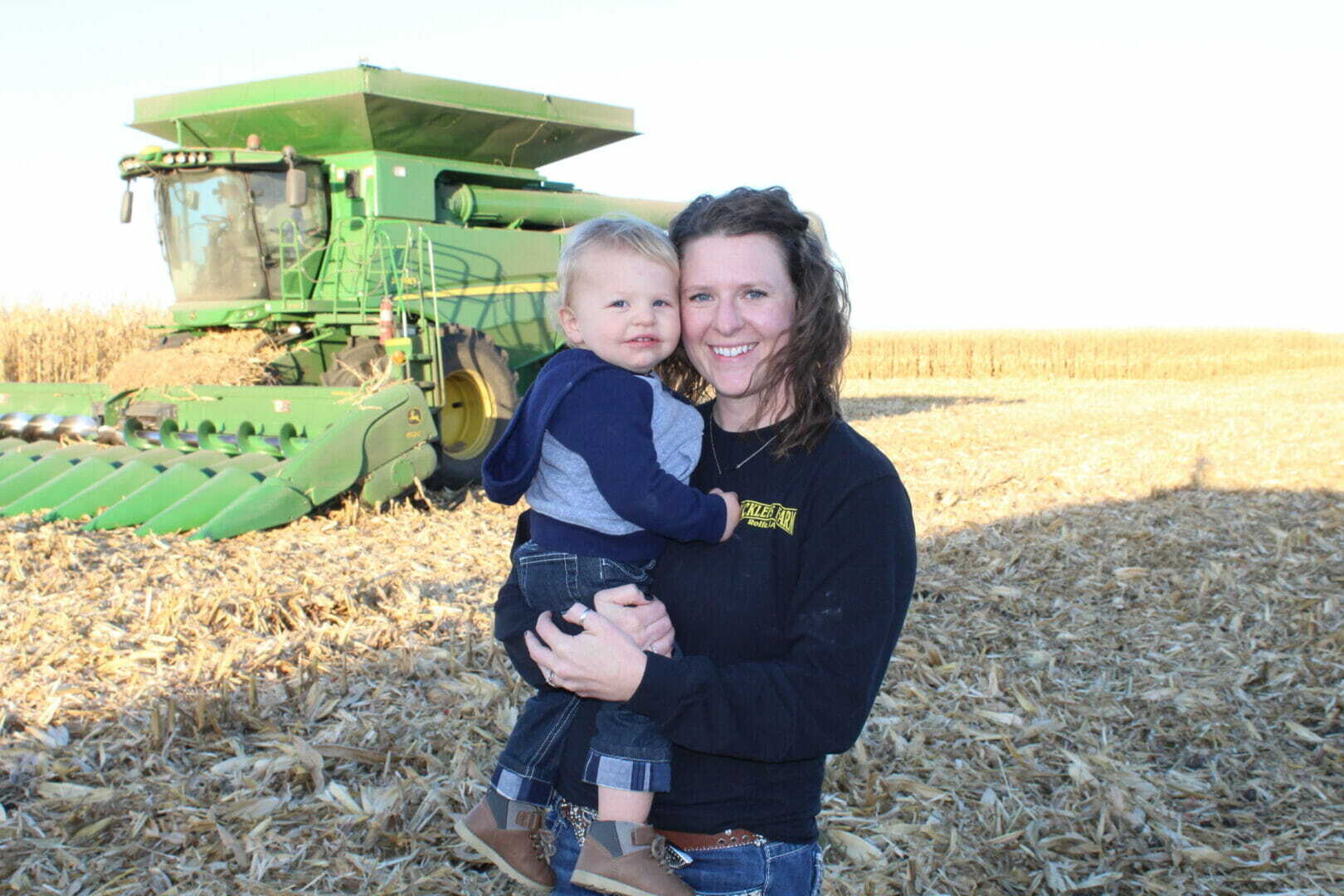
    DSC 7876While many people focus on the challenges faced throughout 2020, this year has provided Jenna (Braun) Ricklefs of Rolfe, Iowa, with many reasons to celebrate. This year marks the fifth anniversary of Jenna starting her own successful Latham® and Ag Spectrum dealerships. She and her husband, Jon, will celebrate their fourth wedding anniversary in November. Their son, Levi, celebrated his first birthday on June 21.

    What is this 30-year-old’s secret to getting it all done?

    “Being organized is key,” says Jenna, who just wrapped up the 2020 harvest season. “Before harvest started, I bought a lot of groceries. I made meals and put them in the freezer.”

    Jenna also has learned to “put her ask in order.”

    “It is very true when people say raising a child takes an army. I called on people for help during harvest. I hated having to ask for help, but I couldn’t have done it without any of my friends and family!” says Jenna. “My mom was a saint, helping with Levi. On the days that Jon and I would need to take Levi with us to the field, we packed lots of snacks and toys. We took turns having him ride either in the grain cart or combine. He took an afternoon nap in the combine. Then someone would take over for me at night, so I could take Levi home for supper and enjoy some time playing with him before tucking him in. He kept his bath time and bedtime routine.”

    IMG 2740Jenna and Jon work as a team, helping one another around the farm and with their respective businesses. Jon helps Jenna put in seed plots and sign fields when he can. In addition to farming, Jon also has a painting and autobody business.

    “I love getting to work with my husband and having a seed dealership provides me with great flexibility,” says Jenna, who graduated in 2013 with a degree in Agronomy from South Dakota State University. She worked two years as a field sales agronomist a local co-op before starting her own business.

    The Ag Spectrum and Latham dealerships really complement each other, says Jenna. She helps her customers by providing farmers provide a whole production environment for growing a healthy crop. She takes soil samples and writes crop plans. She also conducts on-farm test plots.

    CaptureJenna’s career combines all her interests, and being her own boss provides her with more flexibility.

    “I like that I can work but be around the farm when someone needs me,” says Jenna. “I can provide a service for my customers, make an income, yet help my family when they need it.”

    Some days are long, but Jenna would not trade these days for anything.

    “Now Levi notices trucks and tractors. I just love to watch him and wonder what he’s thinking when he’s looking at a book or destroying my kitchen by pulling everything out of the drawers!” she says. “Levi isn’t afraid of anyone or anything. He’s so friendly. Even though he isn’t speaking words yet, he will have a very detailed conversation with anyone! He’s my best little man and is always here to keep my company and cheer me up.”

    Jenna encourages young women in agriculture to work hard for what they want.

    “Don’t let the status quo intimidate you,” she says. “If it’s something you are passionate about, don’t get scared or doubt yourself. Take a leap of faith and go for it!”

    With harvest complete, Jenna is turning her attention to finalizing crop plans and writing her customers’ seed orders. She looks forward to slowing down a bit and enjoy more family meals together. Today she is sharing with us a recipe for one of her favorite comfort meals.


    Shannon Latham

    November 6, 2020
    Agriculture, Industry News, Poultry, Recipes
  • Latham Hi‑Tech Seeds

    Fall Harvest is Underway

    Team latham in the field

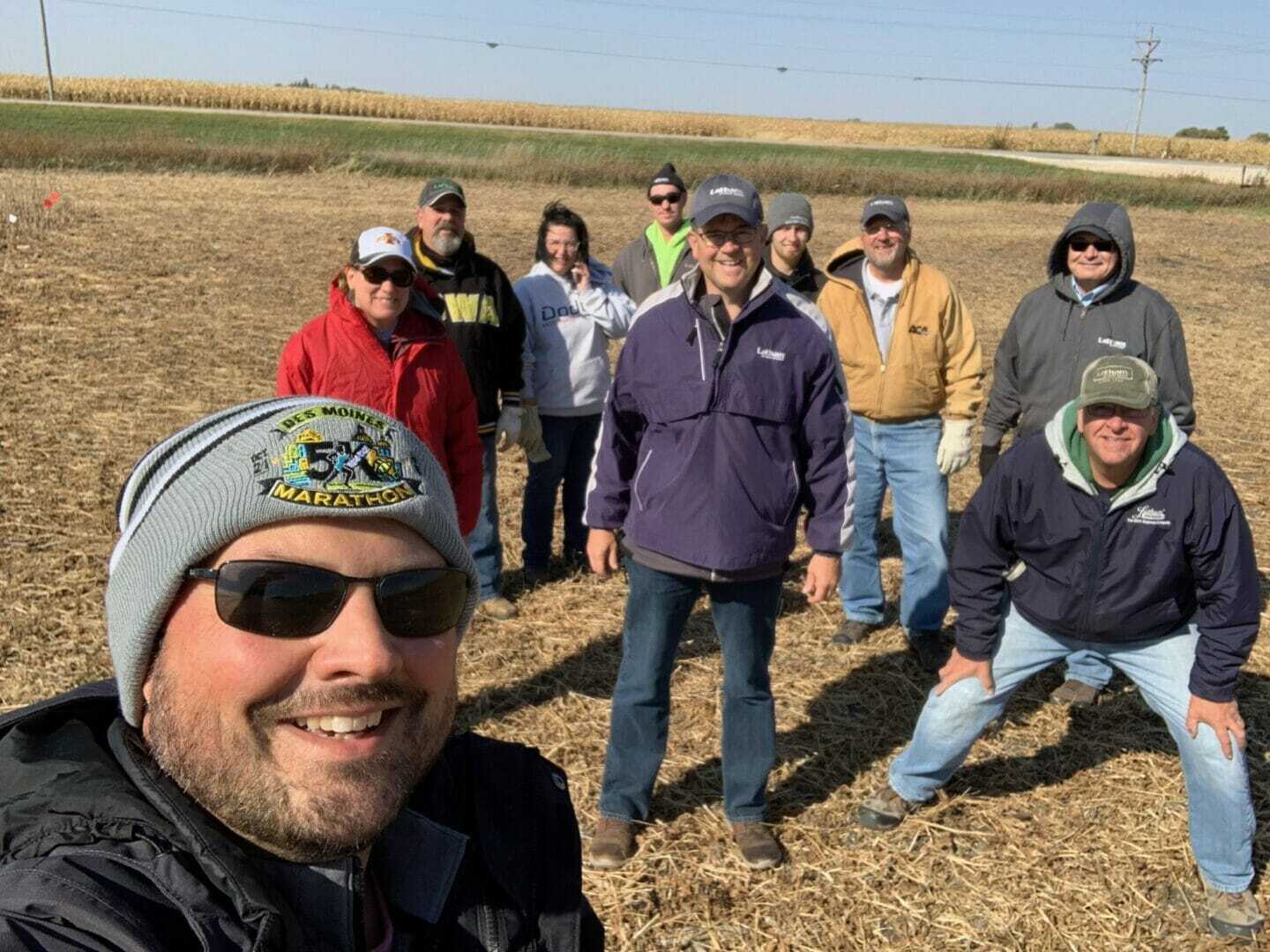
    Team latham in the fieldFall harvest is underway in North Iowa. This means the scales are busy at Latham Hi‑Tech Seeds headquarters on our family’s Iowa Century Farm in Alexander.

    Below are the Top 3 Reasons that Latham® brand soybeans have developed a reputation for quality and continue to top yield trials:

    1. Harvest Protocol – The majority of Latham seed beans are brought to our plant upon harvest. These soybeans are kept under the watchful eye of Latham Production Plant Manager Greg Jaacks and his well-trained team. The Production Team uses a hand probe to take samples of every load of soybeans that crosses our scale. Each soybean variety is then stored in a separate bin; each bin is monitored daily to ensure the seed does not go out of condition before it is bagged or boxed. Some varieties are not grown near our Alexander plant, so we work with trusted family-owned seed conditioning partners that have a reputation for providing top quality.
    2. Careful Conditioning – Throughout the process of taking the seed from the bin and placing it into bags or boxes, Latham’s Production Team carefully handles the seed each step of the way. Air screens and scalper screens remove sticks and pods. Sifter screens remove splits and small soybeans. Fans remove dust and dirt. Additional separator equipment ensures even shape, form and density. The results of this intensive process can be observed in each and every finished unit of Latham brand soybeans.
    3. Quality Over Quantity – Throughout the process, quality is top priority as opposed to the speed of conditioning and bagging. Our production process slows when winter temperatures fall below 10 degrees and will halt completely when temps hit zero; other companies continue to condition seed although it can severely affect seed integrity and germination.

    Producing the highest quality seed for farmers is the legacy we are proud to continue as the third generation of Latham family members to own and operate Latham Seeds. In fact, we take quality so seriously that President John Latham and General Manager Ryan Schon joined members of our production team this week as they pulled rogue plants by hand from a nearby production field.

    We appreciate the diligence of our growers to work with us to produce as pure as seed of possible. We are grateful to have worked for so many years – and for generations – with local farmers to produce Latham brand soybean seed. Below are feature articles about a few of our contract soybean growers:

    • Ted Pitzenberger
    • Phil Pitzenberger
    • Ian Pitzenberger

    To celebrate our family’s legacy of producing high-quality soybeans, we’re sharing with you a slow cooker recipe for a meal that can be prepped in the morning before you head to the field during the busy harvest season. The following recipe for Calico Beans has been adapted by The Soy Foods Council to promote soybeans. Because October is Pork Month, you could further adapt this recipe by adding a pound of browned pork burger.

    Shannon Latham

    October 9, 2020
    Agriculture, Crop, Industry News, Soybeans, Tech Tuesday
  • Latham Hi‑Tech Seeds

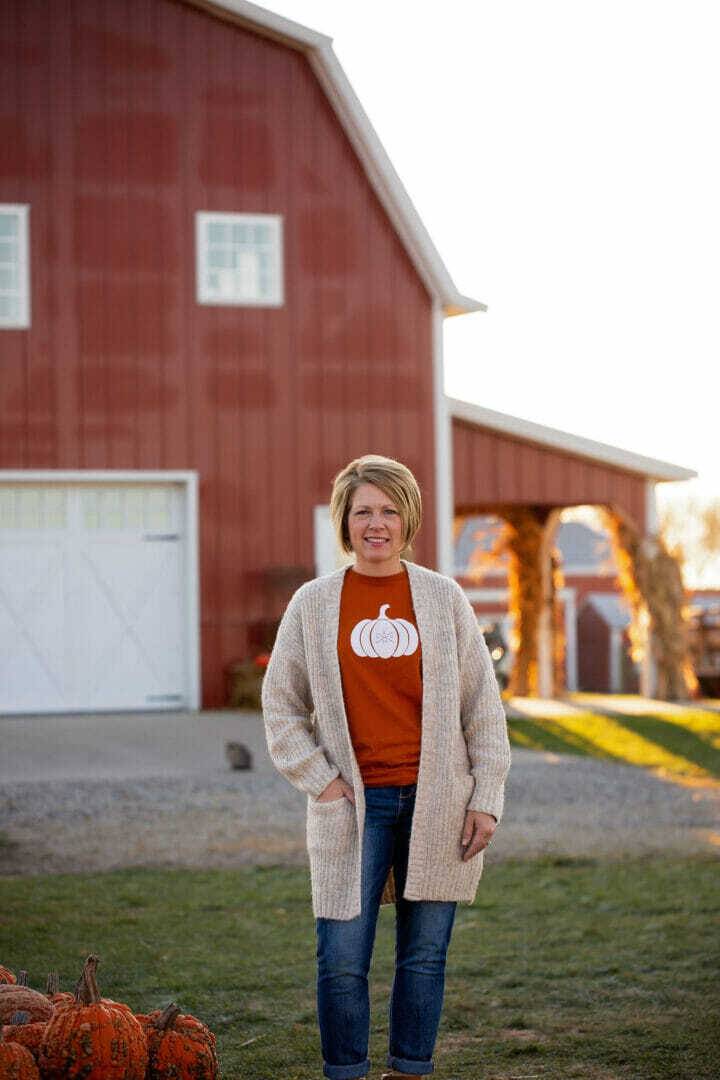
    Create Magical Memories at Enchanted Acres

    LathamFOA

    CELEBRATE OCTOBER PUMPKIN MONTH WITH ENCHANTED ACRES

    The gates to our magical pumpkin patch, Enchanted Acres, will be open every weekend from Sept. 25 through Oct. 25. Our hours are 9 AM to 5 PM every Friday and Saturday and 11 AM to 5 PM every Sunday.

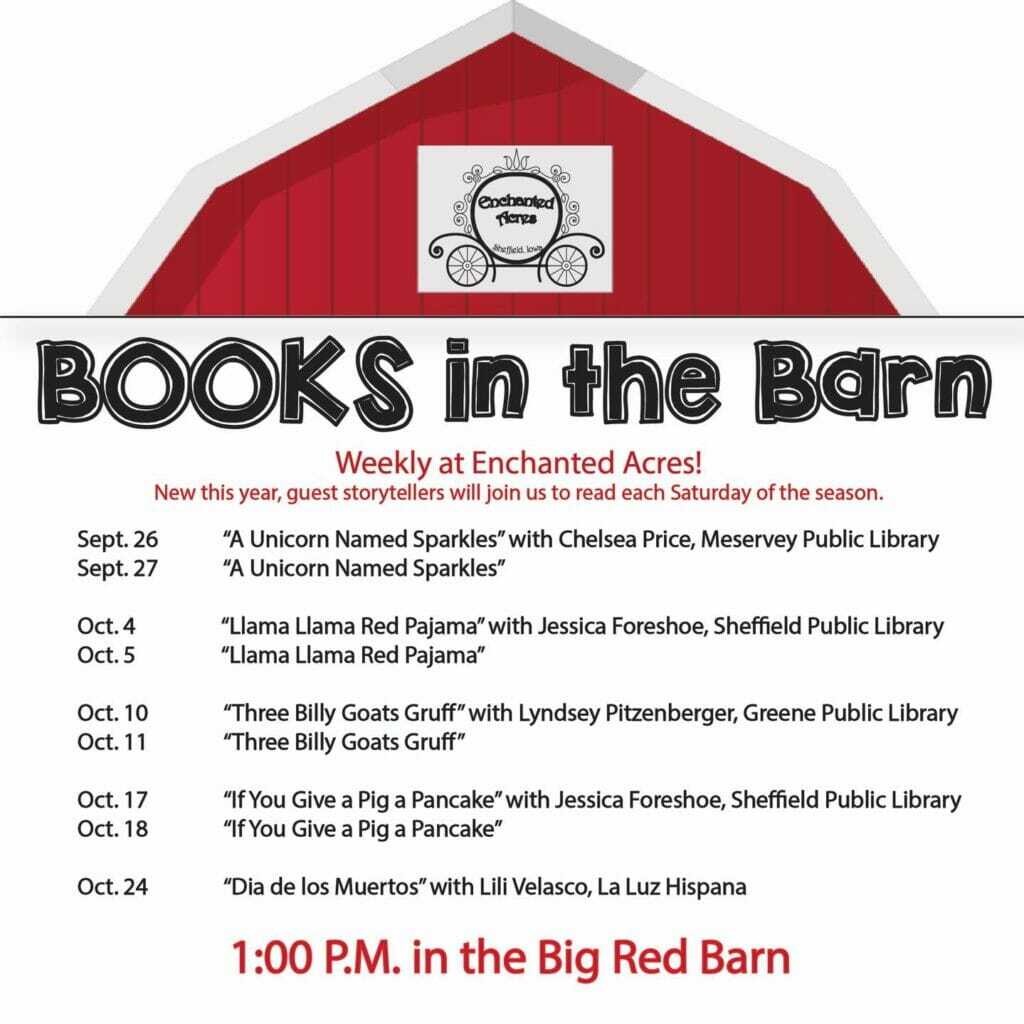
    Our humble beginnings started in 2012 with a rented tent where we hosted pumpkin painting workshops. Due to the worldwide COVID-19 pandemic, we are once again focusing on pumpkin decorating workshops and other simple pleasures, like Books in the Barn story time, for families and small groups. Each weekend we host unique experiences for people of all ages.

    Stay up to date with workshops being offered on our Enchanted Acres’ Facebook page. Facebook is also where we share photos and videos of our adorable goats, including our mascot Nibbles and her young twins.

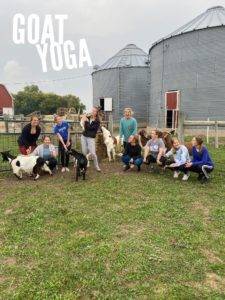
    10.5.20 blogOur opening weekend was event-filled from goat yoga to chainsaw art carving demonstrations by Logs 4 Heroes to a visit from the cookie dough food truck. We also hosted a succulent planting workshop, and Sarah Morton Fitness of Hampton taught a fun goat yoga class in our pasture.

    The Marketplace Café is open on Saturdays and Sundays, serving up popular Apple Orchard Panini and Pumpkin Patch Panini. Every weekend we also serve up homemade lunch specials, ranging from Hot Beef Sundaes to Chicken Tacos made from the chickens we raise.

    Check out our Schedule of Events, and make plans to join us throughout the season. NOTE: Special workshops, including the 1 PM crafting sessions on Saturdays, require advanced registration. It’s our hope that a visit (or two or three!) to Enchanted Acres becomes an annual tradition.

    We often post event updates throughout the season on Facebook, so be sure to “give us a like.” You can follow along with the fun all year long through Facebook and Instagram. In addition, we provide a complimentary quarterly newsletter to which you can subscribe by clicking here.

    We look forward to seeing you see you soon at Enchanted Acres in Sheffield, Iowa, where memories grow! In the meantime, we’re helping you celebrate October as Pumpkin Month by sharing with you a few of our favorite recipes:

    • Spook-tacular Halloween Goodies
    • Squash and Sausage Soup
    • Butternut Squash Bake

    2020 Books in the Barn


    Shannon Latham

    October 5, 2020
    Agriculture, General, Industry News, Recipes, Sides
  • Latham Hi‑Tech Seeds

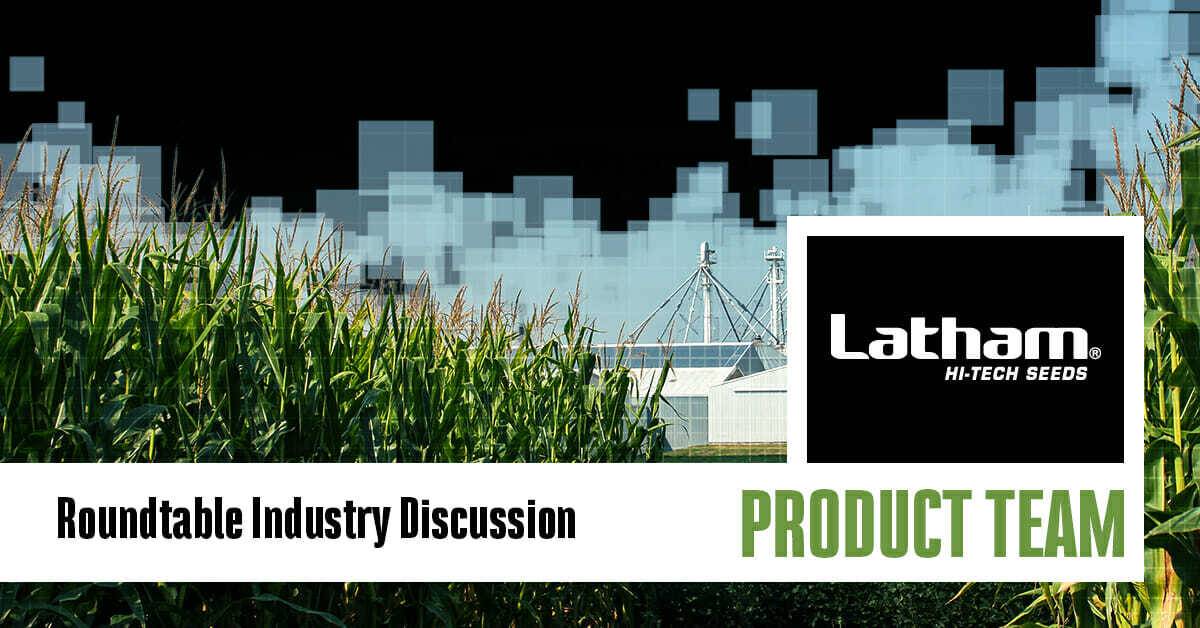
    Roundtable Industry Discussion with Latham’s Product Team

    Field day presentation slide product team
    Tune in for an Industry Roundtable with Latham’s Product Team hosted by President John Latham.
    • 0:35 — Introductions
    • 2:06 — What soybean technologies can farmers be looking forward to in the future?
    • 3:50 — Has any of the extreme weather affected our corn supply?
    • 5:45 — What additional agronomy videos are coming down the pipeline?
    • 8:50 — Can the Data Forward app help with yield estimates?
    • 11:25 — How to prepare yield monitors to gather accurate yield data?
    • 16:30 — Late-season visible differences in treated and untreated seed
    • 18:00 — Update on XtendiMax renewal
    • 20:25 — 2021 corn line-up sneak peak
    • 24:00 — What makes the word INDEPENDENCE so meaningful at Latham Seeds?
    • 28:30 — Can we fix yield data after harvest?
    • 29:25 — When is the best time to soil sample?
    • 32:40 — Seed treatments: where can farmers cut some costs?
    • 35:45 — John Latham’s update from ASTA

    Laura Cunningham

    September 9, 2020
    Agriculture, Agronomics, Herbicide Technology, Industry News, Seed Technology
  • Latham Hi‑Tech Seeds

    Clear Lake FFA Gets Reinstated

    UNADJUSTEDNONRAW thumb 838
    13087649 1006300349446330 4449791847581197233 n
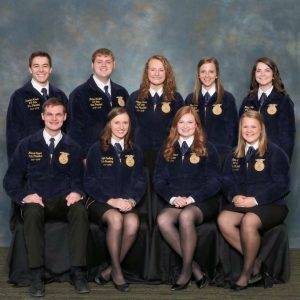
    Elisa Russ served as the Iowa FFA Officer for the first time in 2015-2016.
    Back row (left to right): Brandon Hanson (North Central State Vice President), Hunter Hamilton (Southeast State Vice President), Mikayla Dolch (Southwest State Vice President), Elisa Russ (Northeast State Vice President), Hailey Burley (Northwest State Vice President)
    Front row (left to right): Michael Tupper (State President), Kayla Kaalberg (State Secretary), Amanda Anderson (State Reporter), Erica Baier (South Central State Vice President)

    A blue corduroy jacket has been the ticket to adventure for Elisa Russ, a graduate of New Hampton High School in Northeast Iowa. This jacket has taken her across the United States and to South Africa. She also worked for two summers as staff for the National FFA’s Washington Leadership Conference (WLC) in Washington, D.C., before she graduated from Iowa State University. She accepted a job in 2019 as agricultural education instructor and FFA advisor in Clear Lake.

    “FFA has played a huge role in my life, and through my involvement with the FFA, I have met some of the most important people in my life,” says Ms. Russ, who served on the Iowa FFA state officer team for two years. She was elected to serve as 2016-2017 State President, 2015-2016 Northeast State Vice President, and 2013-2014 Northeast District Secretary.

    While in high school, Ms. Russ was involved in band, choir, speech, 4-H, sports manager, and church youth group. She  earned her greenhand, chapter, Iowa FFA and American FFA degrees. Her positive experience in FFA, combined with her dad’s experience as an agricultural instructor, are the main reasons she decided to major in Agriculture and Life Science Education at Iowa State University.

    “With both of my parents and my older sister being teachers, I saw the impact they were making. I really wanted to do that, too,” adds Ms. Russ. “What set me on the path of being an ag teacher and FFA advisor was watching so many people in my life be changed by their involvement in ag education. When a student really jumps into their ag classes and is active in FFA, it can be a life-changing experience. I wanted to help create that experience for students.”

    The Clear Lake FFA Chapter existed until the mid-1960s and then re-chartered in the fall of 2019. The chapter has 78 members. One reason there is so much interest in joining the Clear Lake FFA is that students are interested in developing leadership skills, and Russ says they feel welcomed into the Clear Lake FFA program.

    “Some of my proudest moments of my first year of teaching is when students tell me they look forward to being in the ag room every day. I love hearing that they’re excited to come to school now, and that they have found a spot where they belong. I think that atmosphere of acceptance and inclusivity has been crucial in growing our program, regardless of students’ background in ag.”

    UNADJUSTEDNONRAW thumb 838
    Clear Lake FFA members, who were interested in attending the National FFA Convention, had to apply. The application focused on their involvement in FFA and how they plan to use their experiences at national convention when they return home.
    Those who were selected toured Fair Oaks Dairy on their way to national convention in Indianapolis. As part of the convention, they also took a Career Development Events tour that showed students what it looks like to compete in an FFA competition. They watched students competing in Agronomy, Floriculture, and Poultry Judging.
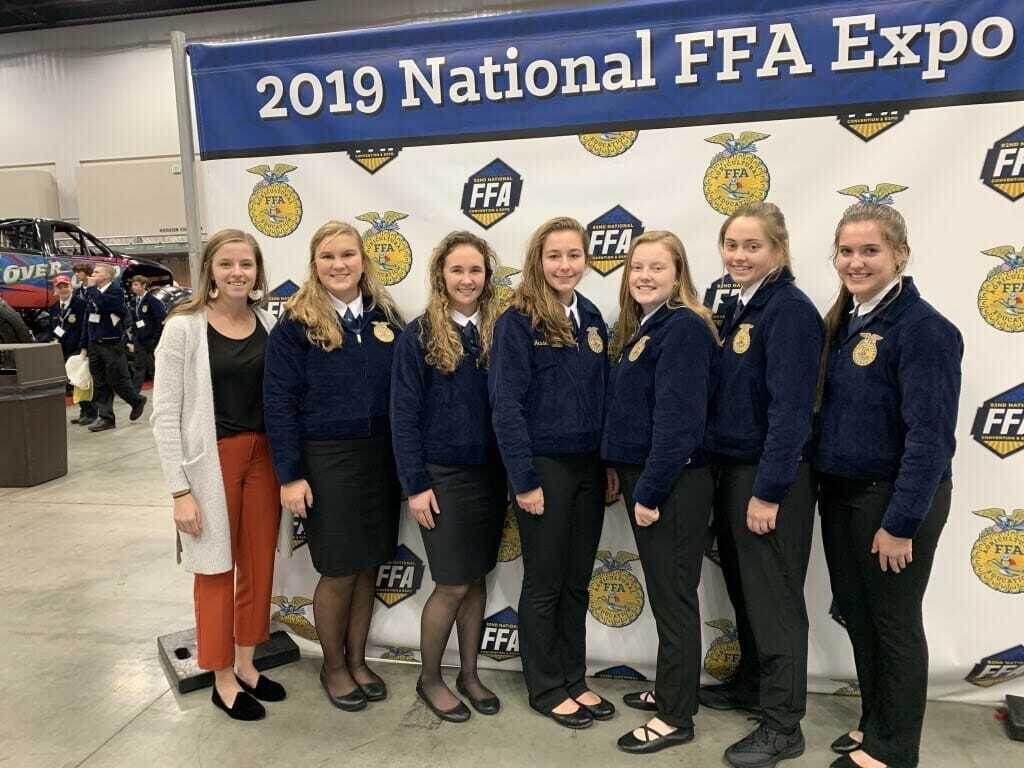
    From left to right: Ms. Elisa Russ, Olivia Brcka, Julia Merfeld, Jessica Theobald, Maycee Wilkie, Darby Dodd, and Emma Pingel

    Fewer than 25 percent of the Clear Lake FFA members have a rural/production ag background.

    “I love getting students involved who might never have thought about a career in agriculture,” says Russ. “Because I don’t have a production ag background myself, it allows me to really connect with that demographic of students and make them feel included in the program.”

    Members of the Clear Lake FFA Chapter have a variety of Supervised Agricultural Experience (SAE) projects underway including diversified crop production, landscaping, soil science, beef operations, veterinary science, food production and processing, and equine science.

    Animal science is one of Russ’ favorite classes to teach because students are so engaged. If they were raised around livestock, students enjoy learning more. If they haven’t been raised around livestock, they’re intrigued by animal science. She also really enjoys teaching horticulture and floriculture as those were focus areas for her SAE projects.

    “We’re in the beginning phases of getting a greenhouse built for the ag ed program, which we hope to have completed by the start of the 2020-2021 school year,” says Russ, who adds that additional funding is needed to complete the project. “My hope is this greenhouse will have some space set aside to grow vegetables that can be implemented either in school lunches or our Family and Consumer Sciences program.”

    There is always room for a chapter to grow, but the Clear Lake FFA certainly has had a productive first year. Members have participated in the Greenhand Fire-Up Leadership Conference, National FFA Convention and Expo, Ignite and Amplify Leadership Conferences, Legislative Symposium, and leadership development events. Students competed in job interview, public speaking, ag sales, ag broadcasting, creed speaking and the Greenhand Quiz.

    At the chapter/local level, the Clear Lake FFA has held monthly meetings, had a Christmas Meal Box service project where we partnered with Iowa Select Farms and provided our local food bank with 24 holiday meal boxes that included a pork roast and all the fixings. We also celebrated National FFA Week throughout the high school and were gearing up for our state convention, which has been postponed until a later date due to the COVID-19 pandemic.

    Capture
    You’ll find blog copy that talks about their community service project. Please insert this photo near that copy and identify the students in this photo.
    From left to right: Emma Pingel, Maycee Wilkie, Julia Merfeld, Allexa Whitehouse, Riley Cooney

    “Clear Lake Ag Ed and FFA would like to thank our community for the unbelievable amount of support we have received. We could not have had the success during our first year without their support. Despite the absence of ag education and FFA in Clear Lake for some time now, there are a lot of community members who have a history in the FFA. Those people know that FFA has really changed and evolved to include all students who want to know more about agriculture. The FFA is much more than ‘future farmers.’ However, the traditions and values of hard work and community service are still very much present in our organization. We’re just getting started here in Clear Lake, so keep your eyes out for a lot more coming out of this program!”

    In celebration of her first year as an agricultural education teacher and FFA advisor, Ms. Russ is sharing with us one of her favorite recipes. She says this recipe reminds her of warm summer days spent baking with her mom.

    “My mom only made these bars a few times each year, so it was always a special treat,” says Ms. Russ. “I hope you enjoy them as much as I do!”

    Shannon Latham

    May 8, 2020
    Agriculture, Industry News
  • Latham Hi‑Tech Seeds

    2020 I-LEAD Mission Trip Reiterates Importance of Steady Trade Partners

    Group Photo

    guest blog post by Emily Peters, Sales Manager of Agricultural Products for Union Pacific Railroad

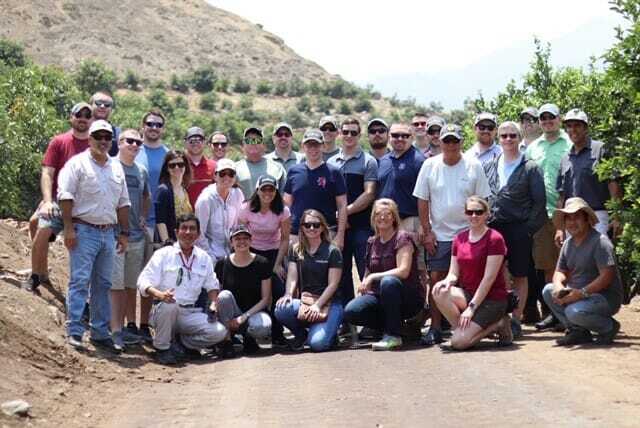
    Group PhotoIf you watch the news or read the headlines in the paper about all the trade disruptions, you would wonder if there’s a place in this world where U.S. agriculturists are welcome. The truth is every day many people share the story of American agriculture.

    Earlier this spring I had the opportunity to attend a trade mission with the Iowa Corn Growers’ Iowa Leadership Enhancement and Development (I-LEAD) program. About a year and a half ago, my I-LEAD classmates and I debated where to go for our trade mission. Our final two options were (1) China; and (2) Peru, Colombia, and Panama.

    Option 2 won by a slim margin because we thought it was important to meet with steady trade partners, even if they weren’t as large.” Our I-LEAD class departed Des Moines on March 2, 2020, with the mission of learning about, strengthening and growing important trade partnerships for U.S. agriculture.

    Class at CanalThroughout the trip, we visited with local representatives of the U.S. Grains Council (USGC), USDA’s Foreign Agricultural Service (FAS), U.S. Meat Export Federation (USMEF) and the U.S. Embassy in both Peru and Colombia. Maintaining these relationships was a key theme.

    One representative from the USGC said it best, “Latin America is a constant and consistent consumer as long as you don’t ignore her.”

    I was impressed by the great talent working in our foreign Ag sectors. They are doing important work. For example, they work with local politicians to structure and implement price-band systems that make U.S. corn more price competitive with grain from other countries. A tour of the National Institute of Agriculture queued us into the growing interest among Peru’s science community to understand how GMOs could help their populations. While Peru does not allow local growth of GMO crops, importing GMO corn is critical to feeding its growing poultry market.

    We met with large customers of U.S. corn. Not only did they express appreciation for our corn, but they also showed us how much U.S. corn supports their businesses. We toured the production facility of Huevos Kikes, the largest egg production company in Colombia. It produces five million eggs daily, and egg production is expected to grow to six million eggs daily by the end of 2020!

    Eighty percent of the corn used by Huevos Kikes for feed rations comes from the United States. We reassured company representatives that we have plenty of corn available to meet their growth expectations. We also visited an Ingredion corn processing facility, which produces germ, gluten/feed, syrup, gluten meal, modified starch, and slurry-suspended starch. This facility imports 385,000 tons of #2 yellow corn annually, and 100% of that comes from the United States!

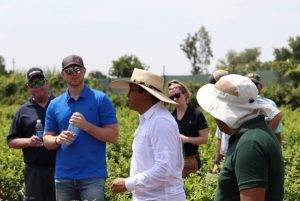
    Field MeetingThe farms we toured were amazing! They were vast in size. They also were diverse and faced unique challenges to what we see in the Midwest. One farm we visited raises 30 different fruits, accounting for more than 1 billion pieces of fruit annually. This same farm also grows avocados and feeds seven million chickens.

    Geography determines where citrus can be planted. We toured a 4,000-acre piece of ground in a narrow mountain valley that is devoted to mandarins and avocados. The area south of Peru is extremely dry, requiring costly irrigation for all production ground. It costs $80,000 to drill a well 100 meters deep.

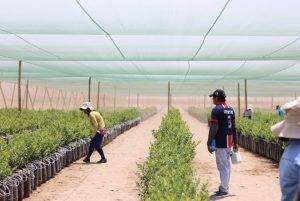
    BlueberriesAnother farm we visited raises asparagus, papaya, and blueberries. I found blueberry production extremely interesting. This farm was in the middle of a desert. All its blueberries are grown in bags of soil, so they can be immediately certified organic. Nearly all the blueberries raised here are exported, as local Peruvian consumers are not yet accustomed to the taste.

    Just as Midwestern bankers are reserved about lending to specialty crop farms, Peruvian bankers are not yet comfortable providing loans for blueberry farms despite the crop’s enormous margins. Lenders in Peru are more familiar and, therefore, more willing to lend for asparagus and papaya production.

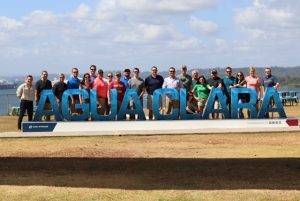
    Class at CanalOur last stop before heading home to America the Panama Canal. I’m so glad we made the stop because its immensity is something you can’t grasp from pictures. The Canal spans 50 miles with three lock-steps on each side, and Lake Gatun is in the center. The ships passing through the locks were HUGE.

    Two-thirds of all vessels going through the Panama Canal are either going to or coming from the United States. One hundred percent of U.S. corn going to Peru and 50% of U.S. corn going to Colombia travels through the Panama Canal. Without this canal, ships would have to travel an additional 8,000 miles around Cape Horn.

    Our trip reiterated the importance of maintaining relationships with steady trade partners. During this uncertain time with China, our largest trading partner, it was refreshing to meet with trade partners like Peru and Columbia who WANT to buy U.S. products.

    In addition, my eyes were opened to how important it is to understand what is valuable to various sectors within the agricultural industry. For example, some critics of our trade agreements will argue the volume of corn exported from the United States to their countries far outpaces the volume of crops they export to us, therefore, creating an unfair trade imbalance. However, their specialty crops are more valuable per unit. Although we don’t produce citrus, avocados, or commercial flowers here in the Midwest, those producers are important allies in defending trade agreements that make U.S. producers preferred suppliers.

    Finally, this incredible opportunity reminded me of how blessed we are. A HUGE thanks to Iowa Corn, and all the generous sponsors like Latham Hi‑Tech Seeds, for granting the trip of a lifetime to 25 of us aspiring Ag leaders.

    Today I’m sharing with you a recipe for empanadas from Food & Wine as this is a delicious meal that is often served in Peru.

    Group Photo

    Shannon Latham

    May 1, 2020
    Agriculture, Beef, Industry News, Recipes
  • Latham Hi‑Tech Seeds

    Spring is Filled with Hope

    Feature image

    We are thankful for the beauty of spring, our front-line workers and the hope of what’s to come. We choose to remain grateful in the midst of hardship. For all who help keep the world turning, we say “thank you.”

    Laura Cunningham

    April 27, 2020
    Agriculture, Industry News
  • Latham Hi‑Tech Seeds

    CAL School Farm “Goes Green” with Gardening

    Students at hog area

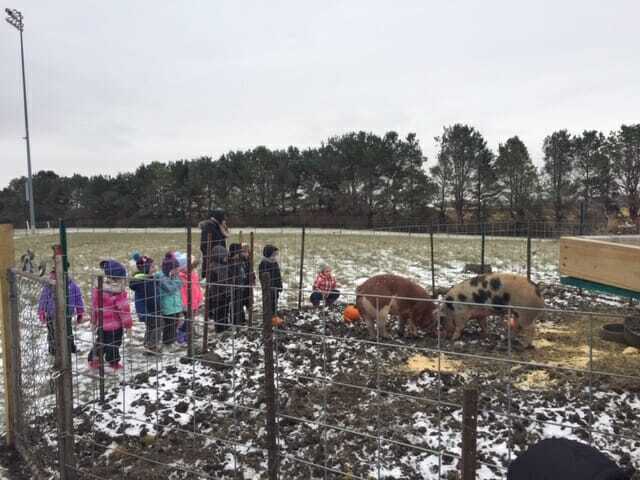
    One advantage a rural school has is acres for learning. CAL’s Go Green Learning Garden was established 2017 in Latimer, Iowa, as part of the Farm to School program for elementary students.  After nine months of planning and constructing buildings, a school farm was added.

    “Our Children’s Acres for Learning, or CAL School Farm, is something that we are very proud of and our students are excited about what they can learn from the farm,” says Steve Lane, who served as superintendent of C-A-L, a public school for the communities of Coulter, Alexander and Latimer. CAL Middle School and High School became shared as part of the Hampton-Dumont School District (H-D CAL) beginning in 2018.

    Greenhouse 1The Go Green Learning Garden is comprised of five raised garden beds in which radishes, onions, tomatoes, zucchinis, peppers, potatoes and strawberries are grown. Vined plants need room to spread, so this spring CAL will till a new land garden for potatoes, tomatoes and vine plants such as zucchini, cucumbers and squash. In addition, the greenhouse has been renovated recently. The plan is to sell plants and flower arrangements in May, just in time for Mother’s Day.

    “School Board Member Cathy Carlson attended the Iowa Association of School Boards Annual Convention in November 2017 where she listened to a presentation by students from Hamburg Community School, who had begun a school farm on their property,” explains Mr. Lane. “We believed our students had the capability to construct farm buildings and be involved in operating a farm similar to Hamburg’s. We also felt that we needed to educate our students as to where their food comes from, and that a hands-on approach would be the best way for students to learn about agriculture and the food chain.”

    Mr. Dave Harms, who taught at H-D High School and also worked as a Building Trades instructor for North Iowa Area Community College (NIACC), designed several farm buildings. He presented three different roof designs and each of our buildings have a different roof design. In early October 2018, Mr. Harms and Mr. Lane supervised elementary students from CAL to begin building the hog barn. It was finished just prior to Christmas break. Shortly after break, they began building the chicken coop and finished it in March.

    While the buildings were under construction, elementary students were cutting, measuring and painting the boards to create a picket fence. Elementary students also painted all of the buildings red with white trim. In April and May of 2019, the students were hard at work completing the goat barn. The goat barn is the largest of the three buildings. It was completed as school got out in June.

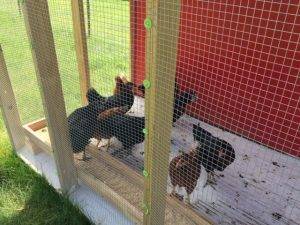
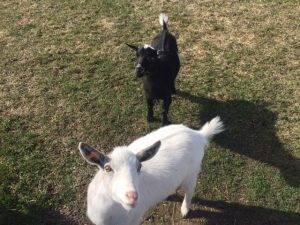
    ChickensChickens were added to the farm in early July 2019. The 12 pullets began laying eggs in August about the time the students started back to school. Other animals that make their home on the CAL farm include pygmy goats named Blizzard and Chip, a.k.a. Chocolate Chip, which the students named after ice cream flavors. Two pigs also were raised. The pork was processed Nov. 19, 2019, by LeWright Meats of Eagle Grove and the entire student body recently were served ham for school lunch.

    Students learn where their food comes from because it’s served on their plates and taught in both the indoor and outdoor classroom.

    Blizzard and Chip“Teachers plan lessons around what students learn at the farm in the way of Math, Reading, Science and Social Studies and even Art and Music,” says Mr. Lane. “Students sign up by the week to help with chores at 8 A.M., after lunch, and then again at 2:45 P.M. Each group consists of four or five students, who help with chores and gathering the eggs. Teachers also bring their classes to the farm when it is possible. All grades from 3-year-old pre-school to sixth grade have been learning about the farm.”

    Mr. Lane would like to acknowledge the following for making the CAL school possible: the CAL Board of Education; Forest and Evelyn Barkema Charitable Trust; Ag Venture Alliance; Lohrback Insurance; Olive Avenue Feed, LLC.; Hampton Veterinary Clinic; DeBour Electric; Niman Ranch (Delbert Hamilton); North Iowa Food Coalition; Val Plagge for the CAL Facebook Page; Roy Plagge, Donna Tidman (who donated the goats) and many others who have given us support and encouragement throughout the past year.

    To support the school garden, stay tuned to local Franklin County news for more information about how you can purchase plants and greenhouse items from the CAL Go Green Learning Garden.  Today we’re sharing with you a recipe for zucchini bread because in 2017 students got to turn the zucchini they grew into bread.

    Shannon Latham

    April 10, 2020
    Agriculture, Desserts, Industry News, Recipes, Sides
Previous Page
1 2 3 4 … 85
Next Page

Latham Hi‑Tech Seeds

131 180th Street | Alexander, IA 50420

(641) 692-3258

SIGNUP FOR OUR NEWSLETTER
  • Contact
  • Legal
  • Dealer Center
  • Seedware Login
  • Latham Gear

© 2025 Latham Hi‑Tech Seeds. All rights reserved. | Iowa Web Design by Webspec | Privacy Policy

Latham® Hi-Tech Seeds is a trademark of M.S. Technologies, L.L.C., 103 Avenue D, West Point, IA 52656.