Latham Hi-Tech Seeds

(641) 692-3258

  • Home
  • Products
    • Corn
    • Soybeans
    • Alfalfa
    • Corn Silage
    • Seed Guide
  • Performance
  • Find a Rep
  • Media
    • Blog
    • News
    • Videos
    • Podcasts
    • TECHTalk
  • About Us
    • Company History
    • Our Mission
    • Careers
    • Become a Rep
    • Sowing Seeds of Hope
  • Contact Us
  • Latham Hi‑Tech Seeds

    Sports Leads Salter Family Through Life’s Changing Seasons

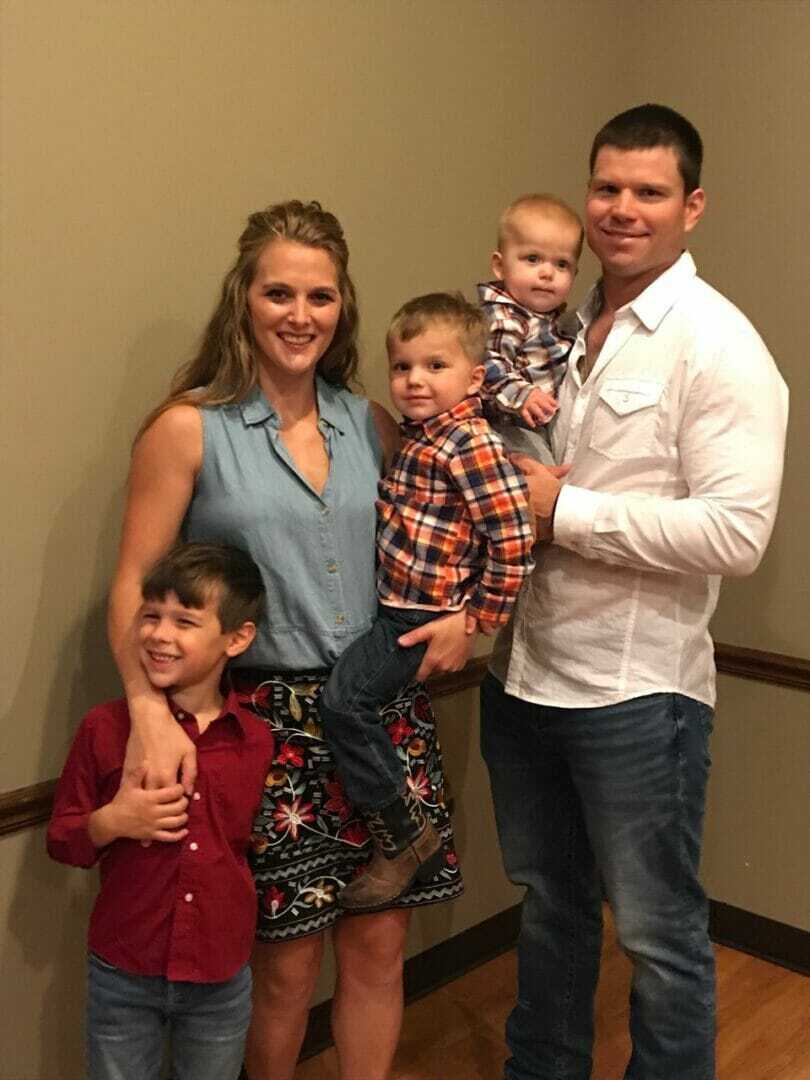
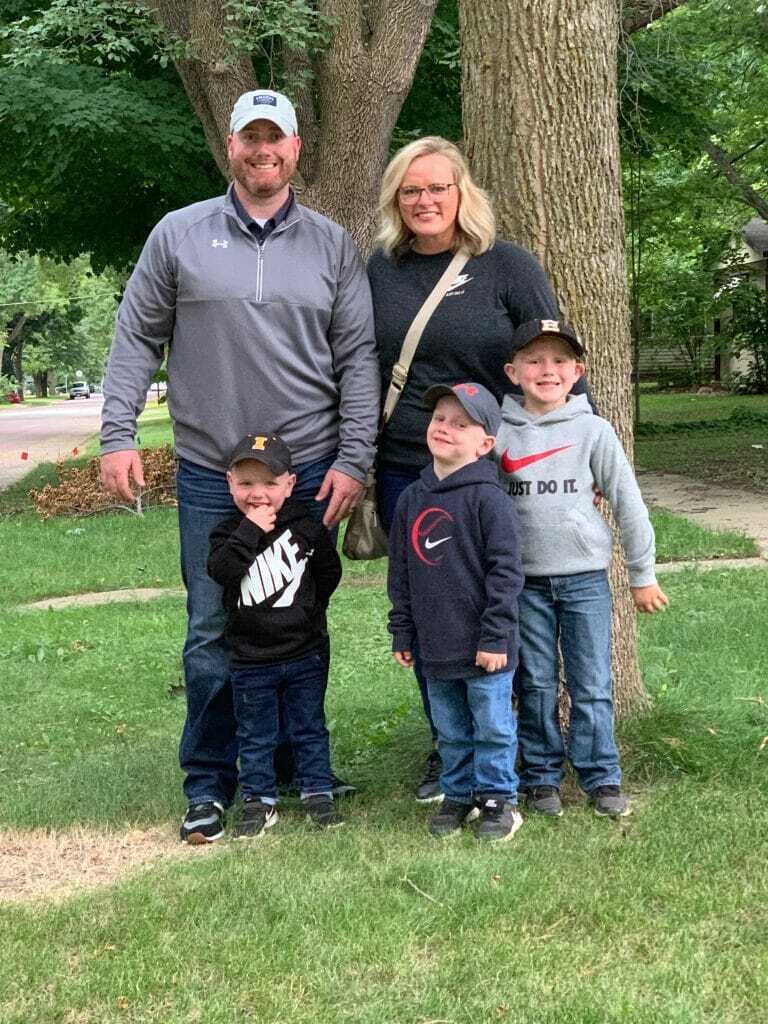
    Aron, Joe and Kids

    While growing up in Fall Creek, Wisconsin, a change in seasons meant a change in sports for Joe Salter. This three-sport high school athlete wrestled during the winter months and played baseball from spring through summer. He spent every Friday night of the fall season on the gridiron.

    Football became his passion. He played his freshman year at Mt. Scenario College. He then transferred to University of Wisconsin – Eau Claire and played one year as a Blugold.

    “The transition from high school to college is tough because the competition for each position is much greater,” says Joe, who played running back in high school. He started his college career playing wide receiver and finished playing defensive back.

    “The camaraderie amongst the college football players and coaches is a close second to that of a hunting camp,” adds Joe, who also is an avid hunter and fisherman. “The competition in practice and level of play during games was awesome.  I’ve always been very competitive, and college football help fuel that. Playing sports makes you rely on others, and that helps build rapport and respect one another.”

    While Joe says the competitive edge that sports creates helps create a drive within and that transfers into sales, he didn’t grow up aspiring to a seedsman. His career path includes a few unusual turns, but his background allows him to bring a unique perspective and understanding to his position as regional sales manager for Latham Hi‑Tech Seeds.

    Joe originally majored in Physical Education but switched majors after he began working as a personal trainer while he was attending college. Upon graduating from college, he and a couple of buddies started a training studio and coached young athletes.

    “I really liked the coaching aspect more than training, and being a coach allowed me to do both,” says Joe. After he and his high school sweetheart, Aron, married and started a family, Joe decided to take a job with a real estate division of a local construction company. That job provided health benefits and gave him the flexibility to continue coaching.

    When that company downsized a few years later, Joe went another direction. His brother-in-law told him about a position in fuel sales at an ag cooperative where he was working. It was the spring rush when Joe started working at that co-op, so he ended up helping service customers.

    “The hours were long. I spent most of them delivering and retrieving fertilizer spreaders and loading seed. After the spring rush, the Agronomy Manager offered me an Agronomy Sales position. I started with a few small accounts and enjoyed every minute of it,” says Joe. “I soon realized that seed sales was what I really wanted to do.”

    Joe says he wasn’t looking for a job when he learned Latham Seeds was looking for a salesperson in Northern Wisconsin. He finds it rewarding to work for a family-owned business.

    “I like that the owners of Latham Seeds and I share values. We’re committed to family and we’re vested in the community,” says Joe. “I don’t just want to sell you seed and run. I want to help you place products on your farm to help you succeed. I want to earn your trust and, in return, I want you to trust that Latham Seeds is not your average seed company.  We are a FAMILY that just happens to sell great seed products!”

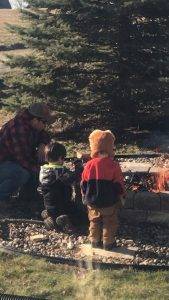
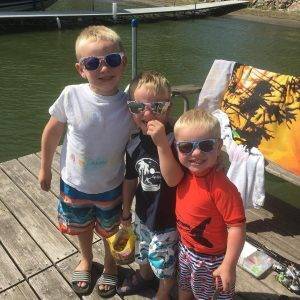
    Days for a regional sales manager can be long, but Joe maintains his active lifestyle. He and Aron encourage their kids to enjoy outdoor activities, which include but are not limited to shed hunting, fishing, baseball, football, wrestling hiking, kayaking, skiing, biking, boating and swimming.

    Aron, Joe and Kids
    Joe’s wife, Aron, grew up on a dairy farm in Fall Creek. She is a kindergarten teacher in Fall Creek and sells Doterra oils on her free time, which is usually from 9 to 11 P.M. when everyone is sleeping.

    “The outdoors has so much to offer! It’s easy to get caught up in our busy schedules and fail to enjoy other things in our lives. We enjoy spending time as a family outdoors, so it really doesn’t feel like exercise,” says Joe.

    “Exercise can be simple,” adds Joe. “Set a schedule for exercise that is manageable for your lifestyle. Stay consistent and don’t be too aggressive out of the gate. The same goes for eating healthy. Eat foods that you like and enjoy but stop after your serving. In other words, ‘Don’t eat too much’!”

    Kouper Salter
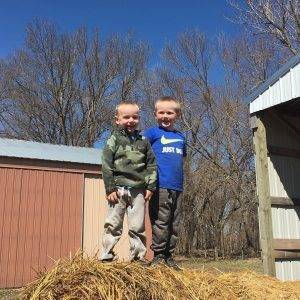
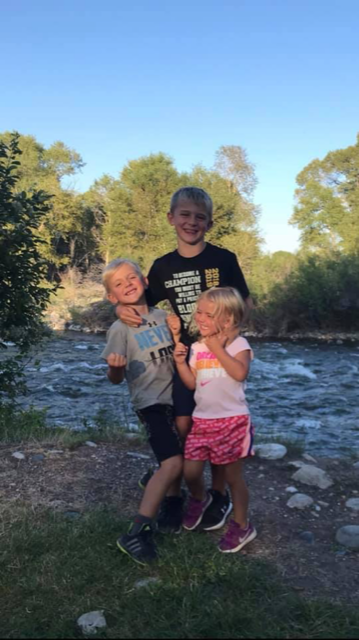
    Joe and Aron have three growing kiddos. Eight-year-old Kouper enjoys all sports. “He is ultra competitive,” says Joe. Last summer Kouper finished 3rd at Greco Nationals in wrestling. Now he’s focusing on flag football.

    It’s common for this growing family to enjoy a salad bar when they’re at home on the weekends. Kids really will eat their veggies, says Joe. The Salter family likes to set out “fun salad toppings” like strawberries, blueberries, dried cranberries, snap peas, cucumbers and tomatoes, as well as hardboiled eggs , ham and turkey for protein. Their kids have a hand in fixing their own salads.

    Brady Salter
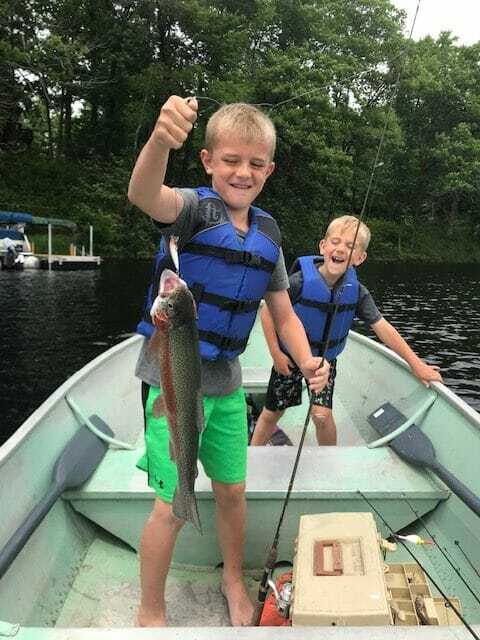
    “Braydy is 6 years old and is quickly turning into a mini Kouper,” says Joe “He enjoys outdoor activities and has to be the luckiest littler fishermen I know.” Braydy is also in flag football.

    They also look for look for creative ways to enjoy traditional foods.

    “One night I wanted to make meatballs for spaghetti. I was looking through meatball recipes and a couple called for shredded cheese. When I was in the process of mixing them, one of the boys said he wanted burgers instead. I skipped the crumbs and turned them into burgers with shredded cheese and it was a hit.  We also make a long burger and wrap it in bacon. That’s a hit, too.”

    Rejee Salter
    “Rejee Lynn is three years old, and she is the boss.” Says Joe. “Rejee is along for the ride to many of the boys sporting events. She also enjoys home days. Rejee loves to dance to the beat!”

    Grilled burgers are traditional fall tailgating fare across the Upper Midwest. Whether you’re getting ready for Friday night lights, College Game Day on Saturday or you’re eating meals in field during harvest, Joe Salter and his family are sharing a recipe that puts a creative twist on a traditional tailgating fare. Joe says grilled elk burgers are a family favorite because his kids helped create this recipe.

    Shannon Latham

    September 27, 2019
    Beef, Food & Family, Recipes
  • Latham Hi‑Tech Seeds

    Kuehn Family Looks Forward to a New Season

    Kuehn 2

    Kuehn 6September is a bittersweet time of year for Mike and Wendy Kuehn (pronounced “keen”) of Belview, Minnesota.

    It’s time to say farewell to summer and start preparing for the next season. The Kuehn family opens up their camper around the first of May each year and spends the summer months camping, boating and fishing. Labor Day is spent winterizing the boat and camper, so final preparations can get made for fall harvest.

    “I was raised a city girl, so I really didn’t understand farming until I met my husband more than 20 years ago. I married a third-generation farmer, and I’ve learned to appreciate what farmers do. I’m so proud of my husband because he puts so much care into raising crops and cattle,” says Wendy Kuehn, who recently sold her Lavish Salon & Spa but continues to work there full-time as a cosmetologist.

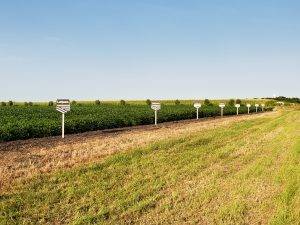
    Now that Wendy isn’t responsible for the day-to-day management of her own business, she’s putting extra energy into helping Mike grow their Latham® Seed dealership. They’ve logged many hours this summer, putting up field signs and checking the crops.

    Kuehn 8“We make a good team,” says Wendy. “I’m willing to get my hands dirty, and I really like social media.”

    Mike says he appreciate the way Latham Hi‑Tech Seeds looks for ways to bring families together at company events. He also really likes the quality of Latham brand soybeans.

    “We’ve had quality issues for years with other companies, so I can appreciate Latham’s quality,” says Mike. “I’m impressed with how quickly the Latham corn emerged. It was looking really good until it got hailed on, but it got good regrowth on it.”

    You can follow along with Kuehn Seeds on Facebook. Wendy says she and Mike enjoy promoting family-owned Latham Hi‑Tech Seeds because the company shares many of their same values. Just as Mike is a third-generation farmer, the third generation of Lathams is managing their seed business. The Lathams encourage their dealers to bring their families to company events because they, too, appreciate the importance of faith, family and farming.

    The Kuehns two teenage daughters enjoyed attending Latham Seeds’ annual dealer meeting, which was in early July held near Des Moines, Iowa.

    “My daughters and I love to go to the city for dinner and shopping, but we enjoy the peacefulness of living in the country,” says Wendy. “I like the privacy of living in the country. I also love that our girls are being raised next to their grandparents. We live across the road from Mike’s parents, and that’s where we keep our cattle. When our girls were little, they’d go over to their grandparents and help Mike feed the cattle.”

    Kuehn 7Now that their daughters are in high school, they’re busy with school and extracurricular activities. Brianna is a senior at Lakeview High School. She enjoys drawing caricatures and plans to attend college for animation. Bailey, a sophomore, enjoys painting watercolors and cheerleading. Bailey was voted Varsity football cheer captain as a freshman and is serving again as captain this fall. In addition, Bailey is captain of the JV dance line.

    “Mike and I are proud that are girls follow their hearts. They’re in their element when they’re doing theatre, dancing or drawing,” says Wendy.

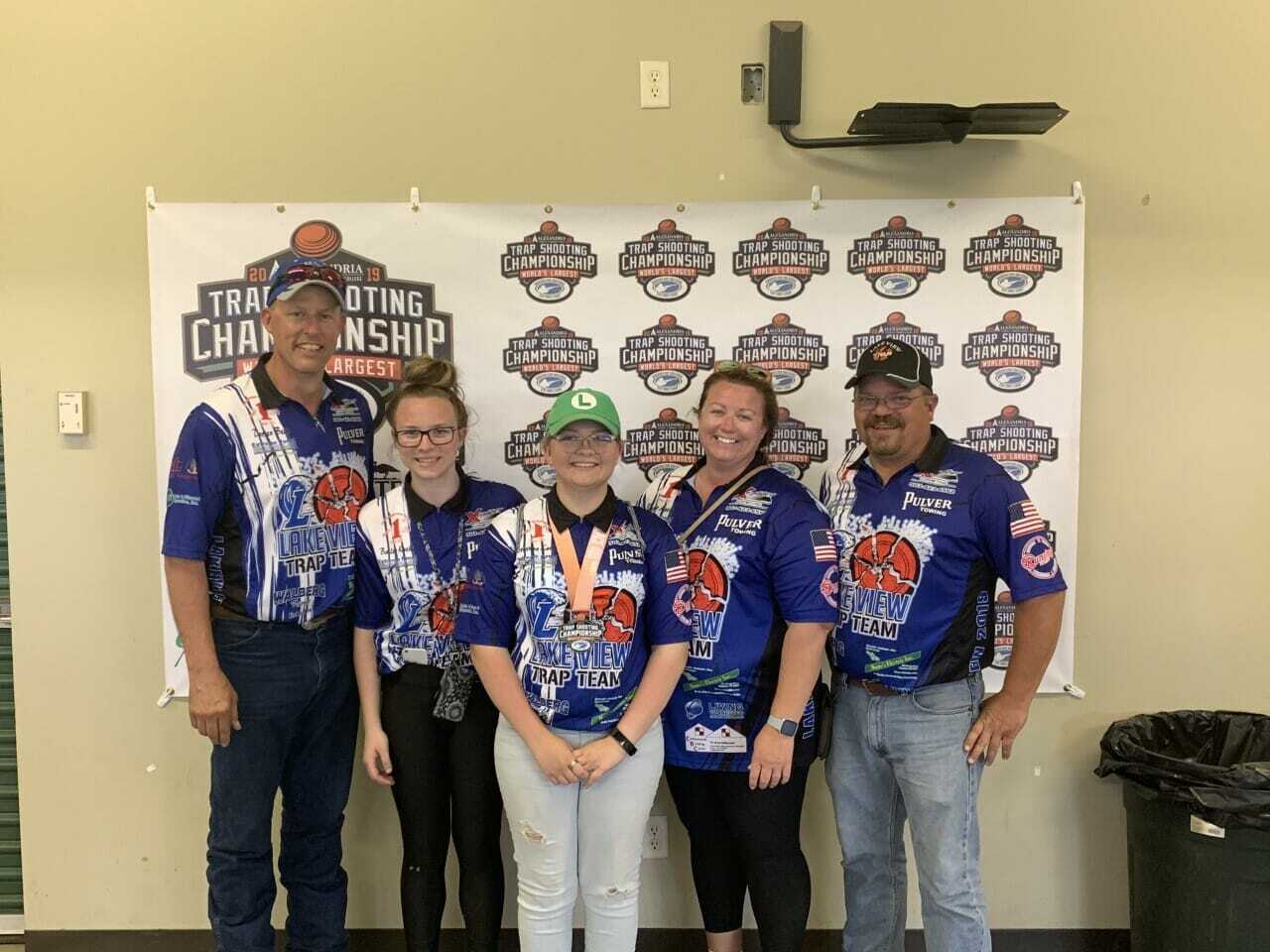
    Kuehn 5Both girls are on the trap team, and Mike serves as assistant coach for their teams. Brianna participates in both fall and spring trap, earning a varsity letter. Bailey participate in spring trap. During the summer months, Mike and Brianna shoot sporting clays.

    Trap shooting is an extremely popular sport in Minnesota. More than 330 high school teams, including more than 8,300 student athletes, participated in the 2019 Trap Shooting Championship held June 10-18 at the Alexandria Shooting Park in Alexandria. The Lakeview Booster Club donated funds, so members of the local high school’s trap team could attend.

    Hunting is also a family tradition. Mike and his father have been deer hunting in Wyoming for the past 30 years. Mike’s dad and his cousin started taking hunting trips out west in the 1950s. Now it’s an annual outing for them, Mike’s brother-in-law and his sons, as well as a slew of cousins.

    Kuehn 2Mike’s ability to rough-it prompted he and his pastor to embark on a wilderness experience two years ago led by Duke Edwards of Pinedale, Wyoming. A “super minimalist survival expert,” Edwards has appeared on National Geographic Channel’s “Mygrations” program He also is pastor of Wilderness Church.

    Mike and five others joined Duke Edwards on a hike six miles into the mountains with only the clothes on their backs and a knife.

    “We made our shelters. We caught grouse by hand. We ate chipmunk that we caught in a deadfall trap. We were hoping to catch fish and tried making a fish trap with paracord in 40-degree water, but that didn’t work too well. We made bows and arrows. We made our own shelter,” says Mike.

    Two large fires caused the group to abort their survival mission a day early as the forest had to be evacuated, but adapting to change isn’t anything new for the Kuehns or most farmers.

    Farmers must adjust to an ever-changing industry. Mike’s dad had a cow-calf operation. Then about 10 years ago, their neighbor had three Maine-Anjou steers that he didn’t want to haul away. That was the begin of their Maine-Anjou enterprise, and Mike continues to direct-sell freezer beef.

    “I enjoy the freedom of farming and like being able to set my schedule,” says Mike, who got a degree in aviation mechanics. He worked in the aviation industry for a few years before leaving to become a chemical applicator. He was glad for the opportunity to come home and farm because it has allowed him to spend more time with his daughters and to attend their activities.”

    With the busy fall harvest season upon us, the Kuehn family is sharing with us a couple of their favorite meals.


    Crockpot Lasagna

    • 1 box of uncooked “oven ready” lasagna noodles
    • 1 large can/jar of spaghetti sauce/marinara sauce (We use the Garden Vegetable flavor.)
    • 2 pounds of hamburger, brown & drained
    • 2 bags of Shredded cheeses of choice
    1. After you cook the hamburger, start with a layer of hamburger on the bottom of the crockpot.
    2. Then layer the meat, uncooked noodles and cheese & sauce.
    3. Make as many layers as possible.
    4. Then top with cheese and cook on low for 4 hours. Delicious!

    This is a fast, easy recipe for the moms on the go!

    For traditional family gatherings, my grandmother, my mother and myself make rice hot dish. “It’s my favorite dish,” says Wendy. “This hot dish tastes so good on a cold night.”


    Shannon Latham

    September 13, 2019
    Beef, Food & Family, Recipes
  • Latham Hi‑Tech Seeds

    Local Partners Sought for “Growing Hope Globally”

    20190821 102306

    People in small U.S. communities are making a big impact in the lives of others around the globe.

    “Can you imagine not being able to provide for your family?” asks Ted Pitzenberger of Dougherty, Iowa, who has been involved in a U.S. Growing Project through Growing Hope Globally (GHG) for the past 15 years. “We hope to help people, who are chronically hungry, provide for their families and for others in their community.”

    Through Growing Hope Globally, formerly known as Foods Resource Bank, U.S. farmers like Ted raise money to support those in developing nations how to grow food through sustainable, small-scale, agriculture production projects.

    Ted became an active member of a GHG Committee at the request of Darrell Needham of Greene, Iowa. Other GHG Committee members from the Greene community include Dallas Foster, Sylvia Hawker, Ron Kester, Chuck and Carolyn Thompson, Matt Miller and Duane Smith. The committee, along with businesses and area churches, raise approximately $8,000 annually through donations and raising crops that are then sold with the proceeds benefiting GHG.

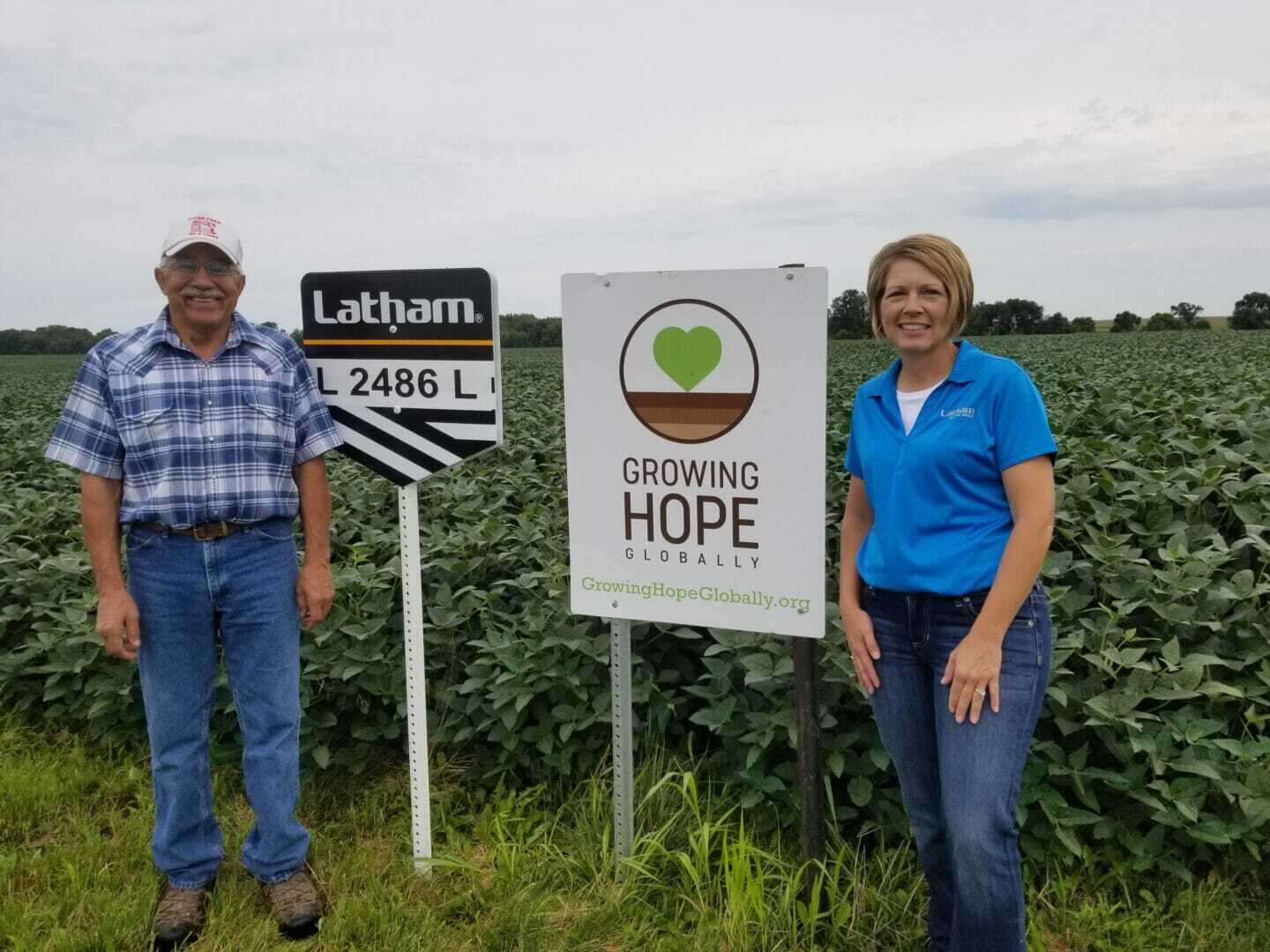
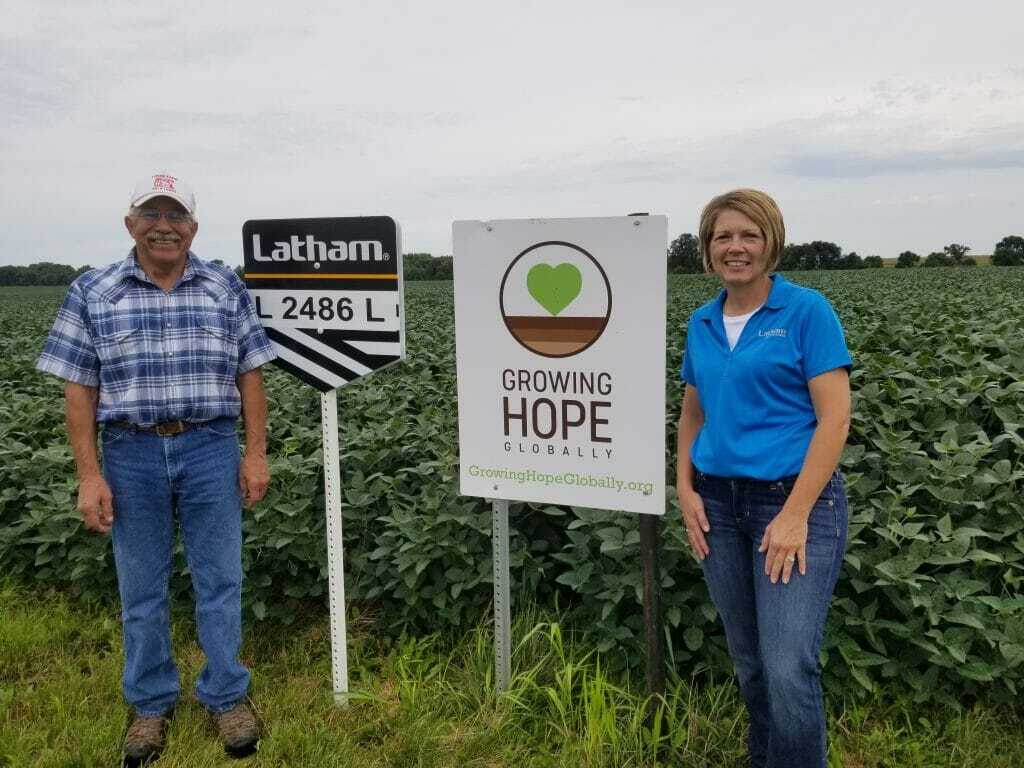
    This year Ted, who has been a Latham® production grower for about 40 years, is donating all the soybeans produced on a 12-acre field that he planted to Latham’s L 2486 L. Latham Hi‑Tech Seeds, through its Community Support program, donated the seed for this project.

    20190821 102306

    “This particular field means a lot to me because I’ve been involved with planting and harvest here since I was a kid,” says Ted, whose grandparents, Ted and Babe Boom, bought this farmland in 1942. “My grandfather was a seed dealer, and I would go to workshops and county fairs with him. When my brother and I were in 7th and 8th grade, he would come to school and get us, and we’d help him unload a seed truck. I’d get out of school in the fall to help him harvest. I’m sure he’d honored to see how much this field is helping others now.”

    Farmers, landowners and others donate their time, expertise and equipment to financially support 169 Growing Projects nationwide that, in turn, provide a large percentage of revenue for Growing Hope Globally. The organization prides itself in efficiency; only about 11% of the total funds are used for administration. Eighty-nine percent of the funding goes directly to the training programs and projects that help establish sustainable agricultural methods overseas.

    “It’s amazing to see farmers and others in rural communities get involved and provide a hand up to help people around the world become food independent,” says Ron De Weerd, regional director for Growing Hope Globally. “In its 20-year existence, Growing Hope Globally has supported 2 million people becoming free from chronic hunger. It only takes about $55 for us to provide four years of materials and training to have one farmer in a developing country become free from depending on others or migration for sufficient food and nutrition.”

    An example of the training provided through Growing Hope Globally is gardening and cooking classes, which have helped reduce the number of Honduran children that suffer from nutritional deficiencies. Children also are planting small gardens next to their parents’ larger ones. The gardens provide for these families and sometimes produce extra produce they can sell.

    Today we’re celebrating the success of Growing Hope Globally by sharing a recipe the organization provided for carrot fritters.

    “These were delicious, and it was fun to make these in the village!” says Ron De Weerd, regional manager, Growing Hope Globally.

    Shannon Latham

    September 6, 2019
    Food & Family, Recipes, Sides
  • Latham Hi‑Tech Seeds

    Lilleoddens ¡Olé! the Day in New Ulm, Minnesota

    3

    2She was having one of those days.

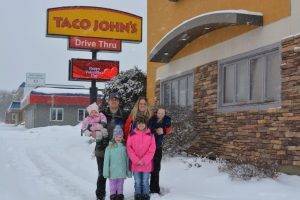
    It was nine years ago when Nancy Lilleodden (pronounced lilly-od-en) of New Ulm, Minnesota, was experiencing an incredibly challenging day at work. She headed to lunch at the local Taco John’s restaurant, and she ended up walking into a business opportunity.

    Her mother’s former employer, a Taco John’s franchise holder, asked Nancy if she was interested in making a move because he was looking to sell. He knew her work ethic and believed she was the right woman for the job. After talking it over with her husband, the Lilleoddens decided to “Olé the Day.”

    Andy and Nancy work together to hire and manage employees, as well as all facets of the business from maintenance to purchasing local advertising. Nancy also creates the employees’ work schedules and does payroll outside the 46 hours each week that she works in the restaurant.

    1This husband-wife team works shifts to cover all the bases at home and at work. They’re the proud parents of three daughters and one son: Mckenzie will start fourth grade this fall; Brittney will be in second grade; Kaytlin is 2½ years old; and Tucker is 10 months old.

    In addition to the Taco John’s location in New Ulm, Andy and Nancy own 3.6 acres of lake property. They purchased this cabin on Lake Hanska more than two years ago and operate it as an air B&B. With 2,400 square feet of space, including three bedrooms and two bathrooms, it can sleep 14 people. The kitchen table also fits 14, making it a popular gathering point for extended families.

    Families from surrounding states book the cabin on Lilly Estates as a half-way meeting point to celebrate family get-togethers and the holidays. Scrapbookers book the space for weekend retreats. Those who enjoy fishing, whether by boat or from the ice, also book stays all year long. You can learn more about this beautiful cabin and all there is to do in the New Ulm area by checking out their website www.lillyestates.com and by watching the Great Plains Cabin episode on HGTV.

    “Because I grew up just two miles from here, I watched that cabin get built in 1987. I’ve always thought it was one of the coolest places around, but I couldn’t afford it when the original couple was ready to sell,” said Andy. “It’s been a place that I’ve kept my eye on. We found out the next owners were going to sell before the property was even listed, so we made an offer.”

    3They also have seven other residential rental properties. Not ones to shy away from work, Andy and Nancy most recently took on a Latham® Seeds dealership. Andy feels as though it was an opportunity to return to his roots.

    “My grandpa used to raise Minhybid seed corn back in the 40s, and we still have old seed sacks for Lilleodden Bros. Seed,” says Andy. “I’ve started farming my dad’s acres, so I like that I can plant Latham® products. It allows me to see product first-hand. Making on-farm visits and talking to farmers is really something I enjoy.”

    Before taking on a Latham dealership, Andy worked for Christensen Family Farms of Sleepy Eye. Several years ago he also started planting a seed plot for Farmers Co-op of Hanska where Latham products were sold. Andy knew that the products were top quality with proven performance since he had planted them both in the field and in the plot.  He and Nancy like the flexibility their seed dealership. They feel blessed to be raising their family just two miles away from where Andy was raised.

    4“We like that Latham Seeds is a family owned company that puts its focus on working with farmer dealers and helping farmers choose the best products for their acres,” says Nancy. “Because we work together, I’m glad I get a chance to attend Latham Dealer Kickoff each July with Andy. It’s a good way to learn about the new products lineup and ask questions about sales programs.”

    Andy is most excited about Latham brand hybrids 4454 VT2 PRO RIB and LH 5245 VT2 PRO RIB. His favorite Latham® Hi‑Tech Soybeans are L 2184 R2X and L 2228 R2.

    Speaking of favorites, today the Lilleodden family is sharing with us a family favorite recipe for Strawberry Tapioca.

    Shannon Latham

    August 30, 2019
    Food & Family, Recipes, Sides
  • Latham Hi‑Tech Seeds

    Boating and Baseball Bring this Minnesota Farm Family Together

    Madsen Baseball

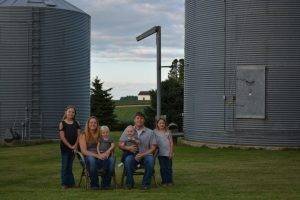
    Diana Madsen grew up in a Minneapolis suburb, but the transition to small-town living was much easier than expected when she married Mike and moved into the farmhouse where his mother was raised.

    Mike and Diana’s moms were childhood friends. Their parents even double dated while they were in high school.  Although born and raised in the area, Diana’s parents moved away after they were married and eventually settled in Lakeville.

    When Diana’s family visited Heron Lake in the summers, it was common for the two families to gather. Their families stayed in touch throughout the years, but Mike and Diana didn’t start dating until they had graduated from college.

    “I’ve always enjoyed farming and that’s all I’ve ever really wanted to do,” says Mike, who started farming in 1991 with his father.   “I didn’t play football because I didn’t want to miss out on harvest.”

    Rural living is very different from how Diana grew up, but she feels blessed to raise her family on the Stenzel Century Farm.

    “The thing I love most is that your neighbors are your friends here. Your neighbors and others in the community are always offering support in times of need,” says Diana, who said she and Mike really appreciated the community’s support during his parents’ terminal illnesses. “The other piece is that people are always looking out for your kids. It’s so nice that other people care about your kids.”

    Mike and Diana are the proud parents of three. Their 20-year-old daughter, Sarah, is majoring in marketing at Winona State University. Andrew, 18, will be freshman at South Dakota State University where he’s majoring in Ag Systems Technology. Matt, 16, will be a junior at Heron Lake-Okabena High School.

    Madsen family

    The Madsen family enjoys spending their summers on the lake or in the ballpark. They’re avid Minnesota Twins fans, so they try to take in a game or two each season. They also spend many hours in the bleachers, cheering on their kids.

    Madsen Baseball

    Because baseball is a spring sport in Minnesota schools, summer leagues in rural communities are sponsored by the Veterans of Foreign Wars (VFW) or the American Legion. Five years ago, Mike took the initiative to rekindle a summer American Legion baseball team in Heron Lake. Last month both of their sons played on the same team, which took third place at the sub-state playoffs. When their team didn’t win a berth in the state American Legion tournament, the entire family headed to the lake and enjoyed a weekend of boating.

    Mike and Diana enjoy having flexible work schedules that allow them to maximize their family time. As the Associate Director of Active Aging Programs at Catholic Charities of Southern Minnesota, Diana works from home four days a week. In addition to farming, Mike operates a seed dealership.

    “What I enjoy most about selling seed is interacting with other farmers. It’s rewarding when people trust you enough to purchase seed from you,” says Mike. “I decided to take on a Latham® dealership because Latham Seeds is a family-owned company that offers all the seed technology options available on the market.”

    Speaking of “options,” today the Madsen family shares with us two of their favorite recipes. Diana says the marinade is amazing on pork tenderloin, and Chicken Wild Rice soup is definitely a Minnesota favorite. Who else is looking forward to sitting down to a cup of Minnesota Wild Rice Soup?

    Pork Marinade

    ½ c. Soy sauce

    3 T. Sugar

    3 T. Onion/garlic minced

    ¾ c. Sesame seeds


    Great for tenderloin or chops.  Marinate for 4-8 hours

    Shannon Latham

    August 16, 2019
    Food & Family, Pork, Poultry, Recipes
  • Latham Hi‑Tech Seeds

    Fourth Generation ND Farmer Has Grown His Legacy with Innovation

    Latham Seeds Hagart Farm

    It’s another milestone year for Jared Hagert and his family as his great grandfather homesteaded their farm in 1909. The family hosted a party in 2009 for the community, complete with a live band and picnic, to celebrate their Century Farm.

    Their family legacy dates to 1890 when 16-year-old Gust (Gus) E. Hagert immigrated from Sweden to the United States. He moved in 1905 to Section 10 in Pleasant View Township, Emerado, ND. Gus worked on his uncle Oscar Hagert’s farm with a “rent to own” arrangement.  After farming for 40 years, Gus passed the family farm down to his son Curtis.

    “Curtis Senior, my grandfather, was committed to improving yield.  I have a Durum Wheat sample he submitted to the 1937 International Hay and Grain Expo in Chicago that took 5th place in the World,” says Jared Hagert, who feels blessed to be the fourth generation to live on the original farmstead. “I took that germ sample more than once to Show and Tell. In fact, it’s still on display in my home office.”

    Jared’s father, Curtis Junior, started farming in the mid-60s. His brother, David, came home in the mid-1970s. The two brothers farmed together for about 25 years, and then David decided to focus on growing his Agri Data business.

    Using new technology to continually improve their farm is a common philosophy and interest of the Hagert family. Jared’s parents, Curtis Junior and Roberta, started a seed conditioning business in 1993.

    “Dad converted a three-stanchion milk parlor, granary and cattle shed into our first seed conditioning facility. Dad raised it eight feet and installed conditioning equipment. Wheat scab struck in 1993, and Hagert Seed was one of the only entities with a gravity table that took out the scab. It paid for farmers to condition their wheat, so they could sell it at a higher price.

    Innovation continued to build the business. After farming for more than 40 years and conditioning seed for more than 12 years, Curtis Junior sold Hagert Farms and Hagert Seed to Jared and his wife, Brandie. Jared, who graduated from North Dakota State University (NDSU) with a degree in Ag Systems Management also known as Ag Mech, had a vision to build Hagert Seed. With help from Curtis Junior and others, Integrated Ag Services took shape with a new warehouse, seed plant, navy bean receiving station and office.

    Latham Seeds Hagart Farm

    “Our mission is to be ‘more than your local seed supplier.’ I wanted our business to provide seed with quality genetics, proven performance, and dependable service,” says Jared.

    Integrated Ag Services’ conditioning facility was fully operational in January 2016. Integrated Ag began conditioning and distributing seed throughout the Midwest. This new facility is equipped with a full line of precision conditioning equipment and handles both bulk and package seed.

    Although the operation has grown, it is still very much family operated. Jared’s cousin Leslie and her husband, Jon, moved home in 2013. Leslie serves as office manager for Integrated Ag. Jared and Jon farm together. They raise spring wheat, white wheat, edible beans, soybeans and corn.

    Hagart Latham Hi‑Tech Corn Plot

    “A few years ago we started planting more cover crops. Cover crops especially help reduce erosion on edible beans acres since many of those plants are out of the soil and run the whole plant through a specialty combine. We’re doing more no-till, and that has been working well.”

    Seed technology has allowed them to farm acres that before couldn’t produce a crop.

    “We have some dryland acres that have an especially dry, sandy profile. Normally I’d be getting a max of 40 to 50 bushels per acre on corn. With drought-tolerant hybrids, we’re getting 90 bushels per acre. New herbicide technologies also are helping increase yields. We’re looking forward to Enlist E3 soybeans.”

    Hagart Research Plot Latham Seeds

    Jon and Leslie are instrumental in keeping the operation running when Jared travels on behalf of the United Soybean Board or attends other industry meetings. Jared served as USB chair during its 25th anniversary year and remains on the board.

    “When I first got appointed to the United Soybean Board, I was filling a seat vacated by Doug Goering who resigned to become ag commissioner,” says Jared. “I stepped into big shoes and had an accelerated learning curve. But I’m grateful for the opportunity because it really allowed me to step up.”

    Hagart Latham Hi‑Tech Soybean Plot

    Jared served as the vice chair of the World Initiative for Soy and Human Health through the American Soybean Association. He also has been involved with North Dakota Soybean Council and North Dakota Soybean Growers Association. He has served the ND Soybeans Growers for one term as vice president and two terms as president.

    “My dad had was a founding member of North Dakota Soybean Growers Association and was active on soybean council. Watching him serve for the greater good left an indelible impression,” says Jared.

    Keeping with tradition, Jared and Brandie started making lefse like his mother and grandmother have done for years. Today the Hagert family is sharing this treasured recipe with us.

    Laura Cunningham

    August 9, 2019
    Desserts, Food & Family, Recipes
  • Latham Hi‑Tech Seeds

    Farming is Iowa’s Masterpiece!

    Pic 2

    By Kelly Visser, Iowa Soybean Association consumer engagement manager

    Pic 1From blue-ribbon-winning livestock to a perfectly sculpted Butter Cow to one-of-a-kind new fair foods, there’s no shortage of creativity at the Iowa State Fair! The iconic 11-day event attracts more than a million people from around the globe and is a salute to the intersection of food, farming and family in Iowa.

    The 2019 Iowa Food & Family Project (Iowa FFP) display at the Iowa State Fair will showcase the artwork in agriculture and celebrate the collaboration, color and creativity of farming! More than 250,000 fairgoers are expected to visit the booth and gain perspective on modern agriculture in Iowa.

    Located in the Southeast Atrium of the William C. Knapp Varied Industries Building from 9 a.m. to 9 p.m. daily, the Iowa FFP display features an interactive paint-by-numbers mural that will be brought into full color using soy-based paint.

    In addition to painting the mural (there are 23,000 paint-by-number spaces!), fairgoers of all ages will have the opportunity to put a frame around farming courtesy of a farm-and food-themed photo booth and take-home coloring sheets. Visitors can also enter to win five pieces of agriculture-inspired artwork from a local photographer and artists.

    As with all Iowa FFP activities, the annual Iowa State Fair display centers around giving consumers the opportunity to engage with farmers and learn about the state’s leadership in agriculture. Each touchpoint will help grow the Iowa FFP network of fans for long-term, two-way conversations on food and farming.

    “More than ever before, consumers want to know where their food comes from and we as farmers love nothing more than to share our story,” says Aimee Bissell, a Bedford soybean and corn farmer. “Opportunities like the Iowa Food & Family Project exhibit allow for mutual education and information, which is essential to our farming operation and making informed food choices.”

    The display will be managed by more than 400 farmer and consumer volunteers. The enthusiastic volunteer base is a testament to the vibrant network of fans engaged with Iowa FFP activities.

    Each month, Iowa FFP interacts with more than 120,000 food and health-minded through social media, Fresh Pickings eNewsletter, Fresh Pickings magazine, community events and farm tours. Each consumer connection centers around building confidence in modern agriculture in a welcoming, relevant format.

    Shannon Latham

    August 2, 2019
    Desserts, Food & Family, Recipes
  • Latham Hi‑Tech Seeds

    Johnson Family of Frankfurt, SD, Earns Conservation Award

    Leo Biostrip
    Johnson Farms recently was awarded the 2019 South Dakota Leopold Conservation Award.
    Johnson Farms recently was awarded the 2019 South Dakota Leopold Conservation Award.

    Alan Johnson of Frankfort, SD, converted his operation to no-till 33 years ago, which astonished some area farmers at the time because it was against the norm. Recently, Johnson Farms was awarded the South Dakota Leopold Conservation Award for voluntary conservation efforts.

    “I initially converted to no-till to save moisture. I was tired of my crop drying up, and I knew there was a better way to farm that would conserve moisture and nutrients and still raise a crop. Because I was farming by myself at the time, no-till helped save me labor,” says Alan, whose son, Brian, joined the family farming operation after graduating in 2004 from South Dakota State University with a degree in Ag Business.

    The Johnsons integrated cover crops and rotate crops, including corn, soybeans, oats, wheat and barley. They’ve noticed better weed control, less soil erosion and improved soil structure. They’ve also found synergy between cover crops and cattle. Their cattle graze the mature cover crops in the fall, as well as on corn stalks after harvest. Manure gets incorporated into the fields, which enhances the symbiotic relationship between the cattle and the land.

    2
    Brian and Jamie Johnson’s four children enjoy helping on the farm and growing their herd of Angus cattle. Here their older daughters, 12-year old Ella and 10-year-old Lila are giving their 4-H speech about “The Economics of Integrating Livestock on Cropland” to those attending the family’s conservation award ceremony. Not pictured is 3-year-old Evelyn.

    “Since we started planting cover crops 10 years ago, the ground has mellowed,” says Brian. “Organic matter and water infiltration have increased, which has allowed our soil to withstand the extremes of drought in 2017 and 2018 to excess water in 2019.”

    Brian credits the use of cover crops for providing valuable soil nutrients and for breaking up soil compaction. He and Alan retrofitted a planter to seed the cover crop into bio strips into 20-inch rows, which better accommodates their seed blend of radishes, lentils and vetch. You can learn more about the Johnson’s bio strips, cover crops and other aspects of their farming operation in a six-part video series entitled, “Soil Health Applied.”

    The Johnsons also use precision ag technology to manage their fields by zone. They apply variable rates of fertilizer and seed.

    “One thing I admire about Dad is that he’s always looking for ways to improve,” says Brian. “Thirty years ago, he planted corn at 18,000 plants per acre. Now we’re averaging 37,000 in 20-inch rows, and it’s taken our yields to the next level. With improved plant genetics and soil fertility, I don’t think we’ve hit the top yields yet!”

    The Johnson family continues to strive for higher yield, but they’ve already set yield records. In 2016, they topped the South Dakota Soybean Yield Contest at 81.33 bushels/acre, in the Group 0 No-Till Category.

    Fall harvest is a time when the whole family helps. Alan’s wife, Mickie, and Brian’s wife, Jamie, take turns driving the combine and operating the grain cart. Jamie also has served since 2017 on the board of the South Dakota Soybean Association. In the summer, Jamie and the four children help Brian synchronize and artificially inseminate (AI) the cattle, as well as move the cattle through their rotational grazing paddocks. Grazing cattle is good for the environment because they often graze ground where crops can’t be grown. Grazing also helps stimulate the growth of grass and prevents woody shrubs from overpopulating. In addition, manure helps fertilize the pasture.

    Leo Biostrip
    The Johnson’s conservation practices include: placing marginal crop acres into CRP; planting shelter belts; diversifying crop rotations; leaving crop residues; soil testing and applying variable-rate fertilizer; and seeding cover crops into bio strips as shown in this 2016 photo of their son, Leo.

    “If we’re good to the environment and good to the soil on our operation, it’s something that we can continue for the other generations,” says Alan.

    Brian’s children, who would be the fifth generation to farm this land, show an interest in growing their family’s legacy of farming and conservation.

    “There’s nothing like living on a farm,” says Brian. “You see how things grow and mature. I enjoy watching crops progress through the summer. Our kids are learning the importance of doing a job correctly, and they feel a sense of purpose by helping.”

    In honor of the Johnson’s conservation award, today they’re sharing with us a favorite family recipe for Whole Wheat Bread.

    Shannon Latham

    July 26, 2019
    Food & Family, Recipes, Sides
  • Latham Hi‑Tech Seeds

    Broedlow Family is Living their Legacy in Southeastern Wisconsin

    DSC 0084

    DSC 0084Their families owned land adjacent to one another. Their childhood homes were just one mile apart, yet Brady and Lynsey Broedlow didn’t meet until they were both out of high school. Even their first meeting is unusual for teenagers raised in a small town.

    “When I was 16, I joined the Helenville (Wisconsin) Volunteer Fire Department,” says Lynsey. “My dad has been on the department since he was 18, so he ignited that desire to serve in me. Brady joined the department a few years later when he turned 18, which is where our story began.”

    Brady and Lynsey met in 2011. They were married in 2016. One year later they purchased the family farm that Brady’s grandparents once operated. His grandparents milked Guernsey cows until 1999 and later raised Holstein steers. Brady is the 5th generation to live on this farm that was started in 1876 by his Great-Great Grandfather Gustave Broedlow.

    IMG 5269“A large piece of what motivates Brady is carrying on his grandparents’ legacy,” says Lynsey. “Brady spent time helping his grandpa, but farming wasn’t what he lived and breathed every day. After his grandpa passed away in 2012, Brady wanted to carry on what his grandparent’s and what family before them had started. He wanted to make his family’s farm sustainable for the 21st century.”

    During the past seven years, the Broedlow farm has been transformed. Equipment has been updated; buildings have been improved and maintained. Brady decided to switch from raising Holstein bottle calves to building a Hereford cow-calf herd. He and Lynsey calve out 20 to 25 cows each spring.

    IMG 7076Working cattle is something the couple did together even before they were married, so Lynsey wasn’t surprised when Brady asked her to come over and help tag cattle.

    “It was just a typical Tuesday in July when Brady asked me to help him put fly tags in the cows’ ears,” says Lynsey. “I started looking at the tags and noticed they were blank number tags. I proceeded to tell him he bought the wrong tags, of course. Without losing his cool, he asked me to give him the first tag. I pulled it off the plastic backing and turned it over. Then I saw, “Will You Marry Me?” written on the back of it. He got down on one knee right there in the milk house. It was a true fairy tale for a farm crazy girl like me!”

    Brady and Lynsey feed out the calves they raise and sell the beef direct to consumers. The cattle are grass fed and grain finished. They raise about 95% of their cattle’s feed.

    “We pour our hearts and souls into our farming operation. Good animal husbandry is at the center of our operation,” says Lynsey. “The reality is most farmers would risk their lives for their livelihood and animals. Consumers today are so far removed from the farmer that the trust between consumer and farmer is broken. As a farmer, that really hurts.”

    DSC 0134“Like so many other producers, Brady and I love animals. We believe they should receive the best care we can give them,” adds Lynsey. “Our animals eat before we do in the morning, and we don’t go to bed at night without knowing they have dry bedding and a warm place to get in out of the harsh Wisconsin weather.”

    The Broedlow’s herd is a mix of registered and commercial Herefords. They also have two Angus cows, which they breed to the Hereford bull for Black Baldy calves. Brady really likes this cross because the calves have the efficiency and gain of an Angus with the mellow disposition of a Hereford.

    “Our goal is to set up our operation for success in the future,” says Lynsey. She and Brady both hold full-time, off-farm jobs. Brady works for the Jefferson County Highway Shop and spends many hours behind the wheel of trucks and other heavy equipment. Lynsey majored in entrepreneurship and earned a business degree and she is a marketing analyst for ORBIS Corporation, which makes reusable plastic packaging.

    Farm“Brady is the hardest working man I have ever met. If it wasn’t for his incredible work ethic, our farm wouldn’t be what it is today. We also wouldn’t be where we are today without help from our family and friends. Brady’s dad, in particular, spends many hours helping us. He is usually Brady’s first call when he needs a hand. Now that we have a one-year-old daughter, I’ve had to cut back on how much I can help outside and Brady’s dad has really helped to fill the gap. I find myself doing more of the behind-the-scenes support these days.”
    Recently Brady and Lynsey have taken on a Latham® seed dealership. They like representing a family-owned seed company that was founded in the Upper Midwest. Latham Seeds has been the Latham family’s business for generations. In fact, its headquarters remains on the Latham family’s Iowa Century Farm. There also are parallels between the importance of selecting good genetics when breeding cattle or corn hybrids and soybean varieties.
    Today we’re celebrating another Broedlow family tradition by sharing this recipe from Brady’s grandma. It’s known in their family simply as “Grandma’s Casserole.”

    Farm Logo

    Shannon Latham

    July 19, 2019
    Beef, Food & Family, Recipes
  • Latham Hi‑Tech Seeds

    The Race is On!

    Ryan and Meg Schon

    Latham® Dealers from six Upper Midwest states recently gathered at Prairie Meadows Racetrack & Casino in Altoona, Iowa, to kick off the start of the 2019-2020 sales year.

    Ryan and Meg Schon
    Latham General Manager Ryan Schon and wife Meg in their derby-themed attire. We enjoyed a beautiful night at the horse track during the 2019 Latham Dealer Kick-off.

    Prairie Meadows, Iowa’s only live horse racing facility, was a fitting venue to hold our annual sales meeting. There are so many similarities between breeding racehorses and breeding top-performing seed:

    1. Nothing beats selecting the best genetics.
    2. Teamwork makes the dream work.
    3. A quality training program is essential.

    Just as Latham Hi‑Tech Seeds has developed a reputation for providing the best quality and highest germinating seeds available, there are horse farms that have a legacy of producing winners. Claiborne Farm is one such example.

    Beginning in 1947 – the same year that Willard Latham founded Latham Seeds – Arthur B. (Bull) Hancock Jr. began managing his family’s horse breeding business. He believed in strong females like “Somethingroyal,” who had a pedigree for going the distance. Sons of “Bold Ruler” were known for being long on speed but short on stamina. This pairing produced Triple Crown winner Secretariat, who was bred by Christopher Chenery of Meadow Stable.

    When illness prevented Chenery from managing his breeding and racing business, his daughter Penny took the helm. She strengthened the business arrangement between Meadow Stable and Claiborne Farm where Secretariat stood until his death.

    Penny Chenery Tweedy was determined to preserve her father’s legacy as a breeder with a will to win. She turned around the family’s breeding and racing operation, which was ailing while her father’s health was failing.

    A graduate of Columbia Business School, Penny Chenery Tweedy was prepared to make tough decisions. She began by firing Meadow Stables’ long-time trainer. She understood the importance of having a trainer, a jockey and a groom who shared her vision. Similarly, Latham Seeds needs everyone – from our production team to our dealers – to embody our company’s values.

    Shared beliefs and natural-born talent aren’t enough to ensure success. A quality training program also is key, whether you’re training race horses or seed sellers. Latham Dealer Kickoff is a capstone event where our sales team comes together to learn about new products and services.

    Keeping with the horseracing theme, our dealers enjoyed a Kentucky Derby-themed meal that included chicken with Asiago sauce and sliced beef tenderloin plus a dessert buffet. To help you enjoy a similar meal at home, today we’re sharing with you a recipe from the Iowa Beef Council for Crumb-Crusted Top Sirloin and Roasted Garlic Potatoes with Bourbon Sauce. We’re also linking to dessert options:

    • Bread Pudding with Bourbon Sauce
    • Mini Derby Pies with Bourbon Whipped Cream

    Shannon Latham

    July 12, 2019
    Beef, Food & Family, Recipes
Previous Page
1 … 19 20 21 22 23 … 36
Next Page

Latham Hi‑Tech Seeds

131 180th Street | Alexander, IA 50420

(641) 692-3258

SIGNUP FOR OUR NEWSLETTER
  • Contact
  • Legal
  • Dealer Center
  • Seedware Login
  • Latham Gear

© 2025 Latham Hi‑Tech Seeds. All rights reserved. | Iowa Web Design by Webspec | Privacy Policy

Latham® Hi-Tech Seeds is a trademark of M.S. Technologies, L.L.C., 103 Avenue D, West Point, IA 52656.