Skip to content
Latham Hi-Tech Seeds

(641) 692-3258

  • Home
  • Performance
  • Products
    • Corn
    • Soybeans
    • Soybean Blends
    • Alfalfa
    • Corn Silage
    • Seed Guide
  • Find a Rep
  • Media
    • Blog
    • News
    • Videos
    • Podcasts
    • TECHTalk
  • About Us
    • Company History
    • Our Mission
    • Careers
    • Become a Rep
    • Sowing Seeds of Hope
  • Contact Us
  • Latham Hi‑Tech Seeds

    Spring Planting: Get it Right From the Start

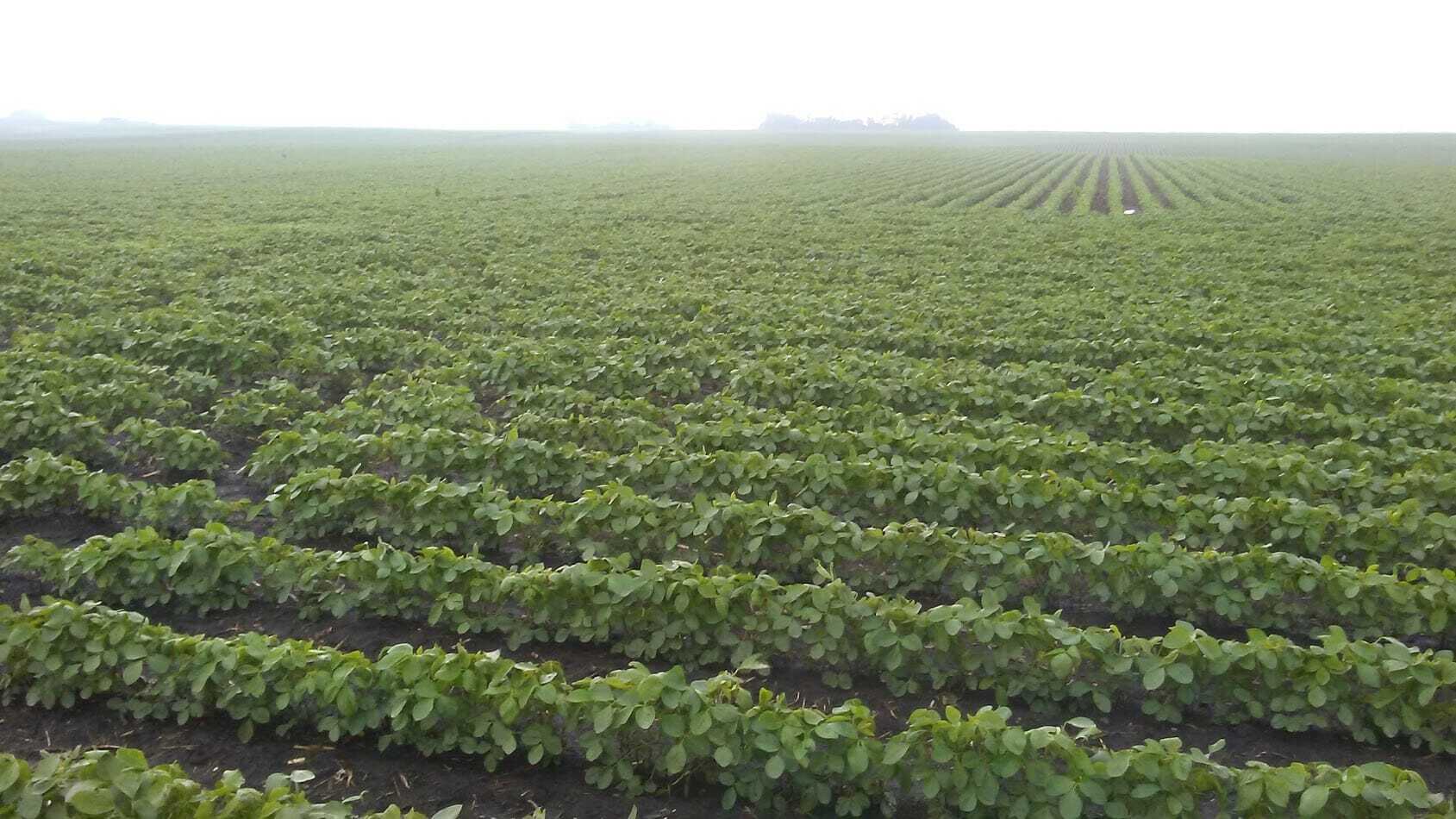
    Soybeans LauraC

    “In farming, you only get one chance every year, so it’s worth it to do it right the first time.”

    That statement is so very true. Below are a few things to keep in mind to optimize your corn and soybeans yields:

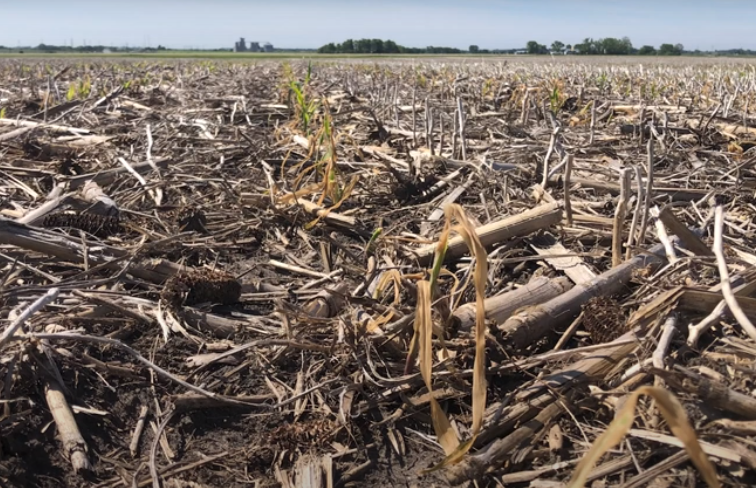
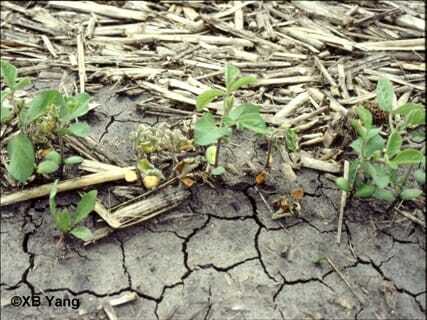
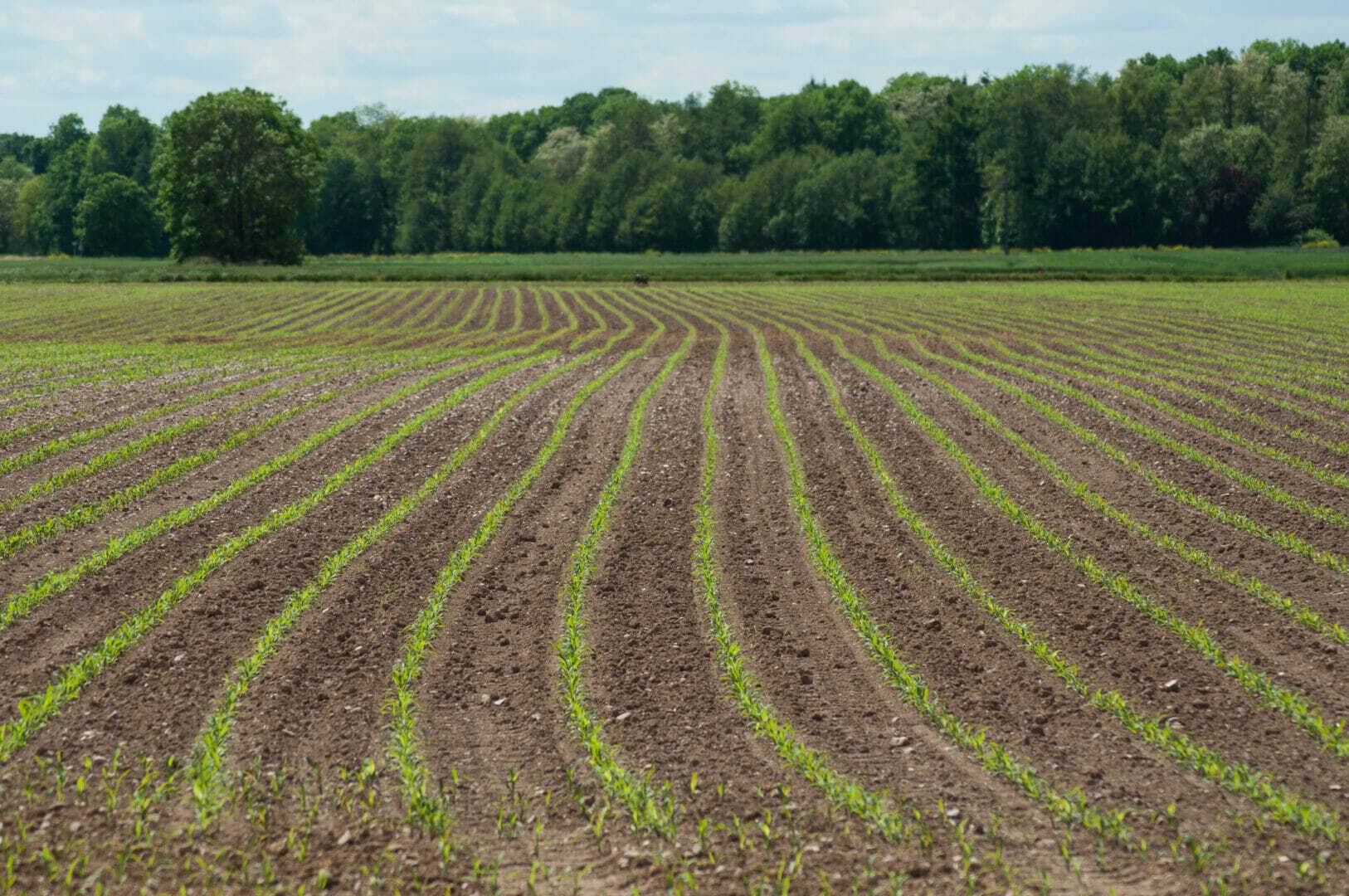
    Soybeans LauraCSoil Moisture. Working ground when it is too wet leads to slabbing and clodding of the soil, so areas within fields dry at different rates. A kernel of corn imbibes, or takes in, about 30% of its weight in water during germination. When kernels in a row are exposed to varying amounts of soil moisture, their germination rates and emergence will vary from plant to plant. The result is uneven emergence, poor early growth and potentially severe stand loss. Soybeans need more water at germination, taking in about 50% of seed weight on average. As with corn, good seed-to-soil contact is critical, so avoid cloddy conditions.

    Soil Temperature. Corn germinates best when soil temperature is close to 50° F. Approximately 120 growing degree units (GDU’s) are required for corn to emerge. During periods of cool temperatures, it can take several days to achieve those GDU’s. Once a corn seed germinates, it can exist for about 14 days on the energy that is contained in the endosperm. Under ideal conditions, the seed will emerge and develop a root system in much less than 14 days. Most researchers agree that soybeans emerge best when the soil temp is 55° F or warmer. Avoid planting soybeans if the temperature is below 55° and a cold rain/weather event is expected within 24 hours after planting.

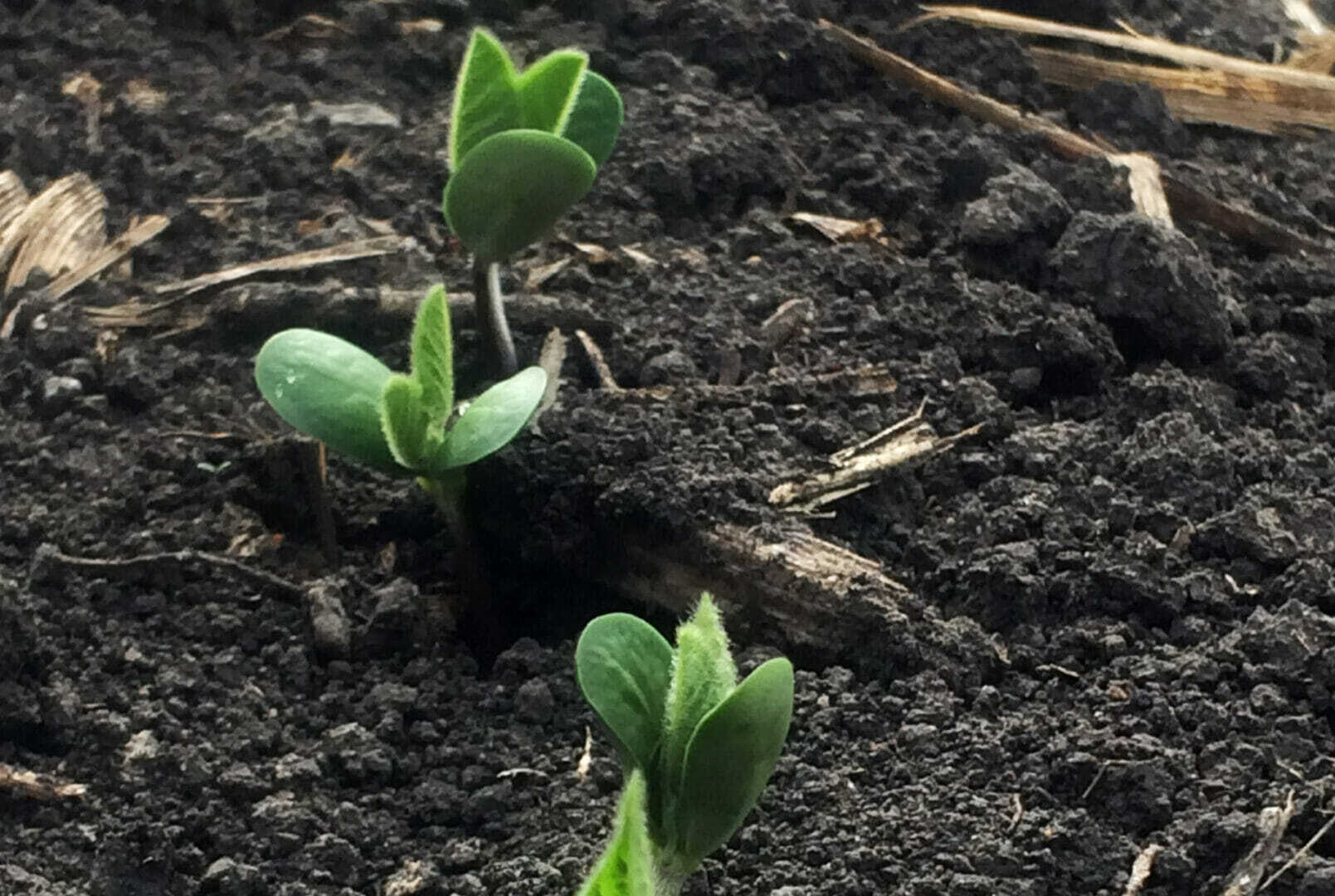
    Planting depth:  Soybeans respond best when planted at 1¼ to 1½ inches deep and should never be planted deeper than 2 inches! Remember, a soybean seedling must push that cotyledon through the soil as it emerges. The soybean seedling requires much more energy than a corn seedling with its narrow coleoptile (shoot). Target depth when planting corn is 2.5 inches. Planting corn shallow is as bad as planting soybeans too deep because nodal roots will not develop properly and “Rootless Corn Syndrome” may result.

    Soybean inoculant:  Old-timers say if soybeans have been planted in a field within the past four to five years, then an inoculant is not necessary. However, recent studies and more advanced inoculant formulations show otherwise. Using inoculants in light, sandy soils, as well as weather-stressed (flood, drought, etc.) fields have shown increased plant health and improvements in overall yield. Consider running side-by-side trials on your farm to see if inoculants will work for you.

    Problems like sidewall compaction, surface crusting, herbicide injury, seedling insects and seedling diseases can all lead to delayed plant and root development. These, and many others, can all cause uneven emergence and poor stands in corn and soybean. That’s why it’s important to control what you can to set up your crops for success!

    Stay safe this planting season. Did you enjoy this article? We want to (TECH)talk with you! Sign up for our newsletter to receive agronomy videos, articles (and delicious recipes) in your inbox! We’ll TALK soon.

    Latham Seeds Precision Agronomy Advisors

    April 9, 2021
    Agronomics, Corn, Crop, Emergence, Soil, Soybeans
  • Latham Hi‑Tech Seeds

    Ask The Agronomist: Plan for a Dry Spring Part 1

    Corn leaves growth in a field at spring
    Join us for Part 1 of our spring planting discussion. Phil Long discusses two factors to consider as we head into a dry spring. #AsktheAgronomist #LathamSeeds
     
    :25 – Topic introduction
    1:10 – Tillage practices
    4:15 – Row cleaner recommendations
    6:00 – Nitrogen Applications
    11:15 – Final thoughts

    Laura Cunningham

    March 4, 2021
    Agronomics, Corn, Crop, Soil, Soybeans
  • Latham Hi‑Tech Seeds

    Using XtendFlex® Soybeans in Your Weed Management Program

    Xtendflex hero image

    Xtendflex hero imageXtendFlex soybeans, which were approved for global sale in September 2020, will be an important tool to manage resistant weeds. The combination of tolerance to dicamba (XtendiMax®, Engenia® and Tavium®), glyphosate (Roundup®) and glufosinate (Liberty®) herbicides offers a unique triple option of choices to control a wide range of grasses and broadleaf weeds in soybean fields.

    Farmers who have used Roundup Ready 2 Xtend® soybeans are generally happy with their yields but desire better weed control options. Most farmers with whom I’ve visited believe they must wait as long as possible to apply the post-emergence dicamba products with the Xtend system. This application was later than ideal, resulting in weed escapes and even off-target movement of the dicamba herbicide to neighboring soybean fields that weren’t tolerant to that herbicide.

    Using the XtendFlex system will allow farmers to apply dicamba herbicide earlier. They can spray either pre-emergence or early post-emergence when weeds are at labeled heights and are most sensitive to the herbicide. This should also greatly reduce the likelihood of off-target movement of dicamba to nearby sensitive crops.

    Another benefit of the XtendFlex system is that farmers can apply Liberty herbicides up to the R2 stage of growth if there are any weed escapes. It is still highly recommended that weed management programs start with a pre-plant or early pre-emergence residual herbicide like Warrant®, Authority® or Sonic®. Regardless of which herbicide you use, please read and follow all label recommendations.

    At press time, Latham Hi‑Tech Seeds will have seven XtendFlex soybeans available for spring 2021 planting:

    1. L 0728 XF – This 0.7 maturity soybean carries the combination 3a and 1c genes for Phytophthora and Brown Stem Rot resistance with good tolerance to Iron Chlorosis.
    2. L 1285 XF – This medium-tall, medium-bush type plant has the C-gene for Phytophthora. It also has above-average tolerance to White Mold, Brown Stem Rot and Iron Chlorosis. Maturity is 1.2.
    3. L 2283 XF – Very strong emergence, excellent tolerance to Brown Stem Rot and the C-gene for Phytophthora are a few highlights of this 2.2 maturity soybean.
    4. L 2385 XF – This 2.3 maturity line features the C-gene for Phytophthora with very good tolerance to Brown Stem Rot. It has above-average scores for White Mold and Iron Chlorosis.
    5. L 2494 XF – At a 2.4 maturity, this medium-bushy plant carries the C-gene for Phytophthora with outstanding emergence and early growth.
    6. L 3058 XF – Excellent tolerance to Brown Stem Rot and the 3a gene for Phytophthora are highlights of this 3.0 maturity line. Its emergence and standability are outstanding.
    7. L 3595 XF – This soybean features the 3a + K-gene for Phytophthora, very good tolerance to Frogeye Leaf Spot and excellent overall stress tolerance. It’s a fairly tall, medium-bush plant at a 3.5 maturity.

    All of these XtendFlex releases carry strong Soybean Cyst Nematode tolerance. Contact your Latham Dealer or RSM for current availabilities.

    Mark Grundmeier, Product Manager

    March 3, 2021
    Agronomics, Crop, Soybeans
  • Latham Hi‑Tech Seeds

    Think Differently about VR Seeding Soybeans

    8 Eric

    8 EricVariable rate (VR) seeding in corn has been a frequent topic of conversation for years, but now that conversation is shifting to VR seeding soybeans. Before planting VR seeding soybeans, we must change the way we think.

    When your yield potential goes up in a corn field, we increase population. When corn yield potential goes down, we decrease population. Makes sense, right? It’s the opposite for soybeans. When yield potential increases, lower your planting rate in a soybean field. When your yield potential decreases, increase the planting rate. Our trials to date have shown the most return on investment in lower-yielding environments where population was decreased.

    Why invest more in a geography where yield potential is less for soybeans? There’s good reason! Percent germination in soybeans is one big reason.

    When you plant tougher areas in the field, you’re not going to achieve 100% of your germination rate. Now think of your high yielding areas in your field… There is a much greater chance you will achieve close to 100% germination there. High-yielding areas typically have better soils and drainage, so it makes sense to plant more seed in low-yielding areas to increase the germination rate.

    We enjoy sitting down with farmers and talking about whether VR planting is right for them. Our Data Forward™ team is here to help you get comfortable with implementation. Phil Long and I love to do On-Farm Trials in your own fields, so this could be a good starting place for farmers wanting to experiment with lower seeding rates. We can experiment on a smaller scale while placing learning blocks throughout the field. Using learning blocks and on-farm research allows us to compare different zones of a farmer’s field and to also compare to previous years.

    Imagine the savings if we can drop soybean planting populations by even 20,000! The savings from reducing planting rates from 160,000 to 140,000 can then be invested into seed treatment or something else that protects yield and helps you achieve optimal germination. This allows farmers to continue to achieve higher yields while lowering planting populations.

    Give your Precision Agronomy Advisors a call today! Let’s start a conversation about conducting on-farm research.

    Latham Seeds Precision Agronomy Advisors

    February 24, 2021
    Agronomics, Crop, Soybeans
  • Latham Hi‑Tech Seeds

    Does Seed Size Matter?

    Renner 1

    Phil Long tackles both the corn and soybean seed size discussion in the videos below. Tune in to learn if seed size matters on your farm!

    Laura Cunningham

    February 10, 2021
    Agronomics, Corn, Crop, Soybeans
  • Latham Hi‑Tech Seeds

    Using XtendFlex® Soybeans in Your Weed Management Program

    Xtendflex hero image

    XtendFlex soybeans, which were approved for global sale in September 2020, will be an important tool to manage resistant weeds. The combination of tolerance to dicamba (XtendiMax®, Engenia® and Tavium®), glyphosate (Roundup®) and glufosinate (Liberty®) herbicides offers a unique triple option of choices to control a wide range of grasses and broadleaf weeds in soybean fields.

    Farmers who have used Roundup Ready 2 Xtend® soybeans are generally happy with their yields but desire better weed control options. Most farmers with whom I’ve visited believe they must wait as long as possible to apply the post-emergence dicamba products with the Xtend system. This application was later than ideal, resulting in weed escapes and even off-target movement of the dicamba herbicide to neighboring soybean fields that weren’t tolerant to that herbicide.

    Using the XtendFlex system will allow farmers to apply dicamba herbicide earlier. They can spray either pre-emergence or early post-emergence when weeds are at labeled heights and are most sensitive to the herbicide. This should also greatly reduce the likelihood of off-target movement of dicamba to nearby sensitive crops.

    Another benefit of the XtendFlex system is that farmers can apply Liberty herbicides up to the R2 stage of growth if there are any weed escapes. It is still highly recommended that weed management programs start with a pre-plant or early pre-emergence residual herbicide like Warrant®, Authority® or Sonic®. Regardless of which herbicide you use, please read and follow all label recommendations.

    At press time, Latham Hi‑Tech Seeds will have seven XtendFlex soybeans available for spring 2021 planting:

    1. L 0728 XF – This 0.7 maturity soybean carries the combination 3a and 1c genes for Phytophthora and Brown Stem Rot resistance with good tolerance to Iron Chlorosis.
    2. L 1285 XF – This medium-tall, medium-bush type plant has the C-gene for Phytophthora. It also has above-average tolerance to White Mold, Brown Stem Rot and Iron Chlorosis. Maturity is 1.2.
    3. L 2283 XF – Very strong emergence, excellent tolerance to Brown Stem Rot and the C-gene for Phytophthora are a few highlights of this 2.2 maturity soybean.
    4. L 2385 XF – This 2.3 maturity line features the C-gene for Phytophthora with very good tolerance to Brown Stem Rot. It has above-average scores for White Mold and Iron Chlorosis.
    5. L 2494 XF – At a 2.4 maturity, this medium-bushy plant carries the C-gene for Phytophthora with outstanding emergence and early growth.
    6. L 3058 XF – Excellent tolerance to Brown Stem Rot and the 3a gene for Phytophthora are highlights of this 3.0 maturity line. Its emergence and standability are outstanding.
    7. L 3595 XF – This soybean features the 3a + K-gene for Phytophthora, very good tolerance to Frogeye Leaf Spot and excellent overall stress tolerance. It’s a fairly tall, medium-bush plant at a 3.5 maturity.

    All of these XtendFlex releases carry strong Soybean Cyst Nematode tolerance. Contact your Latham Dealer or RSM for current availabilities.

    Mark Grundmeier, Product Manager

    February 8, 2021
    Agronomics, Crop, Soybeans, Weed Control
  • Latham Hi‑Tech Seeds

    Ask the Agronomist: Does Soybean Seed Size Matter?

    Small Soybean1

    Does varying seed size can have effect germination and emergence? Tune in to find out! #AskTheAgronomist

    :39 – Topic Introduction

    2:05 – Local seed production

    2:45 – Germination and emergence

    6:15 – Planting date

    10:30 – Establishing high yield

    Laura Cunningham

    January 28, 2021
    Agronomics, Crop, Soybeans
  • Latham Hi‑Tech Seeds

    Ask the Agronomist: Dicamba Label Updates

    XF
    How will the updated XtendiMax label affect your management practices for 2021? Tune in to learn more. #AskTheAgronomist
     
    :45 — Topic introduction
    2:10 – Tank mix updates
    5:15 – Field buffer updates
    6:50 – Weed management for buffered areas
    8:25 – Application rates
    10:30 – Hooded sprayer opportunity

    Laura Cunningham

    January 21, 2021
    #AskTheAgronomist, Agronomics, Crop, Soybeans, Weed Control
  • Latham Hi‑Tech Seeds

    Watch for Soybean Gall Midge to Spread in 2021

    Soybean field

    Mark Grundmeier, Product Managerby Mark Grundmeier, Soybean Product Manager

    Recently, Iowa State University Extension Entomologist Dr. Erin Hodgson delivered a presentation about the spread in 2020 of Soybean Gall Midge (SGM) to 19 more counties across five Midwestern states.

    To recap, SGM was identified in 2011 in soybean fields in eastern Nebraska. Then in 2015 and 2016, it was discovered in South Dakota and Iowa, respectively. Widespread damage from SGM wasn’t noted until 2018, and also that year SGM was found in Minnesota. In 2019, SGM was found in Missouri. The scientific name of Soybean Gall Midge is Resseliella maxima.

    Scouting for this pest can be very difficult as it is only about 1/10 of an inch long. Focus on the edges of soybean fields, beginning in those areas where you may have seen SGM damage the previous year. Look in your earliest planted soybean fields that are at the V3 stage or later for wilted plants that at first glance look like a disease problem. Then carefully check the base of the plant, giving a slight push to the plant base to see if it will snap off. If it does, split the base of the plant with a knife and look for the orange or white larvae. If you find Soybean Gall Midge, please report this to your local Extension Agronomist. Extension personnel are very interested in tracking the spread of this significant new pest.

    Because farmers in Nebraska, South Dakota, Iowa, Missouri and Minnesota have been sharing their findings of SGM, Dr. Hodgson said she and her colleagues are making observations on the insect’s life cycle. Eggs are laid in soybean fields at from 2 to 4 inches deep. These eggs overwinter and emerge as adults the following year, flying into nearby soybean fields that are at that V3 stage or later where they will mate and lay eggs in soybean plants that have a wound or opening. These eggs hatch inside the plant with a total of three instars that will develop and feed on the inside of the plant. The third instar will be the largest and will usually be orange in color. These will eventually drop off the plant and burrow into the soil to later hatch and produce adults. This entire life cycle can take just 28 to 32 days.

    Managing Soybean Gall Midge has proven to be very difficult as the larva are well protected by the plant and the presence of adults is extremely widespread through out the growing season. One researcher in Nebraska noted that adults could be found anytime between six and eight weeks in fields. While insecticides will easily control SGM adults, the timing of application over that period would be costly and tedious.

    If you farm in the Missouri River area, please watch closely for Soybean Gall Midge and report your findings to your local Extension personnel. I would also appreciate a “heads up,” so I can make some observations of my own.

    Mark Grundmeier, Product Manager

    January 18, 2021
    Agronomics, Crop, Insects, Soybeans
  • Latham Hi‑Tech Seeds

    4 Factors to Improve Efficiency in 2021

    Pic 2

    It was a beautiful, extended fall season, giving us ample time to finish tillage, fertilizer applications, tilling and other field work. Our machinery was strategically tucked away in the shed before the snow fell. Speaking of strategic placement…

    Is your planter all the way in the back of the shed because you aren’t planning to touch it until March? Now is actually a good time to start thinking about your planter. New technology allows us to make our existing planter as good as – if not better than – the brand new planter on the lot at the implement dealership. One perk of working with us at Latham Hi‑Tech Seeds is using our Data ForwardSM services to help you make some unbiased decisions. Perhaps you weren’t happy with the way your corn was spaced in 2020 or maybe you noticed uneven emergence last spring. We can help you determine why this happened and fix these issues before going into 2021 planting season.

    If you attended a plot tour last summer or listened online to our Corn Product Manager Lyle Marcus, you know he emphasized the importance of planting depth. It can be difficult to stay consistent across the field; controlling planter speed is one of the simplest ways to achieve optimum seed placement. We can review planter speed. We also can explore technology options for your planter, so you can monitor and control variabilities throughout a field.
    Another factor to consider is planting depth. Oftentimes, we say 2.75 inches is a safe planting depth to allow adequate moisture and growing degree units (GDUs) to attain even emergence.

    There is a lot of talk around two-inch planting depths. This could be optimal if there is adequate moisture. Planting at 2 inches with adequate moisture can get you better emergence due to having faster GDU adaptation. This also means that it could come out of the ground better in crusting conditions, but keep in mind that the key to shallower planting is moisture. It’s risky to rely on moisture being available at that shallower depth.

    We spend a lot of time helping our Data Forward clients improve efficiency. While this can encompass many things, we focus on your planter, seed and equipment. We believe one of the most important assets to a farmer’s operation is the planter. If the planter is not equipped to place that seed where it is going to thrive, then other investments throughout the year are not going to be as valuable either.

    One of our biggest challenges is helping clients achieve uniform, speedy emergence. If one plant emerges 24 to 48 hours after its neighbor, that plant will compete for the sunlight that its neighbor is already harvesting. The plant starving for sunlight will be a runt for the rest of the growing season.
    Keep these four things in mind when trying to keep even heat and moisture to achieve even emergence:

    1. Manage residue.
    2. Maintain planting depth.
    3. Achieve good seed-to-soil contact (no air pockets).
    4. Eliminate compaction.

    If you want to improve efficiency, planter performance, and data management for 2021, it’s time to plan. Call your Latham Precision Agronomy Advisors now for unbiased recommendations to get your 2021 crop off to a better start!

    Latham Seeds Precision Agronomy Advisors

    January 11, 2021
    Agronomics, Corn, Crop, Emergence, Precision Ag, Soil, Soybeans
Previous Page
1 … 6 7 8 9 10 … 32
Next Page

Latham Hi‑Tech Seeds

131 180th Street | Alexander, IA 50420

(641) 692-3258

SIGNUP FOR OUR NEWSLETTER
  • Contact
  • Legal
  • Dealer Center
  • Seedware Login
  • Latham Gear

© 2026 Latham Hi‑Tech Seeds. All rights reserved. | Privacy Policy

Latham® Hi-Tech Seeds is a trademark of M.S. Technologies, L.L.C., 103 Avenue D, West Point, IA 52656.