Latham Hi-Tech Seeds

(641) 692-3258

  • Home
  • Performance
  • Products
    • Corn
    • Soybeans
    • Soybean Blends
    • Alfalfa
    • Corn Silage
    • Seed Guide
  • Find a Rep
  • Media
    • Blog
    • News
    • Videos
    • Podcasts
    • TECHTalk
  • About Us
    • Company History
    • Our Mission
    • Careers
    • Become a Rep
    • Sowing Seeds of Hope
  • Contact Us
  • Latham Hi‑Tech Seeds

    Ways to Reduce Risk of High Nitrates in Corn Silage

    IMG 5439

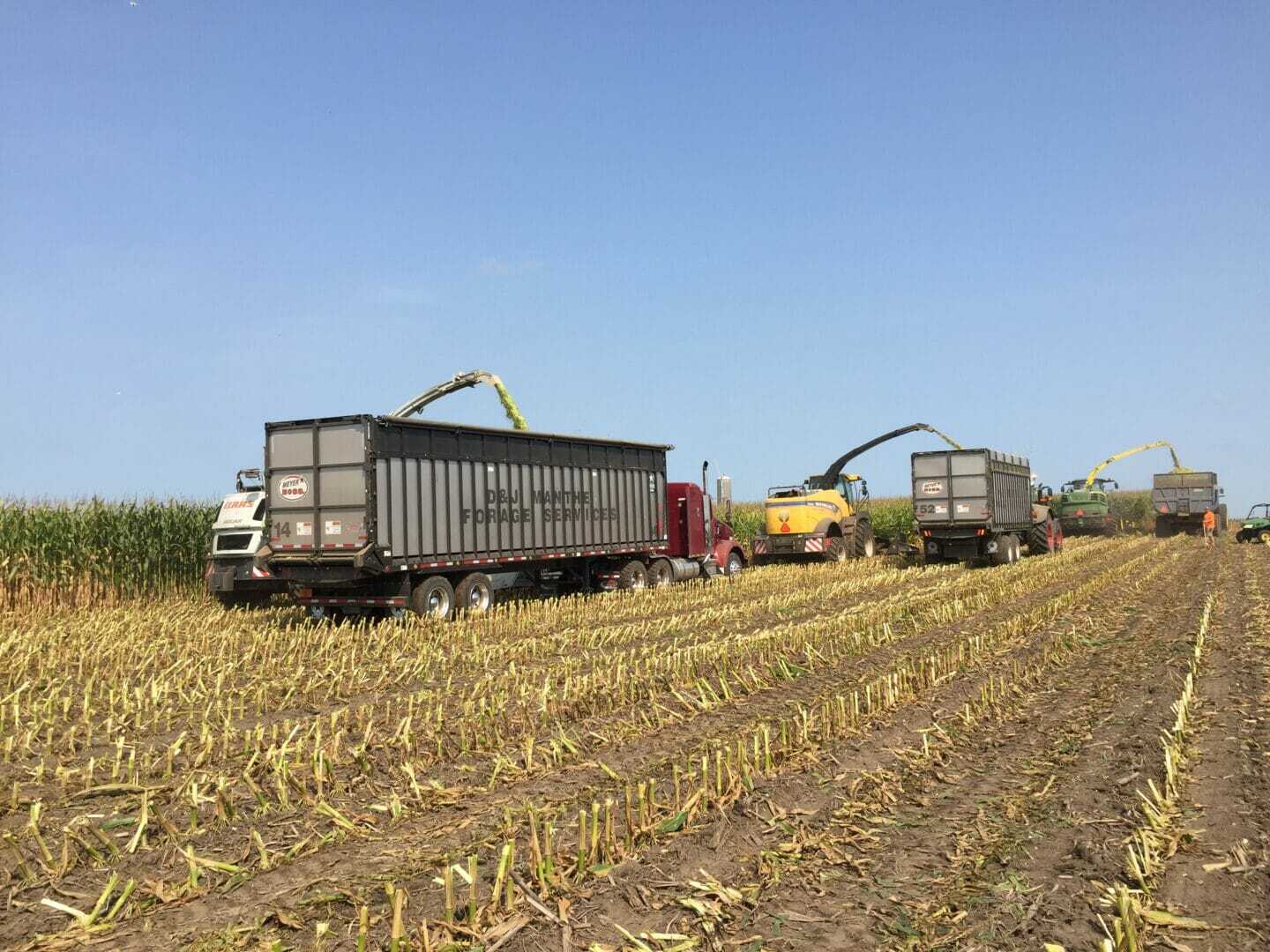
    While many fields experienced heavy rains this year, many areas experienced lower-than-normal moisture conditions, forcing an early corn silage harvest and Increasing the potential for high nitrates.

    High nitrates essentially bind with protein in an animal’s hemoglobin, which prevents the blood from carrying oxygen. As a result, cells and body tissue suffocate and die.

    Ways to reduce risk when harvesting and feeding low-moisture silage:

    • Wait 3 to 5 days after a rain before harvesting drought-stressed corn silage.
    • Increase cutting height as most nitrates form in lower portion of the stalk.
    • Allow silage to ferment at least 4 weeks as fermentation can reduce nitrate levels by 50 to 60%.
    • Always test a few samples of any suspect corn silage before you feed.
    • With matters of this sensitivity, I advise dairy producers and cattle feeders to enlist the help of a professional. Always test and consult with a nutritionist.

    NItrate chart

    Webspec Admin

    September 24, 2018
    Corn Silage, Crop, Tech Tuesday
  • Latham Hi‑Tech Seeds

    #AsktheAgronomist: Saving Soybean Yield

    9.20 3

    LIBSYN header 2 01

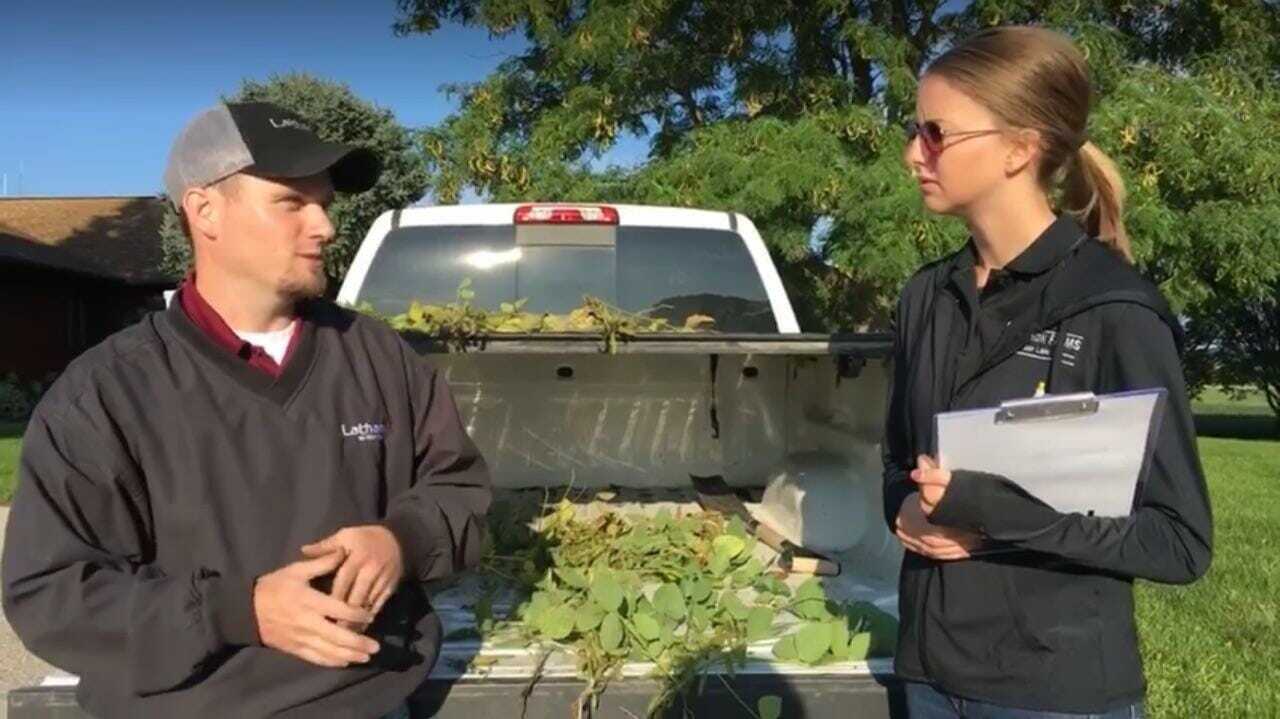
    Today we will be covering soybean harvest! Tune in for in-field tips. #AsktheAgronomist

    Video Link: https://www.facebook.com/LathamSeeds/videos/1892500697529870/ 
    Laura Cunningham

    September 20, 2018
    #AskTheAgronomist, Agronomics, Crop, Growth Stages, Soybeans
  • Latham Hi‑Tech Seeds

    Estimate Corn Yield with Phil Long

    9.6 Ask the Agronomist

    LIBSYN header 2 01

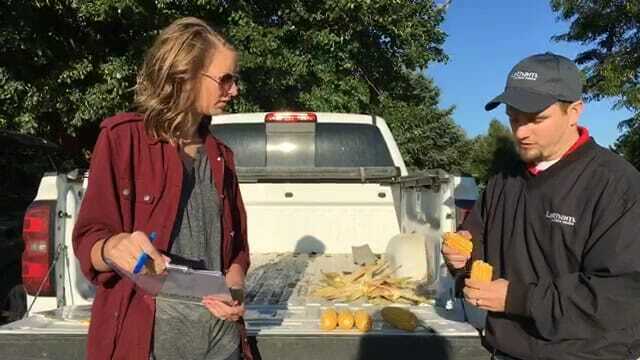
    Estimate corn yield with Phil Long this morning on our #AsktheAgronomist Facebook Live!

    https://www.facebook.com/LathamSeeds/videos/1049328901904612/
     

    Laura Cunningham

    September 6, 2018
    #AskTheAgronomist, Corn, Crop
  • Latham Hi‑Tech Seeds

    FB Live: Sudden Death Syndrome or Brown Stem Rot?

    8.30 Facebook Live

    LIBSYN header 2 01
    Sudden Death Syndrome or Brown Stem Rot? Tune in for identification tips the impact of these diseases.

    https://www.facebook.com/LathamSeeds/videos/2077027295959408/ 
    Laura Cunningham

    August 30, 2018
    #AskTheAgronomist, Agronomics, Crop, Disease, Soybeans
  • Latham Hi‑Tech Seeds

    Tips for Protecting and Building Soils with Cover Crops

    IMG 3901

    Many farmers work hard and put safety measures in place to preserve their family’s farm — their legacy — for future generations. Preserving and building the soil is one of the most important things farmers do for humanity.

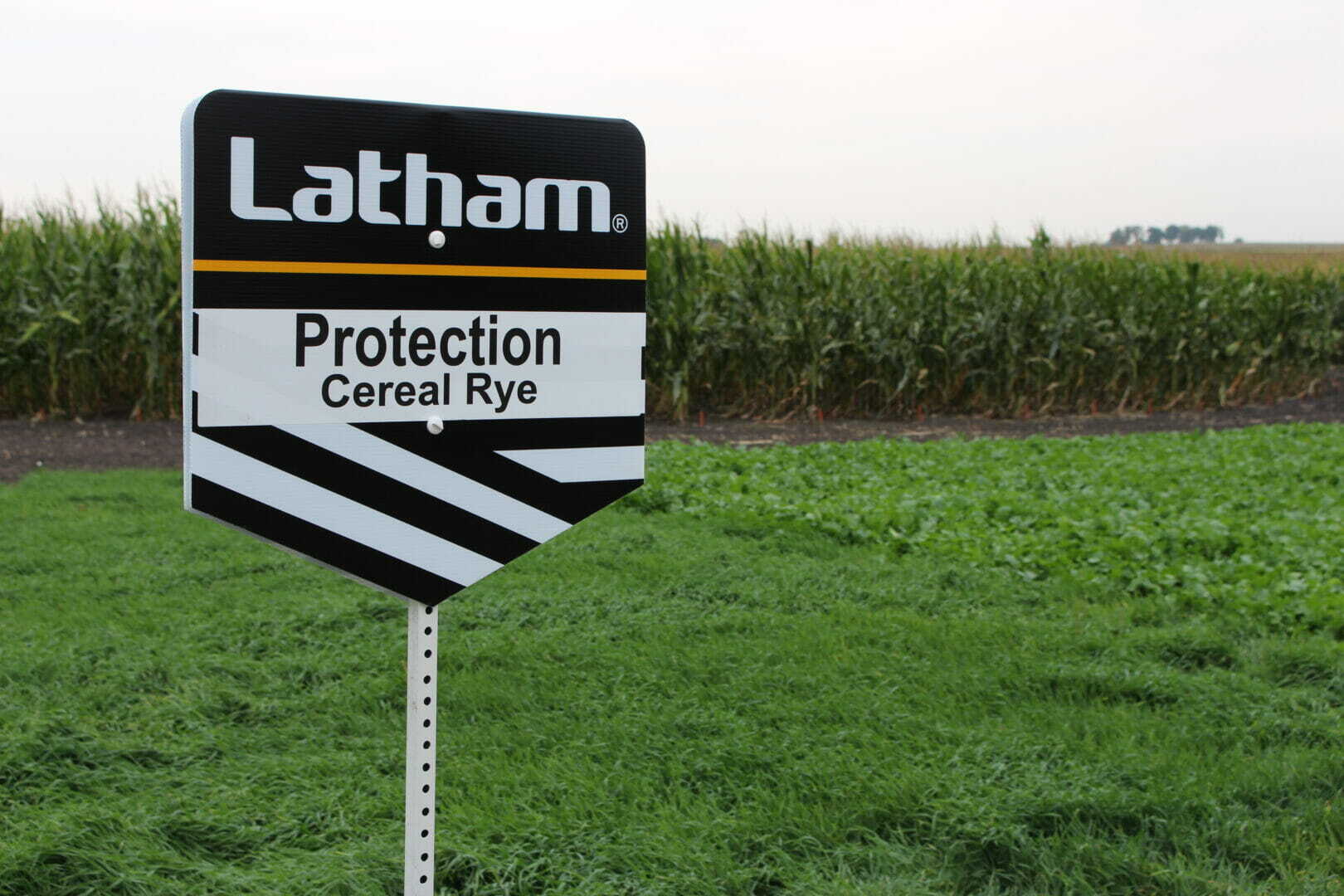
    It’s more of a marathon, rather than a sprint, to unleash new yield levels. We must unfold the earthly secrets that will help develop new soil health levels. Soil biological development has recently gained massive interest in the United States, so many farmers are experimenting with biological supplements and cover crops.

    If you’re interested in getting started with cover crops on your farm, below are a few tips for your consideration:

    1. Start small in early fall so the crop has enough time to grow.

    I suggest getting an initial solvita soil test. Start super simple by getting one test per majority soil type in the area of cover crop interest. The soil test results will suggest a cover crop that will benefit the soil and following crop the most. In addition, it will help you trend the soil biological activity over the next few years.

    2. Keep it very simple at first.

    All the options can be overwhelming, so focus on one cover crop in the beginning. The most experienced cover crop farmers say you don’t need to get too fancy with complicated mixes. Some NRCS cooperative payments require certain mixes, so you’ll need to get the requirements from your local NRCS office.

    3. Explore seeding options.

    Many county NRCS agencies have no-till drills available for rent. There also are programs available to help fund aerial applications. Again, work with the NRCS to explore programs available in your area.

    4. Conduct a test to help determine if carryover herbicide could affect cover crop emergence.

    Some residual herbicide compounds can still be potent enough to affect cover crop emergence or root growth, as herbicide could be at a deeper level. To test for carryover, conduct a flower pot soil test two weeks prior to seeding cover crops. I gather soil samples from three locations throughout the field. Then I replicate this test for each cover crop I plan to plant.

    For example: If I were going to mix tillage radish with winter rye, I would need six soil samples from the field (3 for rye and 3 for radish). You also need to purchase enough basic potting soil for 1 or 2 pots that will be used as a check.

    IMG 3901

    5. Have fun!

    Cover crops are a new pathway for many. You’re developing a plan that is relevant and specific to your farming system and soil biology. Your soil is your science lab! Even if you don’t achieve the desired results right away, you’re gaining knowledge that can be used to improve your soils in the future. Remember to involve your local NRCS to help share the investment costs.

    FOR MORE INFORMATION, GO TO:
    www.nrcs.usda.gov/Internet/FSE_DOCUMENTS/stelprdb1082778.pdf

    Webspec Admin

    August 28, 2018
    Cover Crops, Crop, Tech Tuesday
  • Latham Hi‑Tech Seeds

    FB Live: Gall Midge & Late Season Scouting

    HR feature image


    LIBSYN header 2 01

    Tune in for discussion on a new insect hitting soybean fields in the Midwest. We will also be covering tips on late-season scouting.

    https://www.facebook.com/LathamSeeds/videos/1134728796694114/

    Laura Cunningham

    August 23, 2018
    #AskTheAgronomist, Agronomics, Crop, Insects, Soybeans
  • Latham Hi‑Tech Seeds

    Harvest Tips to Optimize Corn Silage Quality

    Silage article Milk Line

    It can be tricky to get everything to work out just right for an optimal corn silage harvest. The weather, combined with the custom harvester’s schedule and corn silage moisture, are just a few of the details that make harvest a challenge.

    Let’s review the basics to help increase your chances of an optimal silage harvest this year:Silage article Milk Line

    • Harvest when whole-plant moisture is between 65% and 70%.
    • Moisture can drop by as much as .5% – 1%/day.
    • To check moisture, replicate in different areas of a field. I always add 1 to 2 points to the moisture check result as there can be a lot of field variability.
    • Half milk line is the rule of thumb, but it’s best to test to verify.
    • Some growers increase chopper height to increase grain portion. This makes corn silage drier, so they can start earlier. They also do this to increase fiber digestibility. As the height increases, the neutral detergent fiber (NDF) portion is less and digestibility typically improves.
    • Whole-plant moisture of 68% to 70% is the best moisture zone for packing silage in a bunk.
    • Although it varies by silo type, whole-plant moisture of 65% is preferred to reduce seepage potential when storing silage in an upright silo.
    • As a review, corn silage dry matter (DM) is typically 50% grain to 50% stover. The portion of corn silage that has the most impact on whole-plant moisture is the starch accumulation. Starch dries the mix down. As the milk line drops and more starch accumulates, the lower the moisture.
    • Moisture changes can certainly vary based on environment. If we get a very sunny, hot, windy, low humidity day in September, whole-plant moisture can easily drop by 1%.

    Laura Cunningham

    August 21, 2018
    Corn Silage, Crop, Tech Tuesday
  • Latham Hi‑Tech Seeds

    FB Live: Fall Cover Crop Planning

    FB live 081618

    LIBSYN header 2 01

    Tune in for live discussion with Phil Long on cover crop planning!

    https://www.facebook.com/LathamSeeds/videos/1797778617008931/

    Laura Cunningham

    August 16, 2018
    #AskTheAgronomist, Cover Crops, Crop
  • Latham Hi‑Tech Seeds

    Mid-Season: Prime Time to Conduct On-Farm Experiments

    Tech Tuesday Rebrand 02
    Tech Tuesday Rebrand 01
    ALTHOUGH WE’RE DEEP INTO THE GROWING SEASON, THERE’S STILL TIME TO MAKE CHANGES THAT LEAD TO IMPROVED FORAGE YIELD AND QUALITY. MY ADVICE IS TO EXPERIMENT, EVEN ON A SMALL SCALE, TO SEE WHAT CAN MOVE THE NEEDLE.

    Here are a few ideas for your consideration:

    • Continuous tissue testing. A foliar application of deficient nutrients could be a game changer.
    • Late-season nitrogen application. Every season is unique, so it’s beneficial to detect levels and then develop an in-season nutrient plan. Because most nitrogen uptake occurs during the reproduction phase, it’s important to ensure corn plants have sufficient levels available.
    • Foliar fungicide application. Multi-year research has shown that applying fungicide leads to 3 or more tons of corn silage. This added tonnage can potentially add another $120 value/acre!

    Every operation is different, and each operator has access to different equipment. Regardless of the hurdles, try something new. Invest in an experiment. Select s field or two to experiment, and develop a plan to lower risk, improve quality and gain tonnage. Need more ideas? I’d be happy to help! Feel free to contact me at the Latham office.

    Corey Article 8.7Corey article 2 8.7

    Webspec Admin

    August 7, 2018
    Corn Silage, Crop, Tech Tuesday
  • Latham Hi‑Tech Seeds

    FB Live: Is It Time to Spray Aphids?

    Facebook Live 8.2

    LIBSYN header 2 01

    Is it time to spray for aphids? Phil Long discusses plant damage and identifiable thresholds when making the decision.

    https://www.facebook.com/LathamSeeds/videos/10156604967342138/


    Laura Cunningham

    August 2, 2018
    #AskTheAgronomist, Agronomics, Crop, Insects, Soybeans
Previous Page
1 … 34 35 36 37 38 … 62
Next Page

Latham Hi‑Tech Seeds

131 180th Street | Alexander, IA 50420

(641) 692-3258

SIGNUP FOR OUR NEWSLETTER
  • Contact
  • Legal
  • Dealer Center
  • Seedware Login
  • Latham Gear

© 2025 Latham Hi‑Tech Seeds. All rights reserved. | Iowa Web Design by Webspec | Privacy Policy

Latham® Hi-Tech Seeds is a trademark of M.S. Technologies, L.L.C., 103 Avenue D, West Point, IA 52656.