Latham Hi-Tech Seeds

(641) 692-3258

  • Home
  • Products
    • Corn
    • Soybeans
    • Alfalfa
    • Corn Silage
    • Seed Guide
  • Performance
  • Find a Rep
  • Media
    • Blog
    • News
    • Videos
    • Podcasts
    • TECHTalk
  • About Us
    • Company History
    • Our Mission
    • Careers
    • Become a Rep
    • Sowing Seeds of Hope
  • Contact Us
  • Latham Hi‑Tech Seeds

    States Focus on Nutrient Reduction Strategies

    IMG 2343

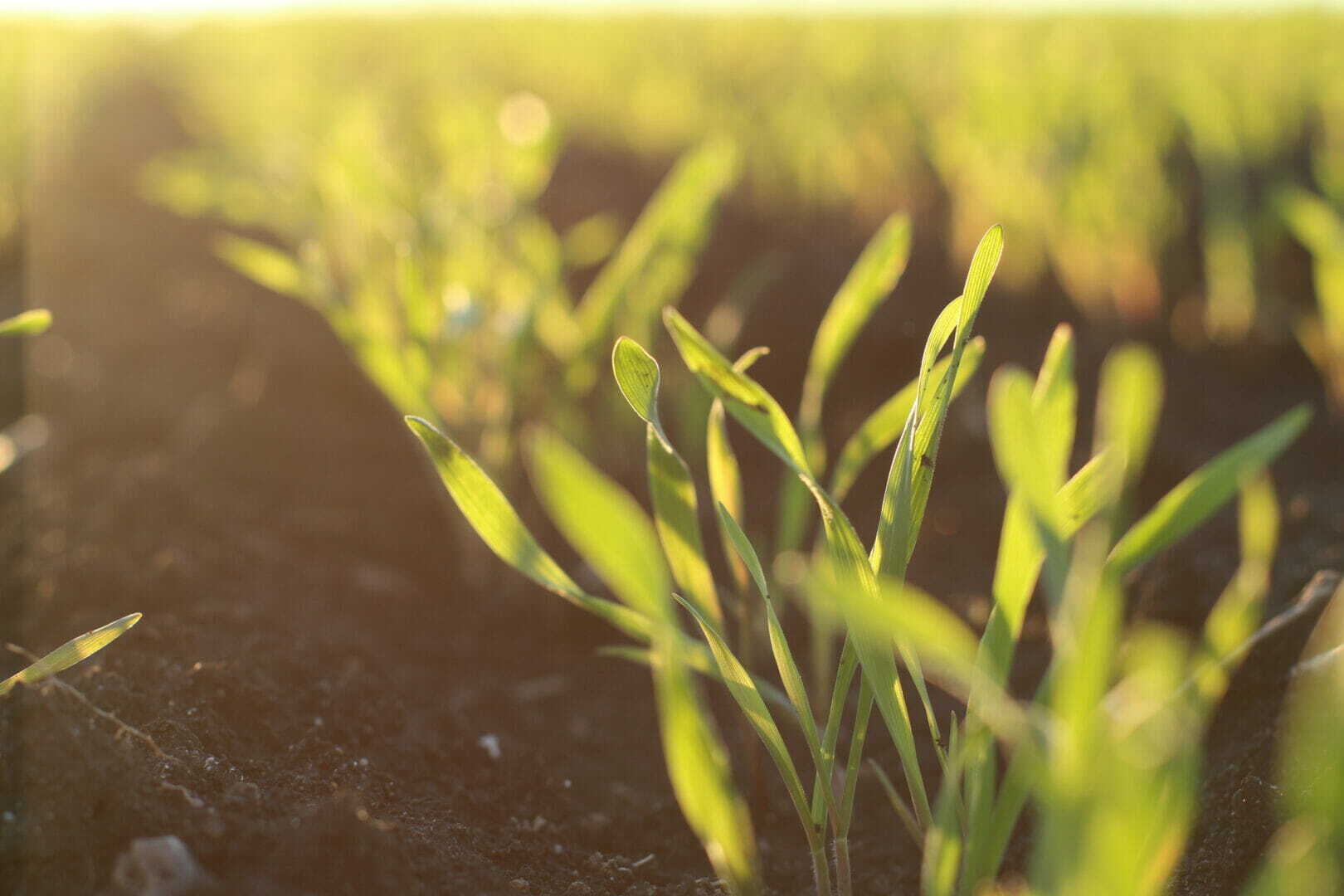
    Reducing the excessive use of nutrients was the focus of presentations made recently during the annual Agribusiness Showcase and Conference in Des Moines.

    Most Upper Midwest farmers are very aware of problems in the “Hypoxia Zone” of the Gulf of Mexico. This area where the Mississippi River discharges into the Gulf is negatively affected by the abundance of nitrate nitrogen (N) and phosphorus (P) found in the river water. Excess nutrients can come from many sources including: sewage treatment plants; soil erosion; deposition of atmospheric nitrogen and fertilizers used on farms; lawns; and golf courses.

    The EPA in March 2011 issued a letter to encourage states bordering the Mississippi and Missouri Rivers to reduce contaminants, specifically N and P, found in lakes, rivers, streams and groundwater. Phosphorus is tightly bonded to soil particles, so erosion is the main reason it is found in water. Nitrogen, on the other hand, converts to nitrates and easily leaches down through the soil profile. This allows nitrates to infiltrate groundwater and eventually reach lakes, streams and rivers through tile systems or aquifers.
    Below are a few recommendations from experts who spoke at the agribusiness conference:

    • Eliminate “insurance” and “build” applications of nutrients. We tend to base our fertilizer needs on soil tests and what our yield goals are, then add an extra 10-20% to make up for losses due to weather, timing, etc. We need to stop this practice.
    • Bioreactors at the field’s edge can lower nitrate in runoff water before it can enter a stream or tile drainage ditch.
    • Saturated Buffers can help reduce both erosion and nitrate runoff for farms that have a river or stream flowing alongside or through the field.
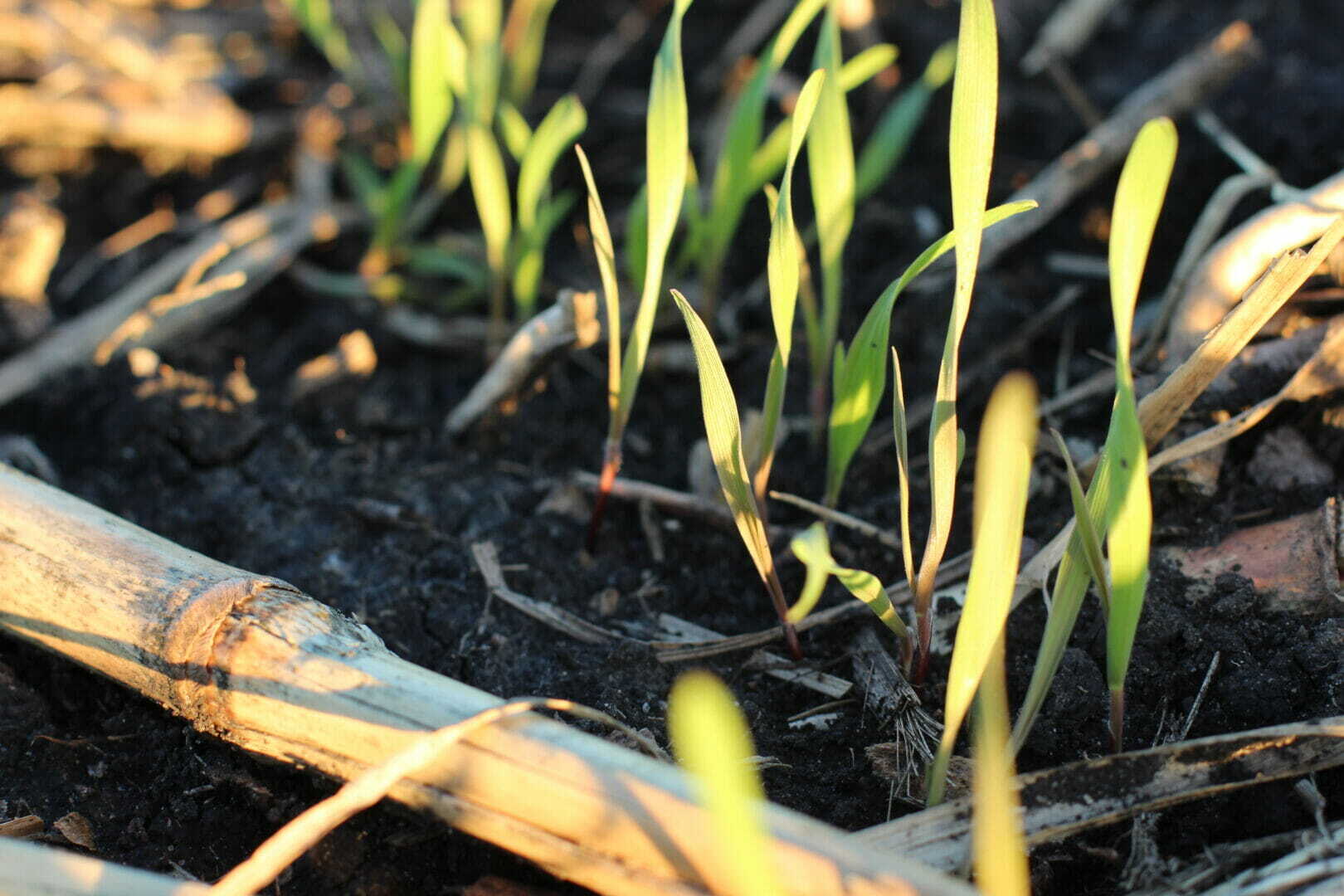
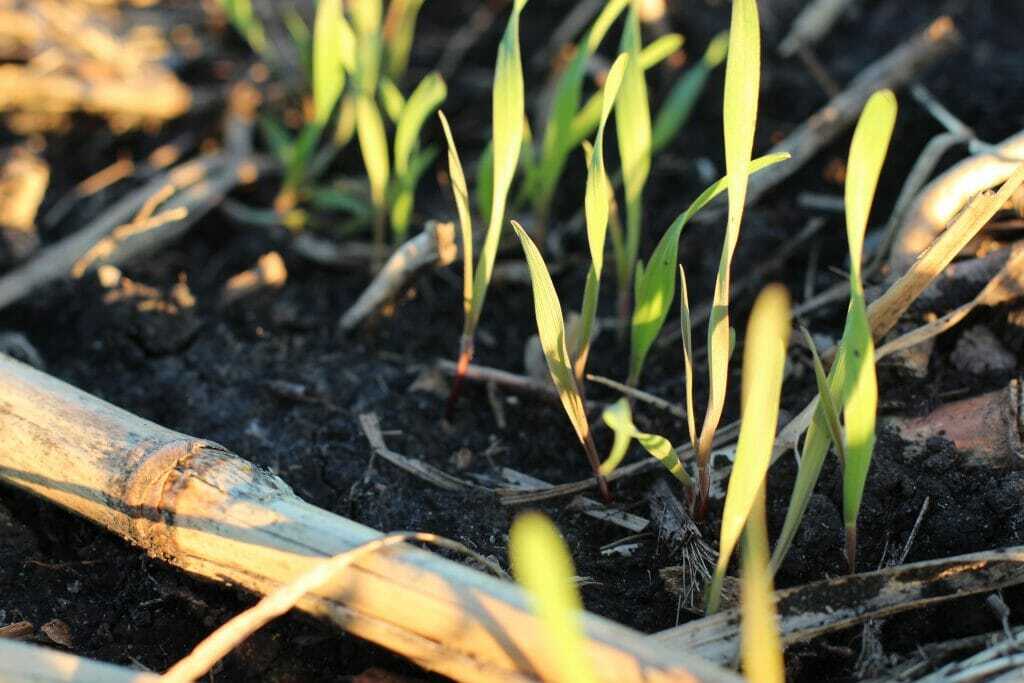
    • Cover Crops can greatly reduce erosion and help with more efficient nitrogen use. Cover crops are one of the few practices that may help an entire field, rather than merely an edge-of-field strategy. Long-term benefits of cover crops include managing weeds, increasing organic matter and building overall soil health.
    • Precision Agriculture. Programs like Climate FieldView™ and Latham’s Data Forward™ bring economics and conservation together by using your own farm data. This leads to better variety selection and crop input decisions and often better use of soil and fertilizer resources.
    • These are just a few of the most popular strategies, but you could visit with your local NRCS staff member for more ideas. Most state strategies are voluntary, but Minnesota is considering making some of their strategies mandatory. Fall application of nitrogen fertilizer might be the first practice banned in Minnesota.
    • One farmer put it very simply, “Either join the effort now and have some freedom in what practices you use or wait until it is mandatory and then be told what to do.”

    Contact your Latham RSM or our Technical Agronomist Phil Long to talk about ways our cover crop portfolio or Seed-2-Soil® services can help you and our customers raise the most profitable and sustainable crops.
     

    IMG 2343

    Mark Grundmeier, Product Manager

    March 19, 2019
    Agriculture, Cover Crops, Crop, Industry News, Tech Tuesday
  • Latham Hi‑Tech Seeds

    5-Year Cover Crop Plan

    Capture


    LIBSYN header 2 01

    Looking to implement cover crops on your farm? Phil Long walks through a 5-year plan to get started. Tune in below!

    Cover Crop Plan graphic

    Laura Cunningham

    March 7, 2019
    #AskTheAgronomist, Agronomics, Cover Crops, Crop, Soil
  • Latham Hi‑Tech Seeds

    Improve Soil Health with Cover Crops

    IMG 2337

    Taking soil samples and then implementing “3 Ps” is key to building soil health: (1) Sample; (2) Plan; (3) Plant and (4) Be Patient. The focus of my post is to provide tips for developing a plan that will leave your soil in better shape for future generations.

    1. Sample: It is hard to now where to go, when you don’t know where you are. That’s why baseline tests are so important.

    In addition to working for Latham Hi‑Tech Seeds, I also work part time in the emergency room and am a paramedic in rural Wisconsin. When a sick patient is admitted to the hospital, a blood sample test is run. Results from this CBC, or complete blood count, and other tests become the foundation on which we develop the best suited treatment plan. This is really a customized approach to treating a situation because everyone is different.

    The same is true with soils. Every single soil is unique, and the state of its biological soil health is based on several factors that only soil sampling can truly reveal. Once we have soil sampling results, we have a point from which we can develop the best suited plan.

    IMG 2337

    There are a lot of tests available, but I have found the most useful test is the Solvita soil test by Woods End Laboratories. This test gives an overview of the biological health of the soil. It also actually provides a recommendation of the best cover crop combination to the benefit and build the soil.

    If you’re not already doing so, I encourage you this season to develop the best suited plan to start building your soil structure. Start small, so you don’t get overwhelmed. Choose a soil you believe needs the most help. NOTE: Most conventionally-tilled soils could benefit. Use the absolute best soil sampling equipment you can find. Be very diligent in collecting the sample because the data you get back is only as good as the sample the lab receives from you.

    Take your time. Enjoy the experience as you embark on a journey of doing something good for humanity. – Corey Catt, Latham Forage Product Specialist

    1. Plan: Now that you have results from soil samples, develop a plan to accomplish your goals. Sometimes it’s easier to take a small acreage out of production, and plant a green manure mix. Here are some plants to consider:
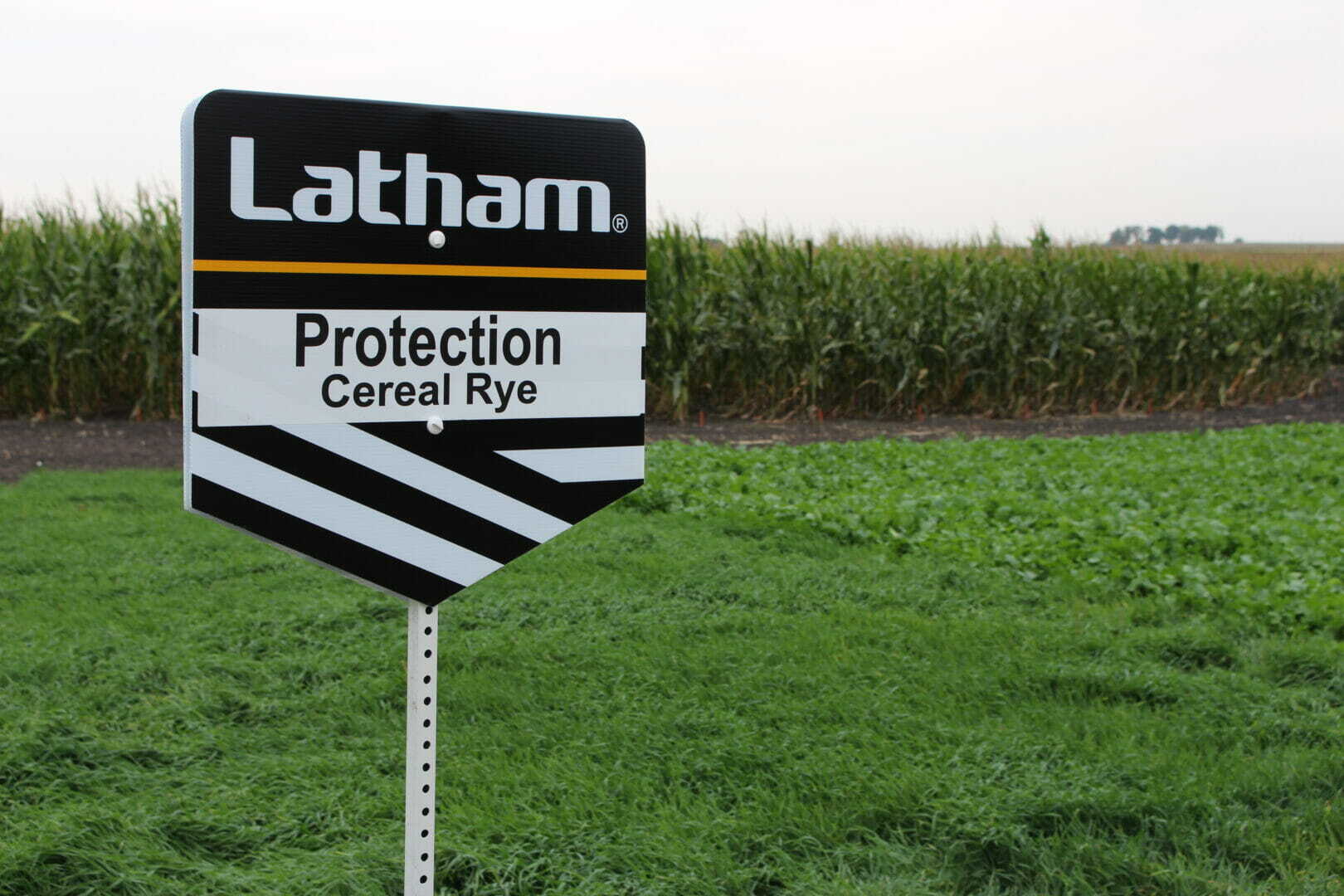
    • Grasses, like Latham’s PROTECTioN Cereal Rye, scavenge for excess nitrogen. Grass roots help reduce run off.
    • Legumes, like Latham’s FixatioN Balansa Clover produce nitrogen and help reduce run off.
    • Brassicas, like Latham’s Driller Daikon Radish help penetrate hard pan and provide a little fertility benefit.

    If you plan to interseed cover crops into your existing corn or soybean field in mid-summer, be very mindful of what herbicide you are using because carryover can reduce your cover crop emergence and growth. In particular, the residual of Dicamba herbicide really restricts your cover crop options.

    1. Plant: Cover crops may be drilled, broadcast seeded, ariel seeded or even seeded using a Hi-Boy. Equipment is usually a limiting factor to what cover crops get planted. Some county soil conservation offices rent equipment. They also have funding available to pay for some cover crops.
    2. PATIENCE: Being patient is the hardest part of trying cover crops and rebuilding soil health. You must think long term rather than seek short-term gratification. When we go through the investment efforts, we would like instant results.

      Fact is, you are getting results albeit they are subtle. In many cases, however, the results are exponential when you commit to the plan for years. One Indiana grower found he has increased organic matter (OM) over time. This is huge as increasing OM also increases the water holding capacity in the root zone, which correlates to more yield potential, especially during dry conditions. This grower says he’s gaining about .1% OM every year that he no-tills and uses specific cover crops.

      Consider that in 10 years you could gain another 1% OM. Every 1% OM holds about 1 acre inch of rain, which is around 27,000 gallons. Every year you increase the water holding capacity, you improve your chances of higher yield.

    We’re all about helping you “grow your legacy” at Latham Hi‑Tech Seeds! Feel free to call me if you’re interested in setting up an on-farm trial for cover crops this growing season. We might even be able to partner with you to try some new products or different rates / seeding studies of existing products. Also note that the 2020 Latham® Seed Product Guide will be distributed in July 2019, so be sure to check out our production offering for Fall 2019 seeding.

    Webspec Admin

    March 4, 2019
    Agronomics, Cover Crops, Crop, Industry News, Soil, Tech Tuesday
  • Latham Hi‑Tech Seeds

    #AskTheAgronomist: The Love List

    2.14.19

    LIBSYN header 2 01

    On this Valentine’s Day, we are reviewing 7 things we LOVE about the Latham product lineup!

    https://www.facebook.com/LathamSeeds/videos/924337164624015?sfns=mo

    Laura Cunningham

    February 14, 2019
    #AskTheAgronomist, Alfalfa, Corn, Corn Silage, Cover Crops, Crop, Soybeans
  • Latham Hi‑Tech Seeds

    Ask the Agronomist: Planting into Cover Crops

    Rye Cover 01 (640x427)

    Laura Cunningham

    February 7, 2019
    #AskTheAgronomist, Cover Crops, Crop
  • Latham Hi‑Tech Seeds

    On-Farm Research Helps Find Palatable Solutions

    Corey article

    Everyone is vitally aware of how brittle the farm economy has been, yet it seems like every agriculture periodical that I read discusses all the challenges. This movie quote illustrates the current state of our industry,

    “I’m drowning and you are describing the water.”

    We don’t need ag magazines and experts to “describe the water.” We need someone to toss us a life vest, or a plausible solution! That’s why I’m concentrating on solutions to help create stability.

    Granted, these solutions don’t come easy. You must be being willing to do something that you may not have done in the past. Another quote comes to mind,

    “For things to change, you need to change. For things to get better, you need to get better.”

    This quote has some personal and professional reflective value. Th e world agriculture market is becoming more competitive and aggressive. We must get more efficient domestically, and we must find ways to differentiate our products on a global scale. We must look beyond quantity of the crop produced to qualitative components, such as amino acids, fatty acids, omega 3, 6, 9 composition and more. This resonates deeply with the consumer. Not only does increasing the quality of our corn add value, it also helps us build “marketing muscle.”

    For years, research has looked for corn silage products that are stable on the acre. Then researchers looked into delivering the very best nutritional matrix. The delicate balance is so important that early adopters are designing on-farm experiments to test their management systems. I’m excited that Phil Long is merging technology with a vision of the future with Latham’s Seed-2-Soil precision agriculture program services. Little details like better starch and fiber digestibility in grain also make big differences.

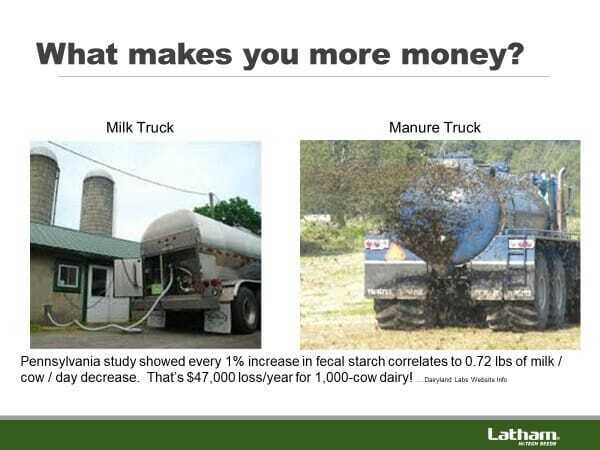
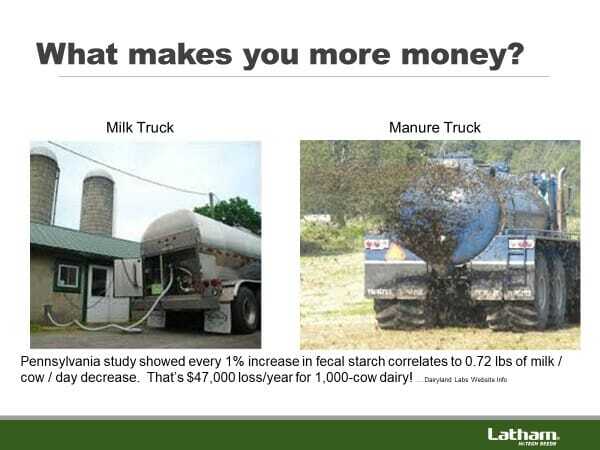
    The image below illustrates the value of feeding hybrids with softer starch. We continually provide good data to help you make better seed product selections and transform research into useful on-farm results.

    Corey article

    2018 corn silage data is available on Latham’s website. Feel free to contact me if you have any questions about setting up an on-farm research trial for forage products. In 2019, be open to exciting possibilities – and to trying something new on your farm!

    Latham Silage Hybrid Results


    Webspec Admin

    January 29, 2019
    Alfalfa, Corn, Corn Silage, Cover Crops, Crop, Soybeans, Tech Tuesday
  • Latham Hi‑Tech Seeds

    #AskTheAgronomist Special Edition

    Shannon & Mark


    LIBSYN header 2 01

    More Topics. More Expertise. More Value.

    Below we have shared our 5-segment #LiveWithLatham Broadcast! We had our Agronomy & Product Teams with us to talk about the 2018 growing season, Latham® hybrids and varieties, an industry update, on-farm research and our Latham quality standards. Tune in to the segments below.

    https://www.facebook.com/LathamSeeds/videos/206956050211982/

    https://www.facebook.com/LathamSeeds/videos/387560941788121/

    https://www.facebook.com/LathamSeeds/videos/2371959466165669/

    https://www.facebook.com/LathamSeeds/videos/713236272403231/

    https://www.facebook.com/LathamSeeds/videos/643567089391080/


    Laura Cunningham

    December 14, 2018
    #AskTheAgronomist, Agriculture, Corn, Cover Crops, Crop, Industry News, Soybeans
  • Latham Hi‑Tech Seeds

    #LiveWithLatham Broadcast

    Ask the agronomist facebook 820 x 360
    Ask the agronomist facebook 820 x 360
    More Topics. More Expertise. More Value.

    JOIN US! We will be #LIVEwithLATHAM on Dec. 13 at 10 a.m. on our Facebook page. Each guest will have 15 minutes, including a live interview, plus questions will be accepted throughout the broadcast. Special guests & topics include:

    1. John Latham, President, Latham Hi‑Tech Seeds
    2. Bob Foley, Corn Breeder
    3. Mark Grundmeier, Product Manager
    4. Phil Long, Agronomy Specialist

    Do you have questions of your own? Feel free to submit in advance via PM on social media, or submit them live on Dec. 13!

    Laura Cunningham

    November 27, 2018
    Agronomics, Alfalfa, Corn, Cover Crops, Crop, Soybeans, Tech Tuesday
  • Latham Hi‑Tech Seeds

    Tips for Protecting and Building Soils with Cover Crops

    IMG 3901

    Many farmers work hard and put safety measures in place to preserve their family’s farm — their legacy — for future generations. Preserving and building the soil is one of the most important things farmers do for humanity.

    It’s more of a marathon, rather than a sprint, to unleash new yield levels. We must unfold the earthly secrets that will help develop new soil health levels. Soil biological development has recently gained massive interest in the United States, so many farmers are experimenting with biological supplements and cover crops.

    If you’re interested in getting started with cover crops on your farm, below are a few tips for your consideration:

    1. Start small in early fall so the crop has enough time to grow.

    I suggest getting an initial solvita soil test. Start super simple by getting one test per majority soil type in the area of cover crop interest. The soil test results will suggest a cover crop that will benefit the soil and following crop the most. In addition, it will help you trend the soil biological activity over the next few years.

    2. Keep it very simple at first.

    All the options can be overwhelming, so focus on one cover crop in the beginning. The most experienced cover crop farmers say you don’t need to get too fancy with complicated mixes. Some NRCS cooperative payments require certain mixes, so you’ll need to get the requirements from your local NRCS office.

    3. Explore seeding options.

    Many county NRCS agencies have no-till drills available for rent. There also are programs available to help fund aerial applications. Again, work with the NRCS to explore programs available in your area.

    4. Conduct a test to help determine if carryover herbicide could affect cover crop emergence.

    Some residual herbicide compounds can still be potent enough to affect cover crop emergence or root growth, as herbicide could be at a deeper level. To test for carryover, conduct a flower pot soil test two weeks prior to seeding cover crops. I gather soil samples from three locations throughout the field. Then I replicate this test for each cover crop I plan to plant.

    For example: If I were going to mix tillage radish with winter rye, I would need six soil samples from the field (3 for rye and 3 for radish). You also need to purchase enough basic potting soil for 1 or 2 pots that will be used as a check.

    IMG 3901

    5. Have fun!

    Cover crops are a new pathway for many. You’re developing a plan that is relevant and specific to your farming system and soil biology. Your soil is your science lab! Even if you don’t achieve the desired results right away, you’re gaining knowledge that can be used to improve your soils in the future. Remember to involve your local NRCS to help share the investment costs.

    FOR MORE INFORMATION, GO TO:
    www.nrcs.usda.gov/Internet/FSE_DOCUMENTS/stelprdb1082778.pdf

    Webspec Admin

    August 28, 2018
    Cover Crops, Crop, Tech Tuesday
  • Latham Hi‑Tech Seeds

    FB Live: Fall Cover Crop Planning

    FB live 081618

    LIBSYN header 2 01

    Tune in for live discussion with Phil Long on cover crop planning!

    https://www.facebook.com/LathamSeeds/videos/1797778617008931/

    Laura Cunningham

    August 16, 2018
    #AskTheAgronomist, Cover Crops, Crop
Previous Page
1 2 3
Next Page

Latham Hi‑Tech Seeds

131 180th Street | Alexander, IA 50420

(641) 692-3258

SIGNUP FOR OUR NEWSLETTER
  • Contact
  • Legal
  • Dealer Center
  • Seedware Login
  • Latham Gear

© 2025 Latham Hi‑Tech Seeds. All rights reserved. | Iowa Web Design by Webspec | Privacy Policy

Latham® Hi-Tech Seeds is a trademark of M.S. Technologies, L.L.C., 103 Avenue D, West Point, IA 52656.