Take a look across Latham Country! We’re coming to you every week.
Did you enjoy these videos? We want to (TECH)talk with you! Sign up for our newsletter to receive agronomy videos (and delicious recipes) in your inbox! We’ll TALK soon.


Take a look across Latham Country! We’re coming to you every week.
Did you enjoy these videos? We want to (TECH)talk with you! Sign up for our newsletter to receive agronomy videos (and delicious recipes) in your inbox! We’ll TALK soon.

Take a look across Latham Country! We’re coming to you every week.
Did you enjoy these videos? We want to (TECH)talk with you! Sign up for our newsletter to receive agronomy videos (and delicious recipes) in your inbox! We’ll TALK soon.
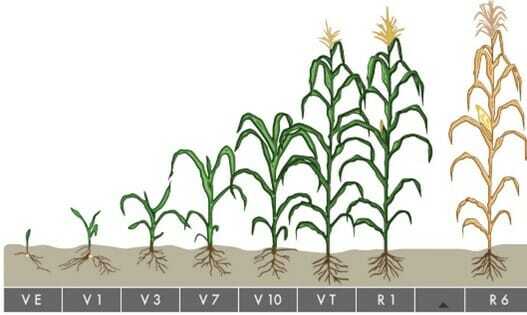
Planting across Latham Country has been progressing at a rapid pace and it will not be long before post-emergence spraying will begin. When to spray, what to spray, should I spray . . . these are some of the questions growers need to consider before heading to the field. I believe “when to spray” is one of the most critical decisions a grower will make. Damaging or injuring a young plant can have lasting affects that may not be visible to the naked eye. Understanding growth stages and relating this to the labeled requirements is a key to successful growing season. Let’s take a look at corn first.
Labels typically refer to growth stages for application timing and the chart below is a good reference.

VE Stage – Corn emergence occurs when the coleoptiles reach and break through the soil surface. Normally, corn requires approximately 100-200 GDUs to emerge, which can be four to five days after planting. At this stage, growth is also taking place below the ground as the nodal root system begins to grow.
Emergence may occur as rapidly as four or five days after planting in warm moist soil, or may take three weeks or more in cool soils. A new leaf will appear about every three days during early growth, while later leaves developing during warmer conditions may appear in one to two days. Full season hybrids in the central Corn Belt typically can produce 21 to 22 leaves. Earlier maturing hybrids will produce fewer leaves.
Keep these numbers in mind as you plan out your season and prepare to spray your fields. Within a month after planting, a corn plant can go from the bag to V5-V7 if conditions are favorable.
Soybeans in a given field will not be in the same stage at the same time. When staging a field of soybeans, each V or R stage is defined when 50% or more of the plants in the field are in or beyond that stage. This makes it important to understand staging and development since not every plant in the field will be at the same stage when determining application timing. The chart below is a good reference for staging.

The general rule of thumb is to figure five days between growth stages in soybeans. The most important growth stage is R1 which is classified as one flower open at any node on the main stem. Soybean flowers are very sensitive and herbicide application should be avoided at this stage. R1 can begin before canopy closure and the temptation is there to make that final application before canopy closure. A good pre-plant program can help avoid the need for late season spraying and a few late escapes is not worth the consequences from spraying post-flower.
Did you enjoy this article? We want to (TECH)talk with you! Sign up for our newsletter to receive agronomy articles (and delicious recipes) in your inbox! We’ll TALK soon.

Take a look across Latham Country! We’re coming to you every week.
Did you enjoy these videos? We want to (TECH)talk with you! Sign up for our newsletter to receive agronomy videos (and delicious recipes) in your inbox! We’ll TALK soon.

Take a look across Latham Country! We’re coming to you every week.
Latham Hi‑Tech Seed’s Corn Plot going in Northern Iowa!
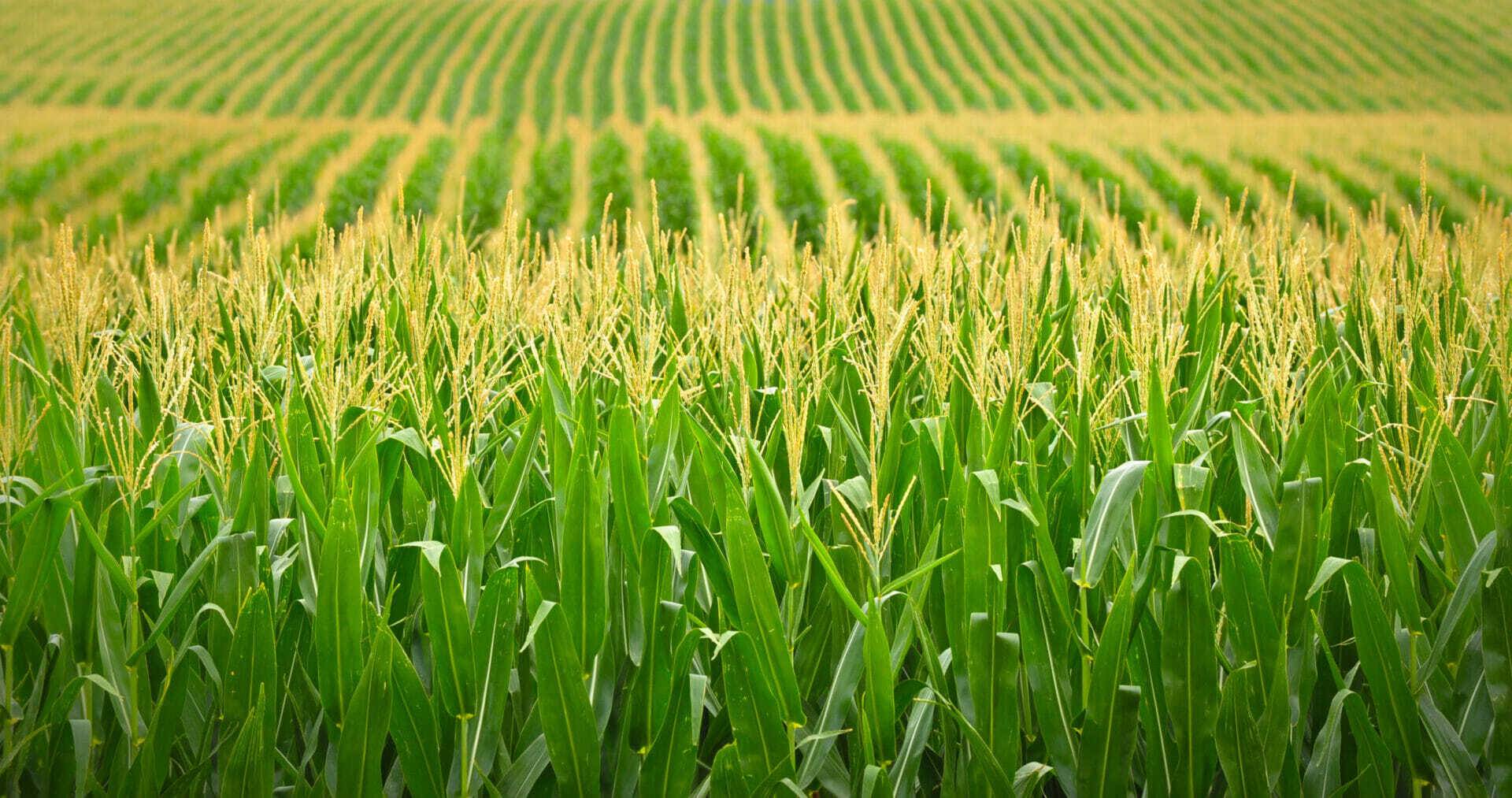
 By the time Latham Hi‑Tech Seeds offers a new corn hybrid, the number of places it has traveled in its developmental process is pretty “a-maize-ing.”
Let’s look at the developmental timeline and how your bag of corn seed gets so many frequent flyer miles. It can take at least five years to create a new hybrid with a new seed parent. These new corn lines like to travel. As a breeder, I become the travel agent coordinating their travel plans.
What are some of the popular destinations for these lucky kernels? We use fields in Hawaii, Mexico, Chile and Argentina. By using these countries, we can plant fields year-round to accelerate our development process. In some cases, we can get three growing seasons in one year.
We use these locations to develop new parents, remake successful hybrids, create new experimental hybrids to test each year and produce hybrid for new releases. No one country can efficiently meet all our needs, so using multiple locations allows us to do different processes to deliver a new product to you.
Your family uses passports to travel and gets inspected by the TSA to get on the plane. A corn family needs similar documents for travel. The difference is that your family typically can travel and get into a country within a day. Each seed shipment we send or receive needs its own inspection and unique documentation, depending on where it’s going. Seed is further inspected upon arriving at its destination. This trip can take up to a week or more if its paperwork isn’t accepted. Delays can affect whether the seed arrives home in time.
The next time you look at a bag of Latham brand hybrid seed corn, know that it might have as many airline miles as you do. Unfortunately, I haven’t found a way to collect and use those frequent flyer perks!
Did you enjoy this article? We want to (TECH)talk with you! Sign up for our newsletter to receive agronomy articles (and delicious recipes) in your inbox! We’ll talk soon.
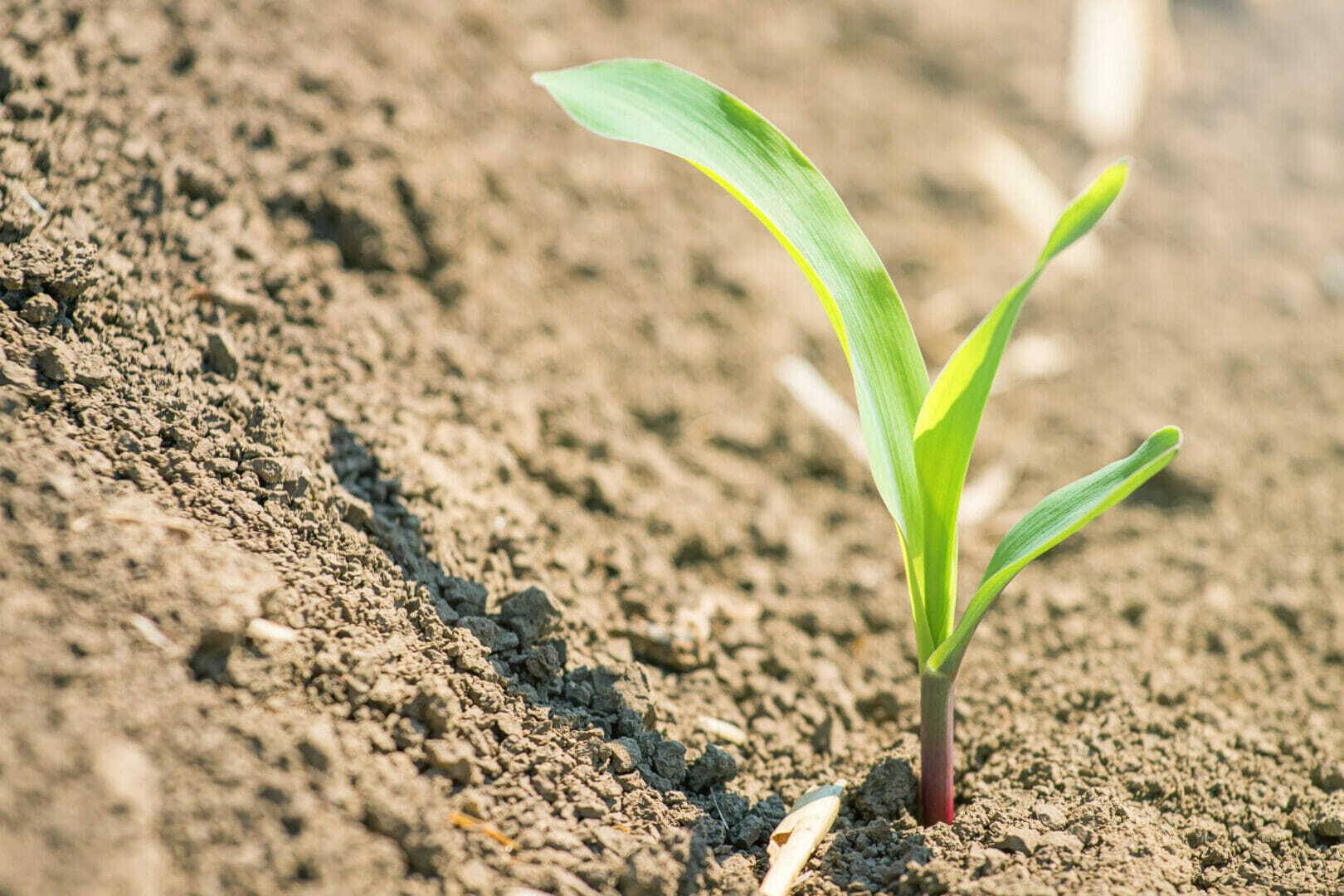
Like our planting and harvest monitors, corn breeding technologies today improve the speed, accuracy (reliability) and cost of identifying, developing and delivering improved genetics to your farm gate. In this article, I’ll try to briefly describe a few of the most widely used tech tools in developing Latham Hybrids. Like electronic tools, they can be a distraction standing alone, but when linked together into a systematic process they create a powerful platform for continuous improvement.

Unlike traditional methods, “Dihaploid Breeding” (DH) creates homozygous (genetically fixed) male or female corn inbreds quickly. What once took five generations of manual self-pollination can now be created in just two or three generations. Not only do DH’s speed the creation of new inbreds but because they are uniform, they improve and speed field testing required to identify performance. DH delivers inbreds faster (commonly called “instant inbreds”), with near-perfect genetic uniformity at a moderate cost.
Sorting all those new inbreds can become a bottleneck in finding commercially viable candidates. Similar to trying to find NFL players among thousands of college athletes, corn breeding also requires a large pool of candidate inbreds — as quickly as possible. Thankfully, selecting for inbreds with “Favorable DNA” (genes with proven performance) has never been easier or cheaper. Breeders used to spend thousands of dollars to identify a few genetic markers on a single inbred to make associations with key traits such as yield or disease tolerance. Today, we are fast approaching a capability to sequence an entire corn inbred genome (all genes) for less than a dollar. Considering that corn has more genes than humans (on fewer chromosomes), detailed genetic data can enable breeders to quickly select best “candidate” inbreds.
To speed development even further, “Predictive Breeding” can now use genetic data to now simulate some field performance prior to testing in the field. While this will never replace actual field testing predictions, it enables breeders to discard the “chaff” from the wheat — inbreds with low probability of good performance before they’re ever field tested.
Lastly, once commercial lines are identified, “Embryo Rescue” can cycle four generations of trait conversion in the lab and greenhouse in a single year, to deliver trait conversions in two years instead of what used to take four to five years.
None of these tools stand alone, but when paired together they create a powerful process to speed development, improve uniformity and reduce developmental cost of delivering improved Latham genetics to your farm.
Did you enjoy this article? We want to (TECH)talk with you! Sign up for our newsletter to receive agronomy articles (and delicious recipes) in your inbox! We’ll talk soon.
Did you enjoy this video? We want to (TECH)talk with you! Sign up for our newsletter to receive agronomy articles, videos (and delicious recipes) in your inbox! We’ll talk soon.
Weather concerns are top of mind as farmers across Latham Country look ahead to spring 2023 planting. Customers frequently ask us how to mitigate risk from the 2022 wet planting season.
While we want to maximize the yield potential of early planting, 2022 data shows us that delayed planting can result in very good yields — and better yields than planting when conditions are unfit.
Consider these factors to successfully mitigate potential risks of delayed planting:
We suggest staying with a hybrid selection plan that does not vary significantly from previous years. A couple management changes at planting time to get your crop off to a great start will result in more success than totally changing your hybrid selection.
Remember, most corn yield is created in July and August. Get your plants off to the best start, so they can take advantage of that part of the growing season. Don’t get discouraged if you encounter a bit of a delay. Stick to the hybrids in your original plan through the end of May.
Did you enjoy this article? We want to (TECH)talk with you! Sign up for our newsletter to receive agronomy articles (and delicious recipes) in your inbox! We’ll talk soon.


One reason Latham Hi‑Tech Seeds opened its Premier Agronomy Center on the Latham family’s Iowa Century farm was to collect data using real-world practices and to research solutions for real-world problems. More farmers are interested in biologicals to reduce fertilizer and other input costs and/or to build soil health.
A biological product, or biofertilizer, contains living microorganisms that promote fertilizer efficiency or plant growth. Most of these products are naturally occurring in the environment but likely do not occur in high amounts in your field.
At Latham’s Premier Agronomy Center in 2022, we used Pivot Bio PROVEN® and Azotic Envita® on corn. Both nitrogen-producing bacteria products were trialed on a large scale and applied in-furrow with LH 5245 VT2 PRO RIB. PROVEN yielded 213.1 bushels per acre (bu/A), and Envita yielded 208.1 bu/A while the untreated LH 5245 yielded 206.2 bu/A. (Also please note that I applied about 40 lbs per acre less nitrogen on all the biological products, so I saved about $20 to $30 per acre when accounting for the product cost.) We have seen similar past results with PROVEN on our farm despite the dry conditions we have had. Envita also may be sprayed over the crop in-season — a process that our team will try in 2023.
Another biological/foliar product that I’ve used on my own farm for soybeans is BW Advance from BW Fusion. This product has foliar nutrients plus biologicals. When applied around soybean reproduction time, it can help reduce flower and pod abortion plus reduce moisture loss during drought stress. It takes about a 1.5 bu/A yield increase to pay for the product at current soybean prices. In 2022, I saw an average of 2.3 bu/A advantage. Keep in mind, 2022 was very dry and this particular field has some underlying fertility issues.
If you are going to try biologicals, you must take care of pH and other soil fertility deficiencies. The microbes in your soil, especially bacteria and fungi, thrive based on proper pH and physical soil environment. For example, if you have a pH of 5.0 or heavily compacted soils, you’re not going to see a boost in soil life until you correct those issues.
This year I used two foliar/soil-applied products, Midwest Bio-Tech’s Chandler Soil and TerraMax’s Ag Soft. The goal of these products is for compaction alleviation and residue management. I’m using these products on our cover crop and no-till plots. During the next few years, I will share results and show any soil structure changes. We also use seed-applied products, including Talc U.S.A.’s Microsurge inoculant and Encompass, as well as TerraMax’s Vertex and Micro MX.
How will we know which products may benefit our farm the most? Our plan is to try them! I will share soil health tests and how they can aid us in continuing to decipher the complex world of biologicals.
Did you enjoy this article? We want to (TECH)talk with you! Sign up for our newsletter to receive agronomy articles in your inbox! We’ll talk soon.