Latham Hi-Tech Seeds

(641) 692-3258

  • Home
  • Products
    • Corn
    • Soybeans
    • Alfalfa
    • Corn Silage
    • Seed Guide
  • Performance
  • Find a Rep
  • Media
    • Blog
    • News
    • Videos
    • Podcasts
    • TECHTalk
  • About Us
    • Company History
    • Our Mission
    • Careers
    • Become a Rep
    • Sowing Seeds of Hope
  • Contact Us
  • Latham Hi‑Tech Seeds

    #AskTheAgronomist: Corn Pollination

    8.22

    LIBSYN header 2 01

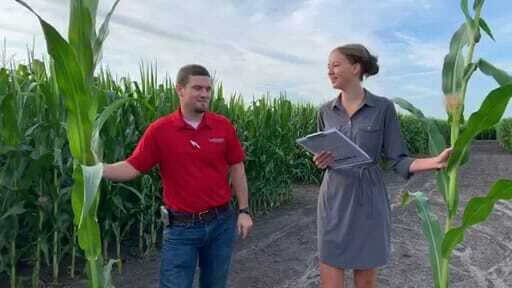
    Tune in as Phil Long discusses the current state of pollination in the field.

    00:20 – Topic Introduction: Pollination Failure
    1:02 – How much yield is left on the table?
    2:47 – Percent of yield left in the field in correlation to the stage of the corn plant
    6:32 – How to protect the final 40% of yield in the field
    8:07 – Prioritize fields for harvest
    9:27 – Remember to plan for 2020!
    10:46 – Identifying 3 types of pollination failures

    Laura Cunningham

    August 22, 2019
    #AskTheAgronomist, Agronomics, Corn, Crop, Growth Stages, Season, Summer
  • Latham Hi‑Tech Seeds

    #AskTheAgronomist: Fungicide & Insecticide Application Thresholds

    Cover image 8.1

    LIBSYN header 2 01

    What is the threshold for applying fungicide on your corn? Tune in for discussion on mid-season fungicide and insecticide application with Phil Long! #AskTheAgronomist

    Laura Cunningham

    August 1, 2019
    #AskTheAgronomist, Agronomics, Corn, Crop, Fungicide, Insects
  • Latham Hi‑Tech Seeds

    Mid-Season Foliar Fungicide Application

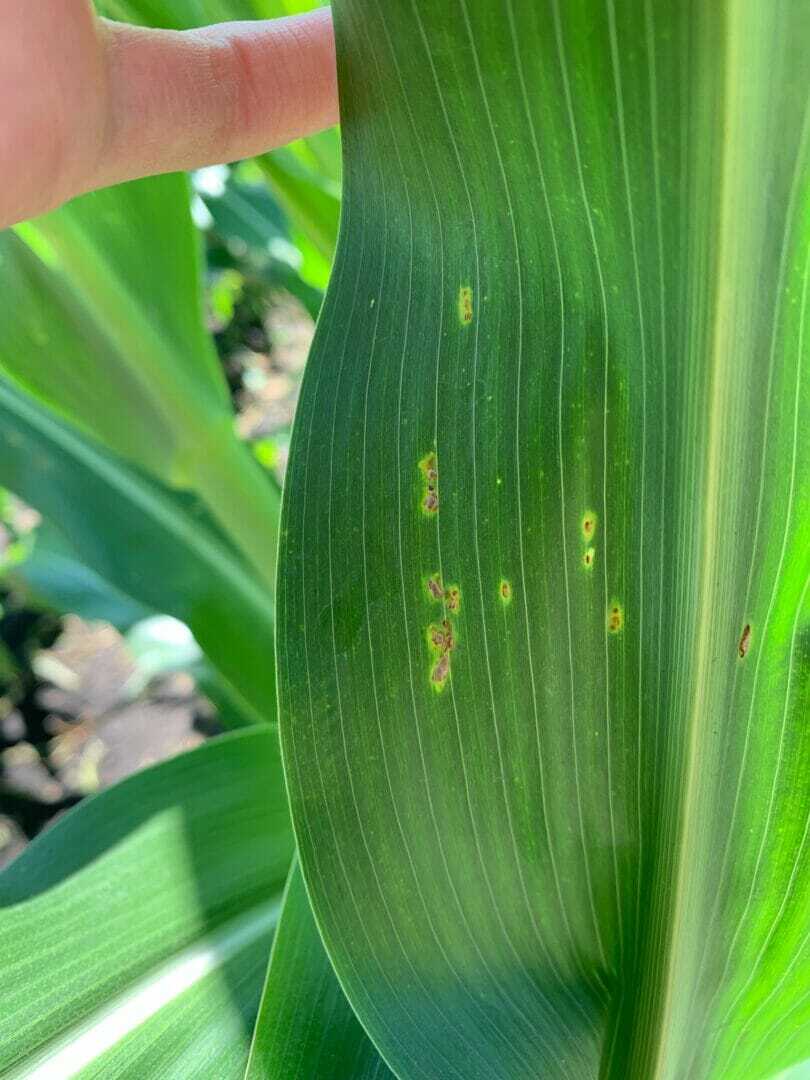
    Corn rust

    With the hot, humid weather that has made its way into Latham Country this summer, conditions are prime for foliar diseases. Fields considered to be high risk are continuous corn fields, fields with conservation tillage and susceptible hybrids. Watch for Gray Leaf Spot, Southern Rust, Common Rust, Northern Leaf Blight, Goss’s Wilt, Tarspot and Eyespot.

    When it comes to weighing the costs and benefits of fungicide, there are many factors to consider. Price of corn, product, application and drying cost can all seem like daunting costs that would scare any farmer away from going the extra mile. However, investing in a fungicide could be a small tradeoff when it comes to protecting your yield potential. When scouting, look for disease on the third leaf below the ear. If 50 percent or more of the field is infected at tassel, we recommend spraying fungicide.

    The highest return on investment is going to be around VT to R2 time period because you will be able to suppress diseases that may be present on the leaves and protect them for a few weeks of any diseases trying to get into the plant. Corn is also done putting on new leaves at this point. Typically, a 5-8 bu/A yield increase will pay for the investment depending on grain price and application costs. If you are facing heavy disease pressure, be sure to select the right fungicide for the diseases you have. Fungicides with dual modes of action in the Group 3 (Triazoles) and 11 (QoI) will provide suppression and some lasting protection. Look for the active ingredients that end in “ole” (Triozoles) and “in” (QoI).

    We recommend doing your homework before applying fungicide. Scout fields to determine disease pressure, consider high susceptibility hybrids and the disease history of the field.

    Corn rust
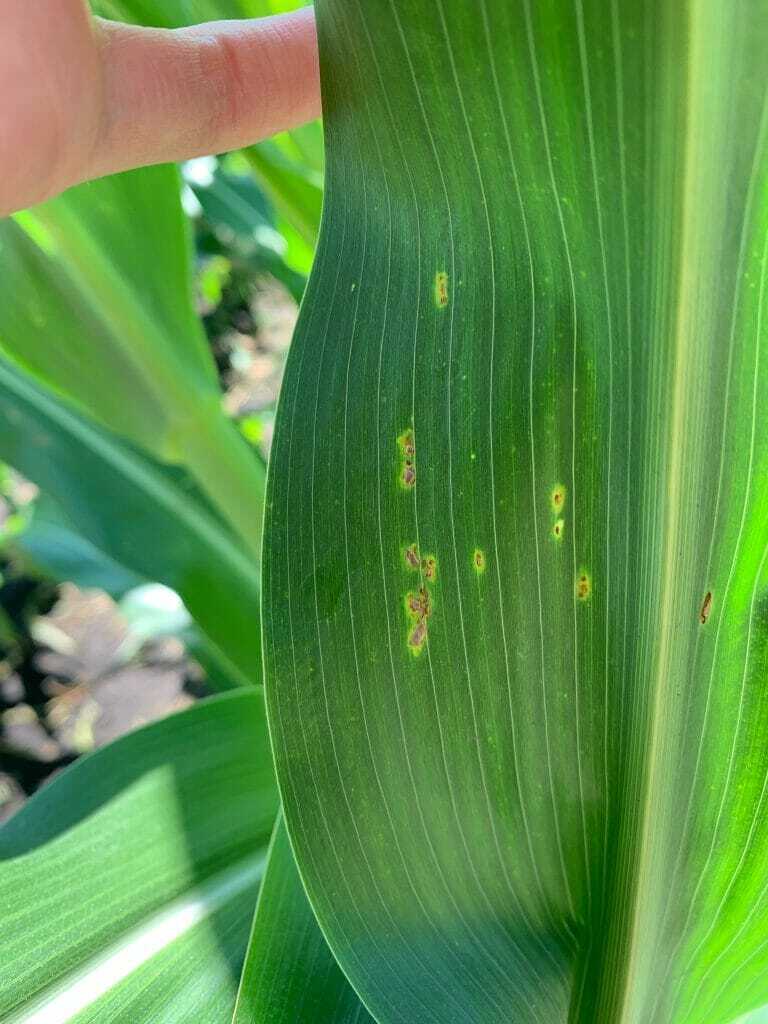
    Shown above is common rust. To identify this in your fields, look for raised, brick-red pustules.


    Phil Long

    July 29, 2019
    Agronomics, Corn, Crop, Fungicide, Season, Summer, Tech Tuesday
  • Latham Hi‑Tech Seeds

    #AskTheAgronomist: Greensnap & Root Lodging

    7.25.19 feature image

    LIBSYN header 2 01

    What is cause and effect of greensnap? Tune in to hear from Phil Long!#AsktheAgronomist

    0:15 – Updated Across Latham® Country
    1:25 – Why does greensnap happen?
    3:30 – Growth regulator herbicides & the relation to greensnap
    4:20 – Root lodging yield loss
    6:15 – Location of corn stalk snap & yield loss
    9:35 – Select the appropriate plant characteristics
    10:50 – Disease potential

    Laura Cunningham

    July 25, 2019
    #AskTheAgronomist, Agronomics, Corn, Crop, Growth Stages, Season, Summer
  • Latham Hi‑Tech Seeds

    The Cause & Effect of Greensnap

    IMG 4711

    Greensnap can occur during two of the most rapid vegetative growth stages of corn from V5 to V8 and from V12 to R1. During a corn’s rapid growth stage, internodes elongate and become susceptible to breaking off. From V12 to R1, a corn plant can grow up to 4 inches per day!

    When greensnap occurs, it happens at the primary ear node which is detrimental to corn yield in the fall. Aside from high winds, other factors can include planting conditions, farm management practices and genetics of the corn plant.

    When corn plants are in their first stage of rapid growth from V5 to V8, post-emergence herbicide is often applied. Growth-regulator herbicides can play a negative role in the integrity of the plant structure for short time after application. This combined with rapid plant growth weakens plant structure leaving it susceptible to greensnap.

    Here are three suggestions to manage for greensnap in future crop years:

    1. Choose hybrids that have strong plant characteristics. We suggest selecting hybrids with above average root strength, stalk strength and disease resistance.
    2. Take a second look at your herbicide management plan, specifically time of application or reduction of growth regulator herbicides.
    3. Set your corn crop up for success from the beginning of the season by planting into a favorable seed bed at the appropriate seed depth. Give the seed a chance to establish a strong nodal root system to help withstand harsh weather through the growing season.

    If you have questions on selecting the right hybrid for your field, let us know. We can connect you with one of our product specialists to ensure the right seed is placed on the right acre. This is the first step you can do to protect your corn crop from greensnap.

    Laura Cunningham

    July 23, 2019
    Agronomics, Corn, Crop, Growth Stages, Season, Summer, Tech Tuesday
  • Latham Hi‑Tech Seeds

    Early Season Fungicides

    Greg 1

    This year we have seen slow early growth, reduced tillage, persistent rain and heavy storms. We have also seen an increase in corn-on-corn acres and other agronomic challenges. All these problems can add up to more inoculum in the field and poor overall health leaving plants more susceptible to infection. The early season diseases we think about with corn are typically Anthracnose and seedling diseases (V2-V8); however, Gray Leaf Spot, Northern Corn Leaf Blight, Goss’s Wilt, Southern Rust and Tar Spot can all show early foliar symptoms (V8-R4). Its important to note that bacterial diseases like Goss’s can’t be controlled with a fungicide.

    There is very little economic support for early season fungicide application. Depending on the individual fungicide, you may see protection against disease for anywhere from 7 to 21 days. Be sure to check the label for specifics on how long they retain efficacy on the crop. If your focus is on Anthracnose, you may stave off the leaf blight phase of the disease, but this doesn’t mean that the stalk rot phase of the disease won’t infect the plant late season.

    It’s also important to remember that coverage is critical with fungicides. This not only means good coverage during your spray operation with correction nozzles, pressure and volume, but it also means that if you spray early in the season, your corn will grow a new leaf approximately every 3-5 days with average GDUs. That new tissue is not protected because fungicides are not very mobile in the plant.

    When to Spray? 

    The best bang for your buck is still going to be around VT to R2 time period because you will be able to suppress diseases that may be present on the leaves and protect them for a few weeks of any diseases trying to get into the plant. Corn is also done putting on new leaves at this point. Typically a 5-8 bu/A yield increase will pay for the investment depending on grain price and application costs. If you are facing heavy disease pressure, be sure to select the right fungicide for the diseases you have. Fungicides with dual modes of action in the Group 3 (Triazoles) and 11 (QoI) will provide suppression and some lasting protection. Look for the active ingredients that end in “ole” (Triozoles) and “in” (QoI).

    If you’re facing the fungicide decision to protect valuable yield in a tough year scout your fields for disease. If you don’t see any issues now, then skip an early application and focus on tassel. Take a look at the susceptibility of that hybrid to the disease you are seeing and then evaluate the weather outlook and if you’re in a corn-on-corn or reduced tillage situation. Lastly, monitor fields closely that had Tar Spot last season

    It has been an interesting year with all the weather components we have had to face. If you have any questions, don’t hesitate to call in to the Latham Office.

    Phil Long

    July 2, 2019
    Agronomics, Corn, Crop, Fungicide, Growth Stages, Season, Summer, Tech Tuesday
  • Latham Hi‑Tech Seeds

    Uneven Corn Stands

    62019

    LIBSYN header 2 01

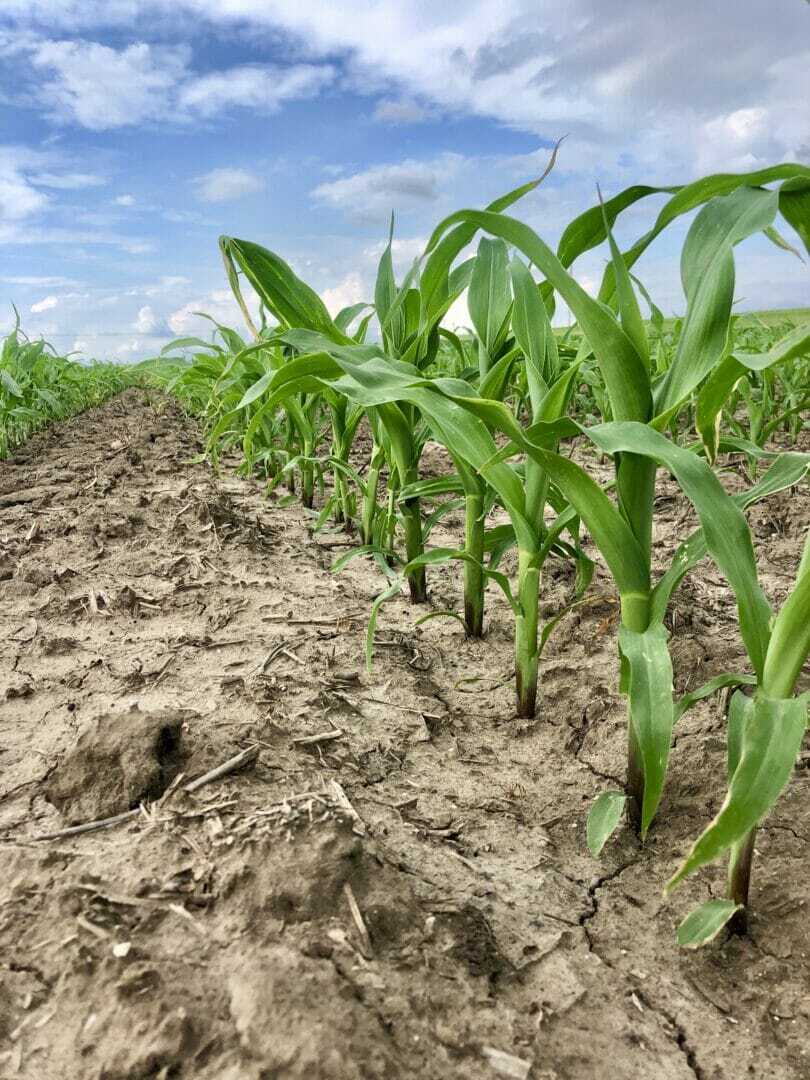
    Uneven corn stands? Tune in to hear what to watch for next from Phil Long! #AskTheAgronomist
    0:15 — Recap of the growing season
    1:10 — #Plant19 Challenges
    2:36 — Issues with emerging corn: damping off, herbicide damage, ponding or crusting
    4:40 — Yield Repercussions
    6:30 — Managing uneven corn stands

    Laura Cunningham

    June 20, 2019
    #AskTheAgronomist, Agronomics, Corn, Crop, Emergence, Growth Stages
  • Latham Hi‑Tech Seeds

    #AskTheAgronomist: Why is my corn yellow?

    62213534 698949990537269 5317103013469356032 n

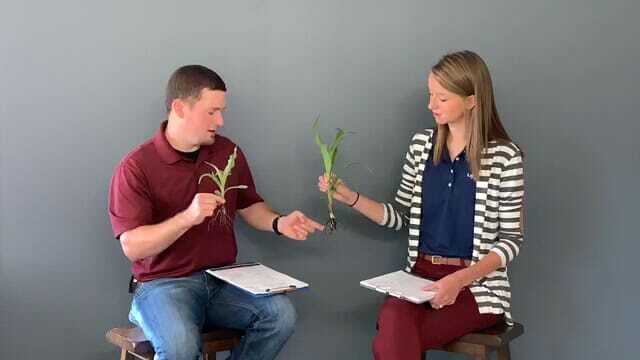
    Why is my corn yellow? Tune in to find out!

    1:02– Growing conditions: Saturated soil, cold soil, minimal tillage
    2:32 – Stage of corn recap
    3:28 – Corn root transition phase 
    5:02 – When to act – patience is key!
    6:32 – Pay attention to seeding depth
    7:22 – Mesocoytl recovery
    8:36– Nitrogen or sulfur deficiency
    10:07 – Effects of reduced tillage
    11:21 – Key takeaway

    Laura Cunningham

    June 13, 2019
    #AskTheAgronomist, Agronomics, Corn, Crop, Fertility
  • Latham Hi‑Tech Seeds

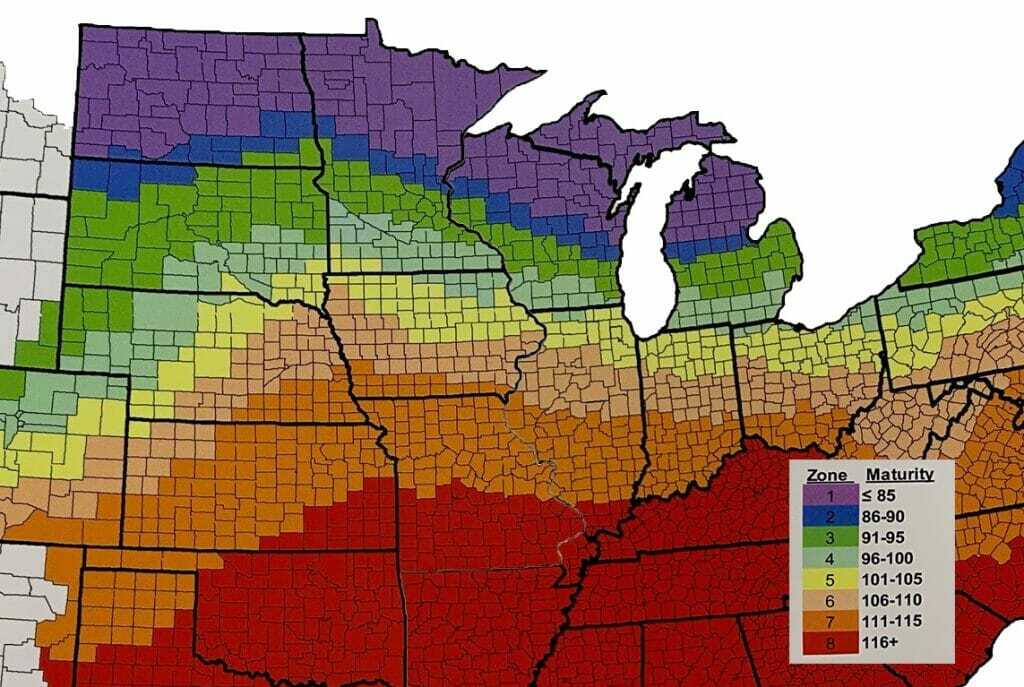
    #AskTheAgronomist: Is It Time to Switch Corn Maturities?

    60190993 473775090032290 7744821225855123456 n

    LIBSYN header 2 01

    Is it time? Tune in to hear Phil Long discuss the question of the season. Is it time to switch corn maturities? #AskTheAgronomist

    Map 2 zoomed with key

    Laura Cunningham

    May 30, 2019
    #AskTheAgronomist, Corn, Crop, Flooding, Rain, Season, Spring, Weather
  • Latham Hi‑Tech Seeds

    #AskTheAgronomist: Imbibitional Chilling or Chilling Injury?

    58719974 460225254519200 1315929768486502400 n

    LIBSYN header 2 01

    Will your planted fields be affected by imbibitional chilling? Tune in the hear symptoms of the chilling effect.

    Laura Cunningham

    May 9, 2019
    #AskTheAgronomist, Agronomics, Corn, Crop, Emergence, Frost, Season, Soybeans, Spring, Weather
Previous Page
1 … 15 16 17 18 19 … 36
Next Page

Latham Hi‑Tech Seeds

131 180th Street | Alexander, IA 50420

(641) 692-3258

SIGNUP FOR OUR NEWSLETTER
  • Contact
  • Legal
  • Dealer Center
  • Seedware Login
  • Latham Gear

© 2025 Latham Hi‑Tech Seeds. All rights reserved. | Iowa Web Design by Webspec | Privacy Policy

Latham® Hi-Tech Seeds is a trademark of M.S. Technologies, L.L.C., 103 Avenue D, West Point, IA 52656.