Latham Hi-Tech Seeds

(641) 692-3258

  • Home
  • Performance
  • Products
    • Corn
    • Soybeans
    • Soybean Blends
    • Alfalfa
    • Corn Silage
    • Seed Guide
  • Find a Rep
  • Media
    • Blog
    • News
    • Videos
    • Podcasts
    • TECHTalk
  • About Us
    • Company History
    • Our Mission
    • Careers
    • Become a Rep
    • Sowing Seeds of Hope
  • Contact Us
  • Latham Hi‑Tech Seeds

    Watch for these Pests in 2014

    There’s a lot of behind-the-scenes work that goes into producing a crop. You take time to choose the right seed products; then wait for fit planting conditions; and do your best to protect yield throughout the growing season. With planting season nearing, today we’d like to remind Midwest farmers to keep an eye out for these yield-robbing pests:

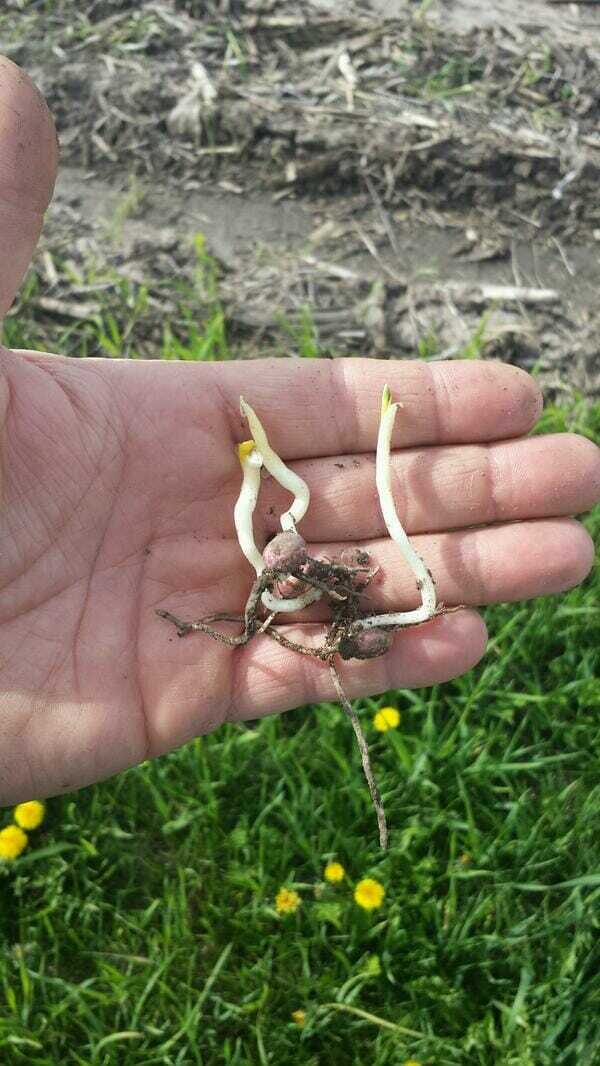
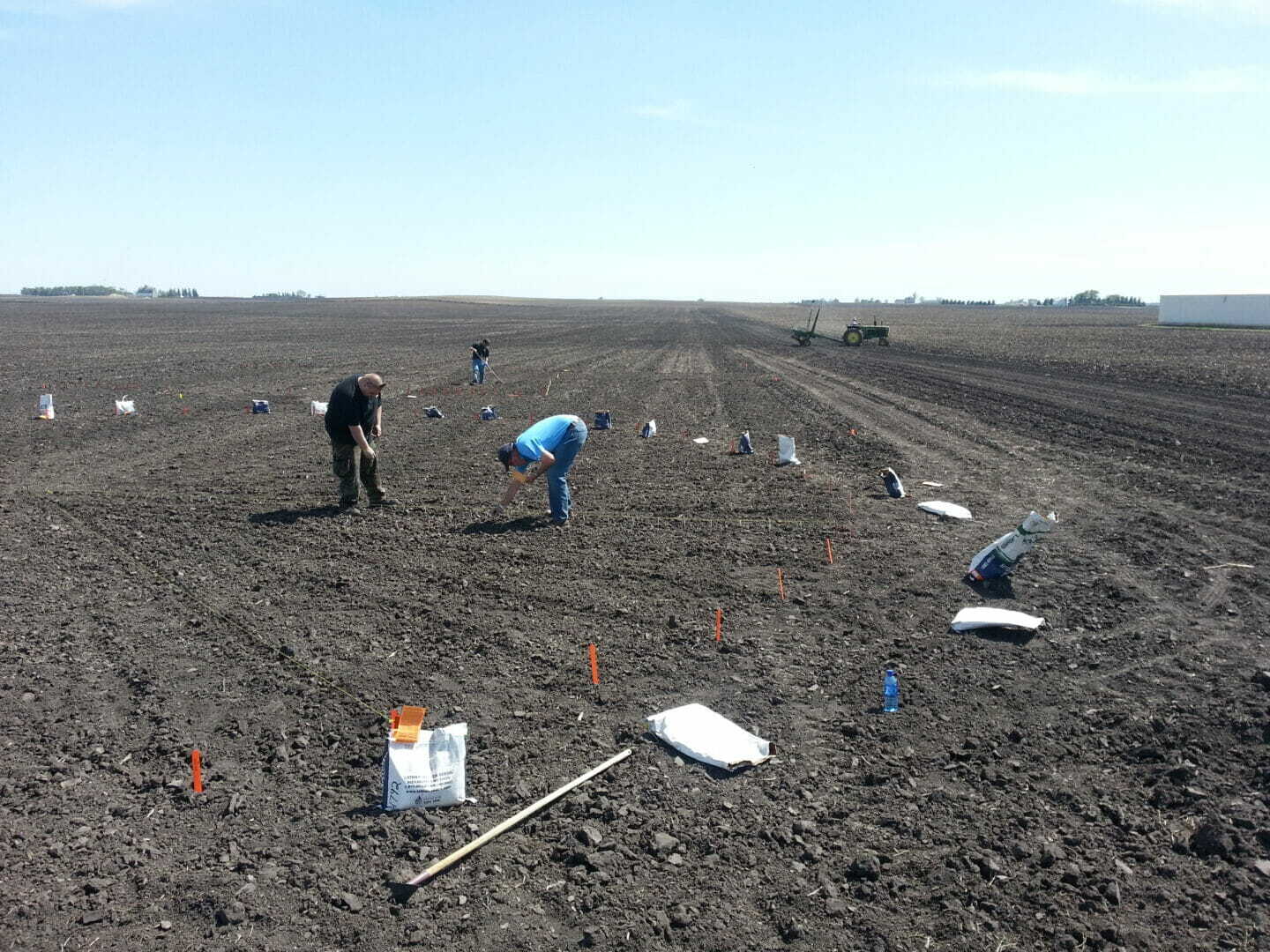
    1. Pythium is a soil-borne fungus present in almost every field in the Upper Midwest. It can cause early-season seed decay and seedling blight in both corn and soybean. There are many species of Pythium. Most favor cool, wet conditions at planting and are often associated with low-lying portions of the field. Good seedbed preparation and the use of a seed-applied fungicide like Latham® SoyShieldTM are the best management tools. At our Latham Research Farm in 2014, we will be conducting trials using a new fungicide component that looks very promising against Pythium spp.
    2. Anthracnose Leaf Blight was noticed last year in fields where corn was planted following corn. It rarely shows up in corn following soybeans. This fungus can survive up to 10 months in crop residue. It’s dispersed by early-season rains when spores, present on the soil surface, splash onto the lower leaves of young corn plants and cause infection.  Most foliar-applied fungicides do a good job controlling this disease.
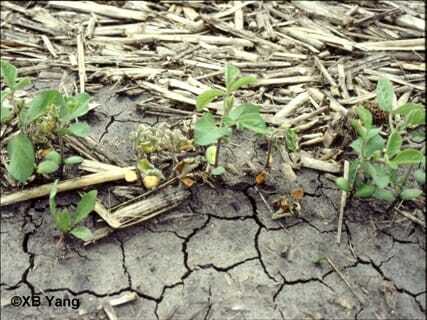
    3. Brown Spot is a disease that can affect soybeans at an early stage of development. It’s usually found on the lower plant leaves and severity increases with excess moisture in the canopy. Infected leaves turn yellow and drop off the plant. While Brown Spot rarely causes enough damage to warrant a fungicide application by itself; the combination of this disease and other fungal pathogens needs to be considered before using a foliar fungicide.
    4. Bacterial Blight symptoms were very common in 2013 and should be on every soybean farmers “watch list” for 2014. This bacteria infects soybean plants through bruised or damaged areas of the plant caused by wind, rain, hail or other means. Reddish-brown lesions with water-soaked margins will appear on the upper leaves of a soybean plant.  Eventually, these lesions produce large dead areas causing a torn or tattered appearance.  Bacterial Blight is not a fungus, therefore foliar fungicides have no effect on this disease.
    5. Bean Leaf Beetles and Corn Rootworm eggs may be affected by extreme cold weather especially if there is little or no snow cover. A reduction in insect pests would be a silver lining to the harsh winter we just experienced! Keep in mind, best management practices for Corn Rootworm include using multiple tools: rotation, rootworm-traited seed, insecticides at planting to kill the larvae, as well as insecticides later to kill adult beetles.

    It appears our spring planting will be delayed. As eager as we all are to get into the field, remember that soils are not truly fit to work or to plant unless you can make a ball of soil, toss it into the air and have it fall apart when it hits the ground. “Have a ball” this planting season!

    Webspec Admin

    April 9, 2014
    Agronomics, Corn, Crop, Disease, Fungicide, General, Insects, Soybeans
  • Latham Hi‑Tech Seeds

    Spring Sampling Can Help Lay the “Grid Work” for 2015 Crop Planning

    SoilTest

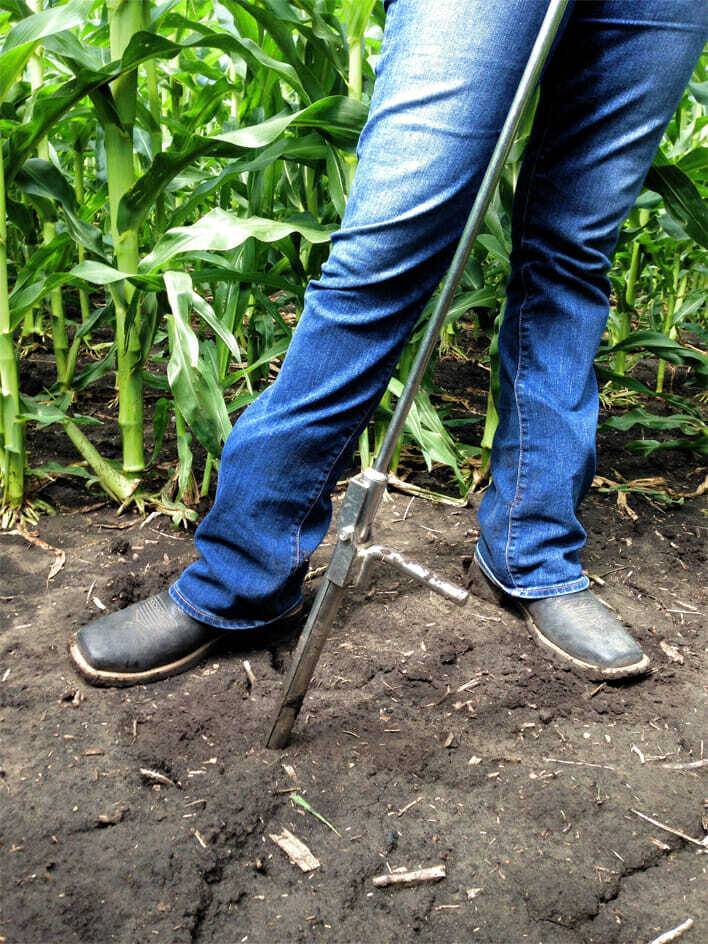
    SoilTestAs you begin planting this year’s crop, you’re literally laying the groundwork for the following year. With tighter margins and high fertilizer costs, the need for better placement and utilization of fertilizer is greater than ever. Spring grid sampling can help you get a jump on planning your fertilizer for the season and 2015 seed needs.

    Spring Grid Sampling is offered as a component of Latham’s Seed-2-Soil program This program is designed to bring added value to each farmer customer by providing field by field prescriptions using information about: soil types within the field, hybrid variety selection, tillage practices, fertility levels and more, with special consideration for the seed technology and equipment you are using.

    For those farmers utilizing variable rate technology, soil test values can help set the stage for  implementing variable rate planting, fertilizer and nitrogen; all tools available in our Seed-2-Soil Nutrient Management program.  Learning blocks are assigned throughout the field based on the management zones that were uncovered by the sample data (high, medium and low).  These zones provide the foundation for writing variable rate planting, fertilizer and nitrogen prescriptions accounting for the variability in each field.

    ROI is something we can measure. During the past five years, Seed-2-Soil Nutrient Management clients have seen great results from the specialized Nitrogen program.  Many have been able to reduce their nitrogen rates by 25 to 30 pounds per acre while maintaining, and in some cases, increasing yields.

    Taking soil samples post-planting can be an important step in your planning process. Contact a Latham representative to learn how Latham’s hallmark Seed-2-Soil® Program, can help you lay the grid work for the coming season.

    Team Latham

    April 2, 2014
    Agronomics, General, Soil
  • Latham Hi‑Tech Seeds

    No-Till is a Win-Win for Environment and Farmers

    Carol Carl Roberts
    Carol_Carl_Roberts
    Carol & Carl Roberts

    No-till isn’t a common practice in the northern Corn Belt where rich, black soils lying in flat farm fields tend to receive and hold adequate moisture. Yet, the practice of conservation tillage is on the rise here. Not only do these practices help protect against erosion and preserve water quality, but conservation tillage can also help farmers save time and money.

    “The market doesn’t reward us for higher costs, so we’ve found a way to do more with less,” says Carl Roberts, one of 63 Iowa farm families presented with the Iowa Farm Environmental Leader Awardduring a ceremony at the 2013 Iowa State Fair. “All of my acres are no till and half of my total acres are corn on corn. Corn on corn requires better management and is less forgiving than either no till soybeans or strip till corn into soybean stubble.”

    Jane Roberts showed turkeys for the first time at the 2013 Wright County Fair. She brought home the trophy for Champion, Reserve and even showmanship.
    Jane Roberts showed turkeys for the first time at the 2013 Wright County Fair. She brought home the trophy for Champion, Reserve and even showmanship.

    Roberts grew up on a farm near Kanawaha, Iowa, and moved to Belmond in 1986 when he had an opportunity to buy his own ground. While he’s conservation minded, he says his number of no-till acres increased as a matter of necessity. He had planned to plant no-till soybeans in 1991 and ended up planting no-till corn that year, too, as wet weather prevented him from finishing planting corn before June 1.

    “That year my no-till soybeans yielded more than other soybeans. Yield didn’t take a hit on my corn acres either. Why cut stalks and chisel if the yields aren’t any better?” asks Roberts.

    Although tillage doesn’t seem to affect his yields, Roberts says he has learned the hard way that he must pay closer attention to seed selection. “If a plant doesn’t come out of the ground from the seed you planted, it doesn’t matter what its yield potential was,” he says. “I look for strong emergence ratings and excellent early vigor in both corn and soybeans.”

    BreadedTenderloinsRoberts plants a four-year crop rotation of three years corn, one year soybeans. In year one, he plants only Roundup Ready corn. Second year corn is only Liberty, and third year corn is either RR or RR/LL. Fourth year is conventional soybeans. This rotation helps with both weed control and potential resistance, explains Roberts, plus allows for control of volunteer corn in every crop. He also tries not to use the same BT technology in the following year.  Half of his acres are corn-on-corn and the other half are no-tilled on flat, black ground.

    “I’ve strip-tilled for 23 years and I’ve never been hurt in regard to yield from it,” adds Roberts. “Tillage takes more fuel, more time and creates more expenses and I wasn’t seeing the benefit.”

    Benefits of conservation tillage include:

    • Reducing fuel, labor, and equipment costs. Fewer passes across the field means less fuel and fewer man hours are needed. Tractor hours are fewer, so there’s more value at trade-in time and less wear on tillage tools.
    • Reducing soil compaction.  Soil gets compacted when equipment drives over the surface.  Compaction restricts the movement of water, as well as the development of crop roots.
    • Reducing erosion. More residue on the soil surface reduces the threat of erosion, especially during those months when no crops are growing. Residue allows for rainwater and snow melt to infiltrate the soil rather than causing surface run off that will carry away topsoil and nutrients. Studies show no-till can cut runoff in half, and reduce erosion by 85% to 95%.

    ChocolatePopcornAnother longer-term benefit of no-till farming is improved soil structure by building organic matter. Soil organic matter is derived from living organisms, such as plants. Organic matter breaks down and eventually forms humus, which is the central building block of healthy soil.

    The Roberts’ love of farming and appreciation for conservation is shared by his wife, Carol, who helps him with the farming operation. Carol grew up on a dairy farm near Lakota. Her family also raised a variety of animals including hogs, rabbits, chickens and ducks. She worked off farm for eight years in the registrar’s office at Iowa Central Community College in Fort Dodge before she met and married Carl. While she enjoyed that job, Carol says she feels fortunate to be able to once again farm with her family.

    “One of the advantages of raising your children in the country is they have more freedoms,” says Carol. “They learn to take on responsibility. They get to explore and discover their own interests.”

    Joe_RobertsThe Roberts’ love of agriculture is being passed down to their two children, 16-year-old Joe and 14-year old Jane. This winter, as a freshman, Jane advanced to State Speech Competition with an original oratory on cover crops. Active in both 4-H and FFA, she enjoys exhibiting turkeys. At the 2013 Wright County Fair, she won Champion and Reserve Champion with her turkeys.

    Like his sister, Joe is an active member of the Iowa Hawkeyes 4-H Club and the Belmond-Klemme FFA Chapter. Last year he showed chickens at the Wright County Fair, earning Reserve Champion with his pen of three broilers. He enjoys his poultry project but his favorite project area is foods. Joe’s “surprise inside” cake advanced to the Iowa State Fair. He also received a blue ribbon at the state fair with an apple pie, and today he’s sharing that recipe with us on TheFieldPosition.

    Team Latham

    March 21, 2014
    Agronomics, General, Soil
  • Latham Hi‑Tech Seeds

    Benefits of Soybean Seed Treatments

    FI Soyshield

    SoyshieldInstead of viewing seed treatment as an input cost, consider it an investment – an insurance policy if you will. After all, it takes less than a bushel of soybeans to pay for the cost of treatment!

    Wet, poorly drained soils favor the development of fungal pathogens that cause seedling diseases, which slow germination and plant growth. Seed treatments protect seedlings until they have a fairly well-established root system.

    To help the seeds go through the planter better, Latham Hi‑Tech Seeds adds a proprietary blend of polymer and seed coating. Our customers say they waste less seed and see more even stands, resulting in better yield potential and ultimately an increased return on investment.

    SoyshieldPlusLatham Hi‑Tech Seeds’ signature SoyShieldTM, a fungicide-only package, and SoyShield PlusTM with fungicide and insecticide, protect seeds from disease and insect damage for up to 30 days. This time frame is longer than many other seed treatments and is typically an adequate window of protection.

    SoyShield Plus includes an exclusive fungicide combination that provides excellent protection against seed and soil borne diseases including: Pythium, Phytophthora, Fusarium and Rhizoctonia. In addition, seed treatments can provide health benefits for more rapid and increased germination under certain conditions.

    Some seed treatments also help protect against nematodes, which are becoming more prevalent. Many fully-loaded treatments may have innoculants, micronutrients or plant food. Interested in learning more? Talk to your local Latham® representative or leave your comments below. You’re also welcome to call me at 1-877-GO-LATHAM (1-877-465-2842).

    Webspec Admin

    March 20, 2014
    Agronomics, General, Seed Treatment
  • Latham Hi‑Tech Seeds

    Systematic, Diverse Approach Needed for RW Management

    CRW beetle

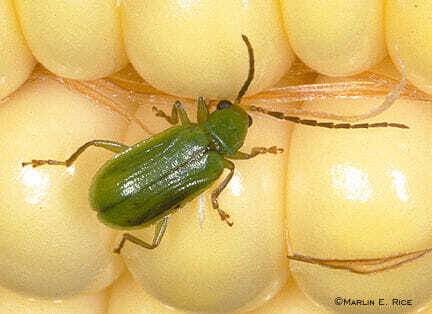
    CRW-beetleA systematic, diverse approach to corn rootworm management is needed if growers are to have successful corn-on-corn acres in the future, said Dr. Aaron Gassmann while presenting last month during the 25th Annual Integrated Crop Management Conference on the Iowa State University campus.

    Since 2009, Dr. Gassmann has studied the use of Bt corn hybrids in Iowa.  He says the number of fields showing severe rootworm injury has increased every year primarily due to the overuse of one specific trait on fields for many consecutive years, lack of refuge compliance, and lack of scouting for both larval rootworm and adult beetles.

    Farms with continuous corn production, and specifically those fields planted to the same Bt event year-after-year, are most at-risk for developing a resistant population. To delay resistance, Dr. Gassman and his colleagues recommend the following IPM approaches:

    • Rotate to soybeans or other crops to break the corn rootworm life cycle between growing seasons.
    • Consider using corn that contains different Bt proteins than ones that may have performed poorly in the past.
    • Consider using pyramided Bt hybrids, which is defined as corn that contains multiple Bt proteins targeting corn rootworm.

    Implementing a long-term integrated approach to corn rootworm management is most important, according to Gassmann. Integration of tactics across seasons is fundamental to prolonging the usefulness of any effective management strategy

    Webspec Admin

    January 30, 2014
    Agronomics, Corn, Crop, General, Insects
  • Latham Hi‑Tech Seeds

    Evaluating Foliar Fungicide on Soybeans

    Many Midwest farmers are asking questions about the benefits of spraying foliar fungicides on their soybean fields.  The simple truth is… there are a lot of opinions.

    Be very leery when they are bombarded by claims of yield increases due to improved overall plant health.  Do some of your own testing before deciding to make large-scale applications of these products.  It may very well prove that fungicides of this type will pay great dividends on certain farms and pay zero dividends on others!

    There is one very important thing to remember when conducting trials of this kind:  leave some areas in the field unsprayed to “check” the actual value of the products.  As you make plans for the 2014 crop, keep these three things in mind:

    1. Be sure you’re making an apples-to-apples comparison.  For example, I’ve received reports from farmers who advocate the use of foliar fungicides on soybeans.  However, the fields they compared were several miles away and some were not even the same soybean variety!
    2. There are people out there who want to sell you something, regardless of whether you need it.
    3. If it sounds too good to be true, it usually is.

    One of our brand promises at Latham Hi‑Tech Seeds is to help farmers save time.  Another promise is to help farmers reduce risk.  That’s why I’m being as honest as possible by questioning the investment in foliar fungicide on soybeans.  Seed treatments, on the other hand, are worth the investment.  Seed treatments are one key to achieving higher soybean yields; click here for others.

    Webspec Admin

    January 22, 2014
    Agronomics, Crop, Fungicide, General, Soybeans
  • Latham Hi‑Tech Seeds

    Weeds Grew Above Canopy in 70% of Iowa Soybean Fields

    DrOwenQuote

    Last week I had the opportunity to attend the 25th Annual Integrated Crop Management Conference on campus at Iowa State University in Ames.  This conference provides the latest information on crop production technology, and I always look forward to hearing research findings that can help farmers increase yields.

    It comes as no surprise that the first session of the first day would be a Weed Management Update from Dr. Mike Owen.  What was a surprise is just how severe the growing weed resistance problem has become!  A survey completed this fall shows that 70% of all soybean fields in Iowa had weeds showing above the canopy at harvest.

    Although the most current emphasis has been on glyphosate-resistant weeds, it’s important to understand that all herbicides used on a stand-alone basis will eventually fail.  The best management practice for achieving weed control is still a diversity of tactics: cultural, mechanical and herbicide.

    DrOwenQuoteSoybean growers should choose programs that will use products from as many herbicide groups, or families, as possible. There are no new herbicide mechanisms of action for the coming year, but there will be some new mixtures and new formulations using older class chemistries as base components.  Rotating between various herbicide traits is important from the standpoint of reducing weed resistance is also key to achieving higher soybean yields.

    Correct management of weeds will make you more money every year than managing any other pest complex, writes Dr. Owen in a blog post.  Herbicide-resistant weed populations are increasing at an increasing rate in Iowa; these weed shifts are the result of the management decisions you make.  No single tactic will protect the potential crop yield nor deter the evolution of herbicide-resistant weed populations. Be proactive and make plans to manage herbicide resistance in 2014.

    Webspec Admin

    December 9, 2013
    Agronomics, General, Weed Control
  • Latham Hi‑Tech Seeds

    Sample Soils Now to Increase Yield in 2014

    IMG 6360

    Post-harvest is the perfect time to take soil samples.  As part of his summer internship, Iowa State University student Kellen Sunkten prepared the following article to explain what a soil test is and why it’s so important.

    IMG_6364What a soil test is:  A soil test is a process of testing soil to see how available nutrients are to a plant.  Nutrients are chemically removed from the soil and measured.  The information retained from soil tests is then used to determine how much fertilizer needs to be applied to a field and what nutrient deficiencies must be addressed.  Soil pH, humic matter and exchangeable acidity are also measured to determine how much, if any, lime needs to be applied.

    Why soil tests are important: Soil tests are important to determine the right amount of fertilizer.  If too little fertilizer is applied, it can cause growth deficiencies in crops.  If too much fertilizer applied, it’s a financial waste for farmers and runoff becomes an issue.  Soil samples can help farmers develop a plan for maximum crop growth and efficiency.

    When sampling should be done:  Soil samples should not be taken within 8 weeks of previous fertilizer application.  Soil sampling should be done as early as possible before planting season to provide for enough time to make fertilizer decisions and have them take effect once applied.  It’s important to apply lime early, if needed, so it has enough time to alter the pH of the soil before planting takes place.

    day11How to take a soil sample:  Use a soil probe and a spade or a hand trowel to dig a V–shaped hole that is 6 to 8 inches below the soilsurface.  Then take a 1-inch slab off of the side of the hole and put it in a clean plastic bucket or bag.  Take 15 to 20 surface samples per 40 acres.  As you take these samples, put them into the same bucket or bag.  When you are finished collecting your samples, mix them all together very well.  Then pull one sample from the mixture for the soil testing lab.  When collecting samples, it’s very important not to use brass, bronze or galvanized tools because they will contaminate your samples with copper and zinc.  Deliver samples to the testing lab within 48 hours of when they are pulled, otherwise bacterial movement will skew the results.

    Collecting soil samples now also can (1) help determine whether soybean cyst nematodes (SCN) are present and (2) buy time to develop management strategies, controlling nematode numbers in infested fields.

    Fall grid samples are also useful for those farmers who wish to enroll in Latham’s hallmark Seed-2-Soil® program.  Seed-2-Soil helps simplify the crop planning and seed selection processes plus maximize overall yield potential.  It begins with a discussion with a farmer and his Latham® seed rep about all the variables that go into your farming practices each year. Then a scientific computer program helps fit the right seed to the field.  Research has shown that correct product placement leads to a 3-7% yield improvement.

    Contact Latham Hi‑Tech Seeds today and harness the power of Seed-2-Soil and fall soil sampling!

    Team Latham

    November 13, 2013
    Agronomics, General, Soil
  • Latham Hi‑Tech Seeds

    Tips for Late-Season Scouting

    Detecting late season corn diseases ASAP will help you prioritize fields for harvest.  Hybrid maturity and crop residue management should take a backseat to weak stalks.  Start by harvesting fields with the weakest stalk to help preserve the quality and quantity of grain that goes into your hopper.

    At this time of year, the biggest concerns are stalk rots or fusarium.  Warm, moist weather with extended periods of overcast skies and high humidity makes conditions ideal for stalk rot.  Later in the season, you might see stalks break or bend below the ear.

    Walk fields now and note what you believe is the cause of stalk rot or lodging: fertility, hail, high wind, amount of rainfall, or the genetic predisposition of a hybrid.  The cause of stalk rot could affect the seed you purchase or your management practices in 2014.  There’s no better time than the present to plan your next crop!  Get your seed ordered while the availabilities of all products are at their highest.

    Webspec Admin

    September 12, 2013
    Agronomics, Corn, Crop, Disease, Fungicide, General, Insects, Soybeans, Weed Control
  • Latham Hi‑Tech Seeds

    Save Yield by Scouting for Stalk Rot

    StalkRot1

    Warm, moist weather with extended periods of overcast skies and high humidity makes conditions ideal for stalk rot.  That’s why it’s so important to continue scouting your fields.  Detecting late season corn diseases ASAP will help you access the potential impact and harvest early to preserve the quantity and quality of that grain that goes in your hopper.

    Start looking for stalk rot pathogens problems about 30 to 40 days after pollination.  Monitor stalk health over the next few weeks, and adjust harvest strategies accordingly to manage fields where stalk lodging may be a big problem.  Plants that were damaged by wind and hail earlier in the season are vulnerable to a number of problems that may show up, so it might be necessary to harvest those fields first to prevent stalk lodging or dropped ears.

    photo from the ISU Extension
    photo from the ISU Extension

    Later in the season, as the plant matures, you might see stalks break or bend below the ear.  Many factors can contribute to this situation: fertility, hail, high wind or level of rainfall, as well as the genetic predisposition of certain hybrids.  Goss’s Wilt and Gray Leaf Spot may also be contributing factors.  Knowing the true cause will help you determine how to better manage stalk rot.

    Stalk rots reduce standability.  Fields where greater than 10% of plants are affected by stalk rots should be scheduled for an early harvest.  The following video shows how to detect stalk rot.

    http://www.youtube.com/watch?v=c064-2Pd-do&feature=youtu.be

    To minimize damage from stalk rot in the future, consider these three best management practices: (1) maintain proper fertility in fields; (2) plant at recommended populations; and (3) rotate crops.  It’s important to note stalk strength and the disease package when selecting hybrids.  Only those corn hybrids with the toughest defensive package are designated as Latham’s GladiatorTM products.  They’re selected to do battle and win!  Talk with your local Latham® representative about Gladiator corn hybrids for your 2014 seed needs.

    Webspec Admin

    September 5, 2013
    Agronomics, Corn, Crop, Fungicide, General
Previous Page
1 … 49 50 51 52 53 … 67
Next Page

Latham Hi‑Tech Seeds

131 180th Street | Alexander, IA 50420

(641) 692-3258

SIGNUP FOR OUR NEWSLETTER
  • Contact
  • Legal
  • Dealer Center
  • Seedware Login
  • Latham Gear

© 2025 Latham Hi‑Tech Seeds. All rights reserved. | Iowa Web Design by Webspec | Privacy Policy

Latham® Hi-Tech Seeds is a trademark of M.S. Technologies, L.L.C., 103 Avenue D, West Point, IA 52656.