
Latham Hi-Tech Seeds

(641) 692-3258

  • Home
  • Products
    • Corn
    • Soybeans
    • Alfalfa
    • Corn Silage
    • Seed Guide
  • Performance
  • Find a Rep
  • Media
    • Blog
    • News
    • Videos
    • Podcasts
    • TECHTalk
  • About Us
    • Company History
    • Our Mission
    • Careers
    • Become a Rep
    • Sowing Seeds of Hope
  • Contact Us
  • Latham Hi‑Tech Seeds

    August is Key Time to Take Field Notes

    Feature Tech Tuesday 01


    Tech Tuesday Header-01

    August is a great month for walking field trials and plots. In fact, I believe August is one of the two most important times to take notes about your growing crops.

    Shortly after emergence, you can see how the early growth and vigor of the young plants react under current growing conditions and by different soil types. Then in mid-August you can really start separating maturities on the hybrids. Much information can be gained by looking at hybrids now and noting stalk and root strength, plant and ear height, as well as kernel development.

    Last month we had a chance to get together with Latham dealers from six states at our annual sales meeting, and it was exciting to hearhow well their Latham® brand products have been
    performing! During that meeting, we let everyone in on a little secret… the new 2018 Seed Guide lists some limited-release products that are identified as “LR” instead of “LH.” Many of these LR products have been planted in our regional show plots, so take a look at them in a field near you!

    Regional Seed-2-Soil® Technology Tours will be held in August and September throughout Latham Hi‑Tech Seeds’ marketing footprint. There will be in-depth training on new and existing corn and soybean varieties along with agronomic information on the newest industry traits and herbicide recommendations to reduce chances of weed resistance.

    Each plot will showcase products that have been selected to perform best in that geography, which is another advantage of working with our independent and regional company. By attending one or more of these tours, you’ll gain more information about the diversity of our lineup. Latham has so many options for growers to choose, ranging from conventional corn to hybrids with SmartStax® technology and from Genuity® Roundup Ready 2 Yield® to Roundup Ready 2 Xtend® and LibertyLink® soybeans.

    For exact locations locations, directions, and other information about our field days visit the Latham Facebook Page or call 1.877.GO.LATHAM!

    Webspec Admin

    August 1, 2017
    Soil, Tech Tuesday
  • Latham Hi‑Tech Seeds

    Podcast: Corn Rootworm

    LIBSYN header 4

    LIBSYN header 2-01

    http://traffic.libsyn.com/fromthefield/Corn_Rootworm.mp3

    Welcome back to our Ask the Agronomist podcast! This week, Phil and Kilah discuss corn rootworm and how scouting now can help you plan for #crop18. Tune in for a 10-minute from the field agronomy update!

    Do you have #crop17 growing questions? Submit them to us on either Facebook, Twitter, Instagram or Snapchat. Thanks for tuning in!

    Webspec Admin

    July 27, 2017
    #AskTheAgronomist, Corn, Crop, General, Insects, Podcast
  • Latham Hi‑Tech Seeds

    Podcast: Corn Diseases

    LIBSYN header 4

    LIBSYN header 2-01

    http://traffic.libsyn.com/fromthefield/Corn_Diseases.mp3

    Welcome back to our Ask the Agronomist podcast! This week, Phil and Kilah discuss corn diseases and the need to scout now. Tune in for a 10-minute from the field agronomy update!

    Do you have #crop17 growing questions? Submit them to us on either Facebook, Twitter, Instagram or Snapchat. Thanks for tuning in!

    Webspec Admin

    July 20, 2017
    #AskTheAgronomist, Corn, Disease, Podcast
  • Latham Hi‑Tech Seeds

    Win-Win: Precision Ag Technology Increases Farm Efficiency and Yield

    Feature Tech Tuesday 01

    Tech Tuesday Header-01

    Written by: Phil Long

    Most U.S. farmers use some form of precision ag technology, and the majority of these farmers are looking for ways to use their data more efficiently. Organizing data and offering suggestions on how farmers can increase yield on a field-by-field basis is where Seed-2-Soil® services comes into play.

    Technology in the tractor is one part of precision ag. Data that is recorded by the combine, planter or sprayer monitor requires another level of understanding. Here at Latham Hi‑Tech Seeds, we’re working to help farmers find the intersection between crop production and precision ag.

    We believe this technology is a huge stepping stone in terms of efficiency and reaching that next level of production on your fields. Understanding the variability on each of your farms is Step One.

    Our FieldXFieldSM process focuses on placing hybrids/varieties according to yield-limiting factors combined with data from your yield monitor. We can define smaller “management or productivity zones” that will allow you to put Variable Rate (VR) technology to use on your farm.

    Combining data such as soil samples, satellite or drone imagery, disease and insect scouting reports, and planter and sprayer applications gives you a much clearer picture of each field. Armed with this additional data, you can monitor and manage that field throughout the season.

    There are many ways to incorporate precision ag technology on your farm. While not everyone will have every technology, using a few tools provides valuable information. For example, variable rate (VR) hybrid planting can provide a $20/acre benefit. We’re testing this technology on a farm in Northwest Iowa and are eager to see the results this fall.

    Although most farmers don’t yet have the capability for VR hybrid planting, many have the ability to apply VR fertilizers. Studies show a $5-8/acre benefit from decreasing overapplication and underapplication to areas within a field. If your fields have a large amount of variability, you may reap even more revenue from VR technologies.

    Variable rate seeding and applications are just one piece of the precision ag pie. We can work with you to make your data work for you and your operation. It’s our goal to work with farmers and add value regardless of where they are along the technology adoption spectrum.

    One simple, but especially important detail, is naming your fields consistently from year to year. Also make sure your monitors and GPS receivers are communicating with one other. You may see a yield number on your monitor, but that doesn’t mean the GPS location and other information is running through your combine. The data coming out is only as good as the information going in! Calibration is key to getting useful results.

    I’m looking forward to working with Latham dealers and customers to help bring more value from the combined use of seed and precision ag technologies. Feel free to contact me at 1.877.GO.LATHAM (1.877.465.2842) if you’d like to visit about how precision ag can benefit your operation!

    Webspec Admin

    July 11, 2017
    Agronomics, Precision Ag, Tech Tuesday
  • Latham Hi‑Tech Seeds

    Podcast: Ask the Agronomist About IDC

    LIBSYN header 4


    LIBSYN header 2-01

    http://traffic.libsyn.com/fromthefield/IDC.mp3

    Welcome back to our Ask the Agronomist! Today Phil talks about IDC in fields and how to plan for it next year. Tune in for some helpful hints and to learn more about IDC.

    Webspec Admin

    June 29, 2017
    #AskTheAgronomist, Disease, Podcast, Soybeans
  • Latham Hi‑Tech Seeds

    Crop Scouting Can Lead to Seed Selection in 2018

    Feature Tech Tuesday 01

    Tech Tuesday Header-01

    While you may not get paid directly to walk your fields, I can say without a doubt that it will pay for itself. Mid-season crop scouting is important for two reasons: (1) different weed, insect and disease pressures become evident this time of year; and (2) summer months are a crucial time to decide which traits to implement when buying seed for the next crop year.

    By walking fields, you can catch any type of stress early that enhances the likelihood of opportunistic insects such as corn leaf aphids, European corn borer and armyworms. High humidity and heavy dew creates ideal conditions for diseases like we saw last season with Northern Corn Leaf Blight (NCLB).

    Black cutworm could be a larger problem this year as they’re known to cause more damage in fields where corn is planted later, and quite a few acres were replanted due to heavy spring rains and ponding. Fields of higher risk also include those that are poorly drained and low-lying; those next to areas of natural vegetation; and those that are weedy or have reduced tillage.

    The wide variance in planting dates also may cause rootworm beetles to move between fields. A late-maturing corn field may attract large numbers of beetles if neighboring corn stopped producing pollen, for example. Rootworm beetles may also move into corn and/or soybean fields that have an abundance of pollen-producing weeds, including volunteer corn, ragweed or foxtails.

    Controlling weeds will help control corn rootworm populations, as well as other insects like Two-spotted Spider Mites and aphids. Mites and aphids begin feeding along field edges, especially in weedy areas, before eventually developing into a field-wide infestation.

    Noting weed infestations can provide you with an opportunity to discuss this with your Latham Dealer and allow them give you to suggestions to mix up modes of action when selecting next year’s seed products. Latham’s Regional Field Days display the trait options available for 2018 planting. Make plans now to attend one of these regional plot days and discover more about the options Latham has to offer next year! Stay tuned for updated information about field day dates and locations in the coming editions of TECHtuesday.

    Webspec Admin

    June 13, 2017
    Corn, Insects, Tech Tuesday
  • Latham Hi‑Tech Seeds

    Plant into the Best Seedbed Possible

    Feature Tech Tuesday 01

    Tech Tuesday Header-01

    One of the things I like most about spring is you get to enjoy all four seasons in just a few days. In mid-April, we had snow flurries with an overnight low of 16 on a Sunday. A warm wind brought temperatures into the 70s by mid-week, and that weekend rain fell. That’s why I always tell people to plant by the conditions, not the date on the calendar!

    Soil conditions are far more important than planting date. Rather than mudding in your seed to say that it was planted early, you’ll have a better chance of achieving maximum yield by planting into properly tilled soil. Working soils that are too wet leads to yield loss and more problems during the growing season from soil compaction. Restricted root development, nutrient deficiency and reduced infiltration rate are among the top 10 reasons to avoid soil compaction.

    Adapted full-season corn hybrids can compensate somewhat for later plantings. As planting is delayed, hybrids shorten the time between planting and silking. Research shows that development and final yield of these hybrids will not be largely affected unless frost occurs especially early in the fall. That’s why we recommend waiting until May 15 in North Dakota and May 25 in Iowa before switching to an earlier maturing corn hybrid or switching to soybeans.

    Patience is also key when planting soybeans. Planting into a field that is too wet will reduce emergence and plant population, which most often leads to reduced yield. Another cause of reduced yield is weed pressure. Make sure the sprayer is right behind the planters. Otherwise, soybeans might poke through the ground before your pre-emerge was applied.

    We get one chance every spring to create the best seedbed possible for planting, so let’s take advantage of it! This may require a different piece of tillage equipment than originally planned, but taking the time to make the equipment switch will pay big dividends by resulting in better seed-to-soil contact that enhances germination and early growth.

    Webspec Admin

    June 6, 2017
    Corn, Crop, Soil, Soybeans, Tech Tuesday
  • Latham Hi‑Tech Seeds

    Podcast: Create Value in your Drone Photos

    LIBSYN header 4

    LIBSYN header 2-01Tune into week 4 of our Ask the Agronomist Podcast! Today we have a special guest who explains how to put your drone photos to work for you. Link on the link below to listen.

    http://traffic.libsyn.com/fromthefield/ATA_Week_4.mp3

    Ask the Agronomist Podcast Week 4

    0:40 – What is HTS Ag?

    1:13 – Where do drones fit into the market?

    2:18 – What is Drone Deploy?

    3:30 – How does a flight plan work?

    4:45 – Is there special equipment or camera needed to use HTS Ag’s software?

    6:45 – What is the resolution of photos produced?

    Remember to submit your questions to us on social media! Find us on Facebook, Twitter or Instagram. Thanks for tuning in!

    Webspec Admin

    May 25, 2017
    #AskTheAgronomist, Podcast, Precision Ag
  • Latham Hi‑Tech Seeds

    It Pays to Watch Crops Pop Up in Rows

    Feature Tech Tuesday 01

    Tech Tuesday Header-01

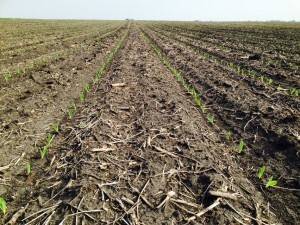
    Plant15 row your cornThere are more than 1,000 variables that can affect crop development throughout the growing season. Soil conditions, planter settings, seed spacing and seed planting depth are of utmost importance at the time the crop goes into the ground.

    Frequent rain showers delayed planting longer than farmers across the Upper Midwest would like. Some are feeling additional pressure to get the seed in the ground as fast as possible. Keep in mind that haste makes waste! Take the time to:

    • Verify correct depth and kernel spacing at planting time.
    • Check germination and early seedling growth for problems.
    • Assess early emergence scores for adequate final stand numbers if soil conditions weren’t ideal.

    Also keep in mind that spring rains might have created crusting issues in some of the earlier planted fields, especially in fields without residue. To help break up the crust and improve seedling emergence, many farmers will use a rotary hoe.

    If you decide to till the soil, wait until soils have dried to avoid exacerbating the situation with soil compaction.  Use a quick field test to check soil moisture.

    Starting with clean fields, and keeping the fields clean, is most important. A pre-plant or pre-emerge herbicide application:

    • Aids in controlling resistant or tolerant weeds.
    • Helps keep the field clean all season long.
    • Helps your crops reach their maximum yield potential as they’re not competing with weeds for water, sunlight and nutrients.

    Once plants have emerged, it’s time to:

    • Identify any early season stresses on young plants.
    • Look at plants’ visual appearance for nitrogen or other nutrient deficiencies.
    • Look for weed escapes. Make a plan for a season long weed-free field!

    Watch for additional agronomic tips and tricks to be shared each Tuesday & Thursday during the growing season on TheFieldPosition.com

    Webspec Admin

    May 23, 2017
    Crop, Soil, Tech Tuesday
  • Latham Hi‑Tech Seeds

    Hail Damage: Replant?

    LIBSYN header 4

    LIBSYN header 2-01

    Ask the Agronomist Week 3 — Hail Damage: Replant?

    00:43 — From the Field Crop Update

    2:20 — To Replant or Not?

    3:21 — Disease Infection Possibility

    5:22 — Is it time to switch hybrids in the field?

    6:22 — Importance of stand counts

    Remember to submit your questions to us on social media. Find us on Facebook, Twitter and Instagram.

    Thanks for tuning in!

    Webspec Admin

    May 18, 2017
    #AskTheAgronomist, Agronomics, Disease
Previous Page
1 … 40 41 42 43 44 … 67
Next Page

Latham Hi‑Tech Seeds

131 180th Street | Alexander, IA 50420

(641) 692-3258

SIGNUP FOR OUR NEWSLETTER
  • Contact
  • Legal
  • Dealer Center
  • Seedware Login
  • Latham Gear

© 2025 Latham Hi‑Tech Seeds. All rights reserved. | Iowa Web Design by Webspec | Privacy Policy

Latham® Hi-Tech Seeds is a trademark of M.S. Technologies, L.L.C., 103 Avenue D, West Point, IA 52656.