Latham Hi-Tech Seeds

(641) 692-3258

  • Home
  • Products
    • Corn
    • Soybeans
    • Alfalfa
    • Corn Silage
    • Seed Guide
  • Performance
  • Find a Rep
  • Media
    • Blog
    • News
    • Videos
    • Podcasts
    • TECHTalk
  • About Us
    • Company History
    • Our Mission
    • Careers
    • Become a Rep
    • Sowing Seeds of Hope
  • Contact Us
  • Latham Hi‑Tech Seeds

    Take Crop Notes to Guide Fall Decisions

    IMG 6536

    Gain some great insights on what to expect this fall with good observations this spring. These observations, when detailed for each field, also provide an excellent long-term understanding of each field’s potential.

    Keeping good records will help you repeat positive, productive activities in future years. Below are a few areas you might note when making field observations:

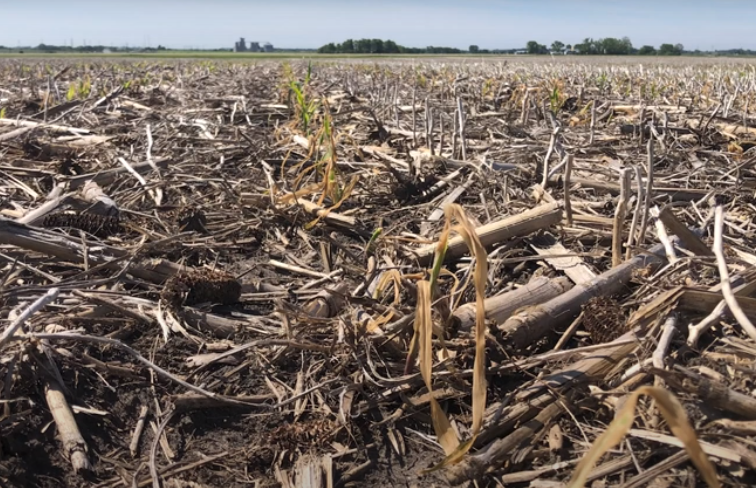
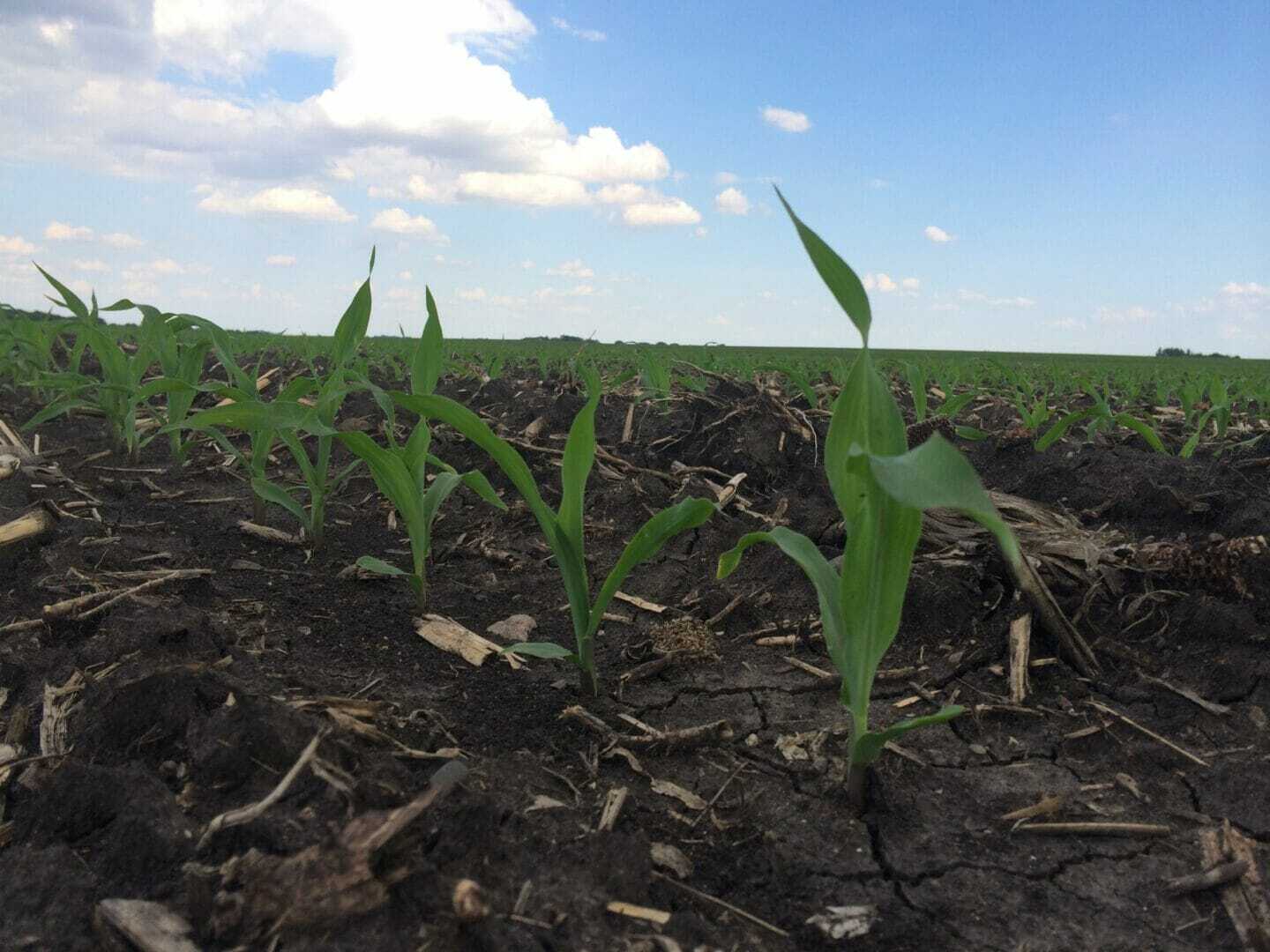
    Emergence and Plant Stand Uniformity. Review all your corn fields for emergence. Score them for uniformity, using a 1 to 5 scale. Latham’s Data Forward app makes it easy to track areas of the field with delayed or uneven emergence. Areas of delayed emergence may translate into delayed maturity, resulting in variable moisture content at harvest time. Pay attention to what caused the uneven emergence.

    Make notes about what you could do differently the next time you plant corn in this field. For example, did delayed emergence occur in areas with excess residue? What can you do to minimize residue accumulation in those areas? What can you do better to clear trash in your planting pass?

    Fertility Issues. Look for deficiency symptoms across your fields. You can focus on those areas that traditionally hold excess moisture, but I recommend thoroughly assessing the entire field. For example, phosphorus and potassium deficiency can translate into weak stalks come fall. Rate your fields and mark trouble spots in your Data Forward app, so you can locate troubled areas this fall and plan your harvest schedule accordingly. Long-term, fertility assessments can aid you in your annual fertilization planning. Should you take soil tests in a smaller grid pattern? Do you need to take soil tests more frequently?

    Weed Management. Scouting for escaped weeds from your herbicide applications can provide some very good insight on crop performance in those areas this fall. Weeds use a great deal of moisture and fertility, causing stress on the crop. Heavy infestation in weed escape areas will cause significant yield reductions. Note these areas and follow those areas through harvest to better understand the impact weed pressure had on yield. For future years, you can work with your weed management advisor to minimize weed escape areas.

    If you need a great tool to help you with this, Latham’s Data Forward app can aid you in managing the information and observations you make. Making good observations during the season will help you better understand your harvest data. Field observations are a great way to learn best practices for each field that you plant to corn.


    Latham Seeds Agronomy Team

    June 16, 2021
    #AskTheAgronomist, Agronomics, Corn, Crop, Season, Spring, Summer
  • Latham Hi‑Tech Seeds

    #AskTheAgronomist: Long-Term Effects of Heat Stress in Corn

    ATA Heat Stress

    While heat stress is common in late summer for the upper Midwest, this has been a June for the record books. Precision Agronomist Phil Long discusses the implications these patterns are having on developing corn plants and an outlook for late-season results.

    Webspec Admin

    June 16, 2021
    #AskTheAgronomist, Agronomics, Corn, Crop, Drought, Season, Summer, Weather
  • Latham Hi‑Tech Seeds

    #AskTheAgronomist: Optimal Timing for Side-Dressing Nitrogen

    ATA Nitrogen Timing

    Precision Agronomist Phil Long highlights three key windows for feeding corn plants as well as some other factors to consider as corn growth and development progresses this season.

    Webspec Admin

    June 10, 2021
    #AskTheAgronomist, Agronomics, Corn, Crop, Fertility
  • Latham Hi‑Tech Seeds

    #AskTheAgronomist: Evaluating Frost Damage in Corn and Soybeans

    ATA Frost

    Parts of the upper Midwest experienced below-freezing temperatures during the last few days of May. In this week’s #AskTheAgronomist, Latham Precision Agronomist Phil Long covers how to evaluate frost damage in corn and soybeans.

    Webspec Admin

    June 2, 2021
    #AskTheAgronomist, Agronomics, Corn, Crop, Frost, Season, Soybeans, Spring, Summer, Weather
  • Latham Hi‑Tech Seeds

    #AskTheAgronomist: Early Season Soybean Scouting and Stand Counts

    Maxresdefault

    Latham Precision Agronomy Advisor Phil Long discusses some tips and tricks to evaluate soybean growth and progress while scouting.

    Webspec Admin

    May 26, 2021
    #AskTheAgronomist, Agronomics, Crop, Emergence, Season, Soybeans, Spring, Summer
  • Latham Hi‑Tech Seeds

    Tips for Scissor Cutting Alfalfa

    Tractor Towing Merger on Cut Alfalfa (Hay) Field

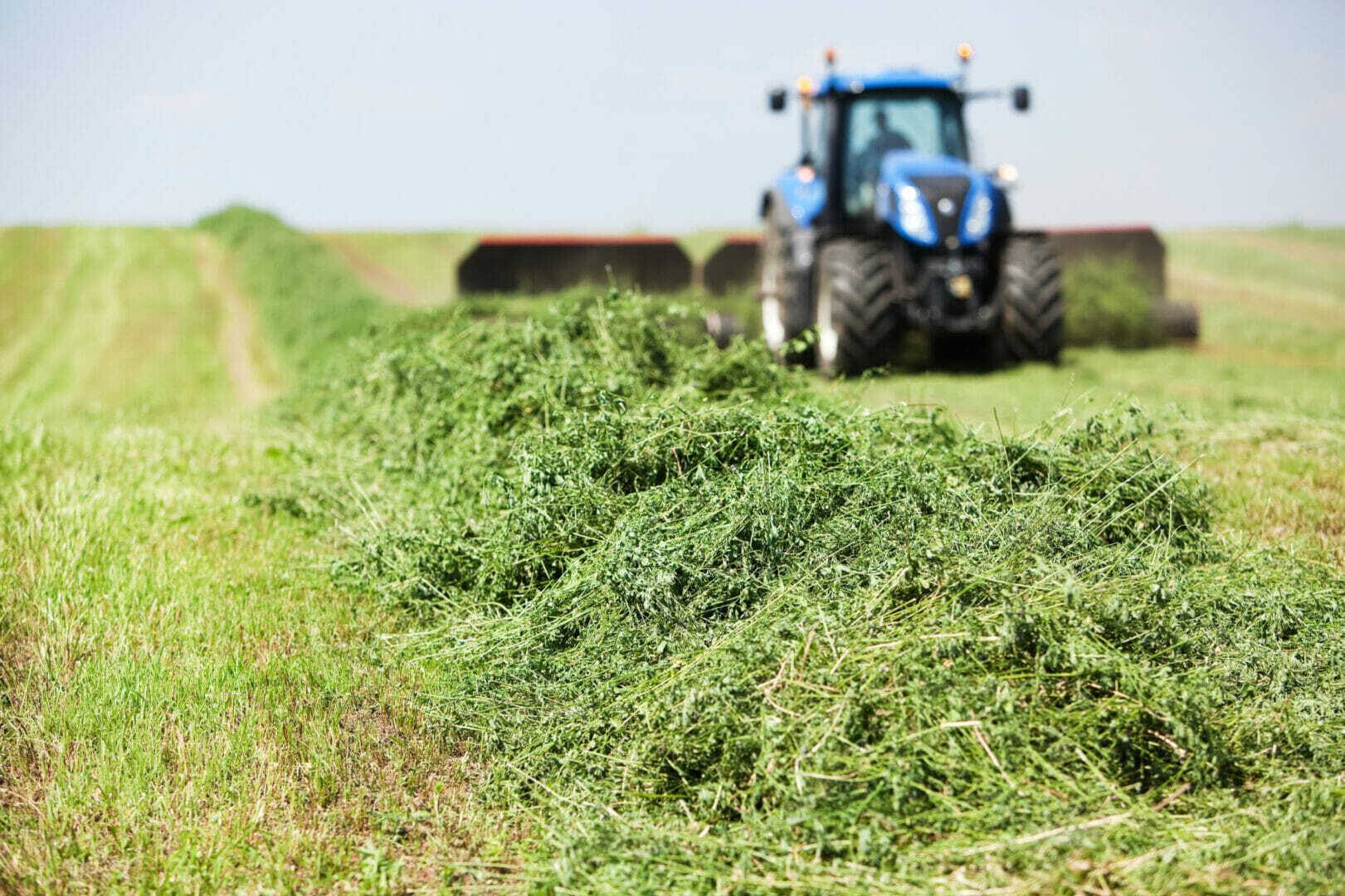
    From weather patterns to other fieldwork to insect infestations, many factors can impact when you decide to harvest alfalfa. But if your goal is to harvest based on feed quality, understanding alfalfa’s Relative Feed Value (RFV) is key.

    You can measure RFV by taking regular field clippings and analyzing samples. This sampling method is known as “scissor cutting” and it can help you determine the best time to start harvesting alfalfa. It is important to stay consistent and ensure samples are representative of your fields.

    Here are six steps to follow when scissor cutting alfalfa:

    1. Start sampling in mid-May; or when alfalfa is about 14-inches tall.
    2. Sample on Mondays and Thursdays so lab results are available on business days. You don’t want to let the crop sit over the weekend while waiting for results!
    3. Stay consistent with the time of day; before 8 a.m. is preferred. This helps reduce day-to-day variability.
    4. Sample two, 2-square-foot areas that are representative of the field. Then choose 5-6 different plants in each area. Be sure the selected plants are random, not just the largest.
    5. Cut 2-3 inches above the soil and collect about a half-pound of fresh weight per location.
    6. Place samples in a paper bag and send to a forage quality testing laboratory. Dairyland Laboratories is a good testing resource in the Midwest.

    We recommend cutting alfalfa when RFV hits 170 to get RFV of 150. It will lose about 15-20 RFV points during harvest or about 4-5 RFV points per day depending on the weather.

    The PEAQ system is a good tool for estimating RFV in conventional alfalfa without having to use a lab. The method is based on measuring the tallest and most mature stem in a 2-square-foot sample area, then using this table to find an average RFV. If you are using reduced lignin products, the PEAQ measuring method may not be as accurate.

    Webspec Admin

    May 21, 2021
    #AskTheAgronomist, Agronomics, Alfalfa, Crop
  • Latham Hi‑Tech Seeds

    #AskTheAgronomist: What’s Our Next Move?

    ATA Next Move

    Phil Long compares this growing season to a hand of blackjack. We started with an early king face up, but the cards have fallen a little slower for farmers across the Midwest since then. What should our next move be? The answer in this week’s episode of #AskTheAgronomist.

    Webspec Admin

    May 21, 2021
    #AskTheAgronomist, Agronomics, Corn, Crop, Emergence, Season, Soil, Spring, Summer
  • Latham Hi‑Tech Seeds

    #AskTheAgronomist: Uneven Corn Emergence

    IMG 0510
    Precision Agronomist Phil Long answers common questions related to uneven corn emergence, scouting tips and thoughts on changes to the planting plan at this stage of #Plant21.

    Webspec Admin

    May 16, 2021
    #AskTheAgronomist, Agronomics, Corn, Crop, Emergence, Season, Spring
  • Latham Hi‑Tech Seeds

    Execute Your Plan for Seeding Success

    Alfalfa3

    Vince Lombardi had many attributes that built his winning record, but I suspect it started with a vision of reaching the end zone. He then built and executed a plan. He kept it simple, often using the same play many times in a row. The power sweep was successful because the focus was on executing it flawlessly.

    The same steps can be applied in your pursuit of leaving no yield in the field. Keep the vision clear. Build the plan. Master the basics, and you’ll hit the proverbial end zone of success.

    Below are six basic steps to achieve success with alfalfa this growing season:

    1. Check emergence. Alfalfa is a survival of the fittest plant. Some research suggests 60% of seeds won’t become seedlings. Depending on your seeding rate, seeding bed, and weather, you should see 50 live plants per square foot within four weeks of spring seeding. AlfaShield™ improves survival chances.
    2. Check existing stands. The crown is fully developed after one full year, so we transition to stem count. Strive for more than 55 stems per square foot. If a field is not looking good and the stand is young enough, you should be able to no-till some supplemental alfalfa seed.
    3. Control weeds. Be the boss! Mortality rates are often high due to competition from aggressive weeds. Scout early and spray when label advises. The younger the weeds, the more vulnerable they are to herbicides. New seeding can be cut after about 60 days or so, which also can help manage certain weed populations.
    4. Be vigilant against pests. New seedings are vulnerable to leafhoppers, especially when they come from established fields nearby. Temperatures of 70+ degrees Fahrenheit also increase leafhopper reproduction. Eggs hatch in seven to 10 days and become adults in about 14 days. The damage to yield potential is often irreversible, so it’s important to be vigilant.
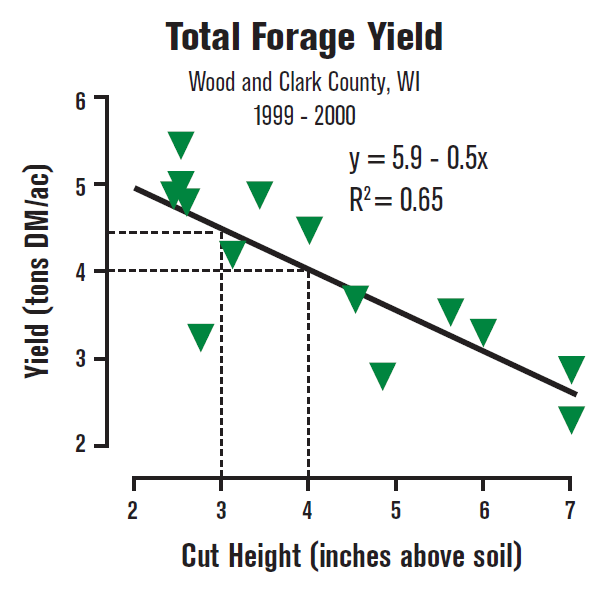
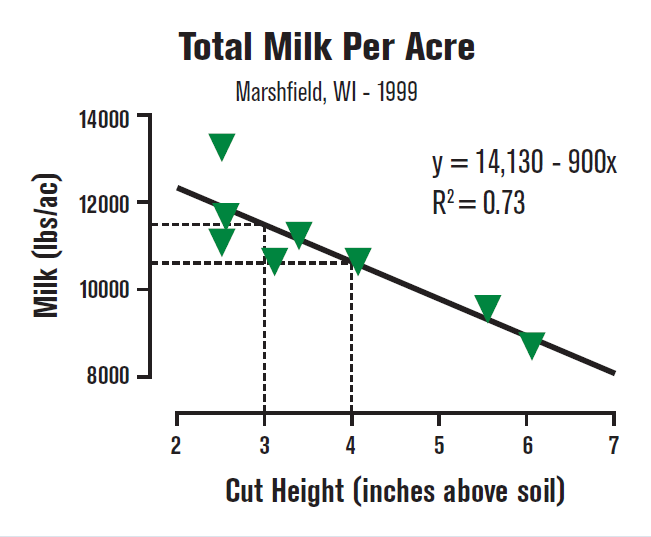
    5. Cut it short for best quality. A tremendous amount of research has shown a cutting height of two inches is the most economical and provides the best forage quality (See graphs below.) That is, as long as you don’t have rocks and gopher mounds!
    6. Feed the plants. Potash equals plant performance. Every dry matter ton of alfalfa removes about 50 to 60 pounds of potassium per acre. Consider adding sulfur, boron and zinc. Testing soil and tissue help you develop the best fertility program. Most growers apply supplemental fertilizer after first cutting and third cutting for best results.
    Total Forage Yeild
    Research on ideal cut height.
    Total Milk Yeild
    Research on ideal cut height.

    Webspec Admin

    May 12, 2021
    #AskTheAgronomist, Agronomics, Alfalfa, Crop, Emergence, Insects, Season, Spring, Summer, Weed Control
  • Latham Hi‑Tech Seeds

    Scout Early for Below-Ground Insects That Damage Corn

    Corn pest

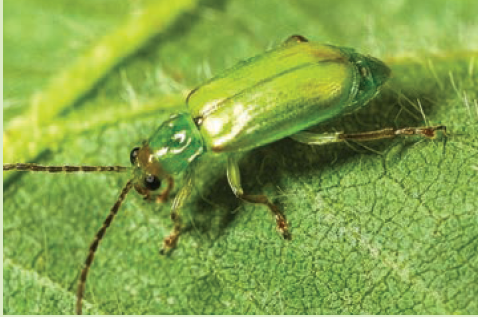
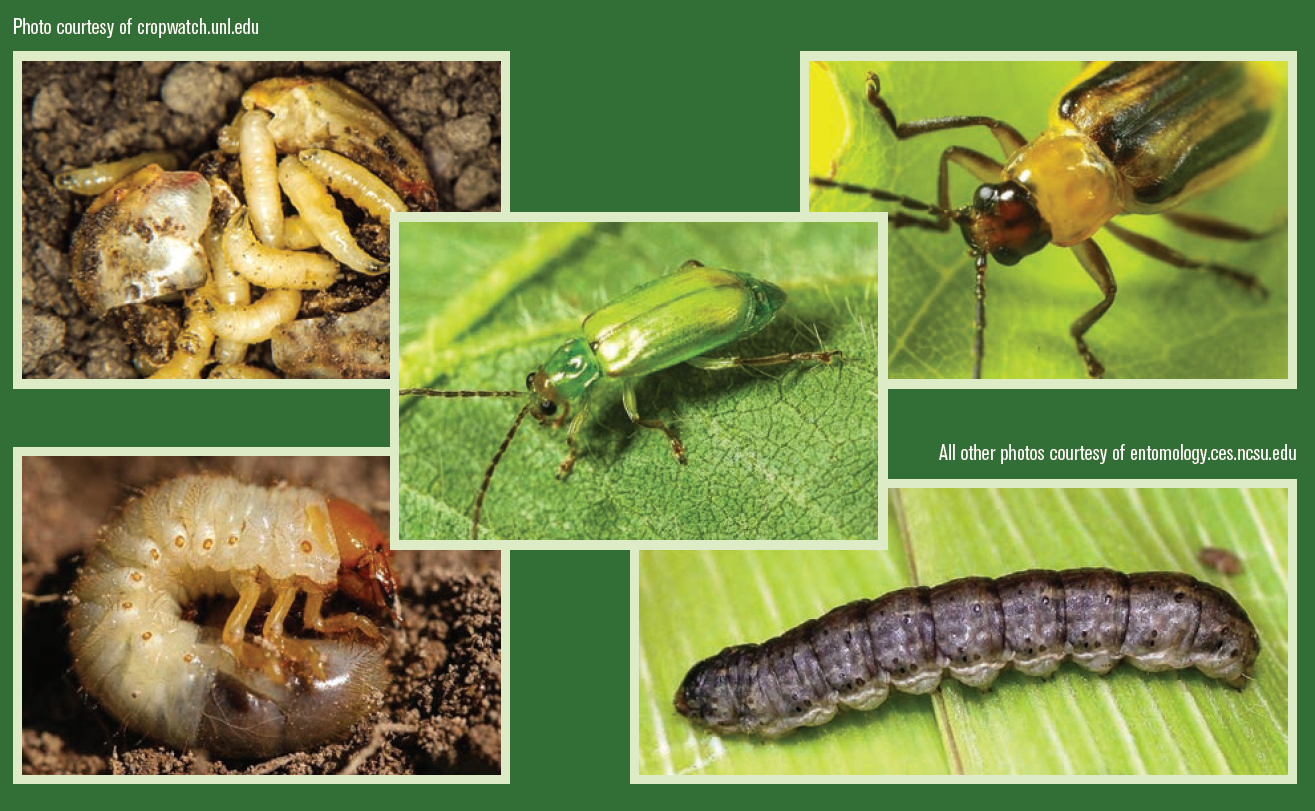
    Numerous below-ground insects can damage your corn stand. We will focus on four pests, including where you will likely find them and what management tips could help prevent damage.

    Seedcorn Maggots destroy seeds before germination. This can occur when soils are cold and germination conditions are less than ideal. Most damage occurs in high organic regions of fields, especially areas with heavy manure applications. The best time to scout is from planting to VE. Dig up seed in areas with damage to check for insect feeding. Note problem areas, and consider additional soil-applied insecticides in those areas in the future.

    Scout for White Grubs prior to planting. High-risk fields include those that have been in pasture one or two years previously or where willow or cottonwood trees are growing adjacent to the field. Most of Latham’s seed treatments control this insect unless infestations are high enough to overwhelm the seed treatment. In areas with that potential, consider soil-applied insecticides.

    Shortly after eggs hatch in May and June, Northern Corn Rootworm and Western Corn Rootworm larvae begin feeding on root hairs and tunnel inside roots. As they develop, larvae begin feeding on larger root tips. Extensive feeding can eliminate entire nodes of roots. In fields with known beetle history, use Latham® hybrids that contain SmartStax® or Agrisure Duracade® technology. In fields with heavy pressure, use a soil-applied insecticide in addition to a traited hybrid.

    Black Cutworm most commonly occur in low or poorly drained areas of fields. Latham brand SmartStax hybrids contain the Cry1F Bt protein that can control most problems of cutworm infestations. Our new hybrids for 2022 planting with the Trecepta® and 5222 Duracade traits contain the Vip3A Bt protein that also offers great control.

    Your Latham Dealer has the tools you need to effectively control these pests. As you scout fields and find pests, note those areas. Then ask your local seed dealer to help you build a plan that incorporates the Latham hybrids that can offer you the best protection.

    Insects Corn

    Latham Seeds Precision Agronomy Advisors

    May 12, 2021
    #AskTheAgronomist, Agronomics, Corn, Insects, Spring, Summer
Previous Page
1 … 12 13 14 15 16 … 67
Next Page

Latham Hi‑Tech Seeds

131 180th Street | Alexander, IA 50420

(641) 692-3258

SIGNUP FOR OUR NEWSLETTER
  • Contact
  • Legal
  • Dealer Center
  • Seedware Login
  • Latham Gear

© 2025 Latham Hi‑Tech Seeds. All rights reserved. | Iowa Web Design by Webspec | Privacy Policy

Latham® Hi-Tech Seeds is a trademark of M.S. Technologies, L.L.C., 103 Avenue D, West Point, IA 52656.