Latham Hi-Tech Seeds

(641) 692-3258

  • Home
  • Performance
  • Products
    • Corn
    • Soybeans
    • Soybean Blends
    • Alfalfa
    • Corn Silage
    • Seed Guide
  • Find a Rep
  • Media
    • Blog
    • News
    • Videos
    • Podcasts
    • TECHTalk
  • About Us
    • Company History
    • Our Mission
    • Careers
    • Become a Rep
    • Sowing Seeds of Hope
  • Contact Us
  • Latham Hi‑Tech Seeds

    Prevent White Mold from Spreading

    Last Thursday I posted a blog with tips to scout soybean fields for Sclerotia Stem Rot.  Sclerotia, which encapsulate and protect the White Mold fungus, can lay dormant for years and then grow when the conditions are suitable. Keeping White Mold out of a field is the best way to prevent it from spreading.

    Tips for managing White Mold follow:

      • If White Mold is restricted to a portion of the field, that restricted area should be harvested last and independently from the rest of the field.
      • Avoid harvesting disease-infested fields before harvesting healthy fields.
      • Clean your combine thoroughly after a field with White Mold is harvested.
      • Rotations of 2 to 3 years between soybean crops can help reduce the level of the fungus causing White Mold in certain fields.
      • Wider row spacing allows air to circulate to the soil surface while the crop is starting to flower. Circulating air promotes a drier soil surface and lower humidity around the base of the plants, which interferes with sclerotia development. However, rows wider than 30 inches may actually increase spore dispersal by allowing more air movement near the soil surface.
      • Seed selection is also important. Some soybean brands are better than others at resisting White Mold.  Seed dealers provide ratings on the resistance levels, so be sure to check those ratings when making your soybean selections.

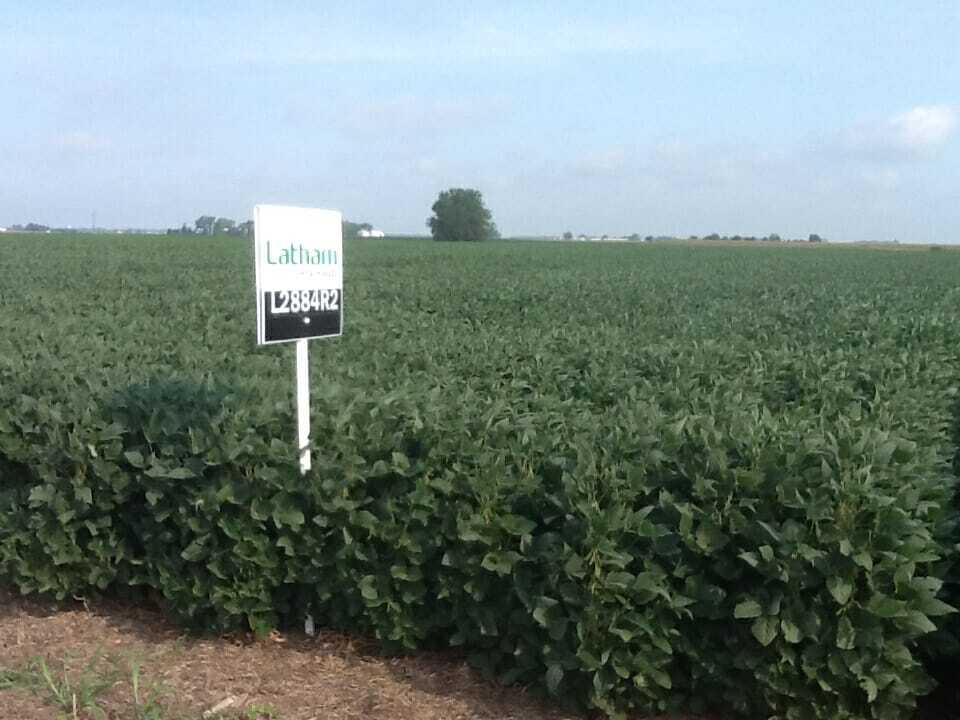
    To help simply the seed selection process for farmers, Latham® gives the IRONCLAD™ designation to its most defensive soybean products. Each IRONCLAD soybean brand must be Soybean Cyst Nematode resistant and carry an Iron Deficiency Chlorosis rating of 2.2 or better. IRONCLAD brands also must protect against either White Mold or Sudden Death Syndrome with a rating of 2.2 or higher.  Furthermore, these products must have strong defensive ratings against Phytophthora Root Rot and Brown Stem Rot.

    Latham Hi‑Tech Seeds is featuring 15 soybean brands with the IRONCLAD designation in its 2015 seed guide. Be sure to talk to your local Latham® representative about them or call 1-877-GO-LATHAM (1.877.465.2842) for more information!

    Webspec Admin

    August 4, 2014
    Agronomics, Crop, General, Soybeans
  • Latham Hi‑Tech Seeds

    Soybean Scouting Tips for Sclerotinia Stem Rot

    Weed seeds aren’t the only yield-robbers that can lurk below the soil surface and come back years later to haunt your fields. Sclerotia, which encapsulate and protect the White Mold fungus, can lay dormant for years and then grow when the conditions are suitable. Suitable conditions include cool, damp soils.

    Cool and damp certainly is one way to explain this growing season, but weather isn’t the only factor affecting the likelihood of White Mold. Be sure to keep a close watch on fields with a history White Mold as it may be more severe this year with the current weather trend.

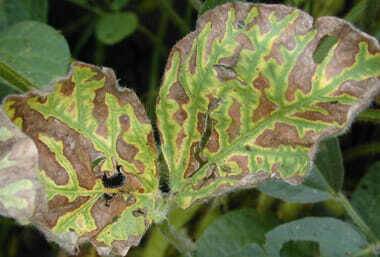
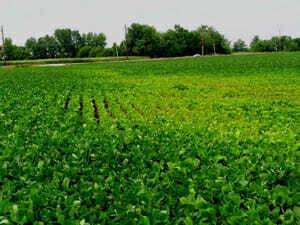
    White Mold usually has a larger effect on a brand with a denser, faster-closing canopy.  Symptomsappear as single soybean plants within a generally healthy canopy thatwilt and die rapidly – usually in July and August – when plants are in the early reproductive stages. The fluffy white mycelium of the fungus then forms on the stem and/or pods, giving it the name White Mold.

    Applying Foliar Fungicide

    Foliar fungicides may be applied when you see White Mold starting to attack. Wisconsin research data indicates that fungicides applied up to growth stage R3 (early pod) may have some effect on White Mold severity, but later applications will likely not be as effective. Once symptoms of white mold are evident, fungicides will have no effect on reducing the disease.

    Only fungal pathogens can be controlled with a fungicide, so it’s important to first scout and determine the type of disease or diseases present in a field. Scouting should be done prior to the R3 growth stage of the soybean plants, especially if weather has been rainy and/or humid as these conditions favor foliar diseases.

    Please note that you can’t do anything for the plants already infected with the White Mold fungus. Keeping the fungus from spreading is really the most effective defense against White Mold.

    Webspec Admin

    July 31, 2014
    Agronomics, Crop, Disease, General, Soybeans
  • Latham Hi‑Tech Seeds

    Quick Tips for Root Digs

    NodeScale

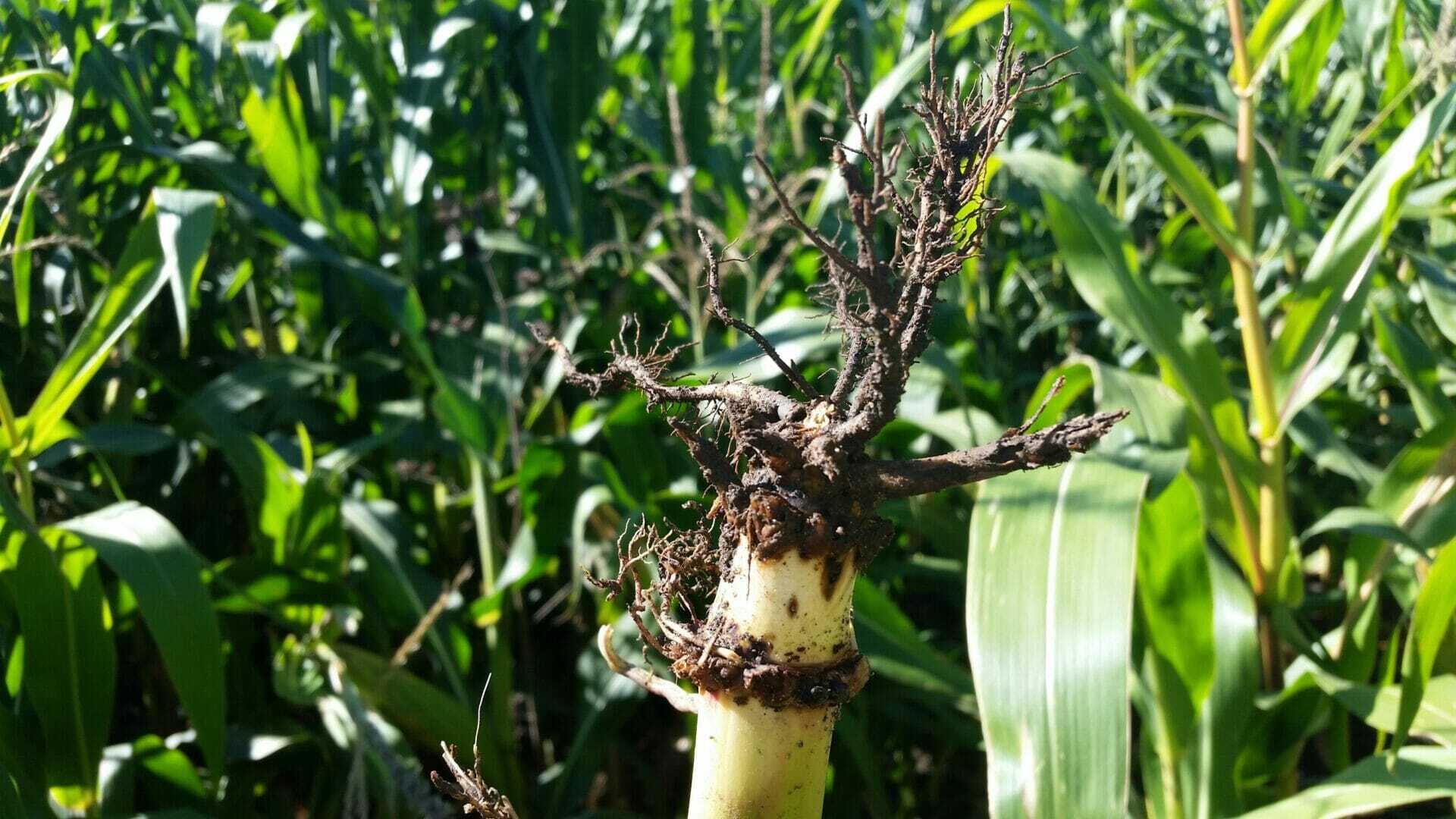
    Walking corn fields is not always enough. Sometimes you just have to do a little digging to discover the root of a problem in your corn field. Conducting root digs may sound like a lot of work, but the results are totally worth the effort.

    Quick tips for conducting a root dig:

      1. While digging roots, note:
        • Insect pressure, in particular rootworm beetle feeding.
        • Disease pressure, paying special attention to the leaves above ear leaf.
        • Runt plants and uneven emergence.
        • Make note of root structure after you wash off roots; notice any compacted zones and if there was any sidewall compaction during planting.
        • Look at plant spacing.
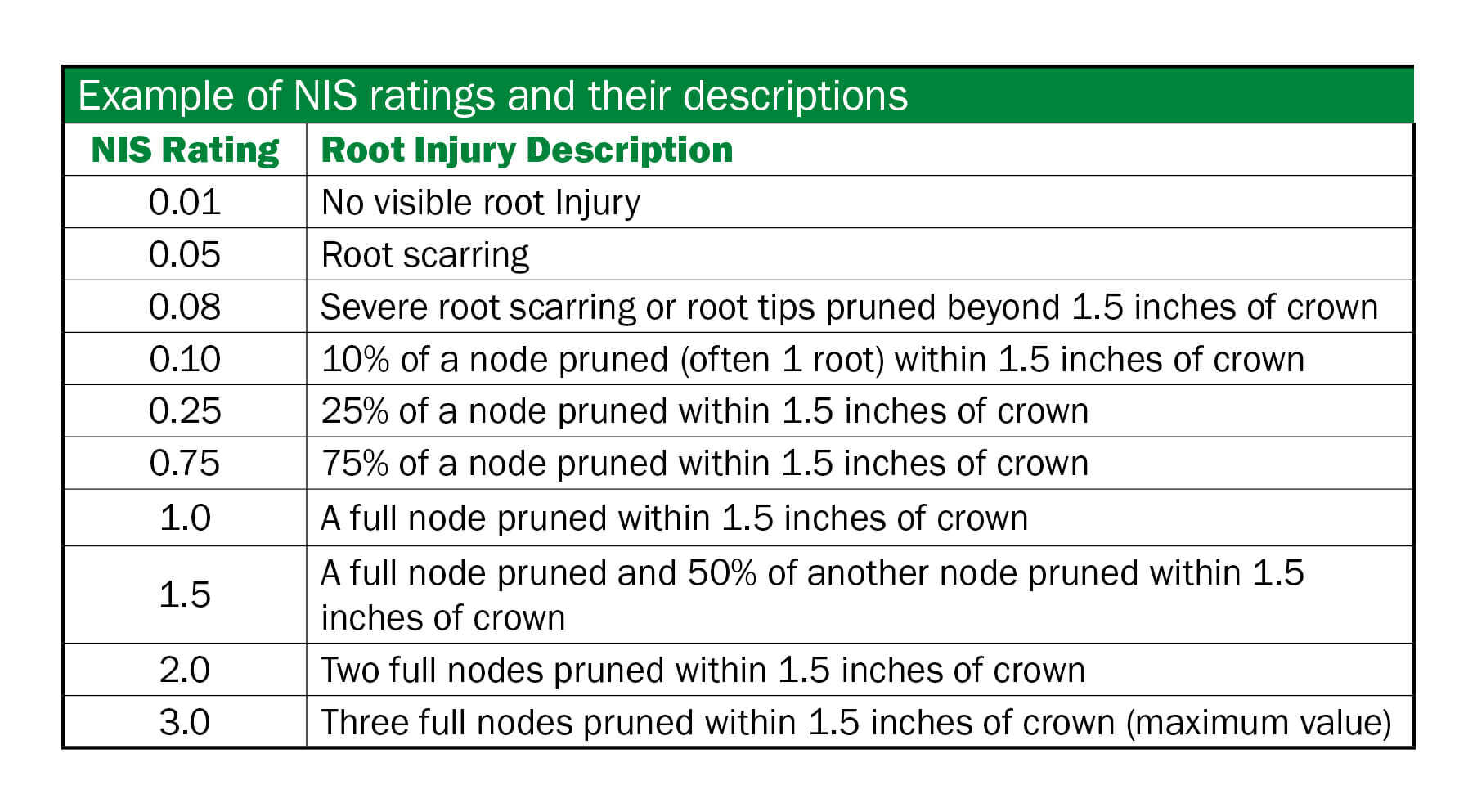
      2. You can’t always see feeding unless you actually wash off the roots. Look for bottle brushing and signs of root regrowth. Look for scarring and nodes that have been chewed. To use the interactive node-injury scale, click here.
      3. Rootworms can have “hot pockets” in the field, so the more locations from which you dig samples, the better.

    While you’re walking through fields, take a close look at leaves and ears for signs of disease. Also be on the lookout for insects like western corn rootworm beetles and Japanese beetles. Under the ground, look for signs of sidewall compaction and hard pans.

    NodeScale


    http://youtu.be/-5xVFhsGRrA

    Webspec Admin

    July 24, 2014
    Agronomics, Corn, Crop, Disease, General, Insects
  • Latham Hi‑Tech Seeds

    Stress Increases Pressure from Pests and Pathogens

    NickB July2 2

    NickB-July2-2Scouting was going to be critical throughout the growing season, even if we hadn’t received record-setting rains or devastating natural events including tornadoes and flooding. That’s because seed corn planted into wet soils is prone to problems throughout the growing season such as: stunted plant growth; slow infiltration of water and/or ponding; high surface runoff; poor root system development, or rootless corn; and even nutrient deficiency.

    Recent rain events “add insult to injury” because plants that are stressed are more susceptible to additional injury from pests and pathogens. Lengthy periods of wet soils increase the likelihood of blight and disease like Crazy Top and Goss’ Wilt.

    Warm, moist soils also are great breeding grounds for weeds. Crops have a better chance of reaching optimal yield when they’re not competing with weeds for sunlight, water and nutrients. The best management practice for achieving weed control is still a diversity of tactics: cultural, mechanical and herbicide. Research shows that weeds represent the most important and economic damaging pest that Iowa corn and soybean farmers face every year!

    Webspec Admin

    July 7, 2014
    Agronomics, Corn, Crop, Fungicide, General, Insects
  • Latham Hi‑Tech Seeds

    Largest U.S. Soybean Crop in the Ground

    Jones beans
    Latham® dealer Ben Jones of Clay County Iowa shares this beautiful looking field of L2253R2
    Latham® dealer Ben Jones of Clay County Iowa shares this beautiful looking field of L2253R2

    U.S. farmers planted the largest soybean crop on record and the smallest corn crop since 2010, according to the June 30th crop report by the U.S. Department of Agriculture. Farmers planted 84.8 million acres of soybeans, which was nearly 11 percent more than last year. Corn was planted on 91.6 million acres, which is the fifth-largest corn acreage planted since 1944.

    Unfortunately, record seed in the ground may not equate to a record harvest in the bin. On Monday, Ron Dreher of rural Adair endured the worst storm in 40 years of farming. Large hail, coupled with 6 inches of rain in 20 minutes and winds in excess of 80 miles per hour, decimated about two-thirds of his soybean acreage. Stories like his continue to be told.

    For an update on what Latham’s Regional Sales Managers are seeing in their territories, click on “From the Field” and choose a region from the drop-down box on the right-hand side. Be sure to read tomorrow’s post on TheFieldPosition as we’ll cover effects of this season’s extremely wet weather on plant health.

    Team Latham

    July 2, 2014
    Crop, General, Soybeans
  • Latham Hi‑Tech Seeds

    Ear Size and Number of Kernels Being Determined Now

    CornFact

    CornFactJust as diet and nutrition play a key role in how well an athlete performs, corn plants need a well- balanced diet for optimal performance. We’re at a critical point in the growing season as ear size is being determined, so the slightest nutritional deficiency now can cost you yield in the end. Take a plant tissue analysis to assess where your fertility program is, and then make plans to protect your crop from in-season nitrate loss. In a wet spring like this one, it’s common for nitrate leaching to occur. However, there’s still time to remedy the situation. Nitrogen is a mobile nutrient, so the timing of fertilizer application is critical to meet a plant’s needs. Nitrogen management, spoon feeding the plant when it needs it, unquestionably affects total yield. Once you’ve fed the crop, you control weeds to maximize plant health. Early-season weeds rob yields you cannot see at harvest. Crops have a better chance of reaching optimal yield when they’re not competing with weeds for sunlight, water and nutrients. Weeds should be controlled with tillage, herbicides, or a combination of tactics so the crop can become well established under weed-free conditions. By following 5 small steps, farmers will make giant strides toward weed control:

      1. Closely monitor problem areas for tough-to-control weeds.
      2. Apply herbicides correctly.  Follow guidelines for proper application methods and rates.  And, remember, timing of application is critical.
      3. Don’t be satisfied with “economic thresholds” for weed control.  Remain vigilant in your fight against weeds all season long.
      4. Clean your equipment to prevent the spread of weeds.
      5. Lastly, surviving weeds must not be allowed to set seed.

    Rotating between various herbicide traits is important from the standpoint of reducing weed resistance.  Rotating traits, especially insect resistance traits in corn, is especially important for the same reasons – to decrease the risk of insects becoming resistant to those traits and also to improve overall trait performance. We need to be good stewards of these traits and rotate them whenever possible!

    Webspec Admin

    June 26, 2014
    Agronomics, Corn, Crop, General, Growth Stages
  • Latham Hi‑Tech Seeds

    Wicked Winds and Rain Wreak Havoc

    April flood

    April floodOnce again, this week we were reminded just how cruel Mother Nature can be! Crazy late-spring thunderstorms and tornados swept across Latham Country from eastern Nebraska through eastern Iowa on Monday evening. Heavy rains fell early this week across the Dakotas and into Minnesota and Wisconsin, too.

    More than six inches of rain fell on Monday night in some areas of Franklin County, Iowa, with an additional 1.5 to 2 inches falling last night. Winds gusting at 70 miles per hour flattened crops, power lines and grain bins alike. The loss of property is disheartening, and our hearts go out to those who are trying to clean up and put the pieces together again. (Click here for tips on talking with consumers about storm damage.)

    “The farmer has to be an optimist or he wouldn’t still be a farmer,” said Will Rogers, the cowboy entertainer who was known for his wit and wisdom. So today, we’re going to talk about the silver lining. Our crops needed moisture. Although they got more than they needed this week, the tile lines are running again. Moisture is building in the soil profile. With first crop hay baled, this rain will get the second cutting of alfalfa off to a good start. The warm temperatures and high humidity we’re experiencing will cause crops to grow like weeds!

    Speaking of weeds, let’s hope the top soil dries enough soon for the corn and soybeans to get sprayed before they get too tall. Volunteer corn is prevalent in some areas this year, and volunteer corn must be treated as a weed. It not only competes with plants for moisture and nutrients, but volunteer corn is a food source for rootworm larvae. Volunteer corn that is not controlled by tasseling attracts corn rootworm beetles for egg laying.

    It’s imperative that farmers continue scouting fields at least weekly to stay ahead of weed, insect and disease pressure. For an update on what Latham’s Regional Sales Managers are seeing in their territories, click on “From the Field” and choose a region from the drop-down box on the right-hand side.

    Team Latham

    June 18, 2014
    Agronomics, Corn, Crop, General, Growth Stages, Rain, Season, Summer, Weather
  • Latham Hi‑Tech Seeds

    Watch for Little Pests Doing big Damage

    CornRW

    cornRWCooler spring temperatures mean slower egg maturation in 2014 for corn rootworm.  Last week Iowa State University entomologists reported the corn rootworm hatch is underway.

    Blackcutworm moths migrate from the south in the spring and the moths lay eggs in grassy and broad-leaf weeds. Data from moth flight monitoring traps suggests that cutting activity from black cutworms might be noticeable around May 28 in northeast and north central Iowa.

    Scout now for black cutworm, and be a vigilant scout from the time corn plants emerge until plants reach the 6-leaf stage.Newly hatched larvae will chew small, irregular holes in corn leaves. While this early injury does not damage plants significantly, it should be used as an early warning of possible black cutworm infestations. As larvae grow, they are capable of cutting the stems and stalks of corn plants and significantly reducing the stands.

    Look for plants with wilting, leaf discoloration and damage, and those that are either missing or are cut off at the soil surface. Note areas with suspected damage and return later to assess further damage. A rescue treatment approach is the best strategy for dealing with this pest.

    Another pest of concern is corn rootworm, which has earned the nickname the “billion-dollar bug.” The U.S. Department of Agriculture (USDA) estimates damage caused by this pest and costs associated with controlling it typically total $1 billion annually!

    Best management practices are key to effectively controlling black cutworm and corn rootworm populations: Manage weeds, Respect the refuge, Rotate rootworm-resistant traits and Practice crop rotation.

    Webspec Admin

    June 12, 2014
    Agronomics, Corn, Crop, General, Insects
  • Latham Hi‑Tech Seeds

    Switching to Beans

    Plantingpopstudy
    plantingpopstudy
    Planting population study

    Warm temperatures and below normal precipitation allowed soybean planting and crop progress to advance rapidly. At Latham headquarters in Alexander, we finished planting our corn plots and are nearly done with planting soybeans. Yesterday a welcome one inch of rain fell, which brought planting to a halt.

    Statewide corn has been planted on 96% of the acres intended for 2014, as of the week ending May 25. Soybean planting is 80% complete, which was double the previous week’s progress. Nationally, corn has been planted on 88% of the acres and has emerged on 60%, according to the U.S. Department of Agriculture. Soybeans have been planted on 59% of the U.S. acres and with 25% emerged.

    “With just sporadic rainfall last week, crop planting proceeded quickly and now both corn and soybean planting progress is slightly ahead of the 5 year average,” notes Iowa Secretary of Agriculture Bill Northey in his May 27 crop report. “After the extremely late planting last year farmers are excited to get the crop in the ground in a more-timely manner this year.”

    For a look at crop conditions around our six state territory, click here, or select a region from the drop down above.

    Team Latham

    May 28, 2014
    Agronomics, Crop, General, Growth Stages, Soybeans
  • Latham Hi‑Tech Seeds

    Don’t give up too soon…

    Blog Quote

    PLANTING SEASON IS A MARATHON NOT A SPRINT

    Blog_QuoteWe’ve all heard the saying, “Anything worth having is worth waiting for.” But did you ever think about how this familiar quote applies to farming? We must remember that planting season is more like running a marathon than a sprint.

    Highly competitive runners have to deliberately pace themselves. They also have to avoid jumping the gun. This, too, applies to farming. You see, many farmers jump the gun and switching corn hybrid maturities too soon. Corn planted in early June can make decent yields, and there’s no need to switch from corn to soybeans until after that.

    When you switch maturities, you forfeit maximum potential and have essentially decided to lower your yield expectations! Based on my experiences over the past 35 years – as well as research findings from many Midwest land grant institutions – I can tell you with confidence that full-season hybrids and varieties outperform early maturing hybrids and varieties.

    There becomes a point in time where the advantages of planting a full-season hybrid diminishes to the point where shifting to a shorter-season hybrid or variety will generally result in drier corn and higher yields come fall. Following is a summary of factors to consider when deciding whether to switch corn or soybean maturities.

    FACTORS TO CONSIDER WHEN SWITCHING MATURITIES

    I’ll use northern Iowa and southern Minnesota as an example. If your maturity range is 98- to 109-days (which is what I use for the Latham Research Farm), then you should generally not deviate from those maturities until at least May 25. If all you have left to plant is your 98-day hybrids, then you can safely extend your planting window to about June 7-10. On the other hand, if you only have your 109-day hybrids left to plant, you’ll probably be better off switching to 95- or 99-day products.

    That brings us to the next subject… if you must switch, how early of a hybrid is needed? You don’t need to take it to extreme and switch from 109 RM to an 85-day hybrid. Research has proven that it pays to stay closer to your “normal” maturity. Switch to hybrids that are about 5 to 7 relative maturity units earlier than full season for the region. Yields in this scenario will be greatly improved if northern Iowa and southern Minnesota farmers (from the example above) move toward a 92- to 95-day hybrid that is more closely adapted to the area.

    The decision to switch maturity with delayed corn planting is difficult because of so many variables including: available GDUs, first frost date and fall drying conditions. With this in mind, here are some general guidelines:

    Location
    within Iowa
    Full Season RM Switch to
    on May 20
    Switch to
    on May 30
    South of I-80 114-117 108-111 108-111
    Central 110-115 107-110 107-110
    North of I-80 109-113 105-108 105-108

    Webspec Admin

    May 15, 2014
    Agronomics, Corn, Crop, General, Growth Stages, Soybeans
Previous Page
1 … 47 48 49 50 51 … 62
Next Page

Latham Hi‑Tech Seeds

131 180th Street | Alexander, IA 50420

(641) 692-3258

SIGNUP FOR OUR NEWSLETTER
  • Contact
  • Legal
  • Dealer Center
  • Seedware Login
  • Latham Gear

© 2025 Latham Hi‑Tech Seeds. All rights reserved. | Iowa Web Design by Webspec | Privacy Policy

Latham® Hi-Tech Seeds is a trademark of M.S. Technologies, L.L.C., 103 Avenue D, West Point, IA 52656.