Skip to content
Latham Hi-Tech Seeds

(641) 692-3258

  • Home
  • Performance
  • Products
    • Corn
    • Soybeans
    • Soybean Blends
    • Alfalfa
    • Corn Silage
    • Seed Guide
  • Find a Rep
  • Media
    • Blog
    • News
    • Videos
    • Podcasts
    • TECHTalk
  • About Us
    • Company History
    • Our Mission
    • Careers
    • Become a Rep
    • Sowing Seeds of Hope
  • Contact Us
  • Latham Hi‑Tech Seeds

    Latham Places 1st Again & Again in F.I.R.S.T. Trials

    John Soybeans

    John-SoybeansI’ve always been very confident in the corn and soybean products that we offer at Latham Hi‑Tech Seeds. After all, when your name in literally on each bag of seed, you want to do all that you can to protect your reputation! That’s why we take a team approach to selecting products.

    Our Product Team members either farm themselves or call on farmers in the areas where they live. This means they not only review data from breeders and their own research plots, but they watch these crops grow and develop. Our corn and soybean specialists walk fields and test plots, searching for the perfect products to perform in our customer’s field conditions. As a result, they have confidence in the products that go into our lineup.

    Latham® brand products are selected for their yield potential, as well as for their ability to overcome specific regional challenges. For example: Latham’s IronCladTM Soybeans receive this unique designation for their rating on Iron Chlorosis or White Mold. Our Gladiator Corn Hybrids are selected to do yield better in corn-on-corn situations. Even Latham’s alfalfa lineup was chosen to address specific needs like high-salt soils or leaf-hopper resistance.

    To showcase our lineup, this year Latham Hi‑Tech Seeds made a much larger investment in the independent F.I.R.S.T. Trials. This third-party testing service is proving how well we compare to the competition… The results this fall have been amazing!

    Latham Hi‑Tech Seeds, to date, has won 29 different F.I.R.S.T. Trial corn and soybean locations and region summaries this fall! We’ve won 18 different soybean tests, including 5 different region summaries in Iowa, Minnesota, Wisconsin, South Dakota and Illinois.

    Eleven different Latham soybean products have won F.I.R.S.T. Trial tests from Group 0 all the way to 2.7 maturity. Many of these locations contain as many as 84 different competitive products! In the state of South Dakota alone, Latham won 6 different F.I.R.S.T. Trial Tests with 6 different Latham® Hi‑Tech Soybean products.  In the state of Minnesota, Latham L1858R2 is the top yielding soybean in any test in Minnesota, Wisconsin or the Dakotas with a yield of 82.9 bushel per acre!

    Latham brand corn is performing extremely well, too.  Tests remain to be harvested, but already Latham corn has won 11 different F.I.R.S.T. Trial locations across Iowa, Minnesota and North Dakota.  Latham LH 5215 VT2 PRO has won 5 different tests across Iowa and Minnesota PLUS it won the West Central region of Minnesota.  In the north, Latham LH 4097 VT2 PRO and Latham LH 4455 VT3 PRO together have won 4 locations so far.  In Central Iowa, Latham LH 5829 SS won the Winterset, Iowa, location at 247.9 bushels.

    So what’s the secret to Latham’s stellar product performance? Unlike the national brands that choose products based on a wide area of adaptability, we focus on choosing the best products for local conditions. Latham’s strategy to choose products that perform in specific soil types and field conditions across our marketing area works. But don’t just take my word for it… Look over all the data at www.firstseedtests.com!
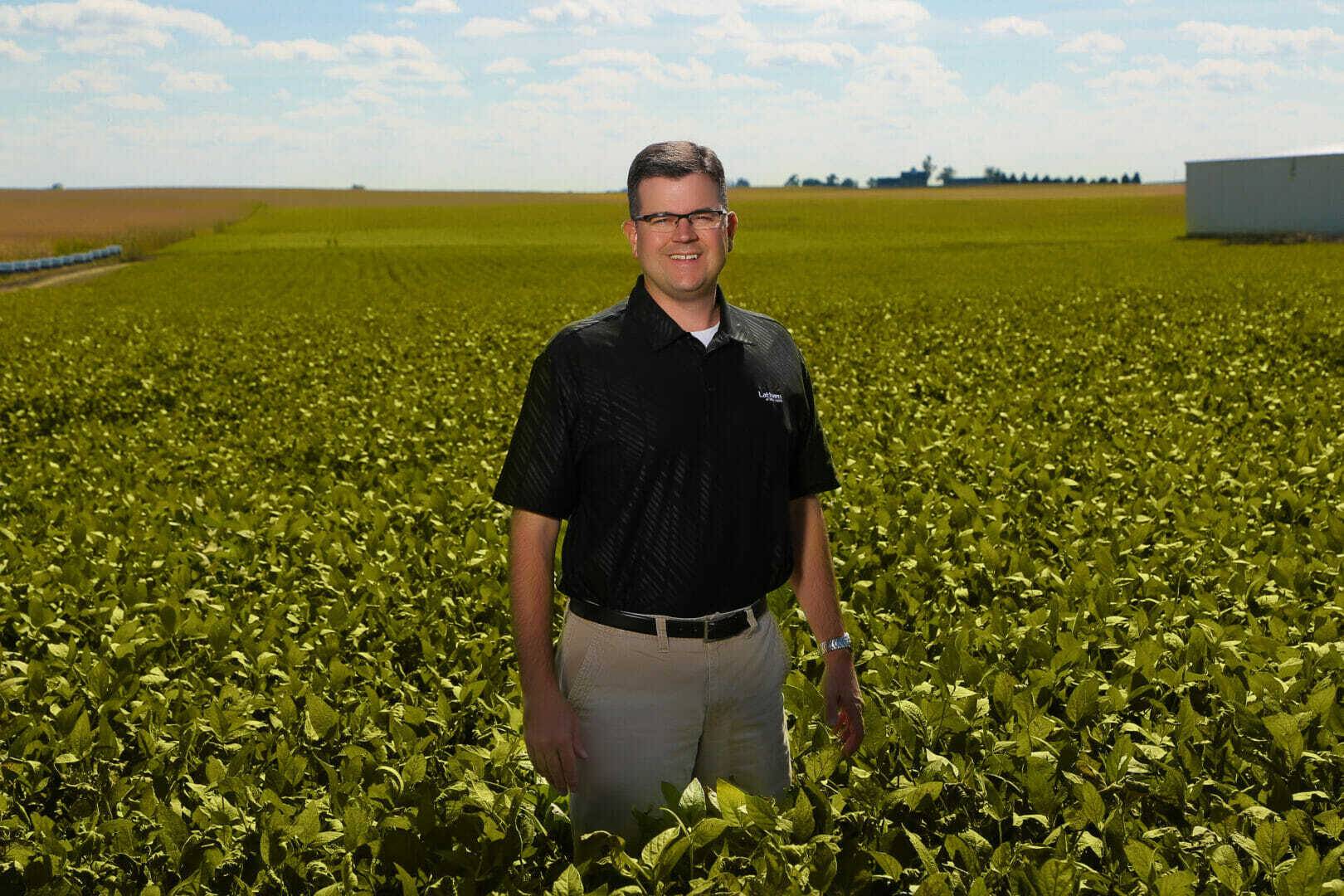
    John Latham, President

    November 5, 2014
    Corn, Crop, Fall, General, Season, Soybeans
  • Latham Hi‑Tech Seeds

    How to Interpret Yield Data

    This fall Latham Hi‑Tech Seeds has done very well in the F.I.R.S.T. trials all over the Midwest, winning many locations and Regional Performance Summaries. With such great data, it’s no wonder that farmers want to call in and order the winners. If we’re doing our job, however, we may not let you!

    Why wouldn’t we let farmers order what they want without asking any questions? The answer is simple: Just because a product placed first in a yield trial in one location, in one year, across one predominant soil type, doesn’t guarantee it will be the yield winner given another farm and a different management style.

    When study yield results from independent yield trials, be sure to analyze the information. Here are some tips for interpreting yield data:

      • Compare to a check strip that helps you check for variability across the field. Look to see if a particular product is yielding exceptionally well or exceptionally low as compared to the plot average. How has this same product been performing across multiple locations?
      • Is there a disease that has been prevalent this year, like Sudden Death Syndrome (SDS), that you know is affecting that particular product?
      • How variable was the rainfall in that area this year? What were planting and growing conditions?

    To help you select the right seed for your given situation, we’ll ask discovery questions first to determine needs like fighting weed resistance or corn rootworm. We’ll also visit with you about our hallmark Seed-2-Soil program for crop planning and/or nutrient management to help support your product selection.

    Don’t get me wrong… Latham Hi‑Tech Seeds is thrilled with how well we’ve performed this season in third party, unbiased, independent yield trials! It is great that we can win yield trials but winning on the farm is what really counts. We want to combine our yield data – with your own farm data – to help ensure you get the best products for your acres.

    October 23, 2014
    Corn, Crop, Fall, General, Season, Soybeans
  • Latham Hi‑Tech Seeds

    Don’t Pinch Pennies on Potassium!

    Graph SciMax

    PeterBixelby Peter Bixel, Seed-2-Soil

    With commodity prices lower, it’s certainly prudent for farmers to rethink each input expense. Crop inputs are certainly one big investment! I’m a farmer myself, so I understand the value in evaluating investments.

    Analyzing investments is really an exercise in managing expectations. We might settle for returns of 2 to 5% on our bank savings accounts and 401K, right? We don’t want to skimp on investments that will help us in the future. So why skimp on your Phosphorus (P) & Potassium (K) fertilizer investments? After all, an investment in P & K has the potential to return 100-700%!

    Phosphorus aids in healthy root growth, as well as flower and seed production. Potassium is responsible for improving overall health and disease.

    Local data is critical for analyzing where your fertilizer dollars are best spent. Our data shows that across 400,000 acres, phosphorous values continue to be in the High category of soil test values with an average of 28ppm. This is more than likely because of manure history, fertilizer application and soil types in our area. However, potassium levels continue to be an area that needs to be addressed in order for us to not mine what we have invested in building up. Potassium levels are in the medium category with an average of 160ppm, while we are trying to reach 200ppm and higher.

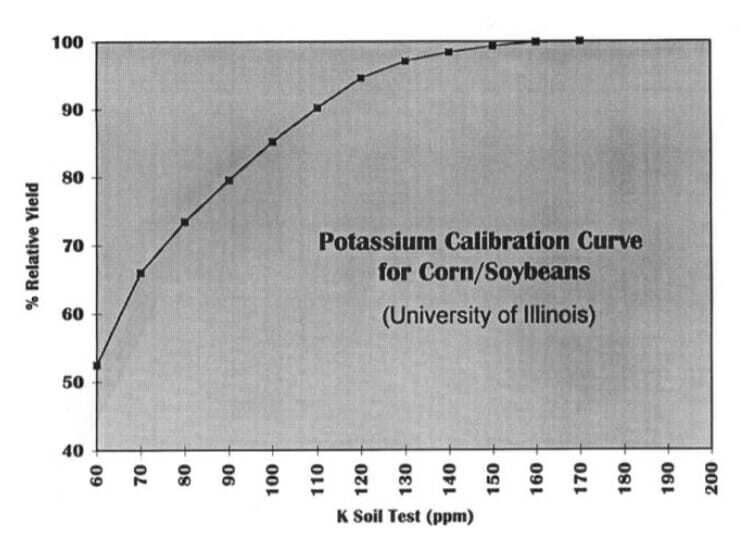
    Take a look at the Potassium Calibration Curve below. With low soil test K values, your potential for high yielding crops dramatically decreases. Take your 2013 Local Data, looking at Corn on Corn Yield to Soil Test K, as soil test levels go from Low to High categories, yield increased 20bu/ac. How do these returns look to you?

    Potassium plays an important role in the utilization and uptake of Nitrogen and in turn meaning improved N use and higher yields. Higher rates of K allow for efficient use of more N, which resulted in better early vegetative growth and higher yields. K fertility is another important piece of the puzzle for high yielding crops.

    With tighter margins moving into 2015 crop year, it is important to remember to use YOUR data to help make the best investment decisions and to make sure you don’t mine your soil fertility.

    Make sure you’re not losing a dollar by trying to save a penny!

    Graph-SciMax

    Team Latham

    October 16, 2014
    Agronomics, Corn, Crop, Fertility, General
  • Latham Hi‑Tech Seeds

    Late-Season Scouting Leads to Better Seed Decisions

    RootwormPressure
    RootwormPressure
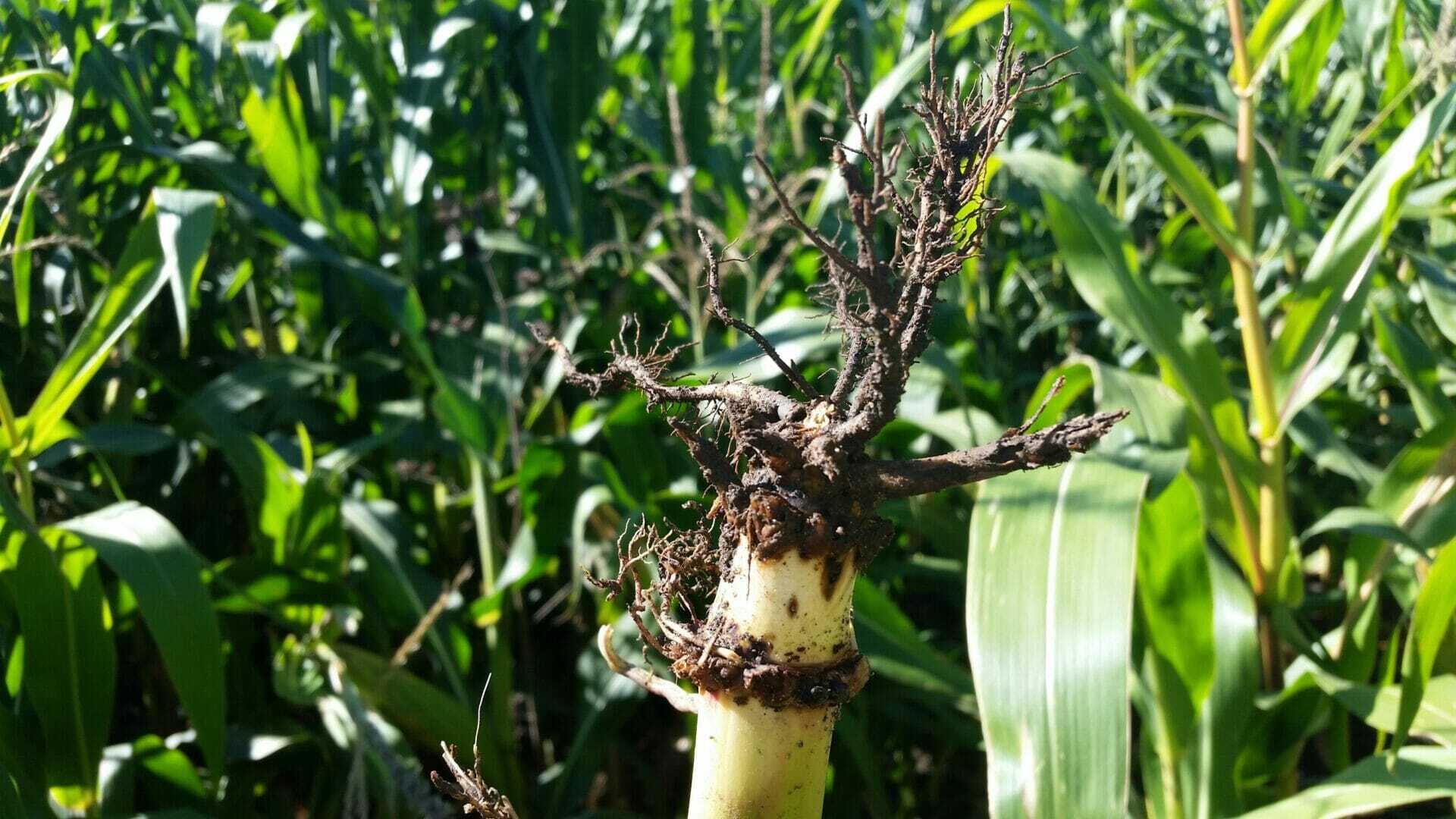
    Rootworm pressure may be low, but it’s present. Latham Corn Specialist Nick Benson (@LathamCornGuy) saw evident this week in a continuous corn field.

    The effects of our wet, cold planting season continue to surface. As one drives the back roads now, you’ll see where Sudden Death Syndrome (SDS) is affecting many soybean fields. You also may notice soybean fields turning yellow, which is a common symptom of Iron Deficiency Chlorosis (IDC).  IDC is a function of the soil type, so it’s most common in poorly-drained soils with higher-than-normal pH values.

    Plants under stress get taken advantage of by pests like Soybean Cyst Nematode (SCN). Doing a “drive by” or even walking through the fields may not be enough to detect SCN. Visual symptoms, such as above-ground stunting and/or yellowing, may not be evident for years. That’s why it’s best to check fields for the presence of SCN during the growing season by digging roots. You can also sample this fall for SCN by gently removing soil from the roots. Look for the egg-filled, round, white SCN females on the roots.

    While your shovel is at the ready, also be sure to conduct a few root digs in your corn fields. Latham Corn Product Specialist Nick Benson dug roots Sept. 2 in Fayette County Iowa, where he found evidence of rootworm feeding. In addition to looking for corn rootworm damage, note signs of sidewall compaction and hard pans. Also look at leaves and ears for signs of disease.

    It’s important to identify late-season corn and soybean diseases, as well as insect damage, so you can better manage them in the future. One way to control corn rootworms, for example, is to rotate rootworm-resistance traits developed by Monsanto, Syngenta and Dow.

    As an independent seed company, Latham Hi‑Tech Seeds has access to traits and technologies from all the major providers. We can work with you to develop a diverse crop plan that include Latham’s GladiatorTM Hybrids, which combine the best genetics and traits available to help maximize yields from corn-on-corn acres.

    To help simplify your soybean seed selection process, our website lists Latham® IRONCLAD™ Soybeans that include exceptional genetics and industry-leading protective traits to battle against yield-robbing threats from pests and diseases. Each IRONCLAD soybean brand must be Soybean Cyst Nematode resistant and carry an Iron Deficiency Chlorosis rating of 2.2 or better.  IRONCLAD brands must protect against either White Mold or Sudden Death Syndrome with a rating of 2.2 or higher.

    White Mold and SDS have both been an issue this season in different parts of our territory, so farmers will want to plant IRONCLAD soybeans on affected acres in the future. Plus, IRONCLAD products have strong defensive ratings against Phytophthora Root Rot and Brown Stem Rot.

    For more information about selecting the right seed for your situation, visit with your local Latham® representative. Also feel free to contact me at 1-877-GO-LATHAM (1.877.465.2842).

    September 4, 2014
    Agronomics, Corn, Crop, Disease, General, Insects, Soybeans, Weed Control
  • Latham Hi‑Tech Seeds

    Combating Goss’s Wilt and SDS

    Sudden Death Syndrome Credit ISU Extension

    Last year Goss’s Wilt and Sudden Death Syndrome (SDS) reared their ugly heads for many growers throughout the Midwest. Unfortunately for those farmers who had to deal with the effects first-hand, Latham Product Manager Mark Grundmeier says likelihood is they will present challenges for Midwest growers again this year. Below are some tips to keep top of mind to help battle these diseases.

    Tips to Manage Goss’s Wilt

    • Hybrid selection. One of the best ways to protect against Goss’s Wilt is hybrid selection. If you battled Goss last year, Mark recommends either rotating to soybeans or planting only highly resistant hybrids to help avoid significant yield loss.
    • Bacteria versus fungus. Mark says oftentimes farmers will spray fungicide and believe they’re taking care of diseases like Goss’s Wilt, but because Goss’s is bacterial, the fungicide has no effect. To help farmers identify corn diseases, Iowa State University Extension has compiled a helpful Scouting Guide available here.
    • Tillage. Because Goss’s overwinters in the previous year’s crop residue, tillage will help prevent spread. If a field was affected by Goss last year, Mark recommends aggressive tillage to help suppress the susceptibility for the coming year.

    Tips to Manage SDS

    When SDS spread last year, Mark compiled a video series with tips from variety selection to SDS management to help farmers in the field. Below is a video about how to prevent SDS prevention. If time allows, take just a few minutes to read Mark’s previous blog posts that offer tips to help you identify and manage SDS.

    Sudden Death Syndrome Credit ISU Extension
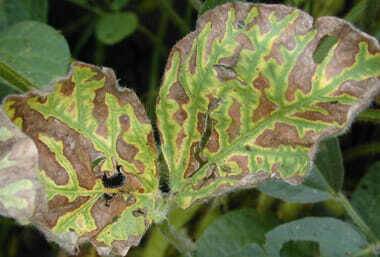
    Pictured above is Sudden Death Syndrome. Photo Credit to Iowa State University Extension


    Mark Grundmeier, Product Manager

    September 3, 2014
    Agronomics, Corn, Crop, Disease, Soybeans, Tech Tuesday
  • Latham Hi‑Tech Seeds

    Quick Tips for Root Digs

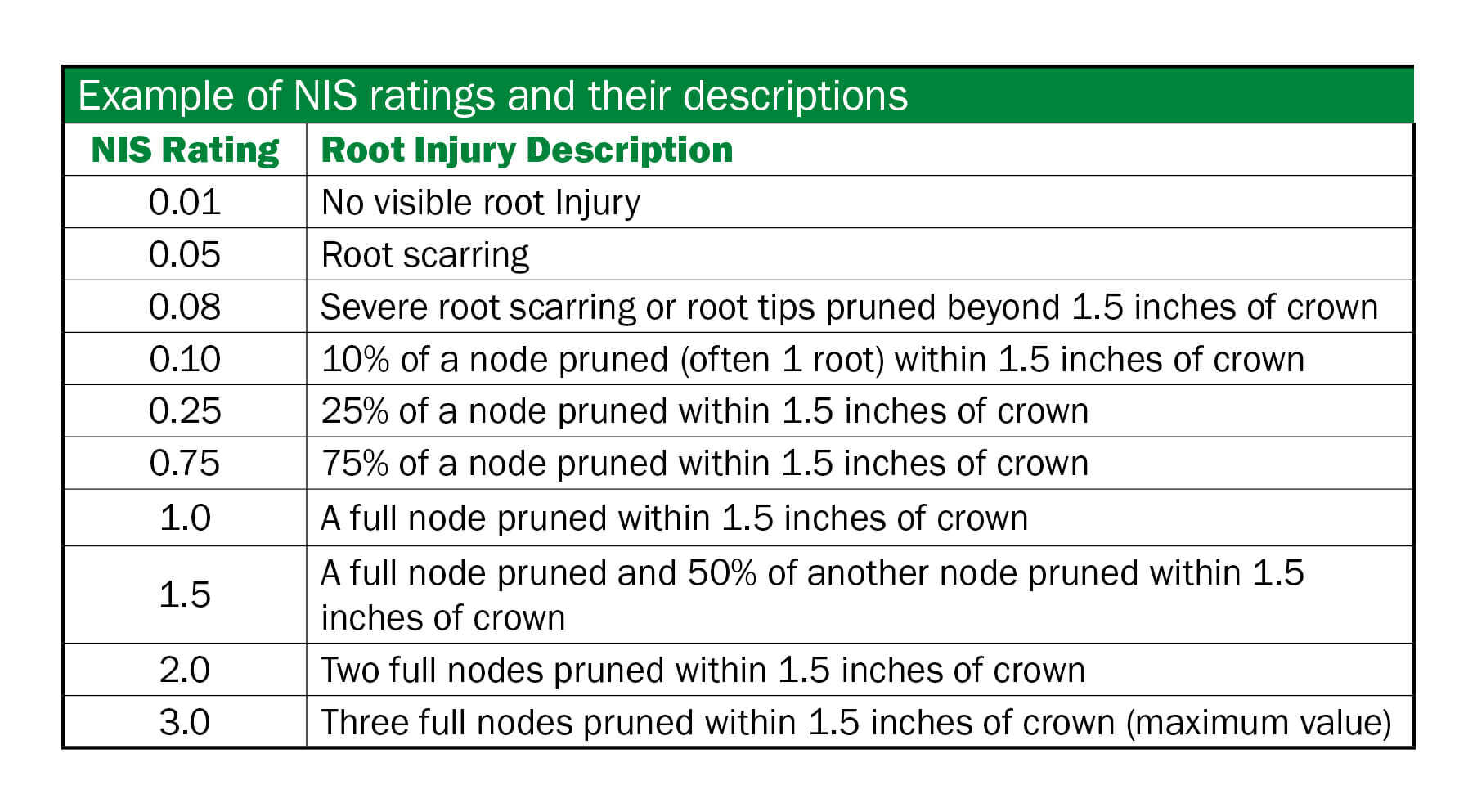
    NodeScale

    Walking corn fields is not always enough. Sometimes you just have to do a little digging to discover the root of a problem in your corn field. Conducting root digs may sound like a lot of work, but the results are totally worth the effort.

    Quick tips for conducting a root dig:

      1. While digging roots, note:
        • Insect pressure, in particular rootworm beetle feeding.
        • Disease pressure, paying special attention to the leaves above ear leaf.
        • Runt plants and uneven emergence.
        • Make note of root structure after you wash off roots; notice any compacted zones and if there was any sidewall compaction during planting.
        • Look at plant spacing.
      2. You can’t always see feeding unless you actually wash off the roots. Look for bottle brushing and signs of root regrowth. Look for scarring and nodes that have been chewed. To use the interactive node-injury scale, click here.
      3. Rootworms can have “hot pockets” in the field, so the more locations from which you dig samples, the better.

    While you’re walking through fields, take a close look at leaves and ears for signs of disease. Also be on the lookout for insects like western corn rootworm beetles and Japanese beetles. Under the ground, look for signs of sidewall compaction and hard pans.

    NodeScale


    http://youtu.be/-5xVFhsGRrA

    July 24, 2014
    Agronomics, Corn, Crop, Disease, General, Insects
  • Latham Hi‑Tech Seeds

    Stress Increases Pressure from Pests and Pathogens

    NickB July2 2

    NickB-July2-2Scouting was going to be critical throughout the growing season, even if we hadn’t received record-setting rains or devastating natural events including tornadoes and flooding. That’s because seed corn planted into wet soils is prone to problems throughout the growing season such as: stunted plant growth; slow infiltration of water and/or ponding; high surface runoff; poor root system development, or rootless corn; and even nutrient deficiency.

    Recent rain events “add insult to injury” because plants that are stressed are more susceptible to additional injury from pests and pathogens. Lengthy periods of wet soils increase the likelihood of blight and disease like Crazy Top and Goss’ Wilt.

    Warm, moist soils also are great breeding grounds for weeds. Crops have a better chance of reaching optimal yield when they’re not competing with weeds for sunlight, water and nutrients. The best management practice for achieving weed control is still a diversity of tactics: cultural, mechanical and herbicide. Research shows that weeds represent the most important and economic damaging pest that Iowa corn and soybean farmers face every year!

    July 7, 2014
    Agronomics, Corn, Crop, Fungicide, General, Insects
  • Latham Hi‑Tech Seeds

    Ear Size and Number of Kernels Being Determined Now

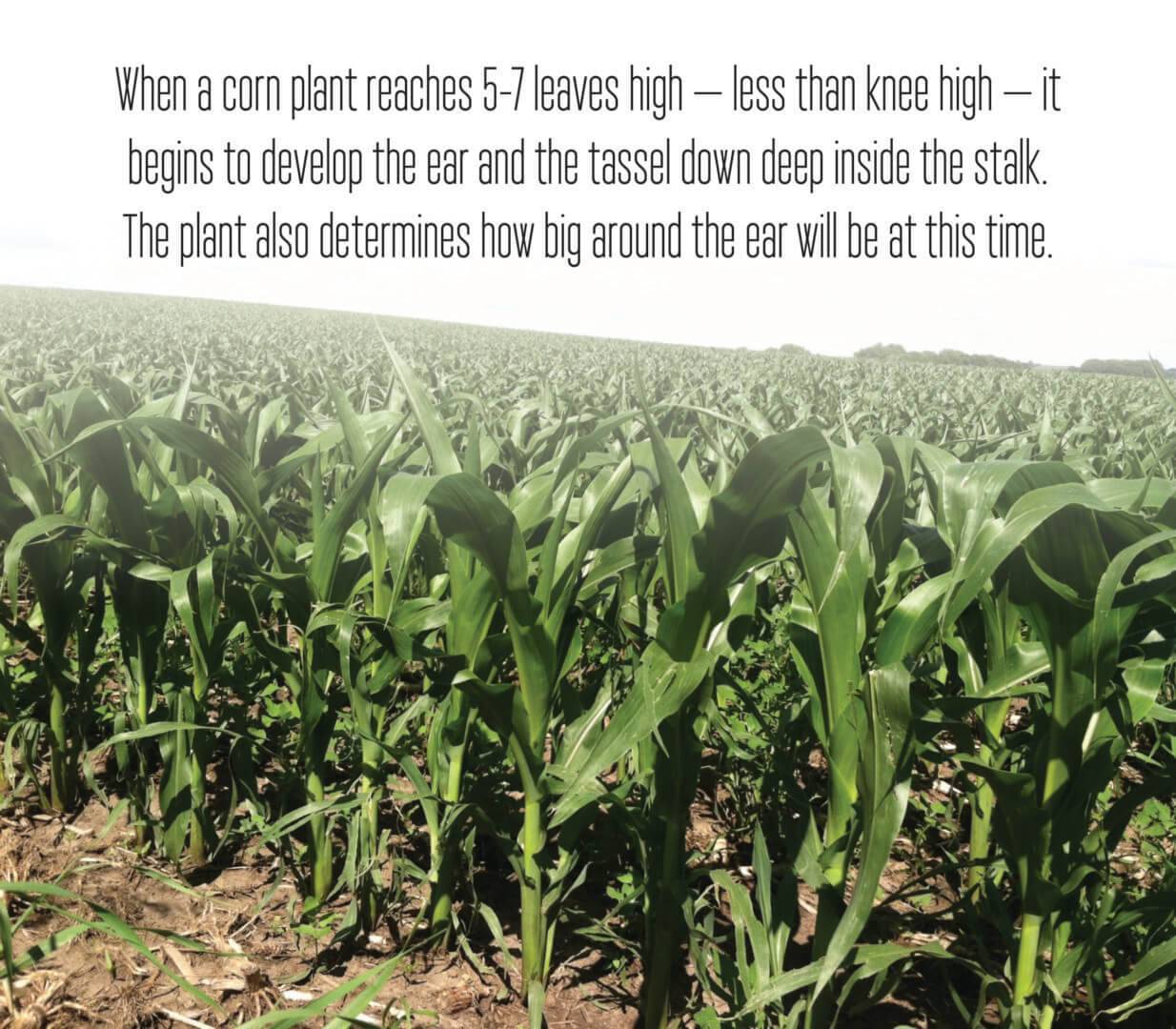
    CornFact

    CornFactJust as diet and nutrition play a key role in how well an athlete performs, corn plants need a well- balanced diet for optimal performance. We’re at a critical point in the growing season as ear size is being determined, so the slightest nutritional deficiency now can cost you yield in the end. Take a plant tissue analysis to assess where your fertility program is, and then make plans to protect your crop from in-season nitrate loss. In a wet spring like this one, it’s common for nitrate leaching to occur. However, there’s still time to remedy the situation. Nitrogen is a mobile nutrient, so the timing of fertilizer application is critical to meet a plant’s needs. Nitrogen management, spoon feeding the plant when it needs it, unquestionably affects total yield. Once you’ve fed the crop, you control weeds to maximize plant health. Early-season weeds rob yields you cannot see at harvest. Crops have a better chance of reaching optimal yield when they’re not competing with weeds for sunlight, water and nutrients. Weeds should be controlled with tillage, herbicides, or a combination of tactics so the crop can become well established under weed-free conditions. By following 5 small steps, farmers will make giant strides toward weed control:

      1. Closely monitor problem areas for tough-to-control weeds.
      2. Apply herbicides correctly.  Follow guidelines for proper application methods and rates.  And, remember, timing of application is critical.
      3. Don’t be satisfied with “economic thresholds” for weed control.  Remain vigilant in your fight against weeds all season long.
      4. Clean your equipment to prevent the spread of weeds.
      5. Lastly, surviving weeds must not be allowed to set seed.

    Rotating between various herbicide traits is important from the standpoint of reducing weed resistance.  Rotating traits, especially insect resistance traits in corn, is especially important for the same reasons – to decrease the risk of insects becoming resistant to those traits and also to improve overall trait performance. We need to be good stewards of these traits and rotate them whenever possible!

    June 26, 2014
    Agronomics, Corn, Crop, General, Growth Stages
  • Latham Hi‑Tech Seeds

    Wicked Winds and Rain Wreak Havoc

    April flood

    April floodOnce again, this week we were reminded just how cruel Mother Nature can be! Crazy late-spring thunderstorms and tornados swept across Latham Country from eastern Nebraska through eastern Iowa on Monday evening. Heavy rains fell early this week across the Dakotas and into Minnesota and Wisconsin, too.

    More than six inches of rain fell on Monday night in some areas of Franklin County, Iowa, with an additional 1.5 to 2 inches falling last night. Winds gusting at 70 miles per hour flattened crops, power lines and grain bins alike. The loss of property is disheartening, and our hearts go out to those who are trying to clean up and put the pieces together again. (Click here for tips on talking with consumers about storm damage.)

    “The farmer has to be an optimist or he wouldn’t still be a farmer,” said Will Rogers, the cowboy entertainer who was known for his wit and wisdom. So today, we’re going to talk about the silver lining. Our crops needed moisture. Although they got more than they needed this week, the tile lines are running again. Moisture is building in the soil profile. With first crop hay baled, this rain will get the second cutting of alfalfa off to a good start. The warm temperatures and high humidity we’re experiencing will cause crops to grow like weeds!

    Speaking of weeds, let’s hope the top soil dries enough soon for the corn and soybeans to get sprayed before they get too tall. Volunteer corn is prevalent in some areas this year, and volunteer corn must be treated as a weed. It not only competes with plants for moisture and nutrients, but volunteer corn is a food source for rootworm larvae. Volunteer corn that is not controlled by tasseling attracts corn rootworm beetles for egg laying.

    It’s imperative that farmers continue scouting fields at least weekly to stay ahead of weed, insect and disease pressure. For an update on what Latham’s Regional Sales Managers are seeing in their territories, click on “From the Field” and choose a region from the drop-down box on the right-hand side.

    Team Latham

    June 18, 2014
    Agronomics, Corn, Crop, General, Growth Stages, Rain, Season, Summer, Weather
  • Latham Hi‑Tech Seeds

    Watch for Little Pests Doing big Damage

    CornRW

    cornRWCooler spring temperatures mean slower egg maturation in 2014 for corn rootworm.  Last week Iowa State University entomologists reported the corn rootworm hatch is underway.

    Blackcutworm moths migrate from the south in the spring and the moths lay eggs in grassy and broad-leaf weeds. Data from moth flight monitoring traps suggests that cutting activity from black cutworms might be noticeable around May 28 in northeast and north central Iowa.

    Scout now for black cutworm, and be a vigilant scout from the time corn plants emerge until plants reach the 6-leaf stage.Newly hatched larvae will chew small, irregular holes in corn leaves. While this early injury does not damage plants significantly, it should be used as an early warning of possible black cutworm infestations. As larvae grow, they are capable of cutting the stems and stalks of corn plants and significantly reducing the stands.

    Look for plants with wilting, leaf discoloration and damage, and those that are either missing or are cut off at the soil surface. Note areas with suspected damage and return later to assess further damage. A rescue treatment approach is the best strategy for dealing with this pest.

    Another pest of concern is corn rootworm, which has earned the nickname the “billion-dollar bug.” The U.S. Department of Agriculture (USDA) estimates damage caused by this pest and costs associated with controlling it typically total $1 billion annually!

    Best management practices are key to effectively controlling black cutworm and corn rootworm populations: Manage weeds, Respect the refuge, Rotate rootworm-resistant traits and Practice crop rotation.

    June 12, 2014
    Agronomics, Corn, Crop, General, Insects
Previous Page
1 … 26 27 28 29 30 … 36
Next Page

Latham Hi‑Tech Seeds

131 180th Street | Alexander, IA 50420

(641) 692-3258

SIGNUP FOR OUR NEWSLETTER
  • Contact
  • Legal
  • Seedware Login
  • Latham Gear

© 2026 Latham Hi‑Tech Seeds. All rights reserved. | Privacy Policy

Latham® Hi-Tech Seeds is a trademark of M.S. Technologies, L.L.C., 103 Avenue D, West Point, IA 52656.