Latham Hi-Tech Seeds

(641) 692-3258

  • Home
  • Performance
  • Products
    • Corn
    • Soybeans
    • Soybean Blends
    • Alfalfa
    • Corn Silage
    • Seed Guide
  • Find a Rep
  • Media
    • Blog
    • News
    • Videos
    • Podcasts
    • TECHTalk
  • About Us
    • Company History
    • Our Mission
    • Careers
    • Become a Rep
    • Sowing Seeds of Hope
  • Contact Us
  • Latham Hi‑Tech Seeds

    How Farmers Choose Corn Hybrids, Part III

    P1040488

    Nearly all the seed that Midwest farmers will plant next spring will be purchased by the end of December. It’s a busy time of year as we balance time spent attending commodity meetings and finalizing seed orders. Those not used to the practice may be surprised to learn how much time goes into selecting the seed we plant.

    One of my nephews, who wasn’t raised on a farm, recently asked me how I choose what type of corn to plant. While there are thousands of variables to consider, I developed a “Top Ten List.” Last week I shared part of my list and today I’m sharing the rest. As always, feel free to comment or send me a message with any questions!

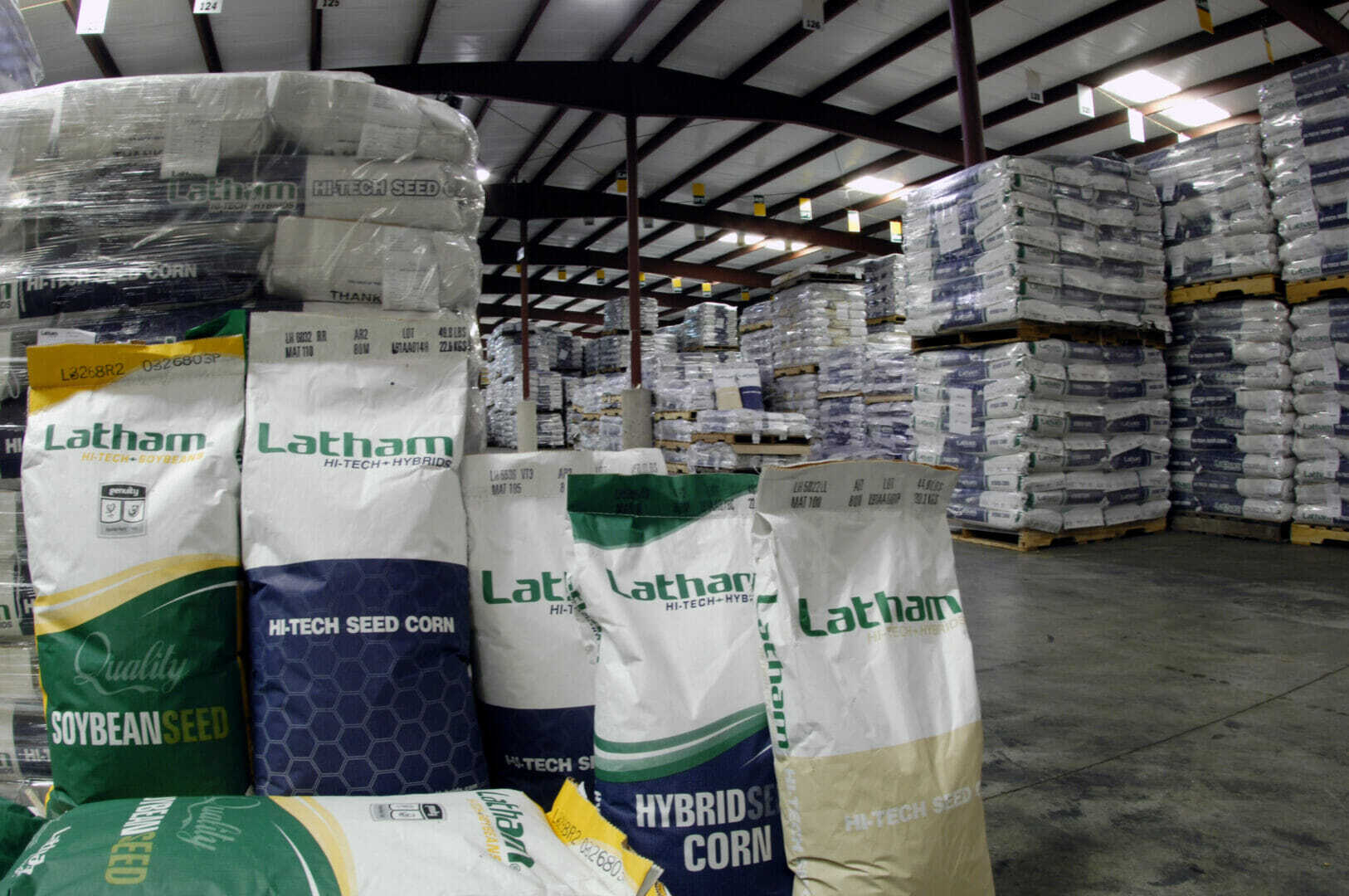
    CornSeed_BagNumber 5 – tillage equipment
    To protect against soil loss, many farmers are practicing no-till. This means they plant next year’s crop into the old crop residue. Since the soil isn’t tilled, the crop residue helps protect against erosion and preserve water quality. Crop residue causes soils to remain wetter and colder in the spring, so farmers need to take this into consideration at planting time.

    According to Purdue University, these 3 steps are key for selecting seed in no-till situations: (1) List hybrids that yield well in more than one trial, in more than one year. (2) From that list, identify those hybrids with traits that are important to no-till corn production: cold tolerance, or ability to germinate and emerge in cool soils; seedling vigor, or the ability for strong root development in cool and dense soils; and tolerance to diseases like Gray Leaf Spot. (3) Buy only high quality seed. The best hybrid in the world may fall “fail” in no-till if seed quality is poor! Indicators of seed quality include warm germination ratings, cold germination ratings, and the seed company’s reputation for quality assurance.

    Number 4 – end use of the corn
    Farmers who plan to feed their crop to dairy, beef or hogs look for different characteristics than farmers who haul their corn to town. Corn kernel attributes can vary greatly, seed traits can affect the qualities of the end product. Starch, protein and digestible fiber are just as important to animal diets as they as to human diets.

    Latham Forage Products Manager Corey Catt says the availability of kernel starch and how it is digested is important for ethanol and livestock feed, however, a softer starch kernel is not preferable for export. When selecting corn hybrids for snaplage, Corey says it’s important to look for excellent fall plant intactness (or corn hybrids that strong stalk late in the season) plus a large ear and flared husk to facilitate a cleaner ear snap. Some hybrids have better fiber digestibility than others, but farmers must make sure those particular hybrids will work on their soils or have the desired trait package needed in a corn-on-corn situation.

    Number 3 – combinations of seed traits
    Crop rotation also impacts what type of traits farmers need to plant on my ground. I might be able to get by planting a hybrid with fewer traits (and thus is costs less) if I’m planting a field to corn in 2017 that was planted to soybeans in 2016. Fields that are planted to corn year after year, however, tend to experience heavier insect pressure. Yield is often lost in continuous corn scenarios due to increased pressure from insects and disease. That’s why Latham Hi‑Tech Seeds recommends its GladiatorTM corn hybrids for these acres.

    It’s important to note that yield comes from genetics and traits help protect the plant against the presence of stress or pests.  Without that pressure, however, non-traited varieties can also perform well especially in favorable weather. Since you can’t predict the weather, planting corn hybrids with a corn rootworm trait protect the corn plant’s root system, particularly in a dry year.  It’s like having an extra insurance policy in place.

    Number 2 – value
    There is a huge difference in the price of a bag of seed corn, depending on brand name and the trait package (Genuity® SmartStax® verses double stack). I’ve learned that cheaper seed doesn’t guarantee more profit at the end of the year. In fact, more than one Latham Seeds’ customer has said that the most expensive hybrid he ever planted was free seed from a competitor. Why? It all comes down to yield!

    Farmers get paid based on the number of bushels of grain they sell. The average corn yield in Iowa is 192 bushels per acre, but it’s not uncommon to see hybrids yield 200 bu/A or more. Sometimes we’ll experience 50-bushel difference in yield between hybrids, and that’s a big difference in income opportunity. Take 50 bushels times a $3.50/bu market prices and that’s a difference of $175/acre in additional revenue. (Markets are low now, so this could be even more.) Now take the average Iowa farm size of 345 acres times $175, which equals $60,375. See what I mean? More yield mean more income opportunity. The higher priced seed offers a better “value” because of the return on investment.

    Number 1 – brand loyalty
    Just as consumers choose brand name hotels and restaurant chains because of consistency and value, the same holds true for farmers and their seed brands. Family-owned Latham Hi‑Tech Seeds has a reputation for producing among the highest quality seed in the industry. It also has a history of performance. (Latham brand seeds earned 199 Top 10 corn placings in the 2016 F.I.R.S.T. 2016 with 17 first place finishes in corn.)

    Latham’s performance on each farm and in yield trials shows the breadth and depth of its product lineup. It also shows the strength of its product team. I enjoy knowing the people who pick the genetics I plant. Unlike larger companies that recognize economies of scale by selecting hybrids that are widely adapted throughout many regions across the Corn Belt, I know Latham chooses corn hybrids that are bred to perform in the specific conditions where I farm. That makes a world of difference to me. Not only are the products suited for my farm, but I appreciate doing business with a company that shares my values.

    If you’re interested in the other factors I consider when selecting seed, please click on the links below:

    • How I Choose Corn Hybrids, Part I
    • How I Choose Corn Hybrids, Part II

    Larry Sailer, Musings of a Pig Farmer

    December 14, 2016
    Corn, Crop
  • Latham Hi‑Tech Seeds

    How I Choose Corn Hybrids, Part II

    385

    One of my city-dwelling nephews recently asked how I choose what type of corn to plant. While there are thousands of variables to consider, I’m going to stick with a “Top Ten List.” Experience and gut feeling, as I mentioned in last week’s blog post about the number of options farmers have for seed, cover thousands of variables. I also think they’re “givens,” so my top 10 will be more based on science and the black and white factors I need to consider.

    This language may seem foreign to some of you, so I’ll try to explain it for the non-farmers in my audience. Farmers, feel free to click on this link for tips on selecting corn hybrids from one of Latham Seeds’ product team members.

    As always, feel free to comment or send me a message if there’s a term you don’t understand. I’ll share half of my list with you this week, and the last half next week:

    Number 10 – length of growing season Depending on where a farm is located, the growing season varies. Farmers in North Dakota, for example, have a shorter growing season than farmers in Iowa. Farmers in Louisiana plant much different maturities than we plant in the Upper Midwest. The number of days it takes for a seed to grow into a plant that produces grain can even vary by state. Those of us who raise crops in northern Iowa plant different maturities than farmers in southern Iowa. Sometimes we even switch maturities or switch from planting corn to planting soybeans if we’re not able to get our seed planted as early as needed due to weather conditions.

    Number 9 – soil types Different genetics are better suited for different types of soil. To understand this, you need to know that every farm has different “dirt.” There can be several different soil types within a field, but I’m going to simply things here. There are three main categories: (1) sandy has the biggest soil particles; (2) loam has medium-size particles; and (3) clay has very fine particles. Each category has different characteristics, such as how much water it can hold. Farms in western Iowa and into Nebraska, for example, tend to receive less rainfall than we do. Farmers there need drought-tolerant or drought-resistant corn hybrids.

    Number 8 – weed pressure This is another complex decision, and it’s becoming even more complex as some weeds are developing resistant to particular herbicides. Herbicides are used to kill weeds because too much weed pressure can drastically reduce yield. (NOTE: We don’t douse our crops with glyphosate. Click here to learn more about how much glyphosate is sprayed on our crops.) Farmers need high yields to provide return on their investment in seed, plant foods and herbicide. Rotating between herbicide traits is very important when fighting weed resistance.

    Number 7 – insects and disease Seed companies rate each product for how well they control s and disease. Different seed corn products are recommended for fields where corn is planted year after year verses on fields on which a corn-soybean rotation is practiced, and this is why independently owned Latham Hi‑Tech Seeds only awards the GladiatorTM designation to its most defensive corn products. Rotation means that a farmer plants soybeans one year and corn the next year. Rotation can help break insect and disease cycles; seed selection is also crucial to fighting insects and disease.

    Number 6 – climate There are so many variables that fall under climate! Soil temperatures and moisture affect how quickly a seed germinates, as well as how quickly a seedling emerges from the ground. Rainfall varies year by year and even from farm to farm. Obviously, the amount of rainfall affects how well a plant grows. Variable weather is more critical during certain periods of the plant reproduction process. Air temperatures are especially critical during pollination.

    In research conducted by Dr. Fred Below, Professor of Plant Physiology at the University of Illinois, weather ranks as the most important factor affecting corn yield. Weather accounts for 70 bushels per acre, or 27 percent, of total yield!

    Weather is one of the variables a farmer cannot control. However, seed selection is one way farmers can reduce risk. Be sure to tune in next week for Part III in my series on how farmers choose which seeds they plant.

    Larry Sailer, Musings of a Pig Farmer

    December 6, 2016
    Corn, Crop
  • Latham Hi‑Tech Seeds

    Seed Choices for Farmers Means Options

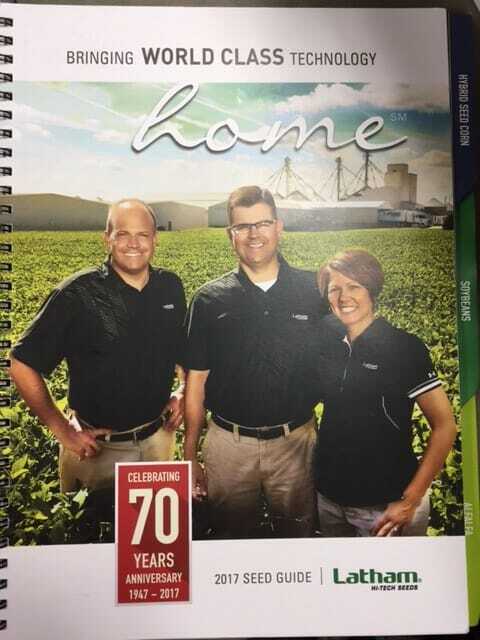
    Seed guide e1480432953335

    Yesterday one of my nephews asked a question that really made me think. This young man is two generations removed from farming and wondered how I choose what type of corn to plant.

    It probably sounds like such a simple question to those who don’t farm, but there’s a lot more to seed selection than what meets the eye. The brand and variety take a lot of thought and research, but we also rely on experience and our gut feelings.

    I know selecting seed is second nature to most farmers, but how can we explain it to people who are generations removed from farming? Until yesterday, I hadn’t given much thought to the fact that I’m the only farmer in my nephew’s family. He’s living in a metropolitan area where the anti-modern farming crowd wants “good people” to believe farmers are forced by big conglomerates to buy and plant their seed. These activists want “good people” to believe that farmers no longer have a choice as to which seed to plant, but that’s so far from the truth!

    To help dispel the myth that farmers are forced to buy seed from the same corporation year after year, Jennie Schmidt, a farmer and registered dietitian in Maryland, wrote a blog post. Here’s an excerpt:

    “So far, we have received about a dozen seed catalogs, and I don’t mean Burpee-type gardening catalogs. I mean commercial seed for farmers. Some are large seed companies, others are small regional seed companies. None of them ‘impose’ their seeds on us. We have 100% freedom of choice. My husband and brother-in-law make those choices based on our own farm’s performance records, recommendations by our seed dealers, data provided by companies who do research plots on our farm and in our region, and conversations with farmer friends. No corporation influences these choices. No pressure is applied from any company to secure our business. Absolutely no one ‘imposes’ seed on our family farm. We have hundreds of seed choices in each of our crops: corn, soybeans, wheat, barley, tomatoes, hay, and green beans. We have 100% control over what gets purchased and planted.” 

    Thanks to technology, today’s farmers have more seed choices than ever before and the future is even more exciting! That’s the short answer I wish I would’ve first given my nephew and then gone on to explain. Plant breeding is allowing farmers to grow crops today in drier areas where it was never before possible. New seed genetics allow us to put more nutrition into crops, and as a result, can save millions of children and people living in poverty from malnutrition and blindness. Check out the amazing results the 2016 World Food Prize Winners have achieved by getting more farmers in Africa, Asia and Latin America to plant drought-resistant, blight-resistant orange sweet potatoes instead of white sweet potatoes that contain no Vitamin A.

    This is so much more that goes into how a farmer chooses seed. To be continued… next week!

    Larry Sailer, Musings of a Pig Farmer

    November 29, 2016
    Corn, Crop, Soybeans
  • Latham Hi‑Tech Seeds

    TIPS FOR MANAGING EAR ROT

    Ear Rot Feature Image

    screenshot-33Ear rot has been present in some corn fields that were harvested this year. These diseases can reduce the quantity and quality of the corn being harvested, and they can also produce mycotoxins that might be harmful to livestock and even humans.  Lastly, they can continue to cause problems in stored grain unless it is closely monitored and maintained in the best possible condition.

    Scouting fields prior to harvest is key to avoiding situations caused by mold. A pre-harvest field check can help farmers to determine: (1) if ear mold is present; (2) what type of mold is present; and (3) how severe the infestation is.

    One method you can use when scouting fields for ear rots is to tear back the husks on 100 plants scattered randomly throughout the field. If you find 10% or more of the ears have mold on 25% or more of the ear, then that field should be harvested immediately and dried to at least 15% moisture. (NOTE: If you plan to turn a claim in for that field to your crop insurance provider, do that before harvesting. The insurance adjuster may need to see proof of the ear rots in the field as opposed to just seeing it in the stored grain.) 

    Samples of that grain should be tested to see what mycotoxins, if any, are present. You should then consult with someone like an extension specialist or veterinarian to decide the best method of using that grain. 

    To help determine which molds might be present in your fields, check out the table below:

    screenshot-36

    Corn ear rots and molds are present every year, but the severity and type of infestation is highly weather dependent and greatly depends on the region where the farm is located. Fungal pathogens that cause ear rots will remain in the soil for several years. Crop rotation and heavy tillage may help reduce spore survival. Planting hybrids with traits that provide above-ground insect protection and reduce ear damage might also be beneficial. 

    screenshot-34If you browse online for other ear mold management practices, you will see it’s suggested to plant hybrids with known tolerance to these diseases. Unfortunately, most companies do very little screening for ear mold pathogens simply because they are so varied and the instances of severe infestations are so rare.  In the case of corn ear rots, the best offense is the best defense! Make time to scout each field for ear rots before harvest.

    Webspec Admin

    November 16, 2016
    Agronomics, Corn, Disease
  • Latham Hi‑Tech Seeds

    Reduce Risk by Planting a Portfolio of Products

    Kerr corn plot

    Mother Nature threw us some real challenges during the 2016 growing season. Some areas of South Dakota were extremely dry from June until late August. North Dakota was hit by strong winds and hail. Much of Iowa received higher than average rainfalls.

    While the conditions vary by state — and even within a region — there is one thing we all have in common and that’s “risk management.” We can spread our risk by planting three different Latham® hybrids of different maturities. Planting 1/3 of our acres to an early hybrid, 1/3 to your typical relative maturity (RM) and 1/3 to a little later maturity will help us improve overall yield!

    The value in working with a financial planner comes from diversifying one’s portfolio and reducing financial risk while maximizing returns. For the same reasons, it’s advantageous for corn growers to work with a knowledgeable seed representative to create a diversified hybrid seed corn portfolio.

    No financial planner worth his weight is going to advise clients to invest solely in mutual funds or high-risk stocks. That’s also why farmers shouldn’t choose their seed portfolio based only on top-yielding varieties in F.I.R.S.T. Trials. Choosing seed based on growing conditions in one location during one year is like picking your stocks based on only last year’s performance without considering factors that might cause market shifts.

    The stakes are too high to not manage risk. Latham Seeds’ Seed-2-Soil® program helps corn growers determine which hybrids will help minimize risk while maximizing returns.

    PLANTING A “PORTFOLIO” OF CORN HYBRIDS HAS MULTIPLE BENEFITS:

    1. HEDGE RISK WITH DIFFERENT GENETICS. As an independent seed supplier, Latham provides you with more seed product choices — more genetic options — than companies that rely on a single supplier for their genetics.
    2. PLANT HYBRIDS WITH VARYING MATURITIES. Different flowering dates help reduce yield loss due to heat during pollination. Some years hybrids don’t want to dry down and the earlier products can really pay off while the exact opposite happens in other years.
    3. BALANCING OFFENSIVE AND DEFENSIVE CHARACTERISTICS. Each year presents its own set of challenges: weed pressure, insect pressure, heat stress, moisture stress, emergence issues, disease pressure, overall yield. That’s why planting both “offensive” and “defensive” products is advantageous.
    11-2-16-graphic

    Webspec Admin

    November 2, 2016
    Corn, Crop
  • Latham Hi‑Tech Seeds

    Ask the Agronomist: Goss’s Wilt

    Ask the Agronomist Feature Photo 01

    Thanks for tuning in to our weekly “Ask the Agronomist” Audiocasts! Play the audio file below to listen to Jerry’s response to this week’s question about Goss’s Wilt.

    https://www.lathamseeds.com/app/uploads/2016/08/Latham-8_10.mp3


    Listen to this week’s Ask the Agronomist for everything you need to know about Goss’s Wilt.

    Q: More cases of Sudden Death Syndrome are evident across the country this week, and I’m starting to see Goss’s Wilt in fields where I haven’t seen it before. What can be done to combat these diseases?

    A: Sudden Death Syndrome, commonly referred to as SDS, is a cold-borne organism that attaches to the plant. The disease starts in the spring after planting, but symptoms won’t show up until late July to early August. Goss’s Wilt is usually caused by previous damage to the plant, such as hail, and this damage provides passage into the plant for the bacteria.

    The best mode of action against these diseases is seed selection. That may sound self-serving coming from a seed salesman, but it is a proven fact that diligent seed selection is key to managing future outbreaks.

    Q: Last week we talked extensively about managing SDS in the future. What are some best management practices for Goss’s Wilt?

    A: There are other management practices that can be implemented to reduce risk for SDS and Goss’s Wilt. Rotation of corn production for one year allows residue to break down and reduce bacteria populations. Tillage and other practices that encourage residue decomposition will also reduce the amount of bacteria present to infect future corn crops. Good weed management practices can also help control weeds that serve as a source of these diseases.

    Q: Goss’s Wilt is something we typically think of as a “western disease.” Why is it becoming more of an issue in the East now?

    A: Goss’s Wilt is a disease like any other that will progress and move beyond its initial borders. It is now being seen as far East as Indiana. In 2008, it was reported that Goss’s bacterial wilt and leaf blight caused yield losses of up to 60 bushels per acre in northwestern Indiana. Goss’s Wilt is a growing problem, so to combat this issue, Latham Hi‑Tech Seeds has identified 23 hybrids that handle Goss like a Boss.

    Q: How can farmers learn more about Goss’s Wilt and Sudden Death Syndrome?

    A: We’ll be talking more about weed management strategies and new seed technologies during Latham’s Technology Road Show. The first stop on this tour is Friday, August 19, in eastern Iowa for the 2016 Latham Freedom of Independence Ride.

    Q: What is the Freedom of Independence Ride?

    A: The Freedom of Independence Ride is Latham’s field day on two wheels! We encourage farmers – even if they’re not Latham® customers – to join this ride. We’ll be covering broad topics that include:

    • Precision Agriculture
    • Cover Crops
    • Next-Generation Weed Management Systems such as Xtend, Balance GT and Enlist

    We’ll also make two fun stops. One of those stops has 90 restored antique tractors and another stop will be at Antique Archeology in Le Claire. We’ll also see a demonstration by service dogs in training with Retrieving Freedom Inc. In fact, this ride will help raise funds to train RFI service dogs.

    To register for the Freedom Ride and more information on this fun event, visit www.lathamseeds.com.

    Thanks for tuning in to this week’s Ask the Agronomist. We’ll be back again next week to field all of your questions during #grow16.

    Webspec Admin

    August 11, 2016
    Agronomics, Corn, Crop, Disease, General
  • Latham Hi‑Tech Seeds

    Ask the Agronomist: Corn Rootworm

    Ask the Agronomist Feature Photo 01

    Thanks for tuning into Week 12 of our “Ask the Agronomist” Audiocasts. Guest Agronomist and Latham Hi‑Tech Seeds Regional Sales Manager for Eastern Iowa, Jerry Broders, is filling in for Latham’s Senior Agronomist, Mark Grundmeier. To listen to Jerry’s response to this week’s question about Corn Rootworm, play the audio file below.

    https://www.lathamseeds.com/app/uploads/2016/07/Latham7_18.mp3


    Listen to this week’s Ask the Agronomist to learn about effective strategies for fighting Corn Rootworm.

    Q: We’ve gotten some damage from Northern Corn Rootworm. What else are you seeing out in the fields across your territory?

    A: Western and Northern Corn Rootworm are common insects that are well versed in overcoming control practices. That’s why we recommend farmers scout all fields for corn rootworm. Northern Corn Rootworm feeds on corn silks, but Western Corn Rootworm can feed on leaves, too.

    The wide range in planting dates this spring creates a perfect opportunity for rootworm beetles to move between fields. A late-maturing corn field may attract a large number of beetles if neighboring corn has stopped producing pollen.  Beetles may also move into corn and/or soybean fields that have an abundance of pollen-producing weeds, including volunteer corn, ragweed or foxtails.

    Q: What type of damage should farmers look for?

    A: Corn rootworm larvae feed on roots. Check fields for lodged plants, especially now that storms might be affecting stands. However, don’t assume lodging is a result of corn rootworm as compaction from planting into wet soils can cause poor stands.

    Preventative maintenance needs to be done to reduce risk for next year’s crop. Especially in corn-on-corn fields, spray insecticide to rid the field of any larvae that may have been laid. Also make sure that fields with corn rootworm problems this year get traited corn next year that protects against corn rootworm. Latham Hi‑Tech Seeds has hybrids referred to as Gladiator™ hybrids that have undergone rigorous testing to ensure they perform well under intense corn rootworm pressure.

    Q: With a name like Gladiator, it sounds like we’re declaring war on insects! What “weapons” make these hybrids effective against insects?

    A: Latham has a full lineup of products ranging from 92 day to 114 day maturities.  We use Genuity® SmartStax® products, as well as Syngenta’s Agrisure 3122 since these contain two modes of action for below-ground insects.  In addition, we are eagerly waiting for full approval of Syngenta’s new Duracade double rootworm trait that looks very promising.

    If you have a question about what you’re seeing in the fields, feel free to ask! Send your questions via Twitter to @LathamSeeds, in a private message on Facebook or call our office at 1-877-GO-LATHAM (1.877.465.2842).

    Also be sure to check out TheFieldPosition.com for timely agronomic information. Crop reports from specific areas across Latham’s six-state marketing area are published every Wednesday during the growing season by Latham’s regional sales managers in each of those locations. New articles are posted each week day on our blog. You can even search for “topics” by simply typing key words into the search bar on the upper right-hand corner.

    Thanks for tuning in to this week’s Ask the Agronomist. We’ll be back again next week to field all of your questions during #grow16.

    Webspec Admin

    July 21, 2016
    Agronomics, Corn, Crop, General, Insects
  • Latham Hi‑Tech Seeds

    ASK THE AGRONOMIST: Foliar Diseases

    Ask the Agronomist Feature Photo 01

    Ask the Agronomist: Foliar Diseases

    Read this week’s Ask the Agronomist to learn about which foliar diseases you should be looking for in your fields at this point in the growing season.

    Q: Should I be thinking about spraying foliar insecticides yet?

    A: We’re about midway through the growing season, and it’s the time of year when leaf diseases and insect pressure prevails.  Watch for these three situations in your corn fields:

    • Northern Corn Leaf Blight
    • Western Corn Rootworm
    • Eye Spot

    Also check your soybean fields for Soybean Aphids, and all fields for redheaded flea beetles.

    Q: What can you tell us about Soybean Aphids?

    A: In last Wednesday’s weekly crop reports, none of our regional sales managers reported soybean aphids at threshold levels but aphid populations can double every two to three days! With the varying stages of soybean development due to an extended planting season and many late replants, continue scouting past your first insecticide application and all the way through pod development.

    Q: Soybean Cyst Nematodes are the #1 yield robber of soybeans; are we seeing signs of SCN damage yet?

    A: It’s a bit early for Soybean Cyst Nematodes to appear, especially for those late-planted fields and replants. However, farmers can dig roots to check for SCN presence before symptoms can be seen. Digging roots is the best way to monitor fields for SCN, and female SCN will be on soybean roots through early August.

    Q: If symptoms aren’t present, why do you recommend checking for Soybean Cyst Nematode females on the roots?

    A: Farmers should evaluate effectiveness of their seed treatments all throughout the growing season. The most effective way to manage SCN and many other diseases is by selecting quality soybean seed. At Latham, we urge our growers to consider selecting our unique IronClad™ Soybeans. To bear this brand, every variety must be SCN resistant and have an Iron Deficiency Chlorosis rating of 2.2 or better. It must also contain a Phytophthora-resistant gene as well as a 2.2 or better rating against Brown Stem Rot and either White Mold or Sudden Death Syndrome.

    Q: On the corn side, what leaf diseases should farmers be scouting for, especially considering the high-moisture spring and humid summer we have had?

    A: Plentiful moisture is ideal for fungal corn diseases. Check your fields weekly for these common diseases:

    • Gray Leaf Spot
    • Southern and Common Rust
    • Northern and Southern Leaf Blight
    • Eyespot

    There are confirmed cases of Northern Corn Leaf Blight (NCLB). Now is a critical time to scout fields, especially for fields planted with NCLB-susceptible hybrids. If the disease is present on 50 percent of the field (one or more lesions per plant) at tasseling, a fungicide application may be warranted to protect yield.

    Q: In the future, how can farmers lessen their chances of NCBL presence in their fields?

    A: To prevent NCLB from becoming a larger problem in the future, rotate to a non-host crop. A two year rotation away from corn may be necessary in no-till and reduced tillage fields with a history of NCBL. Hybrid selection is also key for reducing future threats of NCLB

    If you have a question about what you’re seeing in the fields, feel free to ask! Send your questions via Twitter to@LathamSeeds, in a private message on Facebook or call our office at 1-877-GO-LATHAM (1.877.465.2842).

    Also be sure to check out TheFieldPosition.com for timely agronomic information. Crop reports From the Field® across Latham’s six-state marketing area are published every Wednesday during the growing season by Latham’s regional sales managers in each of those locations. New articles are posted each week day on our blog. You can even search for “topics” by simply typing key words into the search bar on the upper right-hand corner.

    Thanks for tuning in to this week’s Ask the Agronomist. We’ll be back again next week to field all of your questions during #grow16.

    Gary Geske

    July 7, 2016
    Agronomics, Corn, Crop, Disease, General
  • Latham Hi‑Tech Seeds

    Stress Wheels Show Hybrid Response to Population

    DCIM100MEDIADJI 0113.JPG

    We are officially in #grow16! Many farmers and the Latham Research Team are breathing a sigh of relief now that we’re seeing the crops take off. We’re especially seeing rapid growth in the stress wheel that was planted by the Latham Hi‑Tech Seeds Sales interns.

    (more…)

    Gary Geske

    June 20, 2016
    Agronomics, Corn, Crop, General
  • Latham Hi‑Tech Seeds

    Ask the Agronomist—Replanting Corn

    Ask the Agronomist Feature Photo 01

    Thanks for tuning into Week Five of our “Ask the Agronomist” Audiocasts. To listen to Mark’s response to this week’s question about replanting corn, play the audio file below.

    https://www.lathamseeds.com/app/uploads/2016/06/Latham-5_30.mp3


    Q: How late can I replant when I’m replanting my corn?

    A: Deciding whether or not to replant is never an easy decision. The cost of replanting is often the deciding factor. Many seed companies, like Latham Hi‑Tech Seeds, have shorter maturity hybrids available.

    There are several key factors that can determine a field’s overall yield potential. Iowa State University Extension has a publication called the Replant Checklist that will help you estimate the surviving plant stands, as well as estimate the yield based on planting dates and expected yield you could get.

    Estimating Yield Potential for a Replant

    If you have corn planted between May 25 and June 5, you can expect 65 to 70% of overall yield potential for that field. However, if the corn was planted more towards the middle of June, overall yield expectations go down to about 50% of normal yield.

    If a farmer decides to replant, make sure the fields are dry enough. There are still advantages to planting corn in the middle of June in certain areas, but each individual will have to define his/her own yield expectations. If corn is planted at the end of May, yield can be up to 65 to 70% of normal yield. If your field average is around 200 bushels per acre, you can expect to get 130 to 140 bushels per acre.

    Replanting Corn or Switching to Soybeans

    There are definitely situations where replanting is a no-brainer, such as small areas of a field that were drowned out or damaged by insects. When an entire field of corn is lost, it might be best in this stage of the planting season to replace the corn with soybeans. However, take into consideration what herbicides have been applied to the field so that your soybeans don’t die.

    There is certainly still time to receive good yields with soybeans. Most of the time in late May, we can achieve soybean yields of 85 to 90% of typical yields. June 20 to 25 is a target date for switching soybean maturities, depending on location. Soybeans can be planted into the beginning of July and still achieve decent yields.

    If you have a question about what you’re seeing in the fields, feel free to ask! Send your questions via Twitter to @LathamSeeds, in a private message on Facebook or call our office at 1-877-GO-LATHAM (1.877.465.2842).

    As always, you can access timely agronomic tips and information for your geographic location on TheFieldPosition.com. New articles are posted each week day on our blog.  You can even search for “topics” by simply typing key words into the search bar on the upper right-hand corner.

    Thanks for tuning in to this week’s Ask the Agronomist. We’ll be back again next week to field all of your questions during the 2016 growing season.

    Webspec Admin

    June 2, 2016
    Agronomics, Corn, Crop, General
Previous Page
1 … 24 25 26 27 28 … 36
Next Page

Latham Hi‑Tech Seeds

131 180th Street | Alexander, IA 50420

(641) 692-3258

SIGNUP FOR OUR NEWSLETTER
  • Contact
  • Legal
  • Dealer Center
  • Seedware Login
  • Latham Gear

© 2025 Latham Hi‑Tech Seeds. All rights reserved. | Iowa Web Design by Webspec | Privacy Policy

Latham® Hi-Tech Seeds is a trademark of M.S. Technologies, L.L.C., 103 Avenue D, West Point, IA 52656.