Skip to content
Latham Hi-Tech Seeds

(641) 692-3258

  • Home
  • Performance
  • Products
    • Corn
    • Soybeans
    • Alfalfa
    • Corn Silage
    • Seed Guide
  • Find a Rep
  • Media
    • Blog
    • News
    • Videos
    • Podcasts
    • TECHTalk
  • About Us
    • Company History
    • Our Mission
    • Careers
    • Become a Rep
    • Sowing Seeds of Hope
  • Contact Us
  • Latham Hi‑Tech Seeds

    Iowa’s Best Burger Carries on Chuckwagon Tradition

    Screen Shot 2016 05 02 at 10.55.54 AM

    Guest blog post by Brooke German, Iowa Beef Industry Council

    Image by Larry D. Moore
    Image by Larry D. Moore

    Chuckwagons first became popular among Texas ranchers after the Civil War. As cattlemen moved their herds across the western United States, they were often on the road for months at a time. An inventive Texas rancher, Charles Goodnight, modified a Studebaker wagon by adding a “chuck box” to the back of the wagon to create a makeshift kitchen.

    Around 150 years after the original chuckwagon made its debut on the western plains, the Chuckwagon Restaurant in Adair started serving up great beef. The restaurant is a favorite for the coffee drinkers in the morning, and the lunch crowd is also mostly locals. In the evening, however, travelers on I-80 between Des Moines and Council Bluffs often stop for supper.

    The burgers served at the Chuckwagon are 6-ounce, hand-pattied Screen Shot 2016-05-02 at 10.55.54 AMCertified Angus Beef®. Cooked on a flat top with house seasoning, they’re made to order and served with toasted buns or grilled bread. Customer favorites include the bacon cheeseburger and the Chuckwagon, a burger served on grilled bread with sautéed onions, mushrooms, bacon, tomato and Thousand Island dressing. Served alongside homemade fries and a classic milkshake, the meal is hard to beat!

    The restaurant, which is clearly visible from Interstate-80 on exit 76, is open from 8 am to 10 pm during the summer. (It’s open 8 am to 9 pm year-round.) Burgers start around $9, but the “Burger of the Week” is $2 off. Breakfast is served all day. Seating capacity is 112 and a patio was added in 2015, so there isn’t usually a wait. However, the Chuckwagon Restaurant is happy to take reservations.

    The Best Burger contest is sponsored by the Iowa Beef Industry Council and Iowa Cattlemen’s Association. Nominations are collected during February and March, and the 10 restaurants with the most nominations are visited by a secret panel of judges. This year’s winner, the Chuckwagon Restaurant, continues a tradition of quality beef that will not disappoint!
    Team Latham

    May 2, 2016
    Agriculture, General, Industry News
  • Latham Hi‑Tech Seeds

    Top 5 Takeaways from Iowa State University

    ISU kilah

    By Kilah Hemesath, Latham Hi‑Tech Seeds Marketing Intern

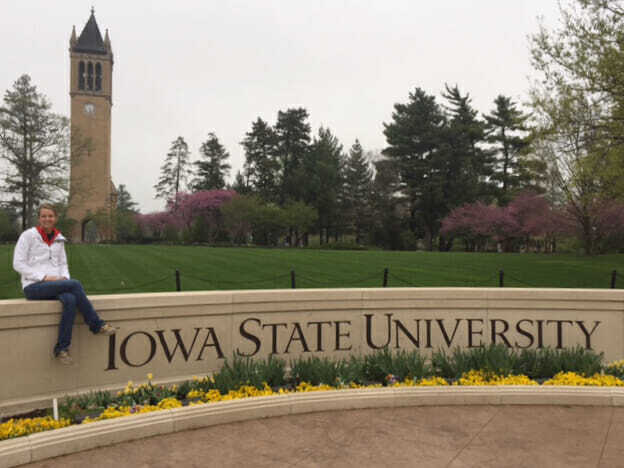
    My life as a college student will soon be a memory. I’ve ISU kilahfound myself growing personally and professionally during my time at Iowa State University (ISU), equipping me with the skills to start my career. From the classmates who turned into friends and the supervisors who turned into mentors, ISU helped create my adventure.
    Looking back on the last four years, I comprised a list of the top 5 takeaways from ISU that are lessons I will carry with me throughout my life.

    1. Be spontaneous
      Living in a new town on your own is one thing, but making the best of it is another! Take advantage of your free time and independence. Be spontaneous! You never know with whom you may cross paths or when you’ll find your next hobby or interest. Give yourself the leeway to be adventurous!
    2. Good things happen when you step outside your comfort zone
      Economics classes have taught me that “high risk creates high reward.” Apply this same concept when you’re on the fence about running for office or applying for an internship. Some of the best things happen when we step outside of our comfort zone and find out what we are truly capable of.
    3. Keep the big picture in mind
      Four years may seem long, but it’s just a flash in the pan compared to the rest of your life. Homework assignments and club meetings can be tedious, so it’s important to keep the end goal in sight. The building blocks of a successful career start with going to school, being involved in clubs and on-campus organizations, as well as completing internships.
    4. Turn negativity into positivity
      It’s easy to become discouraged when a test doesn’t go as planned, or you don’t get the internship you’ve been eyeing for a year. Channeling your energy from a negative outcome into a positive alternative forces you to grow beyond your initial expectations. In disappointing times, remember you can’t control the outcome but you can control the way you react to it!
    5. Don’t Regret the Past
      We all have bumps in the road, but don’t get hung up on them. I believe that every situation leads to a new experience, which has brought me to where I am today. There is always something to improve upon, but look toward the future rather than regretting a past circumstance past. Challenging situations taught me valuable life lessons that helped shape me into who I am today.

    It’s bittersweet knowing that graduation is so close, but I’m ready for a new challenge! I know that the lessons I have learned while attending ISU have helped prepare me for an exciting future. Although driving by campus will never be the same, I know every beginning comes from some other beginnings end.

    April 28, 2016
    Agriculture, General, Industry News
  • Latham Hi‑Tech Seeds

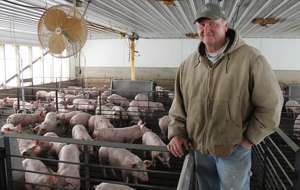
    Building Remodel will Increase Sow Comfort

    LarrySailer AgriNews1

    LarrySailer-AgriNews

    With a new pork processing plant trying to build a new state-of-the-art plant in a town 45 miles north of me, it seems to have stirred up a storm about modern livestock production again. I really thought pig farmers like me were doing a very thorough job of explaining why we farm the way we do, but apparently we have more work to do!

    That’s why today I’m writing about some of the methodical processes I undertake on a daily basis to help update sow farms across the Midwest. After raising hogs for more than 50 years, I’ve returned fulltime to the construction side of pig farming. Currently I’m supervising a large remodel project on gestation barns for a family operation.

    Gestation barns are where the momma pigs return after their litters of pigs are weaned. We want to provide as much comfort as possible and reduce stress for these sows whose litters have been newly weaned. I’m not going to use a word such as happy when I talk about an animal because too many people think of an animal in people terms. However, I put this in terms of animal health and care.

    A very critical time when caring for sows is right after their pigs have been weaned. Animals need to be as “stress” free as possible, so animal comfort is a one of our primary goals. That’s why the timing of weaning is so important. Before weaning pigs, farmers must consider: (1) What is best for the little pigs; (2) When the little pigs can start eating feed; and (3) The time that is it best for the sow.

    All of these questions are being considered as we remodel the gestation buildings because taking the very best care of the sow pigs is critical to the success of a pig operation.

    Another critical part of my job is disease control. About 30 construction workers are working on the remodel, so we must make sure a disease isn’t brought in to this sow herd. If there are sows in the rooms where we are working, my workers must “shower in.” This process means a worker cannot bring even a cell phone in to the sow unit. The tool and parts we need must be disinfected and then wrapped in a tarp overnight to make sure potential diseases are killed.

    Pigs are removed as we remodel the barns. While this helps us get the work done, we’re also feeling the pressure to finish the work on schedule. If the barn remodel isn’t done on time, the cycle will be disrupted. The farrowing rooms won’t be kept full and our efficiency will decrease. Empty birthing rooms equal lost production for pig farmers, and it affects our operation all the way through the nursery and finish barns.

    Our company is committed to deliver a certain number of pigs to market, so the processing plants can run smoothly and efficiently. (See how the entire industry is intertwined?) We’re also trying to break disease cycles simply by keeping barns empty and disinfecting them, just like an operating room in a hospital!

    I’ve talked before about all the systems (feed, water and air) that it takes to keep our pigs in a stress-free environment. Hopefully, today’s blog helps explains more about how complex it really is. It takes extensive work to do what’s right for our pigs, the environment and our people!

    Larry Sailer, Musings of a Pig Farmer

    April 26, 2016
    Agriculture, General, Industry News
  • Latham Hi‑Tech Seeds

    The Top 4 Reasons to Join NAMA

    IMG 3967

    by Kilah Hemesath, Latham Hi‑Tech Seeds Marketing Intern

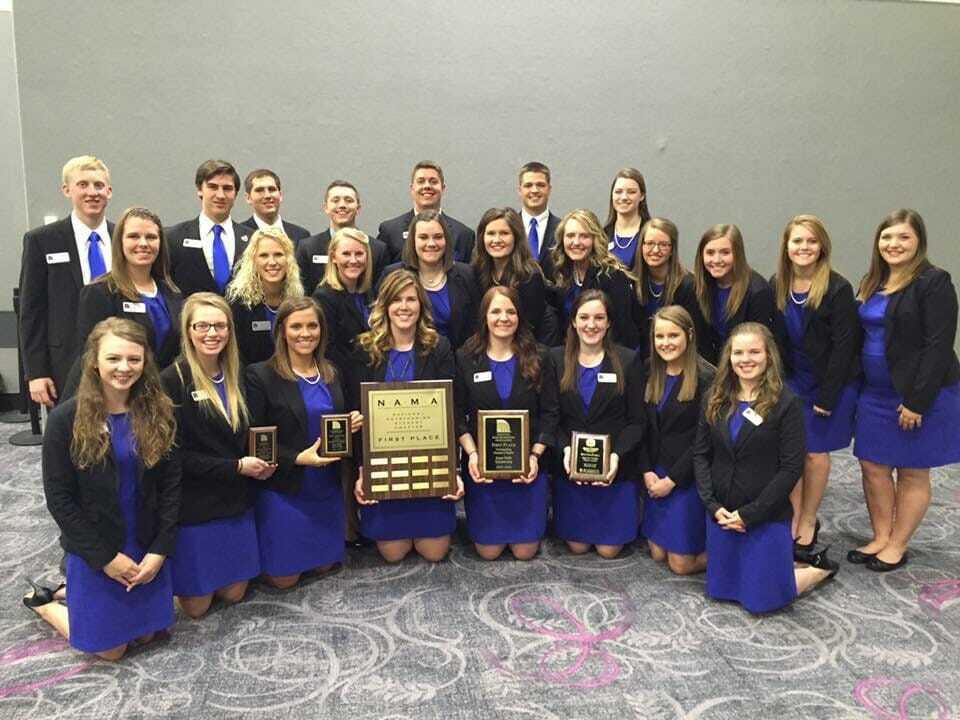
    “It’s never too late to try something new” is what my advisor told me during the second week of school last fall. My decision to become part of the ISU’s National Agri-Marketing Association (NAMA) Marketing Team was a spontaneous one that turned out to be a highlight of my college career.

    As a part of the marketing team, we developed a three-year marketing plan rollout for a new product, including marketing materials and a final presentation for competition. The 2016 competition took place in Kansas City, Missouri from April 12 – 15. I have included the top 4 reasons why any college student should become a part of the NAMA club or marketing team.

    1. You will make life-long friends.

    Being on the NAMA Marketing Team, I spent countless hours with the same group of people. While spending so much time together, the only option is to become friends! I would not have had the opportunity to meet and interact with such talented people if I would not have been involved in NAMA.

    1. Gain skills that are not taught in the classroom.

    NAMA offers real world experience that is not taught in the classroom. This isn’t due to lack of curriculum, but because of the complexity of our project. It required our team to identify a market potential and target market for our product, perform secondary and primary research, then develop a presentation and marketing materials and plan for competition, judged upon by professionals in the industry.

    1. You will become apart of something larger than yourself

    Achieving a personal goal is satisfactory, but NAMA gives you the chance do so on a larger level. While being a part of NAMA, you are constantly surrounded by people with the same passion as you, working towards the same end goal.

    1. Networking, networking, networking

    There’s not better place to network than a conference of students and professionals in the same industry! The student competition is just one portion of the conference; there are break out sessions and mingling events for professionals as well. Networking is key when building your brand in the industry.

    The ISU NAMA Marketing Team made it past the first round and into the semi-finals! Although we did not advance into the finals, the skills gained and lessons learned served all students well. Consider these pointes when contemplating on joining any extra circular activity. Just remember, it’s never too late to try something new!

    IMG_3967

    April 21, 2016
    Agriculture, General, Industry News
  • Latham Hi‑Tech Seeds

    Food Choice Today Affects Hunger Tomorrow

    IStock 000022894424 Large

    Hunger and the 20 million kids that starve every year are on the top of my mind again this week because of so many uninformed decisions being made by people who simply do not realize what effect they can have.

    Again in the news, an African nation is letting its people starve rather than allow food aid from sources connected to genetically modified organisms (GMOs). Not one person has proven to have been harmed by this GMO technology, yet millions of adults and children are dying every year because a government decides not to accept U.S. food aid.

    The EPA seems to always be in my news feed. Now this agency is taking heat, once again, for funding anti-farm billboards that state farmers need more regulations. While this may be a little more subtle, it’s an example of how federal regulations makes food more difficult and expensive to grow. Kids starve because of this agencies policies!

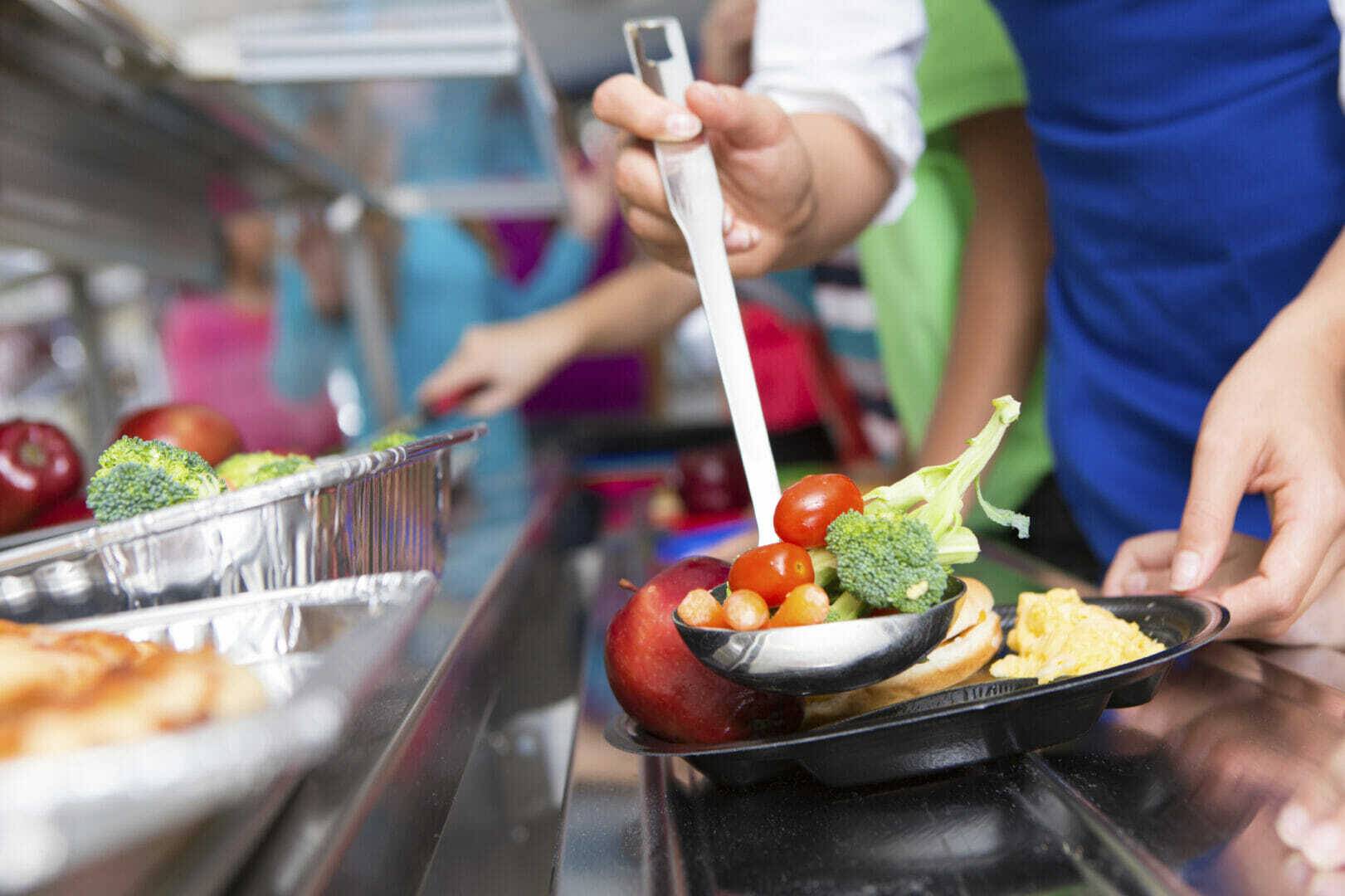
    The misinformation being taught in our schools is concerning too. This week I read schools are teaching kids that grazing cattle is more environmentally friendly than feeding corn to cattle. This sways opinions and, during their formative years, children misunderstand how food is raised. This too, affects how food may be grown in the future. Honestly, the most efficient and productive way to raise cattle depends largely on geography. In Iowa, it’s more efficient to raise corn on our productive ground and then feed that corn to our cattle. There are some areas, especially out west, where crops cannot grow today. However, cattle can convert forage from 75 percent of the land that cannot grow food. Rangeland can be managed properly if the government doesn’t get in the way.

    Agriculture can lead to economic development opportunities until information gets misrepresented or politicians get overly involved. Such is the case currently in North Iowa where there is an opportunity to bring a processing plant to process pork that would potentially employ 2,000 people. Think of what these jobs could mean to local school enrollments and dollars spent in local stores!

    Half our citizens are on some type of assistance. Kids need to eat two meals in school because there aren’t getting the proper nutrition at home. Yet, many North Iowans say they don’t want “the type of jobs” that a processing facility would bring. They’re raising concerns about the smell and pollution.

    When the opportunity comes to help with these problems presents itself, they look for the downside. Why? Is the number of food insecure families here due to a lack of jobs? Or is it a lack of understanding of how food is raised? Or how nutritious food is prepared?

    How do we make it possible for all to eat? This election can make a difference! Politics get old… but we can’t ignore the fact that kids are going hungry! How can you make a difference? Get involved!

    Larry Sailer, Musings of a Pig Farmer

    April 19, 2016
    Agriculture, General, Industry News
  • Latham Hi‑Tech Seeds

    Top 5 Most Practical and Creative Graduation Gifts

    Grad gifts

    by Kilah Hemesath, Latham Hi‑Tech Seeds Marketing Interngrad gifts

    ‘Tis the season for buying cards and gifts for new grads! Consider switching up the traditional gift of wash clothes or embroidered towels by giving a gift that’s maybe unexpected but one that will certainly be appreciated.

    Now that I’m finishing up my senior year of college, I’ve been reflecting on lessons learned during the past four years. I’ve come up with a list of my top 5 most practical graduation gifts that are perfect for the high school or even college grad on your list:

    1. Laundry basket and essentials
      Once you move out of your parents’ home, it becomes obvious that laundry does not wash itself! Laundry detergent, fabric softener and dryer sheets always seem to run out faster than anticipated. Gifting a laundry basket with a few essentials such as detergent creates a practical gift that would be used on a weekly basis!
    2. Finals Week care packages
      There isn’t much that is more daunting than experiencing your first finals week. Care packages are always fun to receive in the mail, and it’s a great way to show support. Giving a student two care packages throughout the year – one in the fall and one in the spring – is the gift that keeps on giving! Plus, treats from the care packages come in handy during one of the most stressful times during the semester.
    3. Gas cards
      Although this is not the most exciting gift, it is the most practical! It’s easy to drive a fair amount of miles, especially when taking weekend trips or making trips home. Gifting a gas card can help new students get through the first semester without a job, and it can be used all year.
    4. Rain boots
      If you’re lucky enough to know the shoe size of the graduate on your list, rain boots serve as a useful gift for new college students. They may not appreciate it at first but they will quickly see the value the first time they have to walk to class in the rain! There are many patterns of rain boots available to fit everyone’s personality.
    5. Cookbook for one
      Transitioning to cooking for one person can be rough, especially when a lot of recipes are written for family-sized meals. Find a cookbook written for small dinners with simple ingredients. Gifting such a recipe book with a few spoons and spatulas can make a great cooking set!

    Hopefully, this list will help make gift shopping less stressful and a little more fun this graduation season. Have a unique gift idea you’re willing to share? If so, please comment below!

    April 14, 2016
    Agriculture, General, Industry News
  • Latham Hi‑Tech Seeds

    We’ll Give You Tools to Celebrate National Gardening Month!

    Garden Package Giveaway

    Garden Package Giveaway

    Spring has officially arrived and National Garden Month is underway. To celebrate the new season, Latham Hi‑Tech Seeds will give away a gift pack of gardening tools!

    It’s time to get those early crops in the ground and finalize plans for the rest of the garden. I’ve seen Facebook posts from my friends, who have spent the past few weeks putting seeds in containers and starting them in greenhouses. Last weekend some friends were planting potatoes.

    I usually plant potatoes and tomatoes, as well as pick strawberries. But I have to admit, my garden produce is ripe during one of the busiest times of the year in my business. I spend two weeks every June traveling out of state to attend business meetings. Our annual Latham® dealer meeting is held the beginning of July, and our county fair is always in the middle of July.

    On top of that, I spend nights and weekends attending numerous horse shows across North Iowa with my daughter. Nearly every weekend my son plays in a basketball tournament somewhere in the Midwest, plus he plays on our school’s baseball team. I meet myself coming and going! As a result, my produce is usually ripe when I’m not home and weeds take over my garden by the summer’s end.

    This spring I decided to give myself a little grace. Rather than stressing about not having a space worthy of a Better Homes & Gardens photo spread, I’m going to plant pollinator packets instead of vegetable seeds. I can #FeedaBee, enjoy blooms all summer long, and stop feeling guilty that I’m not out weeding my garden every time I have 15 minutes in between work and kids’ activities.

    Sound good? Perhaps this blog can help inspire you the way a visit to Cynthia and Ritch Berkland’s beautiful Iowa century farm got me excited about pollinator gardens. Their gardens were stunning! Since I first planted a butterfly garden about 12 years ago in my backyard, I was interested in learning more. Two tips from Cynthia are:

    1. Use native plants from your ecoregion as they will be the hardiest. Plants native to your region also will take the least effort and be the most attractive to pollinators.
    2. Cultivars are all clones and lack the biodiversity that increases the chances of their survival. They may not have as many stunning colors or exotic flowers, but the increase in fauna of all kinds should make up for that.

    Cynthia then introduced me to the gardening book in the giveaway bag to provide more information about native plants. I gave a copy of it last year to my mom for Mother’s Day. In addition, my visit last summer to the Berkland Century Farm also motivated me to post a series of related blog posts:

    • Follow These 3 Ps for a Pollinator-Friendly Garden
    • Add Backyard Beauty with a Butterfly Garden
    • Gardening Can Be for the Birds

    In a Letter to the Editor last summer, Cynthia wrote:

    If you watch the action on your lawn, you’ll see the only place a pollinator stops to visit is the occasional dandelion or clover. Just think of the difference we could make if each of us stopped mowing and planted native grasses and wild flowers in just one corner of our yard! Native grasses and wild flowers take almost no maintenance, and once they’re established, they provide food and habitat for the native fauna of the prairie.

    Another way we can all make a difference is to stop mowing the road ditches. Bees, butterflies, dragonflies and other insects – not to mention pheasants, partridge and other animals – can’t use neatly manicured ditches. They need the flowers and grasses that used to grow wild when Iowa was covered with thousands of acres of prairie.

    Please consider doing what you can to change the situation. Do something meaningful and help provide pollinator habitat!

    Team Latham

    April 13, 2016
    Agriculture, General, Industry News
  • Latham Hi‑Tech Seeds

    Even if production doubled, people would starve!

    Banana label

    As a farmer, I like to think we are great at efficiently raising food in a sustainable manner. Today one U.S. farmer feeds 155 people worldwide. We’re raising 2.5 times more food than we did in 1960, yet people are still going hungry.

    “Clean your plate. Kids are starving in Africa,” my mom would say when I was a kid. Today kids are still starving in Africa and around the world. There are many U.S. families that are food insecure. One in eight Iowans is food insecure, meaning they lack the resources to live an active and healthy lifestyle. One out of 5 Iowa children does not have enough food to eat.

    Truth is, kids would go to bed hungry even if we increased production another 2.5 times. People are not getting the minimum number of calories needed due to politics and governmental intervention. Every ill these days is getting blamed on politics, and it’s tiring. I know. However, governmental policy undoubtedly influences a society’s wellbeing. That’s why throughout history food has been used to control people and as a tool of war. Food is even used for political gain. Right now food is being used as a political pawn relating to climate change.

    Food is being blamed for our obesity problem, although we’re free to make our own food choices. Food is even being blamed for being full of chemicals. (Side bar: In a consumer survey conducted by the International Food Information Council Foundation, the number one food safety issue cited by Americans is “chemicals in food.” In 2014, only 23 percent of Americans listed this as the most important food safety issue for them. This percentage increased to 36 percent in 2015, edging out “foodborne illness from bacteria” as the number one food safety concern.”)

    How many of the folks who are worried about chemicals in their foods are coffee drinkers? After all, caffeine is a natural pesticide. I’m also curious to know how many of these folks — as well as those who want to label GMOs — regularly drink pop or soda. Did you know a chemical found in many sodas may cause cancer? That’s why it’s contradictory to buy organic produce and then drink Coke or Pepsi products. Besides, buying organic produce doesn’t guarantee it was raised without chemicals including pesticides even though 95 percent of consumers said they buy organic foods because they think their pesticide-free.

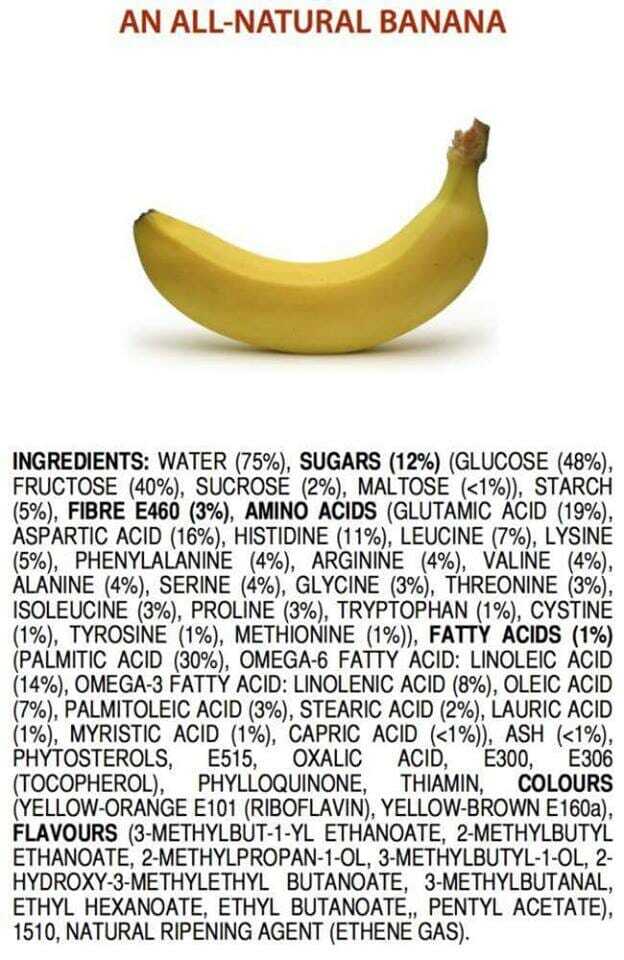
    It’s a misconception that all chemicals are bad. I recently shared a picture of a banana, listing its chemical make up. There were many big words that I can’t pronounce, yet I don’t fear a banana. Unfortunately, a few activists decided the public should fear banana research. Banana label

    Iowa State students in February protested research to develop bananas that could combat Vitamin A Deficiency. Dr. James Dale from Queensland University of Technology developed the new banana by transferring a gene from a wild banana from Fiji to the bananas consumed as daily food in Uganda and other parts of Africa. A student, who apparently has sufficient Vitamin A, dressed in a banana costume to protest bananas being developed to provide nutrition to the developing world.

    Activist block the progress of developing better foods. They also can cause a delay in foods, like Golden Rice, that could help millions of kids become healthier and live longer. “We don’t have the luxury to rule out the use of any technology that may hold promise to improve crop performance,” says Stephen P. Long, University of Illinois crop scientist, in a recent article in the Iowa Farmer Today entitled, “Scientists say the world is one crop breeding cycle from starvation.”

    The greatest strides can be made by giving all people the freedom to develop their potential of economic freedom. Even regulations made for all the right reasons can have very dire consequences. That’s why I’m so concerned about the direction our country is headed. I’m concerned about governmental overreach. I’m concerned about how legislation and regulation will impact my livelihood. I’m also concerned by the amount of FREE stuff that some U.S. presidential candidates are promising.

    As we decide on new leadership for our country, let’s take into consideration what made this country great and what will continue to maintain our leadership status. Be an informed citizen and make your vote count!


    Larry Sailer, Musings of a Pig Farmer

    April 12, 2016
    Agriculture, General, Industry News
  • Latham Hi‑Tech Seeds

    Soy Scholars Provides Unique Career-Building Opportunity for Students

    SoyScholars logo

    SoyScholars_logo

    High school students considering an ag-related career are encouraged to participate in the Soy Scholars program, which is being offered by the Iowa Soybean Association with support from Latham Hi‑Tech Seeds. Soy Scholars will launch April 18-19 at the Iowa FFA Leadership Conference in Ames, and applications are due May 3.

    Four students will be selected to participate in the three-session career emersion, field experience and job shadow program. During the sessions, students will work directly with a mentor in their field of interest to gain hands-on experience, ask questions and make connections.

    Soy Scholars will allow students to explore career paths before they graduate high school or declare a college major. That’s why Latham Seeds is proud to help showcase a wide-array of ag-related careers from agricultural production and marketing communications to seed sales and precision farming. Those students selected to participate in this program will get real-world experience. They’ll gain insights about an industry that aren’t readily available online or in a textbook. And just as importantly, these students will meet some of our state’s top agricultural leaders who farm or work in agribusiness.

    One out of every five Iowans work in an agriculture- related job, according to a 2014 study. Iowa’s agriculture industry contributes one out of every three dollars in Iowa’s economy, or 33 percent of the total state economy. This sizable contribution offers more than a few opportunities for Iowa youth.

    For more information or to apply, visit the ISA booth at the Iowa FFA Leadership Conference or go to www.iasoybeans.com/SoyScholars/.


    Team Latham

    April 11, 2016
    Agriculture, General, Industry News
  • Latham Hi‑Tech Seeds

    Spring is a Time for Rebirth and New Ideas

    AmazingGraceBaby
    Photo from Farm Girl with Curls at https://farmgirlwithcurls.com/
    Photo from Farm Girl with Curls at https://farmgirlwithcurls.com/

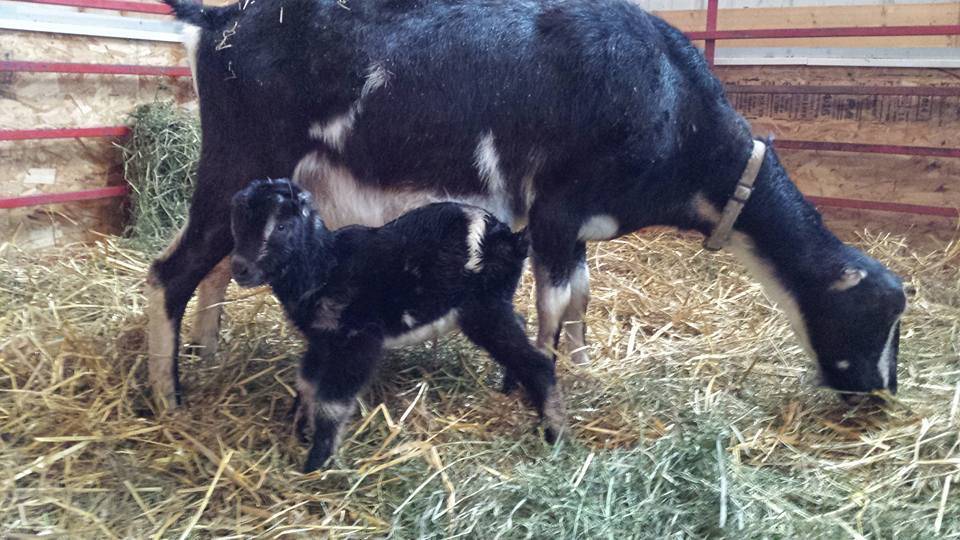
    I love this time of year when everything comes back to life! The grass is greening up, and planting season is underway. My Facebook feed has been filled with photos of new life on farms and ranches across the country. I enjoy seeing newborn calves, lambs and kittens, as well as newly hatched chicks that become “spring chickens.”

    While spring is typically the season when new animals are born, new technology allows pigs to be born any time of the year. This wasn’t possible when I was a kid and we raised hogs outside. Then we could only get two litters from our sows. If we were really lucky, we could wean 12 pigs annually from each sow. Today we can get 30 pigs per sow per year due to better genetics, better feed and care, less stress, and different types of hog barns.

    Photo from Life on SkyView Farms at http://www.lifeonskyview.com
    Photo from Life on SkyView Farms at http://www.lifeonskyview.com

    We need to raise more pigs – and all types of food – if we’re going to feed the growing world population. I’m all for long-term goals of raising enough food with all the technology that fits the needs of hungry people, and this shared goal is how I started to become involved with the Farm Journal Foundation’s Farm Team to help combat world hunger.

    While researching the Farm Team initiative, I came across its logo with an apple that looks like a globe. Underneath it are the words, “Farmers Feeding the World.” Feeding the world is a noble mission! While we might not all agree on how to do that, I believe we can find ways to work together and help the almost one billion people who are food insecure.

    Not everyone can be a farmer and grow food, but everyone needs a way to earn enough income to buy a decent diet. This will not be done by eliminating technology and going GMO-free. This will not be done by only raising organic produce or cage-free eggs.

    Photo from Amazing Grace Milk Shoppe at https://www.facebook.com/Amazing-Grace-Milk-Shoppe
    Photo from Amazing Grace Milk Shoppe at https://www.facebook.com/Amazing-Grace-Milk-Shoppe

    Feeding the world will be done if we take an “all hands on approach” that makes use of every food system available! We must join together to provide a means to the end. My farm is different than my neighbor’s, and our farms here in North Central Iowa are much different than farms in California or even southern Illinois where I have been spending most of my time lately.

    People must understand that it’s going to take all types of farms to feed this world. That’s why it’s so important for you to speak out and share your ideas. It takes many solutions to feed the world – and to make it possible for all people to afford their food!

    Larry Sailer, Musings of a Pig Farmer

    April 5, 2016
    Agriculture, General, Industry News
Previous Page
1 … 23 24 25 26 27 … 95
Next Page

Latham Hi‑Tech Seeds

131 180th Street | Alexander, IA 50420

(641) 692-3258

SIGNUP FOR OUR NEWSLETTER
  • Contact
  • Legal
  • Seedware Login
  • Latham Gear

© 2026 Latham Hi‑Tech Seeds. All rights reserved. | Privacy Policy

Latham® Hi-Tech Seeds is a trademark of M.S. Technologies, L.L.C., 103 Avenue D, West Point, IA 52656.